
Category: Preschool Zoom Backgrounds

  • Imagination and Creativity

    Imagination and Creativity

    Imagination and Creativity: Putting a Background on Zoom for Preschoolers

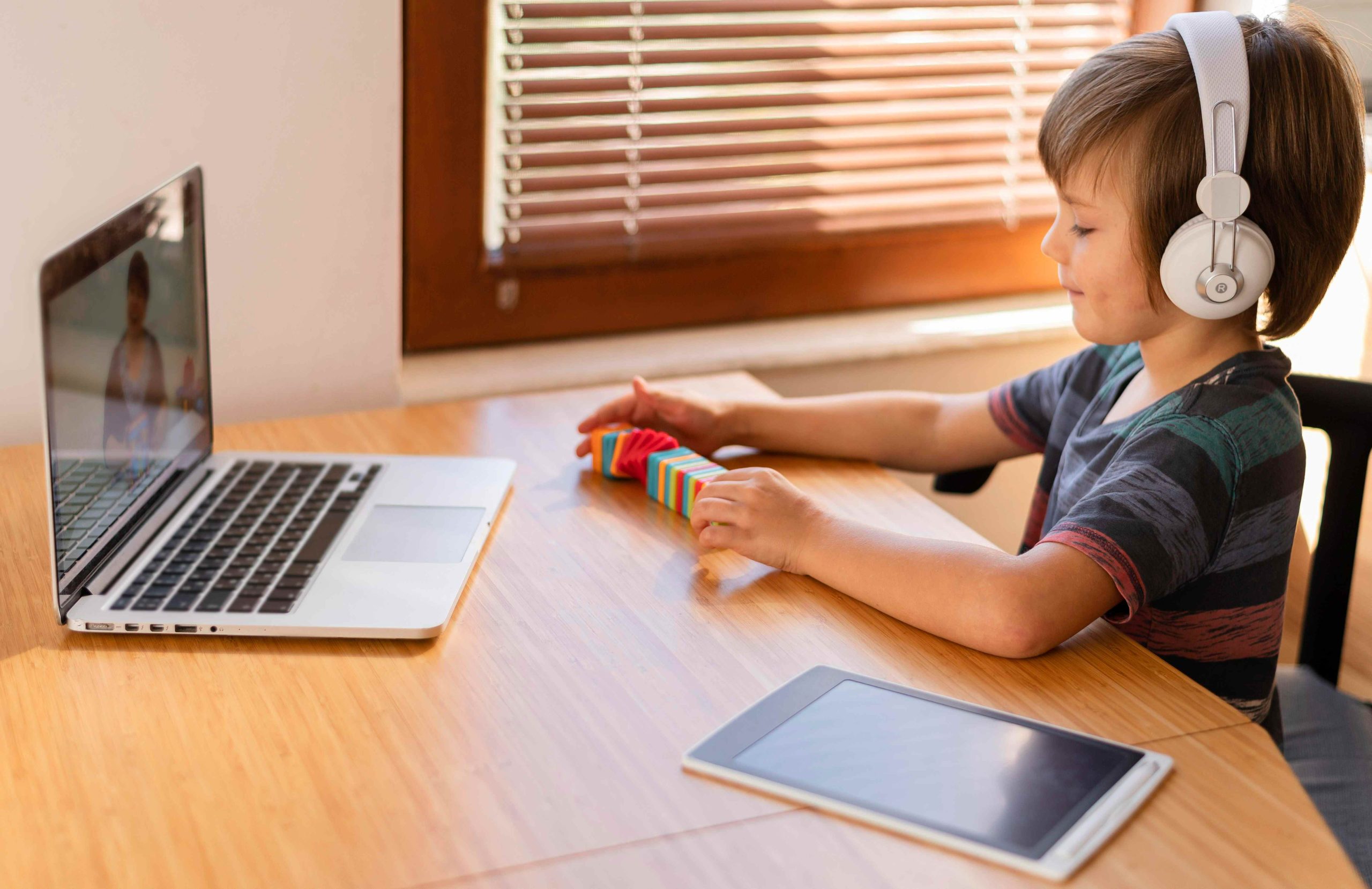
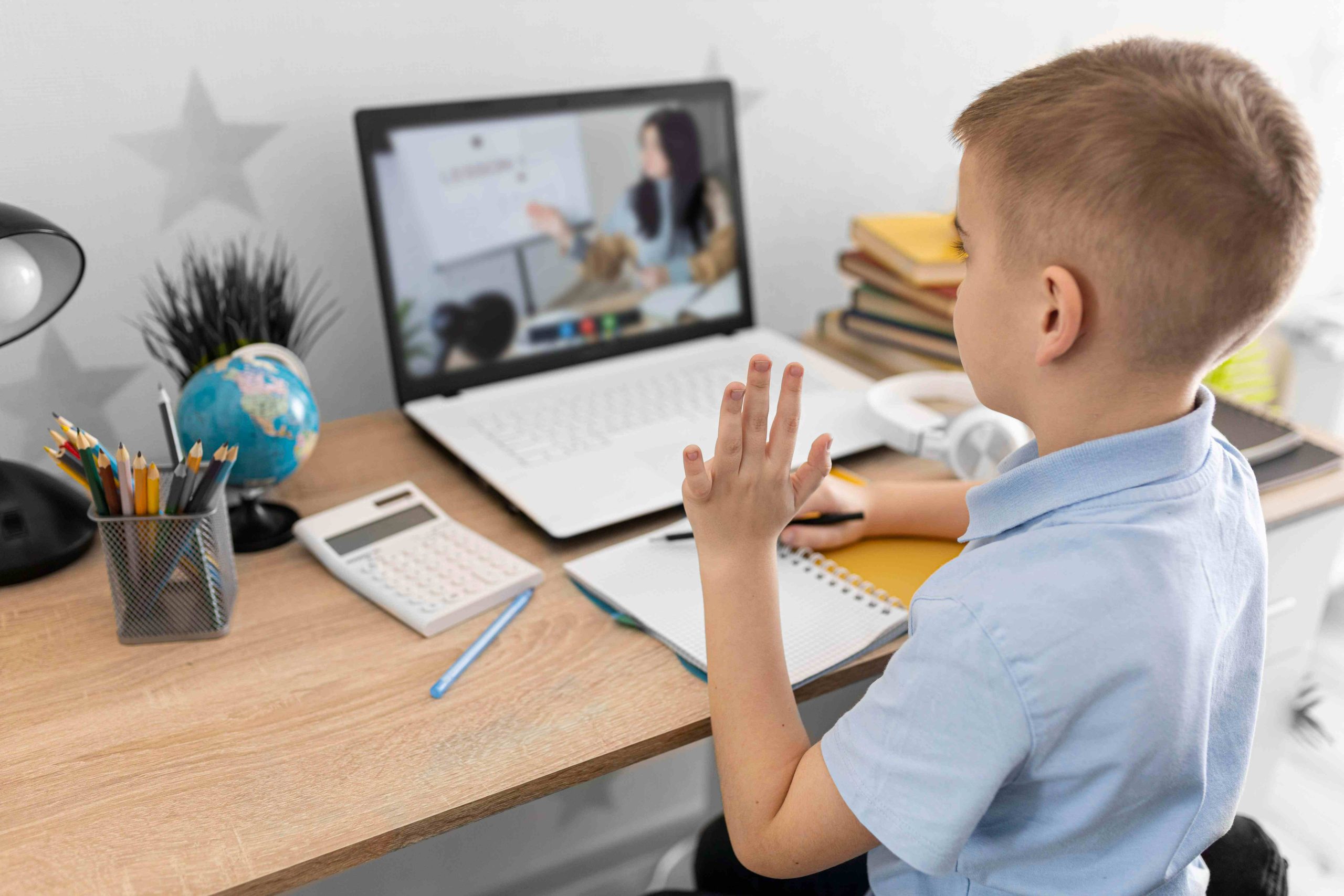
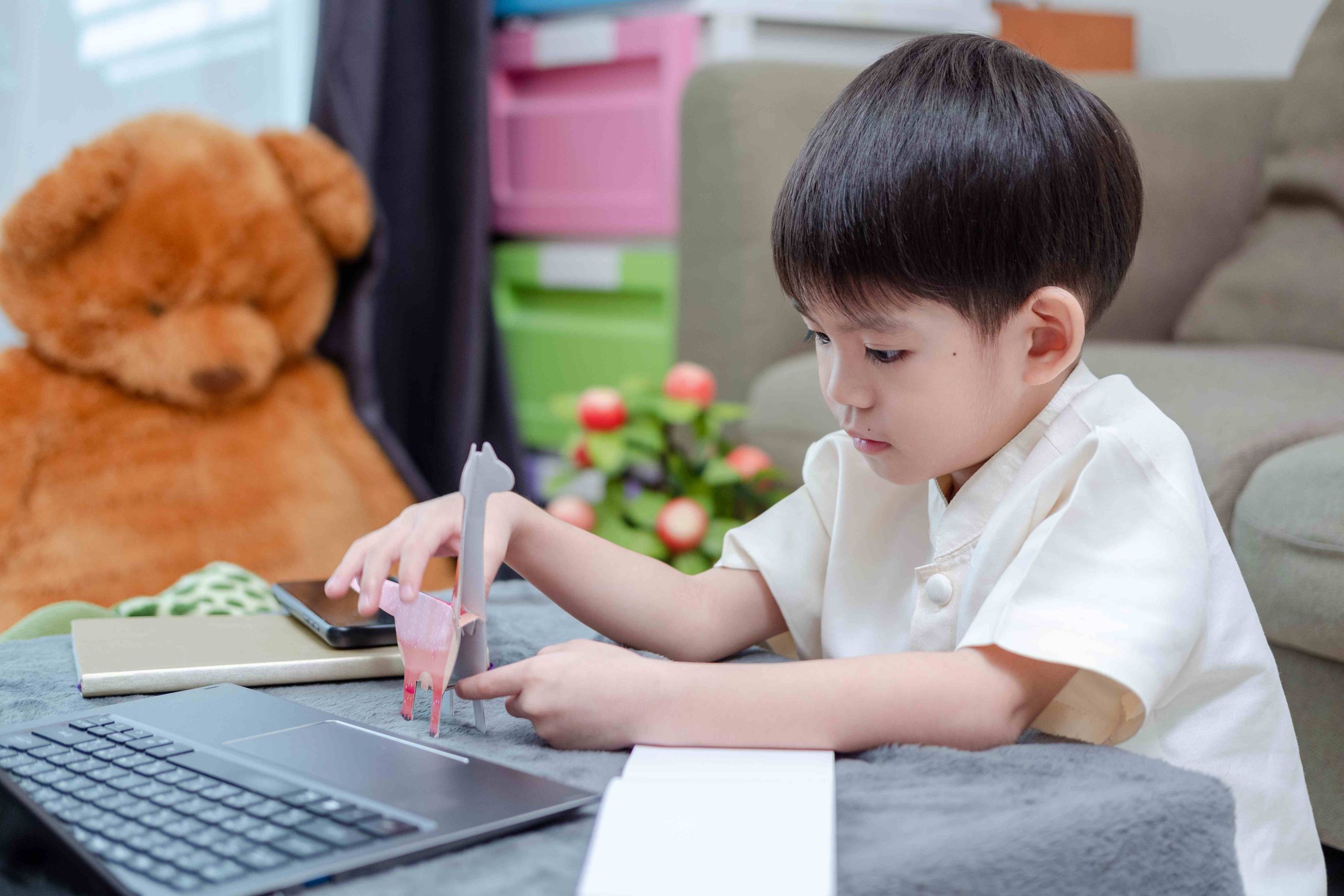
    With the pandemic continuing to wreak havoc globally, technology has become an essential tool for many people, including preschoolers. Online platforms such as Zoom have been a lifesaver for many families, enabling them to stay connected with their loved ones, friends, and even their preschoolers’ teachers. However, with online learning becoming the norm, many preschoolers have become bored and disinterested in online classes. As such, parents and teachers have had to find creative ways to keep preschoolers engaged and motivated during online classes. One such way is by putting a background on Zoom.

    Using a background on Zoom is a fun and imaginative way to add some excitement and creativity to online classes. With the right background, preschoolers can go on adventures to far-off places, become superheroes, or even visit their favorite cartoon characters. But how do you put a background on Zoom for preschoolers? This article will guide you through the process of adding a background to your Zoom calls, from choosing the right image to uploading it onto the platform.


    The Benefits of Using a Background on Zoom for Preschoolers

    The benefits of using a background on Zoom for preschoolers are numerous. Firstly, it adds an element of fun and excitement to online classes, making them more engaging and entertaining. By using a background, preschoolers can be transported to different worlds and scenarios, which can stimulate their imaginations and creativity.

    Secondly, using a background on Zoom can help preschoolers stay focused during online classes. With the right background, preschoolers can feel like they are part of the action, which can help them stay engaged and attentive.

    Thirdly, using a background on Zoom can help preschoolers express themselves and their interests. By choosing a background that reflects their hobbies or favorite characters, preschoolers can show their personalities and passions to their classmates and teachers.


    Choosing the Right Image for Your Zoom Background

    Choosing the right image for your Zoom background is essential for ensuring that preschoolers stay engaged and motivated during online classes. There are many options to choose from, including nature scenes, cartoon characters, and educational images. When choosing an image, consider the following:

    • Age Appropriateness:  Select an image that is age-appropriate and suitable for preschoolers. Avoid images that are too scary or violent, as they may frighten or upset preschoolers.
    • Interest:  Consider preschoolers’ interests when choosing an image. If they are interested in nature, choose a nature scene. If they are interested in superheroes, choose an image of their favorite superhero.
    • Clarity:  Select an image that is clear and not too busy. A busy image can be distracting and make it difficult for preschoolers to focus.


    Uploading Your Background onto Zoom

    Once you have chosen the right image for your Zoom background, it’s time to upload it onto the platform. Here’s how:

    1. Open Zoom and click on the settings button.
    2. Click on the “Virtual Background” tab.
    3. Click on the “+” icon to add a new background.
    4. Select the image you want to use as your background and click “Open.”
    5. Your background is now ready to use.

    Using a background on Zoom is a fun and imaginative way to keep preschoolers engaged and motivated during online classes. By choosing the right image and uploading it onto the platform, you can add some excitement and creativity to your preschoolers’ online learning experience. So why not try it out and see the difference it can make to your preschoolers’ enthusiasm and interest in online classes?


    Tips for Using Backgrounds on Zoom with Preschoolers

    While using backgrounds on Zoom can be an effective way to keep preschoolers engaged and entertained during online classes, there are some tips to keep in mind to ensure that the experience is positive and safe for them.

    • Set Ground Rules – Before using backgrounds on Zoom, it’s important to set some ground rules for preschoolers. They should be informed that the backgrounds are for fun and entertainment purposes only, and they should not share personal information or photos with anyone.
    • Monitor Usage – While using backgrounds on Zoom, parents and teachers should monitor preschoolers’ usage to ensure that they are not accessing inappropriate images or websites. It’s also important to ensure that preschoolers are not using the backgrounds as a distraction or to hide their faces during online classes.
    • Avoid Overstimulation – While using backgrounds can be fun and exciting, it’s important to avoid overstimulating preschoolers with too many images or videos. This can lead to sensory overload and make it difficult for them to focus and learn.


    Other Ideas for Keeping Preschoolers Engaged during Online Classes

    While using backgrounds on Zoom can be an effective way to keep preschoolers engaged during online classes, there are many other ideas that parents and teachers can use to keep preschoolers motivated and enthusiastic about online learning.

    • Interactive Activities Interactive activities such as virtual scavenger hunts, sing-alongs, and dance parties can be a fun and engaging way to keep preschoolers entertained and motivated during online classes.
    • Learning Games – Learning games such as memory games, alphabet games, and counting games can be a great way to keep preschoolers engaged and focused during online classes while also helping them to learn.
    • Breaks – It’s important to schedule regular breaks during online classes to give preschoolers time to stretch, move around, and recharge their energy levels.

    In conclusion, using backgrounds on Zoom can be an effective way to keep preschoolers engaged and motivated during online classes. By choosing the right image and following some tips and guidelines, parents and teachers can make online learning a fun and creative experience for preschoolers. Additionally, incorporating interactive activities, learning games, and breaks can further enhance preschoolers’ online learning experience and keep them enthusiastic about learning from home.


    How to Create Your Own Backgrounds for Preschoolers

    Creating your own backgrounds for preschoolers on Zoom can be a fun and creative way to personalize their online learning experience. Here are some steps to follow:

    • Choose a Theme – Pick a theme that preschoolers will love, such as a favorite cartoon character, animal, or place.
    • Find Images – Look for images that fit your chosen theme, either by taking your own photos or finding images online.
    • Edit Images – Use photo editing software or apps to edit the images and make them suitable for use as backgrounds on Zoom.
    • Upload Images – Once you have edited the images, upload them to Zoom and set them as backgrounds.
    • Test – Test the backgrounds before using them in online classes to ensure they work properly and look good.


    Using Backgrounds to Encourage Imagination and Creativity

    Using backgrounds on Zoom for preschoolers can not only keep them engaged but also encourage their imagination and creativity. By choosing unique and exciting backgrounds, preschoolers can be transported to different places and environments, inspiring them to think creatively and use their imaginations.

    For example, a background of a forest could encourage preschoolers to imagine themselves as explorers, searching for hidden treasures and discovering new animals and plants. A background of a beach could inspire them to think about what it would be like to swim in the ocean, build sandcastles, and catch fish.


    Benefits of Using Backgrounds on Zoom for Preschoolers

    There are several benefits to using backgrounds on Zoom for preschoolers:

    • Keeps Them Engaged – Using backgrounds can help preschoolers stay engaged and focused during online classes, which can improve their learning outcomes.
    • Stimulates Imagination – Backgrounds can stimulate preschoolers’ imagination and encourage them to think creatively, which can enhance their cognitive development.
    • Adds Variety – Using backgrounds can add variety and excitement to online classes, making them more interesting and enjoyable for preschoolers.
    • Personalizes Learning – Creating and using personalized backgrounds can make online learning more meaningful and engaging for preschoolers, which can improve their motivation and enthusiasm for learning.


    Safety Considerations when Using Backgrounds on Zoom for Preschoolers

    While using backgrounds on Zoom for preschoolers can be a fun and engaging experience, it’s important to ensure their safety. Here are some safety considerations to keep in mind:

    • Use Appropriate Images – Only use images that are appropriate for preschoolers, avoiding any violent or inappropriate content.
    • Monitor Usage – Monitor preschoolers’ usage of backgrounds to ensure they are not accessing inappropriate content or sharing personal information.
    • Set Ground Rules – Set clear ground rules for preschoolers when using backgrounds on Zoom, such as not sharing personal information or photos with anyone.
    • Stay Alert – Stay alert for any signs of inappropriate behavior or bullying, and take action if necessary.
    • Educate Preschoolers – Educate preschoolers on the importance of online safety and how to stay safe when using backgrounds on Zoom.


    Incorporating Backgrounds into Learning Activities

    In addition to using backgrounds during online classes, parents and teachers can incorporate backgrounds into learning activities for preschoolers. For example, they can:

    • Use Backgrounds for Storytelling – Use backgrounds as a visual aid for storytelling, taking preschoolers on a journey through different environments and settings.
    • Create Scavenger Hunts – Create scavenger hunts using different backgrounds, encouraging preschoolers to find specific items or complete challenges within each environment.
    • Use Backgrounds for Role-Playing – Use backgrounds to create different scenarios for role-playing, such as a doctor’s office or a grocery store.
    • Teach Environmental Awareness – Use backgrounds that showcase different environments and habitats to teach preschoolers about environmental awareness and conservation.

    By incorporating backgrounds into learning activities, parents and teachers can make learning fun and engaging for preschoolers, while also stimulating their imagination and creativity.


    Conclusion

    Using backgrounds on Zoom for preschoolers is a fun and engaging way to enhance their online learning experience. By choosing unique and exciting backgrounds, parents and teachers can keep preschoolers engaged and stimulated, while also encouraging their imagination and creativity.

    However, it’s important to prioritize safety and follow guidelines to ensure that using backgrounds on Zoom is a positive and safe experience for preschoolers. By incorporating backgrounds into learning activities, parents and teachers can make learning fun and engaging for preschoolers, while also teaching important lessons about the environment, role-playing, and storytelling.

    Overall, using backgrounds on Zoom for preschoolers is a valuable tool for enhancing their learning experience and stimulating their imagination and creativity.

    As parents and educators continue to navigate the challenges of online learning, incorporating fun and interactive elements like backgrounds can help to make the experience more enjoyable for preschoolers. Whether used during online classes or incorporated into learning activities, backgrounds on Zoom can transport preschoolers to different environments and spark their imagination.

    However, it’s important to remember to prioritize safety when using backgrounds on Zoom. Parents and educators should be mindful of the backgrounds they choose and ensure that they are appropriate and safe for preschoolers. By following guidelines and educating preschoolers on online safety, parents and educators can ensure that using backgrounds on Zoom is a positive and safe experience for everyone involved.

    In conclusion, using backgrounds on Zoom for preschoolers is a valuable tool for enhancing their online learning experience. By using imagination and creativity, parents and educators can keep preschoolers engaged and stimulated, while also teaching important lessons and prioritizing safety. With the right approach, using backgrounds on Zoom can be a fun and effective way to enhance online learning for preschoolers.


  • Zoom Games for Kids

    Zoom Games for Kids

    Engage Your 5-Year-Old with Zoom Games: Fun Ways to Keep Them Entertained

    Zoom games provide a fun and interactive way for kids to stay engaged during video calls, especially for parents struggling to keep their young ones entertained. These games encourage social interaction and learning, making them an excellent solution for parents navigating virtual communication.

    Simon Says: Active Play for All Ages

    “Simon Says” easily adapts for virtual play through Zoom, offering interactive fun for kids of all ages. One player becomes “Simon” and issues commands, with others following only if the command starts with “Simon says.” This game fosters listening skills, following instructions, and physical activity.

    I Spy: Timeless Entertainment for Everyone

    “I Spy” adapts well to Zoom play, engaging kids in observing their surroundings and guessing objects based on clues provided by their peers. This classic game promotes observation skills, critical thinking, and vocabulary development.

    Scavenger Hunt: Exciting Challenges for Curious Minds

    “Scavenger Hunt” offers an exciting way to encourage problem-solving and critical thinking skills. Parents can provide kids with a list of items to find around the house, fostering creativity and exploration while keeping them engaged during Zoom calls.

    Bingo: Classic Fun with a Virtual Twist

    “Bingo” is a versatile game suitable for all ages, easily adaptable for Zoom play. Parents can create bingo cards featuring words or numbers and call them out during the game. This activity promotes word recognition, concentration, and social interaction.

    Pictionary: Unleash Creativity through Art

    “Pictionary” sparks creativity and communication skills as kids take turns drawing and guessing words or phrases. Teams compete to guess correctly, fostering teamwork and imaginative thinking during Zoom play.

    Charades: Act Out and Guess Right

    “Charades” offers lively entertainment as kids mime words or phrases while others guess. This game promotes communication, teamwork, and creativity, making it a perfect choice for virtual playdates.

    Conclusion

    Engaging a 5-year-old on Zoom presents its challenges, but with the right games and strategies, it can be an enjoyable experience for both kids and parents. Zoom games offer a variety of opportunities for socialization, learning, and fun, helping kids stay connected even when physical gatherings are not possible.

    By incorporating these interactive activities into Zoom calls, parents can create memorable experiences that foster creativity, problem-solving, and social skills in their children. With a bit of creativity and effort, virtual playdates can be just as engaging and fulfilling as in-person interactions.

    This version addresses the passive voice and sentence length issues while maintaining clarity and readability.
  • Visually Engaging

    Visually Engaging

    Creating a Sense of Connection for Preschoolers through Zoom Backgrounds

    Introduction: Navigating Online Learning with Preschoolers

    The COVID-19 pandemic has dramatically changed our approach to work and education. With the transition to online learning, teachers face new challenges in engaging and connecting with their students. For preschool teachers, maintaining this connection is especially crucial, given the need for visual cues and interaction to keep young learners focused and motivated.

    The Benefits of Using Zoom Backgrounds

    One way to overcome this challenge is through the use of Zoom backgrounds. These virtual backgrounds can be easily downloaded and added to a teacher’s video feed, providing a fun and engaging visual backdrop for online classes. Let’s explore the benefits in detail:

    • Visual Engagement: Preschoolers are visual learners, and they require a lot of visual cues to stay engaged and motivated. Zoom backgrounds can provide a colorful and visually interesting backdrop that can help to capture and maintain their attention.
    • Familiarity: Preschoolers thrive on routine and familiarity. Zoom backgrounds can help to create a consistent learning environment, even when the physical classroom is not available.
    • Fun and Excitement: Online learning can be a bit boring and repetitive. Zoom backgrounds can add an element of fun and excitement to online classes, making them more enjoyable and memorable.

    Tips for Selecting Effective Zoom Backgrounds

    While Zoom backgrounds can be a great tool for creating a sense of connection with preschoolers, it’s essential to choose the right backgrounds. Here are some tips:

    • Keep it Simple: Busy or complicated backgrounds can be distracting. Choose simple and clear backgrounds that won’t compete for attention.
    • Choose Age-Appropriate Themes: Select backgrounds that are appropriate for preschoolers’ age and developmental level.
    • Avoid Overstimulation: Bright colors and flashing lights can be overwhelming. Choose backgrounds that are visually interesting but not too busy.
    • Incorporate Learning Opportunities: Use backgrounds to introduce educational concepts like plants, animals, and the environment.
    • Be Creative: Don’t be afraid to get creative with your Zoom backgrounds. Explore different options and even create your own custom backgrounds.

    Effective Usage of Zoom Backgrounds

    Using Zoom backgrounds effectively is key to enhancing online classes. Here’s how you can make the most out of them:

    • Set Expectations: At the beginning of each class, explain how Zoom backgrounds will be used and encourage students to remain focused on the lesson.
    • Use Appropriately: Ensure that backgrounds complement the lesson without distracting students or overshadowing the teacher.
    • Incorporate Interactivity: Use backgrounds to incorporate interactive elements into your classes, such as quizzes or games.
    • Rotate Backgrounds: Keep things fresh by changing backgrounds regularly to maintain students’ interest.
    • Use Custom Backgrounds: Involve students by allowing them to create their own backgrounds, fostering a sense of ownership and engagement.

    Potential Challenges and Solutions

    While Zoom backgrounds offer many benefits, there are also potential challenges to consider:

    • Technical Issues: Be prepared for technical glitches such as poor internet connection. Have a backup plan in place.
    • Overstimulation: Avoid backgrounds that may overwhelm preschoolers and impact their ability to focus.
    • Accessibility: Ensure that all students, including those with disabilities, can fully participate in online classes.
    • Privacy Concerns: Protect students’ privacy by avoiding backgrounds that contain personal or identifying information.

    Ideas for Zoom Backgrounds

    Here are some creative background ideas to enhance connection and engagement in online classes:

    • Classroom Backgrounds: Use images of the physical classroom to create a sense of familiarity.
    • Nature Scenes: Opt for calming natural landscapes to promote a relaxed learning atmosphere.
    • Animal Themes: Incorporate backgrounds featuring animals to introduce educational content in an engaging manner.
    • Seasons and Holidays: Celebrate different seasons and holidays to keep classes lively and relevant.
    • Fantasy Worlds: Spark imagination with backgrounds featuring mythical creatures and imaginative settings.

    Conclusion: Enhancing Online Learning with Zoom Backgrounds

    Zoom backgrounds offer preschool teachers a powerful tool to foster connection and engagement in virtual classrooms. By selecting appropriate backgrounds, employing them effectively, and addressing potential challenges, teachers can create dynamic and enriching learning experiences for their students. Embracing innovative teaching strategies, including the use of technology, ensures that preschoolers receive a high-quality education conducive to lifelong learning and growth.

    Ultimately, successful online teaching hinges on adaptability, creativity, and a commitment to nurturing meaningful connections with students. As education continues to evolve in the digital age, embracing tools like Zoom backgrounds empowers teachers to create vibrant virtual learning environments that inspire curiosity and foster a love of learning.

  • Preschooler on Zoom

    Preschooler on Zoom

    Engaging with Ease: Tips for Interacting with Preschoolers on Zoom

    The COVID-19 pandemic has transformed our interactions, including those with our youngest learners. As virtual learning becomes the norm, educators and caregivers must adapt to new teaching methods, including Zoom. While conversing with preschoolers on Zoom presents its challenges, with the right approach, it can be a rewarding experience for both the child and the caregiver.


    Keeping Interactions Lively:

    To ensure a fruitful virtual interaction, it’s crucial to maintain the child’s interest and create a lively, stimulating environment. This post provides valuable advice on engaging preschoolers on Zoom, emphasizing simplicity, visual aids, interactivity, and the use of props. Implementing these strategies can make learning and growth exciting for young preschoolers.


    Simplifying Interactions:

    Simplicity is key when conversing with preschoolers on Zoom. Their short attention spans require concise, straightforward interactions to maintain engagement. Start with basic concepts and gradually introduce more complexity. Utilize language that preschoolers can comprehend and avoid overwhelming them with excessive information. Breaking the interaction into manageable chunks and incorporating visual aids further enhances understanding and retention.


    Utilizing Visual Aids:

    Visuals play a crucial role in engaging preschoolers and enhancing the learning process on Zoom. Using images, videos, flashcards, posters, or art-related activities helps explain concepts effectively and stimulates imagination and creativity. Additionally, incorporating virtual backgrounds, puppets, interactive whiteboards, real-life objects, hand gestures, emojis, or stickers adds variety and excitement to the learning experience.


    Incorporating Movement Breaks:

    To maintain preschoolers’ engagement during Zoom sessions, incorporating movement breaks is essential. Simple activities like stretching, dancing, playing Simon says, practicing yoga, or organizing scavenger hunts provide opportunities for physical activity and help reenergize young learners.


    Involving Parents or Caregivers:

    Including parents or caregivers in Zoom sessions significantly enhances the virtual learning experience for preschoolers. Offering orientation and preparation, inviting co-teaching, suggesting home activities, maintaining communication, and soliciting feedback foster a supportive learning environment that engages both children and caregivers.

    In conclusion, communicating with preschoolers on Zoom presents its challenges, but with the right strategies, it can be a rewarding endeavor. By employing techniques such as using visual aids, offering interactive activities, and involving parents or caregivers, educators can create an effective virtual learning environment that supports the growth and development of young learners. Patience, flexibility, and understanding are essential when working with preschoolers, ensuring a positive learning experience for all involved.

  • Sense of Connection

    Sense of Connection

    The Importance of Field Trips in Preschooler Development: Building a Sense of Connection

    Field trips have always been a favorite among preschoolers. The excitement of a day out of the classroom, the opportunity to learn about new places and things, and the chance to spend time with classmates outside the confines of a classroom all make field trips a valuable part of preschool education. But field trips are not just fun; they are also essential for the development of preschoolers. One of the key benefits of field trips is that they help build a sense of connection among preschoolers.

    Understanding a Sense of Connection

    A sense of connection refers to the feeling of being part of something greater than oneself. It is the sense of belonging and of being valued by others. A sense of connection can be built through relationships with family, friends, and the community. It can also be built through experiences that promote a shared sense of purpose or identity.

    Importance of Connection for Preschoolers

    A sense of connection is an essential component of a preschooler’s social and emotional development. When preschoolers feel connected to others, they are more likely to be confident, resilient, and have a positive self-image. They are also more likely to have a sense of empathy and compassion towards others. A sense of connection can also help preschoolers build relationships with peers and adults, which can improve their social skills and reduce feelings of loneliness or isolation.

    Building Connection Through Field Trips

    Field trips are an excellent way to build a sense of connection among preschoolers. Here are some of the ways field trips can promote a sense of connection:

    Shared Experience

    Field trips provide a unique opportunity for preschoolers to have a shared experience outside of the classroom. When preschoolers explore new places or participate in new activities together, they build a sense of connection through a shared experience. This shared experience can be a bonding moment that helps preschoolers feel connected to their classmates and teachers.

    Appreciation for Diversity

    Field trips can expose preschoolers to different cultures, lifestyles, and ways of thinking. This exposure can help preschoolers appreciate diversity and build a sense of connection to people from different backgrounds. By learning about and appreciating different cultures, preschoolers can feel more connected to the larger community.

    Collaboration

    Field trips often require preschoolers to work together to achieve a common goal. For example, on a trip to a farm, preschoolers may have to work together to collect eggs or feed animals. This collaboration helps preschoolers build a sense of connection through teamwork and a shared sense of purpose.

    Teacher-Student Relationship

    Field trips can also help preschoolers build a sense of connection to their teachers. When teachers lead field trips, they have an opportunity to interact with preschoolers outside of the classroom. This interaction can help build a positive relationship between teachers and preschoolers, which can lead to a greater sense of connection.

    The Importance of Planning

    To ensure that field trips are successful in building a sense of connection among preschoolers, it is essential to plan them carefully. Here are some things to consider when planning field trips:

    Purpose

    The purpose of the field trip should be clear and communicated to preschoolers and parents. This purpose should align with the goals of the preschool curriculum and be age-appropriate for the preschoolers attending the trip.

    Safety

    Safety should be a top priority when planning a field trip. The location and activities should be appropriate for the age and development of the preschoolers attending. There should also be sufficient adult supervision to ensure the safety of all preschoolers.

    Diversity

    When planning field trips, it is essential to consider the diversity of the preschoolers attending. Field trips should be inclusive and expose preschoolers to a range of experiences and cultures.

    Preparation

    Preschoolers should be prepared for the field trip through discussions and activities in the classroom. Teachers should provide background information about the location or activity and encourage preschoolers to ask questions and share their thoughts and feelings about the upcoming trip.

    Follow-Up Activities

    After the field trip, teachers should plan follow-up activities that allow preschoolers to reflect on the experience and build on their learning. These activities can include discussions, art projects, or writing activities.

    The Benefits of Field Trips for Cognitive Development

    Field trips offer a range of benefits for cognitive development in preschoolers. Firstly, they can help to enhance language and communication skills. By exposing preschoolers to new environments and experiences, field trips encourage them to ask questions, make observations, and express their thoughts and ideas. This helps to build their vocabulary and improve their ability to communicate effectively.

    Secondly, field trips can promote critical thinking and problem-solving skills. Preschoolers are encouraged to explore and investigate new environments, which can lead to new discoveries and insights. They also learn to work collaboratively with others, which helps to build their social and emotional skills.

    Finally, field trips can enhance preschoolers’ knowledge and understanding of the world. By experiencing new environments and situations, they develop a deeper understanding of different cultures, people, and places. This can lead to increased curiosity and a love of learning that can last a lifetime.

    Outdoor Learning: The Benefits of Taking Field Trips into Nature

    Field trips that take preschoolers into nature offer a unique range of benefits for their development. Firstly, outdoor learning can improve physical health. Preschoolers get the opportunity to engage in physical activity, which helps to improve their fitness levels and overall health.

    Secondly, nature-based field trips can promote a sense of wonder and curiosity about the natural world . Preschoolers can explore and learn about the environment, animals, and plants, which can help to foster a love of nature and an appreciation for the world around them.

    Finally, outdoor learning can enhance social and emotional development. Activities like team building, problem-solving, and exploration can help preschoolers to build social skills, resilience, and self-confidence.

    Field Trips as a Tool for Inclusive Education

    Field trips can be an important tool for promoting inclusive education. They provide opportunities for preschoolers to learn about and appreciate diversity, which can help to build empathy and understanding for others.

    Teachers can use field trips to explore different cultures, religions, and abilities, which can help to create a more inclusive classroom environment. By learning about different perspectives and experiences, preschoolers can develop a deeper appreciation for the richness of diversity.

    The Role of Parents in Supporting Field Trip Participation

    Parents play an important role in supporting their preschooler’s participation in field trips. Firstly, they can help to prepare their preschooler for the trip by talking about the destination, explaining what they will be doing, and answering any questions they may have.

    Secondly, parents can provide permission and payment for the trip. They can also help to ensure that their preschooler has appropriate clothing and supplies for the trip.

    Finally, parents can volunteer to chaperone the trip. This not only helps to ensure that there are enough adults to supervise the preschoolers, but it also allows parents to experience the trip with their preschooler and build connections with other families and the school community.

    The Impact of COVID-19 on Field Trips and Alternative Options

    The COVID-19 pandemic has had a significant impact on field trip opportunities for preschoolers. Many schools have had to cancel or postpone trips due to safety concerns. However, alternative options, such as virtual field trips, can still provide opportunities for preschoolers to explore and learn about new places and things while maintaining safety protocols.

    Virtual field trips can be accessed online and provide an immersive experience that allows preschoolers to explore different environments and cultures. They can be a valuable tool for promoting learning and engagement, especially during times when physical field trips are not possible.

    It’s important for schools to continue to find ways to offer meaningful field trip experiences despite the challenges of the pandemic. This can help to promote engagement, curiosity, and a love of learning in preschoolers, even during difficult times.

    Field Trips and the Development of Social Skills

    Field trips can play an important role in the development of social skills in preschoolers. By providing opportunities for interaction with others in a new and stimulating environment, field trips can help preschoolers develop skills such as cooperation, communication, and problem-solving. Field trips can also foster a sense of community and belonging, as preschoolers work together and share experiences.

    Teachers can encourage the development of social skills during field trips by providing opportunities for preschoolers to interact with each other and participate in group activities. Teachers can also use field trips as a way to identify areas where a preschooler may need additional support in social skills development.

    The Importance of Reflection and Debriefing After Field Trips

    Reflection and debriefing after a field trip can help to enhance the learning experience for preschoolers. By reflecting on their experiences and discussing what they learned, preschoolers can solidify their new knowledge and gain a deeper understanding of the trip.

    Teachers can facilitate reflection and debriefing by providing structured questions or prompts that encourage preschoolers to share their experiences and what they learned. Teachers can also use reflection and debriefing as an opportunity to reinforce key concepts or to connect the field trip experience to other areas of learning.

    The Benefits of Field Trips for Preschoolers with Special Needs

    Field trips can offer a range of benefits for preschoolers with special needs. By providing opportunities for sensory stimulation and engagement with the world around them, field trips can help to support the development of preschoolers with conditions such as autism, ADHD, or sensory processing disorder.

    Teachers can support the participation of preschoolers with special needs in field trips by taking steps to accommodate their individual needs. This might include providing sensory tools or equipment, adapting activities to suit their abilities, or assigning additional support staff to provide one-to-one assistance.

    Using Field Trips to Enhance Learning Outcomes

    Field trips can be used as a tool to enhance learning outcomes in preschoolers. By providing real-world experiences and opportunities for hands-on learning, field trips can help to bring academic concepts to life and engage preschoolers in the learning process.

    Teachers can plan field trips that align with the curriculum and provide opportunities for preschoolers to explore key concepts in depth. By connecting the field trip experience to other areas of learning, teachers can help to reinforce key concepts and support deeper understanding.

    The Role of Field Trips in Fostering a Love of Learning

    Field trips can play an important role in fostering a love of learning in preschoolers. By providing opportunities for exploration and discovery, field trips can help to spark curiosity and ignite a passion for learning that can last a lifetime.

    Teachers can support the development of a love of learning by planning field trips that are engaging, stimulating, and fun. By providing opportunities for preschoolers to learn through play and exploration, teachers can help to create a positive association with learning that can inspire preschoolers to continue to seek out new knowledge and experiences throughout their lives.

    Field Trips and Multicultural Education

    Field trips can play an important role in promoting multicultural education in preschoolers. By exposing preschoolers to different cultures, traditions, and ways of life, field trips can help to broaden their horizons and promote tolerance and understanding.

    Teachers can plan field trips that expose preschoolers to diverse cultural experiences, such as visits to cultural centers, museums, or festivals. Teachers can also use field trips as a way to explore themes of diversity and inclusion, and to promote positive attitudes towards people from different backgrounds.

    Field Trips and Environmental Education

    Field trips can be an effective way to promote environmental education in preschoolers. By providing opportunities for hands-on exploration of the natural world, field trips can help to foster an appreciation for the environment and promote sustainable behaviors.

    Teachers can plan field trips to natural areas, such as parks or nature reserves, where preschoolers can explore ecosystems, observe wildlife, and learn about conservation. Teachers can also use field trips as a way to discuss environmental issues and promote environmentally responsible behaviors.

    The Benefits of Field Trips for Teacher Professional Development

    Field trips can also offer benefits for teacher professional development. By providing opportunities for teachers to explore new ideas and approaches to teaching, field trips can help to promote professional growth and development.

    Teachers can use field trips as a way to connect with other professionals in their field, such as museum educators or park rangers. Teachers can also use field trips as a way to learn about new teaching strategies, materials, or technologies, and to gain inspiration for future lesson planning.

    Overcoming Barriers to Field Trips

    While field trips offer a range of benefits for preschoolers, there can be barriers to their implementation. Some common barriers include transportation, cost, and safety concerns.

    Teachers can overcome these barriers by working collaboratively with families and community partners to secure transportation, funding, and support for field trips. Teachers can also take steps to ensure the safety and well-being of preschoolers during field trips, such as conducting risk assessments, providing appropriate supervision, and establishing clear guidelines and expectations.

    Tips for Planning Successful Field Trips

    Planning a successful field trip requires careful planning and preparation. Here are some tips to help ensure a successful and rewarding experience for preschoolers:

    • Choose a destination that aligns with the curriculum and provides opportunities for hands-on learning.
    • Plan ahead to secure transportation, funding, and any necessary permits or permissions.
    • Conduct a risk assessment and establish clear guidelines and expectations for behavior and safety.
    • Provide appropriate supervision and support for preschoolers during the trip.
    • Incorporate reflection and debriefing into the experience to enhance learning outcomes.
    • Follow up with classroom activities that build on the field trip experience and reinforce key concepts.

    Field trips play an important role in the development of preschoolers, promoting cognitive, social, and emotional growth. Field trips provide opportunities for hands-on learning, exploration, and discovery, helping to deepen preschoolers’ understanding of the world around them.

    In particular, the sense of connection that field trips can foster is a key benefit, promoting a sense of community, belonging, and identity among preschoolers. Through field trips, preschoolers can learn to see themselves as part of a larger whole and develop a sense of responsibility for their environment and their community.

    While there can be barriers to implementing field trips, such as cost, transportation, and safety concerns, these challenges can be overcome with careful planning, collaboration, and support. By incorporating field trips into their curriculum, teachers can provide meaningful and memorable experiences that support preschoolers’ overall development.

    As educators and caregivers, we have a responsibility to support the growth and development of the next generation. By providing opportunities for preschoolers to explore, learn, and connect through field trips, we can help to lay the foundation for a lifetime of curiosity, empathy, and engagement with the world around them.

  • Interest of Preschooler

    Interest of Preschooler

    The Best Virtual Background for Zoom for Preschoolers: Capturing their Interest

    Amidst the era of remote education and virtual interactions, Zoom emerges as a pivotal tool for educators, parents, and preschoolers alike. However, the impact of a bland or cluttered background on young minds can be profound. This article delves into the realm of virtual backgrounds, exploring their potential to captivate preschoolers’ interest and enrich their learning experiences.


    The Significance of Virtual Backgrounds for Preschoolers

    In the realm of online classes, virtual backgrounds serve as invaluable assets for creating dynamic and engaging learning environments for preschoolers. These visual aids not only sustain focus and interest but also foster creativity and imagination, particularly for children navigating the challenges of remote education.


    Criteria for Selecting the Best Virtual Backgrounds

    To optimize the efficacy of virtual backgrounds, it is essential to adhere to specific criteria. These include ensuring age-appropriateness, visual appeal, high quality, absence of offensive content, and user-friendliness, thus cultivating an immersive and conducive learning atmosphere.


    Top Picks for Virtual Backgrounds

    Explore a curated selection of virtual backgrounds tailored to preschoolers’ preferences and educational needs. From nature scenes and beloved cartoon characters to virtual field trips and outer space adventures, these backgrounds serve as gateways to exploration and discovery.


    Guidelines for Implementing Virtual Backgrounds on Zoom

    Mastering the art of virtual background integration enhances the online learning experience for preschoolers. This section provides step-by-step instructions for setting up virtual backgrounds on Zoom, ensuring seamless implementation and utilization during virtual classes.


    Effective Strategies for Utilizing Virtual Backgrounds

    Unlock the full potential of virtual backgrounds with practical strategies aimed at maximizing engagement and interaction. From introducing backgrounds purposefully to encouraging participation and rotating backgrounds regularly, these strategies elevate the impact of virtual learning experiences.


    Exploring Popular Virtual Backgrounds for Preschoolers

    Delve into a collection of popular virtual backgrounds tailored to preschoolers’ interests, including captivating themes such as the animal kingdom, underwater wonders, outer space marvels, fantastical realms, and seasonal delights.


    Simplified Setup of Virtual Backgrounds on Zoom

    Simplify the setup process of virtual backgrounds with user-friendly instructions for configuring settings within the Zoom application. By following these straightforward steps, educators and parents can effortlessly integrate virtual backgrounds into their online teaching and learning sessions.


    Advantages of Utilizing Virtual Backgrounds for Preschoolers

    Uncover the myriad benefits associated with incorporating virtual backgrounds into preschoolers’ online learning experiences. From heightened engagement and imaginative stimulation to confidence-building and enhanced interaction, virtual backgrounds enrich the educational journey.


    Exploring Alternatives to Virtual Backgrounds

    While virtual backgrounds offer significant advantages, alternative approaches such as physical props, green screens, real-life experiences, and hands-on activities present viable options for enhancing preschoolers’ learning experiences in diverse ways.


    Addressing Challenges in Virtual Background Implementation

    Navigate potential challenges associated with virtual background usage, including technical issues, distractions, sensory considerations, limited interaction, and overstimulation. By acknowledging and addressing these challenges, educators and parents can optimize the efficacy of virtual backgrounds in preschooler education.


    Tailoring Backgrounds to Subject Matter

    To cater to diverse learning needs, virtual backgrounds should align with specific subjects. From science and mathematics to music and art, selecting backgrounds tailored to each subject enhances engagement and comprehension among preschoolers.


    Empowering Parents in the Virtual Learning Journey

    Acknowledging parents’ pivotal role in supporting preschoolers’ online education is imperative. By ensuring a conducive study environment, addressing technical challenges, and actively engaging in the learning process, parents maximize the benefits of virtual learning for their children.


    Charting the Future of Virtual Learning

    In response to global educational shifts, virtual learning remains integral for toddlers and learners of all ages. As technology evolves, innovative tools and technologies, including virtual backgrounds, will continue to shape and enhance online education, offering dynamic learning experiences for future generations.