Category: Preschool Lesson Plans

  • Strong Foundation

    Strong Foundation

    The Real Cost of Preschool Education: A Breakdown of Tuition and Materials Fee – Building a Strong Foundation


    Preschool education plays a crucial role in laying the foundation for a child’s future academic and social success. It provides preschoolers with a safe and nurturing environment that fosters their cognitive, emotional, and social development. However, behind the scenes, there are significant costs involved in providing high-quality preschool education. In this article, we will delve into the real cost of preschool education, breaking down the expenses associated with tuition and materials fees, highlighting the importance of investing in our preschoolers’ education.


    The True Value of Preschool Education

    Preschool education is more than just a place for preschoolers to play and socialize. It serves as a platform for young minds to explore, discover, and learn fundamental skills that set the stage for future educational achievements. A strong foundation built during the preschool years can have a lasting impact on a child’s academic and personal development.

    To create a conducive learning environment, preschools need to invest in a variety of resources, including skilled educators, learning materials, facilities, and maintenance. These expenses directly contribute to the overall cost of preschool education.

    Skilled Educators: The Pillars of Preschool Education

    The heart and soul of any preschool are the dedicated and qualified educators who guide and nurture young minds. These professionals possess the knowledge, skills, and patience required to facilitate learning and create a stimulating environment for preschoolers. However, the recruitment and retention of such educators come at a significant cost.

    Qualified educators undergo extensive training to acquire the necessary expertise in early childhood development. This investment ensures that preschoolers receive appropriate guidance, promoting their cognitive, emotional, and social growth. The salaries and benefits of skilled educators constitute a significant portion of the overall cost of preschool education.

    Learning Materials: A Wealth of Resources

    Preschool classrooms are filled with a diverse range of learning materials that support hands-on exploration and play-based learning. From building blocks to art supplies, these materials are carefully selected to enhance preschoolers’ sensory experiences and facilitate their understanding of concepts.

    The cost of learning materials encompasses a wide array of items such as books, manipulatives, puzzles, musical instruments, art supplies, and educational toys. These resources are essential for fostering creativity, problem-solving skills, and early literacy and numeracy development. Regular replenishment and maintenance of these materials are necessary to provide preschoolers with a stimulating learning environment.

    Facilities and Maintenance: Creating a Safe Space

    Preschools must prioritize creating a safe and conducive environment for preschoolers. This includes maintaining clean, well-equipped classrooms and playgrounds, ensuring proper safety measures, and complying with building regulations. Facilities and maintenance costs cover a broad range of expenses such as rent, utilities, repairs, renovations, and security.

    Preschools must invest in age-appropriate furniture, adequate storage solutions, and child-friendly equipment to support a variety of activities and ensure preschoolers’ comfort and safety. Regular upkeep and repairs are necessary to ensure a functional and attractive learning environment.


    The Impact of High-Quality Preschool Education

    High-quality preschool education offers numerous benefits that extend well beyond the early years. Research shows that preschoolers who receive quality education are more likely to demonstrate improved school readiness, higher academic achievement, and enhanced social skills.

    Investing in early childhood education yields significant long-term returns, reducing the likelihood of academic gaps and the need for remedial interventions later in a child’s educational journey. By providing preschoolers with a strong foundation, we equip them with the tools to become lifelong learners and productive members of society.


    Overcoming Financial Barriers to Preschool Education

    Despite the proven benefits of preschool education, cost remains a significant barrier for many families. The burden of high tuition fees and materials costs can exclude certain preschoolers from accessing quality early education. This discrepancy highlights the need for equitable solutions and financial assistance programs to ensure that all preschoolers have an equal opportunity to benefit from high-quality preschool education.

    Overcoming Financial Barriers to Preschool Education

    Despite the proven benefits of preschool education, cost remains a significant barrier for many families. The burden of high tuition fees and materials costs can exclude certain preschoolers from accessing quality early education. This discrepancy highlights the need for equitable solutions and financial assistance programs to ensure that all preschoolers have an equal opportunity to benefit from high-quality preschool education.

    Government Subsidies and Grants: Bridging the Gap

    Governments play a crucial role in addressing the financial barriers to preschool education. Many countries have implemented subsidy programs that aim to make early education more affordable for low-income families. These subsidies help bridge the gap between the actual cost of preschool education and what families can afford to pay.

    Additionally, governments can provide grants to preschools, particularly those serving underprivileged communities, to alleviate the financial strain associated with providing quality education. These grants can be used to offset the costs of skilled educators, learning materials, and facility maintenance, enabling preschools to offer affordable tuition fees without compromising on the quality of education.

    Community Partnerships: Collaborative Efforts

    Community partnerships can play a pivotal role in supporting access to affordable preschool education. Collaboration between preschools, non-profit organizations, local businesses, and community members can result in innovative solutions to address financial barriers.

    For instance, local businesses can sponsor scholarships or donate learning materials to preschools in need. Non-profit organizations can provide financial assistance programs or fundraising initiatives specifically targeted towards preschool education. Such collaborative efforts not only alleviate the financial burden on families but also strengthen the bond between the community and preschools, fostering a sense of shared responsibility for the education and well-being of preschoolers.

    Philanthropic Contributions: Investing in Early Education

    Philanthropic organizations and individuals can make a significant impact by investing in early education. Recognizing the importance of providing a strong foundation for preschoolers, philanthropic contributions can be directed towards initiatives that focus on improving access to high-quality preschool education.

    These contributions can be used to establish and support preschools in underserved areas, fund scholarships for economically disadvantaged families, or develop and distribute educational resources to enhance learning experiences for preschoolers. Philanthropy has the power to create transformative change by ensuring that financial constraints do not hinder a preschooler’s access to quality education.

    The Long-Term Economic Benefits of Preschool Education

    Investing in preschool education yields not only immediate benefits for preschoolers but also long-term economic advantages for society as a whole. Several studies have highlighted the positive impact of high-quality early education on individuals and the broader economy. Let’s explore some of these long-term benefits:

    Increased Educational Attainment: A Path to Success

    Preschool education sets the stage for future academic success. Preschoolers who receive quality early education are more likely to develop a strong foundation in literacy, numeracy, and critical thinking skills. This solid educational base translates into higher educational attainment as they progress through primary, secondary, and tertiary education.

    Individuals with higher levels of education tend to have greater access to higher-paying jobs and career advancement opportunities. This, in turn, leads to increased earning potential and economic stability. By investing in preschool education, we are nurturing a generation of individuals who are better equipped to contribute to the workforce and drive economic growth.

    Reduction in Social Costs: Breaking the Cycle

    Quality preschool education plays a crucial role in breaking the cycle of poverty and reducing social costs associated with it. Studies have shown that children from disadvantaged backgrounds who have access to high-quality early education are more likely to experience improved social and emotional well-being, reduced involvement in crime, and decreased reliance on welfare programs later in life.

    By providing preschoolers with a strong foundation in social skills, problem-solving abilities, and emotional intelligence, we equip them with the tools to navigate challenges and make positive life choices. This, in turn, reduces the burden on social welfare systems, healthcare services, and the criminal justice system, resulting in substantial cost savings for society.

    Economic Growth and Competitiveness: Investing in Human Capital

    Investing in early education is an investment in human capital, which is vital for driving economic growth and maintaining competitiveness in a globalized world. Preschoolers who receive quality education are more likely to develop essential skills such as creativity, critical thinking, communication, and collaboration – skills that are highly valued in the modern workforce.

    A highly skilled and educated workforce contributes to innovation, productivity, and economic diversification. By nurturing the potential of preschoolers and equipping them with the necessary skills and knowledge, we are preparing them to become future leaders, entrepreneurs, and contributors to a thriving economy.

    The Role of Parental Involvement in Preschool Education

    Parental involvement plays a vital role in the success of preschool education. When parents actively participate in their child’s early education journey, it brings about numerous benefits for the child, the parents themselves, and the preschool as a whole. Let’s explore the significance of parental involvement in preschool education:

    Enhanced Learning Experience: A Collaborative Approach

    When parents are actively engaged in their child’s preschool education, it creates a collaborative approach to learning. Parents can reinforce and extend the learning that takes place in the preschool setting by engaging in activities at home that align with the curriculum and concepts taught in the classroom.

    By participating in parent-teacher meetings, workshops, and other school events, parents gain a deeper understanding of their child’s progress, strengths, and areas for improvement. This knowledge allows parents to provide tailored support and enrichment opportunities to further enhance their child’s learning experience.

    Strengthened Parent-Child Bond: Building Trust and Communication

    Active parental involvement in preschool education strengthens the parent-child bond. When parents demonstrate their interest and involvement in their child’s education, it fosters trust, communication, and a sense of security for the child.

    Engaging in joint activities such as reading together, discussing school experiences, and participating in school events promotes open lines of communication. This not only enhances the child’s emotional well-being but also allows parents to understand and address any challenges or concerns that may arise during the preschool years.

    Parental Advocacy: Creating a Supportive Environment

    Parents who actively engage in their child’s preschool education become advocates for their child’s needs and interests. By actively participating in parent-teacher associations or school committees, parents can contribute to decision-making processes and help shape the policies and practices of the preschool.

    Parental advocacy ensures that the preschool environment remains supportive, inclusive, and responsive to the needs of all preschoolers. By working together with educators and administrators, parents can contribute their insights, ideas, and experiences, creating a strong partnership between home and school.

    Community Building: Collaborative Relationships

    Parental involvement in preschool education also facilitates community building within the preschool setting. When parents are actively engaged, it creates a sense of belonging and a supportive network among families.

    Government Policies and Support for Preschool Education

    Government policies and support play a crucial role in ensuring the accessibility and quality of preschool education. Effective policies and targeted initiatives can address the challenges faced by both preschoolers and their families. Let’s explore the importance of government involvement in preschool education:

    Universal Access: Ensuring Equity

    Governments can implement policies aimed at providing universal access to preschool education. By making preschool education available to all preschoolers, regardless of their socioeconomic background, governments promote equity and equal opportunities for early learning.

    Universal access policies can include provisions for free or subsidized preschool education, prioritizing underserved communities and low-income families. By removing financial barriers, governments enable all preschoolers to benefit from the enriching experiences and educational opportunities provided by preschool education.

    Quality Assurance: Standards and Regulations

    Government involvement is vital in ensuring the quality of preschool education. Establishing standards and regulations for preschools helps maintain consistent levels of quality, curriculum, and safety across different educational settings.

    Government agencies can develop and enforce licensing requirements, curriculum frameworks, and teacher certification standards. These regulations ensure that preschools meet minimum quality standards, providing a safe and conducive learning environment for preschoolers.

    Professional Development: Supporting Educators

    Governments can provide support for the professional development of preschool educators. Continuous training, workshops, and mentoring programs can enhance educators’ skills and knowledge in early childhood education.

    By investing in professional development opportunities, governments empower educators to deliver high-quality instruction, implement effective teaching strategies, and create enriching learning experiences for preschoolers. Well-trained and motivated educators are essential for the success of preschool education programs.

    Research and Evaluation: Evidence-Based Policies

    Government involvement can also include conducting research and evaluations to inform evidence-based policies and practices in preschool education. Research studies can assess the impact of early education programs, identify effective instructional approaches, and highlight areas for improvement.

    By using research findings to shape policies, governments can ensure that preschool education initiatives are effective, efficient, and aligned with the needs of preschoolers and their families. Evidence-based policies contribute to the continuous improvement of preschool education and its long-term benefits.

  • Decode Written Words

    Decode Written Words

    The Importance of Phonological Awareness in Preschoolers: Setting the Foundation for Reading and Writing – Decode Written Words


    In the journey of literacy development, preschoolers play a vital role in establishing the fundamental skills required for reading and writing. Among these essential skills, phonological awareness takes center stage. Phonological awareness refers to the ability to recognize and manipulate the sounds within spoken language. It serves as a crucial precursor to reading and writing, allowing preschoolers to decode written words and unlock the magical world of literacy. In this article, we will delve into the significance of phonological awareness in preschoolers, exploring its impact on their literacy journey and providing practical strategies to support their development.


    The Power of Phonological Awareness

    Phonological awareness encompasses a range of skills that involve manipulating sounds, such as recognizing rhymes, identifying syllables, blending sounds to form words, and segmenting words into individual sounds. It serves as the foundation for successful reading and writing acquisition. When preschoolers develop strong phonological awareness skills, they are better equipped to understand the relationship between spoken and written language, paving the way for their literacy journey.


    Rhyme Recognition

    Recognizing rhymes is one of the earliest indicators of phonological awareness in preschoolers. The ability to identify and produce rhyming words enhances their sensitivity to the sounds of language. Engaging preschoolers in activities like nursery rhymes, songs, and wordplay not only makes learning enjoyable but also strengthens their phonological awareness skills.


    Syllable Awareness

    Syllable awareness involves recognizing and manipulating the different syllables within words. Preschoolers with strong syllable awareness can break words into syllables, allowing them to decode longer, more complex words. Engaging preschoolers in clapping or tapping out the syllables in words can foster their syllable awareness and enhance their reading and writing abilities.


    Sound Blending and Segmenting

    The ability to blend sounds to form words and segment words into individual sounds is crucial for decoding written words. Phonemic awareness, a subset of phonological awareness, focuses specifically on these skills. Preschoolers who can blend and segment sounds effortlessly have a strong foundation for reading and writing success. Games and activities involving sound blending and segmenting, such as “I Spy” and word manipulation games, can nurture these skills in preschoolers.


    Supporting Phonological Awareness Development

    Now that we understand the importance of phonological awareness in preschoolers, let’s explore some effective strategies to support their development.


    Read Aloud and Storytelling

    Reading aloud to preschoolers exposes them to the rhythm, sounds, and patterns of language. It helps them develop an ear for spoken language and aids in the recognition of rhymes and alliteration. Incorporating interactive storytelling activities and discussing the sounds within words can further enhance their phonological awareness.


    Singing and Music

    Music has a powerful impact on a child’s development, including their phonological awareness. Singing songs and participating in musical activities not only engages preschoolers but also helps them recognize patterns and rhythms in language. Introducing songs with repetitive rhymes and encouraging them to sing along can strengthen their phonological awareness skills.


    Wordplay and Phonics Games

    Wordplay activities, such as tongue twisters and riddles, can be exciting ways to foster phonological awareness. These games challenge preschoolers to manipulate sounds, identify rhymes, and play with words. Incorporating phonics games that focus on blending and segmenting sounds can also provide valuable practice in decoding written words.


    Environmental Print

    The environment surrounding preschoolers offers countless opportunities to develop their phonological awareness. Pointing out signs, labels, and environmental print helps them connect spoken language with written words. Discussing the sounds and letters within these words can strengthen their phonological awareness and reinforce the connection between oral and written language.


    The Long-Term Impact of Phonological Awareness

    The development of phonological awareness in preschoolers has far-reaching effects beyond their early literacy skills. Research has shown that strong phonological awareness skills are linked to improved reading comprehension, spelling ability, and overall academic achievement.


    Reading Comprehension

    Phonological awareness serves as a building block for reading comprehension. When preschoolers can identify and manipulate sounds within words, they can better understand the relationship between sounds and letters. This understanding allows them to decode words accurately and make connections between spoken and written language, leading to improved reading comprehension skills.


    Spelling Ability

    Phonological awareness plays a crucial role in spelling development. Preschoolers with strong phonological awareness skills can break words into individual sounds, helping them understand the letter-sound correspondence. This knowledge enables them to spell words more accurately by mapping the sounds to the corresponding letters.


    Academic Achievement

    The impact of phonological awareness extends beyond literacy skills. Strong phonological awareness skills have been found to correlate with overall academic achievement. By honing their ability to recognize and manipulate sounds, preschoolers develop a foundational skill that supports their learning in various subjects, including mathematics and science.


    Collaborating with Educators and Parents

    To ensure the successful development of phonological awareness in preschoolers, collaboration between educators and parents is vital. By working together, we can create an environment that nurtures phonological awareness skills and supports the literacy journey of preschoolers.


    Professional Development for Educators

    Educators play a significant role in fostering phonological awareness in preschoolers. Ongoing professional development and training can equip them with the necessary knowledge and strategies to effectively integrate phonological awareness activities into their curriculum. This training can include workshops, courses, and resources that focus on phonological awareness instruction.


    Parental Involvement and Support

    Parents are crucial partners in promoting phonological awareness skills at home. By engaging in activities that focus on rhymes, syllables, and sound manipulation, parents can reinforce the skills learned in the classroom. Providing access to books, singing songs, and engaging in wordplay activities can create a phonologically rich environment that supports their child’s development.


    Creating Phonologically Rich Environments

    Both educators and parents can work together to create phonologically rich environments for preschoolers. This can be achieved by surrounding preschoolers with print-rich materials, such as books, labels, and posters. Engaging in meaningful conversations that highlight the sounds and letters within words can further reinforce phonological awareness skills.

    By collaborating and aligning efforts, educators and parents can maximize the impact of phonological awareness instruction and create a strong foundation for preschoolers’ reading and writing success.


    Identifying and Addressing Phonological Awareness Difficulties

    While many preschoolers naturally develop phonological awareness skills, some may face challenges in this area. It is essential to identify and address these difficulties early on to ensure that all preschoolers have the opportunity to develop strong phonological awareness skills.


    Early Identification

    Educators and parents should be vigilant in observing signs of phonological awareness difficulties in preschoolers. These signs may include struggling to recognize rhymes, difficulties in breaking words into syllables, or an inability to blend or segment sounds. Early identification can help facilitate timely interventions and support.


    Targeted Interventions

    For preschoolers who require additional support in developing phonological awareness skills, targeted interventions can make a significant difference. These interventions may involve focused activities and games that target specific areas of difficulty, such as rhyming, syllable awareness, or sound blending and segmenting. Working closely with specialists, educators can design individualized interventions to meet the unique needs of each preschooler.


    Multi-Sensory Approaches

    In addressing phonological awareness difficulties, multi-sensory approaches can be highly effective. Engaging multiple senses, such as hearing, seeing, and touching, can enhance learning and memory retention. Incorporating tactile materials, visuals, and auditory cues into phonological awareness activities can provide a multi-modal learning experience that supports preschoolers with diverse learning needs.


    Progress Monitoring

    Regular progress monitoring is essential to evaluate the effectiveness of interventions and ensure that preschoolers are making strides in their phonological awareness development. Educators can use a variety of assessment tools, such as phonological awareness tasks and observations, to track progress and make data-informed decisions about the next steps in instruction.


    The Importance of a Playful Approach

    When fostering phonological awareness in preschoolers, it is crucial to adopt a playful and engaging approach. Play-based activities create a positive and enjoyable learning environment that motivates preschoolers to actively participate and explore sounds and language.


    Playful Phonological Awareness Activities

    Incorporating play into phonological awareness activities can capture preschoolers’ attention and make learning enjoyable. Activities such as rhyming games, treasure hunts for words with specific sounds, or creating silly sentences using alliteration can ignite preschoolers’ enthusiasm for language exploration.


    Integrating Phonological Awareness into Daily Routines

    Daily routines provide numerous opportunities to infuse phonological awareness activities seamlessly. For instance, during snack time, educators and parents can encourage preschoolers to identify the beginning sounds of the food items or engage them in a clapping game to count the syllables in their names. By integrating phonological awareness into familiar routines, learning becomes a natural and fun part of everyday life.


    Incorporating Technology

    In the digital age, technology can be a valuable tool in supporting phonological awareness development. Educational apps, interactive websites, and phonics games can engage preschoolers in playful learning experiences that reinforce phonological awareness skills. However, it is essential to strike a balance and ensure that technology is used as a supplement to hands-on, interactive activities rather than a replacement.


    The Role of Phonological Awareness in Language Development

    Phonological awareness not only serves as a foundation for reading and writing but also plays a crucial role in overall language development. By honing their phonological awareness skills, preschoolers enhance their oral language proficiency and communication abilities.


    Vocabulary Development

    Phonological awareness is closely linked to vocabulary development. When preschoolers can identify and manipulate sounds within words, they gain a deeper understanding of word structure and meaning. This knowledge supports their acquisition of new words, allowing them to expand their vocabulary and express themselves more effectively.


    Pronunciation and Articulation

    Strong phonological awareness skills positively impact pronunciation and articulation. Preschoolers who can recognize and manipulate sounds are more likely to produce accurate sounds and pronounce words correctly. This ability enhances their clarity of speech and enables effective communication with others.


    Language Comprehension and Expression

    Phonological awareness contributes to both language comprehension and expression. By recognizing the sounds within words, preschoolers can decipher the meaning of spoken language more easily. This skill facilitates their comprehension of stories, instructions, and conversations. Additionally, strong phonological awareness supports preschoolers in expressing themselves verbally, as they can effectively break down and manipulate words to convey their thoughts and ideas.


    The Continuum of Phonological Awareness Development

    Phonological awareness development in preschoolers occurs along a continuum, with skills progressing from simple to complex. Understanding this continuum helps educators and parents tailor instruction and support to meet the specific needs of each child.


    Sequential Skill Development

    Phonological awareness skills develop in a sequential manner, with each skill building upon the previous one. Preschoolers typically begin by recognizing rhymes and identifying syllables before progressing to blending and segmenting sounds within words. By understanding this sequence, educators and parents can scaffold learning experiences and provide appropriate activities to support preschoolers at different stages of phonological awareness development.


    Differentiation and Individualization

    Preschoolers vary in their phonological awareness abilities, and it is essential to differentiate instruction to meet their diverse needs. Some may require additional support in specific areas, while others may demonstrate advanced skills. Individualized instruction allows educators and parents to provide targeted interventions and challenges to ensure optimal growth and development for each preschooler.


    The Continuation of Phonological Awareness

    While phonological awareness development primarily occurs in the preschool years, its importance continues beyond this stage. As preschoolers transition into formal schooling, phonological awareness skills serve as a strong foundation for further literacy development.


    Reading and Writing Success

    Preschoolers with well-developed phonological awareness skills have a head start when it comes to learning to read and write. Their ability to decode written words by recognizing the sounds within them facilitates fluency, accuracy, and comprehension. Phonological awareness continues to play a vital role as children progress through grade levels and encounter more complex reading and writing tasks.


    Phonics Instruction

    Phonics instruction, which focuses on the relationship between sounds and letters, relies heavily on phonological awareness skills. Preschoolers with a solid phonological awareness foundation can more easily grasp phonics concepts, leading to improved word recognition and spelling abilities.


    Cross-Linguistic Transfer

    Phonological awareness skills developed in one language can transfer to support literacy development in other languages. Research has shown that strong phonological awareness in one language can positively influence reading and writing skills in another language. By fostering phonological awareness skills in multilingual preschoolers, we facilitate cross-linguistic transfer and support their overall language and literacy development.

  • Nature Walk

    Nature Walk

    Embracing the Wonders of Nature: Preschoolers’ Enchanting Journey through a Nature Walk

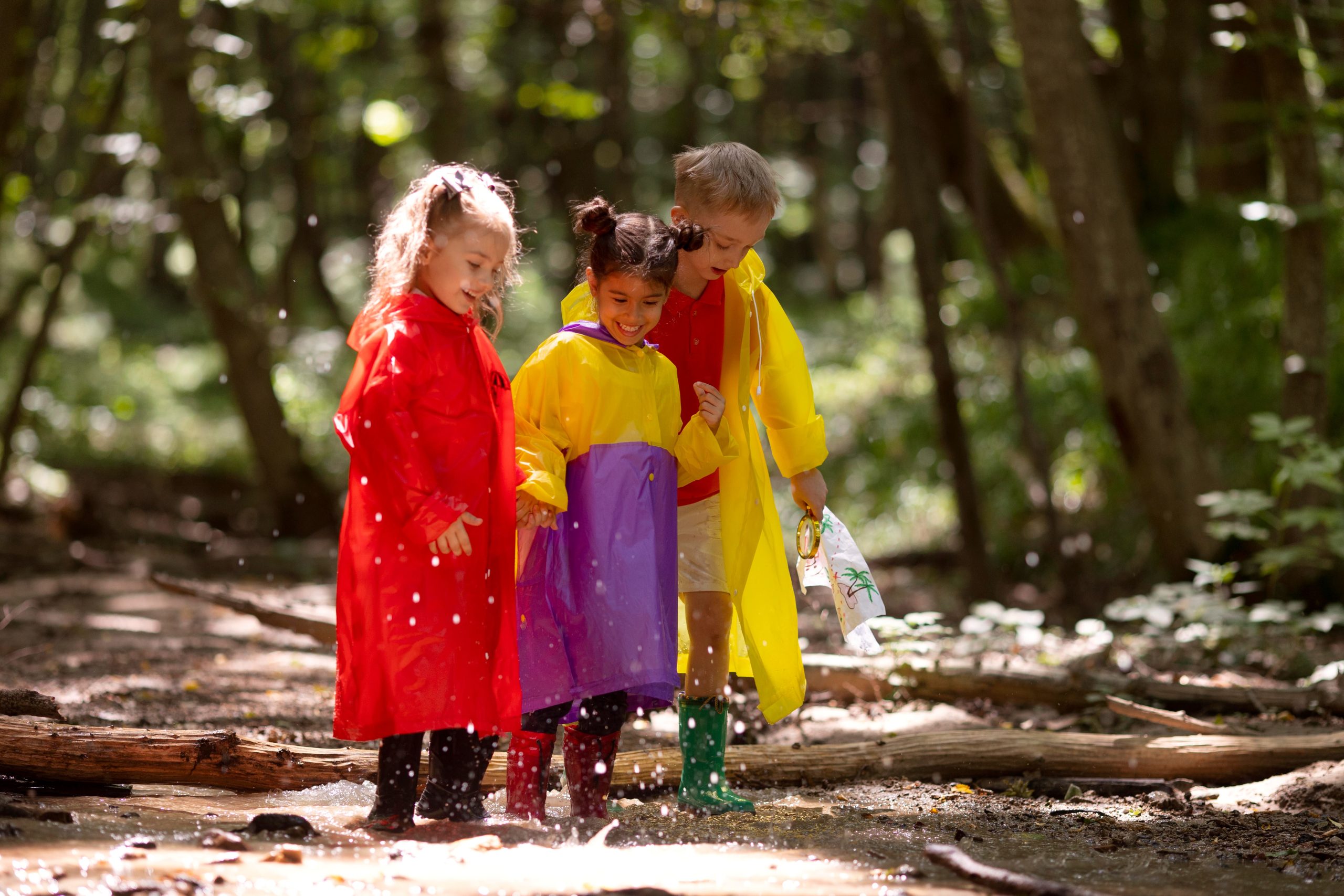
    The world is a vast and breathtaking canvas, painted with the wonders of nature. For preschoolers, venturing into the great outdoors offers a wealth of opportunities for exploration, discovery, and connection with the natural world. A nature walk is a magical experience that immerses preschoolers in the sights, sounds, scents, and textures of their surroundings. In this article, we embark on a captivating journey, exploring the joys and benefits of a nature walk for preschoolers, while highlighting key aspects of their enchanting adventure.

    The allure of a nature walk lies in its ability to engage preschoolers’ senses, spark their curiosity, and nurture their innate sense of wonder. Let us delve into the captivating elements that make a nature walk an unforgettable experience for these young explorers.


    Awakening the Senses: A Symphony of Sensory Delights

    As preschoolers set foot on the path of a nature walk, their senses come alive, transporting them into a world filled with sensory delights. Every step offers a feast for their senses:

  • Sight:

    The vibrant colors of flowers, the lush greenery of trees, and the gentle fluttering of butterflies captivate preschoolers’ sight, painting a picture of natural beauty that awakens their imagination.

  • Sound:

    The harmonious melody of birds singing, the rustle of leaves in the breeze, and the gentle trickling of a nearby stream serenade preschoolers’ ears, creating a symphony of sounds that echoes the rhythm of nature.

  • Smell:

    The sweet fragrance of blooming flowers, the earthy aroma of the forest floor, and the invigorating scent of freshly fallen rain engulf preschoolers’ senses, evoking a sensory experience that is both comforting and exhilarating.

  • Touch:

    The rough bark of a tree, the softness of moss, the coolness of a pebble, and the tickle of grass beneath their feet invite preschoolers to reach out and explore, providing tactile stimulation that connects them to the natural world.


    Learning through Nature’s Classroom: Educational Insights and Curiosity Unleashed

    A nature walk serves as a captivating outdoor classroom, where preschoolers become active participants in their own learning journey. Nature offers a wealth of educational insights that fuel their curiosity and stimulate their cognitive development:

  • Science and Nature Awareness:

    Through observation and exploration, preschoolers gain firsthand experience of the natural world, learning about different types of plants, animals, insects, and their habitats. They develop an appreciation for biodiversity, ecological relationships, and the delicate balance of nature.

  • Language and Vocabulary Development:

    Nature walks provide opportunities for preschoolers to expand their vocabulary as they encounter new plants, animals, and natural phenomena. They can engage in conversations, ask questions, describe their observations, and develop their language and communication skills.

  • Numeracy and Problem-Solving:

    Nature offers countless opportunities for preschoolers to engage in mathematical thinking and problem-solving. They can count petals, measure the height of trees, compare sizes and shapes of leaves, and engage in simple estimation and patterning activities.

  • Sensory Integration and Emotional Well-being:

    Nature’s rich sensory experiences during a nature walk promote sensory integration, allowing preschoolers to process and regulate sensory stimuli effectively. This fosters their emotional well-being, reduces stress, and promotes a sense of calm and connectedness with the natural world.


    Connecting with Nature’s Treasures: Exploring Flora, Fauna, and Natural Phenomena

    A nature walk opens a door to the discovery of nature’s treasures, inviting preschoolers to explore the diverse flora, fauna, and natural phenomena that unfold before their eyes:

  • Flora Exploration:

    Preschoolers can marvel at the beauty of flowers, examine the intricate patterns of leaves, and learn about different types of plants. They can observe seasonal changes, identify trees by their bark or leaves, and collect fallen treasures like pinecones, acorns, or interestingly shaped rocks.

  • Fauna Encounters:

    Encountering various creatures in their natural habitats sparks preschoolers’ curiosity and empathy. They may observe birds nesting, butterflies fluttering, squirrels scurrying, or insects busy at work. These encounters foster a sense of connection with wildlife and cultivate a respect for all living creatures.

  • Natural Phenomena:

    Nature offers awe-inspiring phenomena that captivate preschoolers’ imagination. They may witness a gentle rain shower, marvel at the formation of rainbows, feel the warmth of sunlight on their skin, or observe the changing shapes of clouds. These experiences evoke a sense of wonder, curiosity, and an understanding of the natural processes that shape our world.


    Nature Walk Activities: Enhancing the Adventure with Engaging Explorations

    To make the most of a nature walk, educators and caregivers can incorporate engaging activities that enhance preschoolers’ experience and extend their learning beyond the walk itself:

  • Nature Scavenger Hunt:

    Create a list of items or characteristics for preschoolers to find during the nature walk. This activity encourages them to observe their surroundings closely, promoting attention to detail and fostering their ability to categorize and compare objects.

  • Nature Journaling:

    Provide preschoolers with a nature journal where they can sketch or write about their observations, thoughts, and feelings during the walk. This activity encourages reflection, creativity, and language development, while also serving as a keepsake of their nature walk memories.

  • Sensory Exploration Stations:

    Set up stations along the nature trail where preschoolers can engage in sensory play with natural materials. Create stations for touching different textures, smelling various scents, or listening to nature-inspired sounds. These interactive stations deepen their sensory experience and promote sensory integration.

  • Nature Art:

    Encourage preschoolers to create art using materials found in nature, such as leaves, flowers, or twigs. They can make leaf rubbings, create nature-inspired collages, or use natural materials as paintbrushes. This fosters creativity, fine motor skills, and an appreciation for the beauty of the natural world.

    A nature walk is a captivating adventure that nurtures preschoolers’ senses, curiosity, and connection with the natural world. Through the sights, sounds, scents, and textures of nature, they embark on a journey of exploration, discovery, and learning. Nature’s classroom offers a wealth of educational insights, sensory experiences, and opportunities for imagination and creativity. Let us embrace the enchantment of a nature walk, igniting a lifelong love and appreciation for the beauty and wonder that surrounds us, and inspiring the next generation of nature enthusiasts and environmental stewards.


    Nature Walk Safety: Nurturing a Sense of Adventure with Caution

    While a nature walk is an exciting and enriching experience, it’s essential to prioritize safety to ensure preschoolers can fully enjoy their adventure. Here are some safety considerations to keep in mind:

  • Adult Supervision:

    Adult supervision is crucial during a nature walk to ensure the safety of preschoolers. Educators, caregivers, or parents should accompany them, providing guidance, support, and ensuring adherence to safety rules.

  • Risk Assessment:

    Before embarking on a nature walk, conduct a risk assessment of the area to identify any potential hazards. Be aware of uneven terrain, bodies of water, thorny plants, or any other factors that may pose a risk to preschoolers’ safety.

  • Appropriate Clothing:

    Dress preschoolers in comfortable clothing that is suitable for the weather conditions and environment. Encourage them to wear closed-toe shoes for protection and provide hats and sunscreen to shield them from the sun.

  • Insect Protection:

    Nature walks may expose preschoolers to insects and bugs. Apply child-safe insect repellent to their exposed skin to protect against insect bites and stings. Educate preschoolers about respecting and observing insects without harming them.

  • Plant Identification:

    Teach preschoolers to identify poisonous plants or those with thorns or spines that may cause irritation. Encourage them to avoid touching unfamiliar plants unless guided by an adult.

  • Hydration and Snacks:

    Ensure preschoolers stay hydrated during the nature walk by providing water bottles. Additionally, pack nutritious snacks to keep their energy levels up and to make the experience even more enjoyable.

  • Respect for Wildlife:

    Teach preschoolers about respecting wildlife and their habitats. Encourage them to observe animals from a safe distance without disturbing or feeding them. Emphasize the importance of leaving nature undisturbed for others to enjoy.


    Extending the Nature Walk Experience: Bringing Nature Indoors

    The benefits of a nature walk can extend beyond the outdoor experience. By bringing elements of nature indoors, educators and caregivers can continue nurturing preschoolers’ connection with the natural world. Here are some ways to incorporate nature-inspired activities into indoor environments:

  • Nature Tables:

    Create a dedicated nature table or display area indoors where preschoolers can place their nature walk treasures, such as leaves, pinecones, or rocks. Provide magnifying glasses, books, and reference materials to encourage further exploration and discussion.

  • Nature-Based Art and Craft:

    Engage preschoolers in nature-themed art and craft activities. They can create leaf prints, make bird feeders using natural materials, or paint rocks with vibrant colors and patterns. These activities allow them to express their creativity while connecting with nature.

  • Sensory Nature Bins:

    Set up sensory bins filled with natural materials, such as sand, pebbles, dried leaves, or pinecones. Encourage preschoolers to touch, explore, and manipulate the materials, fostering sensory development and imaginative play.

  • Planting and Gardening:

    Involve preschoolers in simple planting or gardening activities. They can sow seeds, water plants, and observe the growth and changes over time. This hands-on experience teaches them about plant life cycles, responsibility, and environmental stewardship.

  • Nature-Inspired Storytelling:

    Read books or tell stories that revolve around nature, animals, or outdoor adventures. Engage preschoolers in discussions about the characters, settings, and themes, allowing them to connect their outdoor experiences with literature.


    Embracing the Nature Walk as a Transformative Experience

    A nature walk is not merely a leisurely stroll; it is a transformative experience that nourishes preschoolers’ minds, bodies, and spirits. It provides a holistic approach to their development, fostering their cognitive, physical, emotional, and social well-being. Let us embrace the profound impact of a nature walk:

  • Mind:

    Nature walks stimulate curiosity, promote observation skills, and enhance cognitive development. The exposure to natural elements ignites preschoolers’ imagination and encourages critical thinking as they make connections and learn about the world around them.

  • Body:

    The physical aspects of a nature walk, such as walking, climbing, and exploring, promote gross motor skills and physical fitness. It allows preschoolers to engage in active play and develop coordination, balance, and spatial awareness.

  • Spirit:

    Nature has a calming effect on the mind and nurtures preschoolers’ emotional well-being. It provides a space for reflection, relaxation, and a sense of tranquility. A nature walk helps cultivate a deep sense of wonder, fostering a spiritual connection with the natural world.

  • Social:

    Nature walks offer opportunities for peer interaction, cooperation, and teamwork. Preschoolers can engage in collaborative activities, share discoveries, and communicate their observations and feelings. This strengthens their social skills, empathy, and respect for others.

    A nature walk is a gateway to endless possibilities, where preschoolers embark on an adventure that stimulates their senses, nurtures their curiosity, and fosters a deep connection with the natural world. Through safe and guided exploration, they discover the wonders of nature, gain educational insights, and develop a sense of wonder and appreciation for the environment. Let us continue to embrace the enchantment of a nature walk, allowing preschoolers to immerse themselves in the beauty, diversity, and serenity of the outdoors, and sowing the seeds for a lifelong love and respect for nature.

    In the embrace of a nature walk, preschoolers find solace and inspiration. They are free to roam among towering trees, to follow the winding trails, and to discover hidden treasures along the way. The sights, sounds, and scents of nature create a tapestry of emotions, evoking joy, awe, and a profound sense of belonging.

    As preschoolers venture forth, their hearts open to the wonders around them. They become attuned to the delicate dance of life in the natural world. The gentle sway of wildflowers in the breeze, the delicate song of a bird perched on a branch, and the whisper of leaves underfoot speak to their souls, igniting a connection that goes beyond words.

    A nature walk awakens their sense of adventure, inviting them to explore uncharted territories. They climb rocks, cross babbling streams, and navigate through patches of wild grass. With every step, they build resilience, courage, and a spirit of exploration that will accompany them throughout their lives.

    The enchantment of a nature walk extends beyond the physical realm. It stirs preschoolers’ imaginations, turning fallen branches into wands of magic, and moss-covered stones into stepping stones to secret realms. They become storytellers, weaving tales of woodland creatures and ancient legends, their voices carrying the echoes of the natural world.

    Amidst the splendor of nature, preschoolers also find a refuge for their emotions. They can release their worries, fears, and frustrations, surrendering them to the vastness of the landscape. Nature listens, absorbs, and offers comfort, reminding them that they are part of something greater, something eternal.

    In the absence of screens and gadgets, a nature walk opens a realm of pure, unadulterated play. Preschoolers engage in imaginative games, constructing worlds of their own making. They build fairy houses, collect leaves for imaginary potions, and chase butterflies as if trying to capture the essence of joy itself. Nature becomes their canvas, their playground, and their greatest source of inspiration.

    As we witness preschoolers on their nature walks, we become witnesses to the magic within them. We see their eyes light up with curiosity, their laughter echoing through the forest, and their hands reaching out to touch the wonders that surround them. We are reminded of the profound importance of preserving and nurturing the natural world for their sake and for generations to come.

    So let us continue to embrace the beauty of a preschooler’s nature walk, cherishing their spirit of adventure, their awe-inspiring discoveries, and the transformative power of the natural world. As they venture forth, may their footsteps leave an indelible mark on the landscape of their hearts, and may their love for nature grow and flourish, becoming a force that shapes their lives and inspires them to become stewards of the earth.

  • Sensory Material

    Sensory Material

    Exploring the Magic of Sensory Materials for Preschoolers

    The preschool years are a time of wonder, exploration, and discovery. Preschoolers are curious beings, eager to engage their senses and make sense of the world around them. Sensory materials play a vital role in providing rich and meaningful experiences that stimulate their senses, promote cognitive development, and ignite their creativity. In this article, we delve into the magical realm of sensory materials for preschoolers, exploring their benefits and offering insights into various types of sensory experiences.


    Sensory Play and Its Benefits for Preschoolers

    Sensory play is an immersive and hands-on experience that engages multiple senses, including sight, touch, smell, taste, and hearing. The benefits of sensory play for preschoolers are far-reaching, encompassing various aspects of their development. Let’s explore some of these benefits:

  • Cognitive development:

    Sensory play stimulates preschoolers’ cognitive abilities, including problem-solving, critical thinking, and decision-making skills. It encourages them to make connections, explore cause and effect relationships, and develop a deeper understanding of the world.

  • Language and communication skills:

    Engaging with sensory materials provides opportunities for preschoolers to describe their experiences, express their thoughts and emotions, and expand their vocabulary. Sensory play fosters language development and effective communication.

  • Fine and gross motor skills:

    Manipulating sensory materials enhances preschoolers’ fine motor skills, such as hand-eye coordination, finger dexterity, and grip strength. It also supports the development of gross motor skills as they engage in physical movements during sensory exploration.

  • Sensory integration:

    Sensory play helps preschoolers integrate information from their senses, facilitating their ability to process and respond to sensory stimuli effectively. This integration promotes self-regulation and adaptive responses in different environments.


    Exploring Types of Sensory Materials

  • Playdough:

    Playdough is a versatile sensory material that provides endless possibilities for exploration. Its tactile nature offers a soothing sensory experience, stimulating the sense of touch and promoting fine motor skills. Preschoolers can mold, shape, squish, and stretch playdough, fostering creativity and imaginative play.

  • Water and sand:

    Water and sand play are classic sensory experiences for preschoolers. Splashing in water or digging in the sand provides opportunities for sensory exploration, encouraging experimentation, and promoting sensory integration. These materials also support early science concepts, such as understanding the properties of liquids and solids.

  • Sensory bins:

    Sensory bins are containers filled with various materials, offering a multi-sensory experience. Common materials used in sensory bins include rice, beans, dried pasta, or shredded paper. Preschoolers can sift, pour, scoop, and explore these materials, developing fine motor skills, sensory awareness, and creativity.

  • Sensory bottles:

    Sensory bottles are captivating containers filled with a combination of materials like water, glitter, beads, or small objects. These bottles provide visual and auditory stimulation, as preschoolers observe the movement of objects and listen to the soothing sound created by shaking the bottle.

  • Texture boards:

    Texture boards are surfaces with different textures, such as fabric, sandpaper, faux fur, or bubble wrap. Preschoolers can explore these surfaces by touching and feeling the varied textures, enhancing their tactile perception and sensory discrimination skills.


    Incorporating Sensory Materials into Learning Activities

  • Sensory art:

    Sensory materials can be incorporated into art activities, allowing preschoolers to explore their creativity while engaging their senses. Finger painting, sponge painting, or using textured materials to create collages are excellent ways to combine sensory experiences with artistic expression.

  • Sensory storytelling:

    Sensory materials can enhance storytelling experiences for preschoolers. Using props, such as textured fabrics, scented objects, or sound-making instruments, adds depth and immersion to stories, making them more engaging and memorable.

  • Sensory science experiments:

    Sensory materials can be integrated into science experiments, facilitating hands-on exploration and inquiry-based learning. For example, mixing different materials, observing changes in texture or color, or exploring the sensory properties of liquids can spark preschoolers’ curiosity and promote scientific thinking.

  • Sensory nature walks:

    Taking preschoolers on sensory nature walks allows them to explore the natural environment using their senses. Encourage them to touch leaves, smell flowers, listen to bird sounds, and observe the colors and textures of natural elements. These experiences foster a deeper connection with nature and promote sensory awareness.

    The world of sensory materials holds endless possibilities for preschoolers’ learning and development. Through sensory play, they engage their senses, explore the environment, and make meaningful connections. Sensory materials enhance cognitive, motor, language, and social-emotional development, nurturing the whole child. By incorporating sensory experiences into various learning activities, educators and caregivers unlock the magic of sensory play, empowering preschoolers to discover, create, and thrive in their sensory-rich journey of early childhood.


    Creating Sensory Experiences at Home and in Educational Settings

  • Sensory corners:

    Designating a specific area as a sensory corner at home or in educational settings can provide a dedicated space for preschoolers to engage in sensory exploration. This can be a cozy corner filled with various sensory materials like cushions, textured rugs, and shelves stocked with sensory bins, playdough, or sensory bottles. Having a designated space encourages preschoolers to engage in sensory play regularly and fosters a sense of ownership and independence.

  • Sensory gardens:

    Creating a sensory garden is an excellent way to bring nature’s sensory wonders closer to preschoolers. Planting different herbs, flowers, and plants with diverse textures, scents, and colors allows preschoolers to engage their senses while exploring the outdoors. They can touch soft petals, smell fragrant herbs, and observe the vibrant hues of flowers. Sensory gardens offer opportunities for multisensory experiences, promote a connection with nature, and stimulate curiosity about the natural world.

  • Sensory music and movement:

    Music and movement activities can be enriched with sensory materials to create a multisensory experience. Using instruments, scarves, ribbons, or textured objects like bean bags or soft balls during music and movement sessions engages preschoolers’ auditory, visual, and tactile senses. They can explore different sounds, rhythms, textures, and movements, enhancing their sensory integration, coordination, and creativity.

  • Sensory storytelling:

    Sensory materials can be integrated into storytelling sessions to make the experience more immersive. For example, using scented objects to represent different characters or textures to depict different settings in the story enhances preschoolers’ engagement and sensory connections. They can feel the story come alive as they touch, smell, or observe the sensory materials related to the narrative.

  • Sensory cooking and baking:

    Cooking and baking activities provide rich sensory experiences for preschoolers. Involving them in food preparation allows them to engage their sense of touch, smell, taste, and sight. Kneading dough, smelling herbs and spices, observing the transformation of ingredients, and tasting the final product promote sensory exploration, fine motor skills, and an understanding of different sensory attributes related to food.


    Sensory Materials and Inclusion

    Sensory materials for children with sensory processing differences: Sensory materials play a crucial role in supporting the needs of preschoolers with sensory processing differences, such as sensory sensitivities or sensory seeking behaviors. Providing a variety of sensory materials allows these children to engage in self-regulation, explore different textures and sensory inputs at their own pace, and find comfort and joy in sensory experiences.

  • Sensory materials for children with disabilities:

    Sensory materials are also beneficial for children with disabilities, promoting their sensory integration, motor skills, and cognitive development. Adaptations and modifications can be made to sensory materials to accommodate specific needs. For example, providing larger tools or adaptive devices for grasping and manipulating sensory materials allows children with fine motor challenges to participate actively in sensory play.

  • Inclusive sensory experiences:

    Creating inclusive sensory experiences involves considering the diverse needs and abilities of all preschoolers. Sensory materials should be accessible and adaptable to accommodate various sensory preferences and sensitivities. Educators and caregivers can offer choices and modifications to ensure that all preschoolers can engage in sensory play in a way that is comfortable and meaningful for them.


    The Importance of Sensory Regulation

    Sensory regulation refers to the ability to maintain an optimal level of arousal and attention in response to sensory stimuli. Sensory materials play a vital role in supporting preschoolers’ sensory regulation skills. Here’s why sensory regulation is important:

  • Emotional well-being:

    Sensory regulation helps preschoolers manage their emotions and promotes a sense of calm and stability. Engaging with sensory materials allows them to self-regulate and find comfort in soothing sensory experiences, which can be especially helpful during times of stress or anxiety.

  • Attention and focus:

    Sensory regulation supports preschoolers’ attention and concentration abilities. By engaging in sensory play, they learn to filter out irrelevant sensory information and focus on the task at hand. This skill is essential for their overall learning and engagement in educational activities.

  • Self-awareness and self-regulation:

    Sensory experiences provide preschoolers with opportunities to understand their sensory preferences, sensitivities, and thresholds. Through sensory play, they develop self-awareness and learn strategies to regulate their sensory experiences independently.

  • Social interactions:

    Sensory regulation is crucial for successful social interactions. Preschoolers who can self-regulate their sensory experiences are better equipped to participate in group activities, share materials, take turns, and engage in cooperative play with their peers.


    Safety Considerations and Sensory Materials

    While sensory materials offer numerous benefits, it’s essential to ensure the safety of preschoolers during sensory play. Here are some safety considerations to keep in mind:

  • Age-appropriate materials:

    Select sensory materials that are appropriate for the developmental stage and abilities of preschoolers. Avoid small objects that can pose a choking hazard and materials that may cause allergic reactions.

  • Supervision:

    Adult supervision is crucial during sensory play to ensure the safety of preschoolers. Educators and caregivers should closely monitor the use of sensory materials, especially when water or small objects are involved.

  • Cleanliness and hygiene:

    Regularly clean and sanitize sensory materials to maintain a hygienic environment. Washable materials, such as playdough, can be cleaned after each use, and non-washable materials should be disinfected periodically.

  • Allergies and sensitivities:

    Be aware of any allergies or sensitivities that preschoolers may have when selecting sensory materials. Avoid materials with strong scents or potential allergens that may trigger adverse reactions.

    Sensory materials have a profound impact on preschoolers’ development, offering rich and multisensory experiences that foster their cognitive, physical, social, and emotional growth. By incorporating a variety of sensory materials into their daily routines, educators and caregivers create a vibrant and engaging learning environment that nurtures preschoolers’ natural curiosity and supports their individual needs. Sensory play opens the door to endless possibilities, providing a platform for exploration, creativity, and self-expression. Let us embrace the magic of sensory materials and harness their power to inspire and ignite the senses of our little learners, creating unforgettable moments of joy, wonder, and discovery.


    Supporting Parent Involvement in Sensory Exploration

    Parents play a vital role in supporting their preschoolers’ sensory exploration. Here are some ways to involve parents in the journey of sensory play:

  • Parent education:

    Provide resources and workshops for parents to learn about the benefits of sensory play and how they can incorporate sensory materials at home. Educate parents about the different types of sensory experiences and guide them in creating sensory-rich environments for their preschoolers.

  • Sensory activity ideas:

    Share sensory activity ideas with parents, including simple DIY sensory materials that can be easily made at home. Provide step-by-step instructions and suggest age-appropriate variations to cater to different developmental stages.

  • Home-school collaboration:

    Encourage parents to communicate with educators about their preschoolers’ sensory preferences, sensitivities, and interests. Collaborate on creating consistent sensory experiences between home and school to provide a seamless and supportive learning environment.

  • Parent-child sensory bonding:

    Encourage parents to actively engage in sensory play with their preschoolers. Sensory experiences can become bonding moments for parents and children, fostering a strong parent-child relationship and creating cherished memories.

  • Sharing experiences:

    Establish a platform for parents to share their experiences, ideas, and success stories related to sensory play. This can be in the form of a newsletter, blog, or social media group, allowing parents to connect, learn from each other, and celebrate their preschoolers’ sensory milestones.

    Sensory exploration is a captivating journey for preschoolers, igniting their senses, promoting cognitive development, and fostering their creativity. By involving parents in this journey, we empower them to support and engage their preschoolers in sensory play at home. With a collaborative effort between educators, caregivers, and parents, we can create a sensory-rich world that nurtures and celebrates the unique sensory experiences of every preschooler. Let us continue to explore, discover, and cherish the magic of sensory materials as we embark on this sensory adventure with our preschoolers, unlocking their potential and inspiring them to thrive in a sensory-filled world.

  • Observations

    Observations

    Unlocking Insights: The Power of Preschooler Observations


    Unlocking Insights: The Power of Preschooler Observations

    Observation is a powerful tool that allows us to gain a deeper understanding of the world around us. When it comes to preschoolers, the significance of observation takes on a whole new level of importance. By keenly observing preschoolers in their natural environments, we can unravel the mysteries of their development, unveil their unique strengths and challenges, and tailor our interactions and educational approaches to their individual needs. This article explores the power of preschooler observations and highlights its immense value for parents, educators, and caregivers.

    Preschooler observations go beyond mere surface-level interactions. They involve careful attention to detail, empathy, and a genuine desire to comprehend the intricacies of their thoughts, emotions, and actions. Through observation, we can gain valuable insights into their cognitive, social, emotional, and physical development, allowing us to provide appropriate guidance and support.

    The role of observations in understanding preschooler development cannot be overstated. Each child is unique, and by observing them, we can appreciate their individuality and gain a holistic view of their capabilities, interests, and challenges. Furthermore, observations enable us to identify developmental milestones, detect potential areas of concern, and celebrate their achievements along their developmental journey.

    Observations also shed light on the social dynamics and interactions among preschoolers. By keenly observing their interactions, we can identify patterns of play, communication styles, and peer relationships. This knowledge empowers us to create an inclusive and supportive environment that fosters positive social interactions, empathy, and cooperation among preschoolers.


    The Art of Preschooler Observation: Strategies and Techniques

    Effective preschooler observation requires specific strategies and techniques to maximize its impact. Consider the following strategies to enhance your preschooler observation skills:

  • Engage in unobtrusive observation:

    Observe preschoolers from a distance to allow them to engage in natural play and interactions without feeling self-conscious or influenced by your presence.

  • Record observations in real-time:

    Take detailed notes or use digital tools to document observations immediately, capturing key behaviors, interactions, and notable moments.

  • Use a variety of observation methods:

    Employ different methods, such as anecdotal notes, checklists, and photographs, to gather a comprehensive picture of preschoolers’ development.

  • Focus on specific areas of interest:

    Direct your observations towards specific developmental domains, such as cognitive, social, emotional, and physical development, to gain in-depth insights.

  • Collaborate with colleagues:

    Engage in collaborative observations with fellow educators or caregivers to gain diverse perspectives and share insights.

    By adopting these strategies, we can unlock a wealth of information about preschoolers and their development, leading to more informed and tailored approaches to their care and education.


    Unveiling Cognitive Insights through Preschooler Observations

    Cognitive development is a key aspect of preschooler growth, and observation provides a window into their evolving cognitive abilities. Through keen observation, we can unravel their thinking processes, problem-solving skills, and information processing. Here are some cognitive insights that can be gleaned through preschooler observations:

  • Symbolic play:

    Observe how preschoolers engage in imaginative and pretend play, as it reveals their ability to represent objects and ideas symbolically, fostering creativity and abstract thinking.

  • Problem-solving skills:

    By observing how preschoolers approach challenges and puzzles, we can gain insights into their problem-solving strategies, critical thinking abilities, and persistence in overcoming obstacles.

  • Language and communication development:

    Pay attention to how preschoolers use language to express their thoughts, engage in conversations, and understand instructions. Observation helps identify areas where additional support may be needed to enhance their language skills.

  • Concentration and attention span:

    Through observation, we can gauge preschoolers’ attention spans, focus, and ability to sustain interest in activities, providing valuable insights into their readiness for more structured learning experiences.

    By delving into the cognitive aspects of preschooler development through observation, we can tailor educational activities and experiences to promote their intellectual growth effectively.


    Nurturing Social-Emotional Growth through Preschooler Observations

    Social-emotional development is a critical aspect of preschoolerhood, and observations play a pivotal role in understanding and supporting this growth. By keenly observing preschoolers’ social interactions and emotional responses, we can gain valuable insights into their social competence, self-regulation, and overall well-being. Here are key areas where observation reveals social-emotional insights:

  • Emotional expression:

    Observe how preschoolers express and manage their emotions, noting individual differences and identifying opportunities to support their emotional literacy and regulation skills.

  • Empathy and perspective-taking:

    Through observation, we can witness preschoolers’ ability to understand and empathize with the feelings and perspectives of others, identifying areas for promoting empathy and positive relationships.

  • Conflict resolution:

    Observe how preschoolers navigate conflicts and negotiate solutions with peers, offering insights into their problem-solving skills, communication abilities, and cooperative behaviors.

  • Social engagement:

    By observing preschoolers during playtime and group activities, we can identify their social preferences, level of engagement, and opportunities for fostering positive social interactions and inclusive play.

    Preschooler observations allow us to tailor social-emotional support, provide guidance, and create an environment that fosters their emotional well-being and social development.


    Uncovering Physical Development through Preschooler Observations

    Physical development is a fundamental aspect of preschooler growth, encompassing gross motor skills, fine motor skills, and overall physical coordination. Observations can provide valuable insights into preschoolers’ physical capabilities and areas for further development. Consider the following physical insights that can be uncovered through observations:

  • Gross motor skills:

    Observe how preschoolers use their large muscles to engage in activities such as running, jumping, climbing, and balancing. This allows us to assess their coordination, balance, and overall physical abilities.

  • Fine motor skills:

    By observing preschoolers’ hand-eye coordination, finger dexterity, and manipulation of small objects, we can identify areas where fine motor skills may need further support and practice.

  • Physical exploration:

    Observe how preschoolers explore their environment, use their senses, and engage in physical play, uncovering their curiosity, spatial awareness, and sensory integration abilities.

  • Self-care skills:

    Through observation, we can assess preschoolers’ independence and progress in self-care activities such as dressing, feeding, and personal hygiene, identifying areas where additional support may be required.

    Preschooler observations provide valuable insights into their physical development, enabling us to design activities and experiences that support their motor skills, coordination, and overall physical well-being.

    In summary, preschooler observations are a powerful tool that allows us to gain in-depth insights into their cognitive, social-emotional, and physical development. By keenly observing preschoolers in their natural environments, we can tailor our interactions, educational approaches, and support to their individual needs. Through the art of observation, we uncover the unique strengths, challenges, and potential of each preschooler, empowering them to thrive and reach their full potential. Let us embrace the power of observation and unlock the secrets of preschoolerhood, one observation at a time.


    The Impact of Preschooler Observations on Personalized Learning

    Personalized learning is an approach that recognizes the unique strengths, interests, and needs of each preschooler, allowing for tailored educational experiences. Preschooler observations play a crucial role in informing personalized learning strategies, ensuring that learning opportunities align with individual capabilities and promote optimal growth. Here’s how preschooler observations impact personalized learning:

  • Individualized instruction:

    By observing preschoolers’ learning styles, preferences, and strengths, educators can design instruction that caters to their specific needs. Observations reveal whether a child is a visual, auditory, or kinesthetic learner, allowing for the adaptation of teaching strategies accordingly.

  • Identifying learning gaps:

    Through careful observation, educators can pinpoint areas where preschoolers may be struggling or require additional support. These observations help in designing targeted interventions to address learning gaps and facilitate progress.

  • Tailored learning experiences:

    Observations provide insights into preschoolers’ interests and motivations, enabling educators to create meaningful and engaging learning experiences. By aligning activities with their passions and curiosities, personalized learning becomes more effective and enjoyable.

  • Progress monitoring:

    Regular observations allow educators to track each preschooler’s progress and growth over time. This monitoring helps in identifying areas of improvement, measuring learning outcomes, and adjusting instructional strategies as needed.

  • Social and emotional support:

    Observations help educators understand preschoolers’ social dynamics, emotional well-being, and areas where additional support may be required. Personalized learning takes into account the social and emotional needs of each child, fostering a positive and inclusive learning environment.

    By harnessing the power of preschooler observations, personalized learning becomes a transformative approach that recognizes and celebrates the unique qualities and potential of each child.


    Building Strong Relationships through Preschooler Observations

    Observations not only inform educational strategies but also play a vital role in building strong relationships with preschoolers. When educators and caregivers keenly observe preschoolers, it demonstrates a genuine interest in their well-being, fosters trust, and creates a nurturing environment. Here’s how preschooler observations contribute to building strong relationships:

  • Individualized attention:

    By observing preschoolers, educators and caregivers show that they value each child’s unique qualities and perspectives. This individualized attention helps establish a strong foundation for meaningful relationships built on trust and understanding.

  • Empathy and understanding:

    Observations allow educators to gain insights into preschoolers’ emotions, experiences, and perspectives. This understanding enables them to respond with empathy, offering support and guidance tailored to each child’s needs.

  • Effective communication:

    Through observations, educators can identify each preschooler’s communication style, preferences, and non-verbal cues. This knowledge enhances communication, as educators can adapt their approach to ensure effective and meaningful interactions.

  • Responsive caregiving:

    Observations help caregivers identify the specific care and support required by each preschooler. By responding promptly and appropriately to their needs, caregivers nurture a sense of security and well-being, strengthening the caregiver-child bond.

  • Encouraging autonomy:

    Observations provide insights into preschoolers’ emerging independence and capabilities. Educators and caregivers can support and encourage their autonomy by offering appropriate challenges, fostering a sense of agency and self-confidence.

    By prioritizing preschooler observations, educators and caregivers lay the groundwork for positive and supportive relationships that promote preschoolers’ overall well-being and growth.


    Engaging Parents in Preschooler Observations

    Preschooler observations are not limited to educational settings. Involving parents in the observation process can enhance the understanding of their child’s development and create collaborative partnerships. Here’s how educators can engage parents in preschooler observations:

  • Sharing observation findings:

    Educators can regularly communicate with parents, sharing their observations and insights about their child’s development. This open dialogue helps parents understand their child’s progress, strengths, and areas for further support.

  • Parent observations:

    Encourage parents to engage in observations at home, providing them with guidance on what to observe and how to document their findings. This involvement allows parents to contribute their unique insights and perspectives to the understanding of their child’s development.

  • Collaborative goal-setting:

    By involving parents in the observation process, educators can collaboratively set goals for their child’s learning and development. This shared goal-setting ensures alignment between home and school environments, promoting consistency and continuity in supporting preschoolers’ growth.

  • Parent-teacher conferences:

    Observations form a valuable basis for parent-teacher conferences, providing a rich and evidence-based understanding of each child’s progress. Educators can discuss observation findings, celebrate achievements, and collectively address any concerns or areas for improvement.

  • Resource sharing:

    Educators can provide parents with resources, such as articles, books, or workshops, to deepen their understanding of preschooler development and the significance of observations. This resource sharing empowers parents to continue observing and supporting their child’s growth beyond the classroom.

    By involving parents in preschooler observations, educators establish strong partnerships that enhance the child’s holistic development, promote consistency between home and school, and create a supportive network of care and education.


    Ethical Considerations in Preschooler Observations

    Preschooler observations come with ethical responsibilities to ensure the well-being and privacy of each child. Here are important ethical considerations when conducting preschooler observations:

    Informed consent: Seek consent from parents or guardians before conducting observations, ensuring they understand the purpose, methods, and potential outcomes of the observation process.

  • Confidentiality:

    Safeguard the privacy and confidentiality of preschoolers by de-identifying observations and using secure methods to store and share data. Respect the sensitivity of the information and refrain from discussing specific observations outside of professional contexts.

    Respect for diversity and cultural sensitivity: Recognize and respect the diverse backgrounds, cultures, and values of preschoolers and their families. Avoid making assumptions or judgments based on observations that may be influenced by cultural differences.

  • Professional boundaries:

    Maintain appropriate professional boundaries when conducting observations, focusing solely on the child’s well-being and development. Refrain from engaging in personal or intrusive observations that may compromise the child’s privacy or dignity.

  • Ongoing reflection and improvement:

    Continuously reflect on the ethical implications of preschooler observations, seeking feedback from colleagues, parents, and other professionals. Regularly update observation practices based on emerging ethical guidelines and best practices.

    Preschooler observations must always prioritize the best interests of the child, promoting their well-being, privacy, and dignity in all aspects of the observation process.

    In conclusion, preschooler observations hold immense power in understanding and supporting the development of young learners. By keenly observing preschoolers, educators, caregivers, and parents gain valuable insights into their cognitive, social-emotional, and physical growth. Preschooler observations inform personalized learning, build strong relationships, engage parents, and adhere to ethical considerations. Let us embrace the transformative potential of preschooler observations, unlocking a deeper understanding of their unique qualities, needs, and potential. Through observation, we create environments that nurture their growth, empower their voices, and enable them to thrive in their preschool years and beyond.

  • Order

    Order

    Preschooler Order: Unlocking the Secrets to a Harmonious Environment


    Preschooler Order: Unlocking the Secrets to a Harmonious Environment

    In the vibrant world of preschoolers, an environment filled with laughter, boundless curiosity, and unlimited energy, maintaining order can seem like an elusive task. Yet, beneath the apparent chaos lies a deep need for structure and routine that, when properly nurtured, can empower preschoolers to thrive. Understanding the significance of order in the lives of these young learners is crucial for parents, educators, and caregivers alike. This article delves into the importance of preschooler order and offers practical strategies to foster a harmonious environment for their growth and development.

    Preschoolers possess an innate sense of order that manifests in their daily routines, playtime activities, and interactions with others. This desire for order is the foundation upon which their learning and development flourish. When the environment around them is structured and organized, preschoolers are better able to focus, engage in meaningful play, and explore their surroundings with confidence.

    The role of adults in nurturing preschooler order is pivotal. As caregivers, we have the responsibility to create an environment that supports their need for order. By establishing consistent routines, we provide a sense of security and predictability that preschoolers crave. Simple activities such as waking up at the same time each day, following a regular meal schedule, and establishing bedtime rituals contribute to the establishment of a structured framework. These routines provide preschoolers with a sense of control and enable them to navigate their day with ease.

    Organizing the physical environment is equally important. Preschoolers thrive in spaces that are arranged in a logical and coherent manner. Each item should have its designated place, allowing children to easily access and return materials as needed. By creating labeled shelves or bins for toys, books, and art supplies, we empower preschoolers to take ownership of their environment. This not only cultivates a sense of responsibility but also encourages independence and self-sufficiency.

    In addition to physical order, emotional order plays a vital role in the well-being of preschoolers. Young children are highly sensitive to the emotional atmosphere around them. When adults model calmness, patience, and empathy, preschoolers learn to regulate their own emotions and respond to situations in a more composed manner. Establishing consistent boundaries and expectations with gentle reminders helps preschoolers understand the limits within which they can freely express themselves.

    This balance between structure and emotional support creates an environment where preschoolers feel safe, respected, and valued.

    Preschooler order extends beyond the physical and emotional realms. It encompasses the development of cognitive and social skills. Through purposeful play and engagement with their surroundings, preschoolers enhance their ability to categorize, sequence, and problem-solve. Structured activities, such as puzzles and building blocks, encourage the development of logical thinking and spatial awareness. Additionally, cooperative play fosters essential social skills such as turn-taking, sharing, and effective communication.

    Language and literacy development are also intertwined with preschooler order. Establishing a language-rich environment where conversations, storytelling, and reading are valued promotes the acquisition of vocabulary and language skills. Providing preschoolers with opportunities to engage in pretend play, dress-up, and role-playing scenarios ignites their imagination and language exploration. A rich variety of books, both fiction and non-fiction, expands their knowledge base and nurtures a love for reading.

    As parents, educators, and caregivers, it is important to remember that preschooler order is not synonymous with rigidity or stifling creativity. On the contrary, order serves as a foundation for exploration, self-expression, and growth. A balanced approach that allows for flexibility and spontaneity within a structured framework is essential. By embracing their innate need for order, we empower preschoolers to develop essential life skills such as problem-solving, decision-making, and adaptability.


    Creating a Structured Routine for Preschoolers

    A structured routine is a cornerstone of preschooler order. Consistency and predictability provide preschoolers with a sense of stability and control over their environment. Here are some practical tips to create a structured routine for your preschooler:

  • Establish a regular waking up and bedtime routine to promote healthy sleep patterns.
  • Plan regular meal and snack times to ensure balanced nutrition and regulate hunger.
  • Incorporate dedicated time slots for active play, quiet activities, and rest periods.
  • Allocate specific times for learning activities such as reading, puzzles, or arts and crafts.
  • Communicate the routine visually using a daily schedule or a visual timetable.
  • Organizing the Physical Environment

    A well-organized physical environment sets the stage for preschooler order. It promotes independent exploration, self-reliance, and a sense of ownership. Consider these strategies for organizing the physical environment:

  • Create clearly labeled shelves or bins for toys, books, and art supplies.
  • Use visual cues such as pictures or symbols to represent different areas or activities.
  • Arrange materials in an easily accessible and child-friendly manner.
  • Encourage preschoolers to clean up after themselves by providing clear guidelines and support.
  • Emotional Order and Its Impact on Preschoolers

    Emotional order is a vital component of preschooler well-being. When children feel emotionally secure, they are better equipped to navigate challenges and regulate their emotions. Here are some ways to promote emotional order:

  • Model calmness, patience, and empathy in your interactions with preschoolers.
  • Establish consistent boundaries and expectations to provide a sense of security.
  • Encourage preschoolers to express their emotions and provide a safe space for them to do so.
  • Teach problem-solving skills and strategies for managing conflicts in a constructive manner.
  • Nurturing Cognitive and Social Skills through Purposeful Play

    Preschooler order encompasses the development of cognitive and social skills. Purposeful play provides a platform for preschoolers to enhance their learning and social interactions. Here are some ideas to nurture cognitive and social skills through purposeful play:

  • Provide opportunities for open-ended play with building blocks, puzzles, and pretend play.
  • Engage in cooperative play activities that promote turn-taking, sharing, and teamwork.
  • Encourage problem-solving and critical thinking through age-appropriate challenges and puzzles.
  • Foster language and literacy development through storytelling, reading, and imaginative play.

    Preschooler order is not merely a quest for tidiness; it is an essential aspect of supporting a child’s overall development. By acknowledging and nurturing their need for structure, routine, and organization, we create an environment that empowers preschoolers to flourish. Let us embrace the power of order in the lives of these young learners and witness the remarkable growth that follows.


    Language and Literacy Development in the Context of Preschooler Order


    Preschooler order plays a significant role in fostering language and literacy development. By creating a language-rich environment and incorporating activities that promote communication and vocabulary acquisition, we can support preschoolers in their journey towards becoming skilled and confident communicators. Consider the following strategies to nurture language and literacy development:

  • Establish a reading corner or a cozy reading nook filled with a diverse range of books. Make reading a regular part of the daily routine, both individually and in group settings.
  • Engage preschoolers in interactive storytelling sessions, encouraging them to participate, ask questions, and contribute to the narrative.
  • Encourage pretend play and role-playing scenarios, providing opportunities for preschoolers to express themselves through language and imaginative play.
  • Introduce age-appropriate educational apps or digital resources that promote language and literacy skills, such as letter recognition, phonics, and storytelling.
  • Incorporate songs, rhymes, and finger plays into daily activities to develop phonological awareness and rhythm in language.
  • Engage in meaningful conversations with preschoolers, actively listening and responding to their ideas and thoughts. Encourage them to ask questions and express their opinions.
  • Introduce a word of the day or a vocabulary-building activity, focusing on new words and their meanings. Encourage preschoolers to use these words in their conversations and play.
  • By creating an environment that values language and literacy, preschoolers are not only exposed to a rich vocabulary but also encouraged to explore and experiment with language in a supportive setting.


    Fostering Creativity and Flexibility within Preschooler Order


    Preschooler order should not be viewed as a rigid system that stifles creativity and spontaneity. On the contrary, it can provide a framework that supports and enhances creative expression. It is important to strike a balance between structure and flexibility, allowing preschoolers to exercise their imagination and think outside the box. Consider the following strategies to foster creativity and flexibility within preschooler order:

  • Provide open-ended materials and opportunities for preschoolers to engage in imaginative play. Items such as blocks, art supplies, and dress-up clothes allow for endless possibilities and encourage preschoolers to think creatively.
  • Allow time for unstructured play, where preschoolers can freely explore their interests and ideas without the constraints of a specific activity or outcome.
  • Incorporate open-ended questions and problem-solving challenges that require critical thinking and creative solutions.
  • Celebrate and value diverse perspectives and ideas. Encourage preschoolers to share their unique thoughts and interpretations, fostering an atmosphere of acceptance and respect for individuality.
  • Emphasize the process rather than the end result. Encourage preschoolers to enjoy the journey of exploration and discovery, valuing their efforts and curiosity.
  • By embracing creativity and flexibility within preschooler order, we can create an environment that nurtures their individuality and supports the development of their unique talents and interests.


    The Power of Preschooler Order in Building Life Skills

    Preschooler order goes beyond the immediate benefits of structure and organization. It lays the foundation for the development of crucial life skills that will benefit preschoolers as they grow and face new challenges. Consider the following life skills that are nurtured through preschooler order:

  • Time management: By following a structured routine, preschoolers learn to manage their time effectively and understand the importance of punctuality and meeting deadlines.
  • Responsibility and accountability: Having designated places for belongings and encouraging preschoolers to tidy up after themselves fosters a sense of responsibility for their possessions and actions.
  • Self-regulation: Order provides a sense of predictability and control, allowing preschoolers to develop self-regulation skills and manage their emotions, impulses, and behavior.
  • Problem-solving and decision-making: Preschooler order encourages critical thinking and problem-solving as children learn to categorize, sort, and make decisions about their environment and activities.
  • Collaboration and teamwork: Structured activities and cooperative play opportunities foster essential social skills such as collaboration, negotiation, and teamwork.
  • Adaptability: Within the framework of preschooler order, flexibility and adaptability are nurtured, helping children learn to adjust to new situations and navigate changes with resilience.
  • Preschooler order, when approached holistically, has the power to shape preschoolers’ character and equip them with the skills necessary to thrive in various aspects of life.

    By understanding the importance of preschooler order and implementing strategies to nurture it, parents, educators, and caregivers can create an environment where preschoolers can flourish. From establishing a structured routine and organizing the physical environment to promoting emotional well-being, cognitive development, language and literacy skills, creativity, and life skills, each aspect of preschooler order contributes to a harmonious and empowering environment for young learners.

    Let us embrace the innate need for order within preschoolers and provide them with the support and guidance they require to navigate their world with confidence, curiosity, and a sense of purpose.