
Category: Preschool Zoom Backgrounds

  • Positive Atmosphere

    Positive Atmosphere

    Creating a Nurturing and Positive Atmosphere for Preschoolers

    A nurturing and positive atmosphere is essential for preschoolers to thrive and flourish. It sets the foundation for their social, emotional, and cognitive development, fostering a sense of belonging, safety, and joy in their early learning experiences. In this article, we will explore various aspects of creating a positive atmosphere for preschoolers, focusing on the physical environment, teacher-student relationships, social interactions, and emotional well-being.


    The Power of a Welcoming Physical Environment

    The physical environment plays a crucial role in shaping the overall atmosphere in a preschool setting. Here are some key elements to consider:


    1. Bright and Inviting Spaces:

    Ensure that the classrooms are well-lit with natural light and vibrant colours. Use age-appropriate decorations, artwork, and educational materials that reflect preschoolers’ interests and spark their curiosity.


    2. Organized and Accessible Learning Materials:

    Arrange learning materials in a way that is easily accessible to preschoolers. Label storage containers and shelves with pictures or words to promote independence and encourage tidy habits.


    3. Comfortable and Cozy Areas:

    Create cozy reading nooks, soft seating areas, or cushions where preschoolers can relax, read, and engage in quiet activities. These spaces provide a sense of comfort and promote a calm and inviting atmosphere.


    Fostering Positive Teacher-Student Relationships

    Positive and nurturing relationships between teachers and preschoolers lay the groundwork for a supportive learning environment. Here are some strategies to cultivate strong connections:


    1. Warm and Responsive Interactions:

    Greet preschoolers with a smile and show genuine interest in their thoughts, ideas, and experiences. Use active listening and respond empathetically to their needs and concerns.


    2. Individualized Attention:

    Recognize and value each preschooler as a unique individual. Spend quality time engaging in one-on-one conversations, offering encouragement, and celebrating their achievements.


    3. Clear and Consistent Expectations:

    Establish clear expectations for behavior, communication, and interactions. Model positive social skills, reinforce positive behavior, and provide constructive feedback to guide preschoolers’ actions.


     Promoting Positive Social Interactions

    A positive social environment encourages preschoolers to develop meaningful connections with their peers, fostering a sense of belonging and cooperation. Consider the following approaches:


    1. Cooperative Play:

    Designate specific areas for collaborative activities, such as building blocks, dramatic play, or group games. Encourage preschoolers to work together, share resources, and solve problems cooperatively.


    2. Circle Time:

    Organize regular circle time sessions where preschoolers gather as a group to engage in interactive activities, songs, and discussions. This promotes community building, active participation, and the development of social skills.


    3. Conflict Resolution:

    Teach preschoolers problem-solving and conflict resolution strategies, such as using words to express feelings, taking turns, and compromising. Create a safe and supportive environment where conflicts are addressed calmly and constructively.


    Nurturing Emotional Well-being

    Supporting preschoolers’ emotional well-being is fundamental to creating a positive atmosphere. Consider the following practices:


    1. Emotional Expression:

    Encourage preschoolers to express their emotions freely and validate their feelings. Teach them to identify and label emotions, and provide strategies for managing strong emotions, such as deep breathing or taking a break.


    2. Mindfulness and Relaxation:

    Introduce mindfulness techniques, such as breathing exercises or guided visualizations, to help preschoolers develop self-regulation skills and promote a sense of calmness and relaxation.


    3. Emotional Literacy:

    Incorporate books, stories, and activities that explore different emotions and promote empathy and understanding. Use these opportunities to facilitate discussions about feelings and perspectives.

    Creating a nurturing and positive atmosphere for preschoolers is a vital aspect of their early learning experiences. By attending to the physical environment, fostering positive teacher-student relationships, promoting social interactions, and nurturing emotional well-being, we can create an environment where preschoolers feel valued, supported, and motivated to explore, learn, and grow. Embracing these principles lays the groundwork for a joyful and enriching preschool journey, setting the stage for lifelong love of learning and overall well-being.


    Encouraging Positive Language and Communication

    Positive language and effective communication are key components of creating a nurturing and supportive atmosphere for preschoolers. Here are some strategies to promote positive language and communication:


    1. Encourage Empathy and Respect:

    Teach preschoolers the importance of using kind and respectful words when communicating with others. Promote empathy by encouraging them to consider the feelings and perspectives of their peers.


    2. Active Listening:

    Model and teach active listening skills by giving preschoolers your full attention when they speak. Encourage them to listen attentively to their peers, fostering a culture of respect and understanding.


    3. Language of Encouragement:

    Use positive and encouraging language when interacting with preschoolers. Praise their efforts, highlight their strengths, and provide constructive feedback to support their growth and development.


    4. Effective Communication Tools:

    Introduce preschoolers to effective communication tools, such as using “I” statements to express their feelings and needs. Teach them how to resolve conflicts through clear and respectful communication.


    5. Social Stories:

    Utilize social stories to teach preschoolers about appropriate social interactions and communication skills. These stories provide examples and guidance on how to engage positively with others.


    Celebrating Diversity and Inclusion

    Creating a positive atmosphere involves embracing and celebrating diversity, promoting inclusivity, and fostering a sense of belonging among preschoolers. Here are some ways to achieve this:


    1. Multicultural Resources:

    Incorporate diverse books, toys, and learning materials that reflect various cultures, languages, and traditions. This helps preschoolers develop an appreciation for different backgrounds and promotes inclusivity.


    2. Cultural Celebrations:

    Celebrate and learn about different cultural holidays and traditions. Encourage preschoolers to share their own traditions and experiences, fostering a sense of pride and understanding.


    3. Anti-Bias Education:

    Implement activities and discussions that address stereotypes and biases. Teach preschoolers about fairness, kindness, and the importance of treating others with respect, regardless of differences.


    4. Community Engagement:

    Involve families and community members from diverse backgrounds in preschool activities. Encourage guest speakers to share their experiences, promoting cultural understanding and appreciation.


    5. Inclusive Language:

    Model and encourage the use of inclusive language that respects and values individual differences. Teach preschoolers to use gender-neutral language and to avoid stereotypes in their communication.

    A positive atmosphere in a preschool setting sets the stage for preschoolers to thrive and grow. By promoting positive language and communication, embracing diversity and inclusion, and fostering a sense of belonging, educators create an environment where preschoolers feel valued, respected, and empowered. Through these efforts, we can nurture their social-emotional development, enhance their communication skills, and cultivate a foundation for lifelong learning and positive relationships.


    Promoting a Growth Mindset

    Fostering a growth mindset is essential in creating a positive atmosphere that encourages preschoolers to embrace challenges, persevere, and believe in their ability to learn and grow. Here are some strategies to promote a growth mindset:


    1. Encouraging Effort and Resilience:

    Praise preschoolers for their effort, hard work, and perseverance rather than solely focusing on outcomes. Help them understand that mistakes and setbacks are opportunities for learning and growth.


    2. Setting Realistic Goals:

    Guide preschoolers in setting realistic and achievable goals that challenge them while ensuring they are within their capabilities. Break down larger goals into smaller, manageable steps, celebrating progress along the way.


    3. Emphasizing the Power of “Yet”:

    Encourage preschoolers to use the word “yet” when faced with challenges or setbacks. For example, instead of saying, “I can’t do it,” encourage them to say, “I can’t do it yet, but I’ll keep trying.” This simple shift in language promotes a belief in their ability to improve and overcome obstacles.


    4. Providing Constructive Feedback:

    Offer specific and constructive feedback that focuses on the process, effort, and strategies preschoolers use. Highlight areas of improvement and provide guidance on how they can further develop their skills.


    5. Promoting Reflection and Problem-Solving:

    Engage preschoolers in reflection activities that encourage them to think about their learning experiences. Encourage them to identify what worked well, what they could improve upon, and how they can apply their knowledge in different situations.


    6. Inspiring Role Models:

    Introduce preschoolers to inspiring role models who exemplify a growth mindset. Share stories of individuals who have overcome challenges through persistence, hard work, and a belief in their ability to learn and grow.


    7. Creating a Supportive Peer Environment:

    Foster a classroom culture where preschoolers support and encourage one another. Promote collaboration, teamwork, and the idea that everyone can learn from each other. Encourage them to celebrate their peers’ achievements and offer assistance when needed.

    A growth mindset empowers preschoolers to see challenges as opportunities, embrace learning, and develop resilience. By promoting effort, setting realistic goals, providing constructive feedback, and fostering a supportive peer environment, educators can create a positive atmosphere that nurtures a growth mindset. Through these efforts, preschoolers develop a strong belief in their ability to learn, grow, and succeed, setting them on a path of continuous improvement and lifelong learning.


    Encouraging Creativity and Imagination

    Nurturing creativity and imagination in preschoolers is crucial for their holistic development and overall well-being. Here are some strategies to foster creativity and imagination within a positive atmosphere:


    1. Open-Ended Materials and Activities:

    Provide preschoolers with open-ended materials such as art supplies, building blocks, and natural objects that allow for limitless possibilities. Encourage them to explore, experiment, and create in their own unique ways.


    2. Role-Play and Dramatic Play:

    Designate areas for role-play and dramatic play where preschoolers can engage in imaginative scenarios. Provide props, costumes, and storytelling materials to stimulate their creativity and storytelling skills.


    3. Incorporate the Arts:

    Integrate various art forms, such as painting, drawing, music, dance, and drama, into the curriculum. Encourage self-expression, experimentation, and appreciation for different art forms.


    4. Outdoor Exploration:

    Take preschoolers outside to explore nature and the environment. Encourage them to observe, collect natural objects, and engage in imaginative play in outdoor spaces, sparking their creativity and connection with the natural world.


    5. Storytelling and Story Creation:

    Read engaging stories to preschoolers and encourage them to create their own stories. Provide them with storytelling props, puppets, or visual aids to enhance their storytelling experiences.


    6. Supportive Environment for Risk-Taking:

    Create a safe and supportive environment where preschoolers feel comfortable taking creative risks and trying new things. Encourage them to think outside the box, embrace mistakes as learning opportunities, and celebrate their unique ideas and creations.


    7. Celebrate and Display Creations:

    Display preschoolers’ artwork, creations, and imaginative play props prominently in the classroom. This not only showcases their achievements but also validates their efforts and encourages a sense of pride and accomplishment.


    8. Encourage Collaboration and Problem-Solving:

    Promote collaborative activities where preschoolers can work together to solve problems and create something new. This encourages them to share ideas, consider different perspectives, and learn from one another’s creativity.

    Encouraging creativity and imagination in preschoolers nurtures their self-expression, problem-solving abilities, and cognitive development. By providing open-ended materials, supporting imaginative play, incorporating the arts, and fostering a supportive environment, educators create a positive atmosphere where preschoolers can freely explore their creative potential. Embracing creativity and imagination sets the stage for joyful learning experiences, enhances their self-confidence, and prepares them for a future that values innovation and original thinking.


    Promoting Positive Relationships and Social Skills

    Building positive relationships and developing social skills are fundamental aspects of creating a positive atmosphere for preschoolers. Here are some strategies to promote positive relationships and social skills:


    1. Model Positive Behavior:

    As educators, model positive behavior and interpersonal skills in your interactions with preschoolers. Demonstrate kindness, empathy, active listening, and respectful communication to set an example for them to follow.


    2. Cooperative Activities:

    Engage preschoolers in cooperative activities that require collaboration and teamwork. Encourage them to work together, share ideas, and support one another in achieving common goals.


    3. Conflict Resolution Skills:

    Teach preschoolers effective conflict resolution strategies, such as using calm words, taking turns, and finding compromises. Guide them in resolving conflicts peacefully and encourage empathy and understanding towards others.


    4. Emotional Awareness:

    Promote emotional awareness by helping preschoolers identify and express their feelings appropriately. Teach them to recognize emotions in themselves and others, fostering empathy and understanding in their interactions.


    5. Social-Emotional Learning Programs:

    Incorporate social-emotional learning programs into the curriculum that focus on building self-awareness, self-regulation, and social skills. These programs provide structured lessons and activities to develop positive relationships.


    6. Peer Interaction Opportunities:

    Create opportunities for preschoolers to engage in peer interactions, such as group projects, games, and partner activities. Encourage them to take turns, listen to each other’s ideas, and provide support and encouragement.


    7. Positive Reinforcement:

    Use positive reinforcement to acknowledge and reinforce positive social behaviors. Praise and reward preschoolers for acts of kindness, cooperation, and positive interactions with their peers.


    8. Family Involvement:

    Engage families in promoting positive relationships and social skills. Share resources and strategies with parents to reinforce social-emotional learning at home. Collaborate with families to create a consistent and supportive environment for preschoolers.


    9. Circle Time and Group Discussions:

    Conduct regular circle time or group discussions where preschoolers can share their thoughts, feelings, and experiences. Encourage active participation, active listening, and respectful communication during these sessions.

    Promoting positive relationships and social skills in preschoolers cultivates a supportive and inclusive atmosphere where they can thrive emotionally, socially, and academically. By modeling positive behavior, teaching conflict resolution skills, incorporating social-emotional learning programs, and providing opportunities for peer interactions, educators lay the foundation for healthy social relationships. Through these efforts, preschoolers develop empathy, effective communication skills, and a strong sense of belonging, enabling them to navigate social interactions with confidence and create meaningful connections with others.

  • Zoom Background Ideas

    Zoom Background Ideas

    Captivating Zoom Background Ideas to Engage and Inspire Preschoolers

    In today’s digital age, virtual communication platforms like Zoom have become an integral part of preschool education. Zoom offers a unique opportunity to create engaging and immersive experiences for preschoolers through creative and captivating backgrounds. With a wide range of virtual backgrounds available, educators can transport preschoolers to exciting and educational settings that enhance their learning and spark their imagination.


    Exploring Nature:

    Nature-themed backgrounds can bring the beauty of the outdoors into the virtual classroom, providing preschoolers with a sense of wonder and connection to the natural world.

  • Enchanting Forest: Transport preschoolers to a lush forest filled with towering trees, chirping birds, and colorful flowers. This background can be used during discussions about plants, animals, and the wonders of nature.
  • Underwater Adventure: Dive into the depths of the ocean with an underwater-themed background. Preschoolers can explore the vibrant coral reefs, encounter marine creatures, and learn about the importance of ocean conservation.
  • Starry Night Sky: Set the stage for astronomical exploration by displaying a starry night sky background. This backdrop can be used during lessons about the solar system, constellations, and space exploration.

  • Historical Time Travel:

    Transport preschoolers back in time with historical-themed backgrounds, enabling them to experience different time periods and immerse themselves in history.

  • Ancient Egypt: Take preschoolers on a virtual journey to ancient Egypt, complete with pyramids, pharaohs, and hieroglyphics. This background can be used to introduce topics such as ancient civilizations and archaeology.
  • Medieval Castle: Create a medieval castle background, allowing preschoolers to step into the world of knights, princesses, and dragons. Use this backdrop to spark discussions about the Middle Ages, castles, and chivalry.
  • Victorian Era: Set the scene for a Victorian-era backdrop, showcasing elegant architecture, horse-drawn carriages, and period clothing. This background can be used during lessons on historical figures, literature, and cultural practices.

  • Imaginative Landscapes:

    Unleash preschoolers’ creativity and imagination with whimsical and imaginative backgrounds that transport them to fictional worlds and spark storytelling opportunities.

  • Enchanted Forest: Create a magical forest setting with fairies, talking animals, and mythical creatures. This background can inspire imaginative play, storytelling, and discussions on fantasy literature.
  • Space Adventure: Blast off into space with an intergalactic background, complete with planets, rockets, and astronauts. Preschoolers can explore the wonders of the universe, learn about space travel, and engage in scientific inquiries.
  • Fairy Tale Castle: Set the stage for a fairy tale adventure with a castle backdrop straight out of storybooks. This background can be used to discuss classic fairy tales, character development, and storytelling elements.

  • Interactive Learning Zones:

    Design interactive learning zones as virtual backgrounds to create engaging and purposeful spaces for preschoolers to explore and learn.

  • Science Lab: Create a virtual science lab backdrop with beakers, test tubes, and scientific equipment. This background can be used during hands-on experiments, demonstrations, and discussions on scientific concepts.
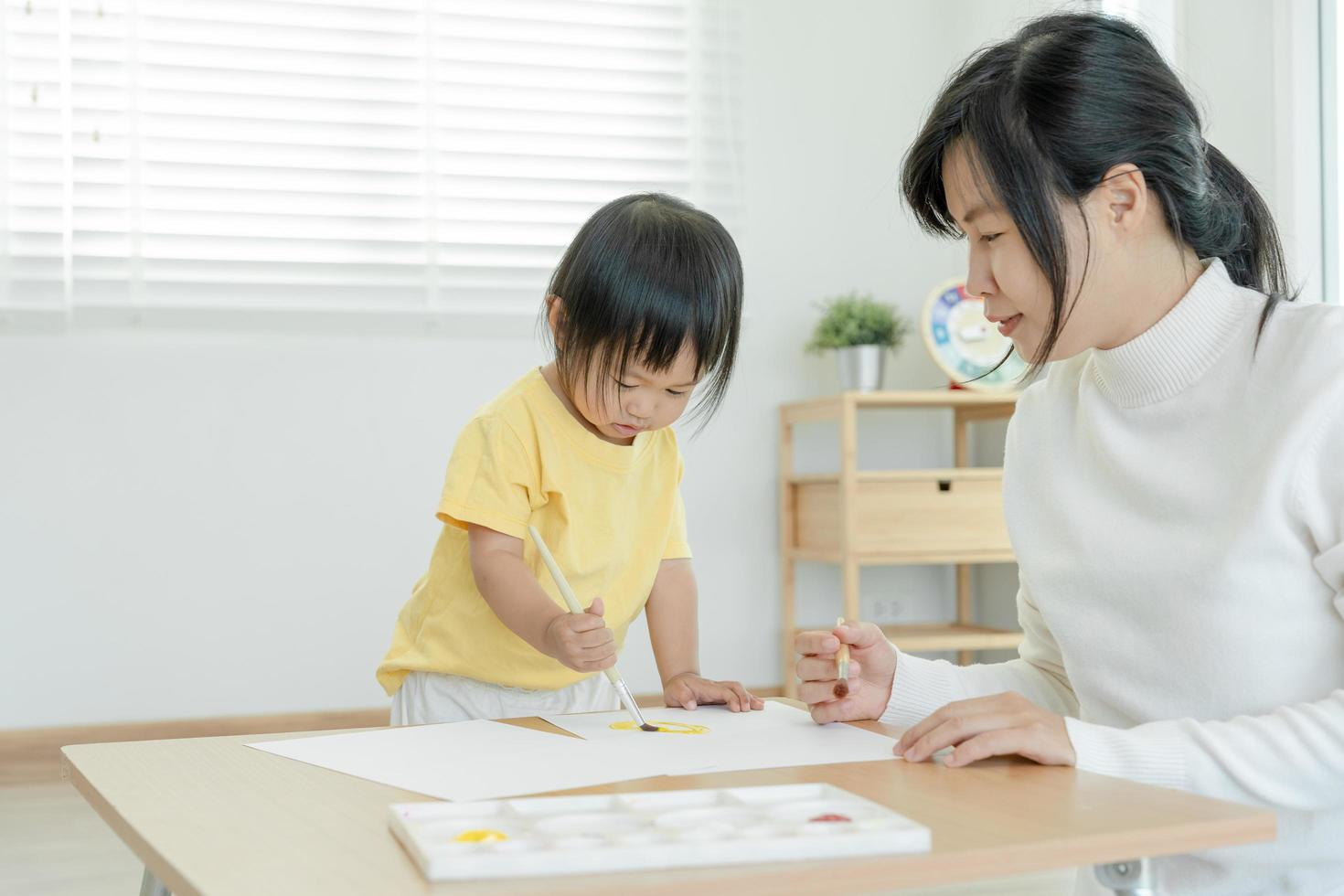
  • Art Studio: Set up a virtual art studio filled with colorful paints, brushes, and canvases. Preschoolers can engage in art activities, explore different artistic techniques, and express their creativity.
  • Library Corner: Design a cozy virtual library corner with shelves of books, a reading nook, and a comfortable chair. Use this background during storytelling sessions, literacy activities, and discussions on the importance of reading.
  • Zoom backgrounds provide a wonderful opportunity to engage and inspire preschoolers in virtual learning environments. By incorporating captivating and educational virtual backgrounds, educators can transport preschoolers to various settings, sparking their curiosity, imagination, and love for learning. These immersive experiences help create an interactive and dynamic virtual classroom that enhances preschoolers’ educational journey. Let your creativity soar and explore the vast possibilities of Zoom backgrounds to create memorable and enriching experiences for preschoolers.


    Seasonal and Holiday Themes:

    Seasonal and holiday-themed backgrounds add a touch of festivity and excitement to virtual classrooms. They help preschoolers connect with special occasions and cultural celebrations throughout the year.

  • Autumn Harvest: Set the scene with a background featuring falling leaves, pumpkins, and autumn colors. Use this backdrop during discussions on seasons, harvest festivals, and the importance of nature’s cycles.
  • Winter Wonderland: Create a magical winter wonderland with snow-covered landscapes, snowflakes, and cozy cabins. This background can be used to explore winter-themed activities, holiday traditions, and winter animals.
  • Spring Garden: Bring the beauty of spring to the virtual classroom with a garden-themed background showcasing blooming flowers, buzzing bees, and fluttering butterflies. Use this backdrop to discuss plant life cycles, pollination, and the importance of environmental conservation.
  • Festive Celebrations: Incorporate backgrounds that represent cultural and religious celebrations such as Diwali, Christmas, Hanukkah, or Chinese New Year. These backgrounds can be used to introduce diverse traditions, foster cultural awareness, and promote inclusivity.

  • Virtual Field Trips:

    Virtual field trips allow preschoolers to explore different places and cultures without leaving their homes. The right virtual backgrounds can transport them to various destinations and enhance their understanding of the world.

  • Zoo Adventure: Take preschoolers on a virtual trip to the zoo by using a background featuring different animal habitats, wildlife, and educational signage. This backdrop can be used to introduce animals, habitats, and conservation efforts.
  • City Exploration: Display a bustling cityscape background to simulate a virtual visit to a vibrant urban setting. Preschoolers can learn about city life, transportation, landmarks, and different professions.
  • National Parks: Showcase breathtaking landscapes from national parks as virtual backgrounds, such as mountains, waterfalls, or canyons. Use these backgrounds to discuss geography, natural wonders, and environmental stewardship.

  • Tips for Using Zoom Backgrounds with Preschoolers:

    1. Prepare in advance: Test your chosen backgrounds to ensure they are age-appropriate, visually appealing, and aligned with the learning objectives. Consider the impact on screen visibility and the clarity of your own video feed.

    2. Engage preschoolers: Encourage preschoolers to interact with the backgrounds by asking questions, encouraging them to share their observations, or incorporating interactive elements related to the background theme.

    3. Rotate backgrounds: Keep the virtual classroom fresh and exciting by changing backgrounds regularly. This variety helps maintain preschoolers’ interest and anticipation for each virtual session.

    4. Allow personalization: Give preschoolers the opportunity to choose their favorite background from a selection of age-appropriate options. This personalization can help them feel more connected and engaged during virtual sessions.

    5. Connect backgrounds to learning: Ensure that the chosen backgrounds align with the curriculum or learning objectives. Use them as a visual aid to support discussions, activities, or storytelling related to the theme.

    6. Provide context: Before transitioning to a new background, provide preschoolers with some background information or a brief introduction to set the context and spark their curiosity.

    Zoom backgrounds offer endless possibilities for creating immersive and engaging virtual learning environments for preschoolers. By incorporating nature, history, imaginative landscapes, interactive zones, seasonal themes, and virtual field trips, educators can captivate preschoolers’ attention, spark their curiosity, and foster a love for learning. These captivating backgrounds provide a window to the world and allow preschoolers to explore, discover, and connect with various topics and cultures. Embrace the power of Zoom backgrounds to create a dynamic and enriching virtual learning experience for preschoolers.


    Interactive Games and Activities:

    Zoom backgrounds can be used as a backdrop for interactive games and activities, adding an element of fun and engagement to virtual sessions. These activities encourage active participation and promote learning in a playful and interactive manner.

  • Scavenger Hunts: Design virtual scavenger hunts where preschoolers have to find items related to a specific theme within the virtual background. For example, ask them to find objects that are green, circular, or related to animals.
  • Storytelling Adventures: Use the virtual background as a storytelling prompt. Choose a background that depicts a specific setting or scenario and encourage preschoolers to create and share stories based on what they see.
  • Guess the Place: Show a zoom background of a famous landmark, city, or historical site without revealing the name. Ask preschoolers to guess the place and provide clues to help them figure it out.
  • Virtual Puzzles: Use a zoom background that features a puzzle or a hidden object scene. Share the screen and challenge preschoolers to solve the puzzle or find specific objects within the background.

  • Cultural Experiences:

    Zoom backgrounds can provide preschoolers with glimpses into different cultures and traditions, promoting cultural awareness and appreciation.

  • Cultural Dress-Up: Encourage preschoolers to dress up in clothing representing different cultures or specific historical periods related to the virtual background. This activity can foster discussions about diversity, traditions, and cultural celebrations.
  • Virtual Food Exploration: Choose a background that showcases traditional dishes from around the world. Engage preschoolers in discussions about different cuisines, ingredients, and cultural food practices.
  • Language Learning: Display backgrounds with words or phrases in different languages. Introduce preschoolers to basic vocabulary or phrases related to the background theme, such as greetings or numbers.

  • Artistic Expression:

    Zoom backgrounds can serve as a canvas for preschoolers to explore their artistic abilities and engage in creative expression.

  • Virtual Drawing Challenges: Share a zoom background that features a simple object or scene and ask preschoolers to draw what they see. Encourage them to share their artwork and discuss their creative choices.
  • Collaborative Artwork: Choose a zoom background that serves as a collaborative art project. Each preschooler can contribute to the artwork by adding their own drawings or designs onto the background during the virtual session.
  • Background Design Contest: Invite preschoolers to design their own zoom backgrounds based on a specific theme. Host a contest and let them showcase their creativity. This activity encourages imagination and artistic skills.
  • Zoom backgrounds provide a versatile platform for interactive games, cultural experiences, and artistic expression during virtual preschool sessions. By incorporating interactive activities and utilizing the creative potential of zoom backgrounds, educators can enhance engagement, foster curiosity, and create memorable learning experiences for preschoolers. Whether it’s through scavenger hunts, storytelling adventures, cultural explorations, or artistic expression, zoom backgrounds can truly transform virtual sessions into dynamic and interactive platforms for preschoolers to learn, play, and grow.


    Mindfulness and Relaxation

    In the fast-paced world we live in, it’s important to teach preschoolers the value of mindfulness and relaxation. Zoom backgrounds can serve as a soothing and calming backdrop for activities that promote mindfulness and emotional well-being.

    1. Nature Meditation:

    Choose a serene nature-themed background, such as a peaceful beach, a tranquil forest, or a serene mountain landscape. Encourage preschoolers to sit comfortably and guide them through a mindfulness meditation session. Use descriptive language to help them visualize the natural surroundings and guide them in deep breathing exercises and relaxation techniques.

    2. Yoga Adventures:

    Create a virtual yoga studio background or choose a nature setting that encourages preschoolers to engage in yoga exercises. Incorporate animal-themed yoga poses or storytelling yoga adventures where preschoolers imitate animals and engage in gentle movements. This activity promotes physical fitness, body awareness, and relaxation.

    3. Guided Visualizations:

    Use a calming zoom background that stimulates the imagination, such as floating clouds or a peaceful meadow. Guide preschoolers through a visualization exercise, describing a serene scene and encouraging them to picture themselves in that setting. This activity helps them develop concentration skills, relaxation techniques, and a sense of inner calm.

    4. Mindful Art:

    Select a zoom background featuring a simple, soothing image, such as a flowing river or a sunset sky. Engage preschoolers in mindful art activities, such as coloring or painting, where they focus on the present moment, the texture of the art materials, and the process of creating. This activity promotes creativity, concentration, and a sense of relaxation.

    5. Breathing Exercises:

    Choose a zoom background that represents the four elements—earth, water, air, and fire. Teach preschoolers various breathing exercises, associating each element with a specific breathing technique. For example, deep breaths for earth, gentle wave-like breaths for water, deep inhales and long exhales for air, and slow, controlled breaths for fire. This activity helps preschoolers regulate their breathing, reduce stress, and increase self-awareness.

    6. Mindful Storytime:

    Set up a virtual background that resembles a cozy reading nook or a calm, comfortable space. Engage preschoolers in mindful storytime sessions where you read aloud books that focus on mindfulness, emotions, or relaxation. After reading, facilitate discussions about the story’s themes and encourage preschoolers to share their thoughts and feelings.

    Incorporating mindfulness and relaxation activities into virtual preschool sessions through the use of appropriate zoom backgrounds helps preschoolers develop important emotional regulation skills, self-awareness, and an ability to find moments of calm in their lives. By providing a soothing and serene environment, zoom backgrounds support the integration of mindfulness practices into their daily routines, promoting their overall well-being and resilience.

  • Virtual Reality

    Virtual Reality

    Exploring New Realities: Virtual Reality for Preschoolers

    Virtual Reality (VR) technology has revolutionized the way we experience and interact with the world around us. This immersive technology offers a unique opportunity for preschoolers to explore new realms, enhance learning experiences, and ignite their imaginations. In this article, we delve into the world of virtual reality and discover its potential benefits and considerations when introducing it to preschoolers.


    Understanding Virtual Reality: Stepping into a New Dimension

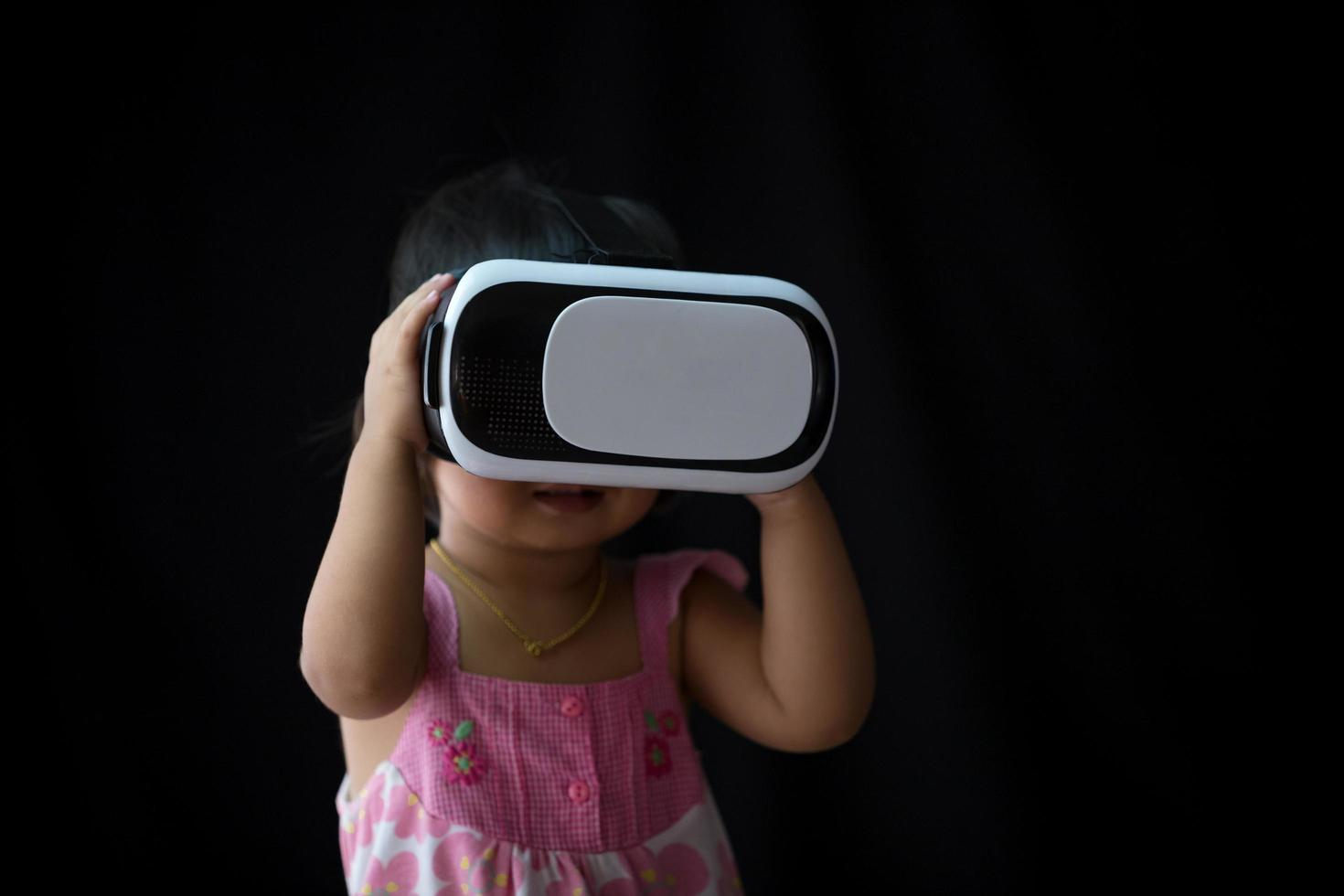
    Virtual Reality (VR) is a computer-generated simulation that immerses users in a three-dimensional environment, providing a sense of presence and interactivity. Through the use of specialized headsets and controllers, preschoolers can step into virtual worlds and engage with various scenarios and activities.


    The Benefits of Virtual Reality for Preschoolers:
  • Immersive learning experiences: Virtual reality provides preschoolers with immersive learning experiences that engage multiple senses. They can explore historical sites, travel to outer space, or dive into the depths of the ocean, all from the safety of their learning environment.
  • Enhancing imagination and creativity: Virtual reality stimulates preschoolers’ imagination by transporting them to fantastical worlds and scenarios. They can encounter mythical creatures, build virtual structures, or become characters in their favorite stories, fostering their creativity and storytelling abilities.
  • Promoting cognitive development: Virtual reality experiences often involve problem-solving, critical thinking, and spatial awareness. Preschoolers can navigate through mazes, solve puzzles, or interact with virtual objects, promoting cognitive skills and logical reasoning.
  • Overcoming physical limitations: For preschoolers with physical disabilities or limitations, virtual reality can provide opportunities for inclusive play and exploration. They can engage in physical activities, interact with objects, and experience adventures that may otherwise be challenging in the physical world.
  • Social and emotional development: Virtual reality experiences can be designed to facilitate social interactions and collaborative play. Preschoolers can engage with others in shared virtual spaces, promoting communication, empathy, and cooperation.
  • Access to diverse experiences: Virtual reality opens up a world of possibilities for preschoolers, allowing them to experience cultures, environments, and situations beyond their immediate surroundings. They can gain exposure to different perspectives and broaden their understanding of the world.

  • Considerations when Introducing Virtual Reality to Preschoolers:
  • Health and safety: Prioritize the health and safety of preschoolers when using virtual reality. Ensure that they take regular breaks to rest their eyes and prevent motion sickness. Set time limits for VR sessions to prevent overexposure.
  • Age-appropriate content: Select virtual reality experiences and apps that are specifically designed for preschoolers. Consider the appropriateness of content in terms of complexity, visuals, and themes. Avoid experiences that may be too intense, violent, or scary for young preschoolers.
  • Supervision and guidance: Ensure that preschoolers are supervised and guided when using virtual reality. Educators and caregivers should be present to assist with equipment setup, explain the experiences, and provide support during the virtual reality sessions.
  • Balancing virtual and real-world experiences: Virtual reality should complement, not replace, real-world experiences for preschoolers. It is important to strike a balance between virtual and physical play, outdoor activities, social interactions, and hands-on learning opportunities.
  • Accessibility and inclusivity: Consider the accessibility of virtual reality experiences for all preschoolers. Ensure that the technology and content cater to diverse needs and abilities, providing equal opportunities for all preschoolers to engage and benefit from virtual reality.
  • Ethical considerations: When using virtual reality, respect privacy, and ensure the protection of personal information. Use reputable platforms and apps that prioritize data security and comply with relevant regulations.

  • Integrating Virtual Reality in Early Childhood Education

    Virtual reality has the potential to transform early childhood education by providing immersive and interactive learning experiences. When integrated thoughtfully, virtual reality can enhance curriculum areas, spark curiosity, and support the holistic development of preschoolers.


    Virtual Reality in Different Subject Areas:
  • Science exploration: Preschoolers can explore the human body, observe plant and animal life cycles, or investigate the properties of different materials through virtual reality experiences. They can engage in virtual experiments, stimulating their curiosity and understanding of scientific concepts.
  • Cultural immersion: Virtual reality allows preschoolers to virtually visit different countries, experience cultural festivals, and interact with diverse communities. They can learn about traditions, languages, and customs, fostering a sense of cultural appreciation and global awareness.
  • Historical journeys: Preschoolers can embark on virtual time travel to historical periods, such as ancient civilizations or significant events in history. They can witness historical moments, explore historical sites, and interact with virtual characters, deepening their understanding of the past.
  • Imaginative storytelling: Virtual reality can be used as a platform for immersive storytelling experiences. Preschoolers can become part of interactive narratives, where their choices and actions shape the story’s outcome. This fosters active engagement, language development, and imaginative thinking.
  • Environmental exploration: Virtual reality experiences can take preschoolers on virtual nature walks, allowing them to observe and learn about different ecosystems, wildlife, and environmental conservation. They can develop an appreciation for nature and understand the importance of preserving the environment.

  • Benefits and Considerations in Early Childhood Education:
  • Active engagement and motivation: Virtual reality captures preschoolers’ attention and motivates active participation in the learning process. The interactive and immersive nature of virtual reality experiences promotes engagement and enthusiasm for learning.
  • Multi-sensory learning: Virtual reality engages multiple senses, enhancing the learning experience. Preschoolers can see, hear, and sometimes even touch and manipulate virtual objects, deepening their understanding and memory retention.
  • Differentiated learning experiences: Virtual reality can cater to different learning styles and individual needs. It allows for personalized and differentiated learning experiences, providing opportunities for preschoolers to explore concepts at their own pace and level of understanding.
  • Ethical use and screen time management: It is important to ensure that virtual reality is used ethically and responsibly in early childhood education. Educators and caregivers should establish guidelines for appropriate use, screen time management, and ethical considerations when integrating virtual reality into the curriculum.
  • Professional development and training: Introducing virtual reality into early childhood education requires educators to receive appropriate training and professional development. They need to understand the technology, its educational applications, and how to facilitate meaningful learning experiences for preschoolers.
  • Virtual reality offers exciting possibilities for preschoolers, providing them with immersive, interactive, and educational experiences. When introduced thoughtfully and ethically, virtual reality can enhance early childhood education, spark curiosity, and promote holistic development. By embracing this technology, educators and caregivers can open doors to new realities, inspiring preschoolers to explore, learn, and embrace the limitless possibilities of virtual worlds.


    Nurturing Digital Citizenship in the Virtual World

    As preschoolers engage with virtual reality, it becomes crucial to instill principles of digital citizenship and responsible technology use. Teaching preschoolers about digital etiquette, online safety, and responsible virtual behavior empowers them to navigate the virtual world confidently and responsibly.


    Digital Citizenship for Preschoolers:
  • Online etiquette: Teach preschoolers about being respectful and kind while interacting with others in virtual environments. Encourage them to use positive language, be considerate of others’ feelings, and seek permission before interacting with virtual objects or characters.
  • Internet safety: Teach preschoolers about the importance of online safety. Help them understand the concept of personal information and the need to protect it. Teach them never to share personal details, such as their full name, address, or phone number, without adult supervision.
  • Responsible technology use: Educate preschoolers about responsible technology use, including limiting screen time, taking breaks, and maintaining a healthy balance between virtual experiences and real-world activities. Encourage them to ask for help when faced with challenging or unfamiliar situations in virtual reality.
  • Cyberbullying awareness: Discuss the concept of cyberbullying with preschoolers, emphasizing the importance of treating others with kindness and reporting any instances of unkind behavior. Teach them how to be empathetic and supportive towards others, both online and offline.
  • Critical thinking: Foster critical thinking skills in preschoolers by teaching them to evaluate the content and experiences they encounter in virtual reality. Encourage them to question information, think critically about the virtual world, and seek adult guidance when needed.
  • Privacy and consent: Teach preschoolers about the importance of privacy and obtaining consent before taking or sharing photos or videos within virtual reality experiences. Discuss the importance of respecting others’ privacy and the consequences of sharing personal information without permission.

  • Guiding Preschoolers in Virtual Reality:
  • Supervision and guidance: Ensure that preschoolers are supervised and guided during their virtual reality experiences. Educators and caregivers should actively participate, providing explanations, answering questions, and ensuring that preschoolers are engaged in appropriate and safe experiences.
  • Co-exploration: Engage in virtual reality experiences alongside preschoolers to model responsible virtual behavior. Use these opportunities to discuss digital citizenship principles, highlight positive examples of behavior, and reinforce safety guidelines.
  • Open communication: Encourage open communication with preschoolers about their virtual reality experiences. Create a safe space for them to share any concerns, ask questions, or seek clarification about their experiences in the virtual world.
  • Reflective discussions: Engage preschoolers in reflective discussions after their virtual reality experiences. Ask open-ended questions to encourage critical thinking and help them reflect on their actions, emotions, and lessons learned during their virtual adventures.

  • Partnerships with Parents and Caregivers:

    Collaboration with parents and caregivers is essential in nurturing digital citizenship skills in preschoolers using virtual reality.

  • Communication: Maintain open lines of communication with parents and caregivers to share information about the virtual reality experiences used in the early learning environment. Provide resources, tips, and guidelines for promoting responsible technology use at home.
  • Parent education: Offer workshops or resources to parents and caregivers on topics such as online safety, digital etiquette, and setting healthy screen time limits. Empower them to guide and support preschoolers in their virtual reality experiences.
  • Home-school alignment: Foster alignment between the virtual reality experiences used at school and those used at home. Share information with parents about age-appropriate virtual reality apps or platforms that they can explore together with their preschoolers.
  • Integrating virtual reality into preschool education brings immense potential for learning and engagement. By nurturing digital citizenship in the virtual world, educators and caregivers can empower preschoolers to be responsible, respectful, and safe participants in the digital age. Through guidance, open communication, and collaborative efforts with parents and caregivers, preschoolers can develop the necessary skills and knowledge to navigate the virtual world with confidence and integrity.


    The Potential Impact on Social and Emotional Development

    Virtual reality has the potential to influence the social and emotional development of preschoolers in unique ways. By creating immersive and interactive experiences, virtual reality can provide opportunities for preschoolers to develop empathy, social skills, and emotional regulation.


    Empathy and Perspective-Taking:

    Virtual reality experiences can enable preschoolers to step into the shoes of others and gain a deeper understanding of different perspectives. They can virtually experience life through the eyes of characters from diverse backgrounds, fostering empathy and promoting a sense of compassion and understanding.

  • Virtual cultural experiences: Preschoolers can virtually explore different cultures, interact with people from diverse backgrounds, and witness the challenges and celebrations of others. This exposure helps them develop empathy towards people with different beliefs, traditions, and experiences.
  • Role-playing scenarios: Virtual reality can create scenarios where preschoolers can assume different roles and face various social challenges. By experiencing these situations firsthand, they can practice perspective-taking, problem-solving, and empathetic responses.

  • Social Skills and Collaboration:

    Virtual reality experiences can provide a platform for preschoolers to practice and develop social skills in a safe and controlled environment. By engaging in collaborative activities and interactions, they can enhance their communication, cooperation, and teamwork abilities.

  • Cooperative games: Virtual reality games that require teamwork and collaboration can promote social skills. Preschoolers can work together to solve puzzles, achieve common goals, and communicate effectively, fostering cooperation and shared decision-making.
  • Virtual social spaces: Virtual reality platforms can provide preschoolers with opportunities to interact with peers in shared virtual spaces. They can engage in conversations, express ideas, and practice social etiquette, contributing to the development of social skills and confidence in social interactions.

  • Emotional Regulation and Self-Awareness:

    Virtual reality can be a powerful tool for promoting emotional regulation and self-awareness in preschoolers. By providing controlled and immersive experiences, it allows them to explore and manage their emotions in a supportive environment.

  • Emotional simulations: Virtual reality experiences can simulate emotionally charged scenarios that allow preschoolers to identify and regulate their emotions. They can practice calming techniques, problem-solving strategies, and emotional self-regulation in a virtual context.
  • Mindfulness and relaxation: Virtual reality can create serene and calming environments that support mindfulness and relaxation practices. Preschoolers can engage in virtual mindfulness exercises, deep breathing activities, or peaceful nature simulations to promote emotional well-being.

  • Considerations for Social and Emotional Development:
  • Individual differences: Recognize that preschoolers may have varying responses to virtual reality experiences based on their temperament, past experiences, and personal sensitivities. Adapt the virtual reality experiences to accommodate individual needs and preferences.
  • Emotional support: Ensure that preschoolers have access to emotional support and guidance during and after virtual reality experiences. Provide a safe space for them to express and process their emotions, and be available to address any concerns or questions that may arise.
  • Balancing virtual and real-world interactions: Virtual reality experiences should complement real-world social interactions, not replace them. Encourage preschoolers to transfer the social skills and emotional regulation strategies they learn in virtual reality to their daily interactions with peers and caregivers.
  • Virtual reality has the potential to positively impact the social and emotional development of preschoolers. By providing immersive and interactive experiences, virtual reality can foster empathy, enhance social skills, and promote emotional regulation. However, it is important to carefully design and facilitate these experiences, considering individual differences and ensuring a balanced approach between virtual and real-world interactions. With thoughtful integration and support, virtual reality can contribute to the holistic development of preschoolers’ social and emotional competencies, preparing them for future social interactions and emotional well-being.

  • Activities and Games

    Activities and Games

    Engaging Activities and Games for Preschoolers: Nurturing Learning and Fun

    Engaging activities and games play a vital role in the development of preschoolers. They not only provide opportunities for play and fun but also serve as powerful learning tools. By incorporating a variety of activities and games into their daily routines, educators and caregivers can create dynamic and enriching experiences that promote cognitive, social, and physical development in preschoolers.


    Sensory Play: Engaging the Senses

    Sensory play involves activities that stimulate preschoolers’ senses, allowing them to explore, discover, and learn through their senses of touch, sight, smell, taste, and hearing. Sensory play activities promote cognitive development, fine motor skills, and emotional regulation in preschoolers.


    Examples of Sensory Play Activities:
  • Sensory bins: Fill a container with materials like rice, sand, water beads, or shredded paper, and provide preschoolers with scoops, funnels, and containers for exploration and sensory stimulation.
  • Playdough or clay: Offer different colors and textures of playdough or clay, along with various tools and props for molding, shaping, and creating.
  • Sensory bottles: Create sensory bottles by filling clear bottles with water, glitter, beads, or other small objects. Preschoolers can shake, roll, and observe the mesmerizing patterns and sounds.

  • Outdoor Adventures: Exploring the Natural World

    Outdoor activities offer preschoolers the chance to connect with nature, engage in physical play, and develop their gross motor skills. These activities also foster an appreciation for the environment and promote a sense of curiosity and exploration.


    Exciting Outdoor Activities:
  • Nature scavenger hunt: Create a list of items for preschoolers to find in nature, such as leaves, rocks, flowers, or insects. Encourage them to observe, collect, and discuss their findings.
  • Obstacle course: Set up an obstacle course using cones, ropes, hula hoops, and other props. Preschoolers can crawl, climb, jump, and balance their way through the course, developing their coordination and gross motor skills.
  • Nature walk and observation: Take preschoolers on a guided nature walk, encouraging them to observe and discuss the plants, animals, and natural elements they encounter. Provide magnifying glasses or binoculars for closer examination.

  • Storytelling and Dramatic Play: Igniting Imagination

    Storytelling and dramatic play activities foster creativity, language development, and social-emotional skills in preschoolers. They allow preschoolers to explore different roles, emotions, and narratives, igniting their imagination and building their communication and socialization skills.


    Engaging Storytelling and Dramatic Play Ideas:
  • Puppet shows: Provide puppets or create simple sock puppets to perform stories or encourage preschoolers to create their own puppet shows.
  • Dress-up and role play: Set up a dress-up corner with costumes, props, and mirrors. Preschoolers can take on different roles, such as doctors, firefighters, or chefs, and engage in imaginative play.
  • Story retelling: Read a story to preschoolers and encourage them to retell the story using their own words or props. They can act out the characters and scenes, fostering creativity and language skills.

  • Puzzle Fun: Building Cognitive Skills

    Introduction:

    Puzzles are excellent activities for developing problem-solving, critical thinking, and fine motor skills in preschoolers. They challenge their cognitive abilities and promote logical reasoning, spatial awareness, and hand-eye coordination.


    Engaging Puzzle Activities:
  • Jigsaw puzzles: Offer age-appropriate jigsaw puzzles with varying levels of difficulty. Start with simpler puzzles and gradually introduce more complex ones as preschoolers develop their skills.
  • Shape sorting: Provide shape sorting toys or puzzles where preschoolers match shapes to corresponding holes. This activity promotes shape recognition and problem-solving skills.
  • Tangram puzzles: Introduce tangram puzzles, which involve arranging geometric shapes to form specific objects or patterns. Preschoolers can experiment with different combinations and develop spatial awareness.

  • Music and Movement: Expressing Creativity

    Music and movement activities promote self-expression, coordination, and emotional development in preschoolers. They provide an outlet for creativity and encourage the development of rhythm, listening skills, and body awareness.


    Exciting Music and Movement Activities:
  • Dance parties: Play upbeat music and encourage preschoolers to move and dance freely. Provide scarves, ribbons, or musical instruments for them to incorporate into their movements.
  • Musical statues: Play music and instruct preschoolers to dance or move. Pause the music sporadically, and when it stops, they freeze like statues. This activity helps develop listening skills and self-control.
  • Musical storytelling: Select a story or book and add music and sound effects to enhance the narrative. Encourage preschoolers to move or act out the story as it unfolds.
  • Engaging activities and games are essential for preschoolers’ holistic development. Sensory play, outdoor adventures, storytelling and dramatic play, puzzles, music and movement activities, and many more provide avenues for preschoolers to learn, explore, and have fun. By incorporating a variety of activities into their routines, educators and caregivers can promote cognitive, physical, social, and emotional growth in preschoolers, creating a nurturing and stimulating environment for their overall development. Let us embrace the power of activities and games, fostering joy, curiosity, and a love for learning in preschoolers.


    Creative Arts: Nurturing Imagination and Self-Expression

    Creative arts activities offer preschoolers a platform for self-expression, imagination, and exploration. Engaging in art, music, and crafts stimulates their creativity, fine motor skills, and cognitive development. These activities encourage preschoolers to express themselves in unique and meaningful ways.


    The Power of Creative Arts:

    Creative arts activities provide preschoolers with opportunities to think critically, problem-solve, and make choices. Engaging in artistic expression helps them develop self-confidence, enhance their communication skills, and develop a sense of pride and accomplishment.


    Exploring Creative Arts:
  • Drawing and painting: Provide a variety of drawing materials, such as crayons, markers, and paints, along with different surfaces to draw or paint on. Encourage preschoolers to create their own artwork, expressing their ideas, emotions, and experiences.
  • Collage and mixed media: Supply preschoolers with a range of materials, such as paper, fabric, buttons, and yarn. They can create collages by arranging and gluing different materials together, fostering creativity and fine motor skills.
  • Music and rhythm: Offer a selection of musical instruments, such as drums, shakers, or xylophones. Encourage preschoolers to explore sound, rhythm, and melody through improvisation or guided activities.
  • Role-play and puppetry: Provide props, costumes, and puppets to support imaginative play. Preschoolers can act out stories, create their own characters, and engage in dramatic play, enhancing their storytelling and social skills.

  • Benefits of Creative Arts:
  • Self-expression: Creative arts allow preschoolers to express their thoughts, feelings, and experiences in nonverbal ways. Artistic activities provide an outlet for emotions and can be particularly helpful for preschoolers who may find verbal communication challenging.
  • Fine motor skills: Engaging in activities like drawing, cutting, and manipulating art materials improves fine motor skills and hand-eye coordination. These skills are essential for future writing and other precise movements.
  • Problem-solving and decision-making: Creative arts activities encourage preschoolers to make choices, solve problems, and experiment with different materials and techniques. They learn to think critically and explore various solutions.
  • Confidence and self-esteem: Completing an artwork or performing a musical piece provides preschoolers with a sense of achievement, boosting their self-confidence and self-esteem. Encouragement and positive feedback play a crucial role in building their belief in their abilities.
  • Cognitive development: Creative arts activities stimulate preschoolers’ cognitive skills, such as spatial awareness, visual perception, and memory. They learn to observe, analyze, and interpret the world around them through artistic exploration.
  • Social and emotional development: Engaging in creative arts activities can foster collaboration, cooperation, and empathy among preschoolers. They learn to share materials, take turns, and appreciate the ideas and efforts of others.

  • Creating a Creative Arts Environment:

    To encourage creative arts engagement, it is important to create an environment that supports and nurtures preschoolers’ artistic expression.

  • Provide open-ended materials: Offer a wide variety of art materials, such as papers, paints, brushes, clay, and natural objects, allowing preschoolers to choose what interests them and explore their creativity freely.
  • Display and celebrate artwork: Create a dedicated display area to showcase preschoolers’ artwork. Rotate the displayed pieces regularly to ensure every child’s work is celebrated.
  • Encourage experimentation: Encourage preschoolers to experiment with different techniques, materials, and styles. Support their curiosity and exploration, and provide guidance and inspiration when needed.
  • Foster a supportive atmosphere: Create an environment where preschoolers feel comfortable taking risks and expressing themselves without fear of judgment or criticism. Encourage positive and constructive feedback from both peers and educators.
  • Incorporate art appreciation: Introduce preschoolers to various artists, styles, and cultural art forms. Share picture books or videos that showcase different art forms and encourage discussions about the artwork.
  • Engaging preschoolers in creative arts activities nurtures their imagination, self-expression, and cognitive development. By providing a supportive environment and a range of art, music, and craft materials, educators and caregivers can empower preschoolers to explore, create, and discover their unique artistic abilities. Creative arts activities not only foster creativity and fine motor skills but also contribute to preschoolers’ social, emotional, and cognitive growth. Let us embrace the power of creative arts, enabling preschoolers to express themselves and embark on a lifelong journey of artistic exploration and self-discovery.


    Science Exploration: Igniting Curiosity and Discovery

    Science exploration activities are a fantastic way to spark curiosity and promote critical thinking in preschoolers. Through hands-on experiments, observation, and discovery, preschoolers can develop a deeper understanding of the world around them and cultivate a love for scientific exploration.


    The Wonder of Science:

    Science activities encourage preschoolers to ask questions, make predictions, and explore cause-and-effect relationships. Engaging in scientific inquiry fosters their natural curiosity and cultivates a sense of wonder about the world.


    Exploring Science with Preschoolers:
  • Simple experiments: Conduct simple experiments that preschoolers can participate in, such as mixing colors, observing changes in states of matter, or exploring magnetism. Encourage them to make predictions and explain their observations.
  • Nature walks and observations: Take preschoolers on nature walks to observe plants, insects, and animals. Provide magnifying glasses or binoculars to enhance their observations and encourage discussions about what they see.
  • Sensory science: Combine sensory play with science exploration by creating activities that engage multiple senses. For example, explore the concept of sinking and floating by conducting experiments with different objects in water.
  • Kitchen science: Use everyday items found in the kitchen to conduct experiments, such as making baking soda and vinegar reactions or observing how different ingredients change when mixed together.

  • Benefits of Science Exploration:
  • Critical thinking skills: Engaging in science exploration activities enhances preschoolers’ critical thinking skills as they make observations, ask questions, and develop explanations for the phenomena they encounter.
  • Problem-solving abilities: Science activities often involve solving problems and finding solutions. Preschoolers learn to think creatively and develop strategies to overcome challenges.
  • Vocabulary and language development: Science exploration provides opportunities for preschoolers to learn new vocabulary and develop their language skills. They can describe their observations, discuss their findings, and use scientific terms to explain phenomena.
  • Observation and inquiry skills: By engaging in science activities, preschoolers develop their observational skills and learn to ask questions about the world around them. They become active participants in their own learning, curious about how and why things work.
  • Collaboration and teamwork: Science exploration can be done individually or in groups. Encouraging preschoolers to work together promotes collaboration, communication, and the sharing of ideas and discoveries.
  • Early exposure to scientific concepts: Engaging in science activities at an early age helps lay the foundation for future scientific knowledge and understanding. Preschoolers develop a basic understanding of scientific concepts and the scientific method.

  • Creating a Science-Friendly Environment:

    To foster a love for science exploration, it’s important to create an environment that supports and encourages scientific inquiry.

  • Science corners or discovery areas: Dedicate a space in the classroom or home for science exploration. Set up a display of scientific tools, books, and materials for preschoolers to explore and use in their experiments.
  • Accessible materials: Provide a variety of age-appropriate science materials, such as magnifying glasses, scales, containers, and simple experiment kits. Ensure that these materials are easily accessible for preschoolers to use independently.
  • Documenting observations: Encourage preschoolers to document their observations and discoveries using drawings, photographs, or written notes. Display their findings to celebrate their scientific explorations.
  • Incorporate science literature: Introduce age-appropriate science books and literature that align with the topics of exploration. Read and discuss these books to expand preschoolers’ knowledge and curiosity about the scientific world.
  • Encourage questions: Create a safe and supportive space where preschoolers feel comfortable asking questions and expressing their curiosity. Encourage them to wonder, explore, and seek answers through their own investigations.
  • Science exploration activities provide preschoolers with the opportunity to engage in hands-on experiments, observations, and discoveries. By fostering curiosity, critical thinking, and a love for scientific inquiry, educators and caregivers can help preschoolers develop a deeper understanding of the world and cultivate essential skills for future learning. Science exploration not only promotes cognitive development but also encourages language skills, collaboration, and problem-solving abilities. Let us ignite the flame of curiosity in preschoolers and embark on scientific journeys together, uncovering the wonders of the world around us.

  • Pointers for Communicating

    Pointers for Communicating

    Pointers for Effective Communication with Preschoolers

    Effective communication is a vital skill in building strong relationships and fostering understanding. When it comes to communicating with preschoolers, it requires a thoughtful and tailored approach to ensure clarity, engagement, and connection. By employing specific strategies and techniques, educators and caregivers can enhance their communication with preschoolers, promoting meaningful interactions and supporting their social and emotional development.


    Active Listening: Hearing Beyond Words

    Active listening is the foundation of effective communication. It involves not only hearing the words being spoken but also understanding the underlying emotions and messages conveyed by preschoolers. Active listening demonstrates respect, empathy, and attentiveness, creating a safe and supportive environment for preschoolers to express themselves.


    Tips for Active Listening:
  • Give undivided attention: Ensure that you are fully present when preschoolers are speaking to you. Maintain eye contact, face them directly, and minimize distractions.
  • Use verbal and non-verbal cues: Nodding, smiling, and using encouraging verbal responses (e.g., “I see,” “Go on,” “Tell me more”) show that you are actively engaged in the conversation.
  • Reflect and summarize: Paraphrase what preschoolers have said to demonstrate understanding and give them the opportunity to clarify or expand on their thoughts.
  • Validate emotions: Acknowledge and validate preschoolers’ feelings to help them feel understood and supported. For example, say, “I can see that you’re feeling frustrated. Can you tell me more about what happened?”

  • Clear and Simple Language: Speaking Their Language

    Preschoolers are still developing their language skills, so it is important to use clear and simple language when communicating with them. By adapting your language to their level of understanding, you can effectively convey information, instructions, and concepts.


    Tips for Using Clear and Simple Language:
  • Use age-appropriate vocabulary: Choose words and phrases that preschoolers can comprehend. Avoid using complex or technical terms that may confuse them.
  • Speak slowly and clearly: Enunciate your words and speak at a pace that allows preschoolers to process the information. Pausing between sentences or ideas can also aid comprehension.
  • Break down complex ideas: If explaining a complex concept, break it down into smaller, more manageable parts. Use concrete examples or visual aids to support understanding.
  • Repeat and reinforce: Preschoolers benefit from repetition. Repeat important information or instructions and reinforce key concepts to help them retain and internalize the information.

  • Non-Verbal Communication: Actions Speak Louder Than Words

    Non-verbal communication plays a significant role in how preschoolers interpret messages. Facial expressions, body language, and gestures can convey emotions, intentions, and meaning. By being mindful of your non-verbal cues, you can enhance the effectiveness of your communication with preschoolers.


    Tips for Non-Verbal Communication:
  • Facial expressions: Smile, show warmth, and express genuine interest to create a positive and welcoming environment.
  • Body language: Maintain an open and relaxed posture. Lean in slightly to show attentiveness and engagement. Avoid crossing your arms, as it may be perceived as defensive or disinterested.
  • Eye contact: Establish and maintain eye contact with preschoolers while they are speaking to convey attentiveness and respect. However, be mindful that prolonged eye contact can be overwhelming for some preschooler, so strike a balance.
  • Gestures and touch: Use appropriate gestures to enhance understanding or provide non-verbal cues. Gentle touch, such as a reassuring pat on the shoulder, can convey support and comfort.

  • Empathy and Validation: Understanding Their Perspective

    Empathy is the ability to understand and share the feelings of others. It is a crucial component of effective communication, particularly when interacting with preschoolers. By demonstrating empathy and validation, educators and caregivers can create a safe and supportive space for preschoolers to express themselves and share their experiences.


    Tips for Empathy and Validation:
  • Show genuine interest: Demonstrate a sincere curiosity about preschoolers’ thoughts, feelings, and experiences. Ask open-ended questions and actively listen to their responses.
  • Reflect and acknowledge feelings: Acknowledge and validate preschoolers’ emotions. Use phrases like, “It sounds like you’re feeling…” or “I can understand why you might be feeling…”
  • Offer comfort and reassurance: Provide comforting words or physical gestures to show empathy and support. Hugs, gentle touches, or soothing words can help preschoolers feel understood and cared for.
  • Avoid dismissing or trivializing: Take preschoolers’ concerns seriously, even if they seem minor or insignificant to adults. Avoid downplaying their emotions or dismissing their experiences.

  • Visual Aids and Props: Enhancing Understanding and Engagement

    Visual aids and props can be powerful tools in communication, especially with preschoolers who are visual learners. Using visual aids can enhance understanding, engage preschoolers’ attention, and make abstract concepts more tangible and accessible.


    Tips for Using Visual Aids and Props:
  • Use pictures and illustrations: Incorporate visual images, pictures, or diagrams to support verbal explanations. For example, show pictures of animals when discussing different types of animals or display visual schedules to help preschoolers understand daily routines.
  • Use props and manipulatives: Provide concrete objects or manipulatives that preschoolers can touch, explore, and interact with. This can help them grasp abstract concepts or reinforce learning in a hands-on manner.
  • Use gestures and actions: Use hand gestures or actions to accompany verbal instructions or explanations. For example, use your hands to demonstrate the size or shape of an object or act out a story to make it more engaging and memorable.
  • Effective communication with preschoolers requires intention, empathy, and adaptability. By implementing strategies such as active listening, using clear language, leveraging non-verbal cues, demonstrating empathy and validation, incorporating visual aids, and using props, educators and caregivers can establish meaningful connections with preschoolers, fostering their social and emotional development while supporting their overall learning experience. Let us strive to communicate with preschoolers in a way that values their unique perspectives, promotes understanding, and nurtures their growth and well-being.


    Positive Reinforcement: Encouraging Growth and Confidence

    Positive reinforcement is a powerful communication technique that focuses on acknowledging and rewarding desired behaviors and achievements. By using positive reinforcement effectively, educators and caregivers can motivate preschoolers, boost their confidence, and create a positive learning environment.


    The Power of Positive Reinforcement:

    Positive reinforcement involves providing praise, recognition, and rewards to reinforce positive behaviors and accomplishments. It is based on the principle that when a behavior is followed by a positive outcome, preschoolers are more likely to repeat that behavior in the future. Positive reinforcement not only encourages desirable behaviors but also helps to build preschoolers’ self-esteem and intrinsic motivation.


    Tips for Positive Reinforcement:
  • Be specific and sincere: When providing praise or recognition, be specific about what preschoolers did well. Instead of generic statements like “good job,” say, “I noticed how you shared your toys with your friend. That was very kind and considerate.”
  • Use descriptive praise: Describe the specific actions or efforts that preschoolers made to achieve the desired outcome. For example, say, “You worked really hard on that puzzle and persevered until you completed it. Well done!”
  • Provide immediate feedback: Offer praise and reinforcement as soon as possible after the desired behavior occurs. This helps preschoolers make a clear connection between their actions and the positive outcome.
  • Use tangible rewards thoughtfully: In addition to verbal praise, consider using tangible rewards such as stickers, tokens, or small treats to reinforce positive behaviors. However, it is important to use them selectively and ensure they are age-appropriate and meaningful to preschoolers.
  • Encourage intrinsic motivation: Gradually shift the focus of reinforcement from external rewards to intrinsic motivation. Help preschoolers understand the intrinsic value of their efforts and the satisfaction they derive from their accomplishments.

  • Creating a Positive Learning Environment:

    Positive reinforcement not only benefits individual preschoolers but also contributes to the overall classroom or learning environment. By creating a positive and supportive atmosphere, educators and caregivers can foster a sense of belonging, encourage collaboration, and inspire preschoolers to take risks and explore new ideas.


    Tips for Creating a Positive Learning Environment:
  • Set clear expectations and goals: Clearly communicate the expectations and goals to preschoolers, so they understand what is expected of them. This provides a framework for them to work towards and helps them understand the purpose behind their actions.
  • Celebrate progress and achievements: Recognize and celebrate both small and significant milestones. Acknowledge preschoolers’ efforts, growth, and achievements to reinforce their sense of accomplishment and inspire further progress.
  • Encourage peer support and cooperation: Foster a sense of community and teamwork by encouraging preschoolers to support and appreciate one another’s efforts. Encourage them to cheer for their peers, collaborate on projects, and offer help and encouragement when needed.
  • Provide a safe space for mistakes: Emphasize that making mistakes is a natural part of the learning process. Create an environment where preschoolers feel safe to take risks, ask questions, and learn from their mistakes without fear of judgment or criticism.
  • Model positive behavior: As educators and caregivers, we play a crucial role in modelling positive behavior and attitudes. Demonstrate kindness, patience, and respect in your interactions with preschoolers, and they will learn to emulate these behaviors.
  • Positive reinforcement is a powerful tool in communication with preschoolers. By using specific praise, providing immediate feedback, using tangible rewards thoughtfully, and fostering intrinsic motivation, educators and caregivers can motivate preschoolers, boost their confidence, and create a positive learning environment. Let us harness the power of positive reinforcement to inspire and empower preschoolers, helping them develop a love for learning and encouraging their overall growth and well-being.


    Active Engagement: Encouraging Participation and Collaboration

    Active engagement is key to effective communication with preschoolers. By encouraging their active participation and fostering a collaborative learning environment, educators and caregivers can enhance preschoolers’ communication skills, cognitive development, and overall engagement in the learning process.


    The Importance of Active Engagement:

    Active engagement involves involving preschoolers in the learning experience, encouraging them to contribute their thoughts, ideas, and questions. It promotes their sense of ownership, autonomy, and responsibility for their learning, fostering a deeper understanding and connection to the subject matter.


    Tips for Active Engagement:
  • Create opportunities for interaction: Design activities and tasks that require preschoolers to actively participate and engage with the material. This can include group discussions, hands-on activities, and problem-solving tasks that stimulate critical thinking and creativity.
  • Encourage questions and curiosity: Foster an environment where preschoolers feel comfortable asking questions and expressing their curiosity. Encourage them to explore and seek answers, guiding them to find solutions on their own or through collaborative efforts.
  • Value their contributions: Treat preschoolers’ ideas, opinions, and contributions with respect and importance. Show genuine interest in their thoughts and encourage them to share their perspectives, even if they differ from your own.
  • Provide scaffolding and support: Offer guidance and support to preschoolers as they engage in challenging tasks or activities. Break down complex concepts into manageable steps and provide prompts or cues to help them navigate the learning process.
  • Promote collaboration and teamwork: Encourage preschoolers to work together, collaborate, and learn from one another. Assign group projects, facilitate cooperative games or activities, and foster a sense of shared responsibility and achievement.

  • Creating a Collaborative Learning Environment:

    A collaborative learning environment nurtures active engagement and promotes effective communication among preschoolers. It encourages cooperation, respect, and a sense of community, fostering a rich and inclusive learning experience.


    Tips for Creating a Collaborative Learning Environment:
  • Arrange flexible seating: Arrange the learning environment to support collaboration and interaction. Use flexible seating arrangements that allow preschoolers to work in small groups or pairs, promoting conversation and cooperation.
  • Foster a culture of respect: Emphasize the importance of respect and active listening during discussions and group activities. Teach preschoolers to take turns, listen to others’ perspectives, and offer constructive feedback.
  • Celebrate diversity and inclusivity: Embrace and celebrate the diverse backgrounds, experiences, and ideas of preschoolers. Create opportunities for them to share their unique cultural traditions, languages, and perspectives, fostering a sense of inclusivity and mutual respect.
  • Encourage peer mentoring: Foster a culture where preschoolers can support and learn from one another. Encourage older or more experienced preschoolers to mentor their peers, sharing their knowledge and skills.
  • Provide opportunities for reflection: Allocate time for preschoolers to reflect on their learning experiences individually or in groups. Encourage them to share their thoughts, insights, and connections they have made during the learning process.
  • Active engagement and collaboration are essential components of effective communication with preschoolers. By encouraging their active participation, valuing their contributions, and creating a collaborative learning environment, educators and caregivers can enhance preschoolers’ communication skills, critical thinking abilities, and overall engagement in the learning process. Let us foster a culture of active engagement and collaboration, empowering preschoolers to take ownership of their learning and develop lifelong skills that will serve them well in their educational journey and beyond.

  • New Methods of Teaching

    New Methods of Teaching

    Innovating Education: Unleashing the Power of New Teaching Methods for Preschoolers

    Education is a transformative force that shapes the minds and futures of preschoolers, equipping them with the skills and knowledge they need to thrive in an ever-evolving world. As we embrace the digital age and witness advancements in pedagogy, new methods of teaching are emerging, revolutionizing the way we educate preschoolers. In this article, we delve into the exciting realm of innovative teaching methods, exploring their potential to ignite curiosity, enhance engagement, and foster a love for lifelong learning.


    Technology-Enabled Learning:

    Technology has become an integral part of our lives, and its integration into education has unlocked a multitude of possibilities. Interactive digital tools, educational apps, and online platforms provide immersive learning experiences for preschoolers. With the aid of educational software, preschoolers can explore virtual worlds, solve puzzles, and engage in interactive activities that make learning engaging and enjoyable. Technology-enabled learning encourages active participation, promotes critical thinking, and enhances problem-solving skills.


    Project-Based Learning:

    Project-based learning empowers preschoolers to become active creators of knowledge. Instead of passively receiving information, preschoolers engage in hands-on projects that require research, critical thinking, and collaboration. By working on real-world projects, such as creating models, designing experiments, or developing presentations, preschoolers develop a deeper understanding of concepts and enhance their problem-solving abilities. Project-based learning nurtures curiosity, encourages creativity, and cultivates a sense of ownership in preschoolers’ education.


    Flipped Classroom:

    The flipped classroom model flips the traditional teaching approach by shifting the learning experience outside of the classroom. Preschoolers access instructional materials, such as videos or online resources, before attending class. Classroom time is then dedicated to interactive discussions, group activities, and personalized instruction, allowing preschoolers to apply their knowledge, seek clarification, and engage in meaningful conversations. The flipped classroom promotes active learning, fosters independent thinking, and facilitates individualized instruction tailored to each preschooler’s needs.


    Multisensory Learning:

    Preschoolers learn best when their senses are engaged, and multisensory learning capitalizes on this innate ability. This approach incorporates visual, auditory, kinesthetic, and tactile elements into lessons, appealing to different learning styles and maximizing learning outcomes. Preschoolers can explore concepts through hands-on activities, visual aids, music, movement, and interactive games. Multisensory learning stimulates preschoolers’ imaginations, enhances retention, and makes learning a joyful and holistic experience.


    Collaborative Learning:

    Collaborative learning encourages preschoolers to work together, fostering teamwork, communication, and social skills. Group projects, discussions, and peer-to-peer interactions provide preschoolers with opportunities to learn from one another, share ideas, and develop a deeper understanding of the subject matter. Collaborative learning nurtures empathy, promotes problem-solving in a group context, and prepares preschoolers for future collaborative endeavors.


    Personalized Learning:

    Every preschooler is unique, with varying strengths, interests, and learning styles. Personalized learning recognizes and accommodates these differences by tailoring instruction to each preschooler’s needs. Through the use of adaptive learning technologies, formative assessments, and individual learning plans, educators can provide customized learning experiences. Personalized learning empowers preschoolers to take ownership of their education, builds self-confidence, and facilitates progress at their own pace.

    In the rapidly evolving landscape of education, new teaching methods hold the potential to transform the learning experience for preschoolers. Technology-enabled learning, project-based learning, the flipped classroom, multisensory learning, collaborative learning, and personalized learning are just a few examples of the innovative approaches that nurture curiosity, enhance engagement, and cultivate a lifelong love for learning. As we embrace these new methods, let us ensure that they are harnessed responsibly, guided by skilled educators who understand the unique needs of preschoolers, and who can create meaningful learning experiences that inspire, empower, and equip them for a future full of possibilities.


    Outdoor Experiential Learning: Embracing Nature’s Classroom

    The world is a vast classroom filled with endless opportunities for preschoolers to explore and learn. Outdoor experiential learning takes education beyond the four walls of a classroom and immerses preschoolers in the wonders of nature. By engaging in hands-on experiences and outdoor activities, preschoolers can develop a deep connection with the natural world, enhance their cognitive and physical abilities, and cultivate a sense of stewardship for the environment.


    Benefits of Outdoor Experiential Learning:

    Outdoor experiential learning offers a multitude of benefits for preschoolers. Firstly, it provides a sensorial experience that stimulates their senses and promotes holistic development. The sights, sounds, smells, and textures of nature create a rich learning environment that engages preschoolers’ curiosity and enhances their observational skills. Moreover, outdoor learning encourages physical activity and gross motor development as preschoolers engage in nature walks, explorations, and outdoor games. It promotes a healthy lifestyle, fosters a love for nature, and supports overall well-being.


    Hands-On Exploration:

    Outdoor experiential learning provides preschoolers with the opportunity to directly engage with their surroundings, fostering a deep understanding of natural phenomena. They can observe plants, insects, birds, and other animals in their natural habitats, gaining firsthand knowledge of their behaviors, life cycles, and interactions. Collecting leaves, examining rocks, and observing the changes in the environment throughout the seasons enable preschoolers to develop scientific inquiry skills and a sense of wonder about the world around them.


    Environmental Awareness:

    By immersing preschoolers in nature, outdoor experiential learning nurtures a sense of environmental awareness and responsibility. Preschoolers can learn about the importance of conservation, the impact of human activities on ecosystems, and sustainable practices. Through activities such as gardening, composting, and recycling, they can actively contribute to environmental preservation. Outdoor learning experiences instill a deep respect for nature and inspire preschoolers to become stewards of the environment.


    Integration of Curriculum:

    Outdoor experiential learning seamlessly integrates with various areas of the curriculum. Science lessons come alive as preschoolers investigate plant growth, study the properties of water, or identify different animal species. Mathematics concepts can be explored through nature-based counting activities, measuring tree heights, or observing patterns in the environment. Language and literacy skills can be developed through storytelling, nature journaling, and oral presentations. The outdoor classroom offers a versatile and enriching setting to enhance preschoolers’ learning across all domains.


    Risk Assessment and Safety:

    Outdoor experiential learning involves exploring and interacting with the natural environment, which may present certain risks. However, through proper risk assessment and safety measures, educators can create a safe and supportive outdoor learning environment. By setting clear boundaries, providing adequate supervision, and teaching preschoolers about safety guidelines, educators can ensure a positive and secure outdoor learning experience. Preschoolers can develop skills in risk management, problem-solving, and resilience, fostering their ability to navigate challenges and make informed decisions.

    Outdoor experiential learning opens the door to a world of exploration and discovery for preschoolers. By stepping outside and immersing themselves in nature’s classroom, preschoolers can develop a deep connection with the natural world, enhance their cognitive and physical abilities, and cultivate a sense of environmental stewardship. As educators and caregivers, let us embrace the power of outdoor experiential learning and provide preschoolers with the opportunity to learn, grow, and thrive in the embrace of nature.


    Arts Integration: Unleashing Creativity and Imagination

    Arts integration is a powerful teaching method that combines the arts with academic subjects, allowing preschoolers to explore, express, and make meaningful connections. By incorporating visual arts, music, drama, and dance into the curriculum, educators can tap into preschoolers’ innate creativity and imagination, fostering a love for the arts while enhancing their overall learning experience.


    Enhancing Learning and Retention:

    Arts integration offers a unique approach to learning that engages preschoolers on multiple levels. Through visual arts, preschoolers can create drawings, paintings, and sculptures that represent concepts they are learning, enhancing their understanding and retention of information. Music can be used to reinforce vocabulary and language skills through songs and rhymes, while drama and role-playing activities provide opportunities for preschoolers to step into different perspectives and explore social and emotional themes. By integrating the arts into academic subjects, preschoolers can develop a deeper and more meaningful understanding of the content.


    Creative Expression and Communication:

    The arts provide a platform for preschoolers to express themselves creatively and communicate their thoughts and emotions. Visual arts allow them to explore their imagination, experiment with different materials, and convey their ideas visually. Music and movement enable preschoolers to express themselves through rhythm, melody, and dance, fostering self-expression and body awareness. Drama offers a stage for preschoolers to embody characters, express their feelings, and develop empathy. Through these artistic forms, preschoolers develop effective communication skills and gain confidence in expressing themselves.


    Critical Thinking and Problem-Solving:

    Arts integration nurtures critical thinking and problem-solving skills in preschoolers. When engaged in the arts, preschoolers are encouraged to think outside the box, explore alternative perspectives, and find creative solutions to challenges. In visual arts, they may experiment with different techniques and materials, making choices and problem-solving along the way. Music and drama require preschoolers to make decisions about tone, expression, and movement, encouraging critical thinking and interpretation. By integrating the arts into academic subjects, preschoolers develop flexible thinking and the ability to approach problems from multiple angles.


    Cultural Awareness and Diversity:

    The arts provide a window into diverse cultures, traditions, and perspectives, fostering cultural awareness and appreciation in preschoolers. Through visual arts, music, and dance, preschoolers can explore different artistic traditions from around the world, learning about different cultural practices and beliefs. Drama can be used to enact stories from different cultures, allowing preschoolers to develop empathy and understanding for diverse perspectives. Arts integration promotes inclusivity and celebrates the richness of diversity, creating a nurturing and inclusive learning environment.


    Cross-Curricular Connections:

    Arts integration enables preschoolers to make connections across different subjects and domains of learning. By incorporating the arts into academic subjects such as language arts, mathematics, science, and social studies, educators can create a holistic learning experience. For example, preschoolers can create artwork inspired by literature, compose music to represent mathematical patterns, or use drama to explore historical events. Arts integration breaks down the traditional boundaries between subjects, fostering interdisciplinary connections and promoting a deeper understanding of concepts.

    Arts integration is a dynamic and effective teaching method that unleashes preschoolers’ creativity, imagination, and critical thinking skills. By incorporating the arts into the curriculum, educators can enhance preschoolers’ learning experience, promote self-expression, develop problem-solving abilities, foster cultural awareness, and create cross-curricular connections. Let us embrace the transformative power of arts integration and provide preschoolers with a well-rounded education that celebrates their unique talents and encourages a lifelong appreciation for the arts.


    Play-Based Learning: Nurturing Curiosity and Development

    Play is a natural and essential activity for preschoolers, and play-based learning harnesses the power of play to promote holistic development. By creating rich and engaging play environments, educators can facilitate meaningful learning experiences that cater to preschoolers’ interests, curiosity, and developmental needs. Play-based learning allows preschoolers to explore, experiment, and make sense of the world around them, fostering cognitive, social, emotional, and physical growth.


    The Importance of Play:

    Play is not just an enjoyable pastime; it is a fundamental aspect of preschoolers’ development. Through play, preschoolers develop their cognitive abilities as they engage in problem-solving, decision-making, and creative thinking. Play promotes social skills as preschoolers interact with peers, negotiate roles, and collaborate on shared goals. It also supports emotional development by providing opportunities for self-expression, empathy, and self-regulation. Additionally, play encourages physical activity, fine and gross motor skills, and spatial awareness. Play-based learning recognizes the value of play in promoting overall development and integrates it into the educational experience.


    Types of Play in Learning:

    Play-based learning encompasses various types of play, each contributing to preschoolers’ growth and learning in unique ways:


    1. Pretend Play:

    Pretend play, also known as imaginative play or role-playing, allows preschoolers to create and act out scenarios, using their imagination and creativity. Through pretend play, preschoolers develop language skills, problem-solving abilities, and social competence as they take on different roles, negotiate roles and rules, and engage in storytelling. Pretend play provides opportunities for preschoolers to make sense of the world, explore different perspectives, and express their thoughts and emotions.


    2. Constructive Play:

    Constructive play involves building and creating with various materials such as blocks, Legos, or art supplies. This type of play enhances preschoolers’ spatial awareness, fine motor skills, and problem-solving abilities. As they manipulate materials, preschoolers experiment with concepts of balance, stability, and cause-and-effect relationships. Constructive play fosters creativity, logical thinking, and the ability to plan and execute ideas.


    3. Sensorial Play:

    Sensorial play engages preschoolers’ senses, allowing them to explore different textures, sounds, smells, tastes, and visual stimuli. Play materials such as sand, water, playdough, or sensory bins provide opportunities for preschoolers to develop sensory awareness, fine motor skills, and language skills. Sensorial play stimulates curiosity, encourages scientific inquiry, and supports cognitive development by allowing preschoolers to make observations, comparisons, and discoveries.


    4. Physical Play:

    Physical play encompasses activities that engage preschoolers in active movement, such as running, jumping, climbing, and balancing. Physical play promotes gross motor skills, coordination, body awareness, and spatial reasoning. It also contributes to overall physical health and well-being. Playgrounds, outdoor spaces, and organized games provide opportunities for preschoolers to develop strength, agility, and social skills through active play.


    5. Games and Rule-Based Play:

    Games and rule-based play involve following rules, taking turns, and engaging in structured activities. Board games, card games, and group games promote cognitive skills such as strategy, problem-solving, and number recognition. Rule-based play fosters social skills such as cooperation, turn-taking, and sportsmanship. By participating in games, preschoolers learn about rules, fairness, and the importance of following instructions.


    Integration of Play-Based Learning:

    Play-based learning can be seamlessly integrated into the curriculum across different subject areas. Literacy skills can be enhanced through storytelling, puppetry, and imaginative play. Mathematics concepts can be explored through counting games, sorting activities, and block play. Science and nature exploration can be facilitated through hands-on experiments, outdoor investigations, and sensory play. Play-based learning allows for flexibility and individualization, adapting to the interests and needs of each preschooler, and creating a dynamic and engaging learning environment.

    Play-based learning recognizes the innate curiosity and developmental needs of preschoolers. By embracing play as a powerful tool for learning, educators can create stimulating environments that foster cognitive, social, emotional, and physical development. Whether engaging in pretend play, constructive play, sensorial play, physical play, or games, preschoolers learn, grow, and make connections through play. Let us embrace the joy and power of play-based learning and provide preschoolers with the foundation they need for a lifetime of curiosity, exploration, and continuous learning.