Category: Preschool Words

  • Word Families

    Word Families

    Unlocking the Power of Word Families: Building Vocabulary Skills in Preschoolers


    The Magic of Word Families

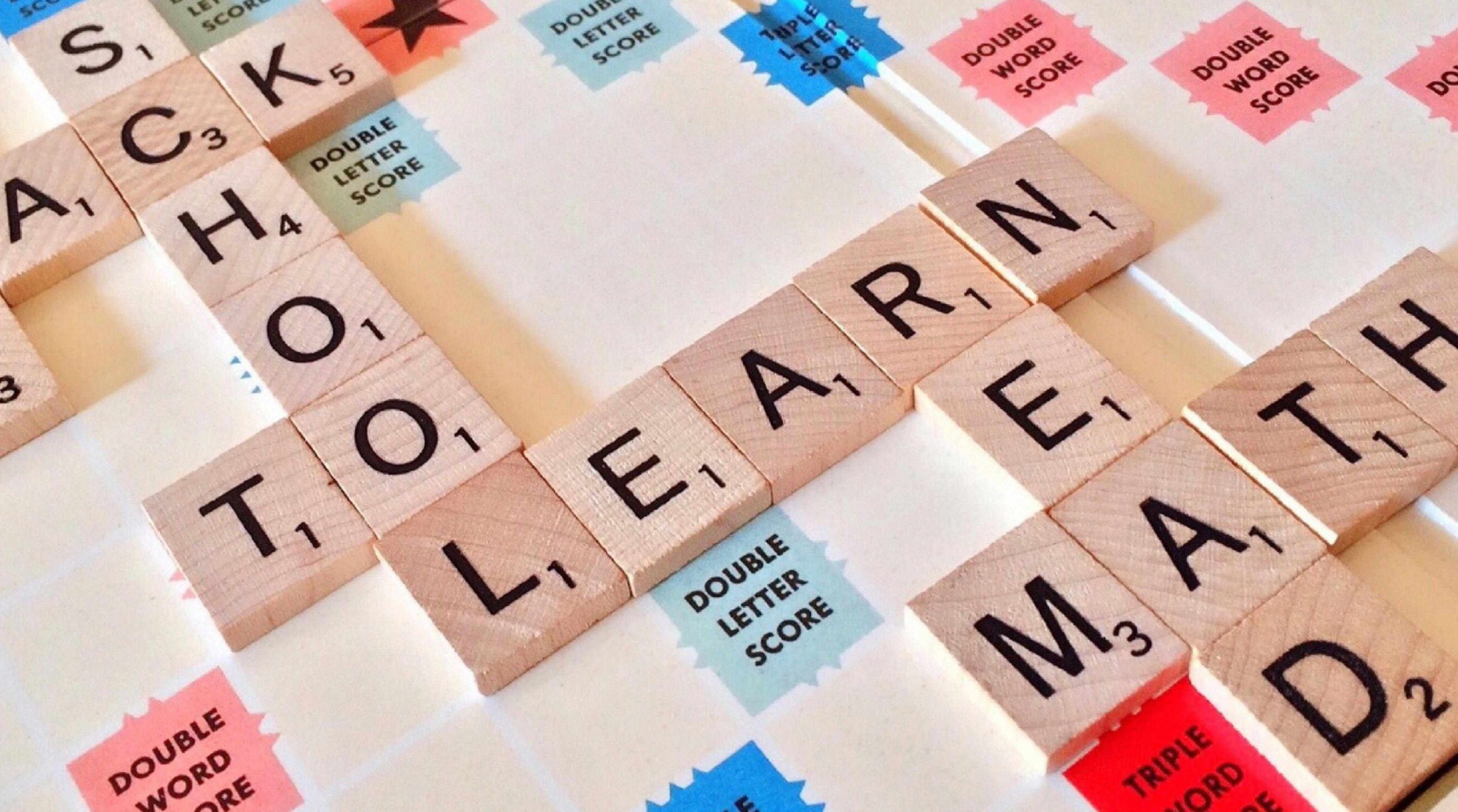
    Language learning is a complex process, and preschoolers benefit from discovering patterns and making connections between words. Word families provide a magical gateway to this process. A word family consists of a group of words that share the same base or root word and possess similar patterns or sounds. For example, words such as cat, hat, mat, and sat belong to the “-at” word family. By exploring word families, preschoolers can expand their vocabulary, improve their phonological awareness, and develop strong reading and writing skills.


    Phonological Awareness: The Building Blocks of Literacy


    The Power of Rhyme:

    One of the most enchanting aspects of word families is the rhyming patterns they exhibit. Rhyme is not only delightful to the ear but also acts as a powerful tool for developing phonological awareness in preschoolers. Rhyming activities, such as reading nursery rhymes and singing songs, can help preschoolers recognize and manipulate sounds, identify word patterns, and predict word endings.


    Sound Segmentation:

    Word families can also assist preschoolers in developing sound segmentation skills. By identifying the initial, medial, and final sounds in words within a word family, preschoolers can enhance their phonemic awareness. Engaging in activities like “I Spy” games, where preschoolers identify objects with similar initial sounds, can foster this crucial skill.


    Strategies for Word Family Exploration


    Storytime Adventures:

    Reading engaging storybooks that highlight word families can captivate preschoolers and promote their understanding of the concept. Select books that emphasize word family words and provide opportunities for preschoolers to identify and connect with the words in context. As you read together, encourage preschoolers to chime in when they recognize a word family word, fostering their engagement and participation.


    Sensory Play with Word Families:

    Preschoolers thrive when they can actively explore and manipulate objects. Combining sensory play with word families creates a multisensory experience that enhances learning. For instance, setting up a sensory bin with different objects representing word family words like cat, hat, and mat allows preschoolers to physically interact with the words, reinforcing their understanding through touch, sight, and sound.


    Word Family Crafts and Activities


    Word Family Flip Books:

    Crafting flip books with preschoolers provides an engaging way to reinforce word family words. Fold pieces of paper in half and write the word family on the top. Then, write different word family words on each page, changing one letter at a time. Preschoolers can flip through the pages, creating new words and strengthening their understanding of word patterns.


    Word Family Puzzles:

    Creating word family puzzles is another enjoyable activity that promotes word recognition and critical thinking. Write the word family on one piece of paper and cut it into puzzle pieces. Then, write different word family words on separate pieces. Preschoolers can match the word family pieces to the corresponding words, reinforcing their understanding of word patterns and connections.


    Word Families in Everyday Life


    Word Family Hunt:

    Transform everyday experiences into word family treasure hunts. Encourage preschoolers to identify word family words they encounter at home, in the supermarket, or during a walk in the park. By fostering this word family awareness in real-life contexts, preschoolers can recognize the relevance and applicability of their vocabulary skills.


    Word Family Wall:

    Create a dedicated word family wall in the preschool environment. Display word family words on colorful cards or posters, allowing preschoolers to visually explore the patterns and connections. Regularly update the wall with new word family words, providing preschoolers with a visual reminder of their expanding vocabulary.


    Word Families and Language Expansion


    Word Family Word Walls:

    Extend the concept of word families by creating word walls that incorporate various word families. Arrange word cards according to their respective word families, allowing preschoolers to visually explore the connections between different families. This not only reinforces existing vocabulary but also encourages preschoolers to identify new words that share similar patterns.


    Word Family Story Starters:

    Spark preschoolers’ creativity and language skills by providing them with word family story starters. Write sentence prompts using word family words and encourage preschoolers to continue the story using words from the same family. This activity promotes vocabulary expansion, sentence formation, and storytelling abilities, all while reinforcing word family concepts.


    Word Families in Contextual Reading


    Word Family Sentences:

    Create simple sentences using word family words and ask preschoolers to read them aloud. This exercise not only strengthens their reading skills but also helps them understand how word families can be used in meaningful contexts. Gradually increase the complexity of sentences as their reading proficiency improves, encouraging fluency and comprehension.


    Word Family Story Writing:

    Invite preschoolers to become authors by writing their own stories using word family words. Provide them with writing prompts or picture cues to stimulate their imagination. This activity promotes language expression, vocabulary usage, and the application of word family knowledge in a creative and meaningful way.


    Word Families and Word Analysis


    Word Family Word Sorts:

    Engage preschoolers in word sorts, where they categorize words based on their word families. Provide them with word cards and ask them to sort the cards into different groups according to the patterns they identify. This activity strengthens word analysis skills, builds word recognition, and enhances their ability to identify patterns and relationships among words.


    Word Family Word Building:

    Encourage preschoolers to explore word families by building new words using word family patterns. Provide them with a set of word family cards (e.g., -at, -et, -ig) and individual letter cards. Ask them to combine the letter cards with the word family cards to create new words. This interactive activity promotes phonics skills, spelling, and reinforces word family patterns.


    Word Families and Vocabulary Expansion


    Word Family Vocabulary Games:

    Make learning word families enjoyable by incorporating games into the process. Create word family bingo or memory games where preschoolers match words with the same word family pattern. These games not only reinforce vocabulary acquisition but also enhance memory, concentration, and cognitive skills.


    Word Family Word Association:

    Encourage preschoolers to think creatively by engaging in word association activities. Provide them with a word from a specific word family and ask them to generate as many related words as possible. This exercise promotes critical thinking, expands vocabulary, and strengthens their ability to make connections between words.


    Word Families and Reading Fluency


    Word Family Fluency Practice:

    Support preschoolers in developing reading fluency by providing word family fluency practice. Create lists of word family words and ask preschoolers to read them aloud in a fluent and expressive manner. This activity not only improves their reading speed and accuracy but also enhances their ability to recognize word patterns and decode unfamiliar words.


    Word Family Reading Games:

    Engage preschoolers in interactive reading games that focus on word families. Play “Read Around the Circle,” where each child takes turns reading a word family word aloud. Alternatively, use word family word cards to play a game of “Word Family Relay,” where preschoolers pass the cards along and read the words as quickly as possible. These games foster reading fluency, word recognition, and competitive spirit.


    While the journey through word families may appear simple, its impact on preschoolers’ vocabulary development, phonological awareness, reading skills, and overall language acquisition cannot be overstated. By immersing preschoolers in the enchanting world of word families, we equip them with powerful tools to explore language, communicate effectively, and lay the foundation for a lifetime of learning. So, let’s embrace the magic of word families and ignite the spark of language within every preschooler’s heart.


    Word Families and Writing Skills


    Word Family Word Banks:

    Encourage preschoolers to create word banks specific to word families. Provide them with blank cards or a chart where they can write down word family words they encounter or learn. These word banks can serve as a valuable resource during writing activities, helping preschoolers expand their vocabulary and use word family words in their own compositions.


    Word Family Writing Prompts:

    Use word families as inspiration for writing prompts. Provide preschoolers with a word family and ask them to write a story, a poem, or a sentence using as many words from that family as possible. This activity enhances writing skills, promotes creativity, and reinforces word family concepts in a meaningful way.


    Word Families and Vocabulary Games


    Word Family Scavenger Hunt:

    Organize a word family scavenger hunt by hiding word cards around the learning environment. Provide preschoolers with clues related to specific word families, and encourage them to search for the hidden words. This activity promotes active learning, vocabulary recall, and reinforces word family recognition.


    Word Family Charades:

    Engage preschoolers in a lively game of word family charades. Write down different word family words on small cards and place them in a jar. Each child takes turns picking a card and acting out the word without speaking while others guess the word family it belongs to. This game encourages vocabulary recall, gestures, and active participation.


    Word Families and Technology


    Word Family Apps and Websites:

    Utilize technology to supplement word family learning. There are numerous educational apps and websites available that offer interactive games, quizzes, and activities centered around word families. Encourage preschoolers to engage with these resources, under adult supervision, to reinforce their understanding and practice word family skills.


    Word Family Digital Storytelling:

    Harness the power of digital storytelling to enhance word family exploration. Provide preschoolers with digital tools such as story creation apps or presentation software, and ask them to create a story using word family words. This activity combines technology, creativity, and language skills, allowing preschoolers to express themselves in a modern and engaging format.


    Word Families and Multilingual Learners


    Word Family Translations:

    For preschoolers who are learning multiple languages, explore word families across different languages. Identify word families in their native language and in the language they are acquiring. This comparative approach helps preschoolers recognize patterns and make connections between languages, promoting bilingual proficiency and cross-cultural understanding.


    Word Family Language Games:

    Engage multilingual learners in language games that focus on word families in various languages. Play games like “Word Family Bingo” or “Word Family Match-Up” using word cards from different languages. This activity promotes language learning, vocabulary acquisition, and celebrates the diverse linguistic abilities of preschoolers.


    Incorporating word families into preschoolers’ language learning journey is a dynamic and versatile approach that stimulates vocabulary development, phonological awareness, reading fluency, and writing skills. By utilizing a wide range of strategies, activities, and resources, educators and parents can empower preschoolers to explore, discover, and master the magical world of word families. So, let’s continue to embrace this captivating approach and inspire our preschoolers to become confident and skilled language users.


    Word Families and Collaborative Learning


    Word Family Group Projects:

    Promote collaboration and teamwork by assigning word family group projects. Divide preschoolers into small groups and provide each group with a specific word family to explore. Encourage them to create presentations, posters, or mini-books showcasing the words from their word family. This activity fosters cooperation, research skills, and strengthens word family knowledge.


    Word Family Story Circles:

    Organize word family story circles where preschoolers gather in a circle and take turns adding a word family word to create a collaborative story. Each child contributes a sentence using a word from the designated word family, building upon the story created by their peers. This activity nurtures creativity, oral language skills, and cooperative storytelling.


    Word Families and Cultural Connections


    Word Family Cultural Exploration:

    Integrate cultural elements into word family activities by exploring word families from different cultures and languages. Encourage preschoolers to discover word families from diverse backgrounds, such as Spanish, French, or Mandarin. This exploration promotes cultural awareness, language appreciation, and a broader understanding of word patterns across different communities.


    Word Family Cultural Crafts:

    Engage preschoolers in cultural crafts that incorporate word families. For example, create a “family tree” craft where preschoolers write word family words on leaves and attach them to a tree-shaped poster. This activity combines art, cultural learning, and word family reinforcement, fostering a sense of pride in one’s own culture and an appreciation for others.


    Word Families and Parent Engagement


    Word Family Take-Home Activities:

    Involve parents in word family learning by providing take-home activities. Send home word family worksheets, reading lists, or simple games that parents can engage in with their preschoolers. This collaborative effort strengthens the home-school connection and encourages parental involvement in their child’s language development.


    Word Family Parent Workshops:

    Organize parent workshops focused on word families and their importance in preschool language development. Provide parents with resources, strategies, and activities they can use at home to support their child’s learning. These workshops promote parent-child interaction, empower parents as partners in education, and deepen their understanding of word family concepts.


    Word Families and Assessment


    Word Family Assessments:

    Incorporate word family assessments into preschool language assessments. Design activities or quizzes that assess preschoolers’ ability to recognize, generate, and use word family words in context. These assessments provide valuable insights into preschoolers’s progress, inform instructional planning, and highlight areas for further support.


    Word Family Portfolios:

    Create word family portfolios to document preschoolers’ growth and development in word family skills. Include samples of their word family activities, writing samples, and recordings of their oral language using word family words. These portfolios serve as a visual representation of progress and can be shared with parents during parent-teacher conferences or progress meetings.


    Word families open a world of possibilities for preschoolers, enabling them to expand their vocabulary, develop strong language skills, and foster a love for words. By employing collaborative learning, incorporating cultural connections, engaging parents, and implementing assessments, educators and parents can create a rich and immersive word family learning environment. Let us continue to nurture the language abilities of preschoolers and empower them on their language learning journey.


  • Complex Sight Words

    Complex Sight Words

    Decoding the Enigma: Unraveling the Mystery of Complex Sight Words for Preschoolers

    The Significance of Complex Sight Words

    Complex sight words serve as building blocks in preschoolers’ language development, enabling them to grasp the nuances of written communication. These words, typically consisting of multiple syllables or irregular spelling patterns, provide a sturdy foundation for reading and writing skills. They often appear in texts across various subjects, making their comprehension crucial for academic success. Proficiency in complex sight words enhances a child’s reading fluency, vocabulary depth, and overall comprehension, empowering them to explore the vast landscape of written expression.


    Challenges Faced by Preschoolers

    Preschoolers encounter several challenges when grappling with complex sight words. The intricate structure and unfamiliar combinations of letters can be overwhelming, hindering their ability to decode and recognise these words efficiently. Additionally, the irregularity in spelling patterns makes it difficult for them to apply phonetic rules consistently. The abundance of multisyllabic words further compounds the challenge, as preschoolers must learn to segment and blend individual syllables seamlessly. These hurdles can lead to frustration, a loss of confidence, and an aversion to reading.


    Effective Strategies for Teaching Complex Sight Words

    1. Contextualize and Engage:

    Introduce complex sight words within a meaningful context, such as through stories, songs, or real-life scenarios. This approach enhances preschoolers’ understanding of word usage, promotes vocabulary development, and fosters an emotional connection with the words they encounter.

    2. Multi-Sensory Techniques:

    Employ a range of sensory experiences to reinforce learning. Incorporate visual aids, gestures, and manipulatives to facilitate word recognition and comprehension. For instance, using flashcards with colourful illustrations or acting out the meanings of words can make the learning process more interactive and memorable.

    3. Chunking Strategies:

    Break down complex sight words into smaller, manageable chunks. Teach preschoolers to identify common prefixes, suffixes, or root words that recur frequently. This approach equips them with valuable tools for decoding and expanding their word bank.

    4. Mnemonic Devices:

    Leverage mnemonic techniques to help preschoolers remember complex sight words more effectively. Associating visual imagery or creating memorable phrases related to the words can enhance recall and aid in building a strong foundation for reading and spelling.

    5. Repetition and Reinforcement:

    Provide ample opportunities for preschoolers to encounter and practice complex sight words. Regular review sessions, word games, and interactive activities not only reinforce learning but also make the process enjoyable and engaging.


    Embracing Individual Learning Styles

    Recognizing and accommodating preschoolers’ diverse learning styles is crucial when teaching complex sight words. Some preschoolers may excel in visual learning, while others may prefer auditory or kinesthetic approaches. Tailoring instructional methods to align with their preferred style can optimize learning outcomes. Combining various techniques and allowing for individual exploration fosters a sense of ownership over their learning journey and promotes self-confidence.


    Nurturing a Love for Reading

    Preschoolers’ relationship with complex sight words is intertwined with their overall attitude towards reading. Instilling a love for reading from an early age can significantly impact their motivation and enthusiasm to conquer these linguistic challenges. Creating a print-rich environment, offering a wide selection of age-appropriate books, and engaging in shared reading experiences lay a solid foundation for a lifelong love of literature and language.


    Collaborative Efforts: The Role of Educators and Parents

    The partnership between educators and parents plays a pivotal role in supporting preschoolers’ acquisition of complex sight words. Regular communication, sharing strategies, and maintaining a consistent approach across home and school environments can provide a cohesive learning experience. Collaboration fosters a supportive network that reinforces preschoolers’ confidence, progress, and overall success in mastering complex sight words.


    Expanding the Vocabulary Horizon

    Mastering complex sight words opens the door to a broader vocabulary horizon for preschoolers. As they become adept at decoding and comprehending these words, their ability to understand and use more sophisticated language increases. With an expanded vocabulary, preschoolers can express themselves more precisely and articulate their thoughts and ideas with greater clarity. Moreover, a rich vocabulary enhances their overall cognitive development, problem-solving skills, and critical thinking abilities.


    Cultivating Resilience and Perseverance

    The journey of learning complex sight words teaches preschoolers invaluable life skills such as resilience and perseverance. As they encounter challenges and experience setbacks, they develop the ability to persist, adapt, and overcome obstacles. By instilling a growth mindset, where mistakes are viewed as opportunities for learning and improvement, educators and parents can empower preschoolers to embrace challenges with confidence and tenacity. This resilience extends beyond the realm of reading and contributes to their overall character development.


    Harnessing Technology for Learning

    In today’s digital age, technology can play a supportive role in teaching complex sight words to preschoolers. Educational apps, interactive websites, and online resources offer engaging and interactive platforms to reinforce learning. These tools often incorporate gamification elements, providing an entertaining and stimulating environment that enhances motivation and retention. However, it is essential to strike a balance and ensure that technology supplements rather than replaces the valuable human interaction and guidance provided by educators and parents.


    Building Bridges to Future Literacy Skills

    The mastery of complex sight words lays a solid foundation for the development of future literacy skills in preschoolers. Once they gain proficiency in decoding and comprehending these words, they are better equipped to tackle more advanced reading materials. The ability to navigate complex texts enhances their reading fluency, comprehension, and analytical thinking skills. It also enables them to engage with a wide range of literary genres and informational texts, broadening their knowledge and fostering a lifelong love for learning.


    Celebrating Progress and Achievements

    Acknowledging and celebrating preschoolers’ progress and achievements in mastering complex sight words is essential for nurturing their self-esteem and motivation. Recognizing their efforts, no matter how small, and providing positive reinforcement fosters a sense of pride and accomplishment. This positive reinforcement encourages them to continue their learning journey with enthusiasm and a belief in their abilities.


    Adapting Instruction to Individual Needs

    Every preschooler is unique, and their learning needs may vary. It is crucial for educators and parents to adapt instruction to cater to individual requirements. Some preschoolers may benefit from additional support, while others may require extension activities to challenge their skills further. Regular assessments and ongoing observation can guide instructional decisions, ensuring that each child receives the appropriate level of support and challenge.


    Expanding Horizons: Beyond the Classroom

    While the classroom environment plays a vital role in teaching complex sight words, real-world experiences can enhance learning and reinforce their understanding. Encouraging preschoolers to explore their surroundings, engage in rich conversations, and apply their newly acquired vocabulary in meaningful contexts bridges the gap between academic learning and practical application. Field trips, community projects, and interactive learning experiences outside the classroom create valuable connections and deepen their understanding of complex sight words in real-life situations.


    A Lifelong Journey

    The mastery of complex sight words is not the destination but rather a milestone in a preschooler’s lifelong journey of language development. As they progress through their education, they will encounter increasingly sophisticated vocabulary and reading materials. However, the skills and strategies acquired during the process of mastering complex sight words will serve as a strong foundation for their continued growth. The journey of literacy is a lifelong pursuit, and the mastery of complex sight words is a significant step forward.


    The Role of Feedback and Guidance

    Feedback and guidance play a crucial role in helping preschoolers navigate the complexities of mastering complex sight words. Constructive feedback offers specific information about their progress, highlights areas of improvement, and provides suggestions for further development. Encouragement and support from educators and parents serve as pillars of motivation, fostering a growth mindset and instilling confidence in preschoolers’ abilities. By providing timely and targeted feedback, educators and parents can guide preschoolers towards continued success in their literacy journey.


    Fostering a Supportive Learning Environment

    Creating a supportive learning environment is paramount in facilitating preschoolers’ mastery of complex sight words. A nurturing and inclusive atmosphere promotes a sense of belonging, fosters positive relationships, and cultivates a love for learning. Preschoolers thrive in an environment where their efforts are recognized, mistakes are viewed as opportunities for growth, and individual progress is valued. By fostering a safe and supportive space, educators and parents empower preschoolers to take risks, embrace challenges, and reach their full potential.


    Bridging Home and School Connections

    The partnership between home and school is instrumental in reinforcing preschoolers’ learning of complex sight words. Regular communication between educators and parents provides valuable insights into a child’s progress, challenges, and strengths. Sharing strategies and resources allows for consistency in teaching approaches and reinforces learning beyond the classroom. By bridging home and school connections, educators and parents can create a seamless learning experience that maximizes preschoolers’ opportunities for success.


    Cultural Sensitivity and Inclusivity

    Preschoolers come from diverse cultural backgrounds and possess unique linguistic experiences. It is essential to embrace cultural sensitivity and inclusivity when teaching complex sight words. Recognizing and valuing the diversity of language patterns and dialects ensures that preschoolers’ individual needs and cultural identities are respected. This approach fosters an inclusive learning environment where all preschoolers feel valued, heard, and empowered to engage in their language development journey.


    Long-Term Impact on Academic Success

    Mastery of complex sight words sets the stage for preschoolers’ future academic success. Proficiency in these words enhances reading comprehension, fluency, and writing skills, enabling preschoolers to excel in various academic disciplines. The ability to decode complex sight words efficiently empowers them to tackle more advanced texts, comprehend complex concepts, and express themselves effectively. The impact of mastering complex sight words extends far beyond the early years, laying a solid foundation for lifelong learning and academic achievement.


    The Joy of Language Discovery

    Amidst the challenges and intricacies of mastering complex sight words, it is crucial to celebrate the joy of language discovery. Preschoolers’ wonder and excitement as they unlock the meanings and intricacies of words are invaluable. By fostering a sense of curiosity, exploration, and playfulness, educators and parents can ignite a lifelong passion for language and literature. The joy of language discovery fuels preschoolers’ motivation, enriches their experiences, and sets them on a path towards a lifetime of intellectual growth and fulfillment.

    In the quest to unravel the mysteries of complex sight words, educators and parents become guides, mentors, and champions for preschoolers’ language development. By employing effective strategies, fostering a love for reading, embracing individual learning styles, and cultivating collaborative partnerships, we empower preschoolers to conquer the challenges and unlock the potential of complex sight words. As they navigate this intricate journey, preschoolers embark on a path of lifelong learning, self-expression, and academic success. Let us embrace this remarkable voyage and celebrate the brilliance and resilience of our preschoolers as they uncover the magic of language, one complex sight word at a time.


    Continuous Support and Reinforcement

    The journey of mastering complex sight words does not end once preschoolers have achieved proficiency. Continuous support and reinforcement are essential to solidify their learning and ensure long-term retention. Regular review sessions, word games, and engaging activities help preschoolers maintain their skills and expand their vocabulary. By providing ongoing support and reinforcement, educators and parents can help preschoolers retain their knowledge of complex sight words and build upon their foundation for future literacy development.


    Embracing a Multilingual Approach

    In today’s multicultural and multilingual society, many preschoolers come from households where multiple languages are spoken. Embracing a multilingual approach to teaching complex sight words can enrich their language development and strengthen their overall literacy skills. Recognizing and incorporating the languages spoken by preschoolers and their families into the learning process validates their linguistic identities and promotes a deeper understanding of complex sight words across different languages. This inclusive approach fosters bilingualism or multilingualism, providing preschoolers with a valuable asset in an increasingly interconnected world.


    Encouraging Independent Reading

    As preschoolers progress in their mastery of complex sight words, it is essential to encourage independent reading. Providing access to age-appropriate books and creating a print-rich environment empowers preschoolers to explore and engage with texts on their own. Independent reading promotes self-reliance, critical thinking, and a sense of ownership over their learning. By encouraging preschoolers to read independently, educators and parents cultivate a lifelong habit of reading and nurture their love for literature.


    Integrating Technology and Digital Resources

    Incorporating technology and digital resources into the learning process can enhance preschoolers’ engagement and interaction with complex sight words. Educational apps, interactive e-books, and online resources offer interactive platforms that make learning enjoyable and accessible. These tools can provide immediate feedback, offer adaptive learning experiences, and cater to diverse learning styles. However, it is crucial to strike a balance between technology and hands-on experiences, ensuring that the use of digital resources supplements and enhances preschoolers’ learning rather than replacing important real-world interactions.


    Collaborative Learning and Peer Support

    Collaborative learning and peer support can be powerful tools in mastering complex sight words. Group activities, paired reading exercises, and cooperative learning experiences create opportunities for preschoolers to learn from and support one another. Engaging in discussions, sharing strategies, and working together to solve problems not only enhances their understanding of complex sight words but also promotes social and emotional development. Collaboration fosters a sense of community, empathy, and teamwork, creating a positive and inclusive learning environment.

  • Importance of Appreciation

    Importance of Appreciation

    The Profound Impact of Appreciation: Nurturing Growth and Well-being in Preschoolers

    Nurturing Emotional Intelligence through Appreciation

    Emotional intelligence, often referred to as EQ, plays a pivotal role in preschoolers’s overall well-being and future success. Appreciation serves as a catalyst for the development of emotional intelligence, enabling preschoolers to understand and manage their emotions effectively. When educators, parents, and caregivers take the time to acknowledge a child’s emotions, be it joy, frustration, or sadness, they demonstrate empathy and foster a safe environment for emotional expression.

    By expressing appreciation for a preschooler’s emotional experiences, we validate their feelings, promoting self-awareness and emotional regulation. This not only helps preschoolers develop resilience but also equips them with essential skills to navigate social interactions, solve problems, and build healthy relationships.


    Building Self-Esteem and Confidence through Appreciation

    Preschoolers are at a critical stage of development, where their self-perception is significantly influenced by external validation. Appreciation plays a crucial role in shaping a child’s self-esteem and confidence. When preschoolers receive genuine praise and recognition for their efforts, achievements, or unique qualities, they internalize a positive self-image.

    By celebrating a preschooler’s accomplishments, big or small, we foster a growth mindset that encourages them to take on new challenges and persist in the face of obstacles. This not only boosts their self-confidence but also cultivates a belief in their abilities, setting the stage for lifelong learning and personal growth.


    Fostering a Sense of Belonging through Appreciation

    In a world where preschoolers are constantly exposed to comparison and competition, creating a sense of belonging is crucial for their emotional well-being. Appreciation plays a pivotal role in cultivating a supportive and inclusive environment where every child feels valued and accepted for who they are.

    When educators and caregivers express appreciation for preschoolers’ unique qualities, efforts, or contributions, it sends a powerful message that they are an integral part of the community. This sense of belonging nurtures their social skills, empathy, and understanding, allowing them to embrace diversity and form meaningful connections with their peers.


    Cognitive Growth and Learning through Appreciation

    Appreciation not only impacts emotional and social development but also enhances cognitive growth and learning in preschoolers. When preschoolers receive genuine appreciation for their curiosity, creativity, and problem-solving abilities, it fuels their intrinsic motivation to explore and learn.

    By valuing and acknowledging a preschooler’s ideas and efforts, we inspire a love for learning, curiosity, and critical thinking. This positive reinforcement encourages preschoolers to take risks, engage actively in the learning process, and develop a growth mindset that embraces challenges as opportunities for growth.


    Cultivating Positive Parent-Child Relationships through Appreciation

    Appreciation strengthens the bond between parents and preschoolers, creating a nurturing and supportive parent-child relationship. When parents express genuine appreciation for their child’s uniqueness, efforts, and achievements, it fosters trust, mutual respect, and open communication.

    By actively appreciating and acknowledging preschoolers, parents create a safe space for open dialogue, where preschoolers feel comfortable sharing their thoughts, fears, and aspirations. This strong parent-child relationship lays the foundation for healthy emotional development, resilience, and the development of secure attachments.


    Cultivating a Culture of Appreciation in Preschool Settings

    Creating a culture of appreciation in preschool settings is essential for fostering an environment that supports the growth and well-being of every child. When educators prioritize appreciation and model it in their interactions with preschoolers, they set the stage for a positive and nurturing learning environment.

    By regularly expressing appreciation for preschoolers’s efforts, creativity, and individual strengths, educators create a classroom atmosphere where every preschooler feels seen and valued. This not only enhances their self-esteem but also encourages active participation and a love for learning.

    In addition to verbal appreciation, incorporating gestures of recognition, such as certificates, badges, or display boards showcasing preschoolers’s achievements, can have a profound impact. These visible reminders of appreciation not only celebrate individual accomplishments but also create a sense of pride and motivation within the preschoolers.


    The Ripple Effect of Appreciation on Preschoolers’ Behavior

    Appreciation has a ripple effect that extends beyond the individual preschooler. When preschoolers experience genuine appreciation, they internalize its value and begin to exhibit positive behaviors towards others.

    Preschoolers who feel appreciated are more likely to demonstrate empathy, kindness, and inclusivity towards their peers. They understand the importance of acknowledging others and are motivated to create a supportive and respectful classroom community.

    By consistently reinforcing and encouraging these positive behaviors, educators can harness the power of appreciation to create a harmonious and cooperative learning environment. Preschoolers thrive in such an atmosphere, where their contributions are recognized and they are inspired to be active participants in their own and others’ growth.


    Appreciation as a Tool for Behavior Management

    Appreciation can also serve as a powerful tool for behavior management in preschool settings. Instead of focusing solely on disciplining negative behaviors, educators can use appreciation strategically to reinforce positive behaviors and redirect attention.

    By providing specific and timely appreciation for desired behaviors, educators reinforce the notion that positive actions are noticed and valued. This encourages preschoolers to continue exhibiting those behaviors, promoting a positive classroom climate and reducing the occurrence of disruptive behaviors.

    Appreciation can be combined with constructive feedback to create a balanced approach to behavior management. By acknowledging a child’s efforts, progress, or improved behavior while also providing guidance on areas that need development, educators help preschoolers understand that growth and learning are continuous processes.


    The Long-Term Impact of Appreciation on Preschoolers’ Well-being

    The impact of appreciation extends far beyond the preschool years and has long-term effects on a child’s overall well-being. Preschoolers who grow up in an environment where they feel genuinely appreciated develop a strong sense of self-worth, resilience, and emotional intelligence.

    As they transition into primary school and beyond, these preschoolers carry with them a solid foundation of self-confidence and a positive attitude towards learning. They are more likely to embrace challenges, persevere in the face of setbacks, and form healthy relationships.

    Appreciation also plays a vital role in shaping their mental health and emotional resilience. Preschoolers who experience consistent appreciation are more likely to develop healthy coping mechanisms, have a positive self-image, and navigate stress and adversity effectively.

    As adults, these individuals are more likely to exhibit compassion, empathy, and gratitude towards others. They understand the profound impact of appreciation and are motivated to create nurturing environments for future generations.


    Integrating Appreciation into Everyday Interactions

    Integrating appreciation into everyday interactions with preschoolers is key to ensuring its consistent and meaningful presence in their lives. It is essential to move beyond occasional praise and make appreciation a natural part of communication and relationship-building.

    One effective way to incorporate appreciation is by using descriptive language when acknowledging a child’s efforts or achievements. Instead of generic statements like “Good job,” providing specific feedback such as “I appreciate how you worked so hard on your artwork. The colors you chose are vibrant, and it shows your creativity” gives preschoolers a clearer understanding of what they did well and why it is valued.

    Another approach is to encourage self-appreciation. Teach preschoolers to recognize and acknowledge their own accomplishments and efforts. This helps them develop a positive self-image and a sense of pride in their abilities. Encourage them to reflect on their achievements and express gratitude for their own hard work and dedication.

    Furthermore, integrating appreciation into daily routines and activities can have a lasting impact. Whether it’s during circle time, story-sharing, or playtime, take moments to acknowledge and appreciate individual contributions or positive behaviors. This not only reinforces desired behavior but also creates a positive atmosphere of support and encouragement.


    Overcoming Challenges in Expressing Appreciation

    While appreciation is a powerful tool, there may be challenges in effectively expressing it to preschoolers. Some educators and caregivers may struggle to find the right words or worry about being perceived as insincere. However, it is crucial to overcome these challenges and prioritize genuine appreciation for the well-being of preschoolers.

    One way to overcome this challenge is to focus on the process rather than just the outcome. Instead of solely praising the end result, acknowledge the effort, perseverance, and problem-solving skills demonstrated by the child. This reinforces the value of the journey and encourages a growth mindset.

    Additionally, active listening and observation can help uncover and appreciate the unique qualities and strengths of each preschooler. By paying attention to their interests, passions, and personal growth, educators and caregivers can provide authentic appreciation that resonates with the child.

    Lastly, creating a supportive network of educators and parents can enhance the practice of appreciation. Sharing experiences, insights, and success stories can inspire and empower each other to prioritize appreciation and find creative ways to express it consistently.


    The Role of Technology in Expressing Appreciation

    In the digital age, technology can be leveraged as a tool to express appreciation and strengthen relationships with preschoolers. While face-to-face interactions are invaluable, technology can enhance and extend the reach of appreciation beyond the classroom or home.

    Digital platforms can be used to create personalized messages, videos, or digital portfolios showcasing a child’s growth and achievements. These can serve as tangible reminders of appreciation and provide opportunities for reflection and celebration. Virtual platforms can also facilitate communication between parents, educators, and caregivers, enabling the sharing of milestones and successes.

    However, it is important to strike a balance and ensure that technology does not replace genuine human interactions. Face-to-face appreciation and meaningful physical connections should remain at the core of nurturing preschoolers’ well-being.


    Sustaining a Culture of Appreciation

    Sustaining a culture of appreciation requires ongoing effort and commitment from all stakeholders involved in a preschooler’s life. It is essential to embed appreciation into the fabric of daily routines, educational practices, and home environments.

    Educators can incorporate appreciation into lesson plans, curriculum design, and classroom activities. By integrating opportunities for preschoolers to showcase their skills, talents, and unique qualities, educators create platforms for appreciation to thrive. Celebrating achievements, milestones, and individual progress can become a regular part of the learning journey.

    Parents and caregivers play a crucial role in sustaining a culture of appreciation beyond the preschool setting. They can actively engage in conversations about their child’s day, showing genuine interest and appreciation for the child’s experiences, ideas, and emotions. By valuing and acknowledging their child’s efforts and achievements, parents create a nurturing home environment that reinforces the importance of appreciation.

    Collaboration between educators, parents, and caregivers is essential for sustaining a culture of appreciation. Regular communication, such as parent-teacher conferences or home-school journals, can provide opportunities for sharing and celebrating the child’s growth and accomplishments. Joint efforts in recognizing and appreciating preschoolers’ efforts create a cohesive support system that uplifts and empowers the child.


    Extending Appreciation to the Larger Community

    Appreciation should not be limited to the preschool environment but should extend to the larger community. Preschoolers benefit greatly when they witness and experience appreciation from a variety of sources, such as community members, volunteers, or local organizations.

    Engaging the community in appreciation initiatives can have a profound impact on the preschoolers. Guest speakers, visits to local businesses, or collaborations with community organizations provide opportunities for preschoolers to showcase their talents and receive recognition. This exposure allows them to understand that their contributions and efforts are valued beyond the immediate circle of educators and parents.

    Furthermore, involving preschoolers in community service projects and acts of kindness nurtures a sense of empathy, compassion, and gratitude. By expressing appreciation for the efforts they put into making a positive difference in the community, preschoolers develop a deeper understanding of the importance of appreciation in building a harmonious society.


    The Continuation of Appreciation in Primary Education

    As preschoolers transition into primary education, the continuation of appreciation becomes crucial for their continued growth and development. Educators in primary schools can build upon the foundation of appreciation laid during the preschool years, ensuring that preschoolers experience a seamless continuation of this nurturing practice.

    By integrating appreciation into the primary school curriculum and classroom culture, educators foster a sense of continuity and reinforce the value of acknowledging and celebrating individual strengths and achievements. Recognizing and appreciating each child’s progress, effort, and unique qualities helps them maintain a positive self-image and motivation to excel.

    Parents can also play an active role in sustaining the practice of appreciation as their child progresses through primary education. By continuing to express genuine appreciation for their child’s efforts and supporting their growth, parents reinforce the importance of appreciation in their child’s life.

  • Preschoolers’ Growing Independence

    Preschoolers’ Growing Independence

    Preschoolers’ Growing Independence: Nurturing the Seeds of Autonomy


    Encouraging Decision-Making Skills:

    Preschoolers crave autonomy and a sense of control over their lives. One effective way to nurture their independence is by providing them with opportunities to make decisions. Simple choices, such as selecting their outfit for the day or deciding which book to read at bedtime, allow them to exercise their burgeoning decision-making skills. By honouring their choices and opinions, we empower preschoolers to feel heard and respected, fostering a sense of self-worth and autonomy.


    Promoting Self-Help Skills:

    Preschoolers’ growing independence is closely intertwined with their ability to take care of themselves. Encouraging self-help skills, such as dressing themselves, feeding, and tidying up, not only builds their self-confidence but also fosters a sense of responsibility and competence. While it may be tempting to rush in and assist, allowing preschoolers to struggle and problem-solve at their own pace helps them develop resilience and adaptability.


    Creating a Safe and Supportive Environment:

    Preschoolers need a secure and nurturing environment that allows them to explore and take risks without fear of failure or judgment. As adults, we must strike a delicate balance between providing guidance and allowing preschoolers to test their limits. By offering a safe space for them to make mistakes, we empower them to learn from their experiences and develop problem-solving skills. Celebrating their efforts rather than focusing solely on outcomes encourages them to embrace challenges and persevere.


    Encouraging Independence in Play:

    Play is a natural and essential part of preschoolers’ lives, serving as a vital platform for learning and growth. Encouraging independent play allows them to engage in imaginative exploration, develop their creativity, and build problem-solving skills. Providing open-ended toys, arts and crafts materials, and outdoor spaces facilitates their self-directed play, encouraging them to follow their interests and make decisions about how to engage with their surroundings.


    Promoting Communication and Expression:

    Preschoolers’ growing independence is intertwined with their ability to express themselves and communicate effectively. Encouraging them to articulate their thoughts, feelings, and desires fosters their self-awareness and enhances their ability to interact with others. Actively listening to their ideas, engaging in meaningful conversations, and validating their emotions nurtures their self-confidence and cultivates their ability to assert their needs in a respectful manner.


    Fostering Responsibility and Independence at Home

    As parents, fostering preschoolers’ independence begins within the walls of our homes. By assigning age-appropriate responsibilities, such as setting the table or tidying up their toys, we teach them the value of contributing to the household. These tasks not only cultivate a sense of responsibility but also instil important life skills that will serve them well into adulthood.


    Encouraging Independence in Educational Settings

    Educational settings, such as preschools and early learning centres, play a vital role in nurturing preschoolers’ independence. A curriculum that balances structured activities with free play and encourages peer collaboration fosters their decision-making abilities, problem-solving skills, and social interactions. Additionally, teachers who act as guides and facilitators, rather than authority figures, promote a sense of autonomy and self-direction among preschoolers.


    Nurturing Independence in Social Interactions

    Preschoolers’ social interactions provide numerous opportunities for them to develop and exercise their independence. Encouraging age-appropriate peer interactions, promoting turn-taking, and supporting conflict resolution skills enable preschoolers to navigate social situations with growing confidence. By nurturing their ability to make independent choices in social settings, we empower them to develop strong interpersonal skills and form meaningful connections with their peers.


    Celebrating Milestones and Individual Progress

    Every milestone achieved by a preschooler on their journey towards independence should be celebrated. Recognizing and acknowledging their progress, no matter how small, cultivates a growth mindset and motivates them to continue exploring their capabilities. By celebrating their individuality and unique strengths, we inspire them to embrace challenges and strive for personal growth.


    Preschoolers’ growing independence is a transformative period that deserves our attention, support, and celebration. By fostering decision-making skills, promoting self-help abilities, creating a safe environment, encouraging independent play, and supporting communication and expression, we lay the groundwork for preschoolers to become confident, capable, and autonomous individuals.


    Embracing Risk and Resilience

    Preschoolers’ growing independence involves taking risks and learning from setbacks. As adults, it is crucial to create an environment that allows them to explore their boundaries while ensuring their safety. By encouraging calculated risks, such as climbing a small tree or trying a new activity, we help preschoolers develop resilience, problem-solving skills, and a healthy sense of adventure. When they encounter setbacks or failures, offering support and guidance rather than rescuing them fosters their ability to bounce back and learn from challenges.


    Cultivating Independence in Daily Routines

    Daily routines provide excellent opportunities for preschoolers to exercise their independence and develop a sense of ownership. Involving them in age-appropriate tasks, such as preparing their own snacks, packing their backpacks, or assisting with simple chores, nurtures their self-reliance and confidence. By participating in these routines, they develop a sense of responsibility and learn the importance of contributing to their own well-being.


    The Role of Technology in Promoting Independence

    In today’s digital age, technology can serve as a valuable tool for promoting preschoolers’ independence when used mindfully. Educational apps and interactive platforms can support their cognitive and problem-solving skills while encouraging independent learning. However, it is crucial to strike a balance and ensure that screen time does not replace real-life experiences and interactions. By actively engaging with preschoolers during digital activities and guiding their usage, we can harness technology to enhance their autonomy rather than hinder it.


    Encouraging Risk-Taking in Creativity and Exploration

    Preschoolers’ creativity and curiosity are boundless, and it is vital to encourage risk-taking in their artistic and exploratory endeavours. Providing a variety of materials and open-ended activities allows them to experiment, make choices, and explore their interests independently. Whether it’s through painting, building with blocks, or engaging in imaginative play, supporting their creative expression and encouraging them to take risks fosters their confidence, problem-solving skills, and innovation.


    Empowering Preschoolers’ Decision-Making in Food Choices

    Mealtime provides an opportunity to involve preschoolers in decision-making and develop their independence in a practical and meaningful way. Encouraging them to make choices about their meals, such as selecting fruits and vegetables or helping with meal preparation, not only promotes healthy eating habits but also empowers them to take ownership of their dietary choices. This involvement instils a sense of responsibility for their well-being and nurtures a positive relationship with food.


    Partnering with Parents and Caregivers

    Nurturing preschoolers’ growing independence requires a collaborative effort between parents, caregivers, and educators. By maintaining open lines of communication, sharing insights and observations, and aligning approaches, we can create a consistent and supportive environment that promotes independence across various settings. Regular dialogue with parents and caregivers ensures that strategies for encouraging autonomy are reinforced both at home and in educational settings, providing preschoolers with a cohesive framework for their development.


    Preschoolers’ growing independence is a beautiful and transformative process that sets the stage for their future growth and development. By empowering them to make choices, fostering self-help skills, creating a safe environment, promoting independent play, and supporting their communication and expression, we lay the foundation for confident, capable, and resilient individuals. Embracing risk, cultivating independence in daily routines, harnessing technology mindfully, and partnering with parents and caregivers further enrich their journey towards autonomy. Let us celebrate and nurture the incredible potential within every preschooler, as they blossom into unique and independent beings.


    Recognizing and Respecting Boundaries

    Preschoolers’ growing independence also involves the development of personal boundaries. As they assert their individuality, it is important for adults to respect their boundaries while providing guidance and support. Understanding and acknowledging their need for personal space, consent, and autonomy in decision-making cultivates a sense of self-worth and lays the groundwork for healthy relationships and boundaries in the future.


    Building Independence through Problem-Solving

    Problem-solving skills are essential for preschoolers to navigate the challenges they encounter as they explore their independence. Encouraging them to find solutions to their own problems, whether it’s figuring out how to reach a high shelf or resolving a conflict with a friend, fosters critical thinking, resilience, and adaptability. Offering gentle guidance and asking open-ended questions empowers them to think creatively and develop their own problem-solving strategies.


    Supporting Independence in Emotional Regulation

    Preschoolers’ emotional development is closely intertwined with their growing independence. Helping them understand and manage their emotions allows them to navigate the world more confidently and make independent choices. By providing a safe space for them to express their feelings and offering strategies for emotional regulation, such as deep breathing or engaging in calming activities, we empower preschoolers to develop self-awareness, empathy, and emotional resilience.


    Emphasizing the Process, Not Just the Outcome

    In our society focused on results and achievements, it is crucial to shift the emphasis to the process rather than just the outcome when nurturing preschoolers’ independence. Celebrating their efforts, perseverance, and progress reinforces the importance of growth and learning. By valuing their individual journeys and highlighting the lessons learned along the way, we cultivate a mindset that embraces challenges, values resilience, and fosters a love for continuous self-improvement.


    Fostering Independence in Conflict Resolution

    Conflict is an inevitable part of life, and preschoolers need guidance in developing constructive conflict resolution skills. Encouraging them to express their perspectives, actively listen to others, and seek peaceful resolutions empowers them to navigate conflicts independently. By modelling effective communication and problem-solving strategies, we equip preschoolers with the tools they need to resolve conflicts respectfully, negotiate compromises, and maintain positive relationships.


    Cultivating Independence through Mindful Choices

    Teaching preschoolers the power of mindful choices supports their growing independence and decision-making skills. By discussing the consequences of their choices, encouraging them to consider alternatives, and reflecting on the outcomes, we help them develop critical thinking and foresight. Engaging in age-appropriate discussions about values, ethics, and the impact of their actions empowers them to make informed decisions and take responsibility for their choices.


    Celebrating Diversity and Individuality

    Preschoolers’ independence flourishes in an environment that celebrates diversity and individuality. Embracing and valuing differences in appearance, abilities, interests, and backgrounds nurtures a sense of acceptance, empathy, and inclusivity. By fostering an environment where every preschooler feels seen, heard, and valued, we empower them to embrace their uniqueness, develop a positive self-identity, and respect the diversity of others.


    Cultivating a Lifelong Love for Learning

    Preschoolers’ growing independence should be accompanied by a lifelong love for learning. Nurturing their curiosity, providing opportunities for exploration and discovery, and encouraging a growth mindset instils a passion for knowledge and continuous personal development. By fostering a love for learning, we equip preschoolers with the skills and motivation to navigate future challenges, pursue their interests, and adapt to a rapidly changing world.


    The Role of Positive Role Models

    Positive role models play a crucial role in shaping preschoolers’ growing independence. Whether it’s parents, caregivers, teachers, or other influential individuals, these role models demonstrate the values, behaviours, and attitudes that support autonomy, resilience, and self-confidence. By modelling independence, empathy, problem-solving, and a growth mindset, these role models inspire and guide preschoolers on their journey towards becoming independent individuals.


    Celebrating Preschoolers’ Achievements

    Throughout the process of nurturing preschoolers’ independence, it is important to celebrate their achievements, no matter how small or big. Recognition and positive reinforcement build their self-esteem, motivate their efforts, and reinforce their belief in their own capabilities. By acknowledging and celebrating their milestones, we create an environment that values their progress and encourages them to continue exploring their independence with confidence and joy.


    Preschoolers’ growing independence is a transformative and awe-inspiring phase of their development. By recognizing and respecting their boundaries, supporting problem-solving skills, promoting emotional regulation, and emphasizing the value of the process, we nurture their autonomy and self-reliance. Through mindful choices, constructive conflict resolution, and celebrating diversity, we foster their sense of individuality, empathy, and inclusivity. With positive role models, a love for learning, and the celebration of their achievements, we set the stage for preschoolers to flourish as independent and resilient individuals.


    Encouraging Independence in Personal Hygiene and Self-Care

    Promoting independence in personal hygiene and self-care is an important aspect of preschoolers’ growing autonomy. By teaching them age-appropriate skills such as brushing their teeth, washing their hands, and using the toilet independently, we empower them to take responsibility for their own well-being. Providing visual cues, step-by-step guidance, and reinforcing positive habits instils a sense of accomplishment and confidence in preschoolers as they develop essential self-care routines.


    Preschoolers’ growing independence encompasses various aspects of their lives, including decision-making, self-help skills, play, communication, and more. By nurturing and supporting their autonomy, we equip them with the essential skills and mindset they need to navigate the world with confidence, resilience, and a sense of purpose. As we celebrate their individuality, guide their exploration, and embrace their achievements, we set the stage for a future filled with limitless possibilities.


  • Continued Guidance

    Continued Guidance

    Guiding Preschoolers Towards Growth: Providing Continued Support


    Introduction:


    Guiding preschoolers towards growth and development requires ongoing support and guidance from educators and caregivers. In this article, we explore the importance of continued guidance in nurturing the holistic development of preschoolers. We delve into various aspects of their development, including social-emotional skills, cognitive abilities, physical development, and creativity. By providing sustained support and guidance, we empower preschoolers to flourish and reach their full potential.


    I. Nurturing Social-Emotional Skills


    Building Relationships: Help preschoolers develop positive relationships by creating a warm and inclusive environment. Encourage social interactions, teach empathy, and model respectful communication to foster healthy connections.


    Emotional Regulation: Teach preschoolers strategies for managing their emotions, such as deep breathing or counting to ten. Provide a safe space for them to express their feelings and support them in understanding and regulating their emotions.


    II. Enhancing Cognitive Abilities


    Literacy and Language Development: Continue to foster preschoolers’ literacy and language skills by engaging them in activities that promote reading, storytelling, and vocabulary expansion. Encourage their curiosity and provide opportunities for exploration through books and language-rich environments.


    Mathematical Thinking: Introduce preschoolers to foundational mathematical concepts through hands-on activities, puzzles, and games. Foster their problem-solving skills, numerical awareness, and understanding of patterns and shapes.


    III. Supporting Physical Development


    Gross Motor Skills: Provide opportunities for preschoolers to engage in activities that promote gross motor skills, such as running, jumping, and climbing. Set up safe and challenging environments that encourage physical exploration and enhance their coordination and balance.


    Fine Motor Skills: Support the development of fine motor skills by offering activities that involve manipulation, such as drawing, cutting, and puzzles. Encourage preschoolers to practice hand-eye coordination and develop their dexterity.


    IV. Fostering Creativity


    Artistic Expression: Encourage preschoolers to explore their creativity through various art forms, such as painting, drawing, and sculpting. Provide a range of materials and encourage them to express their ideas and emotions through artistic activities.


    Imaginative Play: Create a space for imaginative play, allowing preschoolers to engage in pretend play and role-playing. Provide props, costumes, and open-ended materials to stimulate their imagination and creativity.


    V. Promoting Independence and Autonomy


    Self-Help Skills: Support preschoolers in developing self-help skills, such as dressing themselves, using utensils, and tidying up. Provide guidance and opportunities for them to practice these skills, fostering their sense of independence and responsibility.


    Decision-Making: Encourage preschoolers to make choices within structured activities, such as selecting materials or deciding on their preferred activities. Support their decision-making process and help them understand the consequences of their choices.


    VI. Cultivating Curiosity and a Love for Learning


    Inquiry-Based Learning: Foster preschoolers’ natural curiosity by encouraging them to ask questions, investigate, and explore. Design activities that promote inquiry and provide opportunities for hands-on learning experiences.


    Multisensory Learning: Engage preschoolers in multisensory learning experiences that stimulate their senses and promote active engagement. Incorporate visual aids, manipulatives, and experiential activities to enhance their understanding and enjoyment of learning.


    VII. Encouraging Collaboration and Communication


    Collaborative Projects: Foster collaboration by organizing group projects where preschoolers work together towards a common goal. Encourage them to share ideas, problem-solve collectively, and develop effective communication skills.


    Verbal and Nonverbal Communication: Support preschoolers in developing their communication skills by providing opportunities for expressive language, active listening, and nonverbal communication. Encourage them to articulate their thoughts, engage in meaningful conversations, and respect diverse perspectives.


    VIII. Building Resilience and Perseverance


    Encouraging Resilience: Foster resilience by providing a supportive environment where preschoolers feel safe to take risks, make mistakes, and learn from setbacks. Encourage them to view challenges as opportunities for growth and celebrate their efforts and perseverance.


    Teaching Problem-Solving: Help preschoolers develop problem-solving skills by guiding them through challenging situations and encouraging them to think critically. Provide opportunities for them to analyze problems, explore multiple solutions, and evaluate the outcomes.


    Conclusion:


    Continued guidance is vital in supporting the growth and development of preschoolers. By nurturing their social-emotional skills, cognitive abilities, physical development, creativity, independence, curiosity, collaboration, communication, resilience, and problem-solving skills, educators and caregivers provide the foundation for preschoolers to flourish.


    Let us remember that each preschooler is unique and may require individualized guidance and support. By embracing their strengths, addressing their needs, and providing sustained guidance, we empower preschoolers to become confident, compassionate, and lifelong learners.


    As educators and caregivers, we have the privilege and responsibility to guide preschoolers towards growth and development. Through our continued support, we enable them to navigate the challenges and opportunities that lie ahead, preparing them for a future filled with possibilities. Together, let us commit to providing the guidance and support necessary for preschoolers to thrive and reach their full potential.


    IX. Cultivating a Growth Mindset


    Fostering a growth mindset in preschoolers is crucial for their continued growth and development. A growth mindset is the belief that abilities and intelligence can be developed through effort, perseverance, and learning from mistakes. By cultivating a growth mindset, preschoolers are more likely to embrace challenges, persist in the face of setbacks, and see failures as opportunities for growth. Consider the following strategies:


    Praise Effort and Process: Instead of solely focusing on outcomes, praise preschoolers’ efforts, persistence, and the strategies they use to overcome challenges. Acknowledge their progress and highlight the value of hard work and perseverance.


    Encourage a Positive Attitude Towards Mistakes: Help preschoolers understand that making mistakes is a natural part of the learning process. Encourage them to view mistakes as opportunities to learn and grow, rather than as failures. Normalize mistakes and model resilience by sharing your own experiences of learning from errors.


    X. Promoting Reflective Thinking


    Encouraging preschoolers to engage in reflective thinking helps them develop a deeper understanding of themselves and their learning processes. Reflection promotes self-awareness, critical thinking, and metacognitive skills. Consider the following strategies:


    Journaling and Documentation: Provide opportunities for preschoolers to journal or document their experiences, thoughts, and observations. Encourage them to reflect on their learning, identify their strengths, and set goals for their personal growth.


    Reflective Discussions: Engage preschoolers in reflective discussions by asking open-ended questions about their experiences and encouraging them to share their thoughts and insights. This helps them make connections between their experiences and their learning.


    XI. Nurturing a Sense of Belonging


    A sense of belonging is crucial for preschoolers’ overall well-being and motivation to learn. When preschoolers feel valued, included, and accepted, they are more likely to engage in learning and take risks. Consider the following strategies:


    Create a Safe and Inclusive Environment: Foster a sense of belonging by creating a safe and inclusive learning environment. Emphasize respect, empathy, and kindness among preschoolers. Encourage them to celebrate each other’s differences and appreciate the diverse perspectives within the classroom.


    Celebrate Diversity: Incorporate diverse perspectives, cultures, and experiences into the learning environment. Provide opportunities for preschoolers to learn about and celebrate different traditions, languages, and backgrounds. This promotes a sense of belonging and appreciation for diversity.


    XII. Partnering with Families


    Collaborating with families is essential in providing continued guidance and support to preschoolers. Parents and caregivers play a vital role in the ongoing development of their children. Consider the following strategies:


    Open Communication: Maintain open lines of communication with families, sharing insights into preschoolers’ progress, strengths, and areas for growth. Provide resources, suggestions, and strategies for supporting their child’s development at home.


    Involve Families in Learning: Engage families in their child’s learning journey by providing opportunities for them to participate in classroom activities, events, or workshops. This strengthens the connection between home and school, reinforcing the importance of continued guidance and support.


    XIII. Professional Development and Collaboration


    Continued growth and learning among educators and caregivers are essential for providing effective guidance to preschoolers. Professional development opportunities and collaboration with colleagues help enhance knowledge and skills. Consider the following strategies:


    Professional Development Workshops: Participate in professional development workshops, conferences, and training programs to stay informed about the latest research and best practices in early childhood education. This ensures educators are equipped with the knowledge and skills needed to provide quality guidance to preschoolers.


    Collaborative Learning Communities: Foster collaborative learning communities within schools or educational networks. Create opportunities for educators to share experiences, exchange ideas, and learn from one another’s expertise. This collective growth benefits both educators and preschoolers.


    Providing continued guidance is a vital aspect of supporting preschoolers’ growth and development. By nurturing social-emotional skills, enhancing cognitive abilities, supporting physical development, fostering creativity, promoting independence, cultivating curiosity, encouraging collaboration and communication, building resilience, instilling a growth mindset, promoting reflective thinking, nurturing a sense of belonging, partnering with families, and engaging in professional development and collaboration, educators and caregivers empower preschoolers to reach their full potential.


    Through sustained guidance, we ensure that preschoolers continue to flourish and develop the skills, attitudes, and dispositions needed to succeed in their educational journey and beyond. Let us embrace the responsibility of providing continued support to preschoolers, recognizing the profound impact it has on their holistic development and future success. Together, let us strive to create nurturing environments that inspire, guide, and empower preschoolers to become lifelong learners and confident contributors to society.


    XIV. Nurturing Leadership and Initiative


    Preschoolers possess innate leadership qualities and the ability to take initiative. By nurturing these traits, educators and caregivers can foster a sense of agency and empower preschoolers to become active participants in their learning and community. Consider the following strategies:


    Encourage Decision-Making: Provide opportunities for preschoolers to make choices and decisions within a structured environment. Offer age-appropriate options and guide them in considering the consequences of their choices. This fosters their sense of ownership and responsibility.


    Promote Collaboration and Teamwork: Engage preschoolers in collaborative projects and group activities that require them to work together towards a common goal. Encourage them to take on leadership roles, delegate tasks, and support their peers, fostering their leadership skills.


    XV. Cultivating Environmental Awareness


    Preschoolers are naturally curious about the world around them, and by nurturing their environmental awareness, we can instill a sense of responsibility towards the planet. Consider the following strategies:


    Nature Exploration: Provide opportunities for preschoolers to explore and engage with nature. Take them on nature walks, engage in gardening activities, and encourage them to observe and appreciate the natural world. This fosters their connection to the environment and promotes environmental stewardship.


    Sustainability Practices: Introduce preschoolers to sustainable practices, such as recycling, conserving water and energy, and reducing waste. Encourage discussions about the importance of taking care of the Earth and involve them in simple eco-friendly activities.


    XVI. Emphasizing Global Citizenship


    In an increasingly interconnected world, it is crucial to foster a sense of global citizenship in preschoolers. By promoting an understanding and appreciation of diverse cultures, perspectives, and global issues, we can empower them to become compassionate and engaged global citizens. Consider the following strategies:


    Cultural Celebrations: Introduce preschoolers to different cultures and traditions through celebrations, stories, and art activities. Teach them about cultural diversity, respect for others, and the importance of inclusivity.


    Global Awareness: Integrate global themes into the curriculum, such as exploring different countries, learning about global issues, and promoting empathy for people from diverse backgrounds. This broadens preschoolers’ worldview and helps them develop a sense of global responsibility.


    XVII. Promoting Digital Literacy


    In today’s digital age, it is essential to equip preschoolers with digital literacy skills. By providing age-appropriate digital experiences and promoting responsible technology use, we can prepare them for the digital world they will encounter. Consider the following strategies:


    Digital Citizenship: Teach preschoolers about responsible digital behavior, such as online safety, respecting others’ privacy, and using technology for positive purposes. Establish guidelines and expectations for digital use in the classroom.


    Educational Apps and Tools: Introduce preschoolers to age-appropriate educational apps and digital tools that enhance their learning experience. Emphasize using technology as a tool for creativity, problem-solving, and accessing age-appropriate content.


    Conclusion:


    Guiding preschoolers on their journey of growth and development requires continued support and nurturing. By implementing strategies to promote leadership and initiative, environmental awareness, global citizenship, and digital literacy, educators and caregivers create a holistic learning environment that prepares preschoolers for success in an ever-changing world.


    As we provide continued guidance, let us celebrate the unique strengths and potential of each preschooler, fostering their curiosity, resilience, adaptability, and a love for learning. By instilling a sense of agency, environmental responsibility, global awareness, and digital literacy, we equip preschoolers with the skills, knowledge, and attitudes they need to thrive in the modern world.


    Together, let us embrace the opportunity to guide preschoolers towards a future filled with endless possibilities. By providing continued guidance, we empower them to become confident, compassionate, and responsible individuals who will make a positive impact on their communities and the world at large.

  • Multimodal Approach

    Multimodal Approach

    Embracing the Power of Multimodal Learning: Enhancing Preschoolers’ Educational Journey


    Introduction:


    In today’s dynamic educational landscape, preschoolers benefit from a multimodal approach to learning that engages their senses, promotes active participation, and caters to their diverse learning styles. This article explores the significance of a multimodal approach in early childhood education, highlighting its impact on preschoolers’ cognitive, social-emotional, and physical development. We delve into various modalities of learning, such as visual, auditory, kinesthetic, and tactile, and explore how they can be effectively incorporated into the learning environment.


    I. Understanding Multimodal Learning


  • The Power of Multiple Modalities: Multimodal learning recognizes that preschoolers have unique learning preferences and respond to various sensory inputs. By integrating multiple modalities, educators provide opportunities for preschoolers to engage with information using different senses, reinforcing their learning experiences.

  • Creating Meaningful Connections: Multimodal learning enables preschoolers to make connections between different modes of information. It supports their comprehension, memory retention, and the transfer of knowledge to real-life situations.


  • II. Visual Learning


  • Visual Stimuli: Utilize visual aids such as charts, diagrams, and images to enhance preschoolers’ understanding and recall of information. Visual cues help them organize concepts, recognize patterns, and develop visual literacy skills.

  • Storytelling and Visual Narratives: Engage preschoolers in storytelling activities that incorporate visual elements, such as picture books or digital media. This approach promotes imagination, language development, and the ability to comprehend and retell stories.


  • III. Auditory Learning


  • Verbal Instruction: Deliver clear and concise verbal instructions to support preschoolers’ understanding. Encourage active listening skills by incorporating storytelling, read-aloud sessions, and group discussions. Verbal cues and repetition enhance memory retention.

  • Music and Rhymes: Integrate music and rhymes into the learning environment to promote auditory processing and language development. Songs and rhythmic activities enhance preschoolers’ phonological awareness and can support learning across various subjects.


  • IV. Kinesthetic Learning


  • Hands-On Exploration: Provide opportunities for preschoolers to engage in hands-on activities that involve physical manipulation, such as building blocks, puzzles, and sensory play. These experiences develop fine motor skills, spatial awareness, and problem-solving abilities.

  • Movement and Gesture: Incorporate movement and gestures into learning experiences to enhance preschoolers’ engagement and understanding. Physical actions, such as role-playing, acting out stories, or engaging in interactive games, reinforce concepts and support kinesthetic learning.


  • V. Tactile Learning


  • Sensory Experiences: Create sensory-rich environments that stimulate preschoolers’ sense of touch. Offer a range of materials and textures, such as sand, water, playdough, or tactile boards. Sensory experiences support sensory integration, fine motor skills, and cognitive development.

  • Manipulatives and Manipulative-Based Activities: Utilize manipulatives, such as counting objects, building blocks, or puzzles, to facilitate hands-on learning experiences. Manipulative-based activities develop problem-solving skills, spatial awareness, and critical thinking.


  • VI. Technology Integration


  • Interactive Digital Tools: Integrate age-appropriate technology, such as educational apps or interactive learning platforms, into the curriculum. These tools provide engaging and interactive learning experiences, supporting preschoolers’ multimodal learning journey.

  • Digital Storytelling and Media: Utilize digital storytelling, animations, and multimedia resources to engage preschoolers in dynamic and visually appealing learning experiences. Incorporating technology enhances their motivation, creativity, and digital literacy skills.


  • VII. Scaffolded Learning


  • Gradual Complexity: Scaffold learning experiences by gradually increasing the complexity of tasks and concepts. Provide support, guidance, and resources to ensure preschoolers can navigate their learning journey successfully.

  • Differentiated Instruction: Recognize and cater to the diverse learning needs and abilities of preschoolers. Differentiate instruction by providing varied modalities, materials, and learning opportunities to meet individual learning styles and preferences.


  • VIII. Collaborative and Social Learning


  • Peer Interaction: Encourage collaboration and group work to foster social-emotional development and peer learning. Cooperative activities, discussions, and projects provide opportunities for preschoolers to learn from and support one another.

  • Play-Based Learning: Emphasize play-based learning experiences where preschoolers engage in imaginative play, problem-solving, and role-playing. Play promotes social skills, creativity, and the integration of multiple modalities.


  • IX. Reflection and Assessment


  • Reflective Practices: Provide opportunities for preschoolers to reflect on their learning experiences. Encourage self-assessment, peer feedback, and metacognitive thinking to enhance their understanding and self-awareness as learners.

  • Authentic Assessment: Employ a range of assessment strategies that align with multimodal learning. Consider performance-based assessments, portfolios, and observational techniques to capture preschoolers’ growth and development across different modalities.

  • A multimodal approach to learning acknowledges the diverse needs, preferences, and strengths of preschoolers. By integrating visual, auditory, kinesthetic, and tactile modalities into the learning environment, educators create engaging, inclusive, and meaningful experiences that promote holistic development.


    Through multimodal learning, preschoolers develop cognitive skills, such as comprehension and problem-solving, while also nurturing social-emotional growth and physical dexterity. By embracing the power of multimodal learning, we empower preschoolers to become active participants in their education, fostering a love for learning that will stay with them throughout their educational journey and beyond.


    Let us continue to embrace multimodal approaches in early childhood education, recognizing the immense potential they hold for enhancing preschoolers’ educational experiences and preparing them for a future filled with opportunities. Together, let us celebrate the richness and diversity of preschoolers’ learning styles, ensuring their educational journey is engaging, inclusive, and empowering.


    VIII. Promoting Critical Thinking


    Promoting critical thinking skills in preschoolers is essential for their cognitive development and future success. Critical thinking involves analyzing information, questioning assumptions, considering different perspectives, and making informed decisions. By fostering critical thinking skills, educators and caregivers empower preschoolers to think critically and independently. Consider the following strategies:


  • Open-Ended Questions: Encourage preschoolers to think critically by asking open-ended questions that require them to analyze, evaluate, and make connections. Encourage them to provide explanations and support their answers with reasoning and evidence.

  • Problem-Solving Activities: Engage preschoolers in problem-solving activities that require them to think critically and find solutions. Provide age-appropriate challenges and encourage them to brainstorm ideas, try different approaches, and reflect on the effectiveness of their strategies.


  • IX. Enhancing Communication Skills


    Effective communication skills are crucial for preschoolers’ social interaction, self-expression, and future academic success. By promoting strong communication skills, educators and caregivers support preschoolers in expressing their thoughts, feelings, and ideas with clarity and confidence. Consider the following strategies:


  • Language-Rich Environment: Create a language-rich environment that exposes preschoolers to a variety of words, vocabulary, and language structures. Engage them in conversations, storytelling, and discussions that encourage active listening and expressive communication.

  • Storytelling and Dramatic Play: Encourage preschoolers to engage in storytelling and dramatic play, where they can develop language skills, express themselves creatively, and interact with peers. Provide props, costumes, and storytelling materials to enhance their communication experiences.


  • X. Nurturing Creativity and Imagination


    Preschoolers have a natural inclination for creativity and imagination. Nurturing these qualities supports their cognitive, emotional, and social development. By fostering creativity and imagination, educators and caregivers inspire preschoolers to explore, experiment, and think outside the box. Consider the following strategies:


  • Artistic Expression: Provide opportunities for preschoolers to engage in art activities that encourage creative expression. Offer a variety of art materials, such as paints, markers, and collage materials, and encourage them to create freely, without strict guidelines or expectations.

  • Pretend Play and Role-Playing: Encourage preschoolers to engage in pretend play and role-playing activities, where they can explore different roles, scenarios, and perspectives. This type of play nurtures their imagination, problem-solving skills, and social-emotional development.


  • XI. Fostering Emotional Intelligence


    Emotional intelligence is the ability to recognize, understand, and manage emotions. Fostering emotional intelligence in preschoolers supports their social-emotional well-being, empathy, and positive relationships with others. Consider the following strategies:


  • Emotion Recognition: Help preschoolers develop emotional intelligence by teaching them to recognize and label emotions. Provide opportunities for them to express their feelings and engage in discussions about emotions.

  • Empathy-Building Activities: Engage preschoolers in activities that promote empathy and understanding of others’ feelings. Encourage them to take turns, share, and consider how their actions impact others. Model empathy through your interactions and encourage kindness and compassion.


  • XII. Encouraging Independence and Self-Help Skills


    Promoting independence and self-help skills in preschoolers supports their self-confidence, self-reliance, and overall development. By encouraging independence, educators and caregivers empower preschoolers to take ownership of their learning and daily activities. Consider the following strategies:


  • Daily Routines and Responsibilities: Encourage preschoolers to take on age-appropriate responsibilities, such as cleaning up after themselves, setting the table, or taking care of personal belongings. Establish daily routines that foster independence and provide opportunities for them to make choices.

  • Self-Help Skills: Teach preschoolers practical self-help skills, such as dressing themselves, using utensils, or tying shoelaces. Provide guidance and support as they develop these skills, gradually allowing them to take on more responsibility.


  • XIII. Cultivating Resilience


    Resilience is the ability to bounce back from challenges and setbacks. Cultivating resilience in preschoolers equips them with the skills to navigate difficulties, persevere, and adapt to change. By fostering resilience, educators and caregivers empower preschoolers to overcome obstacles and develop a positive mindset. Consider the following strategies:


  • Encouraging a Growth Mindset: Foster a growth mindset by praising effort, encouraging perseverance, and teaching preschoolers that challenges are opportunities for growth. Help them develop a positive attitude towards setbacks and teach them to learn from their mistakes.

  • Problem-Solving Skills: Teach preschoolers problem-solving skills by providing them with opportunities to identify problems, brainstorm solutions, and evaluate their effectiveness. Encourage them to seek help when needed and support their problem-solving efforts.


  • XIV. Promoting Healthy Habits and Physical Well-being


    Promoting healthy habits and physical well-being in preschoolers supports their overall development, concentration, and ability to engage in learning activities. By emphasizing the importance of healthy habits, educators and caregivers lay the foundation for a lifetime of well-being. Consider the following strategies:


  • Balanced Nutrition: Educate preschoolers about healthy food choices and provide balanced meals and snacks. Encourage them to try a variety of fruits, vegetables, whole grains, and proteins to support their growth and development.

  • Physical Activity: Incorporate regular physical activity into the daily routine. Provide opportunities for gross motor play, outdoor exploration, and structured movement activities to promote physical fitness and develop gross motor skills.

  • A holistic approach to preschooler development encompasses various dimensions, including cognitive, social-emotional, physical, and life skills. By implementing strategies that promote critical thinking, communication skills, creativity, emotional intelligence, independence, resilience, and physical well-being, educators and caregivers create a nurturing environment where preschoolers can thrive.


    Through continued guidance and intentional practices, preschoolers develop the foundational skills and dispositions necessary for lifelong learning and success. Let us embrace our roles as educators and caregivers, recognizing the immense impact we have on preschoolers’ growth and development. Together, let us create a supportive and stimulating environment that empowers preschoolers to reach their full potential and become confident, compassionate, and capable individuals.


    XV. Building Positive Relationships and Social Skills


    Building positive relationships and developing social skills are essential aspects of preschooler development. By fostering positive connections and teaching important social skills, educators and caregivers lay the groundwork for healthy social interactions and positive relationships. Consider the following strategies:


  • Peer Interactions: Create opportunities for preschoolers to interact with their peers through structured activities, group projects, and playtime. Encourage them to take turns, share, and practice conflict resolution skills.

  • Emotional Regulation: Teach preschoolers how to identify and regulate their emotions, and provide them with strategies to express their feelings in a constructive manner. Help them understand empathy and respect for others’ emotions.


  • XVI. Cultivating Cultural Awareness and Diversity


    Cultivating cultural awareness and celebrating diversity promotes an inclusive and accepting learning environment. By exposing preschoolers to different cultures, traditions, and perspectives, educators and caregivers foster respect, empathy, and an appreciation for diversity. Consider the following strategies:


  • Multicultural Activities: Incorporate multicultural activities, stories, and celebrations into the curriculum. Explore different cultures’ customs, traditions, and languages, fostering an understanding and appreciation for diversity.

  • Inclusive Materials and Resources: Ensure that the learning environment includes diverse books, toys, and materials that reflect various cultures and backgrounds. This representation encourages acceptance and curiosity about different cultures.


  • XVII. Promoting Environmental Responsibility


    Promoting environmental responsibility instills in preschoolers a sense of stewardship and care for the environment. By teaching them the importance of sustainable practices, educators and caregivers help preschoolers become responsible global citizens. Consider the following strategies:


  • Recycling and Conservation: Teach preschoolers about recycling, conserving energy, and reducing waste. Engage them in activities such as sorting recyclables, saving water, and participating in nature conservation projects.

  • Nature-Based Learning: Take preschoolers on nature walks, explore outdoor environments, and engage in hands-on activities that connect them with the natural world. Encourage curiosity, observation, and appreciation for the environment.


  • Conclusion:


    A multimodal approach to preschooler learning encompasses various aspects of their development, including critical thinking, communication skills, creativity, emotional intelligence, independence, resilience, physical well-being, positive relationships, social skills, cultural awareness, and environmental responsibility.


    By adopting a multimodal approach, educators and caregivers create a comprehensive and engaging learning environment that supports preschoolers’ holistic growth and development. It is through our dedication and commitment that we empower preschoolers to become lifelong learners, compassionate individuals, and active participants in their communities.


    Let us continue to embrace the power of a multimodal approach, celebrating the unique abilities and potential of each preschooler. Together, we can create a nurturing and inclusive environment that fosters their love for learning, supports their development, and prepares them for a bright and promising future.