Category: Preschool Homework

  • Upbringing

    Upbringing

    Future-Proofing: The Art of Raising Preschoolers

    The preschool years are a crucial time in a child’s development because they establish the groundwork for future success. Preschoolers set out on a path of discovery, learning, and self-discovery throughout these crucial years. Our role as parents and caregivers is to shape their development by creating a loving environment that supports their physical, emotional, cognitive, and social well-being. In this essay, we dig into the art of raising preschoolers and examine important elements that support their overall growth.


    Making a Secure and Engaging Environment

    Preschoolers’ overall development is greatly influenced by the environment in which they learn and develop. An atmosphere that fosters inquiry, curiosity, and creativity must be safe, supportive, and exciting. Preschoolers have possibilities for inquiry and cognitive development in an environment that is packed with age-appropriate toys, books, and educational materials, whether it be at home or in the classroom. By designating areas for creative expression, physical activity, and imaginative play, preschoolers may participate in a variety of activities that promote their holistic development.


    Embracing Play’s Power:

    Preschoolers communicate via play, which is also how they naturally explore the environment and make sense of their experiences. Preschoolers learn important skills via play, such as communication, social engagement, and problem-solving. Preschoolers are able to use their imaginations, communicate their ideas and feelings, and participate in self-directed learning when open-ended play is encouraged. Play gives preschoolers a platform to develop their cognitive, emotional, and social skills, whether they are constructing with blocks, playing pretend, or producing art.


    Promoting Emotional Wellness:

    Preschoolers go through a broad spectrum of emotions as they make their way through their formative years. Building their resilience, self-control, and empathy requires supporting their emotional well-being. The basis for preschoolers’ emotional development is setting up an environment where they feel heard, respected, and understood. Preschoolers are given the skills to negotiate the intricacies of emotions and cultivate healthy relationships by carefully listening to their ideas and feelings, validating their emotions, and giving them age-appropriate strategies to express and control their feelings.


    Fostering Cognitive Development

    Preschoolers have an intrinsic desire to learn, and they exhibit extraordinary cognitive development throughout this time. It is crucial to provide preschoolers a diverse and exciting environment that fosters the development of their cognitive abilities. Preschoolers’ cognitive development is aided by their participation in puzzles, sorting games, and scientific projects, as well as other activities that foster critical thinking, problem-solving, and curiosity. Their vocabulary, language abilities, and understanding are increased via dialogues, reading aloud, and open-ended inquiries. We establish the groundwork for a lifetime pursuit of knowledge by encouraging a love of learning and intellectual curiosity.


    fostering cooperation and social skills

    Because preschoolers are social creatures, it is essential for their general wellbeing and future interactions that they acquire good social skills. Preschoolers’ social skills, empathy, and communication abilities are improved when supportive peer relationships, cooperation, and collaboration are fostered. A feeling of community, collaboration, and respect for others are fostered by participation in group activities, fostering turn-taking, sharing, and empathetic teaching. We encourage the development of vital social skills that will help preschoolers throughout their lives by giving them chances to engage with their classmates.


    Developing moral character and values:

    Preschoolers are at a developmental time when preschoolers are beginning to discern right from wrong, therefore it is crucial to impart moral ideals and good character. Preschoolers may be taught the value of compassion, respect, honesty, and empathy via age-appropriate dialogues, storytelling, and role modeling. Learning about inclusiveness, diversity, and social responsibility aids in the development of a child’s moral compass and their understanding of the variety and complexity of the world.


    fostering individuality and autonomy

    Preschoolers in preschool are eager to claim their individuality and independence. Taking care of their developing sense of self enables preschoolers to gain self-assurance, self-respect, and independence. They may develop their independence and critical thinking abilities by being given age-appropriate tasks, being given a choice, and receiving support for their decision-making process. Even when preschoolers make errors, giving them praise and support for their efforts helps them become more resilient and inspires them to take on new tasks.

    The art of raising preschoolers demands love, patience, and a thorough grasp of their needs and talents. Preschoolers’ holistic development is supported in large part by providing a secure, stimulating, and supportive environment, embracing the power of play, building emotional well-being, cultivating cognitive growth, improving social skills, establishing values, and fostering independence. We have a unique chance to impact the future as parents and caregivers by fostering and strengthening these young brains. Let us take on this duty with enthusiasm and determination, knowing that the care and instruction we provide our preschoolers now will set the groundwork for a happy and prosperous future.


    Preschooler Upbringing: Growing the Future’s Seeds

    Bringing up preschoolers is a very gratifying and influential experience that needs our greatest care, focus, and commitment. These formative years influence a child’s entire development and provide the foundation for future success, determining the course of their life. Let’s discuss some other crucial elements that support preschoolers’ overall development and well-being as we traverse the complexities of their parenting.


    Fostering Imagination and Creativity

    A preschooler’s world revolves on creativity and imagination. In addition to fostering their creative expression, encouraging and cultivating these intrinsic traits also improves their cognitive functioning and problem-solving ability. Preschoolers may explore, create, and fantasize when given open-ended resources, such as art supplies, building blocks, and natural things. Their creativity is sparked and their feeling of self-expression is fostered when they participate in creative pursuits like painting, sculpture, storytelling, and sketching.

    Preschoolers who engage in creative activities learn to problem-solve creatively, critically, and from a variety of viewpoints. Their ability to freely imagine and create also feeds their confidence and aids in the formation of a strong sense of self and uniqueness. We encourage a lifetime love of the arts and a respect for the power of imagination by accepting and encouraging their creative endeavors.


    enhancing physical well-being and growth:

    Preschoolers in preschool are full of life, always on the go, and eager to experience the world through their body. For their total growth and health, it is essential to support their physical development and well-being. Preschoolers may develop their strength, coordination, and motor abilities by participating in frequent physical activities including running, leaping, climbing, and dancing. Playing in the park, riding a bike, or engaging in team sports all help preschoolers stay physically active and improve their overall well-being.

    Additionally, preschoolers may interact with nature, expand their senses, and develop awe and a love of the natural world via outdoor play. Their curiosity, environmental awareness, and feeling of care towards the earth are fostered through exploring natural areas, participating in sensory activities, and forming connections with plants and animals.


    Healthy Eating:

    Preschoolers’ growth, development, and general health depend on a balanced, nutrient-rich diet. Their physical and cognitive growth is aided by a range of nutrient-rich meals, including as fruits, vegetables, whole grains, lean proteins, and healthy fats. Preschoolers may better comprehend healthy eating practices and develop a good connection with food if regular mealtimes, family dinners, and participation in meal preparation are encouraged.

    Furthermore, encouraging a thoughtful relationship with food enables preschoolers to pay attention to their bodies, identify hunger and fullness signals, and make decisions that promote their wellbeing. We provide preschoolers the tools they need to form lifetime habits that improve their general health and energy by teaching them the value of wholesome food and involve them in age-appropriate cooking and meal planning activities.


    Developing Communication and Language Skills:

    Fundamental building blocks for a preschooler’s cognitive and social development are language and communication. The basis for successful communication, reading, and future academic achievement is laid through supporting their language abilities. Reading aloud, having meaningful discussions, and giving preschoolers the chance to share stories all improve their vocabulary, language comprehension, and expressive skills.

    Additionally, exposing young preschoolers to a variety of language via books, songs, rhymes, and discussions fosters the development of their listening, phonological awareness, and early literacy abilities. Their ability to express themselves confidently and develop critical thinking abilities is boosted by fostering their curiosity, asking open-ended questions, and actively listening to their views.


    Promote Lifelong Learning

    Preschoolers are innately curious and driven to learn about the world around them. They are also natural learners. Fostering a passion for lifelong learning gives students the confidence to welcome new ideas, pursue a variety of interests, and cultivate a curiosity for learning. Preschoolers are more likely to see learning as an exciting and gratifying process when they are raised in an atmosphere that emphasizes education, intellectual development, and curiosity.

    We provide preschoolers opportunities for exploration and self-directed learning by offering a variety of age-appropriate educational tools, including books, puzzles, educational games, and technology. Their cognitive development is accelerated and their innate curiosity is fostered by encouraging them to research, answer questions, and take part in hands-on activities.


    Promoting Global Citizenship and Cultural Awareness:

    It is crucial to teach in preschoolers a feeling of cultural awareness, respect for variety, and a global viewpoint in an increasingly linked world. Their horizons are widened, empathy is fostered, and their grasp of the world outside their immediate surroundings is developed when they are exposed to other cultures, customs, and viewpoints.

    Preschoolers are introduced to the variety and depth of human experiences via the inclusion of multicultural literature, music, art, and festivities in their upbringing. They develop a greater awareness for cultural variety and a feeling of global citizenship by participating in activities that encourage cultural interchange, such as learning how to prepare foreign foods, investigating traditional clothing, and discovering other traditions.

    Preschooler rearing is a multifaceted adventure that calls for us to value each child’s uniqueness, foster their development, and provide them the tools they need to realize their full potential. We establish the groundwork for their holistic development by offering a secure, engaging, and loving environment, allowing preschoolers to flourish emotionally, physically, intellectually, and socially. Let’s approach the raising of preschoolers with kindness, patience, and a keen awareness of their particular needs and skills. Together, we can create a generation of strong, kind, and empowered people who will benefit both our society and the rest of the globe.


    Empathy and social responsibility development:

    Preschoolers should be taught empathy and social responsibility early on since these traits help people become kind and socially aware. The development of preschoolers’ capacity to build lasting connections and successfully navigate social situations is facilitated by teaching them to empathize with others, identify and appreciate other points of view, and show kindness and compassion to others.

    Preschoolers get a feeling of social responsibility and an appreciation for their part in having a positive influence on the world around them by participating in acts of kindness and community service. These activities foster a person’s empathy, compassion, and feeling of connection to others, whether they include giving to charity causes, helping out with neighborhood projects, or showing kindness to their peers.


    Promote responsible technology use and digital literacy:

    It is essential to provide preschoolers the knowledge and skills they need to use the internet securely and responsibly in the current digital era. Preschoolers get the knowledge and abilities necessary to take use of technology while knowing its possible hazards and drawbacks by being exposed to age-appropriate technology and being encouraged to practice digital literacy.

    Preschoolers are better able to make educated choices and are shielded from possible hazards online when they are taught about online safety, responsible internet usage, and the value of privacy. A healthy and well-rounded approach to technology usage is ensured by balancing screen time with other activities including outdoor play, artistic endeavors, and interpersonal contacts.


    Increasing Support Networks and Family Ties:

    The parenting of preschoolers is a team effort that includes parents as well as other relatives, babysitters, and support systems. Preschoolers’ feeling of belonging, security, and emotional wellbeing are improved by strengthening family ties and cultivating a positive environment.

    Regular family activities like shared meals, trips, and customs build the bond between members and generate enduring memories. Preschoolers have a feeling of security and an expanded social circle as a result of developing a network of dependable caretakers and encouraging interactions that extend beyond their immediate family.

    The collaborative approach to their development is fostered by including parents and caregivers in their preschool education, such as by attending parent-teacher conferences, taking part in school events, and maintaining open communication. Together, parents and caregivers may provide preschoolers continuous direction, exchange knowledge and experiences, and develop a cohesive support network.


    Supporting adaptability and flexibility

    Being flexible and adaptable in their parenting is vital since preschoolers are continually developing, learning, and changing. We may adapt their experiences to match their particular requirements by taking into account and respecting their unique skills, interests, and learning styles.

    It builds resilience and a love of learning when preschoolers are encouraged to accept obstacles, learn from their errors, and persist through problems. Preschoolers may be empowered to adjust to new circumstances, appreciate variety, and confidently manage the intricacies of life by creating an atmosphere that welcomes change, fosters discovery, and values ongoing progress.

    In conclusion, raising preschoolers involves a variety of factors, such as fostering their creative and physical health as well as encouraging language development, cultural awareness, and digital literacy. We can build a supportive and powerful atmosphere that fosters their overall development by embracing empathy, social responsibility, and flexibility. Preschoolers are the seeds of our future, and it is our duty to nurture their potential, provide them support and love, and give them the tools they need to succeed in a constantly changing environment.

  • Overwhelming

    Overwhelming

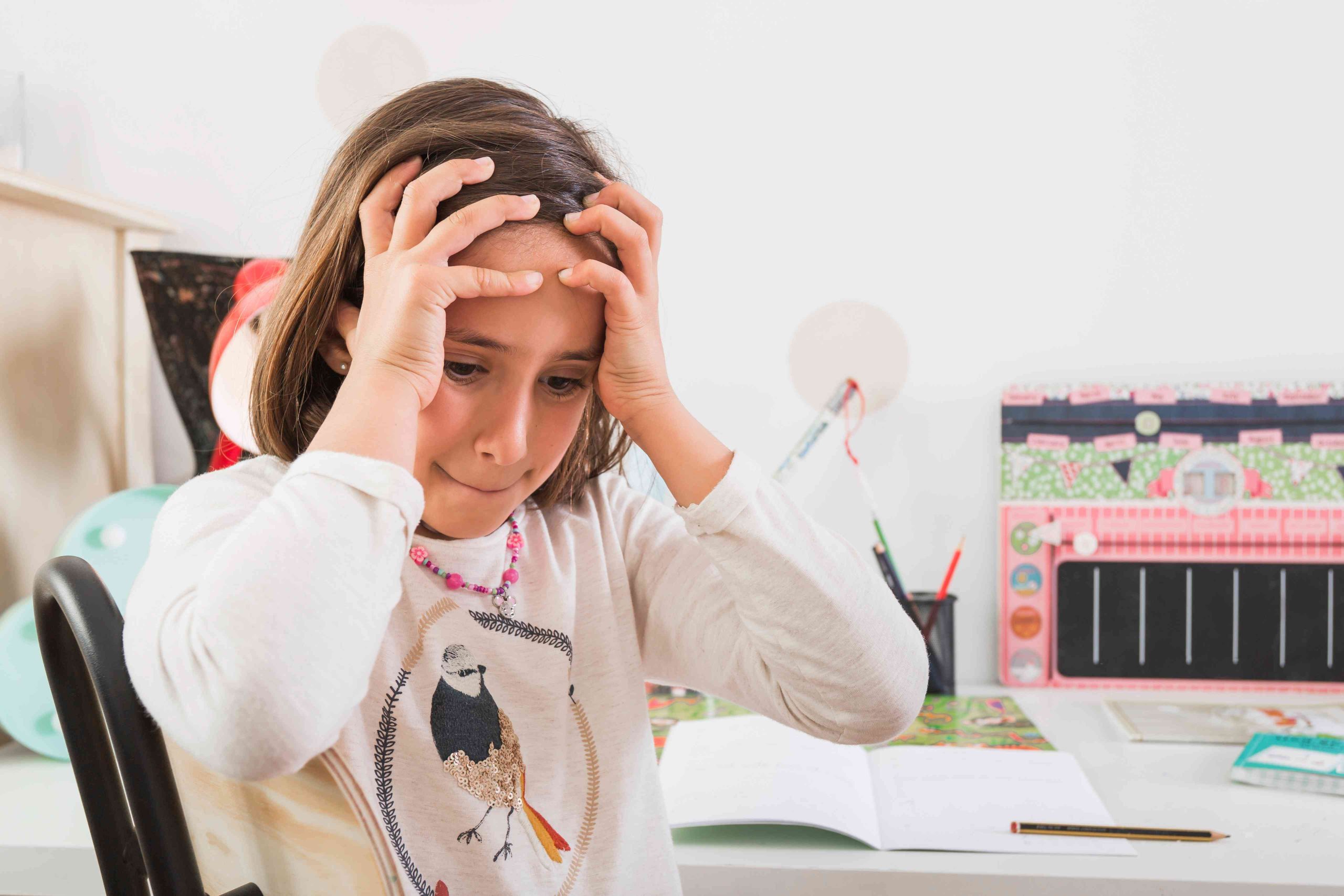
    Overwhelmed but Resilient: Navigating the World of Preschoolers

    The preschool years are a time of wonder, growth, and boundless energy. As parents, caregivers, and educators, we are entrusted with the responsibility of guiding and nurturing these little individuals as they navigate the world around them. However, it is not uncommon for preschoolers to experience overwhelming emotions and challenges that can leave them feeling bewildered and vulnerable. In this article, we will explore the complexities of preschooler overwhelming and discover strategies to support them during these crucial developmental years.


    Embracing Emotional Turmoil

    Preschoolers are on a rollercoaster ride of emotions. From exuberant joy to intense frustration, their emotions can be overwhelming, both for themselves and for those around them. It is essential to remember that these emotional outbursts are a normal part of their development as they learn to navigate and express their feelings.

    As caregivers, we play a vital role in helping preschoolers understand and regulate their emotions. By creating a safe and supportive environment, we can encourage them to express their emotions freely. Validating their feelings and providing reassurance helps them develop emotional resilience and self-awareness.


    Teaching Emotional Intelligence

    Preschoolers often lack the vocabulary and understanding to effectively communicate their emotions. Teaching them about emotions and how to identify and express them is a valuable skill that will serve them throughout their lives.

    Engage in conversations about emotions, using age-appropriate language and examples. Help preschoolers recognize different emotions in themselves and others, and encourage them to express their feelings in healthy ways. By teaching them empathy and kindness, we equip them with the tools to navigate social interactions and build meaningful relationships.


    Coping with Sensory Overload

    Preschoolers are particularly susceptible to sensory overload due to their heightened sensitivity to stimuli in their environment. Loud noises, bright lights, crowded spaces, or unfamiliar situations can easily overwhelm them, leading to meltdowns or withdrawal.

    Understanding each preschooler’s unique sensory needs is crucial in providing them with the support they require. Creating a calm and predictable environment can help them feel more secure and in control. Offering sensory breaks or engaging in activities that provide sensory input, such as swinging, deep pressure activities, or listening to calming music, can help preschoolers regulate their sensory experiences.


    Developing Resilience through Challenges

    Preschoolers encounter a myriad of challenges as they explore the world and learn new skills. From facing academic tasks to navigating social dynamics, these challenges can be overwhelming. However, it is through these experiences that they develop resilience and problem-solving abilities.

    Encourage preschoolers to embrace challenges and view them as opportunities for growth. Provide support and guidance, but also allow them to develop their problem-solving skills independently. Celebrate their efforts and highlight their achievements, fostering a sense of accomplishment and self-confidence.


    Building a Supportive Network

    As caregivers, it is important to recognize that supporting preschoolers through overwhelming times requires a collective effort. Building a supportive network of parents, educators, and professionals can provide invaluable guidance and resources.

    Collaborate with preschool teachers and seek their insights into supporting preschoolers’ emotional well-being. Connect with other parents and share experiences, challenges, and strategies. When needed, reach out to professionals, such as child psychologists or therapists, who can provide specialized support.


    Self-Care for Caregivers

    Caring for preschoolers during overwhelming moments can take a toll on caregivers’ emotional well-being. It is essential to prioritize self-care to ensure we have the capacity to support our preschoolers effectively.

    Take time for self-reflection, self-care activities, and seeking support when needed. Engage in activities that bring joy and relaxation, such as exercising, pursuing hobbies, or spending time with loved ones. Remember, by prioritizing your own well-being, you become better equipped to support the preschoolers in your care.

    Preschooler overwhelming is a natural part of their development, and with the right support and strategies, they can navigate these challenges with resilience. By embracing their emotional turmoil, teaching emotional intelligence, addressing sensory needs, and fostering problem-solving skills, we empower preschoolers to become resilient individuals. Together, let us create a nurturing environment where preschoolers feel supported, understood, and capable of conquering the world.


    Supporting Preschoolers through Emotional Overwhelm

    Preschoolers, just like adults, experience moments of emotional overwhelm. Their limited coping skills and developing emotional regulation can intensify these feelings. As caregivers, our role is to provide a safe and nurturing environment where preschoolers can navigate and process their overwhelming emotions. In this section, we will explore strategies to support preschoolers through emotional overwhelm.

  • Create a Safe Space:

    Establish a designated safe space where preschoolers can retreat when they feel overwhelmed. This can be a cozy corner with soft cushions, calming sensory items, and a collection of books or toys that promote relaxation. Encourage preschoolers to use this space when they need time alone to recharge and regain their emotional balance.

  • Deep Breathing and Relaxation Techniques:

    Teach preschoolers simple deep-breathing exercises to help them regulate their emotions. Practice these techniques together during calm moments and encourage preschoolers to use them when they feel overwhelmed. Engaging in relaxation activities, such as listening to soothing music or practicing yoga poses, can also help preschoolers find calmness during overwhelming times.

  • Validate and Empathize:

    When preschoolers express their overwhelming emotions, it is crucial to validate their feelings and offer empathy. Use phrases like, “I understand that you’re feeling frustrated,” or “It’s okay to feel sad sometimes.” By acknowledging their emotions, we create a safe space for preschoolers to express themselves without judgment or dismissal.

  • Emotional Release Through Art:

    Encourage preschoolers to express their overwhelming emotions through art. Provide them with art supplies, such as paper, crayons, and paint, and let them freely create. Art allows preschoolers to externalize their emotions and gain a sense of control over their feelings. Display their artwork proudly, acknowledging their emotional expression.

  • Establish Routines and Predictability:

    Preschoolers thrive on routines and predictability, which provide a sense of security. Create consistent daily routines that include regular meal times, nap times, and structured activities. Clearly communicate any changes in routine in advance to prepare preschoolers for transitions and minimize potential overwhelm.

  • Engage in Calming Activities:

    Introduce calming activities that can help preschoolers regulate their emotions. These may include reading books, engaging in quiet play, listening to calming music, or engaging in sensory activities like playing with kinetic sand or using a sensory bottle. Encourage preschoolers to engage in these activities when they feel overwhelmed.

    Remember, supporting preschoolers through emotional overwhelm requires patience, understanding, and flexibility. Each child is unique, and it is essential to tailor strategies to their individual needs. By creating a nurturing environment and providing consistent support, we can empower preschoolers to navigate overwhelming emotions and develop lifelong emotional resilience.

  • Encourage Verbal Expression:

    Help preschoolers develop their language skills to express their emotions effectively. Teach them words to describe different emotions and provide them with a vocabulary to communicate their feelings. Encourage them to use “I feel” statements when expressing their emotions, such as “I feel angry” or “I feel happy.” Engage in open and non-judgmental conversations where preschoolers can freely express their emotions and thoughts.

  • Model Healthy Emotional Regulation:

    As caregivers, our own emotional responses can influence preschoolers’ behavior and emotional regulation. Model healthy emotional regulation by demonstrating effective coping strategies when you experience overwhelming emotions. For example, take deep breaths, engage in self-soothing techniques, or verbally express your emotions in a calm manner. By modeling these behaviors, you provide preschoolers with valuable tools for managing their own overwhelming emotions.

  • Teach Problem-Solving Skills:

    Preschoolers often feel overwhelmed when faced with challenges or conflicts. Teach them problem-solving skills to help them navigate these situations. Encourage them to identify the problem, brainstorm possible solutions, and choose the best course of action. Provide guidance and support as they work through the problem, empowering them to find their own solutions and build their problem-solving abilities.

  • Practice Mindfulness:

    Introduce preschoolers to the practice of mindfulness, which can help them develop self-awareness and emotional regulation. Teach them simple mindfulness exercises, such as mindful breathing or body scans, to bring their attention to the present moment. Engaging in mindfulness activities regularly can help preschoolers develop resilience and cope with overwhelming emotions more effectively.

  • Offer Physical Comfort:

    Physical touch and comfort can be soothing for preschoolers during overwhelming moments. Hugs, gentle massages, or simply holding their hand can provide a sense of security and reassurance. Physical comfort can help regulate their nervous system and provide a calming effect, reducing feelings of overwhelm.

  • Limit Exposure to Overstimulating Environments:

    Overstimulation can quickly overwhelm preschoolers. Limit their exposure to loud noises, bright lights, and crowded places when possible. Pay attention to their cues and create a calm and soothing environment when you notice signs of sensory overload. Provide a quiet space where preschoolers can retreat to when they need a break from overwhelming stimuli.

  • Foster a Sense of Belonging:

    Preschoolers thrive when they feel a sense of belonging and connection. Foster this sense of belonging by creating opportunities for social interactions, both with peers and caring adults. Encourage preschoolers to engage in cooperative play, group activities, or collaborative projects. Nurturing positive relationships and a sense of community can help alleviate feelings of overwhelm and provide a supportive network.

  • Seek Professional Support if Needed:

    If preschoolers consistently display extreme levels of overwhelming emotions or struggle with emotional regulation, it may be beneficial to seek professional support. Consult with pediatricians, child psychologists, or therapists who specialize in early childhood development. These professionals can provide valuable insights and strategies tailored to your preschooler’s specific needs.

    Remember, supporting preschoolers through overwhelming moments is an ongoing process that requires patience, understanding, and adaptability. By implementing these strategies and providing a nurturing environment, caregivers can help preschoolers develop emotional resilience and navigate the complexities of their emotions with confidence.

  • Celebrate Progress:

    Acknowledge and celebrate preschoolers’ progress in managing overwhelming emotions. Recognize their efforts in using coping strategies, expressing their feelings, and problem-solving. Positive reinforcement and encouragement can boost their confidence and motivate them to continue their emotional growth.

  • Maintain Consistency:

    Consistency is key when supporting preschoolers through overwhelming moments. Establish consistent routines, expectations, and boundaries to provide them with a sense of stability and security. Consistency helps preschoolers anticipate and understand what is expected of them, reducing anxiety and overwhelm.

  • Encourage Physical Activity:

    Physical activity is a great outlet for releasing pent-up energy and reducing stress. Engage preschoolers in regular physical activities such as outdoor play, dancing, or simple exercises. Physical activity not only promotes their physical well-being but also helps regulate their emotions and improve their overall mood.

  • Use Visual Aids:

    Visual aids can assist preschoolers in understanding and managing their overwhelming emotions. Use emotion charts or visual cue cards with different facial expressions to help them identify and express how they feel. Visual reminders of coping strategies, such as deep breathing or taking a break, can serve as helpful prompts during overwhelming moments.

  • Foster a Supportive Peer Environment:

    Preschoolers can learn from and support each other during overwhelming times. Encourage positive interactions and cooperation among peers. Teach them to offer words of comfort and assistance when they notice a friend experiencing overwhelming emotions. By fostering a supportive peer environment, preschoolers can develop empathy and feel more understood and accepted.

  • Practice Gratitude:

    Gratitude exercises can shift preschoolers’ focus from overwhelming emotions to the positive aspects of their lives. Encourage them to identify things they are grateful for and express appreciation. This practice can help preschoolers cultivate a positive mindset, develop resilience, and find comfort during challenging moments.

  • Take Breaks:

    Recognize the signs of overwhelm in preschoolers and provide opportunities for breaks when needed. Allow them time to step away from demanding tasks or overwhelming situations. Engaging in calming activities or simply having a quiet moment to themselves can help recharge their energy and regain emotional balance.

  • Stay Calm and Patient:

    It is essential to remain calm and patient when preschoolers are overwhelmed. Responding with frustration or impatience can escalate their emotions further. Take deep breaths and adopt a calm and understanding approach. By modeling emotional regulation and maintaining composure, caregivers can help preschoolers learn to manage their overwhelming emotions effectively.

  • Foster a Supportive Home-School Connection:

    Collaboration between caregivers and preschool educators is crucial in supporting preschoolers through overwhelming moments. Establish open lines of communication, share observations and strategies, and work together to create consistent approaches at home and in school. A supportive home-school connection ensures that preschoolers receive consistent guidance and understanding across different environments.

    Remember, each preschooler is unique, and it may take time to discover the most effective strategies for supporting them through overwhelming moments. Be patient and adaptable in finding what works best for your preschooler. With love, understanding, and consistent support, you can help them navigate their overwhelming emotions and develop essential emotional resilience skills that will benefit them throughout their lives.

  • Family Time

    Family Time

    Nurturing Bonds: The Power of Preschooler Family Time

    In today’s fast-paced world, where time seems to fly by in a whirlwind, it’s essential to carve out moments for meaningful connections with our little ones. Preschooler family time holds a profound significance in the development of our preschoolers, shaping their emotional well-being, fostering their sense of security, and strengthening family bonds that last a lifetime.


    Embracing the Joy of Play

    Playtime serves as a cornerstone of preschooler family time, allowing parents and caregivers to engage with their little ones in a world filled with laughter, imagination, and joy. The power of play extends beyond mere entertainment; it stimulates cognitive, social, and emotional growth.

    Through shared play, preschoolers acquire valuable skills, such as problem-solving, creativity, and communication. Whether it’s building towering block structures, playing dress-up, or engaging in pretend tea parties, participating in these activities with our preschoolers fosters a deep sense of connection. It is in these moments that we witness the wonders of their developing minds and discover glimpses of their unique personalities.


    Nurturing Emotional Well-being

    Preschooler family time plays a pivotal role in nurturing the emotional well-being of our little ones. During these precious moments, parents and caregivers create a safe and nurturing environment for preschoolers to express their feelings, needs, and fears.

    Engaging in conversations that encourage emotional intelligence helps preschoolers navigate through the complexities of their emotions. It is through such exchanges that they learn to identify and communicate their emotions effectively, fostering self-awareness and empathy. By validating their emotions and offering support, parents build a solid foundation of trust and understanding, ensuring their preschoolers feel secure in sharing their innermost thoughts.


    Promoting Language and Cognitive Development

    Preschooler family time provides an ideal setting for language and cognitive development. Engaging in interactive activities, such as reading stories, singing songs, and engaging in educational games, enriches their vocabulary, stimulates their curiosity, and cultivates a love for learning.

    Reading to preschoolers not only enhances their language skills but also ignites their imagination, transporting them to enchanting worlds filled with endless possibilities. Encouraging their active participation through questioning and discussion sparks critical thinking and problem-solving abilities, laying the foundation for lifelong learning.


    Strengthening Family Bonds

    Preschooler family time offers an invaluable opportunity to strengthen the bonds between family members. Amidst the demands of daily life, it is essential to carve out dedicated moments for connection and togetherness.

    Engaging in shared activities, such as cooking together, going on nature walks, or simply spending quality time in conversation, fosters a deep sense of belonging and unity within the family unit. These experiences create lasting memories, which preschoolers carry with them as they grow, serving as a reminder of the love and support that surround them.


    Cultivating Values and Life Skills

    Preschooler family time acts as a platform for instilling essential values and life skills. Through everyday interactions and experiences, parents and caregivers have the opportunity to model and teach concepts such as empathy, kindness, responsibility, and respect.

    Simple acts of kindness, such as engaging in acts of service within the community or involving preschoolers in household chores, help develop a sense of responsibility and empathy. These shared experiences lay the groundwork for preschoolers to become compassionate and responsible individuals, equipping them with the necessary skills to thrive in their personal and social lives.


    Embracing the Present Moment

    In our fast-paced lives, it is all too easy to become consumed by the worries of the future or the regrets of the past. Preschooler family time presents an opportunity to embrace the present moment fully.

    By immersing ourselves in the wonder and innocence of our preschoolers, we learn to appreciate the small joys that life brings. From witnessing their excitement at discovering new things to delighting in their contagious laughter, these moments become cherished treasures, reminding us of the beauty that surrounds us.

    Preschooler family time is not merely a series of scheduled activities; it is a heartfelt commitment to creating a nurturing and loving environment for our little ones. These dedicated moments serve as a reminder of the privilege and responsibility of parenthood, encouraging us to be present, engaged, and actively involved in the lives of our preschoolers.

    As we embark on this journey together, let us cherish every moment, for these fleeting years of preschoolerhood will soon give way to new stages of growth and development. So, let us embrace the power of preschooler family time and witness the profound impact it has on our preschoolers’s lives.

    Preschooler family time is a treasure trove of memories waiting to be made. It is in these moments that we find solace, joy, and a deep connection with our little ones. In today’s fast-paced and demanding world, it is crucial to prioritize and invest our time and energy into nurturing these precious relationships. Let us delve deeper into the various aspects of preschooler family time and discover its incredible power.


    The Power of Imagination and Play

    Preschoolers are born with an innate sense of wonder and imagination. Preschooler family time provides a fertile ground for their creativity to blossom. Engaging in imaginative play with our preschoolers not only ignites their imaginations but also allows us to enter their magical world.

    Through play, preschoolers learn to explore, experiment, and make sense of the world around them. Whether it’s playing superheroes, building sandcastles at the beach, or hosting a tea party for stuffed animals, these shared experiences create bonds that are woven through laughter, make-believe scenarios, and endless possibilities.

    As parents and caregivers, we have the opportunity to actively participate in their play, lending our support, and becoming their playmates. By doing so, we strengthen the emotional connection with our preschoolers, fostering trust, and building a sense of security within them.


    Creating Lasting Memories

    Preschooler family time is an opportunity to create lasting memories that preschoolers will carry with them throughout their lives. It is during these moments that they feel seen, heard, and deeply loved.

    Family traditions, such as weekly movie nights, baking together, or going on weekend adventures, become cherished memories that are etched in their hearts. These shared experiences form the fabric of their childhood, providing a sense of belonging and a strong foundation of love and support.

    By prioritizing quality time with our preschoolers, we send them a powerful message – they matter, and they are an integral part of our lives. These memories become the building blocks of their self-esteem, influencing their perception of themselves and their place in the world.


    Nurturing Emotional Intelligence

    Preschooler family time is a fertile ground for nurturing emotional intelligence in our little ones. It is a safe space where they can freely express their emotions, knowing that they will be met with understanding and empathy.

    Through open and meaningful conversations, we can help our preschoolers develop emotional vocabulary and learn to identify and regulate their feelings. By acknowledging and validating their emotions, we provide them with the tools to navigate the complexities of their inner world.

    Listening attentively to their concerns, fears, and joys allows us to build strong emotional connections. As parents and caregivers, we become their trusted confidants, offering guidance and support as they navigate the ups and downs of life. These heartfelt conversations lay the groundwork for healthy emotional development, resilience, and the ability to form deep and meaningful relationships.


    Building Communication Skills

    Preschooler family time plays a crucial role in developing effective communication skills in our preschoolers. Through everyday interactions, we create an environment that encourages open dialogue, active listening, and respectful communication.

    Engaging in conversations with our preschoolers stimulates their language development, expanding their vocabulary and enhancing their articulation. By actively involving them in discussions, we provide opportunities for them to express their thoughts, ask questions, and share their perspectives.

    These conversations go beyond basic communication skills; they teach our preschoolers the value of effective and respectful communication. They learn the importance of listening to others, expressing themselves clearly, and considering different viewpoints. These skills are essential not only for their personal relationships but also for their future academic and professional endeavors.


    Fostering a Love for Learning

    Preschooler family time is an ideal setting for fostering a love for learning and nurturing a curious mind. Whether it’s exploring nature, engaging in science experiments, or delving into the world of books, we can ignite their passion for knowledge.

    Reading together is one of the most impactful activities we can engage in with our preschoolers. It opens doors to new worlds, sparks their imagination, and instills a love for reading that can last a lifetime. As we delve into the pages of storybooks, we embark on adventures together, cultivating a shared love for storytelling and the written word.

    Furthermore, involving preschoolers in age-appropriate educational activities, such as puzzles, counting games, and art projects, stimulates their cognitive development. These activities foster critical thinking, problem-solving, and creativity, preparing them for future academic challenges.

    By making learning a joyful and engaging experience, we set the stage for a lifelong pursuit of knowledge and self-discovery.


    The Gift of Unconditional Love

    Preschooler family time is a reminder of the unconditional love we have for our preschoolers and the deep bond that exists between us. In these moments, we offer them our undivided attention, allowing them to feel valued and cherished.

    As parents and caregivers, we have the privilege of witnessing their growth, celebrating their achievements, and comforting them in times of distress. Through our unwavering presence and love, we create a secure base from which they can explore the world and develop a healthy sense of self.

    Unconditional love is the bedrock upon which trust, resilience, and emotional well-being are built. It is the reassurance that they can always turn to us for support, guidance, and comfort. Preschooler family time becomes a sanctuary where our little ones find solace, a safe harbor in the stormy seas of life.


    Embracing the Journey

    As we navigate the journey of parenthood, let us embrace the power of preschooler family time. These precious moments are fleeting, and soon our preschoolers will grow into independent individuals with their own lives and responsibilities.

    So, let us be present and engaged, savoring every laugh, every shared adventure, and every heartfelt conversation. Let us prioritize these moments, weaving them into the fabric of our lives, and creating a tapestry of love, connection, and cherished memories.

    Preschooler family time is a gift that keeps on giving, not only shaping the lives of our little ones but also enriching our own lives in ways we never imagined. It is a testament to the power of love, the resilience of the human spirit, and the beauty of family bonds.

    In this fast-paced world, let us slow down and embrace the magic that unfolds when we devote our time and energy to our preschoolers. For in doing so, we nourish their souls, strengthen our family bonds, and lay the foundation for a brighter future filled with love, compassion, and lasting connections.

    Preschooler family time is a priceless investment in the well-being and future of our preschoolers. It is a time of connection, growth, and endless possibilities. As we engage in meaningful interactions with our preschoolers, we not only shape their lives but also create a ripple effect that extends beyond the boundaries of our immediate family.

    By prioritizing and dedicating time to our preschoolers, we show them the value of relationships, the importance of love, and the significance of human connection. We teach them empathy, kindness, and compassion by modeling these qualities in our interactions with them and others. The impact of preschooler family time reaches far into their lives, as they carry these lessons forward, becoming loving and caring individuals who contribute positively to their communities.

    Moreover, the benefits of preschooler family time extend to the caregivers and parents themselves. In the midst of the chaos and demands of daily life, these moments offer an opportunity for self-reflection, rejuvenation, and a deepening of our own emotional well-being. As we witness the pure joy, wonder, and innocence of our preschoolers, we are reminded of the beauty that surrounds us and the blessings that life bestows upon us.

    Preschooler family time is a journey of growth, discovery, and mutual learning. It is a chance to cultivate a lifelong bond with our little ones, building a foundation of love, trust, and support. The memories created during these precious moments will be etched in our hearts forever, serving as a constant reminder of the power of family, the resilience of the human spirit, and the beauty of unconditional love.

  • Academic Progress

    Academic Progress

    Nurturing Preschooler Academic Progress: Fostering a Love for Learning and Development

    Preschoolers are naturally curious and eager to learn. During these formative years, they embark on their educational journey, laying the foundation for future academic success. In this article, we will explore the importance of preschooler academic progress and provide insights into fostering a love for learning. From developing foundational skills to promoting a growth mindset and creating a supportive learning environment, we will delve into various aspects that contribute to the academic growth of preschoolers.


    The Importance of Preschooler Academic Progress:

    Preschooler academic progress is a crucial aspect of their overall development. It sets the stage for future learning and helps them build essential skills that will benefit them throughout their educational journey. Academic progress at this stage goes beyond traditional academic subjects and encompasses a holistic approach to learning, including cognitive, social, emotional, and physical development.


    Building Foundational Skills:

    A strong academic foundation begins with the development of essential skills. Consider the following key areas:

  • Literacy Skills:

    Encourage preschoolers to engage in activities that promote early literacy skills. This includes exposure to books, storytelling, letter recognition, phonics, and vocabulary building. Reading aloud and engaging in conversations about stories helps develop language skills and a love for reading.

  • Numeracy Skills:

    Introduce basic numeracy concepts through play-based activities. Counting objects, sorting, and recognizing numbers lay the groundwork for mathematical understanding. Incorporate numbers and patterns into daily routines to make math concepts meaningful and enjoyable.

  • Fine Motor Skills:

    Fine motor skills are essential for writing and other academic tasks. Engage preschoolers in activities that develop hand-eye coordination, such as drawing, coloring, and manipulating small objects. Puzzles, building blocks, and threading activities also enhance fine motor dexterity.


    Promoting a Growth Mindset:

    A growth mindset is crucial for preschoolers’ academic progress. It instills the belief that abilities and intelligence can be developed through effort and perseverance. Consider the following approaches:

  • Emphasize Effort and Growth:

    Praise preschoolers for their effort, persistence, and problem-solving skills rather than solely focusing on outcomes. Encourage them to embrace challenges, view mistakes as learning opportunities, and celebrate their progress, fostering a resilient attitude towards learning.

  • Encourage Curiosity and Exploration:

    Nurture preschoolers’ natural curiosity by providing opportunities for exploration and discovery. Support their interests, encourage questions, and guide them in finding answers. This fosters a love for learning and encourages them to seek knowledge independently.


    Creating a Supportive Learning Environment:

    A nurturing and supportive learning environment is essential for preschooler academic progress. Consider the following strategies:

  • Establish Routines:

    Consistency and predictability provide a sense of security for preschoolers. Establish daily routines that incorporate structured learning time, playtime, and rest. A balanced schedule helps them feel more secure and promotes engagement in learning activities.

  • Individualized Instruction:

    Recognize that each preschooler has unique learning styles and preferences. Provide individualized instruction, tailoring activities and challenges to their abilities and interests. Differentiated learning ensures that every preschooler can engage meaningfully and make progress at their own pace.

  • Collaborative Learning:

    Promote collaboration and peer interaction. Engage preschoolers in group activities that encourage teamwork, communication, and problem-solving. Peer learning enhances social skills and helps develop a sense of belonging and camaraderie.


    Integration of Technology:

    Appropriate integration of technology can enhance preschooler academic progress. Consider the following guidelines:

  • Select Educational Content:

    Choose age-appropriate and interactive educational apps, websites, and digital resources. Look for resources that encourage creativity, critical thinking, and problem-solving skills. Use technology as a tool to support learning rather than a substitute for hands-on experiences.

  • Supervision and Limitations:

    Ensure responsible and supervised use of technology. Set clear boundaries and time limits for screen time, ensuring it complements a well-rounded educational experience. Encourage preschoolers to engage in offline activities that promote physical activity, social interaction, and creativity.

    Preschooler academic progress lays the foundation for a lifelong love of learning. By building foundational skills, fostering a growth mindset, creating a supportive learning environment, and incorporating technology responsibly, we can empower preschoolers to reach their full potential. Let us celebrate their achievements, nurture their curiosity, and provide them with the tools and environment they need to flourish academically. Together, we can foster a generation of lifelong learners who are ready to embrace the challenges and opportunities that lie ahead.


    Encouraging Creativity and Imagination:

    Preschoolers’ academic progress is not solely confined to structured learning. Encouraging creativity and imagination is vital for their overall development. Consider the following approaches:

  • Artistic Expression:

    Provide opportunities for preschoolers to engage in various forms of artistic expression. Offer a range of art materials, such as paints, crayons, and clay, allowing them to explore their creativity and develop fine motor skills. Encourage them to express themselves through drawing, painting, and sculpting.

  • Pretend Play:

    Pretend play allows preschoolers to exercise their imaginations and develop important cognitive and social skills. Provide them with props and costumes to create imaginative scenarios and engage in role-playing activities. Pretend play enhances language development, problem-solving abilities, and empathy.


    Cultivating a Love for Nature and the Environment:

    Preschoolers’ academic progress extends beyond the confines of indoor classrooms. Fostering a connection with nature and the environment is essential for their holistic development. Consider the following strategies:

  • Outdoor Exploration:

    Encourage preschoolers to explore the natural world through outdoor activities. Take them on nature walks, visit parks, and engage in gardening projects. Through these experiences, they can develop an appreciation for the environment, observe natural phenomena, and learn about plants, animals, and ecosystems.

  • Sustainability Education:

    Introduce age-appropriate concepts of sustainability and environmental conservation. Teach preschoolers the importance of reducing, reusing, and recycling. Engage them in discussions about the impact of human actions on the planet, fostering a sense of responsibility and environmental consciousness.


    Fostering a Positive Home-School Partnership:

    Collaboration between parents and educators is crucial for preschooler academic progress. Consider the following ways to foster a positive home-school partnership:

  • Communication:

    Establish open and regular communication channels between parents and educators. Share information about a child’s progress, achievements, and areas of growth. Provide suggestions for activities and resources that parents can incorporate at home to support their child’s learning.

  • Parent Involvement:

    Encourage parents to actively participate in their child’s learning journey. Organize events, workshops, and parent-teacher meetings to facilitate engagement and collaboration. Involve parents in school activities, such as reading sessions, field trips, and volunteering opportunities.


    Recognizing Individual Progress and Achievements:

    Celebrating and recognizing preschoolers’ progress and achievements is essential for their motivation and self-esteem. Consider the following approaches:

  • Personalized Feedback:

    Provide preschoolers with specific and constructive feedback that highlights their strengths and areas for improvement. Focus on effort, growth, and the development of key skills. Encourage self-reflection and goal-setting to foster a sense of ownership in their learning journey.

  • Celebrating Milestones:

    Acknowledge and celebrate important milestones and achievements of preschoolers. Organize ceremonies, award certificates, or create displays to showcase their accomplishments. Public recognition fosters a sense of pride and motivates them to continue their academic journey.


    Nurturing Social and Emotional Well-being:

    Preschooler academic progress is closely intertwined with their social and emotional well-being. Consider the following strategies:

  • Emotional Support:

    Create a nurturing and supportive environment where preschoolers feel safe to express their emotions. Teach them emotional vocabulary and provide guidance on managing their feelings. Foster empathy and respect for others’ emotions, promoting healthy social interactions.

  • Social Skills Development:

    Offer opportunities for preschoolers to develop social skills through cooperative play, group activities, and peer interaction. Teach them how to take turns, share, listen actively, and resolve conflicts peacefully. Social skills are essential for successful collaboration, communication, and teamwork.

    Preschooler academic progress is a multifaceted journey that encompasses cognitive, social, emotional, and physical development. By nurturing their curiosity, providing a stimulating and inclusive learning environment, fostering a love for learning, and partnering with parents, educators can create a solid foundation for lifelong learning. Preschoolers are capable of remarkable growth and achievements when they are supported, challenged, and inspired. Let us celebrate their unique talents, nurture their potential, and empower them to become lifelong learners who embrace knowledge, creativity, and exploration. Together, we can shape a future generation that thrives academically and contributes positively to the world around them.


    Supporting Multilingualism and Cultural Diversity:

    Preschooler academic progress is enriched by embracing and celebrating multilingualism and cultural diversity. Consider the following strategies:

  • Multilingual Environment:

    Create a language-rich environment that values and supports the development of multiple languages. Encourage the use of children’s home languages alongside the language of instruction. Provide books, resources, and activities that reflect diverse cultures and languages.

  • Cultural Exploration:

    Expose preschoolers to different cultures through stories, music, art, and celebrations. Teach them about various traditions, customs, and holidays, promoting respect, empathy, and understanding. Encourage children to share their own cultural experiences, fostering a sense of pride and belonging.


    Promoting Healthy Habits and Physical Well-being:

    Preschoolers’ academic progress is intertwined with their physical well-being. Healthy habits contribute to their overall development and readiness to learn. Consider the following approaches:

  • Physical Activity:

    Provide ample opportunities for preschoolers to engage in age-appropriate physical activities. Encourage active play, outdoor exploration, and structured exercises to promote gross motor skills, coordination, and cardiovascular health. Physical activity also enhances cognitive functions and concentration.

  • Balanced Nutrition:

    Educate parents and caregivers about the importance of balanced nutrition for preschoolers’ growth and development. Promote healthy eating habits by offering a variety of nutritious foods and limiting sugary snacks and beverages. Collaborate with families to create healthy meal plans and educate children about the benefits of nutritious food choices.


    Engaging Families as Partners in Learning:

    Families play a pivotal role in supporting preschooler academic progress. Collaboration and open communication between educators and families are essential. Consider the following strategies:

  • Parent Workshops:

    Organize workshops and training sessions to empower parents with knowledge and skills to support their child’s learning. Provide guidance on topics such as early literacy, numeracy, play-based learning, and positive parenting strategies.

  • Home Learning Activities:

    Suggest simple and engaging activities that families can incorporate into their daily routines to reinforce learning at home. Provide resources, materials, and suggestions for age-appropriate activities that promote language development, problem-solving, and creativity.


    Creating a Safe and Inclusive Learning Environment:

    Preschoolers’ academic progress flourishes in a safe, inclusive, and supportive learning environment. Consider the following practices:

  • Positive Discipline:

    Promote positive discipline strategies that focus on teaching and guiding preschoolers rather than punitive measures. Encourage a nurturing and respectful approach that helps children understand consequences, develop self-regulation, and make responsible choices.

  • Diversity and Inclusion:

    Create an inclusive learning environment that values and respects individual differences. Celebrate diversity in all its forms, including race, ethnicity, gender, abilities, and family structures. Incorporate diverse literature, materials, and resources that represent a range of backgrounds and experiences.


    Embracing Continuous Professional Development:

    Educators play a crucial role in supporting preschooler academic progress. Continuous professional development is essential for staying updated with research-based practices and improving instructional strategies. Consider the following approaches:

  • Professional Learning Communities:

    Establish professional learning communities where educators can collaborate, share best practices, and engage in ongoing professional development. Create opportunities for peer observations, reflective discussions, and joint lesson planning.

  • Professional Development Opportunities:

    Provide access to workshops, conferences, webinars, and online resources that focus on early childhood education. Encourage educators to pursue further qualifications and certifications to enhance their knowledge and skills in supporting preschoolers’ academic progress.

    Preschooler academic progress is a multifaceted and dynamic journey that requires a holistic approach. By creating a nurturing, inclusive, and stimulating learning environment, supporting individual strengths and needs, and fostering partnerships with families, educators can empower preschoolers to reach their full potential. Let us embrace the joy of learning, celebrate their achievements, and guide them on a path of lifelong curiosity, exploration, and academic success. Together, we can shape a future generation that thrives academically and makes a positive impact on the world. Preschooler academic progress is a journey of growth, discovery, and limitless possibilities. Let us inspire and empower them to soar to new heights.

  • Burnout

    Burnout

    Preschooler Burnout: Recognizing and Addressing the Signs of Overwhelm

    Preschoolers are active learners, constantly exploring and engaging with the world around them. While their boundless energy and curiosity are admirable, it is important to recognize that preschoolers can also experience burnout. Preschooler burnout refers to a state of emotional, physical, and mental exhaustion caused by prolonged stress, excessive demands, and an overwhelming schedule. In this article, we will delve into the concept of preschooler burnout, explore its potential causes, signs, and discuss strategies to address and prevent it.


    Understanding Preschooler Burnout:

    Preschooler burnout is a relatively new concept that recognizes the impact of excessive stress and demands on young children’s well-being. While burnout is often associated with adults, it is crucial to acknowledge that preschoolers can also experience similar symptoms when their daily lives become overloaded with activities and expectations.

    Preschooler burnout can arise from various factors, including a fast-paced lifestyle, excessive academic pressure, a lack of free playtime, limited rest and sleep, and a constant need to meet high expectations. These factors can lead to feelings of overwhelm, exhaustion, and a loss of enjoyment in daily activities.


    Signs of Preschooler Burnout:

    Recognizing the signs of preschooler burnout is essential for early intervention and support. Although preschoolers may not express their feelings of burnout explicitly, there are several indicators that can help identify when they are experiencing excessive stress. The following signs may be observed:

  • Emotional Changes:

    Preschoolers experiencing burnout may display sudden changes in mood and emotions. They may become irritable, easily frustrated, and prone to tantrums. They may also exhibit signs of anxiety or sadness, displaying a general sense of unease or unhappiness.

  • Physical Symptoms:

    Physical symptoms can manifest in preschoolers experiencing burnout. These symptoms may include fatigue, headaches, stomachaches, loss of appetite, or changes in sleep patterns. These physical manifestations highlight the toll that burnout can take on a preschooler’s overall well-being.

  • Behavioural Changes:

    Preschoolers may exhibit behavioural changes when they are overwhelmed and experiencing burnout. They may become withdrawn, disinterested in activities they previously enjoyed, or exhibit regressive behaviours such as bedwetting or thumb-sucking. They may also display a decrease in motivation and engagement in their usual routines.


    Addressing Preschooler Burnout:

    Recognizing and addressing preschooler burnout requires a proactive approach to support their well-being and prevent further exhaustion. The following strategies can help in addressing preschooler burnout effectively:

  • Evaluate the Schedule:

    Take a critical look at the preschooler’s daily schedule and assess whether it is overloaded with activities. Consider the balance between structured activities, such as classes or extracurriculars, and unstructured playtime. Adjust the schedule to ensure adequate time for rest, relaxation, and free play, allowing preschoolers to recharge and explore at their own pace.

  • Promote Self-Care:

    Encourage self-care practices at an early age to teach preschoolers the importance of taking care of their physical and emotional well-being. Teach them simple self-care activities such as deep breathing exercises, engaging in calming hobbies like drawing or listening to music, and practicing mindfulness techniques to manage stress.

  • Foster Open Communication:

    Create a supportive environment where preschoolers feel comfortable expressing their feelings and concerns. Encourage open communication by actively listening to their thoughts and emotions without judgment. Validate their experiences and provide reassurance that their feelings are acknowledged and respected.

  • Limit External Pressures:

    Be mindful of the external pressures that preschoolers may face, such as academic expectations or performance standards. Avoid overemphasizing achievement and instead focus on the joy of learning and personal growth. Nurture a sense of curiosity and exploration without imposing unrealistic expectations.


    Promoting Play and Rest:

    Play and rest are crucial elements in preventing and addressing preschooler burnout. Consider the following strategies to promote healthy play and rest:

  • Unstructured Playtime:

    Preschoolers need ample opportunities for unstructured play, where they can freely explore, create, and imagine. Provide a variety of open-ended materials and toys that stimulate their creativity and problem-solving skills. Allow them to engage in self-directed play without adult intervention, fostering independence and a sense of ownership over their play experiences.

  • Outdoor Time:

    Encourage regular outdoor play and nature exploration. Outdoor environments provide opportunities for physical activity, sensory stimulation, and connection with the natural world. Outdoor play promotes holistic development and serves as a rejuvenating experience for preschoolers.

  • Healthy Sleep Habits:

    Establish consistent sleep routines that prioritize adequate rest. Preschoolers require an average of 10-12 hours of sleep per night. Create a calm and soothing bedtime routine that allows them to wind down before sleep. Ensure that the sleeping environment is comfortable, quiet, and conducive to quality rest.


    Building Resilience and Coping Skills:

    Helping preschoolers develop resilience and effective coping skills can enhance their ability to navigate stress and prevent burnout. Consider the following strategies:

  • Emotional Regulation:

    Teach preschoolers strategies for managing and expressing their emotions effectively. Provide them with age-appropriate tools, such as deep breathing techniques, naming emotions, and using positive self-talk to help them regulate their emotions during challenging situations.

  • Problem-Solving Skills:

    Encourage problem-solving skills by engaging preschoolers in age-appropriate decision-making processes. Encourage them to brainstorm solutions, evaluate options, and make choices. This empowers them to take an active role in resolving conflicts or challenges, fostering a sense of control and resilience.

  • Supportive Relationships:

    Preschoolers benefit greatly from nurturing and supportive relationships with caregivers, educators, and peers. Encourage positive social connections, teach empathy and kindness, and provide opportunities for cooperative activities that foster teamwork and collaboration.


    Encouraging Mindful Parenting and Educating:

    Parents and educators play a crucial role in supporting preschoolers’ well-being and preventing burnout. Consider the following approaches:

  • Mindful Parenting:

    Practise mindful parenting by being present, attentive, and responsive to preschoolers’ needs. Take the time to understand their individual strengths, interests, and limits. Avoid comparing them to others and instead focus on their unique journey and development.

  • Parent Education:

    Educate parents on the importance of balance, self-care, and the potential risks of burnout in preschoolers. Provide resources, workshops, or seminars that offer guidance on fostering a healthy and supportive environment for preschoolers.

  • Collaborative Partnerships:

    Promote collaboration between parents and educators to create a cohesive support system for preschoolers. Share information, observations, and strategies to ensure consistency in addressing and preventing burnout.

    Preschooler burnout is a real and concerning phenomenon that can have a significant impact on a child’s overall well-being. By understanding the signs of burnout, addressing its causes, promoting play and rest, building resilience and coping skills, and fostering mindful parenting and education, we can create a supportive environment where preschoolers can thrive, grow, and enjoy their early years to the fullest. Let us prioritize their holistic development, emotional well-being, and the joy of learning, ensuring that preschoolers are equipped with the tools to navigate challenges and flourish in their journey of exploration and growth.


    Seeking Professional Support:

    In some cases, preschooler burnout may require professional intervention and support. It is important to recognize when additional assistance is needed to address and manage the burnout effectively. Consider the following:

  • Consultation with Educators:

    Engage in open and regular communication with preschool educators or teachers to gain insight into the child’s experiences and behaviors within the educational setting. Collaborate to create a tailored approach that addresses the specific needs and challenges the preschooler may be facing.

  • Seeking Guidance from Child Development Specialists:

    Child development specialists, such as pediatricians or child psychologists, can provide valuable guidance and support in addressing preschooler burnout. They can assess the child’s overall well-being, identify potential underlying factors contributing to burnout, and recommend appropriate interventions or therapies.

  • Support Groups:

    Participating in support groups or parenting communities can provide a valuable network of individuals facing similar challenges. Sharing experiences, resources, and strategies with others can help parents and caregivers feel supported and gain new perspectives on addressing preschooler burnout.


    Redefining Success and Achievement:

    To prevent preschooler burnout, it is crucial to redefine success and achievement in a way that promotes holistic development and well-being. Consider the following approaches:

  • Emphasize Well-rounded Development:

    Encourage a balanced approach to learning and growth that encompasses various aspects of development, including social-emotional skills, creativity, physical activity, and cognitive abilities. Celebrate and acknowledge progress and effort rather than solely focusing on outcomes and academic achievements.

  • Cultivate a Growth Mindset:

    Promote a growth mindset in preschoolers by teaching them that abilities and skills can be developed through effort, practice, and perseverance. Encourage them to embrace challenges, learn from mistakes, and understand that setbacks are opportunities for growth and learning.

  • Foster a Love for Learning:

    Nurture a genuine love for learning by making it enjoyable and meaningful. Tailor activities and experiences to the preschooler’s interests, allowing them to explore topics they find intriguing. Create an environment where curiosity is celebrated and foster a sense of wonder and excitement about the world around them.


    Building a Supportive Community:

    Creating a supportive community is essential in addressing preschooler burnout. Consider the following:

  • Collaboration with Educators:

    Maintain open lines of communication with preschool educators and teachers. Collaborate on strategies, share observations, and exchange feedback to create a consistent and supportive approach both at school and at home.

  • Engaging Parents:

    Encourage parental involvement and engagement by providing opportunities for parents to actively participate in their preschooler’s educational journey. Offer workshops, seminars, or parent-child activities that promote dialogue, learning, and mutual support.

  • Partnering with Community Resources:

    Leverage community resources such as libraries, community centers, or local organizations that offer programs or activities specifically designed for preschoolers. Engaging in these resources allows preschoolers to explore new interests, connect with peers, and widen their support network.


    Cultivating Self-Care Practices:

    In addressing preschooler burnout, it is crucial to emphasize the importance of self-care for both preschoolers and their caregivers. Consider the following self-care practices:

  • Preschooler Self-Care:

    Encourage preschoolers to engage in age-appropriate self-care activities that promote relaxation and well-being. This may include simple practices such as taking deep breaths, engaging in calming activities like drawing or listening to soothing music, or engaging in hobbies that bring them joy and help them unwind.

  • Caregiver Self-Care:

    Recognize that caregivers play a vital role in supporting preschoolers’ well-being. It is important for caregivers to prioritize their own self-care to ensure they have the capacity to meet the needs of their preschoolers. This may involve seeking support from family and friends, taking breaks when needed, engaging in activities that recharge and rejuvenate them, and practicing self-compassion.


    Creating a Safe and Nurturing Environment:

    A safe and nurturing environment is essential in preventing and addressing preschooler burnout. Consider the following strategies:

  • Emotional Safety:

    Create an emotionally safe space where preschoolers feel comfortable expressing their feelings and emotions without fear of judgment or criticism. Foster open communication and actively listen to their concerns and experiences.

  • Clear Boundaries:

    Establish clear and consistent boundaries that provide structure and predictability. Preschoolers thrive in an environment where expectations are communicated clearly, and they know what is expected of them.

  • Positive Reinforcement:

    Use positive reinforcement techniques to acknowledge and celebrate preschoolers’ efforts, achievements, and positive behaviors. This fosters a sense of accomplishment and motivates them to continue their growth and learning journey.

  • Sensory Support:

    Recognize and address sensory needs that preschoolers may have. Create a sensory-friendly environment by considering factors such as lighting, noise levels, and the availability of sensory materials that support their sensory integration and regulation.


    Advocacy and Policy:

    Addressing preschooler burnout requires a collective effort from caregivers, educators, policymakers, and society at large. Consider the following:

  • Research and Awareness:

    Support research initiatives that focus on understanding preschooler well-being and the factors contributing to burnout. Raise awareness about the importance of preschooler mental health and the need for appropriate policies and practices to support their well-being.

  • Policy Development:

    Advocate for the development of policies that prioritize the well-being and healthy development of preschoolers. This may involve advocating for reduced academic pressures, increased playtime, and the inclusion of social-emotional learning in early childhood education.

  • Professional Training:

    Ensure that educators and caregivers receive appropriate training and professional development opportunities that equip them with the knowledge and skills to address preschooler burnout effectively.

    Training should focus on recognizing signs of burnout, implementing strategies to prevent burnout, and fostering a nurturing and supportive environment for preschoolers.

    As we navigate the challenges of preschooler burnout, it is crucial to remember that each child is unique and may require individualized support. By implementing these strategies, we can create an environment that supports the well-being, growth, and happiness of preschoolers, enabling them to thrive and develop into resilient, confident individuals. Let us work together to build a future where preschoolers can flourish and experience the joy of learning and exploration without the burden of burnout.

  • Disagreement

    Disagreement

    Nurturing Conflict Resolution and Collaboration Skills

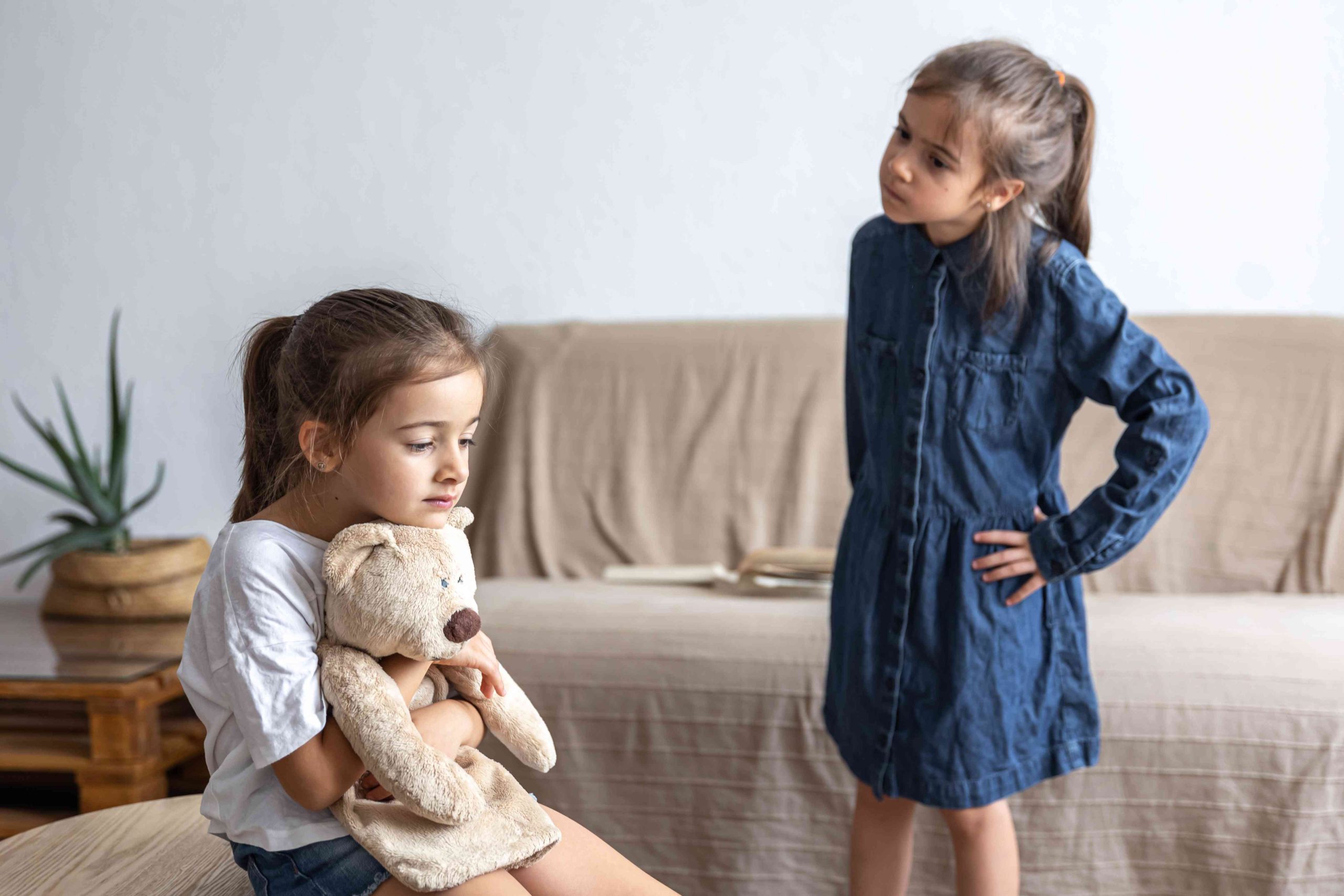
    Preschoolers are inherently curious, independent, and developing their sense of self. As they navigate their early years, it is natural for them to experience disagreements with their peers. Preschooler disagreement provides an opportunity for growth, learning, and the development of essential skills such as conflict resolution, communication, empathy, and collaboration. In this article, we will explore the various aspects of preschooler disagreement and strategies to support their journey towards positive conflict resolution and collaboration.


    Understanding Preschooler Disagreement:

    Preschooler disagreement is a normal part of their social and emotional development. It occurs when preschoolers have differing opinions, desires, or preferences, leading to conflicts or arguments. Disagreements can arise in various situations, such as sharing toys, taking turns, deciding on activities, or expressing personal preferences. Understanding the nature of preschooler disagreement is crucial for effectively addressing conflicts and supporting their social growth.


    Embracing Emotionally-Charged Discussions:

    Preschooler disagreement is often accompanied by strong emotions. It is essential to create a safe and supportive environment where preschoolers can express their feelings during disagreements. Here are strategies to embrace emotionally-charged discussions:

  • Active Listening:

    Encourage active listening during disagreements by teaching preschoolers to focus on the speaker and understand their perspective. Validate their emotions and provide a space for them to express their thoughts and feelings without judgment.

  • Empathy and Validation:

    Promote empathy by helping preschoolers understand and acknowledge the emotions of others. Teach them to validate their peers’ feelings, even if they do not agree with their viewpoint. This helps in building a foundation of understanding and respect during disagreements.

  • Emotional Regulation:

    Support preschoolers in developing emotional regulation skills to manage their own emotions during disagreements. Teach them calming techniques such as deep breathing or counting to ten. Encourage them to take a break when needed and return to the discussion when they are calmer and ready to listen and collaborate.


    Teaching Effective Communication Skills:

    Effective communication is key to resolving disagreements in a constructive manner. Preschoolers need guidance and practice in expressing their thoughts and feelings assertively and respectfully. Consider the following strategies:

  • “I” Statements:

    Teach preschoolers to use “I” statements to express their thoughts and feelings during disagreements. For example, instead of saying, “You never share,” they can say, “I feel upset when I don’t get a turn.” This approach focuses on personal experiences and promotes non-confrontational communication.

  • Turn-Taking and Active Participation:

    Encourage turn-taking during discussions to ensure that each preschooler has an opportunity to express their perspective. Model active participation by listening attentively and responding thoughtfully. This helps in developing mutual respect and collaborative problem-solving skills.

  • Non-Verbal Communication:

    Emphasize the importance of non-verbal communication cues such as body language, facial expressions, and tone of voice. Teach preschoolers to interpret and respond to these cues to better understand their peers’ emotions and perspectives.


    Fostering Collaboration and Compromise:

    Preschooler disagreement provides an opportunity to teach collaboration and compromise. It is important for preschoolers to understand that disagreements can be resolved through cooperation and finding mutually agreeable solutions. Consider the following strategies:

  • Brainstorming Solutions:

    Encourage preschoolers to brainstorm potential solutions during disagreements. Guide them in generating ideas and evaluating the pros and cons of each option. This fosters critical thinking and creativity while promoting a collaborative mindset.

  • Seeking Win-Win Solutions:

    Teach preschoolers the concept of win-win solutions, where both parties involved in a disagreement can achieve their desired outcomes. Encourage them to explore compromises and find solutions that meet the needs of all individuals involved.

  • Problem-Solving Games and Activities:

    Integrate problem-solving games and activities into the preschoolers’ daily routines. Provide opportunities for them to work together in solving puzzles, building structures, or engaging in cooperative play. These activities promote teamwork, communication, and the application of conflict resolution skills.


    Creating a Supportive Learning Environment:

    The learning environment plays a crucial role in shaping preschoolers’ attitudes towards disagreement and conflict resolution. Consider the following strategies to create a supportive environment:

  • Role-Modeling:

    As educators and parents, it is essential to model positive conflict resolution behaviours. Demonstrate effective communication, active listening, and respectful disagreement in your interactions with preschoolers and other adults. Preschoolers learn by observing and imitating, so be a positive role model for them.

  • Promoting Diversity and Inclusion:

    Encourage a diverse and inclusive environment where preschoolers learn to value and appreciate different perspectives. Provide opportunities for them to explore cultures, traditions, and experiences that differ from their own. This helps in developing empathy and respect for diverse viewpoints.

  • Cooperative Learning Activities:

    Incorporate cooperative learning activities into the preschoolers’ daily routines. Collaborative projects, group discussions, and team-building activities create opportunities for them to work together, understand differing opinions, and practice conflict resolution skills.


    Seeking Support from Educators and Parents:

    Preschooler disagreement can sometimes escalate and require intervention from educators and parents. It is important for adults to play an active role in supporting preschoolers’ conflict resolution journey. Consider the following strategies:

  • Mediation and Guidance:

    Intervene when disagreements become intense or when preschoolers are unable to find a resolution independently. Mediate the discussion, ensuring that both parties have an opportunity to express themselves and encouraging compromise and understanding.

  • Problem-Solving Dialogue:

    Engage preschoolers in problem-solving dialogues, where they can reflect on the disagreement, identify their feelings, and brainstorm potential solutions. Facilitate these dialogues by asking open-ended questions and guiding them towards collaborative problem-solving.

  • Reinforcing Positive Behaviour:

    Acknowledge and reinforce positive conflict resolution behaviours in preschoolers. Praise their efforts in listening, understanding, and finding mutually agreeable solutions. This positive reinforcement encourages them to continue practicing and refining their conflict resolution skills.


    Cultivating a Culture of Agreement:

    Lastly, it is important to cultivate a culture of agreement within the preschool environment. This involves promoting values such as respect, empathy, and open-mindedness. Consider the following strategies:

  • Agreements and Classroom Rules:

    Establish clear agreements and classroom rules that promote respectful communication and cooperation. Involve preschoolers in the process of creating these agreements, ensuring their ownership and understanding.

  • Conflict Resolution Resources:

    Provide preschoolers with resources to support their conflict resolution skills. These resources can include books, visual aids, and posters that highlight positive communication strategies and steps for resolving disagreements.

  • Celebrating Collaboration:

    Celebrate instances of successful collaboration and conflict resolution within the preschool community. Recognize and praise preschoolers who demonstrate positive agreement skills. This creates a culture where preschoolers understand the value of agreement and actively seek positive resolutions.

    Preschooler disagreement is an integral part of their social and emotional development. By embracing emotionally-charged discussions, teaching effective communication skills, fostering collaboration and compromise, creating a supportive learning environment, seeking support from educators and parents, and cultivating a culture of agreement, we can support preschoolers in developing essential conflict resolution and collaboration skills. These skills lay the foundation for positive relationships, empathy, and effective communication throughout their lives. Let us guide and empower preschoolers in navigating disagreements, helping them grow into confident and compassionate individuals who can resolve conflicts peacefully and collaborate harmoniously with others.

    Preschoolers are inherently curious, independent, and developing their sense of self. As they navigate their early years, it is natural for them to experience disagreements with their peers. Preschooler disagreement provides an opportunity for growth, learning, and the development of essential skills such as conflict resolution, communication, empathy, and collaboration. In this article, we will explore the various aspects of preschooler disagreement and strategies to support their journey towards positive conflict resolution and collaboration.


    Understanding Preschooler Disagreement:

    Preschooler disagreement is a normal part of their social and emotional development. It occurs when preschoolers have differing opinions, desires, or preferences, leading to conflicts or arguments. Disagreements can arise in various situations, such as sharing toys, taking turns, deciding on activities, or expressing personal preferences. Understanding the nature of preschooler disagreement is crucial for effectively addressing conflicts and supporting their social growth.

    Preschoolers’ disagreement stems from their growing sense of autonomy and the need to assert their individuality. They are beginning to develop their own preferences and desires, leading to clashes with their peers who may have different ideas or interests. Disagreements also emerge as preschoolers navigate social interactions and learn to negotiate and compromise in order to resolve conflicts.


    Embracing Emotionally-Charged Discussions:

    Preschooler disagreement is often accompanied by strong emotions. It is essential to create a safe and supportive environment where preschoolers can express their feelings during disagreements. Here are strategies to embrace emotionally-charged discussions:

  • Active Listening:

    Active listening plays a vital role in resolving preschooler disagreements. Encourage preschoolers to actively listen to each other’s viewpoints and concerns. Teach them to give their full attention, maintain eye contact, and show empathy towards their peers’ emotions. When preschoolers feel heard and understood, it promotes a positive environment for resolving conflicts.

  • Empathy and Validation:

    Preschoolers need guidance in understanding and empathizing with the emotions of others. Encourage them to put themselves in their peers’ shoes and consider how their actions or words may affect others. Validate their feelings and provide reassurance that it is normal to have different perspectives.

  • Emotional Regulation:

    Preschoolers are still developing their emotional regulation skills, and disagreements can intensify their emotions. Teach them strategies to manage their feelings, such as deep breathing, counting to ten, or taking a break when they feel overwhelmed. By learning to regulate their emotions, preschoolers can engage in more productive and constructive discussions.


    Teaching Effective Communication Skills:

    Effective communication is key to resolving disagreements in a constructive manner. Preschoolers need guidance and practice in expressing their thoughts and feelings assertively and respectfully. Consider the following strategies:

  • “I” Statements:

    Teach preschoolers to use “I” statements to express their thoughts and feelings during disagreements. For example, instead of saying, “You never share,” they can say, “I feel upset when I don’t get a turn.” This approach focuses on personal experiences and promotes non-confrontational communication.

  • Turn-Taking and Active Participation:

    Encourage turn-taking during discussions to ensure that each preschooler has an opportunity to express their perspective. Model active participation by listening attentively and responding thoughtfully. This helps preschoolers develop the skill of taking turns and fosters a respectful and inclusive environment.

  • Non-Verbal Communication:

    Emphasize the importance of non-verbal communication cues such as body language, facial expressions, and tone of voice. Teach preschoolers to interpret and respond to these cues to better understand their peers’ emotions and perspectives. By being aware of non-verbal cues, preschoolers can navigate disagreements more effectively.


    Fostering Collaboration and Compromise:

    Preschoolers can learn valuable lessons about collaboration and compromise through disagreements. By guiding them towards finding mutually agreeable solutions, we can foster their collaboration skills. Consider the following strategies:

  • Brainstorming:

    Encourage preschoolers to brainstorm potential solutions to their disagreements. Facilitate a discussion where each preschooler can contribute ideas without judgment. This process promotes critical thinking, creativity, and collaboration as they work together to find common ground.

  • Negotiation and Compromise:

    Guide preschoolers in negotiating and finding compromises that meet the needs and preferences of all parties involved. Teach them the value of give-and-take, emphasizing that finding a middle ground can lead to mutually satisfying outcomes.

  • Problem-Solving Games and Activities:

    Integrate problem-solving games and activities into the preschoolers’ daily routines. Provide opportunities for them to work together in solving puzzles, building structures, or engaging in cooperative play. These activities promote teamwork, communication, and the application of conflict resolution skills.


    Creating a Supportive Learning Environment:

    The learning environment plays a crucial role in shaping preschoolers’ attitudes towards disagreement and conflict resolution. Consider the following strategies to create a supportive environment:

  • Role-Modeling:

    As educators and parents, it is essential to model positive conflict resolution behaviours. Demonstrate effective communication, active listening, and respectful disagreement in your interactions with preschoolers and other adults. Preschoolers learn by observing and imitating, so be a positive role model for them.

  • Promoting Diversity and Inclusion:

    Encourage a diverse and inclusive environment where preschoolers learn to value and appreciate different perspectives. Provide opportunities for them to explore cultures, traditions, and experiences that differ from their own. This helps in developing empathy and respect for diverse viewpoints.

  • Cooperative Learning Activities:

    Incorporate cooperative learning activities into the preschoolers’ daily routines. Collaborative projects, group discussions, and team-building activities create opportunities for them to work together, understand differing opinions, and practice conflict resolution skills.


    Seeking Support from Educators and Parents:

    Preschooler disagreement can sometimes escalate and require intervention from educators and parents. It is important for adults to play an active role in supporting preschoolers’ conflict resolution journey. Consider the following strategies:

  • Mediation and Guidance:

    Intervene when disagreements become intense or when preschoolers are unable to find a resolution independently. Mediate the discussion, ensuring that both parties have an opportunity to express themselves and encouraging compromise and understanding.

  • Problem-Solving Dialogue:

    Engage preschoolers in problem-solving dialogues, where they can reflect on the disagreement, identify their feelings, and brainstorm potential solutions. Facilitate these dialogues by asking open-ended questions and guiding them towards collaborative problem-solving.

  • Reinforcing Positive Behaviour:

    Acknowledge and reinforce positive conflict resolution behaviours in preschoolers. Praise their efforts in listening, understanding, and finding mutually agreeable solutions. This positive reinforcement encourages them to continue practicing and refining their conflict resolution skills.


    Cultivating a Culture of Agreement:

    Lastly, it is important to cultivate a culture of agreement within the preschool environment. This involves promoting values such as respect, empathy, and open-mindedness. Consider the following strategies:

  • Agreements and Classroom Rules:

    Establish clear agreements and classroom rules that promote respectful communication and cooperation. Involve preschoolers in the process of creating these agreements, ensuring their ownership and understanding.

  • Conflict Resolution Resources:

    Provide preschoolers with resources to support their conflict resolution skills. These resources can include books, visual aids, and posters that highlight positive communication strategies and steps for resolving disagreements.

  • Celebrating Collaboration:

    Celebrate instances of successful collaboration and conflict resolution within the preschool community. Recognize and praise preschoolers who demonstrate positive agreement skills. This creates a culture where preschoolers feel motivated to engage in constructive discussions and seek peaceful resolutions.

    Preschooler disagreement provides a valuable opportunity for growth, learning, and the development of essential social and emotional skills. By embracing emotionally-charged discussions, teaching effective communication, fostering collaboration and compromise, creating a supportive learning environment, seeking support from educators and parents, and cultivating a culture of agreement, we can guide preschoolers towards positive conflict resolution and collaboration. Nurturing these skills at a young age sets a solid foundation for their future relationships and success in various social contexts. Let us empower preschoolers to become confident communicators, empathetic collaborators, and skilled problem-solvers as they navigate the complexities of disagreements in their early years.