Category: Preschool Field Trip

  • Build Community Connections

    Build Community Connections

    PRESCHOOL FIELD TRIP: FANTASTIC INDOOR PASTIME FOR BUILDING COMMUNITY CONNECTIONS


    In the realm of early childhood education, field trips have long been regarded as an effective means of enhancing the learning experience for preschoolers. These excursions not only provide a break from the classroom routine but also offer opportunities for preschoolers to explore the world beyond the confines of their school. While outdoor field trips are often favored, the advantages of indoor trips should not be overlooked. Indoor field trips, when thoughtfully planned, can offer a fantastic pastime for preschoolers while also building strong community connections. This article delves into the significance of indoor field trips in fostering community connections, exploring the various benefits they provide and highlighting some exciting ideas for preschoolers to enjoy.

    Building Community Connections through Indoor Field Trips

    Indoor field trips serve as a valuable platform for preschoolers to connect with their community in meaningful ways. By engaging with local businesses, organizations, and community members, preschoolers develop a sense of belonging and establish a deeper understanding of their community. These connections nurture empathy, cultural awareness, and appreciation for the efforts of various community members. Moreover, indoor field trips allow preschoolers to witness firsthand the interdependence and cooperation that exists within a community, cultivating a sense of unity and shared responsibility.

    Benefits of Indoor Field Trips
  • Exposure to Diverse Professions

    Indoor field trips provide an excellent opportunity for preschoolers to explore a range of professions. By visiting local businesses such as a bakery, library, or post office, preschoolers get a glimpse into the diverse array of careers that contribute to the functioning of their community. They can interact with professionals, observe their work, and even engage in hands-on activities. Such experiences broaden their horizons, inspire curiosity, and pave the way for future aspirations.

  • Enhanced Social and Emotional Development

    Engaging in indoor field trips promotes the social and emotional development of preschoolers. By interacting with community members, preschoolers learn important social skills such as communication, cooperation, and respect. They also develop empathy by understanding the challenges and joys experienced by different individuals. Additionally, field trips provide opportunities for preschoolers to navigate unfamiliar environments, fostering independence, and boosting self-confidence.

  • Reinforcement of Classroom Learning

    Indoor field trips offer a unique way to reinforce classroom learning. By linking the field trip experience with the curriculum, educators can provide a hands-on approach to educational concepts. For instance, a visit to a local museum can complement a lesson on history, art, or science. Such experiential learning allows preschoolers to make connections between theoretical knowledge and real-life experiences, deepening their understanding and retention of information.


    Exciting Ideas for Indoor Field Trips
  • Museum Adventures

    Museums are treasure troves of knowledge and wonder, making them an ideal destination for indoor field trips. A visit to a local museum can expose preschoolers to art, culture, history, and science. To enhance the experience, educators can create scavenger hunts, encouraging preschoolers to actively explore the exhibits while learning through play. Furthermore, engaging museum staff to provide interactive presentations or workshops tailored to the preschoolers’ age group adds an extra layer of excitement and enrichment.

  • Behind-the-Scenes at a Theatre

    The performing arts provide a captivating and immersive experience for preschoolers. Organizing an indoor field trip to a local theatre allows preschoolers to witness the magic behind the scenes. From backstage tours to meeting actors and technicians, preschoolers gain insight into the production process and discover the collaborative effort that brings a performance to life. Additionally, incorporating a short interactive workshop where preschoolers can participate in acting or storytelling activities further enhances their engagement and creativity.

  • Community Helpers’ Showcase

    An indoor field trip centered around community helpers is an excellent way to foster a sense of community and appreciation for the various professions that contribute to the well-being of society. Organize a special event where preschoolers can meet and interact with local police officers, firefighters, paramedics, and other community helpers. Set up different stations or booths where each profession showcases their equipment, uniforms, and responsibilities. Preschoolers can have the opportunity to ask questions, learn about their roles in the community, and even participate in simple demonstrations or role-playing activities. This immersive experience will not only spark the preschoolers’s curiosity but also instill a sense of gratitude for the invaluable services provided by these community heroes.

  • Exploring Local Businesses

    Indoor field trips can also involve visits to various local businesses, providing preschoolers with a glimpse into the world of entrepreneurship and commerce. Arrange trips to places such as a bakery, grocery store, or pet shop, where preschoolers can witness firsthand how these establishments function and contribute to the local community. Engage the business owners or staff members to explain their roles, demonstrate their work processes, and even allow preschoolers to engage in age-appropriate activities. This interactive experience will not only foster a sense of appreciation for local businesses but also introduce the concept of economic exchange and the importance of supporting the community’s economy.

  • Library Adventures

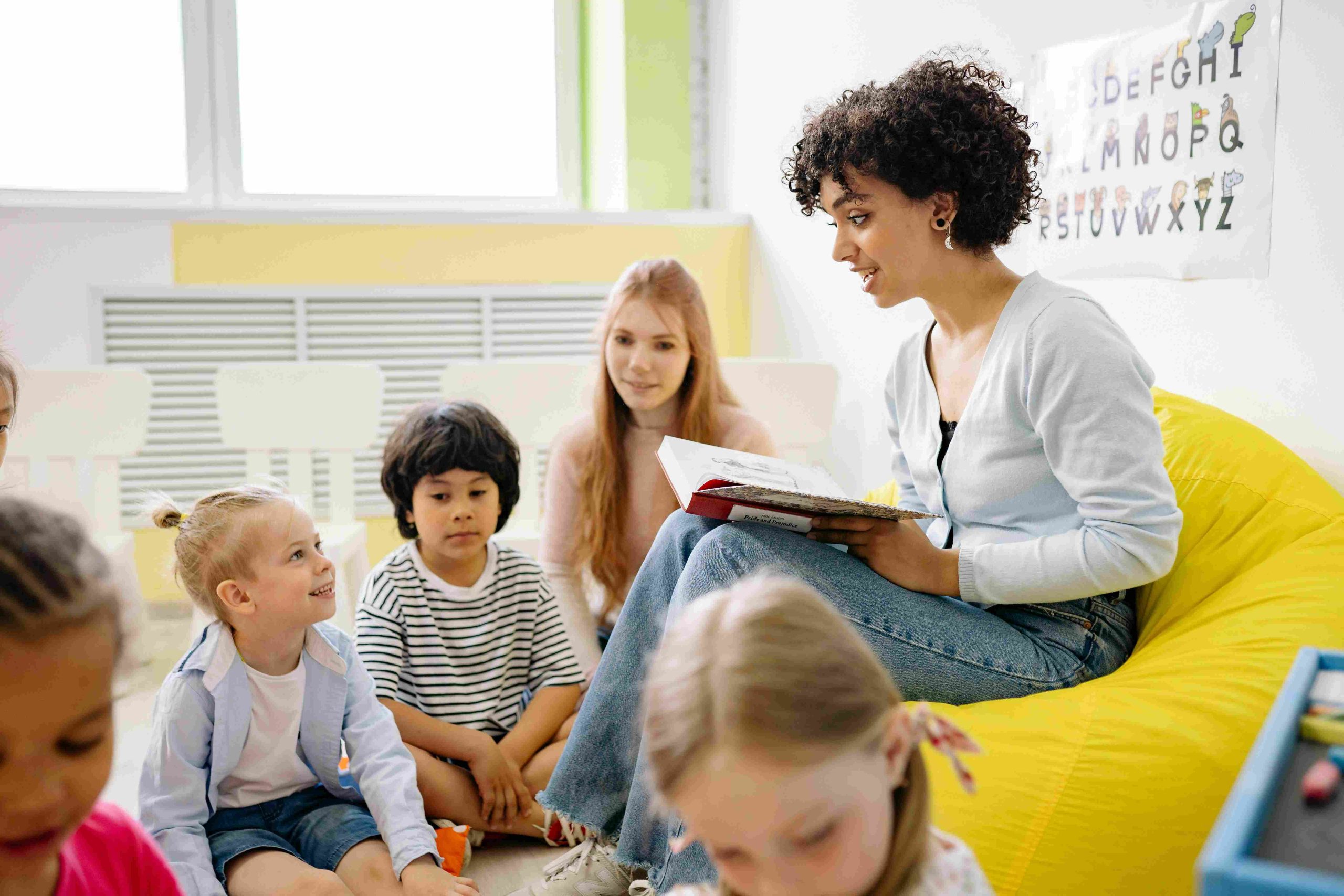
    Libraries are an excellent destination for indoor field trips, as they offer a wealth of knowledge and endless possibilities for exploration. Plan a visit to the local library, where preschoolers can engage in storytime sessions, browse books, and participate in library-themed activities. Librarians can guide the preschoolers through the library, explaining how to locate and borrow books, introducing them to different genres, and encouraging a love for reading. Additionally, incorporating arts and crafts activities related to popular preschoolers’s books can further enhance the experience and foster creativity.


    Conclusion

    Indoor field trips provide an exceptional opportunity for preschoolers to engage with their community while enjoying a fantastic pastime. By building community connections through visits to local businesses, museums, theaters, and libraries, preschoolers develop a deeper understanding of their community, nurture empathy, and broaden their horizons. The benefits of indoor field trips extend beyond the immediate experience, reinforcing classroom learning, enhancing social and emotional development, and inspiring future aspirations. By incorporating these exciting ideas into preschool curriculum, educators can create memorable experiences that foster a sense of belonging, unity, and appreciation for the community in which preschoolers live and learn.


    Exciting Indoor Field Trip Activities for Preschoolers
  • Science Discovery Center

    A science discovery center provides an engaging and interactive indoor field trip experience for preschoolers. These centers are designed to stimulate curiosity and encourage hands-on exploration of scientific concepts. Plan a visit to a local science discovery center where preschoolers can engage in a variety of exhibits and activities. From learning about simple machines to experimenting with water and air, these centers offer a range of age-appropriate experiences that spark the preschoolers’s interest in science. Additionally, staff members can facilitate interactive demonstrations or workshops, further enhancing the educational value of the field trip.

  • Art Studio Workshop

    An art studio workshop is an excellent choice for an indoor field trip that nurtures creativity and self-expression in preschoolers. Contact a local art studio or artist who specializes in working with young preschoolers and arrange for a workshop tailored to their age group. During the field trip, preschoolers can learn different art techniques, experiment with various materials, and create their own masterpieces. The experience of engaging with art not only fosters imagination but also helps develop fine motor skills and encourages self-confidence in preschoolers.

  • Indoor Sports or Recreation Center

    An indoor sports or recreation center offers a range of activities that promote physical development, teamwork, and healthy living. Consider organizing a field trip to a facility that offers age-appropriate sports activities such as mini-golf, bowling, or trampoline parks. These venues provide a safe and controlled environment for preschoolers to engage in active play, develop gross motor skills, and learn about sportsmanship. Educators can also plan group activities or relay races that encourage teamwork, cooperation, and friendly competition.

  • Nature or Animal Center

    Although typically associated with outdoor experiences, nature and animal centers can offer captivating indoor field trips for preschoolers as well. Look for local facilities that house educational exhibits or interactive displays featuring plants, animals, or ecosystems. These centers often provide opportunities for preschoolers to observe and learn about a variety of animals, their habitats, and environmental conservation. Through guided tours, storytelling sessions, or even hands-on encounters with small animals, preschoolers can develop a sense of appreciation for the natural world and a desire to protect it.

  • Culinary Adventure

    Introducing preschoolers to the world of cooking and food can be a delightful indoor field trip experience. Contact local restaurants or culinary institutes that offer child-friendly cooking classes or workshops. Preschoolers can learn basic cooking skills, create simple recipes, and explore different flavors and ingredients. This hands-on culinary adventure not only fosters an interest in healthy eating but also promotes fine motor skills, following directions, and teamwork as preschoolers work together to prepare a meal or snack.


    Conclusion

    Indoor field trips provide endless possibilities for preschoolers to explore, learn, and connect with their community in meaningful ways. From science discovery centers and art studio workshops to sports facilities, nature centers, and culinary adventures, the options are diverse and exciting. By incorporating these indoor field trip ideas into preschool curricula, educators can create memorable experiences that spark curiosity, foster creativity, promote physical development, and deepen preschoolers’s understanding of the world around them. These fantastic pastimes not only engage and entertain preschoolers but also build strong community connections that lay the foundation for a sense of belonging, unity, and appreciation as they grow.


    Exploring Local History and Culture

    Another engaging and educational indoor field trip idea for preschoolers is to explore local history and culture. This type of field trip provides an opportunity for preschoolers to learn about their community’s heritage, traditions, and significant events. It helps preschoolers develop a sense of pride and connection to their roots while fostering an appreciation for the diverse cultures that coexist within their community.

  • Local Historical Society or Museum

    Contact your local historical society or museum to arrange a visit that focuses on the history of the area. The museum can provide exhibits, artifacts, and interactive displays that showcase the region’s past. Preschoolers can learn about the early settlers, indigenous cultures, important landmarks, or significant events that shaped the community. Museum staff can offer engaging presentations, storytelling sessions, or even dress-up activities that transport preschoolers back in time, bringing history to life in a child-friendly manner.

  • Cultural Performances and Workshops

    Organize an indoor field trip that introduces preschoolers to the vibrant cultures within their community. Contact local cultural groups, dance troupes, or musicians who specialize in showcasing traditional music, dance, or art forms. Arrange for a performance or workshop where preschoolers can witness cultural expressions and even participate in simple dance or art activities. This immersive experience helps preschoolers develop an appreciation for diversity, promotes cultural awareness, and fosters a sense of inclusivity.

  • Landmarks and Architecture

    Take preschoolers on an indoor field trip to explore the unique architecture and landmarks within their community. Visit historical buildings, significant monuments, or iconic structures that hold cultural or historical importance. Educators can provide age-appropriate information about the significance of each landmark, its architectural style, or the stories behind it. Encourage preschoolers to observe the details, ask questions, and engage in discussions about the community’s architectural heritage.

  • Storytelling and Folktales

    Indoor field trips centered around storytelling and folktales offer a wonderful way for preschoolers to learn about local legends, myths, and traditions. Invite local storytellers or community elders to share captivating tales that have been passed down through generations. These stories can be accompanied by props, puppets, or even simple reenactments to enhance the experience. Preschoolers can actively engage by participating in storytelling activities or creating their own stories inspired by the local culture.

  • Community Heritage Crafts

    Discover local artisans or craftspeople who specialize in traditional crafts or handicrafts that are unique to the community. Organize a field trip to their studios or workshops where preschoolers can witness the process of creating handmade items and even try their hand at simple craft activities. This interactive experience not only introduces preschoolers to different art forms but also emphasizes the importance of preserving and appreciating traditional crafts as a part of the community’s heritage.


    Conclusion

    Indoor field trips that focus on exploring local history and culture offer preschoolers a rich and immersive experience that enhances their understanding of their community. Through visits to local historical societies or museums, cultural performances, exploring landmarks, storytelling sessions, and hands-on craft activities, preschoolers can develop a sense of pride, connection, and appreciation for the diverse aspects of their community’s heritage. These field trips foster curiosity, cultural awareness, and a deeper sense of belonging, all while providing engaging and educational experiences for preschoolers.

  • Reinforce The Learning

    Reinforce The Learning

    PRESCHOOL FIELD TRIP TREMENDOUS ENTHUSIASM: Reinforcing Learning through Memorable Adventures


    Introduction

    Preschool education plays a vital role in shaping young minds and preparing them for future academic success. While classroom instruction forms the foundation, it is through hands-on experiences that preschoolers truly thrive. Field trips, in particular, offer a gateway to real-world learning and provide an avenue for tremendous enthusiasm to flourish. This article explores the significance of field trips in reinforcing learning and the profound impact they have on preschoolers.


    Immersive Learning Beyond the Classroom

    Preschoolers possess an innate curiosity and an eagerness to explore the world around them. Traditional classroom settings, while essential, cannot fully capture their attention and engage them in the same way as experiential learning. Field trips provide the perfect opportunity to immerse preschoolers in new environments, sparking their curiosity and igniting their passion for learning.


    The Power of Real-World Connections

    Field trips offer preschoolers the chance to make real-world connections with the concepts they learn in the classroom. Whether it’s a visit to a local zoo, a museum, or a farm, these excursions allow preschoolers to see, touch, and experience the subjects they study. These hands-on encounters not only solidify their understanding of academic concepts but also foster a deep sense of appreciation and wonder.

    For instance, a trip to a zoo can transform a simple lesson on animals into an awe-inspiring experience. Preschoolers can witness the vibrant colors of tropical birds, hear the roar of a lion, and observe the graceful movements of aquatic creatures. These vivid encounters create lasting memories and anchor the knowledge gained in the classroom, making it more meaningful and impactful.


    Engaging All Senses for Holistic Learning

    Preschoolers are naturally inclined to learn through their senses. Field trips offer a multi-sensory learning experience that caters to their unique developmental needs. From the smell of freshly baked bread at a local bakery to the feel of soft fur on a farm animal, these sensory encounters stimulate their minds and facilitate a deeper understanding of the world.

    Consider a trip to a botanical garden, where preschoolers can explore various textures, smells, and colors. They can run their fingers over the velvety petals of a rose, breathe in the sweet aroma of blooming flowers, and observe the vibrant hues of different plant species. Such sensory-rich experiences not only enhance their understanding of nature but also promote cognitive and emotional development.


    Nurturing Curiosity and Encouraging Questions

    Field trips foster an environment that encourages preschoolers to ask questions and seek answers actively. The real-life settings and engaging experiences pique their curiosity, prompting them to inquire about the world around them. These moments of curiosity are invaluable, as they signify the thirst for knowledge and the development of critical thinking skills.

    For instance, a visit to a science museum can spark a preschooler’s interest in the wonders of the universe. They may gaze up at a model of the solar system and ask why the moon changes shape or what causes rainbows to appear. Field trips provide the opportunity for educators to guide these inquiries, allowing preschoolers to embark on a journey of discovery.


    Social and Emotional Growth

    Field trips not only promote academic growth but also foster social and emotional development in preschoolers. These excursions provide a platform for preschoolers to interact with their peers, educators, and members of the community. Collaborative activities and shared experiences during field trips promote teamwork, empathy, and communication skills.

    Visits to community spaces, such as fire stations or local libraries, allow preschoolers to engage with professionals and understand the roles they play in society. These interactions build social awareness and empathy, encouraging preschoolers to see themselves as active participants in their communities.


    Creating Lasting Memories

    One of the most significant aspects of Field trips is the creation of lasting memories for preschoolers. These adventures outside the classroom leave an indelible mark on their young minds and hearts. The excitement and anticipation leading up to a field trip, the thrill of stepping onto a bus with their friends, and the sheer joy of discovering new places together are experiences that preschoolers cherish.

    These memories serve as anchors for their learning journey, connecting abstract concepts to tangible experiences. When preschoolers recall a field trip, they not only remember the facts they learned but also the emotions they felt. These emotional connections deepen their understanding and create a strong foundation for future learning.


    The Impact on Educational Outcomes

    Field trips have a profound impact on the educational outcomes of preschoolers. Numerous studies have shown that hands-on, experiential learning significantly enhances preschoolers’s academic achievements. The National Education Association states that field trips “increase student knowledge and understanding of a subject, stimulate interest and motivation, and provide an opportunity for hands-on learning.”

    When preschoolers actively engage with their environment during field trips, they absorb information more effectively. They develop a sense of ownership over their learning as they explore, ask questions, and actively participate in activities. This engagement leads to improved retention of knowledge and a deeper understanding of concepts.

    Moreover, field trips can be tailored to align with specific learning objectives. Educators can strategically plan trips that reinforce the curriculum, enabling preschoolers to apply what they have learned in the classroom to real-world contexts. By connecting academic content to practical experiences, field trips promote meaningful learning that goes beyond memorization.


    Overcoming Challenges and Enhancing Inclusion

    While field trips offer invaluable learning opportunities, they also come with challenges, such as logistical arrangements and safety considerations. However, with careful planning and collaboration between educators, parents, and community partners, these challenges can be overcome, ensuring that every preschooler can participate.

    Inclusive field trips are essential to provide equal opportunities for all preschoolers to benefit from these enriching experiences. Educators can work closely with families and community organizations to address accessibility needs, accommodate diverse learning styles, and create inclusive environments during field trips. By fostering an inclusive atmosphere, all preschoolers can actively engage and learn from these memorable adventures.


    Collaboration with Parents and Community

    Field trips provide an excellent opportunity for collaboration between preschools, parents, and the wider community. Parents play a crucial role in supporting their preschoolers learning experiences by volunteering as chaperones, sharing their expertise, or offering resources. Their involvement strengthens the connection between home and school, fostering a holistic learning environment for preschoolers.

    Community organizations, such as museums, parks, and local businesses, also play an instrumental role in the success of field trips. Their support and engagement enhance the quality of the learning experience, providing preschoolers with authentic encounters and expert guidance. Collaboration between schools and the community strengthens the ties between education and society, enriching the learning opportunities available to preschoolers.


    The Future of Field Trips

    As we look to the future, the significance of field trips in early childhood education remains paramount. In an increasingly digitized world, field trips offer a counterbalance, providing preschoolers with real-world experiences that cannot be replicated through screens. They cultivate a sense of wonder, spark curiosity, and foster a love for learning that will accompany them throughout their educational journey.

    Innovations in technology, such as virtual reality and augmented reality, may augment field trips by offering immersive experiences even when physical visits are not possible. However, it is crucial to recognize that these digital tools should complement, rather than replace, the authentic experiences that field trips provide.


    Conclusion

    Field trips are invaluable in the preschool education landscape, offering preschoolers tremendous enthusiasm and reinforcing their learning. Through immersive experiences, real-world connections, multi-sensory learning, and nurturing curiosity, field trips create lasting memories and foster a deep understanding of academic concepts. They promote social and emotional growth, facilitate critical thinking, and enhance overall educational outcomes.

    As educators, parents, and community members, it is our responsibility to recognize the importance of field trips and advocate for their continued integration into preschool curricula. By prioritizing hands-on, experiential learning, we empower preschoolers to become active participants in their own education. We provide them with the tools and experiences they need to develop a lifelong love for learning and a solid foundation for future academic success.

    Let us embrace the tremendous enthusiasm that field trips ignite in preschoolers. Let us create opportunities for them to explore, discover, and connect with the world around them. Through these memorable adventures, we can reinforce their learning, nurture their curiosity, and inspire them to reach their full potential.

    So, let us continue to embark on field trips with our preschoolers, fostering a sense of wonder and joy in their hearts. Let us hold their tiny hands as they explore new environments, ask questions, and create memories that will shape their educational journey. Together, we can reinforce their learning and set them on a path of lifelong discovery and growth.

    In conclusion, field trips hold tremendous power in reinforcing learning for preschoolers. These immersive experiences go beyond the confines of the classroom, engaging all their senses and fostering deep connections with academic concepts. Field trips nurture curiosity, promote social and emotional growth, and create lasting memories that anchor knowledge and enhance educational outcomes. Let us champion the integration of field trips in early childhood education, recognizing their profound impact and ensuring that every preschooler has the opportunity to embark on these remarkable adventures.


    The Importance of Reflection and Extension Activities

    Field trips provide preschoolers with rich learning experiences, but the impact can be further enhanced through reflection and extension activities. Reflection allows preschoolers to process and internalize what they have learned during the trip, while extension activities provide opportunities to delve deeper into the concepts explored.

    Reflection activities can take various forms, such as group discussions, journaling, or artistic expressions. These activities encourage preschoolers to articulate their thoughts, share their experiences, and make connections between the field trip and their prior knowledge. By reflecting on their observations and interactions, preschoolers can solidify their understanding and gain new insights.

    For example, after a visit to a local farm, preschoolers can gather in a circle to discuss what they learned. They can take turns sharing their favorite animals, describing the different sounds they heard, and recalling the taste of freshly picked fruits or vegetables. Through this reflection, preschoolers not only reinforce their learning but also develop their communication and language skills.

    Extension activities build upon the field trip experience, allowing preschoolers to explore related concepts in greater depth. These activities can be integrated into the curriculum, providing continuity and reinforcing the knowledge gained during the trip. Extension activities can include hands-on experiments, art projects, research projects, or even community service initiatives.

    Continuing with the farm example, preschoolers can engage in follow-up activities such as planting seeds in the school garden, investigating the life cycle of plants, or creating artwork inspired by farm animals. These activities extend the learning beyond the field trip, encouraging preschoolers to explore additional aspects of the topic and fostering a sense of ownership over their learning.


    The Role of Educators in Maximizing Learning Opportunities

    Educators play a crucial role in maximizing the learning opportunities offered by field trips. They serve as facilitators, guides, and observers, ensuring that the experiences are purposeful, safe, and aligned with educational objectives. Effective planning and preparation are essential to ensure that field trips are meaningful and impactful for preschoolers.

    Prior to the field trip, educators can introduce the topic, build background knowledge, and generate excitement among the preschoolers. They can incorporate related activities in the classroom, such as read-alouds, hands-on experiments, or virtual tours, to enhance understanding and create anticipation for the upcoming trip.

    During the field trip, educators should encourage active engagement and provide scaffolding for learning. They can pose open-ended questions, encourage preschoolers to make observations, and guide discussions to deepen understanding. Educators can also facilitate interactions with experts or volunteers at the field trip site, fostering connections between the preschoolers and the broader community.

    After the field trip, educators should provide opportunities for reflection and extension activities. They can guide discussions, encourage preschoolers to share their experiences, and support the integration of the field trip into the curriculum. By designing meaningful follow-up activities, educators can reinforce learning, address any misconceptions, and encourage preschoolers to delve deeper into the topics explored.

    Collaboration with parents is also crucial in maximizing the learning potential of field trips. Educators can share information about the field trip, provide suggestions for conversations at home, and encourage parents to reinforce the concepts learned during the trip. By involving parents in the learning process, educators can create a strong support system that extends beyond the classroom walls.


    Safety and Supervision Considerations

    The safety and well-being of preschoolers should always be the top priority during field trips. It is essential to conduct thorough risk assessments, follow appropriate safety protocols, and ensure adequate supervision throughout the trip. Educators and volunteers should be trained in emergency procedures and have clear communication strategies in place.

    Additionally, consideration should be given to the accessibility and inclusivity of field trips. It is important to identify and address any specific needs of individual preschoolers to ensure their full participation. Collaborating with parents and relevant stakeholders can help ensure that all preschoolers, regardless of their abilities or backgrounds, can fully engage in and benefit from the field trip experience.


    Conclusion

    Field trips hold tremendous potential for reinforcing learning in preschoolers. These memorable adventures outside the classroom provide opportunities for immersive, hands-on experiences that engage all the senses and foster a deep understanding of academic concepts. Through field trips, preschoolers make real-world connections, nurture their curiosity, and develop social and emotional skills.

    Reflection and extension activities further enhance the impact of field trips by allowing preschoolers to process their experiences, make connections, and delve deeper into the concepts explored. Educators play a vital role in maximizing the learning opportunities offered by field trips through careful planning, facilitation, and collaboration with parents. By ensuring safety, inclusivity, and meaningful follow-up, educators can create transformative learning experiences for preschoolers.

    As we continue to recognize the tremendous enthusiasm that field trips ignite in preschoolers, let us advocate for their continued integration into early childhood education. Let us embrace the power of these experiential learning opportunities, nurturing the innate curiosity and passion for learning in every preschooler. By reinforcing learning through field trips, we lay a solid foundation for lifelong learning, curiosity, and growth in our preschoolers.

  • Educational Growth

    Educational Growth

    Fostering Educational Development: Unleashing Preschoolers’ Potential

    Every child has an amazing capacity for learning and development, and the preschool years are when the groundwork for future academic success is laid. Preschoolers are in a crucial stage of their educational development, requiring careful monitoring, nurturing, and support. In this article, we’ll examine the various facets of educational development while highlighting the crucial elements that affect a child’s growth. We will examine the methods that can unleash preschoolers’ full potential and put them on a path to a bright future, covering everything from the importance of early learning environments to the function of parental involvement.


    Creating an Environment that is Rich for Learning

    Preschoolers’ educational development must be supported by the creation of a rich learning environment. Environments that are stimulating and encourage creativity, critical thinking, and curiosity are best for developing young minds. Such settings ought to include a variety of tasks and resources that encourage exploration through doing and interpersonal interaction. To support cognitive development, preschoolers should have access to age-appropriate books, educational toys, and hands-on learning materials. Additionally, including sensory activities, outdoor play, and artistic pursuits can improve their overall development, including their emotional and physical wellbeing.


    Play-Based Learning’s Power

    A preschooler’s development as a learner depends heavily on play. Preschoolers can use it to make sense of their surroundings and learn new things. Preschoolers can develop their cognitive, social, and emotional skills through independent play-based learning. Preschoolers improve their communication skills, problem-solving abilities, and emotional control by playing with pretend play, building with blocks, or acting out scenarios. The importance of play-based learning must be understood by educators and parents, who must also provide opportunities for preschoolers to engage in meaningful, open-ended play.


    The Function of Skilled Teachers

    The educational development of preschoolers is greatly aided by qualified teachers. They have the skills and knowledge necessary to establish a supportive and diverse learning environment. In order to meet the varied needs and learning preferences of preschoolers, educators must use a variety of teaching techniques while ensuring differentiation. They should be well-versed in child development, able to monitor and evaluate each child’s development, and able to offer the proper direction and encouragement. Preschoolers can explore, ask questions, and develop a love of learning in an environment that is safe and supportive thanks to the positive relationships that skilled educators cultivate with them.


    Increasing Parental Participation

    Parents’ participation is essential in promoting preschoolers’ academic development. Parents who actively engage in their child’s educational process strengthen the bond between home and school, laying the groundwork for success. Parents can participate in activities like reading aloud, playing educational games, and having discussions about interests. A child’s development can be approached holistically when parents and teachers are in constant communication about the child’s needs. We foster a collaborative environment where a preschooler’s potential is fully realized by involving parents.


    Emotional intelligence: Its Value

    A preschooler’s educational development is significantly influenced by emotional intelligence. For preschoolers to succeed academically, they must develop self-awareness, emotional control, empathy, and social skills. By encouraging emotional intelligence, we give preschoolers the skills they need to handle conflicts, communicate clearly, and form wholesome bonds with their peers and teachers. Preschoolers should have the chance to recognize and express their emotions, be taught self-soothing techniques, and be in a nurturing environment where they can develop emotionally.


    How to Develop a Lifelong Love of Learning

    Preschoolers’ educational development ultimately aims to foster a love of learning that will last a lifetime. Preschoolers are more likely to continue seeking knowledge and succeed academically if their attitude toward education is positively influenced. By creating a fun and stimulating environment that celebrates curiosity, exploration, and discovery, educators and parents can foster this love of learning in their preschoolers. Preschoolers can be motivated and passionate about learning for the rest of their lives by being given opportunities to express themselves, being encouraged to pursue their interests, and being recognized for their accomplishments.

    Preschoolers’ educational development is a complex process that takes into account a number of variables. Each component contributes to the holistic development of preschoolers, from the creation of enriched learning environments and the inclusion of play-based learning to the involvement of qualified educators and empowered parents. We can unleash the full potential of these young minds and put them on a path to success for the rest of their lives by valuing emotional intelligence and encouraging a love of learning. Let’s keep spending money on preschoolers’ education to give them the best possible start on a successful and promising future.


    Using technology to its fullest potential in education

    Technology has permeated every aspect of our lives in the current digital era, and it can have a big impact on how preschoolers learn. Technology can improve educational experiences, engage preschoolers, and broaden their horizons when used appropriately and with adult supervision. Preschoolers can explore ideas, practice problem-solving skills, and reinforce learning in a fun and interactive way with the help of educational apps, interactive websites, and digital learning tools. But it’s crucial to strike a balance and make sure that technology is used to enhance real-world encounters and meaningful interactions rather than to replace them. In order to promote digital literacy and responsible technology use from an early age, educators and parents should carefully choose and curate age-appropriate and educational content.

    Preschoolers can gain from personalized learning opportunities, be exposed to diverse ideas and cultures, and develop digital skills that are becoming more and more important in today’s society by incorporating technology into educational settings. To ensure that technology integration meets preschoolers’ developmental needs and fosters their overall development, it is essential to approach the topic with caution.

    As technology develops, educators and parents must stay up to date on the newest resources, academic studies, and recommended methods for integrating technology into preschoolers’ education. By utilizing technology, we can push the limits of educational development and give young preschoolers the abilities and information they need to succeed in the twenty-first century.

    Preschoolers’ educational development is a dynamic, multifaceted process that calls for the cooperation of teachers, parents, and society at large. We can unleash the full potential of preschoolers and lay a solid foundation for their future success by creating enriched learning environments, embracing play-based learning, empowering educators and parents, nurturing emotional intelligence, cultivating a love of learning, and utilizing technology.

    Let’s keep in mind that each child is unique, with their own strengths, interests, and developmental pace as we continue to invest in the educational development of preschoolers. Our shared responsibility is to ensure that every preschooler has the resources, support, and direction they need to succeed academically, socially, and emotionally. Let’s work together to promote preschoolers’ educational development and build a society in which every child has the chance to realize their full potential.


    fostering inclusion and diversity of culture

    Promoting preschoolers’ educational development requires cultivating cultural diversity and creating a welcoming environment. Preschoolers are better prepared for a globalized world by participating in a rich educational environment that values diversity and embraces its value.

    Preschoolers can learn about various worldviews, cultures, and languages through literature, music, art, and storytelling from educators and parents. We help preschoolers develop empathy, respect for others, and a broader worldview by exposing them to a range of cultural experiences. Preschoolers from various cultures can feel a sense of belonging by participating in multicultural festivals, inviting speakers from various backgrounds, and fostering peer interactions. These activities can also encourage inclusivity and challenge stereotypes.

    Preschoolers with special needs or disabilities should receive support and accommodations as part of an inclusive education. It is critical to establish a setting in which each child is valued, encouraged, and included in all facets of learning. Preschoolers with a range of abilities can participate fully in educational activities and reach their full potential by working with specialized professionals, implementing individualized education plans, and promoting inclusive practices.

    By fostering an environment that is both culturally diverse and welcoming, we give preschoolers the skills they need to navigate a diverse world, cultivate an appreciation for various viewpoints, and grow into compassionate global citizens. Diversity acceptance is essential for preschoolers’ educational development as well as for building a more inclusive and peaceful society as a whole.

    It’s crucial to keep in mind that every child is an individual, and a combination of these factors may have different effects on their educational journey. Every preschooler has unique needs and potential, and it is our collective responsibility as educators, parents, and society to foster environments that support and nurture those needs and potential so that each preschooler can thrive and realize their highest aspirations.


    fostering physical well-being and health

    Preschoolers’ development as learners depends on their physical health and wellbeing. A healthy body promotes emotional control, cognitive growth, and general academic success. Prioritizing activities that foster physical fitness, promote healthy habits, and guarantee a nurturing environment are crucial.

    Regular physical activity is essential for preschoolers’ development of coordination, spatial awareness, and gross motor skills. Preschoolers can build strength, balance, and endurance by participating in sports that are appropriate for their age, structured physical activities, and outdoor play. Additionally, it offers chances for social interaction, teamwork, and the growth of crucial life abilities like resilience and teamwork.

    Another important component of encouraging physical health in preschoolers is proper nutrition. A balanced diet that is high in fruits, vegetables, whole grains, and lean proteins gives a person the nutrients they need for physical and mental development. By providing wholesome snacks and meals and teaching preschoolers the value of making healthy food choices, educators and parents can work to promote a culture of healthy eating.

    Moreover, a preschooler’s physical and mental health depend on getting enough rest and sleep. Proper brain development, memory consolidation, and emotional control are all made possible by getting enough sleep. For preschoolers, parents and educators should establish regular bedtime routines and establish serene, cozy sleeping environments.

    By placing a high priority on physical health and wellbeing, we give preschoolers the vigor, concentration, and fortitude they need to participate in learning activities successfully. Preschoolers are more likely to be physically and mentally healthy, which builds a solid foundation for academic growth and enhances their general wellbeing.

    It is crucial to recognize that every child’s educational journey is different. For different people, the interaction of these variables may differ, so it is crucial to adapt approaches and strategies to each child’s unique needs and abilities. We can give preschoolers the tools they need to succeed academically, emotionally, physically, and socially by taking a holistic approach to educational growth and meeting their diverse needs.


    Managing Obstacles and Developing Resilience

    For preschoolers, the path to academic growth is not without obstacles. To encourage preschoolers’ resiliency and persistence, it is crucial to recognize and address these difficulties. By giving them the tools they need to overcome challenges, we enable them to bounce back and confidently carry on with their academic journey.

    The development of problem-solving and critical-thinking abilities is one typical challenge. Preschoolers should have the chance to experience age-appropriate challenges that inspire them to use their imaginations, consider various options, and learn from their mistakes. Open-ended activities, puzzles, and real-world situations can help preschoolers build resilience when they are provided by educators and parents.

    Learning effective social and communication skills is another difficulty. Preschoolers in preschool are learning how to communicate with one another, express their feelings, and handle social situations. It’s crucial to establish a welcoming and accepting environment where preschoolers can practice these abilities. Cooperation, conflict resolution, and active listening are three interpersonal skills that preschoolers can develop to help them succeed in school and beyond.

    Preschoolers may also experience difficulties during transitions, such as switching classrooms or beginning school for the first time. These changes can be stressful and have an adverse effect on a child’s self-esteem and adaptability. Clear communication, a routine that is predictable, and opportunities for preschoolers to express their feelings are all ways that educators and parents can offer support. Preschoolers can successfully negotiate transitions if we foster a sense of community and offer a stable, friendly environment.

    Preschoolers have the chance to learn resilience as a result of the difficulties they face. They can overcome obstacles, persevere in the face of adversity, and cultivate a growth mindset thanks to resilience. We encourage resilience and instill in preschoolers the belief that they can overcome challenges and accomplish their goals by recognizing their efforts, celebrating their successes, and offering support during trying times.

    Preschoolers gain self-efficacy, perseverance, and a positive outlook on learning as they overcome obstacles and develop resilience. By encouraging their capacity for problem-solving, we enable them to develop into lifelong learners who are prepared to surmount challenges and seize new opportunities.

    It’s crucial to keep in mind that each child is an individual, and a combination of these factors may have different effects on their educational journey. Preschoolers are put on a path to success in their academic endeavors and beyond by providing a supportive and nurturing environment that addresses difficulties and fosters resilience.

  • Organized and Responsible

    Organized and Responsible

    Nurturing Preschoolers: The Power of Being Organized and Responsible

    In the early stages of a child’s life, the values and skills they develop play a vital role in shaping their future. One such crucial aspect is teaching preschoolers the virtues of being organized and responsible. The foundation laid during these formative years can have a profound impact on their personal growth, academic achievements, and overall success in life. In this article, we explore the significance of instilling organizational skills and fostering a sense of responsibility in preschoolers. By doing so, we empower them to navigate the world with confidence and build a strong foundation for a bright future.


    The Power of Organization

    Organizational skills are not merely confined to keeping things tidy and structured. They encompass a range of abilities that enable preschoolers to manage their time, belongings, and tasks efficiently. When young preschoolers learn to be organized, they develop essential life skills that will benefit them in various aspects of their lives. By teaching preschoolers to maintain an organized environment, we provide them with a sense of stability and security. When their surroundings are well-structured, they feel a greater sense of control, leading to reduced stress and anxiety. Furthermore, an organized environment fosters a positive mindset, enabling preschoolers to focus better on their activities and learning. Organization also aids in the development of cognitive skills. When preschoolers learn to categorize and sort objects, they enhance their critical thinking abilities. They learn to identify patterns, make connections, and develop logical reasoning, all of which contribute to their cognitive development.


    Fostering Responsibility

    Instilling a sense of responsibility in preschoolers empowers them to take charge of their actions and make informed decisions. By teaching them to be accountable for their choices, we lay the foundation for a responsible and independent future. Responsibility nurtures self-discipline and self-regulation. Preschoolers who understand the consequences of their actions are more likely to make thoughtful decisions. They learn to think before acting, consider the impact of their choices on themselves and others, and develop empathy and compassion. Taking responsibility also encourages preschoolers to become more proactive and self-reliant. When preschoolers are given age-appropriate tasks and responsibilities, they learn to take ownership, work towards goals, and persevere through challenges. This sense of responsibility contributes to the development of their problem-solving skills, resilience, and a strong work ethic.


    Practical Strategies for Instilling Organization and Responsibility

  • Establish routines: Consistent daily routines provide a sense of structure and predictability for preschoolers. Establishing regular schedules for meals, playtime, and rest helps them understand expectations and develop a sense of order.
  • Use visual aids: Visual cues such as charts, calendars, and checklists can be valuable tools in teaching organization and responsibility. These aids help preschoolers track their tasks, set goals, and monitor their progress, fostering a sense of achievement and accountability.
  • Model behavior: Preschoolers learn by observing and imitating their caregivers. Set an example by demonstrating organized habits and responsible behavior in your daily life. Show them how to keep things organized, complete tasks diligently, and take responsibility for their actions.
  • Assign age-appropriate tasks: Involve preschoolers in household chores and assign tasks suitable for their age and ability. These responsibilities teach them to take ownership and contribute to the family unit. Gradually increase the complexity of tasks as they grow, allowing them to develop new skills and gain confidence.
  • Encourage problem-solving: When preschoolers face challenges or make mistakes, resist the urge to solve everything for them. Instead, encourage them to think critically, analyze the situation, and come up with solutions. This approach helps them develop problem-solving skills and take responsibility for finding answers.
  • Instilling organizational skills and fostering a sense of responsibility in preschoolers lays the groundwork for their future success. By empowering them to be organized, we equip them with the tools to navigate the complexities of life efficiently. Teaching responsibility helps them become accountable individuals who can make informed decisions and contribute positively to society. Through consistent efforts and the implementation of practical strategies, we can nurture preschoolers who are well-prepared to embrace challenges and thrive in an organized and responsible manner.


    The Role of Communication and Collaboration

    Effective communication and collaboration skills are essential components of being organized and responsible. Preschoolers who learn to express themselves clearly and work well with others are better equipped to navigate social interactions and achieve their goals. Communication skills enable preschoolers to articulate their thoughts, needs, and feelings effectively. When they can express themselves confidently, they develop stronger relationships, resolve conflicts more constructively, and seek assistance when necessary. Encouraging open and respectful communication helps preschoolers develop empathy and understand different perspectives, fostering a sense of responsibility towards others.

    Collaboration promotes teamwork and cooperation. By engaging preschoolers in group activities and projects, we teach them the value of working together towards a common goal. They learn to share responsibilities, listen to others’ ideas, compromise, and contribute to the success of the team. Collaboration also enhances their problem-solving skills as they learn to brainstorm solutions collectively. To promote effective communication and collaboration:

  • Encourage active listening: Teach preschoolers the importance of listening attentively to others and valuing their perspectives. Encourage them to ask questions, seek clarification, and show empathy towards their peers.
  • Provide opportunities for group activities: Engage preschoolers in activities that require cooperation and teamwork. Encourage them to work together, share ideas, and contribute to the overall success of the group.
  • Foster a supportive environment: Create a safe and inclusive space where preschoolers feel comfortable expressing themselves without fear of judgment. Celebrate diversity and promote respect for different opinions and backgrounds.
  • Teach conflict resolution: Help preschoolers develop skills to resolve conflicts peacefully and find win-win solutions. Teach them effective strategies such as active listening, compromise, and seeking a mediator’s help when necessary.
  • Model positive communication and collaboration: Demonstrate healthy communication and collaboration in your interactions with preschoolers and others. Be a role model by actively listening, respecting others’ opinions, and working cooperatively towards common goals.
  • By nurturing effective communication and collaboration skills in preschoolers, we empower them to build meaningful relationships, work effectively with others, and take responsibility for fostering positive interactions within their communities.


    The Benefits of Organized and Responsible Preschoolers in Academic Settings

    The impact of being organized and responsible extends beyond personal growth and social interactions; it significantly influences preschoolers’ academic performance. By instilling these virtues early on, we set the stage for educational success and lifelong learning.

  • Time management: Being organized helps preschoolers effectively manage their time. They learn to prioritize tasks, set goals, and allocate appropriate time for different activities. This skill becomes increasingly crucial as they progress through their academic journey, enabling them to complete assignments, study efficiently, and meet deadlines.
  • Task completion: Responsibility instills the discipline and commitment required to complete tasks. Preschoolers who are responsible understand the importance of finishing their assignments and participating actively in classroom activities. They develop a sense of accomplishment and pride in their work, fostering a positive attitude towards learning.
  • Improved focus and concentration: An organized environment and mindset contribute to improved focus and concentration. When preschoolers have a clear understanding of their responsibilities and an organized workspace, they can minimize distractions and engage more deeply in their studies. This heightened focus allows for better information retention and comprehension.
  • Goal setting and achievement: Organized and responsible preschoolers learn the value of setting goals and working towards them. They develop the ability to break down complex tasks into manageable steps, fostering a sense of direction and purpose. By consistently achieving their academic goals, preschoolers gain confidence, motivation, and a growth mindset.
  • Stress reduction: Being organized and responsible reduces academic stress. Preschoolers who have effective organizational systems in place feel less overwhelmed by their workload. They are better prepared, have a clear plan of action, and can approach challenges with a calm and composed mindset. Reduced stress levels contribute to improved mental well-being and overall academic performance.
  • By emphasizing organization and responsibility in preschoolers, we equip them with essential skills that positively impact their educational journey. These skills lay the foundation for academic success, promote a love for learning, and prepare them for the challenges they will face as they progress through their schooling years.


    Nurturing Long-Term Success and Well-being

    The benefits of being organized and responsible extend far beyond the preschool years and have a lasting impact on the overall success and well-being of individuals as they grow into adulthood. Teaching these virtues early on sets preschoolers on a path towards a fulfilling and accomplished life.

  • Transferable skills: The skills acquired through organization and responsibility are transferable to various aspects of life. Preschoolers who learn to manage their time, prioritize tasks, and take ownership of their actions develop a strong foundation for future endeavors. These skills extend beyond academics and positively influence their personal relationships, careers, and overall life management.
  • Resilience and adaptability: Organized and responsible preschoolers develop resilience and adaptability. They learn to navigate challenges, setbacks, and changing circumstances with a proactive and solution-oriented mindset. These qualities enable them to embrace change, bounce back from failures, and persevere in the face of adversity.
  • Building healthy habits: Organizational skills and responsibility lay the groundwork for building healthy habits. Preschoolers who learn to prioritize their well-being, maintain a balanced lifestyle, and take care of their physical and mental health are more likely to lead fulfilling and successful lives. These habits include regular exercise, proper nutrition, adequate sleep, and maintaining positive relationships.
  • Setting and achieving long-term goals: Being organized and responsible cultivates the ability to set and achieve long-term goals. Preschoolers who understand the importance of planning, setting milestones, and staying committed to their aspirations have a higher likelihood of accomplishing their ambitions later in life. This ability to think beyond immediate gratification fosters a sense of purpose and direction.
  • Positive self-esteem and self-efficacy: Organized and responsible preschoolers develop a sense of pride and self-esteem in their abilities. They understand that their actions directly influence their outcomes and take responsibility for their successes and failures. This sense of self-efficacy empowers them to believe in their capabilities, take on new challenges, and persevere in the pursuit of their goals.
  • By nurturing organization and responsibility in preschoolers, we pave the way for their long-term success and well-being. These virtues instill a sense of purpose, foster resilience, and provide the tools necessary to navigate the complexities of life with confidence and determination.


    Cultivating Environmental Responsibility

    In addition to personal growth and individual success, teaching preschoolers to be organized and responsible extends to their role in caring for the environment. Fostering a sense of environmental responsibility from a young age equips them with the knowledge and mindset to become stewards of the planet.

  • Waste reduction and recycling: Organized preschoolers learn to minimize waste and embrace recycling practices. By teaching them about the importance of reducing, reusing, and recycling materials, we instill a sense of responsibility towards the environment. They understand the impact of their choices on the planet and actively participate in eco-friendly habits.
  • Conservation of resources: Being responsible includes teaching preschoolers about conserving natural resources such as water, energy, and forests. By instilling an appreciation for the value of these resources, they learn to use them wisely, develop sustainable habits, and contribute to the preservation of the environment.
  • Connection with nature: Organized and responsible preschoolers develop a strong connection with nature. By encouraging outdoor activities and providing opportunities for exploration, they develop an understanding of the interdependence between humans and the natural world. This connection fosters a sense of responsibility towards protecting and preserving the environment.
  • Sustainable practices: Preschoolers who are taught to be organized and responsible develop an understanding of sustainable practices. They learn about eco-friendly alternatives, such as using reusable materials, conserving energy, and adopting environmentally conscious habits. By integrating these practices into their daily lives, they become advocates for a greener future.
  • Community engagement: Being organized and responsible extends to engaging in environmental initiatives within the community. Preschoolers can participate in activities such as community clean-ups, tree planting, and awareness campaigns. These experiences foster a sense of civic responsibility and empower them to actively contribute to positive environmental change.
  • By cultivating environmental responsibility in preschoolers, we shape a generation that is conscious of the impact their actions have on the planet. Their organized and responsible approach to environmental stewardship ensures a sustainable future, where they take an active role in protecting and preserving the Earth’s resources for generations to come.

  • Hands for Exploration

    Hands for Exploration

    Unleashing the Power of Hands for Preschoolers: Exploring the World Through Touch and Sensation

    In a world dominated by screens and virtual experiences, it is crucial not to overlook the immense power and potential of the human hands, especially for preschoolers. The sense of touch is a fundamental aspect of early childhood development, offering a gateway to exploration, learning, and understanding.


    The Hands-on Advantage: Engaging the Senses

    Preschoolers are naturally curious and thrive on hands-on experiences. When they engage in tactile exploration, their hands become their primary tools for learning about the world around them. Through touch, preschoolers build a sensory foundation, enabling them to better understand concepts like texture, temperature, and shape. By manipulating objects, they develop fine motor skills and hand-eye coordination, which are vital for tasks such as writing, drawing, and using tools.


    Unleashing Creativity: The Artistic Potential of Hands

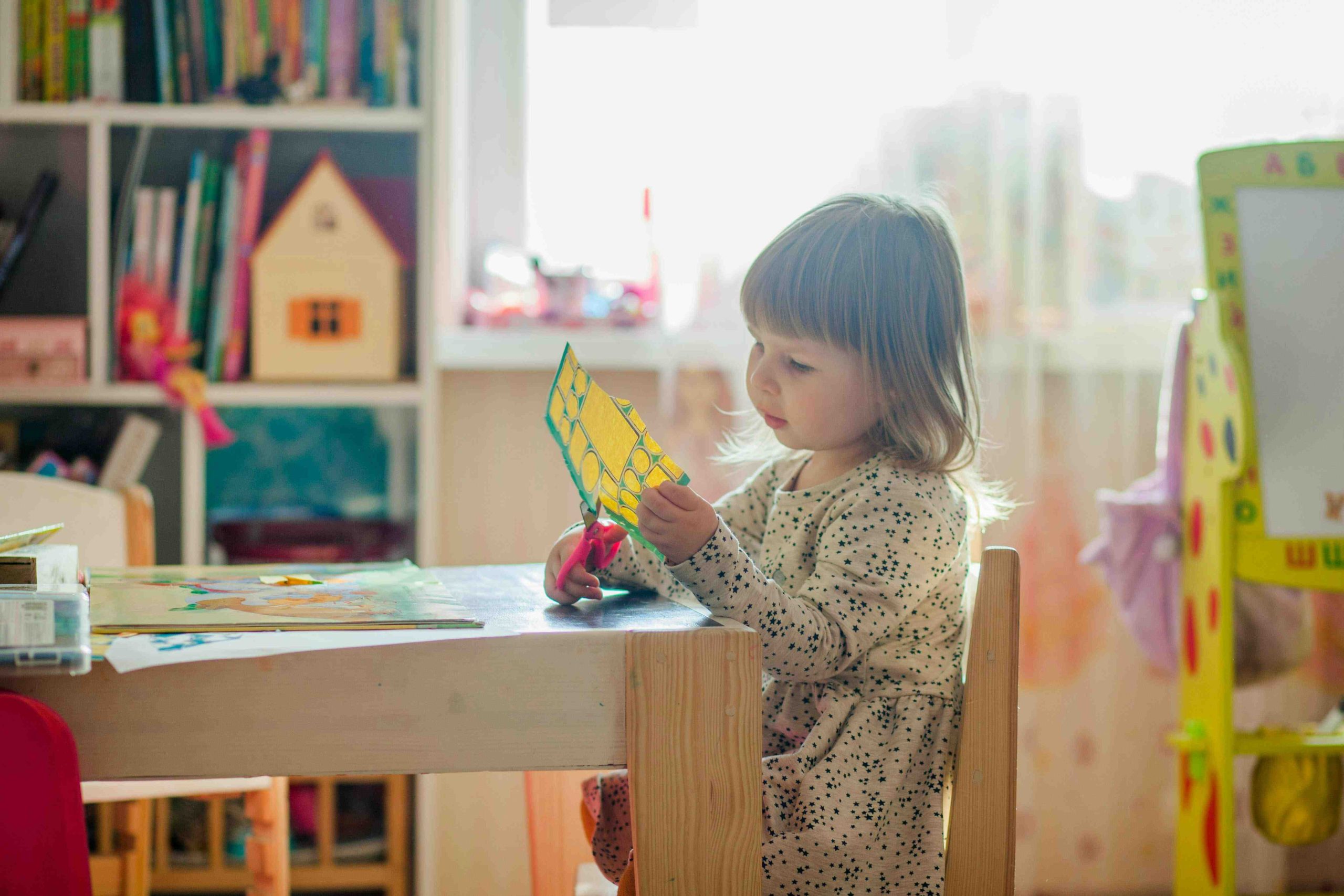
    For preschoolers, creativity is an essential aspect of their development. The hands play a pivotal role in expressing and exploring their imagination. Through finger painting, sculpting with clay, or cutting and pasting, preschoolers engage in activities that enhance their artistic skills. The freedom to mold and shape materials with their hands fosters self-expression, boosts confidence, and encourages problem-solving abilities. By embracing tactile experiences, preschoolers can unleash their creativity and develop a lifelong love for the arts.


    The Language of Touch: Enhancing Communication Skills

    The hands are not merely passive tools; they are essential for developing communication skills. Gestures and hand movements are universal forms of expression, transcending language barriers. Preschoolers naturally use their hands to convey their needs, emotions, and ideas. By encouraging preschoolers to use their hands while communicating, we empower them to express themselves more effectively, fostering stronger social connections and building their vocabulary. The act of touching and feeling objects during storytelling also deepens comprehension and engages multiple senses.


    The Science of Touch: Hands-on Learning

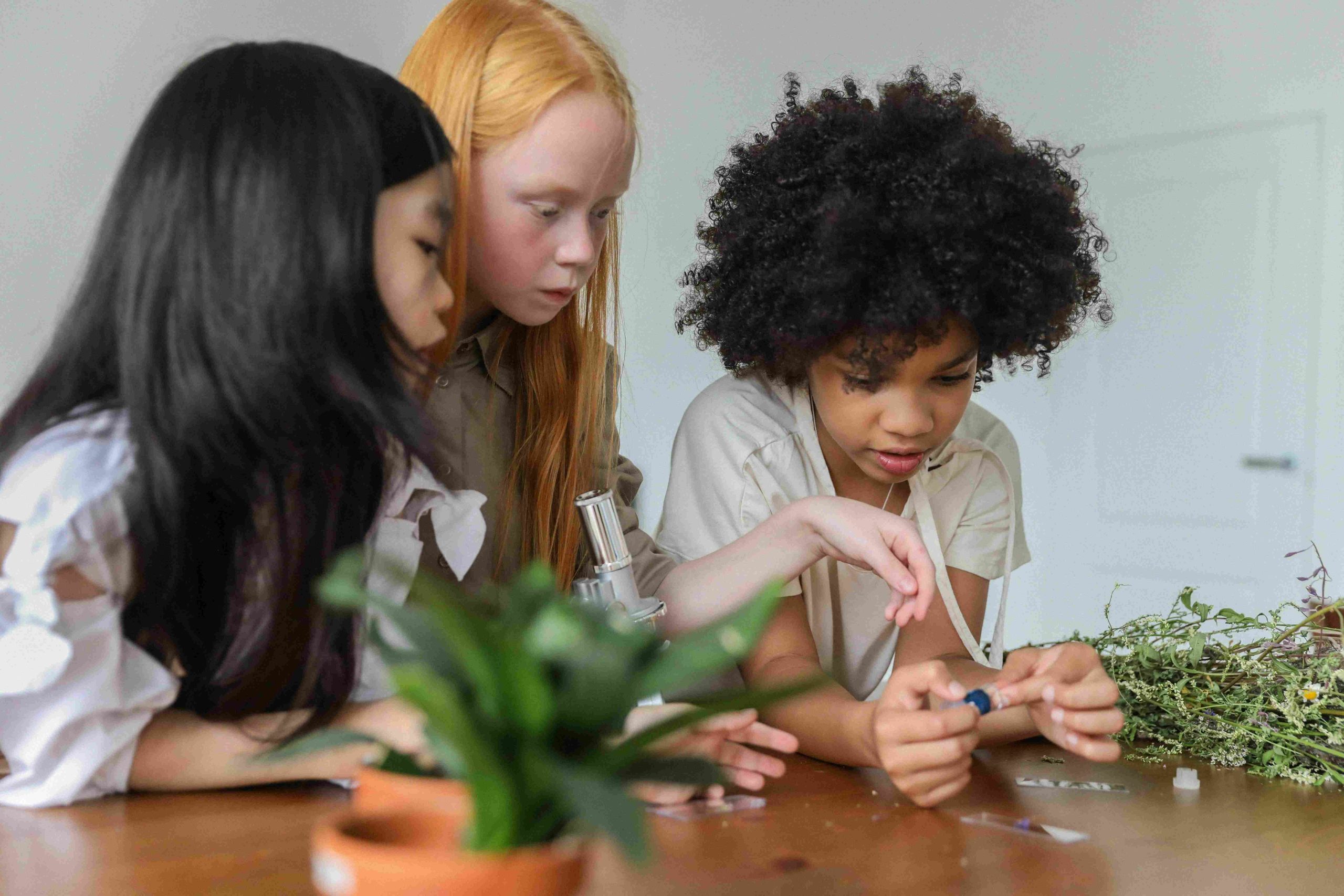
    Hands-on learning experiences provide preschoolers with a unique opportunity to comprehend scientific concepts through direct exploration. From sensory bins filled with various materials to conducting simple experiments, preschoolers can engage with the scientific method firsthand. Feeling the texture of sand, observing the behavior of water, or experimenting with magnets strengthens their understanding of the physical world. By incorporating hands-on activities into early education, we nurture a love for science and promote critical thinking skills.


    Nurturing Empathy: Hands That Connect

    The power of touch extends beyond personal development; it also plays a significant role in nurturing empathy and compassion. When preschoolers engage in activities such as caring for plants or animals, they learn about empathy through the physical connection of their hands. By feeling the vulnerability of a delicate plant or petting a gentle animal, preschoolers develop a sense of responsibility and a deep understanding of the needs of living beings. Such experiences lay the foundation for a compassionate and empathetic mindset.


    Sensory Play: Exploring the World Through Hands

    Sensory play offers a wealth of opportunities for preschoolers to explore their environment through touch. By incorporating materials with various textures, such as sand, water, or playdough, preschoolers engage their senses and stimulate cognitive development. Sensory play promotes problem-solving, encourages imaginative play, and enhances cognitive skills like sorting, categorizing, and counting. The hands become agents of discovery, helping preschoolers explore their surroundings and build a solid foundation for future academic pursuits.

    The power of hands for preschoolers cannot be underestimated. Through touch and sensation, preschoolers embark on a journey of exploration, learning, and personal growth. By embracing hands-on experiences, we empower preschoolers to engage their senses, nurture creativity, enhance communication skills, explore scientific concepts, develop empathy, and immerse themselves in the world around them. As educators, caregivers, and parents, it is our responsibility to recognize and harness the potential of hands, ensuring that preschoolers can thrive in a balanced and holistic learning environment. Let us unlock the limitless possibilities that lie within their tiny, eager hands.


    Healthy Hands, Healthy Minds: The Importance of Hand Hygiene

    Amidst the exploration and discovery, it is crucial to emphasize the significance of hand hygiene in the lives of preschoolers. Clean hands not only promote good health but also create a safe environment for hands-on exploration. Teaching preschoolers’ proper handwashing techniques and the importance of hygiene instills lifelong habits that protect them from harmful germs and diseases. By incorporating hand hygiene practices into daily routines, we ensure that preschoolers can continue to explore the world with healthy and thriving hands.


    Hands that Heal: The Therapeutic Power of Touch

    Beyond the realm of exploration and learning, the human touch holds immense therapeutic potential for preschoolers. Touch therapy, such as massage or gentle hand movements, can provide a range of benefits for preschoolers, including stress reduction, relaxation, and emotional well-being. The power of touch has been known to enhance the release of feel-good hormones, promote better sleep, and foster a sense of security and trust. Incorporating therapeutic touch into early childhood settings can create a nurturing environment that supports the social and emotional development of preschoolers, providing them with a strong foundation for future growth.

    The hands of preschoolers are remarkable tools for exploration, learning, and personal development. From engaging the senses and fostering creativity to enhancing communication skills and promoting scientific inquiry, the power of touch cannot be underestimated. By embracing tactile experiences, nurturing empathy, and emphasizing hand hygiene, we unlock the potential of preschoolers’ hands, enabling them to navigate the world with confidence, curiosity, and compassion. Let us continue to celebrate and harness the boundless capabilities of these tiny hands, ensuring that preschoolers thrive in a world that embraces the wonder and magic of touch.


    Inclusive Hands: Supporting Preschoolers with Special Needs

    When discussing the importance of hands for exploration, it is crucial to consider the needs of preschoolers with disabilities or special needs. For preschoolers with limited mobility or sensory impairments, hands-on experiences may require adaptations and support to ensure equal opportunities for exploration and learning. By providing inclusive materials, tools, and environments, we can empower all preschoolers to engage their hands and participate fully in the joy of exploration. Collaborating with specialists and educators who have expertise in inclusive practices can help create an environment that celebrates the uniqueness of every child and fosters their overall development. The inclusion of preschoolers with special needs not only benefits those preschoolers individually but also promotes a culture of empathy, understanding, and acceptance among all preschoolers. It provides an opportunity for all preschoolers to learn and grow together, embracing diversity and celebrating the remarkable capabilities of each individual’s hands. By recognizing the importance of inclusive practices and adapting learning environments, we ensure that every preschooler, regardless of their abilities, can experience the transformative power of hands-on exploration. Together, let us create a future where all preschoolers can thrive, learn, and discover the world through their hands.


    Parental Involvement: Nurturing Hands-on Exploration at Home

    While early childhood education settings play a vital role in promoting hands-on exploration, parental involvement is equally important in fostering this development at home. Parents can actively engage their preschoolers in hands-on activities that encourage exploration, creativity, and learning. By setting aside dedicated time for tactile experiences, such as playing with sensory bins or engaging in arts and crafts projects, parents can create a stimulating environment that nurtures their child’s curiosity. Moreover, parents can act as facilitators and guides, encouraging their preschoolers to ask questions, make observations, and experiment with their hands. By providing open-ended materials, such as building blocks, puzzles, or natural objects, parents can inspire their child’s imagination and problem-solving skills. Additionally, engaging in activities that involve physical touch, such as cooking or gardening, not only promotes sensory exploration but also strengthens the parent-child bond. By incorporating hands-on exploration into daily routines and making it a priority in the home environment, parents can support their child’s holistic development and ignite a lifelong love for learning. The involvement of parents in their preschooler’s hands-on journey ensures a seamless connection between home and early education settings, creating a solid foundation for the child’s overall growth and future academic success.

    The hands of preschoolers are catalysts for exploration, creativity, and learning. Parental involvement plays a pivotal role in nurturing this aspect of their development, providing opportunities for hands-on experiences and fostering a love for exploration at home. When parents actively engage with their child’s tactile exploration, they create an enriching environment that supports the child’s curiosity, imagination, and cognitive growth. Together, let us embrace the power of hands and cultivate a lifelong passion for learning in our preschoolers.


    Ethical Considerations: Respecting Boundaries and Consent in Hands-on Exploration

    While hands-on exploration is essential for preschoolers’ development, it is crucial to address ethical considerations surrounding touch and personal boundaries. Respecting preschoolers’s autonomy and consent is paramount in creating a safe and empowering learning environment. Educators, caregivers, and parents should establish clear guidelines and boundaries when engaging in hands-on activities with preschoolers. Teaching preschoolers about personal space, body autonomy, and the importance of consent cultivates a culture of respect and empowers preschoolers to voice their preferences and boundaries. It is essential to provide choices and allow preschoolers to decide whether they are comfortable participating in certain tactile experiences. Moreover, educators and caregivers should be mindful of individual sensitivities or aversions to touch. Some preschoolers may have sensory processing difficulties that require adaptations or alternatives to certain tactile activities. By accommodating these needs and providing alternatives, we ensure that every child can participate fully and comfortably in hands-on exploration. In addition, fostering open communication channels with preschoolers is vital. Encouraging them to express their feelings, concerns, or discomfort during hands-on activities promotes a sense of trust and safety. Creating a supportive and non-judgmental environment allows preschoolers to develop a healthy understanding of their own boundaries and empowers them to assert themselves. By integrating ethical considerations into hands-on exploration, we not only promote preschooler’s physical and emotional well-being but also lay the foundation for respectful and healthy relationships. It is through these intentional practices that we can create inclusive learning environments that honor and prioritize the rights and autonomy of every preschooler.

    While hands-on exploration is invaluable for preschoolers’ development, it is essential to approach it with ethical considerations in mind. Respecting personal boundaries, promoting consent, and accommodating individual sensitivities ensure that hands-on experiences are empowering, safe, and inclusive. By fostering a culture of respect and open communication, we create an environment that values and safeguards the well-being and autonomy of every child. Let us embark on this journey of hands-on exploration with mindfulness and compassion, nurturing not only the development of preschoolers’ hands but also their hearts and minds.


    Environmental Consciousness: Hands-on Exploration and Sustainability

    As we explore the importance of hands-on exploration for preschoolers, it is crucial to highlight the connection between tactile experiences and environmental consciousness. Engaging in hands-on activities that promote sustainability and ecological awareness instills in preschoolers a sense of responsibility towards the planet. By incorporating nature-based tactile experiences, such as gardening, composting, or nature walks, we expose preschoolers to the wonders of the natural world. Through hands-on exploration of soil, plants, and animals, preschoolers develop an appreciation for the environment and gain a deeper understanding of their role in its preservation. Furthermore, incorporating recycled materials into hands-on activities encourages resourcefulness and creativity while instilling the values of reduce, reuse, and recycle. Preschoolers can engage their hands in upcycling projects, art activities using recycled materials, or constructing structures with repurposed materials. These experiences not only develop fine motor skills but also cultivate an eco-conscious mindset from an early age. By fostering an environmental consciousness through hands-on exploration, we empower preschoolers to become advocates for sustainability and responsible stewards of the Earth. As they develop a deep connection with nature and understand the impact of their actions, they will be better equipped to make informed decisions that contribute to a more sustainable future.


    Conclusion

    Hands-on exploration can be a powerful tool in nurturing environmental consciousness in preschoolers. By providing opportunities for tactile experiences rooted in sustainability, we foster a sense of responsibility, curiosity, and care for the natural world. Through their hands, preschoolers can shape a future where they actively contribute to the well-being of the planet. Let us guide their hands in exploring not only the wonders of nature but also their role in creating a sustainable and thriving Earth for generations to come.

  • New Discoveries

    New Discoveries

    Unveiling the Wonders of New Discoveries: Unleashing the Curiosity of Preschoolers

    In a world that is constantly evolving, new discoveries ignite the flame of curiosity, inspiring awe and wonder in people of all ages. Amongst these avid explorers are preschoolers, whose insatiable thirst for knowledge knows no bounds. This article delves into the realm of new discoveries, unveiling the fascinating breakthroughs that have captivated our collective imagination. From the mysteries of the universe to the intricate workings of the human mind, let us embark on a journey of exhilarating revelations.


    The Enigmatic Cosmos

    The universe, an expansive canvas of celestial bodies, has forever fascinated humankind. Recent astronomical discoveries have allowed us to glimpse the unfathomable depths of space, offering profound insights into our cosmic origins. Take, for instance, the revelation of exoplanets—planets orbiting distant stars beyond our solar system. These alien worlds, with their potential for harboring life, have stirred the hearts and minds of scientists and preschoolers alike. Moreover, the phenomenon of gravitational waves has opened a new window to explore the universe. In 2015, the Laser Interferometer Gravitational-Wave Observatory (LIGO) made history by detecting gravitational waves—a direct confirmation of Einstein’s general theory of relativity. This groundbreaking discovery not only affirmed the existence of these elusive ripples in spacetime but also paved the way for a deeper understanding of black holes, neutron stars, and the cataclysmic events that shape the cosmos.


    The Marvels of Life Sciences

    The intricate web of life on Earth continues to reveal its extraordinary secrets through ongoing discoveries in the field of life sciences. From the depths of the ocean to the microscopic realm, scientists have made astounding breakthroughs that have left us in awe of the complexity and resilience of life. One fascinating area of exploration is the study of extremophiles—microorganisms that thrive in extreme environments such as hot springs, deep-sea hydrothermal vents, and even nuclear reactors. These resilient organisms challenge our understanding of the conditions necessary for life, pushing the boundaries of what we thought was possible. Furthermore, advancements in genetic research have unraveled the mysteries of our own DNA. The revolutionary CRISPR-Cas9 gene-editing technology has made precision editing of the human genome a reality, promising potential treatments for genetic disorders and providing hope for a healthier future. Such discoveries not only captivate the scientific community but also ignite the imagination of preschoolers, who are eager to explore the wonders of life.


    Unveiling the Mind’s Potential

    The human mind, a vast landscape of thoughts and emotions, has long been a subject of fascination. Recent discoveries in neuroscience and psychology have deepened our understanding of the mind’s intricacies, shedding light on its potential and its vulnerabilities. Neuroplasticity, the brain’s remarkable ability to reorganize itself in response to experiences, has been a subject of significant discovery. Research has shown that the brain remains malleable throughout life, challenging the notion that its development is fixed in childhood. This finding has immense implications for education and personal growth, inspiring preschoolers and adults alike to embrace lifelong learning and the pursuit of new skills. Moreover, breakthroughs in cognitive psychology have unveiled the power of the subconscious mind. From the influence of priming on decision-making to the impact of emotions on memory formation, these discoveries have emphasized the intricate interplay between our conscious and unconscious processes. They have revealed the vast potential of our minds and the importance of harnessing its capabilities to enhance our well-being and productivity. As the world continues to unveil its mysteries, new discoveries fuel our curiosity, offering glimpses into the limitless possibilities that lie ahead. From the enigmatic depths of space to the intricate wonders of life and the potential of the human mind, the awe-inspiring revelations of recent years have sparked the imagination of preschoolers and inspired scientists to push the boundaries of knowledge. So let us embrace the spirit of exploration, encourage the boundless curiosity of our preschoolers, and embark on an endless journey of discovery.


    Technological Marvels Shaping Our Future

    In an era driven by technological advancements, new discoveries continue to revolutionize the way we live, work, and connect with the world. From cutting-edge inventions to groundbreaking research, the realm of technology holds a treasure trove of wonders that captivate both adults and preschoolers alike. One significant breakthrough is the development of artificial intelligence (AI) and machine learning. These fields have witnessed remarkable progress, enabling machines to learn from data and make intelligent decisions. AI-powered systems have made significant contributions to various fields, from healthcare and transportation to entertainment and education. Preschoolers can now interact with AI-driven educational apps and virtual assistants, fostering a new era of personalized learning and engagement. Another awe-inspiring area of exploration is the field of robotics. Recent advancements have led to the creation of humanoid robots that can mimic human movements and perform complex tasks. These robots have immense potential in areas such as healthcare, disaster response, and exploration, opening up new possibilities for improving human lives and pushing the boundaries of our capabilities. Moreover, the rise of renewable energy technologies has paved the way for a sustainable future. Breakthroughs in solar power, wind energy, and energy storage have made clean energy sources more accessible and affordable. Preschoolers growing up in this era will witness the transition towards a greener planet, inspiring them to become environmentally conscious citizens and stewards of the Earth.


    Unlocking the Mysteries of the Past

    Archaeology and paleontology are disciplines that allow us to unravel the mysteries of our ancient past. Recent discoveries have shed light on long-lost civilizations, extinct species, and the rich tapestry of human history. In the realm of archaeology, new excavations and technological advancements have unearthed breathtaking artifacts and revealed hidden stories. The discovery of ancient cities like Pompeii and Machu Picchu has provided valuable insights into the lives of our ancestors, offering a glimpse into their culture, architecture, and daily routines. Preschoolers can marvel at the wonders of the past and cultivate a deeper appreciation for the diverse tapestry of human civilization. Paleontology, on the other hand, has gifted us with glimpses into the distant past and the incredible diversity of life that once inhabited our planet. The unearthing of dinosaur fossils and the study of prehistoric creatures have allowed us to reconstruct their anatomy, behavior, and the ecosystems they inhabited. These discoveries ignite the imagination of preschoolers, fostering a love for science and the natural world.


    Advancements in Medical Science

    The realm of medical science is characterized by a constant quest for new discoveries to enhance human health and well-being. Recent breakthroughs in this field have paved the way for innovative treatments, improved diagnostics, and a deeper understanding of the human body. Precision medicine, an emerging field, focuses on tailoring medical treatments to individual patients based on their genetic makeup, lifestyle, and environmental factors. This personalized approach has the potential to revolutionize healthcare, leading to more effective treatments with fewer side effects. Preschoolers growing up in this era might witness a shift towards more individualized and targeted healthcare, offering hope for better outcomes and quality of life. In addition, the development of new drugs and therapies has transformed the landscape of disease management. Breakthroughs in areas such as immunotherapy and gene therapy hold promise for treating previously incurable conditions, such as certain types of cancer and genetic disorders. These advancements instill hope not only in patients but also in preschoolers who dream of a future where diseases can be conquered.

    The realm of new discoveries is an endless wellspring of knowledge and inspiration. From the enigmatic cosmos to the marvels of life sciences, the potential of the human mind, technological marvels, the mysteries of the past, and the advancements in medical science, each field unravels its own wonders that captivate and ignite the curiosity of preschoolers and individuals of all ages. As we continue to explore the frontiers of knowledge, let us nurture the innate curiosity of preschoolers, empowering them to embrace the journey of discovery and shape a future filled with endless possibilities.


    Environmental Discoveries and Conservation Efforts

    In an era of increasing environmental awareness, new discoveries and conservation efforts have taken center stage to protect our planet and its delicate ecosystems. The urgency to understand and mitigate the impact of human activities on the environment has led to groundbreaking findings and initiatives. One significant area of discovery is the study of climate change and its consequences. Scientists have made groundbreaking revelations about the Earth’s changing climate patterns, rising temperatures, and the impact of greenhouse gas emissions. These discoveries have prompted global discussions and efforts to reduce carbon footprints, transition to renewable energy sources, and implement sustainable practices. Preschoolers, too, are becoming aware of the importance of environmental stewardship, cultivating a sense of responsibility towards preserving the planet for future generations. Biodiversity conservation is another crucial aspect of environmental discovery. Through extensive research and exploration, scientists have discovered new species, documented intricate ecosystems, and highlighted the interconnectedness of all living beings. These discoveries underscore the need to protect and restore habitats, promote sustainable resource management, and combat the loss of biodiversity. Preschoolers can engage in activities that foster an appreciation for nature, such as wildlife observation and participation in community conservation projects, nurturing a deep connection with the natural world. Furthermore, advancements in sustainable technologies and practices have paved the way for innovative solutions to address environmental challenges. From the development of efficient renewable energy systems to the creation of eco-friendly materials and sustainable agriculture techniques, these discoveries offer hope for a greener, more sustainable future. Preschoolers can be inspired to become eco-conscious individuals, exploring ways to reduce waste, conserve resources, and make environmentally responsible choices.

    As we delve into the realm of new discoveries, we unlock the secrets of the universe, unravel the complexities of life, harness the potential of technology, uncover the mysteries of the past, advance medical science, and strive to protect our planet. Preschoolers, with their boundless curiosity and eagerness to learn, stand at the forefront of this journey, ready to embrace the wonders of the world and shape a future driven by knowledge, compassion, and sustainability. Let us foster their innate curiosity, ignite their passion for discovery, and empower them to become the torchbearers of a world enriched by new discoveries.


    Socio-Cultural Revelations and Changing Perspectives

    New discoveries not only unravel the mysteries of the physical world but also shed light on the complexities of human societies and cultures. Recent research and revelations have sparked conversations, challenged long-held beliefs, and led to a reevaluation of our understanding of history, identity, and social dynamics. One area of exploration is the field of archaeology and anthropology, which continually brings forth new insights into ancient civilizations and cultural practices. Excavations and discoveries of ancient sites, artifacts, and texts have unearthed stories that were long forgotten or overlooked. These findings provide a deeper understanding of the diverse cultural heritage of different regions and challenge prevailing narratives. Preschoolers can engage in learning about different cultures and traditions, fostering empathy, and promoting cultural diversity. Moreover, social sciences have contributed to paradigm shifts in our understanding of human behavior and social structures. Psychological research, for instance, has revealed the impact of implicit biases, stereotypes, and social conditioning on our perceptions and interactions. These discoveries prompt us to reflect on our own beliefs and behaviors, fostering a more inclusive and equitable society. Preschoolers, with their openness and receptiveness, can be guided towards embracing diversity and empathy from an early age. Furthermore, the rise of digital technologies and social media has given rise to new avenues for self-expression, communication, and activism. The interconnectedness of individuals across the globe has fueled social movements, amplified marginalized voices, and exposed societal issues. The power of collective action and the potential for positive change have become evident through these digital discoveries. Preschoolers growing up in this era witness the impact of digital platforms on society, raising questions and inspiring discussions on ethics, privacy, and responsible digital citizenship.


    Conclusion

    New discoveries encompass not only the realms of science and nature but also the intricacies of human societies and cultural identities. From archaeology and anthropology to social sciences and the impact of digital advancements, these revelations shape our understanding of the world and challenge us to embrace diversity, empathy, and social progress. By nurturing the curiosity and openness of preschoolers, we can lay the foundation for a future generation that embraces the beauty of our diverse world and works towards a more inclusive and harmonious society.