Category: Preschool Levels

  • Emotional Growth

    Emotional Growth

    Nurturing Emotional Growth in Preschoolers

    Emotional growth is a vital aspect of a preschooler’s development, laying the foundation for their overall well-being and success in life. It encompasses the development of self-awareness, emotional regulation, empathy, and social skills. Nurturing emotional growth in preschoolers not only supports their immediate well-being but also equips them with essential skills to navigate challenges, build positive relationships, and thrive in their future endeavors. This article explores various facets of emotional growth and provides practical insights for fostering emotional development in preschoolers.


    Creating a Safe and Supportive Environment

    A safe and supportive environment is crucial for preschoolers to explore and express their emotions. Here’s how educators and caregivers can create such an environment:

    • Emotional validation: Acknowledging and validating preschoolers’ emotions helps them feel understood and accepted. Encouraging open dialogue, active listening, and responding empathetically to their feelings creates a safe space for emotional expression.
    • Emotional literacy: Teaching preschoolers about different emotions and providing them with a vocabulary to express their feelings promotes emotional intelligence. Through books, storytelling, and role-playing activities, educators can help preschoolers identify and articulate their emotions.
    • Respect for emotions: Encouraging a culture of respect for all emotions, positive or negative, helps preschoolers understand that their feelings are valid. Educators can model healthy emotional responses and guide preschoolers in expressing and managing their emotions in a constructive manner.


    Developing Emotional Regulation Skills

    Emotional regulation is the ability to manage and control one’s emotions effectively. It is a critical skill for preschoolers to develop, enabling them to navigate social interactions, cope with challenges, and maintain overall well-being. Here are strategies for fostering emotional regulation skills:

    • Mindfulness practices: Introducing simple mindfulness exercises, such as deep breathing and body awareness, helps preschoolers develop self-awareness and self-regulation skills. Mindful activities like guided relaxation, sensory exploration, and movement exercises can support their emotional well-being.
    • Coping strategies: Teaching preschoolers healthy coping strategies, such as deep breathing, counting to ten, or taking a break, equips them with tools to manage difficult emotions. Educators can guide them in using these strategies during challenging situations, encouraging self-regulation and resilience.
    • Emotional regulation through play: Play is a natural way for preschoolers to explore and regulate their emotions. Providing opportunities for imaginative play, role-playing, and using puppets or dolls can help them process and understand various emotions in a safe and enjoyable manner.


    Cultivating Empathy and Social Skills

    Empathy is the ability to understand and share the feelings of others. It plays a crucial role in building positive relationships and fostering a sense of community. Here’s how educators and caregivers can cultivate empathy and social skills in preschoolers:

    • Perspective-taking activities: Engaging preschoolers in activities that encourage them to see situations from others’ perspectives develops their empathy. Through storytelling, role-playing, or discussing hypothetical scenarios, they can learn to understand and empathize with the emotions and experiences of others.
    • Cooperative play: Providing opportunities for cooperative play and group activities helps preschoolers develop social skills, such as sharing, taking turns, and problem-solving collaboratively. Group projects, games, and collaborative art activities promote teamwork and empathy.
    • Emotional role models: Educators and caregivers serve as important emotional role models for preschoolers. Demonstrating kindness, empathy, and inclusive behavior in their interactions with others sets a positive example and encourages preschoolers to emulate these qualities.


    Encouraging Emotional Expression and Artistic Outlets

    Emotional expression through art provides preschoolers with a creative outlet to communicate and process their feelings. Here’s how educators can encourage emotional expression through artistic activities:

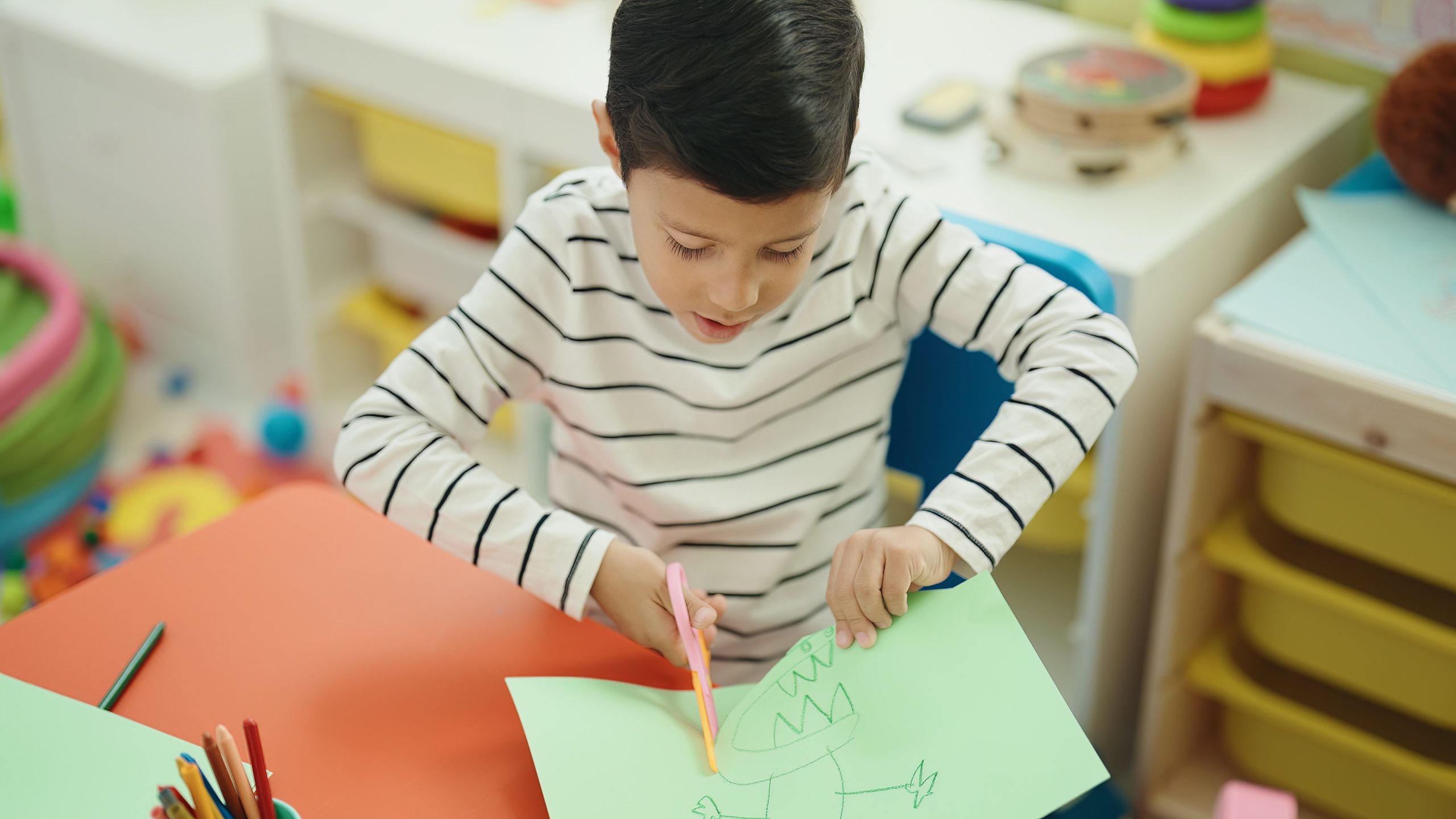
    • Art-based activities: Incorporating art activities, such as painting, drawing, collage-making, and sculpting, allows preschoolers to express their emotions visually. Art can be a non-verbal means for them to communicate and explore complex feelings.
    • Music and movement: Engaging preschoolers in music and movement activities helps them express and regulate their emotions. Singing, dancing, and playing musical instruments enable them to channel their feelings into creative expression.
    • Emotion-themed projects: Designing projects centered around emotions, such as creating emotion-themed collages or storytelling, encourages preschoolers to reflect on and express their feelings. It provides a platform for discussions on emotions, promoting emotional awareness and expression.


    Building Resilience and Emotional Strength

    Resilience is the ability to bounce back from adversity and cope with life’s challenges. Fostering resilience in preschoolers equips them with the emotional strength and adaptive skills necessary for navigating future obstacles. Here’s how educators and caregivers can support the development of resilience:

    • Encouraging problem-solving skills: Providing opportunities for preschoolers to solve age-appropriate problems helps them develop critical thinking and decision-making skills. Guiding them through problem-solving processes fosters resilience and confidence in their abilities.
    • Growth mindset: Promoting a growth mindset encourages preschoolers to embrace challenges and view setbacks as opportunities for learning and growth. Encouraging them to persist, celebrate effort, and recognize progress builds resilience and a positive attitude towards challenges.
    • Emotional support during setbacks: Offering emotional support and reassurance when preschoolers face difficulties helps them develop resilience. Showing empathy, acknowledging their efforts, and guiding them in finding alternative strategies instills a sense of emotional strength and resilience.


    Promoting Emotional Intelligence in Preschoolers

    Emotional intelligence refers to the ability to understand and manage one’s own emotions, as well as recognize and empathize with the emotions of others. It is a valuable skill that supports healthy relationships, effective communication, and self-awareness. Here are strategies for promoting emotional intelligence in preschoolers:

    • Emotional vocabulary: Introducing a wide range of emotions and their corresponding vocabulary helps preschoolers identify and express their own emotions. Educators can use emotion cards, emotion charts, or books that explore different feelings to enhance their emotional literacy.
    • Emotional regulation strategies: Teaching preschoolers practical strategies for managing their emotions supports the development of emotional intelligence. Deep breathing exercises, taking a break, or engaging in calming activities like yoga or mindfulness help them regulate their emotions effectively.
    • Social-emotional learning programs: Implementing evidence-based social-emotional learning programs in preschool settings can significantly enhance emotional intelligence. These programs provide structured activities and lessons focused on self-awareness, self-management, social awareness, relationship skills, and responsible decision-making.


    Encouraging Emotional Connections with Nature

    Nature has a profound impact on emotional well-being, and preschoolers can benefit greatly from spending time outdoors. Here’s how educators can encourage emotional connections with nature:

    • Nature exploration: Taking preschoolers on nature walks, visiting parks, or creating nature-based play areas allows them to connect with the natural world. Encourage them to observe plants, animals, and natural phenomena, fostering awe, curiosity, and a sense of interconnectedness.
    • Sensory experiences: Engaging preschoolers in sensory experiences in nature, such as feeling the texture of leaves, listening to the sounds of birds, or smelling flowers, stimulates their senses and nurtures emotional connections with the natural environment.
    • Nature-inspired activities: Incorporating nature-inspired activities, such as nature art, gardening, or storytelling, fosters a sense of wonder and emotional engagement with the natural world. These activities provide opportunities for creativity, reflection, and emotional expression.


    Promoting Emotional Growth through Positive Role Models

    Positive role models play a crucial role in shaping preschoolers’ emotional growth. Here are ways to promote positive role models:

    • Diverse role models: Expose preschoolers to a diverse range of role models through stories, pictures, and discussions. Highlight individuals who demonstrate empathy, resilience, and emotional intelligence, reinforcing positive values and behaviors.
    • Collaborative learning: Encourage collaborative learning experiences where preschoolers can interact with older peers or mentors who exhibit positive emotional traits. This promotes social-emotional learning and allows them to observe and learn from positive role models.
    • Family involvement: Collaborate with families to reinforce positive role modeling at home. Encourage families to engage in open discussions about emotions, model healthy emotional expression, and provide a supportive environment for emotional growth.


    Emotional Growth and Positive Discipline

    Positive discipline techniques can foster emotional growth in preschoolers by providing clear boundaries, promoting self-regulation, and encouraging empathy. Here’s how positive discipline supports emotional development:

    • Clear expectations: Establishing clear expectations and consistent routines helps preschoolers develop a sense of security and understand appropriate behavior. Clearly communicating rules and consequences promotes emotional regulation and self-discipline.
    • Problem-solving approach: Encourage problem-solving discussions when conflicts arise, guiding preschoolers to consider others’ feelings and perspectives. This approach fosters empathy, emotional understanding, and effective communication skills.
    • Encouragement and praise: Using positive reinforcement, such as praise and encouragement, for desired behaviors and efforts cultivates a positive emotional environment. Recognizing and celebrating preschoolers’ achievements and growth boosts their self-esteem and emotional well-being.


    Supporting Emotional Growth through Mindfulness Practices

    Mindfulness practices offer powerful tools for supporting emotional growth in preschoolers. These practices cultivate present-moment awareness, self-regulation, and empathy. Here are some ways to integrate mindfulness into preschool settings:

    • Mindful breathing: Teach preschoolers simple breathing exercises to help them become aware of their breath and find calmness in moments of stress or overwhelming emotions. Encourage them to take deep breaths, focusing on the sensation of the breath entering and leaving their bodies.
    • Mindful listening: Engage preschoolers in activities that promote attentive listening, such as playing calming music or introducing them to the sounds of nature. Encourage them to notice different sounds, focusing their attention on each sound as it arises and fades away.
    • Mindful movement: Incorporate mindful movement activities, such as yoga or stretching exercises, into the daily routine. These activities help preschoolers develop body awareness, balance, and flexibility while fostering a sense of calm and relaxation.


    Fostering Emotional Growth through Reflective Practices

    Reflective practices provide opportunities for preschoolers to develop self-awareness, explore their emotions, and gain insights into their experiences. Here are some ways to incorporate reflection into daily routines:

    • Daily check-ins: Begin each day with a check-in session where preschoolers have the chance to express how they feel and share any experiences or emotions from the previous day. This helps them develop self-awareness and encourages open communication.
    • Reflective journals: Introduce the concept of reflective journals, where preschoolers can document their thoughts, feelings, and experiences. Encourage them to draw pictures or write simple sentences to express themselves. This practice promotes self-expression and emotional processing.
    • Group discussions: Create a safe and supportive environment for preschoolers to engage in group discussions about their experiences, emotions, and challenges. Encourage active listening and respectful sharing, allowing them to learn from one another and develop empathy.


    Nurturing Emotional Growth through Play and Imagination

    Play and imagination are powerful tools for fostering emotional growth in preschoolers. Through play, they can explore different roles, experiment with emotions, and develop social and emotional skills. Here are ways to encourage emotional growth through play:

    • Role-play: Provide opportunities for preschoolers to engage in role-playing activities, such as pretending to be different characters or acting out real-life scenarios. This allows them to experience and understand various emotions, perspectives, and social interactions.
    • Puppet play: Use puppets or soft toys to create a storytelling or dialogue-based play environment. Preschoolers can use the puppets to express emotions, share their feelings, or act out scenarios. This promotes emotional expression and communication.
    • Imaginative play areas: Set up imaginative play areas where preschoolers can explore emotions and social situations through pretend play. Provide props, costumes, and materials that encourage them to engage in imaginative play and express their emotions through creative role-playing.


    Creating a Supportive Emotional Environment at Home

    Supporting emotional growth doesn’t stop at preschool; it extends to the home environment as well. Here are some ways parents and caregivers can create a supportive emotional environment for preschoolers at home:

    • Emotional conversations: Engage in regular conversations with preschoolers about their emotions, experiences, and challenges. Encourage them to express their feelings and provide a non-judgmental space for them to share openly.
    • Emotional validation: Validate preschoolers’ emotions by acknowledging and accepting their feelings. Let them know that it’s normal to experience a range of emotions and that their feelings are valid. This helps them develop a healthy emotional vocabulary and self-acceptance.
    • Emotional regulation strategies: Teach preschoolers simple strategies for self-regulation, such as deep breathing, counting to ten, or taking a break in a calm-down corner. Encourage them to use these strategies when they feel overwhelmed or upset.
    • Emotional role modeling: Model healthy emotional expression and regulation by openly discussing your own emotions and demonstrating positive coping strategies. Preschoolers learn by observing, so being a positive role model can greatly influence their emotional growth.
  • Elitist

    Elitist

    The Elitist Mindset: Breaking Barriers in Preschool Education

    In the realm of preschool education, the notion of elitism has long been a topic of concern and debate. The term “elitist” refers to the belief that certain individuals or groups are superior or privileged, often leading to exclusion and inequality. In the context of preschool education, it is essential to address and challenge any elitist tendencies that may hinder the inclusive and equitable learning experiences of preschoolers. This article delves into the elitist mindset, its impact on preschool education, and the necessary steps to foster a more inclusive and empowering environment for all preschoolers.


    Recognizing the Elitist Mindset

    To understand and address elitism in preschool education, it is crucial to first recognize its presence and manifestations. The elitist mindset can manifest in various ways, such as:

    1. Access barriers: Elitism may emerge through policies or practices that restrict access to quality preschool education based on socioeconomic status, race, or other discriminatory factors. This exclusionary approach perpetuates inequality and denies opportunities for many preschoolers to thrive.
    2. Academic hierarchy: Elitism can be reinforced through an emphasis on academic achievement as the sole measure of success. This narrow focus marginalizes preschoolers who excel in other areas such as creativity, social skills, or physical development.
    3. Exclusive environments: Elitism can manifest in preschool settings that prioritize status symbols or cater primarily to a particular socioeconomic group. Such environments can create a sense of exclusion and perpetuate a hierarchy of privilege among preschoolers.


    Fostering Inclusivity and Equity

    To counteract the elitist mindset in preschool education, it is vital to foster an environment that promotes inclusivity and equity. This can be achieved through the following strategies:

    1. Equal access: Ensuring that all preschoolers have equal opportunities to access quality education is fundamental. This includes addressing financial barriers, providing scholarships or subsidies, and actively reaching out to underrepresented communities to ensure their inclusion.
    2. Diverse curriculum: Embracing a diverse and inclusive curriculum that reflects the experiences, backgrounds, and cultures of all preschoolers fosters a sense of belonging and validates their identities. Incorporating multicultural perspectives, diverse literature, and inclusive learning materials promotes empathy, understanding, and respect.
    3. Holistic assessment: Moving beyond a narrow focus on academic achievement, adopting a holistic approach to assessment acknowledges and values the diverse strengths and abilities of preschoolers. This encompasses evaluating their social, emotional, creative, and physical development alongside academic progress.


    Building Collaborative Partnerships

    Breaking the elitist mindset requires building collaborative partnerships among various stakeholders involved in preschool education. Collaboration between educators, parents, community organizations, and policymakers can foster a more inclusive and supportive environment for preschoolers. Key steps include:

    1. Parental involvement: Actively involving parents in their preschoolers’ education creates a sense of ownership and partnership. Encouraging open communication, providing opportunities for parent participation, and seeking their input in decision-making processes ensure that diverse perspectives are valued and included.
    2. Professional development: Continuous professional development for educators is essential in promoting inclusivity and dismantling elitist practices. Training sessions, workshops, and forums that address biases, cultural competence, and effective teaching strategies can empower educators to create equitable and inclusive learning environments.
    3. Community engagement: Collaborating with community organizations and institutions can extend learning opportunities beyond the preschool setting. Engaging with community resources, organizing inclusive events, and fostering connections with diverse community members broaden preschoolers’ horizons and promote a sense of belonging.


    Nurturing Social-Emotional Development

    An important aspect of challenging the elitist mindset in preschool education is nurturing the social-emotional development of preschoolers. This involves:


    1. Emotionally supportive environments: Creating safe and supportive environments where preschoolers feel valued, respected, and listened to is crucial. Promoting positive relationships, empathy, and conflict resolution skills fosters a sense of belonging and encourages preschoolers to express themselves authentically.
    2. Collaborative learning: Encouraging collaboration, teamwork, and peer interaction allows preschoolers to learn from one another and appreciate the diverse strengths and perspectives of their peers. Collaborative learning environments promote inclusivity and empower preschoolers to value teamwork and cooperation over competition.
    3. Social justice education: Incorporating social justice principles in preschool education helps preschoolers develop an understanding of fairness, equality, and social responsibility. Engaging in age-appropriate discussions about diversity, equity, and inclusion fosters critical thinking, empathy, and a sense of justice among preschoolers.

    Challenging the elitist mindset in preschool education requires a collective effort to create inclusive, equitable, and empowering learning environments. By recognizing the presence of elitism, fostering inclusivity and equity, building collaborative partnerships, and nurturing social-emotional development, we can break down barriers and ensure that all preschoolers have the opportunity to thrive and reach their full potential.


    Empowering Individuality and Autonomy

    Another important aspect of countering the elitist mindset in preschool education is empowering preschoolers’ individuality and autonomy. This involves:

    Nurturing Diverse Abilities and Empowering Preschoolers
    1. Recognizing diverse abilities: Embracing the uniqueness and individual strengths of each preschooler helps to foster a positive self-image and self-esteem. Creating an inclusive environment that values diverse abilities and provides appropriate support allows preschoolers to develop confidence in their own skills and abilities.
    2. Encouraging choice and decision-making: Allowing preschoolers to make choices and decisions within appropriate boundaries empowers them and promotes a sense of ownership over their learning. Providing opportunities for them to select activities, express preferences, and contribute to decision-making processes nurtures their sense of autonomy and agency.
    3. Promoting self-directed learning: Creating an environment that encourages self-directed learning empowers preschoolers to take ownership of their education. Offering open-ended activities, inquiry-based learning experiences, and opportunities for exploration and discovery fosters curiosity, independence, and a love for learning.


    Breaking Socioeconomic Barriers
    1. Financial support: Providing financial assistance and scholarships to families who may face economic challenges ensures that preschool education is accessible to all. Collaborating with community organizations, businesses, and government entities can help secure funding and resources to support preschoolers from disadvantaged backgrounds.
    2. Outreach programs: Implementing outreach programs that specifically target underrepresented communities helps bridge the gap and increase access to preschool education. These programs can involve community-based initiatives, mobile preschool units, or partnerships with local organizations to bring educational opportunities directly to those who may face geographic or socioeconomic barriers.
    3. Professional development and resources: Ensuring that educators have the necessary training and resources to support preschoolers from diverse socioeconomic backgrounds is crucial. Professional development programs can focus on fostering cultural competence, understanding the impact of poverty, and implementing strategies to address the specific needs of preschoolers who may face socioeconomic challenges.

    Breaking the elitist mindset in preschool education is a crucial step towards creating inclusive and empowering learning environments for all preschoolers. By recognizing the presence of elitism, fostering inclusivity and equity, building collaborative partnerships, nurturing social-emotional development, empowering individuality and autonomy, and breaking socioeconomic barriers, we can strive for a preschool education system that embraces the diverse needs, strengths, and potential of all preschoolers.

    While the journey towards dismantling elitism in preschool education may require ongoing effort and collaboration, it is a necessary and worthwhile endeavor. By working together, educators, parents, policymakers, and communities can create a more inclusive and equitable educational landscape that empowers preschoolers and sets the foundation for lifelong learning and success.


    Cultivating Cultural Awareness and Sensitivity

    An essential aspect of countering the elitist mindset in preschool education is cultivating cultural awareness and sensitivity. This involves:


    Promoting Cultural Inclusivity
    1. Diversity in representation: Ensuring that preschoolers are exposed to a wide range of cultural perspectives, experiences, and traditions promotes understanding, empathy, and respect. Incorporating diverse literature, multicultural celebrations, and guest speakers from different backgrounds enriches the learning environment and encourages preschoolers to appreciate and value diversity.
    2. Language and communication: Recognizing and valuing the diverse languages spoken by preschoolers and their families helps foster a sense of belonging and cultural pride. Providing opportunities for preschoolers to learn and use different languages, incorporating multilingual resources, and encouraging language exchange among peers promotes inclusivity and cultural understanding.
    3. Cultural competence training: Equipping educators with cultural competence training enables them to create inclusive classrooms where diverse cultures are respected and celebrated. Training programs can focus on developing an understanding of cultural differences, challenging biases, and implementing strategies that promote cultural responsiveness in teaching practices.


    Collaboration with Families and Communities
    1. Engaging families as partners: Recognizing the valuable role that families play in a preschooler’s education and involving them as active partners is essential. Establishing regular communication channels, organizing family engagement events, and seeking input from families in decision-making processes promote a sense of shared responsibility and inclusion.
    2. Valuing diverse family structures: Recognizing and respecting diverse family structures, including single-parent families, same-sex parent families, or extended families, ensures that all preschoolers and their families feel valued and supported. Creating an inclusive environment that embraces and celebrates different family structures promotes a sense of belonging and acceptance.
    3. Community involvement: Building strong connections with the local community enriches the preschool learning experience. Engaging community members as guest speakers, organizing field trips to community spaces, and collaborating with local organizations and businesses create opportunities for preschoolers to connect with their wider community, fostering a sense of belonging and civic engagement.


    Professional Development and Continuous Learning
    1. Self-reflection and awareness: Encouraging educators to engage in self-reflection and examine their own biases and assumptions is a crucial step towards creating inclusive classrooms. Providing opportunities for self-awareness and self-growth helps educators identify and address any unconscious biases that may perpetuate elitist practices.
    2. Ongoing training: Offering regular professional development opportunities focused on cultural competence, inclusive teaching strategies, and addressing the needs of diverse preschoolers ensures that educators are equipped with the knowledge and skills to create inclusive learning environments. Collaborating with experts in the field, attending conferences, and participating in workshops help educators stay informed and updated on best practices.
    3. Collaborative learning communities: Establishing collaborative learning communities where educators can share experiences, resources, and insights creates a supportive network for professional growth. Peer learning, mentorship programs, and regular discussions on inclusive practices empower educators and foster a culture of continuous learning and improvement.

    Overcoming the elitist mindset in preschool education requires a collective effort from educators, families, communities, and policymakers. By cultivating cultural awareness, promoting collaboration, valuing individuality, empowering preschoolers, and providing ongoing professional development, we can build an educational landscape that is inclusive, equitable, and empowering for all preschoolers.

    Breaking down barriers, challenging biases, and fostering a sense of belonging and acceptance will pave the way for a preschool education system that celebrates the diverse abilities, backgrounds, and potential of all preschoolers. Through these concerted efforts, we can create an environment where every preschooler has an equal opportunity to learn, grow, and thrive.


    Advocacy and Policy Change
    1. Equity-focused policies: Advocating for policies that prioritize equity in preschool education is essential. This includes advocating for equal access to high-quality early childhood education, funding allocations that support disadvantaged communities, and policies that promote diversity, inclusion, and culturally responsive teaching practices.
    2. Collaborative advocacy efforts: Engaging in collaborative advocacy efforts with organizations, parent groups, and community leaders amplifies the collective voice in challenging elitist practices. Collaborating with advocacy groups that focus on early childhood education and social justice can help drive policy change and promote more inclusive practices in preschool settings.
    3. Research and data-driven advocacy: Utilizing research and data to support advocacy efforts strengthens the case for policy change. Collecting data on access disparities, achievement gaps, and the impact of elitism in preschool education helps policymakers understand the need for change and make informed decisions.


    Resource Allocation and Support
    1. Equitable distribution of resources: Ensuring that resources, including materials, technology, and learning spaces, are distributed equitably among preschool settings is crucial. This helps to level the playing field and provide all preschoolers with access to quality educational resources and opportunities.
    2. Targeted support for disadvantaged communities: Providing additional support to preschools in disadvantaged communities can help bridge the achievement gap and address the impact of socio-economic disparities. This may include additional funding, professional development, and wraparound services that support the holistic development of preschoolers.
    3. Partnerships with community organizations: Collaborating with community organizations, non-profit groups, and businesses can provide additional resources and support for preschool education. Partnerships can include initiatives such as mentoring programs, tutoring services, access to libraries and cultural institutions, and extracurricular activities that enhance the learning experiences of preschoolers.


    Continuous Evaluation and Improvement
    1. Regular assessment of inclusivity: Implementing regular assessments and evaluations to measure the inclusivity of preschool settings helps identify areas for improvement. This can include evaluating curriculum, teaching practices, family engagement, and the overall learning environment to ensure they are inclusive and responsive to the diverse needs of preschoolers.
    2. Feedback from stakeholders: Seeking feedback from preschoolers, families, and educators allows for a better understanding of their experiences and perspectives. Incorporating their input in decision-making processes and improvement initiatives ensures that the voices of those directly impacted by preschool education are heard and valued.
    3. Reflective practices: Encouraging reflective practices among educators fosters a culture of continuous improvement. Educators can engage in self-reflection, collaborative reflection with colleagues, and peer observations to identify areas for growth and make adjustments that promote inclusivity and equity.

    Countering elitism in preschool education requires a comprehensive approach that involves advocacy, policy change, equitable resource allocation, continuous evaluation, and improvement. By addressing systemic barriers, promoting equity, and fostering inclusive practices, we can create a preschool education system that values the potential and worth of every preschooler.

    Through collaborative efforts, policymakers, educators, families, and communities can work together to dismantle elitist practices and create an environment where all preschoolers have equal opportunities to learn, thrive, and reach their full potential.

  • Interactive Calendar

    Interactive Calendar

    Enhancing Preschoolers’ Engagement and Learning with an Interactive Calendar

    In the fast-paced world we live in, it’s important to equip preschoolers with essential skills to navigate their daily routines and understand the concept of time. An interactive calendar can be a powerful tool to engage preschoolers in meaningful learning experiences while promoting their cognitive, social, and emotional development. This article explores the benefits and strategies of using an interactive calendar as a valuable educational resource for preschoolers.

    An interactive calendar is an engaging visual tool that helps preschoolers develop a sense of time, sequence events, and understand the concept of days, weeks, months, and seasons. It provides a structured framework for preschoolers to explore and learn about time-related concepts in a hands-on and interactive manner. Let’s delve into the various aspects of using an interactive calendar to enhance preschoolers’ engagement and learning.

    Promoting Cognitive Development

    An interactive calendar offers numerous opportunities for preschoolers to develop their cognitive skills. By observing and manipulating the calendar components, they engage in critical thinking, problem-solving, and mathematical reasoning.

    Preschoolers can learn to identify and match numerals, days of the week, and months of the year. They can explore patterns, such as the repetition of days and the order of months, fostering their understanding of sequencing and organization. Additionally, the calendar provides a context for introducing basic mathematical concepts, such as counting, addition, and subtraction, as preschoolers analyze and compare dates.

    Enhancing Language and Communication Skills

    Using an interactive calendar promotes language and communication skills as preschoolers engage in discussions, ask questions, and express their ideas and observations. They can learn new vocabulary related to time, seasons, and special events. Through daily interactions with the calendar, they practice using descriptive language, expanding their vocabulary and communication abilities.

    Furthermore, an interactive calendar can be a catalyst for storytelling and narrative development. Preschoolers can create stories about past events, plan future activities, and engage in imaginative play related to the calendar’s content. Such activities enhance their storytelling skills, creativity, and language comprehension.

    Fostering Social Skills and Collaboration

    An interactive calendar encourages preschoolers to collaborate, share ideas, and work together to organize and update the calendar. This collaborative process promotes social skills, including cooperation, turn-taking, and active listening.

    Preschoolers can engage in group discussions to plan upcoming events, reflect on past experiences, and share their interests and preferences. This collaborative approach fosters a sense of community and encourages preschoolers to respect and value diverse perspectives. Additionally, involving preschoolers in the decision-making process related to the calendar cultivates a sense of ownership and empowerment.

    Developing Time Management and Organization Skills

    An interactive calendar plays a crucial role in helping preschoolers develop time management and organization skills. By visually representing daily routines, events, and activities, the calendar helps preschoolers understand the concept of time and develop a sense of structure.

    Preschoolers can actively participate in scheduling and organizing their own activities, such as daily routines, special events, or outings. This involvement nurtures their time management skills, as they learn to anticipate and prepare for upcoming events. They develop a sense of responsibility by taking ownership of their schedules, fostering independence and self-regulation.

    Cultivating Emotional Awareness and Self-Reflection

    An interactive calendar can support preschoolers’ emotional development by providing opportunities for reflection and emotional expression. By encouraging them to share their feelings, thoughts, and experiences related to specific events, the calendar becomes a platform for emotional awareness and self-reflection.

    Preschoolers can use the calendar to record and express their emotions, allowing them to develop a deeper understanding of their own feelings and those of others. Through this process, they learn to identify and manage their emotions, promoting emotional intelligence and self-regulation.

    Stimulating Curiosity and Lifelong Learning

    Using an interactive calendar stimulates preschoolers’ curiosity and fosters a love for learning. The calendar acts as a gateway to explore various topics, including seasons, holidays, cultural celebrations, and important historical events.

    Preschoolers can engage in research, investigate different aspects of the calendar content, and ask questions. This process sparks curiosity and motivates them to seek knowledge independently. They develop a lifelong love for learning and an inquisitive mindset, laying the foundation for their future academic pursuits.

    An interactive calendar offers preschoolers a multifaceted learning experience that promotes cognitive development, language skills, social collaboration, time management, emotional awareness, and a passion for lifelong learning. By incorporating an interactive calendar into preschool settings, educators and caregivers can create an engaging and enriching environment that supports preschoolers’ holistic development.

    Incorporating Multisensory Experiences

    An interactive calendar can be enhanced by incorporating multisensory experiences, further enriching preschoolers’ engagement and learning. By utilizing different senses, such as touch, sight, and hearing, the calendar becomes a more immersive and memorable learning tool.

    For instance, tactile elements can be added to the calendar, allowing preschoolers to physically interact with it. Velcro-backed cards or magnetic pieces can be used to represent events, seasons, or special occasions. Preschoolers can move and rearrange these pieces, reinforcing their understanding of time and sequence.

    In addition, incorporating visual cues and vibrant colors captures preschoolers’ attention and makes the calendar visually appealing. Each day, different images or symbols can be used to represent events or activities, providing visual prompts for preschoolers to engage with and explore.

    To engage their auditory senses, consider incorporating sound elements into the calendar. For example, a musical chime or recorded sound effects can accompany the transition between days, weeks, or months. This auditory reinforcement further enhances preschoolers’ understanding of time and adds an element of excitement and anticipation to their calendar interactions.

    Personalization and Individualized Learning

    An interactive calendar offers opportunities for personalization and individualized learning experiences. By tailoring the calendar content to each preschooler’s interests, preferences, and cultural background, we can foster a sense of ownership and relevance.

    Preschoolers can be involved in selecting the events, holidays, or themes to be included in the calendar. This collaborative process ensures that the calendar reflects their unique identities and experiences. By incorporating their interests, such as animals, sports, or nature, the calendar becomes a tool that sparks curiosity and fosters a deeper connection to the learning process.

    Furthermore, an interactive calendar can be customized to support individual learning goals and developmental needs. For example, for preschoolers who are working on number recognition, additional numerical elements can be included to provide extra practice and reinforcement. For those focusing on language development, incorporating word cards or descriptions for each day’s events can enhance their vocabulary and language comprehension.

    Parental Involvement and Home Extension

    An interactive calendar can serve as a bridge between preschool and home, encouraging parental involvement in the learning process. By extending the use of the calendar beyond the preschool setting, parents can actively engage with their preschoolers and reinforce the concepts introduced at school.

    Preschoolers can take their interactive calendar home, allowing parents to participate in discussions and activities related to the calendar content. They can share family events, plan outings, or discuss upcoming celebrations. This collaboration strengthens the home-school connection and encourages meaningful conversations between parents and preschoolers.

    Parents can also contribute to the calendar by sharing family traditions, cultural holidays, or important events. This exchange of knowledge and experiences broadens preschoolers’ understanding of diverse cultures and traditions, promoting inclusivity and empathy.

    Building a Sense of Routine and Predictability

    An interactive calendar plays a significant role in establishing a sense of routine and predictability in preschoolers’ lives. By providing a visual representation of daily activities and events, the calendar supports preschoolers’ understanding of their daily routines and expectations.

    Preschoolers can engage in daily rituals, such as updating the calendar each morning or reviewing the day’s activities before bedtime. This ritualistic practice helps preschoolers develop a sense of structure and control over their daily lives. It reduces anxiety and promotes a feeling of security and stability.

    Through the calendar, preschoolers learn to anticipate and prepare for upcoming events, transitions, and changes in their routine. This sense of predictability supports their emotional well-being and reduces stress, as they feel more prepared and confident in navigating their daily experiences.

    An interactive calendar is a versatile educational tool that promotes preschoolers’ engagement, learning, and overall development. By incorporating multisensory experiences, personalization, parental involvement, and a sense of routine, the calendar becomes a powerful resource for supporting preschoolers’ cognitive, social, emotional, and sensory-motor skills.

    As educators and caregivers, we have the opportunity to harness the potential of an interactive calendar to create dynamic and interactive learning environments for preschoolers. By embracing the versatility of this tool, we can empower preschoolers to explore the concept of time, cultivate a love for learning, and foster a sense of control and organization.

    Fostering Time Management Skills

    An interactive calendar plays a crucial role in fostering time management skills in preschoolers. By visually representing the passage of time, the calendar helps preschoolers develop an understanding of duration, sequencing, and the concept of past, present, and future.

    Preschoolers can learn to track the progression of days, weeks, and months on the calendar, enhancing their ability to plan and organize their activities. They can visually see the upcoming events and deadlines, which promotes a sense of responsibility and encourages them to manage their time effectively.

    By engaging with the interactive calendar, preschoolers learn to prioritize tasks, allocate time for different activities, and develop a sense of time awareness. These skills are fundamental for their future academic and personal success, as they learn to manage their schedules and meet deadlines.

    Encouraging Reflection and Review

    An interactive calendar provides a valuable opportunity for preschoolers to engage in reflection and review of past events and experiences. At the end of each day, preschoolers can revisit the calendar to recall and discuss the activities and events that occurred.

    Through this reflection, preschoolers strengthen their memory and cognitive skills as they recall details and make connections between past and present experiences. They can engage in discussions with their peers or educators, sharing their thoughts, feelings, and observations about the events.

    By reviewing past events, preschoolers also develop a sense of personal growth and progress. They can celebrate achievements, identify areas for improvement, and set goals for the future. This reflective practice nurtures their self-awareness and promotes a growth mindset, encouraging them to learn from their experiences and strive for continuous improvement.

    Cultural Awareness and Appreciation

    An interactive calendar can serve as a platform for promoting cultural awareness and appreciation among preschoolers. By including diverse cultural holidays, traditions, and celebrations, the calendar introduces preschoolers to the richness and diversity of the world.

    Preschoolers can learn about different cultural practices, explore traditional costumes, music, and cuisines, and develop a respect for cultural differences. They can engage in discussions, share stories, and participate in activities related to various cultural events represented on the calendar.

    Through this exposure, preschoolers develop empathy, tolerance, and an appreciation for the multicultural world they live in. They learn to value and respect the traditions and beliefs of others, fostering an inclusive and harmonious learning environment.

    Enhancing Language and Literacy Skills

    An interactive calendar offers numerous opportunities for enhancing language and literacy skills in preschoolers. Each day on the calendar can be accompanied by a written description or word card, exposing preschoolers to new vocabulary and reinforcing their reading and comprehension abilities.

    Preschoolers can engage in conversations related to the calendar content, describing the events, asking questions, and expressing their thoughts and opinions. This oral language development promotes communication skills, vocabulary expansion, and the ability to express ideas effectively.

    Additionally, the interactive calendar can be a source of inspiration for storytelling and writing activities. Preschoolers can create their narratives based on the events depicted on the calendar, fostering their creativity, imagination, and literacy skills.

    An interactive calendar serves as a powerful educational tool that promotes a range of skills and competencies in preschoolers. From fostering time management and reflection to cultivating cultural awareness and enhancing language and literacy skills, the calendar provides a versatile platform for holistic development.

    By integrating an interactive calendar into preschool settings, educators and caregivers can create a stimulating and engaging learning environment that supports preschoolers’ cognitive, social, emotional, and language development. It provides a visual representation of time, encourages active participation, and nurtures important skills necessary for future success.

  • Independent Duties

    Independent Duties

    Promoting Independence in Preschoolers

    As they grow and learn to explore their environment, toddlers must master the critical skill of independence. Preschoolers who are given autonomous responsibilities develop important life skills as well as a feeling of responsibility and self-assurance. The significance of autonomous tasks for preschoolers will be discussed in this article, along with a number of other articles that focus on certain areas where independence may be fostered.

      Increasing Preschoolers’ Independence

    Fostering independence is a critical step in the growth and development of preschoolers. When toddlers are given the chance to do autonomous tasks, they acquire useful abilities that will benefit them throughout their lives. Preschoolers who are given independent responsibilities are better able to feel independent, responsible, and self-reliant, which benefits their general well-being and personal development.

      Maintaining Independence via Self-Care and Personal Hygiene

    For toddlers to gain independence, taking care of personal hygiene and other self-care needs is crucial. Their feeling of self-responsibility is encouraged by showing them how to get dressed, brush their teeth, wash their hands, and care for their own things. Preschoolers are empowered to take charge of their self-care routines and create good habits when we encourage and direct them to complete these chores independently.

      Household Duties: Fostering Accountability and Participation

    Preschoolers learn responsibility and participation when they are given age-appropriate home activities to do. Preschoolers may actively contribute to domestic chores by assisting with simple activities like putting away toys, setting the table, watering plants, or helping with simple meal preparation. They learn about collaboration, teamwork, and the value of supporting the family unit via these activities, which also help to improve their motor abilities.

      Decision-Making: Promoting Independence and Critical Analysis

    Preschoolers gain independence and critical thinking abilities when given the authority to make choices that are acceptable for their age. They may practice making decisions in a supportive atmosphere by being given alternatives within certain parameters, such as picking their attire, selecting snacks, or selecting activities. As a result, they develop a greater feeling of independence, improve their capacity to solve problems, and feel more confident about their ability to make decisions.

      Promoting Responsibility and Order with Organizational Skills

    For toddlers to manage their possessions and duties, organizational skills development is essential. A feeling of order and responsibility is instilled by teaching kids to maintain the cleanliness of their play environments, arrange their school supplies, and control their timetables or routines. By using these abilities, preschoolers develop the ability to organize their assignments, set priorities, and take control of their work. This sets them up for future academic and personal success.

      Financial Independence via Money Management

    Financial literacy and independence are encouraged by teaching toddlers the fundamentals of money management. Preschoolers may learn about the value of money and the significance of making sensible financial decisions by participating in activities like using play money, setting up a pretend business, or having age-appropriate conversations about saving, spending, and sharing. Preschoolers may foster healthy spending habits and financial independence by gaining an early awareness of money.

    An effective strategy in preschoolers’ development is encouraging independence via autonomous tasks. We provide toddlers the tools they need to be independent by including them in self-care and personal hygiene routines, domestic duties, decision-making, organizing skills, and money management. These autonomous responsibilities not only foster their confidence and personal development but also provide preschoolers invaluable life lessons that will help them in the long run.

      Teaching Productivity and Discipline Through Time Management

    Teaching time management to toddlers develops self-control and productivity, two crucial traits for independence. Preschoolers learn the value of time and how to manage it efficiently by being introduced to ideas like clocks, rudimentary timetables, and work prioritization. Preschoolers who learn to manage their time become more responsible for finishing chores and have a better knowledge of how to divide their time between various activities.

    Building resilience and lowering stress are two additional benefits of time management abilities. Preschoolers are less likely to feel overwhelmed and more likely to feel like they accomplished something when they can manage their time well. Preschoolers are given helpful tools to manage their everyday routines and upcoming academic aspirations by developing these abilities in them at an early age.

      Fostering Emotional Well-being via Emotional Regulation

    Because it equips preschoolers to do so, emotional regulation is a crucial component of independence. Preschoolers’ ability to regulate their emotions and develop emotional self-awareness is aided by being taught skills to recognize and express their feelings, such as via vocal communication or through soothing techniques. Preschoolers develop more resilience, flexibility, and independence in handling a range of difficulties by learning to control their emotions.

    Emotional intelligence is developed when a supportive atmosphere is created that recognizes toddlers’ feelings and instructs them in coping mechanisms. Preschoolers are better prepared to deal with pressure, disagreements, and failures on their own when they can recognize and express their emotions in appropriate ways. We provide toddlers the tools they need to successfully manage their internal environments and social interactions by fostering emotional well-being.

      Critical Thinking: Promoting Individualized Problem-Solving

    The capacity of preschoolers to examine events, find solutions to issues, and make defensible judgments depends heavily on their critical thinking abilities. Preschoolers’ problem-solving skills are improved when they are involved in activities that demand them to think critically and come up with answers. We foster their capacity to form informed judgments and decisions by teaching kids to think critically, ask questions, and investigate other viewpoints.

    Preschoolers’ curiosity and critical thinking are encouraged by providing open-ended activities and exciting resources that stimulate experimentation. We encourage students to think critically, plan, and change their approach by posing problems and riddles. By acquiring these abilities at an early age, kids are better equipped to deal with challenging circumstances and make wise choices in both their academic and personal life.

      Building Independent Spirits via Risk-Taking and Resilience

    In order to encourage independence in preschoolers, it’s crucial to promote resilience and thoughtful risk-taking. Preschoolers’ capacity to venture beyond their comfort zones and take measured risks is aided by allowing them to explore new places, attempt new things, and accept difficulties. We develop toddlers’ resilience and inspire them to continue in the face of failures by giving them opportunity to confront and conquer challenges.

    We foster a growth mentality and the courage to try again in preschoolers by educating them that errors and failures are teaching opportunities. Preschoolers gain self-confidence and resilience when they achieve achievement through own effort and learn to rebound from setbacks. They may build their independence on this resilience, which also gives them the assurance to take on new tasks.

    Preschoolers who are given the opportunity to do autonomous tasks in a variety of spheres of their life grow into self-assured, dependable, and resilient adults. By encouraging self-care, home duties, decision-making, organizational skills, money management, time management, social skills, emotional regulation, critical thinking, risk-taking, and resilience, we provide toddlers the tools they need to live independently.

    We provide a solid basis for toddlers’ success and wellbeing by developing these abilities at an early age. Preschoolers require the assistance and direction they need to acquire these critical abilities, and it is our duty as educators, parents, and caregivers to establish an atmosphere that encourages independence. Let’s keep empowering preschoolers on their path to independence by giving them the resources they need to succeed in every area of their life.

      Developing Independent Thought and Problem-Solving Techniques

    For young preschoolers to become self-directed thinkers and learners, problem-solving abilities are crucial. We provide them the tools they need to solve problems creatively and resourcefully by including them in tasks that demand critical thinking and problem-solving.

    Preschoolers may develop their problem-solving skills by being encouraged to recognize difficulties, come up with solutions, and assess the results. Preschoolers have the chance to exercise their independent thought and develop their own answers via engaging in activities like puzzles, building blocks, and open-ended painting projects. We encourage their capacity to assess problems, take into account many points of view, and make wise judgments by assisting them and deferring to them rather than offering solutions right away.

    Preschoolers who practice problem-solving techniques become more certain of their capacity to overcome challenges and come up with solutions. These abilities may be used to a variety of facets of their life, such as social interactions, scholastic work, and personal difficulties. We build the foundation for their future success and independence by encouraging their capacity for problem-solving.

      Setting Goals to Develop a Sense of Purpose and Achievement

    Setting objectives is a useful strategy for helping toddlers develop their feeling of independence and purpose. Preschoolers who learn to create and work toward realistic objectives have a growth attitude and feel a feeling of personal agency.

    Preschoolers may take charge of their education and personal growth when they are encouraged to create objectives in a variety of domains, including intellectual, physical, and social ones. Setting goals gives Preschoolers direction and incentive, whether they are trying to master a new skill, finish a project, or do better in a particular area.

    Preschoolers learn to arrange their efforts by dividing bigger objectives into smaller, more doable chores. As people get closer to their objectives, they feel the pleasure of accomplishment and development. Through this process, individuals learn self-control, tenacity, and a feeling of ownership over their own development.

      Developing Your Own Expressions Through Communication

    For preschoolers to effectively express themselves and advocate their wants and ideas, they must have effective communication skills. We can help toddlers negotiate social situations, work together as a team, and stand up for themselves by developing their communication abilities.

    Preschoolers’ confidence in their ability to communicate successfully is increased by modeling for them the use of clear, polite language, active listening, and expression of their views and emotions. Preschoolers have the opportunity to improve their communication skills in a safe atmosphere by participating in activities including storytelling, role-playing, and group discussions.

    Preschoolers who practice communication skills are better able to express their thoughts, ask for assistance when necessary, and settle disputes on their own. As kids go through their school journey and beyond, these abilities not only aid in their social and emotional development but also equip them to effectively communicate and advocate for themselves.

      Self-Reflection: Promoting Growth and Self-Awareness

    Self-reflection among preschoolers helps them develop their self-awareness and improves their personal development. They may better understand themselves and make wiser judgments if we assist them learn to reflect on their behaviors, feelings, and experiences.

    Preschoolers are encouraged to reflect on their successes, struggles, and relationships by being given the chance to do so. This helps Preschoolers to think critically about their activities and how they affect both themselves and other people. They learn to reflect on their own actions by participating in exercises like journaling, self-evaluation, and group discussions.

    Preschoolers may recognize their own beliefs, areas for growth, and strengths by engaging in self-reflection. They may then alter their conduct to better fit their intended aims and values as a result of being able to spot behavioral patterns. By encouraging self-reflection, we give preschoolers the tools they need to accept responsibility for their actions, draw lessons from their mistakes, and always work to improve themselves.

      Establishing a Basis for Independence via Autonomy and Empowerment

    For toddlers to establish a strong feeling of independence, autonomy and empowerment must be encouraged. We foster their autonomy and decision-making abilities by giving them chances to take initiative, accept accountability, and bear the repercussions of their decisions.

    Giving Preschoolers age-appropriate options enables them to exercise their independence and develop decision-making abilities. Preschoolers have the chance to express their preferences and get a feeling of agency via these chances, which include choosing between various activities, determining how to approach a task, and picking their own learning resources.

    We encourage accountability and self-discipline by letting kids take ownership of their activities. They should be encouraged to take care of their things, tidy up after themselves, and finish chores on their own. Preschoolers grow self-confidence and a feeling of pride in their achievements as a result of these encounters.

  • Age Appropriate Activities

    Age Appropriate Activities

    Cognitive Development: Building Foundations for Learning

    Age-appropriate activities play a vital role in fostering cognitive development in preschoolers. These activities stimulate their thinking, problem-solving abilities, and language skills. Puzzles, sorting games, and memory exercises, for example, help develop their cognitive skills and enhance their concentration and memory abilities. Storytelling and interactive reading sessions introduce new vocabulary, promote language development, and spark their imagination. Age-appropriate activities that encourage curiosity, exploration, and critical thinking provide the building blocks for a solid foundation in early learning.

      Physical Development: Nurturing Gross and Fine Motor Skills

    Preschoolers’ physical development is supported through age-appropriate activities that target both gross and fine motor skills. Gross motor activities, such as running, jumping, hopping, and playing catch, help develop their coordination, balance, and strength. These activities can be organized in the form of outdoor games or obstacle courses. Fine motor activities, such as threading beads, drawing, and using scissors, enhance their hand-eye coordination, dexterity, and finger control. Engaging preschoolers in age-appropriate physical activities not only promotes their physical well-being but also contributes to their overall motor skill development.

      Social Development: Fostering Communication and Collaboration

    Age-appropriate activities facilitate preschoolers’ social development by encouraging communication, collaboration, and empathy. Group activities such as role-playing, puppet shows, and collaborative art projects promote social interactions, turn-taking, and sharing. These activities help preschoolers develop their language skills, express their emotions, and understand the perspectives of others. Through age-appropriate activities, preschoolers learn to cooperate, negotiate, and work together, laying the foundation for positive social relationships and effective communication skills.

      Emotional Development: Expressing Feelings and Building Resilience

    Age-appropriate activities support preschoolers’ emotional development by providing opportunities to express their feelings, manage their emotions, and develop resilience. Art activities, such as drawing and painting, serve as outlets for self-expression and creativity. Dramatic play allows preschoolers to explore different roles and emotions, enhancing their emotional understanding and regulation. Mindfulness exercises, such as deep breathing and relaxation techniques, promote self-calming strategies and emotional well-being. Engaging preschoolers in age-appropriate activities that focus on emotional development fosters their ability to cope with challenges, build self-confidence, and develop a positive sense of self.

      Sensory Development: Engaging the Senses for Exploration

    Age-appropriate activities stimulate preschoolers’ sensory development by engaging their senses in meaningful ways. Sensory play activities, such as sand and water play, playdough exploration, and sensory bins, provide opportunities for preschoolers to experience different textures, temperatures, and smells. These activities enhance their sensory perception, fine motor skills, and cognitive abilities. Sensory-based art activities, like finger painting and sensory collages, allow preschoolers to express their creativity while exploring different sensory materials. Engaging preschoolers in age-appropriate sensory activities supports their cognitive development, language acquisition, and sensory integration.

      Cultural and Creative Exploration: Nurturing Diversity and Imagination

    Age-appropriate activities provide opportunities for preschoolers to explore different cultures, traditions, and creative outlets. Storytelling sessions featuring diverse tales from around the world expose preschoolers to different cultural perspectives and foster an appreciation for diversity. Music and movement activities allow preschoolers to explore different rhythms, dance styles, and cultural traditions. Creative activities, such as building with blocks, constructing with recycled materials, and imaginative play, nurture their creativity, problem-solving abilities, and critical thinking skills. By engaging preschoolers in age-appropriate activities that celebrate cultural diversity and encourage creative exploration, educators and caregivers promote inclusivity, expand their worldview, and stimulate their imagination.

    Age-appropriate activities are essential for preschoolers’ holistic development, addressing their cognitive, physical, social, emotional, and sensory needs. By engaging in activities that are tailored to their developmental stages, preschoolers can actively explore, learn, and thrive in a supportive and stimulating environment. Educators and caregivers play a crucial role in selecting and implementing age-appropriate activities that nurture preschoolers’ growth, curiosity, and joy of learning.

      Language and Literacy Development: Building Communication Skills

    Age-appropriate activities are instrumental in fostering language and literacy development in preschoolers. These activities create a rich language environment that promotes vocabulary expansion, language comprehension, and early literacy skills. Storytelling sessions, rhyming games, and word-building activities enhance preschoolers’ phonological awareness and phonics knowledge. Engaging in conversations, singing songs, and engaging with picture books encourage active communication and comprehension skills. Age-appropriate activities that promote language and literacy development lay the foundation for strong reading and writing abilities in the future.

      Numeracy Skills: Exploring the World of Numbers

    Age-appropriate activities provide opportunities for preschoolers to develop their numeracy skills and mathematical understanding. Counting games, number recognition activities, and sorting exercises introduce preschoolers to the concept of numbers and quantities. Engaging with manipulatives like blocks, beads, and puzzles promotes spatial awareness, shape recognition, and problem-solving abilities. Age-appropriate activities also involve basic measurement concepts, such as comparing sizes, weights, and volumes. These activities ignite preschoolers’ curiosity about numbers and develop their foundational mathematical skills.

      Science and Discovery: Fostering Curiosity and Critical Thinking

    Age-appropriate activities encourage preschoolers to explore the wonders of the natural world and develop their scientific thinking. Science experiments, nature walks, and sensory explorations allow preschoolers to make observations, ask questions, and form hypotheses. By engaging in hands-on activities, such as planting seeds, observing animal habitats, and experimenting with simple chemical reactions, preschoolers develop their curiosity, critical thinking, and problem-solving skills. Age-appropriate science activities stimulate their natural sense of wonder and cultivate a lifelong interest in scientific exploration.

      Fine Arts and Creativity: Unleashing Imagination and Self-Expression

    Age-appropriate activities involving fine arts and creative expression provide preschoolers with a platform to unleash their imagination and develop their artistic abilities. Painting, drawing, collage-making, and crafting activities foster creativity, fine motor skills, and visual-spatial awareness. Music and dance activities allow preschoolers to explore rhythm, movement, and self-expression. Drama and role-play activities enhance their communication skills, confidence, and emotional understanding. Age-appropriate creative activities empower preschoolers to express themselves, think outside the box, and develop a sense of aesthetics.

      Outdoor Exploration: Connecting with Nature and the Environment

    Age-appropriate activities that take place outdoors enable preschoolers to connect with nature, engage in physical activity, and develop an appreciation for the environment. Nature walks, gardening, and outdoor games encourage exploration, observation, and sensory experiences. Outdoor activities promote physical development, coordination, and a sense of environmental responsibility. Preschoolers learn about the natural world, seasonal changes, and the importance of sustainability. Age-appropriate outdoor activities provide opportunities for preschoolers to develop a sense of wonder, curiosity, and connection with the world around them.

      Emotional and Social Learning: Building Empathy and Relationship Skills

    Age-appropriate activities play a vital role in fostering emotional intelligence and social skills in preschoolers. Activities that focus on emotions, such as storytelling, role-playing, and discussions, help preschoolers recognize and manage their own emotions and understand the feelings of others. Collaborative activities, group projects, and teamwork promote cooperation, empathy, and effective communication. Age-appropriate activities also involve opportunities for conflict resolution, sharing, and taking turns, fostering positive relationships and social interactions. By engaging in emotionally and socially rich activities, preschoolers develop essential skills for building healthy relationships and navigating social situations.

      Life Skills: Developing Independence and Responsibility

    Age-appropriate activities encompass life skills that empower preschoolers to become independent and responsible individuals. Activities such as self-care routines, meal preparation, and tidying up encourage preschoolers to develop self-help skills and take responsibility for their actions. Age-appropriate activities also involve basic safety awareness, hygiene practices, and problem-solving skills. These activities equip preschoolers with the necessary skills to navigate daily life with confidence and independence.

    Age-appropriate activities provide preschoolers with the opportunity to explore, learn, and develop across various domains. Language and literacy, numeracy, science and discovery, fine arts, outdoor exploration, emotional and social learning, and life skills are all essential areas that can be addressed through age-appropriate activities. By engaging in these activities, preschoolers can develop foundational skills, foster a love for learning, and build a strong foundation for their future educational journey.

      Cultural Appreciation: Celebrating Diversity and Inclusion

    Age-appropriate activities foster cultural appreciation and promote diversity and inclusion among preschoolers. These activities expose preschoolers to different cultures, traditions, and customs, helping them develop respect, empathy, and an understanding of the world around them. Celebrating cultural festivals, exploring multicultural literature, and engaging in art and craft activities inspired by diverse cultures enrich preschoolers’ knowledge and appreciation of different cultural backgrounds. Age-appropriate activities that encourage cultural exploration and appreciation create a sense of belonging and foster a positive attitude towards diversity.

      Physical Health and Well-being: Promoting Healthy Habits

    Age-appropriate activities contribute to the physical health and well-being of preschoolers by promoting healthy habits. Physical activities such as dancing, yoga, and active games develop gross motor skills, strength, and coordination. Nutrition-focused activities, such as preparing healthy snacks and learning about balanced meals, educate preschoolers about making healthy food choices. Sleep routines, relaxation exercises, and discussions on self-care help preschoolers understand the importance of rest and relaxation. Age-appropriate activities that promote physical health and well-being instill lifelong habits that support a healthy lifestyle.

      Problem-Solving and Critical Thinking: Nurturing Analytical Skills

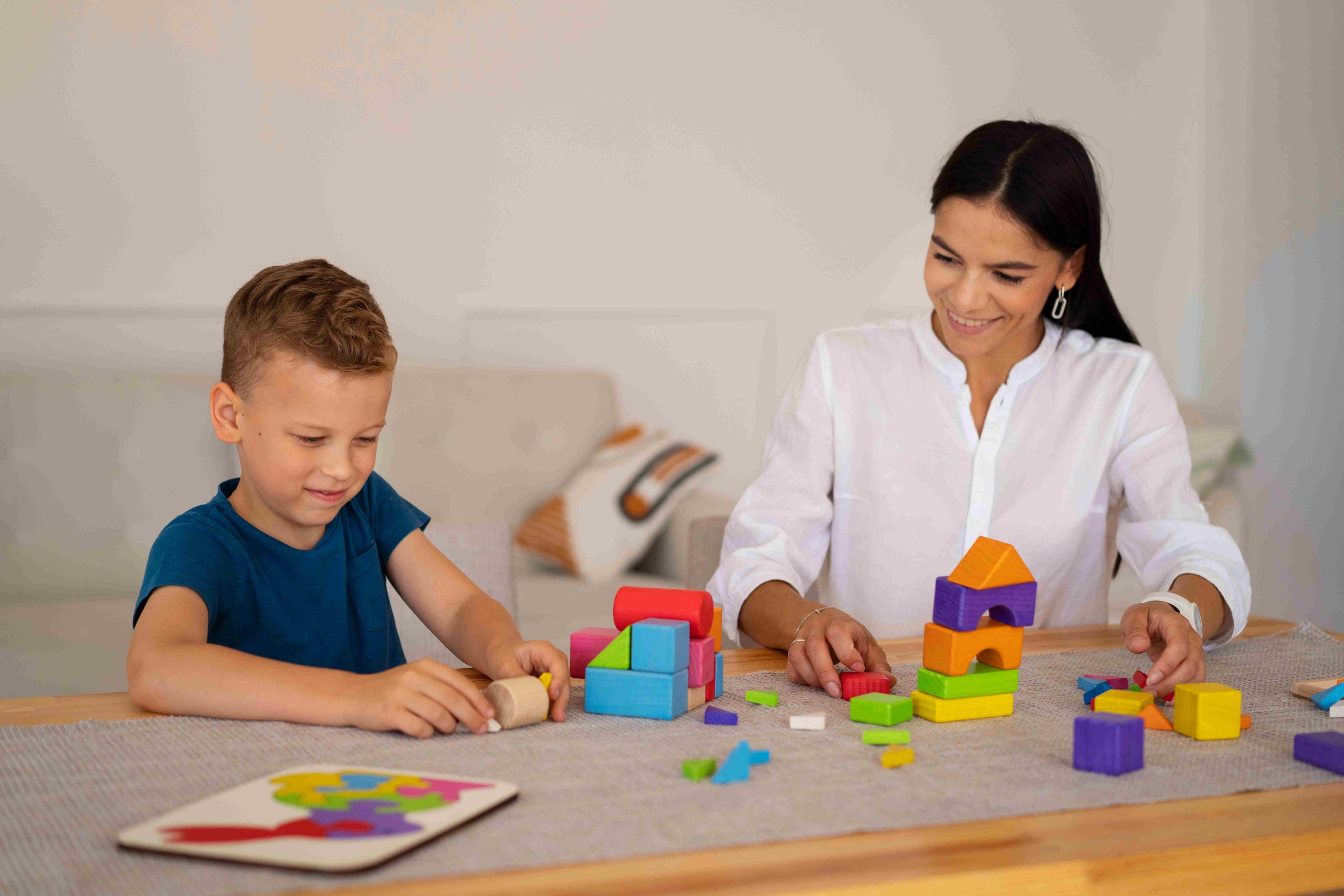
    Age-appropriate activities encourage preschoolers to develop problem-solving and critical thinking skills. Puzzles, riddles, and brain teasers challenge their thinking abilities and foster logical reasoning. Building blocks, construction sets, and STEM-based activities promote spatial awareness, creativity, and problem-solving skills. Engaging in open-ended activities that require decision-making, planning, and experimentation nurtures preschoolers’ ability to think critically and find innovative solutions. Age-appropriate activities that stimulate problem-solving and critical thinking enhance preschoolers’ cognitive abilities and prepare them for future academic challenges.

      Sensory Integration: Exploring the Senses

    Age-appropriate activities engage preschoolers in sensory experiences that support their sensory integration and development. Sensory play, such as playing with sand, water, or sensory bins filled with various textures, allows preschoolers to explore different sensations and develop sensory processing skills. Art activities involving different materials, such as finger painting or sculpting with clay, provide opportunities for tactile exploration. Sensory-based activities help preschoolers regulate their sensory responses, improve their fine motor skills, and enhance their overall sensory integration.

      Technology and Digital Literacy: Balancing Screen Time

    Age-appropriate activities include opportunities for preschoolers to explore technology and develop digital literacy skills in a balanced manner. Interactive educational apps, age-appropriate websites, and educational videos can be incorporated to enhance learning experiences. However, it is crucial to strike a balance and ensure that screen time is limited and purposeful. Age-appropriate activities that involve coding games, virtual field trips, or creative digital projects promote digital literacy skills while also fostering responsible and mindful use of technology.

      Environmental Awareness: Nurturing Stewardship of the Planet

    Age-appropriate activities instill a sense of environmental awareness and stewardship of the planet in preschoolers. Nature-based activities, such as gardening, recycling projects, and nature walks, foster a connection with the natural world and promote sustainable practices. Discussions on the importance of conserving resources, reducing waste, and protecting the environment help preschoolers develop a sense of responsibility towards the planet. Age-appropriate activities that emphasize environmental awareness encourage preschoolers to become advocates for a greener and more sustainable future.

    Age-appropriate activities encompass a wide range of domains that cater to the holistic development of preschoolers. From cultural appreciation and physical health to problem-solving skills, sensory integration, technology usage, environmental awareness, and more, these activities create a well-rounded learning environment that supports preschoolers’ growth and development. By engaging in age-appropriate activities, preschoolers can acquire essential skills, develop a sense of curiosity and exploration, and lay the foundation for a successful educational journey.

    Age-appropriate activities play a vital role in promoting the overall development of preschoolers. By tailoring activities to their abilities and interests, educators and caregivers create a nurturing and engaging environment where preschoolers can thrive. Whether it’s fostering language and literacy skills, numeracy abilities, scientific thinking, creativity, cultural appreciation, physical health, problem-solving capabilities, sensory integration, digital literacy, or environmental awareness, age-appropriate activities address various aspects of preschoolers’ growth and development.

    Through these activities, preschoolers not only acquire knowledge and skills but also develop important social and emotional competencies. They learn to communicate effectively, collaborate with others, manage their emotions, and develop empathy and resilience. Age-appropriate activities provide a platform for preschoolers to explore, experiment, and make sense of the world around them, laying a strong foundation for their future learning and personal growth.

    In implementing age-appropriate activities, it is crucial to consider the individual needs, interests, and abilities of each preschooler. Different Preschoolers may have varying learning styles and preferences, and it’s important to provide a diverse range of activities that cater to these differences. By offering a balanced mix of structured and open-ended activities, educators and caregivers can create a stimulating and inclusive environment where all preschoolers can thrive.

    Furthermore, it’s important to involve parents and families in the process of planning and implementing age-appropriate activities. Collaborating with families ensures continuity between home and preschool environments, strengthens the support system for preschoolers, and promotes a holistic approach to their development.

    As educators and caregivers, it is our responsibility to create an enriching and supportive environment for preschoolers, where age-appropriate activities form the building blocks of their growth and development. By fostering a love for learning, promoting curiosity, and addressing the diverse needs of preschoolers, we can empower them to become confident, capable, and lifelong learners.

    Age-appropriate activities are essential in providing preschoolers with the opportunities they need to explore, learn, and grow. From language and literacy development to numeracy skills, science exploration, creativity, cultural appreciation, physical health, problem-solving, sensory integration, technology usage, and environmental awareness, these activities cover a wide range of developmental areas. By offering age-appropriate activities, educators and caregivers create an environment that supports preschoolers’ holistic development, promotes their curiosity and engagement, and sets them up for success in their educational journey and beyond.

  • Home Based Childcare

    Home Based Childcare

    Embracing the Benefits of Home-Based Childcare: Nurturing Preschoolers in a Warm and Personal Environment

    Home-based childcare offers a unique and valuable option for parents seeking nurturing and personalized care for their preschoolers. This article explores the benefits and considerations of home-based childcare, emphasizing the advantages of a warm and personal environment for preschoolers’ growth and development.

    Preschoolers require a safe and supportive environment where they can explore, learn, and develop essential skills. Home-based childcare, also known as family daycare or childminding, provides an alternative to formal childcare centers by offering care and education within a provider’s home. Let us delve into the various aspects of home-based childcare and how it can positively impact preschoolers.

    Nurturing Relationships: Building Strong Bonds in a Home Setting

    A key advantage of home-based childcare is the opportunity for preschoolers to form close relationships with their caregivers. In a home setting, Preschoolers have the chance to build strong bonds with a consistent and familiar caregiver. This nurturing relationship promotes trust, security, and a sense of belonging for preschoolers, fostering their emotional well-being and overall development.

    Personalized Attention: Tailoring Care to Individual Needs

    Home-based childcare providers can offer personalized attention and individualized care to preschoolers. With smaller group sizes, caregivers have the flexibility to focus on the unique needs and interests of each child. They can tailor activities, learning experiences, and routines to support each preschooler’s development, creating a nurturing and responsive environment that caters to their individual growth.

    Homely Environment: Creating a Warm and Familiar Space

    Unlike formal childcare centers, home-based childcare offers a homely environment that is warm, familiar, and comforting for preschoolers. The home setting provides a sense of security and allows Preschoolers to feel at ease in their surroundings. The cozy and intimate atmosphere supports their emotional well-being, encourages exploration, and fosters a love for learning.

    Flexible Schedules: Accommodating Individual Family Needs

    Home-based childcare often provides greater flexibility in terms of operating hours and schedules. This can be particularly beneficial for families with unique work arrangements or varying childcare needs. The ability to customize schedules allows parents to find a balance between their professional commitments and their preschooler’s care, ensuring that their child’s needs are met while maintaining a sense of stability and routine.

    Mixed-Age Groupings: Learning from Peers of Different Ages

    In a home-based childcare setting, preschoolers often interact with Preschoolers of different ages. This mixed-age grouping provides opportunities for peer learning and socialization. Younger Preschoolers can learn from older peers, while older Preschoolers develop empathy, leadership skills, and a sense of responsibility by nurturing and guiding their younger counterparts. This diverse social environment supports preschoolers’ social-emotional development and fosters positive relationships.

    Home-Like Learning Experiences: Incorporating Real-Life Situations

    Home-based childcare allows for meaningful and authentic learning experiences that mirror real-life situations. Preschoolers can engage in everyday activities such as cooking, gardening, or caring for pets, promoting practical life skills and independence. Learning within a home setting encourages preschoolers to make connections between their experiences and the world around them, fostering a holistic approach to education.

    Parental Involvement: Building Strong Partnerships

    Home-based childcare often facilitates closer relationships between caregivers and parents. With fewer Preschoolers in care, providers can dedicate more time to communicate and collaborate with parents. This open and ongoing partnership allows for a deeper understanding of each preschooler’s needs, goals, and progress. Parents can actively participate in their child’s care and education, working together with the caregiver to support their child’s holistic development.

    Home-based childcare offers a nurturing and personalized alternative for parents seeking a warm and personal environment for their preschoolers’ care and education. The close relationships, personalized attention, homely environment, flexible schedules, mixed-age groupings, home-like learning experiences, and strong partnerships with parents all contribute to the positive impact of home-based childcare on preschoolers’ growth and development. By embracing the benefits of home-based childcare, families can provide their preschoolers with a nurturing and enriching early childhood experience.

    Safety and Security: Creating a Protected Environment

    In home-based childcare, providers can create a safe and secure environment for preschoolers. With a smaller group of Preschoolers, caregivers can closely monitor and supervise the Preschoolers’s activities, ensuring their well-being at all times. Additionally, home-based providers have the ability to childproof their homes, removing potential hazards and creating a child-friendly space that promotes safety. This focus on safety and security gives parents peace of mind knowing that their preschoolers are in a protected environment.

    Continuity of Care: Consistency and Familiarity

    Preschoolers thrive in an environment that offers continuity of care. Home-based childcare provides consistency and familiarity for Preschoolers as they interact with the same caregiver on a daily basis. This consistency helps to build trust and a sense of security in preschoolers, allowing them to form strong attachments and develop healthy relationships. The consistent presence of a familiar caregiver also contributes to the child’s emotional well-being and overall development.

    Individualized Learning: Tailoring Education to Unique Needs

    One of the advantages of home-based childcare is the ability to provide individualized learning experiences for preschoolers. Caregivers can identify and respond to each child’s strengths, interests, and learning styles, tailoring activities and experiences accordingly. This personalized approach to education fosters the child’s cognitive development, enhances their motivation to learn, and allows them to progress at their own pace. By catering to individual needs, home-based childcare supports the holistic growth and development of preschoolers.

    Strong Relationships: Small Group Dynamics

    The small group dynamics in home-based childcare promote the development of strong relationships among preschoolers. With a limited number of Preschoolers, opportunities for social interactions and peer connections are maximized. Preschoolers have the chance to build meaningful friendships, engage in cooperative play, and develop social skills such as sharing, empathy, and communication. The close-knit group setting fosters a sense of belonging and community, providing a nurturing social environment for preschoolers.

    Flexibility and Personalization: Adapting to Preschoolers’ Needs

    Home-based childcare offers flexibility and personalization to accommodate the unique needs of each preschooler. Caregivers can adapt routines, activities, and learning experiences to cater to individual preferences and requirements. This level of flexibility ensures that preschoolers feel comfortable and supported in their daily experiences, allowing them to thrive and engage fully in their learning and development.

    Home-Like Environment: Fostering a Sense of Belonging

    The home-like environment of home-based childcare promotes a sense of belonging for preschoolers. The cozy and familiar setting helps Preschoolers feel at ease, creating a nurturing atmosphere where they can freely express themselves and explore their surroundings. The homely environment provides a comforting backdrop for learning, encouraging preschoolers to engage in activities and interactions with a sense of comfort and security.

    Informal Learning Opportunities: Everyday Teachable Moments

    Home-based childcare offers abundant informal learning opportunities through everyday teachable moments. Caregivers can seize everyday occurrences, such as mealtime conversations or outdoor exploration, to introduce new concepts, encourage curiosity, and foster a love for learning. These informal learning experiences help preschoolers make connections between their daily lives and the world around them, enhancing their understanding and promoting active engagement in their learning journey.

    Cultural and Individual Appreciation: Celebrating Diversity

    In a home-based childcare setting, caregivers can embrace and celebrate the diverse cultures and individual backgrounds of preschoolers. By creating an inclusive environment that values and respects different traditions, languages, and customs, preschoolers develop an appreciation for diversity. This cultural exposure fosters an open-minded and accepting mindset, nurturing preschoolers’ social-emotional development and promoting a sense of unity among peers.

    Seamless Transition to School: Building School Readiness

    Home-based childcare can play a vital role in preparing preschoolers for the transition to formal school settings. Caregivers can implement activities and routines that promote school readiness skills, such as early literacy and numeracy development, problem-solving abilities, and self-help skills. By instilling a love for learning, fostering independence, and nurturing social skills, home-based childcare supports a smooth and successful transition to preschool or kindergarten.

    Family Involvement: Engaging Parents in the Learning Process

    Home-based childcare provides an opportunity for strong family involvement in the preschooler’s learning process. Caregivers can maintain open lines of communication with parents, sharing insights, progress, and milestones of their preschoolers. Collaborative partnerships between caregivers and parents enable the exchange of knowledge, ideas, and strategies, ensuring a holistic approach to the preschooler’s development. The active involvement of parents in home-based childcare strengthens the support system for the preschooler, contributing to their overall well-being and success.

    Home-based childcare offers a nurturing, safe, and personalized alternative for preschoolers, fostering strong relationships, individualized learning, a homely environment, and flexibility. The small group dynamics, everyday teachable moments, seamless transition to school, and family involvement further enhance the benefits of this childcare approach. Through home-based childcare, preschoolers can experience a warm and personal environment that promotes their holistic development and prepares them for future educational journeys.

    Emotional Well-being: Nurturing a Sense of Security

    Home-based childcare plays a significant role in nurturing the emotional well-being of preschoolers. The close bond between caregivers and preschoolers creates a secure and nurturing environment where Preschoolers feel emotionally supported. Caregivers can provide individual attention, offer comfort during times of distress, and promote positive emotional expression. This emphasis on emotional well-being helps preschoolers develop resilience, self-regulation skills, and a strong sense of self, laying a solid foundation for their future emotional growth and mental well-being.

    Continuity of Caregivers: Stability and Trust

    One of the key advantages of home-based childcare is the continuity of caregivers. Preschoolers benefit from having consistent relationships with their caregivers, as this fosters stability, trust, and a sense of belonging. Unlike larger childcare centers where Preschoolers may encounter different staff members regularly, home-based childcare provides the opportunity for preschoolers to develop deep connections with their caregivers over an extended period. This continuity promotes a sense of security and contributes to the child’s overall sense of well-being.

    Individualized Support: Meeting Unique Developmental Needs

    Home-based childcare allows caregivers to provide individualized support tailored to each preschooler’s unique developmental needs. Caregivers can closely observe and assess the strengths, challenges, and interests of each child, and adapt activities and experiences accordingly. This personalized approach enables preschoolers to receive targeted support in areas where they may need additional assistance, promoting their overall development and maximizing their potential.

    Flexible Learning Environment: Adapting to Preschoolers’ Interests

    In a home-based childcare setting, caregivers have the flexibility to adapt the learning environment to suit the preschoolers’ interests. Caregivers can incorporate activities and materials that align with the Preschoolers’s individual passions and curiosities. By offering a range of stimulating and age-appropriate resources, such as books, toys, art supplies, and outdoor play equipment, caregivers can spark curiosity and engage preschoolers in meaningful learning experiences.

    Holistic Development: Addressing Multiple Domains

    Home-based childcare embraces a holistic approach to preschoolers’ development by addressing various domains simultaneously. Caregivers can provide opportunities for physical play, cognitive stimulation, creative expression, and social interaction, ensuring a well-rounded educational experience. This holistic approach supports the development of essential skills across multiple domains, fostering a balanced and comprehensive foundation for preschoolers’ future growth.

    Parental Involvement: Partnership in Early Education

    Home-based childcare encourages active parental involvement in the early education of preschoolers. Caregivers can collaborate closely with parents, sharing observations, milestones, and progress of their preschoolers. This partnership ensures that parents are informed and engaged in their child’s development, allowing for consistent support and reinforcement of learning goals and strategies at home. The involvement of parents in the home-based childcare setting strengthens the connection between home and preschool, creating a seamless learning experience for the preschooler.

    Individualized Routines: Promoting Predictability and Independence

    Home-based childcare offers the flexibility to establish individualized routines that cater to the unique needs of each preschooler. Caregivers can create predictable daily schedules that provide a sense of structure and routine for preschoolers. By following consistent routines, Preschoolers develop a sense of predictability, which fosters their self-confidence, independence, and ability to manage their own tasks. Individualized routines in home-based childcare contribute to the preschooler’s self-help skills and overall sense of control.

    Cultural Appreciation: Celebrating Diversity and Inclusion

    Home-based childcare provides a conducive environment for celebrating diversity and promoting cultural appreciation. Caregivers can expose preschoolers to different cultures, traditions, and languages, fostering an inclusive and accepting mindset from an early age. By incorporating diverse books, music, and activities, caregivers can broaden preschoolers’ understanding of the world and promote respect for others. This cultural appreciation promotes empathy, tolerance, and a sense of global citizenship among preschoolers.

    Home-based childcare offers numerous advantages for preschoolers, including emotional well-being, continuity of caregivers, individualized support, a flexible learning environment, and a holistic approach to development. The involvement of parents, individualized routines, cultural appreciation, and a focus on individual interests further enhance the benefits of this childcare option. Through home-based childcare, preschoolers can experience a nurturing, supportive, and tailored environment that promotes their overall well-being, development, and future success.