
Category: Preschool Fire Drills

  • Life-Saving Skills

    Life-Saving Skills

    Building a Safe Community for Preschoolers: Promoting Connection, Safety, and Trust

    One of our most important duties as parents and caregivers is to provide a nurturing environment for the preschoolers in our neighborhood. By putting their well-being first, we build a solid foundation for their growth, education, and happiness. In this article, we examine the crucial components that make a community safe for preschoolers, putting particular emphasis on significant elements like physical safety, emotional well-being, inclusive spaces, active engagement, parent involvement, and social connections. Let’s set out on a mission to create a neighborhood that embraces and protects our preschoolers.

    Putting physical safety first

    In order to create a community where preschoolers can explore and grow, it is crucial to ensure their physical safety. Preschoolers can freely engage in active play without taking unwarranted risks when we put in place policies like well-maintained playgrounds, safe fencing, and age-appropriate equipment. Furthermore, comprehensive staff training on safety procedures, ongoing maintenance inspections, and regular safety audits all contribute to a safe environment that gives parents and caregivers confidence. Let’s work to design environments where preschoolers can safely explore, learn, and flourish.

    Promoting Emotional Wellness

    The foundation of preschoolers’ overall development is their emotional health. An emotionally secure and supportive environment that acknowledges and addresses their feelings must be offered. We can help our preschoolers develop trust, empathy, and resilience by using emotionally intelligent methods. We create an environment where preschoolers feel seen, heard, and understood by being open with one another, actively listening to what they have to say, and validating their experiences. Let’s take on the duty of fostering their emotional health and assisting them in creating a positive self-image.

    Making Accessible Spaces

    Preschoolers need to live in a diverse community where there are welcoming places that value individuality. Preschoolers can gain knowledge about various cultures, abilities, and backgrounds in inclusive environments, which promotes empathy and understanding. We encourage inclusivity and impart the values of respect, acceptance, and equality to preschoolers by incorporating a variety of resources, books, toys, and artwork. Let’s work to make environments that foster a sense of community for all preschoolers and reflect the lovely tapestry of our neighborhood.

    Promoting Active Participation

    When preschoolers are actively involved in their learning and play activities, they thrive. A preschool-safe community offers a variety of stimulating activities that meet their interests and developmental requirements. We foster our students’ curiosity, critical thinking, and social skills by providing a variety of educational opportunities, extracurricular activities, and creative outlets. We encourage preschoolers to explore, experiment, and learn about their surroundings by providing them with hands-on learning opportunities. Let’s ignite their desire to learn and build an environment where they feel supported in achieving their full potential.

    Fostering Parental Participation

    The development of a preschooler-safe community depends heavily on parental involvement. Collaborations between parents, caregivers, and educators build a solid support network that nurtures preschoolers’ wellbeing. We foster a sense of shared accountability for the welfare of the preschoolers by encouraging open channels of communication, holding frequent parent-teacher conferences, and involving parents in decision-making processes. Parent education courses and workshops give parents even more tools and information to support the development of their preschooler. Let’s encourage a culture where parents are engaged in their preschoolers’ educational process.

    Building Social Relationships

    The importance of social connections is valued in an area where preschoolers are safe. By providing preschoolers with chances to socialize with their peers, we help them develop crucial social and emotional abilities like empathy, cooperation, and conflict resolution. Making plans for neighborhood get-togethers, playdates, and team projects fosters lasting relationships that go beyond the preschool years. Preschoolers who have a strong sense of community are better able to form wholesome relationships, which improves their general wellbeing. Let’s collaborate to create a setting where young preschoolers can make enduring connections and discover the importance of community.

    Preschoolers need to feel safe in their community, which calls for a team effort and a strong commitment to their welfare. We can lay a solid foundation for their growth and development by putting a high priority on physical safety, fostering emotional well-being, embracing inclusivity, encouraging active engagement, encouraging parent involvement, and cultivating social connections. As they will be the future leaders, thinkers, and agents of change in our community, let’s continue to fight for and invest in the security and happiness of our preschoolers.

    Putting Emergency Planning into Practice

    Effective emergency preparedness plans must be in place for the community to continue to be safe for preschoolers. Emergencies and unforeseen circumstances can happen at any time, and it is our duty to make sure that our preschoolers are safe and secure in these circumstances. This entails creating thorough emergency response plans that cover a range of situations, including lockdown situations, medical emergencies, and natural disasters. Regular drills and simulations can promote a sense of readiness and reduce anxiety by familiarizing preschoolers, staff, and parents with emergency procedures. Maintaining an efficient and secure environment for preschoolers requires constant evaluation and improvement of emergency protocols as well as collaboration with local emergency services. To protect our preschoolers and give them the assurance that they are cared for even during trying times, let’s prioritize emergency preparedness.

    We can build a strong and nurturing community that is safe for our preschoolers by incorporating these eight key components: physical safety, emotional well-being, inclusive spaces, active engagement, parent involvement, social connections, digital safety, and emergency preparedness. We can ensure their development, growth, and happiness only through our combined efforts and unwavering commitment. Let’s keep changing, adapting, and innovating as we work to give our preschoolers the best environment we can. Together, we can create a neighborhood that values and protects the welfare of our youngest residents, putting them on the path to a successful and promising future.

    Bullying and Conflict Resolution Issues

    It is essential to address the issue of bullying and offer practical conflict resolution techniques in a neighborhood that is safe for preschoolers. Preschoolers’ development and well-being can be significantly impacted by bullying, so it is our duty to foster a supportive environment for them. We create a climate of inclusivity and acceptance by implementing anti-bullying policies and teaching preschoolers about kindness, empathy, and respect. Teaching preschoolers effective communication skills, problem-solving methods, and peaceful conflict resolution techniques gives them the confidence they need to successfully negotiate social situations. Additionally, encouraging bystander intervention and cultivating a peer support culture can aid in building a community that opposes bullying. Let’s actively combat bullying, foster empathy, and give our preschoolers the skills to settle disputes peacefully so that they can grow up in a secure and peaceful environment.

    We reaffirm our dedication to building a community safe for our preschoolers as we continue to concentrate on these nine crucial components: physical safety, emotional well-being, inclusive spaces, active engagement, parent involvement, social connections, digital safety, emergency preparedness, and addressing bullying and conflict resolution. Together, let’s fight for their rights, develop their potential, and promote an atmosphere based on empathy, security, and understanding.

    Promoting wellbeing and mental health

    The mental health and general wellbeing of these young learners must be prioritized in a community that is safe for preschoolers. As they navigate their early years, preschoolers may experience a range of emotions and difficulties, so it’s critical to give them the assistance and resources they need to promote good mental health. Preschoolers can develop resilience, self-esteem, and emotional intelligence by using techniques like encouraging mindfulness, teaching emotional regulation techniques, and creating a nurturing and supportive environment. The support system for preschoolers’ mental health can be improved even further through collaboration with mental health professionals and the provision of resources for parents and caregivers. Let’s emphasize the value of mental health and wellbeing in our community and give our preschoolers the resources and encouragement they require to succeed.

    We can create a holistic and all-encompassing community that is safe for our preschoolers by incorporating these ten essential components: physical safety, emotional well-being, inclusive spaces, active engagement, parent involvement, social connections, digital safety, emergency preparedness, addressing bullying and conflict resolution, and supporting mental health and well-being. Because they are the priceless members of our community who have the power to create a better future, let’s continue to place a high priority on their development, joy, and general well-being. We can work together to create a safe and nurturing environment where preschoolers can develop, learn, and make enduring memories.

    Encouragement of Physical Activity and Healthy Eating

    Promoting a healthy diet and regular exercise in a neighborhood where young preschoolers feel safe is crucial for their general wellbeing. We can support preschoolers’ development of a positive relationship with food and an active lifestyle by instilling healthy habits early on. Their physical development and cognitive development can be aided by serving them nourishing meals and snacks that satisfy their nutritional needs and by encouraging a balanced diet. Their motor skills, coordination, and general physical health can be supported by providing opportunities for regular physical activity through age-appropriate exercises, outdoor play, and structured movement programs. By empowering parents, caregivers, and preschoolers with knowledge about the value of a healthy diet and regular exercise, we can lay the groundwork for a lifetime of wellbeing. Let’s make healthy behaviors and active lifestyles a priority in our neighborhood so that our preschoolers can start their futures off on the best possible foot.

    We can build a comprehensive and nurturing community that is safe for our preschoolers by embracing these eleven essential components: physical safety, emotional well-being, inclusive spaces, active engagement, parent involvement, social connections, digital safety, emergency preparedness, addressing bullying and conflict resolution, supporting mental health and well-being, and encouraging healthy nutrition and physical activity. Recognizing that they are the lifeblood of our community’s future, let’s continue to fight for their health, happiness, and all-around development. Together, we can give them the foundation they require to prosper and develop into resilient people in a constantly transforming world.

    fostering a connection to nature and environmental sustainability

    Promoting environmental sustainability and fostering a love of nature are essential in a neighborhood that is safe for young preschoolers. We assist preschoolers in developing an appreciation for the natural world and an understanding of their role in protecting it by instilling a sense of stewardship for the environment. Preschoolers learn responsibility and concern for the environment by participating in eco-friendly activities such as recycling, composting, and resource conservation. By providing them with opportunities to experience nature, such as nature hikes, gardening projects, and outdoor educational opportunities, we can foster their curiosity, creativity, and sense of connection to the natural world. By fostering environmental awareness, we not only improve their wellbeing but also give them the skills and values needed to live as environmentally conscious citizens. Let’s encourage a love of nature, instill sustainable habits, and equip our young preschoolers to protect the environment for future generations, ensuring their safety and well-being.

    We build a comprehensive and well-rounded community that is safe for everyone by integrating these twelve crucial components: physical safety, emotional well-being, inclusive spaces, active engagement, parent involvement, social connections, digital safety, emergency preparedness, addressing bullying and conflict resolution, supporting mental health and well-being, encouraging healthy nutrition and physical activity, and promoting environmental sustainability and connection with nature. Let’s keep encouraging their development, igniting their curiosity, and giving them the tools they need to become kind and responsible global citizens. Together, we can create a neighborhood that values the wellbeing of our preschoolers and promotes peace with our surroundings.

    Promoting Diversity and Cultural Awareness

    Cultivating cultural sensitivity and accepting diversity are essential for fostering a peaceful and inclusive environment in a neighborhood that is safe for preschoolers. We encourage comprehension, empathetic behavior, and respect in preschoolers by celebrating and investigating various cultures, traditions, and viewpoints. Their learning experiences benefit from the inclusion of multicultural literature, music, and art because it fosters an appreciation for diversity and a foundation for cultural understanding. They can further their education and broaden their worldview by planning multicultural events, inviting speakers, and facilitating cultural exchanges within the neighborhood. By fostering cultural awareness, we build a community that values equality, inclusivity, and the value that comes from having different backgrounds. Let’s acknowledge the individuality of each person and give young preschoolers the tools they need to succeed in a diverse world.

    Physical safety, emotional well-being, inclusive environments, active participation, parent involvement, social connections, digital safety, emergency preparedness, addressing bullying and conflict resolution, promoting healthy nutrition and physical activity, supporting mental health and well-being, encouraging environmental sustainability and connection with nature, and cultivating cultural awareness and diversity are the thirteen essential elements that we establish. Create a community where all preschoolers can thrive and realize their full potential by continuing to embrace and learn from one another. We can create a future for our preschoolers where diversity is celebrated, understanding is fostered, and a sense of belonging is fostered.

    Developing Stable Relationships with Local Resources

    For comprehensive support and growth opportunities to be offered to preschoolers in a community that is safe for them, strong partnerships with local resources are crucial. Working together with neighborhood groups, companies, and service providers enhances preschoolers’ access to resources and learning opportunities. The educational and developmental support available to preschoolers and their families is improved by involving community resources like libraries, museums, healthcare providers, and social services. Through these collaborations, workshops, educational initiatives, health examinations, and other services that support preschoolers’ general wellbeing can be made possible. We make certain that preschoolers have the resources and opportunities they need to succeed by establishing a network of support within the community. Let’s form solid alliances and take advantage of the many community resources at our disposal to build a neighborhood that is nurturing and safe for our preschoolers.

    Conclusion

    By including these fourteen fundamental components—physical safety, emotional well-being, inclusive spaces, active engagement, parental involvement, social connections, digital safety, emergency preparedness, addressing bullying and conflict resolution, supporting mental health and well-being, promoting healthy nutrition and physical activity, fostering environmental sustainability and connection with nature, cultivating cultural awareness and diversity, and establishing emergency preparedness—we can create a safe, supportive, and inclusive learning environment for all students. Let’s keep using our community’s combined resources to our advantage as we cooperate to give our preschoolers the best possible opportunities and support for development. Together, we can build a neighborhood that encourages, safeguards, and empowers our youngest residents to realize their full potential.

  • Fire Risk

    Fire Risk

    Preschool Fire Drills: Identifying Fire Hazards and Ensuring the Safety of Preschoolers


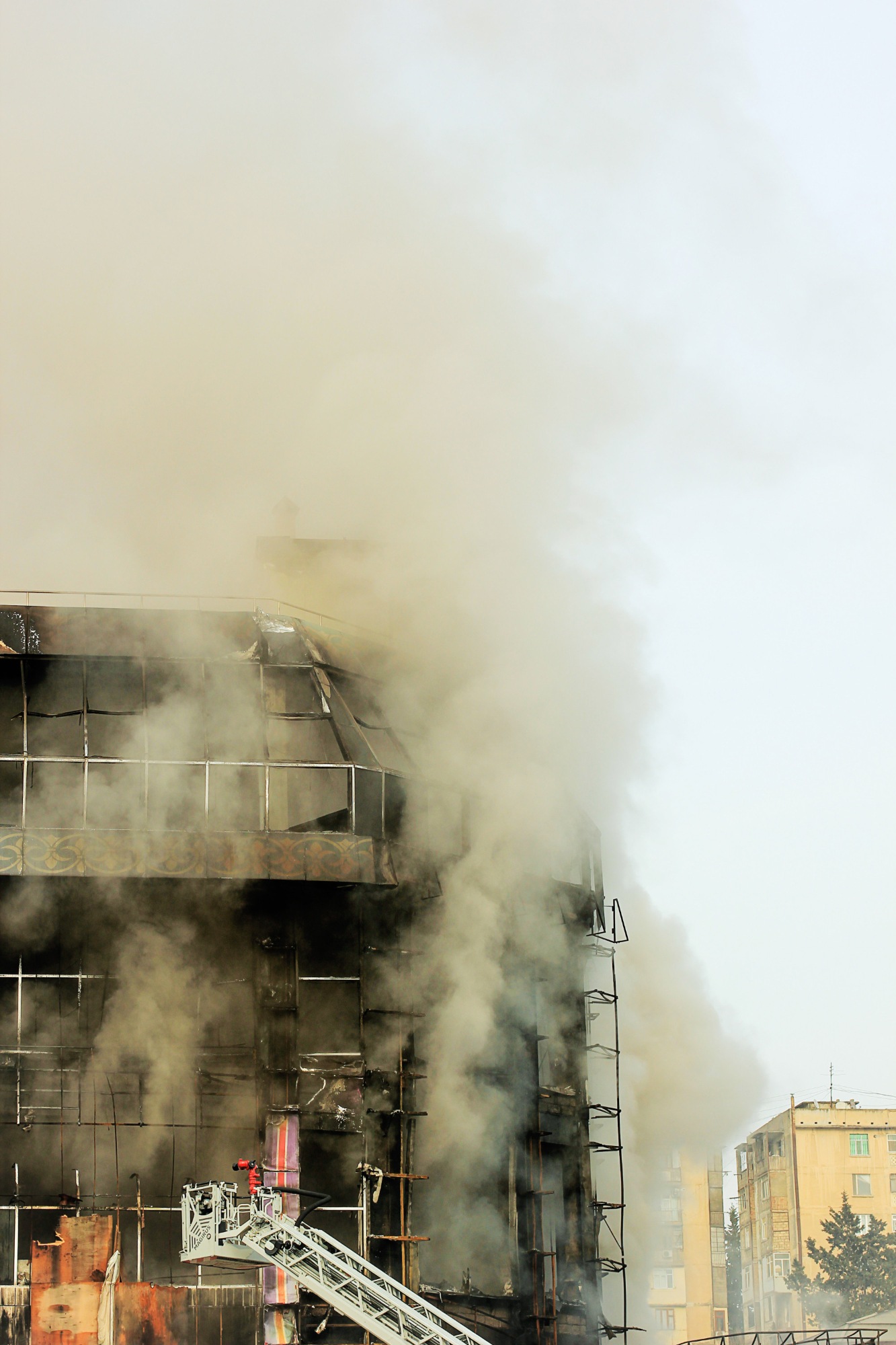
    Preschool is a crucial stage in a child’s development, where they begin to explore the world around them and engage in various activities. While preschoolers are full of curiosity and energy, their safety should always remain a top priority. Fire hazards pose a significant risk to the well-being of preschoolers, and it is essential for preschool administrators, teachers, and parents to be aware of potential fire risks and take appropriate measures to ensure the safety of these young ones. In this article, we will explore common fire hazards in preschool settings and highlight the importance of conducting fire drills as an effective safety measure.


    Identifying Fire Hazards in Preschool Settings

    Preschool environments are filled with numerous items and materials that, if mishandled or neglected, can become potential fire hazards. Understanding and addressing these hazards is crucial to creating a safe and secure learning environment for preschoolers. Let us explore some common fire hazards in preschool settings:


  • Electrical Appliances and Wiring: Faulty or outdated electrical appliances and wiring can lead to electrical fires. Preschool classrooms often utilize various electrical equipment such as computers, projectors, and heating devices. Regular maintenance and inspections should be conducted to identify any potential hazards and promptly address them.

  • Flammable Materials: Preschool classrooms typically contain a variety of art supplies, including paints, glue, and markers. While these materials are essential for creative activities, they also present a fire hazard. Teachers and staff must ensure proper storage and handling of flammable materials, keeping them away from heat sources and following appropriate safety guidelines.

  • Heating Systems: In colder months, preschools often rely on heating systems to maintain a comfortable environment. However, improperly maintained or faulty heating systems can pose a fire risk. Regular maintenance, inspection, and adherence to safety regulations are crucial in mitigating this hazard.

  • Kitchen and Cooking Activities: Some preschools have cooking activities as part of their curriculum. While these activities offer valuable learning experiences, they can also introduce fire hazards. Teachers should closely supervise cooking activities, ensuring that stoves and ovens are used safely, and appropriate fire safety measures are in place.

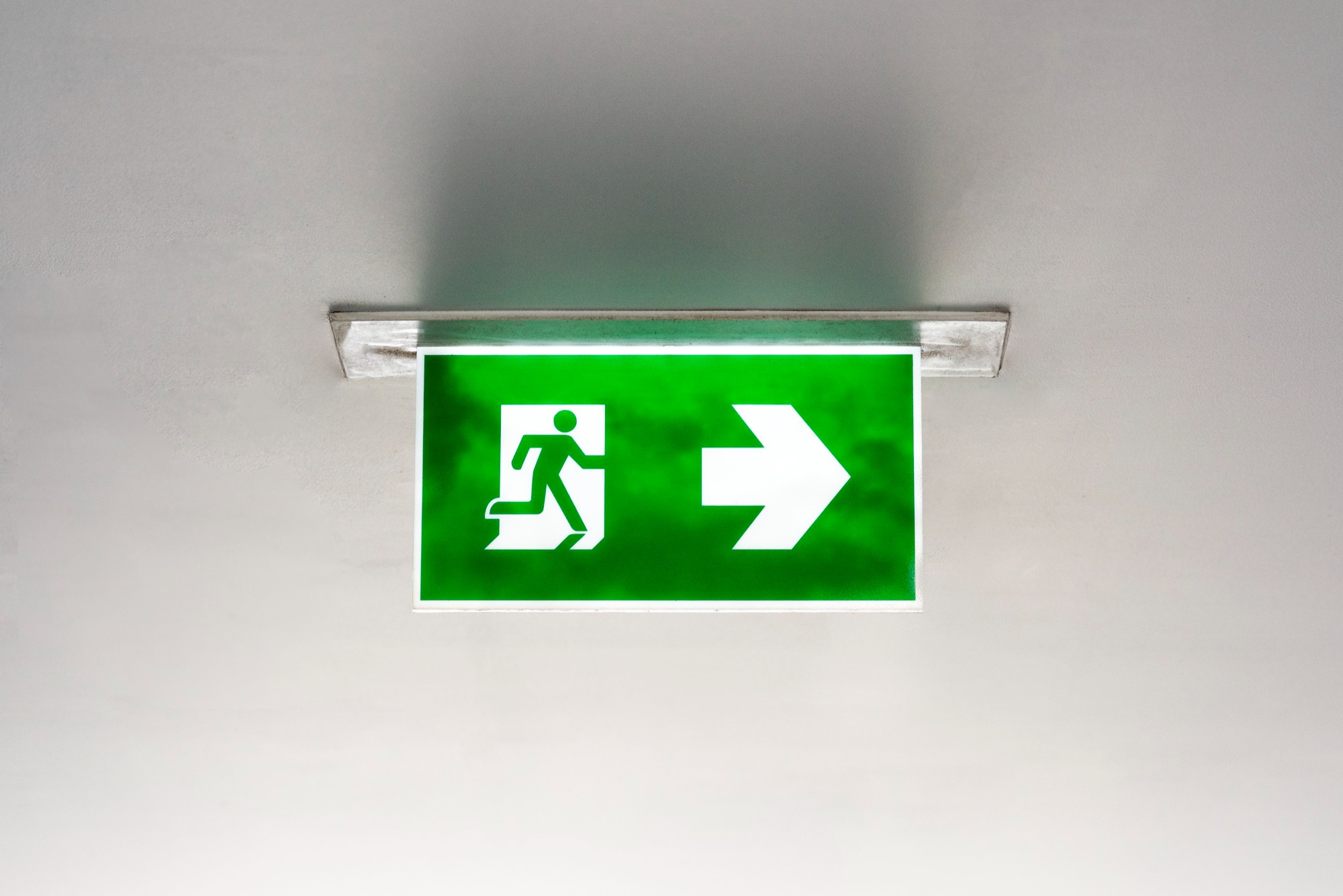
  • Blocked Exits and Poor Evacuation Routes: In the event of a fire, it is essential to have clear and unobstructed evacuation routes. Blocked exits or cluttered hallways can impede a safe escape, putting preschoolers at risk. Regular inspections should be conducted to ensure exits are accessible and evacuation routes are clearly marked.


  • The Importance of Preschool Fire Drills

    Preschool fire drills are a vital component of any comprehensive fire safety plan. These drills simulate emergency situations and allow preschoolers, teachers, and staff to practice the necessary actions and procedures to ensure a safe evacuation. Here are some key reasons why fire drills are crucial:


  • Familiarity with Emergency Procedures: Fire drills familiarize preschoolers with the emergency procedures and protocols in case of a fire. Repeated practice helps them understand the importance of staying calm, following instructions, and evacuating in an orderly manner.

  • Assessing Evacuation Plans: Fire drills provide an opportunity to assess the effectiveness of evacuation plans. By observing the drill, teachers and staff can identify potential bottlenecks, areas of improvement, and make necessary adjustments to the evacuation routes or emergency protocols.

  • Building Confidence and Reducing Panic: Through regular fire drills, preschoolers gain confidence in their ability to respond appropriately during an emergency. This confidence helps reduce panic and allows them to make more informed decisions, ensuring their safety and the safety of others.

  • Training Teachers and Staff: Fire drills not only benefit preschoolers but also serve as essential training for teachers and staff. They become familiar with their roles and responsibilities during a fire emergency, ensuring a coordinated and efficient response. This includes guiding preschoolers to safety, conducting headcounts, and communicating with emergency services.

  • Testing Fire Safety Equipment: Fire drills provide an opportunity to test and evaluate the functionality of fire safety equipment such as fire alarms, extinguishers, and sprinkler systems. Identifying any malfunctions or maintenance requirements ensures that these systems are fully operational when needed.

  • Promoting Fire Safety Education: Fire drills offer a practical platform to reinforce fire safety education. Teachers can discuss fire safety with preschoolers before and after the drill, emphasizing the importance of not playing with matches, identifying smoke alarms, and understanding the “stop, drop, and roll” technique. By actively engaging preschoolers in these discussions, they develop a deeper understanding of fire safety measures.


  • Conducting Effective Preschool Fire Drills

    To ensure the effectiveness of preschool fire drills, certain key elements should be considered:


  • Planning: Establish a detailed fire drill plan that outlines the objectives, roles and responsibilities of teachers and staff, evacuation routes, and assembly points. Collaborate with local fire departments to gain insights and guidance for conducting effective drills.

  • Communication: Notify all stakeholders, including teachers, staff, parents, and emergency services, about the upcoming fire drill. Clear communication ensures everyone is aware of their roles and the importance of actively participating in the drill.

  • Age-Appropriate Training: Consider the age and developmental level of preschoolers when designing the fire drill procedures. Use clear and simple instructions that preschoolers can understand and practice regularly to enhance their familiarity with the procedures.

  • Realistic Scenarios: Create realistic scenarios during fire drills to simulate an actual emergency. This includes sounding the fire alarm, using simulated smoke, and practicing evacuation procedures in a controlled manner. Realistic scenarios help preschoolers and adults alike to respond more effectively during a real fire situation.

  • Evaluation and Feedback: After each fire drill, conduct a thorough evaluation of the drill’s effectiveness. Gather feedback from teachers, staff, and emergency services to identify areas for improvement and address any concerns raised. This continuous evaluation ensures that fire drills are continually refined to enhance safety measures.


  • Conclusion

    Preschool fire drills play a critical role in ensuring the safety of preschoolers in the event of a fire emergency. By identifying common fire hazards, implementing preventive measures, and conducting regular drills, preschool administrators, teachers, and parents can significantly reduce the risks associated with fire incidents. Creating a safe learning environment requires ongoing vigilance and commitment to fire safety practices. Let us continue to prioritize the well-being of our preschoolers by promoting fire safety awareness and conducting regular fire drills to equip them with the knowledge and skills necessary to protect themselves and others in times of emergencies.


    Mitigating Fire Risks in Preschool Settings

    Mitigating fire risks in preschool settings is of utmost importance to ensure the safety and well-being of preschoolers. By implementing preventive measures and adopting a proactive approach towards fire safety, preschool administrators, teachers, and staff can create a secure environment that minimizes the potential for fire incidents. In this sub-article, we will explore practical strategies to mitigate fire risks in preschool settings and promote a culture of fire safety.


    Implement Fire Safety Policies and Procedures

    Establishing comprehensive fire safety policies and procedures is crucial for mitigating fire risks in preschool settings. These policies should cover various aspects, including but not limited to:


  • Regular inspection and maintenance of electrical systems and appliances to ensure they are in proper working condition.

  • Strict guidelines for the use and storage of flammable materials, emphasizing the importance of proper handling, storage, and disposal procedures.

  • Clear protocols for cooking activities, emphasizing safe usage of kitchen equipment, supervision of preschoolers, and proper extinguishing of cooking appliances after use.

  • Regular inspection of fire extinguishers, smoke alarms, and emergency exits to ensure they are functional and easily accessible.


  • Conduct Regular Risk Assessments

    Regular risk assessments are essential to identify potential fire hazards in preschool settings. Engage a qualified fire safety professional to conduct a thorough assessment of the premises, taking into account the layout, equipment, materials, and overall safety measures. This assessment should highlight areas of concern, such as faulty wiring, blocked exits, or inadequate fire safety equipment. Based on the findings, develop an action plan to address and mitigate identified risks promptly.


    Provide Fire Safety Training for Staff

    Properly trained staff can play a crucial role in preventing and responding to fire incidents. Provide comprehensive fire safety training to all preschool staff members, ensuring they are familiar with fire safety procedures, evacuation routes, and the proper usage of fire safety equipment. Training should cover topics such as identifying potential fire hazards, recognizing signs of fire, and implementing appropriate fire prevention measures. Additionally, staff members should receive training on emergency communication protocols, enabling them to effectively relay information to emergency services.


    Create and Practice Evacuation Plans

    Developing clear and effective evacuation plans is essential to ensure a prompt and orderly evacuation in the event of a fire. Collaborate with staff members, emergency services, and fire safety professionals to design age-appropriate evacuation plans that consider the unique needs and abilities of preschoolers. Evacuation plans should include designated meeting points, assembly areas, and a system to account for all preschoolers during evacuation. Regularly practice these plans through fire drills, allowing preschoolers and staff to become familiar with the procedures and increase their response effectiveness.


    Install and Maintain Fire Safety Equipment

    The installation and maintenance of fire safety equipment are critical in mitigating fire risks. Ensure that smoke alarms are installed in every classroom, hallway, and common area, with regular checks to ensure their functionality. Fire extinguishers should be strategically placed throughout the premises, and staff members should receive training on their proper usage. Additionally, consider installing automatic fire suppression systems, such as sprinklers, in areas that pose higher fire risks, such as kitchens or storage rooms. Regular maintenance and inspections of all fire safety equipment should be conducted to ensure they are in optimal working condition.


    Foster a Culture of Fire Safety

    Promoting a culture of fire safety is essential for long-term risk mitigation. Educate preschoolers on fire safety practices through age-appropriate lessons, interactive activities, and engaging discussions. Teach them the importance of fire prevention, recognizing hazards, and responding appropriately in case of a fire emergency. Involve parents by sharing fire safety information, tips, and resources that can be implemented at home. By integrating fire safety into the preschool curriculum and involving parents and the wider community, a culture of fire safety can be fostered, creating a collective effort to mitigate fire risks.


    Regular Inspections and Maintenance

    Regular inspections and maintenance are key to ensuring that fire safety measures remain effective over time. Schedule routine inspections of electrical systems, heating systems, and other potential fire hazards to identify and address any issues promptly. Maintain a record of inspections and maintenance activities to track the implementation of safety measures and demonstrate compliance with fire safety regulations.


    Stay Updated on Fire Safety Regulations

    Fire safety regulations and standards may evolve over time, so it is essential to stay updated on any changes or new guidelines. Familiarize yourself with local fire safety regulations and ensure compliance with relevant codes and standards. Regularly review and revise fire safety policies and procedures to align with the latest recommendations and best practices.


    Conclusion

    Mitigating fire risks in preschool settings requires a proactive and multi-faceted approach. By implementing fire safety policies and procedures, conducting regular risk assessments, providing staff training, practicing evacuation plans, installing and maintaining fire safety equipment, fostering a culture of fire safety, and staying updated on regulations, preschool administrators, teachers, and staff can significantly reduce fire hazards and enhance the safety of preschoolers. Continuous vigilance, training, and collaboration among all stakeholders are essential in creating a secure environment that prioritizes the well-being of preschoolers and minimizes the potential impact of fire incidents.


    The Emotional Impact of Fire Hazards on Preschoolers

    While fire hazards pose a tangible risk to the physical safety of preschoolers, it is crucial to recognize and address the emotional impact that such hazards can have on these young preschoolers. Preschoolers are still developing their understanding of the world and may struggle to comprehend the potential dangers associated with fires. This sub-article delves into the emotional impact of fire hazards on preschoolers and emphasizes the importance of fostering a supportive and reassuring environment.


    Fear and Anxiety

    Fire hazards can instill fear and anxiety in preschoolers, even if they have not experienced a fire incident firsthand. The concept of fire, with its destructive nature and potential for harm, can be overwhelming for young minds. They may develop anxieties around the possibility of a fire occurring, causing harm to themselves, their loved ones, or their surroundings.


    Traumatic Experiences

    Preschoolers who have experienced a fire incident, either directly or indirectly, may suffer from trauma. The traumatic event can leave lasting emotional scars, leading to symptoms such as nightmares, flashbacks, and persistent anxiety. It is essential to provide the necessary support and resources to help preschoolers process and heal from such experiences.


    Loss and Grief

    In the unfortunate event of a fire incident that results in loss or damage, preschoolers may experience a sense of loss and grief. Losing personal belongings, cherished toys, or even witnessing the destruction of their preschool environment can be deeply distressing for them. It is crucial to acknowledge their feelings of loss and provide avenues for them to express their emotions and find comfort.


    Trust and Security

    Fire hazards can disrupt a preschooler’s sense of trust and security. They may question the safety of their surroundings and the ability of adults to protect them. Rebuilding trust and reassurance is vital in helping preschoolers feel secure in their preschool environment and regain their confidence.


    Coping Mechanisms

    Preschoolers may develop various coping mechanisms in response to fire hazards. These mechanisms can include avoidance behaviors, heightened vigilance, or seeking constant reassurance from adults. It is essential for teachers and parents to observe and understand these coping strategies to provide appropriate support and guidance.


    Supportive Environment

    Creating a supportive environment is crucial in helping preschoolers navigate the emotional impact of fire hazards. Consider the following strategies:


  • Open Communication: Encourage open and honest communication about fire safety. Use age-appropriate language and provide explanations that preschoolers can understand. Answer their questions and address any concerns they may have.

  • Reassurance: Provide consistent reassurance to preschoolers, emphasizing their safety and the steps taken to protect them from fire hazards. Reiterate that adults are there to keep them safe and that fire safety measures are in place.

  • Emotional Expression: Encourage preschoolers to express their emotions related to fire hazards through art, play, or storytelling. Provide opportunities for them to share their feelings and experiences, allowing them to process their emotions in a safe and supportive environment.

  • Fire Safety Education: Incorporate fire safety education into the preschool curriculum, teaching preschoolers about fire prevention, evacuation procedures, and the importance of following safety guidelines. By empowering preschoolers with knowledge and skills, they can feel more confident in their ability to stay safe.

  • Collaborative Involvement: Involve parents and caregivers in fire safety discussions and activities. Provide resources and guidance for discussing fire safety at home, reinforcing the importance of fire prevention and preparedness as a collaborative effort.


  • Conclusion

    The emotional impact of fire hazards on preschoolers should not be overlooked. By recognizing their fears, anxieties, and emotional needs, we can create a supportive environment that addresses their concerns and helps them navigate the emotional challenges associated with fire risks. By fostering open communication, providing reassurance, encouraging emotional expression, incorporating fire safety education, and involving parents and caregivers, we can support preschoolers in building resilience and a sense of security. It is essential to approach the emotional impact of fire hazards with empathy, understanding, and patience.


    Furthermore, preschools should prioritize the implementation of preventive measures and robust fire safety protocols to minimize the risk of fire incidents. By creating a safe and secure physical environment, we can alleviate some of the emotional burdens on preschoolers. Regular inspections, maintenance of fire safety equipment, and adherence to fire safety regulations contribute to a sense of trust and confidence in the preschool environment.


    In conclusion, addressing the emotional impact of fire hazards on preschoolers is as crucial as implementing preventive measures. By acknowledging their fears, providing reassurance, offering avenues for emotional expression, and integrating fire safety education into their learning experience, we can help preschoolers navigate the potential emotional challenges associated with fire risks. Preschools and caregivers must create a supportive and nurturing environment that empowers preschoolers to feel safe, secure, and resilient in the face of fire hazards.


  • Flammable Materials

    Flammable Materials

    Preschool Fire Drills: Unveiling Potential Hazards of Flammable Materials


    Fire drills in preschool are essential for preparing preschoolers for emergencies. Preschoolers participating in these exercises will learn about fire safety, evacuation techniques, and the value of staying vigilant in the face of potential dangers. But it’s important to recognize that fire drills itself might unintentionally expose preschoolers to dangers, particularly when it comes to combustible items. In this article, we examine the possible risks related to the use of combustible materials in preschool fire drills, highlighting the necessity of taking preventative steps and treating such products sensibly.


    Understanding Flammable Materials

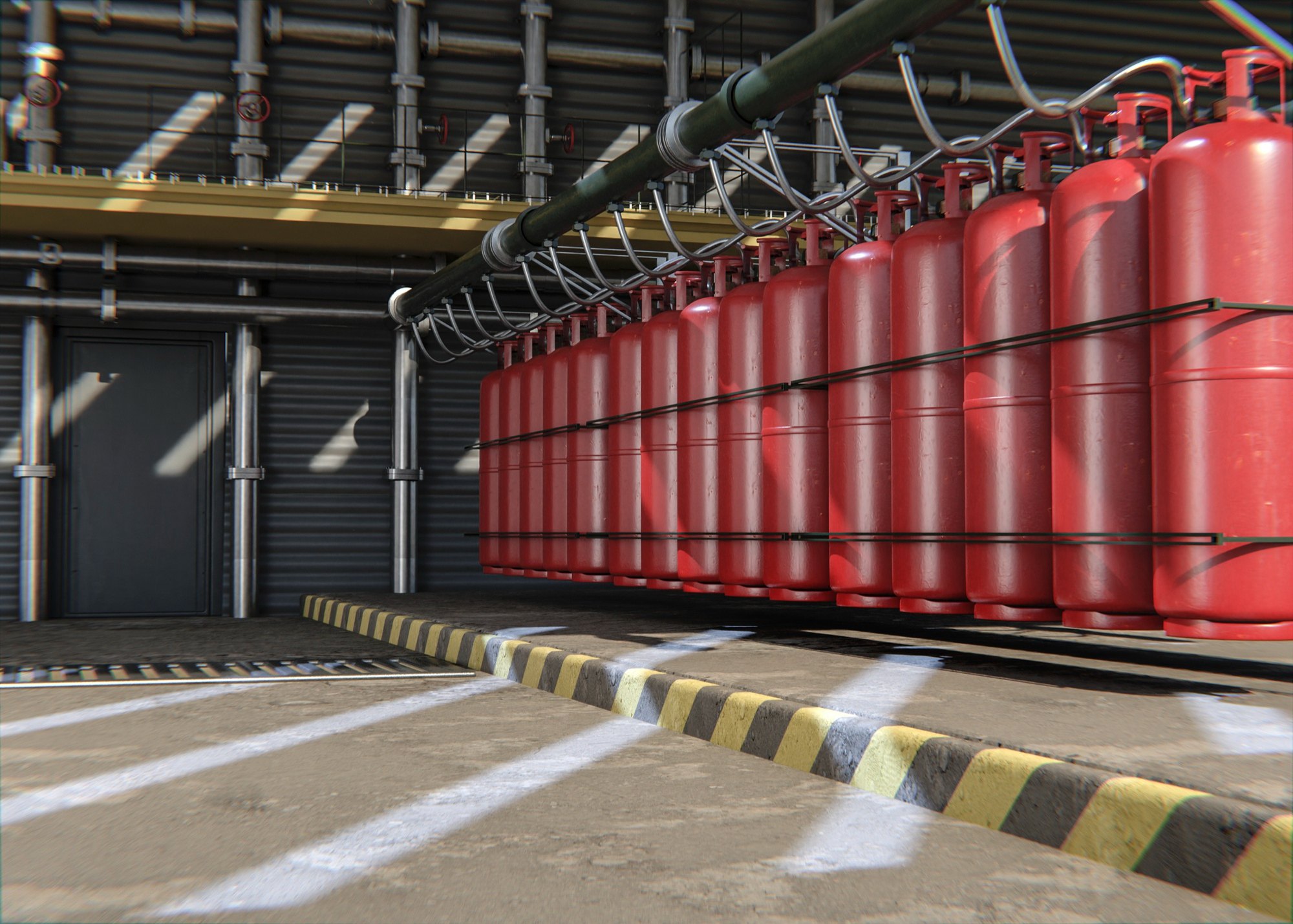
    A wide range of chemicals that have the ability to catch fire fast are included in the category of flammable materials. Chemicals, gases, liquids, and solids are only a few of these materials. While some flammable materials, including paints, adhesives, and cleaning supplies, are frequently encountered in educational settings, other flammable elements, like some classroom decorations, toys, or even clothing items, could be less visible. Preschool settings frequently use a variety of products that, if handled or kept improperly, might unintentionally constitute a fire danger due to the emphasis they place on creativity and learning through play.


    Risk Factors in Preschool Fire Drills

  • Improper Storage and Handling: The inappropriate handling and storage of combustible materials is one of the main danger factors in preschool fire exercises. When it comes to keeping these items in specified places away from potential ignition sources, such as heat, sparks, or open flames, teachers and staff must practice due caution. To lower the danger of unintentional ignition or noxious fume inhalation, products should also be properly labeled and kept in well-ventilated spaces.
  • Inadequate Risk Assessment: Finding possible fire threats in a preschool environment requires doing a detailed risk assessment. This entails identifying any combustible products present and figuring out how to store and utilize them properly. Preschoolers may unintentionally come into touch with combustible items that have not been sufficiently secured or removed from the premises during fire drills as a result of inadequately identifying and mitigating these hazards.
  • Lack of Awareness and Training: Preschoolers are expected to learn about emergency protocols and the value of fire safety through fire drills. Preschoolers might not be fully equipped to handle or react to situations involving combustible chemicals, however, due to a lack of thorough education and training on the subject. In order for preschoolers to make educated judgments and respond appropriately during fire drills or actual crises, teachers and staff must teach them about fire safety in an age-appropriate manner, including the hazards connected with combustible products.
  • Age-Appropriate Material Selection: A wide range of arts and crafts supplies are frequently used in preschool settings to promote creativity and learning. When choosing goods for usage, it’s crucial to take these materials’ flammability into account. Priority should be given to materials with low flammability ratings, whilst those with greater flammability risks should either be avoided completely or utilized under close supervision and control. Preschoolers may engage in creative activities with a stronger sense of safety thanks to the use of materials that are age-appropriately chosen, which also lowers the danger of fire occurrences.

    Mitigating Hazards and Ensuring Safety

    To address the potential hazards associated with flammable materials during preschool fire drills, it is crucial to implement proactive measures and adhere to best practices. Here are some recommendations:

  • Comprehensive Risk Assessment: Conduct regular risk assessments to identify potential fire hazards in the preschool environment, paying special attention to the presence and storage of flammable materials. This assessment should include an evaluation of storage practices, material selection, and potential ignition sources.
  • Adequate Storage and Labeling: Establish designated storage areas for flammable materials, ensuring they are stored away from potential ignition sources such as heat, sparks, or open flames. Proper labeling of containers is essential to help teachers and staff identify flammable materials easily and handle them appropriately.
  • Training and Education: Provide comprehensive training to teachers and staff on fire safety protocols, including the proper handling and storage of flammable materials. This training should also emphasize the importance of age-appropriate education for preschoolers, raising awareness about the potential hazards associated with flammable materials and teaching them how to respond effectively during fire drills or emergencies.
  • Material Substitutions: Explore alternative materials that have lower flammability risks to replace highly flammable ones. For example, opting for water-based paints instead of oil-based ones or choosing flame-retardant decorations and toys can significantly reduce the likelihood of fire incidents during fire drills.
  • Supervision and Control: During fire drills, ensure that preschoolers are under close supervision and control to minimize their access to flammable materials. Teachers and staff should be vigilant in monitoring the preschoolers’s activities and promptly intervene if they observe any unsafe behaviors or potential hazards.
  • Regular Inspections and Maintenance: Conduct regular inspections of the preschool environment to identify and rectify any potential fire hazards. This includes checking electrical systems, ensuring fire extinguishers are in working order, and verifying that storage areas for flammable materials are secure and well-maintained.
  • Collaboration with Fire Safety Professionals: Establish partnerships with local fire departments or fire safety professionals to conduct regular audits and provide additional guidance on fire safety protocols in the preschool setting. Their expertise can help identify potential hazards, suggest improvements, and offer valuable insights into minimizing risks associated with flammable materials.

    Fire drills in preschool are crucial for training and preparing young preschoolers for emergencies. Nevertheless, it is critical to be aware of any risks that might result from the presence of combustible items during these exercises. Preschools may make their surroundings safer by recognizing and addressing these dangers and placing a priority on the wellbeing of the young preschoolers.

    Preschools can lessen the risks associated with flammable materials by taking proactive measures like thorough risk assessments, proper storage and labeling, training and education, material substitutions, supervision and control, routine inspections and maintenance, and cooperation with fire safety experts. We can make sure that fire drills continue to be useful instruments for teaching fire safety while reducing the hazards that combustible materials may cause by emphasizing preschoolers’ safety and putting ethical procedures in place.

    Ultimately, by being proactive and vigilant in our approach to fire safety, we can create safer preschool environments that empower preschoolers with the knowledge and skills to respond effectively during fire drills and real emergencies. Recognizing Flammable Materials in the Preschool Environment

    In addition to understanding the potential hazards associated with flammable materials during preschool fire drills, it is crucial to recognize and identify these materials within the preschool environment. By familiarizing ourselves with the types of materials that pose flammability risks, we can take appropriate measures to ensure the safety of preschoolers. Let’s explore some common flammable materials found in preschools and their potential risks:

  • Art Supplies: Preschool classrooms are often filled with a wide array of art supplies that contribute to the creative development of preschoolers. However, certain art materials can be flammable and pose a risk if not handled properly. Examples include paints, markers, adhesives, solvents, and spray cans. It is important to choose non-flammable or low-flammability alternatives whenever possible and ensure that these materials are stored in designated areas away from heat sources.
  • Cleaning Products: Maintaining a clean and hygienic preschool environment is essential, but many cleaning products contain flammable ingredients. These can include disinfectants, floor cleaners, and aerosol sprays. It is vital to store these products safely in designated areas, keeping them away from heat sources and ensuring proper ventilation when using them.
  • Classroom Decorations: Decorations and visual aids play a crucial role in creating an engaging and stimulating learning environment. However, certain decorations, such as paper cutouts, curtains, and banners, can be highly flammable, especially if they come into contact with heat sources or open flames. Consider using flame-retardant decorations or placing them at safe distances from potential ignition sources.
  • Science Materials: Science experiments and demonstrations are popular in preschools to foster curiosity and a love for learning. However, some science materials, such as flammable liquids, chemicals, or gases, can pose significant fire risks if mishandled. It is essential to carefully select age-appropriate experiments and provide adequate supervision during science activities involving flammable materials.
  • Clothing and Costumes: Preschoolers often engage in dress-up play, wearing costumes and different clothing items. Some fabrics, especially those made from synthetic materials like polyester or nylon, can be highly flammable and ignite easily. It is crucial to ensure that costumes and clothing worn during playtime are made from flame-resistant materials to minimize the risk of fire incidents.
  • Classroom Furnishings: While it may not be immediately evident, certain classroom furnishings can also be potential fire hazards. Furniture made from materials such as foam or plastics can be highly flammable and release toxic smoke when ignited. Ensure that classroom furnishings meet fire safety standards and are regularly inspected for any signs of wear or damage.
  • Toys and Play Materials: Preschools are filled with toys and play materials that are meant to stimulate the imagination and encourage exploration. However, some toys may contain flammable components, such as batteries or electrical wiring. It is crucial to inspect toys regularly, ensure that batteries are properly secured, and teach preschoolers not to tamper with or expose toys to heat sources.

    By being aware of the presence of these flammable materials in the preschool environment, teachers and staff can take proactive steps to minimize risks. Regular checks, proper storage, and appropriate selection of materials can significantly contribute to creating a safer and more secure environment for preschoolers.

    In conclusion, recognizing flammable materials within the preschool environment is vital for ensuring the safety of preschoolers during fire drills and everyday activities. By understanding the potential risks associated with these materials and implementing appropriate safety measures, we can create an environment that promotes both creativity and safety.


    <Safe Handling and Storage Practices for Flammable Materials

    To ensure the safety of preschoolers and minimize the risks associated with flammable materials, it is essential to implement safe handling and storage practices. By adhering to proper procedures, preschools can create a secure environment that mitigates the potential hazards of flammable materials. Let’s explore some important guidelines for handling and storing flammable materials in preschools:

  • Read and Follow Instructions: It is crucial to carefully read and follow the manufacturer’s instructions and safety guidelines for each flammable material. These instructions provide valuable information on proper usage, storage, and disposal. Ensure that all teachers and staff are familiar with the instructions and follow them diligently.
  • Use Adequate Ventilation: When using or storing flammable materials, ensure that the area is well-ventilated. Proper ventilation helps dissipate any fumes or vapors that may be emitted by the materials, reducing the risk of inhalation and potential fire hazards. Open windows or use exhaust fans to improve airflow in the space.
  • Store Flammable Materials Properly: Establish designated storage areas for flammable materials. These areas should be well-ventilated, away from direct sunlight, and free from potential ignition sources. Flammable liquids should be stored in approved containers with tightly sealed lids to prevent leaks or spills. It is essential to separate flammable materials from sources of heat, such as electrical equipment or heating systems.
  • Label Containers Clearly: Properly label all containers containing flammable materials. Clear labeling ensures that teachers and staff can easily identify the contents of each container and handle them appropriately. Labels should include the name of the material, any associated hazards, and instructions for safe handling and storage.
  • Keep Ignition Sources Away: Flammable materials should always be kept away from potential ignition sources. Ensure that storage areas are free from open flames, sparks, and heat-emitting appliances. Educate preschoolers about the importance of not playing with matches, lighters, or any other potential ignition sources.
  • Maintain Fire Safety Equipment: Regularly inspect and maintain fire safety equipment, such as fire extinguishers and smoke detectors, in the preschool. Ensure that staff members are trained in their proper use and understand their location. Promptly replace or repair any faulty equipment to ensure its effectiveness in case of an emergency.
  • Establish Emergency Response Procedures: Develop clear and comprehensive emergency response procedures that outline the steps to be taken in the event of a fire or other emergency. This includes specific protocols for handling flammable materials, evacuating preschoolers safely, and contacting emergency services. Regularly review and practice these procedures to ensure that all staff members are well-prepared and confident in their roles.
  • Educate Preschoolers: Provide age-appropriate fire safety education to preschoolers. Teach them about the potential risks associated with flammable materials and how to respond in case of an emergency. Encourage open discussions about fire safety and reinforce good practices, such as not touching or playing with flammable materials without adult supervision.

    By implementing these safe handling and storage practices, preschools can significantly reduce the risks associated with flammable materials. Creating a culture of safety and vigilance ensures the well-being of preschoolers and promotes a secure learning environment.

    In conclusion, safe handling and storage of flammable materials are of utmost importance in preschools. By following proper procedures, including reading instructions, ensuring adequate ventilation, storing materials appropriately, labeling containers, keeping ignition sources away, maintaining fire safety equipment, establishing emergency response procedures, and educating preschoolers, we can mitigate the potential hazards associated with flammable materials and create a safer environment for all.

  • The Evacuation Process

    The Evacuation Process

    Safely Navigating the Evacuation Process with Preschoolers: Ensuring their Well-being and Emotional Security


    In times of emergency or crisis situations, ensuring the safety of our little ones becomes a paramount concern. Preschoolers, with their curious minds and limited understanding of potential dangers, require special attention and care during evacuation processes. This article aims to shed light on the evacuation process for preschoolers, focusing on key considerations, strategies, and emotional support to ensure their well-being and security. By addressing these aspects, we can empower parents, educators, and emergency responders to navigate the evacuation process effectively and minimize stress for the preschoolers involved.


    Preparing Preschoolers for Evacuation

    The key to successful evacuation with preschoolers lies in thorough preparation. By familiarizing them with emergency protocols and engaging in age-appropriate conversations, we can instill a sense of understanding and readiness. Here are some essential steps to consider:

  • Engaging in Early Discussions:

    Start introducing the concept of emergencies and evacuation to preschoolers in a gentle and reassuring manner. Emphasize that evacuation is a precautionary measure to keep them safe and explain the importance of following instructions from trusted adults.

  • Practicing Evacuation Drills:

    Regularly conduct evacuation drills in a calm and structured manner. Demonstrate the actions to be taken during an evacuation, such as staying close to designated adults, following predetermined routes, and gathering at specified assembly points. Make these drills interactive, incorporating storytelling or role-playing to make the process engaging and memorable for preschoolers.

  • Utilizing Visual Aids:

    Use visual aids, such as posters or flashcards, to reinforce important safety concepts. Display images of emergency symbols, exit signs, or evacuation routes in preschool classrooms or homes to enhance familiarity and promote visual recognition during stressful situations.


    Enhancing Emotional Support during Evacuation

    Evacuation can be overwhelming for preschoolers due to the unfamiliar environment, sudden disruptions, and potential separation from loved ones. Addressing their emotional well-being is crucial for mitigating anxiety and fear. Consider the following strategies:

  • Providing Reassurance:

    Preschoolers rely heavily on trusted adults for emotional support. Reassure them that their parents, teachers, or caregivers are there to keep them safe and will remain by their side during the evacuation process. Offer comforting words, hugs, or physical contact as needed.

  • Maintaining Familiarity:

    In the event of an evacuation, try to maintain a sense of familiarity by bringing along comfort items such as a favorite toy, blanket, or photo. These items act as anchors and provide a sense of security during uncertain times.

  • Encouraging Expression of Feelings:

    Preschoolers may find it challenging to articulate their emotions verbally. Encourage them to express their feelings through drawing, coloring, or play. This helps them process their emotions and allows adults to gain insight into their emotional state.


    Partnering with Emergency Responders

    Collaboration between parents, educators, and emergency responders is crucial for a smooth and efficient evacuation process. By establishing effective communication channels and understanding each other’s roles, we can ensure preschoolers’ safety in emergency situations. Here are important factors to consider:

  • Preparing Emergency Contact Information:

    Parents and caregivers should maintain up-to-date emergency contact information with preschools and relevant authorities. This enables emergency responders to quickly establish communication in case of evacuation and facilitates swift reunification processes.

  • Sharing Information on Individual Needs:

    Preschools and parents must communicate any specific needs or requirements of preschoolers, such as medical conditions, allergies, or disabilities, to emergency responders. This information allows responders to provide appropriate care and support during evacuation.

  • Collaborating on Evacuation Plans:

    Preschools should actively engage with local emergency agencies to develop and review evacuation plans. This collaboration ensures that emergency responders are familiar with the preschool’s layout, evacuation routes, and assembly points, allowing for effective coordination during evacuation drills or actual emergencies.


    Creating a Safe and Supportive Environment

    During the evacuation process, it is essential to create a safe and supportive environment for preschoolers. By taking specific measures, we can ensure their physical and emotional well-being:

  • Clear Communication:

    Maintain clear and concise communication with preschoolers during the evacuation. Use simple language, age-appropriate explanations, and visual cues to convey instructions effectively. Avoid overwhelming them with excessive information and provide reassurance at regular intervals.

  • Buddy System:

    Implement a buddy system during evacuation drills or real emergencies. Pair preschoolers with a responsible and older peer or adult to provide additional support and assistance. This system helps alleviate anxiety and ensures that every child is accounted for during the evacuation.

  • Calming Techniques:

    Teach preschoolers simple calming techniques that they can use during the evacuation process. Breathing exercises, counting, or humming can help them regulate their emotions and maintain a sense of calmness amidst the chaos.


    Sensory Considerations for Preschoolers

    Preschoolers often experience heightened sensitivity to sensory stimuli. During evacuations, sensory considerations can significantly impact their emotional well-being. Here are some strategies to address these sensory needs:

  • Noise Reduction:

    Loud noises can be distressing for preschoolers. During evacuations, minimize noise levels or provide ear protection to reduce sensory overload. Encourage the use of comforting sounds, such as soft music or familiar voices, to create a soothing environment.

  • Visual Support:

    Visual clutter or excessive visual stimuli can overwhelm preschoolers. Designate clear evacuation routes with unobstructed pathways and minimize distracting visuals. Implement visual cues, such as colored arrows or symbols, to guide preschoolers towards safety.

  • Sensory Comfort:

    Preserve sensory comfort by considering factors such as lighting and temperature. Ensure adequate lighting to minimize shadows and provide a sense of security. Maintain a comfortable temperature to prevent discomfort or agitation during evacuation.


    Post-Evacuation Support and Recovery

    The impact of an evacuation on preschoolers may extend beyond the event itself. Providing post-evacuation support and facilitating recovery is crucial for their emotional well-being. Consider the following strategies:

  • Debriefing and Reflection:

    Engage in debriefing sessions after the evacuation to provide preschoolers with an opportunity to express their feelings and experiences. Encourage reflection through storytelling, drawing, or group discussions. This process allows them to process their emotions and validate their experiences.

  • Re-establishing Routines:

    Re-establishing familiar routines and activities helps preschoolers regain a sense of normalcy after an evacuation. Return to regular schedules, engage in familiar playtime or learning activities, and maintain consistent caregiving practices to promote stability and security.

  • Providing Supportive Resources:

    Offer additional support through access to counseling services, books, or resources that help preschoolers understand and cope with emergency situations. These resources provide guidance to parents, teachers, and caregivers on addressing any lingering fears or anxieties.

    By prioritizing post-evacuation support and recovery, we can help preschoolers navigate the emotional aftermath of an evacuation and foster resilience for future emergency situations.


    Cultivating a Culture of Preparedness

    Creating a culture of preparedness in preschool settings is crucial for ensuring the safety of children during evacuations. By integrating emergency preparedness into the curriculum and engaging parents and staff, we can establish a proactive and resilient environment:

  • Incorporating Emergency Preparedness Education:

    Integrate emergency preparedness education into the preschool curriculum. Teach preschoolers about different types of emergencies, safety procedures, and the importance of preparedness. This education empowers them with knowledge and fosters a sense of responsibility towards their own safety.

  • Parent and Guardian Involvement:

    Involve parents and guardians in the preparedness process by organizing workshops, information sessions, or training on emergency protocols. Encourage parents to discuss emergency plans at home and reinforce safety measures taught at preschool. Collaboration between preschools and families ensures a consistent and comprehensive approach to preparedness.

  • Staff Training and Preparedness:

    Provide comprehensive training to preschool staff on emergency response procedures. Ensure that staff members are familiar with evacuation routes, communication protocols, and their roles and responsibilities during an emergency. Regular drills and exercises will reinforce their preparedness and enhance their ability to guide and support preschoolers effectively.


    Addressing Special Needs and Inclusivity

    Evacuation processes should be inclusive and accommodate the diverse needs of preschoolers with disabilities or special requirements. Consider the following measures to ensure equal access to safety for all:

  • Individualized Emergency Plans:

    Develop individualized emergency plans for preschoolers with disabilities or special needs. These plans should address specific accommodations, communication methods, and assistance required during evacuations. Collaborate with parents, caregivers, and specialists to create tailored plans that prioritize the safety and well-being of each child.

  • Accessibility Considerations:

    Review the physical accessibility of preschool facilities to ensure they meet the needs of all children. Install ramps, accessible toilets, and other necessary infrastructure to accommodate mobility aids. Incorporate visual and tactile cues to aid children with visual impairments or sensory sensitivities.

  • Sensory-Friendly Practices:

    Implement sensory-friendly practices during evacuations to support children with sensory sensitivities or autism spectrum disorders. Consider their aversions or triggers when designing evacuation routes, providing calm spaces, and offering alternative communication methods to ensure their comfort and understanding.


    Continuous Evaluation and Improvement

    The evacuation process for preschoolers should be subject to regular evaluation and improvement. By collecting feedback, identifying areas of improvement, and implementing necessary changes, we can enhance the effectiveness of evacuation procedures:

  • Post-Evacuation Evaluation:

    Conduct post-evacuation evaluations to gather feedback from preschool staff, parents, and emergency responders. Assess the strengths and weaknesses of the evacuation process, identify any challenges faced, and seek suggestions for improvement. This feedback-driven approach allows for continuous learning and refinement of evacuation protocols.

  • Reviewing Emergency Plans:

    Periodically review and update emergency plans to account for changes in the preschool environment, staff, or regulations. Ensure that evacuation routes and procedures remain current and reflect best practices. Collaborate with emergency responders to incorporate their insights and expertise into the planning process.

  • Training and Professional Development:

    Invest in ongoing training and professional development opportunities for preschool staff and emergency responders. This ensures that they stay updated on the latest safety protocols, communication techniques, and best practices in emergency management. Continuous learning enhances their preparedness and enhances the overall effectiveness of evacuation processes.


    Building Community Partnerships

    In addition to collaboration with parents, educators, and emergency responders, building partnerships with the local community is essential for an effective evacuation process. These partnerships provide valuable resources and support for the safety and well-being of preschoolers:

  • Engaging Local Authorities:

    Establish connections with local authorities, such as fire departments, police departments, and emergency management agencies. Foster open communication channels to exchange information, seek guidance, and coordinate evacuation efforts. Collaborate on drills, training sessions, and awareness campaigns to promote community-wide preparedness.

  • Reaching Out to Community Organizations:

    Connect with community organizations, such as local hospitals, shelters, or social service agencies. Establish relationships that can provide assistance during evacuations, such as temporary shelter, medical support, or resources for displaced families. By working together, we can enhance the resources available for preschoolers in emergency situations.

  • Involving Volunteers:

    Engage community volunteers who can lend support during evacuations. These volunteers can assist with crowd control, comforting preschoolers, or providing logistical support. Establish a network of trained volunteers who can be called upon in times of need, creating a sense of community cohesion and resilience.


    Technology and Communication

    The use of technology and effective communication strategies play a crucial role in ensuring the safety of preschoolers during evacuations. Here are some considerations to maximize the benefits of technology and improve communication:

  • Communication Systems:

    Establish reliable communication systems within preschools and with emergency responders. This may include two-way radios, intercom systems, or mobile communication apps. Ensure that these systems are regularly tested, maintained, and accessible to all staff members involved in the evacuation process.

  • Alert Systems:

    Implement alert systems that can quickly disseminate information to parents and caregivers during emergencies. This may involve automated text messages, phone calls, or mobile applications that provide real-time updates and instructions. Regularly update contact information to ensure the accuracy and effectiveness of these alert systems.

  • Digital Resources:

    Utilize digital resources, such as websites or social media platforms, to provide educational materials, emergency preparedness information, and resources for parents, educators, and emergency responders. Leverage technology to create interactive learning experiences for preschoolers and engage them in safety-related activities.


    Learning from Past Experiences

    Learning from past experiences and incorporating lessons learned is crucial for continuous improvement and enhanced preparedness. Here are important considerations for reflecting on past evacuations:

  • After-Action Reviews:

    Conduct comprehensive after-action reviews following evacuations or emergency situations. Engage all stakeholders, including parents, educators, staff members, and emergency responders, to discuss what worked well and areas that need improvement. Use these reviews as opportunities to refine protocols, address challenges, and enhance overall readiness.

  • Case Studies and Best Practices:

    Study case studies of successful evacuations in similar settings or circumstances. Analyze best practices from other schools, organizations, or regions to gather insights and ideas for improvement. Adapt these practices to suit the specific needs of preschoolers and the local context.

  • Continuous Training and Education:

    Prioritize ongoing training and education for all stakeholders involved in the evacuation process. Stay updated on the latest research, guidelines, and industry standards related to emergency management. Invest in professional development opportunities that enhance knowledge, skills, and preparedness for emergencies.

  • Supervise Preschoolers

    Supervise Preschoolers

    Potential Hazards of Supervising Preschoolers during Preschool Fire Drills


    Preschool fire drills are an essential safety practice that aims to prepare preschoolers for emergency situations. These drills provide valuable training on how to respond promptly and safely in the event of a fire. However, it is crucial to recognize that the process of supervising preschoolers during fire drills can present potential hazards. This article delves into the risks associated with supervising preschoolers and emphasizes the importance of effective planning and precautions to ensure their safety.


    Maintaining Order and Calm

    During fire drills, maintaining order and calm among preschoolers is vital. However, this can be a challenging task, as the sudden alarm and sense of urgency can cause anxiety and confusion among them. In such situations, preschoolers may become scared, cry, or attempt to hide, making it difficult to supervise and evacuate them efficiently. The emotional strain of witnessing fearful preschoolers can impact the supervising adults as well, making it crucial to handle the situation with empathy and composure.


    Communication and Understanding

    Another potential hazard in supervising preschoolers during fire drills lies in communication and understanding. Preschoolers may not fully grasp the seriousness of the situation, and their limited language skills can hinder effective communication. It is vital for the supervising adults to be able to convey clear instructions in a calm and reassuring manner. However, the urgency of the drill can often lead to miscommunication or misunderstandings, which can slow down the evacuation process and put preschoolers at risk.


    Physical Hazards and Injury Prevention

    During fire drills, there is a risk of physical hazards and potential injuries to preschoolers. As they hurriedly evacuate the premises, preschoolers may trip, fall, or collide with objects or other preschoolers. Additionally, the use of emergency exits and staircases can pose challenges for young preschoolers who may not have developed the coordination and spatial awareness required to navigate these areas safely. It is essential for supervising adults to be vigilant and provide guidance to ensure the physical well-being of preschoolers during the evacuation process.


    Emotional Impact and Psychological Well-being

    Fire drills, while necessary for preparedness, can have an emotional impact on preschoolers. The loud alarms, the urgency of the situation, and the unfamiliarity of the drill may lead to heightened stress, fear, and anxiety among them. This emotional toll can have long-lasting effects on their psychological well-being. It is crucial for supervising adults to be sensitive to the emotional needs of preschoolers during fire drills and provide reassurance and support throughout the process.


    Overcoming Language Barriers

    In diverse preschool settings, language barriers can pose additional challenges during fire drills. Preschoolers who do not speak the language used during the drills may struggle to understand instructions and respond appropriately. This can lead to confusion and delays in evacuating, putting their safety at risk. It is essential for educators and supervising adults to develop strategies to address language barriers effectively, such as using visual aids or employing multilingual staff to assist in communication.


    Special Needs Considerations

    Preschoolers with special needs require additional attention and support during fire drills. Preschoolers with mobility issues, hearing impairments, or cognitive disabilities may face unique challenges in responding to fire alarms and evacuating safely. Supervising adults must be well-trained and equipped to address the specific needs of these preschoolers, ensuring their safety and inclusion during fire drills. Providing individualized plans and support systems can greatly contribute to a successful evacuation for preschoolers with special needs.


    Role of Preplanning and Training

    To mitigate the potential hazards associated with supervising preschoolers during fire drills, thorough preplanning and training are essential. Educators, administrators, and supervising adults must collaborate to develop comprehensive fire evacuation plans that consider the specific needs and characteristics of preschoolers. This includes identifying safe assembly areas, establishing clear communication protocols, and implementing strategies to address language barriers and special needs.

    Preplanning should also involve regular fire drill rehearsals to familiarize preschoolers with the procedures and expectations. By conducting frequent drills, educators can help preschoolers become more comfortable with the process, reducing anxiety and improving their ability to respond appropriately during an actual emergency.

    Training is a crucial component of effective supervision during fire drills. Educators and supervising adults should receive proper training on emergency protocols, communication techniques, and strategies for managing preschoolers during stressful situations. This training should focus on maintaining calm, clear communication, and providing age-appropriate guidance to preschoolers throughout the evacuation process.

    Moreover, educators should develop age-appropriate educational materials to teach preschoolers about fire safety and the importance of fire drills. By incorporating engaging activities and visual aids, preschoolers can better understand the purpose of the drills and the actions they need to take in case of a fire. This proactive approach helps in empowering preschoolers with the knowledge and skills necessary to respond appropriately during emergencies.

    In addition to preplanning and training, continuous evaluation and improvement of fire evacuation procedures are essential. Regular reviews should be conducted to identify any shortcomings, address concerns, and make necessary adjustments to enhance the safety of preschoolers. This process involves gathering feedback from both educators and supervising adults, as well as observing and documenting the response of preschoolers during drills.

    To ensure effective supervision during fire drills, a collaborative approach is vital. It requires the active involvement of educators, administrators, parents, and the wider community. Regular communication and coordination among these stakeholders help maintain a unified approach to fire safety, reinforce consistent messaging, and ensure the smooth execution of evacuation plans.

    In conclusion, while fire drills are crucial for the safety of preschoolers, supervising them during these drills poses potential hazards that need to be addressed proactively. The challenges include maintaining order and calm, effective communication, preventing physical hazards and injuries, addressing emotional impact, overcoming language barriers, and accommodating the needs of preschoolers with special requirements. By emphasizing preplanning, training, continuous evaluation, and collaborative efforts, educators and supervising adults can minimize the risks associated with supervising preschoolers during fire drills. Ultimately, the goal is to instill a sense of preparedness, empower preschoolers with the necessary knowledge and skills, and prioritize their safety in emergency situations.


    Creating a Safe and Supportive Environment for Preschool Fire Drills

    Creating a safe and supportive environment for preschool fire drills is paramount to ensuring the well-being and effective supervision of preschoolers. By implementing strategies that prioritize their safety and emotional needs, educators and supervising adults can minimize potential hazards and facilitate a successful evacuation process. This sub-article explores key considerations for establishing a safe and supportive environment during preschool fire drills.

  • Establishing a Positive and Reassuring Atmosphere

    The atmosphere during fire drills greatly influences how preschoolers perceive and respond to the situation. Creating a positive and reassuring environment is essential in reducing fear and anxiety. Educators should adopt a calm and confident demeanor, using comforting language and gestures to reassure preschoolers that they are safe. By modeling a composed and collected attitude, supervising adults can help alleviate stress and promote a sense of security among preschoolers.

  • Age-Appropriate Education on Fire Safety

    Educating preschoolers about fire safety is an integral part of preparing them for fire drills. However, it is crucial to deliver this information in an age-appropriate and engaging manner. Utilizing visual aids, interactive activities, and storytelling can help convey important fire safety concepts in a manner that is accessible and relatable to preschoolers. Teaching them about the purpose of fire drills, the sound of fire alarms, and the importance of following instructions lays the foundation for their understanding and cooperation during drills.

  • Clear Communication and Simplified Instructions

    Clear communication is vital during fire drills to ensure that preschoolers understand and follow instructions accurately. Considering their limited language skills, it is crucial to use simple and concise language that is easy to comprehend. Avoiding complex terms or jargon helps prevent confusion and aids in the smooth execution of evacuation procedures. Visual cues, such as hand gestures or signs with basic symbols, can also enhance communication and facilitate comprehension for preschoolers who may struggle with verbal instructions.

  • Practicing Evacuation Procedures Regularly

    Regular practice of evacuation procedures is essential for preschoolers to become familiar with the process and build confidence in their ability to respond appropriately. Rehearsing evacuation routes, assembly points, and safety protocols in a controlled environment helps preschoolers internalize the necessary actions to take during a fire drill. By conducting frequent drills, educators can reinforce the procedures, address any areas of confusion, and instill a sense of preparedness in preschoolers.

  • Individualized Support for Special Needs

    Preschoolers with special needs may require additional support during fire drills. It is crucial for educators and supervising adults to develop individualized plans to accommodate the specific requirements of these preschoolers. Collaborating with parents, caregivers, and professionals who work closely with the child can provide valuable insights and strategies to ensure their safety during fire drills. By tailoring evacuation procedures, communication methods, and support systems, preschoolers with special needs can participate fully and safely in the drills.

  • Encouraging Peer Support and Cooperation

    Promoting peer support and cooperation among preschoolers during fire drills can enhance the overall effectiveness of supervision. Educators can encourage older or more experienced preschoolers to assist their peers, fostering a sense of responsibility and teamwork. Pairing preschoolers with buddies or forming small groups can provide them with a support system during drills, helping to alleviate anxiety and ensure that everyone is accounted for during evacuation.

  • Post-Drill Reflection and Emotional Support

    After each fire drill, it is crucial to allocate time for reflection and emotional support. Providing opportunities for preschoolers to share their feelings, ask questions, and express any concerns they may have fosters a supportive environment. Educators and supervising adults should be attentive to the emotional well-being of preschoolers, offering reassurance and addressing any fears or misconceptions that may arise during the drill. Open communication channels with parents and caregivers are vital for sharing feedback and addressing any lingering concerns or questions that preschoolers may have.

  • Continuous Improvement and Adaptation

    Preschool fire drills should be viewed as an ongoing process of improvement and adaptation. Regular evaluation of evacuation procedures, feedback collection from educators, supervising adults, and parents, and observation of preschoolers’ responses during drills enable the identification of areas that require refinement. This feedback-driven approach allows for the implementation of necessary adjustments to enhance the overall safety and effectiveness of the fire drill process.

  • Building Community Partnerships

    Establishing partnerships with local fire departments or emergency services can be highly beneficial in enhancing the supervision of preschoolers during fire drills. Collaborating with these professionals enables access to expert advice, resources, and training opportunities. Firefighters or emergency responders can also participate in educational sessions, further reinforcing fire safety knowledge and providing preschoolers with a chance to interact with and learn from real-life heroes.

  • Parental Involvement and Support

    Parental involvement and support are vital for creating a safe and supportive environment during fire drills. Educators should communicate the importance of fire safety drills to parents, ensuring they understand the procedures and their role in reinforcing fire safety practices at home. Collaborative efforts between parents and educators can extend the lessons learned during fire drills to the home environment, reinforcing the importance of fire safety and fostering consistency in preparedness.

    Establishing a safe and supportive environment during preschool fire drills requires careful planning, effective communication, and a focus on the emotional well-being of preschoolers. By creating a positive atmosphere, delivering age-appropriate education, practicing evacuation procedures regularly, and providing individualized support, educators and supervising adults can minimize potential hazards and maximize the effectiveness of fire drills. Continuous evaluation, adaptation, and community partnerships further contribute to a comprehensive approach to ensuring the safety and well-being of preschoolers during fire drills. By prioritizing the unique needs of preschoolers and involving parents as active partners, we can cultivate a culture of fire safety preparedness that empowers preschoolers to respond confidently and calmly in emergency situations.


    Addressing Potential Hazards and Mitigating Risks during Preschool Fire Drills

    Preschool fire drills are crucial for preparing young preschoolers for emergency situations. However, the process of conducting fire drills with preschoolers requires careful consideration of potential hazards and effective strategies to mitigate risks. This sub-article explores key steps and precautions to address potential hazards during fire drills and ensure the safety of preschoolers.

  • Establishing a Comprehensive Fire Safety Plan

    Before conducting fire drills, it is essential to develop a comprehensive fire safety plan that outlines specific procedures and guidelines for evacuation. This plan should include clear instructions for preschoolers and supervising adults, designated assembly areas, communication protocols, and strategies to address any potential hazards unique to the preschool environment. By having a well-designed plan in place, educators and supervising adults can effectively manage fire drills and minimize risks.

  • Conducting Thorough Risk Assessments

    Conducting a thorough risk assessment of the preschool premises is crucial to identify potential hazards and implement appropriate safety measures. This assessment should consider factors such as fire exit locations, the accessibility of evacuation routes, the condition of fire alarms and extinguishers, and the presence of any flammable materials. Identifying and addressing these hazards proactively can significantly reduce the risks during fire drills.

  • Adequate Staff-to-Preschooler Ratio

    Maintaining an appropriate staff-to-preschooler ratio is essential during fire drills to ensure effective supervision and response. Having an adequate number of supervising adults allows for better control and guidance of preschoolers during the evacuation process. Educators should consider the age and needs of the preschoolers when determining the staff-to-preschooler ratio, ensuring that each child can receive the necessary attention and support.

  • Conducting Training Sessions for Supervising Adults

    Training sessions for supervising adults play a critical role in equipping them with the knowledge and skills necessary to effectively supervise preschoolers during fire drills. These sessions should cover topics such as fire safety protocols, communication strategies, crowd management techniques, and first aid procedures. Providing comprehensive training empowers supervising adults to respond confidently and appropriately during fire drills, enhancing the safety of preschoolers.

  • Preparing Preschoolers in Advance

    Preparing preschoolers in advance for fire drills is essential to ensure their understanding and cooperation during the process. Educators can use age-appropriate educational materials and activities to familiarize preschoolers with fire safety concepts and the purpose of fire drills. This preparation helps preschoolers recognize the sound of fire alarms, understand the importance of following instructions, and reduces anxiety or confusion during the drills.

  • Clear and Concise Instructions

    During fire drills, providing clear and concise instructions is crucial for preschoolers to understand and respond appropriately. Educators and supervising adults should use simple language, visual cues, and gestures to communicate instructions effectively. Breaking down complex procedures into manageable steps can facilitate better comprehension and prompt action from preschoolers. Consistent and straightforward instructions contribute to a safer and smoother evacuation process.

  • Maintaining Calm and Reassuring Preschoolers

    Preschoolers can become anxious or frightened during fire drills due to the loud alarms and urgency of the situation. It is essential for supervising adults to remain calm and reassuring, as their demeanor significantly influences how preschoolers react. Offering words of encouragement, using soothing tones, and providing physical reassurance can help alleviate fear and keep preschoolers focused on the evacuation process.

  • Addressing Language Barriers

    In diverse preschool settings, addressing language barriers during fire drills is crucial to ensure the safety of all preschoolers. Educators should have strategies in place to overcome language barriers, such as using visual cues, employing multilingual staff or interpreters, or utilizing translated materials. Clear communication is essential to ensure that preschoolers who do not speak the predominant language can understand and follow instructions during fire drills. By addressing language barriers proactively, educators can create an inclusive and safe environment for all preschoolers.

  • Minimizing Physical Hazards

    During fire drills, it is important to minimize physical hazards that may pose a risk to preschoolers. Educators should conduct a thorough inspection of the evacuation routes and assembly areas to identify any potential obstacles or hazards, such as loose rugs, cluttered areas, or uneven surfaces. Removing or securing these hazards prior to fire drills reduces the risk of trips, falls, or other accidents during the evacuation process.

  • Consideration for Special Needs Preschoolers

    Preschoolers with special needs require special attention and accommodations during fire drills. Educators should collaborate with parents, caregivers, and professionals who work closely with these preschoolers to develop individualized plans. These plans should address specific requirements, such as mobility aids, communication devices, or sensory considerations. By tailoring evacuation procedures and providing necessary support, the safety and well-being of special needs preschoolers can be effectively ensured during fire drills.

  • Monitoring and Supervision

    Continuous monitoring and supervision of preschoolers during fire drills are essential to maintain order and address any emerging risks or challenges. Supervising adults should be vigilant in observing the behavior and movements of preschoolers, ensuring they follow the designated evacuation routes and assembly areas. Promptly addressing any deviation from the procedures or potential safety concerns helps maintain a secure environment throughout the drill.

  • Post-Drill Evaluation and Feedback

    Following each fire drill, conducting a post-drill evaluation and seeking feedback from educators, supervising adults, and preschoolers themselves is crucial for identifying areas that need improvement. This evaluation helps in refining evacuation procedures, addressing any issues or challenges encountered during the drill, and making necessary adjustments to enhance the overall safety and effectiveness of future fire drills.

    Addressing potential hazards and mitigating risks during preschool fire drills is essential for the safety and well-being of preschoolers. By establishing a comprehensive fire safety plan, conducting risk assessments, providing adequate training to supervising adults, and preparing preschoolers in advance, educators can minimize potential hazards and ensure a smooth and secure evacuation process. Clear and concise instructions, maintaining a calm and reassuring atmosphere, addressing language barriers, and considering the needs of special needs preschoolers are additional strategies that contribute to the effective supervision of preschoolers during fire drills. By implementing these precautions and continuously evaluating and adapting procedures, we can create a safe environment that prepares preschoolers to respond confidently and safely in the event of a fire emergency.

  • Heat Sources

    Heat Sources

    Promoting Fire Safety in Preschool: Understanding Heat Sources and Fire Equipment


    Preschool is a critical stage in a child’s development where they learn and grow in a nurturing environment. While it is crucial to foster their curiosity and imagination, ensuring their safety is equally important. Fire safety drills and knowledge about fire equipment are essential components of preschool safety protocols. In this article, we will explore the significance of heat sources and fire equipment in preschool settings, highlighting their role in keeping preschoolers safe from potential fire hazards.


    Understanding Heat Sources

    Heat sources can be found in various areas within a preschool, including the kitchen, classrooms, and outdoor play areas. Preschoolers are naturally curious and drawn to exploring their surroundings, which can inadvertently lead to accidents involving heat sources. Educating both teachers and preschoolers about these potential hazards is paramount to prevent fire-related incidents.

  • Kitchen Areas

    Preschool kitchens are bustling places where nutritious meals are prepared for young learners. However, these areas also pose potential fire risks due to various heat sources. Stoves, ovens, toasters, and other cooking appliances generate heat that can cause fires if not handled carefully. Teachers and staff must be trained to use these appliances safely, ensuring that preschoolers are not exposed to any hazards.

  • Classrooms

    Classrooms are dynamic spaces where preschoolers engage in various activities. Art projects, science experiments, and even basic classroom equipment can become heat sources if not handled properly. Teachers should teach preschoolers about the potential dangers associated with heat sources such as hot glue guns, electrical sockets, and heating devices. Instilling a sense of responsibility and caution will help preschoolers understand how to avoid accidents.


  • Outdoor Play Areas

    Outdoor play areas are vibrant spaces where preschoolers can explore and engage in physical activities. However, even in these seemingly harmless environments, heat sources can pose dangers. Barbecue grills, fire pits, and electrical equipment used for outdoor events are all potential hazards. Supervision and proper safety measures must be in place to ensure that preschoolers do not come into contact with these heat sources unsupervised.


    Fire Equipment in Preschool

    Apart from understanding heat sources, preschoolers should also be introduced to fire equipment commonly found in their learning environment. Familiarity with fire safety tools empowers preschoolers to take appropriate action during emergencies and assists in the overall safety of the preschool community.


  • Fire Extinguisher

    Fire extinguishers are essential tools for controlling small fires. Although preschoolers should not be directly involved in using them, they should be taught the basic principles of their operation. By explaining the purpose and function of fire extinguishers, preschoolers can gain a better understanding of their importance and how they can assist adults during an emergency.


  • Fire Alarms and Smoke Detectors

    Fire alarms and smoke detectors play a crucial role in fire safety, alerting everyone in the preschool when there is a potential fire hazard. Preschoolers should be educated about the distinct sounds these devices emit and the immediate action they should take upon hearing them. Practicing fire drills regularly will ensure that preschoolers are familiar with the sound of fire alarms and understand the importance of evacuating calmly and quickly.


  • Fire Blankets

    Fire blankets are another essential fire safety tool that can smother small fires or be used to protect individuals in emergency situations. Teachers and staff should be trained in the proper use of fire blankets and understand their location within the preschool. Preschoolers can be taught to identify fire blankets and understand their purpose, creating a sense of security and preparedness in case of a fire-related incident.

    Ensuring the safety of preschoolers is of paramount importance, and fire safety drills and knowledge about fire equipment are vital elements in achieving this goal. By understanding heat sources and their potential risks to preschoolers, teachers and staff can effectively prevent fire incidents in preschool settings. Educating preschoolers about heat sources in the kitchen, classrooms, and outdoor play areas empowers them to recognize potential hazards and exercise caution when interacting with these sources.

    In addition to understanding heat sources, preschoolers should also be familiar with fire equipment commonly found in their preschool environment. By introducing them to fire extinguishers, fire alarms and smoke detectors, and fire blankets, preschoolers gain an understanding of the tools used to control and mitigate fire hazards.

    Fire extinguishers are crucial firefighting tools that should be operated by adults, but preschoolers can learn about their purpose and how to assist adults in emergency situations. Fire alarms and smoke detectors play a pivotal role in alerting everyone in the preschool to a potential fire hazard, and preschoolers should be taught the distinct sounds of these devices and the appropriate response to them.

    Fire blankets, on the other hand, can be introduced to preschoolers as a tool for smothering small fires or providing protection during emergencies. By familiarizing preschoolers with the location and purpose of fire blankets, they develop a sense of security and preparedness, knowing that there are measures in place to keep them safe.

    Preschools should implement regular fire drills to ensure that preschoolers are familiar with the procedures and actions to be taken in the event of a fire. These drills allow preschoolers to practice evacuating calmly and quickly, reinforcing the importance of fire safety protocols.

    However, it is important to remember that fire safety education should be age-appropriate and tailored to the developmental stage of preschoolers. Using engaging and interactive teaching methods, such as storytelling, visual aids, and role-playing, can effectively convey fire safety information while keeping preschoolers engaged and interested.

    Furthermore, teachers and staff play a crucial role in maintaining a safe environment for preschoolers. They should receive comprehensive fire safety training to understand fire hazards, prevention strategies, and proper handling of fire equipment. This knowledge enables them to respond effectively during emergencies and ensures the overall safety of the preschool community.

    In conclusion, preschools must prioritize fire safety by educating preschoolers about heat sources and introducing them to fire equipment commonly found in their environment. By instilling an understanding of potential hazards and providing knowledge about fire safety tools, preschoolers can play an active role in preventing fire incidents and responding appropriately during emergencies. Through regular fire drills and ongoing training for teachers and staff, preschools create a safe and secure environment for preschoolers to learn, grow, and thrive.


    Engaging Preschoolers in Fire Safety Education

    Fire safety education plays a crucial role in equipping preschoolers with the knowledge and skills necessary to prevent and respond to fire incidents. However, engaging young minds in this important topic requires creativity and innovation. In this sub-article, we will explore effective strategies and activities to actively involve preschoolers in fire safety education, ensuring that they retain vital information while fostering a sense of empowerment and responsibility.

  • Storytelling and Puppet Shows

    Storytelling is a powerful tool that captivates the imagination of preschoolers and makes learning enjoyable. Create age-appropriate stories that emphasize fire safety concepts and feature relatable characters. Incorporate engaging elements, such as puppet shows, to bring the stories to life. Through these interactive experiences, preschoolers can understand the potential risks associated with heat sources and learn how to respond safely.

  • Fire Safety Crafts

    Craft activities provide hands-on experiences that reinforce fire safety concepts. Engage preschoolers in creating fire safety-themed crafts, such as making paper fire extinguishers, fire alarms, or fire blankets. This allows them to explore fire safety tools in a creative and interactive way, while also facilitating discussions about their purpose and importance.

  • Role-Playing Scenarios

    Role-playing scenarios offer preschoolers the opportunity to practice fire safety protocols in a safe and controlled environment. Set up a pretend fire emergency and guide preschoolers through the steps of evacuating calmly, identifying safe meeting points, and using imaginary fire equipment. This activity not only reinforces the importance of fire drills but also builds confidence in preschoolers to respond appropriately in real-life situations.

  • Firefighter Visits and Demonstrations

    Inviting local firefighters to visit the preschool provides a memorable and impactful experience for preschoolers. Firefighters can share their knowledge, demonstrate the proper use of fire equipment, and answer questions. Preschoolers can witness firsthand how firefighters dress in protective gear, use fire extinguishers, and conduct rescue operations. These interactions create a sense of admiration and trust for firefighters while reinforcing the importance of fire safety.

  • Fire Safety Songs and Rhymes

    Music is a powerful tool for engaging preschoolers and aiding in memory retention. Create catchy songs or rhymes that convey fire safety messages. Incorporate actions and gestures to make the learning experience interactive and enjoyable. Preschoolers can sing and dance along while internalizing essential fire safety concepts.

  • Fire Safety Games

    Introduce fire safety-themed games that encourage active participation and reinforce learning. Design games like “Match the Heat Source” or “Fire Equipment Relay,” where preschoolers match images or race to retrieve and correctly identify fire safety tools. These games combine fun and learning, enhancing preschoolers’ understanding of heat sources and fire equipment.

  • Community Involvement

    Extend fire safety education beyond the classroom by involving the wider community. Organize visits to local fire stations, where preschoolers can witness fire trucks, equipment, and engage with firefighters. Collaborate with parents to reinforce fire safety messages at home and encourage discussions about fire hazards and prevention.

    Engaging preschoolers in fire safety education is crucial for instilling a sense of responsibility and equipping them with life-saving knowledge. By incorporating storytelling, crafts, role-playing, firefighter visits, songs, games, and community involvement, preschoolers actively participate in their own learning and develop a solid understanding of fire safety concepts. These engaging strategies not only enhance retention but also foster a lifelong commitment to fire safety, ensuring the well-being of preschoolers and their communities.


    Creating a Fire-Safe Environment in Preschool Settings

    Promoting fire safety in preschool goes beyond teaching preschoolers about heat sources and fire equipment. It also involves creating a fire-safe environment that minimizes fire risks and ensures the well-being of everyone in the preschool community. In this sub-article, we will explore important measures and practices that preschools can implement to create a safe and secure environment for preschoolers.

  • Regular Fire Risk Assessments

    Conducting regular fire risk assessments is essential to identify potential fire hazards within the preschool environment. This process involves evaluating areas such as classrooms, kitchens, storage spaces, and outdoor play areas for any potential risks. Adequate fire safety measures, such as proper storage of flammable materials, secure electrical systems, and clear escape routes, should be in place to mitigate these risks effectively.

  • Fire-Safe Classroom Layouts

    Preschool classrooms should be designed and arranged in a way that promotes fire safety. Ensure that furniture, teaching materials, and equipment are arranged to allow unobstructed evacuation routes. Keep exits and pathways clear from clutter and ensure that fire safety equipment, such as fire extinguishers and fire blankets, are easily accessible and prominently displayed.

  • Fire-Safe Materials and Decorations

    Choose fire-safe materials and decorations when setting up preschool classrooms. Opt for flame-retardant materials for curtains, carpets, and soft furnishings. Avoid using highly flammable decorations, such as paper or cardboard, near heat sources. By selecting fire-safe materials, the risk of fire incidents and the spread of fire can be significantly reduced.

  • Proper Storage and Handling of Flammable Materials

    Preschools often have a range of materials, such as art supplies and cleaning agents, that can be flammable if not stored and handled correctly. Establish clear protocols for the storage and handling of these materials, ensuring that they are stored in designated areas away from heat sources and that teachers and staff are trained on proper handling procedures. Regular inspections should be conducted to ensure compliance with safety protocols.

  • Maintenance of Electrical Systems and Appliances

    Regular maintenance of electrical systems and appliances is crucial to prevent electrical fires. Ensure that electrical installations and equipment are inspected periodically by qualified professionals. Encourage teachers and staff to report any electrical issues or malfunctions promptly. Implement policies that discourage the use of damaged or faulty electrical equipment.

  • Fire Safety Training for Staff

    All preschool staff members should receive comprehensive fire safety training. This training should cover topics such as fire prevention, evacuation procedures, proper use of fire safety equipment, and emergency response protocols. By equipping staff with the necessary knowledge and skills, they can effectively manage fire incidents and ensure the safety of preschoolers.

  • Collaboration with Local Fire Services

    Establishing a strong relationship with local fire services is beneficial for preschools. Firefighters can provide valuable insights, resources, and guidance on fire safety best practices. They can conduct fire safety workshops, assist in fire drills, and provide expert advice on maintaining a fire-safe environment. Regular communication and collaboration with fire services contribute to a proactive approach to fire safety.

    Creating a fire-safe environment in preschool settings is essential for the well-being and protection of preschoolers and staff. By conducting regular fire risk assessments, ensuring proper classroom layouts, using fire-safe materials and decorations, implementing protocols for flammable materials, maintaining electrical systems, providing fire safety training to staff, and collaborating with local fire services, preschools can significantly reduce the risk of fire incidents. It is through a comprehensive and proactive approach to fire safety that preschools can ensure a safe and secure learning environment for all preschoolers.