Category: Online Preschool

  • Educational Capacity

    Educational Capacity

    Enhancing Educational Capacity: Empowering Preschoolers for Lifelong Learning


    The Importance of Early Education

    Early education forms the bedrock of a child’s educational journey. It encompasses the crucial period from birth to the age of five, during which a child’s brain undergoes rapid development. Preschoolers’ brains are highly receptive to learning, making it an opportune time to shape their educational capacity. Research indicates that high-quality early education experiences positively impact preschoolers’ cognitive abilities, language acquisition, social skills, and emotional well-being.

    To optimize educational capacity during these early years, parents, educators, and policymakers must collaborate to create a conducive learning environment. Investing in early education programs, such as preschools and nurseries, can pave the way for lifelong learning and success.


    Promoting Holistic Development

    Preschoolers’ educational capacity extends beyond academic achievements. A holistic approach to education recognizes the importance of nurturing various aspects of a child’s development, including physical, cognitive, emotional, and social domains. By fostering holistic development, we equip preschoolers with the necessary skills and attributes to thrive in an ever-changing world.


    a. Physical Development: Physical activities and playtime are essential for preschoolers’ growth. Engaging in age-appropriate exercises, games, and outdoor activities helps enhance gross and fine motor skills, coordination, and overall physical well-being.


    b. Cognitive Development: Preschoolers possess remarkable cognitive potential. Promoting critical thinking, problem-solving, and creativity through interactive and stimulating activities encourages their intellectual growth. Educational toys, puzzles, and engaging learning materials foster cognitive development.


    c. Emotional Development: Emotional intelligence is crucial for preschoolers’ well-being and success. Encouraging emotional expression, empathy, and self-regulation enables them to navigate their emotions effectively. Creating a nurturing and supportive environment, both at home and in preschool settings, contributes to emotional development.


    d. Social Development: Interactions with peers and adults are fundamental to preschoolers’ social development. Encouraging collaboration, communication, and conflict resolution skills through group activities, role-play, and team-building exercises fosters positive social behavior and the ability to form meaningful relationships.


    Play-Based Learning

    Play is a natural and instinctive way for preschoolers to learn. It provides a safe and enjoyable avenue for exploring the world, developing creativity, and acquiring new knowledge. Incorporating play-based learning methodologies into educational settings harnesses preschoolers’ inherent curiosity and strengthens their educational capacity.


    a. Imaginative Play: Imaginative play, such as pretending to be characters, animals, or engaging in make-believe scenarios, stimulates preschoolers’ creativity, language skills, and problem-solving abilities. Play kitchens, building blocks, and dress-up corners create an immersive play environment.


    b. Sensory Play: Sensory play engages preschoolers’ senses, aiding in their cognitive and emotional development. Activities involving sand, water, clay, and various textured materials enhance their sensory perception, fine motor skills, and scientific understanding.


    c. Role-Playing: Role-playing activities enable preschoolers to explore different roles and situations, fostering empathy, communication, and social skills. Pretend doctor’s offices, grocery stores, or community setups provide opportunities for interactive and imaginative play.


    d. Game-Based Learning: Educational games designed for preschoolers introduce important concepts while promoting problem-solving, memory, and decision-making skills. Digital learning platforms, interactive apps, and board games can make learning enjoyable and engaging.


    Cultivating Curiosity and a Love for Learning

    Preschoolers’ natural curiosity is a powerful catalyst for learning. Nurturing their inquisitive nature and fostering a love for learning lays a solid foundation for their educational capacity to flourish.


    a. Inquiry-Based Learning: Encouraging preschoolers to ask questions, explore, and find answers through hands-on experiences nurtures their curiosity and critical thinking skills. Teachers and parents can guide them through age-appropriate experiments, investigations, and projects.


    b. Literature and Storytelling: Introducing preschoolers to a wide range of literature and storytelling ignites their imagination, language development, and literacy skills. Reading aloud, interactive storytelling sessions, and visits to libraries expose them to the wonders of storytelling and knowledge.


    c. Field Trips and Experiential Learning: Taking preschoolers on educational outings, such as visits to museums, zoos, and nature parks, provides firsthand experiences and sparks their interest in various subjects. These experiential learning opportunities deepen their understanding and appreciation of the world around them.


    d. Encouraging Hobbies and Interests: Supporting and nurturing preschoolers’ individual interests and hobbies helps cultivate their passion for learning. Whether it’s painting, music, gardening, or coding, providing resources and opportunities to pursue their interests fosters a sense of curiosity and self-motivation.


    Individualized Learning Approaches

    Recognizing that each preschooler has unique learning styles and preferences, adopting individualized learning approaches can significantly enhance their educational capacity. Tailoring teaching methods and activities to suit their specific needs fosters a more personalized and effective learning experience.


    a. Differentiated Instruction: Implementing differentiated instruction allows educators to adapt their teaching strategies, materials, and assessments to cater to the diverse needs of preschoolers. By providing varied pathways to learning, such as visual, auditory, or kinesthetic approaches, educators can optimize the educational experience for each child.


    b. Learning Centers: Setting up learning centers in preschool environments allows preschoolers to engage in activities that align with their interests and learning styles. These centers can be designed for different subjects, such as reading, math, science, art, and sensory exploration. This approach enables preschoolers to independently explore and learn at their own pace.


    c. Learning Profiles: Developing individual learning profiles for each preschooler helps educators gain insights into their strengths, challenges, and preferred learning styles. By understanding their unique profiles, teachers can tailor instructional strategies and materials to optimize their learning experience.


    Parental Involvement and Support

    Parental involvement and support play a crucial role in enhancing preschoolers’ educational capacity. When parents actively engage in their child’s education, it creates a strong foundation for continuous learning and academic success.


    a. Home Learning Environment: Creating a stimulating home learning environment encourages preschoolers to explore and engage in educational activities beyond the classroom. Providing age-appropriate books, educational toys, and interactive learning materials at home cultivates a love for learning and reinforces concepts taught in preschool.


    b. Communication and Collaboration: Regular communication between parents and educators fosters a collaborative approach to supporting preschoolers’ educational journey. Parent-teacher conferences, newsletters, and digital platforms for sharing updates and progress enable parents to stay informed and actively participate in their child’s educational growth.


    c. Learning Extensions: Parents can extend their child’s learning beyond the preschool setting by engaging in educational activities together. This can include reading together, conducting simple science experiments, solving puzzles, and exploring nature. By incorporating educational experiences into daily life, parents provide additional opportunities for their preschoolers to develop and expand their knowledge and skills.


    Professional Development for Educators

    Investing in continuous professional development for educators is essential in enhancing their ability to support preschoolers’ educational capacity effectively. Ongoing training and learning opportunities enable educators to stay updated with the latest research, teaching strategies, and best practices.


    a. Pedagogical Training: Providing educators with training in child development, pedagogy, and effective teaching techniques equips them with the necessary tools to create engaging and impactful learning experiences for preschoolers. Workshops, seminars, and online courses can enhance their knowledge and skills in delivering quality education.


    b. Specialized Training: Offering specialized training in areas such as special education, language acquisition, and inclusive practices prepares educators to address the diverse needs of preschoolers. This ensures that all preschoolers, regardless of their abilities or backgrounds, receive the support and resources necessary to maximize their educational capacity.


    c. Collaboration and Professional Learning Communities: Encouraging collaboration and creating professional learning communities among educators promote the sharing of ideas, experiences, and best practices. This fosters a culture of continuous improvement and ensures that educators have a support network to enhance their teaching methodologies.


    Technology Integration in Early Education

    Integrating technology into early education can be a powerful tool for enhancing preschoolers’ educational capacity. Thoughtfully incorporating age-appropriate digital resources and tools can expand learning opportunities and engage preschoolers in new and exciting ways.


    a. Interactive Learning Apps: Educational apps designed specifically for preschoolers provide interactive and engaging experiences that reinforce learning concepts. These apps can cover a wide range of subjects, including language development, numeracy skills, problem-solving, and creativity.


    b. Digital Storytelling: Using digital platforms and tools, educators can create and share interactive stories that captivate preschoolers’ attention. These digital stories can include animations, sound effects, and interactive elements that allow preschoolers to actively participate in the narrative, fostering language development and imaginative thinking.


    c. Virtual Field Trips: Virtual field trips enable preschoolers to explore different places and cultures without leaving the classroom. Through virtual tours and interactive experiences, they can visit historical sites, museums, zoos, and other educational destinations, expanding their knowledge and understanding of the world.


    d. Coding and Robotics: Introducing basic coding and robotics concepts at the preschool level can enhance problem-solving skills, logical thinking, and creativity. Age-appropriate coding games and robotic kits allow preschoolers to explore sequencing, cause and effect, and basic programming principles in a playful and hands-on manner.


    Multicultural Education and Global Awareness

    Promoting multicultural education and global awareness in early education fosters preschoolers’ understanding and appreciation of diverse cultures, perspectives, and traditions. This broader perspective enhances their educational capacity by cultivating empathy, respect, and a global mindset.


    a. Diversity-Inclusive Curriculum: Designing a curriculum that reflects and celebrates the diversity of preschoolers’ backgrounds creates an inclusive learning environment. Including books, resources, and activities that showcase different cultures, languages, and traditions promotes acceptance and enriches their understanding of the world.


    b. Cultural Celebrations: Engaging preschoolers in celebrating cultural events and holidays from various backgrounds encourages them to learn about different traditions, customs, and values. It broadens their horizons and helps develop a sense of unity and respect for diverse cultures.


    c. Global Connections: Using technology and digital platforms, preschoolers can connect with peers from different parts of the world through virtual exchanges and collaborative projects. These interactions foster cultural awareness, communication skills, and the understanding that they are part of a global community.


    Outdoor and Nature-Based Learning

    Nature-based learning experiences provide valuable opportunities for preschoolers to explore, discover, and connect with the natural world. Incorporating outdoor activities and nature-based learning into the curriculum enhances their educational capacity while fostering a sense of environmental stewardship.


    a. Nature Walks and Explorations: Taking preschoolers on nature walks and outdoor expeditions allows them to observe, investigate, and appreciate the beauty and diversity of the natural environment. Guided by educators, they can learn about plants, animals, weather, and ecological systems through firsthand experiences.


    b. Gardening and Plant Care: Engaging preschoolers in gardening activities, such as planting seeds, tending to plants, and observing their growth, instills a sense of responsibility and nurtures their understanding of the natural lifecycle. It also provides opportunities for lessons in science, sustainability, and healthy eating.


    c. Outdoor Art and Sensory Experiences: Creating art and engaging in sensory activities outdoors stimulates preschoolers’ creativity and sensory exploration. Drawing, painting, and sculpting using natural materials not only encourages artistic expression but also deepens their connection to nature.


    d. Nature-Based Games and Problem-Solving: Outdoor games and problem-solving activities, such as scavenger hunts, treasure hunts, and building shelters, promote teamwork, critical thinking, and physical development. These experiences enhance preschoolers’

    By incorporating technology, promoting multicultural education, and embracing nature-based learning, we can further enrich preschoolers’ educational capacity. These approaches empower them to become adaptable, globally aware, and environmentally conscious learners, setting them on a path of continuous growth and success.


    Emotional Well-being and Mindfulness

    Nurturing preschoolers’ emotional well-being and teaching them mindfulness techniques are essential components of enhancing their educational capacity. When preschoolers have a strong foundation in emotional regulation and mindfulness, they are better equipped to engage in learning and develop resilience.


    a. Emotional Literacy: Teaching preschoolers to identify and express their emotions helps them develop emotional intelligence. Through age-appropriate activities and discussions, educators can guide preschoolers in recognizing different emotions, understanding their causes, and learning healthy ways to manage and express their feelings.


    b. Mindfulness Practices: Introducing simple mindfulness exercises, such as deep breathing, mindful listening, and body awareness, supports preschoolers in developing self-awareness and the ability to be present in the moment. Mindfulness activities can be incorporated into daily routines, transitions, and quiet reflection times, providing opportunities for preschoolers to cultivate calmness and focus.


    c. Social-Emotional Learning: Embedding social-emotional learning (SEL) into the preschool curriculum helps preschoolers develop empathy, self-control, and positive relationships. SEL activities can include role-playing scenarios, cooperative games, and discussions centered around kindness, sharing, and conflict resolution. These activities promote a positive classroom environment and enhance preschoolers’ social and emotional skills.


    d. Emotional Support and Safe Spaces: Creating a supportive and nurturing environment is crucial for preschoolers’ emotional well-being. Educators can establish designated safe spaces where preschoolers can retreat to when they need time to regulate their emotions. Providing emotional support and modeling empathy and compassion help preschoolers develop a sense of security and build trusting relationships.

  • Meal Times

    Meal Times

    Embracing the Rhythm of Meal Times for Preschoolers


    The Importance of Regular Meal Times:


    1. Establishing Routine: Consistency is key when it comes to preschoolers. Regular meal times provide structure and routine, creating a sense of security and predictability in their lives. This promotes a healthy lifestyle and aids in their overall development.


    2. Nourishment and Growth: Preschoolers have high energy requirements for their rapid growth and development. Structured meal times ensure they receive the necessary nutrients, vitamins, and minerals needed for their physical and cognitive development. A balanced diet supports their immune system, bone health, and cognitive functions.


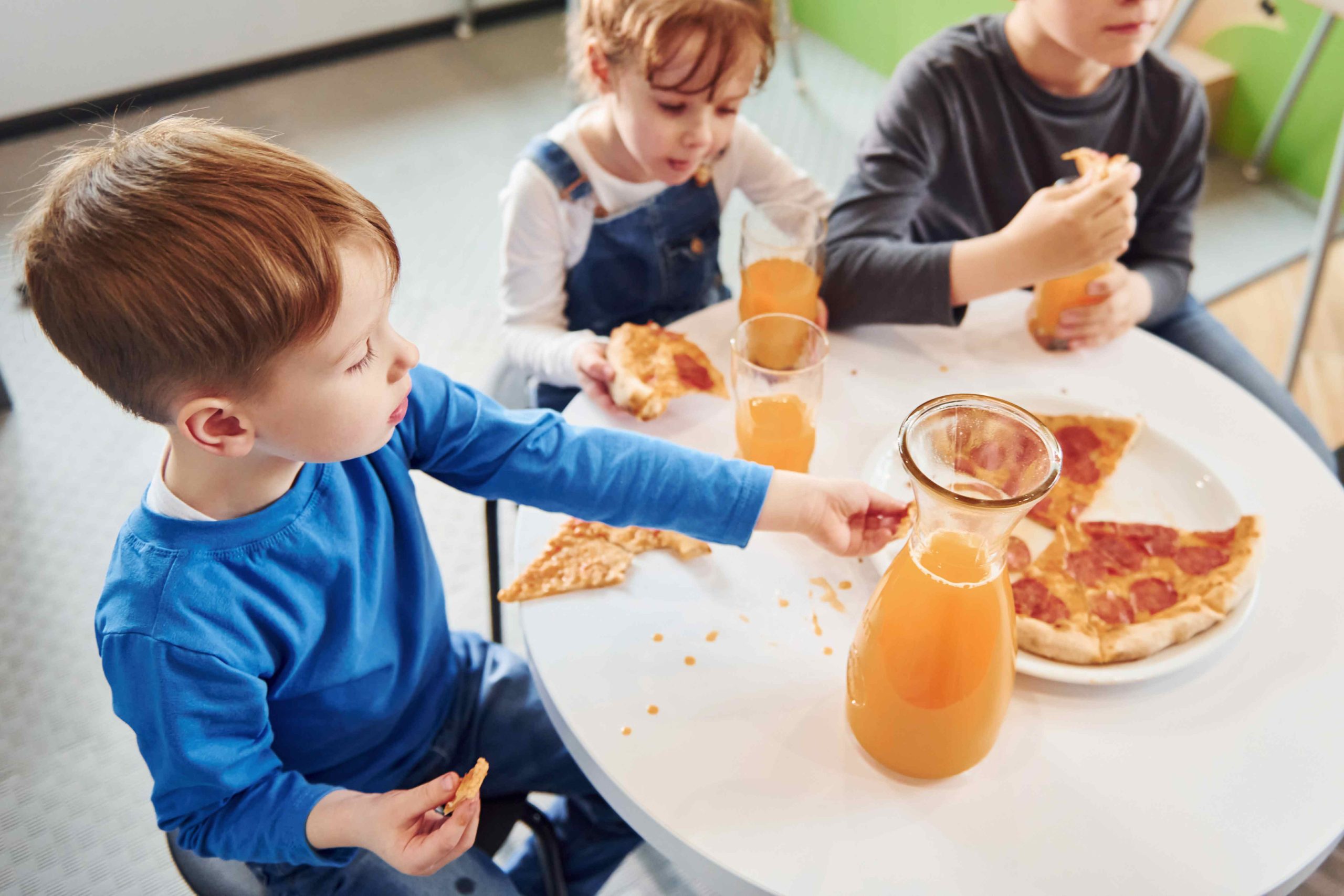
    3. Emotional Bonding: Meal times provide an excellent opportunity for emotional bonding within the family. When preschoolers share meals with their parents or siblings, they experience a sense of togetherness and belonging, fostering positive emotional connections. This promotes healthy relationships and enhances communication skills.


    4. Social Skills Development: Meal times can also be an avenue for preschoolers to develop essential social skills. Sitting together at the table encourages them to learn and practice table manners, communication skills, and turn-taking. Engaging in conversations during meals nurtures their vocabulary and language development.


    Creating a Positive Mealtime Environment:


    1. Designated Eating Space: Establishing a designated eating space, such as a dining table, creates a dedicated area for meal times. This helps preschoolers associate this space with eating and promotes a focused and calm atmosphere.


    2. Minimizing Distractions: Reduce distractions during meal times, such as turning off the television, keeping electronic devices away, and creating a quiet environment. This encourages preschoolers to concentrate on their food and engage in meaningful conversations with others.


    3. Family Style Dining: Introducing family-style dining, where dishes are placed at the center of the table and shared among family members, fosters a sense of community and encourages preschoolers to make independent food choices. It also provides an opportunity for them to practice serving themselves and develop fine motor skills.


    4. Setting Realistic Expectations: It is important to set realistic expectations for meal times. Preschoolers may have varying appetites and preferences. Avoid pressuring them to finish every bite or forcing them to eat foods they dislike, as this can create negative associations with meal times. Instead, encourage them to try a variety of foods and respect their individual preferences.


    5. Role Modeling: As adults, we play a crucial role in shaping preschoolers’ eating habits. Being positive role models by practicing healthy eating habits, trying new foods, and displaying good table manners encourages preschoolers to emulate these behaviors. It is important to eat together as a family whenever possible.


    Dealing with Challenges:


    1. Picky Eaters: Many preschoolers go through a phase of being picky eaters. Encourage them to try new foods by offering small portions and presenting them in a visually appealing manner. Involve them in meal planning and preparation to increase their interest and willingness to try new foods.


    2. Mealtime Battles: Power struggles during meal times can be common. Avoid turning meal times into a battleground. Instead, create a positive and supportive atmosphere by engaging in conversations, sharing stories, and making meal times enjoyable experiences.


    3. Snacking and Scheduling: Preschoolers have smaller stomachs and may require frequent snacks between meals. Offer healthy snacks such as fruits, vegetables, or yogurt to keep their energy levels stable. Ensure that snack times are not too close to meal times, as this can reduce their appetite for the main meal.


    1. Promoting Nutritional Well-being:


    A. Balanced Meals: Meal times offer an opportunity to provide preschoolers with well-balanced, nutrient-rich meals. A healthy mix of fruits, vegetables, whole grains, lean proteins, and dairy products ensures they receive the essential vitamins, minerals, and macronutrients necessary for their growth.


    B. Portion Control: Teaching preschoolers about portion sizes helps them develop an understanding of appropriate food quantities, preventing overeating or undereating. Including appropriate portion sizes of various food groups helps maintain a healthy weight and reduces the risk of nutrition-related diseases.


    2. Enhancing Physical Health:


    A. Energy Levels: Regular meal times ensure preschoolers have consistent energy levels throughout the day. Eating at regular intervals supports the body’s metabolic processes, aids digestion, and promotes optimal energy utilization.


    B. Growth and Development: Adequate nutrition acquired during meal times plays a pivotal role in the physical growth and development of preschoolers. Essential nutrients like calcium, iron, and vitamins facilitate bone development, brain function, and the strengthening of the immune system.


    3. Cognitive Development:


    A. Concentration and Focus: Well-nourished preschoolers exhibit improved concentration and focus, leading to enhanced cognitive abilities. Nutrient-dense meals, especially those containing omega-3 fatty acids and antioxidants, support brain health, memory, and cognitive functioning.


    B. Learning Potential: Meal times provide an opportunity for engaging discussions, storytelling, and educational activities. Sitting together as a family or with peers fosters a nurturing environment where preschoolers can develop language skills, vocabulary, and social interaction abilities.


    4. Emotional Well-being:


    A. Bonding and Social Connection: Meal times are not just about food; they are a chance for preschoolers to connect with their caregivers, siblings, or peers. Engaging in conversations and sharing experiences during meals strengthens emotional bonds, promotes a sense of belonging, and enhances social skills.


    B. Positive Associations: Creating a pleasant dining atmosphere, including colorful plates, appealing presentations, and introducing a variety of flavors, helps preschoolers develop positive associations with meal times. Enjoyable experiences around food encourage a healthier relationship with eating, preventing the development of negative attitudes or eating disorders later in life.


    5. Establishing Healthy Eating Habits:


    A. Routine and Structure: Regular meal times establish a predictable routine that preschoolers can rely on. Consistent timing for breakfast, lunch, dinner, and snacks helps regulate their appetite, reduces unnecessary snacking, and promotes healthier food choices.

    B. Role Modeling: Caregivers can play a crucial role in shaping preschoolers’ eating behaviors through positive role modeling. Demonstrating healthy eating habits, such as enjoying a variety of foods, eating mindfully, and avoiding excessive sugar or processed foods, influences their choices and fosters a lifelong appreciation for nutritious meals.


    6. Addressing Picky Eating:


    A. Exposing to New Foods: Meal times offer an opportunity to introduce preschoolers to a wide variety of foods. Encouraging them to try new flavors, textures, and food groups gradually expands their palate and reduces picky eating tendencies.

    B. Making it Fun: Employing creative techniques like arranging food in appealing shapes, using colorful plates, or involving them in meal preparation can make meal times more exciting and encourage preschoolers to explore different foods.


    7. Practical Strategies for Positive Meal Times:


    A. Respect Preferences: While encouraging a balanced diet, it is essential to respect individual preferences and avoid pressuring preschoolers to eat specific foods. Offering a variety of options within a meal allows them to exercise autonomy while still maintaining a nutritious intake.


    B. Family Style Dining: Family style dining, where preschoolers are involved in serving themselves from shared bowls or platters, promotes independence, enhances motor skills, and encourages a sense of responsibility towards their own nutrition.


    C. Consistent Communication: Engaging preschoolers in age-appropriate discussions about food, nutrition, and the importance of meal times fosters their understanding and participation. Encouraging them to express their thoughts, ask questions, and make choices develops a positive relationship with food.


    D. Flexibility: Recognize that meal times may not always go as planned. Encountering occasional food refusal or disruptions is normal and should not be a cause for concern. Adopting a flexible and patient approach allows preschoolers to develop a healthy relationship with food at their own pace.

    By prioritizing meal times as a holistic experience, we can nurture healthy habits and lay a strong foundation for preschoolers’ overall well-being. With mindful planning, positive reinforcement, and a nurturing environment, meal times can become an opportunity for growth, learning, and connection in the early years of a child’s life.


    The Significance of Balanced Meals for Preschoolers

    Ensuring that preschoolers receive balanced meals is crucial for their growth and development. A balanced meal provides the necessary nutrients to support their active lifestyles and promote optimal health. Here are some key points to consider:


    a. Essential Nutrients: Preschoolers require a variety of nutrients for their overall well-being. A balanced meal should include fruits and vegetables to provide vitamins, minerals, and fiber. Whole grains offer energy and dietary fiber, while lean proteins like chicken, fish, or beans supply essential amino acids for growth and repair. Incorporating dairy products such as milk, yogurt, or cheese provides calcium for bone development.


    b. Portion Sizes: Understanding portion sizes is important to prevent overeating or undereating. Preschoolers have smaller appetites compared to adults, so it’s essential to offer appropriate portion sizes. Using visual cues, such as using a small plate or cup, can help ensure they receive adequate nutrition without overwhelming their stomachs.


    c. Food Variety: Introducing a wide range of foods during meal times exposes preschoolers to different flavors, textures, and nutrients. Encouraging them to try new foods helps expand their palate and promotes a diverse diet. Offering a variety of fruits, vegetables, grains, proteins, and dairy products ensures they receive a broad spectrum of nutrients.


    Promoting Healthy Eating Habits through Positive Associations

    Creating positive associations with meal times can shape preschoolers’ eating habits and attitudes towards food. By making meal times enjoyable and engaging, we can foster a healthy relationship with food. Consider the following strategies:


    a. Appealing Presentation: Presenting food in an appealing manner can attract preschoolers and make meal times more exciting. Use vibrant colors, arrange food in creative shapes, or involve them in the preparation process to spark their interest and curiosity.


    b. Family Involvement: Engaging the whole family in meal times encourages bonding and establishes a positive atmosphere. Encourage preschoolers to participate in age-appropriate tasks such as setting the table, helping with food preparation, or sharing their thoughts and experiences during meals. This involvement fosters a sense of ownership and builds positive associations with meal times.


    c. Exploring Flavors: Introduce a variety of flavors and textures to expand their taste preferences. Incorporate different herbs, spices, and seasonings into meals to make them more interesting and enjoyable. Encourage preschoolers to describe the flavors they taste, helping them develop a vocabulary for discussing food.


    d. Positive Reinforcement: Praising preschoolers for trying new foods or eating a balanced meal can reinforce positive behaviors and create a sense of achievement. Avoid pressuring them to eat specific foods or finish their plates, as this can lead to negative associations with meal times.


    How Meal Times Impact Cognitive Development in Preschoolers

    Meal times have a significant impact on preschoolers’ cognitive development. Proper nutrition supports brain function, memory, and concentration. Here are key points to understand:


    a. Nutrient-Rich Foods: Providing nutrient-dense foods during meal times ensures preschoolers receive the necessary nutrients for brain development. Omega-3 fatty acids, found in fish, flaxseeds, and walnuts, support cognitive function and may improve attention and memory. Antioxidant-rich foods like berries, spinach, and dark chocolate protect the brain from oxidative stress.


    b. Mindful Eating: Encouraging preschoolers to eat mindfully promotes concentration and awareness. Teach them to savor each bite, chew slowly, and pay attention to the flavors and textures of their food. Mindful eating practices enhance their sensory experience and can contribute to better cognitive function.


    c. Learning Opportunities: Meal times offer a valuable opportunity for learning and exploration. Engage preschoolers in conversations about the food they are eating, where it comes from, and how it benefits their bodies. Encourage them to ask questions, share their opinions, and develop their language skills through meaningful discussions.


    d. Educational Activities: Introduce educational activities during meal times to stimulate cognitive development. Use placemats with letters, numbers, or pictures to encourage letter and number recognition or discussions about different food groups. These activities make meal times interactive and engaging while promoting learning in a relaxed environment.


    Emotional Well-being: Nurturing Connections through Meal Times

    Meal times provide a valuable opportunity for preschoolers to connect with their caregivers, siblings, or peers, fostering emotional well-being. Here’s how meal times contribute to their emotional development:


    a. Bonding and Connection: Sitting together for a meal promotes family bonding and a sense of togetherness. Encourage conversations and active listening during meal times, allowing preschoolers to express their thoughts, feelings, and experiences. This connection creates a nurturing environment where they feel valued, heard, and supported.


    b. Emotional Expression: Meal times can be a safe space for preschoolers to express their emotions. Encourage them to share their daily experiences, talk about their feelings, and discuss any challenges they may be facing. This open communication fosters emotional intelligence and helps them develop skills for managing and expressing their emotions effectively.


    c. Building Social Skills: Meal times provide an opportunity for preschoolers to learn and practice social skills. Taking turns speaking, listening to others, and engaging in conversations develop their communication abilities. They can also learn table manners, such as using utensils correctly, chewing with their mouths closed, and asking politely for food.


    d. Positive Atmosphere: Creating a positive and supportive atmosphere during meal times contributes to preschoolers’ emotional well-being. Encourage laughter, storytelling, and sharing positive experiences to create a joyful environment. Avoid negative or stressful discussions that may overshadow the mealtime experience.

  • Social Connections

    Social Connections

    The Power of Social Connections: Nurturing Relationships for Preschoolers


    The Importance of Social Connections for Preschoolers:

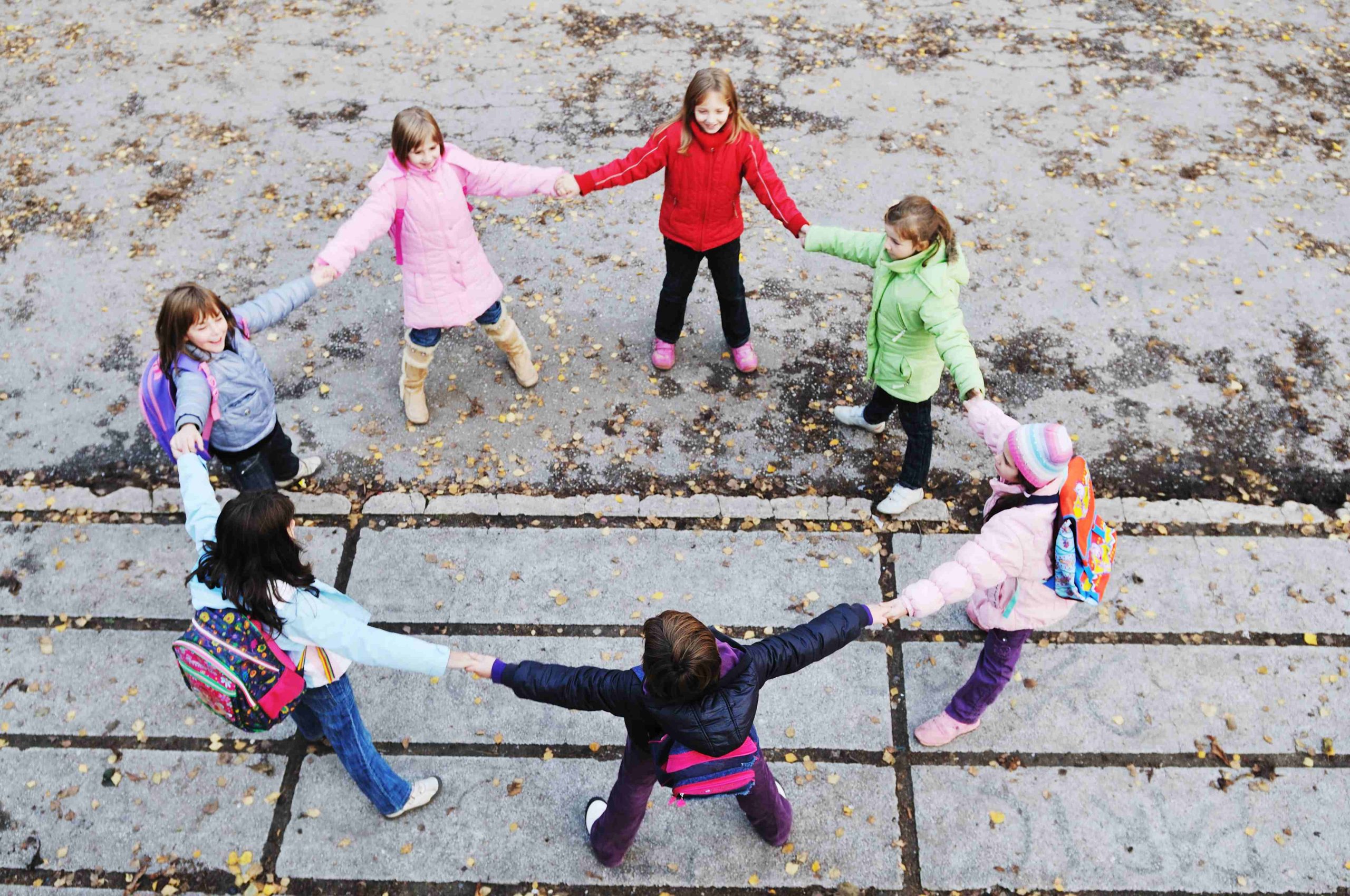
    Preschoolers are at a crucial stage of development, where their brains are rapidly growing, and they are eager to explore the world around them. Social connections play a pivotal role in their emotional, cognitive, and social development. Here are some key reasons why social connections are essential for preschoolers:


    1. Emotional Development:

    a. Social interactions provide preschoolers with opportunities to express their emotions and understand the feelings of others.

    b. Through friendships and relationships, they learn to regulate their emotions, develop resilience, and build a sense of self-worth.


    2. Cognitive Development:

    a. Engaging in social interactions stimulates cognitive growth and enhances problem-solving abilities.

    b. Through conversations and play, preschoolers develop language skills, expand their vocabulary, and learn to express their thoughts and ideas effectively.


    3. Social Skills:

    a. Building social connections enables preschoolers to learn important social skills such as sharing, turn-taking, and cooperation.

    b. Interacting with peers helps them understand social norms, develop empathy, and cultivate positive relationships.


    Types of Social Connections for Preschoolers:

    Preschoolers form various types of social connections, each contributing to their development in unique ways. Here are the primary types of relationships preschoolers engage in:


    1. Peer Relationships:

    a. Interactions with peers provide valuable opportunities for preschoolers to learn social skills and navigate social dynamics.

    b. Preschoolers engage in parallel play, where they play alongside their peers without significant interaction, before progressing to more cooperative play.


    2. Sibling Relationships:

    a. Siblings play a crucial role in a preschooler’s social development, offering a constant source of companionship, support, and learning experiences.

    b. Sibling relationships teach preschoolers about negotiation, compromise, and cooperation.


    3. Parent-Child Relationships:

    a. The parent-child bond serves as the foundation for a preschooler’s social connections.

    b. Positive parent-child relationships nurture secure attachments, boosting a child’s confidence, and promoting healthy social interactions with others.


    4. Teacher-Student Relationships:

    a. Preschoolers spend a significant amount of time with their teachers, who act as mentors and role models.

    b. Strong teacher-student relationships foster trust, create a positive learning environment, and encourage social engagement within the classroom.


    Strategies to Foster Healthy Social Connections

    Creating an environment that supports and encourages healthy social connections is essential for preschoolers’ development. Here are some strategies to foster meaningful relationships:


    1. Promote Social Interactions:

    a. Organize group activities and games that encourage preschoolers to interact and collaborate with their peers.

    b. Provide ample opportunities for preschoolers to engage in unstructured play, fostering creativity and social bonding.


    2. Teach Empathy and Emotional Intelligence:

    a. Model and teach empathy by discussing emotions and encouraging preschoolers to understand and express their feelings.

    b. Help preschoolers identify emotions in others, promoting empathy and nurturing positive relationships.


    3. Encourage Communication Skills:

    a. Foster effective communication skills by engaging preschoolers in conversations, asking open-ended questions, and actively listening to their responses.

    b. Teach preschoolers to use words to express their needs and resolve conflicts peacefully.


    4. Strengthen Parent-Child Relationships:

    a. Encourage parents to spend quality time with their preschoolers, engaging in activities that promote bonding and open communication.

    b. Provide resources and support to parents to help them understand and respond to their child’s social and emotional needs.


    5. Foster Inclusion and Diversity:

    a. Create an inclusive environment that celebrates diversity and promotes acceptance.

    b. Encourage preschoolers to appreciate and respect differences in others, fostering a sense of belonging and understanding.


    6. Collaborate with Families:

    a. Maintain open lines of communication with families, sharing insights about their child’s social interactions and development.

    b. Collaborate with parents to reinforce social skills and provide consistent guidance in nurturing healthy relationships.


    7. Role Model Positive Behavior:

    a. Adults play a crucial role in shaping preschoolers’ social connections through their own behavior.

    b. Demonstrate kindness, respect, and positive communication in interactions with preschoolers and among adults in their presence.


    Building Social Skills: The Gateway to Success


    1. Importance of Social Skills

    Preschoolers’ social skills are the building blocks of their interactions with others. Developing strong social skills early in life lays the groundwork for positive relationships and sets the stage for future success.


    2. Emotional Intelligence and Empathy

    Social connections provide a platform for preschoolers to develop emotional intelligence and empathy. Through interactions with their peers and adults, they learn to recognize and understand their own emotions and those of others. This ability to empathize fosters a sense of compassion and promotes prosocial behavior.


    3. Language Development

    Social connections act as catalysts for language development in preschoolers. Engaging in conversations, storytelling, and group activities with peers and adults stimulates their vocabulary, communication skills, and enhances their ability to express their thoughts and emotions effectively.


    The Power of Play: Social Connections in Action


    1. Play and Peer Relationships

    Play serves as a natural arena for preschoolers to build and strengthen their social connections. Engaging in imaginative play, cooperative games, and group activities allows them to interact, negotiate, and develop conflict resolution skills. Play also nurtures their creativity and problem-solving abilities.


    2. The Role of Adult Relationships

    While peer relationships are crucial, adult relationships are equally important for preschoolers. Interactions with parents, caregivers, and educators provide guidance, support, and opportunities for learning. These relationships create a secure base from which preschoolers can explore the world, build confidence, and develop a sense of self-worth.


    Promoting Positive Social Connections: Strategies for Parents and Educators


    1. Creating a Nurturing Environment

    A nurturing environment lays the foundation for positive social connections. Parents and educators can create such an environment by fostering a sense of belonging, providing clear expectations, and modeling positive behaviors.


    2. Encouraging Cooperative Play

    Cooperative play promotes social connections and collaborative skills. Parents and educators can facilitate this type of play by providing opportunities for group activities, encouraging sharing and turn-taking, and guiding preschoolers through conflicts to find solutions together.


    3. Building Emotional Intelligence

    Teaching preschoolers’ emotional intelligence enhances their ability to form healthy relationships. Parents and educators can help them identify and express emotions, encourage empathy, and teach problem-solving strategies that promote peaceful interactions.


    4. Cultivating Parent-Teacher Partnerships

    Collaboration between parents and educators is crucial in supporting preschoolers’ social connections. Regular communication, sharing observations, and working together to address any concerns can create a consistent and supportive network for the child.


    The Impact of Social Connections on Well-being


    1. Mental and Emotional Well-being

    Positive social connections contribute to preschoolers’ mental and emotional well-being. Feeling connected to others reduces stress, fosters a sense of security, and enhances their overall happiness. Social connections also act as protective factors against the development of mental health issues in later life.


    2. Academic Success

    Strong social connections positively impact preschoolers’ academic success. The support, encouragement, and collaboration they receive from peers and adults enhance their motivation, engagement, and willingness to learn. Furthermore, social connections provide opportunities for cooperative learning, expanding their knowledge and cognitive abilities.


    Nurturing Social Connections beyond Preschool Years


    1. Transitioning to Primary School

    Transitioning from preschool to primary school can be an exciting yet challenging time for preschoolers. Social connections play a crucial role in helping preschoolers navigate this transition smoothly and adapt to their new environment. Parents and educators can support preschoolers during this transition by:


    a. Facilitating playdates or orientation sessions before the start of school to help preschoolers familiarize themselves with their new classmates.

    b. Encouraging open conversations about their feelings and concerns regarding the transition, providing reassurance and addressing any anxieties.

    c. Collaborating with the primary school to ensure a smooth transition process, including sharing relevant information about the child’s social connections and preferences.


    Once preschoolers enter primary school, parents and educators can continue nurturing social connections by:

  • Encouraging participation in extracurricular activities that align with the child’s interests, allowing them to meet new peers who share similar hobbies or passions.
  • Facilitating opportunities for collaborative group work in the classroom, encouraging preschoolers to work together and build relationships based on shared goals.
  • Providing ongoing support and guidance in navigating new social dynamics, promoting empathy, and teaching conflict resolution skills.

  • 2. Community Engagement and Social Connections

    Beyond school, community engagement plays a vital role in broadening preschoolers’ social networks and fostering a sense of belonging. Parents and educators can support community engagement by:


    a. Encouraging participation in community events, such as local festivals, charity drives, or cultural celebrations, where preschoolers can interact with individuals from diverse backgrounds.

    b. Organizing group outings or field trips to community spaces like museums, parks, or local businesses, creating opportunities for preschoolers to connect with their surroundings and engage in social interactions.

    c. Collaborating with local organizations, such as libraries or community centers, to develop programs or workshops that promote social connections and provide platforms for preschoolers to engage with peers outside of school.

    By fostering community engagement, preschoolers develop a broader understanding of their community, learn about different cultures and perspectives, and expand their social connections beyond their immediate circle.


    3. Utilizing Technology for Positive Social Connections

    In the digital age, technology can serve as a powerful tool to facilitate social connections for preschoolers. However, it is essential to approach technology use mindfully and guide preschoolers in using it responsibly. Parents and educators can harness technology for positive social connections by:


    a. Encouraging safe and supervised online interactions, such as participating in moderated online communities or virtual platforms designed for preschoolers to connect with peers.

    b. Supporting preschoolers in developing digital literacy skills, teaching them about online etiquette, privacy, and responsible use of social media.

    c. Balancing virtual interactions with face-to-face social interactions, emphasizing the importance of in-person connections while utilizing technology as a complement to facilitate communication and maintain relationships.

    When used appropriately, technology can help preschoolers maintain connections with distant family members, engage in educational online communities, and access resources that promote their social development.


    Addressing Challenges and Barriers to Social Connections

    1. Overcoming Shyness and Social Anxiety

    Shyness and social anxiety can pose challenges for preschoolers in establishing social connections. To support shy preschoolers in building confidence and fostering social connections, parents and educators can:


    a. Create a safe and inclusive environment where preschoolers feel accepted and valued for who they are.

    b. Encourage gradual exposure to social situations, providing opportunities for preschoolers to engage in small-group activities or playdates to build familiarity and confidence.

    c. Implement strategies such as role-playing, storytelling, or social skill-building exercises to help preschoolers develop the necessary social skills and overcome social anxiety.

    It is important to be patient and understanding, allowing shy preschoolers to progress at their own pace while providing support and guidance along the way.


    2. Dealing with Bullying and Peer Conflicts

    Bullying and peer conflicts can significantly impact a preschooler’s social connections and overall well-being. Parents and educators can address these challenges by:

    a. Establishing clear guidelines and expectations for respectful behavior and promoting a positive and inclusive classroom culture.

    b. Teaching preschoolers conflict resolution skills, such as active listening, assertiveness, and problem-solving techniques, to help them navigate peer conflicts effectively.

    c. Encouraging open communication channels, where preschoolers feel comfortable reporting incidents of bullying or conflicts, and taking prompt action to address such issues.

    By promoting a safe and supportive environment, preschoolers can develop the resilience and skills needed to navigate and resolve conflicts, fostering healthy social connections.


    3. Inclusion and Diversity in Social Connections

    Promoting inclusion and embracing diversity in social interactions is vital in creating an environment where every preschooler feels valued and respected. Parents and educators can foster inclusion and diversity by:


    a. Incorporating diverse literature, toys, and materials that represent different cultures, abilities, and backgrounds, providing opportunities for preschoolers to explore and celebrate differences.

    b. Organizing activities or events that highlight multicultural traditions, encouraging preschoolers to learn from one another’s experiences and perspectives.

    c. Facilitating discussions about diversity and inclusion, teaching preschoolers about empathy, respect, and acceptance of others.

    By promoting inclusive practices, preschoolers develop a sense of belonging, learn to appreciate diversity, and build meaningful connections with peers from various backgrounds.


    The Role of Social Connections in Preschooler’s Identity Formation


    1. Self-Concept and Self-Esteem

    Social connections significantly influence preschoolers’ self-concept and self-esteem. Positive social interactions help preschoolers develop a positive self-image and a sense of self-worth. Parents and educators can support the development of a healthy self-concept by:

    a. Encouraging preschoolers to express themselves and their emotions freely, fostering an environment where their thoughts and opinions are respected.

    b. Recognizing and celebrating preschoolers’ strengths and achievements, providing them with positive feedback and affirmation.

    c. Facilitating opportunities for preschoolers to engage in activities where they can succeed, fostering a sense of competence and confidence.

    By nurturing positive social connections, preschoolers develop a strong foundation for a positive self-concept, enabling them to navigate social situations and build healthy relationships.


    2. Cultural and Social Identity

    Social connections also play a crucial role in shaping preschoolers’ cultural and social identities. Preschoolers learn about their cultural background and social identity through interactions with peers and exposure to diverse perspectives. Parents and educators can support the development of cultural and social identity by:

    a. Promoting multicultural awareness and appreciation, exposing preschoolers to various cultural traditions, celebrations, and experiences.

    b. Encouraging preschoolers to share their cultural backgrounds and traditions with their peers, fostering mutual understanding and respect.

    c. Creating opportunities for cross-cultural interactions and collaborations, enabling preschoolers to learn from one another’s cultural perspectives.

    By fostering an environment that celebrates diversity, preschoolers develop a positive sense of identity, learn to appreciate different cultures, and build connections based on mutual respect and understanding.


    3. Gender Roles and Stereotypes

    Preschoolers’ social connections also influence their understanding of gender roles and stereotypes. Parents and educators can play a significant role in challenging gender biases and promoting gender equality through social interactions. Strategies to support this include:


    a. Providing preschoolers with a wide range of play opportunities and toys that challenge traditional gender stereotypes.

    b. Encouraging collaborative play and activities that promote cooperation and equal participation among preschoolers, regardless of their gender.

    c. Engaging in discussions about gender equality, emphasizing that everyone’s ideas and opinions are valuable, regardless of gender.

    By fostering inclusive social connections, preschoolers learn to challenge gender stereotypes, develop respect for diverse gender identities, and form egalitarian relationships.

  • Child’s Progress

    Child’s Progress

    Nurturing Child’s Progress: Unleashing Their Potential


    1. Cognitive Progress: Expanding the Horizons of Learning


    a. Language Development: Preschoolers show remarkable progress in language acquisition. They begin to form sentences, expand their vocabulary, and engage in meaningful conversations. Encourage language development through reading, storytelling, and engaging in conversations that stimulate their curiosity.

    b. Problem-Solving Skills: Preschoolers develop basic problem-solving abilities, such as identifying patterns, categorizing objects, and understanding cause and effect relationships. Encourage critical thinking and problem-solving through age-appropriate puzzles, games, and activities that promote logical reasoning.

    c. Numeracy and Mathematical Concepts: Preschoolers begin to explore early numeracy skills, such as counting, recognizing numbers, and understanding basic mathematical concepts. Foster their numeracy skills through hands-on activities, counting games, and playful exploration of shapes and patterns.


    2. Social Progress: Navigating the World of Relationships


    a. Emotional Intelligence: Preschoolers develop an increased understanding of their emotions and those of others. Encourage emotional intelligence by validating their feelings, teaching empathy, and promoting positive communication and conflict resolution skills.

    b. Social Interaction: Preschoolers engage in more complex social interactions, developing friendships, and learning to navigate social dynamics. Provide opportunities for social play, collaborative activities, and group projects to foster their social skills and promote cooperation.

    c. Self-Identity and Independence: Preschoolers begin to develop a sense of self and assert their independence. Encourage their autonomy by allowing them to make choices, engage in independent tasks, and take on age-appropriate responsibilities.


    3. Emotional Progress: Nurturing Well-being and Resilience


    a. Self-Regulation: Preschoolers learn to regulate their emotions and manage their behavior. Teach them strategies for self-calming, such as deep breathing or taking a break, and provide a supportive environment where they can express and process their emotions.

    b. Building Resilience: Preschoolers encounter challenges and setbacks. Help them build resilience by fostering a growth mindset, encouraging perseverance, and providing support and encouragement during difficult situations.

    c. Emotional Expression: Preschoolers explore different ways of expressing their emotions. Encourage them to use creative outlets like art, music, or storytelling to express and communicate their feelings effectively.


    4. Physical Progress: Developing Coordination and Motor Skills

    a. Gross Motor Skills: Preschoolers refine their gross motor skills, such as running, jumping, and balancing. Provide ample opportunities for outdoor play, physical activities, and structured exercises that promote the development of their gross motor skills.

    b. Fine Motor Skills: Preschoolers develop their fine motor skills, enabling them to perform more precise movements. Engage them in activities such as drawing, painting, threading beads, or building with blocks to enhance their hand-eye coordination and dexterity.

    c. Health and Well-being: Promote a healthy lifestyle by encouraging regular exercise, nutritious eating habits, and sufficient rest. Teach preschoolers about personal hygiene, the importance of handwashing, and other healthy habits to maintain their well-being.


    Supportive Environments for Progress

    Creating a supportive environment is vital for nurturing preschoolers’ progress across all domains. Here are some key elements to consider:


    1. Safe and Engaging Spaces: Design spaces that are safe, stimulating, and conducive to exploration. Arrange age-appropriate materials and toys that encourage hands-on learning and imaginative play. Ensure that the environment is free from hazards and provides opportunities for both independent and collaborative activities.


    2. Positive Relationships: Foster positive relationships between preschoolers, their peers, and adults. Encourage open communication, active listening, and mutual respect. Create a warm and nurturing atmosphere where preschoolers feel comfortable expressing themselves, seeking guidance, and forming meaningful connections.


    3. Individualized Support: Recognize and respond to the unique needs and interests of each preschooler. Offer differentiated instruction and activities that cater to their developmental level, allowing them to progress at their own pace. Provide opportunities for both independent exploration and one-on-one guidance to maximize their potential.


    4. Scaffolding and Guided Learning: Use scaffolding techniques to support preschoolers’ progress. Gradually introduce new concepts and skills, providing guidance and assistance as needed. As they become more proficient, gradually reduce support to promote independent thinking and problem-solving.


    5. Rich Language Environment: Surround preschoolers with a language-rich environment. Engage in conversations, read aloud, and expose them to a wide range of vocabulary through books, songs, and interactive experiences. Encourage them to express their thoughts and ideas, fostering language development and communication skills.


    6. Purposeful Play: Recognize the value of play in facilitating learning and progress. Offer a balance between structured activities and open-ended play opportunities. Play allows preschoolers to explore, experiment, and make discoveries while developing essential skills across all domains.


    7. Continual Assessment and Feedback: Regularly assess preschoolers’ progress to identify their strengths and areas for growth. Provide specific and constructive feedback that highlights their achievements and offers guidance for improvement. Celebrate their milestones and progress, reinforcing their motivation and self-confidence.


    8. Collaboration with Families: Establish strong partnerships with families to support preschoolers’ progress holistically. Share information about their child’s development and provide strategies for fostering progress at home. Encourage open communication, involve families in decision-making, and celebrate achievements together.


    9. Professional Development: Support educators in their professional development to enhance their understanding of child development and effective teaching practices. Provide opportunities for ongoing training, collaboration, and sharing best practices to ensure a consistent and high-quality learning experience for preschoolers.


    10. Flexibility and Adaptability: Recognize that progress looks different for every preschooler. Embrace flexibility and adapt teaching strategies to accommodate diverse learning styles, interests, and needs. Emphasize the importance of a growth mindset, where mistakes are viewed as opportunities for learning and progress.

    By creating supportive environments that prioritize the individual needs and holistic development of preschoolers, we can foster their progress across cognitive, social, emotional, and physical domains. Remember, progress is a journey unique to each child, and with the right support and nurturing, preschoolers can reach their full potential and embark on a lifelong love for learning and growth.


    Tracking and Celebrating Progress

    Tracking and celebrating preschoolers’ progress is essential to monitor their growth and provide recognition for their achievements. Here are some strategies to implement:


    1. Developmental Milestones: Familiarize yourself with age-appropriate developmental milestones across various domains. Regularly observe and document preschoolers’ progress in areas such as language, motor skills, social interactions, and problem-solving abilities. This allows you to track their growth and identify any areas that may require additional support or enrichment.


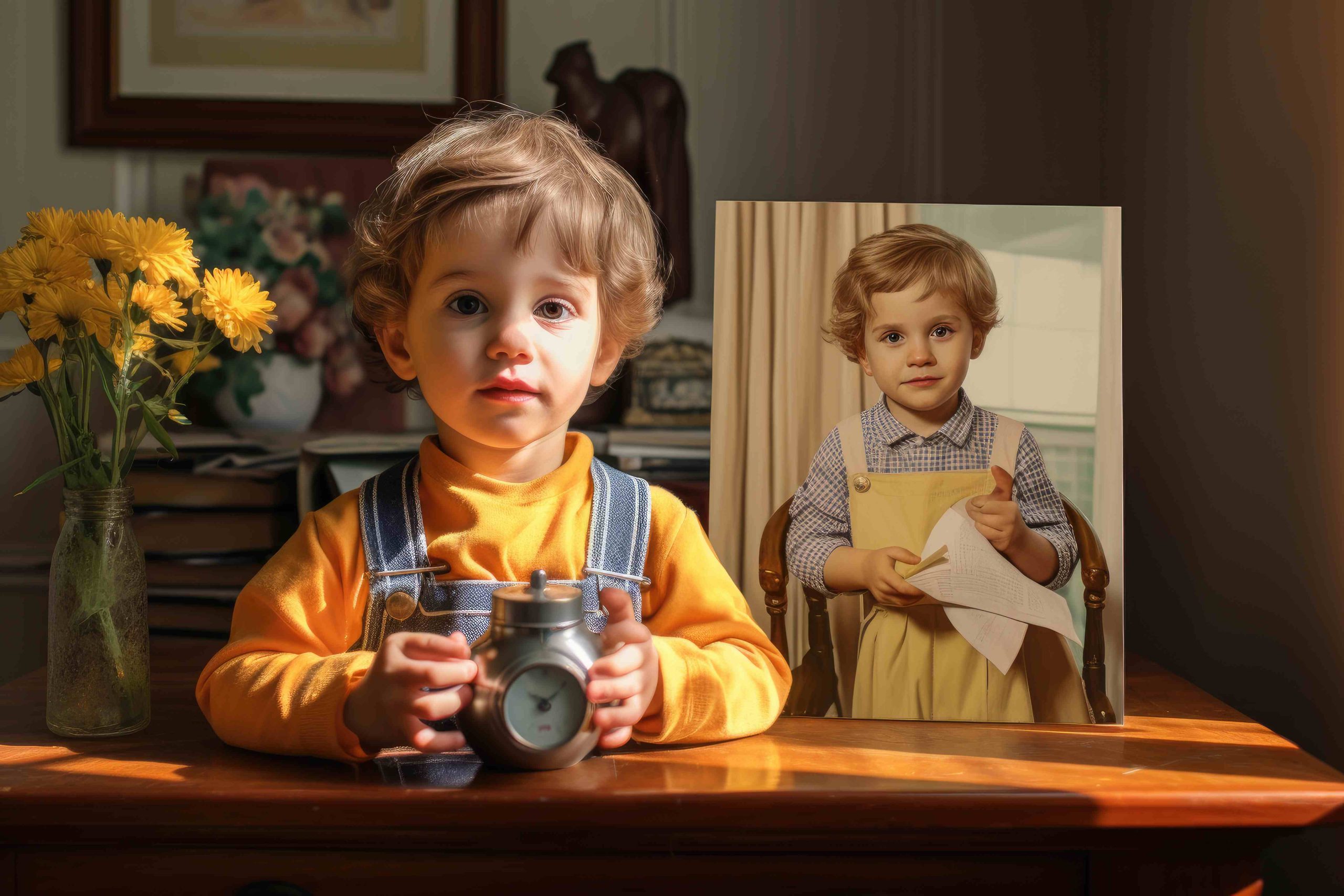
    2. Progress Portfolios: Create progress portfolios or folders for each preschooler, containing samples of their work, observations, and assessments. Include artwork, writing samples, photographs, and anecdotal notes that showcase their progress over time. These portfolios provide a comprehensive view of their development and serve as a valuable resource for sharing their growth with parents or guardians during parent-teacher meetings or conferences.


    3. Progress Reports: Develop progress reports that summarize preschoolers’ progress across different domains. Use clear and concise language to describe their achievements, areas of improvement, and next steps for development. Share these reports with parents or guardians regularly, providing them with insights into their child’s growth and offering suggestions for supporting their progress at home.


    4. Collaborative Goal-Setting: Involve preschoolers in the goal-setting process to empower them and foster ownership of their progress. Collaboratively identify specific goals or areas they wish to work on, such as improving their reading skills or developing better sharing habits. Break down these goals into smaller, achievable targets, and regularly revisit them to assess progress and celebrate milestones together.


    5. Recognition and Rewards: Celebrate preschoolers’ achievements and milestones to reinforce their progress and boost their self-esteem. Offer verbal praise, certificates, stickers, or small rewards to acknowledge their efforts and accomplishments. This positive reinforcement encourages them to continue working towards their goals and fosters a sense of pride in their progress.


    6. Growth Celebrations: Organize special events or celebrations to honor preschoolers’ growth and progress. These can include end-of-term showcases, where they have the opportunity to exhibit their artwork, perform songs or dances, or share stories they have written. Such events provide a platform for them to demonstrate their progress to peers, families, and the wider community, instilling a sense of achievement and motivation to continue progressing.


    7. Parent Engagement: Actively involve parents or guardians in tracking and celebrating their child’s progress. Provide regular updates, share observations, and encourage them to contribute their insights and observations from home. Engage in meaningful conversations with parents or guardians, valuing their perspectives and collaborating on strategies to support their child’s ongoing progress.


    8. Peer Recognition: Promote a culture of peer recognition and support. Encourage preschoolers to celebrate each other’s achievements, offer kind words of encouragement, and engage in collaborative activities where they can appreciate and learn from one another’s progress. This fosters a positive and inclusive learning environment that values and celebrates everyone’s growth.


    9. Reflective Practices: Engage in reflective practices as educators or parents to continuously evaluate and adjust strategies for supporting preschoolers’ progress. Regularly assess the effectiveness of teaching methods, interventions, and approaches, seeking feedback from colleagues, parents, and the preschoolers themselves. This commitment to continuous improvement ensures that preschoolers receive the best possible support for their ongoing progress.


    Monitoring and Adjusting Strategies for Progress

    Monitoring and adjusting strategies for preschoolers’ progress ensures that their developmental needs are effectively addressed. Here are some key considerations:


    1. Individualized Support: Tailor instruction and interventions to meet the individual needs of preschoolers. Based on assessment data, develop targeted plans to address areas where they may be experiencing challenges or require additional support. Offer differentiated activities, materials, and instructional strategies to ensure that every preschooler has opportunities for growth and progress.


    2. Flexible Lesson Planning: Embrace flexibility in lesson planning to cater to the evolving needs and interests of preschoolers. Monitor their engagement and understanding during lessons, making adjustments in real-time to optimize their learning experiences. Adapt activities, resources, and approaches based on their responses and feedback, ensuring that they remain challenged and motivated.


    3. Collaboration and Professional Development: Engage in collaborative discussions and professional development opportunities with fellow educators, specialists, and experts. Share insights, exchange ideas, and explore best practices for supporting preschoolers’ progress. Continuous learning and professional growth contribute to the refinement and adaptation of strategies to better meet the diverse needs of preschoolers.


    4. Parent Communication: Maintain open lines of communication with parents or guardians regarding their child’s progress. Regularly share updates, assessment results, and strategies being implemented. Seek their input, insights, and observations about their child’s development, as they provide valuable perspectives and contribute to the planning and adjustment of strategies for progress.


    5. Reflection and Documentation: Engage in reflective practices to evaluate the effectiveness of instructional strategies and interventions. Regularly document observations, adjustments made, and the impact of those adjustments on preschoolers’ progress. Reflect on the outcomes achieved, the challenges faced, and the lessons learned to inform future decision-making and improve strategies.


    6. Continuous Monitoring and Progress Review: Monitor preschoolers’ progress on an ongoing basis to track their growth and ensure that they are on track to meet developmental milestones. Schedule regular progress review meetings with parents, fellow educators, and specialists involved in their care. Evaluate the effectiveness of strategies implemented, celebrate successes, and collaborate on further adjustments as needed.


    7. Holistic Approach: Remember that preschoolers’ progress encompasses various domains, including cognitive, social, emotional, and physical development. Take a holistic approach to monitoring and adjusting strategies, considering the interconnectedness of these domains. Addressing one area of development may positively impact other areas as well.


    8. Cultivating a Growth Mindset: Foster a growth mindset in both preschoolers and educators. Encourage the belief that abilities can be developed through effort, perseverance, and the application of effective strategies. Emphasize the importance of embracing challenges, learning from mistakes, and maintaining a positive attitude towards progress and learning.


    Building Resilience for Progress Building resilience is essential in supporting preschoolers’ progress and preparing them to overcome challenges. Here are some strategies to cultivate resilience:


    1. Encourage a Growth Mindset: Foster a growth mindset in preschoolers by promoting the belief that abilities can be developed through effort and practice. Teach them to embrace challenges, view mistakes as learning opportunities, and persist in the face of setbacks. By cultivating a growth mindset, preschoolers develop resilience and are more willing to take risks and persevere in their pursuit of progress.


    2. Teach Problem-Solving Skills: Help preschoolers develop problem-solving skills by encouraging them to think critically and explore multiple solutions to challenges. Teach them to break problems down into smaller, manageable parts and brainstorm possible strategies. By equipping them with problem-solving skills, they become more resilient and better equipped to navigate obstacles on their path to progress.


    3. Foster Emotional Regulation: Support preschoolers in developing emotional regulation skills, enabling them to manage and express their emotions effectively. Teach them strategies for calming down, such as deep breathing or taking a break. By developing emotional regulation skills, preschoolers can cope with frustration, disappointment, or stress, enabling them to maintain focus and continue progressing.


    4. Promote Perseverance: Encourage preschoolers to persevere in their efforts, even when faced with difficulties. Highlight the value of persistence and the satisfaction that comes from overcoming challenges. Celebrate their perseverance and remind them of previous accomplishments to reinforce their resilience and motivate them to keep going.


    5. Provide a Supportive Environment: Create a supportive and nurturing environment that fosters resilience. Offer encouragement, praise their efforts, and provide a safe space for them to express their feelings and seek support. Build positive relationships with preschoolers, ensuring they feel valued, understood, and supported on their journey of progress.


    6. Emphasize Self-Care: Teach preschoolers the importance of self-care, including activities that promote physical, emotional, and mental well-being. Encourage them to engage in activities they enjoy, such as exercise, reading, creative arts, or spending time in nature. By prioritizing self-care, preschoolers develop resilience and learn to manage stress, supporting their overall progress.


    7. Provide Opportunities for Reflection: Create opportunities for preschoolers to reflect on their progress and experiences. Encourage them to identify what strategies worked well for them, what challenges they faced, and how they overcame them. Reflection promotes self-awareness, self-evaluation, and the development of resilience skills.


    8. Teach Social Skills: Help preschoolers develop social skills, such as empathy, cooperation, and conflict resolution. These skills enable them to navigate social interactions, build positive relationships, and seek support when needed. Social competence contributes to their overall resilience and supports their progress in collaborative learning environments.


    9. Model Resilience: Be a positive role model of resilience for preschoolers. Demonstrate resilience by facing challenges with a positive attitude, problem-solving, and persevering. Share stories of personal experiences where you have overcome obstacles and achieved progress. Modeling resilience helps preschoolers internalize these skills and apply them to their own journeys.


    10. Celebrate Resilience: Recognize and celebrate examples of resilience in preschoolers. Highlight their efforts, determination, and ability to bounce back from setbacks. By celebrating resilience, you reinforce its importance and inspire them to continue developing this valuable attribute.

  • Educational Endeavors

    Educational Endeavors

    Nurturing Young Minds: Exploring the Rich World of Preschooler Educational Endeavors

    As parents, educators, and caregivers, we bear a tremendous responsibility in shaping the minds of our preschoolers and setting them on a path of lifelong learning. The early years of a child’s life are crucial for their cognitive, emotional, and social development. It is during this time that preschoolers embark on a journey of discovery, curiosity, and imagination. In this article, we delve into the realm of preschooler educational endeavors, exploring the diverse range of approaches, activities, and environments that can help facilitate their growth and learning.


    The Power of Play in Preschool Education

    Play, the cornerstone of preschooler education, is an essential aspect of a child’s learning journey. It is through play that preschoolers engage their senses, explore their surroundings, and make sense of the world. The act of playing stimulates their creativity, problem-solving skills, and social interactions. Whether it’s building with blocks, engaging in pretend play, or participating in group activities, play provides a holistic learning experience for preschoolers.


    Imaginative Play: The Gateway to Creativity

    Imaginative play, often referred to as pretend play or make-believe, is a powerful tool for fostering creativity and cognitive development in preschoolers. By immersing themselves in various roles and scenarios, preschoolers exercise their imaginations and develop essential skills such as problem-solving, critical thinking, and empathy. Encouraging preschoolers to engage in imaginative play helps them expand their cognitive abilities while nurturing their emotional intelligence.


    Sensory Play: Exploring the World Through the Senses

    Sensory play involves activities that engage multiple senses, such as touch, sight, smell, and sound. This type of play allows preschoolers to explore and understand the world around them in a hands-on manner. Activities like finger painting, sand and water play, and playing with textured materials offer rich sensory experiences that enhance preschoolers’ fine motor skills, language development, and cognitive abilities. Sensory play also supports self-regulation and emotional well-being, providing a calming and immersive experience for preschoolers.


    Collaborative Play: Learning Through Social Interactions

    Preschoolers thrive in environments that encourage collaborative play, where they can interact and engage with their peers. Collaborative play enables preschoolers to develop important social skills, including communication, cooperation, and problem-solving. Through activities like group games, storytelling, and role-playing, preschoolers learn to navigate social dynamics, share ideas, and negotiate. Such experiences lay the foundation for positive relationships and emotional intelligence, preparing them for future academic and social success.


    The Role of Early Literacy in Preschool Education

    Early literacy plays a vital role in preparing preschoolers for a lifelong love of reading, writing, and communication. Nurturing literacy skills at a young age not only enhances cognitive development but also opens doors to a world of knowledge and imagination.


    Phonemic Awareness: Laying the Foundation for Reading

    Phonemic awareness, the ability to identify and manipulate individual sounds in spoken words, is a fundamental skill for reading acquisition. Preschoolers can develop phonemic awareness through engaging activities such as rhyming games, singing songs, and listening to stories. By honing their ability to recognize and differentiate sounds, preschoolers build a strong foundation for future reading and language development.


    Vocabulary Building: Expanding Language Horizons

    Expanding preschoolers’ vocabulary is crucial for their language and cognitive growth. Introducing new words through rich and diverse experiences, such as reading aloud, storytelling, and discussions, helps preschoolers develop a robust vocabulary and comprehension skills. Engaging preschoolers in meaningful conversations and encouraging them to express their thoughts fosters language fluency and nurtures their ability to communicate effectively.


    Emergent Writing: From Scribbles to Words

    Encouraging preschoolers to engage in emergent writing activities, such as drawing, scribbling, and tracing letters, promotes early literacy skills. These activities enhance fine motor skills, hand-eye coordination, and letter recognition. By providing preschoolers with a print-rich environment, where they have access to a variety of writing materials and opportunities to experiment with writing, we empower them to express their thoughts and ideas through written language.

    Preschooler educational endeavors encompass a rich tapestry of experiences that foster holistic development. Through play, preschoolers unlock their imagination, creativity, and problem-solving abilities. Early literacy experiences lay the groundwork for a lifelong love of reading, writing, and communication. As we navigate the realm of preschooler education, let us continue to create nurturing environments that celebrate their curiosity, individuality, and eagerness to learn. Together, we can empower our preschoolers to become lifelong learners and embrace the boundless possibilities that lie ahead.


    The Magic of STEM Education for Preschoolers

    Introducing preschoolers to STEM (Science, Technology, Engineering, and Mathematics) education at an early age ignites their natural curiosity and lays the foundation for future scientific inquiry and problem-solving skills. Incorporating STEM activities into preschooler educational endeavors can spark a passion for exploration, critical thinking, and innovation.


    Hands-On Science Experiments: Unleashing Curiosity

    Science experiments tailored for preschoolers provide hands-on experiences that nurture their innate curiosity and encourage them to make observations, ask questions, and develop hypotheses. Simple experiments involving magnets, water, plants, or shadows offer engaging opportunities for preschoolers to explore scientific concepts and develop a basic understanding of cause and effect relationships.


    Engineering Challenges: Building Future Innovators

    Engineering challenges foster critical thinking and problem-solving skills in preschoolers. Building structures with blocks, constructing simple machines, or designing and testing paper airplanes encourage preschoolers to think analytically, experiment with different solutions, and learn from trial and error. Engaging in engineering activities nurtures creativity, spatial awareness, and an understanding of basic engineering principles.


    Math Manipulatives and Games: A Foundation for Numeracy

    Mathematical concepts can be introduced to preschoolers through the use of manipulatives, such as counting cubes, pattern blocks, or sorting objects. By engaging in hands-on math activities and games, preschoolers develop numerical understanding, spatial reasoning, and logical thinking. These experiences build a strong foundation for future mathematical concepts and problem-solving abilities.


    Cultivating Emotional Intelligence in Preschoolers

    Emotional intelligence, the ability to understand and manage one’s emotions and empathize with others, is a vital aspect of preschooler development. Fostering emotional intelligence at an early age equips preschoolers with valuable skills for building relationships, self-regulation, and overall well-being.


    Emotion Recognition and Expression: Nurturing Emotional Literacy

    Teaching preschoolers to recognize and express their emotions helps them develop emotional literacy. Engaging in activities like storytelling, role-playing, and using emotion cards enables preschoolers to identify and label various emotions. Providing a safe and supportive environment for preschoolers to express their feelings cultivates emotional intelligence and empowers them to communicate their needs effectively.


    Social-Emotional Learning: Building Empathy and Resilience

    Integrating social-emotional learning (SEL) into preschooler education promotes the development of empathy, resilience, and positive social skills. SEL activities can include collaborative problem-solving, conflict resolution, and character-building exercises. By focusing on skills such as active listening, empathy, and emotional regulation, preschoolers learn to navigate social interactions, develop healthy relationships, and cope with challenges.


    Mindfulness and Relaxation Techniques: Nurturing Well-Being

    Introducing mindfulness and relaxation techniques to preschoolers provides them with tools to manage stress, enhance focus, and promote overall well-being. Activities such as deep breathing exercises, guided imagery, and mindful movement allow preschoolers to develop self-awareness, self-control, and a sense of inner calm. By nurturing mindfulness practices, we equip preschoolers with strategies to cope with emotions and navigate the complexities of daily life.


    The Power of Outdoor Education for Preschoolers

    The great outdoors offers a multitude of learning opportunities for preschoolers. Outdoor education provides a rich and stimulating environment that nurtures physical development, sensory exploration, and an appreciation for the natural world.


    Nature Exploration: Connecting with the Environment

    Engaging in nature-based activities allows preschoolers to develop a connection with the natural world. Exploring outdoor spaces, observing plants and animals, and engaging in nature walks promote curiosity, sensory exploration, and environmental awareness. Connecting with nature fosters a sense of wonder, appreciation, and responsibility towards the environment.


    Gross Motor Development: Active Play Outdoors

    Outdoor play provides ample opportunities for preschoolers to engage in gross motor activities that enhance physical development and coordination. Climbing, running, jumping, and balancing activities challenge their motor skills and help develop strength, agility, and spatial awareness. Active play outdoors also promotes a healthy lifestyle and instills a love for physical activity.


    Sensory Experiences: Stimulating the Senses

    The outdoor environment stimulates preschoolers’ senses in unique ways. Feeling the texture of grass, smelling flowers, listening to birdsong, and observing the changing seasons provide rich sensory experiences. These experiences enhance preschoolers’ sensory integration, vocabulary development, and cognitive abilities.

    Preschooler educational endeavors encompass a wide array of approaches, activities, and environments that cater to the holistic development of our young learners. By recognizing the power of play, early literacy, STEM education, emotional intelligence, and outdoor exploration, we can create nurturing and stimulating environments that foster the growth, curiosity, and potential of preschoolers. Let us embrace the joy and wonder of these educational endeavors, as we embark on a collective journey to inspire and empower the preschoolers of today, shaping the bright futures they deserve.


    Cultivating Cultural Awareness and Diversity in Preschool Education

    In today’s diverse and interconnected world, it is essential to instill in preschoolers a sense of cultural awareness, appreciation, and respect. Promoting diversity in preschool education helps preschoolers develop empathy, inclusivity, and a global perspective.


    Multicultural Literature: Exploring Different Perspectives

    Introducing preschoolers to multicultural literature exposes them to a variety of cultures, traditions, and perspectives. Through stories, folktales, and picture books, preschoolers can learn about different countries, customs, and values. Reading diverse literature cultivates empathy, fosters a sense of belonging, and encourages open-mindedness in preschoolers.


    Celebrating Festivals and Traditions: Embracing Diversity

    Engaging preschoolers in celebrations of various festivals and traditions promotes an understanding and appreciation of different cultures. Preschoolers can participate in activities such as making crafts, preparing traditional food, or learning traditional dances. These experiences not only expose them to cultural diversity but also foster a sense of unity and respect for different traditions.


    Role-Playing and Pretend Play: Exploring Identity and Inclusion

    Role-playing and pretend play provide opportunities for preschoolers to explore different cultural identities and promote inclusivity. By incorporating multicultural props, costumes, and diverse dolls, preschoolers can act out scenarios that reflect different cultures and backgrounds. This encourages them to embrace diversity, develop respect for others, and build a foundation of inclusivity.


    The Importance of Parental Involvement in Preschool Education

    Parental involvement plays a crucial role in enhancing the effectiveness of preschooler educational endeavors. When parents actively engage in their child’s education, it creates a strong partnership between home and school, leading to better academic, social, and emotional outcomes for preschoolers.


    Communication and Collaboration: Bridging Home and School

    Regular and open communication between parents and educators creates a supportive and collaborative environment for preschoolers. Sharing information about a child’s progress, interests, and challenges helps parents stay involved in their child’s educational journey. Collaborative efforts between parents and educators ensure consistency in nurturing a child’s learning and development.


    Home Learning Extensions: Reinforcing Classroom Concepts

    Parents can extend their child’s learning beyond the preschool environment by creating opportunities for exploration and reinforcement at home. Providing age-appropriate books, puzzles, and educational games encourages independent learning and reinforces concepts introduced in the classroom. By incorporating educational activities into everyday routines, parents actively contribute to their child’s educational growth.


    Parent Workshops and Education: Building Parental Capacity

    Offering parent workshops and educational sessions equips parents with knowledge and strategies to support their child’s development. These workshops can cover topics such as early literacy, positive discipline, and fostering emotional well-being. Empowering parents with information and resources strengthens their ability to actively engage in their child’s education.


    The Role of Technology in Preschool Education

    In today’s digital age, technology can play a supportive role in preschooler educational endeavors. When used appropriately and with intention, technology can enhance learning experiences, promote creativity, and develop essential digital literacy skills.


    Interactive Learning Apps and Websites: Engaging and Educational

    Well-designed interactive learning apps and websites offer preschoolers engaging and educational content. These resources can provide opportunities for preschoolers to practice early literacy skills, numeracy, problem-solving, and critical thinking. Age-appropriate apps and websites can complement classroom learning and offer additional avenues for exploration.


    Multimedia and Digital Storytelling: Inspiring Creativity

    Digital tools can be used to inspire preschoolers’ creativity and storytelling abilities. Digital storytelling platforms allow preschoolers to create their own narratives using pictures, videos, and voice recordings. Such activities enhance their communication skills, self-expression, and digital literacy.


    Responsible Digital Citizenship: Navigating the Online World Safely

    Introducing preschoolers to responsible digital citizenship is crucial in the digital age. Educators and parents can teach preschoolers about online safety, the importance of privacy, and appropriate digital behavior. By instilling good digital habits from an early age, preschoolers can navigate the online world safely and responsibly.


    Conclusion

    Preschooler educational endeavors encompass a diverse range of approaches, embracing the power of play, early literacy, STEM education, emotional intelligence, outdoor exploration, cultural awareness, parental involvement, and technology. By recognizing and embracing the value of these aspects, we can create enriching and inclusive educational experiences for our preschoolers. Let us continue to foster a love for learning, nurture their unique talents, and empower them to become confident, curious, and compassionate individuals who will shape the future with their knowledge and skills.

  • Highly Receptive

    Highly Receptive

    The Power of Highly Receptive Preschoolers: Nurturing Young Minds


    The Innate Curiosity of Highly Receptive Preschoolers

    At the heart of every highly receptive preschooler lies an insatiable curiosity. They possess an innate drive to explore the world around them, ask questions, and seek answers. This curiosity fuels their learning journey and lays a strong foundation for future intellectual growth. As caregivers and educators, it is crucial to encourage and support this natural inquisitiveness. By providing opportunities for hands-on exploration, open-ended questions, and stimulating activities, we can nurture their thirst for knowledge and create a positive learning environment.


    Emotional Intelligence and Highly Receptive Preschoolers

    Emotional intelligence plays a vital role in the holistic development of highly receptive preschoolers. These young minds are exceptionally perceptive when it comes to emotions, both their own and those of others. They possess a remarkable ability to empathize and connect with the feelings of those around them. Nurturing their emotional intelligence involves creating a safe space for them to express their emotions, teaching them to identify and regulate their feelings, and fostering empathy and understanding. By acknowledging and supporting their emotional development, we equip highly receptive preschoolers with invaluable life skills.


    Creativity and Highly Receptive Preschoolers

    Highly receptive preschoolers are naturally inclined towards creative expression. They possess vivid imaginations and an eagerness to explore different forms of art, storytelling, and problem-solving. Nurturing their creativity involves providing them with a rich array of materials, encouraging imaginative play, and allowing ample opportunities for self-expression. By fostering their creativity, we not only fuel their cognitive development but also enable them to think outside the box, develop problem-solving skills, and build self-confidence.


    Social Development and Highly Receptive Preschoolers

    Social interactions play a fundamental role in the development of highly receptive preschoolers. They are keen observers of social cues, eager to engage with peers and adults alike. Creating a supportive and inclusive social environment is essential to their growth. Encouraging cooperation, communication, and empathy helps them develop vital social skills and cultivate healthy relationships. Collaborative activities, group projects, and age-appropriate discussions can foster a sense of belonging and promote positive social interactions among highly receptive preschoolers.


    Learning Styles and Highly Receptive Preschoolers

    Each highly receptive preschooler possesses unique learning styles and preferences. Some may thrive in visual learning environments, while others may excel in auditory or kinesthetic settings. Recognizing and catering to these individual differences is crucial in optimizing their learning experience. By employing a variety of teaching methods, such as visual aids, storytelling, hands-on activities, and music, educators can accommodate diverse learning styles and ensure every child has an opportunity to shine.


    The Role of Family and Educators in Nurturing Highly Receptive Preschoolers

    The responsibility of nurturing highly receptive preschoolers lies not only with educators but also with families. Collaborative efforts between parents, caregivers, and teachers play a significant role in unlocking the full potential of these young minds. Open communication, shared goals, and a supportive partnership can create a seamless learning environment for highly receptive preschoolers. Regular parent-teacher meetings, workshops, and home-school collaboration enable a holistic approach to their development.


    Language Development and Highly Receptive Preschoolers

    Highly receptive preschoolers are at a critical stage in their language development. They possess a remarkable ability to absorb and acquire new vocabulary, sentence structures, and communication skills. Language-rich environments play a pivotal role in fostering their linguistic abilities. Engaging them in conversations, reading aloud, and exposing them to a variety of language resources can enhance their vocabulary, comprehension, and expressive language skills. Encouraging storytelling, role-playing, and engaging in meaningful conversations help them develop strong communication skills, setting a solid foundation for their future academic success.


    Physical Development and Highly Receptive Preschoolers

    Physical development is an integral part of a preschooler’s overall growth. Highly receptive preschoolers are eager to explore their physical capabilities and engage in various physical activities. Providing them with opportunities for active play, outdoor experiences, and structured exercises aids in developing their gross and fine motor skills. Activities such as running, climbing, dancing, and playing with manipulative toys enhance their coordination, balance, and spatial awareness. Fostering their physical development not only promotes a healthy lifestyle but also supports their cognitive and emotional well-being.


    Critical Thinking and Highly Receptive Preschoolers

    Highly receptive preschoolers possess a natural inclination towards critical thinking. They have a keen ability to observe, analyze, and problem-solve. Nurturing their critical thinking skills involves presenting them with open-ended questions, puzzles, and challenges that require logical reasoning. Engaging them in activities that involve planning, predicting outcomes, and making decisions fosters their ability to think critically and develop problem-solving strategies. Encouraging them to ask questions, explore different perspectives, and evaluate information empowers them to become independent and analytical thinkers.


    Sensory Exploration and Highly Receptive Preschoolers

    Highly receptive preschoolers have a heightened sensitivity to their senses, which plays a vital role in their learning and development. Sensory exploration allows them to make sense of the world around them and aids in building neural connections. Providing them with opportunities to engage in sensory experiences, such as tactile play, visual stimuli, auditory exploration, and olfactory activities, stimulates their senses and enhances their cognitive abilities. Sensory-rich environments foster their creativity, problem-solving skills, and emotional regulation, creating a holistic learning experience.


    Cultivating Independence and Highly Receptive Preschoolers

    Highly receptive preschoolers possess a growing sense of autonomy and a desire for independence. Nurturing their independence involves allowing them to make choices, take age-appropriate responsibilities, and engage in self-help skills. Encouraging them to dress themselves, organize their belongings, and participate in daily routines empowers them to develop confidence, self-reliance, and a sense of ownership. By fostering their independence, we instill valuable life skills and promote a positive self-image, setting the stage for their future success.


    Cultivating a Love for Learning in Highly Receptive Preschoolers

    The most significant gift we can give to highly receptive preschoolers is a lifelong love for learning. Instilling a positive attitude towards learning sets them on a path of continuous growth and intellectual curiosity. Creating a supportive and engaging learning environment, where they feel valued and motivated, is key to cultivating this love for learning. Celebrating their achievements, acknowledging their efforts, and providing them with opportunities for exploration and discovery fuels their intrinsic motivation and fosters a lifelong passion for acquiring knowledge. Implementing strategies to nurture these characteristics involves creating a supportive and stimulating environment. Educators and caregivers can:


    1. Provide Hands-On Learning Experiences: Highly receptive preschoolers learn best through active engagement. Incorporate hands-on activities, experiments, and sensory play to allow them to explore and interact with their surroundings.


    2. Foster Emotional Intelligence: Create a safe and nurturing space where preschoolers can express their emotions freely. Teach them to identify and understand their feelings and encourage empathy by discussing emotions and promoting positive relationships with peers.


    3. Encourage Creative Expression: Offer a wide range of creative outlets such as art, music, drama, and storytelling. Allow preschoolers to express themselves through various mediums and encourage imaginative thinking and problem-solving.


    4. Promote Social Interaction: Arrange opportunities for preschoolers to engage in group activities, teamwork, and cooperative play. Provide structured activities that encourage communication, sharing, and empathy, promoting positive social interactions and building strong relationships.


    5. Tailor Teaching Methods: Recognize that highly receptive preschoolers have different learning styles. Incorporate visual aids, auditory materials, movement-based activities, and varied teaching techniques to accommodate their individual preferences and optimize their learning experience.


    6. Engage Language Development: Foster a language-rich environment by reading aloud, engaging in conversations, and providing exposure to a variety of vocabulary. Encourage preschoolers to communicate, ask questions, and engage in storytelling to enhance their language skills.


    7. Promote Physical Development: Design age-appropriate physical activities and games that encourage gross and fine motor skill development. Provide outdoor playtime and structured exercises to promote physical health and well-being.


    8. Encourage Critical Thinking: Present open-ended questions, puzzles, and problem-solving activities to stimulate critical thinking skills. Engage preschoolers in discussions that require them to analyze, evaluate, and think creatively to develop their problem-solving abilities.


    9. Create Sensory-Rich Experiences: Incorporate sensory activities that engage multiple senses, such as sensory bins, art projects, nature exploration, and music and movement activities. These experiences enhance cognitive development and provide opportunities for self-discovery.


    10. Foster Independence: Encourage preschoolers to take on age-appropriate responsibilities and tasks, such as dressing themselves, organizing their belongings, and making choices. Provide a supportive environment that allows them to develop self-confidence and independence.


    11. Instill a Love for Learning: Cultivate a positive attitude towards learning by celebrating achievements, providing meaningful and engaging learning experiences, and fostering a sense of curiosity and wonder. Encourage preschoolers to explore their interests and provide opportunities for self-directed learning.

    By implementing these strategies and recognizing the unique characteristics of highly receptive preschoolers, we can create a nurturing environment that supports their intellectual, emotional, and social development. Remember, each child is unique, and it is important to adapt these approaches based on individual needs and preferences. Through our dedication and commitment, we can unlock the full potential of highly receptive preschoolers and provide them with a solid foundation for a lifetime of learning and growth.


    Building Resilience in Highly Receptive Preschoolers

    Resilience is a crucial skill for highly receptive preschoolers to develop, as it equips them with the ability to cope with challenges, setbacks, and changes. To build resilience, it is essential to create a supportive and nurturing environment that encourages problem-solving, perseverance, and positive self-esteem. Teach preschoolers to embrace mistakes as learning opportunities, offer encouragement and support during difficult tasks, and help them develop a growth mindset that emphasizes effort and improvement rather than just outcomes.


    Introducing Technology in a Balanced Way

    In today’s digital age, it is important to address the role of technology in the lives of highly receptive preschoolers. While technology can offer valuable learning opportunities, it is crucial to strike a balance and ensure its responsible use. Introduce age-appropriate educational apps, interactive learning platforms, and supervised screen time that aligns with the child’s developmental needs. Encourage hands-on activities and face-to-face interactions alongside technology to promote a holistic learning experience.


    Cultural Awareness and Diversity

    Highly receptive preschoolers are naturally curious about the world and the people around them. Fostering cultural awareness and embracing diversity helps broaden their perspectives and develop empathy and respect for others. Introduce multicultural literature, celebrations, and activities that highlight different cultures, traditions, and perspectives. Encourage discussions about diversity, promote inclusivity, and teach preschoolers to appreciate and value individual differences.


    Parent and Caregiver Involvement

    The involvement of parents and caregivers is paramount in supporting the growth and development of highly receptive preschoolers. Regular communication, parent-teacher partnerships, and parental involvement in educational activities create a strong support system. Engage parents in their child’s learning journey by providing resources, suggestions for home-based learning activities, and opportunities for collaboration. By fostering a strong bond between parents, caregivers, and educators, we can create a unified approach to nurturing highly receptive preschoolers.


    Assessing Progress and Individualized Learning

    Assessing the progress of highly receptive preschoolers requires a comprehensive and individualized approach. Traditional methods of assessment may not capture their full range of abilities and strengths. Employ a combination of qualitative and quantitative assessment tools that consider their unique characteristics, such as observation, portfolios, project-based assessments, and developmental checklists. This holistic approach ensures a comprehensive understanding of each preschooler’s progress and allows for tailored instruction that meets their individual needs.


    Creating a Safe and Inclusive Learning Environment

    A safe and inclusive learning environment is crucial for the growth and well-being of highly receptive preschoolers. Establish clear rules and expectations that promote respect, kindness, and empathy. Foster an environment where every child feels valued, heard, and supported. Address any instances of bullying or exclusion promptly and sensitively. By creating a safe and inclusive space, we empower preschoolers to thrive, learn, and develop positive relationships with their peers and educators.


    Supporting Transitions and Continuity

    Transitions, such as starting preschool or moving to a new classroom, can be challenging for highly receptive preschoolers. Provide support during these transitions by creating familiar routines, introducing them to new environments gradually, and allowing opportunities for socialization with peers and educators. Collaborate with families to ensure continuity between home and school environments, promoting a sense of security and familiarity for preschoolers.


    Reflecting on Our Practice

    Continual reflection on our practice as educators and caregivers is vital in creating an optimal learning environment for highly receptive preschoolers. Regularly evaluate and adapt teaching strategies, resources, and activities to meet their evolving needs. Seek professional development opportunities to stay updated with the latest research and best practices in early childhood education. Engage in discussions with colleagues and seek feedback from parents to gain different perspectives and insights. Reflecting on our practice allows us to make informed decisions and continuously improve our approach to nurturing highly receptive preschoolers.


    Collaboration with Specialists and Support Services

    In some cases, highly receptive preschoolers may require additional support or intervention to address specific developmental needs. Collaboration with specialists, such as speech therapists, occupational therapists, or psychologists, can be instrumental in providing the necessary support. Work closely with these professionals to implement individualized strategies and interventions that cater to the unique needs of each child. Open lines of communication between educators, specialists, and families ensure a collaborative and comprehensive approach to supporting highly receptive preschoolers.


    Mindfulness and Emotional Regulation

    Mindfulness practices can be beneficial for highly receptive preschoolers in developing emotional regulation skills. Teach them simple mindfulness exercises, such as deep breathing or focusing on the present moment. These practices help preschoolers become more aware of their emotions and learn strategies to manage them effectively. By incorporating mindfulness into daily routines and activities, we empower preschoolers to develop self-awareness, self-control, and resilience.


    Environmental Sustainability and Connection with Nature

    Highly receptive preschoolers have a natural affinity for the environment and a deep curiosity about the natural world. Foster their connection with nature by providing ample opportunities for outdoor exploration and environmental education. Teach them about sustainability, conservation, and the importance of protecting our planet. Engage in activities such as gardening, nature walks, or recycling projects to instill a sense of environmental responsibility and stewardship from an early age.


    Promoting Positive Parenting Techniques

    Supporting highly receptive preschoolers extends beyond the classroom. Educators can play a vital role in promoting positive parenting techniques and providing resources and guidance to parents. Offer workshops, seminars, or parenting support groups that focus on topics such as positive discipline, effective communication, and fostering healthy parent-child relationships. By empowering parents with knowledge and skills, we create a harmonious and supportive home environment for preschoolers.


    Advocacy for Early Childhood Education

    Advocacy for early childhood education is crucial to highlight the importance of supporting highly receptive preschoolers. Educators, policymakers, and communities must work together to advocate for accessible, high-quality early childhood education programs and resources. Raise awareness about the benefits of early childhood education, advocate for adequate funding and support for early childhood initiatives, and promote policies that prioritize the needs of highly receptive preschoolers. By advocating for their well-being and educational opportunities, we contribute to a brighter future for all preschoolers.