Category: Preschool Goodbye Sayings

  • Compassionate Individual

    Compassionate Individual

    Sharing is Caring: Teaching Preschoolers the Importance of Sharing – Compassionate Individuals


    In a world that often emphasizes individualism and self-interest, it is crucial to teach our preschoolers the invaluable lesson of sharing. Sharing fosters compassion, empathy, and social cohesion, shaping preschoolers into caring individuals who understand the significance of generosity. By imparting the values of sharing from an early age, we can sow the seeds of a more compassionate future society. In this article, we delve into the significance of sharing, explore practical strategies to teach preschoolers about sharing, and highlight the long-term benefits of nurturing compassionate individuals.


    The Significance of Sharing

    Sharing is a fundamental virtue that underpins the fabric of any harmonious society. It goes beyond a simple act of parting with one’s possessions; rather, sharing is a demonstration of empathy and consideration for others. For preschoolers, learning to share helps develop crucial social and emotional skills that form the building blocks of their character.

    Through sharing, preschoolers learn to navigate social interactions, developing a sense of fairness and cooperation. By understanding that sharing brings joy and strengthens relationships, they forge deeper connections with their peers, parents, and caregivers. Moreover, sharing nurtures a sense of belonging and community, promoting a spirit of inclusivity and unity among preschoolers.


    Teaching Preschoolers the Art of Sharing

  • Lead by Example:

    Preschoolers learn through observation, so it is vital for adults to model sharing behavior. When parents and educators actively demonstrate sharing in their daily lives, preschoolers internalize the importance of generosity. Whether it’s sharing a meal, lending a helping hand, or offering a toy to a friend, leading by example sets the stage for preschoolers to understand the value of sharing.

  • Create a Sharing-Friendly Environment:

    In preschool settings, educators can foster a culture of sharing by providing ample opportunities for children to share. Designing play areas with shared toys, engaging in group activities that require collaboration, and encouraging turn-taking can all promote a sense of collective responsibility and sharing.

  • Storytelling and Role-Play:

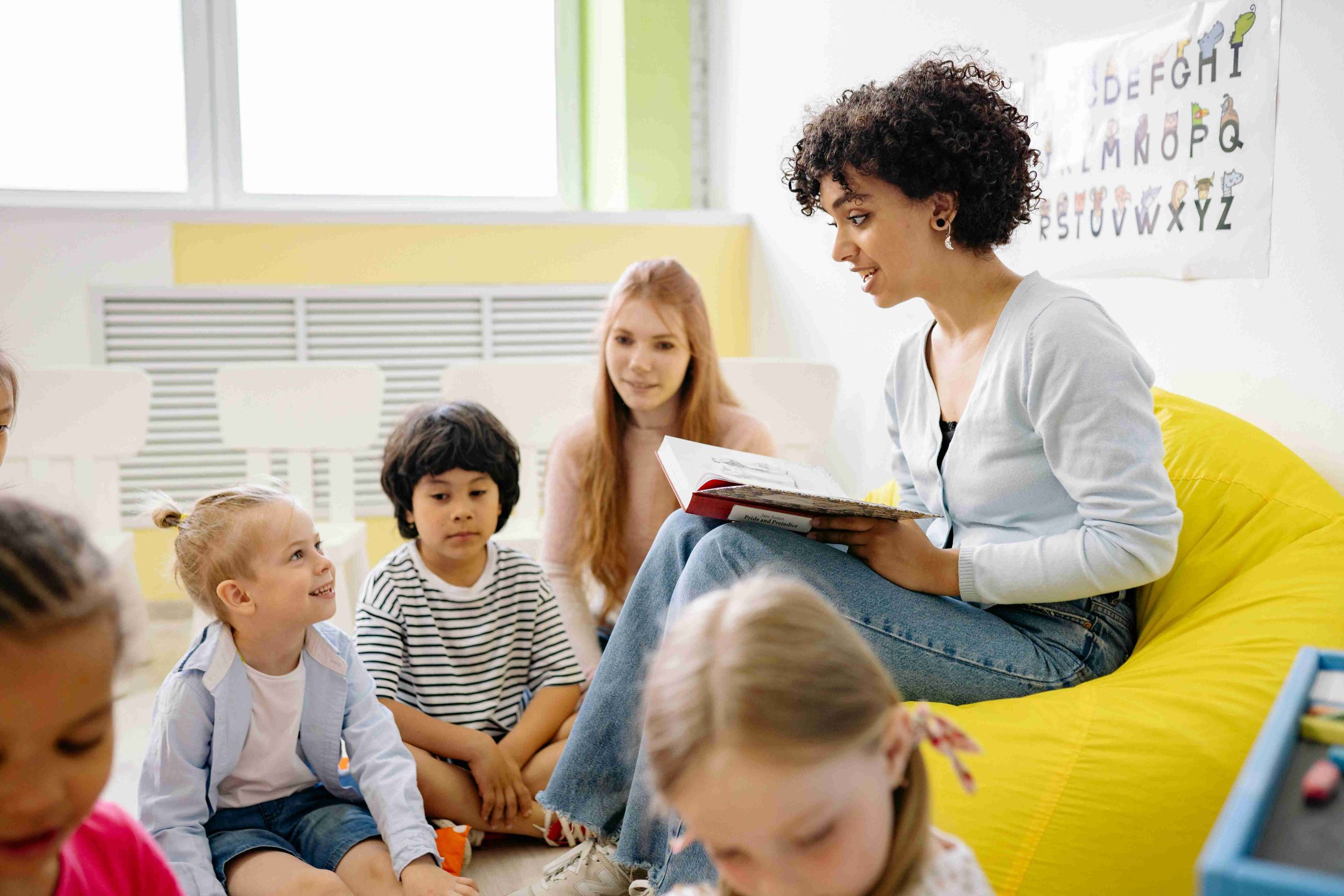
    Preschoolers respond well to narratives and imaginative play. Engaging them in storytelling sessions that highlight the positive outcomes of sharing can be an effective teaching tool. Incorporating role-play activities where children take turns sharing and playing with each other can further reinforce the lessons learned.

  • Encourage Communication and Empathy:

    Preschoolers may struggle with sharing due to possessiveness or a fear of losing their belongings. Encouraging open communication and empathy helps them understand the emotions of others. By teaching preschoolers to express their feelings and listen to the needs of their peers, we cultivate an environment that values empathy and understanding.


    The Benefits of Teaching Preschoolers to Share

  • Emotional Development:

    By sharing, preschoolers develop emotional resilience and empathy, enabling them to understand and support their peers’ emotions. This emotional intelligence forms a foundation for healthy relationships throughout their lives.

  • Social Skills:

    Sharing encourages preschoolers to interact and collaborate with their peers. They learn to negotiate, compromise, and resolve conflicts peacefully, laying the groundwork for positive social interactions in the future.

  • Enhanced Self-esteem:

    When preschoolers experience the joy of sharing, they develop a sense of pride and self-worth. Knowing they have positively impacted someone else’s happiness boosts their self-esteem and fosters a positive self-image.


    The Long-Term Impact of Nurturing Compassionate Individuals

  • Creating a Caring Society:

    Preschoolers who learn the value of sharing grow up to be adults who prioritize the needs of others. They contribute to the creation of a more compassionate society, where individuals look out for one another and work towards collective well-being.

  • Fostering Empathy in Future Generations:

    When preschoolers witness and experience the positive effects of sharing, they are more likely to pass on these values to future generations. This creates a ripple effect, inspiring others to embrace compassion and generosity.

  • Strengthening Relationships:

    The ability to share and empathize strengthens interpersonal relationships, whether in personal or professional settings. Compassionate individuals forge stronger connections with others, leading to more fulfilling and meaningful relationships throughout their lives.


    Strategies for Overcoming Challenges in Teaching Sharing to Preschoolers

  • Patience and Understanding:

    It is essential to remember that sharing can be challenging for preschoolers. They may struggle with possessiveness, a sense of entitlement, or difficulty understanding the concept of sharing. It is crucial for adults to approach these challenges with patience, empathy, and understanding. Acknowledging their emotions and offering gentle guidance can help preschoolers navigate these difficulties.

  • Establishing Clear Expectations:

    Setting clear expectations and boundaries around sharing can provide preschoolers with a framework for understanding when and how to share. Educators and parents can communicate simple rules, such as taking turns, sharing toys during designated playtime, or giving others a chance to play with a desired item. Consistency in reinforcing these expectations helps preschoolers internalize the value of sharing.

  • Individualized Support:

    Every preschooler is unique, and their readiness and ability to share may vary. Providing individualized support based on their developmental stage and temperament can be beneficial. Some preschoolers may require more guidance and reinforcement, while others may naturally exhibit sharing tendencies. Understanding their individual needs and tailoring strategies accordingly can facilitate their learning process.

  • Encouraging Problem-Solving:

    Sharing involves negotiation and problem-solving. Encouraging preschoolers to find solutions on their own, with guidance when needed, can enhance their critical thinking skills. For example, if two preschoolers both want to play with the same toy, educators or parents can facilitate a conversation where they explore different options and reach a compromise that satisfies both parties.

  • Celebrating and Reinforcing Positive Behavior:

    Positive reinforcement is a powerful tool in teaching sharing. Recognizing and praising preschoolers when they demonstrate sharing behaviors encourages them to continue doing so. Celebrating small acts of sharing, such as sharing a snack or offering help to a friend, reinforces the positive impact of their actions and reinforces the value of sharing.


    Extending Sharing Beyond Material Possessions

  • Sharing Time and Attention:

    Sharing goes beyond physical objects. Encouraging preschoolers to share their time and attention with others is equally important. Teaching them the value of listening actively, being present, and taking turns in conversations fosters meaningful connections and empathy towards others’ perspectives.

  • Sharing Kindness and Helpfulness:

    Kindness and helpfulness are intangible qualities that preschoolers can learn to share. Encouraging acts of kindness, such as comforting a friend who is upset or offering assistance to someone in need, instills a sense of compassion and consideration for others.

  • Sharing Experiences and Knowledge:

    Preschoolers can also share their experiences and knowledge with others. Encouraging them to share stories, ideas, and learnings helps build a sense of community and promotes collaborative learning. This can be done through show-and-tell activities, group discussions, or storytelling sessions where preschoolers can share their unique perspectives.

  • Encouraging Philanthropic Efforts:

    Introducing preschoolers to the concept of philanthropy and giving back can expand their understanding of sharing. Engaging in age-appropriate charitable activities, such as donating toys, participating in community service projects, or raising funds for a cause, allows preschoolers to experience the joy of sharing with those in need


    Cultivating a Supportive Home and School Environment

  • Parental Involvement:

    Parents play a crucial role in reinforcing the importance of sharing at home. By incorporating sharing practices into daily routines, such as taking turns during family activities or sharing household chores, parents can demonstrate the value of sharing in a familiar setting. Engaging in open conversations about sharing experiences and discussing the positive outcomes can further reinforce the message.

  • Collaboration between Parents and Educators:

    Collaboration between parents and educators creates a consistent approach to teaching sharing. Regular communication about sharing-related activities, strategies, and challenges can ensure a unified approach across home and school environments. Sharing resources, ideas, and success stories can also foster a supportive community focused on nurturing compassionate preschoolers.

  • Encouraging Peer-to-Peer Sharing:

    Preschoolers can learn a great deal about sharing from their interactions with peers. Encouraging collaborative play, group projects, and cooperative activities allows preschoolers to experience the benefits of sharing firsthand. Educators can create opportunities for peer-to-peer sharing and facilitate discussions on the positive impact it has on their relationships and overall learning experience.

  • Promoting a Non-Competitive Environment:

    A non-competitive environment is conducive to sharing. When preschoolers feel secure and supported, they are more likely to engage in sharing behaviors. Educators can foster a sense of belonging and emotional safety by celebrating each child’s unique strengths and encouraging cooperation rather than competition.

  • Encouraging Reflection and Discussion:

    Engaging preschoolers in reflection and discussion about sharing can deepen their understanding and reinforce the importance of the concept. Activities such as circle time discussions, sharing circles, or journaling about sharing experiences can provide opportunities for preschoolers to express their thoughts, emotions, and insights on sharing.


    The Role of Technology in Teaching Sharing

  • Age-Appropriate Educational Apps and Games: Technology can be a useful tool in teaching sharing to preschoolers when used appropriately. Age-appropriate educational apps and games can provide interactive experiences that reinforce sharing concepts. These digital tools can incorporate storytelling, problem-solving, and cooperative gameplay to engage preschoolers in learning about sharing in a fun and interactive way.

  • Virtual Sharing Experiences:

    With the rise of virtual platforms and distance learning, educators can create virtual sharing experiences. For example, virtual show-and-tell sessions where preschoolers share their favorite toys or objects through video calls can promote sharing even in remote learning environments. Virtual collaborative projects or online group activities can also encourage preschoolers to work together and share their ideas.

  • Digital Storytelling:

    Digital storytelling platforms can be used to create and share stories that highlight the importance of sharing. Preschoolers can participate in creating digital stories that depict sharing scenarios, showcasing the positive outcomes and emotions associated with sharing. These digital stories can be shared with peers, parents, and educators, fostering a sense of connection and learning.

  • Parental Guidance and Monitoring:

    incorporating technology in teaching sharing, it is crucial for parents and educators to provide guidance and monitor the content. Supervising and selecting age-appropriate apps, games, and online activities ensures that preschoolers engage with content that aligns with the values and goals of teaching sharing.


    Reinforcing Sharing Through Positive Reinforcement and Rewards

  • Verbal Praise and Encouragement:

    Verbal praise is a powerful tool in reinforcing sharing behavior. When preschoolers engage in sharing, it is essential to acknowledge their actions with specific and genuine compliments. For example, saying “Well done for sharing your toy with your friend. That was very kind of you!” reinforces the positive behavior and encourages preschoolers to continue sharing in the future.

  • Sharing Sticker Charts or Tokens:

    Using visual aids like sticker charts or tokens can create a tangible representation of sharing progress. Each time a preschooler shares, they can receive a sticker or token to place on the chart. As the chart fills up or the number of tokens increases, preschoolers can earn small rewards or privileges, such as choosing a special activity or being the line leader. These incentives can motivate preschoolers to actively engage in sharing behaviors.

  • Peer Recognition and Appreciation:

    Encouraging preschoolers to recognize and appreciate each other’s sharing efforts can strengthen the positive impact of sharing. Implementing activities like “Sharing Stars” or “Friendship Awards” allows preschoolers to nominate and acknowledge their peers for exemplary sharing behaviors. This peer recognition reinforces the value of sharing within the social group and encourages a supportive and sharing-oriented environment.

  • Cooperative Games and Team Building:

    Engaging preschoolers in cooperative games and team-building activities provides opportunities to practice and reinforce sharing skills. These activities encourage teamwork, communication, and sharing of resources or responsibilities. By celebrating successful collaborative efforts, preschoolers understand the value of sharing in achieving common goals.

  • Community Service Projects:

    Incorporating community service projects into preschool activities introduces preschoolers to the concept of sharing with those in need. Participating in age-appropriate projects, such as collecting and donating toys or food items, allows preschoolers to experience the joy of sharing and making a positive impact on others’ lives. Reflecting on these experiences can deepen their understanding of sharing as a compassionate act.


    Nurturing a Lifelong Habit of Sharing

  • Continual Reinforcement and Practice:

    Teaching sharing is an ongoing process that requires continual reinforcement and practice. Consistency in incorporating sharing values in daily routines and activities helps preschoolers internalize the habit of sharing. By consistently providing opportunities for sharing and reinforcing positive behaviors, preschoolers develop a lifelong understanding of the value of generosity and compassion.

  • Open Dialogue and Reflection:

    Engaging preschoolers in open dialogue and reflection about sharing experiences fosters deeper understanding and self-awareness. Regular discussions about the feelings and outcomes associated with sharing can help preschoolers recognize the positive impact of their actions. Reflective questions like “How did it feel when you shared your toy with your friend?” or “What did you learn from sharing today?” encourage preschoolers to think critically and internalize the lessons learned.

  • Extending Sharing to Other Areas of Life:

    Teaching preschoolers that sharing extends beyond material possessions and encompasses sharing emotions, experiences, and knowledge helps broaden their perspective. Encouraging them to share their feelings, thoughts, and ideas in various contexts, such as family discussions, classroom activities, or creative projects, reinforces the habit of sharing in different aspects of life.

  • Encouraging Acts of Kindness:

    Kindness and sharing are closely linked. Encouraging preschoolers to perform acts of kindness, such as helping a friend, comforting someone who is sad, or performing random acts of kindness, instills a habit of sharing in their everyday interactions. Recognizing and celebrating these acts of kindness reinforces the connection between sharing and making a positive impact on others’ lives.

  • Function Effectively

    Function Effectively

    Fostering a Sense of Teamwork Among Preschoolers: Functioning Effectively


    In the early years of a child’s life, the development of social skills and the ability to work effectively as part of a team are crucial foundations for their future success. Preschoolers possess an innate curiosity and enthusiasm that, when harnessed correctly, can lead to the cultivation of teamwork skills. Nurturing a sense of teamwork among preschoolers not only promotes cooperation and collaboration but also enhances their cognitive, emotional, and social growth. In this article, we explore various strategies and activities to foster a strong sense of teamwork among preschoolers, enabling them to function effectively in group settings.


    Creating a Positive and Inclusive Environment

    To cultivate teamwork skills among preschoolers, it is essential to create a positive and inclusive environment that encourages cooperation and respect. The atmosphere should be warm, nurturing, and welcoming, making each child feel valued and included.


    Encouraging Communication and Active Listening

    Effective communication is at the core of successful teamwork. Preschoolers need to develop their verbal and non-verbal communication skills to express their thoughts, ideas, and feelings effectively. Encouraging open dialogue and active listening helps preschoolers understand the importance of listening to others’ perspectives and valuing their contributions.


    Engaging in Cooperative Play and Group Activities

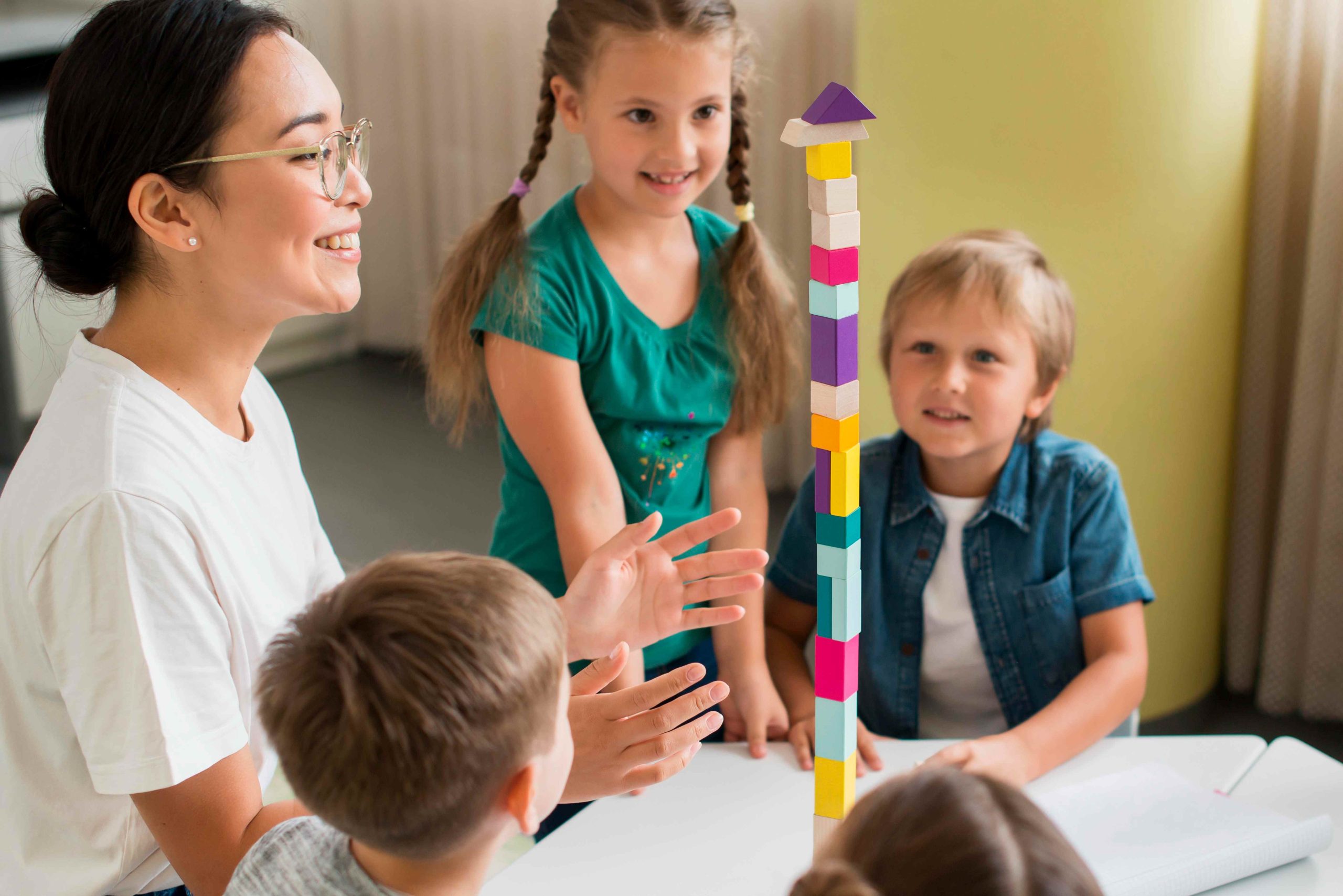
    Engaging preschoolers in cooperative play and group activities provides them with opportunities to work together towards a common goal. Whether it’s building with blocks, solving puzzles, or engaging in role-playing activities, such collaborative endeavors foster teamwork, problem-solving, and decision-making skills.


    Promoting Empathy and Understanding

    Developing empathy is crucial for preschoolers to understand the emotions and experiences of others. By encouraging preschoolers to recognize and validate the feelings of their peers, educators can foster a supportive and empathetic atmosphere. This helps preschoolers develop a sense of belonging and encourages them to collaborate effectively.


    Assigning Group Projects and Tasks

    Assigning group projects and tasks enables preschoolers to collaborate and share responsibilities. By dividing tasks and encouraging children to work together, educators can facilitate teamwork while also nurturing a sense of individual accountability. Group projects also promote critical thinking, creativity, and problem-solving skills.


    Emphasizing Cooperation over Competition

    While healthy competition can have its place, it is crucial to emphasize cooperation over competition when fostering teamwork among preschoolers. Creating an environment that values teamwork and collaboration rather than solely focusing on winning or being the best helps preschoolers develop positive social connections and cooperative skills.


    Role-Modeling and Guided Practice

    Preschoolers learn by observing and imitating the behavior of adults and peers around them. As educators and caregivers, it is important to role-model positive teamwork skills through our own actions and interactions. Guided practice and scaffolding allow preschoolers to gradually develop their teamwork abilities by providing them with structured opportunities to collaborate and receive feedback.


    Celebrating Team Achievements

    Recognizing and celebrating team achievements plays a vital role in reinforcing the value of teamwork among preschoolers. Acknowledging their collaborative efforts, highlighting individual contributions, and praising their achievements fosters a sense of pride and motivates preschoolers to continue working effectively as part of a team.


    Resolving Conflicts and Encouraging Compromise

    Conflict resolution is an essential skill within a team setting. Preschoolers need guidance in understanding and resolving conflicts in a fair and respectful manner. Encouraging compromise, active listening, and teaching problem-solving strategies empowers preschoolers to navigate disagreements effectively and maintain harmonious teamwork.


    Reflecting on Teamwork Experiences

    Regularly reflecting on teamwork experiences allows preschoolers to evaluate their collaborative efforts and identify areas for improvement. This reflective practice helps them develop self-awareness, learn from their mistakes, and make necessary adjustments to function effectively as part of a team.


    Team-Building Games and Activities

    Engaging preschoolers in team-building games and activities is an effective way to develop their teamwork skills. Games like “Pass the Parcel,” “Musical Chairs,” or “Red Light, Green Light” encourage collaboration, communication, and coordination. These activities create opportunities for preschoolers to work together, support one another, and experience the satisfaction of accomplishing a shared objective.


    Group Discussions and Reflections

    Incorporating group discussions and reflections into daily routines allows preschoolers to share their thoughts, ideas, and experiences. This practice not only strengthens their communication skills but also encourages active participation and collaboration within the group. It provides a platform for preschoolers to express their opinions, listen to others’ perspectives, and develop a sense of collective decision-making.


    Team-Building Challenges

    Introducing team-building challenges to preschoolers can be an exciting and engaging way to foster teamwork. These challenges can involve building structures with blocks, navigating obstacle courses, or solving puzzles together. The key is to provide opportunities that require cooperation, problem-solving, and effective communication, allowing preschoolers to develop trust and reliance on one another.


    Pairing and Grouping Strategies

    Strategic pairing and grouping of preschoolers can enhance their teamwork skills. Educators can intentionally pair children with different strengths, abilities, or interests, encouraging them to collaborate and learn from each other. Similarly, forming diverse groups for various activities promotes inclusivity, helps preschoolers appreciate diversity, and fosters the understanding that every team member brings unique contributions to the group.


    Peer Teaching and Support

    Encouraging preschoolers to engage in peer teaching and support strengthens their teamwork abilities while fostering empathy and cooperation. Peer teaching allows children to share their knowledge and skills with their peers, promoting a sense of responsibility and leadership within the group. This practice also creates a supportive environment where children learn from and support one another, building strong bonds and enhancing teamwork dynamics.


    Teamwork-themed Stories and Role-Play

    Integrating teamwork-themed stories and role-play into daily activities can captivate preschoolers’ imaginations and reinforce the importance of working together. Reading books that emphasize collaboration, such as “The Little Red Hen” or “The Rainbow Fish,” followed by discussions and role-playing scenarios, helps preschoolers understand the value of teamwork and empathize with the characters’ experiences. This interactive approach deepens their understanding of teamwork concepts and encourages them to apply those principles in real-life situations.


    Community Projects and Service-Learning

    Engaging preschoolers in community projects and service-learning experiences provides meaningful opportunities for teamwork. Collaborating on projects like creating care packages for the elderly or participating in local clean-up initiatives allows preschoolers to understand the impact of collective action and develop a sense of social responsibility. These experiences also strengthen their teamwork skills as they work towards a common goal for the betterment of their community.


    Visual Representations of Teamwork

    Using visual representations, such as posters or charts, that highlight the importance of teamwork and display the benefits of working together can serve as constant reminders for preschoolers. Visual aids that depict collaborative tasks, positive teamwork attributes, and successful team outcomes help reinforce the concept of teamwork and motivate preschoolers to engage actively in group activities.

    By incorporating these additional strategies and activities, educators can create an enriching environment that nurtures teamwork among preschoolers. Remember, fostering teamwork is an ongoing process that requires consistent effort, patience, and adaptability to meet the needs and abilities of each child.


    Cooperative Art Projects

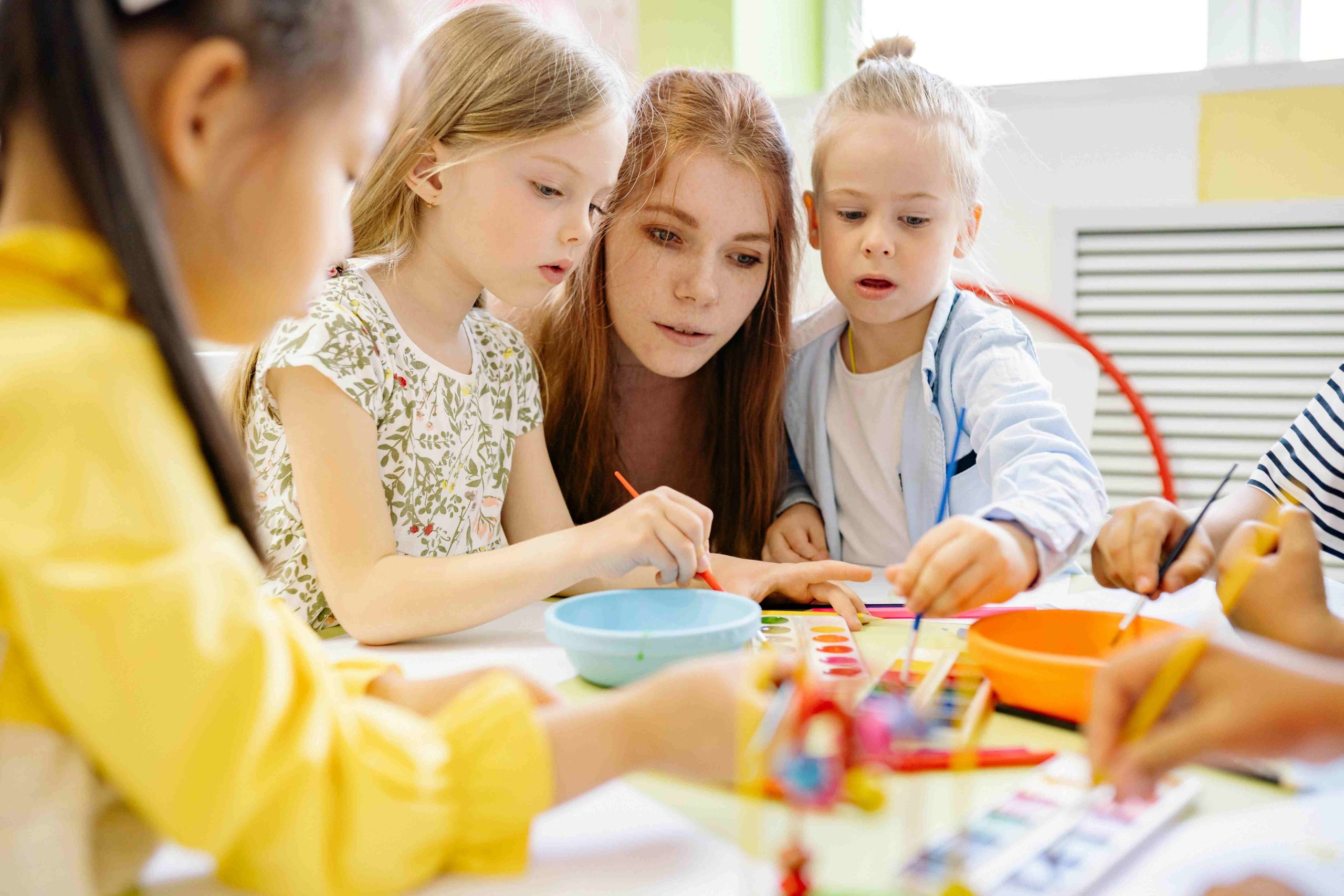
    Engaging preschoolers in cooperative art projects allows them to express their creativity while collaborating with their peers. Activities such as creating a mural or collaborative collage require preschoolers to work together, share materials, and contribute their ideas. This not only promotes teamwork but also encourages communication, compromise, and the appreciation of each other’s artistic contributions.


    Group Music and Movement

    Incorporating group music and movement activities into daily routines can be an enjoyable way to foster teamwork among preschoolers. Dancing, singing, and playing musical instruments together promotes coordination, cooperation, and a sense of rhythm. Preschoolers can learn to follow a beat, take turns, and synchronize their movements, fostering a shared sense of accomplishment and unity.


    Teamwork in Outdoor Play

    Utilizing outdoor play areas provides an ideal setting to promote teamwork among preschoolers. Organizing team-based games like relay races, scavenger hunts, or group sports activities encourages cooperation, communication, and healthy competition. These experiences help preschoolers develop their physical coordination, teamwork skills, and an appreciation for the importance of collaboration.


    Collaborative Problem-Solving

    Introducing collaborative problem-solving activities challenges preschoolers to work together to find solutions. Presenting age-appropriate puzzles, riddles, or engineering challenges allows them to think critically, share ideas, and pool their strengths to overcome obstacles. By encouraging them to discuss various approaches and reach a consensus, educators can enhance their problem-solving abilities and foster effective teamwork.


    Classroom Jobs and Responsibilities

    Assigning classroom jobs and responsibilities enables preschoolers to understand the significance of contributing to the overall functioning of the group. Rotating tasks such as line leader, snack helper, or book organizer not only promotes a sense of ownership and responsibility but also encourages teamwork as preschoolers work together to accomplish their assigned duties. This practice cultivates a supportive and cooperative classroom environment.


    Field Trips and Collaborative Experiences

    Organizing field trips and collaborative experiences outside the classroom provides preschoolers with opportunities to work together in new and stimulating environments. Visiting places like museums, parks, or farms allows them to engage in group activities, share observations, and collaborate on tasks. These experiences broaden their perspectives, enhance their teamwork skills, and create lasting memories.


    Cultivating Positive Relationships

    Nurturing positive relationships among preschoolers is essential for building a strong foundation of teamwork. Educators can promote friendship, respect, and empathy by facilitating activities that encourage social interaction, such as buddy systems or partner projects. Creating a supportive network within the group fosters a sense of belonging, strengthens teamwork bonds, and enhances overall group dynamics.


    Parent Involvement and Collaboration

    Involving parents in fostering teamwork among preschoolers creates a collaborative partnership between home and school. Educators can engage parents through newsletters, workshops, or parent-child activities that emphasize teamwork. Encouraging parents to reinforce teamwork principles at home and providing resources for family activities centered around cooperation and collaboration enhances the preschoolers’ understanding and practice of teamwork skills.


    Continuous Evaluation and Feedback

    Regularly evaluating and providing constructive feedback on teamwork skills helps preschoolers understand their strengths and areas for improvement. Educators can observe group dynamics, assess individual contributions, and offer specific feedback that encourages growth and development. By celebrating progress and offering guidance, educators can support preschoolers in their journey towards functioning effectively as part of a team.

    These additional strategies expand the repertoire of activities and approaches to fostering a sense of teamwork among preschoolers. Remember that each child is unique, and it’s essential to tailor these strategies to their developmental level, interests, and abilities. By consistently implementing these strategies and promoting a positive, inclusive, and collaborative environment, educators can nurture teamwork skills that will benefit preschoolers throughout their lives.


    Group Storytelling and Drama

    Engaging preschoolers in group storytelling and drama activities encourages collaboration and imagination. Children can work together to create a story, assigning roles and acting out different scenes. This promotes teamwork, as they rely on each other to bring the story to life and work cohesively to achieve a shared narrative goal.


    Building a Team Charter

    Introducing the concept of a team charter can help preschoolers understand the importance of teamwork and establish shared expectations. Together, educators and preschoolers can create a charter that outlines values, behaviors, and goals for their teamwork. This collaborative process instills a sense of ownership and encourages preschoolers to uphold the agreed-upon principles.


    Multicultural Team Celebrations

    Incorporating multicultural team celebrations allows preschoolers to appreciate diversity while fostering teamwork. Educators can organize events where children learn about different cultures, traditions, and celebrations. Through collaborative activities like preparing food, creating crafts, or performing dances, preschoolers can embrace different perspectives and work together to create a multicultural experience.


    Problem-Solving Games and Puzzles

    Introducing problem-solving games and puzzles promotes teamwork among preschoolers. Activities like building a bridge with blocks, solving a group puzzle, or completing a cooperative board game require preschoolers to collaborate, communicate, and share ideas. These experiences cultivate critical thinking, creativity, and teamwork as they work collectively to overcome challenges.


    Team-Building Circle Time

    Designating a special circle time for team-building activities allows preschoolers to focus on strengthening their teamwork skills. This can involve interactive games, sharing appreciations for team members, or engaging in collaborative activities that foster trust and cooperation. Team-building circle time provides a dedicated space to reinforce the importance of working together effectively.


    Teamwork Through Technology

    Incorporating technology-based activities can be an engaging way to foster teamwork. Preschoolers can use educational apps or interactive learning platforms that encourage collaboration and problem-solving. For example, they can work together on a digital painting, collaborate on a virtual storytelling project, or solve puzzles as a team. This approach combines technology with teamwork to enhance their digital literacy skills and promote effective collaboration.


    Teamwork-themed Crafts and Projects

    Engaging preschoolers in teamwork-themed crafts and projects allows them to express their creativity while reinforcing the value of collaboration. They can work together to create a collaborative artwork, build a group structure using recycled materials, or design a shared mural. These hands-on activities foster teamwork, communication, and a sense of pride in their collective creations.

  • Leadership Skills

    Leadership Skills

    sense of teamwork Fostering a Sense of Teamwork Among Preschoolers: Nurturing Leadership Skills


    In the realm of early childhood education, fostering a sense of teamwork among preschoolers is of paramount importance. It lays the foundation for developing essential leadership skills that will benefit them throughout their lives. By encouraging collaboration and cooperation from an early age, educators and parents can nurture the inherent potential in preschoolers to become confident, empathetic, and effective leaders. This article explores the significance of teamwork and leadership in preschool settings and provides practical strategies to cultivate these skills in young learners.


    Building a Strong Foundation: The Importance of Teamwork in Preschool Education

    Teamwork is an integral aspect of a child’s holistic development. It cultivates a sense of belonging, empathy, and responsibility while promoting effective communication and problem-solving skills. In a preschool setting, teamwork creates a positive and inclusive learning environment where preschoolers feel valued and supported, leading to enhanced social, emotional, and cognitive growth.


    Encouraging Collaboration: Strategies for Fostering Teamwork in Preschoolers

  • Establishing Clear Expectations: Setting clear expectations and guidelines regarding teamwork is essential for preschoolers. This includes emphasizing the importance of working together, sharing responsibilities, and respecting each other’s ideas and opinions.

  • Cooperative Learning Activities: Engaging preschoolers in cooperative learning activities not only enhances their teamwork skills but also provides opportunities for hands-on learning. Activities such as group projects, role-playing, and collaborative games encourage children to communicate, cooperate, and problem-solve collectively.

  • Team-Building Exercises: Team-building exercises promote camaraderie and trust among preschoolers. Activities like building puzzles together, participating in relay races, or engaging in group crafts foster collaboration, communication, and mutual support.

  • Peer Mentoring: Pairing preschoolers with diverse abilities and skills can be an effective way to foster teamwork. Older preschoolers can mentor younger ones, fostering a sense of responsibility, empathy, and leadership. This arrangement also provides an opportunity for older children to practice their leadership skills.

  • Emphasizing Communication Skills: Effective communication is vital for successful teamwork. Encourage preschoolers to express their thoughts, actively listen to others, and resolve conflicts amicably. Storytelling, puppet shows, and role-playing games can enhance communication skills while making it enjoyable for the preschoolers.

  • Celebrating Individual and Group Achievements: Recognizing and celebrating both individual and collective achievements can boost preschoolers’ self-esteem and motivation to work as a team. Acknowledge their efforts, encourage positive reinforcement, and provide opportunities for them to reflect on the benefits of teamwork.


    Nurturing Leadership Skills in Preschoolers:

    Leadership skills are not limited to a particular age group; they can be cultivated in preschoolers through intentional guidance and support. By providing opportunities for preschoolers to practice leadership roles, educators and parents can help them develop self-confidence, decision-making abilities, and empathy.

  • Encouraging Independence: Fostering independence in preschoolers enables them to take ownership of their learning and develop leadership skills. Encourage preschoolers to make choices, solve problems, and take responsibility for their actions within a safe and supportive environment.

  • Role-Modeling: Adults play a crucial role in nurturing leadership skills in preschoolers. Being positive role models by exhibiting qualities such as empathy, integrity, and effective communication helps preschoolers develop a deeper understanding of leadership qualities.

  • Assigning Responsibilities: Assigning age-appropriate responsibilities within the preschool environment allows preschoolers to practice leadership skills. Tasks like leading a group activity, organizing materials, or being a line leader can instill a sense of responsibility, accountability, and leadership in preschoolers.

  • Offering Leadership Opportunities: Providing preschoolers with opportunities to take on leadership roles, such as being a class monitor, organizing events, or leading group discussions, nurtures their confidence and decision-making abilities. These experiences promote critical thinking, problem-solving, and effective communication.

  • Building Emotional Intelligence: Developing emotional intelligence is crucial for effective leadership. Encourage preschoolers to identify and express their emotions, while also teaching them to empathize with others. Activities like storytelling, role-playing, and discussions can help preschoolers understand and manage their emotions and build empathy.- leadership skills

  • Encouraging Collaboration in Problem-Solving: Presenting preschoolers with group problem-solving tasks promotes teamwork while developing critical thinking and decision-making skills. Encourage them to brainstorm ideas, share perspectives, and work together to find solutions. By engaging in these activities, preschoolers learn the value of collaboration and understand that different ideas contribute to a comprehensive solution.

  • Creating Opportunities for Reflection: Reflection is an essential component of teamwork. Provide regular opportunities for preschoolers to reflect on their teamwork experiences. Encourage them to discuss what went well, what challenges they faced, and how they can improve their teamwork skills. This reflection helps them develop self-awareness, learn from their experiences, and make adjustments for future collaborative efforts.


    Nurturing Leadership Skills in Preschoolers:

  • Leadership skills are not limited to a particular age group; they can be cultivated in preschoolers through intentional guidance and support. By providing opportunities for preschoolers to practice leadership roles, educators and parents can help them develop self-confidence, decision-making abilities, and empathy.

  • Encouraging Independence: Fostering independence in preschoolers enables them to take ownership of their learning and develop leadership skills. Encourage preschoolers to make choices, solve problems, and take responsibility for their actions within a safe and supportive environment. This independence nurtures their decision-making abilities and builds their self-confidence.

  • Role-Modeling: Adults play a crucial role in nurturing leadership skills in preschoolers. Being positive role models by exhibiting qualities such as empathy, integrity, and effective communication helps preschoolers develop a deeper understanding of leadership qualities. Demonstrate fairness, respect, and inclusivity in your interactions with preschoolers, providing them with examples to follow.

  • Assigning Responsibilities: Assigning age-appropriate responsibilities within the preschool environment allows preschoolers to practice leadership skills. Tasks like leading a group activity, organizing materials, or being a line leader can instill a sense of responsibility, accountability, and leadership in preschoolers. Rotate these responsibilities to provide equal opportunities for all preschoolers to develop their leadership abilities.

  • Offering Leadership Opportunities: Providing preschoolers with opportunities to take on leadership roles enhances their sense of agency and develops their leadership skills. Allow them to lead group discussions, make decisions in collaborative projects, or organize class activities. These experiences empower preschoolers, allowing them to practice problem-solving, decision-making, and effective communication as leaders.

    Building Emotional Intelligence: Developing emotional intelligence is crucial for effective leadership. Encourage preschoolers to identify and express their emotions, while also teaching them to empathize with others. Activities like storytelling, role-playing, and discussions can help preschoolers understand and manage their emotions and build empathy. Emotional intelligence allows preschoolers to connect with others, understand different perspectives, and lead with empathy and compassion.

  • Encouraging Diversity and Inclusion: Teach preschoolers the value of diversity and inclusion within a team. Help them understand that everyone brings unique perspectives, abilities, and strengths to the group. Encourage them to appreciate and respect these differences, fostering an inclusive environment where all preschoolers feel valued and included. By embracing diversity, preschoolers learn the importance of collaboration and gain a broader understanding of teamwork.

  • Promoting Decision-Making Skills: Leadership involves making decisions and taking responsibility for them. Provide preschoolers with opportunities to make choices within group activities. Guide them in considering different options, weighing pros and cons, and making informed decisions. This practice helps them develop critical thinking skills, confidence in decision-making, and a sense of accountability as emerging leaders.

  • Cultivating Empathy and Team Support: Empathy is a vital leadership trait that enables individuals to understand and connect with others. Encourage preschoolers to develop empathy by engaging in activities that foster understanding and compassion. Role-playing scenarios, storytelling, and discussions about feelings and perspectives help preschoolers develop empathy, which in turn strengthens their ability to support their team members.

  • Collaborating with Families: Engage parents and families in the process of fostering teamwork and leadership skills in preschoolers. Share the strategies being implemented in the classroom and encourage parents to reinforce these skills at home. Provide resources and suggestions for collaborative activities that can be done as a family, emphasizing the importance of teamwork and leadership in various contexts.

  • Continuous Assessment and Feedback: Regularly assess preschoolers’ teamwork and leadership skills. Observe their interactions during group activities, monitor their progress, and provide constructive feedback. Recognize and acknowledge their efforts, highlighting instances where they demonstrated effective teamwork or leadership qualities. By providing feedback, you can guide preschoolers towards improvement and growth in their teamwork and leadership abilities.

  • Creating a Supportive Classroom Environment: Establish a classroom environment that supports teamwork and leadership development. Display visual cues, such as posters or charts, that emphasize teamwork values and leadership qualities. Create spaces where preschoolers can collaborate, such as group workstations or reading corners. Ensure that materials and resources are easily accessible, promoting independent learning and teamwork.

  • Encouraging Reflection and Goal-Setting: Help preschoolers reflect on their teamwork and leadership experiences. Engage them in discussions about what worked well, challenges they encountered, and areas for improvement. Guide them in setting goals to enhance their teamwork and leadership skills. Encourage them to track their progress and celebrate milestones, fostering a growth mindset and a continuous desire for personal and collective development.

  • Incorporating Role-Play and Leadership Scenarios: Engage preschoolers in role-play activities that simulate real-life leadership situations. Provide them with scenarios where they need to make decisions, resolve conflicts, or guide their peers. By stepping into different leadership roles, preschoolers can develop problem-solving skills, empathy, and a deeper understanding of the responsibilities that come with leadership positions.

  • Promoting Peer Feedback and Evaluation: Encourage preschoolers to provide constructive feedback to their peers regarding their teamwork and leadership skills. Teach them how to give feedback in a respectful and supportive manner. This practice helps preschoolers develop their communication skills, empathy, and the ability to provide constructive criticism. Peer evaluation also fosters a culture of continuous improvement within the classroom.

  • Engaging Preschoolers in Community Service Projects: Introduce preschoolers to the concept of leadership in community settings. Organize age-appropriate community service projects where preschoolers can contribute and make a positive impact. This experience not only develops their leadership skills but also instills a sense of social responsibility and empathy towards others.

  • Collaborating with Other Classrooms: Foster teamwork and leadership skills by creating opportunities for preschoolers to collaborate with other classrooms or schools. Organize joint activities or projects that require teamwork and coordination across different groups. This collaboration exposes preschoolers to diverse perspectives, encourages communication and cooperation, and broadens their understanding of teamwork beyond their immediate classroom.

  • Integrating Technology: Utilize age-appropriate educational technology tools to enhance teamwork and leadership skills. Interactive apps or platforms that promote collaborative learning and communication can be valuable resources. For example, digital platforms can facilitate virtual teamwork or provide opportunities for preschoolers to collaborate on shared projects.

  • Cultivating a Growth Mindset: Foster a growth mindset in preschoolers by emphasizing that teamwork and leadership skills can be developed and improved over time. Encourage them to embrace challenges, learn from mistakes, and persist in their efforts. By promoting a growth mindset, preschoolers develop resilience, self-belief, and a willingness to take on leadership roles with confidence.

  • Encouraging Reflective Journals or Portfolios: Provide preschoolers with reflective journals or portfolios where they can document their teamwork and leadership experiences. Encourage them to write about their observations, challenges faced, and lessons learned. This reflective practice promotes metacognition, self-awareness, and goal-setting, fostering continuous growth in their teamwork and leadership skills.

  • Engaging in Multicultural Activities: Introduce multicultural activities that celebrate diversity and promote inclusive teamwork. Explore different cultures, traditions, and perspectives through stories, music, art, and food. This exposure helps preschoolers appreciate diversity, develop cultural sensitivity, and understand the importance of inclusivity in teamwork and leadership.

  • Encouraging Teamwork Through Outdoor Activities: Take advantage of outdoor spaces to engage preschoolers in teamwork-oriented activities. Outdoor games, nature exploration, and group challenges promote collaboration, problem-solving, and communication skills. Working together in a different environment enhances their ability to adapt, collaborate, and appreciate the benefits of teamwork outside the classroom.

  • Building Team Spirit: Foster a sense of team spirit among preschoolers by creating a positive and supportive classroom culture. Celebrate individual and group achievements, emphasize the importance of cooperation and respect, and encourage preschoolers to cheer for their teammates. Team-building chants, cheers, or songs can further enhance the sense of unity and belonging within the team.

  • Providing Leadership Role Models: Introduce preschoolers to diverse leadership role models through stories, videos, or guest speakers. Highlight leaders from various fields and backgrounds to broaden their understanding of leadership qualities. This exposure helps preschoolers develop a broader perspective on leadership and encourages them to identify their own leadership strengths and aspirations.

  • Engaging in Collaborative Art Projects: Art offers a unique avenue for fostering teamwork and creativity. Encourage preschoolers to collaborate on art projects where they need to share materials, ideas, and responsibilities. This collaborative process develops their ability to work together, compromise, and appreciate different artistic styles. The final artwork can serve as a visual representation of their teamwork and leadership skills.

  • Celebrating Diversity in Teamwork: Embrace the diversity within the classroom and celebrate the unique strengths and contributions of each preschooler. Create opportunities for preschoolers to share their cultural traditions, languages, and customs with their peers. Emphasize the value of diverse perspectives and experiences in fostering innovation and creativity within a team.

  • Addressing Challenges and Conflict Resolution: Teach preschoolers effective strategies for addressing challenges and resolving conflicts within a team. Encourage open communication, active listening, and respectful dialogue. Provide guidance on problem-solving techniques, such as compromise, negotiation, and finding win-win solutions. By equipping preschoolers with conflict resolution skills, they develop the ability to navigate disagreements and maintain a harmonious team environment.

  • Engaging in Team Reflection and Improvement: Regularly engage preschoolers in team reflection sessions where they can evaluate their teamwork dynamics and identify areas for improvement. Encourage them to share their thoughts, suggestions, and concerns. This process promotes a sense of ownership, responsibility, and collective growth within the team.

  • Collaboration Beyond the Classroom: Extend the concept of teamwork beyond the classroom by involving preschoolers in collaborative projects with other community organizations or local businesses. For example, they can participate in community clean-up initiatives, collaborate with local artists for a mural project, or engage in joint fundraising activities. These experiences provide preschoolers with opportunities to develop teamwork skills while making a positive impact in their community.

  • Acknowledge

    Acknowledge

    Heartache of Preschoolers: Understanding and Coping with Homesickness – Acknowledge


    Preschoolers, those little souls filled with boundless energy and curiosity, often experience a profound sense of homesickness when separated from their familiar surroundings. The heartache they feel can be overwhelming, leading to distress and anxiety. As parents, teachers, and caregivers, it is essential to understand the depth of their emotions and support them in coping with homesickness. In this article, we will delve into the world of preschoolers’ homesickness, explore its causes, and provide practical strategies to help them overcome this emotional hurdle.


    Understanding the Heartache of Preschoolers

    Preschoolers are at a stage of rapid development, both physically and emotionally. They are highly sensitive to changes in their environment and often form strong attachments to their homes, parents, and primary caregivers. When separated from these familiar people and places, they can experience a deep sense of homesickness.


    Homesickness: A Profound Emotion

    Homesickness in preschoolers is not just a fleeting feeling but a profound emotion that can disrupt their overall well-being. It manifests as a longing for the familiar and a desire to return to the comfort of home. Preschoolers may express their homesickness through a range of emotions, such as sadness, anxiety, fear, and even anger.


    Causes of Preschoolers’ Homesickness

    Several factors contribute to preschoolers’ homesickness. Understanding these causes can help parents and caregivers address the underlying issues effectively.

  • Separation Anxiety: Preschoolers often experience separation anxiety, which intensifies their homesickness. They have a deep attachment to their parents or primary caregivers and may struggle to adapt to new environments without them.
  • Transition and Change: Any significant change, such as starting preschool or moving to a new house, can trigger homesickness in preschoolers. They rely on familiar routines and surroundings, and disruptions to these can lead to feelings of unease and longing.
  • Lack of Familiarity: Being in an unfamiliar environment, surrounded by unfamiliar faces, can heighten preschoolers’ homesickness. They seek the comfort of familiarity and struggle to adjust to new settings.
  • Peer Interactions: Preschoolers’ homesickness can also arise from difficulties in forming connections with their peers. Social interactions play a crucial role in their emotional development, and feeling isolated or left out can contribute to their heartache.


    Coping Strategies for Preschoolers’ Homesickness

    Helping preschoolers cope with homesickness requires a compassionate and empathetic approach. Here are some practical strategies to support them in navigating their emotional challenges:

  • Validate Their Feelings

    Acknowledge and validate the emotions your preschooler is experiencing. Let them know that it is normal to feel homesick and that you understand how difficult it can be. Encourage them to express their feelings openly and assure them that you are there to listen and provide comfort.

  • Establish a Routine

    Creating a predictable routine can help preschoolers feel more secure and grounded in their new environment. Set consistent schedules for activities, meals, and rest times. Knowing what to expect can provide a sense of stability and alleviate their homesickness.

  • Familiarize with the Environment

    Take the time to explore the preschool or new surroundings with your preschooler. Visit the premises together before the official start, meet the teachers or caregivers, and familiarize them with the new environment. This process helps reduce the unfamiliarity and eases their transition.

  • Encourage Peer Interactions

    Facilitate opportunities for your preschooler to interact and play with their peers. Encourage socialization through group activities, playdates, and supervised interactions. Building positive relationships with other children can alleviate feelings of loneliness and homesickness.

  • Stay Connected

    Maintaining a connection with home can provide preschoolers with a sense of security and comfort. Encourage them to bring a cherished object from home, such as a favorite toy or a family photo, to keep in their backpack. Additionally, schedule regular phone calls or video chats with family members to reinforce the bond with home.

  • Engage in Comforting Activities

    Identify activities that help your preschooler feel calm and content. This could include reading a favorite story together, engaging in creative play, or cuddling with a soft toy. These comforting activities can provide a sense of familiarity and alleviate homesickness.


    Acknowledging the Impact of Homesickness on Preschoolers

    Recognizing the profound impact of homesickness on preschoolers is crucial in providing the necessary support and empathy. Here, we explore the significance of acknowledging their emotions and fostering a nurturing environment:

  • Validate Their Experience

    Preschoolers’ homesickness should never be dismissed or trivialized. It is vital to validate their experience by acknowledging the depth of their emotions. Let them know that their feelings are valid and that it is okay to miss home. This validation helps preschoolers feel heard and understood, fostering a sense of emotional security.

  • Create a Safe Space for Expression

    Encourage preschoolers to express their feelings openly and without judgment. Provide a safe space where they can share their homesickness, fears, and anxieties. Active listening and empathetic responses allow them to feel supported and can help alleviate their distress.

  • Offer Reassurance

    Reassure preschoolers that their homesickness is temporary and that they will gradually adapt to their new environment. Remind them of the exciting experiences they will have, the friends they will make, and the fun activities they will engage in. This reassurance instills hope and optimism, enabling them to navigate their homesickness more effectively.

  • Foster a Sense of Belonging

    Help preschoolers feel a sense of belonging in their new environment. Encourage teachers and classmates to warmly welcome them, involve them in activities, and celebrate their unique qualities. This inclusive atmosphere promotes a sense of acceptance and reduces feelings of isolation.

  • Empower Preschoolers to Make Choices

    Giving preschoolers a sense of autonomy and control can empower them to cope with homesickness. Offer them choices throughout their day, such as selecting their activities or helping set up their personal space. This sense of ownership increases their confidence and helps them feel more at ease in their new surroundings.

  • Collaborate with Parents and Caregivers

    Maintaining open lines of communication with parents and caregivers is vital in understanding preschoolers’ homesickness and providing consistent support. Collaborate with them to develop strategies that can be implemented both at home and in the preschool environment. This partnership ensures a holistic approach to addressing homesickness.

  • Seek Professional Help if Needed

    In some cases, preschoolers may struggle to overcome their homesickness despite supportive interventions. If their distress persists or significantly impacts their well-being, it may be beneficial to seek professional guidance from child psychologists or counselors. These professionals can offer specialized strategies and support tailored to the individual needs of preschoolers.


    Nurturing Emotional Resilience in Preschoolers

    Building emotional resilience is essential for preschoolers to cope with homesickness and other challenges they may encounter. By fostering resilience, we can empower them to navigate difficult emotions and adapt to new environments more effectively. Here are some strategies to nurture emotional resilience in preschoolers:

  • Encourage Self-Expression

    Provide opportunities for preschoolers to express themselves creatively. Engaging in activities such as drawing, painting, or storytelling allows them to process their emotions and develop a sense of self-awareness. Encourage them to express their feelings through art, encouraging open dialogue about their experiences.

  • Teach Emotional Regulation Skills

    Help preschoolers develop skills to regulate their emotions. Teach them simple techniques like deep breathing, counting to ten, or using positive affirmations. Encourage them to identify and label their feelings, fostering emotional intelligence and self-control.

  • Foster Problem-Solving Skills

    Support preschoolers in developing problem-solving abilities. Encourage them to brainstorm solutions to challenges they face, fostering their confidence and independence. Guide them through the process, emphasizing the importance of persistence and learning from mistakes.

  • Cultivate a Growth Mindset

    Instill a growth mindset in preschoolers, emphasizing that challenges are opportunities for growth. Teach them that setbacks are part of the learning process and encourage them to embrace challenges with a positive attitude. By promoting resilience and a belief in their ability to overcome obstacles, you empower preschoolers to face homesickness and other difficulties.

  • Promote Social Support Networks

    Facilitate opportunities for preschoolers to build positive relationships with their peers. Encourage teamwork, collaboration, and empathy within the preschool setting. Engage in activities that promote cooperation and mutual support, helping preschoolers develop a sense of belonging and resilience.

  • Celebrate Achievements and Efforts

    Recognize and celebrate preschoolers’ accomplishments, no matter how small. Acknowledge their efforts, progress, and resilience in coping with homesickness. This positive reinforcement reinforces their self-worth and strengthens their belief in their ability to face challenges.

  • Model Resilience

    As adults, we serve as role models for preschoolers. Demonstrating resilience in our own lives and openly discussing how we cope with challenges can inspire and guide them. Share personal stories of overcoming obstacles, emphasizing the importance of perseverance and positive thinking.


    Creating a Supportive Preschool Environment

    The preschool environment plays a significant role in helping preschoolers cope with homesickness and fostering their emotional well-being. Creating a supportive and nurturing atmosphere can provide them with the necessary tools and support to navigate their homesickness. Here are some strategies for establishing a conducive preschool environment:

  • Warm and Welcoming Atmosphere

    Ensure that the preschool environment exudes warmth and welcomes preschoolers with open arms. Greet them with smiles, engage in positive interactions, and make an effort to create a friendly atmosphere. This helps preschoolers feel safe, valued, and more comfortable in their surroundings.

  • Establish Strong Teacher-Child Relationships

    Encourage teachers to build strong relationships with the preschoolers under their care. When preschoolers feel a connection with their teachers, it enhances their sense of security and trust. Teachers can engage in one-on-one conversations, show genuine interest in their interests and experiences, and provide emotional support when needed.

  • Consistent Routines and Predictability

    Maintain consistent routines and schedules within the preschool setting. Preschoolers thrive on predictability, and having a structured routine helps them feel secure and in control. Clearly communicate the daily schedule and ensure that transitions between activities are smooth and well-explained.

  • Safe Spaces for Comfort and Solace

    Designate safe spaces within the preschool environment where preschoolers can retreat to when they feel overwhelmed or homesick. These areas should be quiet, cozy, and filled with familiar items such as soft toys or books. Preschoolers can use these spaces to calm down, gather their thoughts, or seek solace during challenging moments.

  • Engage in Meaningful Activities

    Provide preschoolers with engaging and meaningful activities that capture their interests and promote their overall well-being. Incorporate activities that encourage exploration, creativity, and social interaction. Engaging in enjoyable activities helps distract preschoolers from their homesickness and promotes a sense of joy and belonging within the preschool community.

  • Open Communication Channels

    Establish open and effective communication channels between teachers, parents, and caregivers. Regularly update parents on their child’s progress and any significant events within the preschool. Encourage parents to share relevant information about their child’s emotional state or any factors that may contribute to their homesickness. This collaboration fosters a supportive network and ensures a comprehensive approach to addressing preschoolers’ needs.

  • Sensitivity to Individual Differences

    Recognize that each preschooler is unique and may require different levels of support. Be attentive to their individual needs, strengths, and challenges. Some preschoolers may require additional reassurance and support, while others may thrive with a gentle nudge towards independence. By tailoring the approach to each child, the preschool environment can effectively address homesickness and promote emotional well-being.


    Engaging Parents in the Homesickness Journey

    Parents play a vital role in supporting preschoolers through their homesickness journey. By actively involving parents in the process, we can create a unified approach that reinforces emotional well-being. Here are some strategies to engage parents in addressing homesickness:

  • Regular Communication

    Establish open lines of communication with parents to keep them informed about their child’s experiences at preschool. Regularly share updates, observations, and milestones related to their child’s emotional well-being. Encourage parents to share any concerns or information that may help better understand and support their child’s homesickness.

  • Parent Education

    Offer workshops or informative sessions for parents on understanding homesickness in preschoolers. Educate parents about the emotional challenges their children may face and provide them with strategies to support their child at home. By enhancing parents’ understanding, they can provide consistent and effective support.

  • Home-School Collaboration

    Encourage collaboration between parents and teachers to create a cohesive support system. Share insights and strategies from the preschool setting that parents can implement at home to ease their child’s homesickness. Likewise, teachers can benefit from parents’ knowledge of their child’s preferences and coping mechanisms.

  • Establishing Transition Rituals

    Work with parents to develop transition rituals that can help ease the separation anxiety associated with homesickness. Collaboratively identify activities or routines that can be implemented during drop-offs or pickups to facilitate a smoother transition. These rituals can provide preschoolers with a sense of continuity between home and school.

  • Sharing Home Experiences

    Encourage parents to share stories and experiences from home with their child’s teachers. This sharing can help create connections and a sense of familiarity within the preschool environment. Teachers can incorporate aspects of these shared experiences into classroom discussions or activities, further strengthening the child’s sense of belonging.

  • Parent-Child Bonding Activities

    Promote activities that foster strong parent-child bonds and emotional connection. Encourage parents to engage in quality time with their child, engaging in activities such as reading together, taking walks, or playing games. These bonding experiences provide preschoolers with a secure base, enhancing their overall emotional well-being.

  • Offering Resources and Support

    Provide parents with resources, articles, or books that offer guidance on supporting preschoolers through homesickness. This equips parents with additional tools and knowledge to understand their child’s emotions and implement effective coping strategies. Offer support and be available to address any concerns or questions parents may have along the way.

  • Validate their Experiences

    Validate their Experiences

    Heartache of Preschoolers: Understanding and Coping with Homesickness – Validate Their Experiences


    Preschoolers, those little bundles of joy embarking on their first educational journey, often experience a range of emotions when transitioning into a new environment. Among these emotions, homesickness can be particularly challenging for them to cope with. This article aims to delve into the heartache experienced by preschoolers, focusing on understanding the root causes of homesickness and offering practical strategies to help them cope. By validating their experiences, we can provide the necessary support to ensure their emotional well-being during this critical phase of development.


    I. The Nature of Homesickness

    Homesickness is a powerful and complex emotion that can affect preschoolers when they are away from familiar surroundings and loved ones. It manifests as a deep longing for home, often accompanied by feelings of sadness, anxiety, and a sense of displacement. Preschoolers may express homesickness through tearful goodbyes, withdrawal, difficulty concentrating, and even physical symptoms like stomachaches or headaches. It is essential to acknowledge and validate these emotions to help preschoolers navigate this challenging period.


    II. Understanding the Causes

  • Separation Anxiety:

    Preschoolers naturally develop strong attachments to their primary caregivers, making separation anxiety a common trigger for homesickness. The unfamiliarity of their new environment, separation from their parents, and exposure to new routines can intensify feelings of longing for home.

  • Struggles with Routine:

    Preschoolers thrive on predictability and structure. When their daily routines are disrupted by the transition to preschool, it can contribute to feelings of homesickness. The absence of familiar rituals and routines can make preschoolers feel unsettled and out of place.

  • Social Adjustment:

    The preschool environment introduces new social dynamics that can be both exciting and overwhelming for young children. Struggling to form new friendships or feeling left out in group activities can magnify homesickness. The desire for familiarity and the comfort of known faces and surroundings may intensify during these social interactions.


    III. Validating their Experiences

  • Acknowledge Emotions:

    When preschoolers express homesickness, it is crucial to validate their feelings. Encourage them to talk about their emotions openly and without judgment. By acknowledging and normalizing their experiences, preschoolers will feel heard and understood, helping them develop emotional resilience.

  • Provide Comfort Items:

    Allow preschoolers to bring comforting objects from home, such as a favorite stuffed animal, a family photo, or a small keepsake. These items act as a source of reassurance and familiarity, offering a sense of security during the school day.

  • Foster Connections:

    Promote a supportive and inclusive environment in the preschool setting. Encourage friendships and social interactions among preschoolers, facilitating a sense of belonging. Teachers and caregivers can organize activities that promote cooperation and teamwork, helping preschoolers build meaningful connections with their peers.


    IV. Coping Strategies

  • Establish Routines:

    Create a structured daily routine within the preschool setting. Consistency in schedules, transitions, and activities provides preschoolers with a sense of predictability and security. Knowing what to expect throughout the day can alleviate anxiety and help them adjust more smoothly.

  • Encourage Communication:

    Develop a communication channel between preschoolers, their families, and the teachers. This allows for ongoing dialogue about their experiences, concerns, and triumphs. Regular communication ensures parents and caregivers are informed about any emerging challenges, enabling them to provide additional support.

  • Engage in Comforting Activities:

    Integrate activities that help preschoolers regulate their emotions and find comfort. Storytime, music, art, and outdoor play can all serve as outlets for emotional expression and relaxation. Encourage preschoolers to engage in activities that bring them joy and a sense of security.


    V. The Role of Parents and Caregivers

  • Empathy and Patience:

    Parents and caregivers play a vital role in supporting preschoolers through homesickness. It is crucial to approach their emotions with empathy, understanding that homesickness is a normal part of the transition process. Be patient, reassuring, and available to listen, providing comfort and guidance as they adapt to their new environment.

  • Collaboration with Educators:

    Collaborate closely with preschool teachers and staff to create a unified support system for preschoolers. Share information about their child’s interests, preferences, and any concerns related to homesickness. By working together, parents and educators can develop tailored strategies to ease the transition and provide the necessary emotional support.


    V. Additional Strategies for Coping with Homesickness

  • Visualization and Imagery:

    Encourage preschoolers to use their imagination as a coping mechanism. Teach them to visualize their home, family, or favorite activities when they start to feel homesick. Guided imagery exercises can help them create a mental picture that provides comfort and reassurance.

  • Transition Activities:

    Implement transition activities to ease the shift between home and preschool. These activities can include songs, rhymes, or specific routines that help preschoolers mentally prepare for the day ahead or unwind when returning home. The familiarity of these rituals can help alleviate homesickness.

  • Peer Support Groups:

    Consider forming peer support groups within the preschool setting. These groups provide an opportunity for preschoolers to connect with others who may be experiencing similar emotions. Facilitated by teachers or caregivers, these groups can offer a safe space for sharing feelings and experiences.

  • Home-School Collaboration:

    Encourage parents to share information about their child’s home routines, interests, and hobbies with preschool teachers. This collaboration allows educators to incorporate elements of the child’s home life into the preschool environment, creating a sense of familiarity and comfort.

  • Gradual Transitions:

    For some preschoolers, a gradual transition into the preschool environment may be beneficial. Gradually increasing the length of time spent at preschool over several days or weeks can help them adjust more smoothly. This approach allows preschoolers to become acclimated to the new environment at their own pace.

  • Role Play and Storytelling:

    Engage preschoolers in role-playing activities or storytelling that involve characters experiencing homesickness and finding ways to cope. By presenting these scenarios in a playful and relatable manner, preschoolers can develop problem-solving skills and gain a sense of empowerment over their emotions.

  • Encourage Independence:

    Promote independence and self-help skills within the preschool setting. Preschoolers who feel capable and empowered are more likely to develop a sense of belonging and confidence. Encourage them to take ownership of tasks such as putting away belongings, choosing activities, and taking care of personal needs.

  • Parent Involvement:

    Invite parents to participate in school activities, events, or field trips whenever possible. By involving parents in the preschool experience, preschoolers may feel a stronger connection between their home and school environments, reducing feelings of homesickness.

    Remember, every preschooler is unique, and strategies for coping with homesickness may vary. It is important to observe and listen to each child’s individual needs, adapting strategies accordingly. By providing a supportive and validating environment, preschoolers can develop resilience, emotional well-being, and a positive attitude towards their educational journey.


    VI. Seeking Professional Help

    In most cases, homesickness in preschoolers can be managed with understanding, support, and the strategies mentioned above. However, there may be instances where the intensity or duration of homesickness becomes overwhelming for a child. In such situations, it is important to consider seeking professional help. Here are some indicators that may suggest the need for professional intervention:

  • Persistent and Severe Symptoms:

    If a preschooler’s homesickness symptoms persist for an extended period of time and significantly interfere with their daily functioning, it may be beneficial to consult with a mental health professional. They can assess the situation, provide appropriate guidance, and offer targeted interventions.

  • Emotional and Behavioral Changes:

    If a preschooler’s homesickness is accompanied by significant changes in their mood, behavior, or overall well-being, it is advisable to seek professional help. These changes may include excessive crying, extreme withdrawal, loss of interest in previously enjoyed activities, or changes in appetite and sleep patterns.

  • Impact on Development and Learning:

    If homesickness is hindering a preschooler’s ability to engage in age-appropriate developmental tasks or affecting their ability to learn and participate in the preschool environment, it is important to seek professional guidance. Early intervention can help address these challenges and ensure optimal development.

  • Preexisting Mental Health Concerns:

    If a preschooler has a preexisting mental health condition, such as anxiety or adjustment disorders, homesickness can exacerbate their symptoms. In such cases, consulting with a mental health professional who specializes in working with young children can provide valuable support.

    When seeking professional help, it is essential to involve the child’s parents or caregivers. They can work together with the mental health professional to develop a comprehensive plan that addresses the specific needs of the preschooler and promotes their emotional well-being.


    VII. Creating a Supportive Preschool Environment

    In addition to the strategies mentioned earlier, it is crucial to create a supportive and nurturing environment within the preschool setting to help preschoolers cope with homesickness effectively. Here are some additional approaches to consider:

  • Warm and Welcoming Atmosphere:

    Establishing a warm and welcoming atmosphere in the preschool can help alleviate preschoolers’ anxiety and homesickness. Ensure that the physical environment is inviting, with comfortable and child-friendly spaces. Display artwork, photographs, and other familiar items that contribute to a sense of belonging.

  • Responsive and Attentive Teachers:

    Teachers and caregivers play a vital role in supporting preschoolers through homesickness. They should be attentive, responsive, and compassionate in their interactions with the children. Taking the time to listen, validate feelings, and offer reassurance can go a long way in helping preschoolers feel secure and understood.

  • Individualized Attention:

    Recognize that each preschooler may have unique needs and preferences when it comes to coping with homesickness. Provide individualized attention and support by observing their behaviors, interests, and reactions. Tailor strategies and interventions to suit each child’s specific requirements, ensuring a personalized approach to their emotional well-being.

  • Social-Emotional Learning:

    Incorporate social-emotional learning (SEL) activities into the preschool curriculum. Teach preschoolers about emotions, empathy, and coping skills through age-appropriate games, stories, and discussions. These activities help preschoolers develop emotional intelligence and provide them with tools to navigate homesickness and other challenges.

  • Parental Involvement and Communication:

    Maintain open and consistent communication with parents, keeping them informed about their child’s experiences, progress, and any concerns related to homesickness. Encourage parental involvement in preschool activities and events, fostering a sense of partnership between home and school. Regular parent-teacher meetings or newsletters can facilitate ongoing dialogue and collaboration.

  • Peer Mentoring:

    Implement a peer mentoring system where older preschoolers or students can support younger ones who may be experiencing homesickness. This creates a sense of camaraderie and support within the preschool community, allowing preschoolers to connect with peers who can empathize with their emotions.

  • Professional Development for Educators:

    Provide ongoing professional development opportunities for preschool teachers and staff to enhance their understanding of children’s emotional well-being and develop effective strategies for supporting preschoolers through homesickness. This can include workshops, training sessions, or access to resources that focus on fostering emotional resilience in young children.


    VIII. Supporting Transitions and Continuity

    Transitions are a significant factor in preschoolers’ experiences of homesickness. Whether it’s the initial transition into preschool or subsequent transitions within the educational journey, providing support and ensuring continuity can greatly alleviate homesickness. Here are additional strategies to consider:

  • Orientation Programs:

    Develop comprehensive orientation programs for both preschoolers and their families. These programs can include tours of the preschool, meet-and-greet sessions with teachers and staff, and opportunities for preschoolers to familiarize themselves with the new environment before their official start date. These activities help ease the anxiety associated with the transition and create a sense of familiarity.

  • Peer Buddies:

    Assign a peer buddy or mentor to each new preschooler. This older child can offer guidance, support, and companionship during the transition period. Peer buddies can help new preschoolers feel more comfortable, facilitate social connections, and provide a trusted source of reassurance within the preschool community.

  • Transition Timetables:

    For preschoolers transitioning to a new class or school, provide them with a clear and visual timetable outlining the upcoming changes. This allows them to anticipate and prepare for the transition, reducing feelings of uncertainty and homesickness. Use pictures or symbols to make the timetable more accessible for preschoolers who are not yet fluent readers.

  • Familiar Faces:

    Ensure continuity by maintaining consistent relationships with preschoolers. Whenever possible, assign the same teacher or caregiver to the preschooler throughout their time in the preschool. This consistency creates a sense of familiarity, strengthens the bond between the child and the adult, and reduces the likelihood of homesickness.

  • Smooth Transitions between Activities:

    Minimize disruptions during transitions between activities within the preschool day. Smooth transitions provide a sense of security and stability for preschoolers, allowing them to maintain a sense of continuity and reducing homesickness triggers. Use visual cues, songs, or other signals to help preschoolers navigate transitions effectively.

  • Inclusion of Familiar Routines:

    Integrate familiar routines from home into the preschool environment. This can include rituals such as a morning circle time, storytelling sessions, or certain songs or rhymes. These familiar elements create a sense of continuity and comfort for preschoolers, reinforcing their connection to their home environment.

  • Collaboration with Previous and Future Educational Settings:

    When preschoolers are transitioning from another educational setting or preparing to move on to a new school, collaborate with the previous or future educators to ensure a smooth transition. Share information about the child’s experiences, preferences, and strategies that have been effective in addressing homesickness. This collaboration promotes continuity of care and support for the preschooler.

  • Being Present

    Being Present

    Understanding and Managing Preschoolers’ Jittery Nerves – Being Present


    As parents and educators, we often encounter preschoolers who exhibit signs of jittery nerves. These young learners are filled with boundless energy and curiosity, but they can also experience anxiety and nervousness in various situations. It is crucial for us to understand their emotions and provide effective strategies to help them navigate these feelings. In this article, we delve into the world of preschoolers’ jittery nerves and explore the power of being present in supporting their emotional well-being.


    Understanding Preschoolers’ Jittery Nerves

    Preschoolers, with their wide-eyed innocence and zest for life, are in a stage of rapid development. During this phase, they are constantly exploring the world around them, encountering new experiences, and facing numerous challenges. It is natural for them to feel nervous and anxious at times. However, understanding the root causes of their jittery nerves can empower us to better support them.

  • The Role of Emotional Development:

    Preschoolers’ emotional development plays a significant role in their overall well-being. At this age, they are learning to recognize and express their emotions, often struggling to articulate their feelings effectively. Their jittery nerves might stem from a lack of emotional regulation or difficulty in understanding and processing their emotions. Being present and attentive to their emotional cues can help create a nurturing environment for them to feel safe and secure.

  • Separation Anxiety:

    Separation anxiety is a common occurrence among preschoolers, particularly when they are starting school or daycare. The fear of being separated from their caregivers can trigger feelings of nervousness and unease. Recognizing and addressing this anxiety with compassion is vital. By being present during moments of separation, we can offer reassurance, establish trust, and help preschoolers transition smoothly into new environments.

  • Fear of the Unknown:

    Preschoolers are constantly encountering new situations and unfamiliar faces, which can evoke feelings of uncertainty and fear. Whether it’s meeting new friends, participating in group activities, or facing new challenges, the fear of the unknown can cause jittery nerves. By being present and actively engaged in their experiences, we can provide them with a sense of security and encourage them to embrace new opportunities.

  • Performance Anxiety:

    Preschoolers are often eager to please and seek validation from their caregivers and teachers. When placed in situations where they feel evaluated or judged, such as performing in front of an audience or completing tasks, they may experience performance anxiety. To manage their jittery nerves, it is important to create a supportive environment that emphasizes effort and growth rather than solely focusing on outcomes.


    The Power of Being Present

    Being present refers to actively engaging with preschoolers in a focused and mindful manner. It involves attentive listening, observing their nonverbal cues, and responding with empathy and understanding. The power of being present lies in its ability to establish strong connections, build trust, and foster emotional well-being.

  • Active Listening:

    Preschoolers often communicate their feelings through words, gestures, or play. Actively listening to their verbal and nonverbal cues allows us to gain insights into their emotional state. By giving them our undivided attention, we convey the message that their feelings are valid and important. This sense of being heard cultivates a sense of security and encourages them to express themselves openly.

  • Observation and Empathy:

    Observing preschoolers’ behavior and body language provides valuable clues about their emotional state. Recognizing their signs of nervousness or anxiety enables us to respond with empathy and understanding. By acknowledging their feelings and validating their experiences, we help them develop emotional resilience and learn effective coping mechanisms.

  • Establishing Routines:

    Consistency and routine play a crucial role in managing preschoolers’ jittery nerves. By establishing predictable daily routines, we provide them with a sense of stability and security. Knowing what to expect and having a structured environment helps alleviate anxiety and fosters a sense of control and confidence.

  • Mindfulness and Deep Breathing:

    Teaching preschoolers mindfulness techniques, such as deep breathing exercises, can be instrumental in managing their jittery nerves. By guiding them to focus on their breath and bringing awareness to the present moment, we help them develop self-soothing skills. Practicing mindfulness together creates a calming atmosphere and equips preschoolers with lifelong tools to manage anxiety.


    Nurturing Emotional Well-being Through Connection

    Preschoolers thrive in environments where they feel a strong sense of connection and belonging. Building meaningful connections with them not only helps alleviate their jittery nerves but also fosters their emotional well-being.

  • Emotional Availability:

    Being emotionally available means being attuned to preschoolers’ emotions and providing them with a safe space to express themselves. By offering empathy, validation, and support, we create an environment where they feel comfortable sharing their worries and fears. This emotional connection strengthens their resilience and helps them develop healthy coping mechanisms.

  • Play and Social Interaction:

    Play is an integral part of a preschooler’s development, and it serves as a powerful tool for managing their jittery nerves. Engaging in play with them allows us to enter their world, understand their perspective, and provide opportunities for social interaction. Through play, they learn to regulate their emotions, negotiate with peers, and develop problem-solving skills, which contribute to their emotional well-being.

  • Unstructured Time and Quality Conversations:

    In our fast-paced world, it is essential to carve out unstructured time to engage in quality conversations with preschoolers. By dedicating uninterrupted moments to connect and listen to their thoughts and feelings, we show them that their experiences matter. These conversations provide a platform for them to reflect, process emotions, and develop a deeper understanding of themselves.


    Cultivating a Calm and Supportive Environment

    Creating a calm and supportive environment is paramount in managing preschoolers’ jittery nerves. When they feel safe and supported, they can explore, learn, and grow with confidence.

  • Predictability and Visual Cues:

    Preschoolers thrive on predictability and structure. Establishing visual cues, such as visual schedules or charts, can help them understand and anticipate daily routines. These cues serve as anchors, providing a sense of stability and reducing anxiety. When they know what to expect, they feel more secure and are better equipped to manage their jittery nerves.

  • Sensory Regulation:

    Preschoolers’ sensory experiences significantly influence their emotions. By creating a sensory-friendly environment, we can support their emotional well-being. Consider incorporating sensory elements like soft lighting, calming music, and cozy areas for relaxation. Sensory tools such as stress balls or fidget toys can also help them regulate their emotions and focus their attention.

  • Encouraging Self-expression:

    Preschoolers often struggle to articulate their emotions verbally. Encouraging alternative forms of self-expression, such as art, music, or storytelling, allows them to communicate their feelings in ways that feel natural to them. Providing opportunities for creative expression fosters emotional release, self-awareness, and a deeper understanding of their emotions.


    Partnering with Parents and Caregivers

    Collaboration with parents and caregivers is vital in understanding and managing preschoolers’ jittery nerves. By working together, we can provide consistent support and promote their emotional well-being.

  • Open Communication:

    Maintaining open lines of communication with parents and caregivers establishes a partnership focused on the preschooler’s well-being. Regular updates, sharing observations, and discussing strategies create a cohesive approach. Parents can provide valuable insights into the preschooler’s home environment, helping us understand their unique needs and tailor support accordingly.

  • Sharing Strategies:

    Sharing effective strategies for managing jittery nerves creates a unified approach across different settings. By exchanging ideas, techniques, and resources, we can collectively support preschoolers in navigating their emotions. Providing parents with information on mindfulness practices, emotional regulation techniques, and recommended literature fosters a holistic and consistent approach.

  • Professional Development:

    Continual professional development empowers educators to enhance their understanding of preschoolers’ emotions and develop effective strategies. By staying abreast of current research, attending workshops, and seeking ongoing training, we can refine our skills in supporting preschoolers’ emotional well-being. This commitment to professional growth ultimately benefits the preschoolers we serve.


    Fostering Resilience and Growth Mindset

    Building resilience and nurturing a growth mindset in preschoolers can significantly contribute to managing their jittery nerves. By instilling these qualities, we empower them to face challenges, bounce back from setbacks, and view their nervousness as an opportunity for growth.

  • Encouraging Risk-Taking:

    Encouraging preschoolers to take risks and step out of their comfort zones can help them overcome their jittery nerves. By providing a supportive environment that celebrates effort and resilience, we instill in them the belief that it’s okay to make mistakes and that setbacks are valuable learning experiences. This mindset cultivates resilience and encourages them to embrace new experiences with confidence.

  • Strength-Based Approach:

    Focusing on preschoolers’ strengths and celebrating their achievements enhances their self-esteem and confidence. By recognizing and nurturing their unique talents and abilities, we help them develop a positive self-image. When they have a strong sense of self-worth, they are better equipped to manage their jittery nerves and approach challenges with optimism.

  • Teaching Coping Strategies:

    Equipping preschoolers with coping strategies empowers them to navigate their jittery nerves effectively. Teach them techniques such as deep breathing, positive self-talk, and problem-solving skills. These strategies provide them with a sense of control and enable them to manage their emotions in challenging situations.


    The Impact of Environment and Routine

    Preschoolers’ immediate environment and daily routines have a profound impact on their emotional well-being and the management of their jittery nerves. Creating a nurturing and supportive atmosphere is key to their overall development.

  • Safe and Secure Environment:

    Preschoolers thrive when they feel safe and secure in their surroundings. Ensure that the physical environment is free from hazards, providing ample space for exploration and play. Establish clear boundaries and consistent expectations to create a sense of security. When preschoolers feel safe, their jittery nerves are likely to diminish, allowing them to focus on learning and growth.

  • Balance and Structure:

    Maintaining a balance between structured activities and free play is crucial for managing preschoolers’ jittery nerves. While structured activities provide a framework and routine, free play allows them to express their creativity and imagination. Striking a balance between the two ensures that they have opportunities for learning, social interaction, and self-directed exploration.

  • Transitions and Predictability:

    Transitions can be challenging for preschoolers and may trigger jittery nerves. Establishing predictable routines and providing clear transition signals help ease their anxiety. Use visual cues, such as timers or songs, to indicate upcoming changes. By preparing them for transitions in advance and offering support during the process, we can minimize their nervousness and create smoother transitions.

  • Cultivating Positive Relationships:

    Positive relationships with caregivers, teachers, and peers significantly impact preschoolers’ emotional well-being. Foster an environment that promotes kindness, empathy, and respect. Encourage cooperative play, peer interaction, and social-emotional learning. When preschoolers feel connected and valued by those around them, their jittery nerves are likely to diminish, replaced by a sense of belonging and security.


    Nurturing Emotional Intelligence

    Nurturing emotional intelligence in preschoolers is essential for understanding and managing their jittery nerves. By helping them develop skills in recognizing, understanding, and managing their emotions, we empower them to navigate their anxious moments effectively.

  • Emotional Awareness:

    Encourage preschoolers to identify and label their emotions. Teach them vocabulary to express their feelings and provide examples of different emotions. By fostering emotional awareness, we help them develop a better understanding of their jittery nerves and create a foundation for emotional intelligence.

  • Empathy and Perspective-Taking:

    Promote empathy by teaching preschoolers to consider others’ feelings and perspectives. Engage them in activities that encourage understanding and compassion, such as role-playing or discussing scenarios. By developing empathy, they not only build stronger connections with others but also gain insight into their own emotions and the impact they have on those around them.

  • Emotional Regulation:

    Teach preschoolers strategies to regulate their emotions when they feel jittery or anxious. Techniques such as deep breathing, counting to ten, or engaging in calming activities like drawing or listening to soft music can help them regain control. Practicing these techniques consistently empowers them to manage their emotions and reduce their jittery nerves effectively.

  • Problem-Solving and Conflict Resolution:

    Help preschoolers develop problem-solving skills to address situations that trigger their jittery nerves. Teach them strategies to identify the problem, brainstorm solutions, and evaluate the potential outcomes. Similarly, guide them in resolving conflicts by encouraging active listening, expressing feelings assertively, and finding mutually beneficial solutions. These skills promote emotional intelligence and equip them with valuable tools for managing their emotions in various situations.


    Encouraging Mindful Parenting and Teaching

    Mindful parenting and teaching approaches play a crucial role in understanding and managing preschoolers’ jittery nerves. By cultivating mindfulness in ourselves and incorporating it into our interactions with preschoolers, we create an environment that supports their emotional well-being.

  • Self-Care and Self-Reflection:

    Prioritize self-care as a parent or teacher. Taking care of your own well-being allows you to be more present and attuned to preschoolers’ needs. Engage in activities that promote relaxation and self-reflection, such as meditation or journaling. By modeling self-care and self-reflection, you inspire preschoolers to develop their own self-awareness and emotional well-being.

  • Cultivating Mindful Interactions:

    Practice mindful interactions by giving your full attention to preschoolers during conversations or activities. Avoid distractions and be fully present in the moment. Listen actively, validate their emotions, and respond with empathy. Mindful interactions foster trust, strengthen connections, and provide preschoolers with a safe space to express their jittery nerves.

  • Integrate Mindfulness Practices:

    Introduce simple mindfulness practices into daily routines and activities. Teach preschoolers techniques such as mindful breathing, body scans, or mindful eating. These practices help them develop the ability to anchor themselves in the present moment, reduce anxiety, and regulate their emotions.

  • Creating Mindful Learning Environments:

    Design learning environments that incorporate mindfulness elements. Provide quiet corners or cozy nooks where preschoolers can engage in calming activities or self-reflection. Incorporate mindfulness exercises into group activities, such as guided visualizations or mindfulness walks. By creating mindful learning environments, you support their emotional well-being and foster a sense of inner calmness.