Category: Preschool Developmental Milestone

  • Secure Space for Preschoolers

    Secure Space for Preschoolers

    Building a Secure Space for Preschoolers: Strategies for Creating a Safe and Nurturing Environment

    Preschoolers are at a crucial stage in their development, where they are learning to explore the world around them, develop new skills, and interact with others. As such, it’s essential to create a secure space for preschoolers that is safe, nurturing, and supportive. A secure space can help preschoolers feel confident, happy, and develop a sense of belonging. In this article, we will explore the importance of building a secure space for preschoolers and strategies for creating a safe and nurturing environment.

    Understanding the Importance of a Secure Space for Preschoolers

    A secure space is essential for preschoolers’ development, as it provides a safe, predictable, and nurturing environment. On this basis, a secure space is a place where preschoolers can feel comfortable and confident, free to explore and develop new skills without fear of judgment or harm. Consequently, when preschoolers feel secure, they are more likely to engage in learning activities, make new friends, and develop positive relationships with adults.

    Research has shown that a secure space is essential for preschoolers’ healthy development. Specifically, preschoolers who grow up in secure environments are more likely to have positive self-esteem, exhibit less aggression, and experience fewer behavioral problems. Additionally, a secure space can help preschoolers develop social-emotional skills, such as empathy, self-regulation, and communication.

    Creating a Safe and Nurturing Environment

    Creating a safe and nurturing environment is crucial for building a secure space for preschoolers. In essence, a safe environment is one where preschoolers can explore, learn, and play without fear of harm or danger. Concurrently, a nurturing environment is one where preschoolers feel loved, respected, and valued.

    To create a safe and nurturing environment, parents and caregivers can take the following steps:

    1. Establish Clear Rules and Routines

    Establishing clear rules and routines can help preschoolers feel safe and secure. Specifically, routines provide predictability, which can be comforting for preschoolers, while rules help to establish boundaries and provide structure.

    2. Provide Opportunities for Exploration

    Preschoolers love to explore and learn about the world around them. By providing opportunities for exploration, parents and caregivers can help preschoolers develop new skills and interests while feeling secure in their environment.

    3. Create a Positive and Supportive Atmosphere

    A positive and supportive atmosphere can help preschoolers feel loved, respected, and valued. Therefore, it’s crucial to encourage preschoolers to express themselves and offer praise and encouragement for their efforts.

    4. Provide Opportunities for Socialization

    Preschoolers thrive in environments where they can interact with peers and adults. As such, providing opportunities for socialization, such as playdates or group activities, can help preschoolers develop social skills and establish positive relationships.

    Addressing Safety Concerns in the Preschool Environment

    Addressing safety concerns is critical for creating a secure space for preschoolers. Parents and caregivers must take steps to ensure that the preschool environment is safe and free from potential hazards.

    To address safety concerns, parents and caregivers can take the following steps:

    1. Conduct Regular Safety Checks

    Conduct regular safety checks of the preschool environment to identify and address potential hazards.

    2. Establish Clear Safety Guidelines

    Establish clear safety guidelines for preschoolers to follow and communicate these guidelines to parents and caregivers.

    3. Ensure that all Staff are Trained in Safety Procedures

    Ensure that all staff members are trained in safety procedures and are aware of the potential hazards in the preschool environment.

    4. Create an Emergency Plan

    Create an emergency plan in the event of an accident or emergency. This plan should include procedures for contacting emergency services and notifying parents and caregivers.

    The Role of Parents and Caregivers in Building a Secure Space for Preschoolers

    Parents and caregivers play a crucial role in building a secure space for preschoolers. As the primary caregivers, they set the tone for the preschooler’s development and well-being. Consequently, to create a secure space, parents and caregivers must be actively involved in their preschooler’s lives and take steps to support their emotional, physical, and social development.

    Here are some strategies that parents and caregivers can use to create a secure space:

    1. Build a Strong Relationship

    Building a strong relationship with your preschooler is essential for creating a secure space. Spend quality time together, show your preschooler love and affection, and be responsive to their needs.

    2. Provide a Supportive Environment

    Create a supportive environment at home by providing opportunities for your preschooler to explore, learn, and play. Encourage them to express themselves, and offer praise and encouragement for their efforts.

    3. Set Clear Boundaries and Expectations

    Set clear boundaries and expectations for your preschooler, so they know what is expected of them. This can help them feel secure and provide structure and predictability in their lives.

    4. Be Aware of their Social Interactions

    Be aware of your preschooler’s social interactions and provide guidance when necessary. Encourage positive social behaviors and help your preschooler develop social skills.

    5. Advocate for their Safety

    Advocate for your preschooler’s safety in the preschool environment. Be aware of potential hazards and advocate for safety measures to be put in place.

    Strategies for Supporting Preschoolers with Special Needs

    Creating a secure space for preschoolers with special needs requires additional considerations and strategies. Preschoolers with special needs may require additional support to feel safe, secure, and included in their preschool environment.

    Here are some strategies for supporting preschoolers with special needs:

    1. Identify their Unique Needs

    Identify the preschooler’s unique needs and work with teachers and caregivers to develop an individualized plan that addresses their needs.

    2. Provide Additional Support

    Provide additional support, such as one-on-one support or specialized equipment, to help the preschooler feel comfortable and included.

    3. Create a Support ive Environment

    Create a supportive environment that fosters inclusion and acceptance. Encourage positive interactions and provide opportunities for the preschooler to participate in group activities.

    4. Communicate with Teachers and Caregivers

    Communicate regularly with teachers and caregivers to ensure that the preschooler’s needs are being met and to address any concerns or issues that arise.

    Importance of Play in Creating a Secure Space

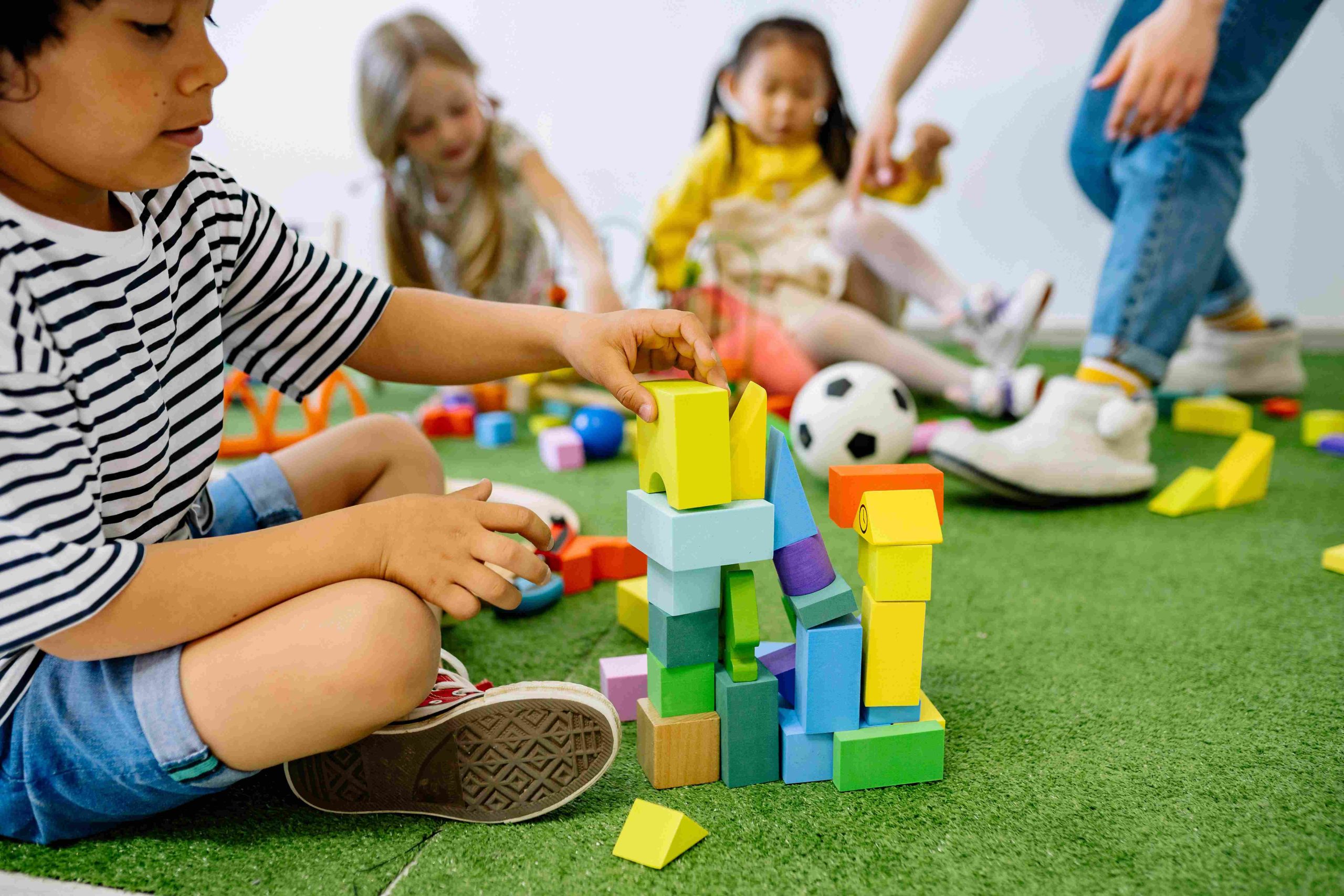
    Play is an essential component of creating a secure space for preschoolers. Play provides preschoolers with opportunities to explore their environment, learn new skills, and develop social and emotional skills.

    Here are some reasons why play is important for creating a secure space for preschoolers:

    1. Develops Social Skills

    Play helps preschoolers develop social skills such as sharing, taking turns, and cooperation. Consequently, through play, preschoolers learn how to interact with others and build positive relationships.

    2. Enhances Cognitive Development

    Play enhances cognitive development by providing opportunities for preschoolers to problem-solve, make decisions, and think critically.

    3. Fosters Emotional Development

    Play provides a safe space for preschoolers to express their emotions, which is essential for healthy emotional development.

    4. Promotes Physical Development

    Play promotes physical development by providing opportunities for preschoolers to engage in physical activities such as running, jumping, and climbing.

    5. Encourages Creativity and Imagination

    Play encourages creativity and imagination, which are important for healthy development.

    Strategies for Encouraging Play in Preschoolers

    Encouraging play in preschoolers is essential for creating a secure space. Here are some strategies for encouraging play:

    1. Provide Opportunities for Free Play

    Provide opportunities for preschoolers to engage in free play, where they can choose their activities and explore their environment independently.

    2. Offer a Variety of Toys and Materials

    Offer a variety of toys and materials that encourage creativity, imagination, and problem-solving.

    3. Participate in Play with your Preschooler

    Participate in play with your preschooler and engage in activities that they enjoy.

    4. Encourage Outdoor Play

    Encourage outdoor play, where preschoolers can engage in physical activities and explore their environment.

    5. Limit Screen Time

    Limit screen time and encourage preschoolers to engage in activities that promote creativity, imagination, and physical activity.

    Benefits of Creating a Secure Space for Preschoolers

    Creating a secure space for preschoolers has numerous benefits that can impact their development and well-being throughout their lives.

    Here are some benefits of creating a secure space for preschoolers:

    1. Positive Social and Emotional Development

    Creating a secure space promotes positive social and emotional development.

    2. Improved Cognitive Development

    A secure space promotes improved cognitive development.

    3. Better Physical Health

    A secure space promotes better physical health.

    4. Increased Self-Esteem and Confidence

    A secure space can increase preschoolers’ self-esteem and confidence.

    5. Positive Long-Term Outcomes

    Creating a secure space for preschoolers can have positive long-term outcomes.

    In conclusion, creating a secure space for preschoolers involves various strategies to ensure their safety, support their development, and promote positive interactions and play. By implementing these strategies, parents, caregivers, and educators can contribute to the well-being and success of preschoolers.

  • Structured Activities

    Structured Activities

    Reaching for Success: Understanding Movement and Physical Developmental Milestones in Preschoolers through Structured Activities

    As preschoolers grow and develop, movement and physical skills become an essential aspect of their lives. Structured activities can help enhance these milestones while also improving their social, cognitive, and emotional development. In this article, we will explore the movement and physical developmental milestones in preschoolers and the role of structured activities in supporting these milestones.

    Understanding the Movement and Physical Developmental Milestones in Preschoolers

    The movement and physical developmental milestones in preschoolers refer to the skills that they should develop during this period. These skills include gross and fine motor skills, balance, coordination, and body awareness. The following are some of the critical milestones that preschoolers should achieve:

    Gross Motor Skills:

    Gross motor skills are movements that involve the larger muscles of the body. Examples include crawling, walking, sprinting, jumping, hopping, skipping, and climbing. Preschoolers should be able to walk independently, jump with two feet off the ground, and climb stairs with alternating feet.

    Fine Motor Skills:

    Fine motor skills involve smaller muscle groups, such as the hands and fingers. These skills include grasping, holding, cutting, drawing, and writing. Preschoolers should be able to hold and use a pencil or crayon to make marks on paper.

    Balance and Coordination:

    Balance and coordination are crucial for preschoolers to carry out various physical activities. These skills include balancing on one foot, standing on tiptoes, and throwing and catching a ball. Preschoolers should be able to walk a straight line without falling and throw and catch a ball with both hands.

    Body Awareness:

    Body awareness involves understanding one’s body’s position and movement in space. This skill includes performing movements in different directions, such as backward, sideways, and forward. Preschoolers should be able to hop on one foot and march in place.

    The Importance of Structured Activities in Preschooler’s Development

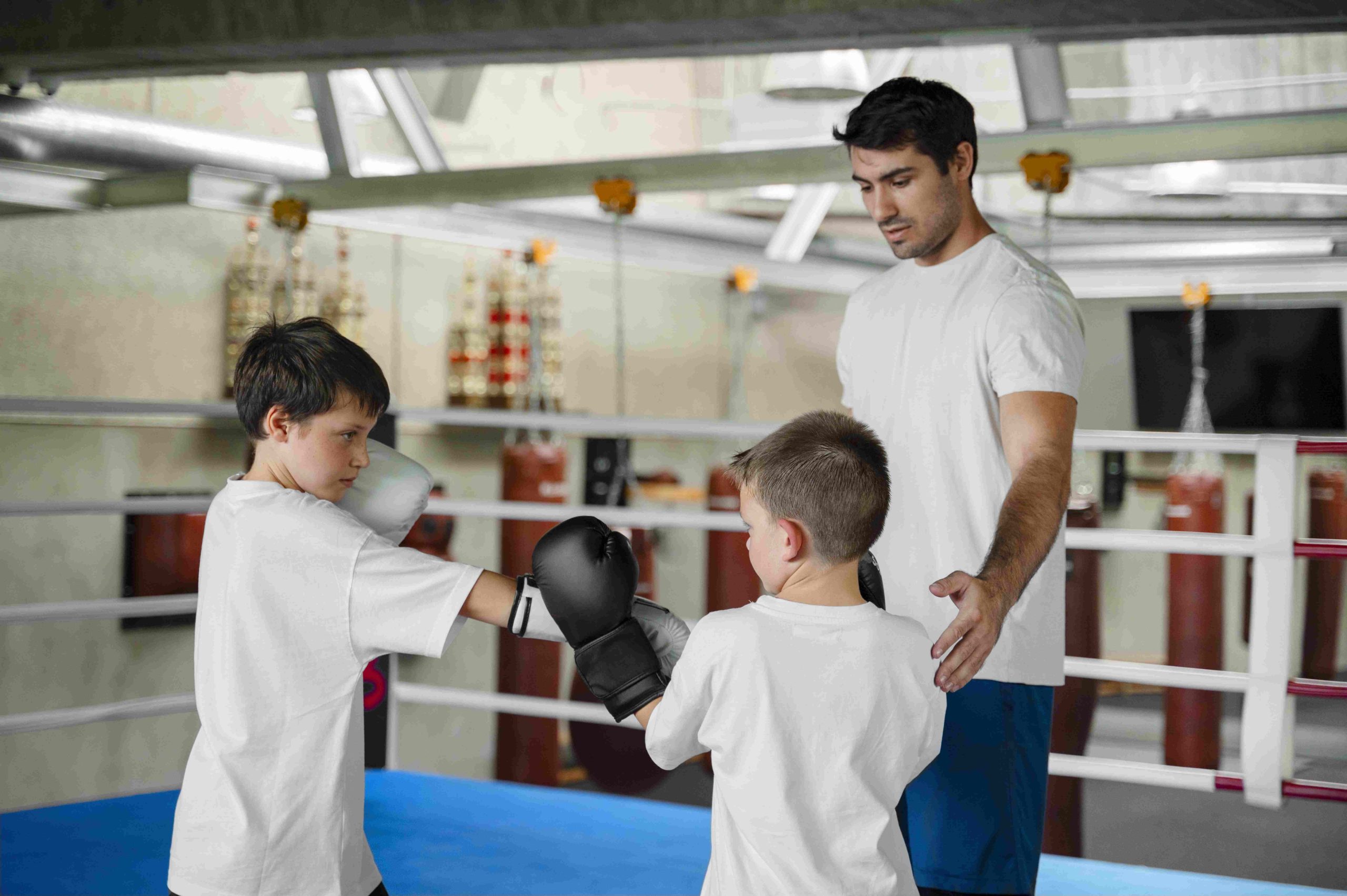
    Structured activities are planned activities that focus on specific skills and objectives. These activities can support preschoolers’ physical, social, emotional, and cognitive development. Here are some benefits of structured activities in preschoolers’ development:

    Improved Physical Development:

    Structured activities can improve preschoolers’ gross and fine motor skills, balance, coordination, and body awareness. They help develop physical abilities and improve overall health and well-being.

    Enhanced Social Skills:

    Structured activities also help preschoolers develop social skills such as sharing, taking turns, and working together. They provide opportunities to make new friends and build positive relationships.

    Increased Emotional Development:

    Structured activities support preschoolers’ emotional development by providing a safe and supportive environment to express feelings. They help develop self-esteem and confidence.

    Improved Cognitive Development:

    Structured activities also improve preschoolers’ cognitive development by enhancing problem-solving, memory, and concentration skills. They provide opportunities to learn new concepts and ideas.

    Examples of Structured Activities for Preschoolers

    Structured activities for preschoolers can include a wide range of activities, from physical activities to arts and crafts. Here are some examples:

    Obstacle Course:

    An obstacle course is an excellent way to improve preschoolers’ gross motor skills, balance, and coordination. It includes activities like jumping, crawling, climbing, and balancing.

    Dance Party:

    Dancing improves coordination and body awareness. Encourage preschoolers to move their bodies to the beat and incorporate different dance styles.

    Scavenger Hunt:

    A scavenger hunt improves problem-solving skills and body awareness. Hide objects and provide clues for preschoolers to find them.

    Sensory Play:

    Sensory play activities help develop fine motor skills and body awareness. Set up a sensory table with materials like sand, water, playdough, or rice.

    Arts and Crafts:

    Arts and crafts activities develop fine motor skills and creativity. Provide materials like paints, paper, and child-friendly scissors.

    Conclusion

    Preschoolers’ movement and physical developmental milestones are critical for their overall development. Structured activities provide ample opportunities to develop these milestones while also improving social, emotional, and cognitive development. It’s crucial to create a secure and encouraging environment for preschoolers to grow and develop these skills. By understanding the importance of movement and physical development and incorporating structured activities into daily routines, we support preschoolers in reaching their full potential.

  • Physical Abilities

    Physical Abilities

    Unlocking the Physical Abilities of Preschoolers: A Comprehensive Guide

    Physical abilities are crucial for preschoolers’ overall development. It allows them to explore, learn, and engage in their environment. With proper guidance and support, preschoolers can develop their physical abilities, which include gross and fine motor skills, coordination, balance, and spatial awareness. This article will explore these physical abilities in-depth and provide practical tips for parents and educators to promote physical development in preschoolers.

    Gross Motor Skills

    Gross motor skills involve the use of large muscles in the body, such as those in the legs, arms, and trunk. Preschoolers’ gross motor skills are essential for everyday tasks such as running, jumping, climbing, and throwing. Moreover, these skills are crucial for later development, such as sports participation and academic achievement.

    Fine Motor Skills

    Fine motor skills involve the use of small muscles in the hands and fingers. Preschoolers’ fine motor skills are essential for everyday tasks such as eating, writing, and dressing. Furthermore, these skills are crucial for later development, such as artistic and musical expression and academic achievement.

    Coordination

    Coordination involves the ability to use different parts of the body together smoothly and efficiently. Preschoolers’ coordination skills are essential for everyday tasks such as walking, running, and jumping. Moreover, these skills are crucial for later development, such as sports participation and academic achievement.

    Balance

    Balance involves the ability to maintain stability and control over the body’s position. Preschoolers’ balance skills are essential for everyday tasks such as standing, walking, and running. Moreover, these skills are crucial for later development, such as sports participation and academic achievement.

    Spatial Awareness

    Spatial awareness involves the ability to understand one’s position in space and the position of objects with oneself. Preschoolers’ spatial awareness skills are essential for everyday tasks such as navigating through a room and understanding directions. Moreover, these skills are crucial for later development, such as in math and science.

    Importance of Physical Activity for Preschoolers

    Physical activity plays a vital role in preschoolers’ overall development. Physical activity on a regular basis can promote healthy growth and development, increase cardiovascular and muscular fitness, and improve cognitive and emotional well-being. Furthermore, physical activity helps lower the risk of chronic illnesses including obesity and diabetes.

    Screen Time and Physical Abilities

    Excessive screen time can negatively impact preschoolers’ physical abilities. Screen time, such as watching television or playing video games, can lead to sedentary behavior and reduce opportunities for physical activity. Moreover, screen time can interfere with preschoolers’ sleep patterns and cognitive development.

    Importance of Sleep for Physical Development

    Sleep plays a crucial role in preschoolers’ physical development. Adequate sleep is essential for healthy growth and development, including physical growth, brain development, and emotional regulation. Moreover, sleep is crucial for the development of memory and cognitive function.

    Nutrition and Physical Development

    Nutrition plays a vital role in preschoolers’ physical development. Proper nutrition is essential for healthy growth and development, including physical growth, brain development, and immune function. Moreover, good nutrition can reduce the risk of chronic diseases, such as obesity and diabetes.

    Supporting Physical Development in Preschoolers with Disabilities

    Preschoolers with disabilities may face unique challenges in developing their physical abilities. However, with proper support and accommodations, preschoolers with disabilities can develop their physical abilities and engage in physical activity.

    Common Physical Development Milestones for Preschoolers

    Physical development milestones are an important way to track preschoolers’ growth and development. While every child develops at their own pace, there are some common physical development milestones that preschoolers generally achieve during this stage.

    Physical Activity Ideas for Preschoolers

    There are many fun and engaging ways to promote physical activity in preschoolers. Here are some ideas:

    Supporting Physical Development in Early Education Settings

    Early education settings, such as preschools and daycares, can play a significant role in promoting physical development in preschoolers.

    The Role of Play in Physical Development

    Play is a natural and essential way for preschoolers to develop their physical abilities.

  • Annual Checkups

    Annual Checkups

    Understanding Preschoolers’ Normal Developmental Milestones: The Value of Annual Checkups

    Introduction: Preschoolers undergo important developmental changes that impact their physical, cognitive, emotional, and social skills. These changes typically occur between the ages of 3 and 5 years. Understanding a child’s growth and development and ensuring they meet age-appropriate expectations require knowledge of these developmental milestones. Regular checkups are crucial for monitoring these milestones and addressing any early issues. This article aims to outline typical developmental stages for toddlers and highlight the importance of yearly physicals.

    Physical Development

    Physical development encompasses both gross motor abilities (control and coordination of large muscle movements) and fine motor skills (control and coordination of small muscle movements). It involves the growth and changes in a child’s body, including significant increases in height, weight, and coordination during the preschool years.

    Development of Gross Motor Skills:

    • Independence in walking.
    • Ability to run and jump with both feet.
    • Capability to kick a ball.
    • Skills to climb stairs alternating feet.
    • Proficiency in using a tricycle.

    Development of Fine Motor Skills:

    • Use utensils like forks and spoons.
    • Turn doorknobs.
    • Build with blocks.
    • Engage in drawing with crayons or pencils.

    Cognitive Development

    Cognitive development involves thinking, reasoning, and understanding how the world works. Preschoolers show significant growth in cognitive abilities, including attention, memory, and problem-solving skills.

    Emotional and Social Development

    Emotional and social development includes a child’s ability to manage emotions, interact with others, and form relationships. Preschoolers develop empathy, self-awareness, and social skills during this stage.

    The Significance of Yearly Exams

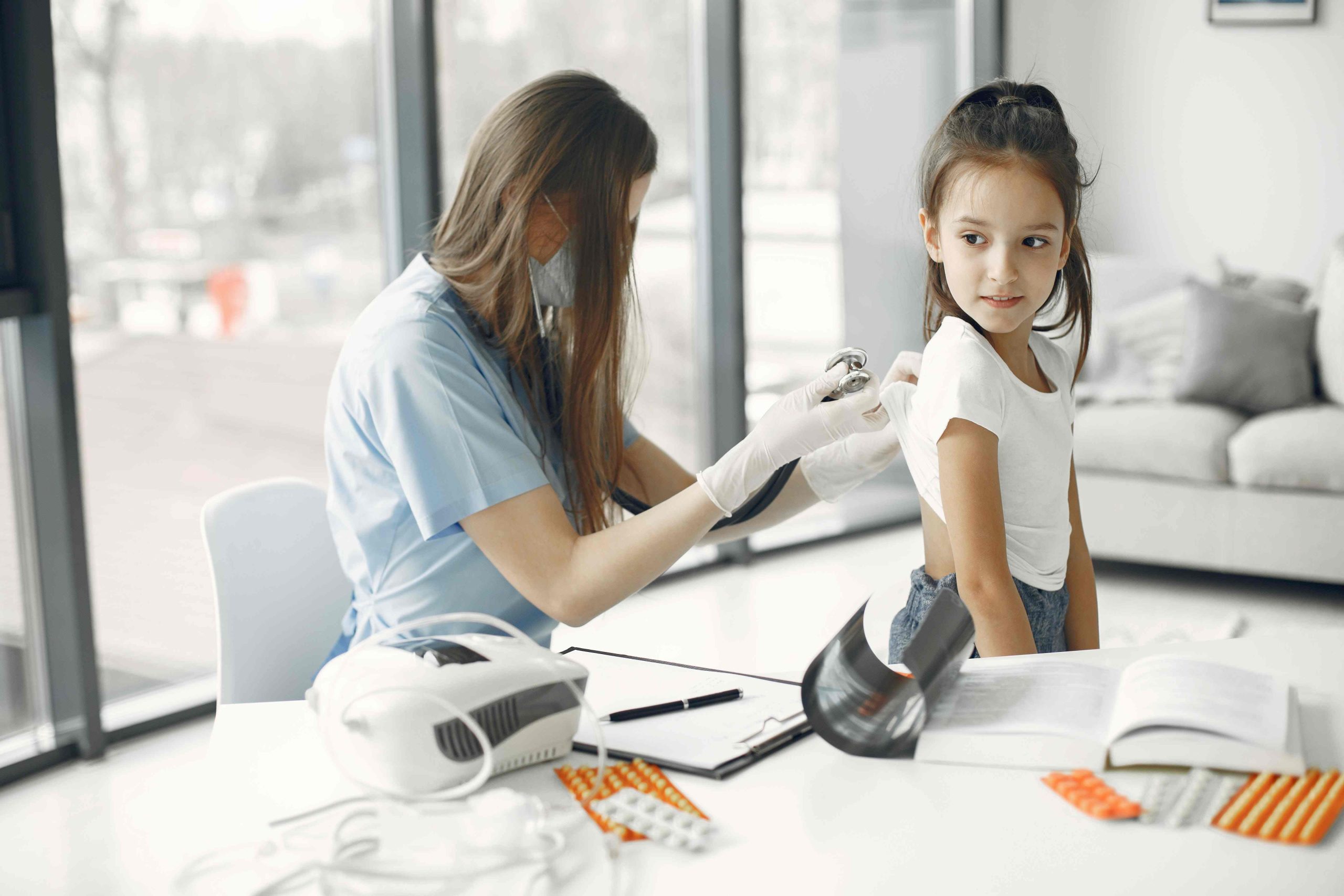
    Regular checkups are essential for monitoring a child’s growth and development, including physical, cognitive, emotional, and social aspects. Healthcare professionals evaluate developmental milestones and identify any issues or delays during these visits. Early detection and intervention for potential developmental challenges can improve outcomes for children.

    Annual checkups also provide an opportunity for healthcare providers to discuss important health and safety topics such as diet, exercise, sleep patterns, dental care, and injury prevention with parents and caregivers. It’s crucial to follow the recommended schedule of routine checkups, as advised by healthcare providers and organizations like the American Academy of Pediatrics.

    Additionally, parents and caregivers play a vital role in preparing for and participating in these checkups to ensure their child’s health and well-being.

  • Emotional Regulation

    Nurturing Emotional Regulation in Preschoolers: Strategies for Caregivers and Educators

    Emotional regulation is crucial for toddlers as it forms the foundation for their future emotional well-being and social success. Therefore, caregivers and educators have a responsibility to teach preschoolers how to manage their emotions in a healthy way. This article explores the importance of emotional regulation in preschoolers and provides techniques for caregivers and educators to support early emotional development.

    Importance of Emotional Regulation in Preschoolers

    Firstly, emotional regulation is the ability to understand and manage emotions constructively. It helps preschoolers express their feelings in healthy ways and manage their behavior. Children with developed emotional regulation skills can cope better with stress and anxiety, which positively impacts their academic and social performance.

    Strategies for Promoting Emotional Regulation

    To promote emotional regulation in preschoolers, caregivers and educators can use various strategies. Firstly, providing a secure and supportive environment allows children to express their emotions freely. Additionally, teaching coping skills like deep breathing and helping children identify and label their emotions are crucial steps. Moreover, modeling positive emotional regulation behaviors can help preschoolers learn healthy coping mechanisms.

    Challenges in Promoting Emotional Regulation

    Despite the importance of promoting emotional regulation, several challenges may arise. For example, the influence of external stimuli and the need for individualized support can pose difficulties. Furthermore, trauma, impairments, or low-income backgrounds may also contribute to additional challenges in emotional regulation.

    Strategies for Overcoming Challenges

    To overcome these challenges, caregivers and educators should offer tailored support to each child. Collaborating with parents and professionals, as well as creating a secure environment for children to express their feelings, are crucial steps. Moreover, incorporating emotional regulation activities into the curriculum can be beneficial in addressing these challenges.

    The Role of Caregivers and Educators

    Caregivers and educators play a critical role in promoting emotional regulation by providing a secure environment, modeling healthy behaviors, and offering tailored support to each child. Collaboration with families and incorporating emotional regulation activities in the curriculum are essential aspects of this process.