
Category: Preschool Developmental Milestone

  • Video Games

    Video Games

    The Impact of Video Games on Preschoolers: Exploring Entertainment and Educational Potential


    Video games have become a prevalent form of entertainment in today’s digital age. While they are often associated with older children and teenagers, the influence of video games on preschoolers is a topic that requires careful consideration. This article delves into the world of preschooler video games, examining both the benefits and potential concerns associated with their use. By understanding the impact of video games on preschoolers, parents, educators, and caregivers can make informed decisions about their suitability and integration into a child’s early years.


    The Appeal of Preschooler Video Games: Engaging and Interactive Entertainment

    Preschooler video games have gained popularity due to their engaging and interactive nature. These games often feature vibrant graphics, captivating characters, and simple gameplay mechanics designed to attract and hold the attention of young players. With the rise of touchscreen devices, preschoolers can easily navigate through games, tapping, swiping, and interacting with on-screen elements.

    a. Cognitive Development: Video games can contribute to the cognitive development of preschoolers by stimulating problem-solving skills, spatial awareness, and hand-eye coordination. Many games require players to solve puzzles, recognize patterns, and make decisions, fostering critical thinking abilities at an early age.

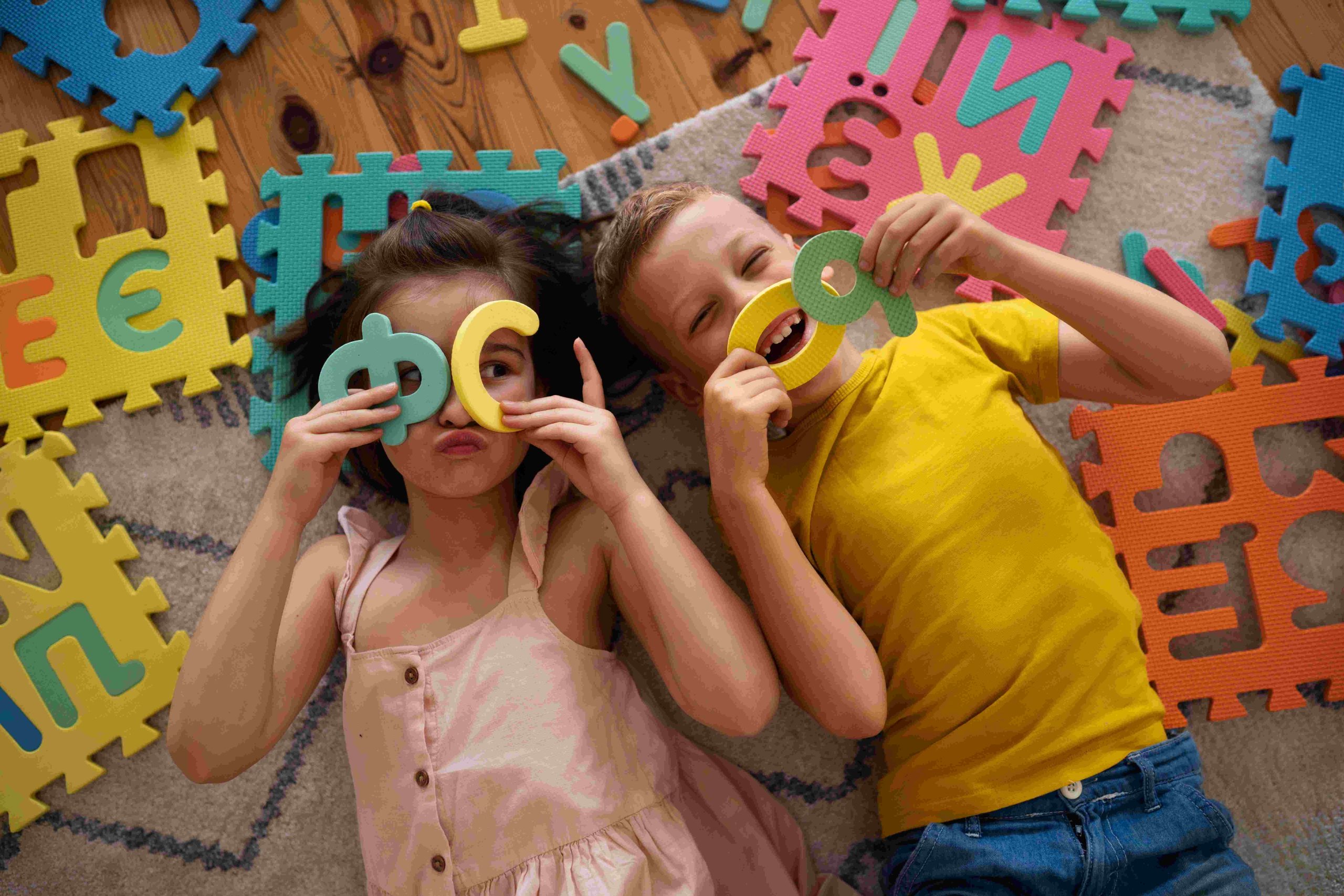
    b. Language and Literacy Skills: Certain video games designed for preschoolers focus on language and literacy development. These games introduce vocabulary, phonics, and basic reading skills through interactive storytelling and word recognition activities. They provide an interactive platform for preschoolers to practice language skills while having fun.

    c. Creativity and Imagination: Some video games for preschoolers encourage creativity and imagination. These games often involve open-ended play, allowing preschoolers to design and decorate virtual worlds, create unique characters, and engage in imaginative storytelling. Such experiences can enhance creative thinking and self-expression.


    Educational Potential: Learning Through Play

    Video games can offer educational opportunities for preschoolers when designed with specific learning objectives in mind. These games are intentionally crafted to integrate educational content seamlessly into gameplay, making learning enjoyable and engaging.

    a. Early Literacy and Numeracy: Many preschooler video games focus on developing early literacy and numeracy skills. They introduce letter recognition, phonics, counting, and basic math concepts in a playful and interactive manner. By incorporating these elements into gameplay, video games can support preschoolers’ foundational learning in these critical areas.

    b. Problem-Solving and Logic: Video games often present challenges and puzzles that require preschoolers to think critically and apply problem-solving strategies. These games promote logical reasoning, analytical thinking, and perseverance in finding solutions. As preschoolers engage in these activities, they develop essential problem-solving skills that can be transferred to real-life situations.

    c. Social and Emotional Development: Some video games for preschoolers incorporate social and emotional learning components. These games provide opportunities for preschoolers to explore emotions, navigate social interactions, and develop empathy. Through virtual scenarios and character interactions, preschoolers can gain a deeper understanding of emotions, develop social skills, and learn to manage their own emotions effectively.


    Considerations for Responsible Gaming: Balancing Screen Time and Real-World Experiences

    While video games can offer entertainment and educational benefits, it is important to establish a balanced approach to their use in preschoolers’ lives. Responsible gaming involves thoughtful considerations regarding screen time limits, content selection, and parental involvement.

    a. Setting Appropriate Screen Time Limits: Preschoolers require a balance between screen time and other developmentally important activities, such as physical play, social interactions, and real-world experiences. It is recommended to establish screen time guidelines that align with age-appropriate recommendations and ensure that video games do not replace other essential aspects of a preschooler’s life.

    b. Selecting Age-Appropriate and Educational Content: When choosing video games for preschoolers, it is crucial to consider their age appropriateness and educational value. Look for games that align with preschoolers’ developmental stage and offer meaningful learning opportunities. Reading reviews, consulting reputable sources, and utilizing age-rating systems can help in making informed choices.

    c. Parental Involvement and Supervision: Active parental involvement and supervision are essential when preschoolers engage with video games. Parents can play an active role in guiding gameplay, discussing content, and ensuring a safe and positive gaming environment. Regular communication and open dialogue about video games can help parents stay informed about their preschoolers’ experiences and address any concerns that may arise.


    Potential Concerns: Addressing Risks and Challenges

    While video games have their benefits, it is important to be aware of potential concerns associated with their use in preschoolers. Understanding these risks can help parents and caregivers mitigate them effectively.

    a. Content Appropriateness: Some video games intended for older audiences may contain content that is not suitable for preschoolers. Violence, inappropriate language, and mature themes should be avoided. It is crucial to review game content and utilize parental control features to ensure preschoolers are exposed only to age-appropriate content.

    b. Sedentary Behaviour: Excessive screen time can contribute to sedentary behaviour in preschoolers, which may have negative health implications. Balancing video game use with physical activity and outdoor play is essential for promoting a healthy and active lifestyle.

    c. Online Safety: When engaging with online video games, preschoolers may encounter potential risks related to online interactions and data privacy. Parents should educate themselves about online safety measures, supervise online gameplay, and utilize appropriate privacy settings to protect preschoolers’ digital well-being.

    d. Dependency and Addiction: Excessive and uncontrolled video game use can potentially lead to dependency or addiction-like behaviours. It is important to monitor and limit screen time, encourage a variety of activities, and promote a healthy balance between digital and offline experiences.

    Preschooler video games have the potential to provide engaging entertainment and educational experiences. When used responsibly, they can enhance cognitive development, promote early literacy and numeracy skills, foster problem-solving abilities, and support social and emotional learning. However, it is crucial for parents, educators, and caregivers to be mindful of appropriate content selection, screen time limits, and active involvement in preschoolers’ gaming experiences. By striking a balance between digital engagement and real-world interactions, we can harness the potential of video games to create enriching experiences for our preschoolers.

    In today’s digital era, video games have become a prominent form of entertainment for people of all ages. Even preschoolers are increasingly exposed to video games, which can raise questions about their impact on young children. This article aims to delve deeper into the world of preschooler video games, exploring their potential to nurture development and spark imagination. By understanding the unique benefits and considerations associated with video games for preschoolers, parents, educators, and caregivers can make informed decisions about their use.


    Enhancing Cognitive Skills: Problem-Solving and Spatial Reasoning

    Preschooler video games can significantly enhance cognitive skills, such as problem-solving and spatial reasoning. Many games feature puzzles, mazes, and challenges that require children to think critically and devise strategies to overcome obstacles. By engaging in these activities, preschoolers develop their logical thinking abilities and enhance their problem-solving skills. Furthermore, video games that involve navigating through virtual spaces and manipulating objects can improve spatial reasoning, which is crucial for activities like puzzle-solving and understanding spatial relationships.


    Fostering Creativity and Imagination: Exploring Virtual Worlds

    Video games provide a platform for preschoolers to explore and express their creativity and imagination. Games that offer open-ended play experiences allow children to design and shape virtual worlds, create their own characters, and construct narratives. This freedom encourages preschoolers to think outside the box, experiment with ideas, and tell their own stories. By engaging in imaginative play within video games, children can enhance their creative thinking skills and develop a deeper sense of self-expression.


    Promoting Social Interaction: Multiplayer and Cooperative Play

    Video games offer opportunities for preschoolers to engage in social interaction, even when playing alone. Many games feature multiplayer or cooperative modes that allow children to connect with their peers or family members in virtual environments. Through collaborative play, preschoolers learn important social skills, such as communication, teamwork, and problem-solving. Cooperative video games can foster a sense of camaraderie and teach preschoolers the value of working together towards a common goal.


    Integrating Learning and Play: Educational Video Games

    The emergence of educational video games has provided a valuable resource for preschoolers’ learning experiences. These games are specifically designed to combine entertainment with educational content, offering a seamless integration of learning and play. Educational video games can cover various subjects, including language, math, science, and critical thinking. By incorporating educational elements into gameplay, preschoolers can acquire new knowledge and skills while having fun. These games often use interactive methods, such as quizzes, puzzles, and challenges, to engage children actively in the learning process.


    Developing Digital Literacy: Navigating Digital Environments

    In today’s digital age, developing digital literacy is crucial for preschoolers. Video games can serve as a valuable tool for introducing children to digital environments and teaching them essential digital literacy skills. Preschoolers learn to navigate menus, use controls, and interact with digital interfaces. These skills are not only relevant to video games but also transferable to other digital platforms and technologies they will encounter in their lives. By engaging with video games, preschoolers develop their technological fluency and become more comfortable and confident in using digital devices.


    Balancing Screen Time and Real-World Experiences: Active Parental Involvement

    While video games can offer numerous benefits, it is important to maintain a healthy balance between screen time and real-world experiences. Active parental involvement plays a crucial role in ensuring this balance. Parents should establish clear guidelines for screen time limits, considering the age of the child and their individual needs. By setting reasonable boundaries, parents can encourage preschoolers to engage in a diverse range of activities, including physical play, social interactions, and outdoor exploration. It is also important for parents to actively participate in their preschoolers’ video game experiences, discussing the content, providing guidance, and ensuring a safe and enriching gaming environment.


    Cultivating Critical Thinking: Reflecting on Game Content

    Critical thinking skills are essential for preschoolers as they engage with video games. Parents and caregivers should encourage children to reflect on the content of the games they play. This involves discussing themes, characters, and narratives, and encouraging preschoolers to think critically about the messages conveyed. By engaging in meaningful discussions, children can develop their ability to analyze and evaluate media content, fostering media literacy skills from an early age.


    Encouraging Physical Activity: Active Play and Exergaming

    While video games are often associated with sedentary behavior, there are options that promote physical activity. Exergaming, which combines video games with physical exercise, offers opportunities for preschoolers to engage in active play. These games utilize motion-sensing technology, requiring children to move their bodies to control the gameplay. Exergaming can be a fun way for preschoolers to stay active while enjoying the benefits of video games. It is important for parents and caregivers to incorporate a variety of physical activities into a child’s routine, ensuring a well-rounded and active lifestyle.

    Preschooler video games have the potential to nurture development, enhance cognitive skills, foster creativity, and promote social interaction. When chosen thoughtfully and used responsibly, video games can be a valuable tool for early learning and entertainment. However, it is crucial for parents, educators, and caregivers to monitor and guide preschoolers’ video game experiences, maintaining a balance between screen time and other important aspects of their lives. By harnessing the positive aspects of video games and encouraging active involvement, we can create a healthy and enriching environment for preschoolers to explore and benefit from the digital world.

    preschooler video games have the potential to be a valuable and enriching part of a child’s early years. When used responsibly and with active parental involvement, video games can contribute to cognitive development, foster creativity, promote social interaction, and even offer educational benefits. However, it is essential to strike a balance between screen time and other important activities, ensuring that video games do not replace real-world experiences and physical play. By making informed choices about age-appropriate content, setting screen time limits, and engaging in open discussions about video game experiences, parents and caregivers can maximize the positive impact of video games on preschoolers’ development. Ultimately, it is the responsibility of adults to guide and monitor children’s video game experiences, creating a safe and nurturing environment where preschoolers can explore, learn, and have fun.

  • Imaginative Play

    Imaginative Play

    The Magic of Preschooler Imaginative Play: Nurturing Creativity and Development


    Preschoolers possess a remarkable capacity for imagination and creativity. Their vivid imaginations allow them to transform everyday objects into extraordinary props, turn empty spaces into vibrant landscapes, and transport themselves into magical worlds. Imaginative play is not just a form of entertainment; it is a crucial aspect of preschooler development. In this article, we explore the enchanting realm of preschooler imaginative play, delving into its importance, benefits, and strategies for fostering a rich imaginative play environment.


    The Wonder of Preschooler Imaginative Play: Unleashing Boundless Creativity

    Preschooler imaginative play is a window into their rich inner worlds. It is a form of play where preschoolers create their own stories, characters, and scenarios, often drawing inspiration from their experiences, observations, and imagination. This type of play allows them to explore, experiment, and make sense of the world around them in a safe and engaging manner.

    Imaginative play is a fertile ground for creativity, as preschoolers engage in storytelling, problem-solving, role-playing, and symbolic representation. It nurtures their cognitive, social, emotional, and language development, providing a holistic learning experience that goes beyond the surface of entertainment.


    The Benefits of Imaginative Play: A Holistic Developmental Journey

    Imaginative play holds a myriad of benefits for preschoolers, impacting various aspects of their development. Let us explore some of the key benefits:

    a. Cognitive Development: Through imaginative play, preschoolers exercise their cognitive skills such as problem-solving, critical thinking, and decision-making. They engage in imaginative scenarios that require them to make choices, create narratives, and develop logical connections between different elements of their play.

    b. Social and Emotional Development: Imaginative play is a fertile ground for the development of social skills. As preschoolers engage in pretend play with peers, they learn to take turns, negotiate, cooperate, and engage in complex social interactions. This play also provides an avenue for them to express and process their emotions, develop empathy, and understand different perspectives.

    c. Language Development: Imaginative play offers abundant opportunities for language development. Preschoolers engage in dialogue, storytelling, and role-playing, which enhances their vocabulary, communication skills, and narrative abilities. They learn to express their thoughts, use descriptive language, and engage in imaginative storytelling, laying a strong foundation for literacy development.

    d. Creativity and Problem-Solving: Imaginative play nurtures creativity and divergent thinking. Preschoolers are encouraged to come up with innovative solutions, think outside the box, and explore different possibilities. They learn to be flexible, adapt to changing play scenarios, and think creatively to overcome challenges, fostering a lifelong love for innovation and problem-solving.


    Fostering a Rich Imaginative Play Environment: Strategies for Success

    Creating an environment that nurtures preschooler imaginative play requires thoughtful planning and support. Here are some strategies to consider:

    a. Open-ended Materials: Provide a wide array of open-ended materials and props that can be used in multiple ways. Items such as blocks, dress-up clothes, art supplies, and household objects can be transformed into various elements of imaginative play. These materials encourage preschoolers to engage their creativity and imagination.

    b. Imaginative Play Spaces: Designate specific areas within the learning environment that are dedicated to imaginative play. Create themed play corners or playhouses that inspire preschoolers to immerse themselves in different scenarios, such as a pretend kitchen, a doctor’s clinic, or a space station. These designated spaces act as invitations for imaginative play.

    c. Storytelling and Books: Incorporate storytelling and books into the imaginative play experience. Provide a variety of storybooks, picture books, and props related to different narratives. Encourage preschoolers to reenact stories, create their own narratives, and engage in dramatic play based on their favorite characters or storylines.

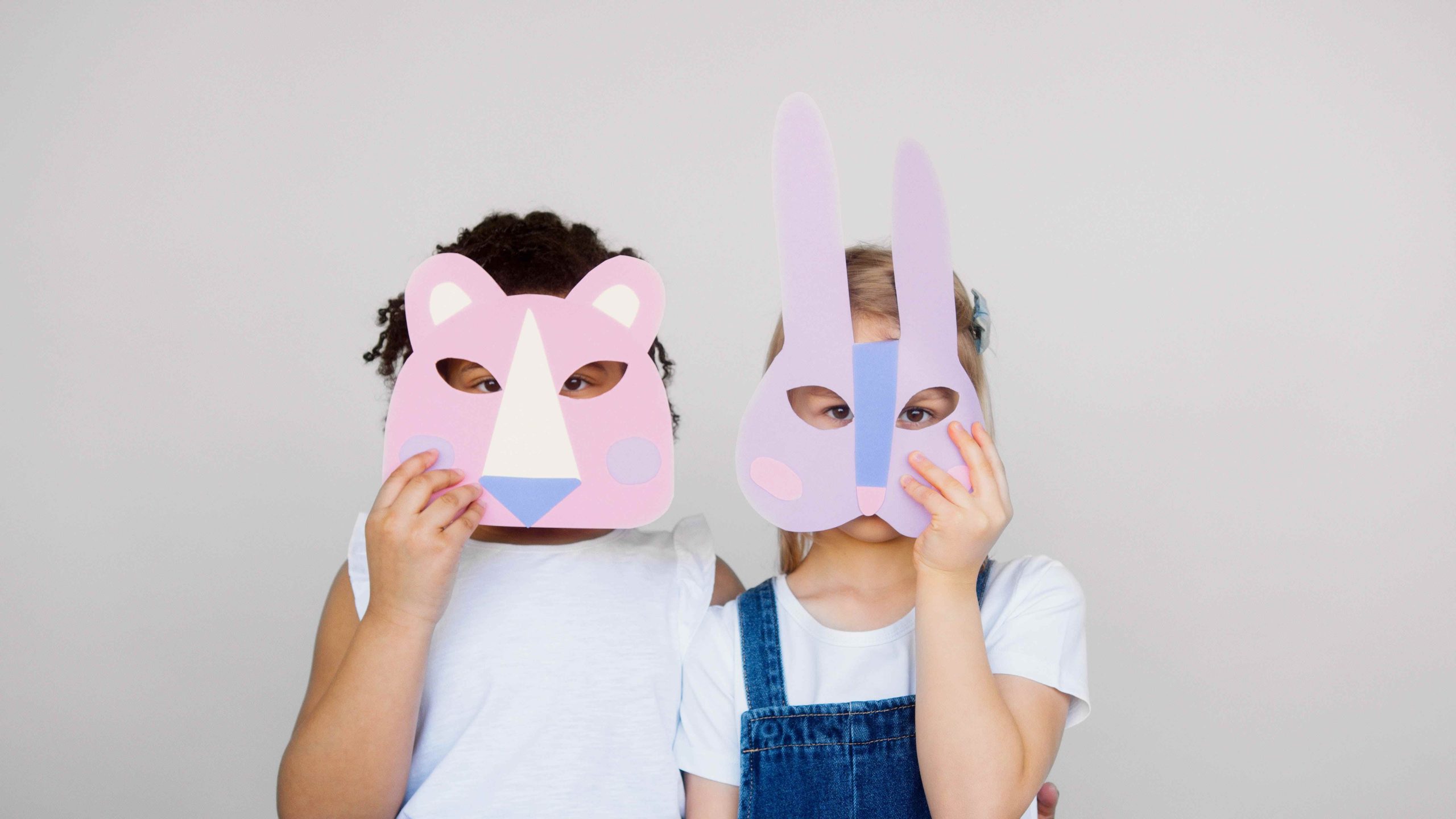
    d. Role Play and Props: Offer a range of role-playing props, costumes, and accessories that stimulate imaginative play. These props can include hats, masks, puppets, dolls, play kitchen items, and tools. By assuming different roles and using props, preschoolers can bring their imaginative scenarios to life, developing their storytelling and social skills.

    e. Supportive Adult Engagement: Educators and caregivers play a crucial role in fostering imaginative play. Engage with preschoolers during play, asking open-ended questions, and extending their play narratives. Offer gentle guidance, suggestions, and support while allowing them to take the lead. By actively participating and showing interest in their play, adults validate the importance of imaginative play and create a supportive environment for exploration.

    f. Time and Space: Allow ample time for preschoolers to engage in uninterrupted imaginative play. Provide a balance between structured activities and free play, giving them the freedom to explore their own ideas and storylines. Offer a safe and open space where preschoolers can freely express themselves, create, and immerse themselves in their play.


    The Power of Preschooler Imagination: Encouraging Diverse Perspectives

    Preschooler imaginative play has the remarkable ability to transcend boundaries and cultivate a sense of inclusivity. Through play, preschoolers can explore different cultural perspectives, challenge stereotypes, and develop an appreciation for diversity.

    Encourage preschoolers to engage in imaginative play that reflects diverse experiences, backgrounds, and cultures. Offer props, books, and materials that showcase a range of cultural traditions, languages, and lifestyles. This not only fosters an inclusive play environment but also cultivates empathy, respect, and a broader worldview among preschoolers.

    By embracing the power of imagination and encouraging diverse perspectives, we empower preschoolers to become open-minded, compassionate, and culturally aware individuals.

    Preschooler imaginative play is a magical and essential part of their development. It nurtures their creativity, cognitive skills, social-emotional development, and language abilities. By providing a supportive environment, incorporating open-ended materials, and embracing diverse perspectives, we create a space where preschoolers can unleash their boundless imagination and embark on a lifelong journey of discovery and growth. Let us celebrate the wonder of imaginative play and cherish the profound impact it has on preschoolers’ lives.


    Imaginative Play and Emotional Expression: Exploring Inner Worlds

    Imaginative play serves as a powerful outlet for preschoolers to express and explore their emotions. Through their imaginative scenarios, they can process and make sense of their experiences, fears, and desires in a safe and supportive environment.

    During imaginative play, preschoolers often assign roles to different characters, including themselves, and act out various emotions and scenarios. They might reenact everyday situations, such as going to the doctor or starting school, to gain a sense of control and understanding. This process allows them to experiment with different emotional responses and develop emotional intelligence.

    For example, a preschooler pretending to be a superhero might express feelings of bravery, courage, and determination. On the other hand, they might also explore emotions such as fear, sadness, or vulnerability by incorporating these aspects into their play narratives. Through imaginative play, preschoolers learn to recognize and regulate their emotions, building a foundation for healthy emotional development.


    Imaginative Play and Language Development: The Power of Storytelling

    Language and communication skills are vital for preschoolers’ overall development, and imaginative play offers a unique opportunity to foster language acquisition and expression.

    Engaging in imaginative play encourages preschoolers to use language in diverse and meaningful ways. They engage in storytelling, dialogue, negotiation, and problem-solving discussions with their playmates. By assuming different roles and interacting with others, they develop their vocabulary, sentence structure, and conversational skills.

    Preschoolers also exercise their narrative abilities as they construct imaginative storylines, create dialogues, and describe characters and settings. These activities enhance their comprehension, expressive language skills, and overall linguistic competence.

    Additionally, imaginative play promotes active listening and understanding as preschoolers engage in dialogue with their peers. They learn to interpret verbal and non-verbal cues, take turns in conversation, and respond appropriately. These skills lay a solid foundation for effective communication in various social contexts.


    Imaginative Play and Cognitive Development: Building Essential Skills

    Imaginative play offers numerous cognitive benefits, supporting the development of essential cognitive skills and processes.

    a. Problem-Solving and Critical Thinking: During imaginative play, preschoolers encounter obstacles, conflicts, and challenges within their play narratives. They engage in problem-solving, devise strategies, and make decisions to overcome these obstacles. This process enhances their critical thinking skills, promotes flexibility, and encourages them to consider multiple perspectives.

    b. Symbolic Representation: Imaginative play involves using objects or actions symbolically, representing something else. For instance, a block may become a phone, and a blanket may transform into a cape. This symbolic representation fosters abstract thinking, creativity, and the ability to understand and use symbols in various contexts.

    c. Planning and Organization: Engaging in imaginative play requires preschoolers to plan and organize their play scenarios. They need to decide on roles, settings, props, and storylines. This process enhances their ability to plan, sequence events, and think ahead, promoting executive function skills.

    d. Spatial and Mathematical Thinking: Preschoolers’ imaginative play often involves constructing and manipulating objects in space. They may build forts, create imaginary towns, or arrange objects in specific patterns. This spatial manipulation develops spatial reasoning skills and lays a foundation for mathematical thinking, such as understanding spatial relationships, shapes, and patterns.


    The Role of Adults in Supporting Imaginative Play: Nurturing the Magic

    Adults, including educators and parents, play a crucial role in supporting and enhancing preschooler imaginative play.

    a. Creating a Play-Conducive Environment: Adults can set up an environment that encourages and inspires imaginative play. Providing a variety of open-ended materials, age-appropriate props, and themed play areas sparks preschoolers’ creativity and invites exploration. Ensuring that the play environment is safe, well-organized, and accessible allows preschoolers to immerse themselves fully in their play.

    b. Active Participation and Playfulness: Adults can actively engage in preschoolers’ imaginative play experiences. By participating in play narratives, taking on roles, and demonstrating enthusiasm, adults validate and enhance the value of imaginative play. This active involvement also allows adults to observe and assess preschoolers’ development, identify learning opportunities, and provide appropriate support and guidance.

    c. Asking Open-Ended Questions: Adults can facilitate imaginative play by asking open-ended questions that prompt preschoolers to think critically, expand their narratives, and consider different possibilities. Questions like “What do you think will happen next?” or “Why did the character make that choice?” encourage preschoolers to reflect, problem-solve, and deepen their engagement in play.

    d. Providing Scaffolding and Support: While preschoolers lead the way in their imaginative play, adults can offer scaffolding and support when needed. This might include helping them expand their vocabulary, suggesting alternative strategies, or offering gentle guidance during conflicts or challenges. This support fosters their cognitive, social, and emotional development while maintaining the integrity of their imaginative play.


    The Power of Limitations: Balancing Structure and Freedom

    While imaginative play thrives on freedom and creativity, appropriate limitations can enhance the play experience. Setting reasonable boundaries and rules helps preschoolers navigate social interactions, learn to consider others’ perspectives, and develop self-regulation skills.

    For example, establishing guidelines for sharing, turn-taking, and conflict resolution promotes positive social interactions during play. Similarly, encouraging preschoolers to clean up after play sessions fosters a sense of responsibility and organization.

    However, it is crucial to strike a balance between structure and freedom. Too many restrictions can stifle creativity and inhibit preschoolers’ exploration and self-expression. Preschoolers need the freedom to shape their play narratives, make choices, and explore their own ideas.


    Embracing Diversity and Inclusion: Enriching Imaginative Play Experiences

    In fostering imaginative play, it is essential to celebrate diversity and promote inclusion. By providing a wide range of materials, stories, and props that represent diverse cultures, abilities, and identities, adults can cultivate an inclusive play environment.

    Integrating diverse perspectives and experiences into imaginative play not only educates preschoolers about the world’s richness but also fosters empathy, respect, and understanding. It promotes acceptance of differences, challenges stereotypes, and encourages collaboration among preschoolers from various backgrounds.

    Preschooler imaginative play is a magical realm where their creativity, emotions, language skills, and cognitive abilities intertwine. It offers a profound and holistic developmental experience that nurtures their growth and exploration of the world.

    By providing the necessary support, materials, and opportunities, adults can create a rich imaginative play environment that allows preschoolers to express themselves, develop critical skills, and build meaningful connections. Let us celebrate the wonder of preschooler imaginative play and embrace its transformative power in shaping the lives of our little ones.

  • Control Their Emotions

    Control Their Emotions

    Nurturing Emotional Intelligence: Empowering Preschoolers to Master Their Emotions Control


    Preschoolers are at a critical stage of development, where they begin to explore and understand the world around them. As they navigate this exciting journey, one of the key skills they need to acquire is the ability to control their emotions. Emotional control plays a vital role in a child’s overall well-being and success in various areas of life. In this article, we delve into the importance of emotional control in preschoolers and explore effective strategies to help them develop this essential skill.


    The Significance of Emotional Control in Preschoolers

    Emotional control refers to the ability to recognize, manage, and regulate one’s emotions in a healthy and appropriate manner. For preschoolers, emotional control serves as a building block for their social and emotional development. It enables them to establish positive relationships, cope with stress, and navigate challenging situations effectively.

    Preschoolers who possess emotional control exhibit better self-esteem and exhibit fewer behavioral issues compared to their peers who struggle with emotional regulation. Additionally, emotional control lays the foundation for developing essential life skills such as empathy, problem-solving, and conflict resolution.


    Understanding Emotional Development in Preschoolers

    To help preschoolers develop emotional control, it is crucial to understand the typical emotional development milestones they go through. During the preschool years, preschoolers experience a wide range of emotions, including joy, anger, fear, and sadness. However, they often lack the skills to express and manage these emotions appropriately.

    Preschoolers are highly influenced by their immediate environment, and their emotions can be intensified by external factors such as changes in routine, transitions, or social interactions. This heightened emotional state can lead to outbursts, tantrums, and difficulties in managing their behavior. Recognizing and acknowledging these emotions is the first step in helping preschoolers develop emotional control.


    Strategies for Promoting Emotional Control in Preschoolers

  • Emotional Vocabulary: Building a rich emotional vocabulary empowers preschoolers to articulate their feelings. Encourage them to express emotions using words and provide them with a variety of feeling words to expand their emotional vocabulary.
  • Model Emotional Regulation: Preschoolers learn by observing and imitating adults. Displaying appropriate emotional regulation techniques, such as deep breathing or taking a break when feeling overwhelmed, sets a positive example for them to follow.
  • Establish Emotional Safe Spaces: Create a designated area in the classroom or home where preschoolers can retreat when they need a moment to collect themselves. This safe space should contain calming activities like books, stuffed animals, or sensory toys to help them regulate their emotions.
  • Teach Problem-Solving Skills: Preschoolers often struggle with problem-solving, which can lead to frustration and emotional outbursts. Encourage them to identify problems, brainstorm solutions, and evaluate the outcomes. This helps them understand that challenges can be resolved, fostering emotional resilience.
  • Practice Emotional Regulation Techniques: Teach preschoolers simple techniques like deep breathing exercises, progressive muscle relaxation, or counting to ten to calm themselves when experiencing heightened emotions. Regular practice can help them develop effective self-regulation skills.

  • Creating Supportive Environments for Emotional Growth

  • Cultivate Emotional Literacy: Incorporate emotional literacy into the preschool curriculum by integrating activities that encourage preschoolers to identify and express their emotions. Use books, puppets, or role-playing games to help preschoolers explore different emotional scenarios.
  • Foster a Nurturing Teacher-Student Relationship: Preschoolers need to feel emotionally supported and valued by their teachers. Building strong, positive relationships with teachers creates a safe and trusting environment where preschoolers can freely express their emotions without fear of judgment.
  • Provide Predictable Routines: Preschoolers thrive in environments with predictable routines. Establishing consistent daily schedules helps them feel secure and reduces anxiety, leading to better emotional regulation. Clearly communicate daily activities and transitions, allowing preschoolers to anticipate and prepare for upcoming changes.
  • Encourage Emotional Expression: Create opportunities for preschoolers to express their emotions through various mediums, such as art, music, or movement. Encourage them to draw or paint their feelings, sing songs that explore different emotions, or engage in physical activities that allow them to release pent-up energy.
  • Promote Social-Emotional Learning: Incorporate social-emotional learning into the curriculum, focusing on skills such as empathy, self-awareness, and conflict resolution. Provide opportunities for preschoolers to engage in cooperative play, problem-solving activities, and discussions about emotions to enhance their social and emotional competence.

  • The Role of Parents and Caregivers

    The role of parents and caregivers is paramount in supporting preschoolers’ emotional control. Here are some strategies parents and caregivers can employ:

  • Open Communication: Create an open and non-judgmental space for preschoolers to express their emotions. Encourage them to share their feelings and thoughts, actively listen to them, and validate their emotions.
  • Emotion Coaching: Help preschoolers understand and manage their emotions by providing guidance and support. Acknowledge their feelings, offer empathy, and assist them in finding appropriate ways to express and regulate their emotions.
  • Consistent Boundaries: Establish clear and consistent boundaries that promote emotional well-being. Consistency helps preschoolers feel secure and understand what is expected of them, reducing anxiety and promoting emotional control.
  • Positive Reinforcement: Recognize and reinforce positive emotional behaviors displayed by preschoolers. Praise their efforts in managing their emotions and provide specific feedback to encourage continued growth.
  • Collaborate with Educators: Maintain open lines of communication with preschool teachers to ensure consistency in supporting emotional development. Share information about any significant events or changes in the child’s life that may impact their emotional well-being.

  • Embracing Emotional Diversity

    It is essential to recognize and respect the individuality of each preschooler’s emotional experiences. Just like adults, preschoolers have their own unique emotional profiles. Some may be more sensitive, while others may be more resilient. Embracing this diversity helps create an inclusive environment where every child’s emotional needs are met.

    Encourage preschoolers to understand that experiencing a wide range of emotions is normal and healthy. Teach them that all emotions are valid and provide strategies for expressing and managing these emotions in a constructive manner.


    Seven Effective Tips for Preschoolers to Control Their Emotions

    Helping preschoolers gain control over their emotions is a gradual process that requires patience, guidance, and consistent practice. Here are seven practical tips to support preschoolers in developing emotional control:

  • Recognize and Label Emotions: Teach preschoolers to identify and label their emotions accurately. Encourage them to use descriptive words such as “happy,” “sad,” “angry,” or “frustrated.” By understanding their emotions, preschoolers can begin to regulate them effectively.
  • Encourage Mindfulness: Introduce mindfulness techniques to preschoolers, such as guided breathing exercises or mindful awareness of their senses. These practices help them develop self-awareness and the ability to observe their emotions without judgment, fostering emotional regulation.
  • Teach Problem-Solving Skills: Guide preschoolers in problem-solving when they encounter challenging situations. Encourage them to think of possible solutions, consider the consequences, and choose the best course of action. Problem-solving empowers preschoolers to handle difficulties calmly and develop emotional resilience.
  • Establish Calm-Down Strategies: Collaborate with preschoolers to create a personalized toolbox of calming strategies. This may include deep breathing, counting to ten, taking a walk, hugging a stuffed animal, or engaging in a quiet activity they enjoy. Teach them to recognize when they need a break and guide them in selecting an appropriate calming technique.
  • Practice Empathy: Help preschoolers develop empathy by encouraging them to understand and consider the feelings of others. Engage in conversations about how their actions might impact others and prompt them to think about alternative ways to respond that consider other people’s emotions.
  • Encourage Physical Activity: Physical activity is an effective outlet for emotions. Provide opportunities for preschoolers to engage in active play, such as running, jumping, dancing, or playing sports. Physical activity helps release pent-up energy and promotes emotional well-being.
  • Use Visual Supports: Visual supports, such as emotion charts or feeling faces, can assist preschoolers in identifying and expressing their emotions. Display these visuals in the classroom or at home, allowing preschoolers to refer to them when they struggle to articulate their feelings verbally.
  • Remember that every preschooler is unique, and what works for one may not work for another. Adapt these strategies based on individual needs, interests, and developmental levels. Consistency and patience are key when helping preschoolers develop emotional control.


    Building Resilience: Helping Preschoolers Bounce Back from Emotional Challenges

    Resilience is a crucial trait that enables preschoolers to bounce back from emotional challenges and navigate setbacks with strength and confidence. Here are some strategies to help preschoolers build resilience and enhance their emotional control:

  • Foster a Growth Mindset: Encourage preschoolers to adopt a growth mindset, emphasizing that challenges and failures are opportunities for learning and growth. Teach them that their abilities can improve with effort and practice, instilling a sense of resilience and determination.
  • Encourage Positive Self-Talk: Teach preschoolers to use positive self-talk when faced with difficulties or setbacks. Encourage them to replace negative thoughts with positive affirmations, such as “I can do this” or “I will keep trying.” Positive self-talk helps preschoolers build resilience and maintain a positive outlook.
  • Promote Problem-Solving Skills: Engage preschoolers in problem-solving activities that allow them to overcome obstacles and find solutions independently. Encourage them to brainstorm ideas, evaluate options, and take steps towards resolving the problem. This empowers preschoolers to develop a proactive approach to challenges and strengthens their resilience.
  • Nurture a Supportive Environment: Create an environment that fosters support, understanding, and empathy. Encourage preschoolers to seek help from trusted adults or peers when they face emotional difficulties. Provide opportunities for cooperative play and collaboration, which can enhance their sense of belonging and resilience.
  • Embrace Mistakes as Learning Opportunities: Help preschoolers understand that making mistakes is a natural part of learning and growth. Encourage them to view mistakes as valuable learning experiences rather than failures. This mindset shift promotes resilience and encourages them to persevere despite setbacks.
  • Celebrate Effort and Progress: Acknowledge and celebrate preschoolers’ efforts and progress in developing emotional control. Recognize their determination, perseverance, and use of effective strategies. By highlighting their achievements, you reinforce their resilience and motivate them to continue working towards emotional mastery.
  • Teach Coping Skills: Provide preschoolers with a repertoire of healthy coping skills to manage stress and strong emotions. Teach them techniques such as taking deep breaths, engaging in creative activities, talking to a trusted adult, or engaging in physical exercise. These coping skills empower preschoolers to regulate their emotions effectively and bounce back from challenging situations.

  • The Vital Role of Parents in Supporting Preschoolers’ Emotional Control

    Parents play a fundamental role in helping their preschoolers develop emotional control. By providing a nurturing and supportive environment, parents can empower their preschoolers to understand, express, and regulate their emotions effectively. Here are key ways parents can support their preschoolers’ emotional control:

  • Emotional Validation: Validate and acknowledge your preschooler’s emotions, letting them know that it’s normal and acceptable to feel a wide range of emotions. Show empathy and understanding by actively listening and reflecting on their feelings. This validation helps preschoolers develop a sense of emotional security and trust.
  • Open Communication: Encourage open and honest communication with your preschooler about their emotions. Create a safe space for them to express their feelings, thoughts, and concerns. Listen attentively and respond in a non-judgmental manner, allowing them to feel heard and understood.
  • Emotion Coaching: Practice emotion coaching by guiding your preschooler through their emotional experiences. Help them identify and label their emotions, validate their feelings, and provide guidance on how to manage and regulate those emotions. Emotion coaching teaches preschoolers important emotional intelligence skills.
  • Set a Positive Example: Preschoolers learn by observing their parents’ behaviors and reactions. Be mindful of your own emotional responses and demonstrate healthy ways to manage emotions. Model self-regulation techniques, such as deep breathing or taking a break when feeling overwhelmed. Your actions will serve as a powerful example for your preschooler.
  • Establish Predictable Routines: Consistency and predictability in daily routines provide a sense of stability for preschoolers, reducing stress and anxiety. Establish regular schedules for meals, bedtime, and daily activities. Predictable routines help preschoolers feel secure, promoting emotional stability and control.
  • Teach Emotion Regulation Strategies: Teach your preschooler simple and age-appropriate emotion regulation strategies. Encourage them to take deep breaths, count to ten, or engage in calming activities when they feel overwhelmed. Teach them that it is okay to take a break and process their emotions before responding.
  • Foster Emotional Literacy: Help your preschooler develop emotional literacy by discussing emotions and their meanings. Introduce a wide range of feeling words and encourage them to identify and express their emotions using appropriate vocabulary. This enhances their emotional awareness and gives them tools to communicate their feelings effectively.
  • Provide a Safe and Supportive Environment: Create a nurturing environment where your preschooler feels safe to express their emotions without fear of judgment or punishment. Foster a warm and loving atmosphere that encourages open communication and emotional expression.
  • Encourage Healthy Coping Mechanisms: Teach your preschooler healthy coping mechanisms for managing stress and strong emotions. Help them identify activities they enjoy, such as drawing, playing, or talking to a trusted adult, to help them calm down and regain control.
  • Manage One’s emotions

    Manage One’s emotions

    Nurturing Emotional Intelligence “manage one’s emotion” in Preschoolers: Building a Foundation for Lifelong Well-being


    In the early years of life, preschoolers embark on a remarkable journey of emotional development. These tender years lay the foundation for a child’s emotional intelligence, which encompasses the ability to recognize, understand, and manage one’s emotions. As caregivers and educators, it is our responsibility to create an environment that supports and nurtures these crucial skills. In this article, we delve into the importance of emotional intelligence in preschoolers and explore practical strategies to help them manage their emotions effectively. Join us on this insightful exploration as we unlock the key to fostering emotional well-being in our youngest learners.


    The Significance of Emotional Intelligence in Preschoolers

    Emotional intelligence plays a vital role in preschoolers’ overall well-being and success, influencing their social interactions, cognitive development, and future relationships. Research has shown that preschoolers with well-developed emotional intelligence tend to exhibit higher levels of empathy, self-regulation, and adaptability. These skills are critical for building healthy relationships, resolving conflicts, and navigating the complex social landscape.

    Preschoolers who possess emotional intelligence are better equipped to express their needs and emotions appropriately, promoting positive communication and reducing instances of frustration or meltdowns. Moreover, a strong emotional foundation helps preschoolers develop resilience, enabling them to cope with stress, setbacks, and challenges they encounter throughout their lives.


    Identifying and Understanding Preschoolers’ Emotions

    Understanding the emotional landscape of preschoolers is essential for effectively supporting their emotional growth. While preschoolers may lack the vocabulary to articulate their emotions fully, they possess a rich emotional world waiting to be explored. By observing their non-verbal cues, facial expressions, and body language, caregivers and educators can gain valuable insights into the emotional experiences of these young learners.

    Preschoolers commonly experience a range of emotions, including happiness, sadness, anger, fear, and frustration. It is crucial to create a safe and nurturing environment where preschoolers feel encouraged to express and explore their emotions freely. By validating their emotions and offering empathy, we can help them develop a sense of self-awareness and emotional resilience.


    Strategies for Supporting Emotional Management in Preschoolers

  • Emotional Literacy: Introduce preschoolers to a wide range of emotions by using storytelling, role-playing, and visual aids. Help them label and identify different emotions, gradually building their emotional vocabulary.
  • Emotional Regulation: Teach preschoolers techniques to regulate their emotions, such as deep breathing exercises, mindfulness activities, and engaging in sensory play. Encourage them to recognize when they are experiencing strong emotions and provide guidance on healthy coping strategies.
  • Empathy Development: Foster empathy by encouraging preschoolers to consider others’ feelings and perspectives. Engage in activities that promote kindness, sharing, and cooperation, emphasizing the importance of understanding and respecting others’ emotions.
  • Problem-Solving Skills: Teach preschoolers problem-solving skills to help them navigate conflicts and challenges. Encourage them to think critically, brainstorm solutions, and consider the consequences of their actions, empowering them to make informed choices.
  • Emotional Support: Create a nurturing environment where preschoolers feel safe and supported. Establish open lines of communication, encourage active listening, and provide reassurance during times of distress. Help them develop a positive self-image and cultivate a growth mindset.

  • The Role of Caregivers and Educators in Promoting Emotional Intelligence

    Caregivers and educators play a pivotal role in nurturing emotional intelligence in preschoolers. By modeling positive emotional responses, providing a supportive environment, and implementing strategies for emotional development, they can shape the emotional landscape of these young learners.

    Establishing strong relationships built on trust and empathy is crucial. Caregivers and educators must strive to create a safe and nurturing space where preschoolers feel comfortable expressing their emotions without fear of judgment or punishment.

    Actively listening to preschoolers’ emotions and validating their experiences is essential. By acknowledging their feelings and offering empathy, caregivers and educators demonstrate that emotions are valid and important. This validation helps preschoolers develop a sense of self-worth and confidence in managing their emotions.

    Moreover, caregivers and educators can model healthy emotional regulation techniques. When faced with challenging situations, they can demonstrate effective ways to calm down, problem-solve, and communicate their feelings appropriately. Preschoolers often learn best through observation, so witnessing these strategies in action provides valuable learning experiences.


    Fostering Emotional Intelligence in Everyday Interactions

    Emotional intelligence is not something that can be taught in isolation but is best cultivated through daily interactions and experiences. Everyday activities provide ample opportunities to support preschoolers’ emotional development.

  • Emotional Check-Ins: Begin each day with an emotional check-in, where preschoolers have the chance to express how they are feeling. This practice encourages self-awareness and sets a positive tone for the day.
  • Storytelling and Discussions: Engage preschoolers in storytelling sessions that highlight emotions and moral lessons. After reading a story, encourage discussions about the characters’ emotions, motivations, and actions. This promotes empathy and helps preschoolers relate emotions to real-life situations.
  • Emotion-Focused Art and Play: Provide opportunities for preschoolers to engage in art and play activities that revolve around emotions. Offer a variety of materials for them to express their feelings, such as drawing, painting, or using puppets. Role-playing scenarios can also help preschoolers understand different emotions and perspectives.
  • Conflict Resolution: Teach preschoolers constructive ways to resolve conflicts and manage disagreements. Encourage them to express their feelings using “I” statements, listen actively to others, and find mutually agreeable solutions. By guiding them through conflict resolution, caregivers and educators equip preschoolers with valuable tools for maintaining positive relationships.
  • Mindfulness and Relaxation: Introduce simple mindfulness exercises, such as deep breathing or guided visualizations, to help preschoolers develop self-regulation skills. Create a peaceful corner or dedicated space for relaxation where preschoolers can retreat when they feel overwhelmed.

  • Cultivating Emotional Intelligence for Lifelong Well-being

    The benefits of nurturing emotional intelligence in preschoolers extend far beyond their early years. The skills they develop during this critical stage lay the foundation for their emotional well-being throughout their lives.

    Preschoolers who have a strong emotional intelligence are more likely to excel academically and have better social relationships. They possess the tools to navigate challenging situations, manage stress effectively, and communicate their emotions clearly. These skills enhance their overall mental health and enable them to build fulfilling connections with others.

    As preschoolers grow and transition into different educational settings, it is essential to continue supporting their emotional intelligence. Collaboration between teachers, parents, and caregivers remains crucial in providing consistent emotional guidance and fostering an environment that promotes emotional well-being.


    The Long-Term Benefits of Emotional Intelligence in Preschoolers

  • Enhanced Mental Health: Preschoolers with well-developed emotional intelligence are more likely to have better mental health outcomes. They have a greater ability to manage stress, regulate their emotions, and cope with challenging situations, reducing the risk of anxiety, depression, and other mental health disorders.
  • Improved Academic Performance: Emotional intelligence positively correlates with academic success. Preschoolers who can understand and manage their emotions are better able to concentrate, problem-solve, and engage in learning activities. They exhibit higher levels of self-motivation and perseverance, leading to improved academic performance.
  • Stronger Social Relationships: Emotional intelligence fosters healthy social relationships. Preschoolers who possess empathy, effective communication skills, and the ability to understand others’ emotions form deeper and more meaningful connections with peers and adults. They are more likely to engage in positive social interactions and resolve conflicts constructively.
  • Conflict Resolution Skills: Preschoolers with developed emotional intelligence have a better grasp of conflict resolution strategies. They can identify their emotions and express them assertively while considering others’ perspectives. This ability promotes peaceful resolutions, reducing aggression and fostering a cooperative and inclusive social environment.
  • Increased Empathy and Compassion: Emotional intelligence cultivates empathy and compassion in preschoolers. They develop a greater understanding and concern for others’ emotions and experiences. This empathy encourages kindness, altruism, and a sense of social responsibility, contributing to a more harmonious and supportive community.
  • Resilience and Adaptability: Emotional intelligence equips preschoolers with resilience and adaptability skills. They learn to bounce back from setbacks, cope with adversity, and embrace change. These qualities enable them to navigate life’s challenges with resilience and flexibility, promoting a positive mindset and fostering personal growth.
  • Leadership Skills: Emotional intelligence is closely linked to effective leadership skills. Preschoolers who can understand and manage their emotions are more likely to develop strong leadership qualities. They excel in communication, problem-solving, and inspiring others, paving the way for future success in leadership roles.

  • Building a Supportive Environment for Emotional Intelligence Development

    Creating a supportive environment is essential for fostering the development of emotional intelligence in preschoolers. By implementing the following strategies, caregivers and educators can establish a nurturing space that promotes emotional growth:

  • Emotional Acceptance: Create an atmosphere where all emotions are accepted and acknowledged. Encourage preschoolers to express their feelings without judgment or dismissal. Validate their emotions and help them understand that it is normal and healthy to experience a wide range of emotions.
  • Emotional Reflection: Provide regular opportunities for preschoolers to reflect on their emotions and experiences. Engage them in discussions where they can explore how different situations made them feel and why. This reflection encourages self-awareness and helps preschoolers make connections between their emotions and the events in their lives.
  • Emotional Role Models: Be a positive emotional role model for preschoolers. Demonstrate healthy emotional expression, regulation, and empathy in your own interactions. This includes expressing your own emotions in a constructive manner, using appropriate language, and actively listening to others’ feelings.
  • Emotional Vocabulary: Teach preschoolers a diverse range of emotional vocabulary words. Introduce new words to describe various emotions and encourage them to use these words when expressing themselves. This expands their emotional literacy and enables them to articulate their feelings more accurately.
  • Emotional Literacy Resources: Provide age-appropriate books, games, and resources that focus on emotional intelligence. These resources can help preschoolers identify and understand different emotions, recognize facial expressions, and engage in activities that promote emotional well-being.
  • Emotional Support Teams: Establish a network of support, including caregivers, educators, and mental health professionals, to address the emotional needs of preschoolers. Regularly communicate and collaborate with these individuals to ensure a consistent and comprehensive approach to supporting emotional intelligence development.
  • Emotional Regulation Techniques: Teach preschoolers various techniques to regulate their emotions. This can include deep breathing exercises, progressive muscle relaxation, or engaging in calming activities such as yoga or mindfulness exercises. Encourage preschoolers to use these techniques when they feel overwhelmed or need to regain control of their emotions.
  • Emotional Reflection and Feedback: Engage preschoolers in regular reflections and discussions about their emotional growth. Provide constructive feedback on their emotional regulation and problem-solving skills. Celebrate their successes and offer guidance and support in areas where they may need further development.
  • By cultivating a supportive environment that values emotional intelligence, caregivers and educators create a foundation for preschoolers to develop lifelong skills in emotional management and well-being. This environment fosters a sense of safety, trust, and open communication, allowing preschoolers to explore, express, and regulate their emotions with confidence.


    Integrating Emotional Intelligence into the Curriculum

    Integrating emotional intelligence into the preschool curriculum ensures that the development of these essential skills is woven into various aspects of a child’s educational journey. By incorporating the following strategies, caregivers and educators can create a curriculum that fosters emotional intelligence:

  • Emotion-Centered Activities: Design activities and projects that revolve around emotions. Engage preschoolers in discussions, arts and crafts, and storytelling that explore different emotions, their triggers, and appropriate responses. These activities provide opportunities for preschoolers to practice emotional awareness and expression.
  • Cooperative Learning: Encourage cooperative learning experiences that foster collaboration, empathy, and communication. Group projects and activities promote teamwork, problem-solving, and understanding others’ perspectives. By working together, preschoolers develop social-emotional skills while achieving common goals.
  • Literature Selection: Select books and literature that feature emotionally engaging stories and relatable characters. Use these stories as springboards for discussions about emotions, empathy, and moral lessons. Through literature, preschoolers can develop a deeper understanding of emotions and their impact on relationships.
  • Role-Play and Drama: Incorporate role-play and dramatic play into the curriculum to encourage preschoolers to explore and express emotions. Provide props, costumes, and open-ended scenarios that allow them to step into different emotional roles. This interactive approach fosters empathy, perspective-taking, and emotional regulation.
  • Conflict Resolution Training: Teach preschoolers effective conflict resolution strategies as part of the curriculum. Provide opportunities for them to practice identifying emotions, active listening, and finding mutually beneficial solutions to conflicts. Emphasize the importance of empathy, compromise, and respectful communication.
  • Mindfulness and Self-Reflection: Introduce mindfulness exercises and moments of self-reflection into the curriculum. Teach preschoolers techniques such as deep breathing, body scans, or guided visualizations to promote self-awareness and self-regulation. Incorporate reflective activities that allow them to process their emotions and experiences.
  • Emotional Intelligence Assessments: Consider incorporating age-appropriate assessments or check-ins to measure preschoolers’ emotional intelligence growth. These assessments can help caregivers and educators gauge the effectiveness of the curriculum and identify areas for further support and development.
  • Family Involvement: Engage families in the curriculum by providing resources and activities that promote emotional intelligence at home. Share insights about the curriculum’s emotional intelligence components and encourage families to reinforce and extend these lessons beyond the classroom.
  • By integrating emotional intelligence into the curriculum, caregivers and educators create a comprehensive educational experience that nurtures preschoolers’ emotional growth alongside their cognitive and physical development. This holistic approach ensures that emotional intelligence receives the attention and emphasis it deserves, setting preschoolers on a path towards lifelong emotional well-being and success.

  • Rapid Development

    Rapid Development

    Rapid Development in Preschoolers: What Milestones Should a 3-Year-Old Have?

    As a parent, seeing your child grow up is an incredible experience. Every milestone is worth celebrating, from their first steps to their first words. However, it can be difficult to know what to expect at each age, especially when it comes to preschoolers. In this article, we will explore the rapid development of 3-year-olds and what milestones they should be reaching.

    Physical Milestones

    Physical development is one of the most noticeable aspects of a preschooler’s growth. By the age of 3, most preschoolers will have gained a significant amount of control over their bodies, allowing them to run, jump, climb, and hop with ease.

    • Running: By age 3, most preschoolers can run with good balance and coordination.
    • Climbing: Preschoolers should be able to climb stairs with alternating feet and climb onto furniture or playground equipment without assistance.
    • Jumping: Three-year-olds can usually jump with both feet and may even be able to jump over small objects like a skipping rope.
    • Catching and Throwing: While not all preschoolers may have mastered the art of catching and throwing a ball, most will be able to throw with some accuracy and direction.
    • Fine Motor Skills: By the age of 3, most preschoolers will have developed better control over their hand and finger movements. This means they can complete tasks like stacking blocks, drawing simple shapes, and cutting with safety scissors.

    Cognitive Milestones

    Cognitive milestones refer to a child’s ability to think, learn, and understand their surroundings. Preschoolers are rapidly developing their cognitive abilities, and by age 3, they should be reaching the following milestones:

    • Language Development: A 3-year-old’s vocabulary should be expanding rapidly, with the ability to use 3 to 4-word sentences to communicate their needs and wants.
    • Imagination: Preschoolers have a rich imagination, and by age 3, they should be able to engage in imaginative play, such as pretending to be animals or superheroes.
    • Problem-Solving: Three-year-olds are beginning to develop their problem-solving skills, with the ability to figure out simple puzzles and games.
    • Memory: Preschoolers are also improving their memory skills, with the ability to recall events and information from earlier in the day or week.

    Emotional Milestones

    Emotional development is an important aspect of a preschooler’s growth, as it impacts their ability to form relationships and understand their own emotions. By age 3, preschoolers should be reaching the following emotional milestones:

    • Empathy: Three-year-olds are beginning to develop empathy, with the ability to understand and respond to other people’s feelings.
    • Self-Regulation: Preschoolers are learning to control their emotions, with the ability to calm themselves down after a tantrum or meltdown.
    • Independence: By age 3, many preschoolers are beginning to assert their independence, with the desire to do things on their own, such as dressing themselves or feeding themselves.
    • Socialization: Preschoolers are beginning to form relationships with their peers, with the ability to share and take turns during playtime.

    Challenges and Concerns

    While most preschoolers will reach these milestones by the age of 3, it’s important to remember that every child develops at their own pace. Some preschoolers may reach certain milestones earlier or later than others, and this is completely normal. However, if you have concerns about your child’s development, it’s always a good idea to speak to your healthcare provider.

    How to Support Your 3-Year-Old’s Development

    As a parent, there are many things you can do to support your 3-year-old’s development. Here are some tips:

    • Encourage Play
    • Read Together
    • Be Patient
    • Set Boundaries
    • Spend Quality Time

    Finally, it’s important to celebrate your child’s milestones, no matter how big or small. Celebrating their achievements can help to build their confidence and self-esteem and reinforce positive behavior.

    Interventions and Support

    As a parent, it’s important to trust your instincts and seek help if you feel that something is not quite right. Early intervention can be key in addressing any developmental delays or concerns.

    In addition, it’s important to keep in mind that these milestones are just general guidelines and not hard and fast rules. Every child develops at their own pace and may reach these milestones earlier or later than their peers. It’s also important to note that some preschoolers may experience delays or challenges in certain areas, and that’s okay. As a parent, it’s important to be patient, supportive, and to seek help if you have concerns about your child’s development.

  • Neurodevelopmental Disorders

    Neurodevelopmental Disorders

    Understanding Neurodevelopmental Disorders: What Happens If a Preschooler’s Developmental Milestones Are Delayed

    In the first few years of life, preschoolers experience substantial growth and development, making it critical that they meet developmental milestones by a particular age. Parents and other caregivers may worry if they occasionally encounter delays in completing key milestones. Delays in reaching developmental milestones may sometimes indicate neurodevelopmental problems. This article will explore what happens when preschoolers face delays in developmental milestones and how these delays may be connected to neurodevelopmental problems.

    Developmental Deficits Explained

    Delays or difficulties in achieving certain developmental milestones within the anticipated period are referred to as developmental delays. These developmental milestones are divided into many categories, including speech and language, cognitive, social and emotional, and gross and fine motor abilities.

    Causes of Developmental Delays

    Developmental delays in preschoolers may result from a variety of circumstances. These elements may have genetic or environmental origins. Here are a few typical reasons for developmental delays:

    • Genetic influences, such as gene mutations, chromosomal abnormalities, and hereditary diseases, can play a role.
    • Environmental factors, including chemical exposure, malnutrition, and illnesses during adolescence or pregnancy, can also contribute.
    • Early delivery or low birth weight may play a role.
    • Brain trauma or damage might be a factor.
    • Abuse or neglect can also lead to developmental delays.
    • Lack of stimulation or engagement with others is another potential cause.

    Neurological Conditions

    A category of illnesses known as neurodevelopmental disorders has an impact on how the brain and nervous system develop. These conditions may hinder a preschooler’s capacity to learn, communicate, and engage with others, as well as postpone developmental milestones.

    Diagnosis of Neurodevelopmental Disorders

    Medical experts often diagnose neurodevelopmental abnormalities after a thorough examination. The assessment might include:

    • A physical examination and review of medical history.
    • Behavioral and developmental evaluations.
    • Evaluations of speech and language skills.
    • Intelligence and cognitive tests.
    • Genetic analysis.
    • Imaging examinations such as an MRI or CT scan.

    Prevention and Treatment of Neurodevelopmental Diseases

    Preschoolers with neurodevelopmental abnormalities may significantly improve their outcomes with early intervention. Early intervention services might include:

    • Therapy for speech and language development.
    • Occupational therapy.
    • Behavior modification programs.
    • Physical therapy.
    • Special education services.

    Long-Term Results and Coping Mechanisms

    The long-term outcomes for preschoolers with neurodevelopmental abnormalities vary depending on the precise illness and the severity of the symptoms. Many preschoolers with neurodevelopmental issues may improve their skills and perform well in school and everyday life with early intervention and appropriate support. Coping mechanisms for parents and caregivers may include seeking assistance, practicing self-care, and fostering resilience.

    Future Prospects and Early Intervention

    It’s important to remember that preschoolers with neurodevelopmental problems can still lead fulfilling lives, despite the initial challenges of receiving a diagnosis. With early detection and intervention, as well as support from their families, schools, and communities, preschoolers with neurodevelopmental problems can thrive and reach their full potential.

    Neurodevelopmental Disorders Types and Diagnosis

    Preschoolers may be affected by a variety of neurodevelopmental diseases, each with its own set of symptoms and challenges. Diagnosis of neurodevelopmental disorders involves a combination of medical tests, developmental assessments, and observations.

    Alternative Therapies and Family Impact

    Preschoolers with neurodevelopmental problems have access to various treatment options, while families may face significant challenges in raising a child with a neurodevelopmental disorder. Seeking assistance and accessing support services are crucial for managing the difficulties associated with caring for a preschooler with a neurodevelopmental impairment.

    Significance of Resources and Assistance

    Support and resources are essential to promote the healthy development and well-being of preschoolers with neurodevelopmental problems and their families. Families must utilize available tools and services to effectively navigate the challenges of parenting a preschooler with a neurodevelopmental impairment.

    Early Intervention is Crucial

    Early intervention is crucial for toddlers with delayed developmental milestones or neurodevelopmental problems. Therapies such as speech therapy, occupational therapy, behavioral interventions, or medication may be employed in early intervention efforts.