Category: Preschool Developmental Milestone

  • Valuable Insights

    Valuable Insights

    Valuable Insights for Preschoolers: Unlocking the Power of Early Learning

    As parents and caregivers, we all strive to provide the best foundation for our preschoolers’ success. A crucial tool in this endeavor is offering them valuable insights – profound understandings of the world that foster critical thinking and a lifelong love of learning. This article delves into the significance of such insights and methods to unlock them effectively.

    Why Valuable Insights Matter for Preschoolers

    During the preschool years, children experience rapid physical and mental development. They explore their surroundings, absorbing knowledge at a remarkable pace. Valuable insights help them navigate this world, nurturing crucial thinking skills crucial for their future.

    These insights extend beyond mere facts; they involve deep comprehension gained through observation, analysis, and reflection. For preschoolers, this entails grasping natural world patterns, understanding kindness and empathy, and navigating social complexities. These insights ignite curiosity and cultivate a lasting passion for learning.

    Strategies for Unlocking Valuable Insights

    How can we unlock valuable insights for preschoolers? Here are practical strategies for parents and caregivers:

    1. Encourage Exploration and Observation

    Nurture preschoolers’ natural curiosity by facilitating opportunities for them to observe their environment. Nature walks, museum visits, and backyard explorations can spark their curiosity and encourage questions and sharing of observations.

    2. Utilize Storytelling for Understanding

    Storytelling is a potent tool for building empathy and understanding in preschoolers. Choose engaging stories to introduce complex concepts and discuss themes with them afterward to deepen comprehension.

    3. Foster a Love of Learning

    Provide engaging experiences that challenge and interest preschoolers, whether through new hobbies or exploring existing interests further.

    The Benefits of Valuable Insights for Preschoolers

    The benefits of valuable insights for preschoolers are vast:

    1. Fosters a Lifelong Love of Learning

    By sparking curiosity, valuable insights inspire preschoolers to delve deeper into their surroundings, nurturing a love for learning that extends beyond their early years.

    2. Develops Critical Thinking Skills

    Valuable insights equip preschoolers with critical thinking skills essential for analyzing information, making connections, and drawing conclusions throughout their lives.

    3. Enhances Problem-Solving Abilities

    Through deeper understanding and exploration, preschoolers develop effective problem-solving skills, identifying issues, generating solutions, and evaluating their efficacy.

    Incorporating Valuable Insights into Daily Life

    Practical tips for integrating valuable insights into daily life with preschoolers include:

    1. Encouraging Curiosity and Exploration

    Provide opportunities for questions, exploration, and discussion to introduce new concepts and enhance understanding.

    2. Engaging in Storytelling

    Utilize storytelling to introduce new ideas and perspectives, encouraging dialogue and comprehension.

    3. Promoting Play and Problem-Solving

    Engage preschoolers in games and puzzles that stimulate critical thinking and creative problem-solving.

    4. Utilizing Everyday Experiences for Learning

    Turn daily activities into learning opportunities, introducing concepts through daily tasks like baking or doing laundry.

    5. Encouraging Creative Expression

    Support preschoolers’ creative expression through art, music, and storytelling, fostering unique ideas and perspectives.

    6. Modeling Curiosity and a Love of Learning

    Lead by example, sharing your interests and learning experiences with preschoolers to inspire a lifelong love of learning.

    Conclusion

    Providing valuable insights to preschoolers is pivotal for their development and future success. By nurturing curiosity, encouraging exploration, and fostering a love of learning in a supportive environment, parents and caregivers empower preschoolers to become confident, engaged, lifelong learners.

    Tailor your approach to individual needs, seek professional guidance when necessary, and embrace technology as a tool for learning enhancement. Together, we can cultivate a bright future for our preschoolers.

    Additional Tips for Supporting Preschoolers

    Here are further tips to support preschoolers’ development:

    1. Foster Positive Relationships

    Encourage positive relationships with family, peers, and caregivers for a secure and supportive environment.

    2. Establish a Structured Routine

    Create a consistent daily routine to promote predictability and stability in preschoolers’ lives.

    3. Promote Healthy Habits

    Encourage regular exercise, nutritious meals, sufficient sleep, and good hygiene for overall well-being.

    4. Offer Positive Reinforcement

    Acknowledge and encourage desirable behaviors to boost self-esteem and motivation.

    5. Create a Stimulating Environment

    Provide age-appropriate activities and toys that stimulate exploration, creativity, and problem-solving.

    In conclusion, supporting preschoolers’ holistic development entails nurturing cognitive, social-emotional, and physical aspects. By incorporating valuable insights and fostering a love of learning, parents and caregivers pave the way for preschoolers to thrive and realize their full potential. Adapt strategies to individual needs and seek professional guidance as needed, ensuring a promising future for our preschoolers.

  • Interactions

    Interactions

    Why Interactions Matter: The Crucial First Five Years in Preschoolers’ Development

    The growth of preschoolers is most crucial during the first five years of their lives. This period lays the foundation for their future development—physical, social, emotional, and cognitive. Research indicates that the quality of interactions during this time significantly impacts a preschooler’s development. This article explores the importance of interactions for preschoolers’ growth and development in their first five years.

    Interactions’ Impact on Brain Development

    The brain of a preschooler undergoes significant development in the first five years. Interactions with caregivers, peers, and the environment play a vital role in shaping brain development. Positive interactions such as responsive care and stimulating activities facilitate strong neural connections, while negative interactions like abuse and neglect can hinder brain growth.

    Research shows that the type of interactions preschoolers experience during their formative years can have long-term effects on their cognitive development, academic performance, and mental well-being. Positive relationships foster a strong sense of self and resilience, contributing to success later in life.

    The Value of Social Interactions for Young Preschoolers

    The first five years are critical for developing social skills in preschoolers. They begin to understand and navigate social connections with peers and adults, shaping their sense of self. Positive interactions with parents, caregivers, and peers support the development of strong social-emotional skills such as empathy, collaboration, and communication.

    Positive interactions also help preschoolers regulate their emotions and manage stress effectively. Safe attachments formed through responsive and loving interactions promote emotional stability and resilience, while negative interactions can lead to behavioral issues and developmental delays.

    Interactions’ Role in Language Development

    Language development in preschoolers is crucial in the first five years. Interactions with caregivers and exposure to diverse linguistic situations are key factors. Engaging in conversations, reading aloud, and exposing preschoolers to varied language experiences prepare them for academic success and effective communication.

    Poor language exposure or negative interactions during early years may hinder language development, impacting academic performance and social-emotional well-being in the long run.

    Physical Development and Interactions

    Interactions with caregivers and the environment significantly influence physical development in the first five years. Responsive care, play, and exploration support gross and fine motor skills development, as well as sensory processing. Negative interactions like neglect or abuse can lead to physical development delays and coordination difficulties.

    Development of Interactions and Cognitive Abilities

    The first five years are crucial for cognitive development in preschoolers. Positive interactions such as play, exploration, and exposure to stimulating environments enhance cognitive abilities such as memory, attention, problem-solving, and creativity. Limited or negative interactions during early years may lead to cognitive delays affecting academic performance and overall well-being.

    Early Life Experiences’ Impact on Brain Development

    Early experiences significantly impact brain development in preschoolers. Positive experiences strengthen neural connections, leading to better cognitive, emotional, and social outcomes. Negative events like toxic stress or neglect can harm brain development, resulting in emotional and behavioral challenges.

    Creating a nurturing environment with responsive care, enriching experiences, and opportunities for play and exploration is essential for preschoolers’ healthy development. Investing in their well-being during these critical years sets a strong foundation for lifelong success and well-being.

    The Importance of Play in Preschoolers’ Development

    Play plays a vital role in preschoolers’ overall development. It enhances their physical, cognitive, emotional, and social skills. Through play, preschoolers learn new concepts, engage with others, explore their environment, and develop creativity, problem-solving, and social abilities.

    Providing opportunities for both unstructured and structured play encourages holistic development and fosters a love for learning and exploration in preschoolers.

    Early Social Contacts and Their Significance

    Social interactions are crucial for preschoolers’ growth. They learn communication, teamwork, problem-solving, empathy, and emotional regulation through social engagement. Parents and caregivers play a key role in facilitating social connections and providing opportunities for socialization.

    Understanding and supporting preschoolers’ social needs contribute to their overall development and well-being, ensuring they develop strong social skills and positive relationships.

    Early Language Development and Its Impact on Success

    Early language development is foundational for success in academics and life. Parents and caregivers can support language development through regular conversations, reading, exposure to diverse language experiences, and engaging activities. Strong language skills lay the groundwork for effective communication, literacy, and academic achievement.

    A nurturing environment that fosters language development sets preschoolers on a path to success and lifelong learning.

    The Value of Responsive Care in Preschoolers’ Growth

    Responsive caregiving is crucial for preschoolers’ holistic development. It provides comfort, stability, and support, fostering emotional, social, and cognitive skills. Parents and caregivers who respond appropriately to preschoolers’ needs contribute to their confidence, emotional regulation, and problem-solving abilities.

    Creating a responsive and nurturing environment is fundamental in supporting preschoolers’ growth and ensuring their well-being.

    Environmental and Cultural Influences on Early Development

    Cultural and environmental factors significantly influence preschoolers’ development. Family practices, community values, socioeconomic status, and environmental conditions impact preschoolers’ experiences and opportunities. Understanding these influences helps in creating supportive environments that promote positive development.

    By addressing environmental challenges and embracing cultural diversity, parents, caregivers, and communities can create inclusive and nurturing spaces for preschoolers to thrive.

    Early Childhood Development, Nutrition, and Exercise

    Preschoolers’ overall health and development depend on nutrition and physical activity. A balanced diet rich in essential nutrients supports cognitive growth and physical well-being. Regular exercise promotes motor skills, coordination, and overall physical health.

    Encouraging healthy eating habits and providing ample opportunities for physical activity contribute to preschoolers’ optimal development and lifelong health.

  • Complex Sentences

    Complex Sentences

    The Development of Complex Sentences in 4-Year-Old Preschoolers

    As preschoolers approach the age of four, they become more skilled in their use of language. One of the significant milestones in their linguistic development is their ability to form complex sentences. This article delves into the intricacies of complex sentences and how preschoolers develop this skill.

    What are Complex Sentences?

    A complex sentence is a sentence that contains one independent clause and at least one dependent clause. An independent clause is a clause that can stand alone as a complete sentence. A dependent clause, on the other hand, cannot stand alone as a sentence but relies on the independent clause to form a complete thought.

    Example of a Complex Sentence:

    “After I finish my homework, I will watch TV.” In this sentence, “After I finish my homework” is the dependent clause, and “I will watch TV” is the independent clause.

    Development of Complex Sentences in Preschoolers

    At the age of four, preschoolers begin to understand and use more complex sentence structures. They start to use conjunctions, such as “and,” “or,” and “but,” to join two independent clauses. They also begin to use subordinating conjunctions, such as “because,” “when,” and “if,” to join an independent clause and a dependent clause.

    Preschoolers typically start by using simple sentences before they can form complex sentences. They first learn how to form subject-verb-object (SVO) sentences, such as “I eat pizza” or “The cat chases mice.” These sentences have a basic structure and don’t require the use of complex grammar.

    As preschoolers become more proficient in SVO sentences, they start to experiment with different sentence structures. They begin to add more information to their sentences, such as adjectives, adverbs, and prepositional phrases. For example, they might say, “The big brown dog chases the little white cat through the park.”

    Once preschoolers have mastered the use of different sentence structures, they begin to form compound sentences. These sentences are formed by joining two independent clauses with a conjunction. For example, they might say, “I like to play with blocks, and my sister likes to play with dolls.”

    Finally, preschoolers develop the ability to form complex sentences. These sentences are formed by joining an independent clause and a dependent clause with a subordinating conjunction. For example, they might say, “When I finish my homework, I will watch TV.”

    Factors that Influence the Development of Complex Sentences

    Several factors influence the development of complex sentences in preschoolers:

    1. Exposure to Language: Preschoolers who are exposed to a wide range of vocabulary and sentence structures tend to develop complex sentence skills faster than those who are not exposed to language-rich environments.
    2. Cognitive Development: Preschoolers who have developed strong cognitive skills, such as memory and problem-solving, are more likely to have better language skills, including complex sentence formation.
    3. Social Interaction: Preschoolers who have more social interaction with adults and peers tend to have better language skills, including complex sentence formation.
    4. Parental Involvement: Parents who are involved in their preschoolers’ language development tend to have preschoolers with better language skills.
    5. Culture: The cultural background of preschoolers can also influence their language development, including complex sentence formation.

    Tips to Support the Development of Complex Sentences in Preschoolers

    As parents or caregivers, there are several ways we can support the development of complex sentences in preschoolers. Here are some tips:

    1. Talk to your preschooler regularly and expose them to a wide range of vocabulary and sentence structures.
    2. Read to your preschooler regularly and ask them questions about the story to encourage them to form complex sentences.
    3. Engage in conversations with your preschooler and encourage them to use new vocabulary and sentence structures.
    4. Use correct grammar and sentence structure when speaking to your preschooler.
    5. Play games that involve sentence construction, such as Mad Libs or Sentence Builder.
    6. Encourage your preschooler to tell stories and ask them questions about the characters and events in their stories.
    7. Provide feedback to your preschooler when they use correct grammar and sentence structure, and gently correct them when they make errors.

    The Importance of Developing Complex Sentences in Preschoolers

    Complex sentences are crucial for effective communication and language development in preschoolers. By mastering complex sentence structures, preschoolers can convey more information in their speech and writing. This skill helps them express their ideas more clearly, understand more complex texts, and participate in more sophisticated conversations.

    Common Errors in Complex Sentence Formation by Preschoolers

    Preschoolers may make errors when forming complex sentences. Some common errors include using the wrong conjunction, using incorrect word order, or omitting necessary words. For example, a preschooler may say, “I will watch TV when I finish my homework,” instead of “When I finish my homework, I will watch TV.” It is important for parents and caregivers to gently correct these errors to support the development of accurate and effective communication skills.

    Strategies for Supporting Complex Sentence Development in Non-Native English Speaking Preschoolers

    For preschoolers who are learning English as a second language, developing complex sentence skills can be challenging. Strategies that can support the development of complex sentence skills in non-native English speaking preschoolers include using visual aids, such as pictures and diagrams, providing opportunities for practice and repetition, using simple language, and offering positive reinforcement and feedback.

    Identifying Language Delays in Preschoolers and Seeking Professional Help

    Some preschoolers may experience language delays that affect their ability to develop complex sentence skills. Signs of language delays may include difficulty understanding or using language, limited vocabulary, and difficulty forming complete sentences. If a parent or caregiver suspects that their preschooler has a language delay, they should seek professional help from a speech-language therapist or other qualified professional. Early intervention can help preschoolers overcome language delays and support their overall language development.

    The Role of Culture in Complex Sentence Development in Preschoolers

    Culture plays a significant role in the development of language skills, including complex sentence development in preschoolers. Different cultures may place different levels of emphasis on verbal communication, and this can affect the language environment in which a child grows up. Additionally, different cultures may use different sentence structures or have different expectations for sentence complexity. As such, it is important to consider the cultural context in which a preschooler is developing their language skills and adapt support strategies accordingly.

    Using Technology to Support Complex Sentence Development in Preschoolers

    Technology can be a valuable tool for supporting complex sentence development in preschoolers. For example, educational apps and games can offer opportunities for practice and feedback, while speech recognition software can help preschoolers identify and correct errors in their speech. However, it is important to use technology in moderation and alongside other forms of language support, such as face-to-face interactions and reading books together.

    Addressing Common Misconceptions About Complex Sentence Development in Preschoolers

    There are several common misconceptions about complex sentence development in preschoolers. For example, some people believe that complex sentence development is solely determined by genetics or that it is a natural process that requires no intervention. However, research has shown that environmental factors, such as language exposure and parental support, play a significant role in complex sentence development. It is important to address these misconceptions to ensure that parents and caregivers understand the importance of supporting preschoolers’ language development.

    Strategies for Supporting Complex Sentence Development in Preschoolers with Special Needs

    Preschoolers with special needs, such as developmental delays or learning disabilities, may require additional support in developing complex sentence skills. Strategies that can support complex sentence development in these preschoolers include breaking down complex sentences into smaller components, using visual aids, providing opportunities for repetition and practice, and using positive reinforcement and feedback. Additionally, parents and caregivers may benefit from working with a speech-language therapist or other qualified professional to develop targeted intervention strategies.

    The Impact of Complex Sentence Development on Academic Success

    Research has shown that complex sentence development in preschoolers can have a significant impact on their academic success later in life. Preschoolers who develop strong complex sentence skills are more likely to excel in reading, writing, and other academic subjects. By supporting complex sentence development in preschoolers, parents and caregivers can help set them up for academic success.

    Building on Complex Sentence Development in Preschoolers

    While complex sentence development is a critical milestone in preschoolers’ language development, it is just the beginning. As preschoolers continue to develop their language skills, they will need to build on this foundation to become effective communicators. Some strategies for building on complex sentence development in preschoolers include introducing more advanced sentence structures, encouraging the use of descriptive language, and developing critical thinking skills through discussions and debates.

    The Importance of Modeling Complex Sentences for Preschoolers

    Parents and caregivers can play a crucial role in supporting preschoolers’ complex sentence development by modeling these skills in their own speech. By using a variety of sentence structures and vocabulary, parents and caregivers can expose preschoolers to more complex language and encourage them to practice these skills themselves. Additionally, parents and caregivers can use books and other media to provide examples of complex sentences in context.

    The Role of Play in Supporting Complex Sentence Development in Preschoolers

    Play is an important part of preschoolers’ language development, and it can be a valuable tool for supporting complex sentence development. Through imaginative play, preschoolers can practice using language to express their ideas and engage in complex social interactions. Parents and caregivers can support this process by providing a language-rich environment for play, encouraging preschoolers to use descriptive language, and engaging in play activities that involve complex sentence structures.

    Addressing Language Differences in Preschoolers’ Complex Sentence Development

    Preschoolers’ complex sentence development may be affected by differences in dialect, accent, or language background. It is important for parents and caregivers to recognize and embrace these differences while also providing targeted support to help preschoolers develop strong language skills in the language(s) they are learning. Strategies for supporting complex sentence development in bilingual or multilingual preschoolers may include providing opportunities for practice and feedback in both languages, using visual aids, and seeking support from language professionals.

    The Importance of Play-Based Learning for Supporting Complex Sentence Development in Preschoolers

    Play-based learning can be a highly effective approach to supporting complex sentence development in preschoolers. By engaging in hands-on, interactive activities that involve language use, preschoolers can develop their language skills in a meaningful and engaging way. Play-based learning can also help preschoolers develop critical thinking skills, problem-solving skills, and social-emotional skills that are essential for effective communication.

    The Importance of Individual Differences in Preschoolers’ Complex Sentence Development

    It is important to recognize that preschoolers’ complex sentence development may vary widely based on individual differences such as personality, learning style, and developmental stage. Some preschoolers may naturally gravitate towards complex sentence structures, while others may require more support and guidance. By taking a flexible and individualized approach to supporting complex sentence development, parents and caregivers can help each child reach their full potential.

    Collaborating with Educators and Language Professionals to Support Preschoolers’ Complex Sentence Development

    Parents and caregivers can benefit from collaborating with educators and language professionals to support preschoolers’ complex sentence development. These professionals can provide targeted support and guidance, as well as access to specialized resources and tools. By working together, parents and educators can create a cohesive and comprehensive approach to supporting preschoolers’ language development.

    The Importance of a Positive and Supportive Language Environment for Preschoolers

    A positive and supportive language environment is essential for supporting preschoolers’ complex sentence development. This includes providing a language-rich environment with a wide range of vocabulary, offering praise and encouragement for efforts and achievements, and avoiding negative or critical language. By creating a positive and supportive language environment, parents and caregivers can help preschoolers feel confident and motivated in their language learning.

    The Role of Cultural Diversity in Preschoolers’ Complex Sentence Development

    Cultural diversity can play an important role in preschoolers’ complex sentence development, with exposure to different languages and cultures providing a rich and varied language environment. Parents and caregivers can support cultural diversity by providing access to diverse language resources, encouraging exposure to different cultures and languages, and celebrating cultural diversity through language-based activities and events.

    Monitoring and Supporting Preschoolers’ Complex Sentence Development Over Time

    Finally, it is important to monitor and support preschoolers’ complex sentence development over time, recognizing that language development is a complex and ongoing process. By regularly assessing language skills and providing targeted support as needed, parents and caregivers can help preschoolers reach their full potential in complex sentence development and beyond.

  • Prematurely Born

    Prematurely Born

    The Challenges and Opportunities of Supporting Prematurely Born Preschoolers


    Understanding the Effects of Premature Birth on Preschoolers

    Premature birth is a major public health problem worldwide, with over 15 million babies born preterm each year, accounting for about one in every ten births (WHO, 2021). It has serious consequences on preschoolers’ health and development, affecting their physical, cognitive, and emotional aspects. Prematurely born preschoolers are more prone to learning challenges, developmental delays, and behavioral issues compared to full-term counterparts. They may also struggle with focus, memory, and social interaction.


    Challenges of Supporting Prematurely Born Preschoolers

    Supporting prematurely born preschoolers presents challenges for parents and early childhood educators alike. Parents often experience anxiety and tension over their child’s development, while educators may find it challenging to identify and address developmental delays. Specialized medical care needs can further complicate their care.


    Opportunities for Supporting Prematurely Born Preschoolers

    Despite challenges, there are opportunities for supporting premature preschoolers. Early intervention is crucial in addressing developmental delays and improving long-term outcomes. Educators play a vital role in identifying delays and designing interventions, while specialized medical care supports physical health. Engaging parents in creating a nurturing environment is also beneficial.


    Strategies for Supporting Prematurely Born Preschoolers

    Several strategies can help support prematurely born preschoolers. Early identification of delays, close collaboration with parents, and early intervention programs like speech and occupational therapy are effective. Providing a supportive environment and adapting activities to individual needs promote growth.

  • Play Activities

    Play Activities

    The Importance of Play Activities for Preschoolers

    Playtime is an essential part of a preschooler’s day, offering opportunities for exploration, social development, and learning. This article delves into the significance of play activities for preschoolers and provides ideas for various types of engaging play.

    The Benefits of Play Activities

    Physical Development: Play activities like running, jumping, and climbing improve gross motor skills. Additionally, fine motor skills develop through activities such as drawing and building with blocks.

    Cognitive and Social-Emotional Development: Imaginative play fosters creativity, problem-solving, and language skills. Moreover, it teaches sharing, turn-taking, and social interaction.

    Different Types of Play Activities

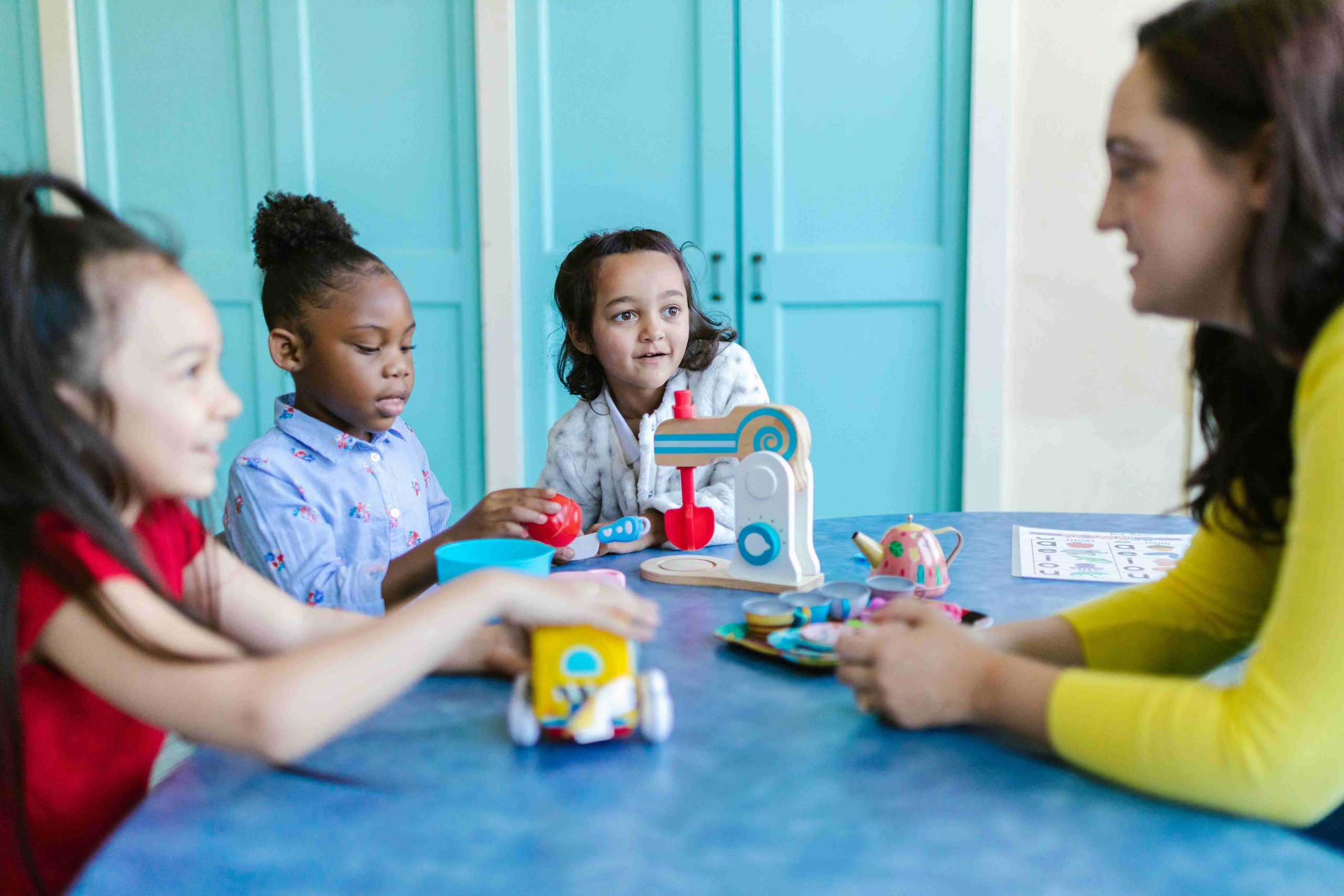
    Imaginative Play: Encourages creativity and language skills as preschoolers pretend to be professionals or explore fantasy worlds. Furthermore, it enhances cognitive abilities.

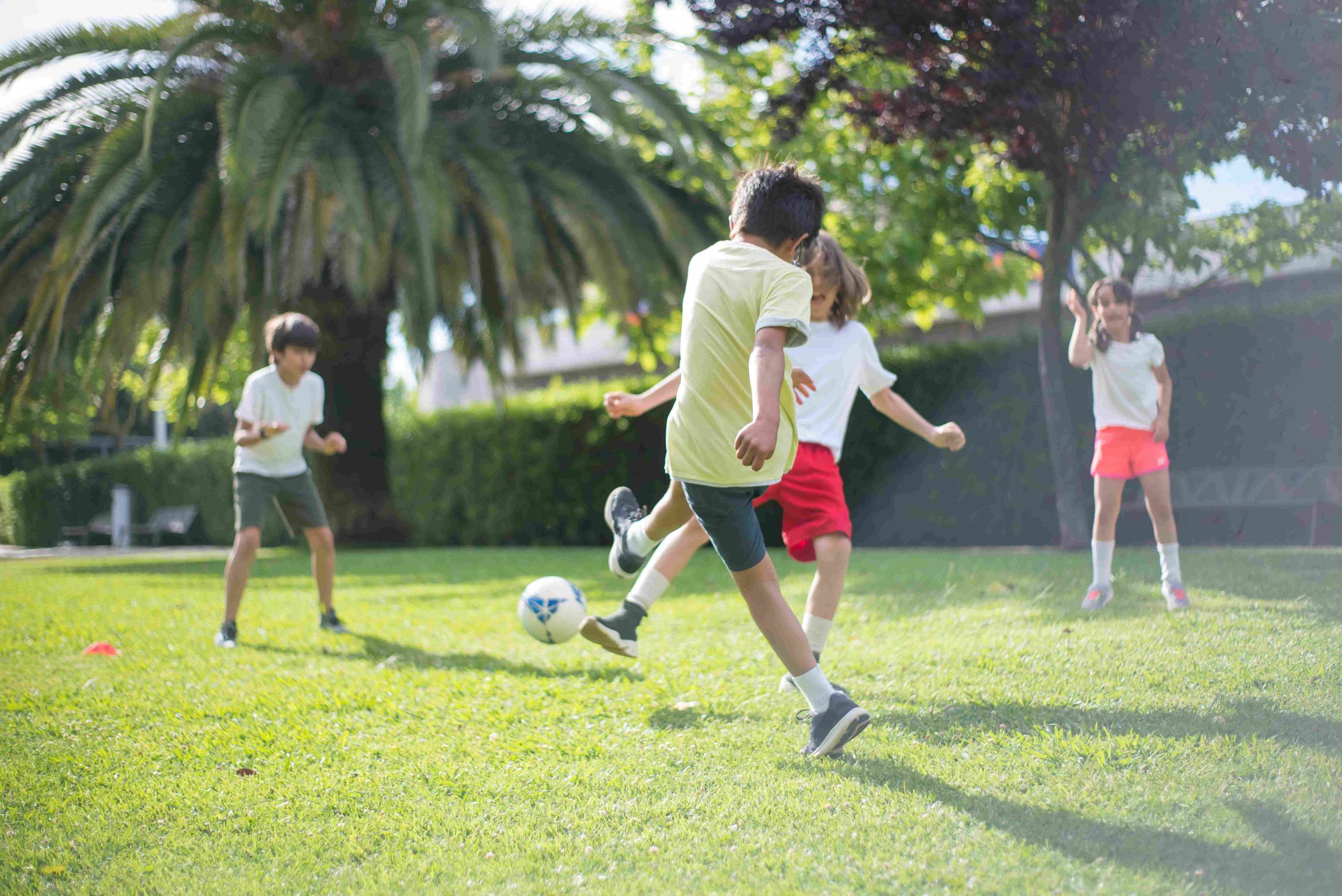
    Outdoor Play: Promotes physical activity, motor skill development, and a love for nature. Additionally, it fosters a sense of exploration and curiosity.

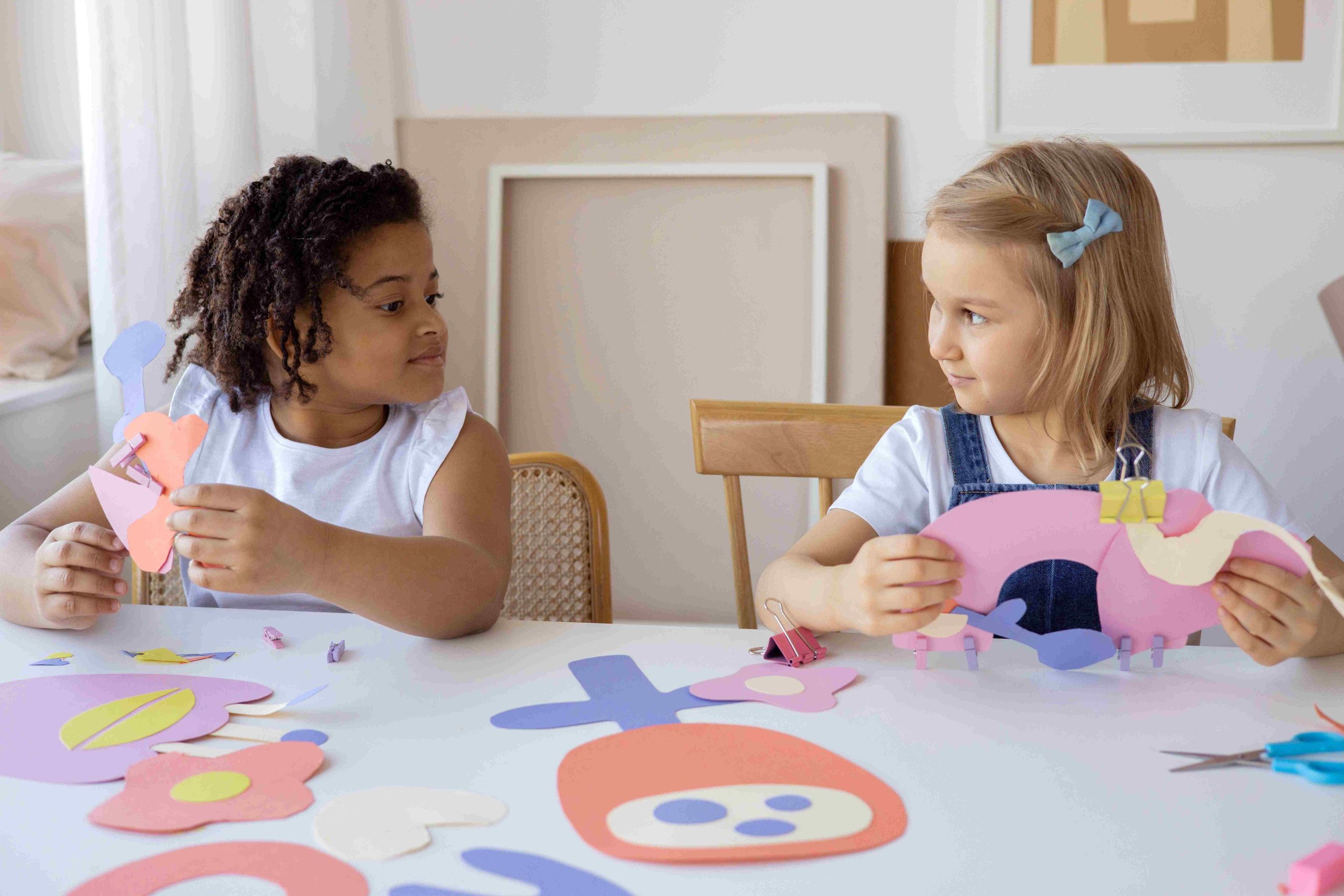
    Arts and Crafts: Enhances fine motor skills, creativity, and self-expression through drawing, painting, and crafting. It also encourages attention to detail and patience.

    Sensory Play: Stimulates cognitive and sensory processing skills through activities like playing with play dough or exploring textures. Moreover, it enhances sensory awareness and perception.

    Ideas for Play Activities

    Play Dough: Engage in creativity with homemade or store-bought play dough, using tools to create shapes. Additionally, it promotes tactile stimulation and hand-eye coordination.

    Scavenger Hunt: Explore outdoors with a fun hunt for items based on color, shape, or nature objects. This activity encourages observation and problem-solving skills.

    Storytelling: Foster imagination and language skills by telling or acting out stories with props. Moreover, it enhances narrative abilities and communication skills.

    Water Play: Cool off and have fun with water activities using buckets, cups, and toys. It also promotes sensory exploration and spatial awareness.

    The Role of Adults in Play Activities

    Adults play a vital role in providing a safe environment, joining in play, offering guidance, and strengthening the bond with preschoolers. Moreover, they can model appropriate behavior and facilitate learning opportunities.

    Technology and Play Activities

    While technology can supplement learning, it’s crucial to balance it with traditional play activities to ensure holistic development. Additionally, incorporating technology wisely can enhance learning experiences and digital literacy.

    Play Activities for Special Needs

    Adapted play activities tailored to individual needs are essential for promoting development among preschoolers with special needs. These activities can be modified to accommodate diverse abilities and preferences.

    Play Activities and Mental Health

    Play contributes positively to mental health by providing avenues for expression, socialization, stress reduction, and emotional regulation. Engaging in play promotes overall well-being and resilience.

    Resources and Challenges

    Utilizing resources and addressing challenges like limited access or time constraints can enhance play experiences for preschoolers. Moreover, collaboration and creativity can overcome barriers to play.

    The Future of Play Activities

    As society evolves, play activities will continue to evolve, offering diverse and enriching experiences for preschoolers. Additionally, innovation and inclusivity will shape the future of play.

    Tips for Encouraging Play Activities

    Encouraging a safe environment, offering diverse materials, joining in play, and providing social interaction opportunities are key tips for promoting play. Furthermore, consistency and enthusiasm foster a love for play.

    Play in Early Childhood Education

    Play-based learning in early childhood education enhances critical thinking, problem-solving, social skills, and overall development. Additionally, it prepares children for lifelong learning and adaptability.

    Impact of Play on Health and Well-being

    Regular engagement in play activities positively impacts physical, cognitive, social-emotional development, and mental well-being among preschoolers. Therefore, play is a cornerstone of healthy development.

    Play-Based Interventions for Special Needs

    Play-based interventions tailored to individual needs can significantly support development and mental well-being among preschoolers with special needs. Furthermore, personalized approaches enhance outcomes and engagement.

  • Physical Flexibility

    Physical Flexibility

    Developing Physical Flexibility in Preschoolers: Key Areas of Focus

    As parents, caregivers, and educators, we all want to see our preschoolers develop into healthy and capable individuals. One important aspect of early childhood development is physical fitness, which is essential for a child’s overall health and wellbeing. In this article, we will focus on the area of physical flexibility and explore ways to promote it in preschoolers.

    The Importance of Physical Flexibility for Preschoolers

    Physical flexibility is the ability to move one’s body freely and with ease. This includes the ability to bend, stretch, twist, and rotate different parts of the body. In preschoolers, physical flexibility plays a crucial role in their overall physical development. Here are some key benefits of developing physical flexibility in preschoolers:

    • Better posture and balance: When preschoolers have good flexibility, they are more likely to have good posture and balance. This helps them to move around with ease and reduces the risk of falls and injuries.
    • Improved range of motion: Preschoolers with good flexibility have a greater range of motion in their joints and muscles. Consequently, they can move their bodies in different ways, making it easier for them to participate in physical activities and sports.
    • Reduced muscle tension: Tight muscles can cause discomfort and pain, especially in the back, neck, and shoulders. However, preschoolers with good flexibility have less muscle tension and are less likely to experience these problems.
    • Better coordination: Physical flexibility is closely linked to coordination. As a result, preschoolers who are flexible are more likely to have better coordination. This helps them to perform activities that require both physical and mental coordination, such as dance and gymnastics.

    Activities to Promote Physical Flexibility in Preschoolers

    Here are some activities that can help promote physical flexibility in preschoolers:

    • Stretching: Encourage preschoolers to stretch their arms, legs, neck, and back before and after physical activities.
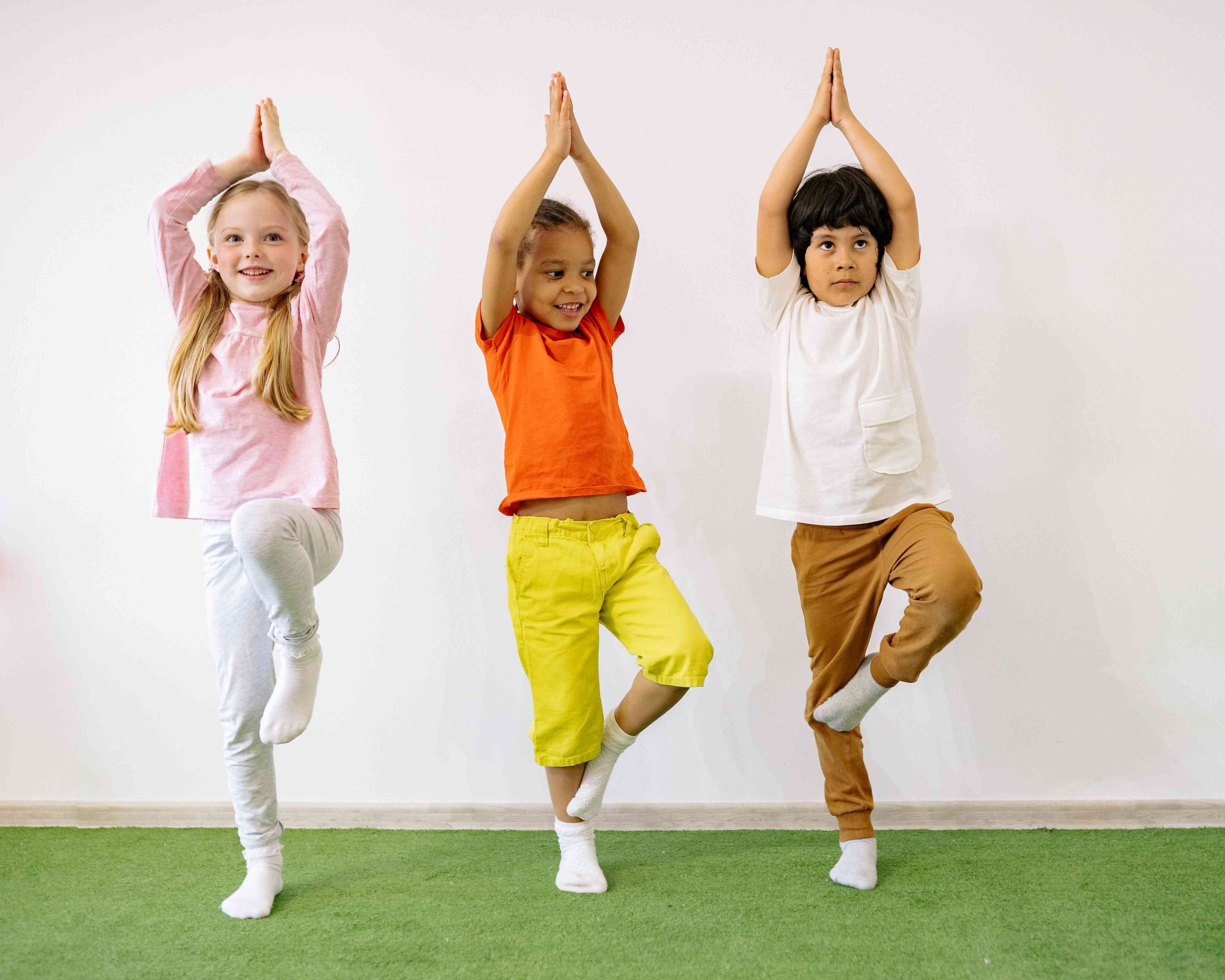
    • Yoga: Introduce preschoolers to simple yoga poses like the butterfly pose, tree pose, and downward dog to promote flexibility and balance.
    • Dance: Dancing to different types of music and rhythms can improve flexibility and coordination.
    • Gymnastics: Enroll preschoolers in gymnastics classes to develop coordination, balance, and flexibility in a structured environment.
    • Outdoor play: Activities like running, jumping, climbing, and crawling during outdoor play can enhance muscle flexibility and overall physical development.

    Tips for Promoting Physical Flexibility in Preschoolers

    Here are some tips for caregivers and educators:

    • Make it fun: Engage preschoolers in enjoyable activities to keep them motivated.
    • Be patient: Developing flexibility takes time and practice, so encourage preschoolers to keep trying.
    • Set a good example: Incorporate flexibility activities into your own routine to inspire preschoolers.
    • Stay safe: Ensure safety during physical activities with appropriate supervision and equipment.
    • Gradually increase intensity: Start with simple movements and progress to more challenging activities over time.

    Benefits of Physical Flexibility in Preschoolers

    Promoting physical flexibility in preschoolers has numerous benefits:

    • Improved posture and balance: Good flexibility leads to better posture and reduced risk of injuries.
    • Increased range of motion: Preschoolers can move comfortably in different ways, aiding daily activities.
    • Reduced stress: Physical activities promote relaxation and reduce stress in preschoolers.
    • Enhanced motor skills: Flexibility enhances coordination and motor skills in preschoolers.
    • Boosted confidence: Achieving physical flexibility boosts self-esteem and confidence.