
Category: Preschool Science Experiments

  • Methodical Approach

    Methodical Approach

    Nurturing a Methodical Approach: Unleashing the Potential of Preschoolers


    Introduction:

    In the early years of a child’s life, a foundation is laid for their future learning and development. Preschoolers, with their boundless curiosity and eagerness to explore, possess incredible potential for acquiring new knowledge and skills. By fostering a methodical approach to learning, we can empower preschoolers to navigate the world around them with curiosity, focus, and a systematic mindset. In this article, we will delve into the importance of cultivating a methodical approach in preschoolers and explore strategies and activities to support their systematic thinking and problem-solving abilities.


    I. The Power of a Methodical Approach:


    A. Developing Critical Thinking Skills:

    A methodical approach encourages preschoolers to think critically, analyze information, and make logical connections. It helps them break down complex problems into manageable steps, allowing for a deeper understanding of the underlying concepts. By promoting a systematic thinking process, preschoolers learn to approach challenges with a structured and analytical mindset.


    B. Enhancing Problem-Solving Abilities:

    A methodical approach empowers preschoolers to tackle problems efficiently and effectively. By teaching them to gather information, identify patterns, and devise logical solutions, we equip them with essential problem-solving skills. Preschoolers learn to evaluate different options, consider potential outcomes, and adjust their strategies accordingly, fostering resilience and adaptability.


    C. Fostering Attention to Detail:

    A methodical approach nurtures preschoolers’ ability to pay attention to detail. It encourages them to observe carefully, notice patterns, and make accurate observations. By developing their attention to detail, preschoolers enhance their ability to detect patterns, make connections, and draw meaningful conclusions, which are essential skills in various academic disciplines.


    II. Strategies for Cultivating a Methodical Approach:


    A. Introducing Sequential Activities:

    Engaging preschoolers in sequential activities helps develop their understanding of order and sequence. This can include tasks such as arranging objects in a specific order, following step-by-step instructions, or participating in sequencing games. Through these activities, preschoolers learn to follow a logical progression and develop an understanding of cause and effect.


    B. Encouraging Systematic Problem Solving:

    Providing preschoolers with opportunities to solve problems in a systematic manner helps strengthen their methodical approach. This can involve presenting open-ended questions or challenges and guiding them through the process of gathering information, organizing their thoughts, and devising strategies to find a solution. Encouraging reflection on their problem-solving process enhances their ability to evaluate their own methods and make improvements.


    C. Engaging in Sorting and Categorization Activities:

    Sorting and categorization activities promote systematic thinking and organization skills in preschoolers. They can engage in activities such as sorting objects based on specific attributes (e.g., color, shape, size) or categorizing items into groups based on similarities and differences. Through these activities, preschoolers develop their ability to classify, compare, and analyze information.


    III. Applying a Methodical Approach Across Subjects:


    A. Mathematics:

    In mathematics, a methodical approach is essential for problem-solving and understanding mathematical concepts. Preschoolers can engage in activities that involve counting, sequencing numbers, and exploring patterns. By encouraging them to follow step-by-step processes in solving mathematical problems, they develop logical thinking skills and build a solid foundation for future mathematical concepts.


    B. Science:

    A methodical approach plays a significant role in scientific exploration. Preschoolers can engage in hands-on experiments and investigations, following a systematic process of observation, prediction, experimentation, and conclusion. By guiding them through structured scientific inquiries, we nurture their curiosity, critical thinking, and attention to detail.


    C. Language and Literacy:

    In language and literacy development, a methodical approach supports the acquisition of reading and writing skills. Preschoolers can engage in activities such as letter sequencing, word building, and story retelling. By following a sequential process, preschoolers enhance their phonemic awareness, comprehension, and language skills.


    IV. Nurturing a Mindset of Growth and Exploration:


    A. Cultivating Curiosity:

    To foster a methodical approach, it is crucial to cultivate a sense of curiosity in preschoolers. Encouraging them to ask questions, explore new ideas, and seek answers promotes a growth mindset and a lifelong love for learning. By nurturing their natural curiosity, we inspire them to approach learning with enthusiasm and a thirst for knowledge.


    B. Emphasizing Process Over Outcome:

    In cultivating a methodical approach, it is essential to focus on the process rather than solely on the outcome. Emphasizing the importance of effort, perseverance, and learning from mistakes encourages preschoolers to value the systematic thinking process and to view challenges as opportunities for growth and improvement.


    A methodical approach equips preschoolers with valuable skills that extend far beyond their early years. By nurturing their systematic thinking, problem-solving abilities, and attention to detail, we empower them to approach learning with confidence and curiosity. By applying a methodical approach across various subjects, we create a solid foundation for their future academic success. Let us embrace the potential of preschoolers and provide them with the tools and opportunities to become methodical learners, ready to navigate the complexities of the world around them with a systematic mindset.


    Preschooler Methodical Approach: Nurturing Systematic Thinkers

    Preschoolers possess a natural curiosity and eagerness to explore the world around them. They are sponges, soaking up information and experiences at an astonishing rate. As educators and parents, it is our responsibility to channel their innate curiosity and guide them in developing essential skills for lifelong learning. One such crucial skill is a methodical approach—a systematic way of thinking and problem-solving that lays the foundation for academic success and critical thinking in later years. In this article, we will delve into the importance of nurturing a methodical approach in preschoolers and explore strategies to support their systematic thinking abilities.


    I. The Power of a Methodical Approach


    A. Developing Analytical Thinking:

    A methodical approach nurtures analytical thinking in preschoolers. It encourages them to break down complex tasks into smaller, manageable steps. By teaching them to approach problems systematically, preschoolers learn to identify patterns, analyze information, and make logical connections. This skill is invaluable across various domains, from mathematics and science to language and literacy.


    B. Promoting Critical Thinking:

    Critical thinking is an essential skill that preschoolers develop through a methodical approach. By encouraging them to gather evidence, evaluate information, and consider different perspectives, we foster their ability to think critically and make informed decisions. This skill empowers preschoolers to solve problems creatively, challenge assumptions, and explore alternative solutions.


    C. Fostering Organizational Skills:

    A methodical approach instills organizational skills in preschoolers. It teaches them to prioritize tasks, plan their actions, and manage their time effectively. By guiding them to create routines and establish clear expectations, we provide them with a sense of structure and order. These organizational skills lay the groundwork for future academic success and personal responsibility.


    II. Strategies for Cultivating a Methodical Approach


    A. Introduce Sequencing Activities:

    Sequencing activities are a powerful tool for developing a methodical approach in preschoolers. Engage them in tasks that require following a specific order, such as arranging objects in a sequence, putting events in a logical order, or completing puzzles step by step. This encourages them to think sequentially and understand the concept of cause and effect.


    B. Encourage Problem-Solving:

    Problem-solving activities play a crucial role in fostering a methodical approach. Provide preschoolers with age-appropriate challenges and guide them through the problem-solving process. Encourage them to ask questions, brainstorm ideas, make predictions, and test different solutions. By facilitating their exploration of multiple approaches and supporting their reflective thinking, we cultivate their systematic problem-solving skills.


    C. Engage in Pattern Recognition:

    Pattern recognition activities stimulate preschoolers’ systematic thinking abilities. Encourage them to identify and create patterns using objects, shapes, colors, or sounds. These activities help develop their observational skills, enhance their ability to detect regularities, and promote logical reasoning.


    III. Applying a Methodical Approach Across Subjects


    A. Mathematics:

    Mathematics offers a wealth of opportunities to apply a methodical approach. Engage preschoolers in activities that involve counting, sorting objects, exploring shapes and sizes, and solving simple mathematical problems. By guiding them through a step-by-step process, we foster their understanding of mathematical concepts and develop their logical reasoning skills.


    B. Science:

    Science education encourages preschoolers to think systematically and explore the world around them. Provide hands-on experiences that involve making observations, predicting outcomes, conducting experiments, and drawing conclusions. By encouraging systematic thinking in scientific inquiry, we cultivate their curiosity, develop their questioning skills, and promote their understanding of the scientific method.


    C. Language and Literacy:

    A methodical approach is also applicable to language and literacy development in preschoolers. Engage them in activities that involve sequencing events in a story, categorizing objects or words based on specific attributes, and following step-by-step instructions. By focusing on the process of reading and writing, preschoolers enhance their phonemic awareness, comprehension, and language skills.


    IV. Nurturing a Mindset of Growth and Exploration


    A. Cultivating Curiosity:

    To foster a methodical approach, it is crucial to cultivate a sense of curiosity in preschoolers. Encouraging them to ask questions, explore new ideas, and seek answers promotes a growth mindset and a lifelong love for learning. By nurturing their natural curiosity, we inspire them to approach learning with enthusiasm and a thirst for knowledge.


    B. Emphasizing Process Over Outcome:

    In cultivating a methodical approach, it is essential to focus on the process rather than solely on the outcome. Emphasizing the importance of effort, perseverance, and learning from mistakes encourages preschoolers to value the systematic thinking process and to view challenges as opportunities for growth and improvement.


    Conclusion

    A methodical approach equips preschoolers with valuable skills that extend far beyond their early years. By nurturing their systematic thinking, problem-solving abilities, and attention to detail, we empower them to approach learning with confidence and curiosity. By applying a methodical approach across various subjects, we create a solid foundation for their future academic success. Let us embrace the potential of preschoolers and provide them with the tools and opportunities to become methodical learners, ready to navigate the complexities of the world around them with a systematic mindset.


    V. Engaging in Hands-On Experiences


    A. Experiential Learning:

    Hands-on experiences are a powerful way to nurture a methodical approach in preschoolers. Provide opportunities for them to engage in sensory play, explore materials, conduct simple experiments, and engage in real-world problem-solving. These experiential learning experiences not only stimulate their curiosity but also enhance their observational skills, critical thinking, and ability to analyze information systematically.


    B. Field Trips and Excursions:

    Field trips and excursions offer preschoolers the chance to apply their methodical thinking in real-world settings. Take them to museums, parks, or local businesses where they can observe, ask questions, and make connections. Encourage them to document their experiences through drawings, photographs, or journals, further reinforcing their systematic approach to learning.


    VI. Fostering Collaboration and Communication


    A. Group Projects:

    Collaborative projects provide preschoolers with opportunities to practice their methodical thinking skills while working with others. Assign group tasks that require planning, organization, and division of responsibilities. Through collaboration, preschoolers learn to communicate their ideas, listen to others’ perspectives, and work towards a common goal, enhancing their teamwork and systematic problem-solving abilities.


    B. Reflective Discussions:

    Engage preschoolers in reflective discussions to strengthen their methodical thinking. Encourage them to share their thought processes, explain their reasoning, and articulate their observations. By providing a safe and supportive environment for dialogue, we foster their ability to think critically, evaluate information, and express their ideas systematically.


    VII. Cultivating a Growth Mindset


    A. Encouraging Risk-Taking:

    Nurturing a methodical approach involves creating an environment that encourages preschoolers to take risks and embrace challenges. Encourage them to step out of their comfort zones, try new approaches, and learn from their mistakes. By fostering a growth mindset, we empower preschoolers to view setbacks as opportunities for learning and growth.


    B. Celebrating Effort and Progress:

    Recognize and celebrate the efforts and progress of preschoolers in their methodical thinking journey. Highlight their accomplishments, both big and small, and acknowledge the process they have undertaken to reach their goals. By valuing their perseverance and dedication, we reinforce their belief in their own abilities and foster a sense of pride in their systematic thinking skills.


    In conclusion, nurturing a methodical approach in preschoolers lays the foundation for their future success as systematic thinkers and lifelong learners. By providing them with a range of experiences, engaging them in hands-on activities, fostering collaboration and communication, and cultivating a growth mindset, we empower preschoolers to approach tasks and challenges in a systematic and methodical manner. Through a deliberate focus on developing their analytical thinking, critical thinking, and organizational skills, we equip preschoolers with the tools they need to navigate the complexities of the world and embrace a future full of endless possibilities. Let us guide and support preschoolers on their journey to becoming methodical thinkers who will make a positive impact on the world around them.


  • Scientific Concepts

    Scientific Concepts

    Exploring the Wonders of Scientific Concepts with Preschoolers


    Introduction:


    In the early years of life, preschoolers have a natural curiosity and eagerness to explore the world around them. They possess an innate sense of wonder and a thirst for knowledge. By introducing scientific concepts in developmentally appropriate ways, we can ignite their curiosity, foster their critical thinking skills, and lay the foundation for a lifelong love of science. In this article, we will delve into the fascinating world of scientific concepts and explore how preschoolers can develop a deeper understanding of the natural phenomena that surround them.


    I. The Wonders of the Natural World:


    The natural world is a rich source of scientific concepts that captivate preschoolers’ minds. By observing and exploring nature, they can develop a deeper appreciation for the environment and gain insight into various scientific principles.


    A. Exploring the Seasons:


    Preschoolers can learn about the changing seasons and the associated natural phenomena, such as weather patterns, plant growth, and animal behavior. Engaging in activities that highlight the distinct characteristics of each season, such as observing leaves changing colors in autumn or planting seeds in spring, allows preschoolers to develop an understanding of seasonal cycles and the interconnectedness of living organisms with their environment.


    B. Investigating the Sky:


    The sky is a vast playground for scientific exploration. Preschoolers can develop an interest in astronomy by observing the moon, stars, and clouds. Through simple experiments and observations, they can learn about the concepts of day and night, the phases of the moon, and the patterns of celestial objects. Activities like stargazing, cloud watching, and creating homemade telescopes provide hands-on experiences that stimulate their scientific curiosity.


    II. Hands-On Experiments and Investigations:


    Preschoolers thrive on hands-on experiences that engage their senses and promote active learning. By conducting simple experiments and investigations, they can develop scientific inquiry skills and gain a deeper understanding of scientific concepts.


    A. Exploring Properties of Matter:


    Introduce preschoolers to the properties of matter through engaging experiments. They can explore the concepts of sinking and floating by conducting a buoyancy experiment with different objects and liquids. By mixing various substances and observing the results, they can learn about the properties of solids, liquids, and gases. These activities help develop their scientific thinking and encourage them to make predictions and draw conclusions based on their observations.


    B. Investigating Forces and Motion:


    Preschoolers can explore the fundamental concepts of forces and motion through playful experiments. They can create ramps and test how different objects roll or slide down them, observing the effects of gravity and friction. By experimenting with different materials and slopes, they can discover how force affects the speed and direction of an object. These activities foster their understanding of cause and effect relationships and enhance their problem-solving skills.


    III. The Marvels of Living Things:


    Understanding the wonders of living organisms is a crucial aspect of scientific education. Preschoolers can explore the characteristics and behaviors of plants and animals, fostering their appreciation for the diversity of life on Earth.


    A. Investigating Plants:


    Preschoolers can learn about the life cycle of plants by planting seeds and observing their growth. Through hands-on activities like watering, nurturing, and documenting the changes in the plants, they develop a sense of responsibility and gain insight into the interconnectedness of plants with their environment. Additionally, activities like dissecting flowers or creating leaf rubbings promote their understanding of plant anatomy and diversity.


    B. Exploring Animals:


    Preschoolers can explore the fascinating world of animals by observing their behaviors, habitats, and physical characteristics. Activities such as creating a nature journal to document animal sightings, constructing animal habitats, or role-playing as different animals encourage their imaginative thinking and scientific exploration. By observing and comparing the features of different animals, preschoolers can begin to understand the concept of classification and the diversity of species.


    Introducing scientific concepts to preschoolers opens a world of wonder and exploration. By nurturing their innate curiosity and providing hands-on experiences, we can ignite their passion for science and lay a strong foundation for their future scientific understanding. The natural world, hands-on experiments, and the marvels of living things offer countless opportunities for preschoolers to develop critical thinking skills, foster their creativity, and cultivate a deep appreciation for the scientific wonders that surround them. Let us embark on this scientific journey with preschoolers and inspire them to become lifelong learners and inquisitive explorers of the world around them.


    Preschooler scientific concepts offer endless possibilities for exploration and discovery. By engaging in age-appropriate activities, preschoolers can develop a solid understanding of various scientific principles and phenomena. In this section, we will delve deeper into specific scientific concepts and explore how preschoolers can grasp these concepts through hands-on experiences and interactive learning.


    I. Matter and Its Properties:


    Understanding the properties of matter is an essential scientific concept for preschoolers. By engaging in simple experiments and observations, they can explore the different states of matter, such as solids, liquids, and gases, and learn about their unique characteristics.


    A. Exploring Solids:


    Preschoolers can investigate the properties of solids by engaging in activities that encourage tactile exploration and observation. For example, they can sort objects into different categories based on their properties, such as shape, texture, or color. By building structures using building blocks or clay, preschoolers can explore concepts such as stability, balance, and structure. They can also experiment with different materials to understand their rigidity or flexibility.


    B. Investigating Liquids:


    Preschoolers can explore the properties of liquids through various experiments. They can compare the flow of different liquids, such as water, oil, and syrup, to understand viscosity. By conducting simple density experiments, such as mixing oil and water or creating a homemade lava lamp, they can observe the separation of liquids based on their density. These hands-on activities provide a tangible experience for preschoolers to grasp the concept of liquid properties.


    C. Discovering Gases:


    Introducing the concept of gases to preschoolers can be done through interactive and engaging experiments. For example, they can observe the inflation of balloons using baking soda and vinegar or create a bubble solution to explore the properties of gases. By engaging in activities that involve blowing bubbles or using a straw to move objects, preschoolers can understand the concept of air and the properties of gases in a fun and interactive way.


    II. Forces and Motion:


    Preschoolers have a natural curiosity about how things move and interact with each other. Exploring the concepts of forces and motion can foster their understanding of cause and effect relationships and enhance their problem-solving skills.


    A. Exploring Gravity:


    Preschoolers can engage in activities that help them understand the force of gravity. They can experiment with dropping objects of different weights and sizes to observe how gravity affects their motion. Building ramps and experimenting with rolling objects down the ramps can provide hands-on experiences that allow preschoolers to explore concepts such as incline, speed, and the effects of gravity on motion.


    B. Investigating Friction:


    Preschoolers can learn about the force of friction through interactive experiments. They can explore different surfaces and materials to observe how friction affects the movement of objects. For example, they can test the sliding of objects on various surfaces, such as carpet, sandpaper, or ice. By engaging in activities that involve rubbing objects together or using toy cars on different surfaces, preschoolers can develop a deeper understanding of friction and its impact on motion.


    C. Understanding Push and Pull:


    Preschoolers can grasp the concepts of push and pull through hands-on activities. They can engage in games or experiments that involve pushing or pulling objects, such as pushing a toy car or pulling a wagon. By exploring the effects of applying force in different directions, preschoolers can develop a basic understanding of how forces can change the position or motion of objects.


    III. Life Cycles and Growth:


    Preschoolers have a natural curiosity about living things and their life cycles. By exploring the concepts of life cycles and growth, they can gain a deeper appreciation for the natural world and the interconnectedness of all living organisms.


    A. Exploring Plant Life Cycles:


    Preschoolers can engage in activities that allow them to observe and understand the life cycles of plants. They can plant seeds and observe their growth over time, documenting the changes they observe. By exploring different types of plants, such as flowering plants or vegetables, preschoolers can learn about the various stages of plant life, including seed germination, growth, flowering, and seed production.


    B. Investigating Animal Life Cycles:


    Preschoolers can learn about animal life cycles through interactive experiences. They can explore the life cycles of animals, such as butterflies, frogs, or birds, through storytelling, hands-on activities, and observation. By observing the transformation of a caterpillar into a butterfly or the development of a tadpole into a frog, preschoolers can witness the wonders of life cycles firsthand.


    C. Understanding Human Growth:


    Preschoolers can explore the concept of human growth by learning about their own bodies and how they change over time. Engaging in activities that involve measuring their height, comparing handprints over time, or discussing different stages of development can help preschoolers understand the concept of growth. By incorporating books, videos, and discussions about different life stages, preschoolers can develop an appreciation for the diversity and uniqueness of human growth.


    IV. Earth and Its Features:


    Preschoolers can develop an understanding of the Earth and its features through interactive experiences that introduce concepts such as landforms, weather, and the environment.


    A. Exploring Landforms:


    Preschoolers can learn about different landforms, such as mountains, valleys, rivers, and beaches, through sensory experiences and hands-on activities. They can create three-dimensional models of landforms using playdough or engage in sand and water play to simulate the formation of beaches and rivers. By observing pictures or going on nature walks, preschoolers can identify and discuss various landforms in their surroundings.


    B. Investigating Weather:


    Preschoolers can explore the concept of weather by engaging in activities that allow them to observe and understand different weather phenomena. They can create a weather chart to record daily weather observations, explore temperature changes using thermometers, or simulate rain using water spray bottles. By discussing the different types of weather and their effects, preschoolers can develop an understanding of weather patterns and the impact of weather on the environment.


    C. Understanding the Environment:


    Preschoolers can develop an appreciation for the environment by engaging in activities that promote environmental awareness and conservation. They can learn about the importance of reducing, reusing, and recycling through hands-on projects, such as creating artwork using recycled materials or participating in nature clean-up activities. By incorporating discussions about the importance of protecting the environment and taking care of nature, preschoolers can develop a sense of responsibility and become environmentally conscious individuals.


    Introducing scientific concepts to preschoolers through hands-on experiences and interactive learning allows them to develop a solid foundation of scientific understanding. By exploring concepts such as matter and its properties, forces and motion, life cycles and growth, and the Earth and its features, preschoolers can gain a deeper appreciation for the wonders of the natural world. Through engaging activities and age-appropriate experiments, they can develop critical thinking skills, enhance their problem-solving abilities, and cultivate a lifelong curiosity for scientific exploration. Let us embrace the joy of learning alongside preschoolers as they embark on their scientific journey, nurturing their innate curiosity and fostering a love for the wonders of science.


    In their exploration of scientific concepts, preschoolers not only gain knowledge but also develop important skills and attitudes that will serve them well in their future educational journey. Through hands-on activities and interactive learning experiences, they learn to observe, question, predict, and draw conclusions. They develop critical thinking skills as they make connections between cause and effect, analyze data, and solve problems.


    Furthermore, engaging in scientific exploration at a young age nurtures a sense of wonder and curiosity about the world around them. Preschoolers become natural investigators, always eager to explore and discover. This enthusiasm for learning sets a strong foundation for their future academic pursuits and encourages a lifelong love for science.


    As parents, educators, and caregivers, it is our responsibility to provide preschoolers with the opportunities and resources they need to explore scientific concepts. By creating a rich environment that promotes hands-on learning and encourages curiosity, we can ignite their passion for science and empower them to become confident and capable learners.


    In conclusion, preschoolers are natural scientists, ready to embark on a journey of exploration and discovery. By engaging in age-appropriate activities that focus on scientific concepts, they develop a solid understanding of the world around them. Through their interactions with matter, forces, life cycles, and the environment, preschoolers gain valuable skills, such as critical thinking, problem-solving, and observation. Let us embrace their innate curiosity and foster a love for scientific exploration, paving the way for a bright future filled with endless possibilities. Together, we can inspire and empower preschoolers to become the scientists and innovators of tomorrow.

  • Notice Patterns

    Notice Patterns

    Preschooler Insight: Unraveling the Power of Noticing Patterns


    Preschoolers possess a remarkable ability to notice patterns in their environment. This innate skill allows them to make connections, recognize similarities and differences, and understand the underlying structure of the world around them. In this article, we delve into the fascinating world of preschooler pattern recognition and explore how this cognitive ability contributes to their cognitive, mathematical, and creative development. Through a series of insightful activities and practical tips, we can nurture their pattern awareness and empower them to become keen observers of the world.


    Main Article:


    The Power of Patterns:


    Patterns are all around us, from the rhythmic beat of music to the recurring shapes in nature. For preschoolers, noticing patterns is like deciphering a secret code that unlocks a deeper understanding of the world. It is a fundamental cognitive process that helps them make sense of information, predict outcomes, and engage in critical thinking.


    Recognizing Visual Patterns:


    Visual patterns are among the most accessible for preschoolers to notice and comprehend. They can identify and replicate simple patterns like stripes, polka dots, or alternating colors. Engaging in activities that emphasize visual patterns can enhance their observation skills and strengthen their ability to recognize and recreate sequences.


    Activity: Pattern Hunt


    Take preschoolers on a pattern hunt in their surroundings. Encourage them to find and identify patterns in everyday objects, such as tiles, fabrics, or even items in the supermarket. Prompt them to describe the patterns they discover, noting the repetitions, shapes, and colours involved.


    Exploring Numerical Patterns:


    Preschoolers also exhibit an inherent aptitude for perceiving numerical patterns. They can identify and extend sequences, recognize number patterns, and engage in basic mathematical reasoning. By nurturing their numerical pattern recognition, we can lay a strong foundation for their mathematical understanding and problem-solving abilities.


    Activity: Number Train


    Create a number train activity where preschoolers can arrange number cards or objects in a sequential pattern. Start with a simple sequence (e.g., 1, 2, 3) and encourage them to continue the pattern by adding the next number. Gradually introduce more complex patterns, such as skip counting or number patterns with a common difference.


    Patterns in Language:


    Patterns are not limited to visual and numerical domains; they also permeate language. Preschoolers naturally notice patterns in rhymes, rhythms, and word structures, which lays the groundwork for their language development and literacy skills. Encouraging their awareness of linguistic patterns can foster their communication abilities and love for language.


    Activity: Rhyme Time


    Engage preschoolers in a rhyme time activity where they can explore rhyming words. Provide them with a selection of words and encourage them to identify words that rhyme. They can take turns creating simple rhyming patterns, enhancing their phonological awareness and vocabulary.


    Patterns in Nature:


    Nature is a treasure trove of patterns, providing preschoolers with endless opportunities to explore and discover. From the intricate symmetry of flowers to the recurring patterns of animal markings, nature offers a rich tapestry of visual and mathematical patterns waiting to be noticed and appreciated.


    Activity: Nature Patterns Walk


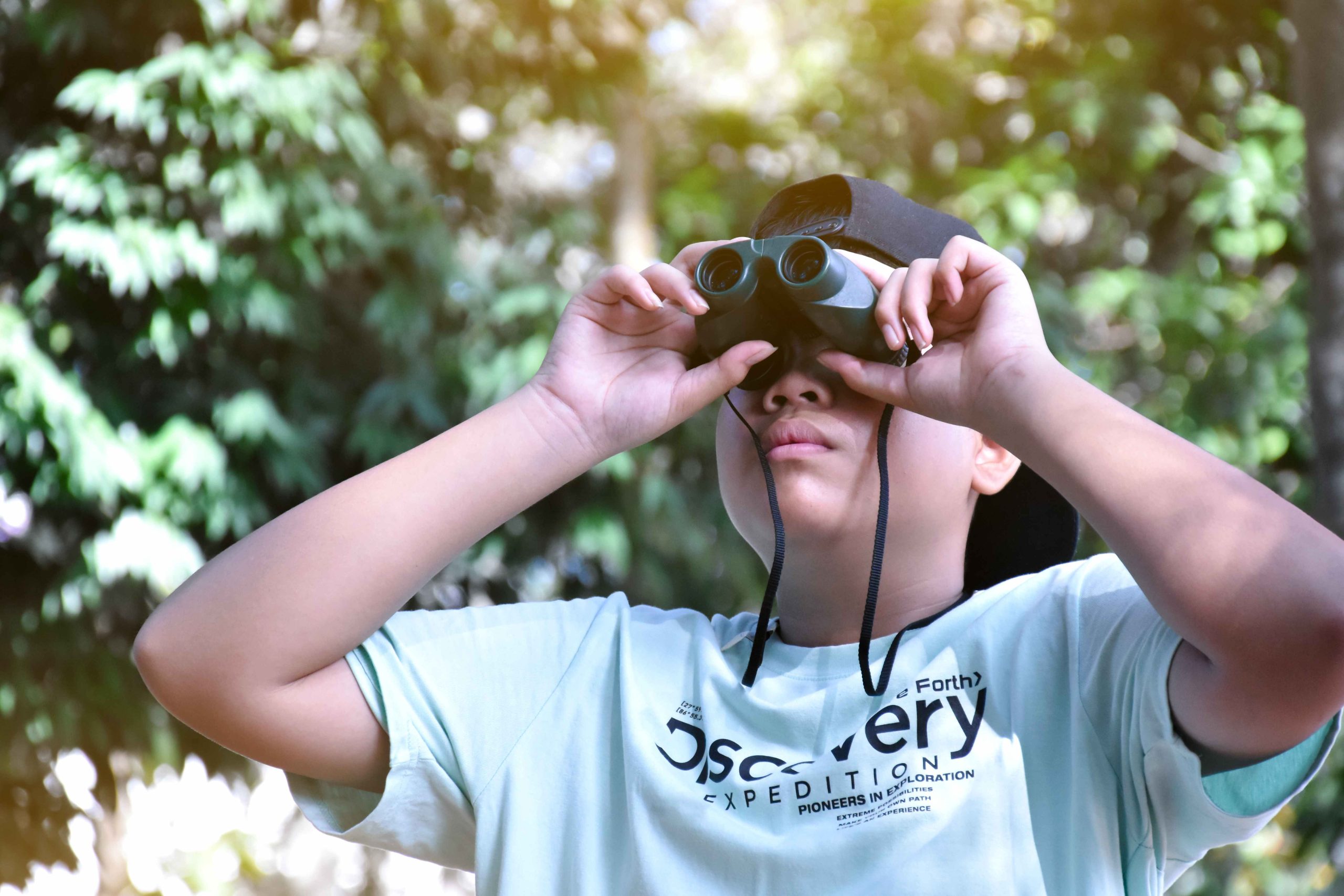
    Take preschoolers on a nature patterns walk in a nearby park or garden. Encourage them to observe and document different patterns they encounter, such as leaf arrangements, petal shapes, or animal tracks. Provide them with magnifying glasses or binoculars to enhance their observations and spark their curiosity.


    Cultivating Creativity through Patterns:


    Patterns not only stimulate cognitive development but also fuel creativity and artistic expression. By encouraging preschoolers to explore patterns in art, music, and dance, we can inspire their imaginations and foster their creative potential.


    Activity: Patterned Art

    Provide preschoolers with materials like colored paper, paints, and stickers. Encourage them to create their own patterned art, incorporating different shapes, colors, and textures. This activity allows them to explore patterns in a creative and hands-on way, promoting their artistic abilities and self-expression.


    Preschoolers possess an incredible capacity for noticing patterns in their environment, making this skill a powerful tool for cognitive, mathematical, and creative development. By embracing their innate curiosity and providing engaging activities, we can nurture their pattern recognition abilities and empower them to become astute observers of the world. Let us celebrate the wonder of patterns with preschoolers as they embark on a journey of exploration and discovery that will shape their understanding and appreciation of the world around them.


    Preschoolers possess a remarkable ability to notice patterns in their environment. This innate skill allows them to make connections, recognize similarities and differences, and understand the underlying structure of the world around them. In this article, we delve into the fascinating world of preschooler pattern recognition and explore how this cognitive ability contributes to their cognitive, mathematical, and creative development. Through a series of insightful activities and practical tips, we can nurture their pattern awareness and empower them to become keen observers of the world.


    Main Article:


    The Power of Patterns:


    Patterns are all around us, from the rhythmic beat of music to the recurring shapes in nature. For preschoolers, noticing patterns is like deciphering a secret code that unlocks a deeper understanding of the world. It is a fundamental cognitive process that helps them make sense of information, predict outcomes, and engage in critical thinking.


    Patterns play a crucial role in preschoolers’ cognitive development. By recognizing patterns, they develop their ability to categorize, sort, and organize information. This skill is essential for problem-solving and logical reasoning. Moreover, pattern recognition supports their mathematical understanding, as patterns form the basis of numerical sequences and relationships.


    Recognizing Visual Patterns:


    Visual patterns are among the most accessible for preschoolers to notice and comprehend. They can identify and replicate simple patterns like stripes, polka dots, or alternating colors. Engaging in activities that emphasize visual patterns can enhance their observation skills and strengthen their ability to recognize and recreate sequences.


    Visual patterns can be found in various aspects of everyday life, such as clothing, wallpaper, or even the arrangement of objects in a room. By encouraging preschoolers to pay attention to these patterns, we stimulate their visual perception and cultivate their attention to detail.


    Activity: Pattern Hunt


    Take preschoolers on a pattern hunt in their surroundings. Encourage them to find and identify patterns in everyday objects, such as tiles, fabrics, or even items in the supermarket. Prompt them to describe the patterns they discover, noting the repetitions, shapes, and colours involved. This activity not only sharpens their pattern recognition skills but also enhances their vocabulary and descriptive abilities.


    Exploring Numerical Patterns:


    Preschoolers also exhibit an inherent aptitude for perceiving numerical patterns. They can identify and extend sequences, recognize number patterns, and engage in basic mathematical reasoning. By nurturing their numerical pattern recognition, we can lay a strong foundation for their mathematical understanding and problem-solving abilities.


    Numerical patterns can be introduced through counting activities, number games, and puzzles. Simple number sequences, such as 1, 2, 3, 4, can be expanded to more complex patterns like skip counting or patterns with increasing or decreasing intervals. This not only enhances their numerical skills but also promotes their logical thinking and sequencing abilities.


    Activity: Number Train


    Create a number train activity where preschoolers can arrange number cards or objects in a sequential pattern. Start with a simple sequence (e.g., 1, 2, 3) and encourage them to continue the pattern by adding the next number. Gradually introduce more complex patterns, such as skip counting or number patterns with a common difference. This hands-on activity allows them to visually and physically engage with numerical patterns, reinforcing their understanding of sequence and order.


    Patterns in Language:


    Patterns are not limited to visual and numerical domains; they also permeate language. Preschoolers naturally notice patterns in rhymes, rhythms, and word structures, which lays the groundwork for their language development and literacy skills. Encouraging their awareness of linguistic patterns can foster their communication abilities and love for language.


    Language patterns can be explored through rhymes, songs, and wordplay. Rhymes, in particular, help preschoolers notice the repetition of sounds and syllables, enhancing their phonological awareness. Word-building activities, where they create new words by substituting initial sounds, further develop their understanding of linguistic patterns.


    Activity: Rhyme Time


    Engage preschoolers in a fun and interactive rhyming activity. Provide them with a list of words and encourage them to identify words that rhyme. Sing nursery rhymes together, emphasizing the rhyming words and encouraging them to predict the rhymes. This activity not only develops their phonological awareness but also enhances their vocabulary, memory, and language fluency.


    Fostering Creativity through Pattern Recognition:


    Preschoolers’ pattern recognition abilities extend beyond cognitive and mathematical domains; they also fuel their creativity. Noticing patterns in art, music, and storytelling allows them to express themselves and engage in imaginative play. By nurturing their creative exploration of patterns, we provide them with a powerful outlet for self-expression and self-discovery.


    Artistic patterns can be explored through various mediums, such as drawing, painting, and collage. Encourage preschoolers to create their own patterned art, combining shapes, colors, and textures. This activity stimulates their artistic abilities and promotes their creativity.


    Activity: Patterned Art


    Provide preschoolers with art materials, such as paper, paints, and stickers. Encourage them to create their own patterned art, incorporating different shapes, colors, and textures. This activity allows them to explore patterns in a creative and hands-on way, promoting their artistic abilities and self-expression.


    Preschoolers possess an incredible capacity for noticing patterns in their environment, making this skill a powerful tool for cognitive, mathematical, and creative development. By embracing their innate curiosity and providing engaging activities, we can nurture their pattern recognition abilities and empower them to become astute observers of the world. Let us celebrate the wonder of patterns with preschoolers as they embark on a journey of exploration and discovery that will shape their understanding and appreciation of the world around them.


    Preschoolers’ ability to notice patterns extends beyond the cognitive and creative realms. It also has implications for their social and emotional development. Recognizing patterns in social interactions, emotions, and behavior helps them navigate the social world and understand their own feelings and those of others.


    Social patterns involve observing and understanding social cues, such as facial expressions, body language, and tone of voice. Preschoolers who are adept at noticing these patterns are better equipped to interpret the intentions and emotions of others, leading to more successful social interactions and relationships. They can pick up on subtle cues and adjust their own behavior accordingly, fostering empathy and cooperation.


    Activity: Emotion Charades


    Engage preschoolers in an emotion charades game. Write down different emotions on cards and have them take turns acting out the emotions while others guess. Encourage discussions about the facial expressions and body language associated with each emotion. This activity helps preschoolers notice patterns in emotional expressions and enhances their emotional intelligence.


    In addition to social patterns, preschoolers can also benefit from recognizing patterns in their own behavior and daily routines. By understanding the patterns and sequences of their daily activities, they gain a sense of structure, predictability, and control. This contributes to their overall well-being and emotional stability.


    Activity: Daily Routine Chart


    Create a visual daily routine chart with pictures depicting the different activities throughout the day. Involve preschoolers in arranging the pictures in the correct order and discussing the patterns and sequences of their daily routine. This activity not only promotes their understanding of patterns but also fosters a sense of ownership and independence in their daily lives.


    By encouraging preschoolers to notice patterns in various aspects of their lives, we empower them to become active observers and thinkers. This skill sets a strong foundation for their future academic success and lifelong learning. It fosters critical thinking, problem-solving, and analytical skills that are essential for navigating the complexities of the world.


    As parents, educators, and caregivers, we play a vital role in nurturing and supporting preschoolers’ pattern recognition abilities. By providing a rich and stimulating environment filled with opportunities for exploration and discovery, we create a conducive learning environment for them to develop and refine their pattern recognition skills.


    By celebrating and encouraging their unique perspectives, we empower preschoolers to embrace their innate curiosity and explore the wonders of the world around them. As they notice patterns in their environment, they embark on a journey of learning and understanding that will shape their intellectual, emotional, and social development.


    In conclusion, preschoolers’ ability to notice patterns is a remarkable cognitive skill that influences various aspects of their development. From cognitive and mathematical abilities to creativity, language, and social-emotional skills, pattern recognition plays a significant role in shaping their understanding of the world. By providing engaging activities and opportunities for exploration, we can support their pattern recognition abilities and lay a strong foundation for their lifelong learning journey. Let us cherish and nurture their innate curiosity and celebrate the wonder of patterns with preschoolers.

  • Observations

    Observations

    The Power of Preschooler Observations: Nurturing Curiosity and Scientific Thinking


    Observation is a fundamental skill that lays the foundation for scientific thinking and exploration. Preschoolers possess a natural curiosity about the world around them, and through careful observation, they can make fascinating discoveries and develop a deeper understanding of their environment. In this article, we will explore the significance of preschooler observations, how they contribute to scientific development, and provide practical activities to enhance their observational skills.


  • Understanding Observation: Observation is the act of closely and attentively examining objects, events, or phenomena to gather information and make sense of the world. For preschoolers, observation is a multisensory experience that involves seeing, hearing, touching, smelling, and sometimes tasting. It is through observation that preschoolers acquire new knowledge, make connections, and develop their cognitive abilities.


  • 1. The Power of Visual Observation: Visual observation is one of the primary ways preschoolers gather information about their surroundings. They keenly observe shapes, colors, sizes, and patterns, and use these visual cues to categorize and differentiate objects. Engaging preschoolers in visual observation activities can enhance their attention to detail and sharpen their ability to notice subtle changes or differences.


  • Activity: Nature Walk and Visual Scavenger Hunt Take preschoolers on a nature walk and encourage them to observe the natural elements around them. Provide them with a visual scavenger hunt checklist, including items such as different colored leaves, different shapes of rocks, or various types of flowers. As they explore, prompt them to describe what they see, fostering their vocabulary and descriptive skills.


  • 2. The Power of Auditory Observation: Sound is an essential aspect of preschooler observations. By actively listening to the sounds in their environment, preschoolers can identify and differentiate various sounds, recognize patterns, and develop their auditory discrimination skills. Engaging them in activities that promote auditory observation can enhance their ability to focus on specific sounds and develop their listening skills.


  • Activity: Sound Guessing Game Create a sound guessing game by playing different sounds using objects or recordings. Encourage preschoolers to close their eyes and listen carefully, then ask them to guess the source of the sound. This activity not only sharpens their auditory observation skills but also fosters their ability to make connections between sounds and objects or events.


  • 3. The Power of Tactile Observation: Through tactile observation, preschoolers explore the world through touch and feel. They develop an understanding of textures, temperatures, and other physical properties of objects. Tactile observation activities can stimulate their sense of touch, enhance their fine motor skills, and develop their ability to make comparisons and classifications based on tactile feedback.


  • Activity: Mystery Bag Prepare a mystery bag filled with various objects with distinct textures. Blindfold preschoolers and allow them to explore the objects through touch. Encourage them to describe the textures and make guesses about the objects inside. This activity promotes sensory exploration, vocabulary development, and critical thinking.


  • 4. The Power of Olfactory and Gustatory Observations: The sense of smell and taste are powerful tools for preschooler observations. By engaging their olfactory and gustatory senses, preschoolers can explore different scents and tastes, identify familiar and unfamiliar odors, and make connections between smells and tastes and their associated objects or experiences.


  • Activity: Sensory Kitchen Experiment Set up a sensory kitchen experiment where preschoolers can explore different ingredients and spices by smelling and tasting them. Encourage them to describe the scents and tastes using descriptive words. This activity not only enhances their olfactory and gustatory observations but also introduces them to the world of cooking and flavors.


  • 5. Developing Scientific Thinking through Observation: Observation is not merely a passive act of looking or listening; it is a critical component of scientific thinking. By engaging in systematic and purposeful observations, preschoolers develop skills such as categorization, comparison, pattern recognition, and making predictions. These skills lay the foundation for scientific inquiry and problem-solving.


  • Activity: Observe and Record Weather Patterns Encourage preschoolers to observe and record daily weather patterns. Provide them with a weather chart or a simple notebook to document the weather conditions, such as sunny, cloudy, rainy, or windy. Prompt them to make connections between weather patterns and their daily observations, fostering their understanding of cause and effect.


  • Preschooler observations are a powerful tool for nurturing curiosity, scientific thinking, and understanding of the world. By providing opportunities for preschoolers to engage their senses and carefully observe their environment, we empower them to make discoveries, ask questions, and develop a lifelong love for learning. Let us embrace the


    wonder of preschooler observations and create environments that support their natural curiosity and scientific exploration. Through observation, preschoolers can unlock the mysteries of the world and embark on a journey of discovery and knowledge.


  • Preschooler Observations: Unleashing Curiosity and Inspiring Scientific Exploration


  • Observation is a natural and instinctive process that begins from the moment preschoolers open their eyes to the world. Their innate curiosity drives them to explore and understand their surroundings through careful observation. By encouraging and nurturing their observational skills, we can unlock their potential as budding scientists and inspire a lifelong love for scientific inquiry. In this article, we will delve deeper into the significance of preschooler observations and explore ways to foster their curiosity and scientific thinking.


    Developing the Art of Observation:


    Observation is not a passive activity but an art that can be cultivated and refined. Preschoolers can be guided to observe with intention, focus, and attention to detail. By engaging in purposeful observation, they can make connections, identify patterns, and draw meaningful conclusions.


    Activity: Exploring Everyday Objects


    Provide preschoolers with a collection of everyday objects such as toys, household items, or natural materials. Encourage them to closely observe each object, paying attention to its shape, color, texture, and any unique features. Ask open-ended questions to prompt their observations and encourage them to express their thoughts and ideas.


    Cultivating Curiosity through Wonder and Questioning:


    Preschoolers possess an inherent sense of wonder that fuels their desire to explore and discover. By encouraging their curiosity and fostering an environment that values questions, we can ignite their scientific thinking and encourage them to seek answers through observation and investigation.


    Activity: Wonder Jar


    Create a wonder jar where preschoolers can write or draw their questions about the world around them. Encourage them to observe their environment, ponder over mysteries, and record their curiosities on pieces of paper. Regularly revisit the jar, discuss their questions, and explore ways to find answers together through further observation and research.


    Enhancing Observational Skills through Scientific Experiments:


    Scientific experiments provide valuable opportunities for preschoolers to engage in systematic observations. By designing and conducting simple experiments, they can refine their observational skills, develop hypotheses, and learn to make evidence-based conclusions.


    Activity: Sink or Float Experiment


    Set up a sink or float experiment using different objects and a basin of water. Encourage preschoolers to predict whether each object will sink or float and then observe the results. Prompt them to describe their observations, ask questions, and explain the reasons behind the outcomes. This experiment enhances their ability to make careful observations and draw logical conclusions based on evidence.


    Encouraging Documentation and Reflection:


    Documentation and reflection play a crucial role in the observation process. By encouraging preschoolers to record their observations and reflect on their experiences, we provide them with a tool for deeper understanding and promote metacognitive thinking.


    Activity: Nature Journal


    Create a nature journal for preschoolers to document their observations during outdoor explorations. Provide them with crayons, pencils, or markers to sketch and write about the plants, animals, and natural phenomena they encounter. Encourage them to reflect on their observations, pose questions, and make connections between different entries in their journal.


    Connecting Observations to Real-World Contexts:


    Preschoolers learn best when they can connect their observations to real-world contexts and experiences. By helping them understand the practical applications of their observations, we foster a sense of purpose and relevance, deepening their engagement in scientific exploration.


    Activity: Community Helpers Study


    Engage preschoolers in a study of community helpers, such as doctors, firefighters, or construction workers. Encourage them to observe and discuss the roles and responsibilities of different community helpers and their contributions to society. Visit relevant places or invite guest speakers to provide real-world contexts for their observations and inspire them to envision themselves as future contributors to their communities.


    Preschooler observations are not only a means of understanding the world but also a gateway to nurturing their innate curiosity, scientific thinking, and problem-solving abilities. By providing them with opportunities for purposeful and intentional observation, we can empower preschoolers to make discoveries, ask questions, and develop a lifelong love for scientific exploration. Let us embrace the wonder of preschooler observations and create environments that support their natural curiosity and scientific inquiry. Through observation, preschoolers can unlock the mysteries of the world and embark on a journey of discovery and knowledge.


  • Preschooler Observations: Unleashing Curiosity and Inspiring Scientific Exploration


  • Observation is a fundamental aspect of scientific inquiry and critical thinking. It is through careful and intentional observation that preschoolers develop their understanding of the world around them. In this final section, we will explore additional strategies to enhance preschooler observations and promote scientific exploration.


    Engaging the Senses:


    Encourage preschoolers to engage all their senses during observations. By actively using their senses of sight, hearing, touch, smell, and even taste, they can gather more information and gain a richer understanding of their observations.


    Activity: Sensory Walk


    Take preschoolers on a sensory walk in nature or around the local community. Encourage them to notice the sights, sounds, textures, and smells they encounter along the way. Prompt them to describe their observations using sensory language and discuss how their different senses contribute to their understanding of the environment.


    Partnering with Technology:


    Incorporating technology can enhance preschooler observations by providing access to a broader range of resources and information. Age-appropriate digital tools and applications can support their observations and provide interactive learning experiences.


    Activity: Digital Nature Scavenger Hunt


    Use a nature-themed app or online resource to create a digital scavenger hunt for preschoolers. They can use a tablet or smartphone to explore their surroundings, identify specific plants, animals, or natural features, and document their observations through photographs or digital notes. This activity combines technology with observation, promoting digital literacy alongside scientific inquiry.


    Cross-Curricular Connections:


    Observation skills are not limited to science alone. They can be integrated with other subject areas to create cross-curricular learning experiences. By making connections between observations and various disciplines, preschoolers can deepen their understanding and develop a holistic view of the world.


    Activity: Observation and Art


    Encourage preschoolers to observe and draw or paint what they see in nature or their immediate environment. This activity combines observation with artistic expression, fostering creativity while strengthening their observational skills. Discuss their artwork and encourage them to share the observations and details they incorporated into their drawings.


    Valuing Curiosity and Inquiry:


    As educators and caregivers, it is crucial to create an environment that values curiosity and inquiry. By celebrating preschoolers’ questions, encouraging them to seek answers, and providing resources and guidance, we can foster a culture of scientific exploration and lifelong learning.


    Activity: Question of the Day


    Start each day with a “Question of the Day” board or activity. Encourage preschoolers to ask questions about a particular topic or concept. Display their questions prominently and use them as a starting point for further investigations and observations. This activity not only nurtures their curiosity but also empowers them to take ownership of their learning.


    Celebrating and Showcasing Observations:


    Finally, it is important to celebrate and showcase preschoolers’ observations. By providing opportunities for them to share their findings and insights with others, we validate their efforts and foster a sense of pride and accomplishment.


    Activity: Observation Exhibition


    Organize an observation exhibition where preschoolers can display their journals, sketches, photographs, or other artifacts from their observation activities. Invite parents, caregivers, and other members of the community to attend and engage in discussions with the young observers. This exhibition not only showcases their work but also provides a platform for sharing knowledge and celebrating their scientific achievements.


    Conclusion:


    Preschooler observations are a gateway to scientific exploration, critical thinking, and a deeper understanding of the world. By fostering their curiosity, providing them with diverse opportunities for observation, and celebrating their efforts, we can unleash their potential as young scientists. Let us embrace the wonder of preschooler observations and create environments that support their natural curiosity and scientific inquiry. Through observation, preschoolers can unlock the mysteries of the world and embark on a lifelong journey of discovery and knowledge.

  • World of Chemistry

    World of Chemistry

    Exploring the Fascinating World of Chemistry with Preschoolers


    Chemistry is an enchanting field of science that investigates the properties, composition, and transformations of matter. While it may seem like a complex subject, introducing preschoolers to the wonders of chemistry can be a captivating and educational experience. By engaging preschoolers in hands-on experiments, interactive discussions, and exciting demonstrations, we can ignite their curiosity and lay the foundation for a lifelong interest in science. In this article, we will explore various aspects of the preschooler world of chemistry, from basic concepts to engaging activities that make learning fun and memorable.


  • 1. The Magic of Matter: Chemistry revolves around the study of matter, the substances that make up the world around us. Introduce preschoolers to the concept of matter by discussing different types of materials such as solids, liquids, and gases. Engage them in activities where they can touch and explore various objects, categorizing them based on their properties. By encouraging preschoolers to observe, touch, and manipulate different materials, they can develop a basic understanding of matter and its characteristics.


  • 2. Mixing and Reactions: Preschoolers can marvel at the magic of chemical reactions by introducing them to simple mixing experiments. Engage them in activities where they can combine different substances and observe the changes that occur. For example, mixing vinegar and baking soda creates a fizzy reaction, or combining food coloring and milk produces mesmerizing patterns. These experiments allow preschoolers to witness firsthand the transformative power of chemical reactions and spark their curiosity to explore further.


  • 3. Exploring Colors and Pigments: Colors play an essential role in chemistry, and preschoolers can have great fun exploring the world of pigments and dyes. Conduct experiments where they mix primary colors to create secondary colors or use natural materials such as flowers, fruits, or vegetables to extract pigments for dyeing fabrics or creating colorful artwork. These activities not only introduce preschoolers to the concept of color mixing but also allow them to explore the beauty and diversity of natural pigments.


  • 4. Solids and Liquids: Preschoolers can delve deeper into the properties of matter by exploring the differences between solids and liquids. Engage them in activities where they can touch, mold, and shape different types of solids such as clay, playdough, or ice. Encourage them to observe the changes that occur when solids melt into liquids or freeze into solids. These hands-on experiences help preschoolers develop a deeper understanding of the characteristics and behavior of solids and liquids.


  • 5. Sensational States of Matter: Introduce preschoolers to the concept of states of matter by exploring the fascinating transformations that occur with changes in temperature. Engage them in experiments where they can observe ice melting into water or water evaporating into vapor. Discuss how heating and cooling affect the behavior and state of different materials. These experiments allow preschoolers to witness the transitions between solid, liquid, and gas states and grasp the concept of matter changing form.

  • 6. Hands-On Experiments: Engage preschoolers in a variety of hands-on experiments that bring chemistry to life. For example, create homemade volcanoes using baking soda and vinegar, or conduct simple pH experiments using red cabbage juice as a natural pH indicator. These experiments captivate preschoolers’ attention and enable them to explore chemical reactions, color changes, and other intriguing phenomena.


  • 7. Safety and Responsibility: While exploring the world of chemistry, it is crucial to emphasize the importance of safety and responsibility. Teach preschoolers basic safety rules such as wearing protective goggles, handling materials with care, and never tasting or ingesting substances during experiments. Instill a sense of responsibility by encouraging them to clean up after experiments and respect the environment. By prioritizing safety and responsibility, we create a nurturing environment where preschoolers can explore chemistry with confidence.


  • 8. Everyday Chemistry: Help preschoolers make connections between chemistry and their everyday lives. Engage them in discussions about household items such as soap, baking ingredients, or cleaning agents, explaining the chemical principles behind their functions. Encourage them to observe and question the chemical processes they encounter in their surroundings. By highlighting the relevance of chemistry in their daily lives, preschoolers develop a deeper appreciation for the subject.


  • 9. Inspiring Future Chemists: Nurture preschoolers’ passion for chemistry and inspire them to pursue further exploration in the field. Share stories and profiles of famous chemists who have made significant contributions to science. Introduce them to age-appropriate books, videos, or interactive resources that further their understanding of chemistry. By instilling a sense of awe and curiosity, we encourage preschoolers to become future chemists and innovators. The preschooler world of chemistry is a realm of excitement, discovery, and wonder. By engaging preschoolers in hands-on experiments, interactive discussions, and captivating demonstrations, we can ignite their curiosity and foster a love for science from an early age. Let us empower preschoolers to explore the fascinating world of chemistry, laying the foundation for a lifelong journey of scientific inquiry and discovery.

  • Chemistry is a subject that holds endless possibilities for exploration and discovery. Even at the preschool level, children can begin to grasp the fundamental concepts and engage in hands-on activities that nurture their curiosity and ignite a lifelong interest in science. In this article, we will delve deeper into the preschooler world of chemistry, exploring additional aspects of this captivating field and providing exciting activities to further their understanding.


  • 10. Exploring the Periodic Table: While the concept of the periodic table may seem complex for preschoolers, we can introduce them to its basic elements in a simplified manner. Display a colorful and interactive periodic table where preschoolers can explore different elements and their symbols. Engage them in activities where they can match objects or images with their corresponding elements, creating a fun and interactive learning experience. By exposing preschoolers to the periodic table early on, we lay the foundation for future scientific understanding.


  • 11. Chemical Reactions in Everyday Life: Preschoolers can be amazed to learn that chemical reactions are happening all around them, even in everyday activities. Explain how baking involves a chemical reaction between ingredients that results in delicious treats. Discuss how mixing vinegar and baking soda produces bubbles due to a chemical reaction. Encourage preschoolers to observe and identify other examples of chemical reactions in their daily lives, such as rusting metal or the changing colors of leaves in autumn. By recognizing the presence of chemical reactions in their surroundings, preschoolers develop a deeper appreciation for the science behind everyday phenomena.


  • 12. Exploring States of Matter in Depth: Building upon the earlier exploration of solids, liquids, and gases, preschoolers can delve deeper into the properties and behavior of different states of matter. Engage them in activities where they can witness the process of evaporation by observing water drying up or the condensation of water vapor on a cold surface. Use interactive experiments to demonstrate the effects of temperature on matter, such as freezing water into ice cubes or melting chocolate. These activities allow preschoolers to observe firsthand the transformations between states of matter and enhance their understanding of the subject.


  • 13. Investigating Acids and Bases: Introduce preschoolers to the concept of acids and bases in a playful and interactive way. Engage them in a taste-testing experiment where they can try different foods and determine whether they taste sour (acidic) or bitter (basic). Use safe and edible substances such as lemon juice, vinegar, or baking soda to demonstrate the properties of acids and bases. Encourage preschoolers to categorize common household items as acidic or basic, deepening their understanding of these chemical properties.


  • 14. Exploring the Wonders of Color Changing: Preschoolers are naturally drawn to colors, and understanding the science behind color changing can be an exciting adventure. Conduct experiments where they can observe how different substances react to heat, light, or other factors, resulting in changes in color. For example, use temperature-sensitive materials or UV-responsive materials that change color when exposed to sunlight. These experiments not only spark their curiosity but also introduce them to the concept of chemical properties that lead to color transformations.

  • 15. Environmental Chemistry: Preschoolers can develop an understanding of how chemistry is connected to the environment and the importance of protecting our planet. Engage them in discussions about pollution, recycling, and conservation. Conduct experiments that illustrate the effects of pollution on water, soil, or air quality. Encourage them to explore ways to reduce waste and promote sustainability through hands-on activities such as creating natural dyes from plants or making eco-friendly cleaning products. By instilling a sense of environmental responsibility, we empower preschoolers to become stewards of the Earth.


  • 16. Safety First: When engaging preschoolers in chemistry activities, safety should always be a top priority. Ensure that all experiments are age-appropriate and use safe materials. Supervise their activities closely and provide clear instructions on proper handling and disposal of substances. Emphasize the importance of not ingesting or tasting any chemicals and reinforce the use of protective gear such as goggles and aprons. By fostering a culture of safety, we create a secure environment for preschoolers to explore chemistry confidently.


  • 17. Parent Involvement and Resources: To enhance preschoolers’ exploration of chemistry, it is essential to involve parents or guardians. Provide them with resources, such as recommended books, online videos, or educational websites that offer age-appropriate chemistry content. Encourage parents to engage in chemistry-related discussions and activities with their preschoolers at home. By fostering a collaborative learning environment, we create opportunities for children to reinforce their understanding and share their discoveries with their families.

  • The preschooler world of chemistry is a captivating realm where young minds can explore, experiment, and marvel at the wonders of the natural world. By providing age-appropriate activities, engaging discussions, and a safe learning environment, we lay the foundation for preschoolers to develop a lifelong love for science. Let us embrace the joy of discovery and nurture the scientific curiosity of preschoolers, as they embark on a remarkable journey into the fascinating world of chemistry. As we conclude our exploration of the preschooler world of chemistry, it is important to acknowledge the immense potential and boundless curiosity that preschoolers possess. By introducing them to the wonders of chemistry at an early age, we lay the groundwork for a lifelong love of science and inquiry. Through hands-on experiments, interactive discussions, and engaging activities, preschoolers can develop a solid foundation in understanding the basic principles of chemistry.


    Moreover, the benefits of preschoolers exploring the world of chemistry extend beyond scientific knowledge. By engaging in chemistry activities, they enhance their critical thinking skills, develop problem-solving abilities, and foster a sense of wonder and curiosity about the world around them. They learn to observe, question, and make connections, fostering a growth mindset and nurturing their intellectual development.


    Furthermore, the preschooler world of chemistry offers opportunities for creativity and imagination. Through experiments and observations, preschoolers can unleash their creativity by exploring new ideas, developing hypotheses, and finding unique ways to approach scientific challenges. They learn that there can be multiple solutions to a problem and are encouraged to think outside the box, fostering a sense of innovation and resourcefulness.


    Engaging preschoolers in chemistry also promotes social and emotional development. Collaborative experiments and group discussions allow them to work together, share ideas, and communicate their thoughts and observations. They learn to listen to others, respect different viewpoints, and develop important social skills such as cooperation and teamwork. Additionally, the sense of accomplishment and joy that preschoolers experience when they successfully conduct an experiment or make an exciting discovery boosts their self-confidence and nurtures a positive attitude towards learning.


    As parents, educators, and caregivers, it is our responsibility to create an environment that supports and encourages preschoolers’ exploration of chemistry. We can provide them with age-appropriate resources, materials, and guidance that allow them to safely engage in hands-on activities. By fostering a sense of curiosity, wonder, and excitement, we can inspire preschoolers to become lifelong learners and future scientists.


    In conclusion, the preschooler world of chemistry is a fascinating and enriching journey that opens up a world of discovery, creativity, and scientific understanding. By embracing the joy of exploration and nurturing their innate curiosity, we empower preschoolers to become active participants in their own learning. Let us continue to provide them with the tools, resources, and support they need to explore and appreciate the wonders of the chemical world. Together, we can ignite a passion for science and lay the foundation for a future generation of inquisitive minds and scientific innovators.

  • Preserving the Environment

    Preserving the Environment

    Preschoolers as Eco-Warriors: Nurturing Environmental Stewardship


    Introduction:

    In today’s rapidly changing world, the need for environmental awareness and conservation has become more important than ever. By instilling a sense of responsibility and environmental stewardship from an early age, we can empower preschoolers to become eco-warriors who actively contribute to the preservation of our planet. This article explores the role of preschoolers in preserving the environment and provides practical strategies for fostering their love for nature and sustainable practices.


    The Importance of Preschoolers in Environmental Preservation:

    Preschoolers have an innate connection to nature and a natural curiosity about the world around them. By nurturing their understanding of the environment and their role in its preservation, we can shape their attitudes and behaviors towards sustainable living. Preschoolers have a unique ability to embrace new ideas and concepts, making them ideal agents of change in creating a greener and more sustainable future.


    1. Connecting with Nature:

    One of the first steps in nurturing preschoolers’ commitment to the environment is fostering a deep connection with nature. Encourage regular outdoor exploration and play in natural settings. Take preschoolers on nature walks, engage in gardening activities, and create opportunities for them to observe and interact with plants, animals, and the elements. Through these experiences, preschoolers develop an appreciation for the beauty and interconnectedness of the natural world.


    2. Environmental Education:

    Integrate environmental education into preschool curriculum to enhance preschoolers’ understanding of environmental issues. Incorporate age-appropriate books, videos, and activities that introduce concepts such as recycling, conservation, and biodiversity. Teach them about the importance of reducing waste, conserving resources, and protecting endangered species. Engage in discussions and encourage their curiosity, allowing them to ask questions and explore their own ideas about the environment.


    3. Recycling and Waste Reduction:

    Teach preschoolers the importance of recycling and waste reduction by providing clear and simple guidelines for sorting and disposing of waste materials. Create recycling stations within the preschool environment, complete with labeled bins for different types of waste. Engage preschoolers in activities that involve repurposing materials or creating artwork from recycled items. Encourage them to take these practices home, involving their families in sustainable habits.


    4. Sustainable Practices:

    Promote sustainable practices within the preschool setting by incorporating eco-friendly habits. Teach preschoolers the importance of conserving water and energy through simple actions such as turning off lights, closing taps tightly, and using natural light whenever possible. Introduce reusable containers for snacks and meals, minimizing single-use plastic. Involve preschoolers in caring for plants, composting organic waste, and cultivating a sense of responsibility for the environment.


    5. Appreciating Biodiversity:

    Foster preschoolers’ appreciation for biodiversity by exploring different ecosystems and the diverse range of plants and animals that inhabit them. Create opportunities for them to observe wildlife, either in natural settings or through interactive experiences such as visiting wildlife sanctuaries or inviting experts to share their knowledge. Encourage discussions about the importance of preserving habitats and protecting endangered species.


    6. Outdoor Nature Play:

    Emphasize the importance of outdoor play in nature-rich environments. Designate specific areas for nature-based play within the preschool setting, incorporating natural elements such as logs, stones, and plants. Encourage imaginative play that integrates themes of environmental conservation, allowing preschoolers to role-play as eco-warriors or animal caretakers. Outdoor play fosters a sense of wonder, creativity, and a connection with the natural world.


    7. Community Engagement:

    Engage preschoolers in community-based environmental initiatives to broaden their understanding of environmental preservation. Collaborate with local organizations and participate in events such as beach clean-ups, tree planting, or community gardens. Involve preschoolers in fundraising activities for environmental causes, promoting a sense of collective responsibility and empowering them to contribute positively to their communities.


    8. Cultivating Empathy:

    Nurture preschoolers’ empathy towards the environment and all living beings. Encourage discussions about the impacts of human actions on the planet and the interconnectedness of ecosystems. Promote kindness and respect towards animals, plants, and the environment. Teach preschoolers about the consequences of pollution, deforestation, and climate change in simple, age-appropriate ways. By fostering empathy, preschoolers develop a sense of personal responsibility for the environment.

    Preschoolers have the potential to be powerful advocates for environmental preservation. By fostering a deep connection with nature, providing environmental education, promoting recycling and waste reduction, cultivating sustainable practices, appreciating biodiversity, encouraging outdoor nature play, engaging with the community, and nurturing empathy, we can inspire preschoolers to become passionate stewards of the environment. Let us empower them to take ownership of their role in protecting our planet, ensuring a sustainable future for generations to come.


    9. Green Spaces and Gardens:

    Creating green spaces and gardens within preschool environments can significantly contribute to preschoolers’ understanding of the environment and their role in preserving it. Designate an area for a garden where preschoolers can actively participate in planting, watering, and caring for plants. This hands-on experience allows them to witness the growth process and develop a sense of responsibility towards living organisms. Engage them in discussions about the importance of plants for oxygen production, food sources, and overall ecosystem health. The garden can serve as a living laboratory where preschoolers can explore concepts such as photosynthesis, pollination, and the interdependence of living organisms.


    10. Nature Art and Crafts:

    Incorporate nature-based art and craft activities to encourage preschoolers to explore their creativity while connecting with the environment. Collect natural materials such as leaves, twigs, flowers, and rocks for artistic projects. Encourage preschoolers to create collages, leaf rubbings, nature-inspired paintings, or sculptures using recycled materials. These activities not only foster artistic expression but also promote a deeper appreciation for the beauty of nature and the importance of sustainable materials.


    11. Eco-Friendly Field Trips:

    Organize field trips that expose preschoolers to environmentally conscious practices and sustainable initiatives. Visit local farms, recycling centers, or nature reserves where preschoolers can witness firsthand how people are working to protect the environment. These experiences allow preschoolers to see real-world examples of environmental preservation efforts and inspire them to take action in their own lives. Engage them in

    discussions about what they have observed and how they can apply these practices in their daily routines.


    12. Storytelling and Environmental Literature:

    Harness the power of storytelling to instill environmental values in preschoolers. Use books and stories that promote messages of conservation, sustainability, and environmental stewardship. Choose age-appropriate books that feature characters who engage in eco-friendly actions, protect wildlife, or show empathy towards the environment. After reading the stories, engage in discussions about the lessons learned and how preschoolers can apply these values in their own lives. Encourage them to share their own stories or ideas about preserving the environment.


    13. Citizen Science Projects:

    Engage preschoolers in citizen science projects that allow them to contribute to scientific research while fostering their curiosity about the natural world. Participate in activities such as bird watching, insect observation, or weather monitoring. Use simple data collection tools such as notebooks, binoculars, or magnifying glasses. By actively participating in these projects, preschoolers develop a sense of ownership and realize that their contributions, no matter how small, can make a difference in understanding and protecting the environment.


    14. Environmental Role Models:

    Introduce preschoolers to environmental role models who have made significant contributions to environmental preservation. Share stories of environmentalists, scientists, or conservationists who have dedicated their lives to protecting the planet. Highlight their achievements, initiatives, and the impact they have made. By showcasing these role models, preschoolers can develop aspirations and understand the power of individual actions in making a positive difference.


    15. Celebrating Earth Day:

    Earth Day, celebrated on April 22nd each year, provides an excellent opportunity to engage preschoolers in activities focused on environmental awareness and conservation. Organize special events and projects to celebrate Earth Day, such as tree-planting activities, eco-friendly art exhibitions, or recycling campaigns. Use this day to reinforce the importance of preserving the environment and highlight the collective effort needed to protect our planet.

    Preschoolers have a remarkable capacity to embrace environmental preservation and become advocates for sustainable practices. By incorporating nature-based activities, creating green spaces, engaging in eco-friendly field trips, exploring environmental literature, participating in citizen science projects, and introducing environmental role models, we can nurture their understanding and passion for preserving the environment. Let us empower preschoolers to become eco-warriors who make a positive impact on the world, fostering a deep love for nature and a commitment to sustainable living. Together, we can create a greener and more sustainable future for generations to come.


    16. Environmental Responsibility at Home:

    Preschoolers spend a significant amount of time at home, making it essential to extend environmental responsibility beyond the preschool setting. Educate parents and caregivers about the importance of instilling eco-friendly habits in their daily routines. Provide them with resources, tips, and suggestions on reducing waste, conserving energy, and making sustainable choices. Encourage preschoolers to share what they have learned at school and involve their families in eco-friendly practices such as composting, using reusable bags, and conserving water. By fostering a sense of environmental responsibility at home, preschoolers can create a ripple effect that extends beyond the classroom.


    17. Environmental Collaborations:

    Collaborate with other preschools or educational institutions to promote environmental initiatives collectively. Organize joint projects, workshops, or events that focus on environmental preservation. By working together, preschoolers can learn from one another, exchange ideas, and strengthen their commitment to sustainable practices. These collaborations also provide opportunities for preschoolers to develop social skills, teamwork, and a sense of community.


    18. Environmental Advocacy:

    Empower preschoolers to become advocates for the environment by involving them in age-appropriate advocacy activities. Encourage them to share their knowledge and experiences with others through presentations, art exhibitions, or community outreach events. Create opportunities for them to speak up about environmental issues, participate in campaigns, or contribute to environmental organizations. By giving preschoolers a voice, we instill in them the belief that their actions and opinions matter in creating a better world.


    19. Technology and the Environment:

    Harness the power of technology to enhance preschoolers’ understanding of environmental issues and sustainable practices. Integrate age-appropriate educational apps, videos, or interactive platforms that focus on environmental topics. Use digital tools to engage preschoolers in virtual tours of national parks, wildlife sanctuaries, or environmentally friendly initiatives. Encourage them to use technology for research and documentation of their eco-friendly projects or observations. However, it is crucial to balance the use of technology with hands-on experiences in nature to ensure a well-rounded understanding of the environment.


    20. Continuous Learning and Reflection:

    Environmental education and awareness should be an ongoing process. Continuously revisit and reinforce the concepts and practices related to environmental preservation throughout the preschool years. Allow preschoolers to reflect on their own progress, share their thoughts and experiences, and set goals for further environmental initiatives. Create opportunities for them to document their journey through journals, photos, or videos, enabling them to see their growth and impact over time. Celebrate their achievements and milestones, fostering a sense of pride and motivation to continue their environmental stewardship.


    21. Celebrating Nature and the Environment:

    Create regular opportunities for preschoolers to celebrate and appreciate the beauty and wonder of nature. Organize special events such as nature festivals, outdoor picnics, or camping trips that focus on reconnecting with the natural world. Encourage preschoolers to engage in nature-inspired art, music, or dance activities, celebrating the diverse elements of the environment. By fostering a sense of awe and reverence for nature, preschoolers develop a deep-rooted love for the environment and a desire to protect it.


    22. Inspiring Future Generations:

    Preschoolers’ involvement in environmental preservation is not limited to their current stage of development. By instilling a lifelong commitment to sustainable practices and nurturing their passion for the environment, we empower them to become advocates and role models for future generations. Encourage preschoolers to share their knowledge and experiences with younger peers, siblings, or family members, inspiring a culture of environmental consciousness that extends beyond their immediate surroundings.


    Conclusion:

    Preschoolers possess a natural curiosity, enthusiasm, and capacity for change, making them ideal candidates for becoming eco-warriors and environmental stewards. By fostering a sense of environmental responsibility at home, promoting collaborations, encouraging advocacy, incorporating technology, facilitating continuous learning, celebrating nature, and inspiring future generations, we can ignite a lifelong passion for environmental preservation in preschoolers. Let us empower them to embrace their role as caretakers of the Earth and ensure a sustainable future for generations to come.