
Category: Preschool Science Experiments

  • Dexterity

    Dexterity

    Title: Unleashing the Power of Dexterity: Enhancing Skills for Preschoolers

    The Essence of Dexterity:

    Dexterity, often regarded as the art of skillful and precise movement, is an intricate ability that involves the coordination of muscles, nerves, and cognitive processes. From grasping objects to tying shoelaces, dexterity enables preschoolers to engage actively with their environment. It forms the basis for fundamental life skills, such as writing, drawing, and using utensils, and plays a crucial role in academic success, social interaction, and overall independence.

    Fine Motor Skills: The Foundation of Dexterity

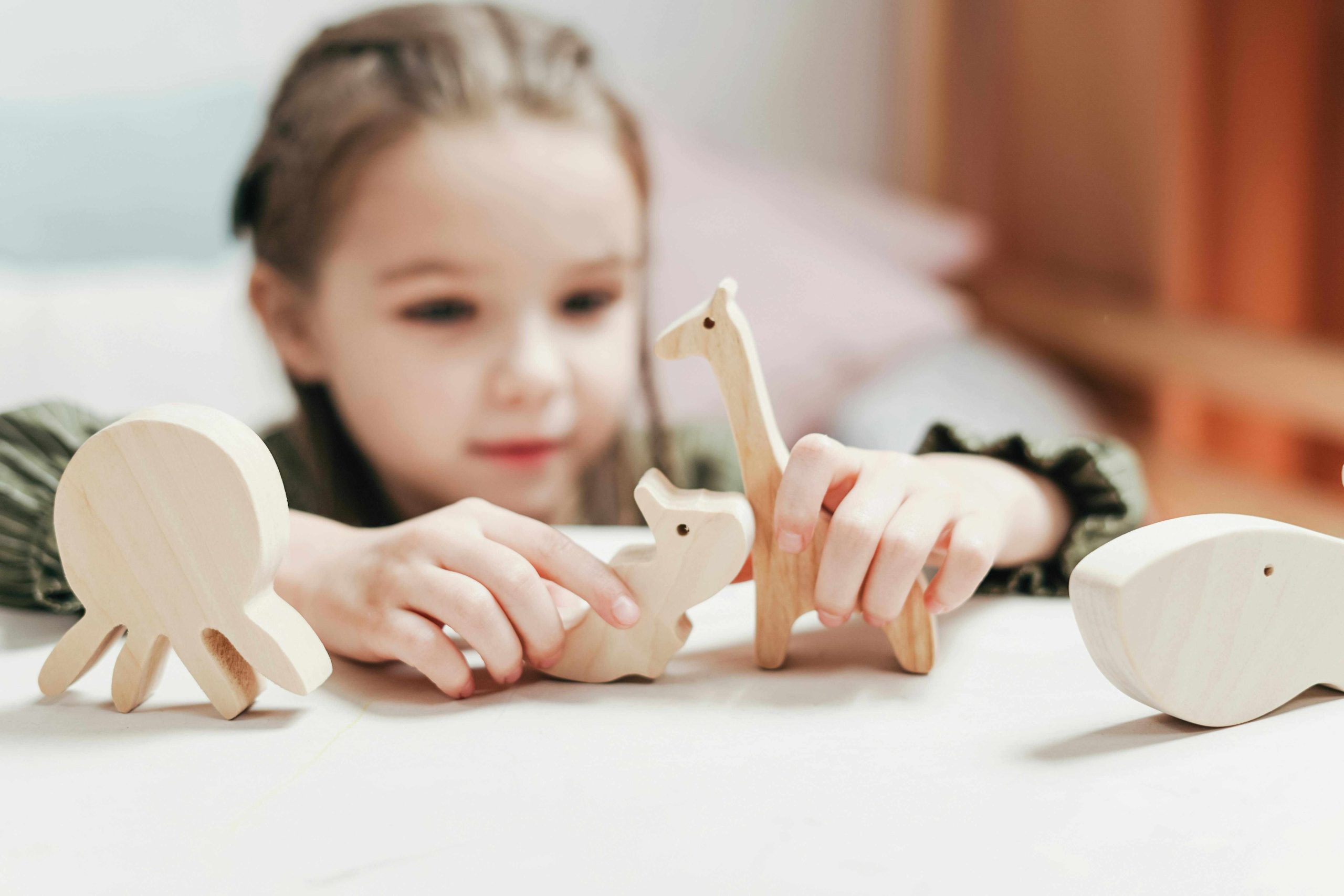
    Fine motor skills refer to the coordination and control of small muscles in the hands and fingers. The development of these skills allows preschoolers to perform precise movements, such as picking up small objects, using scissors, and manipulating puzzles. Activities like threading beads, playing with building blocks, and drawing enhance fine motor skills, promoting the refinement of dexterity.

    Hand-Eye Coordination: The Synchrony of Vision and Action

    Hand-eye coordination is the ability to synchronize visual perception with manual dexterity. This skill enables preschoolers to align their movements with what they see, facilitating tasks like catching a ball, buttoning clothes, or threading a needle. Engaging in activities such as throwing and catching games, painting, and building models enhances hand-eye coordination, fostering the growth of dexterity.

    Nurturing Dexterity: Strategies and Approaches

    Developing dexterity requires a nurturing environment that provides opportunities for practice and refinement. By incorporating targeted activities and approaches into the daily routine, parents, caregivers, and educators can foster dexterity effectively.

    Play-Based Learning: The Gateway to Skill Development

    Play serves as a natural platform for preschoolers to explore, experiment, and refine their dexterity. Through various types of play, such as constructive play, manipulative play, and imaginative play, preschoolers can engage in activities that challenge their fine motor skills and hand-eye coordination. Playing with building blocks, puzzles, and art materials not only enhances dexterity but also promotes creativity and problem-solving abilities.

    Sensory Experiences: The Multisensory Path to Mastery

    Incorporating sensory experiences into daily routines can be a powerful way to stimulate dexterity. Activities that involve touch, such as playing with sand or dough, promote finger strength and control. Providing opportunities for preschoolers to explore different textures, sizes, and shapes enhances their tactile perception and fine motor skills, consequently refining their dexterity.

    Embracing Emotional Engagement: Unleashing the Power of Dexterity

    To maximize the development of dexterity, it is crucial to acknowledge the role of emotional engagement. Preschoolers respond more enthusiastically and meaningfully when they connect emotionally to the learning process. By infusing activities with emotion, parents, caregivers, and educators can create a vibrant learning environment that facilitates the growth of dexterity.

    Celebrating Achievements: Nurturing Confidence and Motivation

    Recognizing and celebrating preschoolers’ achievements, no matter how small, fosters a sense of pride and accomplishment. Praising their efforts and acknowledging their progress not only boosts their self-esteem but also motivates them to persist in refining their dexterity. By creating a positive emotional connection to the learning journey, preschoolers are more likely to embrace challenges and develop resilience.

    Encouraging Autonomy: Empowering Self-Directed Learning

    Promoting autonomy in preschoolers allows them to take ownership of their learning experiences. Providing choices and opportunities for decision-making empowers them to explore activities that interest them and actively engage in refining their dexterity. Encouraging independent problem-solving and decision-making nurtures a sense of responsibility and self-confidence, fostering the development of dexterity.

    Dexterity Across Domains: Beyond Fine Motor Skills

    While dexterity is often associated with fine motor skills, its impact extends to various domains of development, influencing preschoolers’ overall growth and learning.

    Cognitive Development: The Mind-Body Connection

    The development of dexterity intertwines with cognitive processes, particularly executive functions such as planning, attention, and problem-solving. Engaging in activities that challenge fine motor skills and hand-eye coordination promotes the integration of cognitive and motor skills, enabling preschoolers to approach tasks strategically and think critically.

    Language and Communication: Precision in Expression

    Dexterity plays a vital role in language and communication development. Fine motor skills and hand-eye coordination are essential for activities like writing, drawing, and manipulating objects during storytelling. By honing their dexterity, preschoolers can express themselves more precisely and effectively, facilitating their language development and enhancing their ability to convey thoughts and ideas.


    The Role of Dexterity in Academic Success

    Academic success is a significant aspect of a preschooler’s life, laying the foundation for future educational achievements. Dexterity plays a crucial role in supporting and enhancing academic success by facilitating various key skills.

    Writing and Drawing: Writing and drawing are fundamental skills that preschoolers need to develop for academic progress. Dexterity enables them to hold and control a pencil or crayon with precision, allowing them to form letters, shapes, and eventually words. By honing their fine motor skills and hand-eye coordination, preschoolers can improve their handwriting, express their thoughts creatively, and participate actively in classroom activities.

    Manipulative Activities: Many academic tasks involve manipulating objects, such as counting beads, sorting shapes, or building structures. Developing dexterity empowers preschoolers to engage confidently in these activities, enhancing their understanding of mathematical concepts, spatial awareness, and problem-solving skills. Through manipulative activities, preschoolers can explore mathematical concepts in a concrete and hands-on manner, leading to a deeper comprehension of numerical relationships.

    Attention and Concentration: Dexterity exercises demand focus and concentration, which are vital skills for academic success. Engaging in activities that require precise movements, such as threading beads or completing puzzles, helps preschoolers develop their attention span and concentration abilities. As their dexterity improves, they become better equipped to engage in tasks that require sustained focus, leading to improved learning outcomes and academic performance.

    Cognitive Skills: Dexterity development intertwines with cognitive processes, fostering critical thinking, problem-solving, and decision-making abilities. By engaging in activities that challenge fine motor skills and hand-eye coordination, preschoolers develop cognitive skills such as planning, sequencing, and organizing information. These skills are essential for academic tasks that involve following instructions, completing assignments, and approaching complex problems with systematic thinking.

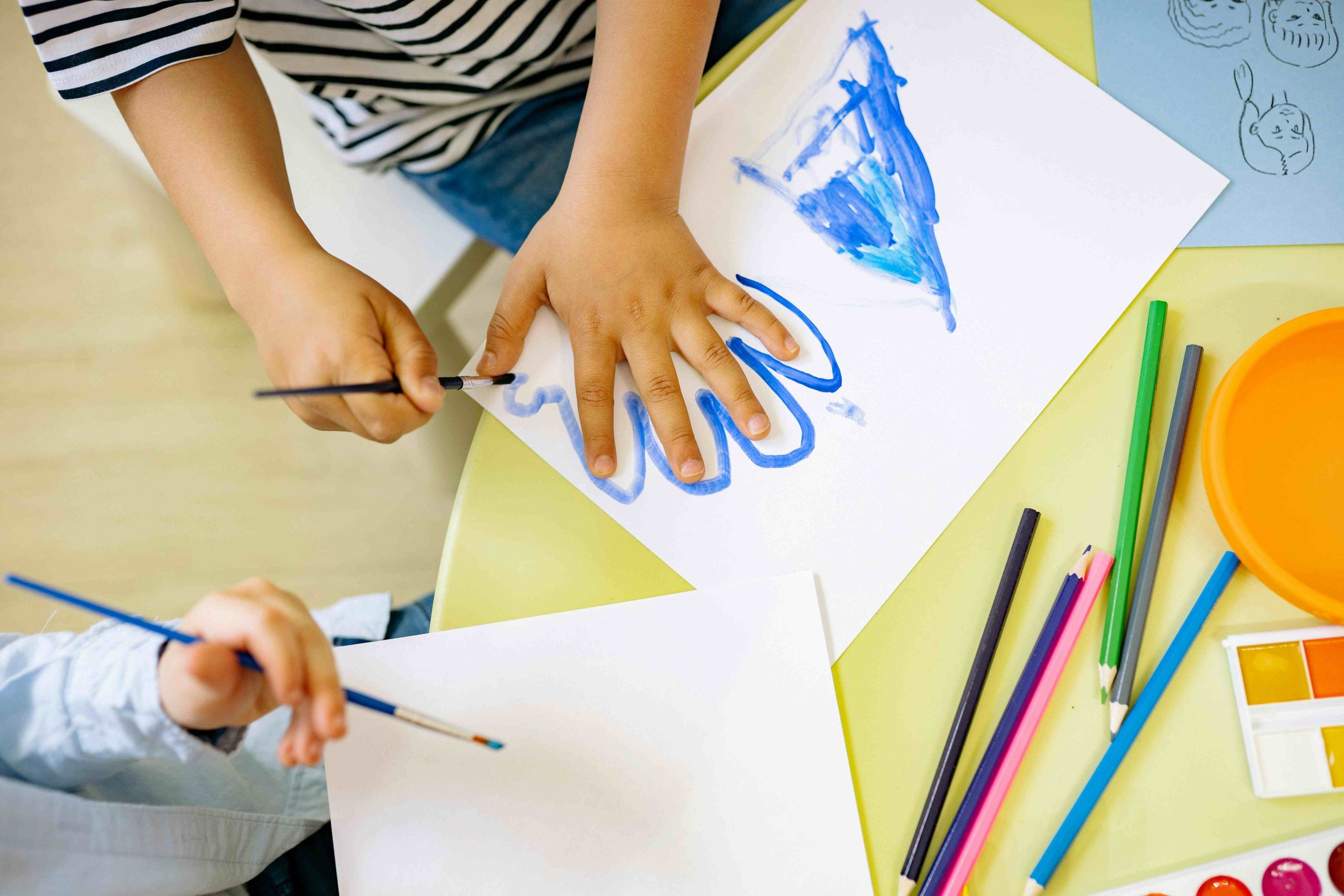
    Creativity and Self-Expression: Dexterity also plays a vital role in fostering creativity and self-expression, which are essential for academic success. Through art activities, such as drawing, painting, and sculpting, preschoolers can use their dexterity to explore their imagination, communicate ideas, and express emotions. These creative outlets contribute to the development of critical thinking skills, visual-spatial awareness, and the ability to think outside the box.

    By nurturing dexterity in preschoolers, educators and parents provide them with a solid foundation for academic success. The development of fine motor skills, hand-eye coordination, attention, cognitive abilities, and creativity contributes to improved performance across various academic domains. As preschoolers refine their dexterity, they gain the confidence and skills necessary to actively participate in classroom activities, grasp complex concepts, and achieve academic milestones.


    Dexterity and Social Interaction

    Social interaction is a crucial aspect of a preschooler’s development, shaping their communication skills, empathy, and ability to form and maintain relationships. Dexterity plays a significant role in supporting and enhancing social interaction among preschoolers.

    Cooperative Play: Cooperative play activities require preschoolers to engage in collaborative tasks, such as building structures together or completing a puzzle as a team. These activities not only promote dexterity development but also foster important social skills such as turn-taking, sharing, and cooperation. By working together towards a common goal, preschoolers learn to communicate effectively, negotiate, and develop empathy for their peers.

    Fine Motor Skills in Social Context: Many social activities involve fine motor skills, such as holding hands during a group walk or passing objects during games. Developing dexterity enables preschoolers to participate actively in these activities, enhancing their sense of belonging and engagement in social interactions. The ability to perform fine motor tasks smoothly and confidently contributes to positive social experiences and fosters connections with peers.

    Non-Verbal Communication: Dexterity plays a role in non-verbal communication, which is a significant aspect of social interaction. Through gestures, facial expressions, and body language, preschoolers communicate their thoughts, emotions, and intentions. Developing dexterity allows them to refine their control over these non-verbal cues, enabling them to express themselves more effectively and understand the non-verbal cues of others.

    Empathy and Perspective-Taking: Engaging in activities that require dexterity, such as art projects or collaborative games, provides opportunities for preschoolers to understand and appreciate different perspectives. Through these experiences, they learn to empathize with others, respect individual differences, and develop a sense of inclusivity in their social interactions.

    Peer Relationships: Dexterity plays a role in forming and maintaining peer relationships. Shared activities that require dexterity, such as drawing together or engaging in construction play, create opportunities for preschoolers to bond, collaborate, and develop friendships. These shared experiences not only contribute to the growth of dexterity but also establish a foundation for positive social connections.

    By nurturing dexterity in preschoolers, parents and educators foster social skills, empathy, and positive peer interactions. Through cooperative play, fine motor skills in social contexts, non-verbal communication, empathy, and perspective-taking, preschoolers can develop the essential social skills needed for successful interactions and relationships. Dexterity acts as a catalyst for social growth, enabling preschoolers to navigate social situations with confidence, empathy, and respect for others.


    Dexterity and Emotional Regulation

    Emotional regulation is a vital skill that preschoolers need to develop as they navigate through various experiences and interactions. Dexterity plays an important role in supporting and enhancing emotional regulation abilities.

    Sensory-Based Calming Strategies: Engaging in activities that require dexterity can serve as sensory-based calming strategies for preschoolers. Manipulating objects, such as squeezing stress balls or playing with kinetic sand, can provide a soothing and regulating effect, helping preschoolers manage their emotions and reduce stress or anxiety.

    Artistic Expression: Dexterity is closely linked to artistic expression, which can be a powerful outlet for emotional regulation. Drawing, painting, and sculpting allow preschoolers to express their emotions and experiences in a creative and non-verbal manner. These activities provide a means for self-reflection, emotional exploration, and the development of emotional intelligence.

    Focused Attention: Developing dexterity requires focused attention and concentration, skills that are beneficial for emotional regulation. By engaging in activities that demand precise movements, such as threading beads or completing intricate puzzles, preschoolers learn to direct their attention towards a specific task. This focused attention can help them redirect their thoughts and emotions, promoting self-regulation and emotional well-being.

    Sensory Integration: Dexterity development often involves engaging multiple senses, such as touch, vision, and proprioception (the sense of body position and movement). Sensory integration activities, like playing with textured materials or engaging in sensory bins, can help preschoolers regulate their sensory experiences and emotions. The integration of sensory information through dexterity-based activities supports emotional regulation by providing a sense of comfort, security, and self-regulation.

    Fine Motor Skills and Self-Care: Dexterity is closely connected to self-care activities, such as dressing, feeding oneself, and grooming. Developing fine motor skills allows preschoolers to independently engage in these daily tasks, promoting a sense of autonomy, confidence, and self-regulation. By mastering these self-care skills, preschoolers develop a sense of competence and control over their physical well-being, contributing to emotional regulation.


    Dexterity and Independence

    Independence is a critical aspect of preschoolers’ development as they strive to become self-sufficient individuals. Dexterity plays a significant role in fostering independence across various aspects of daily life.

    Self-Care Skills: Developing dexterity enables preschoolers to engage in self-care activities independently. From dressing and undressing to buttoning shirts and tying shoelaces, fine motor skills and hand-eye coordination are essential for mastering these tasks. By honing their dexterity, preschoolers gain the confidence and ability to take care of their personal needs, fostering independence and self-reliance.

    Everyday Tasks: Dexterity supports preschoolers in performing everyday tasks, such as pouring liquids, using utensils, and opening containers. These activities require fine motor control and hand-eye coordination, allowing preschoolers to navigate their environment effectively. By acquiring the necessary dexterity, preschoolers can participate actively in daily routines and contribute to household tasks, promoting a sense of independence and responsibility.

    Problem-Solving: Developing dexterity involves problem-solving skills, such as figuring out how to manipulate objects, complete puzzles, or assemble structures. These problem-solving experiences contribute to the development of critical thinking, spatial reasoning, and the ability to approach challenges with a solution-oriented mindset. By fostering problem-solving abilities through dexterity-based activities, preschoolers become more self-reliant and capable of independently overcoming obstacles.

    Academic Engagement: Dexterity plays a role in preschoolers’ academic engagement and independence. Fine motor skills and hand-eye coordination are essential for tasks such as turning pages, manipulating materials during learning activities, and using writing tools effectively. By developing dexterity, preschoolers can actively engage in academic pursuits, follow instructions, and complete tasks independently, fostering a sense of autonomy and academic achievement.

    Life Skills: Dexterity is closely linked to the development of life skills that support independence. Skills such as money handling, time management, and organizing personal belongings require fine motor control, planning, and coordination. By honing their dexterity, preschoolers acquire the skills necessary to navigate real-life situations with confidence and independence.

  • Intelligence

    Intelligence

    Title: Nurturing Intelligence: Unleashing the Potential of Preschoolers

    Emotional Intelligence: The Foundation of Cognitive Growth

    Preschoolers possess an incredible capacity for emotional intelligence, which is the ability to recognize, understand, and manage emotions in oneself and others. Emotional intelligence forms the bedrock upon which cognitive growth is built. When preschoolers develop emotional intelligence, they gain valuable skills such as empathy, self-regulation, and social awareness. Educators and parents must provide a nurturing environment that encourages emotional expression and fosters positive relationships, enabling preschoolers to develop the emotional foundation necessary for intelligence to flourish.

    Cognitive Development: Expanding Horizons through Curiosity

    Curiosity is the driving force behind cognitive development in preschoolers. These young minds are naturally inclined to explore and make sense of the world around them. As educators and parents, we must harness this innate curiosity to fuel their intellectual growth. By providing stimulating learning environments, rich with open-ended materials, engaging activities, and thought-provoking questions, we can cultivate critical thinking, problem-solving skills, and creativity. Encouraging preschoolers to ask questions and seek answers empowers them to expand their horizons and deepen their understanding of the world.

    Linguistic Intelligence: Empowering Expression through Language

    Language plays a pivotal role in fostering intelligence in preschoolers. Linguistic intelligence encompasses the ability to comprehend, use, and manipulate language effectively. By immersing preschoolers in a language-rich environment, we provide them with the tools to express their thoughts, emotions, and ideas. Reading aloud, engaging in meaningful conversations, and introducing diverse vocabulary empower preschoolers to develop strong communication skills. Such linguistic proficiency facilitates their ability to think critically, articulate their ideas, and engage in higher-order thinking processes.


    Spatial Intelligence: Unlocking Creativity and Problem-Solving Skills

    Spatial intelligence is a fascinating dimension of intelligence that involves the ability to perceive, understand, and manipulate visual and spatial information. Preschoolers who develop strong spatial intelligence demonstrate enhanced creativity, problem-solving abilities, and a unique perspective on the world around them. By nurturing and honing their spatial intelligence, we provide preschoolers with a powerful tool that extends far beyond their early years.

    Enhancing Visualization Skills:

    Spatial intelligence nurtures the ability to visualize objects, shapes, and spatial relationships in the mind’s eye. Preschoolers who develop strong visualization skills can mentally manipulate and transform objects, which is crucial for problem-solving and creative thinking. Engaging preschoolers in activities such as building with blocks, assembling puzzles, and creating artwork encourages them to visualize concepts, explore different arrangements, and think in spatial terms.

    Fostering Creative Expression:

    Spatial intelligence plays a pivotal role in fostering creative expression. Preschoolers with well-developed spatial intelligence demonstrate an innate sense of aesthetics, symmetry, and design. They have an eye for visual details and are able to create imaginative and visually appealing artwork. By providing preschoolers with various art materials, open-ended activities, and opportunities for free expression, we encourage the development of their spatial intelligence and unleash their creative potential.

    Stimulating Problem-Solving Abilities:

    Spatial intelligence is closely linked to problem-solving skills. Preschoolers with strong spatial intelligence can approach problems from multiple angles, identify patterns, and find innovative solutions. Activities such as building structures with blocks, solving spatial puzzles, and engaging in construction play stimulate their problem-solving abilities. These experiences challenge preschoolers to think critically, analyze spatial relationships, and devise strategies to overcome obstacles.

    Nurturing Mathematical Thinking:

    Spatial intelligence and mathematical thinking are intertwined. Preschoolers who develop strong spatial intelligence demonstrate an aptitude for understanding mathematical concepts such as patterns, symmetry, and geometry. Engaging preschoolers in activities that involve spatial awareness, such as arranging objects in different configurations or exploring shapes and their properties, lays the foundation for future mathematical understanding. By nurturing their spatial intelligence, we foster a solid base for later mathematical learning.

    Facilitating Navigation and Orientation Skills:

    Spatial intelligence plays a vital role in navigation and orientation skills. Preschoolers with well-developed spatial intelligence possess a keen sense of direction, an ability to navigate through space, and a strong sense of spatial awareness. Activities such as map reading, treasure hunts, and outdoor exploration provide opportunities for preschoolers to practice and refine their navigation and orientation skills, promoting independence and self-confidence in unfamiliar environments.

    Encouraging STEM Learning:

    Spatial intelligence is closely linked to STEM (Science, Technology, Engineering, and Mathematics) learning. By engaging preschoolers in hands-on STEM activities, such as building structures, designing simple machines, and exploring shapes and patterns, we foster their spatial intelligence while laying the groundwork for future STEM pursuits. These experiences ignite curiosity, promote inquiry-based learning, and develop essential skills for success in the increasingly technological world.

    Interpersonal Intelligence: The Power of Collaboration

    Interpersonal intelligence refers to the ability to understand and interact effectively with others. Preschoolers thrive in social settings that promote collaboration, empathy, and cooperation. By providing opportunities for group projects, role-playing activities, and shared problem-solving tasks, we cultivate their interpersonal skills. Nurturing this form of intelligence not only enhances their ability to work well with others but also lays the foundation for effective communication, leadership, and teamwork in the future.


    Interpersonal Intelligence: Building Strong Social Bonds

    Interpersonal intelligence refers to the ability to understand and interact effectively with others. Preschoolers who develop strong interpersonal intelligence demonstrate empathy, effective communication skills, and the ability to build positive relationships. By nurturing their interpersonal intelligence, we equip preschoolers with the essential social skills needed to navigate the complexities of human interaction and foster strong social bonds.

    Developing Empathy:

    Empathy is a cornerstone of interpersonal intelligence. Preschoolers who possess strong empathy can understand and share the feelings of others. By encouraging preschoolers to express their emotions and teaching them to recognize and respond to the emotions of others, we foster the development of empathy. Engaging in activities that promote perspective-taking, such as role-playing, storytelling, and discussing feelings, nurtures their ability to understand and relate to the experiences of others.

    Effective Communication:

    Communication skills are vital for successful social interactions. Preschoolers with well-developed interpersonal intelligence demonstrate effective verbal and non-verbal communication skills. By providing opportunities for preschoolers to engage in conversations, express their thoughts and feelings, and actively listen to others, we strengthen their communication abilities. Through storytelling, group discussions, and collaborative projects, preschoolers develop the skills to articulate their ideas, express themselves clearly, and understand the importance of active listening in building strong relationships.

    Conflict Resolution:

    Preschoolers with strong interpersonal intelligence possess the ability to navigate conflicts and resolve disagreements in a positive manner. By teaching preschoolers problem-solving strategies, encouraging negotiation and compromise, and providing guidance on how to express their needs and perspectives respectfully, we empower them to resolve conflicts constructively. Engaging preschoolers in cooperative activities, role-playing conflict scenarios, and encouraging them to share their feelings and perspectives fosters their ability to manage conflicts effectively and maintain positive relationships.

    Collaboration and Teamwork:

    Interpersonal intelligence plays a crucial role in collaboration and teamwork. Preschoolers who possess strong interpersonal skills are able to work cooperatively with others, contribute to group efforts, and value diverse perspectives. By providing opportunities for collaborative projects, group activities, and team-building exercises, we nurture their ability to work effectively as part of a team. These experiences encourage preschoolers to respect others’ ideas, share responsibilities, and value the contributions of each team member.

    Cultural Awareness and Respect:

    Developing interpersonal intelligence involves fostering cultural awareness and respect for diversity. Preschoolers who are exposed to diverse cultures, traditions, and perspectives develop a broader understanding of the world around them. By incorporating multicultural activities, celebrating diversity, and promoting inclusivity, we cultivate a sense of respect and appreciation for different cultures. This nurtures preschoolers’ ability to interact with individuals from diverse backgrounds, fostering a more inclusive and harmonious society.

    Leadership and Social Influence:

    Preschoolers with well-developed interpersonal intelligence often demonstrate leadership qualities and social influence. By providing opportunities for preschoolers to take on leadership roles, make decisions in a group setting, and contribute to their communities, we foster their leadership skills. Engaging in activities that promote collaboration, problem-solving, and decision-making helps preschoolers develop confidence, initiative, and the ability to positively influence others.

    Naturalistic Intelligence: Connecting with the Environment

    Preschoolers possess a natural inclination to explore and connect with the natural world around them. Naturalistic intelligence involves the ability to recognize and understand patterns in nature, appreciate the environment, and develop a sense of ecological responsibility. As educators and parents, we can foster naturalistic intelligence by providing opportunities for outdoor exploration, nature walks, gardening, and hands-on experiences with plants and animals. By cultivating a deep appreciation for the natural world, preschoolers develop a sense of wonder, observation skills, and a heightened environmental consciousness.

    Musical Intelligence: Harmonizing the Mind

    Music has a profound impact on cognitive development, emotional well-being, and overall intelligence in preschoolers. Musical intelligence encompasses the ability to recognize, appreciate, and create rhythm, melody, and harmony. Introducing preschoolers to various genres of music, providing opportunities for singing, dancing, and playing musical instruments, stimulates their auditory perception, coordination, and creative expression. Music enhances cognitive functions such as memory, attention, and problem-solving skills, while also fostering emotional regulation and social interaction.

    Bodily-Kinesthetic Intelligence: Learning through Movement

    Preschoolers possess abundant energy and a natural inclination towards physical activity. Bodily-kinesthetic intelligence involves the ability to control one’s body movements and manipulate objects skillfully. Encouraging physical play, sports, dance, and hands-on activities not only promotes gross and fine motor skills development but also enhances cognitive abilities such as spatial awareness, coordination, and problem-solving. By providing ample opportunities for movement-based learning, we harness the power of bodily-kinesthetic intelligence to stimulate overall cognitive growth.

    Existential Intelligence: Exploring Life’s Big Questions

    Existential intelligence is the capacity to contemplate profound questions about human existence, purpose, and meaning. Although often overlooked in early childhood education, fostering existential intelligence in preschoolers can ignite their curiosity and nurture their philosophical thinking. Engaging in discussions about emotions, values, ethics, and life’s mysteries allows preschoolers to develop critical thinking skills, empathy, and a sense of purpose. By encouraging preschoolers to explore and reflect upon life’s big questions, we empower them to become thoughtful and compassionate individuals.

    Spiritual Intelligence: Nurturing Inner Wisdom

    Spiritual intelligence involves the ability to connect with one’s inner self, transcendence, and a sense of interconnectedness with others and the universe. Preschoolers possess a natural inclination towards wonder and awe, which can be nurtured through activities that promote mindfulness, meditation, gratitude, and acts of kindness. By creating a supportive and inclusive environment that respects diverse beliefs and values, we foster spiritual intelligence in preschoolers. This form of intelligence enhances their emotional well-being, empathy, and understanding of others, leading to the development of compassionate and resilient individuals.

    Critical Intelligence: Navigating a Complex World

    In our rapidly evolving world, preschoolers need critical intelligence to navigate the complexities of information and make informed decisions. Critical intelligence involves the ability to analyze, evaluate, and synthesize information, ask critical questions, and think independently. By encouraging critical thinking, problem-solving, and information literacy skills, we equip preschoolers with the tools necessary to navigate an increasingly complex and interconnected society. Fostering critical intelligence empowers preschoolers to become lifelong learners, adaptable thinkers, and active participants in their own education and the world around them.


    Intrapersonal Intelligence: Fostering Self-Awareness and Confidence

    Intrapersonal intelligence refers to the ability to understand oneself, recognize one’s emotions, strengths, and limitations, and maintain a positive self-identity. Preschoolers who develop strong intrapersonal intelligence demonstrate self-awareness, self-confidence, and the ability to set and achieve personal goals. By nurturing their intrapersonal intelligence, we empower preschoolers to embrace their individuality, make informed decisions, and cultivate a strong sense of self.

    Self-Awareness:

    Self-awareness is a crucial aspect of intrapersonal intelligence. Preschoolers who possess self-awareness have a deep understanding of their own emotions, thoughts, and behaviors. By encouraging preschoolers to express their feelings, reflect on their experiences, and identify their strengths and areas for growth, we foster self-awareness. Activities such as journaling, mindfulness exercises, and self-reflection provide opportunities for preschoolers to develop a strong sense of self and gain insight into their own thoughts and emotions.

    Building Self-Confidence:

    Intrapersonal intelligence plays a vital role in building self-confidence. Preschoolers who possess a positive self-identity and a belief in their own abilities are more likely to take risks, embrace challenges, and persevere in the face of difficulties. By providing preschoolers with opportunities for success, acknowledging their achievements, and offering constructive feedback, we nurture their self-confidence. Engaging in activities that highlight their strengths, encouraging them to set and achieve personal goals, and celebrating their accomplishments contribute to the development of a resilient and confident mindset.

    Goal Setting and Motivation:

    Intrapersonal intelligence involves the ability to set and work towards personal goals. Preschoolers who develop goal-setting skills understand the importance of setting achievable targets and working towards them. By encouraging preschoolers to identify their interests, passions, and aspirations, we foster their ability to set meaningful goals. Engaging in activities that require planning, organizing, and monitoring progress instills a sense of purpose and motivation in preschoolers. This cultivates a growth mindset and the drive to strive for personal excellence.

    Resilience and Perseverance:

    Intrapersonal intelligence contributes to the development of resilience and perseverance in preschoolers. Preschoolers who possess strong intrapersonal skills are better equipped to face challenges, setbacks, and failures. By teaching preschoolers coping strategies, encouraging a positive attitude towards setbacks, and highlighting the importance of learning from mistakes, we foster resilience. Engaging in activities that require problem-solving, critical thinking, and embracing challenges helps preschoolers develop a resilient mindset and the ability to persevere in the pursuit of their goals.

    Decision-Making and Autonomy:

    Intrapersonal intelligence nurtures the ability to make independent decisions and exercise autonomy. Preschoolers who possess well-developed intrapersonal skills can evaluate options, consider consequences, and make choices based on their own values and preferences. By providing preschoolers with age-appropriate decision-making opportunities, encouraging them to voice their opinions, and respecting their autonomy, we foster their ability to make informed decisions. This empowers them to take ownership of their choices and develop a sense of responsibility.

    Self-Reflection and Personal Growth:

    Intrapersonal intelligence promotes self-reflection and personal growth. Preschoolers who engage in self-reflection develop the ability to evaluate their actions, behaviors, and experiences. By encouraging preschoolers to learn from their mistakes, set new goals, and strive for personal growth, we cultivate a lifelong love for learning and self-improvement. Engaging in activities that promote self-reflection, such as journaling, discussing personal experiences, and seeking feedback, helps preschoolers develop a growth mindset and a commitment to continuous learning.

  • Experiments

    Title: The Power of Experiments: Igniting Curiosity and Learning in Preschoolers

    Kindling the Spark of Wonder

    Experiments have an enchanting ability to ignite the spark of wonder within young minds. When preschoolers are exposed to hands-on activities that involve curiosity-driven exploration, they become active participants in the learning process. This engagement sparks their natural curiosity and encourages them to ask questions, formulate hypotheses, and seek answers. By fostering a sense of wonder, experiments lay the foundation for a lifelong love of learning.

    Nurturing Scientific Inquiry

    Scientific inquiry is at the heart of experiments. When preschoolers engage in these activities, they are exposed to the scientific method in its simplest form. They learn to observe, ask questions, predict, experiment, and draw conclusions. Through experiments, preschoolers develop crucial skills such as observation, measurement, data collection, and analysis. By nurturing scientific inquiry from an early age, experiments help cultivate a generation of critical thinkers and problem solvers.

    Fostering Cognitive Development

    Experiments offer numerous opportunities for cognitive development in preschoolers. As they actively engage in hands-on activities, they enhance their cognitive skills such as memory, attention, and executive function. Moreover, experiments require preschoolers to think critically, make connections, and apply their knowledge to solve problems. These cognitive challenges stimulate brain development and pave the way for enhanced cognitive abilities in the future.

    Promoting Social and Emotional Growth

    Experiments not only facilitate academic development but also promote social and emotional growth in preschoolers. When engaging in experiments collaboratively, preschoolers learn to communicate, negotiate, and work effectively as a team. They develop skills such as cooperation, empathy, and respect for others’ ideas. Moreover, experiments often involve a sense of anticipation, excitement, and even the occasional disappointment, allowing preschoolers to navigate and regulate their emotions effectively.

    Encouraging Language and Communication Skills

    Language and communication skills are fundamental in early childhood development. Experiments provide a fertile ground for preschoolers to develop these skills organically. As they engage in hands-on activities, preschoolers articulate their thoughts, ask questions, explain their observations, and engage in scientific discourse. This process strengthens their vocabulary, sentence construction, and ability to express themselves effectively. Experiments thus serve as a powerful catalyst for language and communication development in preschoolers.

    Connecting Learning to the Real World

    Experiments bridge the gap between theoretical knowledge and real-world applications. By engaging in hands-on activities, preschoolers witness the practical relevance of what they learn in the classroom. This connection to the real world deepens their understanding and motivates them to further explore and discover. Experiments provide preschoolers with a tangible and memorable experience, fostering a lasting impression and anchoring knowledge firmly in their minds.


    Practical Examples of Engaging Experiments for Preschoolers

    Now that we have explored the significance and benefits of experiments in early childhood education, let us delve into some practical examples of engaging experiments that can captivate the minds of preschoolers. These experiments are designed to be simple, safe, and age-appropriate, while stimulating curiosity, critical thinking, and a love for learning.

    Sink or Float: This classic experiment introduces preschoolers to the concept of buoyancy and density. Provide a container of water and a variety of objects with different properties, such as a toy car, a rubber ball, a plastic spoon, and a metal key. Ask the preschoolers to predict whether each object will sink or float and then let them test their predictions by placing the objects in the water. Encourage them to observe and discuss their findings, promoting scientific inquiry and prediction skills.

    Colour Mixing: This experiment allows preschoolers to explore the magical world of colours and learn about primary and secondary colours. Prepare three clear cups filled with water and add a few drops of food coloring to each cup. Use red, yellow, and blue to represent the primary colours. Give the preschoolers an empty cup and let them experiment with mixing different combinations of colours to create secondary colours. Encourage them to observe and discuss the changes in colours, fostering critical thinking and creativity.

    Growing Plants: This experiment provides preschoolers with a hands-on experience of the plant life cycle and the importance of sunlight, water, and nutrients. Give each preschooler a small pot, soil, and a few seeds. Help them plant the seeds and place the pots near a sunny window. In the following weeks, guide the preschoolers in watering the plants and observing their growth. Encourage them to measure and record the height of their plants regularly, fostering scientific observation and data collection skills.

    Magnetic Exploration: This experiment introduces preschoolers to the fascinating world of magnets and their properties. Provide a variety of objects, some magnetic and others non-magnetic, such as paperclips, coins, wooden blocks, and plastic toys. Let the preschoolers explore the objects using magnets and observe which ones are attracted to the magnet and which are not. Encourage them to make predictions, test their hypotheses, and discuss their findings, promoting critical thinking and problem-solving skills.

    Baking Soda and Vinegar Reaction: This exciting experiment allows preschoolers to witness a chemical reaction and explore the concept of cause and effect. Place a small amount of baking soda in a container and pour vinegar over it. Observe the fizzing reaction that occurs as the two substances combine. Encourage the preschoolers to ask questions, predict the outcome, and discuss the process of the reaction. Extend the experiment by adding food coloring to the vinegar and observing the colorful reaction, stimulating creativity and curiosity.

    Remember to always prioritize safety during experiments by providing appropriate supervision and using child-friendly materials. These examples serve as a starting point to inspire a wide range of experiments that cater to the unique interests and developmental needs of preschoolers.


    Overcoming Challenges and Embracing the Benefits

    While experiments hold significant benefits for preschoolers, it is essential to acknowledge and address the challenges that may arise in implementing them effectively. By understanding and finding solutions to these challenges, educators and caregivers can fully embrace the potential of experiments in early childhood education.

    Safety Considerations: Safety is of utmost importance when conducting experiments with preschoolers. Ensure that the materials and equipment used are age-appropriate, non-toxic, and pose no harm to the preschoolers. Always supervise the experiments closely and provide clear guidelines on handling materials and following safety procedures. By prioritizing safety, we create a secure environment for preschoolers to explore and learn.

    Time and Preparation: Planning and preparing experiments require time and effort from educators and caregivers. Finding suitable experiments, gathering materials, and setting up the experiment space can be time-consuming. To overcome this challenge, create a resource bank of age-appropriate experiments and gather materials in advance. Collaborate with colleagues and share the workload, creating a supportive community that promotes the integration of experiments into the curriculum effectively.

    Limited Resources: Limited access to resources and materials may hinder the implementation of experiments. However, experiments do not always require elaborate equipment or expensive materials. Embrace creativity and utilize readily available materials such as household items, nature elements, or recycled materials. Adapting experiments to suit the available resources fosters resourcefulness and encourages innovative thinking among educators and caregivers.

    Developmentally Appropriate Experiments: Designing experiments that align with preschoolers’ developmental stages and interests is crucial for engagement and effective learning. Consider the age, abilities, and attention span of the preschoolers when selecting and designing experiments. Tailor the experiments to their interests, incorporating themes such as nature, animals, or daily life experiences. By aligning experiments with their developmental needs and interests, we enhance their motivation and engagement.

    Limited Understanding of Scientific Concepts: Preschoolers may have limited prior knowledge and understanding of scientific concepts. Introduce experiments as playful and exploratory activities rather than expecting in-depth scientific understanding. Focus on promoting curiosity, observation skills, and asking questions. Scaffold their learning by providing simple explanations and opportunities for hands-on experiences. By gradually building their understanding, we lay the foundation for future scientific learning.

    By addressing these challenges, educators and caregivers can fully embrace the benefits that experiments offer to preschoolers. Through patience, creativity, and adaptability, we can create an environment that fosters a love for learning, scientific inquiry, and critical thinking.


    Cultivating a Culture of Experimentation

    To truly harness the power of experiments in early childhood education, it is crucial to cultivate a culture of experimentation within educational institutions, homes, and communities. By fostering an environment that values and encourages experimentation, we can create a lasting impact on the learning experiences of preschoolers.

    Educator Training and Professional Development: Providing educators with training and professional development opportunities focused on incorporating experiments into the curriculum is essential. Equip educators with the necessary knowledge, skills, and resources to design and implement engaging experiments effectively. Foster a culture of continuous learning and collaboration among educators to share best practices and innovative approaches.

    Parent and Community Involvement: Engage parents and the wider community in the experimentation process. Share information about the benefits of experiments and provide resources for conducting experiments at home. Encourage parents to participate in science fairs, open houses, or workshops where they can witness the wonders of experiments alongside their preschoolers. Collaborate with local science organizations or experts to bring hands-on experiences and guest speakers to enrich the learning environment.

    Creating Dedicated Spaces for Experiments: Designate specific areas within educational institutions or homes as experiment spaces. These spaces should be equipped with age-appropriate materials, tools, and resources to support hands-on exploration. Encourage preschoolers to independently engage in experiments, fostering a sense of ownership and autonomy in their learning. Regularly refresh and update the experiment spaces to cater to changing interests and themes.

    Celebrating and Showcasing Experiments: Provide opportunities for preschoolers to showcase their experiments and discoveries. Organize science exhibitions, where preschoolers can present their projects, share their learning experiences, and celebrate their achievements. Create a culture of celebration and recognition to inspire preschoolers to explore further and take pride in their scientific endeavors.

    Integration into the Curriculum: Integrate experiments into the curriculum across various subjects. Explore how experiments can enhance learning in mathematics, language arts, social studies, and the arts. By incorporating experiments seamlessly into different domains, we promote cross-disciplinary connections and reinforce the relevance of scientific inquiry in various aspects of preschoolers’ education.

    Encouraging Open-Ended Exploration: Foster an environment that encourages open-ended exploration and inquiry. Provide open-ended materials such as loose parts, blocks, or natural elements that allow preschoolers to design and conduct their own experiments. Emphasize the process of experimentation rather than solely focusing on specific outcomes. Encourage preschoolers to ask questions, make predictions, test hypotheses, and reflect on their findings, fostering a sense of wonder and a growth mindset.

    By cultivating a culture of experimentation, we empower preschoolers to become active learners, critical thinkers, and problem solvers. Experimentation becomes an integral part of their educational journey, fostering a lifelong love for learning and a natural inclination towards inquiry and exploration.


    Embracing the Journey: The Endless Possibilities of Experiments

    As we conclude this exploration of experiments in early childhood education, it is important to recognize that the journey of experimentation is a continuous and evolving process. Each experiment opens up a world of possibilities, sparking new questions, discoveries, and avenues of exploration. Embracing the endless possibilities of experiments allows us to create dynamic and engaging learning environments for preschoolers.

    Inquiry-Based Learning: Experiments serve as a foundation for inquiry-based learning, where preschoolers actively participate in the learning process. By encouraging preschoolers to ask questions, investigate, and seek answers through experiments, we nurture their natural curiosity and empower them to take ownership of their learning. Inquiry-based learning fosters critical thinking, problem-solving skills, and a deep understanding of concepts.

    Integrated STEM Education: Experiments provide an ideal platform for integrating science, technology, engineering, and mathematics (STEM) education in early childhood. By engaging in hands-on experiments, preschoolers develop a holistic understanding of STEM concepts, promoting cross-disciplinary connections and real-world applications. STEM integration in experiments cultivates skills such as logical reasoning, creativity, and collaboration.

    Adaptation and Extension: Experiments can be adapted and extended to cater to the diverse needs and interests of preschoolers. Educators and caregivers can modify experiments to accommodate different learning styles, abilities, and cultural backgrounds. Furthermore, experiments can be extended to delve deeper into a specific concept, incorporate more complex variables, or explore related topics. By adapting and extending experiments, we ensure inclusivity and provide opportunities for deeper engagement and learning.

    Technology and Virtual Experiments: With advancements in technology, virtual experiments have become increasingly accessible and engaging. Virtual simulations and interactive tools allow preschoolers to explore and conduct experiments in virtual environments. These experiences can supplement hands-on experiments, provide access to resources beyond physical limitations, and enhance preschoolers’ understanding of scientific concepts. Integrating technology expands the possibilities of experiments, offering new avenues for exploration.

    Citizen Science Projects: Engaging preschoolers in citizen science projects enables them to contribute to real scientific research and environmental conservation efforts. By involving preschoolers in data collection, observation, and analysis, they develop a sense of environmental stewardship and understand the value of their contributions. Citizen science projects foster a sense of responsibility and empower preschoolers to make a positive impact on the world around them.

    As we embark on the exciting journey of experiments with preschoolers, it is important to remember that the process is often more valuable than the outcome. Embrace the joy, wonder, and sometimes unexpected results that experiments bring. Encourage preschoolers to embrace failures as opportunities for learning and growth. Celebrate the spirit of exploration, curiosity, and resilience that experiments cultivate.

  • Enthusiasm

    Enthusiasm

    Title: The Power of Enthusiasm: Igniting the Flame Within

    Unleashing the Magic of Enthusiasm in Preschool Education

    Enthusiasm forms an integral part of effective preschool education. In order to create an environment that encourages passion in preschoolers, educators are essential. By infusing their teaching with passion, energy, and a genuine love for learning, educators can ignite the flame of enthusiasm within young minds. When preschoolers witness their teachers’ contagious enthusiasm, they become more engaged, curious, and motivated to explore the world around them.

    Moreover, incorporating interactive and stimulating activities into the curriculum can evoke enthusiasm among preschoolers. For instance, incorporating hands-on experiments, creative arts and crafts, and role-playing exercises can create a sense of excitement and joy in the learning process. By making learning fun and captivating, educators can instill a lifelong love for knowledge in preschoolers, setting them on a path of continuous growth and success.


    Nurturing Enthusiasm at Home: Parents as Catalysts

    Parents, as the first and most influential educators in a preschooler’s life, have a significant role in nurturing enthusiasm. Creating a home environment that encourages curiosity, exploration, and a positive attitude towards learning is key. When parents exhibit enthusiasm for their own interests, hobbies, and daily activities, preschoolers naturally absorb this contagious energy and develop a zest for life.

    To cultivate enthusiasm at home, parents can engage in joint activities that spark curiosity and stimulate creativity. Going on nature walks, visiting museums, reading books together, and engaging in imaginative play are excellent ways to fuel enthusiasm and create cherished moments of shared joy. By actively participating in their preschoolers’ learning journey, parents not only nurture their child’s enthusiasm but also strengthen the parent-child bond.


    The Impact of Enthusiasm on Academic Success

    Enthusiasm goes hand in hand with academic success. Preschoolers are more likely to acquire a good attitude toward learning, which will increase their academic achievement, if they approach their education with excitement. When a child is passionate about a subject or topic, they are more motivated to put up the time and effort necessary to completely comprehend it, which results in deeper comprehension and memory retention.

    Furthermore, enthusiasm enhances critical thinking and problem-solving skills. Preschoolers who approach challenges with enthusiasm are more likely to persevere and find creative solutions. They view obstacles as opportunities for growth rather than as roadblocks, fostering resilience and a growth mindset.

    In addition to academic success, excitement is important for preschoolers’ overall well-being. preschoolers who are enthusiastic have higher self-esteem, better interpersonal skills, and a stronger sense of purpose. They are more likely to be involved in their communities, create meaningful connections, and make a constructive contribution to society.


    Overcoming Obstacles and Cultivating Resilience through Enthusiasm

    Life is filled with ups and downs, and preschoolers are not immune to setbacks and challenges. However, enthusiasm can serve as a powerful tool in overcoming obstacles and cultivating resilience. When preschoolers approach difficulties with enthusiasm, they develop a positive mindset that allows them to view setbacks as temporary and solvable.

    Enthusiasm enables preschoolers to embrace challenges as opportunities for growth and learning. It encourages them to persist in the face of adversity, try new strategies, and seek support when needed. Preschoolers who cultivate resilience through enthusiasm develop valuable life skills that will benefit them not only academically but also in their personal and professional lives as they grow older.


    Spreading Enthusiasm: A Ripple Effect

    Enthusiasm is not limited to individuals; it has the power to create a ripple effect within communities and society as a whole. When preschoolers witness and experience enthusiasm in their educational journey, they are more likely to pass it on to others. Enthusiastic preschoolers become natural leaders, inspiring their peers and creating a positive and vibrant atmosphere in their classrooms.

    The ripple effect of enthusiasm extends beyond the classroom. Enthusiastic preschoolers grow up to be enthusiastic individuals who approach their careers, relationships, and personal pursuits with passion and dedication. They become agents of change, motivating others to embrace enthusiasm and create a ripple effect of their own.


    Sustaining and Reigniting Enthusiasm Throughout Life

    While enthusiasm may naturally wane at times, it is essential to find ways to sustain and reignite it throughout life. Preschoolers are at a crucial stage of their development, and fostering a lifelong enthusiasm can have profound implications for their future success and happiness.

    One way to sustain enthusiasm is by setting meaningful goals. Preschoolers can be encouraged to set short-term and long-term goals that align with their interests and aspirations. When they have a clear vision of what they want to achieve, enthusiasm becomes a driving force, propelling them forward and keeping their focus intact.

    Another approach to sustaining enthusiasm is by cultivating a growth mindset. Embracing the belief that abilities and intelligence can be developed through effort and perseverance helps preschoolers view challenges as opportunities for growth. By reframing setbacks as learning experiences, they can maintain their enthusiasm and continue to pursue their goals.

    It is also important to expose preschoolers to new experiences and diverse opportunities. By venturing outside their comfort zones and trying new activities, they can discover hidden passions and interests. Exposure to a variety of experiences broadens their horizons and keeps their enthusiasm alive as they explore different avenues and possibilities.

    Furthermore, surrounding preschoolers with a supportive network of family, friends, and mentors can help sustain enthusiasm. Encouragement, praise, and constructive feedback fuel their motivation and reinforce their belief in their abilities. Positive relationships provide a nurturing environment where enthusiasm can thrive and flourish.

    In times when enthusiasm wanes, it is essential to have strategies to reignite the flame. Engaging in self-reflection and reconnecting with personal values and passions can reignite the spark of enthusiasm. Taking breaks, engaging in hobbies, and practicing self-care can rejuvenate the mind and body, allowing preschoolers to return to their pursuits with renewed energy and enthusiasm.

    Additionally, seeking inspiration from role models, books, or inspirational stories can reignite enthusiasm. Learning about the achievements and journeys of others who have overcome obstacles and achieved greatness can inspire preschoolers to persist in their own pursuits and reignite their enthusiasm.


    The Importance of Balancing Enthusiasm and Well-being

    While enthusiasm is a powerful and positive force, it is important to maintain a balance between enthusiasm and overall well-being. Preschoolers, just like adults, need to ensure that their enthusiasm does not become overwhelming or detrimental to their mental, emotional, and physical health.

    One aspect of balancing enthusiasm and well-being is recognizing and respecting personal limits. Preschoolers should be encouraged to set boundaries and listen to their bodies and emotions. It is crucial for them to understand that it is okay to take breaks, rest, and recharge when needed. Overextending themselves can lead to burnout and a decline in enthusiasm. Teaching preschoolers the importance of self-care and balance helps them sustain their enthusiasm in a healthy and sustainable way.

    Another key element is cultivating mindfulness and self-awareness. Preschoolers can benefit from practices that help them stay present in the moment, such as deep breathing exercises, meditation, or simple reflection. By being mindful, they can better gauge their energy levels, emotions, and the impact of their enthusiasm on their overall well-being. This self-awareness allows them to make informed choices and adjust their enthusiasm accordingly.

    Additionally, fostering a supportive and empathetic community is vital for balancing enthusiasm and well-being. Preschoolers should be encouraged to communicate openly about their feelings and seek support when needed. Surrounding themselves with individuals who understand the importance of balance can provide a safe space for preschoolers to express their needs and concerns. It is through this support network that they can find guidance, encouragement, and reassurance.

    Furthermore, promoting a holistic approach to development can help preschoolers maintain a healthy balance between enthusiasm and well-being. Encouraging engagement in various areas of life, including academics, physical activity, creative pursuits, and social interactions, ensures a well-rounded and balanced lifestyle. By nurturing all aspects of their development, preschoolers can prevent the risk of becoming excessively focused on a single pursuit, thus maintaining their enthusiasm while fostering overall well-being.


    The Long-Term Impact of Enthusiasm on Personal Fulfillment

    Enthusiasm, when cultivated from an early age and sustained throughout life, can have a profound and lasting impact on personal fulfillment. Preschoolers who develop a genuine passion for learning, embrace challenges with enthusiasm, and maintain their zest for life are more likely to experience a deep sense of fulfillment as they grow older.

    One significant long-term impact of enthusiasm is the development of a growth mindset. Preschoolers who approach life with enthusiasm are more likely to view failures and setbacks as opportunities for growth and learning. This mindset not only fosters resilience but also encourages a continuous pursuit of personal and professional development. By believing in their capacity to learn and improve, individuals with a growth mindset remain motivated, adaptable, and open to new possibilities, leading to greater personal fulfillment.

    Enthusiasm also plays a crucial role in shaping career paths and professional success. When preschoolers cultivate enthusiasm for specific subjects or fields of interest, they are more likely to pursue careers that align with their passions. Choosing a career driven by enthusiasm ensures that individuals find meaning, satisfaction, and a sense of purpose in their work. They are more likely to excel in their chosen paths, as enthusiasm fuels the dedication, perseverance, and continuous learning needed for success.

    Moreover, enthusiasm enhances relationships and social connections, contributing to overall personal fulfillment. Preschoolers who approach interactions with enthusiasm are naturally more engaging, inspiring, and uplifting to be around. Their enthusiasm creates positive energy that attracts like-minded individuals and fosters meaningful connections. Building strong relationships based on shared passions and enthusiasm provides a sense of belonging, support, and fulfillment in both personal and professional spheres.

    Enthusiasm also nurtures personal growth and self-actualization. When individuals approach life with enthusiasm, they are more willing to step outside their comfort zones, take risks, and explore new experiences. This openness to growth leads to continuous self-discovery, allowing individuals to uncover hidden talents, strengths, and interests. By embracing personal growth and self-actualization, individuals experience a deep sense of fulfillment as they strive to become the best versions of themselves.


    Cultivating Enthusiasm as a Lifelong Skill

    Cultivating enthusiasm is not just a temporary state of mind; it is a lifelong skill that can be honed and nurtured. By treating enthusiasm as a skill, preschoolers can develop the ability to harness its power and apply it to various aspects of their lives, leading to continuous personal and professional growth.

    One way to cultivate enthusiasm as a lifelong skill is through self-reflection and goal setting. Preschoolers can engage in regular self-assessment, identifying their interests, strengths, and areas for growth. By setting goals that align with their passions and aspirations, they create a roadmap for their enthusiasm. These goals serve as a constant reminder and motivation to approach tasks and challenges with enthusiasm, fostering a sense of purpose and direction.

    Building resilience is another vital aspect of cultivating enthusiasm as a lifelong skill. Preschoolers can learn how to recover from setbacks, learn from disappointments, and keep a cheerful attitude. Resilience enables them to persevere during challenging times and reignite their enthusiasm when faced with obstacles. By adopting a growth mindset and embracing the belief that setbacks are temporary, preschoolers can cultivate resilience and sustain their enthusiasm over the long term.

    Continual learning and curiosity are fundamental to cultivating enthusiasm as a lifelong skill. Preschoolers should be encouraged to pursue knowledge, explore new subjects, and ask questions. The thirst for learning and the curiosity to discover new ideas and perspectives fuel enthusiasm. Preschoolers can build excitement for lifelong learning by encouraging them to seek out new chances to grow, broaden their perspectives, and increase their understanding of the world.

    Developing emotional intelligence is also crucial in cultivating enthusiasm as a lifelong skill. Preschoolers can learn to understand and manage their emotions, allowing them to keep a positive attitude and enthusiasm even in difficult situations.

    Emotional intelligence empowers preschoolers to understand the impact of their emotions on their enthusiasm and overall well-being. By developing self-awareness and empathy, preschoolers can navigate their emotions effectively and cultivate enthusiasm as a consistent part of their lives.

    Additionally, practicing gratitude and maintaining a positive outlook are key components of cultivating enthusiasm. Preschoolers can develop the habit of expressing gratitude for the things that bring them joy and ignite their enthusiasm. Focusing on the positive aspects of life nurtures a mindset of appreciation, which further fuels enthusiasm. By actively seeking and celebrating the moments and experiences that inspire enthusiasm, preschoolers can cultivate and sustain this powerful skill throughout their lives.

  • Memory Skills

    Unlocking the Marvels of Preschooler Memory Skills


    Introduction:


    Memory is a powerful cognitive ability that shapes our understanding of the world and our ability to learn and grow. In the fascinating realm of preschooler development, memory skills play a crucial role in laying the foundation for future academic success. Preschoolers possess remarkable memory capabilities that, when nurtured and harnessed, can unlock a world of learning and exploration. In this article, we will delve into the intricacies of preschooler memory skills, exploring their incredible capacity for retention and offering strategies to support and enhance their memory development.


    I. The Wonders of Working Memory


    Working memory is the cognitive system responsible for temporarily storing and manipulating information in our minds. Preschoolers exhibit an impressive working memory capacity, allowing them to retain and process multiple pieces of information simultaneously. This cognitive ability plays a vital role in tasks such as following instructions, problem-solving, and organizing thoughts. By engaging preschoolers in activities that challenge their working memory, such as memory games, puzzles, and storytelling, we can strengthen their capacity to retain and manipulate information, fostering their cognitive growth.


    II. Embracing the Power of Repetition


    Repetition serves as a powerful tool for enhancing memory skills in preschoolers. Through repetition, information becomes familiar and ingrained in their minds, facilitating easier recall. Repetitive activities, such as reciting nursery rhymes, singing songs, or engaging in rhythmic exercises, not only captivate preschoolers’ attention but also reinforce their memory retention. By incorporating repetition into their daily routines and educational experiences, we can solidify their memory skills and build a strong foundation for future learning.


    III. The Magic of Visual Aids


    Visual aids are invaluable resources for enhancing preschoolers’ memory skills. Visual stimuli captivate their attention, facilitate comprehension, and aid in memory retention. Utilizing visual aids such as flashcards, charts, diagrams, and pictures during learning activities stimulates their visual memory, making information more vivid and memorable. Whether it’s associating images with vocabulary words or using visual cues to recall information, harnessing the power of visual aids helps preschoolers encode and retrieve information more effectively.


    IV. Storytelling: Weaving Memories


    Storytelling has long been revered as a captivating and effective tool for memory retention. Preschoolers have an innate love for stories, and harnessing this natural affinity can foster their memory development. Engaging in storytelling activities, whether through reading books, creating imaginative narratives, or retelling personal experiences, enhances their narrative memory skills. By encouraging them to recall details, sequence events, and make connections between story elements, we promote the formation of vivid memories and strengthen their ability to retain and recall information.


    V. Contextual Learning: Making Memories Meaningful


    Preschoolers thrive in environments where learning is contextual and meaningful. When information is presented within a relevant and engaging context, it becomes more memorable and easier to retrieve. By connecting new information to familiar experiences, using real-life examples, and engaging preschoolers in hands-on activities, we facilitate memory consolidation and promote understanding. Whether it’s exploring nature, conducting science experiments, or engaging in imaginative play, incorporating meaningful contexts into learning experiences enhances preschoolers’ memory skills and deepens their comprehension.


    VI. Multisensory Learning: Engaging the Senses


    Preschoolers learn best when multiple senses are engaged simultaneously. Multisensory learning experiences create stronger memory associations and facilitate information recall. By incorporating auditory, visual, and tactile elements into their learning activities, we tap into their sensory memory, making learning more engaging and memorable. For example, combining music with movement, using manipulatives during math activities, or incorporating sensory materials during art projects enriches their learning experiences and reinforces memory connections.


    VII. Nurturing Emotional Connections


    Emotions have a profound impact on memory formation and retention. When preschoolers experience positive emotions during learning activities, their memory is enhanced. Creating a nurturing and supportive environment, celebrating their achievements, and fostering a sense of joy and curiosity fuels their motivation and strengthens memory associations. By infusing learning experiences with enthusiasm, warmth, and emotional connections, we cultivate an optimal setting for preschoolers to develop their memory skills and cultivate a lifelong love for learning.


    Preschoolers possess remarkable memory abilities that, when nurtured and harnessed, lay the groundwork for their future cognitive growth and academic success. By embracing the power of working memory, repetition, visual aids, storytelling, contextual learning, multisensory experiences, and emotional connections, we can unlock the marvels of preschooler memory skills. Let us celebrate the incredible capacity of preschoolers’ minds and provide them with a supportive and engaging environment that fosters their memory development, empowering them to embrace a lifelong journey of discovery and learning.


    In the fascinating world of preschooler development, memory skills play a pivotal role in shaping their ability to acquire knowledge, retain information, and make sense of the world around them. From remembering names and faces to recalling experiences and concepts, preschoolers possess an innate capacity for memory that sets the stage for their future cognitive growth. In this article, we will delve into the intricacies of preschooler memory skills, exploring the various types of memory they exhibit, the factors that influence memory development, and effective strategies to support and enhance their memory capabilities.


    I. Understanding the Memory Landscape of Preschoolers


    Preschoolers exhibit different types of memory, each serving a unique purpose in their cognitive development. Working memory, the ability to hold and manipulate information in mind, allows preschoolers to follow instructions, solve problems, and engage in complex tasks. Long-term memory, which consists of explicit (conscious) and implicit (unconscious) memory, plays a role in the retention of facts, events, and procedural knowledge. By understanding the various memory systems at play, educators and caregivers can tailor their approaches to support preschoolers’ memory development effectively.


    II. Factors Influencing Preschooler Memory Development


    Several factors influence the development of preschooler memory skills. Biological factors, such as brain maturation and the growth of neural connections, play a significant role in memory capacity. Additionally, environmental factors, including experiences, interactions, and educational opportunities, shape memory development. Emotional factors, such as the presence of stress or anxiety, can impact memory performance. By recognizing and addressing these factors, we can create an optimal environment for preschoolers to develop robust memory skills.


    III. Strategies to Enhance Preschooler Memory Skills


  • Make it Meaningful: Encourage meaningful learning experiences that connect new information to existing knowledge. Help preschoolers relate concepts to their everyday lives, fostering a deeper understanding and enhancing memory retention.

  • Chunking Information: Break down complex information into smaller, manageable chunks. Presenting information in an organized and structured manner allows preschoolers to grasp and remember details more effectively.

  • Utilize Mnemonic Techniques: Mnemonics, such as acronyms, visual imagery, or rhymes, can aid in memorization. By creating associations between new information and familiar cues, preschoolers can recall information more readily.

  • Encourage Active Engagement: Active engagement promotes memory retention. Encourage preschoolers to participate actively in their learning by asking questions, discussing concepts, and applying knowledge in real-life contexts.

  • Repetition and Review: Regular review of previously learned material reinforces memory and prevents forgetting. Incorporate regular revision activities to reinforce preschoolers’ memory of essential concepts and information.

  • Multisensory Approaches: Engage multiple senses during learning activities to create stronger memory associations. Combining visual, auditory, and tactile elements enhances preschoolers’ ability to remember and recall information.

  • Storytelling and Narratives: Harness the power of storytelling to captivate preschoolers’ attention and enhance memory. Encourage them to retell stories, engage in imaginative play, and connect personal experiences to create lasting memory associations.

  • Provide a Supportive Environment: Create a nurturing and supportive environment that fosters positive emotions and reduces stress. Emotional well-being is crucial for memory performance, as preschoolers are more likely to remember information when they feel safe, secure, and happy.

  • Utilize Technology Mindfully: Select age-appropriate educational apps, interactive games, and digital resources that enhance memory skills. However, ensure screen time is balanced with other hands-on, real-world experiences.

  • Celebrate Achievements: Celebrate preschoolers’ achievements and milestones, reinforcing positive associations with learning and memory. Praise their efforts, acknowledge their progress, and create a sense of pride in their accomplishments.


  • IV. The Role of Play in Memory Development


    Play is a powerful tool for memory development in preschoolers. Through play, children engage in hands-on exploration, problem-solving, and imaginative scenarios that stimulate memory processes. Role-playing, building with blocks, and engaging in pretend play allow preschoolers to exercise their memory skills in a fun and engaging way.


    V. Cultivating a Lifelong Love for Learning


    Developing strong memory skills in preschoolers goes beyond mere memorization. It lays the foundation for a lifelong love for learning and sets the stage for academic success. By providing a supportive and stimulating environment, incorporating effective memory-enhancing strategies, and recognizing the unique strengths and interests of each preschooler, we empower them to become active and engaged learners.


    Preschooler memory skills are remarkable and dynamic, paving the way for their cognitive development and future academic achievements. By understanding the different types of memory, recognizing the factors that influence memory development, and implementing effective strategies, we can support and enhance preschoolers’ memory capabilities. Let us embrace the power of meaningful learning, active engagement, storytelling, and multisensory experiences to unlock the full potential of preschooler memory skills, fostering a lifelong love for learning and intellectual growth.


    Preschooler memory skills are not only essential for academic success but also for their overall cognitive development. By further exploring the topic of memory, we can gain a deeper understanding of how memory skills impact various aspects of a preschooler’s life.


    Preschoolers rely on their memory skills to navigate their daily routines and interactions. Remembering daily schedules, following instructions, and recalling rules and routines all require effective memory abilities. As preschoolers engage in social interactions, their memory skills enable them to remember names, recognize familiar faces, and recall past experiences, strengthening their social bonds and connections.


    Furthermore, memory skills play a vital role in language development. Preschoolers need to remember and retain vocabulary words, grammar rules, and sentence structures. As they expand their vocabulary, they rely on memory to retrieve and use words appropriately in different contexts. Strong memory skills contribute to their language fluency and communication abilities.


    In the realm of problem-solving and critical thinking, memory skills are crucial. Preschoolers need to recall past experiences, strategies, and solutions to solve new problems. The ability to remember and apply previously learned information fosters their analytical thinking and problem-solving skills. By drawing upon their memory, preschoolers can make connections, identify patterns, and develop innovative solutions to challenges they encounter.


    Memory skills also have a significant impact on academic learning. Preschoolers need to remember letters, numbers, shapes, and colours, forming the basis for early literacy and numeracy skills. By retaining this foundational knowledge, they can progress to more complex concepts and skills as they enter formal schooling. Memory skills also support learning in other subject areas such as science, geography, and history, where recalling facts, concepts, and procedures is essential.


    Beyond academic domains, memory skills contribute to the development of self-awareness and personal identity. Preschoolers rely on their memory to remember personal experiences, emotions, and self-related information. By remembering past events and experiences, preschoolers develop a sense of continuity and a coherent personal narrative, shaping their understanding of themselves and their place in the world.


    In conclusion, preschooler memory skills have far-reaching implications for their cognitive, social, and academic development. By understanding the multifaceted nature of memory and implementing effective strategies to support memory development, we can empower preschoolers to become confident and capable learners. Nurturing their memory skills sets the stage for lifelong learning and equips them with the tools they need to succeed in school and beyond. Let us embrace the unique potential of preschooler memory skills and create environments that foster their growth, curiosity, and love for learning.


    In summary, preschooler memory skills are fundamental to their cognitive, social, and academic growth. Through memory, preschoolers navigate their daily routines, develop language proficiency, solve problems, and acquire foundational knowledge for academic learning. Memory also contributes to their self-awareness and personal identity. Recognizing the importance of memory skills, parents, educators, and caregivers can provide opportunities for memory development through engaging activities, repetition, and the use of mnemonic strategies. By nurturing and supporting preschooler memory skills, we empower them to become confident learners and set them on a path of continuous growth and success.

  • Unique Opportunities

    Unique Opportunities

    Title: Exploring Unique Opportunities to Ignite the Spark in Preschoolers


    Unleashing Creativity through Artistic Exploration

    Preschoolers are naturally inclined towards artistic expression, and providing them with opportunities to explore different forms of art can be immensely beneficial. Art enables preschoolers to express themselves, develop fine motor skills, and enhance their cognitive abilities. Painting, drawing, sculpting, and collage-making are just a few examples of creative outlets that can unleash their imagination and help them communicate their thoughts and emotions effectively.


    Nature as a Classroom: Outdoor Learning Adventures The wonders of the natural world provide a captivating setting for preschoolers to engage in hands-on learning experiences. Outdoor learning allows preschoolers to connect with nature, fostering a sense of wonder and instilling a deep appreciation for the environment. Activities like gardening, nature walks, and exploring wildlife can nurture their curiosity, encourage physical activity, and develop their observation skills.


    The Power of Storytelling: Inspiring Young Minds

    Storytelling is a powerful tool that captivates preschoolers’ attention and fuels their imagination. Listening to stories introduces preschoolers to different cultures, values, and perspectives, broadening their horizons. It stimulates language development, enhances listening skills, and cultivates empathy. Incorporating storytelling activities such as puppet shows, role-playing, and creative writing exercises can be instrumental in fostering a love for literature and igniting a passion for storytelling within preschoolers.


    Embracing Technology: Interactive Learning Experiences

    In today’s digital age, technology can offer unique opportunities for preschoolers to engage in interactive and educational experiences. Carefully curated educational apps, interactive e-books, and child-friendly websites can introduce preschoolers to various subjects in an engaging and age-appropriate manner. The judicious use of technology ensures that preschoolers develop digital literacy skills while providing a platform for creative expression, problem-solving, and critical thinking.


    Multicultural Experiences: Celebrating Diversity

    Exposing preschoolers to diverse cultures from an early age fosters inclusivity, respect, and empathy. Activities that celebrate different traditions, festivals, and cuisines encourage an appreciation for diversity. Engaging in multicultural experiences through music, dance, art, and storytelling can broaden preschoolers’ perspectives, enabling them to develop a global mindset and embrace differences with an open heart.


    Encouraging Play: Unstructured Learning for Holistic Development

    Play is a natural and essential part of a preschooler’s life. It promotes physical, cognitive, emotional, and social development. By providing ample opportunities for unstructured play, preschoolers can exercise their creativity, problem-solving skills, and social interaction abilities. Activities like building blocks, puzzles, imaginative play, and outdoor games allow preschoolers to explore their interests, build self-confidence, and develop resilience.


    Fostering Social-Emotional Skills through Cooperative Activities

    Preschoolers are developing their social-emotional skills, learning how to navigate relationships, and regulate their emotions. Cooperative activities provide unique opportunities for them to engage in collaborative play, fostering teamwork, empathy, and communication skills.

  • Group Games: Organizing group games encourages preschoolers to work together towards a common goal. Games like “Simon Says,” “Musical Chairs,” or “Duck, Duck, Goose” promote turn-taking, sharing, and following instructions. These activities help preschoolers understand the importance of cooperation, respect for others, and good sportsmanship.
  • Building Relationships: Preschoolers thrive in environments that encourage positive relationships. Engaging in activities that promote friendship-building and empathy cultivates a sense of belonging and emotional well-being. Group projects, buddy systems, and community service initiatives provide opportunities for preschoolers to develop connections with their peers and the wider community.
  • Emotional Awareness: Helping preschoolers recognize and express their emotions is crucial for their social development. Activities that focus on emotional awareness, such as creating emotion-based art, using emotion flashcards, or storytelling about feelings, allow preschoolers to identify and articulate their emotions. These activities also teach them to empathize with others, reinforcing the importance of understanding different perspectives and fostering a supportive environment.
  • Conflict Resolution: Preschoolers may encounter conflicts or disagreements during their interactions. Providing them with the tools and opportunities to resolve conflicts constructively is essential for their social-emotional growth. Facilitating discussions, role-playing scenarios, and teaching problem-solving strategies empower preschoolers to navigate conflicts peacefully, promoting a culture of respect and understanding.
  • Peer Mentoring: Implementing peer mentoring programs can be a valuable opportunity for preschoolers to develop leadership skills and empathy. Pairing older preschoolers with younger ones creates a supportive environment where older preschoolers can guide and assist their peers, fostering a sense of responsibility and promoting positive social interactions.

  • Promoting Physical Development through Active Play

    Physical development is a crucial aspect of preschoolers’ overall growth and well-being. Active play offers unique opportunities for preschoolers to engage in physical activities that promote their gross and fine motor skills, coordination, balance, and overall health.

  • Outdoor Playgrounds: Outdoor playgrounds provide a dynamic environment for preschoolers to engage in a variety of physical activities. Swings, slides, climbing structures, and monkey bars promote balance, coordination, and strength. These play spaces also encourage social interaction, as preschoolers collaborate, take turns, and engage in imaginative play together.
  • Sports and Games: Introducing preschoolers to age-appropriate sports and games helps them develop fundamental movement skills and coordination. Activities such as kicking a ball, throwing and catching, jumping, hopping, and skipping enhance their motor skills while teaching them concepts like teamwork, sportsmanship, and following rules.
  • Dance and Movement: Dancing and creative movement activities allow preschoolers to express themselves while developing coordination, rhythm, and body awareness. Incorporating music and simple choreography encourages them to explore different movements, fostering their creativity and self-expression.
  • Yoga and Mindful Movement: Yoga and mindfulness activities provide preschoolers with a unique opportunity to enhance their physical and emotional well-being. Through gentle stretches, breathing exercises, and guided relaxation, preschoolers learn to focus their attention, develop body awareness, and manage their emotions in a calm and mindful way.
  • Obstacle Courses: Setting up obstacle courses indoors or outdoors challenges preschoolers’ physical abilities while promoting problem-solving skills and spatial awareness. Crawling through tunnels, balancing on beams, climbing over obstacles, and jumping on stepping stones offer opportunities for gross motor skill development and encourage preschoolers to overcome challenges in a fun and supportive environment.
  • Fine Motor Activities: Fine motor skills are essential for tasks such as writing, cutting, and manipulating small objects. Providing preschoolers with activities like threading beads, playing with clay, using scissors, and building with small blocks or Legos helps develop their hand-eye coordination, finger strength, and dexterity.
  • By incorporating active play into preschoolers’ daily routines, we not only support their physical development but also promote their overall well-being. These opportunities for movement and play contribute to their cognitive growth, social interaction, and emotional regulation, fostering a healthy and balanced approach to their development.


    Encouraging Scientific Exploration and Inquiry

    Preschoolers are natural scientists, constantly exploring and seeking to understand the world around them. Encouraging scientific exploration at this early age can foster their curiosity, critical thinking, and problem-solving skills.

  • Sensory Experiments: Engaging preschoolers in sensory experiments allows them to investigate and explore different materials and their properties. Activities such as mixing colors, exploring textures, observing the effects of heat or cold, and conducting simple experiments with water and objects stimulate their senses and introduce them to basic scientific concepts.
  • Nature Study: Exploring nature provides a wealth of scientific learning opportunities for preschoolers. Going on nature walks, observing plants and animals, and discussing seasonal changes help them develop an appreciation for the natural world. Encouraging them to ask questions, make predictions, and engage in hands-on exploration nurtures their scientific inquiry skills.
  • Simple Experiments: Introducing preschoolers to simple experiments, such as sinking and floating objects, exploring magnets, or observing the growth of seeds, can spark their curiosity and encourage them to think like scientists. These hands-on experiences develop their observation skills, promote logical thinking, and cultivate a sense of wonder about the world.

  • Nurturing Cognitive Development through Problem-Solving Activities

    Preschoolers’ cognitive development lays the foundation for their future learning and academic success. Engaging them in problem-solving activities stimulates their thinking skills, enhances their concentration, and promotes their ability to analyze and find solutions.

  • Puzzles and Brain Teasers: Age-appropriate puzzles, riddles, and brain teasers challenge preschoolers’ thinking and problem-solving abilities. Jigsaw puzzles, shape sorting, memory games, and matching activities promote logical thinking, spatial awareness, and concentration.
  • Building and Construction: Building blocks, magnetic tiles, and construction sets provide opportunities for preschoolers to engage in creative problem-solving. Through experimentation, trial and error, and spatial reasoning, they learn about balance, stability, and cause-and-effect relationships.
  • Critical Thinking Games: Games that require critical thinking, such as pattern recognition, sequencing, and deductive reasoning, strengthen preschoolers’ cognitive skills. Activities like board games, card games, and puzzles with increasing complexity encourage them to think strategically, make decisions, and consider consequences.

  • Developing Language Skills through Communication and Literacy Activities

    Language development is a fundamental aspect of preschoolers’ growth, and fostering strong communication and literacy skills sets the stage for their future academic success. Engaging them in language-rich activities nurtures their vocabulary, listening skills, and expressive abilities.

  • Storytelling and Puppetry: Encouraging preschoolers to tell stories, act out plays, or create puppet shows promotes their imagination, language skills, and narrative abilities. These activities enhance their vocabulary, comprehension, and verbal expression, fostering a love for language and storytelling.
  • Rhyming and Phonics: Introducing rhymes, songs, and phonics activities supports preschoolers’ phonological awareness, helping them recognize sounds and patterns in words. Engaging in activities that involve identifying rhyming words, playing with letter sounds, and engaging in wordplay develop their early literacy skills.
  • Reading and Writing: Providing a print-rich environment with age-appropriate books and writing materials encourages preschoolers to explore reading and writing independently. Reading aloud, shared reading experiences, and engaging in pre-writing activities like tracing, drawing, and scribbling foster their literacy skills and ignite their interest in written language.

  • Cultivating Emotional Intelligence through Mindfulness and Self-Reflection

    Emotional intelligence plays a vital role in preschoolers’ social and emotional development. By introducing mindfulness practices and promoting self-reflection, we can nurture their ability to understand and manage their emotions, build positive relationships, and develop resilience.

  • Mindfulness Activities: Teaching preschoolers mindfulness techniques can help them cultivate self-awareness and emotional regulation. Simple practices like deep breathing exercises, guided visualizations, and body scans promote calmness, focus, and emotional well-being. Mindfulness activities can be integrated into daily routines, creating moments of stillness and self-reflection.
  • Emotion Recognition: Engaging preschoolers in activities that promote emotion recognition allows them to develop empathy and understanding towards themselves and others. Through books, pictures, or visual aids, they can learn to identify and label different emotions, fostering emotional intelligence and building the foundation for healthy relationships.
  • Conflict Resolution and Problem-Solving: Providing preschoolers with opportunities to engage in conflict resolution and problem-solving activities supports their emotional development. Role-playing scenarios, discussions about feelings and solutions, and encouraging them to express their needs and perspectives help them navigate conflicts and find constructive resolutions.
  • Self-Reflection and Journaling: Introducing self-reflection and journaling activities to preschoolers encourages them to express their thoughts and feelings. This process helps them develop self-awareness, understand their emotions, and explore strategies for managing challenging situations. Simple prompts or drawing activities can facilitate their self-expression and reflection.
  • Kindness and Gratitude: Cultivating kindness and gratitude in preschoolers fosters a positive mindset and empathy towards others. Engaging in activities such as acts of kindness, sharing appreciation for others, or keeping gratitude journals helps them develop a sense of empathy, compassion, and gratitude, contributing to their emotional well-being.
  • By incorporating mindfulness practices, fostering emotion recognition, promoting conflict resolution, encouraging self-reflection, and cultivating kindness and gratitude, we equip preschoolers with essential emotional intelligence skills.


    Fostering Creativity and Imagination through Artistic Expression

    Preschoolers possess boundless creativity and imagination, and providing them with opportunities for artistic expression nurtures their self-expression, problem-solving skills, and cognitive development. Engaging in various art forms allows them to explore their creativity, develop fine motor skills, and express their thoughts and emotions.

  • Painting and Drawing: Painting and drawing activities offer preschoolers a canvas for self-expression. Supplying them with a range of art materials, such as paints, brushes, markers, and crayons, encourages them to explore different techniques, colors, and textures. These activities enhance their fine motor skills, hand-eye coordination, and cognitive development as they plan, create, and communicate through art.
  • Sculpting and Clay Play: Engaging preschoolers in sculpting and clay play activities stimulates their tactile senses and promotes three-dimensional thinking. Providing them with clay or playdough and simple tools allows them to shape, mold, and create objects, fostering their creativity, problem-solving, and spatial awareness.
  • Collage and Mixed Media: Collage and mixed media activities inspire preschoolers to use various materials like paper, fabric, buttons, and natural elements to create unique compositions. These open-ended activities encourage them to experiment, make choices, and develop their artistic expression while fostering their fine motor skills and creativity.
  • Dramatic Play and Storytelling: Encouraging preschoolers to engage in dramatic play and storytelling stimulates their imagination and language development. Providing dress-up clothes, props, and a storytelling corner allows them to act out roles, create narratives, and explore different perspectives. These activities promote creativity, communication skills, and cognitive growth.
  • Music and Movement: Integrating music and movement activities into preschoolers’ daily routines allows them to explore rhythm, melody, and self-expression. Singing, dancing, and playing musical instruments engage their senses, coordination, and creativity, fostering their emotional and cognitive development.
  • By providing preschoolers with a wide range of artistic opportunities, we nurture their creativity, imagination, and cognitive abilities. Painting and drawing, sculpting and clay play, collage and mixed media, dramatic play and storytelling, and music and movement all contribute to their holistic development, allowing them to express themselves, explore new ideas, and develop essential skills for future learning and self-expression.