Category: Preschool Reading

  • Multilingual Dictionaries

    Multilingual Dictionaries

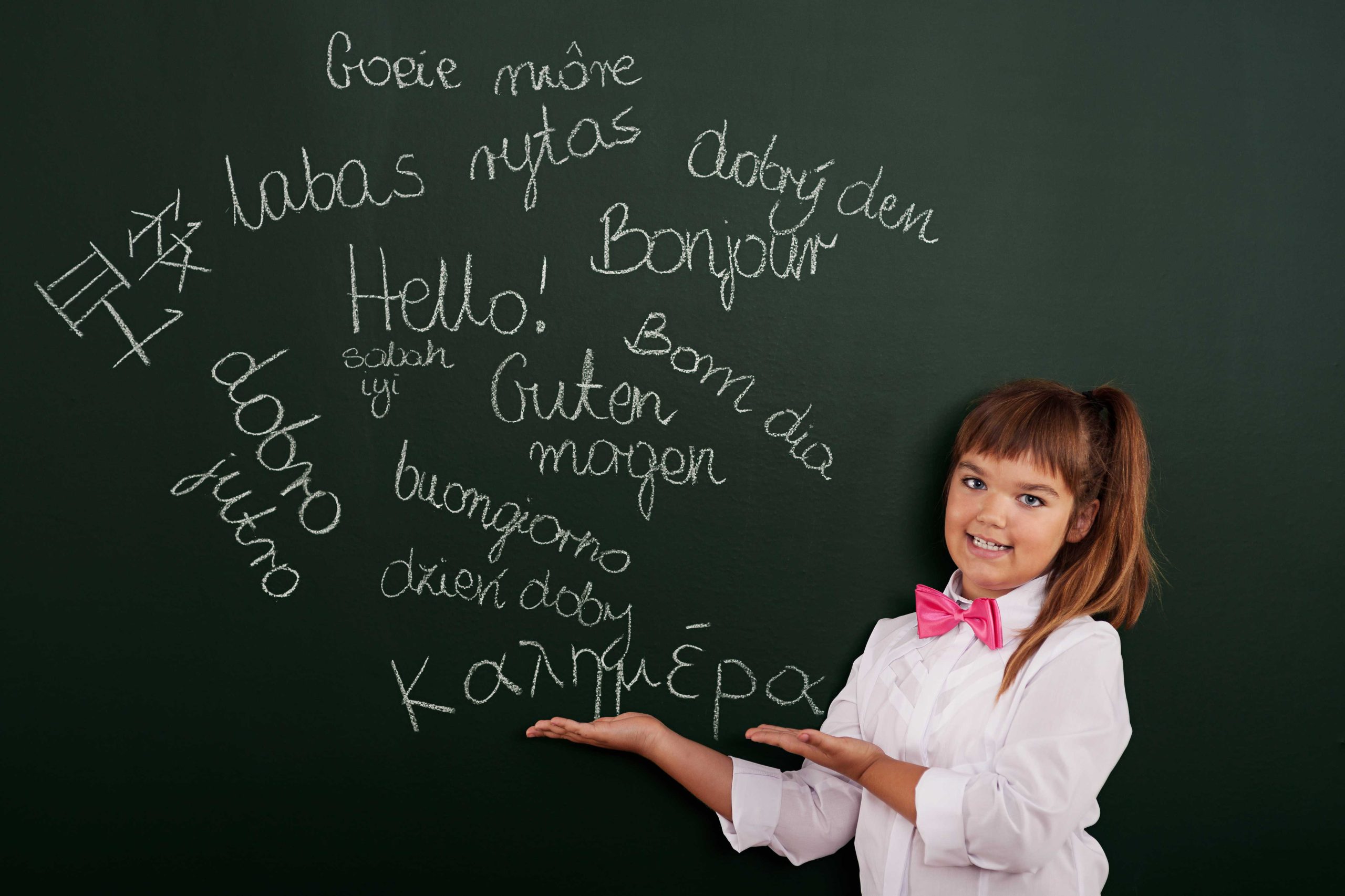
    Unlocking Language Horizons: The Power of Multilingual Dictionaries for Preschoolers


    Enhancing Vocabulary Acquisition:

    Vocabulary development is a vital aspect of language learning, and multilingual dictionaries play a crucial role in expanding preschoolers’ lexicon. By providing translations and definitions in various languages, these dictionaries offer a comprehensive resource that aids in building a strong vocabulary foundation. With access to a rich tapestry of words from different cultures and linguistic backgrounds, preschoolers can develop a broader and more nuanced understanding of language.

    Furthermore, multilingual dictionaries promote contextual learning by presenting words in meaningful sentences or phrases. This contextualization enables preschoolers to grasp the appropriate usage of words in different contexts, enhancing their comprehension and communication skills. As they explore the dictionary’s entries, they embark on a linguistic adventure, discovering new words and gaining confidence in their language abilities.


    Encouraging Cultural Appreciation:

    Language and culture are intertwined, and embracing multiple languages fosters a deeper understanding and appreciation of diverse cultures. Multilingual dictionaries serve as gateways to cultural immersion, exposing preschoolers to the customs, traditions, and values of various linguistic communities. Through these dictionaries, they can explore idioms, proverbs, and expressions that reflect the rich cultural tapestry of different regions.

    By engaging with multilingual dictionaries, preschoolers develop cultural sensitivity and empathy, realizing that language is more than just words – it represents the unique identity of a community. This exposure encourages them to celebrate linguistic diversity and promotes a sense of inclusivity, broadening their horizons and nurturing their global outlook.


    Boosting Language Confidence:

    Language learning can be a daunting task, especially for preschoolers navigating multiple languages simultaneously. Multilingual dictionaries serve as valuable companions on this journey, empowering preschoolers to take ownership of their language learning process. These dictionaries provide a safe space for preschoolers to explore languages at their own pace, boosting their confidence as they discover new words and phrases.

    Moreover, multilingual dictionaries offer pronunciation guides, audio samples, and visual cues that facilitate better understanding and pronunciation of words. By hearing the correct pronunciation and observing visual representations, preschoolers can develop their language skills with accuracy and fluency. This boosts their self-assurance and motivates them to explore and engage with different languages fearlessly.


    Nurturing Cognitive Flexibility:

    Bilingual and multilingual individuals often demonstrate enhanced cognitive flexibility, which refers to the ability to switch between different systems of language and thought. Multilingual dictionaries contribute to the development of this crucial cognitive skill by enabling preschoolers to navigate between languages effortlessly. As they explore various translations and definitions, they engage in mental gymnastics that strengthen their cognitive flexibility.

    Moreover, exposure to multiple languages at an early age promotes critical thinking skills and problem-solving abilities. Preschoolers develop an innate curiosity to understand and decipher meanings across languages, which nurtures their cognitive growth. This cognitive flexibility prepares them for future academic and professional pursuits, giving them a competitive edge in an increasingly interconnected world.


    Supporting Language Integration:

    For preschoolers who come from multilingual backgrounds or are learning a second language, multilingual dictionaries serve as valuable aids in language integration. These dictionaries provide a bridge between their native language and the language they are acquiring, facilitating comprehension and communication.

    By offering translations, definitions, and contextual examples, multilingual dictionaries enable preschoolers to make connections between their familiar language and the target language. This connection allows for a smoother transition and deeper understanding of the new language’s vocabulary and structure. It also helps preschoolers preserve and celebrate their cultural and linguistic heritage while embracing new languages.

    Moreover, multilingual dictionaries promote code-switching, the ability to alternate between languages within a conversation or context. Code-switching is a natural linguistic phenomenon that many multilingual individuals engage in. By familiarizing preschoolers with the concept of code-switching through multilingual dictionaries, we encourage their language flexibility and enable them to navigate different linguistic environments comfortably.


    Digital Advancements in Multilingual Dictionaries:

    In the digital era, the accessibility and functionality of multilingual dictionaries have expanded exponentially. Online platforms, mobile applications, and interactive software have revolutionized the way preschoolers engage with multilingual dictionaries, making language learning more engaging, interactive, and immersive.

    Digital multilingual dictionaries often feature audio pronunciations, interactive quizzes, and games, making the language learning experience enjoyable and interactive for preschoolers. These resources provide immediate feedback, reinforcing their language skills and motivating them to continue exploring and expanding their linguistic horizons.

    Additionally, digital dictionaries offer the advantage of real-time updates and dynamic content. Language is a living entity, constantly evolving and incorporating new words, phrases, and idioms. With digital multilingual dictionaries, preschoolers can stay up-to-date with the latest vocabulary additions and changes, ensuring their language skills remain relevant and current.


    Empowering Language Autonomy:

    Multilingual dictionaries empower preschoolers with a sense of language autonomy, allowing them to take ownership of their learning and exploration. By providing a comprehensive resource that preschoolers can access independently, these dictionaries foster self-directed learning and encourage active engagement with languages.

    Preschoolers can use multilingual dictionaries to look up words, explore translations, and discover new linguistic connections. This process instills a sense of curiosity and self-motivation, as they become active participants in their language learning journey. With the ability to navigate and utilize multilingual dictionaries, preschoolers develop valuable skills in information retrieval, critical thinking, and problem-solving.

    Furthermore, as they delve into multilingual dictionaries, preschoolers develop language inquiry skills. They learn to ask questions, seek answers, and make connections between words and concepts. This fosters a deeper understanding of language structure, semantics, and cultural nuances. Language autonomy nurtures their intellectual growth and lays the foundation for lifelong learning.


    Adaptability to Individual Learning Styles:

    Every preschooler has unique learning styles, preferences, and strengths. Multilingual dictionaries offer flexibility and adaptability to cater to the diverse needs of preschoolers. Whether they are visual learners who benefit from images and illustrations, auditory learners who grasp language through sound, or kinesthetic learners who thrive with interactive activities, multilingual dictionaries can cater to different learning modalities.

    With the advent of technology, multilingual dictionaries now incorporate multimedia elements, such as videos, audio recordings, and interactive exercises. These features cater to a range of learning styles and allow preschoolers to engage with language in ways that suit them best. Customizable settings and user-friendly interfaces further enhance the adaptability of multilingual dictionaries, ensuring an inclusive learning experience for all preschoolers.


    Collaboration and Language Exchange Opportunities:

    Multilingual dictionaries not only support individual language learning but also foster collaboration and language exchange among preschoolers. Language learning becomes a social and interactive experience, as preschoolers engage in peer-to-peer interactions, sharing their knowledge and exploring languages together.

    Through multilingual dictionaries, preschoolers can engage in language exchange activities, where they can practice speaking and listening to different languages. This collaborative environment enhances their language skills, builds confidence in communication, and fosters intercultural friendships. Preschoolers learn to appreciate and respect diverse linguistic backgrounds, breaking down barriers and promoting inclusivity.

    Collaboration also extends to the classroom, where teachers can incorporate multilingual dictionaries into group activities, language games, and projects. This collaborative approach encourages teamwork, problem-solving, and cultural understanding among preschoolers. It creates a vibrant and supportive language learning community, where preschoolers can flourish and thrive.


    Overcoming Language Barriers:

    Language barriers can often hinder communication and create gaps between individuals. Multilingual dictionaries offer a solution by bridging these gaps and facilitating effective communication among preschoolers from different linguistic backgrounds.

    In multicultural and multilingual preschool settings, multilingual dictionaries act as mediators, enabling preschoolers to understand and interact with one another. They provide translations, definitions, and contextual examples that aid in comprehension and encourage inclusive communication.

    By using multilingual dictionaries, preschoolers can engage in meaningful conversations, share ideas, and collaborate on projects. This not only promotes language development but also fosters a sense of unity and cooperation among diverse groups of preschoolers. Through these interactions, preschoolers learn the value of listening, respecting different perspectives, and finding common ground despite linguistic differences.


    Expanding Career Opportunities:

    In today’s globalized world, proficiency in multiple languages is highly valued in various professional fields. Multilingual dictionaries play a crucial role in equipping preschoolers with the language skills needed for future career success.

    As preschoolers explore different languages through multilingual dictionaries, they are exposed to industry-specific vocabulary and terminology. This knowledge broadens their career prospects, enabling them to pursue fields where multilingualism is in demand, such as international relations, translation and interpretation, tourism, and business.

    Furthermore, the cognitive benefits gained from using multilingual dictionaries, such as enhanced cognitive flexibility, problem-solving skills, and cultural understanding, are highly transferable to the workplace. These skills set preschoolers apart, making them adaptable and effective communicators in multicultural and multinational professional environments.


    Lifelong Love for Language Learning:

    Multilingual dictionaries serve as catalysts for instilling a lifelong love for language learning in preschoolers. By providing access to diverse languages and cultures, these dictionaries nurture a sense of curiosity, exploration, and enthusiasm for learning.

    As preschoolers engage with multilingual dictionaries, they develop a deep appreciation for the beauty and intricacies of language. They discover the joy of discovering new words, expressing themselves in different languages, and connecting with people from diverse backgrounds. This love for language learning becomes a lifelong pursuit, with preschoolers continually seeking opportunities to expand their linguistic horizons.

    Moreover, the positive experiences preschoolers have with multilingual dictionaries at an early age set the foundation for a positive attitude towards language learning in general. They become confident and motivated language learners who embrace challenges, persist in the face of difficulties, and view language learning as an enriching and rewarding journey.


    Supporting Language Preservation:

    Multilingual dictionaries also play a significant role in supporting the preservation of endangered languages and cultural heritage. Many languages around the world are at risk of extinction due to various factors, such as globalization, cultural assimilation, and language dominance.

    By including endangered languages in multilingual dictionaries, we contribute to their documentation and revitalization efforts. Preschoolers using these dictionaries gain exposure to languages that might otherwise be lost, helping to preserve linguistic diversity and cultural richness.

    Furthermore, multilingual dictionaries provide a platform for indigenous communities and language speakers to share their knowledge, traditions, and unique perspectives with a broader audience. This exchange of linguistic and cultural information fosters mutual respect, understanding, and appreciation for indigenous languages and cultures.


    Adapting to Individual Language Proficiency Levels:

    Preschoolers entering language learning environments may have varying levels of language proficiency in their target language. Multilingual dictionaries offer flexibility and adaptability to meet the diverse needs of preschoolers at different language stages.

    For beginners, these dictionaries provide simplified definitions, basic vocabulary, and visual cues to support understanding. As preschoolers progress in their language learning journey, the dictionaries can offer more complex vocabulary, idiomatic expressions, and grammar explanations.

    This adaptability allows preschoolers to engage with the dictionaries at their own pace, building upon their existing language knowledge and gradually expanding their skills. By catering to individual language proficiency levels, multilingual dictionaries promote a sense of achievement, confidence, and continuous growth in language learning.


    Parental Involvement and Home Learning:

    Multilingual dictionaries also serve as valuable resources for parental involvement in their preschoolers’ language learning. Parents can use these dictionaries to support their preschoolers’s language acquisition journey and engage in home learning activities.

    Multilingual dictionaries enable parents to learn alongside their preschoolers, fostering a sense of shared exploration and connection. Parents can use the dictionaries to reinforce vocabulary, practice pronunciation, and create language learning games or exercises.

    Moreover, multilingual dictionaries promote a positive language learning environment at home, where parents and preschoolers can celebrate different languages, cultures, and linguistic diversity. This engagement enhances family bonds, encourages open-mindedness, and nurtures a love for languages that extends beyond the classroom.


    Cultural Understanding and Empathy:

    Multilingual dictionaries not only aid in language acquisition but also promote cultural understanding and empathy among preschoolers. Language and culture are intertwined, and by exploring different languages through dictionaries, preschoolers gain insight into diverse cultural practices, traditions, and perspectives.

    Through multilingual dictionaries, preschoolers learn that language is more than just a means of communication; it carries cultural nuances, expressions, and values. By delving into the meanings, idiomatic expressions, and cultural references found in these dictionaries, preschoolers develop a deeper appreciation for the richness and diversity of human cultures.

    This exposure to different languages and cultures fosters empathy and tolerance among preschoolers. They begin to understand that there are multiple ways of expressing ideas, thoughts, and emotions, and that each culture has its own unique worldview. This understanding builds a foundation for accepting and respecting cultural differences, fostering a more inclusive and harmonious society.

    By actively engaging with multilingual dictionaries, preschoolers develop a global mindset, recognizing the value of cultural diversity and embracing the opportunity to learn from one another. They become open-minded, culturally sensitive individuals who can navigate a multicultural world with empathy and respect.

  • Receptiveness to reading

    Receptiveness to reading

    Fostering Receptiveness to Reading: Nurturing a Lifelong Love for Literature in Preschoolers


    The Importance of Early Receptiveness to Reading

    Preschool years are a time of rapid cognitive and linguistic development. During this period, preschoolers’s brains are highly receptive to acquiring new skills and knowledge. Engaging preschoolers with books and reading materials not only introduces them to the wonders of storytelling but also provides numerous cognitive and emotional benefits.


  • Cognitive Development: Reading enhances cognitive development by stimulating language acquisition, expanding vocabulary, and developing comprehension skills. When preschoolers are exposed to a variety of books, they are exposed to new words, concepts, and ideas, which helps them build a robust foundation for language and critical thinking.
  • Imagination and Creativity: Storybooks act as portals to imaginary worlds, stimulating preschoolers’s creativity and fostering their imagination. As preschoolers immerse themselves in the stories they read, they develop the ability to envision scenarios, empathize with characters, and explore new perspectives.
  • Emotional Development: Reading provides a safe space for preschoolers to explore and process emotions. Stories often depict relatable situations and emotions, allowing preschoolers to develop empathy, understand their feelings, and learn to express themselves effectively.
    Strategies to Promote Receptiveness to Reading in Preschoolers
  • Creating a Literacy-Rich Environment: Surrounding preschoolers with books, magazines, and other reading materials encourages exploration and curiosity. Display books prominently in accessible areas, design cozy reading nooks, and dedicate regular reading time to create a welcoming and engaging atmosphere for reading.
  • Interactive Read-Aloud Sessions: Engage preschoolers in interactive read-aloud sessions to make reading an enjoyable and interactive experience. Encourage them to ask questions, make predictions, and participate in discussions about the story, characters, and illustrations. These sessions foster engagement and develop critical thinking skills.
  • Building Personal Libraries: Encourage preschoolers to build their personal libraries by allowing them to select books based on their interests and preferences. Visit local libraries and bookstores together to create a sense of excitement and ownership towards books. Having a personal collection of books cultivates a sense of pride and encourages independent reading.
  • Role Modeling: Preschoolers often emulate the behaviors and attitudes they observe in adults. Demonstrate your own love for reading by setting aside time for personal reading. Let preschoolers witness your enthusiasm for books and engage in conversations about what you’re reading. Your passion for reading will inspire and motivate them to embrace reading as well.
  • Variety and Fun: Introduce a wide range of reading materials to keep preschoolers engaged and excited about reading. Include picture books, rhymes, poetry, non-fiction, and fiction to cater to their diverse interests. Use different voices, sound effects, and props during read-aloud sessions to make the experience fun and captivating.
    Overcoming Challenges and Encouraging Receptiveness
  • Screen Time Management: With the prevalence of digital devices, it is crucial to limit screen time and prioritize reading activities. Encourage preschoolers to engage in offline activities, such as reading, storytelling, and imaginative play, as alternatives to screen-based entertainment. Set clear boundaries and establish technology-free zones to create dedicated reading spaces.
  • Tailoring Reading Experiences: Preschoolers have varied interests and learning styles. Tailor reading experiences to their preferences by choosing books that align with their interests, hobbies, or favorite characters. This personalization enhances engagement and increases the likelihood of developing a lasting love for reading.
  • Creating Social Reading Experiences: Organize reading circles or book clubs for preschoolers to promote social interactions and peer-to-peer engagement. Encourage discussions, sharing, and collaborative activities related to the books they read. Social reading experiences not only reinforce the joy of reading but also help preschoolers develop social and communication skills.
    Sustaining Receptiveness to Reading as Preschoolers Grow
  • Sustaining Interest: As preschoolers transition into early childhood, sustaining their interest in reading requires adapting to their evolving needs and preferences. Introduce age-appropriate books and genres that align with their expanding vocabulary and cognitive abilities. Engage them in discussions about the books they read, encouraging them to share their thoughts, make predictions, and connect the stories to their own experiences.
  • Reading Buddies and Mentors: Foster a sense of community and peer support by pairing preschoolers with reading buddies or mentors. This can be older siblings, family members, or even volunteers from the community. These mentors can read with preschoolers, discuss books, and provide guidance, instilling a sense of belonging and inspiration in their reading journeys.
  • Visiting Authors and Storytellers: Arrange visits from authors, storytellers, or local celebrities who can captivate preschoolers with their storytelling skills. These interactive sessions not only expose preschoolers to different storytelling styles but also inspire their own creativity and love for literature. Such encounters create memorable experiences and leave a lasting impact on their receptiveness to reading.
  • Book-related Activities: Expand reading experiences beyond the pages of a book by incorporating book-related activities. Plan arts and crafts projects, dramatic play sessions, or field trips inspired by the stories read. These hands-on activities provide a multi-sensory approach to learning, making the reading experience more immersive and memorable.
    The Role of Technology in Promoting Receptiveness to Reading
  • Interactive E-books: While it is important to limit screen time, judicious use of interactive e-books can enhance the reading experience for preschoolers. Interactive e-books often include animations, sound effects, and interactive elements that engage preschoolers in the story. However, it is crucial to choose high-quality e-books that prioritize storytelling rather than distractions, ensuring that the focus remains on the joy of reading.
  • Digital Reading Platforms: Explore digital reading platforms specifically designed for preschoolers that offer a wide selection of age-appropriate books. These platforms often provide features such as read-along options, word highlighting, and interactive quizzes that enhance comprehension and engagement. Use these platforms as a supplement to physical books, ensuring a balanced reading experience.
  • Educational Apps and Games: Select educational apps and games that promote literacy skills, phonics, vocabulary, and comprehension. These interactive tools can be used as a complement to traditional reading activities, making learning engaging and enjoyable. However, moderation is key, as screen time should not overshadow the importance of physical books and face-to-face interactions.
  • Parental Involvement: Embrace technology as a tool for shared reading experiences by engaging in interactive e-books or digital reading activities together with preschoolers. This active involvement not only strengthens the parent-child bond but also models positive digital habits and reinforces the value of reading.
    Extending the Receptiveness to Reading Beyond the Home and Classroom
  • Community Involvement: Engage with local libraries, bookstores, and community organizations to foster a sense of connection and excitement around reading. Attend storytelling sessions, author events, or book clubs organized for preschoolers in the community. These experiences provide opportunities for preschoolers to interact with other book lovers and expand their literary horizons.
  • Book Swaps and Donations: Organize book swaps or donation drives within the community to promote sharing and accessibility of books. Encourage preschoolers to donate their gently used books and in return, explore new titles through book swaps. This initiative not only promotes a sense of generosity but also exposes preschoolers to a diverse range of books.
  • Literary Events and Festivals: Participate in literary events and festivals that celebrate books and reading. Look out for book fairs, storytelling festivals, or literary-themed events specifically catered to preschoolers. These occasions provide a vibrant and immersive environment where preschoolers can experience the joy of reading alongside fellow book enthusiasts.
  • Collaboration with Educators: Collaborate with preschool teachers and educators to establish a consistent and cohesive approach towards promoting receptiveness to reading. Share book recommendations, reading strategies, and experiences to create a supportive network that reinforces the importance of reading both at home and in the classroom.
    Overcoming Barriers to Receptiveness to Reading
  • Language and Cultural Barriers: Recognize and address language and cultural barriers that may impact preschoolers’ receptiveness to reading. Provide books in different languages, celebrate diverse cultures through storytelling, and invite families from different backgrounds to share their traditions and stories. Embracing diversity in literature creates an inclusive reading environment that resonates with all preschoolers.
  • Learning Differences and Special Needs: Adapt reading strategies and materials to accommodate preschoolers with learning differences or special needs. Utilize visual supports, sensory-friendly books, or interactive adaptations to ensure that every child can participate and engage in reading activities. Collaborate with specialists and therapists to provide individualized support and create a positive reading experience for all.
  • Limited Access to Books: Address the issue of limited access to books by advocating for improved library resources in schools and communities. Explore partnerships with organizations that provide free or low-cost books to underserved areas. Additionally, establish book-sharing initiatives within the community, such as little free libraries, to increase access to reading materials for all preschoolers.
  • Overcoming Reading Resistance: Some preschoolers may initially show resistance to reading. Encourage a gradual and patient approach by introducing books related to their interests, incorporating interactive elements, or using props and visuals to enhance engagement. Foster a non-judgmental and supportive environment that allows preschoolers to explore books at their own pace, gradually building their receptiveness to reading.
    Nurturing a Reading Culture at Home
  • Family Reading Rituals: Establish regular reading rituals at home to create a sense of routine and anticipation. Set aside dedicated reading time where the entire family gathers to read together. This shared experience not only promotes bonding but also reinforces the value and enjoyment of reading.
  • Reading as a Bedtime Routine: Make reading a part of the bedtime routine, where preschoolers can wind down and relax with a good book before sleep. Create a cozy reading corner in their bedroom and allow them to choose their favorite bedtime stories. This practice not only promotes a positive association with reading but also improves sleep quality.
  • Storytelling and Oral Traditions: Embrace the art of storytelling and oral traditions within the family. Encourage preschoolers to share their own stories, experiences, or even retell their favorite books in their own words. This fosters creativity, imagination, and language development, while also reinforcing the importance of storytelling.
  • Parent-Child Book Discussions: Engage in meaningful discussions with preschoolers about the books they read. Ask open-ended questions, encourage them to share their thoughts and feelings, and explore different perspectives within the story. These discussions enhance comprehension, critical thinking skills, and deepen the connection between parent and child.
    The Role of Educators in Fostering Receptiveness to Reading
  • Creating a Print-Rich Classroom Environment: Educators play a vital role in cultivating a love for reading in preschoolers. Design classrooms that are rich in print, with labeled areas, word walls, and displays of preschoolers’s work. Surround preschoolers with books, magazines, and reading materials that cater to their interests and foster curiosity.
  • Read-Aloud Sessions: Conduct regular read-aloud sessions where educators bring stories to life, using expressive voices, gestures, and engaging props. Encourage active participation, discussions, and reflection on the stories read. These sessions not only develop comprehension skills but also nurture a love for storytelling and reading.
  • Individual and Small Group Reading: Provide opportunities for individual and small group reading experiences in the classroom. Create cozy reading corners or designated reading spaces where preschoolers can explore books independently or in small groups. This promotes autonomy, self-expression, and a sense of ownership over their reading choices.
  • Introducing Book Series and Author Studies: Introduce preschoolers to book series and author studies, where they can delve deeper into the works of their favorite authors and explore the interconnected worlds of books. This promotes enthusiasm, curiosity, and encourages preschoolers to seek out more books within a series or by a particular author.
  • Celebrating Reading Milestones: Acknowledge and celebrate preschoolers’ reading milestones to instill a sense of accomplishment and pride. Recognize their progress, whether it’s completing a book, reaching a certain reading level, or exploring different genres. Celebratory activities, certificates, or displays can motivate preschoolers to continue their reading journey.
    Emphasizing the Joy of Reading
  • Reading as an Enjoyable Activity: Emphasize the joy and pleasure of reading rather than solely focusing on educational outcomes. Encourage preschoolers to choose books based on their interests, preferences, and the pure enjoyment they derive from the stories. By highlighting reading as a source of delight, preschoolers are more likely to develop a positive attitude towards books and reading.
  • Reading as a Form of Entertainment: Position reading as an alternative form of entertainment to screens and electronic devices. Create a balance between screen time and reading time, ensuring that preschoolers understand the unique benefits and joys that reading can offer. Showcase the captivating and immersive experiences that books provide, igniting their imagination and curiosity.
  • Incorporating Interactive Elements: Integrate interactive elements into reading experiences to enhance engagement and excitement. Use puppets, props, or character voices to bring stories to life. Encourage preschoolers to participate in the storytelling process by acting out scenes, drawing illustrations, or creating their own endings. By making reading an interactive and dynamic activity, the joy of reading is amplified.
  • Book-Related Rewards and Incentives: Introduce rewards and incentives that celebrate and encourage reading accomplishments. Create reading challenges, reading logs, or sticker charts to track progress and provide a sense of achievement. Offer small rewards, such as bookmarks or special reading time, to motivate preschoolers and reinforce the positive association with reading.
  • Pre-reading Skills

    Pre-reading Skills

    Nurturing Pre-Reading Skills in Preschoolers: Building the Foundation for a Lifelong Love of Reading


    Phonological Awareness and Phonemic Skills

    One of the fundamental building blocks of pre-reading skills is phonological awareness. Phonological awareness involves the ability to identify and manipulate the sounds of language, including syllables, rhymes, and individual phonemes. Developing strong phonological awareness lays the groundwork for phonemic skills, which involve recognizing and manipulating individual sounds in words.

    Preschoolers can be engaged in various activities to enhance their phonological awareness. Engaging in rhyming games, clapping out syllables, and singing nursery rhymes are all effective techniques. Additionally, introducing letter-sound associations through interactive and multisensory experiences can strengthen their phonemic skills. Activities such as alphabet puzzles, letter-sound matching games, and phonics songs can be invaluable tools in this regard.


    Vocabulary Development and Oral Language Skills

    Expanding a preschooler’s vocabulary and developing their oral language skills are essential components of pre-reading skills. A rich vocabulary and strong oral language abilities provide a solid foundation for comprehension and future reading success. Preschoolers need exposure to a wide variety of words and concepts to build their vocabulary.

    To promote vocabulary development, caregivers and educators can engage preschoolers in conversations, storytelling sessions, and discussions about their surroundings. Reading aloud high-quality preschoolers’s books that use rich and diverse language is another powerful tool. It is crucial to ask open-ended questions and encourage preschoolers to express their thoughts, thus fostering their oral language skills and critical thinking abilities.


    Print Awareness and Concepts of Print

    Print awareness refers to a child’s understanding of how print works, including the realization that written language carries meaning and the awareness of print conventions such as left-to-right progression and word boundaries. Concepts of print involve understanding the basic features of written language, such as letters, words, sentences, and punctuation.

    Preschoolers can be introduced to print awareness through shared reading experiences. Pointing out words as they are read, tracking print with a finger, and discussing the parts of a book (e.g., cover, title, author) help foster print awareness. Caregivers and educators can also encourage preschoolers to engage with print in their environment, such as recognizing environmental print on signs, labels, and packaging. These experiences help preschoolers make connections between spoken and written language, enhancing their overall print awareness and concepts of print.


    Story Comprehension and Narrative Skills

    Story comprehension and narrative skills involve understanding and making meaning from the stories preschoolers hear and read. These skills play a vital role in developing reading comprehension abilities later on. By fostering story comprehension and narrative skills in preschoolers, we can ignite their imagination, enhance their critical thinking, and deepen their understanding of narratives.

    Reading a variety of stories aloud to preschoolers exposes them to different story structures, character development, and plot elements. Encouraging active engagement during storytime, such as asking questions, predicting what might happen next, and retelling the story, can help preschoolers develop their narrative skills. Furthermore, providing opportunities for imaginative play, storytelling, and puppetry allows preschoolers to explore their creativity and strengthen their understanding of narrative concepts.


    The Role of Phonics and Decoding Skills

    Phonics and decoding skills are essential components of pre-reading development. Phonics instruction involves teaching the relationship between letters and their corresponding sounds. By acquiring phonics skills, preschoolers can decode unfamiliar words and develop reading fluency.

    Introducing phonics in a systematic and explicit manner can greatly benefit preschoolers. Using letter-sound correspondence activities, word families, and phonics-based games can help them recognize and apply phonetic patterns. Gradually progressing from simple to complex phonics rules enables preschoolers to build a strong foundation in decoding skills. It is crucial to provide ample practice opportunities through engaging and interactive activities that involve blending sounds, segmenting words, and reading simple texts.


    Print Motivation and Reading Engagement

    Fostering a positive attitude towards reading and cultivating print motivation are vital in nurturing pre-reading skills. When preschoolers perceive reading as an enjoyable and rewarding activity, they are more likely to engage with books and develop a lifelong love for reading.

    Creating a print-rich environment is key to promoting print motivation. Having a variety of age-appropriate books accessible to preschoolers and establishing cozy reading corners can spark their interest and curiosity. Regular visits to libraries and bookstores expose preschoolers to a wealth of reading material, expanding their choices and promoting reading engagement. Additionally, involving preschoolers in the selection of books and encouraging them to share their thoughts and emotions about the stories they encounter can deepen their connection with reading.


    Building Literacy-Rich Routines

    Integrating pre-reading skills into daily routines can reinforce learning and provide consistent opportunities for skill development. By infusing literacy-rich activities into everyday experiences, caregivers and educators can create a language-rich environment that supports preschoolers’ pre-reading growth.

    Activities such as cooking together, following recipes, or making shopping lists can enhance print awareness and vocabulary development. Engaging in crafts, drawing, and writing activities promotes fine motor skills and strengthens letter recognition. Singing songs, reciting rhymes, and playing word games stimulate phonological awareness. These literacy-rich routines help preschoolers make connections between reading and real-life experiences, making learning enjoyable and meaningful.


    Collaborative Partnerships with Families and Communities

    Nurturing pre-reading skills in preschoolers requires collaboration between families, educators, and the wider community. By fostering strong partnerships, we can create a supportive network that reinforces pre-reading skills and encourages a love of reading.

    Caregivers play a vital role in laying the foundation for pre-reading skills. Educators can provide resources, guidance, and workshops to empower families to engage in literacy activities at home. Building connections with local libraries, literacy organizations, and community centers can offer additional resources and opportunities for preschoolers to explore the world of reading. Collaborative efforts ensure that preschoolers receive consistent and comprehensive support in their pre-reading journey.


    Cultivating Emotional Connections to Reading

    Emotional connections to reading are an often overlooked but crucial aspect of pre-reading development. When preschoolers associate positive emotions with reading, they develop a deeper connection to books and reading activities, fostering a lifelong love for literature.

    Creating a nurturing and supportive reading environment is essential to cultivate emotional connections to reading. This can be achieved through shared reading experiences that incorporate warmth, enthusiasm, and interactive elements. Encourage preschoolers to express their feelings about the stories they read, allowing them to relate to characters, empathize with their experiences, and explore their emotions. Connecting stories to real-life situations and personal experiences helps preschoolers develop a sense of relevance and emotional resonance with the content they engage with.


    Diverse Representation in Preschoolers’s Literature

    The importance of diverse representation in preschoolers’s literature cannot be overstated. Preschoolers benefit greatly from exposure to books that reflect a variety of cultures, backgrounds, abilities, and experiences. Diverse literature promotes inclusivity, empathy, and an appreciation for the rich tapestry of the world.

    Efforts should be made to curate a diverse collection of books that celebrate different voices and perspectives. Encourage preschoolers to explore stories featuring characters from various ethnicities, genders, and abilities. Engaging in discussions about diversity, equity, and inclusion helps foster an understanding and appreciation of differences. By embracing diverse representation in preschoolers’s literature, we not only foster pre-reading skills but also promote a more inclusive society.


    Play-Based Learning and Pre-Reading Skills

    Play is a natural and powerful medium for learning, and it plays a significant role in the development of pre-reading skills. Through play-based activities, preschoolers engage in imaginative scenarios, problem-solving, and language-rich interactions, all of which contribute to their pre-reading growth.

    Encourage preschoolers to engage in pretend play, where they can create their narratives, develop characters, and express themselves verbally. Provide opportunities for sensory play, such as exploring different textures and materials, which enhances fine motor skills and tactile awareness. Building with blocks, puzzles, and manipulative toys also contribute to spatial awareness and problem-solving abilities.


    Utilizing Technology in Pre-Reading Skill Development

    In today’s digital age, technology can be a valuable tool to support pre-reading skill development in preschoolers. Carefully selected educational apps, interactive e-books, and online resources can supplement traditional methods and engage preschoolers in a dynamic learning experience.

    When incorporating technology, it is essential to prioritize quality content that aligns with the goals of pre-reading skill development. Interactive apps and e-books that provide opportunities for phonological awareness, vocabulary development, and story comprehension can be beneficial. However, it is crucial to balance screen time with hands-on, real-world experiences to ensure a well-rounded approach to pre-reading skill development.


    Individualized Instruction and Differentiated Learning

    Recognizing that each preschooler has unique strengths, interests, and learning styles is crucial for effective pre-reading skill development. Individualized instruction and differentiated learning strategies cater to the diverse needs of preschoolers, ensuring that they receive targeted support and opportunities for growth.

    Assessing the pre-reading skills of each preschooler can help identify areas of strength and areas that require additional support. Based on these assessments, educators can tailor instruction and provide targeted activities to address specific needs. Offering a range of learning materials, such as leveled books, word games, and multisensory activities, allows for differentiation and ensures that each preschooler can progress at their own pace.


    Building Background Knowledge and Making Connections

    Background knowledge plays a vital role in reading comprehension. By building a strong foundation of general knowledge and making connections to prior experiences, preschoolers can better understand and engage with the texts they encounter.

    Engaging preschoolers in real-world experiences, field trips, and hands-on activities helps broaden their background knowledge. Connecting stories to their personal experiences, asking open-ended questions, and encouraging critical thinking and reflection deepens their understanding and makes reading more meaningful. By fostering a curious and inquisitive mindset, preschoolers develop a thirst for knowledge that extends beyond the pages of a book.


    Continuity between Preschool and Early Primary Education

    Smooth transitions from preschool to early primary education are crucial for building upon and reinforcing pre-reading skills. Collaboration between preschool educators and early primary teachers ensures a seamless progression of learning and supports the continued development of pre-reading skills.

    Sharing information about each preschooler’s strengths, challenges, and progress facilitates personalized instruction in the early primary years. Alignment of curriculum, instructional strategies, and assessment methods promotes consistency and enables preschoolers to build upon their pre-reading foundation. Open communication channels and collaboration between educators at both levels create a supportive and continuous learning environment for preschoolers.


    The Role of Multilingualism in Pre-Reading Skill Development

    For preschoolers who are exposed to multiple languages, the development of pre-reading skills takes on a unique dimension. Multilingualism offers opportunities for cognitive and linguistic growth and contributes to a broader understanding of language and culture.

    Preschoolers who are learning multiple languages benefit from exposure to a rich variety of vocabulary, sounds, and linguistic structures. Engaging in activities that highlight similarities and differences between languages fosters metalinguistic awareness. Celebrating and valuing diverse languages and cultures enriches the pre-reading experience for multilingual preschoolers and contributes to their overall language development.


    The Power of Positive Reinforcement and Encouragement

    Positive reinforcement and encouragement play a vital role in fostering pre-reading skills in preschoolers. Creating a supportive and nurturing environment where preschoolers feel valued and confident in their abilities can significantly impact their motivation and engagement with reading.

    Praise and acknowledge the efforts and progress of each preschooler. Celebrate their achievements, no matter how small, and provide specific feedback to reinforce their strengths. Encourage a growth mindset by emphasizing that mistakes are a natural part of learning and that effort and persistence are key to success. Creating a positive association with reading through praise and encouragement helps preschoolers build self-esteem and fosters a love for learning.


    Role-Modeling Reading Habits

    Preschoolers look up to the adults in their lives and often imitate their behaviors. Role-modeling reading habits and demonstrating a genuine love for reading can have a profound impact on preschoolers’ pre-reading skill development.

    Make reading a visible and valued activity in the home or preschool setting. Set aside dedicated time for family reading or reading circles, where preschoolers witness adults engrossed in books and storytelling. Let them see you enjoying various genres and formats of literature. Engage in discussions about books and share your own reading experiences and recommendations. By demonstrating a love for reading, you inspire preschoolers to see reading as an enjoyable and important part of their lives.


    Creating a Supportive Reading Community

    Building a supportive reading community involves engaging not only preschoolers but also families, educators, and peers. Creating an environment where reading is celebrated and shared fosters a sense of belonging and reinforces the value of literacy.

    Organize reading-related events, such as book clubs, author visits, or reading challenges, that involve preschoolers and their families. Encourage peer-to-peer reading partnerships where preschoolers can read together or share their favorite books. Create opportunities for preschoolers to showcase their reading skills, such as through storytelling sessions or book-sharing assemblies. By fostering a sense of community around reading, preschoolers develop a sense of pride and motivation in their pre-reading journey.


    Flexibility and Adaptability in Pre-Reading Instruction

    Flexibility and adaptability are key when it comes to pre-reading instruction. Each preschooler learns at their own pace and has unique strengths and challenges. Adapting instructional strategies to meet individual needs ensures that all preschoolers have the opportunity to develop pre-reading skills effectively.

    Monitor and assess preschoolers’ progress regularly to identify areas that require additional support or enrichment. Adjust instructional methods and resources accordingly to provide targeted interventions. Differentiate instruction by offering varied levels of challenge and providing additional support where needed. Flexibility and adaptability enable educators and caregivers to meet the diverse needs of preschoolers and foster their pre-reading growth.

  • Success In School

    Success In School

    Nurturing Success in Preschool: Building the Foundation for Academic Achievement

    The preschool years are a critical time in a child’s educational journey, laying the foundation for future academic success. It is during this formative period that preschoolers develop essential skills, attitudes, and habits that shape their learning trajectory. In this article, we will explore the key factors that contribute to success in school for preschoolers. From cultivating a love for learning to fostering social-emotional development, we will delve into various aspects that play a crucial role in setting preschoolers on the path to academic achievement.


    I. A Love for Learning:

    Instilling a love for learning is paramount to preschoolers’ success in school. When they develop a genuine curiosity and enthusiasm for knowledge, they become motivated and engaged learners. Here are some strategies for fostering a love for learning in preschoolers:


    1. Play-Based Learning:

    Recognize the power of play in promoting learning. Encourage open-ended play experiences that spark preschoolers’ imagination, creativity, and problem-solving skills. Provide them with a rich variety of materials, such as blocks, puzzles, and art supplies, to explore and manipulate. Play-based learning allows preschoolers to develop a positive attitude towards learning, as it feels enjoyable and meaningful to them.


    2. Inquiry-Based Approaches:

    Embrace an inquiry-based approach to learning, where preschoolers are encouraged to ask questions, investigate, and seek answers. Provide opportunities for hands-on exploration and experimentation. Support their natural curiosity by offering resources, books, and technology that help them find answers to their inquiries. This approach fosters a sense of wonder, critical thinking, and a desire to learn more.


    3. Personalized Learning:

    Recognize and respect the unique interests and strengths of each preschooler. Tailor learning experiences to their individual needs and preferences. Offer a variety of activities and materials that cater to different learning styles, allowing preschoolers to discover and pursue their passions. By personalizing learning, we create a sense of ownership and motivation, driving preschoolers to excel academically.


    4. Positive Reinforcement:

    Celebrate preschoolers’ achievements and efforts, no matter how small. Provide specific praise and encouragement to reinforce their positive behaviors and accomplishments. Foster a growth mindset by focusing on their progress and improvement rather than fixed outcomes. Positive reinforcement builds confidence, self-esteem, and a positive attitude towards learning.


    II. Building Social-Emotional Skills:

    Success in school is not solely based on academic achievements; social-emotional skills are equally vital. Preschoolers who develop strong social-emotional competencies are better equipped to navigate the school environment, build positive relationships, and regulate their emotions. Here are some strategies for promoting social-emotional development in preschoolers:


    1. Emotional Literacy:

    Teach preschoolers to identify and express their emotions in a healthy and constructive manner. Provide them with a vocabulary to articulate their feelings. Offer opportunities for discussions, storytelling, and role-playing to help them understand and manage their emotions effectively. Emotional literacy enhances their self-awareness and empathy towards others.


    2. Positive Relationships:

    Create a supportive and inclusive classroom environment that fosters positive relationships among preschoolers. Encourage collaboration, cooperation, and empathy through group activities, team projects, and peer interactions. Teach them conflict resolution strategies and problem-solving skills to navigate social situations effectively. Positive relationships contribute to a sense of belonging and emotional well-being, enhancing their overall school experience.


    3. Communication Skills:

    Develop preschoolers’ communication skills to express their thoughts, needs, and ideas clearly and respectfully. Encourage active listening and provide opportunities for them to share their perspectives and engage in meaningful conversations. Help them understand the importance of effective communication in building relationships and resolving conflicts.


    4. Self-Regulation:

    Support preschoolers in developing self-regulation skills, enabling them to manage their emotions, impulses, and behaviors. Teach them strategies such as deep breathing, mindfulness exercises, and self-calming techniques. Create a predictable and structured environment that promotes routines and consistency. Self-regulation skills empower preschoolers to focus, concentrate, and engage in learning effectively.


    III. Meaningful Learning Experiences:

    Meaningful learning experiences are crucial for preschoolers’ success in school. When they connect their learning to real-life situations, their engagement and understanding deepen. Here are some strategies for creating meaningful learning experiences for preschoolers:


    1. Project-Based Learning:

    Implement project-based learning approaches where preschoolers explore a topic or theme in-depth over an extended period. Encourage them to ask questions, conduct research, and actively participate in hands-on activities. Projects allow for interdisciplinary learning, critical thinking, and problem-solving, making learning relevant and meaningful.


    2. Community Connections:

    Connect preschoolers’ learning to their local community and beyond. Arrange visits to places of interest, such as museums, libraries, or community centers. Invite guest speakers from different professions or cultural backgrounds to share their expertise and experiences. By connecting learning to the real world, preschoolers understand the practical applications of their knowledge.


    3. Authentic Assessments:

    Move beyond traditional assessments and embrace authentic assessment methods. Provide opportunities for preschoolers to showcase their learning through presentations, demonstrations, or creative projects. Encourage self-reflection and self-assessment, allowing preschoolers to evaluate their progress and set goals for further improvement. Authentic assessments value their individual strengths and encourage a growth mindset.


    4. Field Trips and Experiential Learning:

    Organize field trips and experiential learning opportunities that enhance preschoolers’ understanding of various subjects. Visit places like farms, zoos, or botanical gardens to learn about animals, plants, and the environment. Engage in sensory experiences, experiments, or nature walks that promote hands-on exploration. Field trips stimulate curiosity and make learning memorable.

    By fostering a love for learning, nurturing social-emotional skills, and creating meaningful learning experiences, we set preschoolers on the path to success in school. When they feel motivated, emotionally supported, and engaged in their education, they are more likely to thrive academically and develop a lifelong passion for learning.


    IV. Supportive Learning Environment:

    Creating a supportive learning environment is crucial for preschoolers’ success in school. When they feel safe, respected, and valued, they are more likely to actively participate in learning and take academic risks. Here are some strategies for establishing a supportive learning environment for preschoolers:


    1. Positive Classroom Culture:

    Promote a positive classroom culture that encourages collaboration, kindness, and inclusivity. Establish clear expectations for behavior and reinforce positive actions through praise and rewards. Create opportunities for preschoolers to contribute to the classroom community, such as taking on leadership roles or participating in class meetings. A positive classroom culture fosters a sense of belonging and encourages active engagement in learning.


    2. Individualized Instruction:

    Recognize that preschoolers have unique learning needs and provide individualized instruction to cater to their abilities and interests. Differentiate instruction by offering a range of activities and materials that challenge and support each child’s learning journey. Personalize learning goals and strategies based on their strengths and areas of growth, ensuring that they receive the necessary support to succeed.


    3. Classroom Organization:

    Establish an organized and visually appealing classroom environment that promotes a sense of order and purpose. Clearly label materials, create designated learning areas, and arrange furniture to facilitate smooth transitions and maximize learning opportunities. A well-organized classroom reduces distractions and promotes a focused learning atmosphere.


    4. Responsive Teaching:

    Be responsive to preschoolers’ individual learning styles, preferences, and needs. Observe and assess their progress regularly to adjust instruction accordingly. Provide timely and constructive feedback that helps them understand their strengths and areas for improvement. Responsive teaching ensures that preschoolers receive the necessary guidance and support to achieve their full potential.


    5. Positive Relationships with Teachers:

    Build positive and nurturing relationships with preschoolers, serving as their role models and mentors. Take the time to listen to their thoughts, concerns, and ideas. Show empathy and understanding, creating a safe space for them to express themselves. Strong teacher-child relationships foster trust, enhance motivation, and create a supportive learning environment.


    6. Parent-Teacher Collaboration:

    Involve parents as partners in their preschoolers’ education. Establish open lines of communication, such as regular parent-teacher conferences or newsletters, to keep parents informed about their child’s progress and learning experiences. Collaborate with parents to set goals and strategies that support their child’s academic growth. A strong home-school partnership reinforces a consistent and supportive learning environment for preschoolers.

    By creating a supportive learning environment, we empower preschoolers to reach their full potential. When they feel valued, engaged, and supported, they are more likely to develop a positive attitude towards school and demonstrate academic success.


    V. Effective Learning Strategies:

    Equipping preschoolers with effective learning strategies empowers them to become independent and confident learners. These strategies help them navigate academic challenges, develop problem-solving skills, and enhance their overall learning experience. Here are some effective learning strategies for preschoolers:


    1. Metacognition:

    Introduce preschoolers to metacognitive strategies, which involve thinking about their thinking. Teach them to reflect on their learning process, set goals, and monitor their progress. Encourage them to ask questions, make connections, and evaluate their own understanding. Metacognition enhances their ability to plan, strategize, and adapt their learning approach, leading to improved academic outcomes.


    2. Visual Learning:

    Utilize visual aids and representations to support preschoolers’ understanding and memory retention. Use charts, diagrams, images, and graphic organizers to convey information and concepts. Visual learning engages preschoolers’ visual-spatial skills and helps them make connections between ideas, leading to deeper comprehension.


    3. Active Learning:

    Promote active learning experiences that engage preschoolers in hands-on activities and exploration. Encourage them to participate in experiments, sensory play, and problem-solving tasks. Active learning fosters critical thinking, creativity, and a deeper understanding of concepts. It also helps preschoolers develop fine motor skills and coordination.


    4. Scaffolded Instruction:

    Provide scaffolded instruction to support preschoolers’ learning and gradually fade support as they gain competence. Break down complex tasks into manageable steps, offer guided practice, and gradually release responsibility to foster independence. Scaffolding helps preschoolers develop skills incrementally, building confidence and competence along the way.


    5. Memory Strategies:

    Introduce memory strategies to help preschoolers remember and recall information effectively. Teach them mnemonic devices, such as acronyms or rhymes, to remember sequences or lists. Encourage the use of visual imagery and storytelling techniques to aid memory retrieval. By teaching memory strategies, preschoolers develop valuable tools for organizing and retaining information.


    6. Cooperative Learning:

    Incorporate cooperative learning activities where preschoolers work together in small groups to solve problems or complete tasks. Encourage collaboration, active participation, and sharing of ideas. Cooperative learning promotes communication skills, teamwork, and a sense of collective achievement. It also exposes preschoolers to diverse perspectives and enhances their social-emotional development.


    7. Multisensory Learning:

    Engage multiple senses in the learning process to enhance preschoolers’ understanding and retention of information. Provide opportunities for them to see, hear, touch, and manipulate objects or materials. Use multisensory approaches during storytelling, science experiments, or art activities. By appealing to different senses, preschoolers develop stronger neural connections and a deeper understanding of concepts.

    By equipping preschoolers with effective learning strategies, we empower them to become active, independent, and successful learners. These strategies foster critical thinking, problem-solving skills, and a lifelong love for learning.


    VI. Growth Mindset and Resilience:

    Developing a growth mindset and resilience is crucial for preschoolers’ success in school and beyond. These qualities enable them to embrace challenges, persevere in the face of obstacles, and view failures as opportunities for growth. Here are some strategies to foster a growth mindset and resilience in preschoolers:


    1. Encouraging Effort and Persistence:

    Emphasize the importance of effort and perseverance in achieving success. Teach preschoolers that their abilities can be developed through hard work and dedication. Praise their efforts, resilience, and progress rather than focusing solely on outcomes. Encourage them to keep trying, even when faced with difficulties, fostering a belief in their own capacity to learn and improve.


    2. Embracing Challenges:

    Create a classroom culture that values and embraces challenges. Encourage preschoolers to step out of their comfort zones and take on tasks that push their boundaries. Provide opportunities for problem-solving, critical thinking, and open-ended activities. Celebrate their willingness to try new things and commend their courage in facing challenges.


    3. Promoting a Positive Mindset:

    Help preschoolers develop a positive and optimistic mindset. Teach them to reframe negative thoughts or setbacks as learning opportunities. Encourage them to focus on the progress they have made and the strategies they can employ to overcome challenges. Promote positive self-talk and the belief that they are capable of achieving their goals.


    4. Cultivating Resilience:

    Teach preschoolers resilience, the ability to bounce back from setbacks and adapt to change. Help them develop coping strategies and problem-solving skills to navigate difficult situations. Create a supportive environment where they feel comfortable seeking help and support from teachers and peers. Encourage them to learn from their mistakes and view failures as stepping stones to success.


    5. Setting Realistic Goals:

    Guide preschoolers in setting realistic and achievable goals. Help them break larger goals into smaller, manageable steps. Support them in monitoring their progress towards their goals and celebrating milestones along the way. Setting realistic goals fosters a sense of accomplishment and motivation to continue striving for success.


    6. Encouraging Peer Support:

    Promote a sense of community and peer support in the classroom. Encourage preschoolers to collaborate, help, and learn from one another. Create opportunities for group work, peer mentoring, and cooperative learning. Peer support enhances social-emotional development, builds empathy, and reinforces the idea that success is not solely an individual endeavor.

    By fostering a growth mindset and resilience, we equip preschoolers with the mindset and skills necessary for navigating challenges, embracing learning opportunities, and achieving success in school and beyond.

  • Rhyming Words

    Rhyming Words

    The Magic of Rhyming Words: Unleashing the Power of Language for Preschoolers


    I. Rhyming Words

    Words have the power to captivate, inspire, and create connections. In the realm of language development, one particular aspect that sparks joy and fuels imagination in preschoolers is the enchanting world of rhyming words. Rhymes not only bring a delightful musicality to language but also lay the foundation for early literacy skills. This article delves into the magic of rhyming words, exploring their benefits, strategies for teaching, and their role in fostering language development and creative expression in preschoolers.


    II. The Beauty of Rhymes:

    Rhyming words are like shimmering gems in the vast treasure chest of language. They possess a musical quality that enchants preschoolers and makes language come alive. The repetition of similar sounds at the end of words creates a rhythmic pattern, adding a delightful cadence to stories, poems, and songs. This rhythmic quality appeals to preschoolers’ sense of harmony and melody, making language more engaging and memorable.


    III. Benefits of Rhyming Words:


    1. Phonological Awareness:

    Rhyming words lay the groundwork for phonological awareness, which is the ability to hear, identify, and manipulate the sounds in language. By recognizing and producing rhymes, preschoolers develop an ear for the sounds that make up words, helping them distinguish between different phonemes and develop phonemic awareness—a crucial skill for reading and spelling.


    2. Vocabulary Expansion:

    Rhymes serve as vehicles for introducing new vocabulary to preschoolers. Through rhyming books, poems, and songs, preschoolers encounter a wide range of words with similar sounds. This exposure to rich vocabulary helps expand their word bank, enhances their language skills, and fosters a love for words and language exploration.


    3. Memory and Recall:

    The rhythmic and repetitive nature of rhyming words enhances memory and recall in preschoolers. The predictable patterns in rhymes make them easier to remember, allowing preschoolers to anticipate and complete familiar rhymes. This aids in memory retention and strengthens their ability to recall information, supporting overall cognitive development.


    4. Language Play and Creativity:

    Rhyming words invite preschoolers to engage in language play and creative expression. They inspire preschoolers to experiment with sounds, invent new words, and engage in imaginative wordplay. Rhymes create a playful and safe environment for preschoolers to explore language, encouraging their creativity, and fostering their confidence as budding wordsmiths.


    IV. Strategies for Teaching Rhyming Words:


    1. Rhyming Games and Activities:

    Engaging preschoolers in interactive rhyming games and activities is an effective way to introduce and reinforce rhyming words. Games like “Rhyme Bingo,” “Rhyme Matching,” and “Rhyme Scavenger Hunt” make learning fun and interactive. These activities encourage preschoolers to listen carefully, identify rhyming pairs, and develop their phonological awareness.


    2. Rhyming Books and Poetry:

    Immersing preschoolers in a rich collection of rhyming books and poetry exposes them to a plethora of rhyming words. Reading aloud rhyming stories, poems, and nursery rhymes captivates their attention, sparks their imagination, and helps them recognize rhyming patterns. This practice enhances their phonological awareness and cultivates a love for literature.


    3. Singing and Music:

    Incorporating rhyming songs and chants into daily routines is an enjoyable way to reinforce rhyming skills. Preschoolers can engage in singing sessions, fingerplays, and rhyming games set to music. The melodic nature of music further enhances the appeal of rhyming words and facilitates their retention.


    V. Beyond Rhyming: Expanding Language Skills:

    While rhyming words are a valuable tool for language development, it is important to go beyond rhymes and expose preschoolers to a variety of language experiences. Encouraging diverse vocabulary usage, storytelling, conversations, and exposure to different genres of literature broadens their language skills and nurtures their overall linguistic development.


    VI. Celebrating Preschoolers’ Rhyming Creations:

    Encouraging preschoolers to create their own rhymes is a celebration of their linguistic achievements. Providing opportunities for them to write and recite their rhyming poems, stories, and songs fosters their self-expression, boosts their confidence, and nurtures their love for language. By valuing their unique creations, we empower preschoolers to embrace their creativity and develop their individual voice.

    Rhyming words are a gateway to the enchanting world of language for preschoolers. Their musical quality, cognitive benefits, and contribution to language development make them an invaluable tool in fostering early literacy skills and creative expression. By embracing rhyming words through playful activities, rhyming books, and encouraging preschoolers to create their own rhymes, we unlock the magic of language, fueling their imagination and laying the foundation for a lifelong love of words.


    VII. Rhyming Words and Cognitive Development:

    The exploration of rhyming words goes beyond the realm of language development and extends its benefits to various aspects of preschoolers’ cognitive development.


    1. Pattern Recognition:

    Rhyming words offer preschoolers opportunities to recognize and analyze patterns. The consistent sound patterns at the end of rhyming words help them develop an understanding of sequential and repetitive patterns, which are essential for mathematical concepts such as counting, sequencing, and pattern recognition.


    2. Memory and Sequencing:

    The repetition and rhythmic nature of rhymes support preschoolers’ memory skills and sequencing abilities. By engaging with rhyming words, preschoolers practice recalling and organizing information in a specific order. This strengthens their working memory and lays the foundation for more complex cognitive tasks.


    3. Problem-Solving Skills:

    Rhyming words foster critical thinking and problem-solving skills in preschoolers. As they engage with rhymes, they encounter words with similar sounds but different spelling patterns. This challenges their cognitive abilities as they try to identify the rhyming pairs and understand the underlying phonetic principles. This process encourages flexible thinking, analytical reasoning, and problem-solving skills.


    4. Cognitive Flexibility:

    Rhyming words promote cognitive flexibility in preschoolers by exposing them to various phonetic patterns and encouraging them to think outside the box. Through exposure to rhymes, preschoolers learn to recognize that words with different initial sounds can share similar ending sounds, expanding their understanding of language and promoting cognitive adaptability.


    5. Attention and Concentration:

    Engaging with rhyming words requires preschoolers to listen attentively, focus on auditory cues, and maintain concentration. The rhythmic patterns and repetition in rhymes capture their attention and help them develop sustained focus, improving their ability to concentrate on specific tasks and auditory stimuli.


    6. Vocabulary Acquisition:

    Rhyming words contribute to the acquisition of new vocabulary and semantic connections. Preschoolers not only learn specific rhyming words but also gain an understanding of word families and related concepts. This expansion of vocabulary broadens their semantic knowledge, enabling them to make connections between words and enhance their overall cognitive abilities.

    Incorporating rhyming words into early childhood education and play activities enhances preschoolers’ cognitive development, fostering pattern recognition, memory, problem-solving skills, cognitive flexibility, attention, concentration, and vocabulary acquisition.

    Rhyming words serve as a catalyst for cognitive development in preschoolers. Through pattern recognition, memory and sequencing practice, problem-solving, cognitive flexibility, attention, concentration, and vocabulary acquisition, rhyming words support the development of various cognitive skills. By embracing the magic of rhyming words, we open doors to enriched cognitive experiences and promote the holistic development of preschoolers.


    VIII. Rhyming Words and Language Fluency:

    Rhyming words play a crucial role in developing language fluency in preschoolers. The rhythmic and melodic nature of rhymes creates a natural flow of language, allowing preschoolers to experiment with sounds, enhance their oral skills, and develop a strong foundation for effective communication.


    1. Oral Language Development:

    Engaging with rhyming words enhances preschoolers’ oral language development. The repetition and rhythmic patterns in rhymes provide opportunities for them to practice articulating sounds, improving pronunciation, and developing clear speech. Through reciting and listening to rhymes, preschoolers refine their phonetic abilities and develop fluency in spoken language.


    2. Vocabulary Usage:

    Rhyming words encourage preschoolers to explore and expand their vocabulary. As they engage with rhymes, preschoolers encounter new words, learn their meanings, and experiment with their usage. This exposure to diverse vocabulary enhances their language fluency and enables them to express themselves with precision and creativity.


    3. Sentence Structure and Syntax:

    Rhyming words contribute to the development of sentence structure and syntax in preschoolers. Through exposure to rhymes, preschoolers become familiar with the natural rhythm and flow of language, internalizing patterns of grammar, and sentence construction. This exposure aids in developing their understanding of word order, sentence formation, and syntactical rules.


    4. Expressive Language Skills:

    Rhyming words provide a platform for preschoolers to develop their expressive language skills. By engaging with rhymes, preschoolers learn to use language creatively, experiment with wordplay, and express their thoughts and emotions in a poetic manner. This practice strengthens their ability to articulate ideas effectively and fosters their confidence in verbal expression.


    5. Listening Comprehension:

    Engaging with rhyming words improves preschoolers’ listening comprehension skills. The rhythmic patterns in rhymes capture their attention and promote active listening. By listening to rhymes, preschoolers develop the ability to follow auditory cues, comprehend context, and grasp the meaning of words within a given context, enhancing their overall language comprehension skills.


    6. Storytelling and Narrative Skills:

    Rhyming words serve as a springboard for developing storytelling and narrative skills in preschoolers. By exposing them to rhyming stories and poems, preschoolers gain an understanding of narrative structure, plot development, and sequencing. This exposure fosters their ability to create and retell stories, enhancing their narrative skills and laying the foundation for effective communication.

    Incorporating rhyming words into language activities, oral exercises, storytelling sessions, and daily conversations enriches preschoolers’ language fluency. By immersing them in the musicality of rhymes, we nurture their oral language skills, expand their vocabulary, refine their sentence structure, and empower them to communicate confidently and fluently.

    Rhyming words are a powerful tool for developing language fluency in preschoolers. Through oral language development, vocabulary usage, sentence structure and syntax, expressive language skills, listening comprehension, and storytelling abilities, rhyming words lay the foundation for effective communication and fluent language use. By embracing the magic of rhymes, we unlock the potential for preschoolers to become confident and articulate communicators.


    IX. Rhyming Words and Literacy Skills:

    Rhyming words serve as building blocks for developing early literacy skills in preschoolers. The exposure and exploration of rhymes contribute to various aspects of literacy, including phonemic awareness, decoding, reading comprehension, and a love for reading.


    1. Phonemic Awareness:

    Rhyming words are a powerful tool for developing phonemic awareness—the ability to identify and manipulate individual sounds in spoken language. By engaging with rhyming words, preschoolers learn to recognize and produce similar sounds at the end of words. This strengthens their phonemic awareness and lays the foundation for decoding and spelling skills.


    2. Phonics and Decoding:

    Rhyming words support the development of phonics and decoding skills in preschoolers. Through exposure to rhymes, preschoolers learn about letter-sound correspondence, as many rhyming words share common phonetic patterns. Recognizing these patterns helps preschoolers decode unfamiliar words and build their reading skills.


    3. Sight Word Recognition:

    Rhyming words facilitate sight word recognition in preschoolers. When preschoolers encounter rhyming words in context, they can use their knowledge of one word to recognize and remember other words with similar sounds and spellings. This strengthens their sight word vocabulary and aids in reading fluency.


    4. Reading Comprehension:

    Rhyming words contribute to reading comprehension skills in preschoolers. The predictable and rhythmic patterns in rhymes help preschoolers make connections between words, understand context, and grasp the meaning of texts. This enhances their overall reading comprehension and encourages a deeper engagement with written materials.


    5. Love for Reading:

    The joy and musicality of rhymes foster a love for reading in preschoolers. Rhyming books, poems, and songs create a positive association with language and reading, making literacy experiences enjoyable and engaging. By exposing preschoolers to rhyming literature, we ignite their passion for books, cultivate their imagination, and instill a lifelong love for reading.


    6. Writing Skills:

    Engaging with rhyming words nurtures writing skills in preschoolers. As preschoolers become familiar with rhymes, they develop an understanding of sound patterns and explore their own creativity in wordplay. This inspires them to experiment with writing their own rhymes, enhancing their spelling, vocabulary, and expressive writing abilities.

    Incorporating rhyming words into literacy activities, reading sessions, and writing exercises provides a solid foundation for developing early literacy skills in preschoolers. By embracing the magic of rhymes, we empower preschoolers to become confident readers, fluent writers, and lifelong learners.

    Rhyming words are powerful tools for developing early literacy skills in preschoolers. Through phonemic awareness, phonics and decoding, sight word recognition, reading comprehension, and nurturing a love for reading and writing, rhyming words pave the way for successful literacy development. By immersing preschoolers in the world of rhymes, we ignite their passion for reading, equip them with essential literacy skills, and foster a lifelong love for language.

  • Engaging Illustrations

    Engaging Illustrations

    Engaging Illustrations: Unleashing Imagination and Learning in Preschoolers

    Engaging illustrations have the power to captivate the hearts and minds of preschoolers, unlocking a world of imagination and facilitating meaningful learning experiences. Beyond their visual appeal, illustrations play a vital role in early childhood education, promoting language development, cognitive growth, creativity, emotional connection, and a love for storytelling. In this article, we delve into the significance of engaging illustrations in preschoolers’ learning journey, exploring how they inspire curiosity, enhance comprehension, foster creativity, and create lasting connections. By recognizing the transformative power of illustrations, educators, parents, and caregivers can harness their potential to create enriching and immersive experiences for preschoolers.


    I. The Power of Visual Storytelling:

    Illustrations serve as visual storytellers, capturing preschoolers’ attention and inviting them into the narrative. Through vibrant colours, expressive characters, and detailed backgrounds, illustrations bring stories to life, creating a multisensory experience that engages preschoolers’ imagination. Visual storytelling not only enhances preschoolers’ comprehension but also sparks their curiosity, encouraging them to explore and make connections between the text and the illustrations.


    II. Language Development and Vocabulary Expansion:

    Engaging illustrations provide a context-rich environment for language development in preschoolers. They offer visual cues that help preschoolers comprehend the meaning of words and phrases, allowing them to connect spoken and written language with visual representations. Illustrations can also introduce new vocabulary, concepts, and cultural references, expanding preschoolers’ linguistic repertoire and fostering their ability to express themselves with precision and creativity.


    III. Cognitive Development and Comprehension:

    Illustrations are instrumental in supporting preschoolers’ cognitive development and comprehension skills. Visual representations help preschoolers make connections, infer meaning, and understand complex ideas. By visually depicting characters, settings, and actions, illustrations provide a scaffold for preschoolers to organize and retain information, enabling them to construct mental images and reinforce their understanding of the text. This integration of visual and verbal information enhances preschoolers’ comprehension, critical thinking, and overall cognitive abilities.


    IV. Sparking Creativity and Imagination:

    Engaging illustrations fuel preschoolers’ creativity and imagination, transporting them to magical realms and inspiring their own storytelling abilities. By visualizing characters, landscapes, and fantastical scenarios, illustrations ignite preschoolers’ imagination, encouraging them to create their own narratives, artwork, and imaginative play. Illustrations act as a catalyst for creative thinking, problem-solving, and the exploration of new ideas, fostering preschoolers’ cognitive flexibility and originality.


    V. Emotional Connection and Empathy:

    Illustrations have the power to evoke emotions and foster empathy in preschoolers. Expressive characters and visual cues enable preschoolers to relate to the experiences and emotions depicted in the illustrations. Through illustrations, preschoolers can develop empathy by identifying with characters’ feelings, perspectives, and experiences. This emotional connection enhances their social and emotional development, promoting self-awareness, emotional regulation, and the ability to understand and relate to others.


    VI. Multicultural Awareness and Inclusivity:

    Engaging illustrations provide opportunities to celebrate diversity and promote inclusivity in preschoolers’ learning experiences. Illustrations that depict diverse characters, cultures, and backgrounds cultivate preschoolers’ multicultural awareness and acceptance of differences. By showcasing various cultures, traditions, and experiences, illustrations foster a sense of respect, curiosity, and appreciation for the richness of our global society. Illustrations can also serve as a tool for introducing preschoolers to diverse perspectives and addressing important social issues in a developmentally appropriate manner.


    VII. Interactive and Engaging Experiences:

    Engaging illustrations can be used to create interactive and immersive experiences for preschoolers. Incorporating interactive elements such as lift-the-flap, pop-up, or touch-and-feel features in books or digital platforms encourages preschoolers’ active engagement and participation. Interactive illustrations stimulate their curiosity, fine motor skills, and hand-eye coordination, making the learning experience enjoyable and memorable.

    Engaging illustrations have a profound impact on preschoolers’ learning journey. They ignite their imagination, promote language development, enhance comprehension, foster creativity, and create emotional connections. By recognizing the significance of engaging illustrations, we can create enriching and immersive experiences for preschoolers, fostering a lifelong love for reading, learning, and storytelling. Let us embrace the power of illustrations to unleash the limitless potential within every preschooler, creating a world where imagination and learning go hand in hand.


    VIII. Illustrations as Windows to the World:

    Engaging illustrations act as windows to the world, offering preschoolers a glimpse into different cultures, environments, and experiences. They broaden their horizons, foster curiosity about the world around them, and promote global awareness and understanding.

    Illustrations can transport preschoolers to distant lands, showcasing diverse landscapes, architecture, and natural wonders. They provide visual representations of different cultures, traditions, and ways of life, fostering a sense of appreciation and respect for cultural diversity. By exposing preschoolers to illustrations depicting various ethnicities, languages, and customs, we promote inclusivity and encourage them to embrace differences.

    Through engaging illustrations, preschoolers can learn about historical events, explore different time periods, and develop a sense of historical empathy. Illustrations depicting significant moments in history or historical figures can ignite their curiosity and spark conversations about the past. By visually representing historical contexts and narratives, illustrations make history come alive and enable preschoolers to connect with the past on a deeper level.

    Illustrations can also introduce preschoolers to animals, plants, and ecosystems from around the world. They provide opportunities to learn about different species, their habitats, and the importance of biodiversity. Through visually engaging illustrations, preschoolers develop an early appreciation for nature and a sense of responsibility towards the environment.

    Moreover, engaging illustrations can shed light on social issues and promote social consciousness in preschoolers. By depicting diverse characters engaged in acts of kindness, empathy, and social justice, illustrations inspire preschoolers to consider their role in creating a more equitable and compassionate society. Illustrations can address topics such as inclusivity, equality, and environmental conservation, encouraging preschoolers to develop a sense of social responsibility from an early age.

    By using illustrations as windows to the world, educators, parents, and caregivers can cultivate preschoolers’ global awareness, empathy, and cultural understanding. Through these visual representations, preschoolers develop a broader perspective of the world, nurturing their curiosity, and encouraging them to become active global citizens.

    Engaging illustrations serve as windows to the world, offering preschoolers a visual journey into diverse cultures, environments, and experiences. By exposing preschoolers to illustrations that celebrate cultural diversity, showcase different historical periods, introduce them to the wonders of nature, and address social issues, we foster their global awareness, empathy, and appreciation for the world around them. Let us embrace the power of illustrations as windows to the world, opening preschoolers’ minds to the beauty and richness of our global community.


    IX. Illustrations and Visual Literacy:

    Engaging illustrations play a pivotal role in developing preschoolers’ visual literacy skills, which are essential in today’s visually-oriented society. Visual literacy encompasses the ability to interpret, analyze, and create visual images, enabling preschoolers to navigate and understand the visual information that surrounds them.

    Illustrations provide a platform for preschoolers to develop their visual literacy skills by decoding and making meaning from visual cues and symbols. Through illustrations, preschoolers learn to interpret and understand the visual elements such as colors, shapes, lines, and patterns, as well as their relationships within the context of the artwork. This process enhances their visual perception and discrimination skills, helping them differentiate between different visual elements and identify their significance.

    Moreover, engaging illustrations invite preschoolers to analyze and interpret the emotions, actions, and intentions portrayed by the characters and objects depicted. By observing facial expressions, body language, and visual cues, preschoolers develop their ability to understand and infer meaning from visual representations. This enhances their empathy, social perception, and emotional intelligence as they learn to identify and relate to the emotions and experiences depicted in the illustrations.

    Illustrations also serve as inspiration for preschoolers to create their own visual artwork. By observing and analyzing the techniques, styles, and compositions used in illustrations, preschoolers gain insights into various artistic elements and principles. They can then apply this knowledge in their own artistic endeavors, experimenting with colors, lines, shapes, and textures to express their thoughts, feelings, and ideas visually. This creative process nurtures their imagination, self-expression, and aesthetic appreciation.

    Engaging with illustrations also cultivates preschoolers’ critical thinking skills as they analyze and evaluate the messages and meanings conveyed through visual images. They learn to question and reflect upon the intentions, biases, and perspectives embedded within the illustrations. This critical engagement with visual images fosters their ability to think critically, make informed judgments, and navigate the visual landscape of media and advertisements in a discerning manner.

    By developing their visual literacy skills through engaging illustrations, preschoolers become active participants in our increasingly visual world. They gain the ability to decode, analyze, and interpret visual information, empowering them to navigate and make meaning from a wide range of visual media and stimuli.

    Engaging illustrations play a vital role in developing preschoolers’ visual literacy skills. By decoding visual elements, interpreting emotions and intentions, and analyzing the messages embedded in illustrations, preschoolers develop their ability to navigate and understand the visual information that surrounds them. The cultivation of visual literacy equips preschoolers with the tools they need to make meaning from visual images, express themselves creatively, think critically, and engage with the visual landscape of our society. Let us embrace the power of illustrations in fostering visual literacy in our preschoolers and preparing them for a visually-oriented world.


    X. Illustrations and Multimodal Learning:

    Engaging illustrations facilitate multimodal learning experiences for preschoolers, allowing them to engage with information and ideas through multiple sensory channels. By combining visual, auditory, and kinesthetic elements, illustrations enhance preschoolers’ comprehension, memory retention, and overall learning outcomes.

    Illustrations provide visual cues that support the understanding of textual information. When combined with spoken or written words, they create a multimodal learning experience that reinforces preschoolers’ comprehension of the content. The visual representations help clarify abstract concepts, reinforce key ideas, and provide additional context, making the learning experience more accessible and engaging.

    Furthermore, engaging illustrations can be combined with audio elements such as narration, sound effects, or music to create interactive and immersive learning experiences. This multimodal approach stimulates preschoolers’ auditory senses and enhances their engagement with the material. By incorporating audio elements that correspond to the visual illustrations, preschoolers are more likely to retain and recall information, as the combination of visual and auditory stimuli creates stronger memory associations.

    Kinesthetic elements can also be integrated into engaging illustrations to promote hands-on learning experiences. For example, illustrations can be designed to include interactive elements that require preschoolers to physically manipulate objects, solve puzzles, or engage in role-playing activities. These kinesthetic interactions foster active learning, fine motor skills, and spatial reasoning, providing a holistic and embodied learning experience.

    Moreover, engaging illustrations can be used in digital formats, such as interactive e-books or educational apps, to create immersive and interactive learning environments. Digital illustrations often incorporate animations, interactive features, and multimedia elements that allow preschoolers to explore and interact with the content in dynamic ways. This digital multimodal approach harnesses the power of technology to enhance preschoolers’ learning experiences and provide opportunities for personalized and adaptive learning.

    By embracing the principles of multimodal learning through engaging illustrations, educators and parents can create diverse and interactive learning experiences for preschoolers. Combining visual, auditory, and kinesthetic elements enriches their learning process, facilitates comprehension and memory retention, and promotes active engagement with the material.

    Engaging illustrations play a significant role in facilitating multimodal learning experiences for preschoolers. By combining visual, auditory, and kinesthetic elements, illustrations enhance comprehension, stimulate memory retention, and foster active engagement. The incorporation of illustrations in multimodal learning environments, both in traditional and digital formats, provides preschoolers with diverse and interactive opportunities to explore, learn, and create. Let us embrace the power of engaging illustrations to unleash the full potential of multimodal learning in our preschoolers, creating enriching and dynamic educational experiences.


    XI. Using Engaging Illustrations to Promote Social and Emotional Learning:

    Engaging illustrations serve as powerful tools for promoting social and emotional learning (SEL) in preschoolers. SEL encompasses the development of essential skills and competencies that enable preschoolers to understand and manage their emotions, establish positive relationships, make responsible decisions, and demonstrate empathy and kindness towards others. Through carefully crafted illustrations, educators and caregivers can create meaningful opportunities for preschoolers to explore and practice these skills.


    1. Emotional Awareness and Regulation:

    Illustrations depicting a range of emotions help preschoolers develop emotional awareness and regulation skills. By observing the facial expressions, body language, and context depicted in the illustrations, preschoolers learn to identify and understand different emotions. They can also relate these emotions to their own experiences, promoting self-reflection and introspection. Engaging illustrations that showcase strategies for managing emotions, such as deep breathing or expressing feelings through art, empower preschoolers with effective tools for regulating their emotions.


    2. Empathy and Perspective-Taking:

    Illustrations featuring diverse characters and relatable scenarios foster empathy and perspective-taking in preschoolers. Through visually engaging narratives, preschoolers can step into the shoes of the characters and develop an understanding of their thoughts, feelings, and experiences. These illustrations encourage preschoolers to consider multiple perspectives, promote tolerance and acceptance, and lay the foundation for building positive relationships and resolving conflicts.


    3. Relationship Skills:

    Illustrations depicting social interactions and positive relationship dynamics provide preschoolers with models for developing relationship skills. Engaging illustrations can showcase cooperation, communication, problem-solving, and acts of kindness. By visually representing effective communication strategies, active listening, and empathy in action, preschoolers learn the importance of building and maintaining healthy relationships with others.


    4. Responsible Decision-Making:

    Illustrations can support preschoolers in developing responsible decision-making skills by presenting them with various scenarios and dilemmas. Through engaging illustrations, preschoolers can explore the potential consequences of different choices and consider the impact of their actions on others. This encourages critical thinking, problem-solving, and the development of a moral compass.


    5. Self-Expression and Creativity:

    Engaging illustrations stimulate preschoolers’ self-expression and creativity. Visual narratives and illustrations inspire them to create their own stories, artwork, and imaginative play. By encouraging preschoolers to interpret and respond to illustrations through their own creative outlets, educators and caregivers promote self-confidence, self-discovery, and the exploration of personal interests and talents.


    6. Mindfulness and Well-being:

    Illustrations can be used to introduce preschoolers to mindfulness practices and promote their well-being. Mindful illustrations may depict serene natural settings, guided breathing exercises, or calming imagery. By engaging with these illustrations, preschoolers can learn techniques for relaxation, stress reduction, and being present in the moment.

    Engaging illustrations offer valuable opportunities for promoting social and emotional learning in preschoolers. Through visual narratives that depict emotions, empathy, positive relationships, responsible decision-making, self-expression, and mindfulness, illustrations empower preschoolers with essential SEL skills and competencies. By harnessing the power of engaging illustrations, educators and caregivers can create nurturing environments that support preschoolers’ social and emotional growth, setting them on a path towards positive well-being and lifelong success.