
Category: Preschool Reading

  • Foundational Skill

    Foundational Skill

    Can a Four Year Old Read? Developing Foundational Skills in Preschoolers

    One of the most important skills for a youngster to grow both academically and personally is reading. However, a lot of parents and other adults frequently ponder whether or not their toddlers can actually learn to read. Although it seems sense to wonder if a four-year-old can read, the answer is not straightforward. In reality, each child is different, and their level of preparedness to learn differs. We’ll talk about the fundamental abilities toddlers need to master in order to become great readers in this post.

    Pre-literacy Skills

    Preschoolers must acquire a set of pre-literacy abilities that will enable them to comprehend and communicate successfully before they begin to read. These skills include listening, speaking, and understanding language. Preschoolers need to engage in activities that promote these skills, such as reading aloud, having conversations, and playing with language. For example, playing rhyming games, singing songs, and reciting nursery rhymes can help preschoolers develop phonological awareness, a critical pre-literacy skill.

    Phonics

    Phonics is the study of the relationship between sounds and letters. It involves teaching preschoolers how to connect the sounds they hear to the letters they see. Phonics is a critical skill that preschoolers must learn to become successful readers. Parents and caregivers can help preschoolers develop phonics skills by exposing them to letters and sounds through games and activities. For example, playing letter recognition games, sounding out words, and reading alphabet books can help preschoolers develop phonics skills.

    Vocabulary Development

    Vocabulary development is another critical component of early literacy. Preschoolers need to build a robust vocabulary to help them understand what they read and communicate effectively. Parents and caregivers can help preschoolers develop their vocabulary by reading to them and discussing new words. For example, when reading a story, parents can point out unfamiliar words and explain their meaning.

    Comprehension

    The ability to comprehend what is being read is known as comprehension. Developing comprehension skills is essential for preschoolers to become successful readers. Parents and caregivers can help preschoolers develop comprehension skills by asking questions while reading a story. For example, asking preschoolers to predict what will happen next, summarising the story, or asking them to retell the story in their own words can help them develop comprehension skills.

    Reading Fluency

    The capacity to read properly and swiftly is referred to as reading fluency. Developing reading fluency is an essential step towards becoming a successful reader. Parents and caregivers can help preschoolers develop reading fluency by engaging them in activities that involve reading, such as reading aloud, echo reading, and choral reading. These activities help preschoolers develop their reading speed, accuracy, and expression.

    The Role of Play in Developing Literacy Skills

    Play is a crucial part of a preschooler’s development. It is through play that preschoolers learn and develop skills. Play can also be used to develop literacy skills. For example, playing with alphabet blocks, creating stories with puppets, and drawing pictures while discussing what is being drawn can help preschoolers develop their literacy skills. By using play, parents and caregivers can make learning to read more engaging and enjoyable for preschoolers.

    Reading Aloud to Preschoolers

    Reading aloud to preschoolers is an essential activity that can help them develop a love for reading and improve their literacy skills. Parents and other adults who are responsible for preschoolers can routinely read to them by selecting books that are age- and interest-appropriate. Reading aloud also helps preschoolers develop listening skills and attention span.

    Writing Skills

    Writing skills are an essential part of literacy development. Preschoolers need to develop their fine motor skills to hold a pencil or crayon and write letters and words. Parents and caregivers can help preschoolers develop writing skills by providing opportunities for them to draw and write, such as writing letters to family members or drawing pictures and writing stories.

    Sight Words

    Sight words are high-frequency words that are commonly used in reading and writing. Preschoolers can benefit from learning sight words, as they help improve reading fluency and comprehension. Parents and caregivers can help preschoolers learn sight words by using flashcards, games, and word recognition activities.

    Decoding Skills

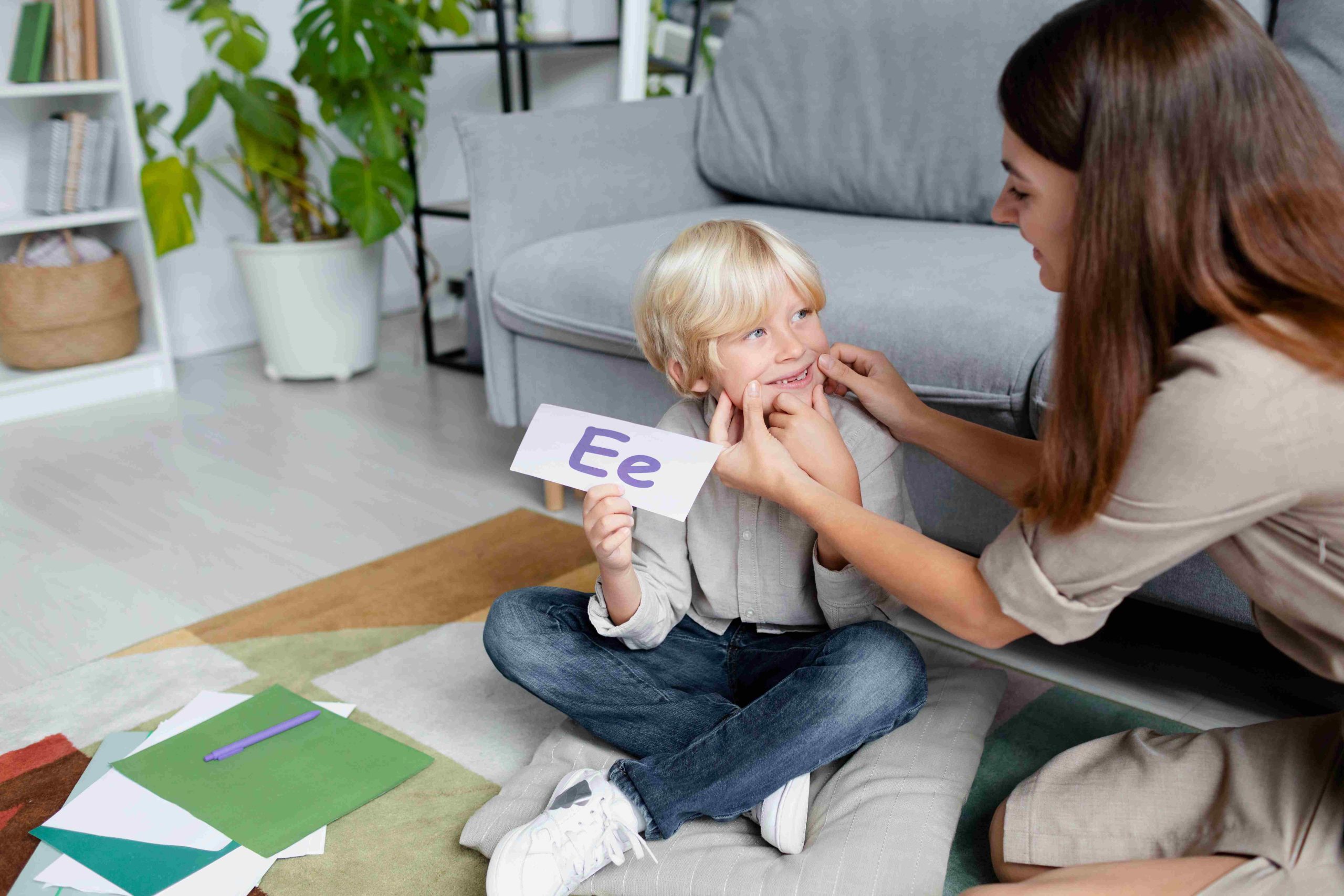
    Decoding is the ability to translate written words into spoken language. It is a critical skill that preschoolers must develop to become successful readers. Parents and caregivers can help preschoolers develop decoding skills by teaching them to recognize letter sounds and to blend them together to form words. Activities such as playing word family games and sounding out words can help preschoolers develop decoding skills.

    Storytelling

    Storytelling is a powerful tool that can help preschoolers develop language skills and improve their comprehension. By giving preschoolers suggestions, such as asking them to share a tale about their day, parents and caregivers may encourage preschoolers to tell stories. Storytelling can also help preschoolers develop their imagination and creativity.

    Word Play

    Word play is a fun and engaging way to help preschoolers develop their language skills. Word play involves using language in creative ways, such as playing with rhymes, making up silly words, or inventing new words. Word play activities can help preschoolers develop phonological awareness and vocabulary skills.

    Print Awareness

    Print awareness refers to the understanding that print carries meaning and that it is read from left to right and top to bottom. Preschoolers need to develop print awareness to become successful readers. Parents and caregivers can help preschoolers develop print awareness by pointing out print in their environment, such as signs, labels, and books.

    Active Listening Skills

    Active listening is an essential skill that preschoolers need to develop to become successful readers. Active listening involves paying attention to what is being said and processing the information. By encouraging toddlers to listen to tales, ask questions, and engage in discussions, parents and other adults may aid in the development of their active listening abilities.

    Technology and Literacy

    Technology can be a valuable tool in promoting literacy development in preschoolers. Educational apps, interactive e-books, and educational websites can provide opportunities for preschoolers to engage with language and develop literacy skills. However, parents and caregivers need to ensure that the technology is used in moderation and with guidance.

    Multilingualism and Literacy

    Multilingualism can benefit preschoolers by exposing them to different languages and cultures, and by promoting cognitive development. Parents and caregivers can encourage multilingualism by speaking to preschoolers in different languages and providing them with books and resources in different languages. However, parents and caregivers should ensure that preschoolers have a strong foundation in their primary language before introducing additional languages.

    Literacy Activities in Daily Life

    Everyday activities can be used as opportunities to promote literacy development in preschoolers. For example, parents and caregivers can encourage preschoolers to help with grocery shopping by reading labels and making lists. Cooking, playing games, and going on nature walks can also provide opportunities to engage with language and develop literacy skills.

    Reading Comprehension

    Reading comprehension is the ability to understand and make meaning from written text. By doing things like asking questions about the tale, making predictions about what will happen next, and recounting the story in their own words, preschoolers may practice their reading comprehension abilities. Parents and caregivers can also model good reading comprehension skills by discussing books and sharing their own thoughts and feelings about what they read.

    Vocabulary Development

    Vocabulary development is an essential part of literacy development. Preschoolers need to learn new words and understand their meanings to become successful readers. By utilizing descriptive language, introducing new terms in context, and presenting chances for preschoolers to ask questions and acquire new words, parents and other caregivers can aid in the vocabulary development of young preschoolers.

    Literacy and Emotional Development

    Literacy development can have a positive impact on emotional development in preschoolers. Reading and writing can help preschoolers develop empathy, self-awareness, and emotional regulation. Parents and caregivers can use books and stories to talk to preschoolers about their feelings and emotions and to help them understand and manage their emotions.

    Literacy and Social Development

    Literacy development can also have a positive impact on social development in preschoolers. Reading and writing can help preschoolers develop communication skills, such as turn-taking and listening, and can promote social interaction and cooperation. Parents and caregivers can encourage preschoolers to engage in literacy activities with peers, such as reading together or writing stories collaboratively.

    Literacy and Cultural Diversity

    Literacy development can promote cultural awareness and diversity in preschoolers. Books and stories can provide opportunities for preschoolers to learn about different cultures, traditions, and perspectives. Parents and caregivers can expose preschoolers to books and resources that feature diverse characters and cultures, and can encourage preschoolers to share their own cultural experiences and perspectives.

    Literacy and Gender Diversity

    Literacy development can also promote gender diversity in preschoolers. Books and stories can provide opportunities for preschoolers to learn about different gender identities, expressions, and roles. Parents and caregivers can expose preschoolers to books and resources that feature diverse gender representations and can encourage preschoolers to explore and express their own gender identity and expression.

    Literacy and Disability Inclusion

    Literacy development can promote disability inclusion and accessibility in preschoolers. Books and stories can provide opportunities for preschoolers to learn about different disabilities, accommodations, and inclusive practices. Parents and caregivers can expose preschoolers to books and resources that feature diverse abilities and can encourage preschoolers to value and respect diversity in all forms.

    Literacy and Environmental Sustainability

    Literacy development can promote environmental awareness and sustainability in preschoolers. Books and stories can provide opportunities for preschoolers to learn about environmental issues, conservation, and sustainable practices. Parents and caregivers can expose preschoolers to books and resources that feature environmental themes and can encourage preschoolers to make sustainable choices in their daily lives.

    Literacy and Critical Thinking

    Literacy development can promote critical thinking and problem-solving skills in preschoolers. Reading and writing can help preschoolers develop analytical skills, such as making connections between ideas and evaluating evidence. Preschoolers can participate in discussions about books and tales with their parents and caregivers, who can also encourage them to ask questions and express critical thought about the material being given.

    Following an examination of the fundamental abilities required for toddlers to learn to read, it is obvious that the development of early literacy is a complicated process requiring a wide variety of abilities and experiences. From phonological awareness to print awareness, vocabulary development to reading comprehension, literacy development is a dynamic and ongoing process that requires ongoing support and engagement from parents and caregivers.

    In addition to these foundational skills, it is important to recognize the many ways in which literacy development can promote social, emotional, and cultural awareness and inclusion in preschoolers. Preschoolers may learn about many cultures, viewpoints, and identities via books and tales, as well as grow in empathy and compassion for others.

    The crucial part that parents and other caregivers play in fostering toddlers’ reading development must be acknowledged. By providing opportunities for engagement with language, reading aloud, and fostering a love of reading and writing, we can help to promote lifelong literacy skills and a love of learning.

    The fact that literacy growth is not a process that applies to everyone must also be understood. Since each preschooler is different, they will all learn their reading abilities at their own rate and in their own style. To address the needs and interests of each preschooler, it is crucial to offer a variety of experiences and opportunities for language, reading, and writing engagement.

    Early literacy development is a crucial component of preschoolers’ overall development and a key predictor of future academic success. By recognizing the foundational skills necessary for reading development and providing ongoing support and engagement, we can help to promote lifelong literacy skills and a love of learning in preschoolers.

    It is reasonable to wonder if a four-year-old can read, but the answer is not straightforward. Every child is unique, and their readiness to learn varies. However, by developing pre-literacy skills, phonics, vocabulary, comprehension, and reading fluency, preschoolers can become successful readers. Parents and caregivers can help their preschoolers develop these skills by engaging them in activities that promote literacy development.

    Moreover, it is important to recognize that literacy development is a lifelong journey that continues well beyond the preschool years. As such, it is important to continue to provide ongoing support and opportunities for engagement with language, reading, and writing throughout a child’s development. By fostering a love of reading and writing and promoting ongoing engagement with language, we can help to support lifelong learning and success.

  • Phonological Awareness

    Phonological Awareness

    The Importance of Phonological Awareness in Preschoolers: Setting the Foundation for Reading and Writing

    Phonological awareness is the ability to recognize and manipulate sounds in spoken language. It is an essential skill for reading and writing development. Preschoolers who develop strong phonological awareness skills are more likely to become successful readers and writers in the future. In this article, we will explore the importance of phonological awareness in preschoolers and provide practical tips for parents and educators to help develop this crucial skill.

    Understanding Phonological Awareness

    Phonological awareness is the foundation for reading and writing. It involves the ability to identify and manipulate the sounds of spoken language, such as words, syllables, and individual sounds (phonemes). Phonological awareness skills start to develop in infancy and continue to develop throughout childhood. There are several levels of phonological awareness that preschoolers can develop, including:

    • Rhyming: Preschoolers can recognize and produce words that rhyme, such as cat, hat, and sat.
    • Syllables: Preschoolers can identify and produce words with multiple syllables, such as banana, elephant, and butterfly.
    • Onset and rime: Preschoolers can recognize and manipulate the initial sound (onset) and the remaining part of the word (rime), such as m-oon, b-ike, and s-top.
    • Phonemes: Preschoolers can identify and manipulate individual sounds in words, such as /c/ /a/ /t/.

    Developing these skills is crucial for preschoolers to become successful readers and writers.

    The Importance of Phonological Awareness in Reading

    Phonological awareness is a crucial skill for reading development. When preschoolers can recognize and manipulate the sounds in words, they can begin to decode written words. Decoding involves using knowledge of phonemes and phonics (the relationship between sounds and letters) to sound out words. Preschoolers who struggle with phonological awareness skills may have difficulty with decoding, leading to reading difficulties. Research has shown that preschoolers with strong phonological awareness skills are more likely to become successful readers in the future.

    The Importance of Phonological Awareness in Writing

    Phonological awareness is also essential for writing development. When preschoolers can identify and manipulate the sounds in words, they can begin to spell words phonetically. This involves using knowledge of phonemes and phonics to spell words based on their sounds. Preschoolers who struggle with phonological awareness skills may have difficulty with spelling, leading to writing difficulties. Research has shown that preschoolers with strong phonological awareness skills are more likely to become successful writers in the future.

    How to Develop Phonological Awareness Skills in Preschoolers

    There are several ways parents and educators can help develop phonological awareness skills in preschoolers. Here are some practical tips:

    • Read rhyming books: Reading books with rhymes and repetition can help preschoolers develop rhyming skills.
    • Play with syllables: Clapping out syllables in words or playing games that involve breaking words into syllables can help preschoolers develop syllable awareness.
    • Play with sounds: Playing games that involve identifying the first sound in a word or blending individual sounds to make words can help preschoolers develop phoneme awareness.
    • Sing songs and play musical games: Singing songs and playing musical games that involve clapping, tapping, and stomping to the beat can help preschoolers develop phonological awareness skills.
    • Practice letter-sound correspondence: Introducing preschoolers to letters and their corresponding sounds can help them understand the relationship between sounds and letters.

    By incorporating these activities into daily routines, parents and educators can help preschoolers develop strong phonological awareness skills.

    Phonological Awareness Assessment

    Assessing phonological awareness skills is crucial to identify areas of strengths and weaknesses in preschoolers. This can help parents and educators tailor activities and instruction to meet individual needs. There are several assessment tools available to assess phonological awareness skills in preschoolers, such as:

    • The Phonological Awareness Test (PAT): A standardized assessment tool that measures phonological awareness skills in preschoolers.
    • The Comprehensive Test of Phonological Processing (CTOPP): A comprehensive assessment tool that measures various aspects of phonological processing skills, including phonological awareness, phonological memory, and rapid naming.
    • The Dynamic Indicators of Basic Early Literacy Skills (DIBELS): A quick assessment tool that measures various aspects of early literacy skills, including phonological awareness, letter-naming fluency, and reading fluency.

    By using these assessment tools, parents and educators can identify areas of strength and weakness in preschoolers’ phonological awareness skills and provide appropriate support.

    Supporting Preschoolers with Phonological Awareness Difficulties

    Some preschoolers may struggle with developing phonological awareness skills, despite parents and educators’ best efforts. Here are some tips for supporting preschoolers with phonological awareness difficulties:

    • Provide additional support: Preschoolers with phonological awareness difficulties may need additional support in the form of one-on-one instruction or small group instruction.
    • Use multisensory activities: Incorporating multisensory activities, such as using manipulatives or incorporating movement, can help preschoolers with phonological awareness difficulties better understand and remember concepts.
    • Break down skills: Breaking down phonological awareness skills into smaller, more manageable steps can help preschoolers with phonological awareness difficulties better understand and practice skills.
    • Use explicit instruction: Providing explicit instruction and clear explanations of phonological awareness skills can help preschoolers with phonological awareness difficulties better understand and practice skills.
    • Seek professional support: If preschoolers continue to struggle with phonological awareness skills despite additional support and interventions, parents and educators may need to seek professional support from speech-language pathologists or other specialists.

    By providing additional support and interventions tailored to individual needs, parents and educators can help preschoolers with phonological awareness difficulties overcome challenges and build strong phonological awareness skills.

    Phonological Awareness and Bilingual Preschoolers

    Bilingual preschoolers face unique challenges when it comes to phonological awareness development. They must learn to navigate two languages with different sound systems and phonological rules, which can lead to confusion and difficulties in developing phonological awareness skills. Here are some tips for supporting phonological awareness development in bilingual preschoolers:

    • Emphasize sound-symbol correspondence: Bilingual preschoolers may struggle with understanding the correspondence between sounds and letters in both languages. By emphasizing sound-symbol correspondence in both languages, parents and educators can help bilingual preschoolers develop strong phonological awareness skills in both languages.
    • Use code-switching: Code-switching, or alternating between languages within a sentence or conversation, can help bilingual preschoolers understand how sounds and words differ between languages. This can help them develop stronger phonological awareness skills in both languages.
    • Expose preschoolers to a variety of language-rich experiences: Providing preschoolers with a variety of language-rich experiences, such as reading books, singing songs, and engaging in conversation, can help them develop phonological awareness skills in both languages.
    • Seek professional support: Bilingual preschoolers may benefit from working with a bilingual speech-language pathologist or other specialist who can provide additional support and interventions tailored to their individual needs.

    By providing bilingual preschoolers with support and exposure to language-rich experiences in both languages, parents and educators can help them develop strong phonological awareness skills in both languages.

    Phonological Awareness and Technology

    Technology can be a valuable tool for supporting preschoolers’ phonological awareness development. Here are some ways in which technology can be used to support phonological awareness development:

    • Phonics Apps: There are numerous phonics apps available that help preschoolers develop phonological awareness skills, such as letter sounds, rhyming, and blending sounds. These apps can provide a fun and interactive way for preschoolers to practice phonological awareness skills.
    • Online Games: There are also many online games available that help preschoolers develop phonological awareness skills, such as identifying beginning sounds, segmenting words, and recognizing rhymes. These games can provide a fun and engaging way for preschoolers to practice phonological awareness skills.
    • Audiobooks: Listening to audiobooks can help preschoolers develop phonological awareness skills, such as identifying different sounds and recognizing rhymes. By listening to stories read aloud, preschoolers can also develop a love of reading and an interest in language.
    • Speech Therapy Software: There is specialized software available for speech therapy that can be used to support phonological awareness development in preschoolers. These programs can provide interactive and personalized interventions to help preschoolers overcome phonological awareness difficulties.

    When using technology to support phonological awareness development, it is important to select appropriate apps and games that align with preschoolers’ individual needs and interests. It is also important to use technology in moderation and balance with other activities.

    The Importance of Phonological Awareness in Later Learning

    Phonological awareness is not only important for preschoolers’ early literacy development, but it also plays a crucial role in later learning. Here are some ways in which phonological awareness skills are important for later learning:

    • Reading and Writing: Phonological awareness skills are essential for learning to read and write. Preschoolers with strong phonological awareness skills are better able to recognize and manipulate sounds in words, which makes it easier for them to decode words and read fluently. They are also better able to spell words correctly by sounding them out.
    • Vocabulary Development: Phonological awareness skills are also important for vocabulary development. Preschoolers with strong phonological awareness skills are better able to distinguish between similar-sounding words, such as “cat” and “bat,” which can help them understand and remember new vocabulary words.
    • Math: Phonological awareness skills are also related to math achievement. Preschoolers with strong phonological awareness skills are better able to understand and manipulate numbers, such as counting and recognizing patterns.
    • Executive Functioning: Phonological awareness skills are also linked to executive functioning, which includes skills such as working memory, attention, and problem-solving. Preschoolers with strong phonological awareness skills are better able to focus on and remember information, which can help them succeed in academic and everyday tasks. By developing strong phonological awareness skills in preschoolers, parents and educators can set them up for success in their later academic and personal lives.

    Tips for Supporting Phonological Awareness Development in Preschoolers

    Here are some tips for parents and educators to support preschoolers’ phonological awareness development:

    • Read Aloud: Reading aloud to preschoolers is one of the most effective ways to support phonological awareness development. When reading aloud, pause and ask preschoolers questions about the story, such as “What rhyming words did you hear?” or “Can you think of another word that starts with the same sound as ‘cat’?” This can help preschoolers develop their phonological awareness skills while also fostering a love of reading.
    • Play with Sounds: Encourage preschoolers to play with sounds by making up silly rhymes or tongue twisters. This can help them develop their phonological awareness skills by practicing identifying and manipulating sounds in words.
    • Sing Songs and Chant Nursery Rhymes: Singing songs and chanting nursery rhymes can help preschoolers develop their phonological awareness skills by recognizing patterns and rhythms in language. Encourage preschoolers to join in and repeat the words or sounds.
    • Play Games: Play games that focus on phonological awareness skills, such as “I Spy” or “Simon Says.” These games can help preschoolers develop their phonological awareness skills by practicing identifying and manipulating sounds in words.
    • Provide Multisensory Experiences: Provide preschoolers with multisensory experiences, such as playing with letter magnets or drawing letters in sand. These experiences can help preschoolers develop their phonological awareness skills by using multiple senses to explore language and sounds.
    • Use Technology: As mentioned, technology can be a valuable tool for supporting phonological awareness development in preschoolers. However, it is important to use technology in moderation and balance with other activities.

    By incorporating these tips into their daily routines, parents and educators can help preschoolers develop strong phonological awareness skills, setting them up for success in their later academic and personal lives.

    Challenges in Phonological Awareness Development for Preschoolers

    While phonological awareness development is crucial for preschoolers’ early literacy skills, some preschoolers may face challenges in developing these skills. Here are some common challenges in phonological awareness development for preschoolers:

    • Language Difficulties: Preschoolers who speak a language other than the language of instruction at school may face difficulties in developing their phonological awareness skills. This is because the sounds and phonemes in their home language may differ from the sounds and phonemes in the language of instruction.
    • Hearing Impairment: Preschoolers with hearing impairments may face challenges in developing their phonological awareness skills because they may have difficulty hearing and distinguishing sounds in words.
    • Developmental Delays: Preschoolers with developmental delays, such as autism spectrum disorder or language delay, may face challenges in developing their phonological awareness skills. These preschoolers may require additional support and interventions to develop their phonological awareness skills.
    • Environmental Factors: Preschoolers who come from low-income or disadvantaged backgrounds may face challenges in developing their phonological awareness skills. This may be due to limited access to resources and experiences that support phonological awareness development.

    It is important for parents and educators to be aware of these challenges and to provide appropriate support and interventions to help preschoolers develop their phonological awareness skills.

  • Methods of Teaching

    Methods of Teaching

    Improving Learning: Powerful Teaching Approaches

    Traditional Teaching Methods

    Traditional techniques like lectures, taking notes, and textbooks often spring to mind when discussing teaching strategies. One of the most popular teaching techniques where the instructor talks and the pupils listen is the lecture. The students take notes, and reading materials and textbooks often complement this approach. Although this approach is effective for conveying knowledge, it does not encourage critical thinking or active learning.

    In many schools across the globe, conventional teaching techniques including lectures, taking notes, and textbooks are still widely used. These techniques have a few drawbacks despite being utilized for millennia. For instance, lecturing and taking notes are passive learning techniques that do not encourage participation, critical thought, or teamwork. Additionally, the various learning requirements of pupils could not be satisfied by conventional teaching techniques.

    Traditional teaching techniques may be adjusted and coupled with new teaching tactics to get over these restrictions. For instance, case studies, simulations, and group discussions might be included to lectures to encourage active learning. Concept maps and reflective writing exercises may be used in lieu of taking notes to help students digest information and draw connections. To increase engagement and involvement, textbooks may be supplemented with multimedia materials including films, podcasts, and interactive online tools.

    To improve learning results, conventional teaching techniques still have value, but they must be modified and used in conjunction with alternative approaches. The secret is to support collaborative work, critical thinking, and active learning while taking into account the various learning preferences of the pupils.

    Methods of Active Learning

    Students are encouraged to participate and interact in the learning process through active learning techniques. Active learning techniques include case studies, simulations, problem-based learning, and group discussions. These techniques encourage critical thinking, teamwork, and innovation. They support students’ ability to apply information, think critically, and take responsibility for their education. Active learning tactics are student-centered instructional techniques that encourage participation, critical thinking, and teamwork. Students are actively involved in the learning process using active learning techniques, which enable them to apply knowledge, analyze and evaluate data, and convey ideas. Group discussions, problem-based learning, case studies, and simulations are examples of active learning techniques. Students communicate in small groups during group discussions to exchange ideas, engage in debate, and provide feedback on one another’s arguments. Discussions in groups encourage teamwork, communication, and critical thinking. Presenting students with real-world issues that call for analytical thinking, problem-solving, and judgment calls is known as problem-based learning. Analyzing real-world situations and coming to conclusions based on facts are part of case studies. To encourage experiential learning, simulations recreate real-world scenarios using role-playing games or virtual reality. Active learning techniques improve learning results by encouraging cooperation, critical thinking, and in-depth learning. Active learning techniques can provide a supportive learning environment that encourages respect and understanding among students while meeting their varied learning requirements.

    Technology-Enhanced Learning

    Teaching techniques have also undergone a revolution thanks to technology. Utilizing technology to speed up learning is known as technology-enhanced learning (TEL). It may be used to create compelling and interactive learning scenarios. TEL includes, among other things, online learning environments, virtual classrooms, learning management systems, and multimedia tools. TEL has the ability to boost engagement, reach a larger audience, and provide individualized learning experiences. Teaching techniques have also undergone a revolution thanks to technology. Utilizing technology to speed up learning is known as technology-enhanced learning (TEL). TEL may be utilized to provide interesting and interactive learning experiences, widen educational access, and encourage individualized learning. TEL includes tools like virtual classrooms, online courses, learning management systems, and multimedia materials. Virtual classrooms imitate the typical classroom setting using video conferencing technology, enabling students to take part in discussions and activities in real time from any location. Online courses provide students various learning options and give them access to study materials at their own pace. A unified platform for distributing and administering online courses and materials is offered by learning management systems (LMS). Videos, podcasts, and interactive online tools are examples of multimedia resources that provide fun and interactive learning opportunities.

    Diverse Instructional Approaches

    All preschoolers should have a sense of respect and worth in the classroom thanks to inclusive teaching strategies. It is crucial to provide a secure and welcoming learning space that supports diversity, equality, and inclusion. Utilizing inclusive teaching practices entails modifying instruction to accommodate different learner requirements. For instance, offering resources in various forms, using universal design for learning, and taking into account various learning preferences. A healthy learning environment that promotes respect and understanding amongst students is created through inclusive teaching techniques.

    Innovative Teaching Techniques

    Utilizing cutting-edge and novel teaching techniques is a component of experimental methods of instruction. These techniques could include taking chances, venturing into unfamiliar territory, and pushing the envelope. Game-based learning, flipped classrooms, and gamification are a few examples of experimental teaching techniques. These techniques call for imagination, adaptation, and flexibility. They provide kids the chance to learn new skills, think critically, and explore new ideas. To improve learning results, instructional strategies must be effective. Active learning strategies, technology-enhanced learning, inclusive teaching strategies, and experimental teaching strategies provide fresh, cutting-edge approaches to enthrall pupils, foster critical thinking, and improve learning whereas conventional techniques have been utilized for millennia. It is our duty as educators to constantly research and test out new teaching techniques in order to enhance the educational experience for our pupils. We all want to provide our kids the finest education we can as parents and teachers. Determining which teaching strategies would be most effective for our kids may be difficult, however, given the wide variety of options available. We’ll look at some of the best kid-friendly teaching techniques in this post.

    Play-Based Instruction

    Play is used to teach youngsters new ideas and abilities as part of the popular teaching strategy known as play-based learning. Young preschoolers benefit greatly from this strategy because it gives them the opportunity to learn via discovery and exploration. Preschools, childcare centers, and private residences are just a few locations where play-based learning may be implemented. Playing games to teach social skills, using art to teach creativity, and using blocks to teach spatial awareness are a few examples of play-based learning.

    Inquiry-Based Education

    A teaching strategy called inquiry-based learning encourages pupils to ponder issues, look for solutions, and ask questions. This approach works especially well with older kids since it helps them become more independent thinkers and strengthen their problem-solving abilities. A range of contexts, including schools, homeschooling, and online learning, may incorporate inquiry-based learning. Investigating a subject, coming up with a project, and doing scientific experiments are a few examples of inquiry-based learning.

    Collaborative Learning

    A shared aim is accomplished by groups of students working together during collaborative learning. Preschoolers that thrive in social environments and learn best via interaction with others may find this strategy to be very helpful. A range of contexts, including schools, after-school programs, and summer camps, may benefit from collaborative learning. Peer tutoring, team-building exercises, and group projects are a few instances of collaborative learning.

    Montessori Approach

    Maria Montessori created the Montessori Method as a teaching strategy in the early 1900s. The foundation of this approach is the notion that preschoolers learn best when given the freedom to explore and advance at their own rate. For young preschoolers, the Montessori Method is especially beneficial because it fosters their innate curiosity and love of learning. Child-directed learning, multi-age classrooms, and an emphasis on practical learning are some of the main characteristics of the Montessori Method.

    Technology-Based Learning

    Technology is used to give instructional information to students as part of a teaching strategy called technology-based learning. Preschoolers that are comfortable with technology and learn best via interactive media would benefit the most from this approach. Different contexts, such as schools, homeschooling, and online learning, may employ technology-based learning. Online courses, interactive whiteboards, and educational applications are a few instances of technology-based learning.

    Differentiated Instruction

    Differentiated education is a kind of teaching that includes adjusting lessons to each student’s unique requirements. Preschoolers who have varied learning preferences or who need additional guidance in certain subjects benefit most from this approach. Classrooms, homeschooling, and tutoring sessions are just a few places where differentiated education may be implemented. Diverse teaching methodologies, flexible grouping, and many ways to show learning are a few examples of diversified education.

    Project-Based Learning

    A project-based learning approach includes students working on a project that combines many courses and makes links to the real world. This approach works especially well for kids who like doing things themselves and need to understand how what they are learning applies to real-world situations. Various contexts, such as classrooms, after-school programs, and summer camps, may incorporate project-based learning. Designing and constructing a sustainable community, coming up with a business strategy, or coming up with a project for the community are some instances of project-based learning.

    Specific Instruction

    A teaching strategy known as “direct instruction” entails the instructor giving pupils instructions that are both plain and straightforward. Preschoolers that need structure and direction in their learning will find this strategy to be very useful. Different contexts, such as schools, homeschooling, and tutoring sessions, may make use of direct teaching. The use of lectures, modeling, and supervised practice are a few instances of direct education.

    Experiential Learning

    A teaching strategy called experiential learning encourages students to learn by doing and reflecting on their experiences. Preschoolers who learn best via hands-on activities and who need to understand the significance of what they are learning benefit the most from this approach. A range of contexts, such as classrooms, after-school programs, and summer camps, might benefit from experiential learning. Field excursions, outdoor education, and service learning are some instances of experiential learning.Field excursions, outdoor education, and service learning are some instances of experiential learning. A teaching strategy called mastery learning includes breaking a topic down into smaller, manageable goals or objectives. Preschoolers that have trouble learning via conventional teaching techniques and need additional assistance in comprehending the material benefit the most from this approach. A number of contexts, including schools, homeschooling, and tutoring, may apply mastery learning. Breaking complicated issues down into manageable parts, utilizing visual organizers to arrange knowledge, and offering feedback and remedial teaching are a few instances of mastery learning.

    Specific Instruction

    A teaching strategy known as direct instruction comprises the explicit teaching of information and skills, followed by supervised practice and constructive criticism. Preschoolers who need clear, systematic teaching and assistance for the development of fundamental abilities will benefit most from using this approach. There are many different contexts where direct teaching may be applied, including schools, homeschooling, and tutoring. Direct education may take many forms, including planned courses, clear examples and models, and corrective feedback.

    In Conclusion There are several efficient teaching strategies for kids. The goal is to discover a technique that suits your child’s learning style and interests, whether that be play-based learning, inquiry-based learning, collaborative learning, the Montessori technique, or technology-based learning. We can support our kids’ academic and personal success by maximizing learning. There are many different ways to teach kids. When choosing the best teaching strategy, it is important to keep in mind that every kid has different requirements, talents, and learning styles. Play-based learning, inquiry-based learning, collaborative learning, the Montessori method, technology-based learning, differentiated education, project-based learning, experiential learning, mastery learning, and direct instruction are some of the most efficient teaching strategies. We can unleash the potential of learning and support our kids’ success by being aware of their individual requirements and choosing the best teaching strategy.

  • Fun Activity

    Fun Activity

    Fun Activities for Preschoolers: Boosting Learning and Development

    It can be difficult to keep kids entertained and interested in both enjoyable and instructional activities as a parent or caregiver. On the other hand, giving kids the chance to participate in play-based learning activities can significantly affect their general development and wellbeing. In this post, we’ll look at a selection of entertaining kid-friendly activities that can support learning and growth.

    Outdoor Adventures

    Preschoolers may learn a lot about the natural world and get some exercise by spending time outside. Preschoolers can learn about nature and the environment through activities like hiking, cycling, and outdoor games while also advancing their physical development, coordination, and balance.

    Arts and Crafts

    Preschoolers can express themselves in exciting and imaginative ways while honing their fine motor skills via arts and crafts projects. Creativity, problem-solving abilities, and hand-eye coordination can all be improved through artistic endeavors like sculpture, painting, and drawing. Preschoolers may also find that doing art is a wonderful way to unwind and decompress.

    Music and Movement

    Preschoolers can benefit greatly from physical activity while simultaneously honing their sense of rhythm and musicality through music and movement activities. Learning how to dance, sing, and play an instrument will improve your coordination, social skills, and gross motor skills. Additionally, music can support the development of language and cognitive abilities including memory and concentration.

    Cooking and Baking

    Preschoolers can learn about food and nutrition through cooking and baking activities, which can also help them improve their fine motor skills and ability to follow directions. Preschoolers can learn about measurement and counting as well as good eating habits through activities like baking cookies, creating homemade pizza, or putting together basic meals.

    Science Experiments

    Preschoolers can learn about the world around them and hone their problem-solving skills through engaging in science experiments. Making slime, constructing a volcano, or designing a simple circuit are all activities that can be used to teach kids about the scientific method, observation, and experimentation.

    In conclusion, giving kids the chance to participate in play-based learning activities can significantly affect their general growth and wellbeing. Parents and other adults who care for Preschoolers can aid in fostering their physical, social, cognitive, and emotional development by combining a variety of enjoyable activities such as outdoor excursions, arts and crafts, music and dance, cooking and baking, and science investigations.

    Fun Activities for Preschoolers: Boosting Learning and Development

    Giving kids the chance to participate in activities that support their learning and development is crucial as a parent or caregiver. The physical, social, cognitive, and emotional development of Preschoolers can be significantly influenced by play-based learning activities. Here are some enjoyable things you may perform with your kids to encourage their development.

    Outdoor Adventures

    Preschoolers have the chance to explore the outdoors and get active through outdoor activities. Preschoolers can learn about the natural environment while engaging in physical activities like cycling, hiking, and outdoor games. These activities can also help to improve balance and coordination. Adventures in the great outdoors can be a wonderful way to inspire kids to play imaginatively and foster their creativity.

    Preschoolers have the chance to explore the outdoors and get active through outdoor activities. Preschoolers can learn about the natural environment while engaging in physical activities like cycling, hiking, and outdoor games. These activities can also help to improve balance and coordination. Adventures in the great outdoors can be a wonderful way to inspire kids to play imaginatively and foster their creativity.

    Taking kids on a hike is one of the best ways to go on outdoor adventures with them. Preschoolers have the chance to explore nature and learn new things while hiking. It can also be a fantastic technique to support kids in developing their physical skills, such coordination and balance. Different tasks that might help kids improve their creativity and problem-solving abilities can be found on hiking routes. As a parent, you can inspire your kid to play imaginative games and go on treasure hunts to find things like pinecones or rocks. Additionally, you can instruct them on how to recognize various species of plants and animals as well as the natural environment.

    Another fantastic outdoor activity that might aid in kids’ physical development is cycling. Preschoolers can improve their balance, coordination, and gross motor skills through cycling. It might also be exciting to travel and explore new areas outside. By accompanying your preschooler on bike rides in the park or along a designated cycling track, you can encourage them to ride bikes. They can learn about bike maintenance and safety from you as well.

    Playing outdoor games with kids can be a terrific way to inspire them to be active and foster their creativity. Preschoolers might have the chance to develop their gross motor skills, social skills, and problem-solving skills through games like tag, hide and seek, and capture the flag. By setting up a game with kids in the neighborhood or playing with your preschooler in the backyard, you can encourage your youngster to participate in outdoor activities.

    Arts and Crafts

    Preschoolers can express themselves in exciting and imaginative ways while honing their fine motor skills via arts and crafts projects. Creativity, problem-solving abilities, and hand-eye coordination can all be improved through art forms including sculpture, painting, and drawing. Preschoolers may also find that doing art is a wonderful way to unwind and decompress.

    Preschoolers can express themselves in exciting and imaginative ways while honing their fine motor skills via arts and crafts projects. Creativity, problem-solving abilities, and hand-eye coordination can all be improved through art forms including sculpture, painting, and drawing. Preschoolers may also find that doing art is a wonderful way to unwind and decompress.

    Making a creative environment at home is one of the finest methods to do arts and crafts projects with kids. This might be a specific space with a table, some chairs, and art materials like clay, paint, and markers. By giving them a range of tools to work with and letting them explore their imagination, you can inspire your preschooler to make art. Additionally, you can offer them direction and encouragement by demonstrating various techniques or providing them with examples of other artistic styles.

    Participating in group art projects is another fantastic method to do arts and crafts with kids. This may be an enjoyable method to get kids to cooperate and hone their social skills. An example of a group art endeavor would be to create a mural or a substantial sculpture. You can engage in group projects at your preschooler’s school or organize art projects with other parents.

    Music and Movement

    Preschoolers can benefit greatly from physical activity while simultaneously honing their sense of rhythm and musicality through music and movement activities. Gross motor abilities, coordination, and social skills can all be improved by singing, dancing, and playing musical instruments. Additionally, music can support the development of language and cognitive abilities including memory and concentration. Preschoolers can benefit greatly from physical activity while simultaneously honing their sense of rhythm and musicality through music and movement activities. Gross motor abilities, coordination, and social skills can all be improved by singing, dancing, and playing musical instruments. Additionally, music can support the development of language and cognitive abilities including memory and concentration.

    Organizing a dance party in your living room is one of the finest methods to involve kids in music and movement activities. Play some music, and invite your kid to join you in the dance.

    Cooking and Baking

    Preschoolers can learn about food and nutrition through cooking and baking activities, which can also help them improve their fine motor skills and ability to follow directions. Making homemade pizza, cookies, or simple meals can help teach kids about measurement and counting while also giving them the chance to learn about good eating practices. Activities like baking and cooking can be a wonderful way for kids and their parents or other caregivers to connect.

    Science Experiments

    Preschoolers can learn about the world around them and hone their problem-solving skills through engaging in science experiments. Preschoolers can learn about the scientific method, observation, and experimentation by making slime, constructing a volcano, or designing a simple circuit. Preschoolers’ curiosity and love of learning can both be encouraged by engaging them in science experiments.

    Including these enjoyable activities in your preschooler’s daily routine can support their general growth and wellbeing. Parents and other adults who care for Preschoolers can encourage their physical, social, cognitive, and emotional development by giving them opportunities to participate in play-based learning activities.

    Keep in mind that having fun and enjoying your time with your kids is what matters most. Preschoolers may learn and grow through play-based learning activities, and they can also make happy memories that will last a lifetime.

    Activities for Kids Outside

    Preschoolers may exercise, get some fresh air, and interact with nature by participating in outdoor activities. Here are a few enjoyable outdoor activities for kids:

    • Scavenger Hunt: This entertaining exercise can be customized for any setting. Make a list of things, such a feather, a pinecone, or a flower, for kids to find. Give them a bag to put their belongings in before letting them go exploring.
    • Take kids on a nature stroll to learn about their surroundings. Encourage preschoolers to search for various plant and animal species, and then probe them about what they find.

    • Sports and Games: Playing sports and games outside is a terrific way for kids to be active and have a good time. Tag, hide-and-seek, frisbee, and soccer are a few examples. Water play is entertaining for kids if you have access to a lake, pool, or beach. Great possibilities include swimming, using water toys, and constructing sand forts. Camping is an enjoyable way to introduce kids to nature and teach them important survival skills. Even if you are unable to take a full camping trip, pitching a tent in your garden can be entertaining.
    • Imaginative Games for Kids

      An excellent approach for kids to express themselves and grow their imagination is via creative endeavors. Here are a few entertaining creative activities for kids:

      • Arts and Crafts: Making art is a traditional pastime for kids. Give them paper, glue, scissors, and other crafting materials, and tell them they can make anything they want. Cooking and baking are enjoyable activities that can help kids learn important skills. Pick easy recipes they can assist with, like pizza or cookies. Preschoolers can express themselves and foster their creativity through music. Give them tools, or urge them to improvise some using household items. Writing and storytelling are excellent strategies for kids to improve their linguistic abilities and imagination. Encourage preschoolers to create stories on their own or with others.
      • Sensory Play: Set up sensory bins or tables with materials like sand, water, rice, or playdough. Encourage preschooler to explore and manipulate the materials, promoting sensory development and fine motor skills.
      • Storytelling and Pretend Play: Read engaging storybooks to preschoolers and encourage them to act out the story or create their own narratives. Provide props and costumes to enhance their imagination and storytelling skills.
      • Nature Walks and Outdoor Exploration: Take preschoolers on nature walks or to local parks. Encourage them to observe and interact with the environment, such as collecting leaves, identifying different plants, or looking for insects. Outdoor activities promote curiosity, physical activity, and appreciation for nature.
      • Building and Construction: Provide building blocks, Legos, or other construction toys. Encourage preschoolers to build structures, fostering spatial awareness, problem-solving skills, and creativity. Remember to adapt activities based on the abilities and interests of the preschoolers. Offer a balance of structured and unstructured playtime, allowing preschooler to explore and discover at their own pace. Always prioritize their safety and provide supervision when necessary. Kids can have a lot of fun and engaging activities to keep them entertained. There are options for every preschooler’s interests and skills, ranging from indoor activities like reading and board games to outdoor activities like sports and nature walks. Preschoolers can gain useful skills and a means of expression through creative endeavors like arts & crafts and cooking. Parents and other adults who care for preschoolers can encourage youngsters to develop their interests and talents while still having fun by offering them a range of activities to select from.
  • Academic Performance

    Academic Performance

    Is ADHD A Special Needs: A Comprehensive Review Of Academic Performance

    Attention Deficit Hyperactivity Disorder (ADHD), a neurodevelopmental ailments that affects people of all ages, Around 5% adults and up to 10% of preschoolers suffer with the disorder ADHD. Impulsive behavior, hyperactivity, and inattentiveness are some of the indications.  Behavioral problems, social impairment, and reduced performance in school are some of the adverse impact of ADHD. This article aims to provide a comprehensive examination of how ADHD impacts academic performance. Recognizing ADHD is a complicated scenario that affects a person’s life in a variety of ways. Inattention, hyperactivity, and impulsivity are among the symptoms of the disease. Inattention is characterized by difficulties focusing, a tendency to become quickly distracted, and forgetfulness. Unpredictable or excessive motor activity, restlessness, and difficulty focusing on peaceful activities are all signs of hyperactivity. Impulsivity can be identified by acting without thinking, interrupting others, and finding it difficult to wait your turn.

    A person’s academic performance may be negatively impacted by ADHD in a number of ways. Preschoolers with ADHD may have difficulty focusing, which may have an impact on their academic performance. Additionally, they could find it difficult to complete tasks, which leads to unfinished work and subpar marks. Additionally, they could engage in bad habits that land them in trouble at school and lead to expulsion. Preschoolers with ADHD may experience scholastic difficulties for a variety of reasons, including:

  • Inattentiveness Preschoolers with ADHD may struggle to focus and pay attention, making it challenging to complete homework and other activities. Due to their tendency to be easily distracted by outside variables like noise or movement, their academic performance may suffer.
  • Poor Organizational Skills Preschoolers with ADHD may find it difficult to organize and finish tasks due to their poor organizational abilities. Setting priorities might be difficult for them, which could lead to unfinished work and missed deadlines.
  • Impulsivity ADHD-afflicted kids may find it difficult to control their impulsive conduct, which can lead to disruptive behavior in the classroom. They could engage in additional disruptive activities that have a negative impact on academic achievement, such as talking too much, interrupting others, and talking too much.
  • Low Self-Esteem Preschoolers with ADHD may struggle with low self-esteem and self-confidence, which can hinder their academic success. Their excitement and motivation would be diminished since they would feel inadequate and find it difficult to keep up with their academic obligations.
  • Poor Memory Preschoolers with ADHD may struggle to remember knowledge and recall it when necessary due to memory problems. As a result of them forgetting directions, tasks, and other important information, their academic performance may deteriorate.

    Supporting Academic success in Preschoolers with ADHD Several therapies can be used to support academic success in preschoolers with ADHD. These strategies include:

  • Behavior-based interventions Preschoolers with ADHD can perform better in the classroom when given behavior-based interventions, such as positive reinforcement and token economies. These treatments seek to improve academic performance by promoting positive actions like completing tasks and staying on track.
  • Medication Treatment for ADHD symptoms and improved academic performance can be achieved with medication, including stimulants and non-stimulants. Medication advantages include an improvement in focus and attention, a reduction in hyperactivity, and an improvement in impulse control, all of which can help kids do better academically.
  • By allowing them more time to finish their assignments and lightening their burden, accommodations can improve the academic performance of preschoolers with ADHD. These changes can raise academic success by reducing stress and anxiety.
  • Parental engagement Parents’ engagement can improve the academic performance of preschoolers with ADHD. Parents may support and mentor their preschoolers by helping with schoolwork, creating study habits, and communicating with instructors to ensure that their needs are being met.
  • Classroom treatments, such as breaking tasks down into smaller pieces, providing clear directions, and using visual aids, can help preschoolers with ADHD succeed academically. These techniques can aid in boosting interest, reducing distractions, and enhancing focus and attention.
  • Technology To increase their academic performance, preschoolers with ADHD might benefit from adopting helpful software and programs. These tools can aid with planning and organizing, paying attention and focusing, using visual cues and reminders, and more.

    ADHD is a complex condition that may significantly affect how well adolescents perform in school. The academic performance of preschoolers with ADHD may be affected by issues with memory loss, poor organization, impulsivity, low self-esteem, and inattention. However, with the right support and therapies, preschoolers with ADHD may succeed academically. The use of behavioral therapies, medications, accommodations, parental involvement, classroom interventions, and technology to support academic progress in preschoolers with ADHD can be beneficial. Understanding how ADHD affects academic performance and implementing practical solutions can help students with ADHD reach their full potential.
    Academic Performance of Preschoolers and ADHD

    The academic performance of kids with ADHD may be much poorer. It can be difficult for preschoolers with ADHD to concentrate, pay attention to instructions, and engage in educational activities because they may struggle with inattention, hyperactivity, and impulsive issues. These difficulties could hurt academic performance and decrease student involvement. Preschoolers with ADHD may experience social and academic difficulties in addition to behavioral challenges outside of the classroom.

    However, with early identification and intervention, preschoolers with ADHD can receive the support they need to flourish in the classroom. Early identification and intervention can also help to prevent future behavioral and academic problems. Academic success can be improved in preschoolers with ADHD by parental participation, behavioral interventions, classroom adaptations, early identification, and intervention. These methods can help ADHD youngsters reach their full academic potential.
    Techniques for Increasing Academic Performance in Preschoolers with ADHD

    Preschoolers with ADHD require particular strategies and interventions to assist their academic progress. Some of these strategies include medication, behavioral therapies, classroom adaptations, family participation, and technology. Students’ academic performance can be improved as a result. Medication can improve impulse control, decrease hyperactivity, and aid with focus and attention. Behavioral treatments like token economies and social storytelling can also improve academic achievement.

    Using tools like visual aids and creating a calm learning atmosphere in the classroom may reduce distractions and boost engagement. For preschoolers with ADHD to achieve well in school, parental support is crucial. By establishing routines that are organized, praising excellent conduct, and collaborating with teachers to ensure that their preschoolers’s needs are met, parents can assist and guide their kids. Technology, including supportive software and applications, can help preschoolers with ADHD perform better in school.
    The Benefits of Early ADHD Diagnosis and Treatment in Preschoolers

    Early identification and intervention are crucial for preschoolers with ADHD. Preschoolers who are diagnosed with ADHD early can get the academic help and therapies they need. Future behavioral and academic problems can also be reduced with early intervention. Preschoolers with ADHD may benefit from medication, behavioral therapies, and classroom adjustments.

    Early diagnosis and treatment can also increase a person’s self-esteem and reduce the risk that they will acquire comorbid conditions like anxiety and depression. Preschoolers with ADHD who receive early intervention have better odds of academic achievement and the growth of wholesome connections with peers and adults. Preschoolers with ADHD can reach their full potential with early identification and treatment.

    Preschoolers with ADHD might have scholastic difficulties at any age, even in preschool. However, with the right support and therapies, preschoolers with ADHD may succeed academically. Early detection, intervention, medication, family involvement, classroom changes, and behavioral interventions can all help ADHD-affected preschoolers succeed academically. Kids with ADHD might benefit from these strategies to help them reach their full academic potential.
    The Value of Teachers in Supporting ADHD-Affected Preschoolers’s Academic Performance

    Teachers play a crucial role in assisting ADHD-Affected Preschoolers’s academic success. Teachers may provide classroom modifications including a calm learning environment and visual aids to reduce distractions and boost engagement. By providing them clear instructions and praising excellent conduct, teachers may aid preschoolers with ADHD in understanding what is expected of them.

    Teachers can work with parents to ensure that a preschooler’s needs are met at home and at school. Collaboration between teachers and parents can be especially important for preschoolers with ADHD since it can help to provide consistency in expectations and support throughout varied scenarios. Teachers can work with school psychologists and other professionals to develop individualized education plans (IEPs) and 504 plans in order to give preschoolers with ADHD with customized support.
    The Impact of ADHD Medication on Academic Performance

    Taking ADHD medication may help academically challenged kids. Medication can help students focus better, be less hyperactive, and have better impulse control, all of which will improve their academic achievement. Since medication is not a “cure” for ADHD, it should be used in conjunction with other therapies such as behavioral modifications and classroom adjustments. It’s important to keep in mind that not all preschoolers with ADHD respond well to medication or need it. When considering whether or not to administer medicine to a preschooler, one should also take into account the preschooler’s medical history, symptoms, and response to various therapies. Parents and medical experts should contact one another to determine whether medication is the best course of action for their preschooler.
    Effects of Co-occurring Disorders on ADHD Preschoolers’s Academic Performance

    Comorbid conditions including anxiety and despair are more prevalent in preschoolers with ADHD. These conditions can have a significant detrimental impact on academic attainment since they have the potential to result in low self-esteem, lower motivation, and decreased involvement in educational activities. Preschoolers with comorbid diseases may require additional support and treatments to succeed academically. Comorbid issues must be identified and addressed in order to ensure that preschoolers with ADHD receive the assistance and treatments necessary for them to succeed academically. The course of treatment may involve medication, counseling, and other treatments tailored to the preschooler’s specific requirements.
    Effect of Exercise on ADHD Preschoolers’s Academic Performance

    Physical activity has been shown to improve academic performance in preschoolers with ADHD. Exercise improves cognitive function, including attention, memory, and control—all of which are essential for academic success. Your interest in academic endeavors will rise if you exercise since it can reduce hyperactivity and improve your mood. Schools can include physical exercise throughout the school day through physical education programs, recess, and class breaks. In addition to organized sports, active play, and family activities, parents may encourage physical activity outside of the classroom. By promoting physical activity, we can improve the academic performance of preschoolers with ADHD while also promoting overall health and wellness.


    The Positive Effects of Sleep on ADHD Preschoolers’s Academic Performance

    For preschoolers with ADHD to do well in school, they need to get enough sleep. ADHD-affected kids are more likely to experience sleep problems, including difficulty falling asleep, frequent overnight awakenings, and daytime drowsiness. These sleep problems may lead to diminished cognitive control, attention, and memory—all of which are essential for academic success. Parents may assist their preschoolers with ADHD in forming sound sleeping habits by building a sleep-friendly environment, limiting screen time before bed, and establishing a consistent bedtime ritual. Schools should encourage excellent sleep habits by avoiding early start times and limiting homework assignments that require late-night work.


    Self-Advocacy Techniques’ Importance for Academic Success

    Self-advocacy skills are essential for the academic success of kids with ADHD. Preschoolers with ADHD might need to advocate for themselves to ensure that their needs are met in the classroom. This can entail requesting adjustments or clarification of the instructions. Learning self-advocacy techniques enables preschoolers with ADHD to participate actively in their education and feel empowered to succeed.

    Parents and instructors may support the growth of self-advocacy abilities in preschoolers with ADHD by allowing them to express themselves, encouraging them to seek help when necessary, and praising assertive conduct. By promoting the growth of self-advocacy abilities, we may help preschoolers with ADHD achieve academic achievement as well as the development of confidence and independence.

    ADHD is a neurodevelopmental disorder that can have a major negative influence on preschoolers’s academic performance in preschool and at all ages. However, with the right support and therapies, preschoolers with ADHD may succeed academically. Technology, parental involvement, behavioral treatments, medication, early detection and diagnosis, classroom modifications, and parental involvement are all methods for improving academic achievement in ADHD kids.

    Coordination between instructors and parents is crucial to establishing consistency in the support and expectations for academic performance in preschoolers with ADHD. Medication can improve academic performance in preschoolers with ADHD when combined with other therapy. Academic performance may be severely impacted in preschoolers with ADHD and concomitant disorders, and therapy should be tailored to the preschooler’s needs. By putting these strategies and treatments into action, we can help preschoolers with ADHD reach their academic potential and build positive relationships with peers and adults.

  • Cultural and Societal Norms

    Cultural and Societal Norms

    Understanding and Navigating Cultural and Societal Norms for Preschoolers

    As social creatures, we are bound by the cultural and societal conventions of our group. These norms control how we interact, speak, and act, and they are frequently firmly embedded in our social fabric. Navigating these standards can be especially difficult for toddlers because they are still building their own social identities and learning about the world around them.


    Understanding Cultural and Societal Norms

    Cultural and societal norms refer to the unwritten rules, expectations, and values that guide behavior in a given society. Language, dress code, eating habits, social etiquette, and religious views are all examples of cultural norms that differ from one group to the next. Cultural and societal norms are typically passed down through generations and reinforced through socialization, education, and media.

    Preschoolers are particularly sensitive to the cultural and societal norms of their environment, as they are in the process of learning and internalizing social cues and behaviors. Understanding these norms can help preschoolers to develop their social skills, build positive relationships, and navigate social situations more effectively.


    The Impact of Cultural and Societal Norms on Preschoolers

    On the other hand, adherence to rigid cultural and societal norms can have a negative impact on preschoolers’ well-being. Some norms may be restrictive or discriminatory, limiting preschoolers’ ability to express themselves or


    Strategies for Navigating Cultural and Societal Norms

    Navigating cultural and societal norms can be challenging for preschoolers, especially if these norms conflict with their own values or preferences. Parents and caregivers can help preschoolers navigate these norms by adopting a supportive and flexible approach that takes into account their individual needs and experiences.

    Encourage Open Communication: develop a sense of agency and autonomy, and to feel empowered to make informed decisions about their own behavior.

    Model Positive Behavior:

    Provide

    >  Encouraging preschoolers to think critically about cultural and societal norms can help them to develop their own values and beliefs. This can involve asking questions, challenging stereotypes, and exploring different perspectives.

    Support Preschoolers’ Autonomy:

    Provide a Safe an >  Creating a safe and inclusive environment can help preschoolers to feel valued and accepted, regardless of their cultural or societal background. This can include celebrating diversity, being inclusive of all preschooler, and promoting a culture of kindness and respect.

    Support Preschoolers’ Autonomy:  It is important to respect preschoolers’ individuality and allow them to make choices about their own behavior within the boundaries of cultural and societal norms. This can help them to develop a sense of self-efficacy and self-confidence.

    Provide a Safe and Inclusive Environment:  Creating a safe and inclusive environment can help preschoolers to feel valued and accepted, regardless of their cultural or societal background. This can include celebrating diversity, being inclusive of all preschooler, and promoting a culture of kindness and respect.


    Cultural and Societal Norms in Early Childhood Education

    Early childhood education plays a crucial role in shaping preschoolers’ social and emotional development and preparing them for success in school and in life. Cultural and societal norms are an integral part of early childhood education, as they provide

    It is also important for early childhood education providers to work in partnership with families and communities to ensure that preschoolers are receiving consistent messages about cultural and societal norms. This can involve engaging in open and honest communication, valuing families’ cultural and societal backgrounds, and working collaboratively to support preschoolers’ social and emotional development.


    The Impact of Technology on Cultural and Societal Norms for Preschoolers

    In today’s digital age, technology has become an integral part of our lives, including the lives of preschoolers. Technology has the potential to expose preschoolers to a wide range of cultural and societal norms, both positive and negative.

    preschoolers’ physical health. Additionally, exposure to negative cultural and societal norms, such as violence or stereotyping, can have a harmful impact on preschoolers’ mental health and wellbeing.

    To promote healthy development and navigate the impact of technology on cultural and societal norms, parents and caregivers can take the following steps:

    Set s On Screen Time:  Limiting preschoolers’ exposure to screens can help promote physical activity and healthy sleep habits.

    Monitor Media Content:  Parents and caregivers should be mindful of the media content preschoolers are exposed , and

    Engage in Joint Media Use:  Watching or using technology together with preschoolers can provide opportunities for learning and discussion about cultural and societal norms.

    Encourage Active Play:  Encouraging preschoolers to engage in physical activity and play can promote healthy development and reduce the negative impacts of excessive screen time.


    Strategies for Promoting Positive Exposure to Cultural and Societal Norms

    Encourage Positive Role Models: Preschoolers look up to the adults

    Teach about Diversity and Cultural Traditions: different cultures and traditions through books, games, and educational activities. This can help them to develop a sense of empathy and appreciation for different cultural and societal norms.

    Celebrate Diversity:  Celebrating diversity can promote a sense of belonging and inclusion for preschoolers. This can involve celebrating cultural holidays and traditions, displaying diverse books and toys, and encouraging participation in multicultural events.

    Foster Cross-Cultural Friendships:  Encouraging preschoolers to make friends from different cultur

    Address Bias and Discrimination:  Parents and caregivers can address bias and discrimination when they see it in preschoolers’ behavior or attitudes. This can involve having open and honest conversations about diversity and inclusivity, and modelling positive attitudes towards others.


    The Importance of Cultural and Societal Norms in Preschool Education 

    Cultural and societal norms play a critical role in preschool education. Preschoolers are at a critical stage in their development, and exposure to diverse norms can help them to develop social and emotional skills and promote a sense of empathy and

    Diversity in Curriculum:  Preschool educators can incorporate diverse cultural and societal norms into their curriculum. This can include reading books from diverse authors, celebrating cultural holidays and traditions, and promoting multiculturalism.

    Inclusive Classroom Environment:  Preschool educators can create an inclusive classroom environment that welcomes and celebrates diversity. This can involve displaying diverse books and toys, using inclusive language, and promoting positive attitudes towards diversity.

     Preschool educators can participate in cultural competence training to learn about different cultures and societal norms, and how to incorporate them into their teaching practices.

    Parent and Community Engagement:  Preschool educators can engage with parents and the broader community to promote positive exposure to cultural and societal norms. This can involve inviting parents from diverse backgrounds to share their cultures and traditions.


    The Role of Technology in Promoting Positive Exposure to Cultural and Societal Norms

    Use Diverse Media: norms, and encourages positive attitudes towards diversity and inclusivity.

    Use Educational Apps and Games:  There are a range of educational apps and games that promote learning about different cultures and traditions. Parents and caregivers can use these apps to supplement preschool education and promote positive exposure to diverse norms.

    Facilitate  Preschoolers can use technology to interact with other preschoolers from diverse backgrounds. This can involve online pen pals or participating in online cultural exchange programs.

    Monitor Media Use:  It is important for parents and caregivers to monitor preschoolers’ media use to ensure that they are being exposed to positive depictions of cultural and societal norms. They can also use media co-viewing as an opportunity to discuss different cultural and societal norms and promote positive attitudes towards diversity and inclusivity.

    Understanding and navigating cultural and societal norms is an important aspect of preschoolers’ social and emotional development. While adherence to cultural and societal norms can have a positive impact on preschoolers’ development, it is important to be mindful of the potential negative impact of rigid or discriminatory norms. Parents and caregivers can help preschoolers to navigate these norms by adopting a supportive and flexible approach that takes into account their individual needs and experiences. Early childhood education providers also have a responsibility to create a safe and inclusive environment that respects and celebrates diversity. By working together, we can support preschoolers’ social and emotional development and help them to navigate the complex world of cultural and societal norms.

    Cultural and societal norms play a significant role in shaping individuals and communities. They provide a framework of shared beliefs, values, behaviors, and expectations that guide people’s interactions and help maintain social order. While the specific benefits can vary depending on the context, here are some general advantages of cultural and societal norms:

    Social Cohesion: Cultural and societal norms promote unity and solidarity among individuals within a community or society. They provide a sense of belonging and identity, fostering social cohesion and cooperation. Shared norms help people understand their roles, responsibilities, and expectations, reducing conflicts and promoting harmony.

    Social Stability: Norms establish a sense of predictability and stability within society. They define acceptable and appropriate behavior, helping to maintain order and minimize deviant or disruptive actions. By setting boundaries and standards, norms contribute to social stability and the smooth functioning of communities.

    Communication and Understanding: Cultural and societal norms act as a common language or code of conduct. They provide a shared framework for communication, allowing individuals to understand and interpret each other’s actions and intentions. Norms facilitate effective communication, reducing misunderstandings and promoting mutual understanding.

    Values and Ethics: Norms are often rooted in cultural values and ethics. They reflect the collective beliefs and moral principles of a society. By adhering to these norms, individuals uphold and promote the values considered important by their community. This fosters ethical behavior, respect for others, and a sense of moral responsibility.

    Socialization and Identity Formation: Cultural and societal norms play a vital role in socialization, the process through which individuals learn and internalize the customs, traditions, and behaviors of their society. Norms shape an individual’s identity, influencing their attitudes, values, and worldview. They provide a sense of identity and belonging, shaping one’s self-concept and relationship with others.

    Preservation of Cultural Heritage: Cultural and societal norms help preserve and transmit cultural heritage from one generation to another. They uphold traditional practices, rituals, and customs, ensuring the continuity of cultural knowledge, traditions, and values. Norms serve as a link to the past, maintaining cultural identity and fostering cultural pride.

    Orderly Functioning of Society: Norms provide a framework for social order and regulate various aspects of daily life. They guide behavior in areas such as family dynamics, education, governance, economy, and public interactions. By establishing expectations and rules, norms contribute to the smooth functioning of society, promoting cooperation, and reducing chaos.

    Adaptation and Change: While norms provide stability, they are not static and can evolve over time. They can adapt to changing societal needs, values, and circumstances. Norms can promote positive social change by challenging discriminatory practices, promoting inclusivity, and advocating for justice. They provide a basis for individuals and communities to assess and reshape their behaviors and beliefs.

    It is important to note that while cultural and societal norms have many benefits, they can also perpetuate inequality, discrimination, and oppressive practices. It is essential to critically evaluate norms, challenge harmful ones, and strive for inclusive and equitable cultural practices that promote the well-being and dignity of all individuals within a society.