Category: Preschool Games

  • Cooperation With Their Playmates

    Cooperation With Their Playmates

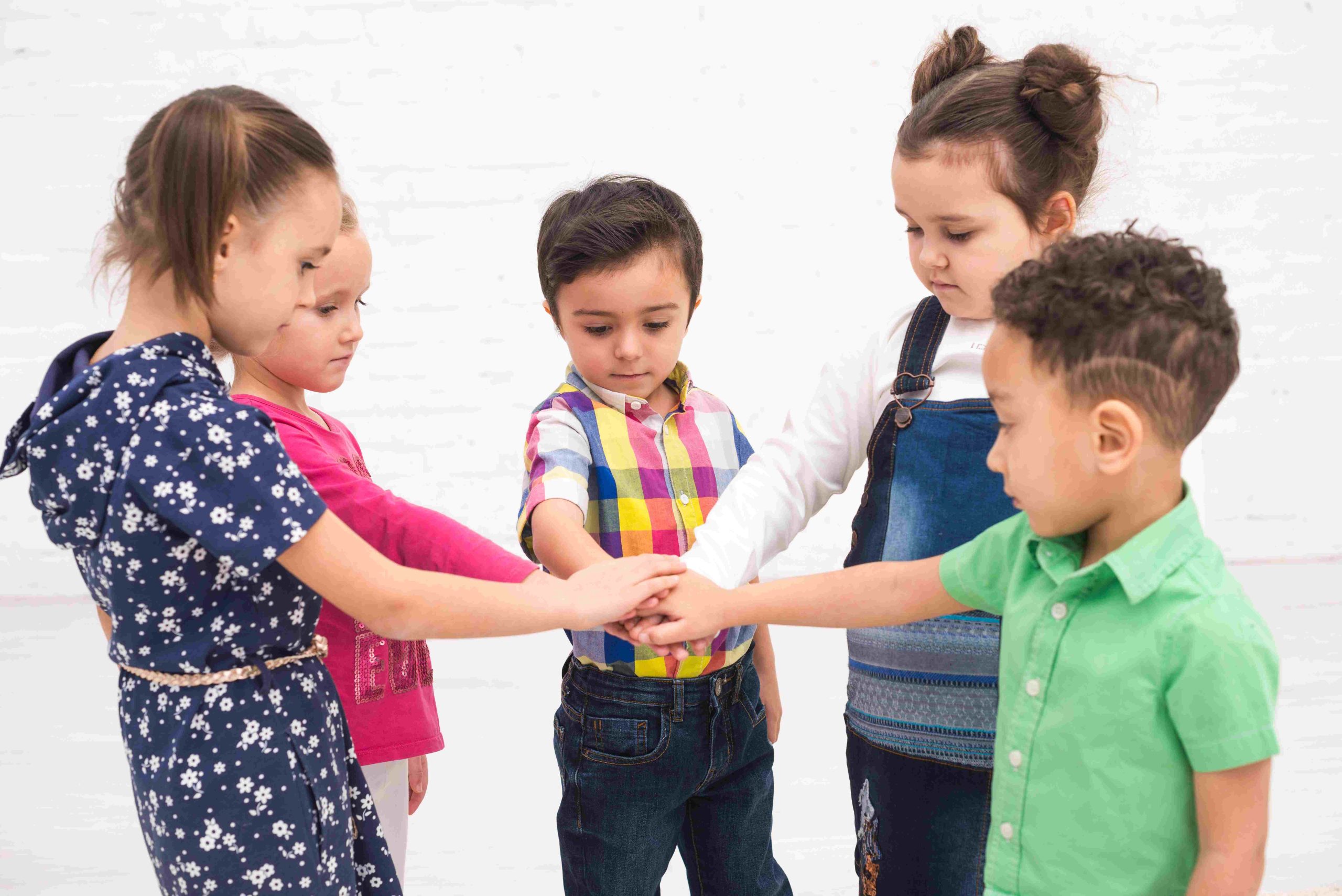
    Preschool Games Imaginatively Foster Cooperation with Playmates


    Preschool years are a crucial time in a child’s development, as they embark on a journey of learning and social interaction. Preschoolers eagerly engage in various activities, including games, which not only entertain but also facilitate essential skills. Among these, cooperation with playmates holds great significance. Cooperation teaches preschoolers the value of working together, respecting others, and developing empathy. In this article, we will explore the power of imaginative preschool games in fostering cooperation among young preschoolers.


    The Magic of Imaginative Play

    Imaginative play is a magical realm where preschoolers can transform into astronauts, pirates, doctors, or any character they desire. It is an integral part of childhood that encourages creativity, problem-solving, and social interaction. When preschoolers engage in imaginative play, they enter a world where cooperation flourishes naturally. Through role-playing and storytelling, preschoolers learn to collaborate, communicate, and negotiate with their playmates.


    Role-Playing Games: Building Cooperative Skills

    Role-playing games provide an ideal platform for preschoolers to explore cooperative behavior. Whether they are playing house, pretending to be superheroes, or enacting a tea party, these games require preschoolers to work together towards a common goal. In these imaginative scenarios, preschoolers learn to take turns, share responsibilities, and communicate effectively to bring their stories to life.

    For instance, in a pretend restaurant, one child may take on the role of the chef, while another becomes the waiter. They must collaborate and coordinate their actions to serve imaginary meals to their customers. Through such experiences, preschoolers develop a sense of empathy, understanding the needs and desires of their playmates, and adjusting their behavior accordingly.


    Collaborative Building: Constructing Friendships

    Building games, such as building blocks or construction sets, offer preschoolers opportunities to collaborate and create together. As they work towards a shared objective, be it constructing a tower, a house, or a maze, they must listen to each other’s ideas, divide tasks, and combine their efforts. These games foster teamwork and encourage preschoolers to appreciate the unique contributions of their playmates.

    When preschoolers engage in collaborative building, they learn that every block or piece matters. If one child adds a foundation, another can contribute walls or a roof. By valuing each other’s contributions, they develop a sense of camaraderie and understand that cooperation leads to better outcomes than individual efforts alone.


    Cooperative Storytelling: Weaving Shared Narratives

    Storytelling is a powerful tool that captures preschoolers’ imagination and nurtures their language skills. When preschoolers engage in cooperative storytelling, they not only enhance their communication abilities but also learn to collaborate in constructing a shared narrative. By taking turns to add elements to the story, preschoolers actively listen, build on ideas, and respect each other’s creative inputs.

    As they co-create stories, preschoolers develop a sense of unity, realizing that their playmates’ ideas are as important as their own. Through this process, they learn the art of compromise, as they weave together a story that incorporates everyone’s contributions. Cooperative storytelling encourages preschoolers to value diverse perspectives, fostering a spirit of cooperation and inclusion.


    Team Sports: Uniting Efforts towards a Common Goal

    Preschoolers’ love for physical activity can be harnessed through team sports, where cooperation takes center stage. Sports like soccer, basketball, or relay races provide opportunities for preschoolers to collaborate, communicate, and support their playmates. They learn to work together towards a shared objective, whether it’s scoring a goal or crossing the finish line.

    Team sports instill in preschoolers the importance of fair play, sportsmanship, and respecting rules. They discover that success comes not from individual achievements, but from the collective effort of the team. Through these games, preschoolers learn to trust and rely on their playmates, understanding that their actions impact the overall outcome.

    During team sports, preschoolers develop essential cooperative skills such as passing the ball, coordinating movements, and strategizing together. They learn to communicate effectively, expressing their intentions and listening to their teammates’ instructions. This collaborative environment fosters a sense of belonging and encourages preschoolers to support and encourage each other.


    Problem-Solving Games: Collaboration in Action

    Problem-solving games provide preschoolers with opportunities to work together to overcome challenges. Whether it’s a puzzle, a scavenger hunt, or a treasure hunt, these games require cooperation, communication, and critical thinking skills. Preschoolers learn to pool their ideas, discuss solutions, and divide tasks to reach a common goal.

    Through problem-solving games, preschoolers experience the satisfaction of shared accomplishment. They understand that by combining their individual strengths, they can tackle even the most challenging problems. Moreover, these games teach them the importance of active listening, as they must understand their playmates’ perspectives and contribute to the group’s success.


    The Role of Adults in Encouraging Cooperation

    While preschoolers naturally gravitate towards cooperative play, adults play a crucial role in fostering and nurturing this behavior. Teachers, parents, and caregivers can create an environment that promotes cooperation among preschoolers through the following approaches:

  • Model cooperative behavior: Adults should model cooperative behavior themselves, demonstrating how to take turns, share, and collaborate. Preschoolers learn best by observing and imitating their caregivers.
  • Provide guidance and structure: Adults can guide preschoolers in cooperative play, suggesting roles, facilitating communication, and resolving conflicts. By offering gentle guidance, adults ensure that cooperation remains positive and inclusive.
  • Foster empathy and understanding: Adults can encourage preschoolers to understand and appreciate the feelings and perspectives of their playmates. This helps build empathy and strengthens the foundation for cooperation.
  • Promote inclusive play: Adults should create an environment where all preschoolers feel included and valued. Encouraging diverse playmates and celebrating their contributions enhances cooperation and fosters a sense of community.

    Preschool games, with their imaginative and cooperative nature, serve as a powerful tool in fostering cooperation among young preschoolers. From role-playing games to collaborative building, from cooperative storytelling to team sports, these games teach preschoolers the value of working together, respecting others, and developing empathy. By engaging in imaginative play, preschoolers naturally develop essential cooperative skills, which lay the foundation for positive social interactions throughout their lives.

    As adults, we play a crucial role in supporting and encouraging cooperative behavior among preschoolers. By modeling cooperative behavior, providing guidance, fostering empathy, and promoting inclusive play, we can create an environment where preschoolers thrive in their cooperative endeavors.

    Let us continue to celebrate and nurture the power of preschool games imaginatively, as they pave the way for stronger connections, shared achievements, and a more cooperative society.


    The Benefits of Cooperation in Preschool Games

    Cooperation in preschool games not only enhances social interaction but also offers numerous developmental benefits for young preschoolers. When preschoolers engage in cooperative play, they acquire essential skills that lay the foundation for their future success. In this sub-article, we will explore the specific benefits of cooperation in preschool games and its impact on various aspects of a child’s development.

  • Social Development: Building Relationships and Communication Skills

    Cooperative play provides preschoolers with ample opportunities to build relationships and develop essential communication skills. When preschoolers collaborate with their playmates, they learn to express their ideas, listen attentively, and negotiate effectively. These interactions foster the development of empathy and understanding, as preschoolers become attuned to the feelings and perspectives of others.

    Through cooperative play, preschoolers learn to navigate social situations, resolve conflicts, and practice turn-taking. They discover the importance of sharing and compromising, as they work towards a common goal. These experiences contribute to the development of positive social skills, helping preschoolers establish meaningful connections with their peers.

  • Cognitive Development: Problem-Solving and Critical Thinking

    Cooperative games in preschool stimulate cognitive development by promoting problem-solving and critical thinking skills. When preschoolers engage in activities that require collaboration, they are challenged to find solutions together. They learn to analyze situations, consider different perspectives, and develop strategies to overcome obstacles.

    By engaging in cooperative problem-solving, preschoolers exercise their cognitive abilities, such as logical reasoning, spatial awareness, and planning. They learn to think flexibly and creatively, exploring different approaches to reach a shared objective. These experiences enhance their cognitive flexibility, adaptability, and resilience.

  • Emotional Development: Empathy and Emotional Regulation

    Cooperation in preschool games fosters emotional development by cultivating empathy and emotional regulation skills. Through collaborative play, preschoolers learn to recognize and respond to the emotions of their playmates. They develop the ability to empathize, offering support and understanding when their peers face challenges or experience feelings of frustration.

    In addition, cooperative play provides a safe space for preschoolers to practice emotional regulation. They learn to manage their emotions, control impulses, and take turns gracefully. These experiences contribute to the development of emotional intelligence, enabling preschoolers to navigate their own emotions and empathize with the emotions of others.

  • Language and Communication Skills: Enhancing Verbal and Nonverbal Communication

    Cooperation in preschool games plays a vital role in enhancing language and communication skills. When preschoolers collaborate with their playmates, they engage in rich verbal and nonverbal communication. They learn to express their ideas clearly, listen actively to others, and engage in meaningful conversations.

    Cooperative play also promotes the development of vocabulary, as preschoolers use language to coordinate their actions and communicate their intentions. They practice turn-taking, waiting for their opportunity to speak and respecting the contributions of others. These experiences improve their language fluency, comprehension, and overall communication abilities.

  • Self-Confidence and Self-Esteem: Achieving Shared Success

    Cooperation in preschool games contributes to the development of self-confidence and self-esteem. When preschoolers work together towards a shared goal, they experience a sense of achievement and shared success. They realize the value of their contributions and feel a sense of belonging within the group.

    Through cooperative play, preschoolers also learn to appreciate and acknowledge the strengths and abilities of their playmates. They discover that each person brings unique skills to the table, and that together, they can accomplish more than they could individually. These experiences build self-confidence, as preschoolers recognize their own capabilities and gain a sense of pride in their collaborative achievements.

    Cooperation in preschool games is a powerful catalyst for social, cognitive, emotional, and linguistic development. As preschoolers engage in cooperative play, they acquire vital skills that shape their future interactions and overall development. Through cooperative play, preschoolers build relationships, develop effective communication skills, and learn to navigate social situations. They also enhance their cognitive abilities by engaging in problem-solving and critical thinking activities with their playmates. Moreover, cooperative play supports emotional development by fostering empathy and emotional regulation.

    Preschoolers benefit from cooperative play in terms of language and communication skills as well. They improve their verbal and nonverbal communication abilities, expand their vocabulary, and learn to listen actively and respect the contributions of others. Additionally, cooperative play contributes to the development of self-confidence and self-esteem, as preschoolers experience a sense of achievement and shared success while appreciating the strengths of their playmates.

    It is crucial for parents, teachers, and caregivers to recognize the significant benefits of cooperation in preschool games. By providing ample opportunities for preschoolers to engage in cooperative play, adults can actively support and enhance the child’s social, cognitive, emotional, and linguistic development. Encouraging cooperative games, modeling cooperative behavior, and creating an inclusive environment can foster a lifelong appreciation for collaboration and teamwork.

    In conclusion, cooperation in preschool games is a fundamental aspect of a child’s development. By engaging in cooperative play, preschoolers acquire crucial skills that shape their social interactions, cognitive abilities, emotional intelligence, language and communication proficiency, as well as their self-confidence and self-esteem. As adults, it is our responsibility to provide a supportive environment that promotes and encourages cooperative play, allowing preschoolers to reap the numerous benefits and lay a strong foundation for their future growth and success.

  • Precision and Focus

    Precision and Focus

    Sparking Imagination and Sharpening Focus: Preschool Games that Captivate Young Minds


    In the early years of a child’s life, their minds are like sponges, eagerly absorbing knowledge and exploring the world around them. As preschoolers embark on their journey of learning, it is crucial to provide them with activities that promote both precision and focus. Engaging preschool games imaginatively can be a powerful tool in nurturing these essential cognitive skills. By combining interactive play with carefully designed challenges, we can unlock the potential within young minds and set the stage for a lifetime of learning. In this article, we will explore the significance of precision and focus in preschoolers’ development and introduce a range of captivating games that facilitate their growth.

    The Importance of Precision and Focus in Early Childhood: Preschoolers are at a critical stage in their development, where they acquire fundamental skills that serve as building blocks for future academic and personal success. Precision and focus are two vital cognitive abilities that play a significant role in this developmental phase.

    Precision entails the ability to perform tasks with accuracy, attention to detail, and careful execution. It allows preschoolers to refine their fine motor skills, hand-eye coordination, and spatial awareness. Developing precision helps them gain mastery over essential activities like writing, drawing, and using tools, setting the stage for success in academic pursuits and daily life.

    Focus, on the other hand, refers to the capacity to concentrate on a specific task, block out distractions, and sustain attention over a period of time. Cultivating focus in preschoolers lays the foundation for enhanced learning, problem-solving, and critical thinking skills. With an increased ability to concentrate, preschoolers can engage in deeper exploration and gain a more comprehensive understanding of the world around them.

  • Preschool Games that Foster Precision and Focus: To encourage the development of precision and focus, it is essential to provide preschoolers with games that are not only educational but also captivating and enjoyable. Here, we present a collection of imaginative preschool games designed to promote the growth of these cognitive skills.
  • Tangram Adventures: Tangram puzzles are an excellent way to stimulate precision and spatial reasoning in preschoolers. By arranging geometric shapes to form specific designs, preschoolers enhance their fine motor skills while developing a keen sense of precision. Tangram Adventures takes this classic game to the next level by incorporating imaginative storylines that encourage preschoolers to complete puzzles and embark on exciting quests.
  • Seek and Find: Seek and Find games are perfect for honing a preschooler’s focus and attention to detail. These games involve searching for specific objects or characters within a visually rich scene. Preschoolers must carefully scan the image, enhancing their visual perception skills, while maintaining focus to identify hidden elements. By adding elements of storytelling and exploration, Seek and Find games become immersive experiences that captivate young minds.
  • Musical Statues: Musical Statues is a game that combines physical activity, precision, and focus. Preschoolers dance to music and freeze in statuesque poses as soon as the music stops. This game encourages preschoolers to control their movements and develop spatial awareness while maintaining focus on the rhythm and cues provided by the music. Musical Statues not only promotes precision but also teaches self-regulation and impulse control.
  • Block Builders: Block Builders is a game that sparks creativity, precision, and focus in preschoolers. By providing preschoolers with building blocks of different shapes and sizes, they can construct various structures while paying attention to detail. This game enhances fine motor skills, hand-eye coordination, and spatial reasoning, as preschoolers strive to create structures that match their imagination.
  • Shape Sorters: Shape Sorters are classic toys that provide preschoolers with a hands-on experience in precision and focus. These toys typically consist of various shapes and corresponding holes in a container. Pres choolers must match the shapes with their corresponding holes, requiring them to carefully observe and manipulate the objects. Shape Sorters not only develop precision but also introduce basic concepts of shape recognition, problem-solving, and categorization.
  • Memory Match: Memory Match games are fantastic for strengthening focus and improving memory skills in preschoolers. These games involve turning over cards and trying to find matching pairs. By paying close attention, preschoolers need to remember the positions of cards and make precise matches. Memory Match games can be adapted to various themes, incorporating engaging visuals and themes that appeal to preschoolers’ interests.
  • Puppet Theatre: Puppet Theatre allows preschoolers to engage in imaginative play while nurturing their precision and focus. By manipulating puppets and creating stories, preschoolers exercise fine motor skills and attention to detail. They learn to articulate movements precisely and develop focus as they bring their stories to life. Puppet Theatre not only promotes precision and focus but also encourages creativity, language development, and social interaction.
  • Obstacle Course: Creating an obstacle course is an active and dynamic game that promotes precision, focus, and physical coordination in preschoolers. By setting up a series of challenges such as crawling under tables, jumping over pillows, and balancing on a line, preschoolers must navigate the course with precision and concentration. This game fosters motor skills, spatial awareness, and the ability to follow instructions while maintaining focus.
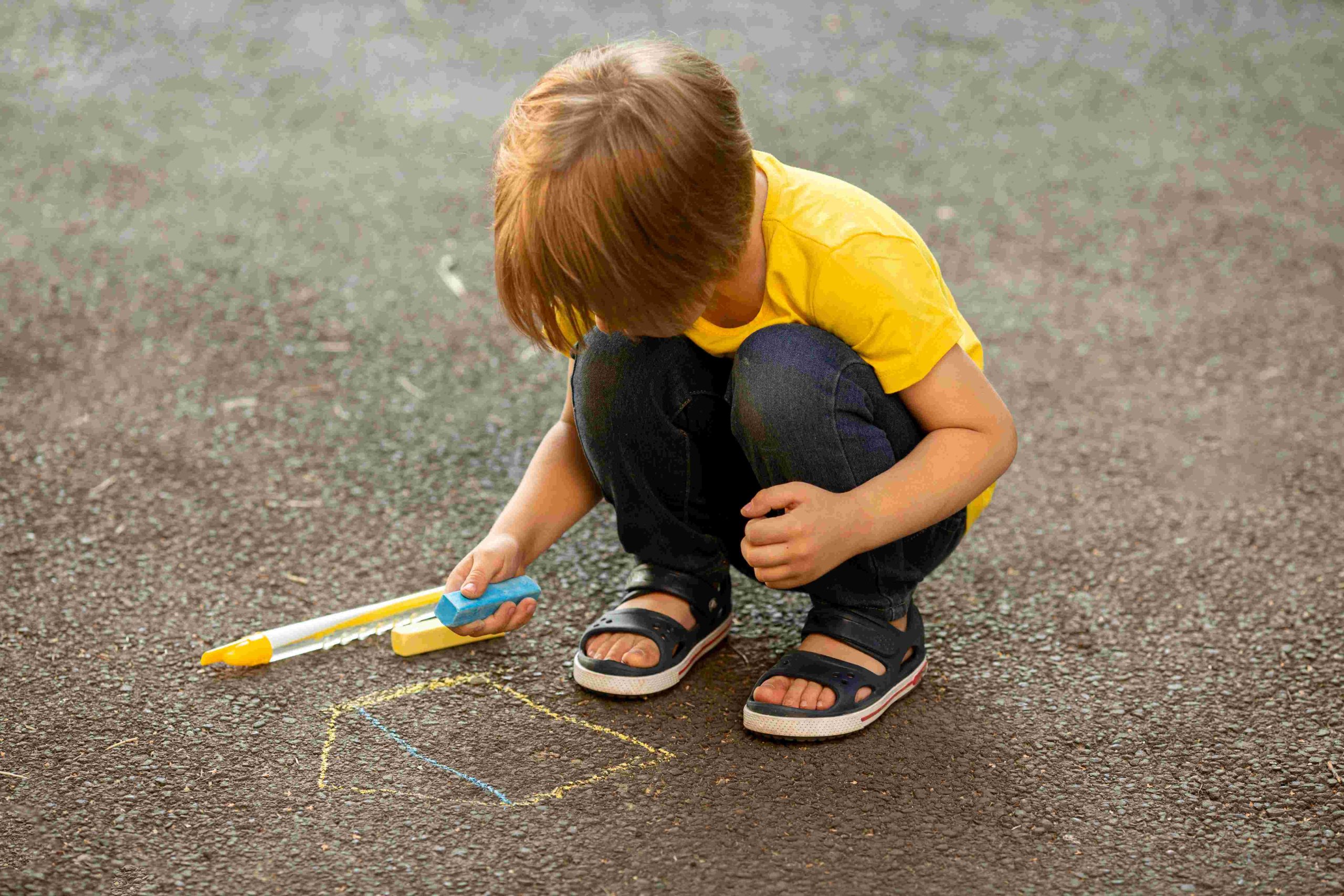
  • Artistic Masterpieces: Engaging preschoolers in art activities provides an excellent opportunity to cultivate precision and focus. From drawing and painting to cutting and pasting, art projects require careful attention to detail and precise execution. By encouraging preschoolers to create their artistic masterpieces, they develop fine motor skills, hand-eye coordination, and concentration while expressing their creativity.
  • Storytelling with Props: Storytelling with props is an immersive game that enhances precision, focus, and language skills. Preschoolers can use props such as puppets, stuffed animals, and props to tell stories and act out scenarios. This game demands precise movements and attention to detail as preschoolers bring characters and narratives to life. It encourages preschoolers to articulate their thoughts, enhance their vocabulary, and improve their storytelling abilities.

    Precision and focus are vital cognitive skills that lay the foundation for a preschooler’s overall development. Engaging preschool games imaginatively provide a powerful platform for cultivating these skills while keeping young minds captivated and enthusiastic about learning. By incorporating interactive play, storytelling, and hands-on activities, we can create an environment where preschoolers naturally refine their precision, enhance their focus, and unleash their imagination. The games discussed in this article are just a few examples of the diverse range of activities that can spark the growth of precision and focus in preschoolers. So, let the games begin and watch as preschoolers embrace the joy of learning while honing their cognitive abilities in a world of imaginative play.


    The Power of Imagination in Precision and Focus Development

    Imagination plays a significant role in the development of precision and focus in preschoolers. By encouraging imaginative play and incorporating it into games and activities, we can harness the power of preschoolers’s creativity to enhance their cognitive skills. In this sub-article, we will explore how imagination fuels the growth of precision and focus and present specific game ideas that leverage the power of imagination to captivate and engage young minds.

    The Role of Imagination in Precision Development: Imagination is the spark that ignites a preschooler’s creativity and allows them to envision possibilities beyond what they see in front of them. When it comes to precision development, imagination serves as a driving force in several ways:

  • Attention to Detail: Imaginative play encourages preschoolers to pay attention to small details and intricacies. Whether it’s designing a dream castle or creating a masterpiece with art supplies, preschoolers learn to focus on precise elements within their imaginary world. This attention to detail transfers to real-world tasks, such as drawing or writing, where precision is required.
  • Problem-Solving: Imagination promotes problem-solving skills by presenting preschoolers with scenarios and challenges that require them to think critically. As preschoolers engage in imaginative play, they encounter obstacles and find creative solutions, sharpening their ability to think precisely and strategically. This problem-solving mindset becomes ingrained, benefiting them in various academic and real-life situations.
  • Spatial Awareness: Imagination allows preschoolers to navigate and explore imaginary spaces, enhancing their spatial awareness. Whether it’s imagining a jungle or a space station, preschoolers mentally manipulate objects and characters within these spaces, improving their understanding of dimensions, positions, and proportions. This spatial awareness is crucial for precision in activities like block building, shape sorting, and other games that require careful manipulation of objects.

    Imagination and Focus Enhancement: Imagination also plays a crucial role in the development of focus in preschoolers. Here’s how it contributes to sharpening their attention:

  • Engagement: When preschoolers engage in imaginative play, they become deeply absorbed in the storylines, characters, and scenarios they create. This engagement naturally enhances their ability to focus, as they are motivated and excited about their imaginary world. Games that leverage imaginative play effectively capture and maintain preschoolers’ attention for extended periods.
  • Narrative Structure: Imaginative play often involves constructing narratives and stories. These narratives provide a framework that requires preschoolers to follow and remember sequences of events, characters, and details. By exercising their memory and concentration, preschoolers strengthen their focus and attention span, which carries over to other activities requiring sustained focus, such as listening during lessons or completing puzzles.
  • Emotional Engagement: Imagination evokes emotions and allows preschoolers to express and experience a wide range of feelings within their imaginary play. This emotional engagement enhances focus, as emotions can be powerful drivers of attention. When preschoolers are emotionally invested in a game or activity, they naturally exhibit heightened focus and concentration.
  • Games that Leverage the Power of Imagination: To foster precision and focus development through imagination, here are some game ideas that captivate preschoolers’ minds:
  • Storytelling Adventures: Encourage preschoolers to create their own stories using props, costumes, and puppets. Provide them with open-ended prompts or let their imaginations run wild. This game promotes precision in storytelling, attention to detail in character development, and focus as preschoolers weave narratives.
  • Imaginary Obstacle Course: Create an imaginary obstacle course where preschoolers must navigate through various challenges inspired by their favorite stories or themes. Whether it’s crawling under “lava” or crossing a “pirate-infested sea,” this game enhances precision in movement, attention to imaginary elements, and sustained focus throughout the course.
  • Magical Art Gallery: Transform an art activity into an imaginative adventure. Invite preschoolers to create artworks based on a magical theme, such as enchanted forests or mythical creatures. Once the artworks are complete, arrange them in a gallery-like setting and encourage preschoolers to imagine themselves exploring the magical world depicted in their creations. This game promotes precision in art techniques, attention to detail in the imagined world, and sustained focus during the gallery experience.
  • Inventor’s Workshop: Set up an imaginary workshop where preschoolers become inventors. Provide them with various materials, recycled items, and tools to create their inventions. Encourage them to think precisely, pay attention to details in their designs, and focus on constructing and refining their imaginative creations.
  • Sensory Storytime: Combine storytelling with sensory experiences to stimulate imagination and focus. Select a story and create sensory stations related to different elements of the tale. For example, if the story involves a beach adventure, set up a station with sand, seashells, and a recording of ocean sounds. As preschoolers explore each sensory station, they immerse themselves in the story, developing precision in sensory exploration and sustaining focus throughout the experience.
  • Imagination Theater: Host an imagination theater where preschoolers can put on their own plays. Provide costumes, props, and a stage area. Encourage preschoolers to create their scripts or act out favorite stories. This game enhances precision in movement, attention to detail in character portrayal, and sustained focus during the performance.
  • Adventure Maps: Invite preschoolers to design and draw their own adventure maps. They can create imaginary worlds with different landscapes, landmarks, and hidden treasures. Encourage them to add precise details to their maps, such as pathways, symbols, and keys. As they explore their imagined realms, preschoolers practice sustained focus and attention to the precise elements of their maps.
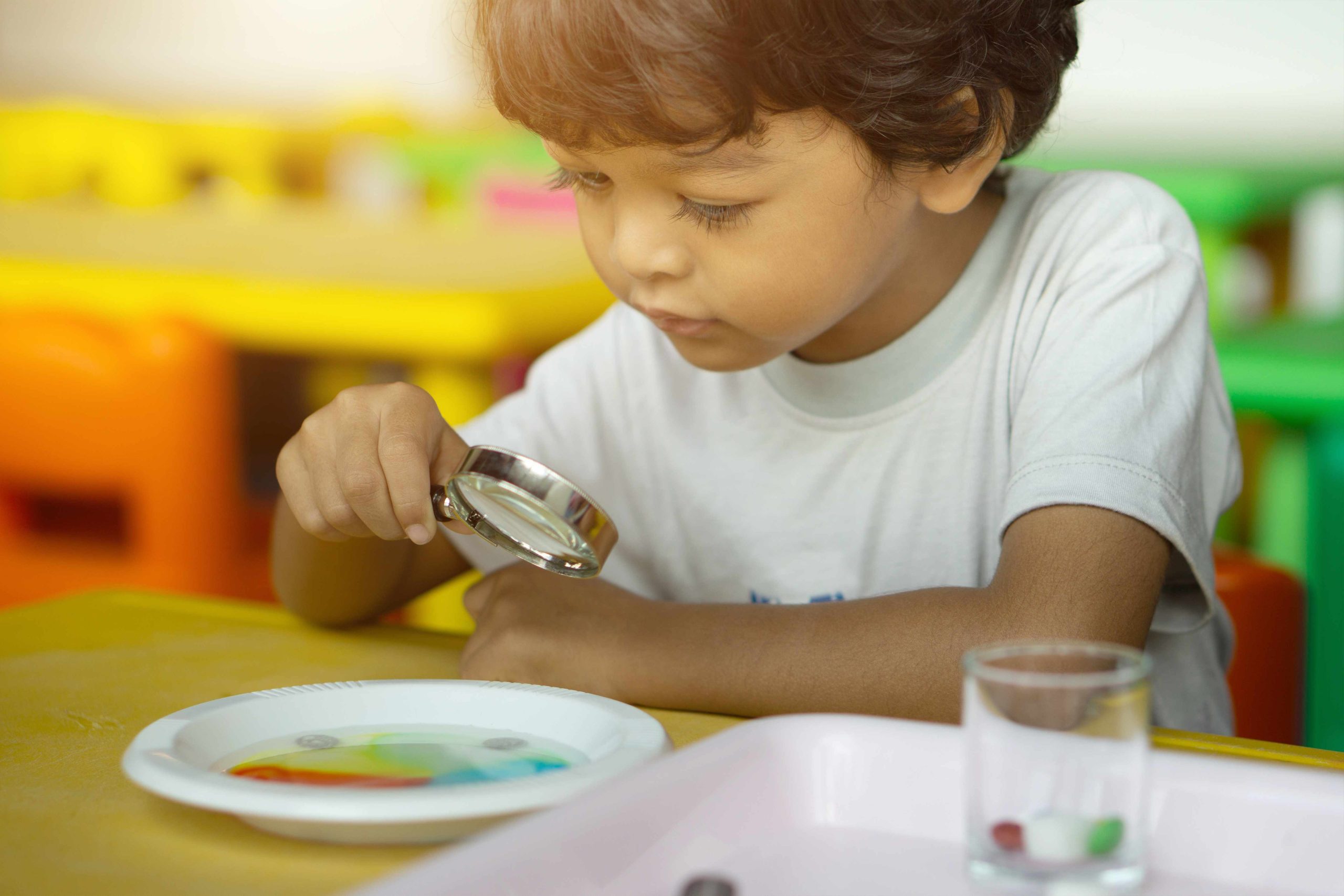
  • Scientific Explorers: Engage preschoolers in scientific experiments with imaginative twists. Present scientific concepts, such as mixing colors or creating chemical reactions, within the framework of an imaginary laboratory. Encourage preschoolers to hypothesize, observe, and record their findings with precision and attention to detail.

    Imagination holds immense power in fostering the development of precision and focus in preschoolers. By incorporating imaginative play and designing games that harness this power, we can create engaging experiences that captivate young minds while nurturing essential cognitive skills. The games discussed in this sub-article are just a few examples of how imagination can be effectively integrated into activities to enhance precision and focus. So, let’s embrace the limitless potential of preschoolers’ imaginations and create a world where precision and focus are honed through the magic of play.

  • Preschooler’s Senses

    Preschooler’s Senses

    Exploring the World: Preschoolers’ Senses and the Power of Creative Play


    Preschoolers possess an innate curiosity and boundless energy that fuels their desire to explore the world around them. Through play, they engage their senses, allowing them to make sense of their environment, learn new concepts, and develop crucial skills for their future. In this article, we delve into the importance of preschoolers’ senses and how creative play can enhance their overall development.


    The Power of Sensory Play

    The senses act as windows through which preschoolers perceive and understand the world. Engaging their senses through play offers a wealth of benefits.

  • Sight: Preschoolers’ developing visual abilities enable them to recognize colors, shapes, and patterns. Visual stimuli help them understand concepts like size, distance, and spatial relationships.
  • Hearing: The sense of hearing allows preschoolers to differentiate sounds, recognize voices, and develop language skills. Engaging in musical play or listening to stories enhances their auditory processing and communication abilities.
  • Touch: Through tactile experiences, preschoolers learn about textures, temperatures, and object manipulation. Sensory play involving sand, water, or different textured materials stimulates their sense of touch, fostering motor skills and cognitive development.
  • Smell: Preschoolers’ sense of smell contributes to their ability to detect odors, recognize scents, and form associations. Exploring various scents through play helps develop their olfactory senses and can even spark their creativity.
  • Taste: The sense of taste enables preschoolers to discern flavors and preferences. Encouraging them to try new foods and flavors during playtime fosters their sensory exploration and expands their palate.

    Stimulating the Senses through Creative Play

    Creative play provides an ideal platform for preschoolers to engage their senses in a fun and meaningful way. By incorporating activities that stimulate multiple senses, we can enhance their cognitive, physical, and social development.

  • Artistic Adventures: Painting, drawing, and sculpting stimulate preschoolers’ visual and tactile senses. As they experiment with different materials and colors, they enhance their fine motor skills, hand-eye coordination, and self-expression.
  • Musical Merriment: Music activities engage preschoolers’ auditory senses, promoting language development, rhythm perception, and emotional expression. Singing, dancing, and playing simple instruments can evoke a range of emotions, nurturing their creativity and sense of self.
  • Nature’s Wonders: Exploring the outdoors exposes preschoolers to a multitude of sensory experiences. Feeling the grass beneath their feet, hearing the rustle of leaves, and smelling the scent of flowers all contribute to their sensory development. Outdoor play also fosters physical exercise, spatial awareness, and appreciation for the natural world.
  • Sensory Play Stations: Creating sensory play stations that target specific senses can be highly beneficial. For example, a “texture table” filled with various textured materials like sand, rice, or foam allows preschoolers to explore tactile sensations and develop fine motor skills. Similarly, a “sound station” with musical instruments or objects that make different sounds can engage their auditory senses.
  • Cooking Adventures: Involving preschoolers in simple cooking activities offers a multisensory experience. They can touch, smell, taste, and observe the transformation of ingredients, nurturing their sensory exploration, fine motor skills, and understanding of cause and effect.

    Nurturing Emotional and Social Growth

    Creative play not only fosters sensory development but also nurtures emotional and social growth among preschoolers.

  • Emotional Expression: Engaging in sensory-rich activities allows preschoolers to express their emotions freely. Artistic pursuits, such as painting or sculpting, provide a safe outlet for emotional release, helping them develop emotional intelligence and self-regulation skills.
  • Collaborative Play: Participating in sensory-based games and activities with peers promotes social interaction, cooperation, and communication skills. Preschoolers can engage in role-playing scenarios, sensory obstacle courses, or collaborative art projects, encouraging them to share ideas, take turns, and work together towards a common goal.
  • Sensory Calming Techniques: Sensory play can also help preschoolers regulate their emotions and find calmness. Activities like playing with kinetic sand, squeezing stress balls, or engaging in sensory bin play with calming scents, such as lavender, provide a soothing and therapeutic experience, teaching them self-soothing techniques.
  • Sensory Integration: For preschoolers with sensory processing difficulties, creative play becomes even more essential. Engaging in activities that stimulate their senses in a controlled and supportive environment can help improve their sensory integration and enhance their overall well-being.

    Empowering Cognitive Development

    Creative play that engages preschoolers’ senses has a profound impact on their cognitive development.

  • Problem-Solving Skills: Sensory play encourages preschoolers to think critically and problem-solve. When faced with different materials, textures, or objects, they learn to manipulate and experiment, developing their logical reasoning and spatial awareness.
  • Language and Vocabulary Acquisition: Engaging in sensory-rich activities exposes preschoolers to new words, concepts, and descriptive language. Through discussions, storytelling, and engaging with their surroundings, they expand their vocabulary and enhance their language skills.
  • Mathematical Concepts: Creative play involving sensory materials can introduce basic mathematical concepts. Counting, sorting, and comparing objects based on size, shape, or texture can lay the foundation for mathematical thinking and numerical understanding.
  • Memory and Cognitive Flexibility: Sensory experiences stimulate preschoolers’ memory and cognitive flexibility. Remembering different smells, colors, or sounds, and adapting to new sensory stimuli help strengthen their memory recall and ability to adapt to new situations.
  • Imaginative Thinking: Creative play ignites preschoolers’ imagination and fosters divergent thinking. Engaging their senses in imaginative play scenarios allows them to explore different perspectives, develop storytelling skills, and unleash their creativity.

    Incorporating Sensory Play in Preschool Settings

    Educators and caregivers play a vital role in providing a sensory-rich environment for preschoolers. Here are some strategies for incorporating sensory play in preschool settings:

  • Designated Sensory Areas: Create dedicated areas within the classroom or playroom for sensory exploration. These spaces can include sensory bins, art corners, music corners, and nature exploration areas.
  • Rotating Materials: Introduce a variety of sensory materials, such as playdough, water, natural objects, musical instruments, and textured fabrics. Rotate these materials regularly to sustain children’s interest and encourage exploration.
  • Outdoor Experiences: Plan regular outdoor excursions that provide opportunities for preschoolers to engage their senses in nature. Visiting parks, gardens, or local farms can provide a wealth of sensory experiences.
  • Sensory-Focused Activities: Incorporate sensory play into structured activities, such as science experiments, cooking projects, or themed sensory days. This allows preschoolers to engage their senses in purposeful learning experiences.
  • Individualized Approaches: Recognize that each preschooler may have unique sensory preferences and sensitivities. Provide individualized sensory experiences, taking into account their specific needs and preferences.

    Preschoolers’ senses serve as powerful tools for exploration, learning, and development. Through creative play, we can unlock the full potential of their senses, fostering cognitive, emotional, and social growth. By designing sensory-rich environments and incorporating diverse sensory experiences, educators and caregivers can nurture the holistic development of preschoolers, setting them on a path of discovery, curiosity, and lifelong learning.


    Sensory Play Ideas for Preschoolers

    Sensory play is a valuable tool for preschoolers’ development, allowing them to engage their senses and explore the world around them. This sub-article presents a collection of exciting sensory play ideas that educators, caregivers, and parents can use to enhance preschoolers’ learning and sensory experiences.


    Sensory Bins

    Sensory bins are versatile and engaging tools for preschoolers to explore different textures, objects, and materials. Here are a few ideas for sensory bin play:

  • Ocean Adventure: Fill a bin with blue-tinted water, add sea creatures, seashells, and smooth stones. Preschoolers can use their hands or tools to scoop, pour, and explore the sensory treasures of the ocean.
  • Construction Site: Fill a bin with sand or kinetic sand and include small construction vehicles, plastic figurines, and toy tools. Preschoolers can dig, build, and create their own construction scenes, stimulating their tactile senses and imagination.
  • Farmyard Fun: Fill a bin with dried corn kernels or rice and include toy farm animals, wooden fences, and miniature hay bales. Preschoolers can engage in pretend play, imitating farmyard activities and experiencing the sensation of the textured fillers.

    Sensory Art Projects

    Artistic activities provide excellent opportunities for preschoolers to engage their senses and express their creativity. Here are a few sensory art project ideas:

  • Bubble Wrap Printing: Cut bubble wrap into small squares and dip them into paint. Preschoolers can press the bubble wrap onto paper to create unique textured prints, stimulating their sense of touch and visual perception.
  • Scented Playdough: Make scented playdough by adding natural extracts, such as lavender or lemon, to the dough mixture. Preschoolers can enjoy the tactile experience of molding the playdough while simultaneously experiencing the delightful scents.
  • Nature Collage: Take preschoolers on a nature walk and collect various natural materials like leaves, twigs, flowers, and feathers. Provide them with glue and a large sheet of paper, allowing them to create collages using the collected items, fostering their appreciation for nature and tactile exploration.

    Sensory Science Experiments

    Science experiments can be a captivating way to engage preschoolers’ senses and encourage their curiosity about the world. Here are a few sensory science experiment ideas:

  • Rainbow Eruptions: Fill clear cups with baking soda and place them on a tray. In separate cups, mix vinegar with different colors of food coloring. Preschoolers can pour the colored vinegar into the baking soda cups, observing the fizzy, colorful reactions and engaging their visual and olfactory senses.
  • Sensory Bottles: Fill clear plastic bottles with water, glitter, and various small objects like beads, buttons, or shells. Seal the bottles tightly and let preschoolers shake and observe the objects floating and swirling, providing a visual and auditory sensory experience.
  • Ice Exploration: Freeze water in different containers, adding food coloring or small objects before freezing. Preschoolers can experiment with melting the ice using warm water, salt, or tools like small hammers, discovering the tactile and temperature sensations as the ice transforms.

    Sensory Music and Movement

    Engaging preschoolers in sensory-rich music and movement activities can enhance their auditory perception, coordination, and self-expression. Here are a few ideas:,/p>

  • Dancing with Scarves: Provide preschoolers with colorful, lightweight scarves and play music with different tempos. Encourage them to move and dance, twirling the scarves in the air, enhancing their sense of rhythm, coordination, and visual stimulation.
  • Nature Sound Orchestra: Take preschoolers on an outdoor nature walk and encourage them to listen attentively to the sounds around them. Then, guide them to imitate those sounds using their voices or simple musical instruments like shakers or drums. This activity helps develop their auditory discrimination skills and encourages imaginative expression.
  • Sensory Dance Party: Set up a dance party area with colorful lights, tactile props like soft cushions or textured mats, and a variety of music genres. Preschoolers can move and dance freely, exploring different sensory experiences through music, lights, and touch.

    Sensory Outdoor Explorations

    The great outdoors offers a wealth of sensory experiences for preschoolers. Here are a few ideas to incorporate sensory play into outdoor explorations:

  • Nature Scavenger Hunt: Create a list of sensory items found in nature, such as smooth stones, rough bark, fragrant flowers, or rustling leaves. Preschoolers can search for these items during a nature walk, engaging their senses of touch, smell, and visual perception.
  • Sensory Garden: Designate a section of your outdoor space as a sensory garden. Include plants with different textures, scents, and colors, such as herbs, flowers, and ornamental grasses. Preschoolers can explore the garden, feeling the different leaves, smelling the flowers, and observing the vibrant colors, fostering their connection to nature and sensory awareness.
  • Nature Art: Encourage preschoolers to create art using natural materials they find during outdoor explorations. They can make leaf rubbings, create nature collages, or use sticks and leaves to make temporary nature sculptures. This activity combines artistic expression with tactile exploration, fostering their creativity and appreciation for the natural world.

    Sensory play is a powerful tool for engaging preschoolers’ senses and promoting their overall development. By incorporating sensory play ideas into their daily routines, educators, caregivers, and parents can create meaningful and enriching experiences for preschoolers. Whether it’s through sensory bins, art projects, science experiments, music and movement activities, or outdoor explorations, these activities stimulate their senses, foster their creativity, and nurture their cognitive, emotional, and social growth. Let’s embrace the joy of sensory play and watch preschoolers thrive in their sensory-rich world.

  • Growth Mindset

    Cultivating a Growth Mindset: Unlocking the Potential Within


    In today’s fast-paced and ever-changing world, the ability to adapt, learn, and grow has become crucial for success. A growth mindset is a powerful mindset that empowers individuals to embrace challenges, persist in the face of setbacks, and believe in their ability to improve and develop their skills. This article explores the concept of a growth mindset and its significance in personal and professional growth. By fostering a growth mindset, individuals, including preschoolers, can unlock their full potential and thrive in various aspects of life.


    Embracing Challenges: The Gateway to Growth

    Every journey towards growth begins with the willingness to embrace challenges. A growth mindset encourages individuals to view challenges as opportunities for learning and personal development. Instead of fearing failure, those with a growth mindset see setbacks as stepping stones on the path to success.


    When preschoolers are taught to embrace challenges, they develop resilience and perseverance from a young age. By fostering a growth mindset, educators and parents can create an environment that encourages preschoolers to take risks, try new things, and develop problem-solving skills. When preschoolers understand that their efforts and determination can lead to growth and improvement, they become more motivated and engaged in their learning experiences.


    Nurturing Persistence: The Power of Grit

    Grit, defined as the combination of passion and perseverance, is a key component of a growth mindset. Preschoolers who cultivate grit are more likely to persevere through difficulties and setbacks, even when faced with seemingly insurmountable challenges.


    Through nurturing persistence, preschoolers learn that success is not solely determined by innate abilities but by effort and hard work. Educators and parents can support the development of grit by encouraging preschoolers to set goals, create action plans, and celebrate progress along the way. By instilling a sense of determination and resilience, preschoolers can overcome obstacles and build the necessary skills for future success.


    Embracing Feedback: A Catalyst for Growth

    Feedback plays a vital role in fostering a growth mindset. When preschoolers receive constructive feedback, it provides them with valuable insights into their strengths and areas for improvement. Rather than seeing feedback as a critique of their abilities, those with a growth mindset view it as an opportunity for growth and development.


    Educators and parents can create a feedback-rich environment for preschoolers, where feedback is given in a supportive and constructive manner. By focusing on specific actions and behaviors rather than personal traits, preschoolers can learn to separate feedback from their self-worth. This approach encourages preschoolers to reflect on their performance, identify areas for growth, and make necessary adjustments to enhance their learning journey.


    Cultivating a Love for Learning: Curiosity and Exploration

    A growth mindset fosters a love for learning by promoting curiosity, exploration, and a thirst for knowledge. Preschoolers who possess a growth mindset approach new challenges and learning experiences with an open mind, eager to expand their horizons.


    Educators and parents can fuel this love for learning by providing preschoolers with opportunities to explore different subjects, ask questions, and engage in hands-on activities. By encouraging curiosity and embracing the unknown, preschoolers develop a sense of wonder and a passion for continuous learning that will benefit them throughout their lives.


    Overcoming Obstacles: Transforming Failures into Opportunities

    Failure is an inevitable part of life, but it is how we respond to failure that defines our growth. Preschoolers who embrace a growth mindset understand that failure is not a reflection of their abilities but rather a stepping stone towards improvement.


    Educators and parents can help preschoolers develop a healthy relationship with failure by reframing it as a learning opportunity. By discussing failures openly and sharing stories of successful individuals who have overcome adversity, preschoolers gain a broader perspective on the role of failure in personal growth. Encouraging preschoolers to reflect on their mistakes, extract lessons, and try again fosters resilience, adaptability, and a willingness to take risks.


    Fostering a Growth Mindset in the Workplace

    The benefits of a growth mindset extend beyond the classroom or home environment; they are equally applicable in the professional world. Organizations that foster a growth mindset among their employees create an atmosphere of continuous learning, innovation, and adaptability.


    Managers and leaders can cultivate a growth mindset culture by encouraging employees to embrace challenges, providing constructive feedback, and offering opportunities for professional development. When employees believe in their ability to grow and improve, they are more likely to take initiative, seek out new challenges, and contribute to the organization’s overall success.


    A growth mindset is a powerful mindset that empowers individuals, including preschoolers, to embrace challenges, persist in the face of setbacks, and believe in their ability to improve and develop their skills. By cultivating a growth mindset from an early age, preschoolers can unlock their full potential, develop resilience, and thrive in various aspects of life. Whether it’s in education, personal relationships, or the workplace, a growth mindset serves as a catalyst for growth, innovation, and success. Embracing challenges, nurturing persistence, embracing feedback, fostering a love for learning, overcoming obstacles, and fostering a growth mindset in the workplace are key components in cultivating a mindset that enables individuals to unlock their true potential and lead fulfilling lives.


    Cultivating a Growth Mindset in Relationships: Embracing Growth Together

    A growth mindset is not only beneficial for individual development but also for nurturing healthy and thriving relationships. When both individuals in a relationship possess a growth mindset, they approach challenges and conflicts as opportunities for growth and understanding.


    Cultivating a growth mindset in relationships involves open communication, empathy, and a shared belief in the capacity for personal and relational growth. By encouraging each other to learn from mistakes, embrace change, and support each other’s aspirations, couples can create a supportive and enriching environment.


    In relationships with preschoolers, such as parent-child or teacher-student relationships, fostering a growth mindset is equally crucial. By acknowledging and celebrating effort, progress, and improvement rather than focusing solely on outcomes, caregivers and educators can instill a belief in preschoolers that they can develop their skills and abilities over time. This mindset promotes a healthy attitude towards learning and encourages preschoolers to embrace challenges, seek help when needed, and persevere through difficulties.


    When relationships are grounded in a growth mindset, they become opportunities for mutual growth, learning, and deepening connection. Embracing growth together allows individuals to overcome obstacles, adapt to changes, and continuously strengthen their bond.


    By nurturing a growth mindset in relationships, both individuals and preschoolers can experience personal and relational growth, creating a foundation for supportive, resilient, and thriving connections.


    The Role of Mindset in Achieving Success: Beyond Talent and Intelligence

    In the pursuit of success, talent and intelligence are often considered the primary factors. However, mindset plays a crucial role in determining one’s ability to achieve and sustain success in various areas of life.


    Individuals with a growth mindset understand that their abilities and intelligence can be developed through effort, learning, and perseverance. They view success as a result of hard work, continuous improvement, and resilience in the face of challenges.


    Contrastingly, individuals with a fixed mindset believe that their talents and intelligence are fixed traits, leading them to avoid challenges and feel discouraged by setbacks. This mindset can hinder growth and limit one’s potential for success.


    By cultivating a growth mindset, individuals can transcend limitations and tap into their full potential. They become more motivated, adaptable, and willing to take risks. Moreover, they approach success not as a destination but as a journey of continuous growth and improvement.


    In the realm of preschool education, fostering a growth mindset among has shown to positively impact their academic achievements and future success. When preschoolers believe that their abilities can be developed through effort and perseverance, they become more engaged in their learning, exhibit higher levels of motivation, and embrace challenges as opportunities to grow.


    Educators and parents can nurture a growth mindset by reframing failures as learning experiences, highlighting the importance of effort and determination, and encouraging a love for learning. By promoting the belief that success is within reach through dedication and hard work, preschoolers develop the mindset necessary to overcome obstacles and strive for excellence.


    Mindset plays a fundamental role in achieving success beyond talent and intelligence. A growth mindset empowers individuals, including preschoolers, to approach challenges with resilience, believe in their ability to improve, and consistently strive for personal and professional growth. By fostering a growth mindset, individuals can unlock their true potential and achieve success in various aspects of life.


    Overcoming Limiting Beliefs: Breaking the Boundaries of Potential

    Limiting beliefs are deeply ingrained thoughts or perceptions that hold individuals back from reaching their full potential. They often stem from negative past experiences, societal expectations, or self-doubt. However, cultivating a growth mindset can help individuals overcome these limiting beliefs and break free from the boundaries that restrict their potential.


    Preschoolers, just like adults, can develop limiting beliefs that hinder their growth and learning. These beliefs may manifest as thoughts such as “I’m not good at this,” “I can’t do it,” or “I’ll never be able to learn this.” It is crucial for educators and parents to identify and address these beliefs early on to foster a growth mindset in preschoolers.


    By creating a supportive and encouraging environment, educators and parents can help preschoolers challenge their limiting beliefs. This can be done through positive affirmations, providing evidence of past successes, and celebrating incremental progress. By replacing negative self-talk with empowering beliefs, preschoolers can develop confidence, resilience, and a belief in their ability to overcome challenges.


    For adults, overcoming limiting beliefs requires introspection, self-reflection, and a commitment to personal growth. It involves challenging negative thoughts, reframing past experiences, and seeking evidence that contradicts the limiting belief. By actively working on replacing limiting beliefs with empowering ones, individuals can unlock their true potential and embrace a growth mindset.


    It is important to note that overcoming limiting beliefs is a continuous process. As individuals encounter new challenges and setbacks, they may find themselves slipping back into old patterns of thinking. However, with awareness and a commitment to growth, individuals can recognize and address these limiting beliefs, allowing them to continually expand their boundaries of potential.


    Overcoming limiting beliefs is essential for personal growth and the cultivation of a growth mindset. By challenging negative thoughts and replacing them with empowering beliefs, both preschoolers and adults can break free from the boundaries that restrict their potential. Embracing a growth mindset opens up a world of possibilities, allowing individuals to achieve personal and professional success beyond their initial perceived limitations.


    Cultivating a Growth Mindset for Resilience and Well-being

    The benefits of a growth mindset extend beyond academic or professional success. Cultivating a growth mindset is also crucial for fostering resilience and promoting overall well-being.


    Resilience refers to the ability to bounce back from adversity and navigate through life’s challenges. A growth mindset provides individuals with the mental framework necessary to approach setbacks and difficulties as opportunities for growth rather than insurmountable obstacles.


    Preschoolers who develop a growth mindset from an early age are better equipped to handle setbacks, disappointments, and failures. They are more likely to persist in the face of challenges, learn from their experiences, and bounce back stronger. This resilience not only contributes to their academic success but also lays the foundation for their emotional well-being.


    For adults, cultivating a growth mindset enhances psychological resilience and emotional well-being. When faced with setbacks or failures, individuals with a growth mindset are more likely to view them as temporary and solvable. They approach challenges with a proactive attitude, seeking solutions and learning from their experiences.


    Moreover, a growth mindset allows individuals to develop a positive and constructive inner dialogue. Instead of engaging in self-criticism or negative self-talk, individuals with a growth mindset practice self-compassion and embrace mistakes as opportunities for learning and growth. This shift in mindset promotes emotional well-being and fosters a healthier relationship with oneself.


    To cultivate a growth mindset for resilience and well-being, it is crucial to promote self-care, self-reflection, and the development of coping strategies. Encouraging mindfulness practices, gratitude exercises, and promoting a growth-oriented perspective in the face of adversity can significantly contribute to individuals’ resilience and well-being.


    Cultivating a growth mindset is not only instrumental in academic and professional success but also in building resilience and promoting overall well-being. By embracing challenges as opportunities for growth, persisting in the face of setbacks, and adopting a positive inner dialogue, individuals of all ages can develop the resilience necessary to navigate life’s challenges. Fostering a growth mindset contributes to emotional well-being, allowing individuals to thrive and lead fulfilling lives.


    Applying a Growth Mindset to Goal Setting and Achievement

    Goal setting is a fundamental aspect of personal and professional development. However, the way individuals approach goal setting can have a significant impact on their success. A growth mindset provides a powerful framework for effective goal setting and achievement.


    When individuals possess a growth mindset, they view goals as opportunities for growth and improvement. Rather than being focused solely on the outcome, they embrace the journey and the process of learning and development along the way. This mindset allows individuals to set ambitious yet realistic goals, take calculated risks, and persist in the face of challenges.


    Preschoolers can benefit greatly from the application of a growth mindset to goal setting. By encouraging preschoolers to set specific, achievable goals, educators and parents provide them with a sense of direction and purpose. Preschoolers learn to break down larger goals into smaller, manageable steps, celebrating milestones and progress along the way. This approach fosters motivation, self-discipline, and a belief in their ability to achieve their aspirations.


    For adults, applying a growth mindset to goal setting involves setting stretch goals that challenge their current capabilities. It means embracing the possibility of failure as an opportunity for growth and learning. Individuals with a growth mindset are more likely to seek feedback, adjust their strategies, and persist in the face of setbacks to achieve their goals.


    Furthermore, a growth mindset encourages individuals to adopt a growth-oriented mindset towards setbacks and obstacles. They see these challenges as temporary roadblocks that can be overcome with effort, learning, and adaptation. This mindset promotes resilience, adaptability, and a willingness to seek alternative paths towards achieving goals.


    To effectively apply a growth mindset to goal setting and achievement, individuals can benefit from practices such as visualization, positive self-talk, and regular self-reflection. By maintaining a growth-oriented perspective and focusing on progress rather than perfection, individuals can harness the power of a growth mindset to set and achieve meaningful goals.


    Applying a growth mindset to goal setting and achievement empowers individuals to embrace the journey, persist in the face of challenges, and continuously strive for improvement. By adopting a growth mindset, both preschoolers and adults can set ambitious goals, overcome obstacles, and unlock their full potential. The application of a growth mindset enhances motivation, resilience, and the likelihood of achieving personal and professional aspirations.


    Nurturing a Growth Mindset Through Continuous Learning and Curiosity

    At the heart of a growth mindset lies a deep-seated love for learning and an innate curiosity about the world. Cultivating a growth mindset involves fostering a lifelong dedication to continuous learning and embracing new experiences.


    Preschoolers, with their natural inclination towards exploration and discovery, are primed for the development of a growth mindset through learning. By creating a stimulating and supportive environment that encourages curiosity, educators and parents can nurture a thirst for knowledge in preschoolers. Introducing them to a variety of subjects, encouraging questions, and providing opportunities for hands-on learning fosters a growth mindset rooted in a love for learning.


    For adults, embracing continuous learning is a cornerstone of maintaining a growth mindset. This involves seeking out new knowledge, developing new skills, and staying open to different perspectives. Whether through formal education, self-study, or seeking mentorship, individuals with a growth mindset actively engage in learning to expand their horizons and enhance their personal and professional development.


    Furthermore, a growth mindset encourages individuals to approach learning with a focus on effort and improvement rather than solely on outcomes. Embracing challenges and seeking feedback becomes an integral part of the learning process. This mindset shift allows individuals to see setbacks as stepping stones towards growth and fuels their motivation to persist in their learning journey.


    To nurture a growth mindset through continuous learning, individuals can cultivate habits such as reading, attending workshops or seminars, participating in online courses, and engaging in reflective practices. Actively seeking out new experiences, exposing oneself to diverse perspectives, and maintaining a sense of curiosity about the world keeps the growth mindset alive and thriving.


    In conclusion, nurturing a growth mindset through continuous learning and curiosity is essential for both preschoolers and adults. By fostering a love for learning, encouraging curiosity, and embracing challenges as opportunities for growth, individuals can develop a growth mindset rooted in a lifelong dedication to learning and personal development. The pursuit of knowledge and the eagerness to explore new horizons contribute to the development of a growth mindset that enables individuals to thrive and adapt in an ever-changing world.


  • Broader Understanding

    Broader Understanding

    Accepting a More Comprehensive Understanding While Fostering Holistic Development in Preschoolers


    It is essential to cultivate a more global understanding in our young preschoolers, particularly in light of the fact that we live in a world that moves at such a breakneck pace and is dominated by technology. We, as teachers, parents, and other adults who are responsible for the well-being of preschoolers, hold the key to maximizing the potential of young minds and can do so by fostering their overall development. This article delves into the significance of cultivating a broader understanding in preschoolers and investigates the various aspects that contribute to the overall development of preschoolers.


    The Influence of One’s Point of View

    Taking into account different points of view is essential to developing a more comprehensive comprehension. Empathy, respect, and tolerance are all traits that can be fostered in preschoolers when they are encouraged to view the world from a variety of perspectives. We broaden their horizons and instill in them a sense of interconnectedness by introducing them to people of varying cultures, with a variety of backgrounds and experiences. Preschoolers are afforded the opportunity to investigate a variety of points of view and cultivate a deeper comprehension of the world that surrounds them when they participate in activities that encourage perspective-taking. Some examples of these activities include storytelling, role-playing, and discussions.


    Fostering an Attitude of Critical Thinking

    Teaching preschoolers to think critically equips them to effectively analyze, question, and evaluate the information they encounter. We arm them with the ability to navigate a complicated and ever-changing world by fostering a spirit of inquiry and encouraging a curious and inquisitive nature in them. The development of preschoolers’ analytical abilities can be aided by challenging them with activities like problem-solving, puzzles, and open-ended questions. We encourage independent thought, creativity, and the ability to make decisions based on informed considerations by providing them with critical thinking challenges.


    Developing One’s Capacity for Emotional Intelligence

    The development of a child’s social and emotional skills is greatly aided by the presence of emotional intelligence. Providing preschoolers with the tools to recognize, comprehend, and control their feelings enables them to form healthy relationships and successfully navigate conflict. Preschoolers are given the opportunity to develop empathy, self-awareness, and emotional resilience when they are provided with an environment that is safe, nurturing, and encourages the expression of emotions. They will be able to effectively communicate their feelings and develop healthy coping mechanisms if they are engaged in activities that foster emotional intelligence, such as storytelling, art, and role-playing. This can be accomplished by engaging them in activities like these.


    Nurturing Cultural Competence

    In a world that is becoming more culturally diverse, having cultural competence is of the utmost importance. Instilling an appreciation and respect for diversity in preschoolers can be accomplished through the introduction of numerous cultures, traditions, and languages. Preschoolers can develop a deeper understanding of the world’s various cultures by taking part in activities like attending cultural festivals, reading and listening to multicultural literature and music, and participating in cross-cultural exchanges. Through the cultivation of cultural competence, we provide them with the tools necessary to flourish in a globalized society and mature into compassionate global citizens.


    Sensitivity to the Environment

    Because preschoolers have a natural interest in the world around them, this stage of their education is an excellent opportunity to instill environmental consciousness. Instilling in them a sense of environmental responsibility can be facilitated by imparting knowledge concerning topics such as sustainability, conservation, and the interdependence of ecosystems. Preschoolers as young as three and four years old can gain a more profound appreciation for the natural world and an awareness of the part they play in its conservation by participating in activities such as gardening, recycling projects, and nature walks. We give them the tools they need to become environmentally conscious individuals by encouraging them to develop their connection with the natural world.


    Fostering Digital Literacy

    In this day and age, it is crucial for preschoolers as young as preschoolers to develop skills in digital literacy. Preschoolers will be better prepared for a technology-driven future if they are exposed to technology that is age-appropriate and if they are taught responsible online behavior. However, it is absolutely necessary to find a middle ground and encourage a more analytical understanding of digital media. We equip preschoolers in preschool with the skills necessary to navigate the digital landscape in a way that is both safe and responsible by teaching them how to differentiate between reliable and unreliable sources, encouraging mindful screen time, and fostering digital creativity.


    The process of fostering a more expansive understanding in preschoolers is an ongoing one that calls for the active participation of parents, educators, and caregivers. Preschoolers are given the tools they need to develop into well-rounded individuals who are able to make positive contributions to society when we encourage diverse perspectives, foster critical thinking, cultivate emotional intelligence, nurture cultural competence, instill environmental awareness, and foster digital literacy. In doing so, we give them the power to become well-rounded individuals. Let us embark on this journey together and ensure that preschoolers are equipped with the resources they require to thrive in a world that is always evolving.


    Fostering a Sense of Social Responsibility

    Fostering a more expansive understanding begins with instilling a sense of civic duty in young preschoolers as early as the preschool years. We encourage them to actively participate in the process of making the world a better place by instilling in them a sense of compassion, kindness, and social awareness. A sense of social responsibility can be fostered in preschoolers by getting them involved in community service projects, talking to them about social issues, and instructing them on the significance of giving something back. We give them the ability to have a positive effect on the communities in which they live by getting them involved in projects that are suitable for their ages, such as organizing food drives or participating in local charity events. This encourages them to have a commitment to helping other people for the rest of their lives.


    Enhancing One’s Overall Physical Health and Vitality

    In preschoolers, having a healthy body is extremely important to developing a more expansive understanding. The foundation for a balanced and holistic way of life is a person who takes care of their bodies by cultivating healthy habits and engaging in regular physical activity. We instill lifelong habits that support their overall well-being by teaching preschoolers about the significance of sleep and self-care, educating them about the importance of regular exercise, and encouraging them to eat a nutritious diet and exercise regularly. Participating in age-appropriate physical activities with them, such as playing outside, participating in sports, or doing yoga, not only improves their physical fitness but also their cognitive development, emotional regulation, and their ability to interact socially with others. We give preschoolers the tools they need to live active and healthy lives by putting an emphasis on their physical well-being.


    Promoting Curiosity and Continuing Education throughout One’s Life

    In order for preschoolers to develop a broader understanding, it is essential to encourage them to be curious and to develop a love for learning that will last a lifetime. The building blocks for a child’s intellectual development are the encouragement of their innate sense of wonder and the provision of opportunities for exploration and discovery. We can foster their desire to learn and stimulate their mental growth by cultivating an atmosphere that values curiosity and providing an appropriate setting for it. Not only does it improve preschoolers’ cognitive abilities, but it also fosters in them a love of learning that will last them a lifetime if they participate in hands-on activities, experiments, and other interactive learning experiences. We equip preschoolers with the skills and attitudes necessary for continued intellectual development throughout their lives by putting an emphasis on the joy of learning and fostering an environment that encourages a growth mindset.


    Promoting introspection and awareness of the present moment

    When it comes to helping preschoolers develop a broader understanding, the importance of encouraging self-reflection and mindfulness cannot be overstated. We give them the ability to cultivate a sense of inner harmony and emotional well-being by assisting them in developing a deeper awareness of their thoughts, feelings, and actions and by giving them the tools to do so. Simple techniques of mindfulness, such as taking long, deep breaths and engaging in guided imagery, can be taught to preschoolers to help them better control their feelings and improve their ability to concentrate and focus on what they are doing. The incorporation of self-reflection practices, such as journaling or group discussions, encourages introspection and the development of a deeper understanding of oneself as well as one’s interactions with the outside world in students. We foster self-compassion, self-acceptance, and a deeper comprehension of the interconnectedness that exists between the individual and the world around them when we tend to their inner awareness and cultivate their mindfulness.


    Enhancing One’s Capabilities in Communication and Language

    It is essential, for the development of a more expansive understanding, to cultivate communication and language skills in preschoolers. Building relationships, articulating thoughts and feelings, and getting to know and understand the perspectives of others all require strong communication skills. We give preschoolers the ability to express themselves with self-assurance and connect with others more successfully when we give them opportunities to develop their language skills through play. Reading and other language-based activities, as well as encouraging conversations, storytelling, role-playing, and exposure to a rich vocabulary through those activities, all contribute to their enhanced language development. Preschoolers are given the opportunity to engage in meaningful interactions, cultivate empathy, and acquire a deeper understanding of different perspectives and cultures when their communication skills are fostered and developed.


    Taking Pride in Being Inclusive and Diverse

    When it comes to expanding a child’s worldview, one of the most important things a preschool can do is teach acceptance of different people and cultures. We foster compassion, respect, and acceptance of others when we cultivate an environment that welcomes diversity, honors individuality, and places a premium on equality. Instilling in young preschoolers a sense of appreciation for the richness of human diversity can be accomplished through the teaching of diverse cultures, identities, and abilities. Reading books written by authors from different cultures, displaying artwork created by people of different backgrounds, and celebrating holidays and traditions from around the world are all examples of activities that help preschoolers develop a broader understanding of the world and promote a sense of belonging for all participants. We prepare preschoolers with the beliefs and abilities necessary to create a society that is more harmonious and welcoming of people from diverse backgrounds by promoting diversity and inclusion.


    Fostering Cooperation and Teamwork in an Organization

    Fostering an environment that values cooperation and teamwork in preschoolers is essential to the growth of a more expansive understanding. Activities in which participants work together on a project are great for cultivating social skills, cooperation, and the ability to work effectively with others. We instill in preschoolers the importance of contributing to a group effort and working toward common objectives by having them participate in cooperative games, group activities, and team-building activities. They gain the ability to appreciate different points of view, negotiate disagreements, and contribute their individual strengths to the accomplishment of shared goals through participation in collaborative activities. We equip preschoolers with the essential abilities to collaborate harmoniously in their future personal and professional endeavors by encouraging the development of the preschoolers’ collaborative skills.


    Promoting Ethical Consciousness as well as Moral Growth and Development

    It is essential, for the development of a more expansive understanding, to assist preschoolers in the cultivation of both ethical awareness and moral development. The foundation for making ethical decisions is laid by assisting individuals in making the distinction between what is right and what is wrong, as well as by encouraging empathy and moral reasoning. By having conversations with preschoolers about topics such as fairness, honesty, kindness, and responsibility, we are able to assist them in the development of a robust moral compass. Their comprehension of ethical principles can be fostered and they can be encouraged to make thoughtful and compassionate decisions through the incorporation of ethical dilemmas, stories with moral lessons, and activities that involve role-playing in ethical situations. Preschoolers are given the tools they need to develop into morally responsible adults who make a positive contribution to society when ethical awareness is fostered among them.


    Putting an emphasis on being a global citizen

    It is essential, for the development of a broader understanding, to place an emphasis on global citizenship in preschoolers. We raise awareness of global issues, cultural diversity, and the importance of maintaining the environment by instilling a sense of responsibility toward the global community. Engaging preschoolers in activities that highlight global interdependence, such as virtual exchanges with people from different countries, exploring global challenges, and discussing the importance of cultural exchange, all contribute to the development of a global perspective in the preschoolers. Preschoolers are given the ability to understand their part in the process of making the world a more interconnected and sustainable place by fostering a sense of global citizenship in them.


    Keeping Up with the Latest Technological Developments

    Preschoolers need to be taught how to navigate the changes brought about by technological advancements if they are to develop a broader understanding. It is essential, given the prevalence of technology in today’s society, that they be instructed in how to interact with it in a responsible and risk-free manner. We are able to improve our students’ digital literacy as well as their cognitive abilities by providing them with age-appropriate educational apps, interactive learning platforms, and digital resources. On the other hand, it is equally essential to establish limits and encourage a healthy balance between time spent in front of a screen and time spent participating in other activities. By educating them on topics such as digital etiquette, critical analysis of online content, and online safety, you give them the tools they need to confidently and responsibly navigate the digital world. Preschoolers are equipped with the skills necessary to adapt and thrive in the digital era when they are shown how to use technology as a tool for learning and connection and are guided through the process.


    Promoting Participation in Civic Life

    It is essential to instill a sense of community responsibility as well as a broader understanding in preschoolers as young as preschool age by encouraging their participation in civic activities. We motivate them to become engaged members of society by guiding them through the steps of becoming citizens, participating in democratic processes, and contributing to their communities. Developing a sense of civic responsibility in young preschoolers and empowering them to effect positive change in their communities can be accomplished by involving preschoolers in activities that are appropriate for their age group, such as taking part in community clean-ups, organizing drives for charitable organizations, or expressing their opinions through art and writing. We can foster a generation of responsible and active citizens by instilling in them an appreciation for the significance of civic participation, thereby laying the groundwork for this generation.


    Increasing Knowledge of Financial Matters

    It is crucial to teach preschoolers about money management in order to give them a broader understanding of the world and to better prepare them for their future financial well-being. They are more likely to develop a responsible and well-informed relationship with their financial situation if they are taught the fundamentals of money, saving, and budgeting at a young age. Engaging preschoolers in activities that teach them about the value of money, the importance of saving, and the concept of needs versus wants equips them with the ability to make responsible financial decisions as they get older. Preschoolers are given the knowledge and confidence they need to successfully navigate the financial aspects of their lives by instilling in them the skills necessary for financial literacy. This lays a strong foundation for the preschoolers’ potential future financial success.


    Developing a Wonder and Awe for the World Around You

    The development of a more expansive understanding is greatly facilitated by instilling a sense of wonder and awe in preschool-aged preschoolers. They will develop a profound appreciation for the majesty and complexity of nature, science, and the arts if we inspire them to be amazed by the world around them and encourage them to do so. Preschoolers can have their imaginations sparked and their natural curiosity aroused by participating in hands-on activities, exploring nature, conducting scientific experiments, and being exposed to a variety of artistic and creative expressions. We cultivate a lifelong love for learning, a thirst for discovery, and a deeper understanding of the wonders that exist within and beyond their immediate surroundings when we encourage preschoolers to develop a sense of wonder and awe in their lives.

  • Timeless Game

    Timeless Game

    PRESCHOOL GAMES CREATIVE PLAY: Exploring the Timeless Magic of Play


    In today’s fast-paced and technology-driven world, it is essential to recognize the significance of creative play in a preschooler’s development. Preschool games serve as the perfect avenue for young minds to explore, imagine, and grow. Among the vast array of games available, there is a timeless gem that continues to captivate and inspire preschoolers across generations. In this article, we delve into the world of creative play and unveil the magic behind the enduring allure of a beloved game.


    The Timeless Game: An Introduction:

    Step into the world of preschoolers, and you will undoubtedly encounter a game that has stood the test of time – the Timeless Game. This classic game has transcended generations and cultural boundaries, captivating young hearts and minds with its simplicity and endless possibilities. Unlike many modern games that rely heavily on technology, the Timeless Game relies solely on the power of imagination and creativity, making it an invaluable tool for preschoolers’ holistic development.


    Unleashing Creativity:

    One of the key reasons why the Timeless Game has remained a staple in preschool classrooms and households worldwide is its ability to unleash creativity. With no fixed rules or limitations, preschoolers are encouraged to use their imaginations to the fullest. Whether it’s pretending to be a superhero, constructing a fantastical world, or acting out a story, the Timeless Game provides an open canvas where preschoolers can paint their dreams and ideas without any constraints. This freedom fosters the development of crucial skills such as problem-solving, critical thinking, and self-expression.


    Social Interaction and Communication:

    Another remarkable aspect of the Timeless Game lies in its ability to foster social interaction and communication among preschoolers. When engaged in this game, preschoolers naturally come together, collaborate, and negotiate, building essential social skills. Through cooperative play, they learn the art of sharing, taking turns, and respecting one another’s ideas. Moreover, as they act out various scenarios and role-play, they develop their communication skills, enhancing their vocabulary, expressive language, and storytelling abilities. These valuable social and communication skills form a solid foundation for future personal and professional relationships.


    Physical and Motor Development:

    Preschoolers are bundles of energy, and the Timeless Game offers them the opportunity to channel that energy into physical play. Running, jumping, crawling, and even dancing – the Timeless Game encourages gross motor skills development and overall physical well-being. As preschoolers engage in imaginative play, they become more aware of their bodies and gain control over their movements. This active play also enhances coordination, balance, and spatial awareness, helping preschoolers build a solid foundation for future physical activities and sports.


    Cognitive Growth:

    The Timeless Game is a treasure trove of cognitive benefits for preschoolers. As they immerse themselves in imaginative play, they engage in problem-solving, critical thinking, and decision-making. They learn to create strategies, make choices, and anticipate consequences, all of which contribute to their cognitive growth. Moreover, the Timeless Game presents preschoolers with opportunities to explore basic mathematical concepts, such as counting, sorting, and categorizing objects within the context of their play. These early encounters with numeracy set the stage for future mathematical understanding.


    Emotional Well-being:

    Play is not just about the development of cognitive and physical skills; it also plays a crucial role in nurturing preschoolers’ emotional well-being. The Timeless Game serves as a safe space for preschoolers to explore and express their emotions. Through role-playing, they can try on different personas and experiment with various emotions. This process helps them understand and manage their feelings, develop empathy, and build emotional resilience. The Timeless Game becomes a therapeutic outlet where preschoolers can process and make sense of their experiences, fears, and hopes in a supportive and imaginative environment.


    Timeless Game in the Digital Age:

    In today’s digital age, where screens and gadgets dominate preschoolers’s leisure time, the Timeless Game stands as a beacon of simplicity and authenticity. While technology has its place in the modern world, it is crucial to strike a balance and provide preschoolers with opportunities for hands-on, imaginative play. The Timeless Game offers a refreshing break from the virtual world, allowing preschoolers to engage in activities that stimulate their senses, nurture their creativity, and promote healthy development.

    Parents and educators can play a pivotal role in reintroducing the Timeless Game to preschoolers. By providing them with the necessary materials and creating a conducive play environment, adults can encourage preschoolers to embark on imaginative journeys, explore different roles, and stretch their creative boundaries. Furthermore, it is essential for adults to actively participate in the game, serving as play partners and facilitators. This involvement not only strengthens the bond between adults and preschoolers but also provides opportunities for valuable teachable moments and shared experiences.


    The Future of the Timeless Game:

    As we look towards the future, it is crucial to recognize the enduring importance of the Timeless Game in preschool education. While the world around us evolves rapidly, the core principles of imaginative play and creative expression remain timeless and invaluable. Preschoolers will continue to benefit immensely from engaging in the Timeless Game, reaping the rewards of enhanced creativity, social skills, cognitive growth, physical development, and emotional well-being.

    As educators and parents, we must advocate for the inclusion of creative play in preschool curricula and daily routines. By valuing the power of imaginative play and providing ample opportunities for preschoolers to engage in the Timeless Game, we nurture their holistic development and set them on a path to becoming well-rounded, confident individuals.

    In conclusion, the Timeless Game holds a special place in the hearts of preschoolers, capturing their imaginations and allowing them to explore, create, and grow. Through its simplicity and open-ended nature, this game offers preschoolers the freedom to express themselves, develop essential skills, and forge connections with others. In a world that constantly changes, the Timeless Game remains a constant, providing preschoolers with a sanctuary of creative play and endless possibilities. Let us cherish and celebrate the magic of the Timeless Game, ensuring that it continues to inspire generations of preschoolers to come.


    The Power of Imagination in the Timeless Game

    Imagination is a powerful tool that allows preschoolers to transcend the limitations of reality and explore the realms of possibility. Within the Timeless Game, imagination takes center stage, paving the way for endless adventures and creative expression. In this sub-article, we delve deeper into the transformative power of imagination in the Timeless Game and how it nurtures preschoolers’ cognitive, emotional, and social development.


    Unlocking Worlds of Possibility:

    Imagination is the key that unlocks the doors to limitless possibilities within the Timeless Game. When preschoolers engage in imaginative play, they transform everyday objects and spaces into magical realms, taking on various roles and personas. A simple cardboard box can become a spaceship hurtling through space, a castle where a brave knight defends against mythical creatures, or even a cozy home for a family of teddy bears. The power of imagination enables preschoolers to transcend their immediate reality and embark on extraordinary journeys fueled by their own creativity.


    Cognitive Development:

    The Timeless Game provides an ideal platform for preschoolers to exercise their cognitive abilities. Through imaginative play, they engage in complex problem-solving tasks, strategizing, and decision-making. As they navigate imaginary scenarios and encounter challenges, they learn to think critically, explore alternative solutions, and make informed choices. These cognitive skills developed in the Timeless Game serve as a strong foundation for future academic pursuits and intellectual growth.


    Language and Communication Skills:

    Imagination in the Timeless Game also plays a crucial role in the development of language and communication skills. As preschoolers engage in role-playing and storytelling, they naturally expand their vocabulary, experiment with language, and enhance their verbal communication abilities. They learn to express their thoughts, ideas, and emotions, developing the confidence to articulate their needs and desires effectively. Moreover, the Timeless Game provides opportunities for preschoolers to engage in dialogue and negotiate with peers, refining their interpersonal communication skills.


    Emotional Expression and Empathy:

    Preschoolers are often navigating a wide range of emotions as they navigate their early years. The Timeless Game offers a safe and supportive space for preschoolers to express and explore their emotions. Through role-playing, they can embody different characters and experiment with a range of feelings. This process allows them to understand and manage their own emotions better while also developing empathy towards others. As they step into the shoes of different characters, preschoolers begin to understand and appreciate different perspectives, fostering their emotional intelligence and social-emotional development.


    Social Development:

    Imaginative play in the Timeless Game provides ample opportunities for preschoolers to engage in social interactions and collaborative play. As they create imaginary worlds together, preschoolers learn to share ideas, take turns, and cooperate with their peers. They develop vital social skills such as empathy, patience, and respect for others’ perspectives. The Timeless Game also encourages problem-solving in a social context, as preschoolers work together to overcome challenges and reach shared goals. These social experiences build the foundation for positive relationships and effective teamwork in the future.


    Encouraging Imagination in the Timeless Game:

    As adults, we can play an active role in nurturing preschoolers’ imagination within the Timeless Game. Providing them with open-ended toys, such as building blocks, dress-up costumes, and art supplies, allows them to explore and express their creativity freely. Creating an environment that supports imaginative play, with designated play areas and props, fosters a sense of immersion and inspiration. Additionally, adults can engage in the Timeless Game alongside preschoolers, modeling imaginative play and providing guidance when needed. By valuing and encouraging preschoolers’ imaginative journeys, we empower them to develop and harness their creative potential fully.

    Imagination is a precious gift that enriches the lives of preschoolers and supports their overall development within the Timeless Game. Through the power of imagination, preschoolers unlock a world of endless possibilities, where they can explore, create, and learn. As they engage in imaginative play, they exercise their cognitive abilities, develop language and communication skills, express and understand emotions, and foster social interactions.

    It is essential for parents, educators, and caregivers to recognize the significance of imagination in the Timeless Game and actively foster its growth. By providing opportunities for open-ended play, offering supportive environments, and participating in the game alongside preschoolers, we empower them to embrace their imaginations fully. Valuing and encouraging imaginative play not only contributes to the development of essential skills but also nurtures preschoolers’ sense of wonder, curiosity, and joy.

    In a world that increasingly emphasizes structured activities and technology, the Timeless Game serves as a beacon of imaginative play. It reminds us of the profound impact that a child’s imagination can have on their development and well-being. Let us cherish the power of imagination within the Timeless Game, creating spaces where preschoolers can unleash their creativity, explore new worlds, and embark on magical adventures that shape their growth and potential.

    Imagination knows no bounds, and within the Timeless Game, preschoolers discover the true magic of their own minds. As adults, we have the privilege and responsibility to cultivate and celebrate this precious gift, ensuring that the Timeless Game continues to inspire generations of preschoolers to come. So let us embrace the wonder, embrace the imagination, and together, embark on a journey where creativity and play reign supreme.