Category: Preschool Games

  • Age-Appropriate Games

    Age-Appropriate Games

    The Importance of Age-Appropriate Games for Preschoolers

    As parents, caregivers, or educators, we often find ourselves searching for ways to keep preschoolers entertained and engaged. One of the most effective ways to achieve this is through age-appropriate games. These games are specifically designed to meet the developmental needs and abilities of preschoolers, providing them with an opportunity to learn, grow, and have fun. In this article, we’ll explore the importance of age-appropriate games for preschoolers and some examples of games that can help them learn and develop.


    Why Age-Appropriate Games are Important for Preschoolers


    Preschoolers are at a stage in their lives where they are developing at a rapid pace, both physically and mentally. Playing age-appropriate games can help them in various ways, including:

    1. Enhancing Cognitive Skills: Age-appropriate games can help preschoolers develop cognitive skills such as problem-solving, memory, attention span, and critical thinking. These games can also encourage them to use their imagination and creativity.

    2. Encouraging Social Skills: Games that involve social interaction can help preschoolers learn how to communicate, share, and take turns. These games can also help them develop empathy and learn to respect others.

    3. Boosting Physical Development: Age-appropriate games can help preschoolers develop their fine and gross motor skills, coordination, and balance. These games can also promote physical activity, which is essential for their overall health and well-being.

    4. Improving Language Skills: Games that involve speaking, listening, and following instructions can help preschoolers develop their language skills. These games can also encourage them to express themselves confidently and effectively.


    Examples of Age-Appropriate Games for Preschoolers


    There are numerous age-appropriate games that preschoolers can enjoy, and some examples include:

    1. Memory Match Game: This game involves matching pairs of cards with identical pictures. It helps preschoolers develop their memory skills and concentration.

    2. Simon Says: This game involves following instructions given by the leader. It helps preschoolers develop their listening skills and ability to follow directions.

    3. Treasure Hunt: This game involves hiding objects and providing clues to find them. It helps preschoolers develop their problem-solving skills and encourages them to use their imagination.

    4. Duck, Duck, Goose: This game involves sitting in a circle and tapping someone’s head while saying “duck” or “goose.” The tapped person becomes the goose and chases the tapper around the circle. It helps preschoolers develop their social skills and encourages physical activity.


    Tips for Choosing Age-Appropriate Games for Preschoolers


    When choosing age-appropriate games for preschoolers, it’s essential to consider their developmental needs and abilities. Some tips for selecting games include:

    1. Consider their Interests: Choose games that align with preschoolers’ interests and passions. If they enjoy animals, for example, choose games that involve animals.

    2. Keep it Simple: Choose games that are easy to understand and play. Avoid games that are too complicated, as preschoolers may lose interest or become frustrated.

    3. Encourage Social Interaction: Choose games that involve social interaction, as this can help preschoolers develop their social skills.

    4. Allow for Creativity: Choose games that allow preschoolers to use their imagination and creativity. This can help them develop their problem-solving skills and encourage them to think outside the box.

    5. Consider the Age Group: Consider the age group of preschoolers when choosing games. Games that are too simple or too complex may not be suitable for their developmental needs.

    6. Safety First: Choose games that are safe and appropriate for preschoolers. Avoid games that involve sharp objects, small parts, or hazardous materials.

    7. Balance Screen Time: Balance screen time with outdoor activities and physical play. While digital games can be educational and entertaining, it’s important to limit screen time and encourage preschoolers to engage in physical activities.

    8. Vary the Games: Introduce a variety of games to keep preschoolers engaged and interested. Varying the games can also help develop different skills and abilities.

    9. Involve Parents or Caregivers: Involve parents or caregivers in choosing and playing games with preschoolers. This can provide an opportunity for bonding and can help parents or caregivers understand preschoolers’ interests and developmental needs.

    10. Allow for Adaptations: Allow for adaptations in games to suit preschoolers’ individual abilities and needs. For example, modifying rules or equipment can help accommodate preschoolers with special needs or disabilities.


    The Benefits of Playing Age-Appropriate Games with Preschoolers


    Playing age-appropriate games with preschoolers can offer numerous benefits for their development and well-being, including:

    1. Building Confidence: Preschoolers can feel a sense of accomplishment and pride when they master new games and skills, which can boost their confidence and self-esteem.

    2. Developing Social Skills: Playing games with peers and adults can help preschoolers develop social skills such as communication, cooperation, and empathy. This can also help them build relationships and make new friends.

    3. Encouraging Learning: Age-appropriate games can help preschoolers learn new concepts, skills, and information in a fun and engaging way. This can help foster a love of learning and curiosity about the world around them.

    4. Promoting Physical Activity: Many age-appropriate games involve physical activity, which can help preschoolers develop gross and fine motor skills, coordination, and balance. Physical activity can also promote overall health and well-being.

    5. Enhancing Cognitive Skills: Age-appropriate games can help preschoolers develop cognitive skills such as memory, attention, problem-solving, and critical thinking. This can also help them develop creativity and imagination.

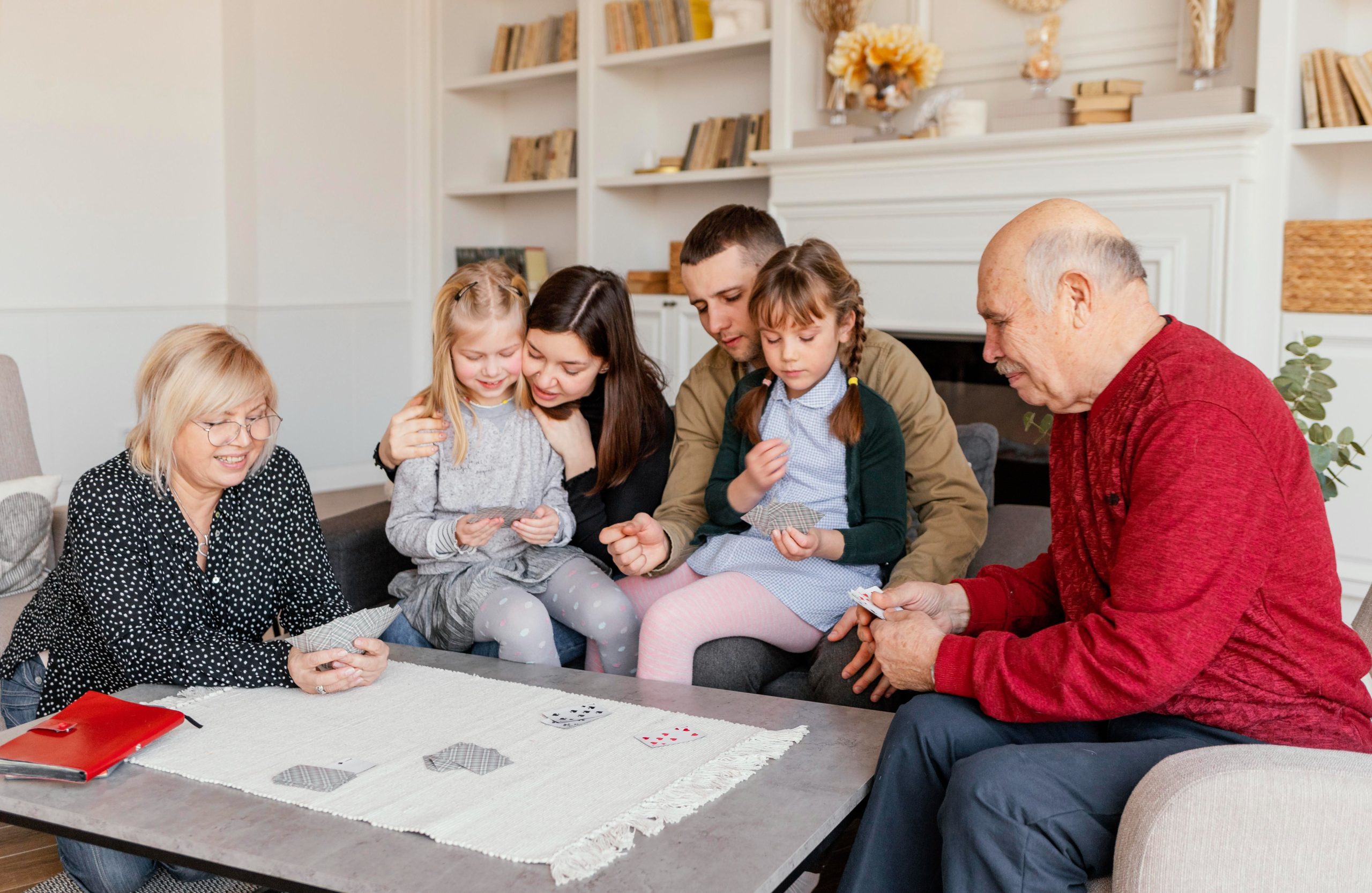
    6. Strengthening Family Bonds: Playing games with parents, grandparents, or siblings can help preschoolers build stronger bonds with their family members. This can also provide an opportunity for quality time and shared experiences.


    Examples of Age-Appropriate Games for Preschoolers


    There are numerous age-appropriate games that preschoolers can enjoy, depending on their interests, abilities, and developmental needs. Here are some examples of games that can be suitable for preschoolers:

    1. Memory Games: Memory games such as matching pairs can help preschoolers develop their memory and concentration skills. These games can also be fun and engaging.

    2. Board Games: Simple board games such as Snakes and Ladders or Ludo can help preschoolers learn to take turns, follow rules, and develop their counting skills. These games can also promote social interaction and family bonding.

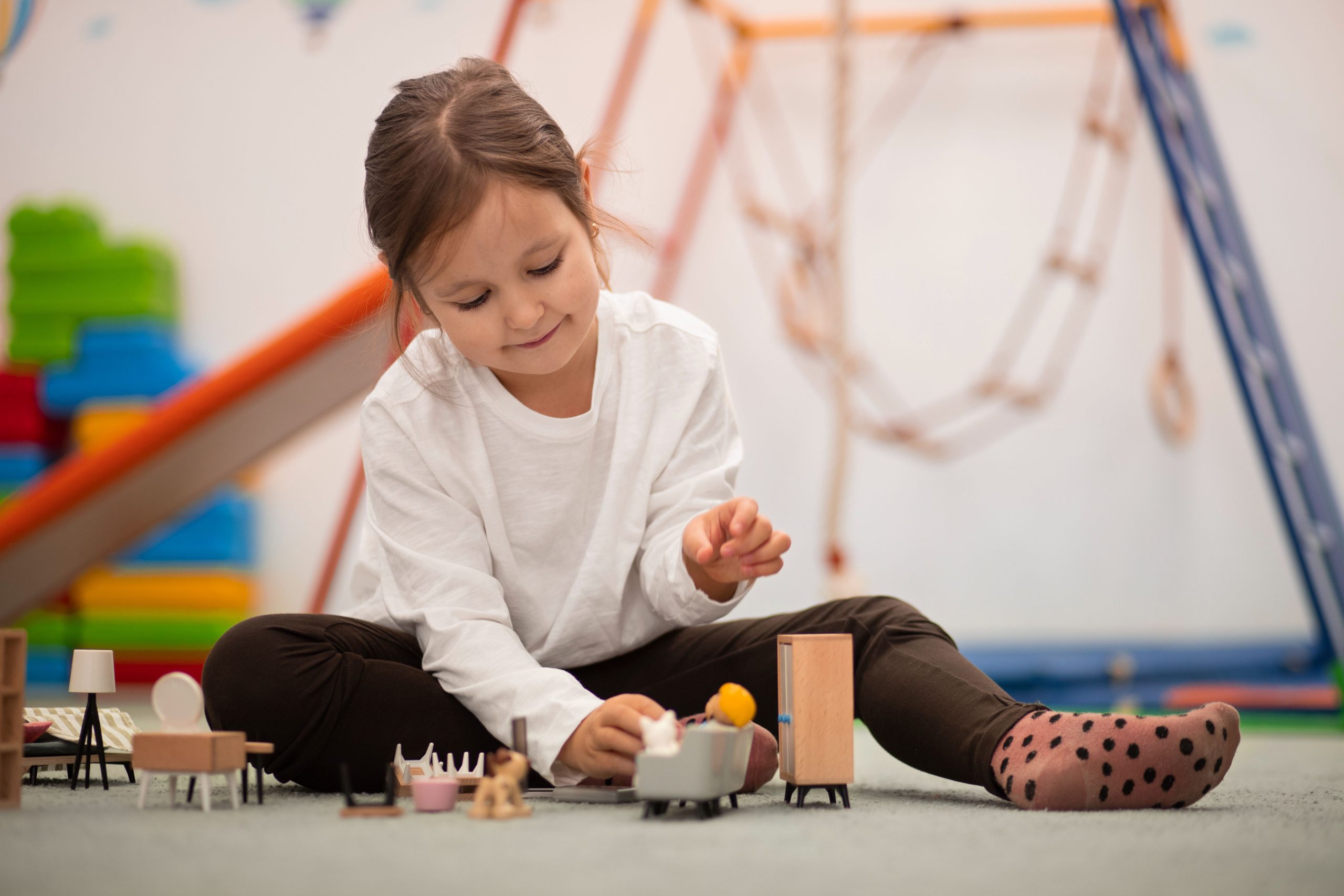
    3. Pretend Play: Pretend play activities such as playing dress-up, cooking, or building can help preschoolers develop their imagination, creativity, and social skills. These activities can also be adapted to suit preschoolers’ interests and abilities.

    4. Outdoor Games: Outdoor games such as tag, hide and seek, or hopscotch can help preschoolers develop their gross motor skills, coordination, and balance. These games can also provide an opportunity for physical activity and fresh air.

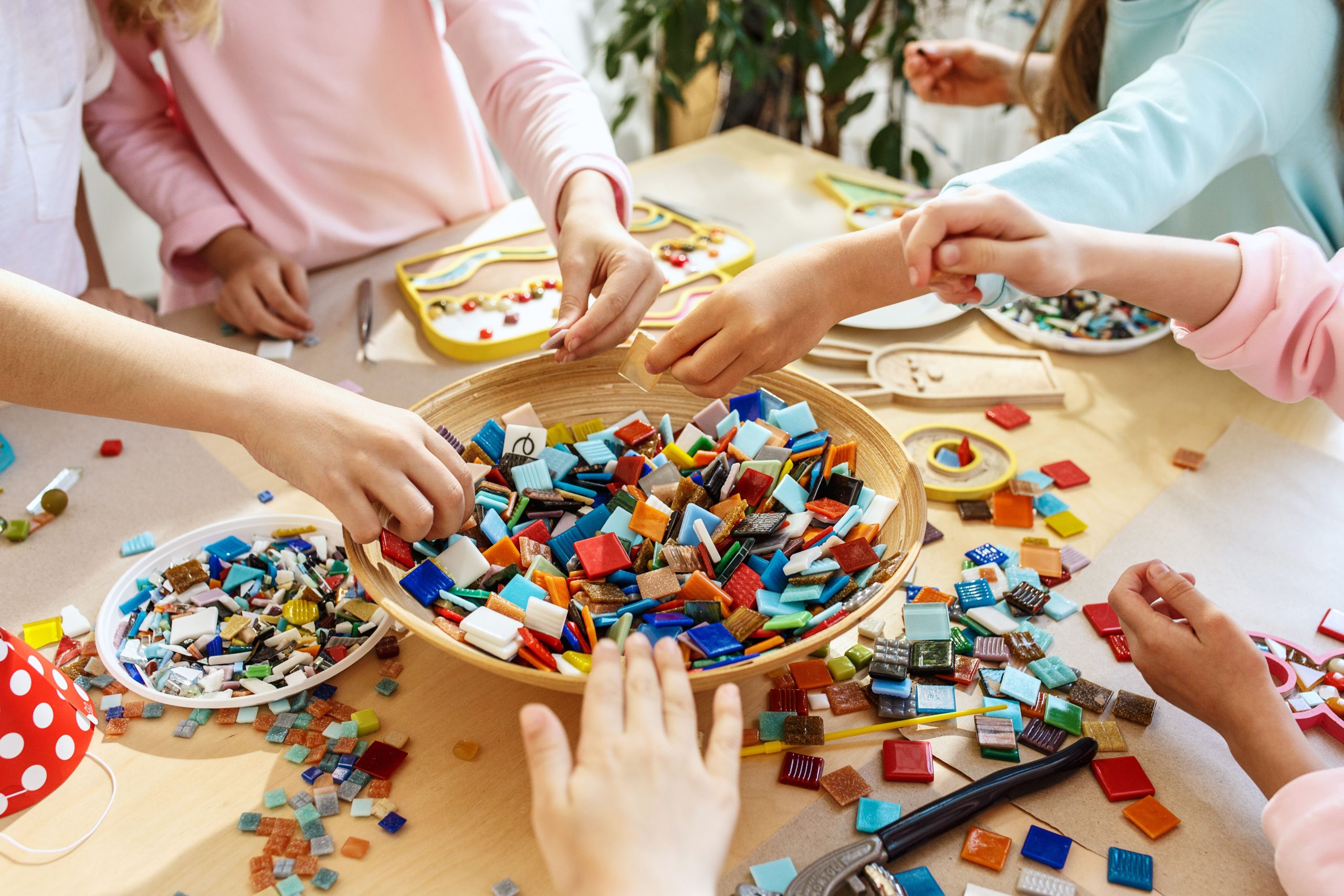
    5. Puzzle Games: Simple puzzle games such as jigsaw puzzles or tangrams can help preschoolers develop their problem-solving and spatial skills. These games can also be fun and entertaining.

    6. Musical Games: Musical games such as singing songs, playing instruments, or dancing can help preschoolers develop their musical abilities, creativity, and coordination. These games can also be a fun way to express themselves.


    Play is a crucial aspect of a preschooler’s development. It provides opportunities for exploration, discovery, and learning, all while having fun. However, not all games are suitable for preschoolers. As a parent, guardian, or teacher, it is essential to choose games that are age-appropriate and promote growth and development. In this article, we will explore the best age-appropriate games for preschoolers, their benefits, and how to incorporate them into your preschooler’s playtime.


    Benefits of Age-Appropriate Games for Preschoolers


    Playing age-appropriate games can help preschoolers develop various skills and abilities, such as:

    1. Social skills: Playing games with other preschoolers can help preschoolers learn to share, take turns, and communicate effectively.

    2. Cognitive skills: Games that involve problem-solving, memory, and strategy can help preschoolers develop critical thinking skills and improve their memory.

    3. Physical skills: Active games that involve running, jumping, and throwing can help preschoolers develop gross motor skills and improve coordination.

    4. Emotional skills: Games that involve taking turns, winning and losing and expressing emotions can help preschoolers develop  emotional regulation and empathy.


    Age-Appropriate Games for Preschoolers


    1. Simon Says: This classic game is perfect for preschoolers. It involves following directions, listening skills, and body awareness. Players have to do whatever Simon says, but only if Simon starts the command with “Simon says.” If a player does a command without “Simon says,” they are out of the game.

    2. Duck, Duck, Goose: This game is a favorite among preschoolers. It involves sitting in a circle and one player goes around tapping each player’s head, saying “duck.” When the player taps someone’s head and says “goose,” that player has to chase the first player around the circle. If the goose catches the first player before they reach the goose’s spot, the first player becomes the goose.

    3. Red Light, Green Light: This game is perfect for improving listening skills and body awareness. One player is the traffic light, and the other players are cars. When the traffic light says, “green light,” the cars move forward, and when they say, “red light,” the cars stop.

    4. Memory Games: Memory games such as matching games, concentration games, and memory cards can help preschoolers develop their memory and concentration skills.

    5. Role-playing games: Role-playing games such as playing house, restaurant, or doctor can help preschoolers develop their imagination, communication, and social skills.


    Incorporating Age-Appropriate Games into Playtime


    As a parent, guardian, or teacher, you can incorporate age-appropriate games into preschoolers’ playtime in various ways:

    1. Set aside dedicated playtime: Create a daily routine that includes dedicated playtime for your preschooler. This can be a time when you play games, read books, or engage in other activities that promote learning and development.

    2. Encourage social play: Encourage your preschooler to play with other preschoolers. This can be at a playdate or a preschool, where they can learn to share, take turns, and communicate effectively.

    3. Use games as learning tools: Use age-appropriate games as learning tools to teach preschoolers new skills, such as counting, colours, and shapes.

    4. Play with your preschooler: Playing games with your preschooler can help strengthen your bond and promote positive parent-child relationships.


    Social Development and Age-Appropriate Games for Preschoolers


    Social development is a crucial aspect of preschoolers’ growth and development. It is during this period that they begin to develop social skills, such as sharing, taking turns, and playing cooperatively with others. Age-appropriate games can help promote social development in preschoolers by providing opportunities for social interaction and cooperative play.

    Some examples of age-appropriate games that promote social development in preschoolers include board games, card games, and team sports. Board games like Snakes and Ladders, Ludo, and Memory games can help teach preschoolers important skills such as taking turns, following rules, and sharing. Card games like Uno, Go Fish, and Old Maid can also help promote social interaction and communication skills. Team sports like soccer, basketball, and baseball can help promote teamwork, cooperation, and good sportsmanship.


    Cognitive Development and Age-Appropriate Games for Preschoolers


    Cognitive development is another important aspect of preschoolers’ growth and development. During this stage, preschoolers begin to develop important cognitive skills such as memory, attention, problem-solving, and decision-making. Age-appropriate games can help promote cognitive development in preschoolers by providing opportunities for them to practice and develop these skills.

    Some examples of age-appropriate games that promote cognitive development in preschoolers include puzzles, matching games, and educational games. Puzzles such as jigsaw puzzles and block puzzles can help promote spatial reasoning and problem-solving skills. Matching games like Memory games and Matching cards can help improve memory and concentration skills. Educational games like Alphabet games, Math games, and Science games can help promote learning and development of important academic skills.


    Physical Development and Age-Appropriate Games for Preschoolers


    Physical development is also an important aspect of preschoolers’ growth and development. During this stage, preschoolers develop important physical skills such as coordination, balance, and fine motor skills. Age-appropriate games can help promote physical development in preschoolers by providing opportunities for them to practice and develop these skills.

    Some examples of age-appropriate games that promote physical development in preschoolers include playground games, outdoor games, and gross motor games. Playground games like swings, slides, and monkey bars can help promote coordination and balance. Outdoor games like hopscotch, tag, and hide-and-seek can help improve coordination, balance, and gross motor skills. Gross motor games like bean bag toss, bowling, and ring toss can help improve fine motor skills and hand-eye coordination.

  • Play Imaginatively

    Play Imaginatively

    Playing Imaginatively: The Best Games to Play with Preschoolers

    Playing games with preschoolers is not just about fun; it’s a crucial part of their development. Games provide an opportunity for preschoolers to learn important skills such as socialisation, problem-solving, and critical thinking. Moreover, games allow preschoolers to engage in imaginative play, which is an essential component of their growth. Here are some of the best games to play with preschoolers that encourage imaginative play.


    Building Blocks

    Building blocks are one of the most popular and timeless toys for preschoolers. They provide endless opportunities for imaginative play and can be used in a variety of ways. Preschoolers can build towers, bridges, and even entire cities with blocks. They can also use blocks to create characters or animals and engage in imaginative play with them.

    Playing with building blocks is also an excellent way for preschoolers to develop their motor skills and hand-eye coordination. They must manipulate the blocks and place them in the correct position, which requires precision and focus. As they continue to play with blocks, preschoolers will develop a better understanding of spatial relationships and geometry.


    Dress-up

    Dress-up is another game that encourages imaginative play in preschoolers. Preschoolers love to dress up as their favourite characters or professions, whether it’s a superhero, a doctor, or a princess. Dress-up allows preschoolers to explore different roles and identities and engage in creative play.

    Playing dress-up also helps preschoolers develop their social skills. They can play with others and take turns pretending to be different characters. They can also learn about empathy and perspective-taking by pretending to be someone else and imagining how that person might feel or act.


    Pretend Play

    Pretend play is an essential part of imaginative play and can take many forms. Preschoolers can pretend to cook in a play kitchen, have a tea party with stuffed animals, or go on a pretend camping trip. Pretend play allows preschoolers to use their imaginations and create their own scenarios and stories.

    Playing pretend also helps preschoolers develop their language skills. They can practice using new words and phrases as they play and engage in conversations with others. Pretend play also encourages preschoolers to think creatively and problem-solve as they work through different scenarios and challenges.


    Puzzles

    Puzzles are a fun and engaging way for preschoolers to develop their cognitive skills. They require preschoolers to think critically and problem-solve as they figure out how to fit the pieces together. Puzzles also help preschoolers develop their hand-eye coordination and fine motor skills.

    Playing with puzzles also encourages imaginative play. Preschoolers can create stories and scenarios based on the images on the puzzle pieces. They can also use the puzzle pieces to create their own designs and pictures.


    Board Games

    Board games are another great way for preschoolers to develop their social skills and engage in imaginative play. Games like Snakes and Ladders or Candyland are easy for preschoolers to understand and can provide hours of entertainment.

    Playing board games also helps preschoolers develop their cognitive skills. They must use critical thinking and problem-solving to make decisions and move their game piece. Board games also encourage preschoolers to think creatively and come up with new strategies and ideas.


    Sensory Play

    Sensory play involves engaging preschoolers’ senses in play, such as touch, smell, and sound. It can take many forms, from playing with sand or water to exploring different textures and materials. Sensory play allows preschoolers to explore the world around them and develop their creativity and imagination.

    Playing with sensory materials also helps preschoolers develop their cognitive skills. They must use their senses to explore and make sense of the materials they are playing with. Sensory play also helps preschoolers develop their language skills as they describe the sensations they are experiencing.


    Outdoor Games

    Playing outside is an excellent way for preschoolers to engage in imaginative play. They can pretend to be pirates searching for treasure or explorers on a safari. Outdoor games also provide opportunities for preschoolers to develop their gross motor skills and enjoy the benefits of fresh air and physical activity.

    Outdoor games can take many forms, such as playing catch or kicking a ball around. Preschoolers can also play games that involve nature, such as collecting leaves or searching for bugs. These activities can spark their curiosity and imagination and provide endless opportunities for imaginative play.


    Musical Games

    Music is an excellent tool for encouraging imaginative play in preschoolers. Musical games such as dancing, singing, and playing musical instruments provide opportunities for preschoolers to express themselves creatively and explore different emotions.

    Playing musical games can also help preschoolers develop their cognitive skills. They must use their memory and attention to follow along with the rhythm and lyrics of a song. Musical games can also help preschoolers develop their language skills as they learn new words and phrases.


    Role-Playing Games

    Role-playing games provide preschoolers with opportunities to explore different roles and identities. They can pretend to be a doctor, a teacher, or a firefighter, among many other professions. Role-playing games allow preschoolers to use their imagination and creativity to create their own scenarios and stories.

    Playing role-playing games also helps preschoolers develop their social skills. They can practice communicating and working with others, taking turns, and resolving conflicts. Role-playing games also encourage preschoolers to think critically and problem-solve as they navigate different scenarios and challenges.


    Storytelling Games

    Storytelling games are an excellent way for preschoolers to engage in imaginative play and develop their language skills. These games can take many forms, such as telling stories with puppets or creating their own storybooks.

    Storytelling games allow preschoolers to use their imagination and creativity to create their own stories and characters. They can also practice their communication skills by telling their stories to others. Storytelling games also encourage preschoolers to think critically and problem-solve as they create their stories and navigate different plot points.


    Science Experiments

    Science experiments can provide preschoolers with opportunities to engage in imaginative play while learning about the world around them. Simple experiments such as mixing different colours or creating a volcano can spark preschoolers’ curiosity and encourage them to explore and experiment.

    Science experiments also help preschoolers develop their cognitive skills. They must use critical thinking and problem-solving to conduct the experiments and observe the results. Science experiments can also help preschoolers develop their language skills as they describe their observations and discoveries.

    Playing imaginatively is an essential part of preschoolers’ development. By engaging in imaginative play, preschoolers can explore the world around them, develop their social and cognitive skills, and enhance their creativity and imagination. These games and activities provide endless opportunities for preschoolers to engage in imaginative play and have fun while learning and growing.


    Cooking Games

    Cooking games provide opportunities for preschoolers to engage in imaginative play while learning about food and nutrition. Simple activities such as making sandwiches or decorating cupcakes can spark their creativity and imagination.

    Cooking games also help preschoolers develop their fine motor skills as they use utensils and manipulate different ingredients. They can also practice their communication and collaboration skills by working with others to create a recipe.


    Building Games

    Building games such as constructing with blocks or creating structures with Legos can provide preschoolers with endless opportunities to engage in imaginative play. They can create towers, houses, and even entire cities.

    Building games also help preschoolers develop their spatial reasoning skills as they visualize and manipulate different shapes and sizes. They can also practice their problem-solving skills as they navigate different construction challenges.


    Drawing and Art Games

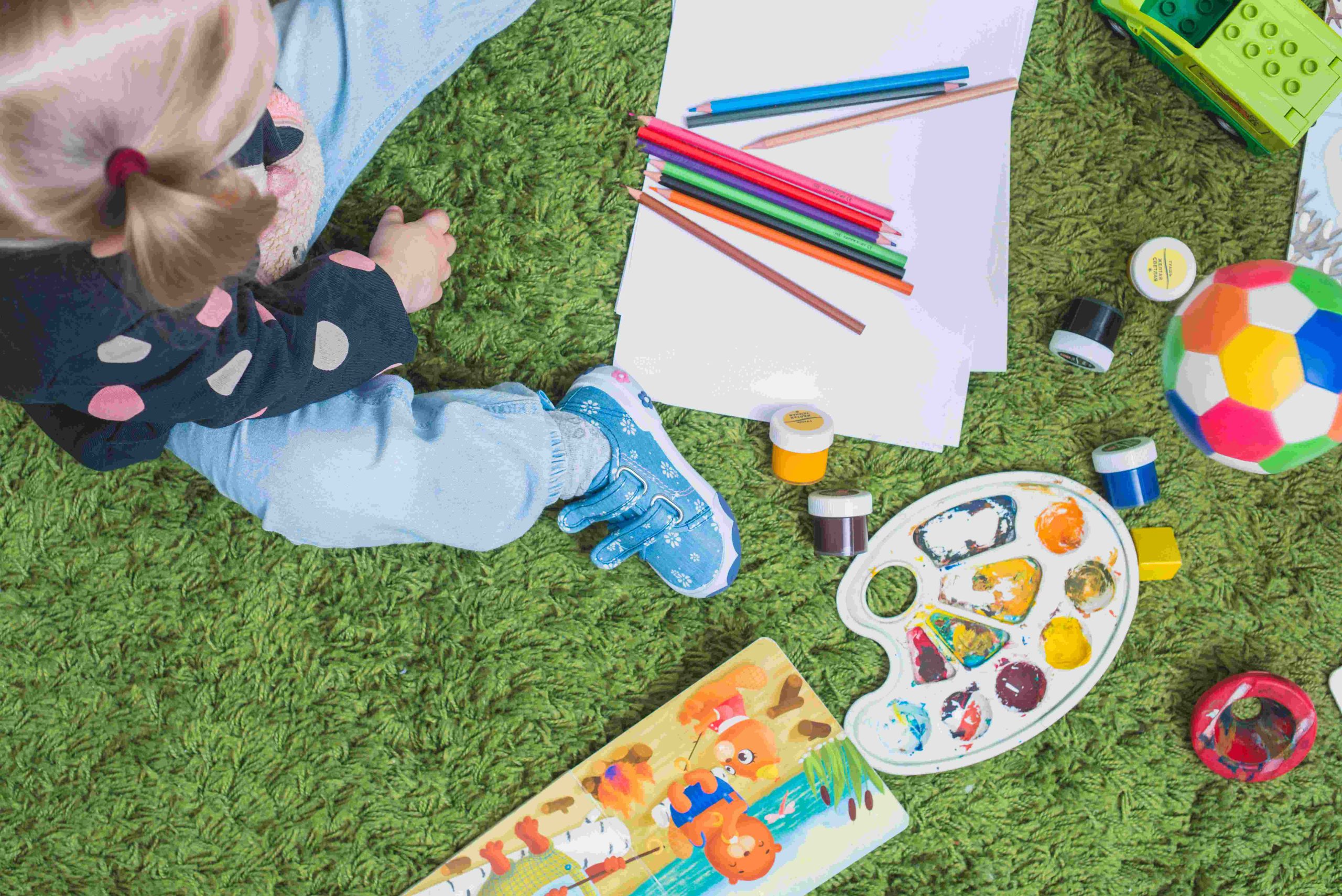
    Drawing and art games provide preschoolers with opportunities to express their creativity and imagination while developing their fine motor skills. Activities such as drawing, painting, and sculpting allow them to create their own masterpieces and explore different colors, textures, and materials.

    Drawing and art games also help preschoolers develop their cognitive skills as they use critical thinking and problem-solving to create their artwork. They can also practice their communication skills as they describe their artwork and share it with others.


    Water Play Games

    Water play games provide preschoolers with opportunities to engage in imaginative play while learning about water and its properties. Activities such as playing with water tables or having a water balloon fight can spark their curiosity and encourage them to explore and experiment.

    Water play games also help preschoolers develop their gross motor skills as they splash and play in the water. They can also practice their communication and collaboration skills by working with others to create different water play scenarios.


    Interactive Story Games

    Interactive story games provide preschoolers with opportunities to engage in imaginative play while learning about different characters and storylines. Activities such as interactive books or storyboards can spark their curiosity and encourage them to explore and imagine different worlds.

    Interactive story games also help preschoolers develop their cognitive skills as they use critical thinking and problem-solving to navigate different plot points. They can also practice their communication skills as they describe their observations and discoveries.


    Dress-Up Games

    Dress-up games provide preschoolers with opportunities to engage in imaginative play while exploring different roles and identities. Activities such as putting on costumes or playing with accessories can spark their curiosity and encourage them to imagine different scenarios and storylines.

    Dress-up games also help preschoolers develop their social skills as they practice empathy and cooperation with their playmates. They can also practice their communication skills as they describe their characters and interact with others in character.


    Animal Play Games

    Animal play games provide preschoolers with opportunities to engage in imaginative play while learning about different animals and their habitats. Activities such as playing with stuffed animals or creating animal masks can spark their curiosity and encourage them to explore and imagine different animal behaviors and characteristics.

    Animal play games also help preschoolers develop their cognitive skills as they learn about different animals and their environments. They can also practice their communication skills as they describe their observations and discoveries to others.


    Outdoor Adventure Games

    Outdoor adventure games provide preschoolers with opportunities to engage in imaginative play while exploring nature and the great outdoors. Activities such as going on nature walks or playing in a sandbox can spark their curiosity and encourage them to imagine different outdoor adventures.

    Outdoor adventure games also help preschoolers develop their physical skills as they run, climb, and explore their surroundings. They can also practice their communication and collaboration skills by working with others to navigate different outdoor challenges.


    Musical Play Games

    Musical play games provide preschoolers with opportunities to engage in imaginative play while exploring different rhythms and sounds. Activities such as playing with musical instruments or singing and dancing can spark their creativity and encourage them to explore and experiment with different musical styles.

    Musical play games also help preschoolers develop their cognitive skills as they learn about different musical concepts such as rhythm and melody. They can also practice their communication skills as they describe their musical creations and share them with others.


    Superhero Games

    Superhero games provide preschoolers with opportunities to engage in imaginative play while exploring different heroic characters and storylines. Activities such as creating superhero capes or masks can spark their curiosity and encourage them to imagine different heroic scenarios and challenges.

    Superhero games also help preschoolers develop their social and emotional skills as they practice empathy and cooperation with their playmates. They can also practice their communication skills as they describe their characters and interact with others in character.


    Fantasy Games

    Fantasy games provide preschoolers with opportunities to engage in imaginative play while exploring different magical and mythical worlds. Activities such as playing with fairy houses or creating dragon masks can spark their creativity and encourage them to imagine different fantasy scenarios and creatures.

    Fantasy games also help preschoolers develop their cognitive skills as they learn about different fantasy concepts and characters. They can also practice their communication skills as they describe their fantasy creations and share them with others.


    Puppetry Games

    Puppetry games provide preschoolers with opportunities to engage in imaginative play while exploring different storytelling techniques. Activities such as creating puppets or putting on puppet shows can spark their curiosity and encourage them to imagine different characters and storylines.

    Puppetry games also help preschoolers develop their cognitive and language skills as they learn about different storytelling techniques and practice their communication and narration skills. They can also practice their social skills as they collaborate with others to create different puppet shows.


    Science Experiment Games

    Science experiment games provide preschoolers with opportunities to engage in imaginative play while learning about different scientific concepts and experiments. Activities such as creating lava lamps or making slime can spark their curiosity and encourage them to explore and experiment with different scientific concepts.

    Science experiment games also help preschoolers develop their cognitive and problem-solving skills as they learn about different scientific concepts and practice their critical thinking skills. They can also practice their communication skills as they describe their scientific discoveries and share them with others.


    Role-Playing Games

    Role-playing games provide preschoolers with opportunities to engage in imaginative play while exploring different roles and identities. Activities such as playing with toy kitchens or creating a pretend store can spark their curiosity and encourage them to imagine different scenarios and challenges.

    Role-playing games also help preschoolers develop their social skills as they practice empathy and cooperation with their playmates. They can also practice their communication skills as they describe their characters and interact with others in character.

  • Creative Play

    Creative Play

    Creative Play: Games for Preschoolers

    Engaging in games with your preschooler not only strengthens your bond but also nurtures cognitive, physical, and social skills. To make the selection process more enjoyable, let’s explore some of the best games, with a focus on encouraging creative play.

    Building with Blocks

    Embarking on the timeless activity of constructing with blocks is an excellent way to foster fine motor skills, hand-eye coordination, and spatial awareness. The versatile nature of blocks sparks creativity and imagination, promoting problem-solving and critical thinking skills as children balance and stack blocks.

    Pretend Play

    Pretend play serves as a catalyst for language, communication, social, and emotional understanding. Providing props like dress-up clothes, dolls, and toys enables the setup of scenarios such as a tea party or a doctor’s office, encouraging imaginative exploration of roles and situations.

    Scavenger Hunts

    Injecting excitement into your preschooler’s day, scavenger hunts capture their interest, fostering exploration and problem-solving skills. Tailor these hunts for indoor or outdoor settings, creating lists or clues to find items. This activity engages cognitive and physical skills while exploring their environment.

    Play-Doh

    Utilizing Play-Doh enhances fine motor skills, hand-eye coordination, and sensory awareness, fostering creativity. Provide an array of colors and tools, encouraging preschoolers to experiment with textures and shapes, thus allowing them to create specific objects and unleash their imagination.

    Puzzles

    Puzzles play a crucial role in aiding problem-solving and critical thinking, enhancing cognitive development. Opt for puzzles with large, easy-to-handle pieces featuring favorite characters. Start with simpler puzzles, gradually increasing difficulty, and thus promoting patience and persistence.

    Sensory Play

    Sensory play boasts numerous benefits for sensory and motor skills, stimulating touch, smell, sight, and sound. Introduce materials like sand or playdough, incorporating different objects to encourage exploration of textures, shapes, and colors.

    Board Games

    Board games take the spotlight in promoting cognitive and social development, enhancing problem-solving, critical thinking, and communication skills. Choose games with simple rules like Snakes and Ladders or Memory. Enjoying these games contributes to skills development while providing an enjoyable experience.

    Art and Crafts

    Engaging in art and crafts not only encourages creativity, imagination, and fine motor skills but also provides an avenue for self-expression. Provide materials like paints, crayons, and paper, introducing various objects for diverse textures and shapes. This platform allows preschoolers to express themselves creatively.

    Outdoor Play

    Encouraging outdoor play becomes vital for physical development, gross motor skills, balance, and coordination. Take preschoolers to the park, promoting activities like running, climbing, and playing with other children. Outdoor play is essential for physical skill development while enjoying the benefits of fresh air.

    Role-Playing Games

    Role-playing games play a significant role in promoting creativity, imagination, and social skills. Engage in scenarios like playing doctor or chef, providing props for an immersive experience. This enjoyable activity develops social and emotional skills, fostering self-expression and confidence.

    Storytelling and Reading

    Storytelling and reading play a pivotal role in promoting language development, imagination, and creativity. Engage preschoolers by selecting a variety of books, encouraging them to create their own stories and illustrations, thereby enhancing language skills and exploring imagination.

    Building and Construction

    Engaging in building and construction activities not only promotes problem-solving, creativity, and fine motor skills but also provides a captivating way to develop cognitive and creative skills. Encourage preschoolers with materials like blocks or Lego, allowing them to create structures and designs.

    Music and Movement

    Music and movement take center stage in promoting physical activity and creativity. Play diverse music, encouraging preschoolers to dance and move. Providing instruments for interactive fun, this activity develops physical and creative skills in an entertaining way.

    Cooking and Baking

    Cooking and baking offer an enjoyable means to promote creativity, imagination, and sensory awareness. Engage preschoolers with simple recipes, involving them in the process. Cooking and baking develop fine motor skills and communication skills while having fun.

    Science Experiments

    Science experiments provide an engaging way to promote curiosity, critical thinking, and exploration. Engage preschoolers with simple experiments like making slime, encouraging questions and predictions. This captivating activity offers a unique way to develop scientific skills while having fun and learning.

    Outdoor Exploration

    Encouraging outdoor exploration becomes a gateway to physical activity, curiosity, and an appreciation for nature. Take preschoolers on nature walks, encouraging them to collect natural objects. Outdoor exploration develops physical and observational skills while having fun and learning about the environment.

    Art and Creativity

    Engaging in art and creativity offers an exceptional means to promote self-expression, imagination, and fine motor skills. Provide preschoolers with materials like paint, crayons, or playdough. This enjoyable activity refines artistic skills while exploring different colors and textures.

    Puzzles and Games

    Delving into puzzles and games not only promotes problem-solving, concentration, and memory skills but also allows preschoolers to create their own challenges. Engage them with various types of puzzles and board games, fostering cognitive and problem-solving skills during playtime with others.

    By incorporating these activities into your routine, you contribute significantly to your preschooler’s cognitive, physical, and social development, fostering joy and connection.

  • Interests

    Interests

    Fostering a Love of Learning by Nurturing Preschooler Interests

    Fostering a Love of Learning by Nurturing Preschooler Interests

    Preschoolers are active, inquisitive individuals who continuously seek new opportunities to explore and learn about their surroundings. As teachers and caregivers, it is our responsibility to support their interests and provide them with the skills and materials necessary to cultivate a lifelong love of learning. This article explores the significance of preschoolers’ interests and offers valuable advice for fostering a love of learning.

    The Importance of Preschoolers’ Interests

    Preschoolers’ learning and development are influenced by their interests. When preschoolers are engaged and interested in a subject or activity, they are more likely to retain information and apply it in new situations. Conversely, lack of interest can lead to disengagement and hinder learning. Additionally, nurturing preschoolers’ interests contributes to their overall well-being, fostering independence and competence.

    Observing and Listening to Young Preschoolers

    Understanding preschoolers’ interests begins with observation and active listening. By observing their play and interactions, we can gain insights into their preferences and learning styles. Paying attention to their inquiries and feedback helps create a supportive environment where preschoolers feel valued and comfortable expressing themselves.

    Promoting Play and Exploration

    Preschoolers thrive through play and exploration, which encourage curiosity, creativity, and problem-solving. Providing both structured and unstructured play opportunities allows them to engage with their interests freely and develop essential skills.

    Providing a Variety of Educational Resources

    To support preschoolers’ interests, it’s essential to offer a diverse range of age-appropriate learning tools. Tailoring resources to match individual interests, such as providing books, toys, and activities related to specific topics, enhances their learning experiences and fosters a deeper engagement with the material.

    Creating Opportunities for Social Interaction

    Social interaction plays a vital role in preschoolers’ development. By facilitating opportunities for peer interaction and meaningful engagement with adults, we can promote social skills, empathy, and communication abilities.

    Encouraging Parental Involvement

    Parents play a crucial role in nurturing preschoolers’ interests. Collaborating with parents and encouraging their involvement in educational activities strengthens the support network for preschoolers and enhances their learning experiences.

    Promoting Inquiry and Creativity

    Preschoolers’ innate curiosity and creativity flourish when they are given the freedom to explore and experiment. Encouraging questioning, providing open-ended materials, and fostering a supportive environment for exploration are key strategies for promoting curiosity and creativity.

    Fostering Internal Motivation

    Building intrinsic motivation is essential for sustaining preschoolers’ love of learning. Offering choices, encouraging self-directed learning, and providing opportunities for meaningful feedback help cultivate a sense of ownership and enthusiasm for learning.

    Accessing a Variety of Resources

    Exposing preschoolers to a diverse range of resources broadens their horizons and encourages exploration. By introducing them to books, toys, and activities that align with their interests, we can spark their curiosity and facilitate meaningful learning experiences.

    Encouraging Nature Exploration

    Exploring the natural world offers preschoolers opportunities for discovery and connection. Engaging in outdoor activities and nature exploration fosters a deeper appreciation for the environment and stimulates curiosity about the world around them.

    Conclusion

    In conclusion, nurturing preschoolers’ interests is essential for their overall growth and well-being. By providing opportunities for exploration, play, creativity, and learning, we can instill a lifelong love of learning in them. As educators, parents, and caregivers, it is our responsibility to create a supportive and enriching environment where preschoolers can thrive and fulfill their potential.

  • Safety Standards

    Safety Standards

    Ensuring Preschoolers’ Safety: Understanding the Standards and Best Practices

    Parents always prioritize the safety and security of their preschoolers, whether they’re at home, the park, or preschool. However, preschoolers’ natural curiosity and adventurous spirit often lead them to explore, increasing the risk of accidents and injuries. Establishing comprehensive safety standards is crucial to safeguard their well-being and minimize potential harm. This article provides insights into essential safety standards and best practices that preschools should adhere to ensure the safety of the preschoolers under their care.


    Safety Standards for the Physical Environment

    The physical environment significantly influences preschoolers’ safety in classrooms. Preschools must adhere to safety standards to create environments conducive to their well-being. This includes ensuring classrooms are free from sharp objects, providing ample space for safe movement, maintaining proper lighting, ventilation, and temperature control, and implementing safety measures such as gates, fire extinguishers, smoke detectors, and emergency exits.


    Safety Standards for Curriculum and Activities

    Preschools must also adhere to safety standards concerning curriculum and activities. All activities and equipment should be age-appropriate and safe for preschoolers. Teachers should closely supervise activities, ensuring adherence to safety rules and mitigating potential risks. For instance, during physical activities like climbing or jumping, equipment should match the children’s age and skill levels, with teachers providing adequate supervision to prevent accidents.


    Safety Standards for Staff Training and Supervision

    Preschools must ensure all staff members receive comprehensive training in safety standards and best practices for working with preschoolers. Staff should be proficient in creating safe environments, handling emergencies, and managing challenging behaviors. Additionally, staff should possess first aid and CPR training, with the presence of designated health professionals to respond to medical emergencies. Adequate staffing levels are essential to supervise preschoolers effectively and provide necessary care and attention.


    Safety Standards for Health and Hygiene

    Adhering to safety standards for health and hygiene is crucial in preventing the spread of diseases and illnesses among preschoolers. Preschools should maintain up-to-date immunization records, exclude preschoolers with communicable diseases until non-contagious, and uphold high cleanliness and hygiene standards. Teachers should educate preschoolers on good hygiene practices, such as regular handwashing and proper coughing and sneezing etiquette.


    Safety Standards for Transportation

    Preschools must follow safety standards for transporting preschoolers safely to and from the school premises. This entails having clear transportation policies, ensuring the safety and maintenance of vehicles, and providing adequate supervision during transportation.


    Safety Standards for Emergency Preparedness

    Preschools should have comprehensive emergency preparedness plans in place to handle various emergency situations effectively. Plans should cover procedures for fires, natural disasters, medical emergencies, and communication protocols with parents/guardians. Regular drills and clear communication channels ensure preparedness and swift responses during emergencies.


    Safety Standards for Technology Use

    Incorporating technology safely in preschool education requires adherence to specific safety standards. Preschoolers should only use age-appropriate and supervised technology, with internet safety policies in place. Regular maintenance and monitoring of technology ensure safe usage in classrooms.


    Safety Standards for Food and Nutrition

    Nutrition plays a pivotal role in preschoolers’ growth and development, necessitating safety standards for food and nutrition. Preschools should serve safe and nutritious meals, accommodating special dietary needs. Promoting healthy eating habits and limiting sugary and high-fat foods contribute to preschoolers’ overall health and well-being.


    Safety Standards for Outdoor Play

    Outdoor play is integral to preschoolers’ development, requiring adherence to safety standards. Outdoor play areas should be designed with safety in mind, free from hazards, and adequately supervised to prevent accidents.


    The Importance of Safety Standards for Preschoolers

    Safety standards are indispensable for fostering preschoolers’ physical, social, and emotional development. By prioritizing safety, preschools create secure environments conducive to exploration and learning, promoting positive outcomes for preschoolers.


    Tips for Ensuring Preschoolers’ Safety

    Conducting regular safety inspections, following safety guidelines, providing staff training, encouraging parental involvement, establishing emergency plans, using age-appropriate equipment, promoting healthy habits, and supervising outdoor play are essential tips to ensure preschoolers’ safety.


    Benefits of Ensuring Preschoolers’ Safety

    Ensuring preschoolers’ safety promotes their physical health, emotional well-being, cognitive development, builds trust, enhances learning, encourages parental involvement, supports social development, builds confidence, reduces stress, and fosters positive behavior, contributing to overall well-being and development.