Category: Preschool Games

  • Methods

    Methods


    Toddler Triumphs: Discovering the Delightful Games 3-Year-Olds Love to Play and Learn


    As a parent or caregiver, it can be tough to find games that preschoolers like playing. With so many options available, it might be overwhelming to find the appropriate game that will keep them entertained and involved. In this post, we will study the ways that might help you determine the games that preschoolers like playing.


    Understanding the Developmental Stage of Preschoolers
       

    Preschoolers are at a unique developmental stage where they are eager to learn and explore the world around them. At this age, they are developing their cognitive, emotional, and social skills. Therefore, it is essential to choose games that are age-appropriate and align with their developmental stage.


    Games that require problem-solving, memory, and decision-making skills are ideal for preschoolers. Additionally, games that promote creativity, imagination, and physical activity can help enhance their social and emotional development.


    Observing Preschoolers’ Interests
       

    Observing preschoolers’ interests is an effective method to identify the games that they enjoy playing. By observing their playtime, you can identify their likes and dislikes and choose games that align with their interests.


    For instance, if a preschooler is interested in animals, you can choose games that feature animal characters or games that teach them about different animals. Similarly, if a preschooler enjoys music, you can choose games that involve singing or dancing.


    Consulting with Other Parents or Caregivers
       

    Consulting with other parents or caregivers is an excellent method to identify the games that preschoolers enjoy playing. Other parents or caregivers may have tried and tested games that have been successful with their preschoolers.


    You can join parenting groups or forums where you can interact with other parents or caregivers and seek recommendations for age-appropriate games. Additionally, you can ask for feedback on games that you have already tried with your preschooler.


    Reading Reviews and Ratings
       

    Reading reviews and ratings of games is another effective method to identify the games that preschoolers enjoy playing. Reviews and ratings provide insights into the game’s features, gameplay, and age-appropriateness.


    You can read reviews on online marketplaces or parenting websites to get an idea of the game’s popularity and effectiveness. Additionally, you can check ratings on age-appropriate websites to ensure that the game is suitable for your preschooler.


    Trying Out Different Games
       

    Trying out different games is an essential method to identify the games that preschoolers enjoy playing. Preschoolers have different interests and preferences, and it may take some trial and error to find the right game that they enjoy playing.


    You can start by choosing a few games that align with their interests and developmental stage. Observe their playtime and see how engaged they are with the game. If they enjoy playing the game, you can continue playing it with them. If not, you can try another game until you find one that they enjoy playing.


    Incorporating Learning into Games
       

    Incorporating learning into games is an effective method to enhance preschoolers’ cognitive, emotional, and social development. Games that involve problem-solving, memory, decision-making, creativity, imagination, and physical activity can help develop these skills.


    For instance, you can choose games that teach preschoolers about shapes, colors, numbers, and letters. Additionally, you can choose games that involve physical activity such as dancing or jumping to enhance your motor skills.


    Considering the Social Aspect of Games
       

    Preschoolers are at a stage where they are developing their social skills, and games can be an effective tool to promote social interactions. Games that involve turn-taking, sharing, and cooperation can help preschoolers develop their social skills.


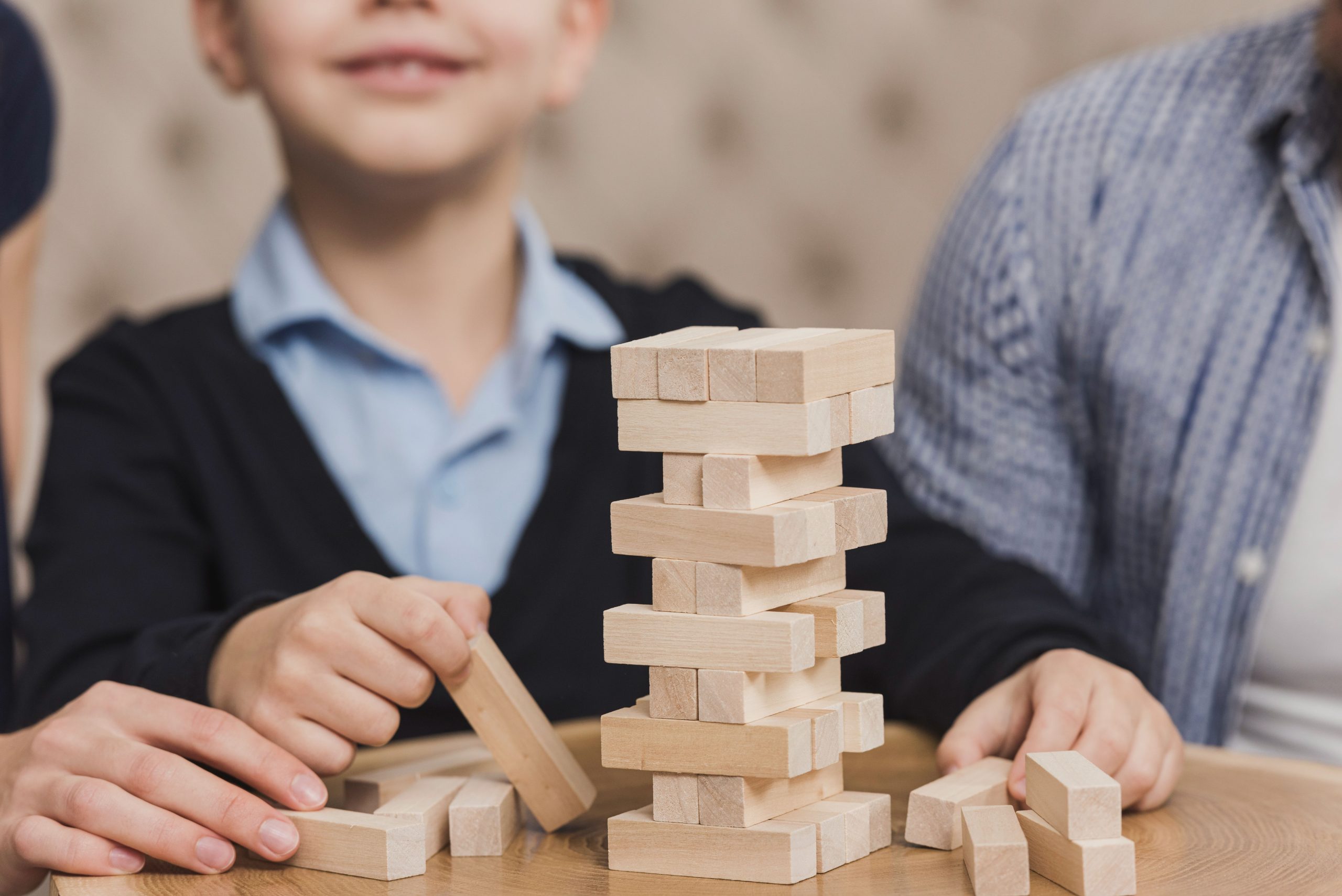
    You can choose games that require teamwork, such as building blocks or puzzles. Additionally, you can choose games that involve role-playing or imaginative play, which can help preschoolers develop their communication and social skills.


    Incorporating Technology into Games
       

    Technology has become an integral part of our lives, and preschoolers are exposed to it from an early age. Incorporating technology into games can be an effective way to keep preschoolers engaged and interested.


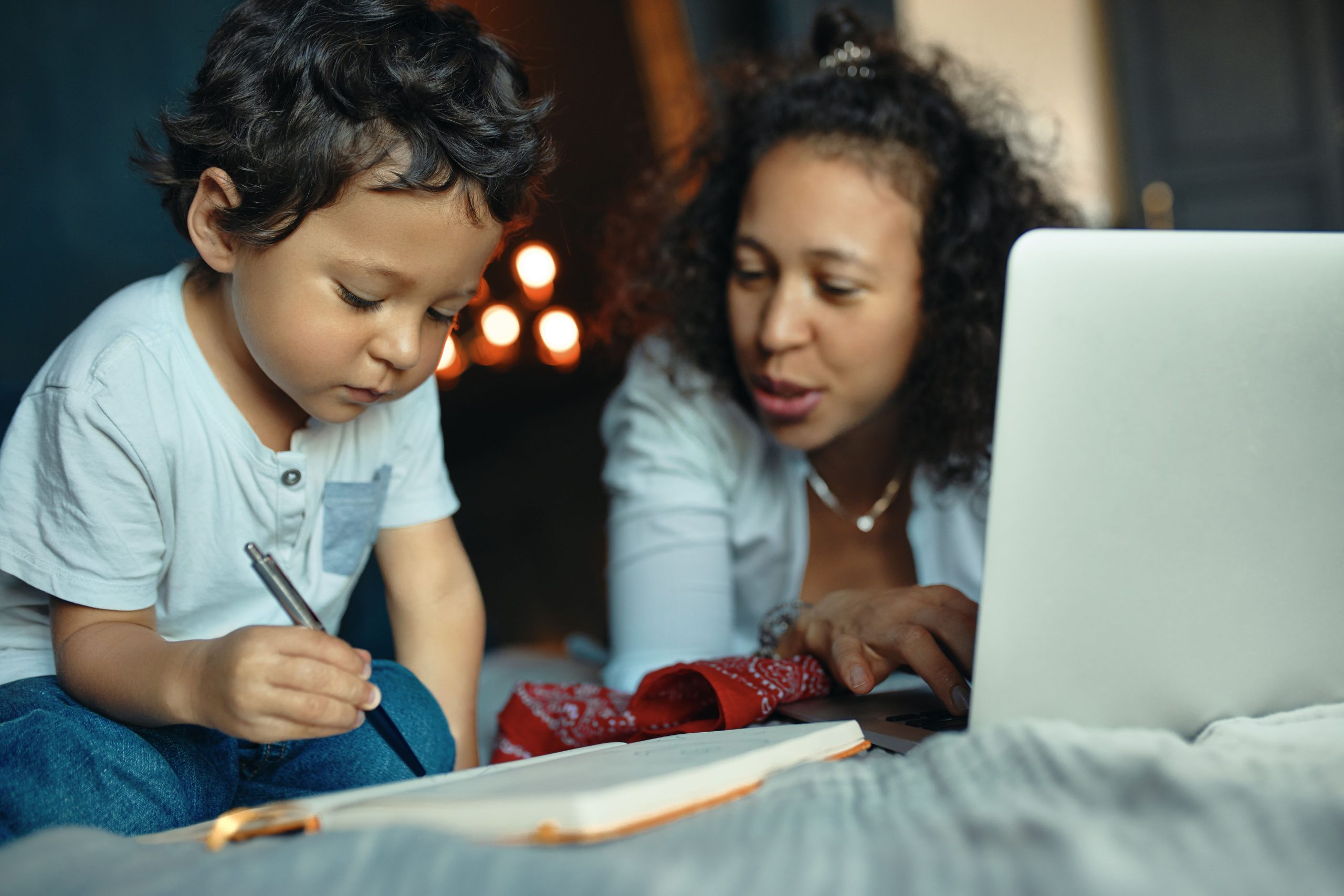
    You can choose age-appropriate games that are available on tablets or smartphones. Additionally, you can use educational apps that teach preschoolers about different subjects such as math, science, or language.


    However, it is essential to set limits on screen time and ensure that the games you choose are safe and age appropriate.


    Considering the Physical Environment
       

    The physical environment can also play a significant role in the games that preschoolers enjoy playing. Preschoolers may prefer playing games indoors or outdoors, depending on their preferences.


    You can choose games that are suitable for the physical environment, such as games that involve physical activity for outdoor play or games that require focus and concentration for indoor play.


    Additionally, you can create a play area that is safe and conducive to playing games. You can use soft mats or carpets to provide a comfortable playing surface and ensure that the area is free from hazards.


    Encouraging Creativity and Imagination
       

    Preschoolers have vivid imaginations and enjoy expressing their creativity. Games that encourage creativity and imagination can help preschoolers develop their cognitive and emotional skills.


    You can choose games that involve drawing, painting, or crafting. Additionally, you can encourage preschoolers to create their own games or stories, which can help develop their creativity and imagination.


    Choosing Games that Promote Diversity and Inclusivity
       

    Preschoolers are at a stage where they are learning about the world around them, and games can be an effective tool to promote diversity and inclusivity. Games that feature characters from different backgrounds and cultures can help preschoolers develop an appreciation for diversity and inclusivity.


    You can choose games that feature characters from different races, religions, and cultures. Additionally, you can choose games that teach preschoolers about different traditions and customs.


    It is important to note that promoting diversity and inclusivity is not just limited to the games that preschoolers play. It is also essential to model inclusive behavior and expose preschoolers to diverse experiences and perspectives.


    Choosing Games that Align with Your Values
       

    As a parent or caregiver, you have your own set of values and ideas that you wish to inculcate in your preschooler.


    Choosing games that align with your values can help reinforce these values and beliefs.


    You can choose games that promote kindness, empathy, respect, and other values that you want to instill in your preschooler. Additionally, you can choose games that teach preschoolers about different social issues such as the environment, poverty, or inequality.


    It is important to ensure that the games you choose are age-appropriate and align with your preschooler’s developmental stage.


    Balancing Fun and Learning
       

    Games can be an effective tool to promote learning, but it is essential to balance fun and learning. Preschoolers may lose interest in games that are too focused on learning and not enough on fun.


    You can choose games that incorporate learning into fun activities such as singing, dancing, or storytelling. Additionally, you can choose games that allow preschoolers to explore and discover on their own.


    It is important to ensure that the games you choose are age-appropriate and align with your preschooler’s developmental stage.


    Incorporating Family Time into Games
       

    Games can be an excellent opportunity for family time and bonding. Choosing games that the whole family can play together can help strengthen family relationships and create lasting memories.


    You can choose games that involve teamwork or competition between family members. Additionally, you can choose games that allow preschoolers to learn from older siblings or family members.


    Choosing Games that Develop Problem-Solving Skills
       

    Preschoolers are at a stage where they are developing their problem-solving skills, and games can be an effective tool to promote this skill. Games that require preschoolers to use their problem-solving skills can help them develop their critical thinking and decision-making abilities.


    You can choose games that involve puzzles, mazes, or memory games. Additionally, you can choose games that require preschoolers to make decisions or solve problems such as choosing the right path or finding hidden objects.


    It is important to ensure that the games you choose are age-appropriate and align with your preschooler’s developmental stage.


    Choosing Games that Develop Fine Motor Skills
       

    Preschoolers are at a stage where they are developing their fine motor skills, and games can be an effective tool to promote this skill. Games that require preschoolers to use their hands and fingers can help them develop their fine motor skills.


    You can choose games that involve drawing, painting, or crafting. Additionally, you can choose games that require preschoolers to pick up small objects or manipulate objects such as building blocks or puzzles.


    It is important to ensure that the games you choose are age-appropriate and align with your preschooler’s developmental stage.


    Choosing Games that Develop Gross Motor Skills
       

    Preschoolers are at a stage where they are developing their gross motor skills, and games can be an effective tool to promote this skill. Games that require preschoolers to use their large muscles can help them develop their gross motor skills.


    You can choose games that involve physical activity such as dancing, jumping, or running. Additionally, you can choose games that require preschoolers to balance or coordinate their movements such as playing catch or kicking a ball.


    It is important to ensure that the games you choose are age-appropriate and align with your preschooler’s developmental stage.


    Choosing Games that Develop Language Skills
       

    Preschoolers are at a stage where they are developing their language skills, and games can be an effective tool to promote this skill. Games that require preschoolers to use their language skills can help them develop their vocabulary, grammar, and communication abilities.


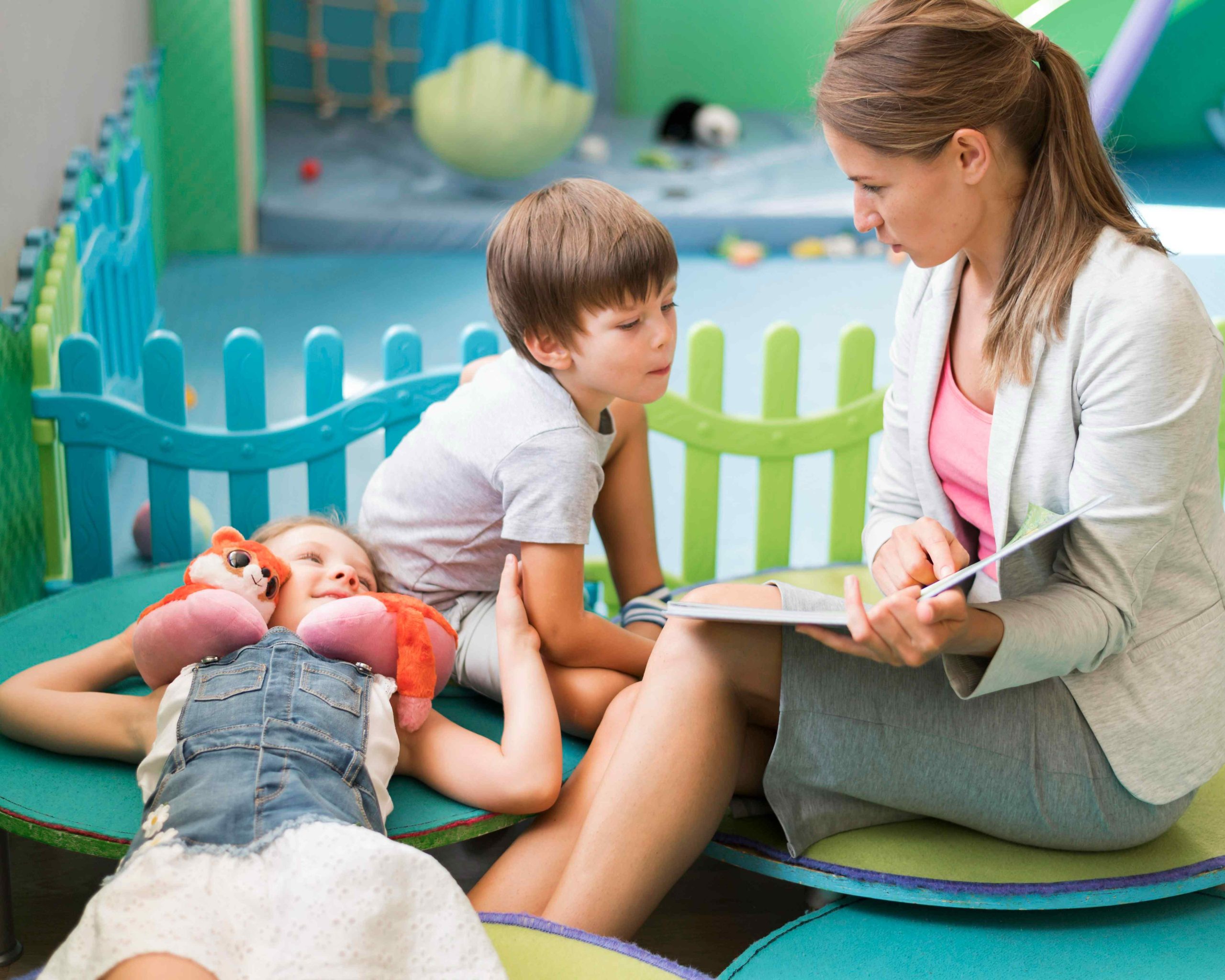
    You can choose games that involve storytelling, singing, or role-playing. Additionally, you can choose games that require preschoolers to identify objects or animals and name them.


    It is important to ensure that the games you choose are age-appropriate and align with your preschooler’s developmental stage.


    Choosing Games that Develop Emotional Intelligence
       

    Preschoolers are at a stage where they are developing their emotional intelligence, and games can be an effective tool to promote this skill. Games that require preschoolers to identify and express their emotions can help them develop their emotional intelligence.


    You can choose games that involve role-playing or imaginative play, which can help preschoolers develop their communication and social skills. Additionally, you can choose games that require preschoolers to identify emotions or express their feelings such as playing “emotion charades” or “feelings bingo.”


    It is important to ensure that the games you choose are age-appropriate and align with your preschooler’s developmental stage.


    Choosing Games that Promote Executive Function Skills
       

    Preschoolers are at a stage where they are developing their executive function skills, and games can be an effective tool to promote this skill. Games that require preschoolers to use their executive function skills such as planning, organizing, and self-control can help them develop these skills.


    You can choose games that involve problem-solving, memory, or attention such as playing memory games or “I Spy.” Additionally, you can choose games that require preschoolers to follow rules or take turns such as playing board games or card games.


    It is important to ensure that the games you choose are age-appropriate and align with your preschooler’s developmental stage.


    Choosing Games that Develop Cultural Awareness
       

    Preschoolers are at a stage where they are learning about different cultures, and games can be an effective tool to promote cultural awareness. Games that expose preschoolers to different cultures and traditions can help them develop an appreciation for diversity.


    You can choose games that involve learning about different cultures such as playing “world geography” or “cultural dress-up.” Additionally, you can choose games that teach preschoolers about different traditions and customs such as playing “holiday bingo” or “cultural food tasting.”


    It is important to ensure that the games you choose are age-appropriate and align with your preschooler’s developmental stage.


    Choosing Games that Develop Social Skills
       

    Preschoolers are at a stage where they are developing their social skills, and games can be an effective tool to promote this skill. Games that require preschoolers to interact with others and practice social skills can help them develop their communication, cooperation, and empathy skills.


    You can choose games that involve teamwork or cooperation such as playing “hot potato” or “red light, green light.” Additionally, you can choose games that require preschoolers to take turns or share such as playing “musical chairs” or “pass the parcel.”


    It is important to ensure that the games you choose are age-appropriate and align with your preschooler’s developmental stage.


    Choosing Games that Develop Science and Math Skills
       

    Preschoolers are at a stage where they are developing their science and math skills, and games can be an effective tool to promote these skills. Games that require preschoolers to use their logical thinking and problem-solving abilities can help them develop their science and math skills.


    You can choose games that involve counting, sorting, or matching such as playing “shape puzzles” or “color matching.” Additionally, you can choose games that involve scientific concepts such as playing “sink or float” or “magnet exploration.”


    It is important to ensure that the games you choose are age-appropriate and align with your preschooler’s developmental stage.


    Choosing Games that Develop Music and Art Skills
       

    Preschoolers are at a stage where they are developing their music and art skills, and games can be an effective tool to promote these skills. Games that require preschoolers to use their creativity and imagination can help them develop their music and art skills.


    You can choose games that involve singing, dancing, or playing musical instruments such as playing “musical chairs” or “sing-along.” Additionally, you can choose games that involve drawing, painting, or crafting such as playing “playdough” or “finger painting.”


    It is important to ensure that the games you choose are age-appropriate and align with your preschooler’s developmental stage.

     
  • Entertaining and Exciting

    Entertaining and Exciting

    Playful Pioneers: A Treasury of Engaging and Enthralling Game Ideas for Preschoolers


    As a parent or caregiver, finding entertaining and exciting game ideas for preschoolers can be a challenge. Preschoolers have short attention spans and can quickly lose interest in games that are too simple or too complex. Nonetheless, with a little creativity and imagination, there are plenty of games that can capture the attention of preschoolers and provide hours of fun and learning.


    Active Games
     

    Active games are a great way to get preschoolers moving and burning off energy. Here are some ideas for active games:


    Simon Says:
    This classic game is a great way to get preschoolers moving and practicing listening skills. The leader gives commands such as “Simon says touch your toes” and the preschoolers must follow along. If the leader gives a command without saying “Simon says,” any preschooler who follows the command is out.


    Obstacle Course:
    Set up an obstacle course using items such as cones, hula hoops, and jump ropes. Preschoolers can crawl under, jump over, and weave through obstacles.


    Red Light, Green Light:
    The leader stands at one end of a playing area and the preschoolers stand at the other end. The leader calls out “green light” and the preschoolers move towards the leader. Then, the leader calls out “red light” and the preschoolers must stop moving. Any preschooler who moves after the leader calls out “red light” is out.


    Educational Games
     

    Educational games are a great way to promote learning and development in preschoolers. Here are some ideas for educational games:


    Memory Match:
    Create a set of cards with matching pairs of pictures or letters. Preschoolers take turns flipping over two cards at a time to try to find a match.


    Alphabet Scavenger Hunt:
    Hide letters of the alphabet around a room or outdoor area. Preschoolers can search for the letters and then put them in to spell out a word.


    Shape Sorting:
    Provide preschoolers with a set of blocks or shapes in different colors and sizes. Preschoolers can sort the shapes by color or size or match them to corresponding shapes on a board.


    Creative Games
     

    Creative games are a great way to encourage imagination and self-expression in preschoolers. Here are some ideas for creative games:


    Dress-Up:
    Provide a box of costumes and accessories such as hats, scarves, and jewelry. Preschoolers can dress up and act out different roles and scenarios.


    Storytelling:
    Provide preschoolers with a set of pictures or objects and ask them to create a story using the items. This game encourages imagination and language development.


    Art Projects:
    Provide materials such as paint, markers, and paper for preschoolers to create their own art projects. This game encourages creativity and fine motor skills.


    Cooperative Games
     

    Cooperative games are a great way to promote teamwork and social skills in preschoolers. Here are some ideas for cooperative games:


    Beanbag Toss:
    Preschoolers work together to toss beanbags into a target such as a bucket or hoop.


    Parachute Games:
    A large parachute is used to play games such as “popcorn” where preschoolers bounce balls on the parachute.


    Group Building:
    Preschoolers work together to build structures using blocks or other materials.


    Outdoor Games
     

    Outdoor games are a great way to get preschoolers outside and enjoy nature. Here are some ideas for outdoor games:


    Nature Scavenger Hunt:
    Preschoolers can search for items such as leaves, rocks, and flowers in a natural setting such as a park or forest.


    Sidewalk Chalk Games:
    Use sidewalk chalk to create games such as hopscotch or tic-tac-toe.


    Water Play:
    Provide preschoolers with buckets, cups, and water toys for water play activities such as pouring and splashing.


    Board Games
     

    Board games are a great way to promote learning and social skills in preschoolers. Here are some ideas for board games:


    Candy Land:
    This classic board game is designed for preschoolers and teaches color recognition and counting skills.


    Chutes and Ladders:
    Another classic board game that teaches counting skills and good sportsmanship.


    Memory Games:
    Board games such as “Memory” or “Go Fish” teach memory skills and turn-taking.


    Sensory Games
     

    Sensory games are a great way to promote exploration and learning in preschoolers. Here are some ideas for sensory games:


    Sensory Bins:
    Fill a bin with items such as rice, beans, or sand and provide preschoolers with scoops, cups, and other tools for exploration.


    Playdough:
    Provide preschoolers with playdough and tools such as cookie cutters and rolling pins for creative play.


    Shaving Cream:
    Spread shaving cream on a table or tray and provide preschoolers with tools such as spoons or paintbrushes for sensory exploration.


    Music Games
     

    Music games are a great way to promote creativity and language development in preschoolers. Here are some ideas for music games:


    Singing Games:
    Play games such as “Ring Around the Rosie” or “The Itsy-Bitsy Spider” that incorporate singing and movement.


    Musical Chairs:
    Play musical chairs with preschoolers using Preschooler’s-sized chairs and age-appropriate music.


    Instrument Exploration:
    Provide preschoolers with a variety of instruments such as drums, shakers, and xylophones for exploration and creative play.


    Puzzles and Building Games
     

    Puzzles and building games are a great way to promote problem-solving and spatial skills in preschoolers. Here are some ideas for puzzles and building games:


    Jigsaw Puzzles:
    Provide preschoolers with age-appropriate jigsaw puzzles that promote problem-solving skills.


    Building Blocks:
    Provide preschoolers with building blocks such as Duplo or Mega Bloks for creative play and spatial awareness.


    Magnetic Tiles:
    Magnetic tiles such as Magna-Tiles or Picasso Tiles provide preschoolers with opportunities for creative building and spatial exploration.


    Science Games
     

    Science games are a great way to promote curiosity and exploration in preschoolers. Here are some ideas for science games:


    Sink or Float:
    Provide preschoolers with a variety of objects such as rocks, toys, and paper and ask them to predict whether the object will sink or float in water.


    Nature Walk:
    Take preschoolers on a nature walk and ask them to collect items such as leaves, rocks, and flowers. Use a magnifying glass to explore the items and discuss their properties.


    Color Mixing:
    Provide preschoolers with primary colored paints and ask them to mix the colors to create secondary colors.


    Technology Games
     

    Technology games are a great way to promote technology literacy in preschoolers. Here are some ideas for technology games:


    Educational Apps:
    There are many educational apps available for preschoolers that promote learning and development.


    Coding Games:
    There are coding games available for preschoolers that teach basic coding skills such as sequencing and problem-solving.


    Virtual Field Trips:
    Take preschoolers on virtual field trips using online resources such as Google Earth or virtual museums.


    Math Games
     

    Math games are a great way to promote numeracy skills in preschoolers. Here are some ideas for math games:


    Counting Games:
    Play games such as “I Spy” that incorporate counting skills.


    Number Recognition:
    Provide preschoolers with number cards and ask them to match the cards to corresponding objects.


    Shape Games:
    Play games such as “Shape Bingo” that incorporate shape recognition skills.


    Geography Games
     

    Geography games are a great way to promote global awareness in preschoolers. Here are some ideas for geography games:


    Map Skills:
    Teach preschoolers basic map skills such as cardinal directions and map symbols.


    Country Recognition:
    Provide preschoolers with flags or pictures of countries and ask them to match them to corresponding maps.


    Cultural Exploration:
    Teach preschoolers about different cultures and countries through books, videos, and online resources.


    Language Games
     

    Language games are a great way to promote language development in preschoolers. Here are some ideas for language games:


    Rhyming Games:
    Play games such as “Rhyme Time” that incorporate rhyming words.


    Vocabulary Games:
    Play games such as “I Spy” that incorporate new vocabulary words.


    Storytelling Games:
    Provide preschoolers with a set of pictures or objects and ask them to create a story using the items.


    Cooking Games
     

    Cooking games are a great way to promote creativity, motor skills, and healthy eating habits in preschoolers. Here are some ideas for cooking games:


    Pizza Making:
    Provide preschoolers with pre-made pizza crusts and a variety of toppings such as cheese, vegetables, and meats. Preschoolers can make their own pizza creations and then bake them in the oven.


    Fruit Salad:
    Provide preschoolers with a variety of fruits such as bananas, apples, and grapes. Preschoolers can chop the fruit into bite-sized pieces and then mix them together to make a fruit salad.


    Smoothie Making:
    Provide preschoolers with a variety of fruits, yogurt, and milk. Preschoolers can blend the ingredients together to make their own smoothie creations.


    Mindfulness Games
     

    Mindfulness games are a great way to promote emotional regulation and stress reduction in preschoolers. Here are some ideas for mindfulness games:


    Mindful Breathing:
    Teach preschoolers how to take deep breaths and focus on their breathing to promote relaxation and calmness.


    Mindful Listening:
    Play a game where preschoolers listen for specific sounds such as birds chirping or cars honking.


    Mindful Coloring:
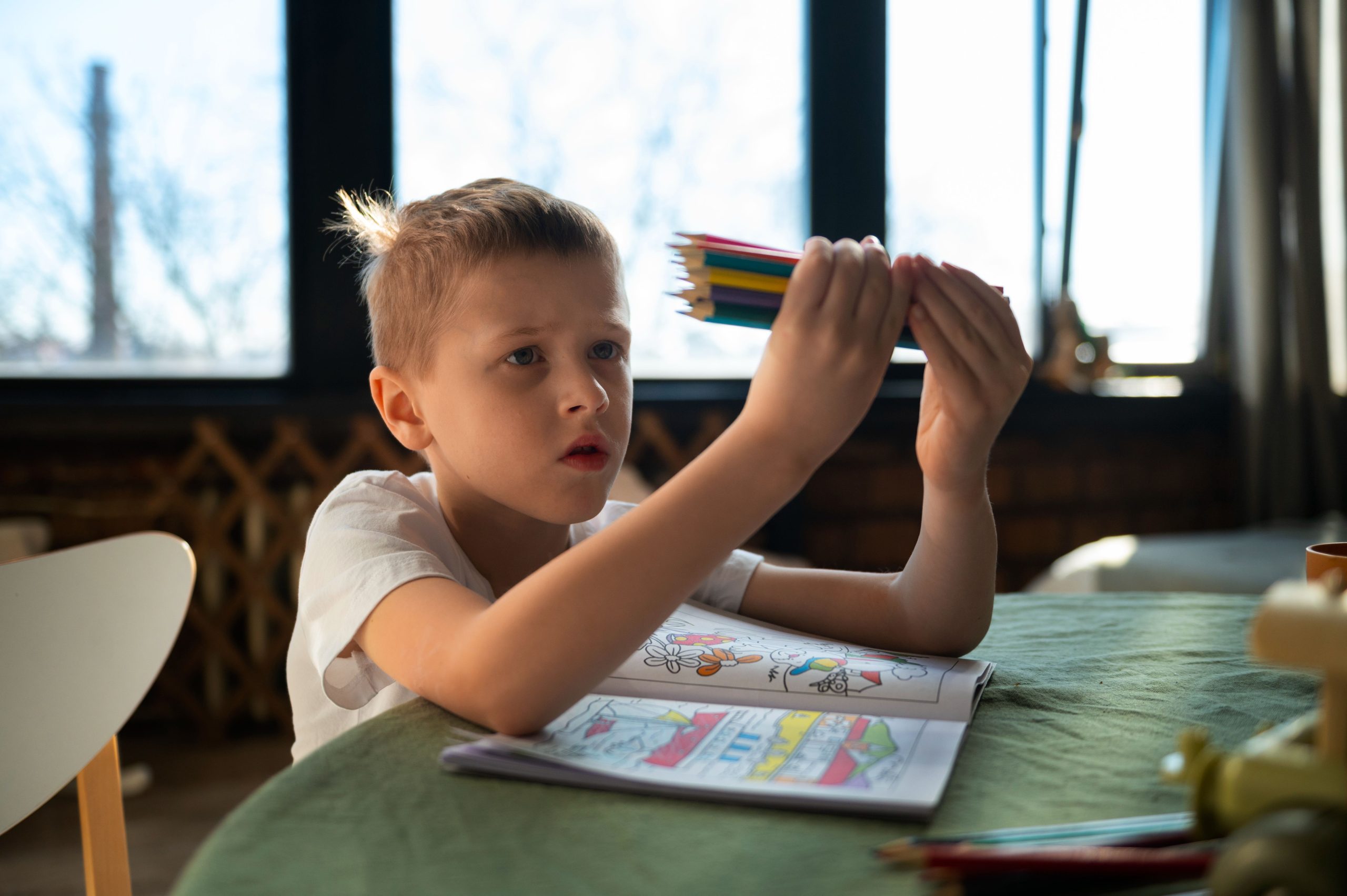
    Provide preschoolers with coloring pages and encourage them to focus on the colors and the act of coloring to promote relaxation.


    Gross Motor Games
     

    Gross motor games are a great way to promote physical activity and coordination in preschoolers. Here are some ideas for gross motor games:


    Balloon Volleyball:
    Preschoolers can play volleyball using a balloon instead of a ball. This game promotes hand-eye coordination and gross motor skills.


    Animal Walks:
    Preschoolers can pretend to be different animals such as bears or frogs and mimic their movements. This game promotes gross motor skills and creativity.


    Dance Party:
    Play music and encourage preschoolers to dance and move their bodies. This game promotes physical activity and coordination.


    Art Games
     

    Art games are a great way to promote creativity and self-expression in preschoolers. Here are some ideas for art games:


    Painting:
    Provide preschoolers with paint and paper and encourage them to create their own paintings.


    Collage Making:
    Provide preschoolers with a variety of materials such as magazines, paper, and glue and encourage them to create their own collages.


    Playdough Sculpting:
    Provide preschoolers with playdough and encourage them to create their own sculptures and shapes.


    Memory Games
     

    Memory games are a great way to promote cognitive skills and memory development in preschoolers. Here are some ideas for memory games:


    Memory Match:
    Provide preschoolers with a set of matching cards and ask them to find the matching pairs.


    I Went to the Store:
    Play a memory game where each person takes turns adding an item to a list and then repeating all the previous items on the list.


    Simon Says:
    Play a game of Simon Says where preschoolers have to remember and follow a sequence of actions.


    Sensory Motor Games
     

    Sensory motor games are a great way to promote sensory integration and motor development in preschoolers. Here are some ideas for sensory motor games:


    Obstacle Course:
    Set up an obstacle course using pillows, hula hoops, and other items for preschoolers to navigate through.


    Sensory Walk:
    Create a sensory walk using materials such as sand, foam, or water for preschoolers to walk through and explore.


    Balloon Pop:
    Play a game where preschoolers have to pop balloons using different body parts such as their feet or elbows.


    Puzzle Games
     

    Puzzle games are a great way to promote problem-solving skills in preschoolers. Here are some ideas for puzzle games:


    Jigsaw Puzzles:
    Provide preschoolers with jigsaw puzzles of varying difficulty levels.


    Tangrams:
    Provide preschoolers with tangrams and encourage them to create different shapes.


    Block Puzzles:
    Provide preschoolers with block puzzles of different shapes and encourage them to fit the blocks together.


    Role-Playing Games
     

    Role-playing games are a great way to promote imagination and social skills in preschoolers. Here are some ideas for role-playing games:


    Dress Up:
    Provide preschoolers with costumes and props and encourage them to act out different roles such as doctor or firefighter.


    Grocery Store:
    Set up a pretend grocery store and encourage preschoolers to act out the roles of customer and cashier.


    Restaurant:
    Set up a pretend restaurant and encourage preschoolers to act out the roles of waiter or chef.


    Remember that playing games with your preschooler is not only a fun activity, but also an important way to support their development. By engaging in different types of games, you can help your Preschooler’s build important skills such as problem-solving, creativity, social skills, and physical coordination. Additionally, playing games together is a great way to bond with your Preschooler’s and create lasting memories. So, whether you’re playing a classic board game, exploring nature on a walk, or cooking up a storm in the kitchen, remember to have fun and enjoy this special time with your preschooler.

     
  • Personal Development

    Personal Development

    Unlocking Potential: Exploring Engaging Educational Games for Preschoolers to Foster Personal Development


    As parents, we all want the best for our little ones. We want them to grow up to be happy, healthy, and successful adults. One way we can help them achieve this is by providing them with educational games that promote their personal development. In this article, we will explore some of the best educational games for preschoolers that can help them develop important life skills and prepare them for the future.


    The Benefits of Educational Games for Preschoolers


    Before we dive into the specific games, let’s first discuss why educational games are so beneficial for preschoolers. Firstly, educational games can help preschoolers develop important cognitive skills such as problem-solving, critical thinking, and decision-making. These skills are crucial for success in school and in life.


    Secondly, educational games can also help preschoolers develop social skills such as communication, teamwork, and empathy. These skills are important for building positive relationships with others and navigating social situations.


    Finally, educational games can also help preschoolers develop emotional skills such as self-awareness, self-regulation, and empathy. These skills are essential for managing emotions and building resilience.


    Top Educational Games for Preschoolers
     
       
    Memory Match Game – This classic game is a great way to help preschoolers develop their memory skills. To play, simply lay out a set of cards face down with matching pairs. The preschooler then takes turns flipping over two cards at a time to try and find a match.


    Alphabet Bingo – Alphabet Bingo is a fun way to help preschoolers learn their letters. To play, each player is given a bingo card with letters on it. The caller then calls out letters and players mark off the letters on their card until someone gets a bingo.


    Shape Sorter – A shape sorter is a great way to help preschoolers develop their problem-solving skills. To play, the preschooler is given a set of shapes that they need to fit into the corresponding holes on a box.


    Color Sorting Game – This game is a fun way to help preschoolers learn their colors. To play, simply give the preschooler a set of colored objects and ask them to sort them into groups by color.


    Emotion Matching Game – This game is a great way to help preschoolers develop their emotional skills. To play, simply lay out a set of cards with different emotions on them and ask the preschooler to match the emotion to a corresponding picture or facial expression.


    Counting Game – A counting game is a fun way to help preschoolers develop their numeracy skills. To play, simply give the preschooler a set of objects and ask them to count how many there are.


    How to Choose Educational Games for Preschoolers


    Now that we’ve discussed some of the top educational games for preschoolers, let’s talk about how to choose the right games for your Preschooler’s. Firstly, consider your Preschooler’s interests and abilities. Choose games that align with their interests and are appropriate for their age and developmental stage.


    Secondly, consider the learning goals you want to achieve. Do you want to focus on cognitive development, social development, emotional development, or all three? Choose games that align with your learning goals.


    Finally, consider the quality of the game. Look for games that are well-designed, engaging, and have positive reviews from other parents.


    How to Incorporate Educational Games into Your Preschooler’s Routine


    Now that you’ve chosen some great educational games for your preschooler, it’s important to know how to incorporate them into your Preschooler’s routine. Firstly, set aside dedicated time each day for playing educational games. This could be during playtime or as part of a structured learning activity.


    Secondly, make sure to provide guidance and support as your Preschooler’s plays. Ask them questions about what they’re doing and encourage them to think critically about the game.


    Finally, make sure to praise your Preschooler’s efforts and progress. Positive reinforcement can go a long way in encouraging your Preschooler’s to continue learning and growing.


    The Future of Educational Games for Preschoolers


    As technology continues to advance, we can expect to see even more innovative educational games for preschoolers in the future. Virtual reality and augmented reality games are already being developed that can provide an immersive learning experience for preschoolers.


    Additionally, we can expect to see more games that focus on specific learning goals such as emotional regulation or cultural awareness.


    Educational Games for Preschoolers with Special Needs


    Preschoolers with special needs require unique attention and support to help them develop their skills. Educational games can be a great way to help these preschoolers learn and grow in a fun and engaging way. There are many educational games available that are specifically designed for preschoolers with special needs, such as those with autism or ADHD.


    One example of an educational game for preschoolers with autism is the “Social Skills Training Game”. This game helps preschoolers learn social skills such as turn-taking, sharing, and conversation skills. Another example is the “Attention Games” app, which is designed to help preschoolers with ADHD improve their focus and attention span.


    When choosing educational games for preschoolers with special needs, it is important to consider their individual needs and abilities. Look for games that are designed specifically for their diagnosis or that have been recommended by a healthcare professional. Additionally, consider the level of support that your Preschooler’s may need to play the game successfully. Some games may require more guidance and support than others.


    The Role of Parents and Caregivers in Educational Game Play


    While educational games can be a great tool for promoting personal development in preschoolers, parents and caregivers play a crucial role in facilitating game play and ensuring that their Preschooler’s is getting the most out of the experience.


    Firstly, parents and caregivers should be actively involved in game play, providing guidance and support as needed. This can include asking questions, providing feedback, and helping the Preschooler’s to understand the rules of the game.


    Secondly, parents and caregivers should be aware of the learning goals of the game and help their Preschooler’s to make connections between the game and real-life situations. For example, if playing a game that focuses on problem-solving, parents can help their Preschooler’s apply those skills to real-life problems they may encounter.


    Finally, parents and caregivers should be mindful of the amount of time their Preschooler’s spends playing educational games. While games can be a great tool for learning, it is important to ensure that preschoolers are also engaging in other activities such as outdoor play, socializing with peers, and reading.


    The Impact of Educational Games on Academic Achievement


    Research has shown that educational games can have a positive impact on academic achievement in preschoolers. A study conducted by the American Psychological Association found that preschoolers who played educational games showed significant improvement in their math and reading scores compared to preschoolers who did not play educational games.


    Additionally, educational games have been shown to improve cognitive skills such as memory, attention, and problem-solving. These skills are important for academic success and can help preschoolers excel in school.


    While educational games should not be used as a substitute for traditional learning methods, they can be a valuable supplement to classroom instruction and can help preschoolers develop a love for learning.


    The Future of Educational Games for Preschoolers


    As technology continues to advance, we can expect to see even more innovative educational games for preschoolers in the future. Virtual reality and augmented reality games are already being developed that can provide an immersive learning experience for preschoolers.


    Additionally, we can expect to see more games that focus on specific learning goals such as emotional regulation or cultural awareness. As our understanding of Preschooler’s development continues to grow, we can expect educational games to become even more tailored to the unique needs of preschoolers.


    Balancing Screen Time and Educational Game Play


    While educational games can be a valuable tool for promoting personal development in preschoolers, it is important to balance screen time with other activities. Excessive screen time has been linked to a variety of negative outcomes, including obesity, sleep problems, and behavioral issues.


    To ensure that preschoolers are getting the most out of educational games while also maintaining a healthy balance, parents and caregivers should set clear limits on screen time. The American Academy of Pediatrics recommends that preschoolers aged 2 to 5 years should have no more than one hour of screen time per day.


    Additionally, parents and caregivers should make sure that educational games are just one part of a balanced day. Encourage preschoolers to engage in other activities such as outdoor play, creative play, and reading.


    The Importance of Play in Early Preschooler’shood Development


    While educational games can be a valuable tool for promoting personal development in preschoolers, it is important to remember that play is also a crucial part of early Preschooler’shood development. Play allows preschoolers to explore their environment, develop their imaginations, and build social skills.


    When choosing educational games for preschoolers, it is important to choose games that allow for open-ended play and creativity. Games that are too structured or prescriptive may limit a Preschooler’s ability to explore and experiment.


    Additionally, parents and caregivers should provide opportunities for unstructured play, such as free play with toys or imaginative play with friends. These types of play allow preschoolers to develop their creativity and problem-solving skills in a fun and engaging way.


    The Role of Educational Games in Parent-Preschooler’s Relationships


    Playing educational games with your preschooler can be a great way to strengthen your parent-Preschooler’s relationship. Game play provides an opportunity for parents and caregivers to bond with their Preschooler’s in a fun and engaging way.


    Additionally, playing educational games with your Preschooler’s can provide opportunities for teaching and learning. As you play the game together, you can ask questions, provide feedback, and help your Preschooler’s make connections between the game and real-life situations.


    Finally, playing educational games with your Preschooler’s can help build your Preschooler’s self-esteem and confidence. By providing positive feedback and encouragement, you can help your Preschooler’s feel successful and capable.


    The Impact of Educational Games on Parental Involvement in Education


    Research has shown that playing educational games with your preschooler can have a positive impact on parental involvement in education. A study conducted by the National Center for Education Statistics found that parents who played educational games with their preschoolers were more likely to be involved in their Preschooler’s education in other ways, such as attending parent-teacher conferences or volunteering at school.


    Additionally, playing educational games with your Preschooler’s can provide opportunities for learning that extend beyond the game itself. As you play the game together, you can ask your Preschooler’s questions about their day at school, encourage them to read books related to the game’s topic, or engage them in other educational activities.


    The Role of Educational Games in Developing a Love for Learning


    Educational games can be a great way to develop a love for learning in preschoolers. By making learning fun and engaging, preschoolers are more likely to develop a positive attitude towards learning that will serve them well throughout their lives.


    Additionally, educational games can help preschoolers develop a growth mindset. By providing opportunities for preschoolers to learn from their mistakes and try again, educational games can help preschoolers develop a sense of resilience and perseverance.


    Finally, educational games can help preschoolers see the relevance of what they are learning. By providing opportunities for preschoolers to apply what they have learned in real-life situations, educational games can help preschoolers see the value of their education and motivate them to continue learning.


    Choosing High-Quality Educational Games for Preschoolers


    When choosing educational games for preschoolers, it is important to choose high-quality games that align with your Preschooler’s interests and abilities. Here are some factors to consider when choosing educational games:


    Age-appropriateness: Make sure the game is designed for your Preschooler’s age group and developmental level.


    Educational value: Look for games that align with your Preschooler’s learning goals and promote the development of important cognitive, social, and emotional skills.


    Engagement: Choose games that are fun and engaging for your Preschooler’s. If your Preschooler’s is not interested in the game, they are unlikely to learn from it.


    Design: Look for games with high-quality graphics, sound, and gameplay. Poorly designed games can be frustrating and may not hold your Preschooler’s attention.


    Reviews: Read reviews from other parents and caregivers to get an idea of the game’s strengths and weaknesses.


    By choosing high-quality educational games, parents and caregivers can help their Preschooler’s develop important skills in a fun and engaging way.


    The Benefits of Multiplayer Educational Games


    Multiplayer educational games can provide additional benefits beyond those of single-player games. Playing games with others can help preschoolers develop important social skills such as cooperation, communication, and teamwork.


    Additionally, multiplayer games can provide opportunities for peer learning. Preschoolers can learn from each other’s strengths and weaknesses, providing a more well-rounded learning experience.


    Finally, multiplayer games can be a great way to strengthen friendships and build a sense of community. By playing games together, preschoolers can develop a shared interest and bond over their common experiences.


    The Importance of Diversity in Educational Games


    Diversity in educational games is important to ensure that all preschoolers feel represented and included. Games that feature diverse characters and storylines can help preschoolers develop empathy and understanding for people from different backgrounds.


    Additionally, diverse educational games can help preschoolers develop cultural awareness and a sense of global citizenship. By learning about different cultures and perspectives, preschoolers can develop a broader understanding of the world around them.


    Finally, diverse educational games can help preschoolers develop a positive self-image. Seeing characters that look like them or share their experiences can help preschoolers feel valued and included.


    The Role of Educational Games in Supporting Homeschooling


    Educational games can be a valuable tool for parents who are homeschooling their preschoolers. Games can provide a fun and engaging way to supplement traditional learning methods and help preschoolers develop important skills.


    Additionally, educational games can help parents assess their Preschooler’s progress and identify areas where they may need additional support. Many educational games include progress tracking features that allow parents to monitor their Preschooler’s performance and identify areas for improvement.


    Finally, educational games can help parents save time and reduce stress. By providing a fun and engaging way for preschoolers to learn, parents can focus on other aspects of homeschooling without worrying about keeping their Preschooler’s engaged and motivated.


    The Impact of Educational Games on Technology Literacy


    As technology continues to play an increasingly important role in our lives, it is important for preschoolers to develop strong technology literacy skills. Educational games can be a great way to promote technology literacy in preschoolers.


    By playing educational games, preschoolers can develop important technology skills such as using a mouse or touch screen, navigating menus, and understanding basic computer terminology.


    Additionally, educational games can help preschoolers develop problem-solving skills that are essential in the digital age. By providing opportunities for preschoolers to solve problems in a virtual environment, they can develop the skills they need to navigate real-life digital challenges.

       
  • Learning Environment

    Learning Environment

    Creating a Nurturing Learning Environment for Preschoolers: Strategies and Best Practices,


    The early years of a preschool’s life are a critical period for their overall development, including their physical, cognitive, emotional, and social development. Therefore, providing preschoolers with a nurturing learning environment is crucial for their future success. A nurturing learning environment refers to the physical space, materials, and social interactions that support and stimulate preschoolers’ learning and development. This article will explore the strategies and best practices for creating a nurturing learning environment for preschoolers.


    Prioritizing Safety


    Ensuring safety is the first and foremost priority when creating a nurturing learning environment for preschoolers. Preschoolers are curious and adventurous, and they need a safe environment to explore and learn. Therefore, the following strategies are essential for ensuring safety in the preschool learning environment:


    1. Ensure adequate supervision:


    Preschoolers require constant supervision to prevent accidents and injuries. The learning environment should have enough staff to supervise preschoolers and ensure their safety.


    2. Design safe spaces:


    The physical space of the learning environment should be designed to minimize hazards and risks. For instance, sharp corners and edges should be covered or padded, and electrical sockets should have safety covers.


    3. Use safe materials and equipment:


    The learning environment should be equipped with safe and age-appropriate materials and equipment. For example, toys and materials should not have small parts that can be swallowed, and playground equipment should be safe and well-maintained.


    Creating a Stimulating Environment


    A nurturing learning environment should also be stimulating and engaging for preschoolers. A stimulating environment encourages curiosity, exploration, and learning. The following strategies can help create a stimulating learning environment:


    1. Provide age-appropriate materials:


    The learning environment should have a variety of age-appropriate materials that are engaging and challenging for preschoolers. For instance, there should be books, puzzles, games, and toys that promote exploration, creativity, and problem-solving.


    2. Include a variety of learning areas:


    The learning environment should have different learning areas, such as a reading area, a block area, a science area, and a creative area. Each area should have materials and activities that are appropriate for that specific area of learning.


    3. Use colours and visuals:


    Colours and visuals can make the learning environment more attractive and engaging for preschoolers. For example, bright colours can make the space more lively and stimulating, and visual aids can enhance learning and understanding.


    4. Incorporate technology:


    Technology can be a valuable tool for learning and exploration in the preschool learning environment. However, it is essential to use technology in moderation and ensure that it is age-appropriate and safe.


    Nurturing Relationships


    A nurturing learning environment should also foster positive relationships between preschoolers, teachers, and parents. Positive relationships provide preschoolers with a sense of belonging, security, and support. The following strategies can help nurture positive relationships in the preschool learning environment:


    1. Build trust and rapport:


    Teachers should build trust and rapport with preschoolers by being warm, responsive, and attentive. Preschoolers should feel comfortable approaching teachers and expressing their thoughts and feelings.


    2. Encourage family involvement:


    Family involvement is crucial for supporting preschoolers’ learning and development. The learning environment should encourage family involvement by inviting parents to participate in school activities and events.


    3. Foster a sense of community:


    The learning environment should foster a sense of community by promoting collaboration, teamwork, and mutual respect among preschoolers, teachers, and parents.


    4. Provide emotional support:


    Preschoolers may experience a range of emotions, including anxiety, fear, and frustration. Teachers should provide emotional support by listening to preschoolers and validating their feelings, helping them regulate their emotions, and providing comfort and reassurance when needed.


    Promoting Independence and Autonomy


    Preschoolers are in a critical stage of developing their sense of independence and autonomy. A nurturing learning environment should support preschoolers’ efforts to become independent and self-reliant. The following strategies can help promote independence and autonomy in the preschool learning environment:


    1. Provide opportunities for choice:


    Preschoolers should be given choices to make decisions about their learning and activities. For example, they can choose the materials they want to work with or select the activities they want to participate in.


    2. Encourage problem-solving:


    Teachers should encourage preschoolers to solve problems independently by providing them with challenges and asking open-ended questions. For example, they can ask preschoolers to figure out how to build a tower with blocks or how to solve a puzzle.


    3. Develop self-help skills:


    Preschoolers should be taught self-help skills, such as dressing themselves, using the toilet independently, and cleaning up after themselves. Teachers should provide opportunities for preschoolers to practice these skills in a supportive and encouraging environment.


    4. Build confidence and self-esteem:


    Preschoolers should be praised and acknowledged for their efforts and achievements. Teachers should provide positive feedback and encourage preschoolers to take risks and try new things.


    Incorporating Play-Based Learning


    Play is a fundamental part of preschoolers’ learning and development. A nurturing learning environment should incorporate play-based learning that is fun, engaging, and meaningful for preschoolers. The following strategies can help incorporate play-based learning in the preschool learning environment:


    1. Use play as a learning tool:


    Play can be used as a tool for learning and exploration. For example, preschoolers can learn about math concepts by counting and sorting objects or learn about science concepts by conducting simple experiments.


    2. Provide open-ended materials:


    Open-ended materials, such as blocks, play dough, and loose parts, can be used in a variety of ways and promote creativity and imagination.


    3. Encourage dramatic play:


    Dramatic play allows preschoolers to explore different roles and scenarios and develop their social and emotional skills. For example, they can pretend to be doctors, chefs, or firefighters.


    4. Provide outdoor play opportunities:


    Outdoor play provides preschoolers with opportunities to engage in physical activity and explore nature. The outdoor play area should be safe, well-maintained, and equipped with age-appropriate play equipment.


    Implementing a Responsive Curriculum


    A responsive curriculum is an approach that adapts to the needs, interests, and abilities of the preschoolers in the learning environment. It involves designing learning experiences that are relevant, meaningful, and engaging for preschoolers, and that support their overall development. The following strategies can help implement a responsive curriculum in the preschool learning environment:


    1. Start with the preschoolers’ interests:


    Teachers should start with the preschoolers’ interests and build on their strengths and passions. For example, if a group of preschoolers is interested in dinosaurs, the teacher can incorporate dinosaur-themed activities into the curriculum.


    2. Plan for individual differences:


    Preschoolers have different abilities, learning styles, and preferences. Teachers should plan for individual differences by providing multiple ways for preschoolers to learn and participate in activities. For example, some preschoolers may prefer visual or kinesthetic learning, while others may prefer auditory or verbal learning.


    3. Provide hands-on and experiential learning:


    Preschoolers learn best through hands-on and experiential learning experiences. Teachers should provide opportunities for preschoolers to explore, experiment, and discover through play, projects, and investigations.


    4. Integrate different subject areas:


    Preschoolers’ learning should be integrated across different subject areas, such as literacy, math, science, social studies, and the arts. This helps preschoolers make connections between different concepts and develop a holistic understanding of the world.


    Creating a Positive Learning Environment


    Creating a positive learning environment is essential for supporting preschoolers’ overall development and wellbeing. A positive learning environment is one that is safe, welcoming, inclusive, and supportive. The following strategies can help create a positive learning environment in the preschool setting:


    1. Establish clear rules and expectations:


    Preschoolers should know what is expected of them in the learning environment. Teachers should establish clear rules and expectations that are developmentally appropriate and easy to understand.


    2. Foster positive relationships:


    Positive relationships between preschoolers and adults, as well as among preschoolers, are essential for creating a positive learning environment. Teachers should foster positive relationships by showing care, respect, and kindness towards preschoolers and promoting peer interactions and cooperation.


    3. Celebrate diversity:


    Preschoolers come from different backgrounds and cultures, and it is important to celebrate and respect diversity in the learning environment. Teachers should incorporate diverse perspectives, materials, and activities in the curriculum and promote inclusive practices.


    4. Provide a safe and healthy environment:


    A safe and healthy learning environment is crucial for preschoolers’ wellbeing. Teachers should ensure that the learning environment is clean, well-ventilated, and free from hazards. They should also promote healthy habits, such as handwashing and healthy eating.


    Supporting Parent-Teacher Collaboration


    Parents play a crucial role in their preschoolers’ development and learning. Therefore, it is important to establish effective communication and collaboration between parents and teachers to support preschoolers’ learning and wellbeing. The following strategies can help support parent-teacher collaboration in the preschool setting:


    1. Establish open communication:


    Teachers should establish open and frequent communication with parents, including sharing information about their preschooler’s learning and development, as well as any concerns or issues that arise.


    2. Involve parents in the learning process:


    Parents can be valuable partners in their preschoolers’ learning. Teachers should involve parents in the learning process by sharing resources, suggesting activities to do at home, and providing opportunities for parent participation in school activities.


    3. Respect cultural differences:


    Preschoolers come from diverse backgrounds and cultures, and it is important to respect and value these differences in parent-teacher collaboration. Teachers should take into account cultural differences and practices when communicating and collaborating with parents.


    4. Provide feedback and support:


    Teachers should provide feedback and support to parents on how they can support their preschoolers’ learning and development at home. This can include sharing information about their preschooler’s progress and suggesting strategies for supporting their learning and behaviour.


    Continuously Improving the Learning Environment


    Creating a nurturing and effective learning environment for preschoolers is an ongoing process that requires continuous evaluation and improvement. The following strategies can help educators and caregivers continuously improve the preschool learning environment:


    1. Reflect on practice:


    Educators and caregivers should regularly reflect on their practice and evaluate the effectiveness of the learning environment. This can involve collecting and analysing data, observing preschoolers, and soliciting feedback from parents and colleagues.


    2. Continuously learn and improve:


    Professional development and learning are essential for continuously improving the learning environment. Educators and caregivers should participate in ongoing training and learning opportunities to stay up-to-date on best practices and new research in early childhood education.


    3. Engage in continuous improvement planning:


    Continuous improvement planning involves setting goals, developing action plans, and monitoring progress towards achieving these goals. Educators and caregivers should engage in continuous improvement planning to ensure that the learning environment is continuously evolving and improving to meet the changing needs of preschoolers.


    4. Engage in self-care:


    Educators and caregivers can only provide high-quality care and support for preschoolers if they are taking care of their own physical, social, and emotional wellbeing. Engaging in self-care, such as getting enough rest, exercise, and social support, is essential for maintaining a positive and effective learning environment for preschoolers.


    Implementing these strategies may require some time and effort, but the benefits for preschoolers are well worth it. Here are some steps to help implement an effective learning environment for preschoolers:


    1. Start with a plan:


    Begin by creating a plan that outlines your goals for the learning environment, as well as the specific strategies you will use to achieve those goals. This plan should be flexible and adaptable to the needs of the preschoolers in your care.


    2. Involve parents and caregivers:


    Communicate with parents and caregivers regularly to keep them informed about the learning environment and their preschool’s progress. Encourage them to share their thoughts and ideas on how to improve the learning environment.


    3. Focus on safety:


    Ensure that the learning environment is safe and free from hazards. This includes maintaining appropriate supervision, checking for potential hazards, and establishing clear rules and guidelines for preschoolers.


    4. Engage preschoolers:


    Incorporate a variety of learning opportunities that cater to different learning styles and interests. This can include play-based activities, group discussions, and hands-on experiences.


    5. Foster respect:


    Promote a culture of respect and inclusion by encouraging preschoolers to listen to and value each other’s perspectives. Model positive behaviour and address any negative behaviour immediately.


    6. Encourage collaboration:


    Provide opportunities for preschoolers to work together on projects and activities. This can help to develop teamwork skills and promote social-emotional development.


    7. Implement changes gradually:


    Implement changes to the learning environment gradually and assess their effectiveness over time. This can help to identify areas for improvement and adjust as needed.


    By following these steps and continually assessing and adjusting the learning environment, educators and caregivers can create an effective and supportive learning environment for preschoolers. Remember, small changes can have a big impact on preschoolers’ development and future success.

     
  • Distinctive Qualities

    Distinctive Qualities

    Preschoolers’ Distinctive Qualities: Understanding the Magic of Early Childhood


    Preschoolers are a unique and precious group of individuals, possessing distinctive qualities that make them stand out from older preschoolers and adults. Their boundless curiosity, wonder, and imagination captivate the hearts of all who interact with them. In this piece, we will analyze some of the most notable features of preschoolers, that render them so special and precious.


    Curiosity and Wonder


    Preschoolers are inherently interested and exhibit an intuitive sense of curiosity about everything that is surrounding them. They have an unquenchable urge to find out, discover and gain insight into new things. They are not afraid to raise questions, and their curiosity for knowledge is contagious. Their natural curiosity and wonder often lead to exciting discoveries and insights, and their unbridled enthusiasm inspires adults to view the world with fresh eyes.


    Fearlessness and Resilience


    Preschoolers are also known for their fearlessness and resilience. Even when they are fearful or hesitant, they do not hesitate to take chances and try new things. They possess a sense of courage that enables them to persevere through setbacks and challenges, always eager to try again. Their resilience and determination to succeed are admirable qualities that adults can learn from and emulate.


    Creativity and Imagination


    Preschoolers possess an endless imagination and creativity, which allows them to see the world in unique and magical ways. They have the freedom to use unconventional thinking and creative problem-solving techniques. They possess a natural capacity to create anything out of absolutely nothing and elevate the commonplace. Their creativity and imagination remind us that anything is possible if we dare to dream and think beyond the obvious.


    Honesty and Authenticity


    Preschoolers are also known for their honesty and authenticity. They have not yet learned the social norms that govern adult behavior, which means they are unafraid to express their thoughts and emotions honestly. They are not constrained by the fear of judgment or the need to conform. Their authenticity and honesty are refreshing and serve as a reminder to adults that sometimes, the simplest solutions and the purest emotions are the most valuable.


    Kindness and Empathy


    Preschoolers possess a natural sense of kindness and empathy that is remarkable for their young age. They are quick to offer hugs, comfort, and assistance to those in need. They can sense when someone is sad or hurt because they are sensitive to the emotions and sentiments of others. Their empathy and kindness serve as a powerful reminder of the importance of compassion and the human capacity to care for others.


    Preschoolers’ Distinctive Qualities


    Preschoolers are a fascinating group of individuals with distinctive qualities that set them apart from any other age group. As they develop physically, cognitively, and socially, preschoolers’ unique characteristics emerge and become more apparent. Understanding and appreciating these qualities can help us as adults better support and guide them in their growth and development.


    Playfulness and Joy


    Preschoolers are playful and joyful. They find joy in the simplest things, like jumping in puddles or chasing butterflies. They view reality with a feeling of surprise and enthusiasm, and they teach us to find delight in this very moment.


    To encourage preschoolers’ playfulness and joy, we must provide them with opportunities to play and explore. We can engage in play with them, sing and dance together, and find joy in the little things. By finding joy in our interactions with preschoolers, we can help to foster their sense of playfulness and joy.


    Trust and Dependence


    Preschoolers are naturally trusting and dependent. They rely on adults to offer them with direction and assistance as they explore the world around them. They trust that adults will keep them safe and provide for their needs. Their trust and dependence serve as a reminder to adults to be dependable and reliable.


    To encourage preschoolers’ trust and dependence, we must provide them with consistent care and support. We must also show them that we are trustworthy by following through on our promises and being reliable in our interactions with them.


    Physical Exploration and Movement


    Preschoolers are constantly exploring and moving their bodies. They are not afraid to take risks and try new physical activities. Their physical exploration and movement serve as a reminder to adults to stay active and explore our own physical abilities.


    To encourage preschoolers’ physical exploration and movement, we can provide them with opportunities to climb, run, jump, and play outside. We can also engage in physical activities with them, such as dancing or playing sports.


    Communication and Language Development


    Preschoolers are developing their communication and language skills rapidly. Every day, they pick up new words and phrases, and they are beginning to convey their thoughts and feelings through language. Their communication and language development serve as a reminder to adults to listen and communicate effectively with others.


    To encourage preschoolers’ communication and language development, we can engage in conversations with them, read to them, and provide them with opportunities to express themselves through art and play.


    Social Development and Friendships


    Preschoolers are starting to develop their social skills and friendships. They are learning how to share, take turns, and cooperate with others. Their social development and friendships serve as a reminder to adults to value our own friendships and social connections.


    To encourage preschoolers’ social development and friendships, we can provide them with opportunities to play with others and practice social skills, such as through playdates and preschool programs.


    Implementing Strategies to Support Preschoolers’ Development


    Now that we have explored the distinctive qualities of preschoolers, it’s important to discuss strategies that can be implemented to support their growth and development. Here are some tips for parents and caregivers:


    Establish a secure and loving environment.


    Preschoolers need these elements to thrive. Ensure that their physical and emotional needs are satisfied, and provide them with a secure and consistent schedule.


    Encourage exploration and play:


    Preschoolers learn through play, so it’s important to provide them with opportunities for exploration and imaginative play. This can be achieved by providing them with open-ended toys, art supplies, and outdoor play equipment.


    Model positive behaviours:


    Preschoolers learn through imitation, so it’s important to model positive behaviours such as kindness, empathy, and compassion. This can be achieved by showing empathy towards others, being kind to animals, and modelling good communication skills.


    Provide opportunities for social interaction:


    Preschoolers need opportunities for social interaction and friendships to develop their social skills. This can be achieved by enrolling them in preschool programs or arranging playdates with other preschoolers.


    Foster language development:


    Preschoolers’ language development is crucial for their cognitive development. It’s important to engage in conversations with them, read to them, and provide them with opportunities to express themselves through art and play.


    Set boundaries and provide positive reinforcement:


    Preschoolers need clear boundaries to feel safe and secure. It’s important to set limits and provide positive reinforcement when they exhibit positive behaviours.


    Be patient and flexible:


    Preschoolers’ development is a process that takes time and patience. It’s important to be patient and flexible, and to understand that preschoolers will make mistakes and have tantrums as they learn and grow.


    Implementing Preschoolers’ Distinctive Qualities in Our Daily Lives


    In addition to appreciating the distinctive qualities of preschoolers, it is also important to consider how we can implement these qualities in our daily lives. By adopting these characteristics into our own actions, we may better connect with preschoolers and offer them with a nurturing environment in which they can thrive and flourish. Here are some practical tips for implementing preschoolers’ distinctive qualities:


    1. Playfulness


    Preschoolers are naturally playful and curious, and they approach the world with a sense of wonder and enthusiasm. As adults, we can learn from this playful spirit and incorporate more fun and creativity into our daily lives. This might involve playing games with friends and family, trying out new hobbies, or simply taking time to be silly and playful with preschoolers.


    One great way to incorporate playfulness into your daily routine is to engage in “playful mindfulness.” This involves using mindfulness techniques, such as deep breathing and body scanning, in combination with playful activities, such as coloring, dancing, or playing with toys. By combining mindfulness with play, we can cultivate a sense of joy and playfulness in our daily lives.


    2. Empathy


    Preschoolers are also naturally empathetic, and they often have a strong sense of compassion for others. As adults, we can learn from this quality by practicing empathy in our own lives. This might involve taking the time to listen to others, showing kindness and compassion to those in need, and seeking to understand other people’s perspectives.


    To cultivate empathy, try to put yourself in other people’s shoes and imagine what it might be like to experience their struggles and challenges. You can also practice active listening, which involves fully focusing on the person speaking and seeking to understand their emotions and experiences.


    3. Creativity


    Preschoolers are highly creative, and they have a natural capacity to think outside the box and come up with novel solutions to issues. As adults, we can cultivate our own creativity by trying out new things, exploring our passions and interests, and seeking out new experiences.


    Participating in creative pursuits, such as writing, music, painting, or other creative endeavors, is a fantastic method to promote creativity. You can also try out new interests, take lessons in topics that interest you, or visit new locations and cultures.


    4. Immediacy


    Preschoolers are very present-focused and tend to live in the moment, rather than dwelling on the past or worrying about the future. As adults, we can learn from this quality by practicing mindfulness and being fully present in our daily lives.


    To cultivate immediacy, try to focus on the present moment and avoid getting caught up in past regrets or future worries. You can also engage in mindfulness activities, such as meditation or yoga, to help you stay centered and present.


    Implementing preschoolers’ distinctive qualities in education


    Preschoolers’ distinctive qualities have a significant impact on their learning process. Thus, educators need to incorporate these qualities into the teaching strategies and curricula. Here are some ways to implement preschoolers’ distinctive qualities in education:


    1. Play-based learning


    As previously mentioned, preschoolers learn through play. Therefore, educators need to develop play-based learning activities that cater to the preschoolers’ interests and abilities. Play-based learning enhances young one’s cognitive, social, emotional, and physical development.


    2. Incorporate sensory experiences


    Preschoolers are naturally curious and enjoy exploring their environment. Therefore, educators need to incorporate sensory experiences into their curriculum. Sensory play promotes the development of language, fine motor skills, and problem-solving skills. Activities such as painting, sand-play, and water-play can provide rich sensory experiences.


    3. Provide opportunities for self-expression


    Preschoolers are learning to express themselves verbally and non-verbally. Hence, educators should provide opportunities for preschoolers to express themselves freely. This can be done through art, music, and drama activities. Self-expression activities enhance creativity, self-awareness, and self-confidence.


    4. Collaborative learning


    Preschoolers learn better in a collaborative learning environment. Teachers can encourage collaboration by developing group activities such as story-telling, problem-solving, and playing games. Collaborative learning promotes social skills, communication, and teamwork.


    5. Positive reinforcement


    Preschoolers respond positively to positive reinforcement. Therefore, educators need to use positive reinforcement techniques such as praise, encouragement, and rewards. Positive reinforcement enhances preschooler’s self-esteem, motivation, and self-worth.


    Nurturing preschoolers’ emotional development


    Preschoolers’ emotional development is crucial for their overall well-being and success in life. Here are some ways to nurture preschoolers’ emotional development:


    Encourage emotional expression


    Preschoolers need to learn how to identify, express, and regulate their emotions. Give them a secure place to express their feelings and motivate them to speak about what they feel. This helps them develop emotional awareness and learn how to manage their emotions in a healthy way.


    Model healthy emotional behaviour


    Preschoolers learn by observing and imitating adults around them. Therefore, it is essential to model healthy emotional behaviour. Be mindful of your own emotional reactions and respond to them in a positive and constructive way. This helps preschoolers learn healthy ways of expressing and regulating their emotions.


    Teach empathy


    Empathy is the ability to understand and share another person’s feelings. Preschoolers can learn empathy through social interactions, reading books, and role-playing. Teaching empathy helps preschoolers develop a sense of compassion and understanding towards others.


    Foster positive relationships


    Preschoolers need to develop positive relationships with adults and peers. Motivate them to communicate with others and create possibilities that allow them to form relationships. Positive relationships help preschoolers develop social skills, empathy, and emotional regulation.


    Provide a secure attachment


    Preschoolers need a secure attachment with adults to feel safe and secure. Create a cozy, loving setting that encourages a sense of security. A secure attachment helps preschoolers develop a positive self-image and healthy emotional regulation.

     
  • Educational Potential

    Educational Potential

    Unlocking the Educational Potential of Preschoolers: Strategies for Success


    As parents, caregivers, and educators, we all want to support preschoolers’ growth and development and help them achieve their full potential. Early childhood is a critical time for learning and development, and research has shown that the experiences and opportunities provided during these years can have a significant impact on the young ones’ future success in school and in life. In this article, we will explore practical strategies for unlocking the educational potential of preschoolers and promoting their growth and development.


    Creating a Supportive Learning Environment


    The environment in which preschoolers learn and grow plays a crucial role in their educational potential. A supportive learning environment can provide the foundation for success by promoting engagement, motivation, and learning. Here are some tips for creating a supportive learning environment for preschoolers:

       
    1. Create a Safe and Comfortable Space

     
    Tips: 
     
  • Create a designated learning space that is free from clutter and distractions.
  •  
  • Ensure that the space is well-lit, comfortable, and equipped with age-appropriate learning materials and resources.
  •  
  • Use positive reinforcement and praise to promote a sense of safety, security, and comfort.
  •  
     
    2. Establish Routines and Expectations
      Establishing routines and expectations can help preschoolers develop a sense of structure, consistency, and predictability. By setting clear expectations and routines, we can help preschoolers understand what is expected of them and provide a sense of security and predictability.


    Tips:  
     
  • Establish a daily routine that includes regular times for meals, rest, play, and learning.
  •  
  • Clearly communicate expectations and rules, and provide consistent feedback and positive reinforcement.
  •  
  • Use visual aids and reminders to help preschoolers remember routines and expectations.
  •  
     
    3. Encourage Active Learning
      Active learning engages preschoolers in the learning process and promotes creativity, imagination, and critical thinking skills. By providing opportunities for hands-on, play-based learning, we can help preschoolers develop a love of learning and a sense of curiosity and exploration.

       
    Tips:
       
  • Provide a variety of learning materials and resources that promote hands-on, play-based learning.
  •  
  • Encourage preschoolers to explore, experiment, and make connections between different learning experiences.
  •  
  • Use open-ended questions and prompts to encourage critical thinking and problem-solving skills.
  •  
     
    4. Read Aloud Daily
      Reading aloud daily is one of the most effective ways to promote preschoolers’ literacy development and unlock their educational potential. By exposing preschoolers to rich language and engaging stories, we can help them develop vocabulary, comprehension, and a love of reading.

       
    Tips:
     
  • Set aside time each day for reading aloud with preschoolers.
  •  
  • Choose age-appropriate books and stories that are engaging and interactive.
  •  
  • Encourage preschoolers to ask questions, make connections, and share their thoughts and feelings about the story.
  •  
     
    5. Promoting Healthy Habits
      Healthy habits are essential for promoting preschoolers’ growth and development and supporting their educational potential. Good nutrition, exercise, and rest can support physical health, cognitive development, and emotional well-being. Here are some tips for promoting healthy habits in preschoolers:


    a. Encourage Healthy Eating Habits
      Good nutrition is essential for supporting preschoolers’ physical and cognitive development. By promoting healthy eating habits, we can help preschoolers develop a strong foundation for learning and growth.


    Tips: 
     
  • Provide a variety of healthy foods that are rich in nutrients and low in sugar and fat.
  •  
  • Offer meals and snacks at regular times throughout the day to promote a sense of routine and consistency.
  •  
  • Encourage preschoolers to help with meal preparation and planning to promote a sense of ownership and responsibility.
  •  
     
    b. Promote Physical Activity
      Physical activity is essential for promoting preschoolers’ physical health and supporting their cognitive and emotional development. Regular exercise can improve mood, concentration, and overall well-being.


    Tips:
       
  • Provide opportunities for preschoolers to engage in physical activity throughout the day, such as outdoor play or structured exercise.
  •  
  • Incorporate movement into learning activities, such as dancing or yoga.
  •  
  • Encourage preschoolers to participate in a variety of physical activities to promote motor skills and coordination.
  •    
    c. Ensure Adequate Rest and Sleep
      Adequate rest and sleep are essential for promoting preschoolers’ physical and cognitive health. Rest and sleep can support memory consolidation, emotional regulation, and overall well-being.


    Tips: 
     
  • Establish a consistent bedtime routine that promotes relaxation and prepares preschoolers for sleep.
  •  
  • Ensure that preschoolers get enough sleep each night, based on their age and individual needs.
  •  
  • Provide a comfortable and safe sleep environment that promotes restful sleep.
  •  
     
    Encouraging Positive Relationships 
     

    Positive relationships are critical for supporting preschoolers’ social and emotional development and promoting their educational potential. By fostering positive relationships with caregivers, peers, and other adults, preschoolers can develop a sense of trust, empathy, and social competence. Here are some tips for encouraging positive relationships:

       
    1. Provide a Warm and Responsive Caregiving Style
      A warm and responsive caregiving style can promote preschoolers’ social and emotional development and support their educational potential. By providing positive reinforcement, emotional support, and responsive caregiving, we can help preschoolers develop a sense of trust and security.


    Tips:
     
  • Provide positive reinforcement and praise for preschoolers’ accomplishments and efforts.
  •  
  • Respond sensitively to preschoolers’ emotional needs, and provide comfort and support when needed.
  •  
  • Use a warm and nurturing tone of voice and physical touch to promote a sense of connection and security.
  •  
     
    2. Encourage Peer Interaction
      Peer interaction is essential for promoting preschoolers’ social and emotional development and supporting their educational potential. By providing opportunities for peer interaction and promoting positive social skills, we can help preschoolers develop a sense of belonging and social competence.


    Tips:
     
  • Encourage preschoolers to play and Teach preschoolers positive social skills, such as sharing, taking turns, and expressing emotions appropriately.
  •  
  • Promote positive social behaviour by modelling it yourself and encouraging it in others.
  •  
     
    3. Foster Positive Relationships with Other Adults
      Positive relationships with other adults, such as teachers, coaches, and mentors, can also support preschoolers’ social and emotional development and promote their educational potential. By providing positive role models and supportive adults, preschoolers can develop a sense of trust, respect, and responsibility.


    Tips: 
     
  • Encourage preschoolers to form positive relationships with teachers, coaches, and other supportive adults.
  •  
  • Provide opportunities for preschoolers to interact with positive role models and mentors.
  •  
  • Model positive relationship behaviours yourself and encourage preschoolers to do the same.
  •  
     
    Supporting Learning and Cognitive Development
      Supporting preschoolers’ learning and cognitive development is essential for promoting their educational potential. By providing a rich learning environment and promoting cognitive skills such as language, memory, and problem-solving, we can help preschoolers develop a strong foundation for future learning. Here are some tips for supporting learning and cognitive development:


    Create a Rich Learning Environment
      A rich learning environment can support preschoolers’ cognitive development and promote their educational potential. By providing a variety of stimulating materials, toys, and activities, we can help preschoolers explore, learn, and grow.


    Tips:
     
  • Provide a variety of age-appropriate toys, books, and learning materials that encourage exploration, imagination, and creativity.
  •  
  • Offer opportunities for hands-on learning experiences, such as sensory play or science experiments.
  •  
  • Create a safe and supportive learning environment that encourages preschoolers to take risks and try new things.
  •  
     
    Promote Language Development
      Language development is essential for promoting preschoolers’ cognitive development and supporting their educational potential. By promoting language skills such as vocabulary, grammar, and communication, we can help preschoolers develop strong language skills that will support their learning and development.


    Tips:
       
  • Read to preschoolers regularly and encourage them to ask questions and make connections to the story.
  •  
  • Provide opportunities for preschoolers to engage in conversation and express themselves verbally.
  •  
  • Use language-rich activities, such as singing songs, playing word games, or telling stories, to promote language development.
  •  
     
    Support Memory and Problem-Solving Skills
      Memory and problem-solving skills are essential for promoting preschoolers’ cognitive development and supporting their educational potential. By providing opportunities for memory and problem-solving activities, we can help preschoolers develop strong cognitive skills that will support their learning and development.


    Tips:
     
  • Play memory games with preschoolers, such as matching or sequencing games.
  •  
  • Provide opportunities for preschoolers to solve puzzles or problems, such as building structures or completing mazes.
  •  
  • Encourage preschoolers to ask questions and explore their environment, which can promote curiosity, creativity, and problem-solving skills.
  •  
     
    Implementing Play-Based Learning
      Play-based learning is an effective way to support preschoolers’ educational potential, as it provides opportunities for exploration, creativity, and problem-solving. By using play-based learning activities, we can help preschoolers develop a love of learning, build their social skills, and support their cognitive and physical development.


    Tips:
     
  • Provide opportunities for imaginative and creative play, such as dress-up or make-believe games.
  •  
  • Offer materials for building and constructing, such as blocks or play dough.
  •  
  • Use games and activities to promote early literacy and numeracy skills, such as counting games or letter recognition activities.
  •  
  • Allow preschoolers to take the lead in play, as it encourages autonomy and creativity.
  •  
  • Use open-ended questions to encourage critical thinking and problem-solving skills, such as “What could we build with these blocks?” or “How could we make this fort stronger?”
  •  
  • Provide opportunities for cooperative play to support social development, such as playing in pairs or small groups.
  •  
     
    Encouraging Physical Activity
      Physical activity is essential for promoting preschoolers’ overall health and well-being, as well as supporting their cognitive and educational potential. By encouraging physical activity, we can help preschoolers develop gross motor skills, coordination, and balance, which can support their learning and development.


    Tips: 
     
  • Provide opportunities for outdoor play, such as running, jumping, and climbing.
  •  
  • Offer age-appropriate physical activities, such as dancing or yoga.
  •  
  • Encourage preschoolers to participate in team sports or activities, such as soccer or gymnastics, to promote social and physical development.
  •  
     

    Preschoolers need opportunities to move their bodies and engage in physical activity to support their overall development. Here are some additional tips for encouraging physical activity: 

  • Offer a variety of physical activities that align with preschoolers’ interests and abilities, such as dancing, hiking, or riding bikes.
  •  
  • Incorporate physical activity into daily routines, such as taking a walk after lunch or playing a game of tag before nap time.
  •  
  • Provide plenty of space and equipment for physical activity, such as a climbing wall, balance beams, or balls.
  •  
     
    Creating a Supportive Learning Environment
      Creating a supportive learning environment is essential for promoting preschoolers’ educational potential. By providing a safe, supportive, and stimulating environment, we can help preschoolers feel confident, curious, and engaged in learning.


    Tips: 
  • Provide a structured and predictable routine that balances active and quiet activities.
  •  
  • Create a warm and inviting environment with comfortable seating and appropriate lighting.
  •  
  • Use positive reinforcement, such as praise and rewards, to encourage and motivate preschoolers.
  •  
  • Incorporate natural materials, such as plants or rocks, to provide sensory stimulation and promote a sense of calm.
  •  
  • Offer a variety of learning materials, such as books, puzzles, and art supplies, to support preschoolers’ interests and abilities.
  •  
     
    Building Relationships with Preschoolers


    Building positive relationships with preschoolers is essential for supporting their educational potential. Preschoolers who feel safe, secure, and valued are more likely to engage in learning and develop positive attitudes towards school. Here are some tips for building relationships with preschoolers: 

  • Use active listening to show that you value and respect their ideas and opinions.
  •  
  • Use positive language and encourage preschoolers to use positive language with others.
  •  
  • Provide consistent and predictable routines to promote a sense of security and stability.
  •  
  • Show empathy and understanding towards preschoolers’ emotions and needs.
  •    
    Involving Families in Learning


    Involving families in preschoolers’ learning can also support their educational potential. Families play a crucial role in preschoolers’ development, and involving them in the learning process can help build stronger relationships and support a child’s progress. Here are some tips for involving families in preschoolers’ learning:   

  • Share information about the curriculum, learning goals, and classroom activities with families.
  •  
  • Provide opportunities for families to volunteer in the classroom or participate in special events.
  •  
  • Offer resources and information to families to support learning at home, such as recommended books or educational apps.
  •  
  • Use technology to communicate with families, such as email or class websites.
  •  
     
    Assessment and Monitoring Progress
     

    Assessing and monitoring preschoolers’ progress is essential for supporting their educational potential. By regularly assessing their skills and knowledge, educators can tailor instruction and support to meet the individual needs of each preschooler. Here are some tips for assessment and monitoring progress:   

  • Use a variety of assessment tools, such as observations, checklists, or portfolios, to gather information about preschoolers’ progress.
  •  
  • Regularly share progress reports with families to keep them informed about their child’s learning and development.
  •  
  • Use assessment data to adjust instruction and provide additional support where needed.
  •  
     

    By implementing the strategies outlined in this article, we can support preschoolers’ social, emotional, cognitive, and physical development and help them develop a lifelong love of learning It’s important to keep in mind that every preschooler is different, so what works for one may not necessarily work for another. Therefore, it is essential to observe and understand each preschooler’s strengths, interests and needs to create a tailored learning environment that supports their individual potential.