Category: Preschool Assessment Tests

  • Educated Judgments

    Educated Judgments

    The Power of Educated Judgments in Guiding Preschoolers’ Development

    In the realm of early childhood education, educators and caregivers face the constant challenge of making informed decisions that will shape the development of preschoolers. These decisions encompass a broad range of aspects, from selecting appropriate learning materials to designing effective teaching strategies. The ability to make educated judgments plays a crucial role in this process, as it allows educators to navigate the complexities of early childhood education and create an environment that nurtures optimal growth and learning. In this article, we will explore the significance of educated judgments and delve into various sub-articles that highlight different aspects of this vital skill.


    The Art of Observation and Assessment

    Effective observation and assessment are fundamental components of making educated judgments in early childhood education. By keenly observing preschoolers, educators gain valuable insights into their unique strengths, interests, and learning styles. This information forms the foundation for making informed decisions about curriculum planning, activity selection, and individualized support. Skilled educators use their emotional intelligence to connect with preschoolers on a deeper level, creating an environment that encourages active engagement and meaningful learning experiences.


    Selecting Appropriate Learning Resources

    The availability of a wide array of learning resources poses a challenge for educators in determining the most suitable materials for preschoolers. Educated judgments come into play when considering factors such as age appropriateness, learning objectives, and cultural relevance. By carefully assessing the content, quality, and educational value of learning resources, educators can ensure that preschoolers are exposed to materials that foster cognitive, physical, and socio-emotional development.


    Designing Effective Teaching Strategies

    Educators play a pivotal role in designing teaching strategies that facilitate optimal learning outcomes for preschoolers. Educated judgments help them identify the most effective approaches based on the individual needs, interests, and abilities of each child. By incorporating a variety of teaching methods, such as hands-on activities, group discussions, and play-based learning, educators can create a stimulating and inclusive learning environment. Such strategies not only promote academic growth but also nurture important life skills, including critical thinking, problem-solving, and collaboration.


    Cultivating Positive Social-Emotional Development

    Preschoolers’ social and emotional well-being greatly influences their overall development. Educated judgments come into play when educators create a supportive and inclusive classroom environment that fosters positive relationships and emotional resilience. By understanding each child’s unique social-emotional needs, educators can implement appropriate strategies to promote self-regulation, empathy, and conflict resolution skills. Educated judgments help in recognizing signs of emotional distress or behavioral challenges, enabling timely interventions and support.


    Nurturing Creativity and Imagination

    Encouraging creativity and imagination is a vital aspect of early childhood education. Educated judgments allow educators to design activities and provide materials that stimulate preschoolers’ creativity, curiosity, and divergent thinking. Through open-ended art projects, storytelling, and imaginative play, educators can ignite the spark of imagination, which lays the foundation for later creative pursuits and problem-solving abilities. Educated judgments in this realm empower educators to foster a love for learning and exploration among preschoolers.


    Encouraging Parental Involvement

    Educated judgments extend beyond the classroom, as they also involve engaging parents and caregivers in the educational journey of preschoolers. By establishing open lines of communication and understanding the unique family dynamics, educators can collaborate with parents to create a holistic learning environment. Educated judgments help in sharing valuable insights about each child’s progress, suggesting activities for home-based learning, and addressing any concerns that may arise. Through strong partnerships between educators and parents, preschoolers receive consistent support and nurture their overall development.


    Fostering Cultural Competence and Inclusivity

    In the diverse and interconnected world we live in, fostering cultural competence and inclusivity in early childhood education is paramount. Educated judgments play a crucial role in ensuring that the learning environment respects and celebrates the rich diversity of preschoolers’ backgrounds, cultures, and experiences. Educators must make informed decisions when it comes to selecting materials, designing activities, and creating a classroom atmosphere that is inclusive and representative of different cultures and perspectives. This involves actively seeking out diverse learning resources, books, and materials that reflect the experiences of preschoolers from various ethnicities, religions, and socio-economic backgrounds. By doing so, educators can provide a more comprehensive and accurate representation of the world to preschoolers, promoting empathy, understanding, and respect for others.

    Educated judgments also come into play when addressing cultural biases and stereotypes that may exist within educational materials or teaching practices. It requires critical thinking and reflection to identify and challenge any implicit biases that may inadvertently perpetuate stereotypes or marginalize certain groups. By actively engaging in self-reflection and seeking professional development opportunities, educators can continually grow their cultural competence and ensure their decisions contribute to an inclusive and equitable learning environment.

    Moreover, educated judgments in fostering cultural competence extend beyond classroom materials and activities. They also involve creating opportunities for preschoolers to engage in cross-cultural interactions and develop a sense of appreciation and respect for different perspectives. This can be achieved through multicultural celebrations, inviting guest speakers from diverse backgrounds, and encouraging dialogue and discussions about various cultures and traditions. Educators must be sensitive to the needs and experiences of all preschoolers in their care, and actively seek to create an environment that values and celebrates diversity.

    In addition, parental involvement is crucial in fostering cultural competence and inclusivity. Educators can make educated judgments by actively engaging with parents and caregivers to understand the cultural backgrounds and practices of each child. This collaboration allows educators to incorporate culturally relevant materials, traditions, and celebrations into the learning environment, ensuring that every child feels seen, valued, and represented.

    By fostering cultural competence and inclusivity through educated judgments, educators create an environment where preschoolers learn to appreciate and embrace differences, develop a sense of belonging, and gain the skills needed to thrive in a diverse society. Through this inclusive approach, we not only prepare preschoolers to navigate a multicultural world but also contribute to a more harmonious and equitable future.


    Promoting Physical Health and Well-being

    In early childhood education, promoting physical health and well-being is a key aspect of creating an optimal learning environment. Educated judgments play a crucial role in ensuring that preschoolers’ physical needs are met and that they have opportunities to develop healthy habits and engage in physical activities.

    Educators must make informed decisions regarding the provision of nutritious meals and snacks that support preschoolers’ growth and development. By understanding the nutritional needs of young preschoolers and being aware of dietary restrictions or allergies, educators can plan and provide balanced meals that promote good health. Educated judgments also involve creating a positive mealtime environment that encourages healthy eating habits, such as incorporating fresh fruits and vegetables, promoting water consumption, and minimizing the availability of sugary snacks and drinks.

    Furthermore, educated judgments guide educators in designing appropriate physical activities that cater to preschoolers’ developmental abilities and promote gross motor skills. This includes providing opportunities for active play, outdoor exploration, and structured movement activities. Educators must assess the safety and suitability of equipment and play spaces to ensure a conducive environment for physical development. By incorporating a variety of physical activities, educators can support preschoolers’ coordination, balance, strength, and overall physical well-being.

    In addition to physical activities, educated judgments also encompass decisions related to rest and sleep. Understanding the importance of adequate rest and creating a peaceful and comfortable naptime routine are essential in supporting preschoolers’ well-being. Educators must consider factors such as the duration and timing of rest periods, the provision of cozy and age-appropriate sleep environments, and the individual sleep needs of each child. By promoting healthy sleep habits, educators contribute to the overall physical health and cognitive functioning of preschoolers.

    Educated judgments also play a role in promoting good hygiene practices, such as handwashing, personal grooming, and the prevention of the spread of germs. Educators must create a hygienic environment that encourages regular handwashing, teaches proper hygiene routines, and implements strategies to minimize the spread of illness. By instilling these habits, educators help preschoolers develop lifelong practices that contribute to their overall health and well-being.

    Furthermore, educated judgments in promoting physical health and well-being extend beyond the preschool setting. Educators can collaborate with parents and caregivers to share information and resources on healthy habits, nutrition, and physical activities. This partnership ensures consistency and reinforces the importance of physical well-being in the child’s daily life.


    Nurturing Cognitive Development and Critical Thinking

    Nurturing cognitive development and critical thinking skills is a fundamental aspect of early childhood education. Educated judgments play a crucial role in guiding educators in creating an environment that supports and stimulates preschoolers’ cognitive growth.

    Educators must make informed decisions regarding the selection and implementation of appropriate teaching strategies that promote cognitive development. This includes providing opportunities for problem-solving, decision-making, and critical thinking. Educated judgments help educators identify age-appropriate activities and materials that challenge preschoolers’ thinking, encourage curiosity, and foster a love for learning. By incorporating activities that promote cognitive skills such as memory, attention, reasoning, and creativity, educators lay the foundation for future academic success.

    Furthermore, educated judgments guide educators in promoting language and literacy development. Educators must make decisions about the selection of books, storytelling techniques, and language-rich environments. By exposing preschoolers to a wide variety of language experiences, educators can support the development of vocabulary, comprehension, phonemic awareness, and early literacy skills. Educated judgments also involve recognizing the unique language needs of each child and providing individualized support to ensure inclusive learning experiences.

    Educated judgments also come into play when educators assess and adapt the learning environment to meet the individual needs and abilities of preschoolers. They must consider factors such as the arrangement of materials, the availability of learning centers, and the use of technology. By creating a stimulating and organized environment, educators facilitate exploration, problem-solving, and independent thinking. Educated judgments help educators strike a balance between structured activities and child-initiated play, allowing preschoolers to develop their cognitive skills in a meaningful and engaging way.

    Moreover, educated judgments guide educators in integrating technology into the learning process. They must assess the suitability and educational value of digital resources, apps, and interactive tools. By incorporating technology effectively and purposefully, educators can enhance preschoolers’ cognitive development, digital literacy skills, and exposure to diverse learning opportunities. Educated judgments help educators navigate the ever-evolving landscape of educational technology and make informed decisions that align with the developmental needs of preschoolers.

    Additionally, educated judgments in nurturing cognitive development involve recognizing and addressing any learning challenges or developmental delays that preschoolers may face. Educators must be equipped with knowledge and strategies to identify signs of potential learning difficulties, seek appropriate interventions, and provide necessary support. By making informed decisions in this regard, educators can ensure that all preschoolers receive the individualized attention and resources they need to reach their full cognitive potential.


    Fostering Emotional Intelligence and Self-Regulation

    Fostering emotional intelligence and self-regulation skills is a crucial aspect of early childhood education. Educated judgments play a significant role in guiding educators in creating a supportive and nurturing environment that promotes emotional well-being and social-emotional development.

    Educators must make informed decisions about creating a safe and inclusive space where preschoolers feel valued, respected, and emotionally secure. Educated judgments guide educators in establishing clear and consistent rules, routines, and expectations that help preschoolers understand boundaries and develop self-discipline. By creating a predictable and supportive environment, educators lay the groundwork for preschoolers to develop self-regulation skills and emotional resilience.

    Furthermore, educated judgments involve recognizing and understanding the emotions and social interactions of preschoolers. Educators must be attuned to the individual needs and experiences of each child and make informed decisions about providing emotional support and guidance. This includes actively listening, validating feelings, and helping preschoolers identify and express their emotions in healthy ways. Educated judgments also guide educators in facilitating opportunities for social interactions, promoting empathy, cooperation, and conflict resolution skills.

    Educators must also make informed decisions about the selection and implementation of strategies that foster emotional intelligence and self-regulation. This includes activities that promote self-awareness, emotional expression, and problem-solving. Educated judgments help educators choose appropriate tools and techniques, such as mindfulness exercises, calming strategies, and social-emotional learning programs. By incorporating these practices into daily routines, educators support preschoolers in developing a strong foundation of emotional intelligence and self-regulation.

    In addition, educated judgments guide educators in recognizing and addressing any emotional or behavioral challenges that preschoolers may face. They must make informed decisions about seeking professional support, collaborating with parents and caregivers, and implementing appropriate interventions. Educated judgments enable educators to provide individualized support, fostering emotional well-being and promoting positive social-emotional development. Moreover, educated judgments also involve creating opportunities for preschoolers to engage in activities that promote self-expression and self-reflection. Educators can incorporate art, music, and storytelling to encourage creativity, self-discovery, and emotional exploration. By providing a range of outlets for self-expression, educators support preschoolers in developing a positive self-identity and a deeper understanding of their emotions and experiences.

    Furthermore, parental involvement is crucial in fostering emotional intelligence and self-regulation. Educators can make educated judgments by actively engaging with parents and caregivers, sharing strategies and resources to support emotional well-being at home. This collaboration ensures consistency and reinforces the importance of emotional intelligence and self-regulation in the child’s overall development.

  • Defensible Choices

    Defensible Choices

    Defensible Choices: Empowering Preschoolers through Conscious Decision-Making

    In a world driven by constant change and an overwhelming abundance of choices, the ability to make defensible choices is a crucial life skill. These choices lay the foundation for a child’s growth, development, and future success. For preschoolers, in particular, the decisions they make and the guidance they receive during this critical period shape their understanding of autonomy, responsibility, and consequence. This article explores the concept of defensible choices and presents practical strategies to empower preschoolers through conscious decision-making.


    Understanding Defensible Choices

    When we refer to defensible choices, we emphasize decision-making that is well-thought-out, rational, and accountable. Defensible choices involve weighing alternatives, considering potential outcomes, and making informed decisions that align with one’s values and goals. These choices are not arbitrary or impulsive but are driven by a conscious evaluation of available options.

    By fostering the ability to make defensible choices, we equip preschoolers with skills that extend beyond their early years. Such decision-making abilities support their cognitive development, emotional intelligence, and overall well-being. By promoting defensible choices, we empower preschoolers to take responsibility for their actions and lay the groundwork for future success.


    Cultivating a Sense of Autonomy

    Preschoolers are at a crucial stage of development where they begin to assert their independence. Encouraging autonomy within safe boundaries allows them to make decisions and learn from their experiences. By involving preschoolers in decision-making processes, we help them develop critical thinking skills, self-confidence, and a sense of ownership over their choices.

    To foster autonomy, it is important to provide preschoolers with age-appropriate opportunities for decision-making. For instance, allowing them to choose their outfits for the day, select from a limited set of activities, or contribute to household decisions empowers them and nurtures their sense of self. By acknowledging and respecting their choices, we convey the message that their opinions matter, building a solid foundation for their future decision-making capabilities.


    Nurturing Emotional Intelligence

    Emotional intelligence is a key aspect of making defensible choices. Preschoolers who understand and manage their emotions are better equipped to navigate decision-making processes effectively. By cultivating emotional intelligence, we empower preschoolers to make choices that consider both their own well-being and the impact on others.

    To develop emotional intelligence, caregivers and educators can create an emotionally supportive environment. This involves validating preschoolers’ feelings, teaching them to identify and express emotions, and helping them understand the emotional consequences of their decisions. By integrating emotional awareness into decision-making, preschoolers learn to make choices that align with their values while considering the feelings and needs of others.


    Teaching Consequence Awareness

    Understanding the consequences of our actions is fundamental to making defensible choices. Preschoolers often learn through trial and error, and the experience of facing consequences can provide valuable lessons for future decision-making. By helping preschoolers connect their choices with the resulting outcomes, we instill a sense of accountability and foster a thoughtful decision-making process.

    To teach consequence awareness, it is important to provide preschoolers with opportunities to reflect on their choices. Engaging in discussions about the outcomes of their decisions, both positive and negative, helps them understand the cause-and-effect relationship. By encouraging preschoolers to evaluate the consequences of different choices, we support their growth and development, enabling them to make more defensible decisions as they progress through life.


    Encouraging Values-Based Decision-Making

    Defensible choices are deeply rooted in one’s values and beliefs. By teaching preschoolers to consider their personal values when making decisions, we enable them to develop a Defensible choices are deeply rooted in one’s values and beliefs. By teaching preschoolers to consider their personal values when making decisions, we enable them to develop a strong moral compass and make choices that align with their authentic selves.

    To encourage values-based decision-making, caregivers and educators can engage preschoolers in discussions about right and wrong, fairness, kindness, and empathy. By introducing ethical dilemmas and asking open-ended questions, we stimulate critical thinking and encourage preschoolers to reflect on their values in relation to various situations. By highlighting the importance of integrity and aligning actions with one’s values, we empower preschoolers to make choices that they can confidently defend.


    Providing Guidance and Support

    While promoting defensible choices, it is essential to provide preschoolers with guidance and support. As they navigate the decision-making process, they may encounter challenges and uncertainties. By offering a supportive environment and scaffolding their decision-making skills, we help preschoolers develop confidence in their abilities.

    Guidance can be offered through modeling decision-making processes, providing clear explanations, and offering suggestions without imposing choices. By discussing potential options, outlining pros and cons, and exploring potential outcomes together, we assist preschoolers in developing critical thinking skills and considering various perspectives. Through this collaborative approach, preschoolers gain the confidence to make defensible choices independently over time.

    In the journey of empowering preschoolers to make defensible choices, providing guidance and support is crucial. As they navigate the decision-making process, preschoolers may encounter challenges, doubts, and uncertainties. It is during these moments that they rely on the guidance and support of caregivers, parents, and educators to help them develop the necessary skills and confidence.

  • Modeling Decision-Making Processes: One effective way to provide guidance is by modeling the decision-making process. Preschoolers learn by observing and imitating the behaviors of those around them. When caregivers and educators demonstrate thoughtful decision-making, preschoolers gain valuable insights into how choices are made. By verbalizing the reasoning behind decisions, weighing options, and considering consequences, adults can show preschoolers the thinking process involved in making defensible choices.
  • Clear Explanations and Discussions: When preschoolers face decisions, it is important to provide clear explanations and engage in open discussions. Adults can explain the factors to consider, potential outcomes, and the implications of different choices. By breaking down complex concepts into simple terms, preschoolers can grasp the decision-making process more easily. Encouraging them to ask questions, share their thoughts, and express concerns fosters critical thinking and helps them develop their own reasoning skills.
  • Suggesting Without Imposing: While guidance is essential, it is crucial to strike a balance between providing suggestions and allowing preschoolers to make their own choices. Instead of imposing decisions, adults can offer options, present alternatives, and highlight the potential pros and cons. This approach encourages preschoolers to think independently, weigh their preferences, and consider the information provided. By giving them some degree of autonomy in decision-making, we foster their confidence and sense of responsibility.
  • Exploring Potential Outcomes: Engaging preschoolers in discussions about potential outcomes is a valuable learning opportunity. Adults can help them envision the consequences of their choices by discussing both positive and negative outcomes. By encouraging preschoolers to think beyond the immediate benefits and consider the long-term effects, we help them develop a more holistic perspective. This process enhances their ability to anticipate and evaluate the impact of their decisions.
  • Supporting Reflection and Learning: After preschoolers have made decisions, it is important to support reflection and learning from the outcomes. Adults can engage in conversations that focus on evaluating the results and discussing what was learned from the experience. Encouraging preschoolers to reflect on their decision-making process, identify strengths, and recognize areas for improvement helps them develop a growth mindset. This approach emphasizes that making defensible choices is a continuous learning journey rather than a quest for perfection.


    Fostering Resilience and Adaptability

    In the journey of empowering preschoolers to make defensible choices, it is essential to foster resilience and adaptability. The ability to bounce back from challenges, adapt to new situations, and learn from setbacks is integral to making informed decisions throughout life. By nurturing resilience and adaptability in preschoolers, we equip them with the tools to overcome obstacles and make defensible choices even in the face of uncertainty.

  • Encouraging Problem-Solving Skills: One way to foster resilience and adaptability is by encouraging preschoolers to develop problem-solving skills. Engaging them in age-appropriate puzzles, games, and activities that require critical thinking and finding solutions promotes their ability to analyze situations, explore different options, and make informed choices. By providing opportunities for independent thinking and problem-solving, we build their confidence and resilience.
  • Emphasizing the Growth Mindset: Instilling a growth mindset in preschoolers is essential for fostering resilience and adaptability. By teaching them that intelligence and abilities can be developed through effort and learning, we encourage them to embrace challenges rather than shy away from them. Emphasizing that mistakes are opportunities for growth and encouraging a positive attitude towards learning helps preschoolers develop resilience in the face of difficulties.
  • Exposing Preschoolers to New Experiences: To foster adaptability, it is important to expose preschoolers to a variety of experiences. Introducing them to new environments, activities, and people broadens their perspectives and enhances their ability to adapt to unfamiliar situations. This exposure helps them develop flexibility, open-mindedness, and the capacity to make defensible choices even in novel circumstances.
  • Promoting Emotional Regulation: Emotional regulation is a key aspect of resilience and adaptability. Preschoolers who can effectively manage their emotions are better equipped to navigate challenges and make defensible choices. By teaching them strategies to identify, understand, and regulate their emotions, we empower preschoolers to make decisions based on thoughtful consideration rather than impulsive reactions.
  • Providing Support during Setbacks: Setbacks and failures are inevitable in life, and providing support during these moments is crucial for fostering resilience. When preschoolers face disappointment or encounter obstacles, offering emotional support, encouragement, and reassurance helps them develop the resilience to persevere and make new defensible choices. By helping them identify lessons learned and encouraging them to try again, we cultivate a resilient mindset.


    Nurturing Self-Reflection and Self-Evaluation

    In the journey of empowering preschoolers to make defensible choices, nurturing self-reflection and self-evaluation is crucial. These skills enable preschoolers to develop a deeper understanding of their own thoughts, feelings, and actions, fostering self-awareness and enhancing their decision-making capabilities.

  • Introducing Self-Reflection Practices: Introducing self-reflection practices to preschoolers encourages them to pause and think about their choices and experiences. This can be done through age-appropriate activities such as journaling, drawing, or engaging in open-ended discussions. By asking questions that prompt preschoolers to reflect on their decisions, actions, and the impact they have on themselves and others, we encourage them to develop a habit of introspection.
  • Teaching Mindfulness Techniques: Mindfulness techniques can help preschoolers cultivate self-awareness and enhance their ability to make defensible choices. Through simple breathing exercises, guided visualizations, or sensory activities, preschoolers can learn to focus their attention on the present moment. By teaching them to observe their thoughts, emotions, and physical sensations without judgment, we enable them to make decisions from a place of clarity and awareness.
  • Encouraging Self-Evaluation: Engaging preschoolers in self-evaluation is an effective way to nurture their decision-making skills. After making choices, caregivers and educators can prompt them to reflect on the outcomes and evaluate whether their decisions aligned with their intentions and values. This process encourages critical thinking, self-assessment, and the development of a sense of accountability for their choices.
  • Providing Constructive Feedback: Constructive feedback plays a crucial role in preschoolers’ self-evaluation process. By offering specific praise for their thoughtful decisions and highlighting areas for improvement, caregivers and educators help preschoolers gain insights into their decision-making skills. Constructive feedback should be focused on the process rather than the outcome, emphasizing effort, reasoning, and the consideration of different perspectives.
  • Cultivating a Growth Mindset: Fostering a growth mindset in preschoolers supports their self-reflection and self-evaluation. By teaching them that abilities can be developed through effort, perseverance, and learning from mistakes, we encourage them to embrace challenges and view setbacks as opportunities for growth. This mindset cultivates a positive attitude towards self-reflection, self-improvement, and making defensible choices.


    Cultivating Empathy and Consideration for Others

    In the journey of empowering preschoolers to make defensible choices, cultivating empathy and consideration for others is of utmost importance. These qualities enable preschoolers to understand and respect the perspectives, needs, and feelings of others, guiding them towards making choices that are compassionate and inclusive.

  • Teaching Perspective-Taking: One way to cultivate empathy is by teaching preschoolers to take the perspective of others. Through storytelling, role-playing, or engaging in discussions, we can help preschoolers understand that different people may have different thoughts, feelings, and experiences. This broadens their perspective and encourages them to consider the impact of their choices on others.
  • Encouraging Kindness and Compassion: Kindness and compassion are fundamental in fostering empathy and consideration for others. By modeling acts of kindness, encouraging preschoolers to engage in pro-social behaviors, and highlighting the positive impact of these actions on others, we foster empathy and a sense of responsibility towards others’ well-being. This helps preschoolers make choices that prioritize kindness and compassion.
  • Exploring Diversity and Inclusion: Exposing preschoolers to diversity and promoting inclusion contributes to their understanding and empathy towards others. Through books, games, and activities that celebrate different cultures, abilities, and backgrounds, preschoolers learn to appreciate and respect differences. This exposure helps them make defensible choices that value diversity, inclusivity, and equal opportunities for all.
  • Resolving Conflicts Peacefully: Conflict resolution skills are crucial in cultivating empathy and consideration for others. Teaching preschoolers effective communication, active listening, and problem-solving strategies empowers them to resolve conflicts peacefully. By encouraging them to consider multiple perspectives and find win-win solutions, we foster empathy and help them make defensible choices that promote harmony and understanding.
  • Engaging in Acts of Service: Engaging preschoolers in acts of service and community involvement provides tangible opportunities to practice empathy and consideration for others. Volunteering, participating in community projects, or engaging in acts of kindness towards others allows preschoolers to see the impact of their actions on the lives of others. This cultivates a sense of empathy, social responsibility, and a desire to make defensible choices that contribute positively to their communities.

  • Formal Evaluation

    Formal Evaluation

    The Power of Formal Evaluations in Enhancing Preschooler Development

    Preschoolers are at a critical stage of their development, where the acquisition of various skills and knowledge lays the foundation for their future growth. To ensure their holistic development, formal evaluations play a vital role in assessing and monitoring their progress. These evaluations provide valuable insights into the strengths and areas of improvement for preschoolers, enabling educators, parents, and caregivers to tailor their support accordingly. In this article, we will explore the significance of formal evaluations in the development of preschoolers and the positive impact they can have on their educational journey.


    Understanding Formal Evaluations

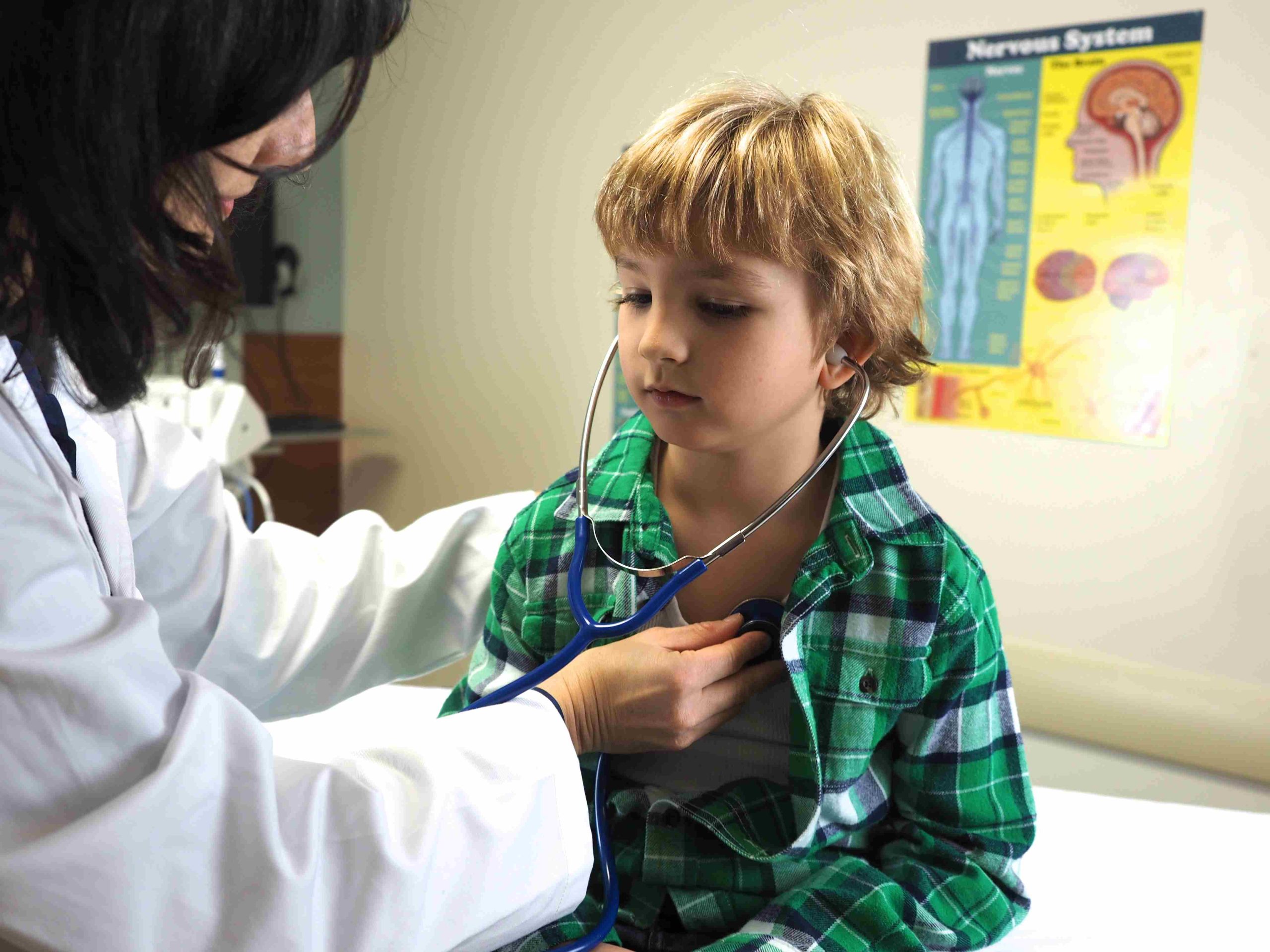
    Formal evaluations refer to systematic and structured assessments conducted to measure a preschooler’s development across various domains, including cognitive, social, emotional, and physical areas. These evaluations are typically performed by trained professionals using standardized tools, such as assessments, tests, and observations, to obtain accurate and objective data.

    The purpose of formal evaluations is to gauge a preschooler’s progress, identify their strengths and weaknesses, and inform instructional strategies. By employing a comprehensive evaluation process, educators can obtain a holistic view of a child’s development, allowing them to design targeted interventions that address individual needs.


    Benefits of Formal Evaluations

    Formal evaluations offer numerous benefits that contribute to the overall growth and well-being of preschoolers. Firstly, they provide educators with an opportunity to gain an in-depth understanding of a child’s abilities, allowing for personalized and differentiated instruction. By tailoring teaching strategies to meet individual needs, educators can foster optimal learning experiences and facilitate academic success.

    Furthermore, formal evaluations enable early identification of developmental delays, learning disabilities, or other special needs. Early intervention can be pivotal in addressing these challenges promptly and ensuring that preschoolers receive the necessary support to overcome obstacles and reach their full potential.


    Parental Engagement and Empowerment

    Formal evaluations also play a crucial role in fostering parental engagement and empowerment. Parents are often the primary advocates for their preschoolers and are instrumental in supporting their development beyond the classroom. Through formal evaluations, parents gain valuable insights into their child’s progress, strengths, and areas that require attention.

    Armed with this information, parents can actively participate in their child’s educational journey, collaborating with educators and professionals to create an enriching and supportive environment at home. This collaboration between parents and educators enhances the child’s overall development and creates a seamless connection between home and school.


    Data-Driven Instruction

    Formal evaluations provide educators with data that can drive instruction and curriculum development. By analyzing assessment results, educators can identify trends, patterns, and gaps in learning. This data-driven approach empowers educators to make informed decisions regarding curriculum design, instructional strategies, and resource allocation.

    Furthermore, formal evaluations can help educators track the progress of individual preschoolers over time, monitor the effectiveness of interventions, and measure the impact of teaching strategies. This continuous feedback loop allows educators to refine their practices and ensure that preschoolers receive the best possible education.


    Holistic Development

    Formal evaluations encompass various aspects of a preschooler’s development, including cognitive, social, emotional, and physical domains. This comprehensive approach ensures that the evaluation process addresses the diverse needs of preschoolers, enabling a holistic understanding of their progress.

    By assessing different areas of development, formal evaluations promote a well-rounded educational experience. They shed light on a child’s social skills, emotional well-being, creativity, problem-solving abilities, and physical capabilities. This holistic perspective helps create an inclusive learning environment that nurtures the overall growth of preschoolers.


    Addressing Challenges and Ensuring Equity

    While formal evaluations offer numerous benefits, it is essential to address potential challenges and ensure equity in the evaluation process. One challenge is the potential bias that may arise from standardized assessments. It is crucial to recognize and mitigate any biases that could unfairly impact the evaluation results, particularly for preschoolers from diverse backgrounds or those with special needs.

    To promote equity, evaluators must consider cultural sensitivity and inclusivity in assessment tools and practices. By incorporating culturally relevant materials and adapting evaluation methods to accommodate diverse learning styles and abilities, the evaluation process can be more inclusive and provide a fair representation of each preschooler’s capabilities.

    Furthermore, effective communication and collaboration between educators, parents, and evaluators are essential in maximizing the benefits of formal evaluations. Transparent and open dialogue ensures that evaluation results are understood by all stakeholders, enabling informed decision-making and collaborative goal setting for the child’s development.

    Access to resources and support is another critical factor in ensuring equity. Adequate resources, both in terms of personnel and materials, must be available to conduct thorough evaluations and implement interventions based on the evaluation outcomes. This includes providing professional development opportunities for educators and evaluators to enhance their assessment skills and stay updated with best practices.

    Additionally, formal evaluations should consider the impact of external factors on a child’s performance. Factors such as home environment, socio-economic status, and cultural background can significantly influence a child’s development. Evaluators should strive to understand and account for these contextual factors when interpreting evaluation results, ensuring a more holistic and accurate assessment of a preschooler’s abilities.


    Enhancing Future Educational Practices

    Formal evaluations not only impact the present development of preschoolers but also have far-reaching implications for future educational practices. The data and insights gained from these evaluations can contribute to ongoing research, policy development, and improvements in early childhood education.

    One significant aspect influenced by formal evaluations is curriculum design. Assessment results help educators identify areas where the curriculum can be enhanced to better meet the needs of preschoolers. By aligning curriculum goals with evaluation outcomes, educators can ensure that learning experiences are relevant, engaging, and tailored to support optimal growth and development.

    Moreover, formal evaluations provide valuable information that can inform educational policies and initiatives. By analyzing assessment data at a broader level, policymakers can gain insights into the overall effectiveness of early childhood education programs and make informed decisions to drive positive change. This data-driven approach allows policymakers to allocate resources effectively and implement evidence-based strategies to improve educational outcomes for preschoolers.

    Formal evaluations also contribute to the professional development of educators. By engaging in the evaluation process, educators gain a deeper understanding of assessment practices, data interpretation, and instructional strategies. This knowledge empowers them to become more effective practitioners, fostering continuous growth and improvement in their teaching approaches.

    Furthermore, the feedback loop established through formal evaluations enables ongoing monitoring and evaluation of interventions. By systematically tracking the progress of preschoolers, educators can assess the effectiveness of targeted interventions and make necessary adjustments to ensure optimal support. This iterative process enhances the overall quality of educational practices and improves outcomes for preschoolers.

    Collaboration and knowledge sharing among educators and evaluators are key to maximizing the impact of formal evaluations on future educational practices. By engaging in professional communities, attending conferences, and participating in research endeavors, professionals can exchange ideas, share best practices, and collectively contribute to the advancement of early childhood education.


    Empowering Preschoolers for Lifelong Learning

    Formal evaluations play a crucial role in empowering preschoolers for lifelong learning. By assessing their progress, strengths, and areas for improvement, these evaluations provide valuable information that can guide educational interventions and foster a love for learning from an early age. One of the key ways formal evaluations empower preschoolers is by promoting self-awareness and self-reflection. Through the evaluation process, preschoolers become more conscious of their abilities, interests, and areas where they can grow. This self-awareness allows them to take ownership of their learning journey, set goals, and develop a growth mindset that fuels their motivation to learn and improve.

    Formal evaluations also help preschoolers develop resilience and adaptability. By recognizing and addressing areas that require improvement, preschoolers learn that setbacks and challenges are opportunities for growth rather than obstacles. They develop the ability to persevere, embrace new strategies, and adapt their approaches to overcome difficulties. This resilience and adaptability are essential skills that will benefit them throughout their educational and personal lives.

    Furthermore, formal evaluations provide opportunities for preschoolers to celebrate their achievements and build confidence. When preschoolers receive recognition for their progress and accomplishments, it reinforces their self-esteem and fosters a positive attitude towards learning. This confidence empowers them to take on new challenges, explore their interests, and engage actively in the learning process.

    Formal evaluations also contribute to the development of essential life skills. Through the evaluation of social and emotional development, preschoolers learn to navigate relationships, understand their emotions, and develop empathy and communication skills. These skills lay the foundation for positive social interactions, emotional well-being, and success in future educational and professional settings.

    In addition, formal evaluations support the development of critical and creative thinking skills. By evaluating cognitive abilities, preschoolers are encouraged to think critically, solve problems, and explore different perspectives. They learn to ask questions, analyze information, and apply knowledge in innovative ways. These skills are fundamental for lifelong learning and enable preschoolers to become independent thinkers and problem-solvers.


    Building Partnerships for Holistic Development

    Formal evaluations not only benefit preschoolers individually but also serve as a catalyst for building partnerships among stakeholders involved in a child’s development. These partnerships, between educators, parents, caregivers, and evaluators, are essential for ensuring holistic development and maximizing the positive impact of formal evaluations.

    Collaboration between educators and evaluators is crucial in aligning assessment practices with instructional strategies. By working together, educators and evaluators can ensure that evaluation methods accurately capture the diverse range of skills and knowledge fostered in the classroom. This collaboration allows for a seamless integration of evaluation data into instructional planning, ensuring that educational experiences are tailored to meet the individual needs of preschoolers.

    Partnerships with parents and caregivers are equally vital. Formal evaluations provide an opportunity for open and constructive dialogue between parents and educators regarding a child’s progress. By sharing evaluation results and discussing strategies for supporting their child’s development, parents can actively contribute to their child’s educational journey. This collaboration fosters a strong home-school connection, where parents can reinforce learning at home and provide valuable insights into a child’s development beyond the classroom.

    Moreover, partnerships with evaluators contribute to ongoing professional development for educators. Evaluators bring expertise and knowledge in assessment practices, allowing educators to expand their understanding of evaluation methodologies and gain insights into best practices. This partnership cultivates a culture of continuous improvement among educators, ensuring that they are equipped with the latest assessment techniques and approaches.

    Partnerships formed through formal evaluations also extend beyond the individual child and their immediate stakeholders. Evaluators, educators, and parents can collaborate to share insights and advocate for systemic changes in early childhood education. By collectively analyzing evaluation data, identifying trends, and highlighting areas for improvement, stakeholders can drive policy changes, resource allocation, and program enhancements that benefit all preschoolers.

    These partnerships foster a sense of shared responsibility for the development and well-being of preschoolers. By working together, stakeholders create a supportive network that maximizes the impact of formal evaluations and creates an educational environment where every child can thrive.


    Ethical Considerations in Formal Evaluations

    While formal evaluations provide valuable insights and support the development of preschoolers, it is crucial to address ethical considerations to ensure the process is fair, respectful, and inclusive. Ethical guidelines and practices are essential to protect the rights and well-being of preschoolers and maintain the integrity of the evaluation process.

    Confidentiality and privacy are paramount in formal evaluations. Evaluators must ensure that assessment results and sensitive information about preschoolers are kept confidential. This includes protecting data storage and transmission, obtaining informed consent from parents or legal guardians, and using assessment results only for their intended purposes. Preschoolers and their families have the right to privacy, and their information should be handled with the utmost care and respect.

    Inclusivity is another ethical consideration in formal evaluations. Every preschooler, regardless of their abilities, cultural background, or language proficiency, should have equal opportunities to participate in evaluations. Evaluators should strive to use assessment tools and practices that are culturally sensitive, unbiased, and accommodate diverse learning styles and abilities. Additionally, accommodations and support should be provided to ensure that evaluations are accessible for preschoolers with special needs.

    Consent and informed participation are crucial ethical considerations. Parents or legal guardians should be fully informed about the purpose, procedures, and potential implications of formal evaluations. They should have the right to provide or withhold consent for their child’s participation, ensuring that they are actively engaged in the evaluation process and understand its significance. Preschoolers who are capable of understanding the evaluation process should also be informed and given the opportunity to express their assent.

    Additionally, ethical evaluations require clear communication and transparency. Evaluators should provide understandable explanations of evaluation procedures and outcomes to parents, caregivers, and preschoolers. They should also encourage open dialogue, address any questions or concerns, and ensure that evaluation results are communicated in a constructive and supportive manner. This transparency fosters trust and collaboration among all stakeholders involved in a child’s development.

    Lastly, evaluators must be aware of and address potential biases that may arise in the evaluation process. These biases can stem from cultural, gender, or socio-economic factors and can impact the objectivity and fairness of the evaluation results. By employing standardized assessment tools, training evaluators on bias reduction techniques, and regularly monitoring and reviewing evaluation practices, potential biases can be minimized, and evaluations can be conducted in an ethical manner.

  • Motor Development

    Motor Development

    Unleashing Boundless Potential: Exploring Preschooler Motor Development

    Preschooler motor development is a captivating journey of physical growth and mastery. From their first tentative steps to refined fine motor skills, preschoolers experience a remarkable transformation in their ability to control and coordinate their movements. In this article, we delve into the fascinating world of preschooler motor development, highlighting its importance and providing insights into the different facets of this incredible process.


    Unleashing the Power of Movement: Preschooler Motor Development

    Preschooler motor development encompasses both gross motor skills, which involve large muscle groups and whole-body movements, and fine motor skills, which involve the intricate control of smaller muscles. This development is essential for preschoolers’ overall physical well-being, cognitive growth, and social interactions. Let us explore the different aspects of preschooler motor development and understand its significance in their holistic development.


    Building a Foundation: Gross Motor Skills Development

    Gross motor skills lay the foundation for preschoolers’ physical abilities and provide the framework for their overall motor development. Here are the key stages of gross motor development:

  • Milestones in Early Years: Crawling, Standing, and Walking: In the early years, preschoolers reach significant milestones in their gross motor development. From crawling on all fours to standing independently and taking their first steps, these achievements mark the beginning of their physical independence and mobility. The process of transitioning from crawling to walking requires strength, balance, and coordination.
  • Developing Coordination and Balance: Running, Jumping, and Hopping: As preschoolers grow, they gradually develop coordination and balance. They engage in activities like running, jumping, and hopping, refining their ability to coordinate their movements and maintain balance. These activities promote muscle strength, cardiovascular health, and spatial awareness.
  • Mastery of Gross Motor Skills: Climbing, Pedaling, and Skipping: Preschoolers further refine their gross motor skills by mastering activities such as climbing stairs, riding a tricycle, and skipping. These activities require a combination of strength, coordination, balance, and body awareness. Mastery of these skills enhances their overall physical competence and fosters a sense of confidence and independence.


    Fine Motor Dexterity: Refining Precise Movements

    Fine motor skills involve the precise control of small muscles, particularly in the hands and fingers. These skills are crucial for preschoolers’ daily activities, such as self-care, drawing, writing, and manipulating objects. Let’s explore the stages of fine motor development:

  • Grasping and Releasing: Developing Hand Control: In the early stages, preschoolers begin to develop their hand control by mastering the ability to grasp and release objects. Initially, they use a palmar grasp, where objects are held with the whole hand. Gradually, they develop a pincer grasp, using the thumb and index finger to pick up smaller objects. This progression strengthens hand muscles and enhances dexterity.
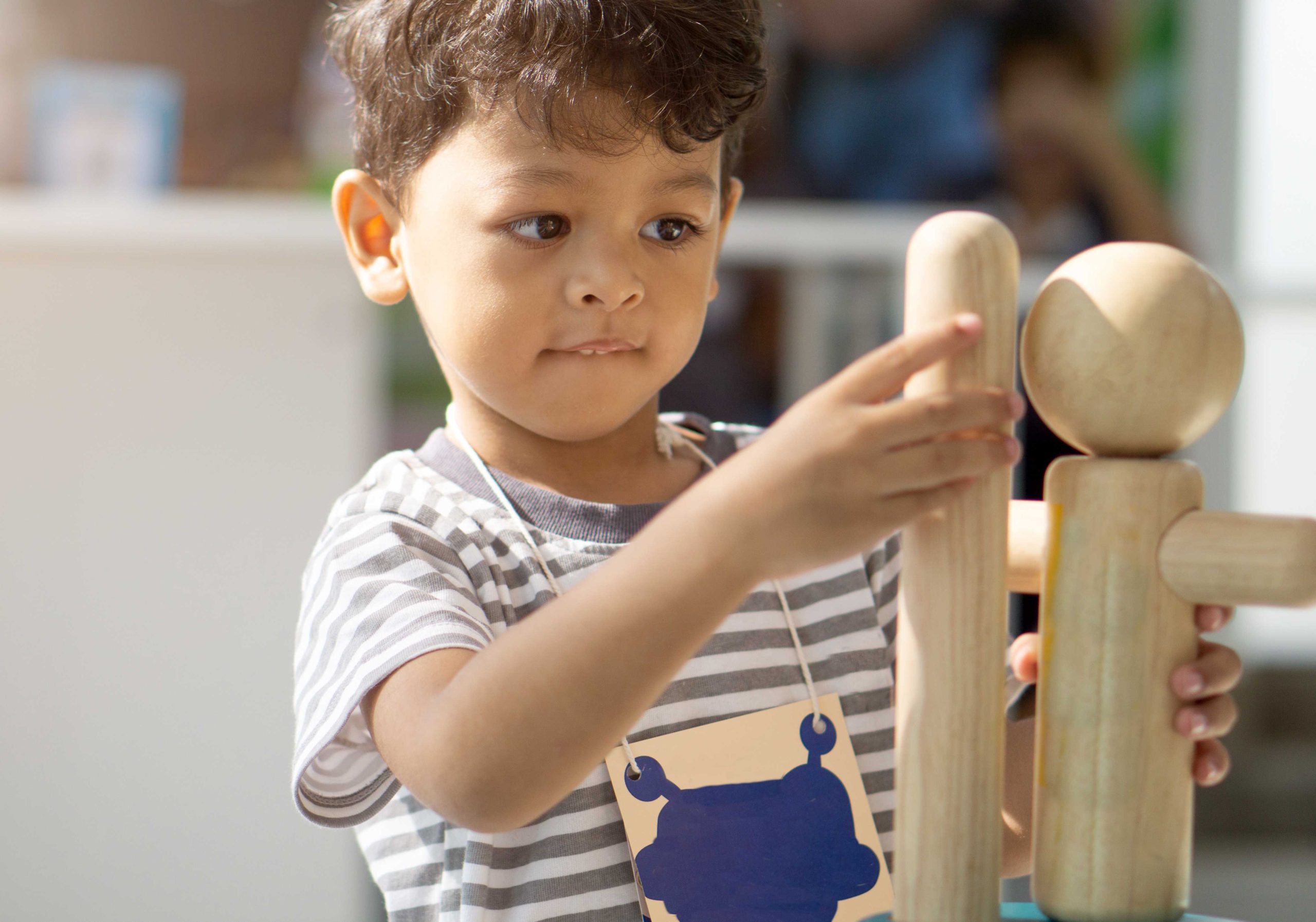
  • Hand-Eye Coordination: Precision in Manipulation: Hand-eye coordination plays a vital role in fine motor development. Preschoolers refine their ability to coordinate visual information with hand movements, enabling them to manipulate objects with precision. Activities like stacking blocks, threading beads, and fitting puzzle pieces help strengthen hand-eye coordination and enhance problem-solving skills.
  • Writing and Drawing: Expressing Creativity: Writing and drawing are significant milestones in fine motor development. As preschoolers gain control over their hand movements, they start experimenting with holding writing tools and creating basic shapes. With practice and guidance, they develop the ability to form letters, write their names, and engage in imaginative drawing, allowing them to express their creativity and communicate visually.


    Enhancing Motor Skills Through Play

    Play is a powerful vehicle for promoting and enhancing preschooler motor development. Engaging in purposeful play activities offers a multitude of benefits, stimulating both gross and fine motor skills. Let’s explore the role of play in motor development:


    Outdoor Play: Exploring the World

    Outdoor play offers preschoolers a wealth of opportunities to engage in gross motor activities. Climbing on playground structures, running, jumping, and playing ball games enhance their strength, balance, coordination, and spatial awareness. Outdoor play also exposes preschoolers to diverse sensory experiences, promoting sensory integration and motor planning skills.


    Manipulative Play: Building Fine Motor Skills

    Manipulative play activities involve the use of hands and fingers to manipulate objects. Building with blocks, playing with puzzles, threading beads, and using construction toys allow preschoolers to refine their fine motor skills. These activities strengthen hand muscles, improve hand-eye coordination, and enhance problem-solving abilities.


    Imaginative Play: Inspiring Creativity and Movement

    Imaginative play encourages preschoolers to engage in pretend scenarios that require physical movement. Whether they are pretending to be superheroes, playing house, or acting out scenes from their favorite stories, preschoolers use their bodies to express their ideas and bring their imagination to life. This type of play enhances gross motor skills, fosters creativity, and develops social-emotional skills.


    Sensory Play: Stimulating the Senses

    Sensory play activities provide rich sensory experiences that support preschooler motor development. Play with sand, water, playdough, and textured materials stimulates the senses and enhances fine motor skills. Scooping, pouring, squeezing, and molding during sensory play activities strengthen hand muscles and refine hand-eye coordination. Preschooler motor development is a dynamic and captivating process that unfolds with each passing day. From the initial stages of crawling and grasping to the refined movements of running, drawing, and playing, preschoolers’ motor skills flourish, unlocking endless possibilities. Through gross motor milestones, fine motor dexterity, and purposeful play, preschoolers develop the physical foundations necessary for their overall growth and exploration of the world around them. Let us celebrate and nurture their motor development, recognizing the incredible potential that lies within their movements.


    Supporting Preschooler Motor Development

    To support and enhance preschooler motor development, it is important for educators and parents to create an environment that encourages exploration, practice, and the development of new skills. Here are some strategies to support preschooler motor development:


    Provide a Safe and Stimulating Environment

    Creating a safe and stimulating environment is crucial for preschoolers to freely explore and engage in physical activities. Clear the play area of any hazards, ensure proper supervision, and provide age-appropriate toys, equipment, and materials that promote gross and fine motor skills development. Offering a variety of textures, shapes, and sizes encourages preschoolers to use different muscle groups and refine their motor skills.


    Encourage Active Play and Movement

    Preschoolers need ample opportunities for active play and movement to strengthen their gross motor skills. Encourage them to engage in activities that involve running, jumping, hopping, skipping, and climbing. Organize group games, obstacle courses, or nature walks that provide opportunities for them to develop balance, coordination, and spatial awareness. Active play not only supports motor development but also promotes cardiovascular health and overall well-being.


    Incorporate Fine Motor Activities into Daily Routines

    Integrating fine motor activities into daily routines helps preschoolers refine their hand-eye coordination and develop their fine motor skills. Encourage them to participate in self-care tasks such as buttoning their clothes, brushing their teeth, and feeding themselves. Provide opportunities for drawing, coloring, cutting with child-safe scissors, and manipulating small objects. Engaging in arts and crafts activities and playing with manipulative toys like building blocks or playdough strengthens hand muscles and promotes precise finger control.


    Offer Open-Ended Materials for Exploration

    Open-ended materials allow preschoolers to engage in creative and imaginative play while also promoting motor development. Provide materials like blocks, construction toys, loose parts, and art supplies that allow preschoolers to experiment, problem-solve, and engage in open-ended play. These materials encourage them to use their hands and fingers in different ways, promoting fine motor dexterity and cognitive development.


    Support Gross and Fine Motor Skills through Sensory Play

    Sensory play offers rich experiences that support both gross and fine motor development. Set up sensory bins with materials like sand, water, rice, or beans, along with scoops, funnels, and containers for pouring and transferring. Encourage preschoolers to explore different textures, practice pouring and scooping, and manipulate objects within the sensory play context. Sensory play not only stimulates the senses but also enhances hand-eye coordination, finger control, and hand strength.


    Model and Encourage Self-Help Skills

    Encouraging preschoolers to develop self-help skills not only promotes independence but also supports their motor development. Encourage them to dress themselves, put on their shoes, and zip their jackets. These activities require fine motor control and coordination. Provide opportunities for them to pour their own drinks, use utensils, and clean up after themselves, which enhances their hand-eye coordination, finger control, and hand strength.


    Offer Support and Guidance

    Preschoolers may need support and guidance as they develop their motor skills. Offer encouragement and praise for their efforts, and provide assistance when needed. Break down tasks into smaller steps and provide clear instructions. Demonstrate the proper technique for activities like cutting with scissors or tying shoelaces, and allow preschoolers to practice with guidance. Supportive interactions and scaffolding help preschoolers develop confidence and refine their motor skills. Preschooler motor development is a remarkable process that lays the foundation for physical competence and overall well-being. By providing a safe and stimulating environment, encouraging active play, incorporating fine motor activities, offering open-ended materials, promoting sensory play, and supporting self-help skills, educators and parents can actively contribute to the growth and development of preschoolers’ motor skills. Let us create an environment that nurtures their motor development, allowing them to reach their full potential and thrive in their physical explorations.


    The Benefits of Preschooler Motor Development

    Preschooler motor development offers a multitude of benefits that extend beyond physical abilities. Let’s explore some of the key benefits that arise from the development of gross and fine motor skills:


    Enhanced Physical Health and Fitness

    Engaging in regular physical activities as part of motor development promotes overall physical health and fitness in preschoolers. Through activities like running, jumping, climbing, and playing sports, they develop strong muscles, improve cardiovascular endurance, and enhance their coordination and balance. Regular physical activity also helps in maintaining a healthy weight, reducing the risk of obesity and associated health issues.


    Improved Cognitive Skills

    Motor development and cognitive development are interconnected. When preschoolers engage in activities that require motor skills, such as puzzles, building blocks, or threading beads, they enhance their cognitive abilities. Fine motor activities, in particular, help strengthen neural connections in the brain and support the development of problem-solving skills, spatial awareness, and critical thinking.


    Refinement of Hand-Eye Coordination

    Fine motor activities play a crucial role in the refinement of hand-eye coordination in preschoolers. Manipulating objects, drawing, and writing require precise coordination between visual information and hand movements. As preschoolers practice these activities, their hand-eye coordination improves, enhancing their ability to perform tasks that involve both fine motor skills and visual perception.


    Development of Self-Help Skills

    Motor development empowers preschoolers to develop self-help skills that foster independence and autonomy. Through activities like buttoning clothes, tying shoelaces, and using utensils, they develop fine motor control, hand strength, and coordination. Mastering these skills boosts their confidence and self-esteem, enabling them to take on more responsibilities and participate actively in daily routines.


    Social and Emotional Development

    Motor development plays a significant role in supporting social and emotional development in preschoolers. Engaging in physical activities with peers promotes social interaction, cooperation, and teamwork. Through active play, preschoolers learn to navigate social situations, take turns, share resources, and resolve conflicts, fostering their emotional intelligence and interpersonal skills.


    Enhanced Concentration and Focus

    Engaging in activities that require motor skills demands concentration and focus from preschoolers. Whether it’s building a tower, completing a puzzle, or engaging in arts and crafts, these activities encourage preschoolers to concentrate on the task at hand. The ability to sustain attention and focus is essential for their overall cognitive development and academic readiness.


    Boosted Confidence and Self-Efficacy

    As preschoolers master new motor skills and accomplish physical challenges, their confidence and self-efficacy grow. Each milestone achieved, whether it’s taking their first steps or writing their name, reinforces their belief in their own abilities. This confidence spills over into other areas of their life, allowing them to approach new tasks and challenges with a positive mindset.


    Preparation for School Readiness

    Motor development plays a significant role in preparing preschoolers for the academic setting. Fine motor skills, such as writing, drawing, and manipulating objects, are fundamental for activities like holding a pencil, completing worksheets, and engaging in early literacy and numeracy tasks. Gross motor skills, on the other hand, contribute to physical readiness, allowing preschoolers to participate in physical education classes and navigate school environments confidently. Preschooler motor development encompasses a range of benefits that extend beyond physical abilities. From improved physical health and fitness to enhanced cognitive skills, refined hand-eye coordination, and the development of self-help skills, motor development plays a pivotal role in shaping preschoolers’ overall well-being and readiness for future challenges. By nurturing and supporting their motor development, educators and parents lay the groundwork for a lifetime of physical competence, cognitive growth, and social-emotional well-being. Let us celebrate the incredible achievements of preschoolers as they embark on their motor development journey and unlock their true potential.

  • Early Identification

    Early Identification

    Unlocking the Power of Early Identification for Preschoolers: A Pathway to a Bright Future

    In the realm of early childhood development, the power of early identification cannot be overstated. Identifying and addressing potential challenges and needs at an early stage empowers preschoolers to overcome obstacles, unlock their full potential, and embark on a journey towards a bright and successful future. By focusing on early identification, we can ensure that no child is left behind, offering them the necessary support and interventions to thrive. In this article, we will explore the significance of early identification and its impact on preschoolers’ overall development, covering various aspects from cognitive abilities to socio-emotional well-being.


    The Cognitive Advantage of Early Identification

    Preschoolers possess an incredible capacity for learning and cognitive growth. Early identification plays a pivotal role in recognizing cognitive strengths and areas that require intervention or additional support. Through comprehensive assessment tools, educators and caregivers can identify preschoolers’ unique learning styles, strengths, and areas for improvement. Early identification allows for tailored interventions and strategies that foster optimal cognitive development. By understanding individual needs, educators can adapt teaching methods to maximize each child’s potential, ensuring a strong foundation for future academic achievements.


    Nurturing Emotional Intelligence through Early Identification

    Preschoolers are highly sensitive to their emotional environment, and early identification of emotional challenges can pave the way for developing emotional intelligence. Emotionally intelligent individuals are better equipped to manage stress, regulate emotions, and establish healthy relationships. Through early identification, educators and caregivers can identify signs of emotional distress, such as anxiety or difficulty in social interactions. This knowledge enables them to provide targeted support, implement appropriate strategies, and create a nurturing environment that fosters emotional growth and resilience in preschoolers.


    Addressing Developmental Delays with Early Identification

    Early identification is vital in recognizing and addressing developmental delays in preschoolers. Delays in speech, motor skills, or other areas can impact a child’s overall development and hinder their progress. By identifying and intervening early, professionals can provide the necessary therapies and interventions to support preschoolers in reaching their developmental milestones. Early intervention allows for personalized strategies to enhance motor skills, language acquisition, and overall physical and cognitive development, setting the stage for a successful educational journey.


    Fostering Social Skills through Early Identification

    Preschoolers thrive in environments that nurture their social skills, and early identification is instrumental in identifying any challenges they may face in this domain. Recognizing potential issues with social interactions, communication, or behavioral patterns enables educators and caregivers to implement targeted interventions. By providing preschoolers with appropriate support and guidance, we can help them develop critical social skills, including empathy, cooperation, and conflict resolution. Early identification thus lays the foundation for positive social development, building essential skills for future success in personal and professional relationships.


    Enhancing Inclusion and Diversity through Early Identification

    Early identification also plays a crucial role in promoting inclusion and celebrating diversity. By recognizing and valuing individual differences, educators can ensure that all preschoolers receive equal opportunities for growth and development. Early identification helps identify cultural, linguistic, or learning differences, enabling educators to adapt teaching strategies and create an inclusive environment where every child feels valued and empowered. Embracing diversity at a young age fosters acceptance, empathy, and a sense of belonging, preparing preschoolers to thrive in diverse communities.


    Collaborative Efforts in Early Identification

    Achieving effective early identification requires collaborative efforts from various stakeholders, including educators, caregivers, healthcare professionals, and families. Open lines of communication and sharing of information are essential to identify and address the needs of preschoolers comprehensively. Collaborative efforts help facilitate early identification by combining the expertise and perspectives of different professionals. Educators can work closely with parents and caregivers to gather valuable insights about a child’s behavior, development, and any concerns they may have. This partnership allows for a holistic understanding of the child’s needs and helps in designing appropriate interventions.

    Furthermore, collaboration with healthcare professionals, such as pediatricians and child psychologists, enhances the early identification process. These professionals can provide valuable input through medical assessments, screenings, and specialized evaluations, shedding light on any underlying physical or psychological factors that may impact a child’s development. By working together, educators and healthcare professionals can create a comprehensive support system that addresses the diverse needs of preschoolers. In addition to professional collaboration, involving families in the early identification process is crucial. Parents and caregivers possess invaluable insights into their child’s development and behavior, as they spend significant time with them outside of the educational setting. Establishing open lines of communication and encouraging parental involvement enables a holistic understanding of the child’s strengths, challenges, and individual circumstances. Moreover, empowering parents with knowledge and resources allows them to actively contribute to their child’s development and advocate for their needs.

    Effective collaboration also extends to community partnerships. Collaborating with community organizations, such as early intervention programs, non-profit agencies, and support groups, can broaden the range of resources and support available to preschoolers and their families. These partnerships can help connect families with specialized services, provide access to additional educational resources, and foster a supportive network of professionals and families who are invested in early identification and intervention.


    The Role of Technology in Early Identification

    In our ever-evolving digital age, technology has become an increasingly valuable tool in early identification for preschoolers. With the right applications and resources, technology can enhance the early identification process, providing educators, caregivers, and professionals with additional tools and insights to support optimal development.

    One area where technology excels is in the collection and analysis of data. Digital platforms and assessment tools allow for efficient and standardized data collection, enabling educators to track and monitor a preschooler’s progress in various developmental domains. These data-driven insights can help identify patterns, trends, and potential areas of concern, prompting early intervention and targeted support.

    Moreover, technology offers a wide range of educational applications and digital resources that cater to individual learning styles and developmental needs. Interactive educational games, mobile applications, and online platforms provide engaging and personalized learning experiences, supporting cognitive development, language acquisition, and other key skills. These digital tools can be especially beneficial for preschoolers with diverse learning needs, enabling educators to tailor instruction and interventions to meet their specific requirements. Additionally, telehealth services and virtual consultations have gained prominence in recent years, allowing healthcare professionals to remotely assess and provide guidance to preschoolers and their families. Through video conferencing and digital communication platforms, professionals can conduct assessments, offer recommendations, and collaborate with families, even when geographical barriers might otherwise impede access to specialized services. This virtual connectivity ensures that early identification and intervention can reach preschoolers in various settings, irrespective of their location.

    However, it is important to approach the use of technology in early identification with caution. While technology can offer valuable insights and resources, it should not replace human interaction and observation. The role of skilled educators, caregivers, and professionals remains paramount in assessing preschoolers’ developmental progress and addressing their unique needs. Technology should complement and enhance their expertise rather than replace it.

    Furthermore, it is essential to consider equity and access when integrating technology into early identification efforts. Not all families have equal access to digital devices, reliable internet connections, or the necessary technological literacy. Efforts should be made to bridge the digital divide and ensure that technology-based interventions and resources are inclusive and accessible to all preschoolers and families, regardless of socioeconomic background or geographic location.


    Overcoming Challenges in Early Identification

    While early identification holds immense potential for supporting the development of preschoolers, there are challenges that need to be addressed to ensure its effective implementation. By understanding and addressing these challenges, we can strengthen early identification practices and optimize outcomes for all preschoolers.

    One significant challenge is the lack of awareness and knowledge among educators, caregivers, and even healthcare professionals about the importance of early identification. Many individuals may not be familiar with the signs and indicators of developmental delays or the benefits of early intervention. To overcome this challenge, it is crucial to invest in professional development programs, training initiatives, and awareness campaigns that emphasize the significance of early identification. By equipping professionals with the necessary knowledge and resources, we can foster a culture of early identification and intervention.

    Another challenge is the availability and accessibility of assessment tools and specialized services. In some regions or communities, there may be limited access to qualified professionals, diagnostic services, or early intervention programs. This disparity can result in delays in identifying and addressing the needs of preschoolers. It is imperative to advocate for equitable access to comprehensive assessment tools, intervention programs, and healthcare services. Collaboration between policymakers, educational institutions, healthcare organizations, and community stakeholders is essential to ensure that every preschooler has access to early identification and appropriate interventions, regardless of their geographical location or socioeconomic status.

    Furthermore, cultural and linguistic diversity adds another layer of complexity to early identification. Preschoolers from diverse backgrounds may exhibit different patterns of development and have unique cultural perspectives on learning and behavior. Professionals involved in early identification must be culturally competent and sensitive to these differences. This requires ongoing training, the inclusion of diverse perspectives in assessment tools and intervention strategies, and fostering partnerships with community organizations that specialize in serving diverse populations.

    Additionally, the stigma associated with developmental delays or disabilities can impede early identification efforts. Families may feel reluctant to seek help or acknowledge potential challenges due to fear of judgment or social stigma. Creating a supportive and non-judgmental environment is crucial in encouraging families to come forward and participate in the early identification process. By fostering open and respectful communication, providing emotional support, and promoting a culture of inclusivity, we can help families feel empowered to seek early identification and intervention for their preschoolers.

    Lastly, the cost of early identification services and interventions can be a barrier for many families. Diagnostic assessments, specialized therapies, and interventions may be financially burdensome, particularly for those without adequate insurance coverage or financial resources. It is essential to advocate for affordable and accessible early identification services, including increased insurance coverage for assessments and interventions. Collaboration between public and private sectors, along with government support, can help alleviate the financial strain on families and ensure that cost does not hinder access to early identification and necessary interventions.


    The Long-Term Impact of Early Identification

    The impact of early identification extends far beyond the preschool years, shaping the trajectory of a child’s life and influencing their long-term outcomes. By identifying and addressing developmental challenges and needs at an early stage, we lay the foundation for positive lifelong outcomes across various domains.

  • Academic Success: Early identification plays a pivotal role in setting the stage for academic success. By recognizing and intervening in areas such as cognitive development, language acquisition, and early literacy skills, we equip preschoolers with the necessary tools to thrive academically. Targeted interventions and tailored instructional approaches can help bridge learning gaps and promote a love for learning from an early age. The early identification of learning difficulties, such as dyslexia or attention deficit hyperactivity disorder (ADHD), allows for the implementation of appropriate strategies and support systems, ensuring that preschoolers receive the assistance they need to excel academically.
  • Social and Emotional Well-being: Early identification also significantly impacts the social and emotional well-being of preschoolers. By identifying and addressing emotional and behavioral challenges early on, we promote the development of crucial social-emotional skills, including self-regulation, empathy, and resilience. These skills are essential for building healthy relationships, navigating social interactions, and managing emotions effectively. By providing early intervention and support, we can help preschoolers develop a strong sense of self-esteem, confidence, and emotional intelligence, which positively influences their mental health and well-being throughout their lives.
  • Career Readiness and Success: Early identification plays a vital role in preparing preschoolers for future career success. By recognizing and nurturing individual talents and strengths, educators and caregivers can help preschoolers develop a sense of passion, purpose, and direction. Early identification of specific talents, such as artistic or mathematical abilities, allows for tailored enrichment opportunities and guidance. This early investment in strengths and interests can foster a lifelong love for learning, pave the way for vocational exploration, and contribute to increased career satisfaction and success later in life.
  • Healthy Relationships: The impact of early identification extends to the realm of relationships as well. By addressing social challenges and providing targeted support, we empower preschoolers to build strong and healthy relationships with peers, family members, and community members. Early intervention and guidance enable preschoolers to develop effective communication skills, empathy, and conflict resolution abilities, laying the groundwork for positive and fulfilling relationships throughout their lives. This, in turn, contributes to overall well-being and a sense of belonging within their social networks.
  • Community Engagement and Citizenship: Early identification also fosters a sense of community engagement and active citizenship. By recognizing and addressing developmental challenges and needs, we empower preschoolers to become active participants in their communities. Through early interventions, preschoolers can develop the necessary skills, knowledge, and values to contribute positively to their communities, promoting social cohesion, and making a meaningful impact on society.

  • Physical Examination

    Physical Examination

    The Art of Physical Examination: Nurturing Health in Preschoolers

    Physical examination is a time-honored practice in medicine, an art that blends scientific knowledge with the human touch. It is an essential aspect of healthcare that enables healthcare professionals to assess the overall health and well-being of individuals. In the case of preschoolers, physical examinations play a crucial role in monitoring their growth, development, and early detection of potential health concerns. This article delves into the significance of physical examinations for preschoolers, highlighting its various components, benefits, and the importance of a compassionate approach towards young patients.


    Unveiling the Components of a Comprehensive Physical Examination

    A comprehensive physical examination for preschoolers encompasses various components, each contributing to a holistic understanding of the child’s health. It begins with an assessment of vital signs, including heart rate, respiratory rate, blood pressure, and body temperature. Observing these indicators helps identify any abnormalities or signs of underlying health conditions.

    The examination then proceeds to a systematic evaluation of the head and neck, where the healthcare professional examines the eyes, ears, nose, throat, and oral cavity. This assessment aids in identifying any vision or hearing impairments, nasal congestion, tonsillitis, or dental issues that may require further attention.

    Moving on, the examination extends to the chest and cardiovascular system. The healthcare professional listens to the heart sounds, evaluates lung function, and checks for any signs of respiratory distress. This segment of the examination aims to detect anomalies such as murmurs, irregular heartbeats, or lung disorders that might hinder a child’s overall health.

    Additionally, a comprehensive physical examination includes an evaluation of the abdominal region, where the healthcare professional palpates the abdomen, inspects for any signs of tenderness or distension, and checks organ placement. This step helps identify gastrointestinal disorders, such as constipation, appendicitis, or liver problems.

    Furthermore, an examination of the musculoskeletal system is conducted to assess the child’s posture, muscle strength, and joint flexibility. By observing the child’s gait and motor skills, the healthcare professional can detect musculoskeletal abnormalities or motor developmental delays that require intervention.


    The Importance of Height and Weight Assessment in Preschoolers

    One crucial aspect of a physical examination in preschoolers is the assessment of height and weight. These measurements serve as essential indicators of a child’s growth and development. By plotting the measurements on growth charts, healthcare professionals can monitor a child’s growth trajectory and identify any deviations from the norm.

    Height assessment allows for the detection of growth disorders, such as short stature or tall stature, which may necessitate further investigation and treatment. On the other hand, weight assessment helps assess a child’s nutritional status, identifying potential issues such as underweight, overweight, or obesity. Early detection of these concerns enables healthcare professionals to provide appropriate dietary counseling and interventions to promote healthy growth and prevent future health complications.


    The Role of Immunizations in Preschool Physical Examinations

    Immunizations form a vital aspect of preschool physical examinations, contributing significantly to the prevention of infectious diseases. Preschoolers are particularly vulnerable to infections due to their developing immune systems and exposure to communal settings. Through a meticulous review of the child’s immunization records, healthcare professionals ensure that the child is up to date with recommended vaccinations.

    Immunizations not only protect preschoolers from potentially life-threatening illnesses such as measles, mumps, rubella, and diphtheria but also contribute to herd immunity within the community. By vaccinating preschoolers against contagious diseases, healthcare professionals play a pivotal role in safeguarding the health of both individuals and society at large.


    The Art of Compassionate Physical Examination

    Beyond the scientific aspects, the art of physical examination involves a compassionate approach towards preschoolers, recognizing their unique needs, fears, and vulnerabilities. Creating a safe and nurturing environment is paramount to building trust and ensuring the child’s cooperation during the examination process.

    First and foremost, healthcare professionals should establish rapport with both the child and their caregiver. Taking the time to introduce themselves, engaging in friendly conversation, and addressing any concerns or questions helps alleviate anxiety and fosters a positive connection. By demonstrating empathy and understanding, healthcare professionals can ease the preschooler’s apprehensions and create a sense of comfort.

    Moreover, the physical examination should be conducted in a child-friendly space, designed to be inviting and non-threatening. Incorporating colorful decorations, age-appropriate toys, and a warm atmosphere helps create a relaxed environment that eases the child’s anxiety. A friendly and approachable demeanor on the part of the healthcare professional further enhances the child’s comfort and encourages their active participation.

    During the examination, clear communication is crucial. Healthcare professionals should use simple, age-appropriate language to explain each step of the examination, ensuring that preschoolers understand what is happening and why it is necessary. Offering reassurance, praising their cooperation, and acknowledging their bravery can help alleviate fears and build a positive association with healthcare visits.

    In addition to communication, healthcare professionals should prioritize preserving the preschooler’s dignity and privacy during the examination. Requesting consent before touching or examining specific areas of the body and using appropriate draping techniques ensures that the child feels respected and protected. Maintaining a respectful and professional demeanor throughout the examination reinforces the child’s trust and contributes to their overall well-being.

    The art of compassionate physical examination also extends to actively involving the caregiver in the process. Encouraging their presence during the examination provides emotional support for the child and allows the caregiver to actively participate in their child’s healthcare journey. Addressing any questions or concerns the caregiver may have and providing guidance on preventive care and healthy lifestyle choices further empowers them to support their child’s well-being beyond the examination room.

    By integrating compassion and sensitivity into the physical examination process, healthcare professionals can not only obtain accurate medical information but also foster a positive and trusting relationship with preschoolers and their caregivers. This approach sets the foundation for a lifetime of proactive health-seeking behavior and paves the way for comprehensive healthcare management.


    The Benefits of Regular Physical Examinations for Preschoolers

    Regular physical examinations for preschoolers offer a multitude of benefits that extend far beyond the immediate assessment of their health. These examinations serve as an integral part of preventive healthcare, allowing healthcare professionals to detect potential health issues early on and implement timely interventions. Here are some key benefits of regular physical examinations for preschoolers:

  • Early Detection of Health Concerns: Physical examinations provide an opportunity to identify and address health concerns in their initial stages. Detecting developmental delays, growth abnormalities, or early signs of chronic conditions allows for early intervention, improving the chances of successful treatment and management.
  • Tracking Growth and Development: Preschool physical examinations involve assessing height, weight, and developmental milestones. By monitoring these parameters over time, healthcare professionals can track a child’s growth trajectory, ensuring that they are progressing within the expected range. Early identification of growth or developmental issues enables targeted interventions and support.
  • Preventive Health Education: Physical examinations offer an excellent platform for healthcare professionals to educate preschoolers and their caregivers about preventive health measures. From discussing healthy eating habits, proper hygiene practices, and the importance of regular exercise to providing guidance on safety measures, such as childproofing the environment, preventive health education empowers families to make informed choices that promote overall well-being.
  • Vaccination Updates: Physical examinations provide an opportunity to ensure that preschoolers are up to date with their immunizations. Vaccinations protect against various infectious diseases, safeguarding the child’s health and contributing to community-wide immunity. Keeping immunizations current reduces the risk of outbreaks and ensures optimal protection against vaccine-preventable illnesses.
  • Establishing a Relationship with Healthcare Providers: Regular physical examinations create a foundation for a long-term relationship between preschoolers and their healthcare providers. Consistent interactions with the same healthcare professional foster familiarity, trust, and open communication. This relationship enables healthcare providers to gain a deeper understanding of the child’s unique needs, family history, and health patterns, leading to more personalized and effective care.
  • Peace of Mind for Caregivers: Regular physical examinations offer caregivers peace of mind, knowing that their child’s health is being consistently monitored and assessed. These examinations provide an opportunity for caregivers to discuss any concerns, ask questions, and receive expert guidance on their child’s health and development. This support and reassurance can alleviate anxiety and build confidence in caregiving practices.
  • Comprehensive Health Assessment: Physical examinations go beyond specific concerns and offer a comprehensive assessment of a preschooler’s overall health. By evaluating multiple organ systems, vital signs, and gathering a detailed medical history, healthcare professionals can identify potential issues that may otherwise go unnoticed. This comprehensive approach ensures a holistic understanding of the child’s health and well-being.
    Regular physical examinations are an essential component of healthcare for preschoolers. They play a pivotal role in preventive care, early detection of health concerns, and fostering a positive and continuous relationship with healthcare providers. By embracing the benefits of regular physical examinations, we prioritize the health and well-being of preschoolers, promoting their optimal growth, development, and long-term health outcomes.


    Empowering Preschoolers through Active Participation in Physical Examinations

    Empowering preschoolers through active participation in their physical examinations is a transformative approach that recognizes their autonomy, fosters their confidence, and promotes a positive attitude towards healthcare. By involving preschoolers in the examination process, healthcare professionals can create a sense of ownership over their own health and instill lifelong habits of active engagement in healthcare. Here are key ways to empower preschoolers during physical examinations:

  • Explanation and Demonstration: Before initiating any examination or procedure, healthcare professionals should explain to preschoolers in simple, age-appropriate language what will happen and why it is necessary. Using visual aids or demonstrating the process on a doll or stuffed animal can help preschoolers better understand what to expect. This step helps alleviate anxiety and encourages preschoolers to actively participate.
  • Permission and Consent: Seeking permission and consent from preschoolers before proceeding with any physical contact during the examination is crucial. Healthcare professionals can ask preschoolers if it is alright to touch certain areas of their body or conduct specific examinations. This approach respects their boundaries, reinforces the concept of bodily autonomy, and promotes a sense of control over their own healthcare.
  • Interactive Tools and Playfulness: Integrating interactive tools and playfulness into the examination process can engage preschoolers and make the experience more enjoyable. Using child-friendly stethoscopes or allowing preschoolers to play with examination instruments can help them feel involved and reduce apprehension. Healthcare professionals can also incorporate play or storytelling to distract and entertain preschoolers during potentially uncomfortable or invasive procedures.
  • Encouraging Questions and Dialogue: Preschoolers have curious minds, and encouraging them to ask questions during the examination helps foster active engagement. Healthcare professionals should create a safe and welcoming environment where preschoolers feel comfortable expressing their thoughts, concerns, or asking about anything they do not understand. Responding patiently and attentively to their questions helps build trust and encourages their participation.
  • Acknowledgment and Positive Reinforcement: Recognizing and acknowledging preschoolers’ cooperation, bravery, and efforts during the examination is essential. Simple praises, high fives, or stickers as rewards can motivate preschoolers to actively participate and develop a positive attitude towards healthcare. Positive reinforcement enhances their self-esteem and cultivates a sense of accomplishment.
  • Education on Self-Care Practices: Physical examinations provide an opportunity to educate preschoolers about simple self-care practices. Healthcare professionals can teach them age-appropriate hygiene routines, such as handwashing techniques, dental care, or the importance of sunscreen. Empowering preschoolers with knowledge and skills for self-care instills a sense of responsibility for their own health and well-being.
  • Collaboration with Caregivers: Involving caregivers in the examination process and encouraging their active participation empowers both preschoolers and their families. Healthcare professionals can collaborate with caregivers by providing guidance on health promotion activities, addressing concerns, and involving them in decision-making regarding the child’s healthcare. This collaborative approach ensures a holistic and comprehensive approach to preschoolers’ well-being.
    By actively involving preschoolers in their physical examinations, healthcare professionals promote a sense of agency, ownership, and responsibility for their own health. This empowering approach contributes to their overall well-being and lays the foundation for a lifelong positive attitude towards healthcare. Preschoolers who feel actively engaged in their own healthcare are more likely to develop healthy habits, seek medical attention when needed, and take an active role in maintaining their well-being.