
Category: Preschool Assessment Tests

  • Personal Growth

    Personal Growth

    Personal Growth: Nurturing the Seeds of Transformation

    Embracing Self-Awareness: The First Step Towards Personal Growth

    Self-awareness serves as the foundation for personal growth. It involves developing a deep understanding of our thoughts, emotions, strengths, weaknesses, and values. By cultivating mindfulness and introspection, we gain insight into our behaviors, patterns, and beliefs, enabling us to make conscious choices that align with our true selves.


    Setting Goals: Charting the Course for Progress

    Goal setting is crucial for personal growth. By defining clear objectives and milestones, we provide ourselves with direction and purpose. Setting SMART (Specific, Measurable, Attainable, Relevant, and Time-bound) goals enables us to focus our energy, break down complex aspirations into manageable steps, and celebrate achievements along the way.


    Developing Resilience: Thriving in the Face of Adversity

    Resilience is the ability to bounce back from setbacks and challenges. It is a vital skill in personal growth, as it empowers individuals to embrace failure as a stepping stone to success. By cultivating a resilient mindset, we develop the strength to persevere, adapt, and learn from difficult situations, propelling us forward on our journey of personal growth.


    Cultivating a Growth Mindset: Unlocking Potential

    A growth mindset is the belief that abilities and intelligence can be developed through dedication and effort. By adopting this mindset, we embrace challenges, persist in the face of obstacles, and view failures as opportunities for growth. With a growth mindset, we unlock our true potential and open doors to new possibilities.


    Lifelong Learning: Expanding Horizons

    Personal growth thrives on the pursuit of knowledge and continuous learning. Lifelong learning broadens our perspectives, enhances our skills, and stimulates our intellectual curiosity. Whether through formal education, reading, or seeking new experiences, embracing a mindset of lifelong learning ensures personal growth remains a lifelong endeavor.


    Nurturing Emotional Intelligence: Building Stronger Connection

    Emotional intelligence is the ability to recognize, understand, and manage our emotions and those of others. By nurturing emotional intelligence, we develop empathy, effective communication skills, and the capacity to build meaningful relationships. This aspect of personal growth enriches our interactions with others, fostering a sense of belonging and connection.


    Practicing Self-Care: Honoring Your Well-being

    Personal growth necessitates prioritizing self-care. Taking care of our physical, mental, and emotional well-being is vital for sustained growth and resilience. Self-care practices such as exercise, healthy eating, quality sleep, and mindfulness enable us to recharge, rejuvenate, and approach personal growth from a place of strength and balance.


    Cultivating Positive Habits: Shaping Character

    Habits shape our lives and influence our personal growth. By consciously cultivating positive habits, such as regular exercise, gratitude, journaling, and self-reflection, we create a solid foundation for personal development. Small, consistent actions build over time, leading to significant transformations in our character and overall well-being.


    Embracing Change: Evolving with Purpose

    Change is a constant in life, and personal growth requires embracing it with open arms. By cultivating a mindset that views change as an opportunity for growth, we develop the flexibility and adaptability needed to thrive in an ever-changing world. Embracing change enables us to evolve with purpose and discover new dimensions of personal growth.


    Seeking Support: The Power of Mentorship and Community

    Seeking support is an integral part of personal growth. Mentors, coaches, and communities provide guidance, accountability, and encouragement along our journey. Surrounding ourselves with like-minded individuals who share similar goals and aspirations can fuel our motivation, offer fresh perspectives, and create a supportive network that propels us forward.


    Practicing Gratitude: A Gateway to Happiness

    Gratitude is a transformative practice that cultivates positivity and contentment. By regularly acknowledging and appreciating the blessings, experiences, and relationships in our lives, we shift our focus towards abundance and joy. Practicing gratitude allows us to embrace personal growth with a sense of fulfillment and appreciation for the journey.


    Overcoming Limiting Beliefs: Unleashing Potential

    Limiting beliefs often hold us back from reaching our full potential. By identifying and challenging these self-imposed limitations, we liberate ourselves to embrace new possibilities. Overcoming limiting beliefs requires self-reflection, reframing negative self-talk, and cultivating a mindset that believes in our ability to grow and achieve.


    Embodying Authenticity: Celebrating Individuality

    Authenticity is the essence of personal growth. It involves embracing our true selves, expressing our values and beliefs, and living in alignment with our core identity. By embracing authenticity, we honor our uniqueness and empower others to do the same, creating an environment where personal growth flourishes.


    Cultivating Compassion: Extending Kindness

    Compassion is a fundamental aspect of personal growth. By extending kindness, empathy, and understanding towards ourselves and others, we create an environment of acceptance and support. Cultivating compassion fosters personal growth on both an individual and collective level, nurturing connections and fostering personal development.


    Embracing Adventure: Stepping Outside Comfort Zones

    Personal growth requires stepping outside our comfort zones and embracing new experiences. Adventure ignites a sense of curiosity, discovery, and growth. By challenging ourselves to explore the unknown, take calculated risks, and embrace opportunities for personal development, we unlock our full potential and create a life rich in personal growth.


    Cultivating Mindfulness: Finding Inner Peace

    Mindfulness is the practice of being fully present in the present moment, without judgment. It allows us to cultivate a deep sense of self-awareness and connect with our thoughts, emotions, and sensations. By incorporating mindfulness into our daily lives through practices such as meditation, breathing exercises, and mindful activities, we develop a greater sense of clarity, focus, and inner peace. Cultivating mindfulness enhances personal growth by fostering a deeper understanding of ourselves and the world around us.


    Building Healthy Relationships: Nurturing Connections

    Healthy relationships play a pivotal role in personal growth. By fostering supportive and nurturing connections with family, friends, colleagues, and communities, we create an environment that fosters personal development. Building healthy relationships involves effective communication, active listening, empathy, and mutual respect. Through meaningful connections, we receive support, feedback, and inspiration, which propel us towards our personal growth goals.


    Managing Time and Priorities: Maximizing Productivity

    Time management is a critical aspect of personal growth. Effectively managing our time and priorities allows us to make the most of each day and achieve our goals. By setting clear priorities, eliminating distractions, and utilizing productivity tools and techniques, we optimize our time and create a balanced lifestyle that supports personal growth. Effective time management helps us stay focused, motivated, and on track towards our desired outcomes.


    Enhancing Financial Literacy: Empowering Financial Well-being

    Financial well-being is an essential component of personal growth. Developing financial literacy empowers us to make informed decisions about our money, investments, and financial goals. By learning about budgeting, saving, investing, and managing debt, we gain control over our financial lives. Financial stability and security provide a strong foundation for personal growth, allowing us to pursue our passions, take risks, and achieve our dreams.


    Embracing Diversity and Inclusion: Expanding Perspectives

    Embracing diversity and inclusion is crucial for personal growth in a globalized world. By recognizing and appreciating the uniqueness of individuals from different backgrounds, cultures, and perspectives, we broaden our horizons and expand our understanding of the world. Embracing diversity fosters empathy, tolerance, and acceptance, creating an environment that nurtures personal growth and enriches our lives.


    Cultivating Patience: Trusting the Process

    Patience is a virtue that plays a significant role in personal growth. It requires trust in the journey and acceptance that growth takes time. By cultivating patience, we avoid rushing the process and allow ourselves to learn, adapt, and develop at our own pace. Patience allows for deeper understanding, resilience, and ultimately, a more fulfilling personal growth experience.


    Practicing Self-Reflection: Gaining Insights

    Self-reflection is a powerful tool for personal growth. Taking the time to introspect and examine our thoughts, actions, and motivations allows us to gain valuable insights into ourselves. Through self-reflection, we can identify areas for improvement, recognize patterns, and make conscious choices aligned with our values and goals.


    Developing Effective Communication Skills: Building Bridges

    Effective communication skills are essential for personal growth. The ability to express ourselves clearly, actively listen, and empathize with others enhances our relationships and fosters understanding. By honing our communication skills, we bridge gaps, resolve conflicts, and create an environment conducive to personal and collective growth.


    Cultivating a Positive Mindset: Harnessing the Power of Optimism

    A positive mindset is a catalyst for personal growth. By embracing optimism, we shift our perspective towards possibilities, resilience, and growth. A positive mindset allows us to navigate challenges with greater ease, maintain motivation, and attract positive experiences into our lives.


    Practicing Mindfulness: Living in the Present Moment

    Self-reflection is a powerful tool for personal growth. Taking the time to introspect and examine our thoughts, actions, and motivations allows us to gain valuable insights into ourselves. Through self-reflection, we can identify areas for improvement, recognize patterns, and make conscious choices aligned with our values and goals.


    Developing Effective Communication Skills: Building Bridges

    Effective communication skills are essential for personal growth. The ability to express ourselves clearly, actively listen, and empathize with others enhances our relationships and fosters understanding. By honing our communication skills, we bridge gaps, resolve conflicts, and create an environment conducive to personal and collective growth.


    Cultivating a Positive Mindset: Harnessing the Power of Optimism

    A positive mindset is a catalyst for personal growth. By embracing optimism, we shift our perspective towards possibilities, resilience, and growth. A positive mindset allows us to navigate challenges with greater ease, maintain motivation, and attract positive experiences into our lives.


    Practicing Mindfulness: Living in the Present Moment

    Mindfulness is the practice of being fully present in the current moment, without judgment or attachment. By cultivating mindfulness, we enhance our self-awareness, reduce stress, and improve our overall well-being. Mindfulness also enables us to appreciate the beauty and richness of each experience, fostering personal growth through deeper connections with ourselves and the world around us.


    Cultivating Forgiveness: Letting Go and Healing

    Forgiveness is a transformative practice in personal growth. By releasing resentment, anger, and grudges, we free ourselves from emotional burdens and create space for healing and growth. Cultivating forgiveness allows us to move forward with greater compassion, understanding, and emotional freedom.


    Embracing Diversity and Inclusion: Expanding Perspectives

    Diversity and inclusion are integral aspects of personal growth. By embracing and valuing diverse perspectives, experiences, and cultures, we broaden our understanding of the world and challenge our own biases. Embracing diversity and inclusion fosters personal growth by encouraging empathy, learning, and appreciation for the richness that differences bring.


    Balancing Work and Life: Prioritizing Well-being

    Balancing work and personal life is crucial for sustained personal growth. By prioritizing self-care, setting boundaries, and managing time effectively, we create a harmonious integration of work and personal pursuits. A healthy work-life balance enhances overall well-being, reduces stress, and enables us to nurture personal growth in all areas of our lives.


    Embracing Vulnerability: Strength in Authenticity

    Vulnerability is the courage to show up authentically and be seen for who we truly are. By embracing vulnerability, we open ourselves to deeper connections, growth, and personal transformation. Embracing vulnerability allows us to step outside our comfort zones, take risks, and foster personal growth through meaningful experiences.


    Cultivating Financial Literacy: Empowering Choices

    Financial literacy is an essential component of personal growth. By understanding financial concepts, managing money effectively, and making informed financial decisions, we gain greater control over our lives and create more opportunities for personal growth. Financial literacy that empowers us to pursue our goals, take calculated risks, and build a foundation for a secure future.


    Embracing Solitude: Finding Inner Peace

    Solitude is a powerful practice for personal growth. By embracing moments of solitude, we create space for self-reflection, introspection, and rejuvenation. Solitude allows us to connect with our inner selves, clarify our values, and recharge our energy, ultimately fostering personal growth and self-awareness.


    Fostering a Growth-Oriented Environment: Surrounding Yourself with Inspiration

    Creating a growth-oriented environment is vital for personal growth. By surrounding ourselves with inspiring individuals, resources, and experiences, we fuel our motivation and desire to grow. Seeking out mentors, engaging in positive social circles, and immersing ourselves in uplifting content nourishes our personal growth and supports us on our journey.

  • Intelligence and Ability

    Intelligence and Ability

    Nurturing Intelligence and Ability in Preschoolers: Unlocking Their Potential

    Understanding Intelligence: Beyond IQ Scores

    Intelligence is a complex construct that encompasses various dimensions beyond traditional measures such as IQ scores. It involves cognitive abilities, problem-solving skills, emotional intelligence, creativity, and social aptitude. Each child possesses a unique blend of these abilities, and it is essential to recognize and nurture their individual strengths. By promoting a holistic approach to intelligence, we can create an environment that allows preschoolers to flourish.


    Enhancing Cognitive Abilities: The Power of Curiosity

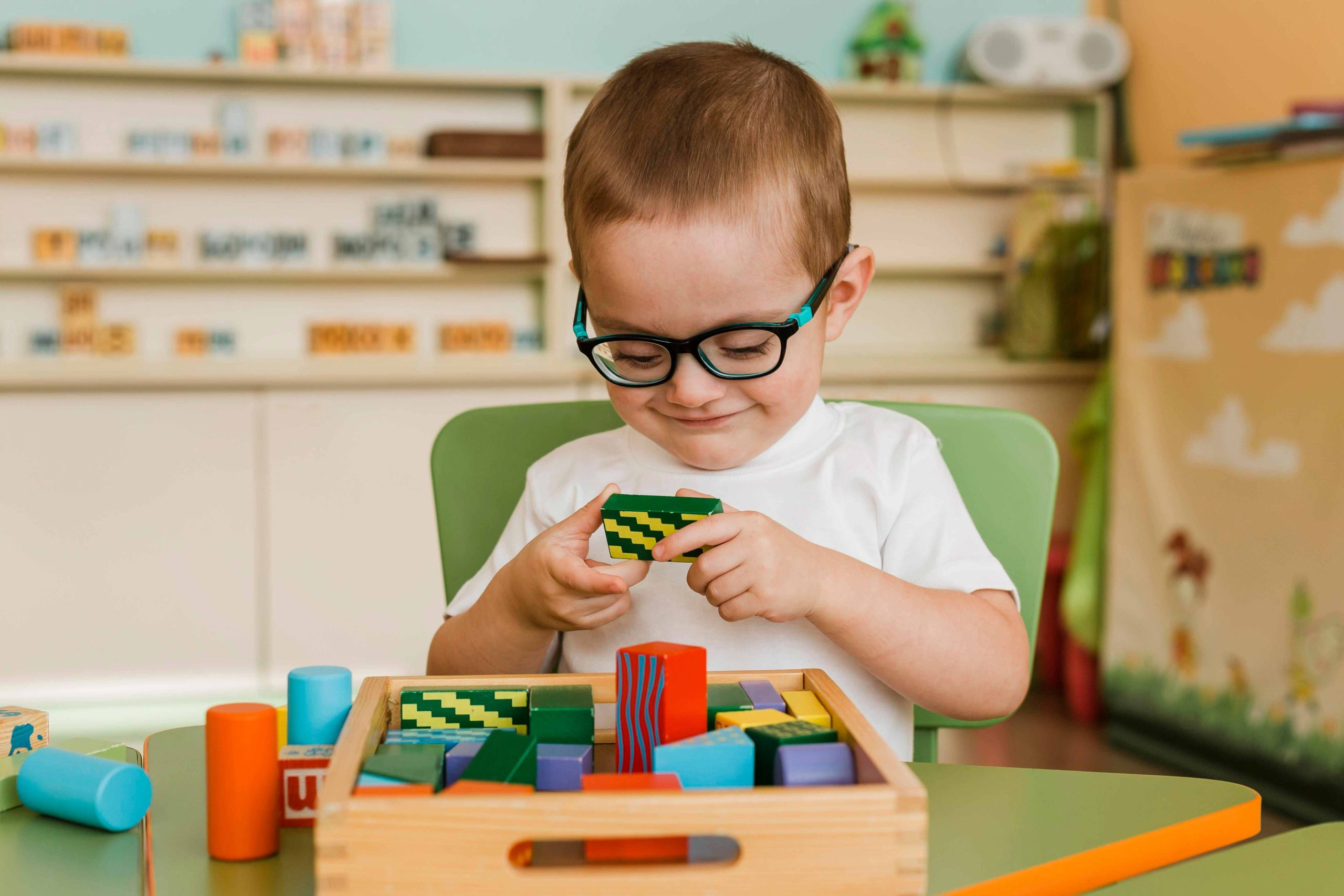
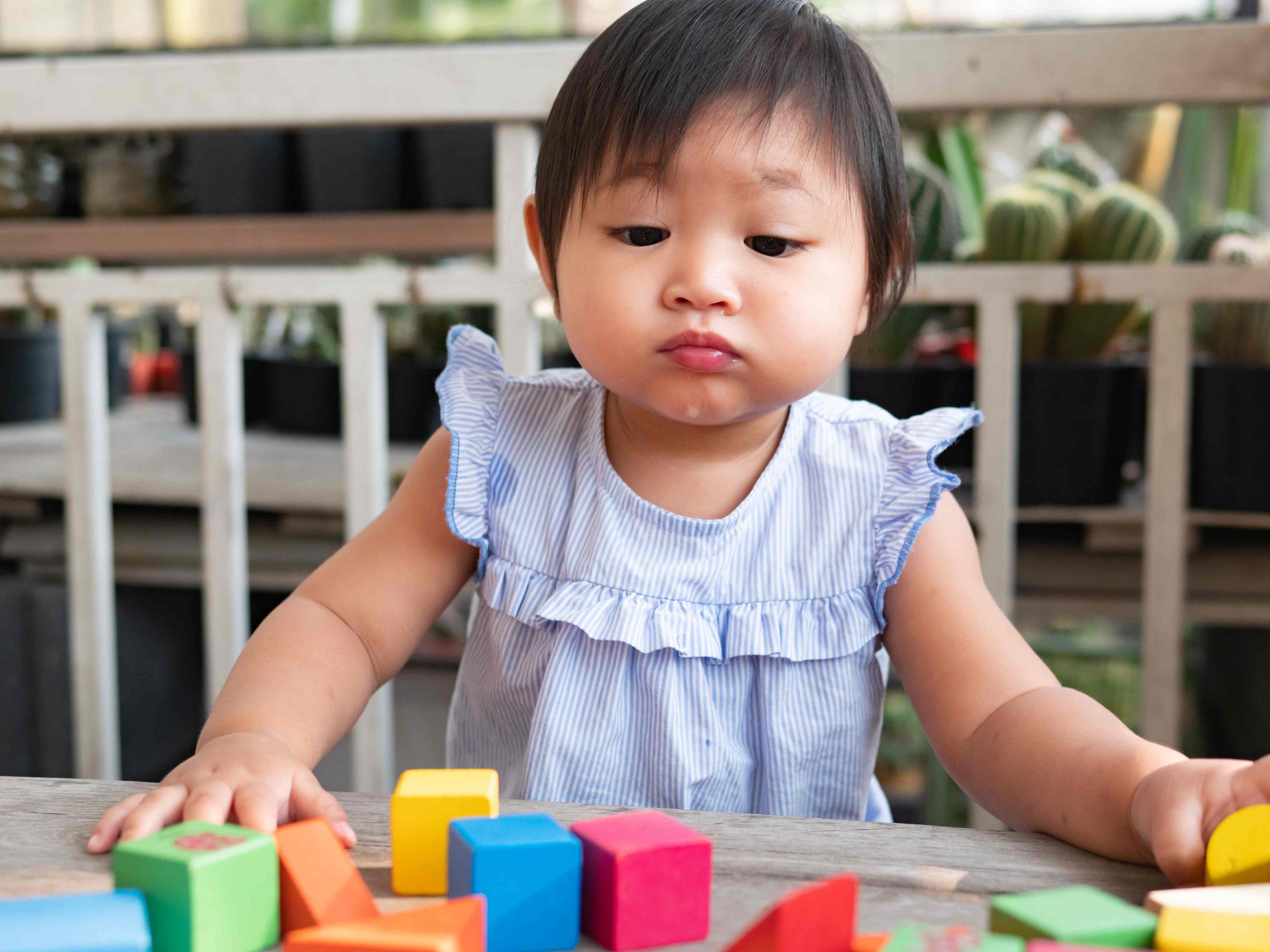
    Curiosity is the engine that drives cognitive development in preschoolers. Encouraging their innate sense of wonder and exploration stimulates brain growth and fosters critical thinking. Engaging children in age-appropriate, stimulating activities like puzzles, building blocks, and imaginative play helps develop problem-solving skills, logical reasoning, and spatial awareness. Furthermore, exposing them to a diverse range of experiences and subjects broadens their knowledge base, igniting a passion for learning that will benefit them throughout life.


    Emotional Intelligence: Nurturing Empathy and Self-Awareness

    Preschoolers’ emotional intelligence is an essential aspect of their overall development. Emotional intelligence enables them to recognize and manage their emotions, empathize with others, and establish healthy relationships. To foster emotional intelligence, we must create a supportive and inclusive environment where preschoolers feel safe expressing their feelings. By validating their emotions and teaching them effective communication skills, we empower them to navigate social interactions with empathy and respect.


    Unleashing Creativity: Thinking Outside the Box

    Creativity is a powerful asset that fuels innovation and problem-solving. Preschoolers possess a natural inclination towards creativity, and it is our duty to nurture and cultivate this gift. Providing them with open-ended materials, such as art supplies, building materials, and role-play props, encourages imagination and divergent thinking. By valuing their unique ideas and encouraging them to explore different perspectives, we enable preschoolers to develop their creative potential and become confident, out-of-the-box thinkers.


    Physical Abilities: Active Bodies, Active Minds

    Physical activity is integral to the overall development of preschoolers. Engaging in regular exercise and outdoor play promotes physical health, coordination, and gross motor skills. Active play also enhances cognitive abilities by stimulating brain activity and improving attention span. Integrating physical activities, such as dancing, yoga, and sports, into daily routines not only supports their physical growth but also boosts their cognitive and social development.


    Cultivating a Growth Mindset: Embracing Challenges

    A growth mindset is the belief that intelligence and abilities can be developed through effort and perseverance. Instilling a growth mindset in preschoolers empowers them to embrace challenges, persist in the face of setbacks, and view failures as opportunities for learning and growth. By providing constructive feedback, praising their effort rather than innate ability, and presenting tasks that gradually increase in complexity, we foster a sense of resilience and a lifelong love of learning.


    Language and Literacy: Building Strong Foundations

    Language and literacy skills form the cornerstone of a child’s intellectual development. Preschoolers who are exposed to a rich language environment, including conversations, storytelling, and reading, develop stronger communication skills and a broader vocabulary. Encouraging a love for reading through age-appropriate books and interactive storytelling sessions fosters a lifelong passion for learning and enhances their cognitive abilities.


    Social Interaction and Collaboration: Learning from Others

    Preschoolers thrive in social environments where they can interact with their peers, learn from one another, and develop essential social skills. Engaging in collaborative activities, group projects, and role-playing scenarios enables them to practice communication, negotiation, and problem-solving skills. By creating opportunities for teamwork and fostering a supportive and inclusive atmosphere, we empower preschoolers to develop strong social intelligence and the ability to work effectively in diverse groups.


    Technology and Digital Literacy: Balancing the Digital World

    In today’s digital age, technology plays an increasingly significant role in our lives. Preschoolers are exposed to various technological devices and platforms from an early age. Introducing age-appropriate educational apps, interactive learning platforms, and digital tools can enhance their cognitive abilities, creativity, and problem-solving skills. However, it is crucial to strike a balance and ensure that technology is used purposefully and in moderation, with ample emphasis on hands-on, offline experiences to foster holistic development.


    Individualized Learning: Tailoring to Their Needs

    Every preschooler is unique, with distinct interests, learning styles, and developmental trajectories. Recognizing and addressing their individual needs is essential for maximizing their potential. Employing individualized learning strategies, such as differentiated instruction and personalized learning plans, ensures that each child receives the support and challenges necessary for their optimal growth. By tailoring educational experiences to their specific abilities and preferences, we create a nurturing environment that fosters a sense of belonging and encourages preschoolers to strive for excellence.


    Parental Involvement: Collaborating for Success

    The role of parents in nurturing intelligence and ability in preschoolers cannot be overstated. Parental involvement is crucial in creating a cohesive educational experience that extends beyond the classroom. Collaborating with parents through regular communication, sharing progress updates, and providing resources and guidance enables them to reinforce learning at home and support their child’s development. By fostering a strong partnership between parents and educators, we create a united front that nurtures preschoolers’ intelligence and abilities holistically.


    Multicultural Awareness: Embracing Diversity

    Promoting multicultural awareness and embracing diversity in the early years can significantly impact a child’s intelligence and ability. Exposing preschoolers to various cultures, traditions, and perspectives fosters empathy, open-mindedness, and a global mindset. By incorporating multicultural literature, celebrating festivals from different cultures, and engaging in activities that highlight inclusivity, we equip preschoolers with the tools to navigate a diverse and interconnected world.


    Executive Functioning: Developing Essential Skills

    Executive functioning skills, such as self-control, attention regulation, and planning, are critical for academic success and overall well-being. Preschoolers can benefit from activities that promote the development of these skills, such as memory games, mindfulness exercises, and tasks that require organizing and sequencing. By providing opportunities to practice executive functioning skills in a supportive environment, we lay the foundation for effective self-management and higher-order thinking abilities.


    Environmental Consciousness: Nurturing Stewardship

    Instilling a sense of environmental consciousness in preschoolers cultivates a mindset of stewardship and responsibility towards the planet. Engaging in activities that promote sustainability, recycling, and outdoor exploration enhances their understanding of the natural world and fosters a deep connection with the environment. By encouraging eco-friendly practices and teaching them the importance of conservation, we empower preschoolers to become advocates for a sustainable future.


    Critical Thinking: Cultivating Analytical Minds

    Critical thinking skills enable preschoolers to analyze information, evaluate evidence, and make informed decisions. Encouraging curiosity, asking open-ended questions, and engaging in problem-solving activities stimulates their critical thinking abilities. By nurturing their analytical minds, we equip preschoolers with the skills to think independently, solve complex problems, and make sound judgments in various aspects of their lives.


    Resilience and Adaptability: Thriving in the Face of Challenges

    Building resilience and adaptability in preschoolers is essential for their emotional well-being and future success. Creating a supportive environment that encourages risk-taking, embracing failures as learning opportunities, and teaching coping strategies equips preschoolers with the tools to overcome obstacles. By fostering resilience, we empower them to bounce back from setbacks, persevere through challenges, and embrace new experiences with confidence.


    Mindfulness and Emotional Regulation: Cultivating Inner Balance

    Introducing mindfulness practices to preschoolers can support their emotional regulation and overall well-being. Teaching them techniques such as deep breathing, meditation, and mindful awareness of their thoughts and emotions can enhance their ability to manage stress, increase focus, and develop self-awareness. By fostering a sense of inner balance and emotional resilience, we equip preschoolers with valuable skills to navigate challenges and promote their overall mental health.


    STEAM Education: Integrating Science, Technology, Engineering, Arts, and Mathematics

    Integrating STEAM education into preschool curriculum encourages hands-on exploration and fosters a multidisciplinary approach to learning. By engaging in activities that involve science experiments, engineering challenges, artistic expression, and mathematical concepts, preschoolers develop critical thinking, problem-solving, and creativity. STEAM education nurtures their innate curiosity and prepares them for the demands of a technologically advanced society.


    Socio-Emotional Learning: Building Healthy Relationships

    Promoting socio-emotional learning (SEL) in preschoolers fosters positive social interactions, empathy, and the development of healthy relationships. SEL involves teaching skills such as active listening, conflict resolution, cooperation, and empathy. By incorporating SEL into the curriculum and providing opportunities for preschoolers to practice these skills, we equip them with the tools to navigate social dynamics, build meaningful connections, and contribute to a harmonious community.


    Cultural and Artistic Expression: Unleashing Creativity through the Arts

    Preschoolers express themselves through various forms of art, including visual arts, music, dance, and drama. Nurturing their creativity and providing opportunities for cultural and artistic expression helps them explore their identities, develop self-confidence, and enhance their communication skills. By incorporating artistic activities and celebrating diverse forms of cultural expression, we encourage preschoolers to embrace their creativity and find joy in the arts.


    Outdoor and Nature-Based Learning: Connecting with the Natural World

    Preschoolers benefit greatly from connecting with nature through outdoor learning experiences. Engaging in nature-based activities, such as gardening, nature walks, and environmental exploration, fosters a sense of wonder, curiosity, and ecological awareness. Outdoor learning promotes physical activity, sensory exploration, and an appreciation for the natural world, enhancing their cognitive abilities, creativity, and emotional well-being.


    Reflective Practice and Continuous Improvement: Evolving as Educators

    As educators and caregivers, engaging in reflective practice and embracing continuous improvement is essential to better support the intelligence and abilities of preschoolers. Regularly reflecting on our teaching methods, seeking feedback, and staying updated with current research and best practices allows us to refine our approaches and create more impactful learning experiences. By being open to growth and adapting our strategies, we ensure that we are providing the most effective support for preschoolers’ development.


    Play-Based Learning: Harnessing the Power of Play

    Play is a natural and essential part of a preschooler’s development. Play-based learning approaches provide valuable opportunities for preschoolers to explore, experiment, and make sense of the world around them. By engaging in imaginative play, constructive play, and social play, they develop cognitive, social, and emotional skills. Integrating play-based learning into the curriculum fosters creativity, problem-solving, and collaboration, while also promoting a love for learning.


    Inquiry-Based Learning: Encouraging Curiosity and Critical Thinking

    Inquiry-based learning empowers preschoolers to ask questions, investigate, and seek answers independently. By providing opportunities for hands-on exploration and guiding them through the process of finding solutions, we foster their curiosity, critical thinking, and problem-solving abilities. Inquiry-based learning helps preschoolers develop a deeper understanding of concepts, enhances their ability to think critically, and nurtures their natural inclination to explore the world around them.


    Intergenerational Learning: Connecting with Older Generations

    Engaging preschoolers in intergenerational activities creates meaningful connections and promotes a sense of community. Collaborating with older adults, such as grandparents or senior citizens, provides opportunities for preschoolers to learn from their wisdom, hear stories from different eras, and develop empathy and respect for diverse perspectives. Intergenerational learning fosters mutual understanding, strengthens social bonds, and enriches preschoolers’ understanding of the world.


    Community Engagement: Learning Beyond the Classroom

    Extending learning experiences beyond the classroom walls and actively involving preschoolers in their local communities cultivates a sense of social responsibility and civic engagement. By participating in community service projects, visits to local organizations, or cultural events, preschoolers gain a broader perspective of the world and develop a sense of empathy and compassion. Community engagement enhances their awareness of social issues, fosters their ability to contribute positively, and nurtures their sense of belonging.


    Reflective Thinking and Metacognition: Developing Higher-Order Cognitive Skills

    Encouraging preschoolers to engage in reflective thinking and metacognition helps them develop higher-order cognitive skills. By guiding them to reflect on their own thinking processes, set goals, and monitor their progress, we enhance their ability to plan, organize, and evaluate their learning. Reflective thinking and metacognition enable preschoolers to become independent learners, capable of self-directed thinking and continuous improvement.


    Cultural Intelligence: Navigating a Diverse World

    Cultural intelligence refers to the ability to understand, appreciate, and interact effectively with people from different cultural backgrounds. Teaching preschoolers about diverse cultures, customs, and traditions promotes cultural sensitivity and inclusivity. By fostering an environment that celebrates diversity, we equip preschoolers with the skills to engage in meaningful cross-cultural interactions, break down barriers, and become global citizens.

  • Individual Differences

    Individual Differences

    Catering to Individual Differences: A Guide to Ensuring Your Preschool Lesson Plans Meet the Needs of All Your Students

    A child’s cognitive, social, and emotional development forms the foundation for future learning, making early childhood education a critical stage. Teachers use various assessment methods to evaluate students’ progress and ensure they’re on track to meet developmental milestones and prepare for academic success. Standardized assessments are one such method that gauges a child’s abilities and knowledge in a consistent and impartial way. However, it’s crucial to consider individual differences, as every child learns at their own pace and in their own way, to ensure the evaluation truly reflects a child’s skills.

    What is Standardized Assessment in Early Childhood Education?

    Standardized tests are formal evaluations designed to objectively and consistently measure a child’s performance. These tests are administered and scored uniformly, aiming to assess a specific set of skills and knowledge. Early childhood educators may use exams, observations, and checklists as standardized assessments. The results of standardized tests help evaluate a child’s performance compared to their peers and identify their strengths and weaknesses. These assessments provide valuable data that helps educators make informed decisions about a child’s learning and development.

    Addressing Individual Differences in Standardized Assessments

    While standardized tests are designed to assess a specific set of skills and knowledge, every child is unique and learns at their own pace. Therefore, it’s essential to consider individual differences when using standardized assessments in early childhood education. Here are some strategies educators can employ to navigate individual variations:

    • Utilize a variety of assessment tools: Don’t rely solely on standardized tests. Combine them with checklists, portfolios, and observations to create a more comprehensive picture of a child’s abilities and knowledge. This multifaceted approach helps identify strengths and weaknesses more effectively.
    • Make accommodations: Provide accommodations for children who need extra support during standardized testing. This may include additional time, breaks, or the use of assistive technology.
    • Consider cultural backgrounds: Teachers need to be aware of how cultural differences might affect students’ performance on standardized tests. For instance, a child from a non-English speaking background might struggle with tests administered in English.
    • Use data to guide instruction: Don’t let the data from standardized tests gather dust. Use it to inform instruction and create personalized learning plans. Analyze the data to pinpoint students’ strengths and weaknesses, and tailor lessons accordingly.

    Benefits and Drawbacks of Standardized Tests

    Standardized tests offer several advantages in early childhood education. They allow teachers to track students’ development over time and identify areas where more help might be needed. Additionally, they provide a common vocabulary for discussing student achievement with parents, educators, and policymakers. Standardized assessments can also be used to measure the effectiveness of various teaching methods and interventions, ultimately aiming to raise the standard of education provided to young children.

    However, standardized tests also have drawbacks. One major concern is that they might not effectively assess student learning because they might not account for individual variations in learning preferences and skills. Standardized tests can also be time-consuming and stressful for young children, potentially diminishing their interest and enthusiasm for learning. Finally, standardized tests can be misused, such as when making crucial judgments about a student’s placement or a teacher’s performance, which can have detrimental effects on both students and teachers.

    Addressing Individual Differences Through Assessment Methods

    One way to overcome individual differences in standardized assessments is to use additional measures of student learning, such as performance-based assessments or observations. This can provide a more well-rounded picture of each child’s abilities and potential for development. Another tactic is to make accommodations for students with different learning needs during testing, such as extra time or specific resources. Additionally, teachers can use formative assessments throughout the academic year to monitor student progress and adjust their instruction as needed.

    The Role of Parents and Teachers

    Both teachers and parents can significantly support children’s success on standardized tests. Teachers can instruct students on time management techniques and how to approach various question types as examples of test-taking practices. They can also develop a welcoming classroom atmosphere where children feel comfortable and motivated to learn. Parents can further enhance their children’s education by fostering a supportive learning environment at home and offering assistance with homework and other tasks.

    Alternative Assessment Methods

    Early childhood education offers various alternative assessment methods besides standardized testing. These methods include performance-based assessments, portfolio assessments, and authentic assessments. Performance-based assessments involve observing children as they complete activities or projects, providing teachers with a more precise and comprehensive understanding of how well their students are learning. Portfolio assessments involve compiling samples of student work to evaluate growth and progress. Authentic assessments involve real-world evaluations of children’s learning, such as those conducted through project-based learning or volunteer work.

    Policy and Practice Changes Due to Standardized Testing

    Standardized testing has significantly impacted the policies and practices related to early childhood education. Here’s a closer look at some of these changes:

    • Increased Focus on Accountability: Standardized tests have been used to hold schools, teachers, and students accountable for their performance. This can be helpful in identifying areas for improvement, but it can also create pressure to prioritize test scores over well-rounded learning experiences.
    • Standardized Curriculum: The emphasis on standardized testing can lead to a more standardized curriculum, where all students learn the same material in the same way. This approach may not cater to individual learning styles and interests.
    • Teacher Evaluation: In some cases, standardized test scores are used as a factor in teacher evaluation. This can create pressure on teachers to “teach to the test” rather than focusing on fostering a love of learning and developing critical thinking skills.

    Concerns with Validity and Reliability

    The validity and reliability of standardized tests are major concerns. While reliability refers to the consistency of the test results, validity refers to how well a test measures what it’s intended to measure. Here’s a breakdown of these concerns:

    • Limited Scope: Standardized tests often only assess a limited set of skills and knowledge, potentially neglecting a student’s broader strengths and interests. This is particularly concerning in early childhood education, where young children are developing rapidly in various domains.
    • Test Anxiety: Standardized tests can cause anxiety and stress in young children, especially if they are unfamiliar with the format or have had negative test-taking experiences in the past. This anxiety can negatively impact their performance on the test.
    • Cultural Bias: Standardized tests may not adequately consider students’ cultural and linguistic backgrounds. This can disadvantage students from minority groups or those who speak a language other than English at home.

    Addressing Validity and Reliability Concerns

    To address concerns about validity and reliability, educators and assessment developers can take several steps:

    • Careful Test Selection: Educators should carefully select standardized tests that are age-appropriate, valid, and reliable for the specific purpose they are being used for.
    • Pilot Testing: Conducting pilot tests with a smaller group of students before administering the test to a larger population can help identify any potential issues with the test.
    • Multiple Assessment Methods: Standardized tests should not be the sole source of information about a child’s development and learning. Using a variety of assessment methods, including observations, portfolios, and teacher evaluations, can provide a more comprehensive picture.

    The Importance of Play-Based Learning

    Play is a crucial aspect of early childhood development. Through play, children learn and explore the world around them, develop social skills, and practice new skills. However, the emphasis on standardized testing can sometimes lead to a decrease in play-based learning in early childhood classrooms.

    It’s important to find a balance between preparing children for future academic success and allowing them to learn and develop through play. Play-based learning can be integrated into the curriculum in a way that also helps children develop the skills and knowledge assessed by standardized tests.

    Conclusion

    Standardized testing is a complex issue in early childhood education. While it can provide valuable data on student development and identify areas where more help might be needed, it’s important to consider its limitations. Educators should use standardized tests judiciously and in conjunction with other assessment methods. Individual differences, cultural considerations, and the value of play-based learning should all be taken into account to ensure a well-rounded approach to assessment in early childhood education.

    By understanding the strengths and weaknesses of standardized testing and using a variety of assessment methods, educators can create a more holistic and effective approach to assessment that supports each child’s unique learning journey. This will help children develop a strong foundation for success in school and beyond.

    The Future of Standardized Testing in Early Childhood Education

    The debate surrounding standardized testing in early childhood education is likely to continue. Here are some potential future directions:

    • Focus on Growth Over Time: There might be a shift towards using standardized tests to measure a child’s growth over time rather than comparing them to a single benchmark. This would provide a more nuanced picture of a child’s development.
    • Developmentally Appropriate Tests: There could be a move towards developing standardized tests that are more developmentally appropriate for young children. These tests might focus on skills and knowledge that are more relevant to early childhood education, such as social-emotional development and language acquisition.
    • Technology Integration: Technology could play a bigger role in standardized testing in the future. This could include using computer-adaptive tests that adjust to a child’s individual level of performance or using technology to make the testing experience more engaging for young children.

    The Importance of Advocacy

    Early childhood educators and parents can play a vital role in advocating for positive changes in standardized testing practices. Here are some ways they can get involved:

    • Stay Informed: Educators and parents can stay informed about the latest research on standardized testing and its impact on early childhood education.
    • Speak Out: They can voice their concerns to policymakers and school administrators about the potential negative effects of standardized testing on young children.
    • Support Alternative Assessment Methods: They can advocate for the use of alternative assessment methods that provide a more comprehensive picture of a child’s development and learning.

    By working together, educators, parents, and policymakers can create a system of assessment that is both fair and effective for all young children.

  • Developmental Delays

    Developmental Delays

    Supporting Preschoolers with Developmental Delays: The Importance of Early Intervention


    Early childhood assessment tests have become a common practice in many countries around the world. These tests aim to determine the developmental level of preschoolers from birth to age five and to identify any developmental delays that may require intervention. Such delays can manifest in various areas, including speech and language, motor skills, social and emotional development, and cognitive development. In this article, we will explore the significance of early childhood assessment tests in detecting developmental delays.

    Understanding Developmental Delays

    Developmental delays occur when a child fails to reach expected developmental milestones at the appropriate time. These milestones represent typical achievements most preschoolers reach by a certain age. Delays can manifest in:

    Speech and Language Development: Preschoolers experiencing delays may struggle with speaking, understanding language, or using words correctly.

    Motor Skills Development: Delays in motor skills may result in difficulties with gross motor skills, such as running and jumping, or fine motor skills, like grasping and manipulating objects.

    Social and Emotional Development: Challenges in this area may lead to difficulty interacting with others, making friends, or regulating emotions.

    Cognitive Development: Delays here may manifest as difficulty in learning, problem-solving, or memory.

    The Importance of Early Childhood Assessment Tests

    Early childhood assessment tests play a crucial role in detecting developmental delays, facilitating timely intervention. Here’s why they matter:

    Early Intervention: These tests enable the identification of delays before they worsen, allowing for prompt intervention, which can significantly improve outcomes for preschoolers.

    Individualized Care: Results from these assessments provide insights into a child’s strengths and weaknesses, enabling tailored care and support to meet their specific needs.

    Family Support: They offer valuable information to families, helping parents better understand their child’s development and providing guidance on supporting their child’s needs.

    Types of Early Childhood Assessment Tests

    Various types of assessment tests exist, each measuring different developmental aspects. Here are some examples:

    Developmental Screenings: These brief assessments identify potential delays in communication, gross motor skills, and social-emotional development.

    Diagnostic Assessments: These tests diagnose developmental disorders or delays through more in-depth evaluations.

    Classroom Assessments: Teachers use these to evaluate academic skills, social-emotional development, and behavior.

    Observational Assessments: They involve observing a child’s behavior in different settings to identify areas needing support or evaluate intervention effectiveness.

    Conducting Early Childhood Assessment Tests

    Tests may vary, but typically include:

    Observation: Healthcare professionals observe a child’s behavior and engagement during the assessment.

    Parent Interview: Professionals gather information from parents or caregivers about the child’s development and concerns.

    Standardized Tests: These measure specific developmental aspects, like language skills or cognitive ability.

    Play-Based Activities: Many tests use play-based activities to assess motor skills and problem-solving abilities.

    Physical Examination: Sometimes, a physical exam is needed to assess physical development, such as vision or hearing.

    Responding to Developmental Delays

    If delays are detected, professionals typically recommend:

    Referral to a Specialist: Children may be referred to specialists like speech therapists or occupational therapists.

    Early Intervention Services: These services provide therapy and support tailored to a child’s needs.

    Parent Education: Parents may receive guidance on supporting their child’s development.

    Additional Testing: Further evaluations may be recommended to determine appropriate intervention.

    Common Developmental Delays and Interventions

    Common delays include speech and language, motor skills, social and emotional, and cognitive. Interventions may include:

    Speech and Language Delays: Speech therapy to improve language skills.

    Motor Skills Delays: Physical therapy to enhance motor skills.

    Social and Emotional Delays: Behavioral therapy to develop social skills.

    Cognitive Delays: Educational interventions to improve learning and problem-solving.

    Early childhood assessment tests play a vital role in identifying developmental delays, ensuring timely support for preschoolers. Despite challenges, they offer numerous benefits for children, parents, and healthcare professionals. By combining assessments with supportive parenting practices and early intervention services, we can help all preschoolers reach their full potential.

  • Evaluation Strategies

    Evaluation Strategies

    Evaluation Strategies: The Key to Successful Decision-Making

    Evaluation stands as a vital procedure for making informed judgments, both in personal and professional realms. This process aids in assessing the success of various techniques and pinpointing areas in need of improvement. In this discourse, we will explore the significance of evaluation tactics and scrutinize some of the most effective methods for assessment.

    Understanding Evaluation Strategies

    Evaluation techniques are procedures employed to examine the efficacy of a given strategy or process across various domains like marketing campaigns, educational initiatives, and corporate tactics. Employing assessment methodologies offers several advantages. Firstly, they assist in identifying opportunities for improvement, thereby enhancing the efficacy of plans. Secondly, evaluation techniques quantify the effectiveness of a plan, enabling data-driven decision-making. Lastly, these techniques aid in monitoring progress towards specific objectives, facilitating necessary modifications.

    Effective Evaluation Techniques

    Several successful assessment strategies can be utilized to measure the efficacy of a strategy or procedure, including surveys, focus groups, interviews, and observations. Surveys are effective for gathering data from a large pool, assessing customer satisfaction, staff engagement, and other areas of interest. Focus groups provide insights into the ideas and attitudes of a specific group regarding a subject or product. Interviews offer in-depth insights on a subject or individuals through one-on-one dialogues between interviewer and interviewee. Observations systematically record actions or occurrences to analyze the efficacy of a procedure or identify improvement opportunities.

    Best Practices for Conducting Evaluations

    To ensure successful assessment, adhering to various best practices is crucial. Firstly, defining goals specifies evaluation objectives, ensuring focus and alignment with targeted outcomes. Secondly, employing a range of approaches offers a comprehensive view of strategy or process efficacy. Thirdly, ensuring confidentiality maintains data confidentiality, promoting honest feedback. Lastly, communicating outcomes guides decision-making processes effectively.

    Evaluating Success in Business

    In business, assessment is vital to evaluate strategy and procedure effectiveness, considering aspects like measuring ROI, customer satisfaction, and employee engagement. Measuring ROI helps in determining the profitability of a given investment, aiding in decision-making. Additionally, assessing customer satisfaction and employee engagement ensures the company’s services and internal processes are meeting expectations and fostering a positive environment.

    Challenges of Evaluation

    Despite the advantages of assessment, several hurdles may impede its application. Ensuring high-quality data is crucial to avoid erroneous conclusions. Some evaluation methodologies can be expensive, posing challenges for smaller firms. Moreover, evaluations can be time-consuming, requiring significant resources for efficient execution.

    Best Practices for Evaluation

    To ensure efficient evaluations, following best practices is essential. Firstly, defining the Purpose clarifies evaluation purposes, aiding in selecting appropriate methodologies and ensuring alignment with objectives. Secondly, identifying the Stakeholders ensures their needs and expectations are addressed, fostering support for the evaluation process. Thirdly, selecting Appropriate Methods depends on evaluation aims, available resources, and stakeholder involvement. Fourthly, collecting High-Quality Data ensures accurate findings by maintaining consistent data gathering procedures and validation. Lastly, analyzing Data aids in generating informed conclusions by employing statistical analysis and recognizing patterns in data.

    Evaluation in Education

    Evaluation plays a vital role in education, assessing teaching techniques, curriculum effectiveness, and student learning outcomes. Evaluating curriculum creation helps in discovering areas for improvement and ensuring alignment with targeted learning goals. Furthermore, assessing teaching methods aids in finding successful teaching tactics and areas for development. Additionally, evaluating student learning outcomes ensures students are attaining the targeted learning goals and identifies areas where more support may be required.

    Evaluation in Healthcare

    Evaluation is crucial in healthcare to assess treatment efficacy, patient satisfaction, and healthcare costs. Evaluating treatment efficacy helps in discovering which treatments are most successful and suggesting areas for improvement. Furthermore, assessing patient satisfaction identifies areas for improvement in the delivery of healthcare services and ensures that patients are getting high-quality treatment. Additionally, evaluating healthcare costs identifies areas where cost reductions can be realized and ensures that resources are being utilized properly.

    Challenges Associated with Evaluation

    While assessment is crucial, various challenges exist, including time and resource constraints, data limitations, biases, and resistance to change. Overcoming these challenges requires prioritization, using multiple data sources, addressing biases, seeking professional help, and effective communication.

    Tips for Overcoming Evaluation Challenges

    Despite challenges, strategies such as prioritization, using multiple data sources, addressing biases, seeking professional help, and effective communication can help overcome evaluation hurdles.

    Ethical Considerations in Evaluation

    Ethical issues in evaluation include informed consent, confidentiality, data security, avoiding harm, and ensuring equity. Upholding these ethical principles ensures evaluations are conducted in a fair and courteous manner that preserves the rights and privacy of individuals.

    Conclusion

    Evaluation techniques are indispensable for informed decision-making in personal and professional spheres. While challenges exist, employing effective evaluation tools, adhering to best practices, and considering ethical considerations ensure the benefits of evaluation outweigh its drawbacks. Prioritizing evaluation in decision-making processes and allocating necessary resources to perform evaluations successfully is crucial for continual improvement and informed decision-making.

  • Ecological and Sociocultural

    Ecological and Sociocultural

    Exploring Assessment Activities: An Ecological and Sociocultural Perspective

    Assessment serves as a fundamental component of learning and education, offering insights into the effectiveness of the learning process and guiding subsequent instruction. This article delves into assessment activities from both ecological and sociocultural standpoints, providing examples of their practical implementation.

    Ecological Assessment Activities

    Ecological assessment activities delve into the interaction between learners and their environments, examining how the environment influences the learning process. These assessments are context-specific and consider the unique characteristics of each learning setting. Examples of ecological assessment activities include:

    • Performance-based assessments: These evaluate students’ ability to apply learned concepts in real-world situations. For instance, a science teacher might task students with designing and conducting experiments to test theories.
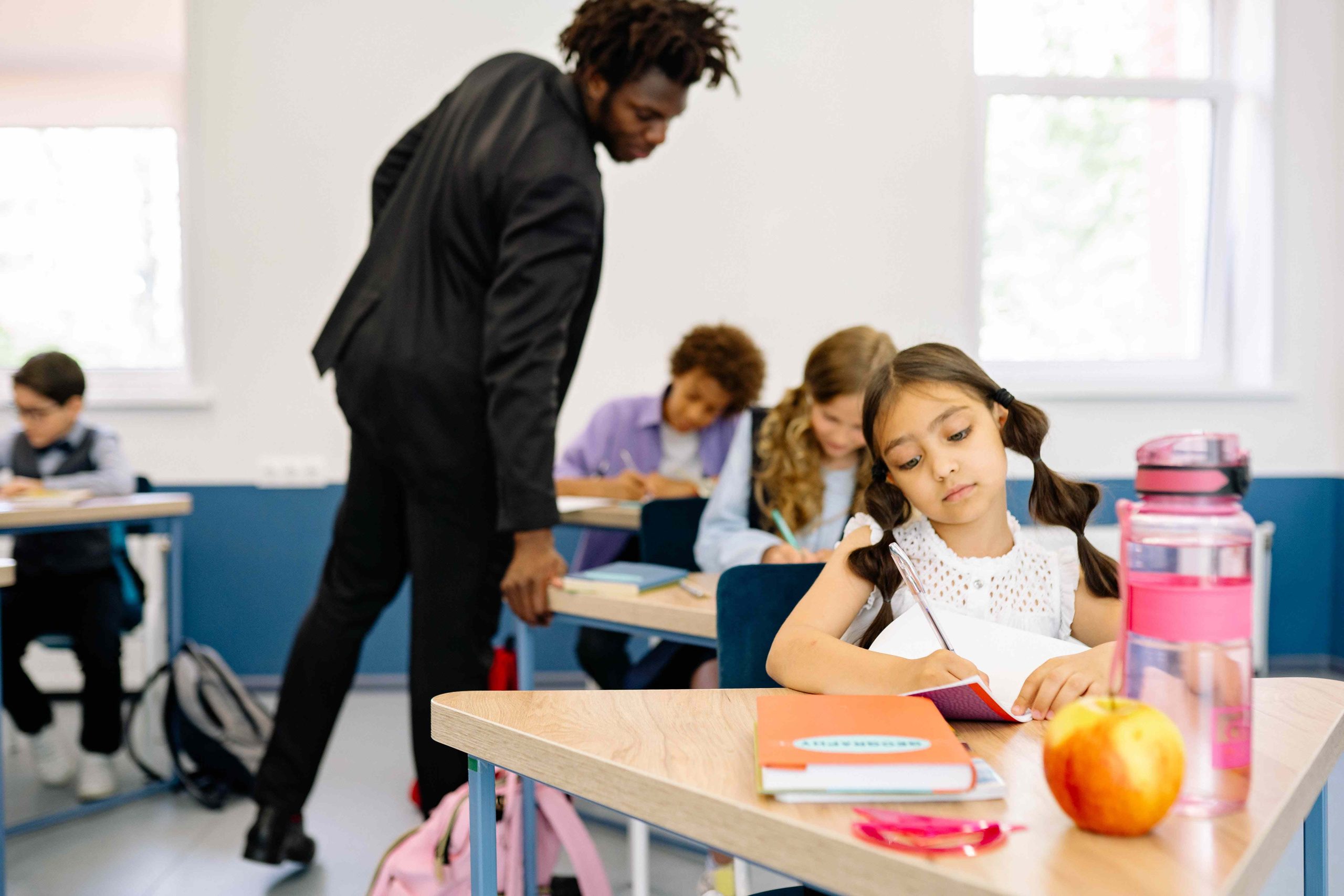
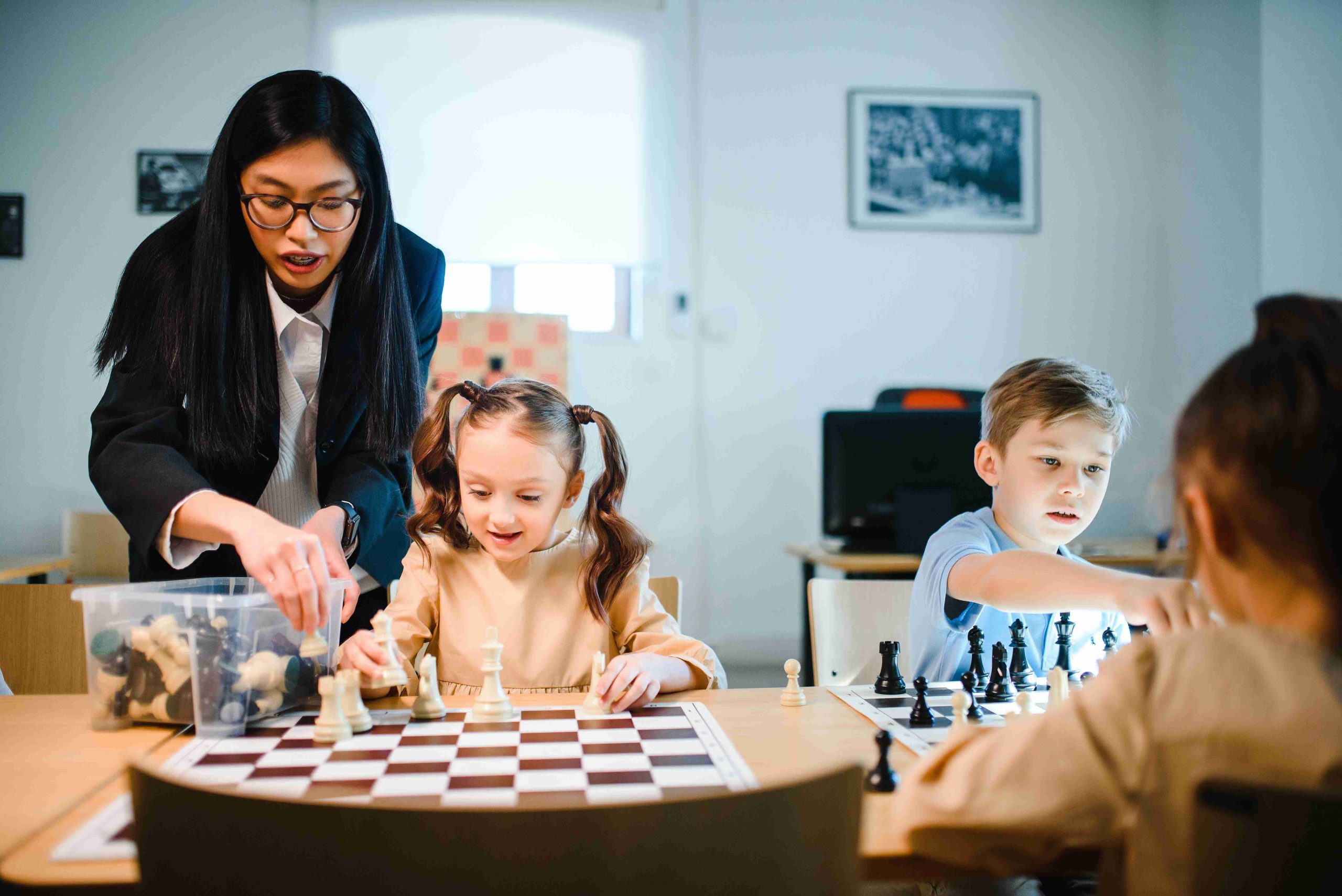
    • Observational assessments: These involve teachers observing students as they perform tasks, allowing for real-time evaluation of progress. For instance, an early years teacher might observe preschoolers’ social interactions to assess communication and teamwork skills.
    • Portfolio assessments: These enable students to compile evidence of their learning progress over time. For example, a student in a creative writing course might create a portfolio showcasing their work and development.

    Sociocultural Assessment Activities

    Sociocultural assessment activities consider the social and cultural contexts of learning, recognizing the impact of factors like race, ethnicity, gender, and socioeconomic status on learning. These assessments are culturally appropriate and address the specific needs and experiences of each learner. Examples of sociocultural assessment activities include:

    • Self-assessment: Encouraging students to reflect on their learning progress and evaluate their own performance. For example, a language teacher might prompt students to assess their language proficiency.
    • Peer assessment: Involving students in evaluating their peers’ work and providing feedback. For instance, a drama teacher might ask students to critique each other’s performances to develop critical thinking and communication skills.
    • Culturally responsive assessments: Tailoring assessments to reflect students’ cultural backgrounds and experiences, ensuring relevance and meaning. For example, a history teacher might design an assessment focusing on students’ own cultural histories, fostering connections with broader world contexts.

    In conclusion, assessment activities play a crucial role in the learning process, offering feedback on student progress and guiding further instruction. Ecological and sociocultural assessment activities provide distinct perspectives on learning, emphasizing the importance of context and culture in shaping student outcomes. By incorporating a diverse range of assessment activities, educators can ensure meaningful feedback that supports student learning and development.

    Enhancing Assessment Practices

    Implementing effective assessment activities requires careful consideration and planning. Several factors contribute to successful assessment practices:

    • Alignment with learning objectives: Ensuring assessment activities align with lesson or unit objectives to evaluate relevant skills and knowledge.
    • Authenticity: Employing assessments that allow students to apply knowledge and skills in real-world contexts for deeper understanding.
    • Differentiation: Adapting assessments to accommodate diverse learner needs and styles, ensuring equitable evaluation.
    • Timeliness: Providing prompt feedback to students to facilitate immediate understanding and opportunities for improvement.
    • Cultural relevance: Designing assessments that respect and incorporate students’ cultural backgrounds and experiences for meaningful evaluation.
    • Accessibility: Ensuring assessments are accessible to all students, including those with disabilities or diverse learning needs.

    By considering these factors and incorporating a variety of assessment types, educators can gain comprehensive insights into student learning. However, it’s essential to maintain a supportive learning environment, balancing assessment benefits with potential stressors.

    Considerations for Effective Assessment

    To promote student engagement and motivation, educators can:

    • Involve students: Engage students in assessment development and evaluation to foster ownership and investment in learning outcomes.
    • Cultivate a growth mindset: Provide feedback emphasizing progress and improvement, promoting resilience and perseverance in the face of challenges.
    • Incorporate student interests: Tailor assessment activities to align with students’ passions and interests, enhancing autonomy and motivation.

    Furthermore, educators should design assessments with clear learning objectives in mind, ensuring relevance and effectiveness in supporting student growth.

    Types of Assessment Activities

    Various assessment activities can be employed to measure student learning:

    • Formative assessments: Ongoing assessments providing feedback throughout the learning process, such as quizzes or class discussions.
    • Summative assessments: Evaluations conducted at the end of a unit or course to measure overall learning, such as final exams or projects.
    • Performance-based assessments: Tasks requiring students to demonstrate skills and knowledge in real-world contexts, including presentations, portfolios, and simulations.
    • Self-assessment: Reflection activities where students evaluate their own learning progress, such as self-reflection journals or rubric-based self-assessments.
    • Peer assessment: Collaborative evaluations where students provide feedback on each other’s work, such as peer editing or group evaluations.
    • Authentic assessments: Tasks mirroring real-world situations, like case studies or fieldwork projects, to apply learning in practical contexts.
    • Standardized assessments: Evaluations using standardized criteria to measure student learning, including standardized tests or national exams.
    • Employing a variety of assessment activities provides educators with comprehensive insights into student progress and learning outcomes. However, it’s essential to recognize that no single assessment type can fully capture the complexity of student learning. Thus, educators should utilize multiple assessment approaches to obtain a more holistic understanding.

      Considering Contextual and Sociocultural Influences

      Assessment activities are influenced by ecological and sociocultural factors, highlighting the importance of contextualization and cultural responsiveness:

      • Ecological perspective: Recognizing how the learning environment impacts assessment outcomes, educators can adapt assessments to fit specific contexts, fostering deeper understanding and engagement.
      • Sociocultural perspective: Acknowledging the cultural backgrounds and experiences of students, educators can design assessments that reflect diverse perspectives, promoting inclusivity and equitable evaluation.

      By addressing these influences, educators can create assessment practices that resonate with students’ lived experiences and support their learning journeys.

      Conclusion

      Assessment activities are integral to the learning process, offering valuable insights into student progress and guiding instructional decisions. By adopting ecological and sociocultural perspectives, educators can design assessments that reflect the dynamic interplay between learners, environments, and cultural contexts. Through thoughtful planning and implementation, assessment activities can promote student engagement, foster growth mindsets, and facilitate meaningful learning experiences for all students.