
Tranquil Classroom: Understanding the Ideal Number of Preschoolers in a Preschool Classroom
Preschoolers’ growth and development are greatly influenced by their classroom environment. A calm and pleasant atmosphere fosters learning and enhances cognitive and social-emotional development. But what is the ideal number of preschoolers in a classroom to maintain tranquility? In this post, we’ll discuss the appropriate preschool class size and the importance of a serene classroom for early preschool education.
Why a Tranquil Classroom is Important for Early Preschool Education
Early preschool education profoundly impacts a child’s growth and development. The formative years play a crucial role in cognitive and social-emotional development. A serene learning environment in the classroom can significantly contribute to nurturing these skills.
In a tranquil classroom, learning and cognitive development are enhanced as preschoolers can focus on their studies without distractions. Besides fostering imagination and creativity, a calm environment provides the security preschoolers need to explore and learn. Additionally, a peaceful atmosphere positively influences social-emotional development by facilitating enjoyable social interactions and healthy peer relationships.
The Ideal Number of Preschoolers in a Preschool Classroom
Now that we understand the importance of a quiet classroom, let’s discuss the appropriate number of preschoolers to maintain tranquility.
Research suggests that a preschool classroom should ideally accommodate between 10 and 15 preschoolers. This quantity promotes a safe and secure environment, allowing for adequate teacher attention and supervision. In smaller classes, preschoolers receive more personalized instruction, leading to improved social-emotional growth and academic success.
The Negative Impact of Overcrowded Preschool Classrooms
Overcrowded preschool classes can adversely affect learning experiences and social-emotional development. Instructors may struggle to provide individualized attention, leading to behavioral issues and academic challenges. Additionally, crowded classrooms limit physical activities, promoting a sedentary lifestyle among preschoolers.
The Importance of Classroom Layout and Design
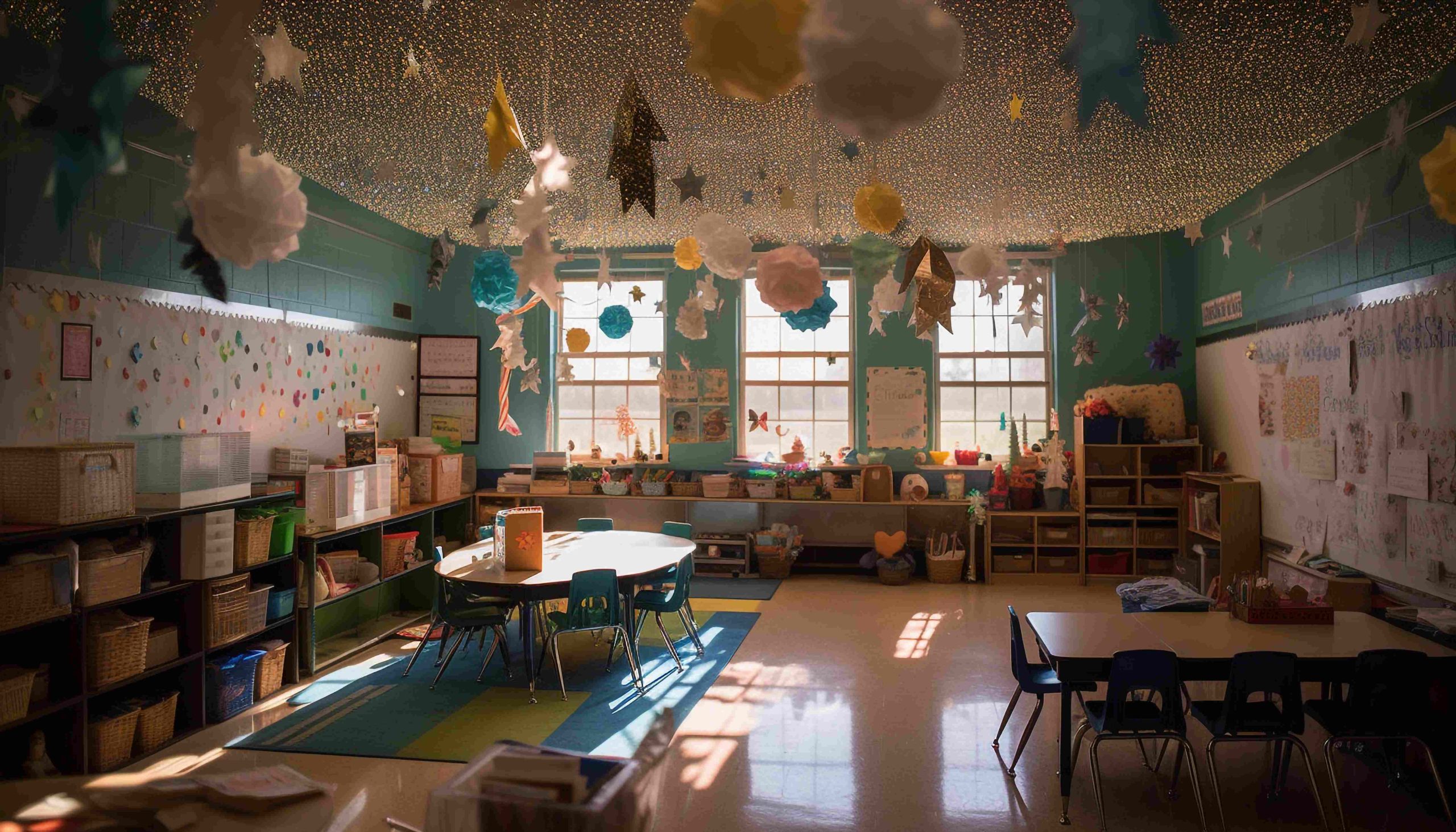
Effective classroom layout and design are crucial for fostering a calm learning environment. An inviting atmosphere encourages learning and enhances cognitive and social-emotional growth. Ample space and engaging designs promote physical activity and stimulate imagination and creativity. Using soothing colors like blue and green creates a relaxing ambiance, while natural light enhances learning and tranquility.
Teacher-Student Ratio and Its Impact on Preschoolers
The teacher-student ratio plays a significant role in promoting a tranquil learning environment. Research recommends a ratio of 1:10 to 1:12 in preschool classrooms, allowing for sufficient teacher attention and supervision. Smaller class sizes facilitate personalized instruction, leading to improved social-emotional growth and academic outcomes.
The Impact of a Tranquil Learning Environment on Long-Term Outcomes
A tranquil learning environment positively influences the long-term outcomes of preschoolers. It fosters cognitive and social-emotional development, resulting in improved academic performance and overall well-being. Preschoolers who learn in such an environment develop positive relationships and a love for learning, setting them up for success in future endeavors.
Creating a Tranquil Learning Environment
To promote preschoolers’ growth and development, educators must prioritize a calm learning atmosphere. Factors such as classroom size, layout, design, and teacher-student ratios contribute to creating a safe, secure, and relaxing environment conducive to learning.
In Conclusion
Providing a tranquil learning environment for preschoolers is essential for their growth and development. Maintaining an optimal number of preschoolers in the classroom, along with careful consideration of classroom design and teacher-student ratios, fosters a conducive learning environment. Educators play a pivotal role in ensuring that preschoolers have a positive and rewarding learning experience, setting the stage for lifelong success.

Archives
Categories
- Articles
- E-preschool Enrichment
- Jumpstart Preschool
- Montessori Preschool
- Online Preschool
- Preschool
- Preschool Activities
- Preschool Age
- Preschool Apps
- Preschool Art Projects
- Preschool Assessment
- Preschool Assessment Tests
- Preschool Books
- Preschool Bulletin Board Ideas
- Preschool Classroom
- Preschool Coloring Pages
- Preschool Crafts
- Preschool Curriculum
- Preschool Design Ideas
- Preschool Developmental Milestone
- Preschool Drawing
- Preschool Education
- Preschool Fees
- Preschool Field Trip
- Preschool Fire Drills
- Preschool Flashcards
- Preschool For Special Needs
- Preschool Games
- Preschool Goodbye Sayings
- Preschool Goodie Bag Ideas
- Preschool Home Tutor
- Preschool Homeschool
- Preschool Homework
- Preschool Hours
- Preschool Jokes
- Preschool Kids
- Preschool Kit
- Preschool Learning
- Preschool Learning Journey
- Preschool Lesson Plans
- Preschool Levels
- Preschool Lunch Ideas
- Preschool Market
- Preschool Math
- Preschool Meaning
- Preschool Multiple Intelligences
- Preschool Music
- Preschool Newsletter
- Preschool Outdoor Activities
- Preschool Phonics
- Preschool Poem
- Preschool Printables
- Preschool Programmes
- Preschool Quotes
- Preschool Readiness
- Preschool Reading
- Preschool Science Experiments
- Preschool Songs
- Preschool Syllabus
- Preschool Teacher
- Preschool Themes
- Preschool Units
- Preschool Words
- Preschool Workbooks
- Preschool Worksheets
- Preschool Writing Prompts
- Preschool Zoom Backgrounds
- Preschooler
- Transitional Preschool
- Uncategorized
- Virtual Preschool