
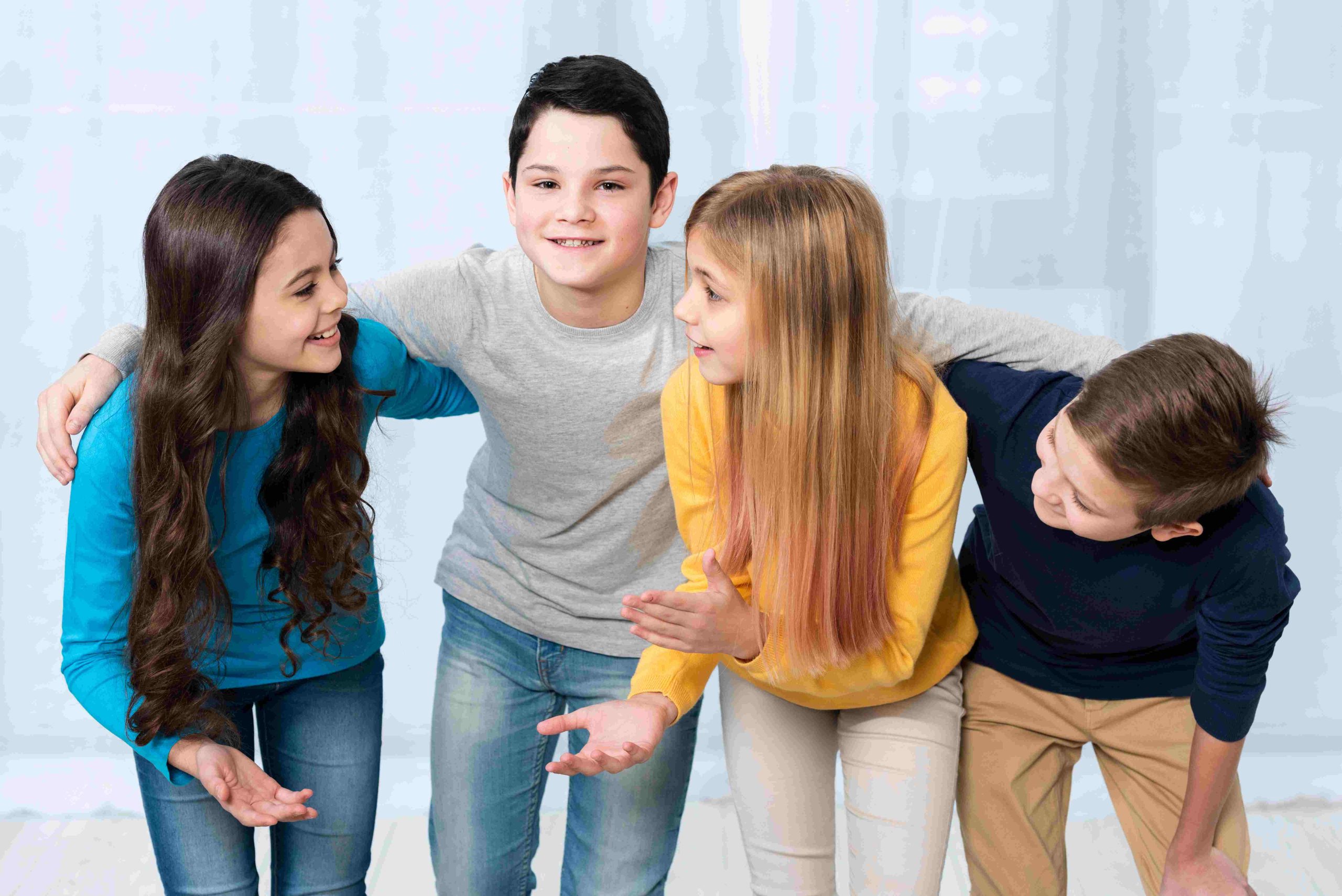
Encouraging Emotional Expression: Empowering Preschoolers to Share Their Feelings
Introduction:
In the early years of a child’s life, preschoolers are often navigating a wide range of emotions as they explore the world around them. Encouraging preschoolers to share their feelings is a vital aspect of their emotional development. This article explores the importance of creating a supportive environment where preschoolers feel safe and empowered to express their emotions. We delve into strategies and techniques that educators and caregivers can employ to promote emotional expression, foster self-awareness, and support the social-emotional growth of preschoolers.
Understanding Emotional Expression in Preschoolers:
Creating a Supportive Environment:
Strategies to Encourage Emotional Expression:
Supporting Emotional Regulation:
Promoting Empathy and Understanding:
Encouraging Communication and Active Dialogue:
Developing Problem-Solving Skills:
Empowering preschoolers to share their feelings is a transformative step in their social-emotional development. By creating a supportive environment, using strategies such as storytelling, art activities, role-playing, and active dialogue, educators and caregivers can help preschoolers develop emotional literacy, self-awareness, empathy, and problem-solving skills.
When preschoolers feel heard and understood, they gain the confidence to express their emotions, seek support, and develop healthy coping mechanisms. By nurturing their emotional well-being, we equip them with the tools they need to navigate the complex emotions of childhood and lay the foundation for positive emotional intelligence in their future.
Let us continue to foster a culture of emotional expression, understanding, and support for preschoolers, ensuring that they grow into resilient, emotionally intelligent individuals who can navigate their emotions and thrive in all areas of life.
V. Supporting Social-Emotional Learning
Supporting social-emotional learning is crucial for preschoolers’ overall development and well-being. It equips them with the skills to navigate relationships, understand emotions, and make responsible decisions. By focusing on social-emotional learning, educators and caregivers help preschoolers build a strong foundation for their future success. Consider the following strategies:
VI. Encouraging Emotional Regulation
Preschoolers often experience a wide range of emotions, and learning to regulate and manage these emotions is essential. By promoting emotional regulation, educators and caregivers help preschoolers develop self-control and resilience. Consider the following strategies:
VII. Teaching Conflict Resolution
Conflict is a natural part of social interactions, and teaching preschoolers how to resolve conflicts peacefully is an important skill. By teaching conflict resolution, educators and caregivers empower preschoolers to communicate effectively and find solutions that satisfy everyone involved. Consider the following strategies:
VIII. Promoting Positive Relationships
Building positive relationships is a key aspect of preschoolers’ social-emotional development. By fostering positive relationships, educators and caregivers create an environment where preschoolers feel supported, valued, and connected to others. Consider the following strategies:
IX. Developing Self-Confidence
Developing self-confidence is essential for preschoolers as they explore new experiences and interact with their environment. By nurturing self-confidence, educators and caregivers empower preschoolers to take risks, make decisions, and believe in their abilities. Consider the following strategies:
X. Embracing Diversity and Inclusion
Promoting diversity and inclusion in the preschool environment helps preschoolers develop respect, empathy, and an appreciation for different backgrounds and perspectives. By embracing diversity, educators and caregivers foster an inclusive community that celebrates individual differences. Consider the following strategies:
Supporting preschoolers’ social-emotional development is essential for their overall growth, well-being, and future success. By implementing strategies that focus on social-emotional learning, emotional regulation, conflict resolution, positive relationships, self-confidence, and embracing diversity, educators and caregivers create an environment where preschoolers can thrive.
Through our guidance and intentional practices, we lay the foundation for preschoolers to develop essential social-emotional skills that will benefit them throughout their lives. Let us continue to prioritize their social-emotional growth, ensuring that they feel valued, supported, and equipped with the skills needed to navigate relationships, understand emotions, and make positive contributions to their communities.
Preschooler’s social-emotional development plays a significant role in shaping their overall well-being and success in life. In this final section, we will explore additional strategies to support their social-emotional growth and foster a positive learning environment.
XI. Encouraging Empathy and Kindness
Empathy and kindness are foundational skills for building positive relationships and fostering a caring community. By promoting empathy and kindness, educators and caregivers help preschoolers develop a genuine understanding of others’ feelings and needs. Consider the following strategies:
XII. Promoting Conflict Resolution Skills
Conflict resolution skills are vital for preschoolers to navigate interpersonal challenges and build healthy relationships. By teaching them effective conflict resolution strategies, educators and caregivers equip preschoolers with valuable skills for resolving disagreements peacefully. Consider the following strategies:
XIII. Cultivating Resilience and Perseverance
Resilience and perseverance are essential traits that enable preschoolers to overcome challenges and bounce back from setbacks. By cultivating resilience and perseverance, educators and caregivers help preschoolers develop a growth mindset and a positive attitude towards learning. Consider the following strategies:
XIV. Fostering a Sense of Belonging
Preschoolers thrive when they feel a sense of belonging within their learning community. By fostering a sense of belonging, educators and caregivers create an inclusive environment where preschoolers feel valued and accepted. Consider the following strategies:
XV. Establishing Meaningful Connections with Families
Strong partnerships between educators, caregivers, and families contribute to preschoolers’ social-emotional development. By establishing meaningful connections with families, educators can gain valuable insights into preschoolers’ experiences and strengths. Consider the following strategies:
Open Communication: Maintain open lines of communication with families through regular updates, newsletters, and face-to-face meetings. Encourage parents to share information about their child’s interests, experiences, and any concerns they may have.
Conclusion:
Supporting preschoolers’ social-emotional development is crucial for their overall well-being and success in life. By implementing strategies that promote empathy, conflict resolution, resilience, a sense of belonging, and strong partnerships with families, educators and caregivers provide a solid foundation for preschoolers’ social-emotional growth.
Let us continue to prioritize their social-emotional development, fostering an environment that nurtures their emotional well-being, builds positive relationships, and empowers them to navigate the complexities of life with confidence and empathy. Together, we can create a brighter future for every preschooler, where they feel valued, supported, and prepared to thrive in a diverse and ever-changing world.

Archives
Categories
- Articles
- E-preschool Enrichment
- Jumpstart Preschool
- Montessori Preschool
- Online Preschool
- Preschool
- Preschool Activities
- Preschool Age
- Preschool Apps
- Preschool Art Projects
- Preschool Assessment
- Preschool Assessment Tests
- Preschool Books
- Preschool Bulletin Board Ideas
- Preschool Classroom
- Preschool Coloring Pages
- Preschool Crafts
- Preschool Curriculum
- Preschool Design Ideas
- Preschool Developmental Milestone
- Preschool Drawing
- Preschool Education
- Preschool Fees
- Preschool Field Trip
- Preschool Fire Drills
- Preschool Flashcards
- Preschool For Special Needs
- Preschool Games
- Preschool Goodbye Sayings
- Preschool Goodie Bag Ideas
- Preschool Home Tutor
- Preschool Homeschool
- Preschool Homework
- Preschool Hours
- Preschool Jokes
- Preschool Kids
- Preschool Kit
- Preschool Learning
- Preschool Learning Journey
- Preschool Lesson Plans
- Preschool Levels
- Preschool Lunch Ideas
- Preschool Market
- Preschool Math
- Preschool Meaning
- Preschool Multiple Intelligences
- Preschool Music
- Preschool Newsletter
- Preschool Outdoor Activities
- Preschool Phonics
- Preschool Poem
- Preschool Printables
- Preschool Programmes
- Preschool Quotes
- Preschool Readiness
- Preschool Reading
- Preschool Science Experiments
- Preschool Songs
- Preschool Syllabus
- Preschool Teacher
- Preschool Themes
- Preschool Units
- Preschool Words
- Preschool Workbooks
- Preschool Worksheets
- Preschool Writing Prompts
- Preschool Zoom Backgrounds
- Preschooler
- Transitional Preschool
- Uncategorized
- Virtual Preschool