
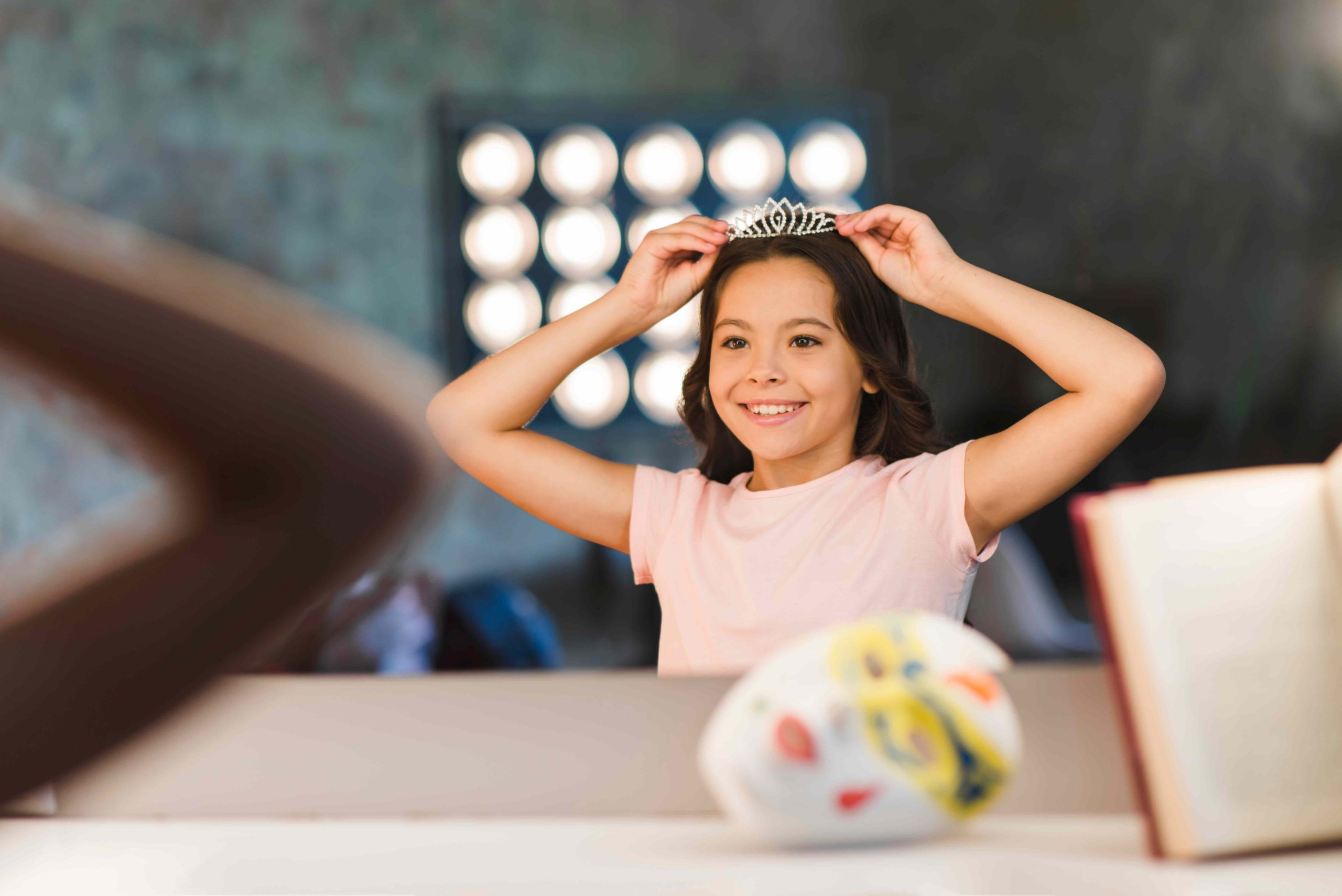
Developing Self-Esteem in Preschoolers: Self-Belief and Resilience
Introduction:
Self-esteem in preschoolers is essential to their mental health and general development. Their self-assurance, resiliency, and positive self-perception are built on this basis. It is our duty as teachers, parents, and other caregivers to provide a setting that promotes and supports preschoolers’ self-esteem. In this article, we’ll examine the significance of self-esteem in preschoolers, talk about the variables that affect it, and provide useful tips for fostering and strengthening self-esteem in young children.
I. Understanding the Self-Esteem of Preschoolers
A. Self-Esteem Definition
Preschoolers’ general opinion of themselves is referred to as their self-esteem. It includes everything they think, feel, and judge about their value, worth, and potential as people.
B. The elements of self-esteem are:
Self-esteem in preschoolers is made up of two main elements:
C. The significance of self-esteem
Self-esteem in preschoolers is crucial for their emotional and social development.
II. Self-Esteem in Preschoolers: Various Factors
Self-esteem in preschoolers is influenced by a variety of internal and environmental variables. Understanding these factors enables us to serve preschoolers specifically and promote positive self-esteem in them.
A. Relationships and the Environment:
Positive and caring interactions with parents, other family members, and teachers help preschoolers feel confident. Healthy self-esteem is built on a solid foundation of warmth, understanding, and constant support.
B. Personal mastery and competence:
C. Comparisons between the media and society:
Preschoolers are protected from unfair comparisons and unreasonable expectations by age-appropriate, positive media exposure, which is carefully screened and chosen. Promoting media literacy and critical thinking abilities aids in the development of positive self-concept in individuals.
III. Techniques for Increasing the Self-Esteem of Preschoolers
A. Establish a Supportive Environment:
Engage in warm, sympathetic, and polite relationships with preschoolers. Warm and supportive conversations. Be really curious about what they are thinking, feeling, and experiencing.
Encourage positive self-talk by teaching young children how to utilize affirmations and positive self-talk. Assist them in reframing unfavorable beliefs and developing a constructive internal conversation.
B. Encourage the growth mindset:
Encourage children’s innate curiosity and encourage them to explore new concepts, hobbies, and interests by cultivating their curiosity. Encourage a passion of learning and awe in others.
C. Encourage self-expression and uniqueness:
D. Create a Community of Supportive Peers:
Encourage preschoolers to cooperate and participate on tasks and activities by providing them with opportunities to do so. Encourage a feeling of neighborhood and instill the importance of cooperation.
IV. Accepting the Self-Esteem Journey of Preschoolers
Fostering preschoolers’ self-esteem is a lifelong process that calls for tolerance, perseverance, and sensitivity. We can foster an atmosphere where children thrive and develop a good sense of self by comprehending the value of self-esteem, identifying the elements that affect it, and putting tactics in place to encourage it.
Let’s encourage each preschooler’s self-assurance, resiliency, and conviction in their own skills as we celebrate their own characteristics and strengths. Together, we can give preschoolers the tools they need to accept their uniqueness, overcome obstacles with resiliency, and develop a positive self-perception that will serve as the cornerstone for their success and well-being for the rest of their lives.
Self-esteem and emotional health in preschoolers:
The emotional health of preschoolers is intimately correlated with their sense of self-worth. Preschoolers are more likely to feel good emotions, show perseverance in the face of difficulties, and have a stronger feeling of general well-being when they have a positive self-perception and a healthy level of self-esteem.
Preschoolers may better manage difficulties and failures if they are given the means to do so by developing good coping mechanisms. They may face challenges with confidence and optimism by learning problem-solving techniques, resilience, and positive self-talk. By increasing their resilience, we boost their self-confidence and provide them the tools they need to face challenges.
Self-esteem and social interactions in preschoolers:
Preschoolers’ sense of self-worth is greatly influenced by their social interactions and connections. Their feeling of belonging, self-worth, and general self-esteem are influenced by supportive and encouraging social interactions.
The home environment has a big impact on how confident toddlers feel about themselves. A strong sense of self-worth is built on nurturing and encouraging familial ties. Preschoolers’ general wellbeing and self-esteem are influenced by the warmth, support, and encouraging feedback they get at home. We assist preschoolers in creating a caring and encouraging home atmosphere, which promotes the development of a good sense of self and self-worth.
Self-esteem in preschoolers and academic success:
Academic success in preschoolers is also influenced by their level of self-esteem. Preschoolers are more likely to participate in learning, take on challenges, and succeed academically when they have a good self-perception and conviction in their talents.
Relationships between instructors and preschool students should be friendly and encouraging to promote academic success and self-esteem. Preschoolers’ sense of worth is increased by creating a loving and respectful learning environment in the classroom. Teachers are essential in developing toddlers’ self-esteem and promoting their academic development by offering direction, support, and constructive criticism.
Conclusion:
Self-esteem in preschoolers is essential to their entire development and well-being. We may establish a loving atmosphere where kids flourish by realizing the value of self-esteem, identifying the elements that affect it, and putting promotion methods into practice. Healthy self-esteem in preschoolers may be developed through promoting their emotional well-being, facilitating their social relationships, and encouraging their intellectual progress. Let’s continue to promote toddlers’ self-worth by encouraging their courage, fortitude, and belief in their special talents.
Self-esteem in preschoolers is a critical component of their growth and development and lays the groundwork for their future success and wellbeing. By encouraging a good self-perception, emotional fortitude, and constructive social connections, we provide children the skills they need to successfully negotiate the challenges of life.
It’s crucial to keep in mind that a preschooler’s self-esteem is a dynamic and developing component of their personality rather than a set quality. It needs ongoing encouragement, nurturing, and support from the important people in their life, such as parents, relatives, and teachers. Preschoolers are given the tools they need to accept their talents, celebrate their individuality, and cultivate a strong sense of self-worth by developing an atmosphere that fosters good self-esteem.
In conclusion, preschoolers’ general growth and well-being depend greatly on their level of self-esteem. Preschoolers may gain a healthy self-perception and a strong sense of self-worth by providing them with a loving environment, supporting their emotional resilience, and encouraging good social connections. We enable students to navigate the world with bravery and realize their full potential by fostering confidence, resiliency, and faith in their own skills. Let’s make a commitment to fostering preschoolers’ self-esteem so that we may set them up for success and happiness in the future.

Archives
Categories
- Articles
- E-preschool Enrichment
- Jumpstart Preschool
- Montessori Preschool
- Online Preschool
- Preschool
- Preschool Activities
- Preschool Age
- Preschool Apps
- Preschool Art Projects
- Preschool Assessment
- Preschool Assessment Tests
- Preschool Books
- Preschool Bulletin Board Ideas
- Preschool Classroom
- Preschool Coloring Pages
- Preschool Crafts
- Preschool Curriculum
- Preschool Design Ideas
- Preschool Developmental Milestone
- Preschool Drawing
- Preschool Education
- Preschool Fees
- Preschool Field Trip
- Preschool Fire Drills
- Preschool Flashcards
- Preschool For Special Needs
- Preschool Games
- Preschool Goodbye Sayings
- Preschool Goodie Bag Ideas
- Preschool Home Tutor
- Preschool Homeschool
- Preschool Homework
- Preschool Hours
- Preschool Jokes
- Preschool Kids
- Preschool Kit
- Preschool Learning
- Preschool Learning Journey
- Preschool Lesson Plans
- Preschool Levels
- Preschool Lunch Ideas
- Preschool Market
- Preschool Math
- Preschool Meaning
- Preschool Multiple Intelligences
- Preschool Music
- Preschool Newsletter
- Preschool Outdoor Activities
- Preschool Phonics
- Preschool Poem
- Preschool Printables
- Preschool Programmes
- Preschool Quotes
- Preschool Readiness
- Preschool Reading
- Preschool Science Experiments
- Preschool Songs
- Preschool Syllabus
- Preschool Teacher
- Preschool Themes
- Preschool Units
- Preschool Words
- Preschool Workbooks
- Preschool Worksheets
- Preschool Writing Prompts
- Preschool Zoom Backgrounds
- Preschooler
- Transitional Preschool
- Uncategorized
- Virtual Preschool