
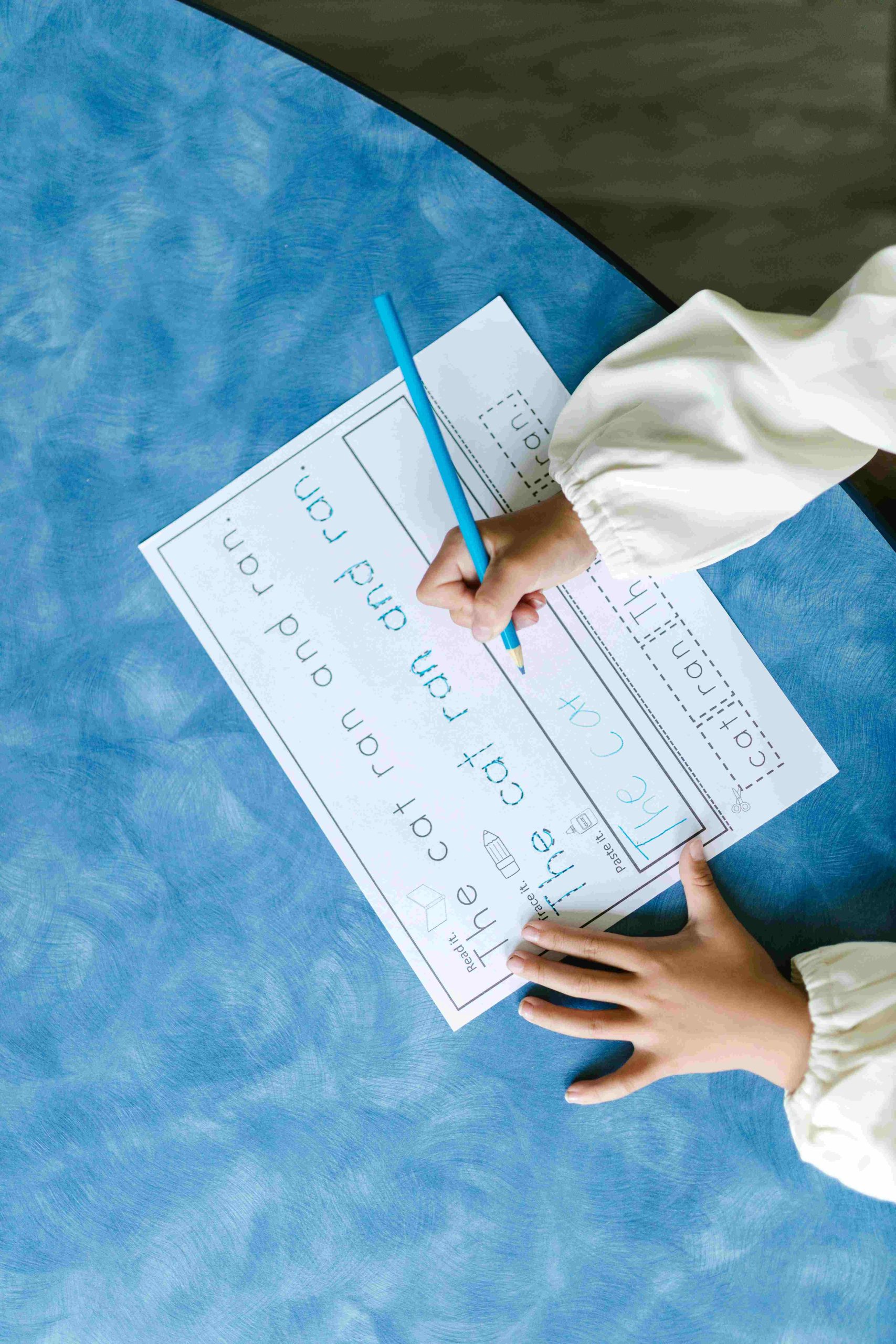
Unleashing the Power of Phonics Assessment: Illuminating the Path to Literacy for Preschoolers
Phonics, the relationship between sounds and letters, is a foundational skill in literacy development. Assessing preschoolers’ phonics abilities is crucial for understanding their progress and identifying areas of growth. Phonics assessment provides educators with valuable insights into preschoolers’ decoding and reading skills, enabling them to tailor instruction and interventions to meet individual needs. By harnessing the power of phonics assessment, educators can illuminate the path to literacy for preschoolers, setting them on a journey of reading success.
I. The Significance of Phonics Assessment: Unveiling the Road to Reading Proficiency
1. Understanding Phonics Assessment: Phonics assessment is the systematic evaluation of preschoolers’ phonics knowledge and skills. It involves assessing their ability to recognize and manipulate individual sounds (phonemes) and their corresponding letter combinations (graphemes). Phonics assessment provides a comprehensive picture of preschoolers’ decoding skills, spelling abilities, and overall phonological awareness.
2. Informing Instructional Planning : Phonics assessment helps educators identify preschoolers’ specific strengths and areas for improvement in phonics. This information is vital for designing targeted and differentiated instruction that addresses the individual needs of preschoolers. By aligning instruction with assessment data, educators can provide tailored interventions and scaffold learning effectively.
3. Early Identification of Reading Difficulties: Phonics assessment plays a crucial role in early identification of potential reading difficulties. By assessing preschoolers’ phonics abilities, educators can identify learners who may be at risk for reading challenges and provide early intervention and support. Early identification and targeted intervention increase the likelihood of preventing reading difficulties and promoting reading success.
II. Types of Phonics Assessments
1. Phonemic Awareness Assessments: Phonemic awareness is the ability to identify and manipulate individual phonemes in spoken language. Phonemic awareness assessments evaluate preschoolers’ skills in segmenting, blending, and manipulating phonemes orally. These assessments provide insights into preschoolers’ phonological awareness, which is foundational for successful phonics instruction.
2. Letter-Sound Knowledge Assessments: These assessments evaluate preschoolers’ ability to associate letters with their corresponding sounds. They assess learners’ knowledge of letter-sound relationships, including consonant sounds, vowel sounds, and common letter patterns. Letter-sound knowledge assessments help identify preschoolers’ decoding abilities and their readiness for blending sounds to read words.
3. Word Reading Assessments: Word reading assessments measure preschoolers’ ability to accurately decode and read words. These assessments often include real words, nonsense words, and sight words. Word reading assessments provide valuable information about preschoolers’ application of phonics skills in reading, including their fluency and accuracy.
4. Spelling Assessments: Spelling assessments evaluate preschoolers’ ability to apply their knowledge of phonics principles in spelling words. These assessments assess learners’ understanding of sound-symbol correspondence and their ability to segment and represent sounds in written form. Spelling assessments provide insights into preschoolers’ phonics integration into writing.
III. Strategies for Conducting Phonics Assessments
1. Informal Observations: Engage in informal observations of preschoolers’ phonics behaviors during classroom activities. Observe their letter-sound recognition, sound blending, and decoding skills during small-group reading sessions, shared reading experiences, and word work activities. These observations provide valuable insights into preschoolers’ phonics progress and can inform instructional planning.
2. One-on-One Assessments: Conduct individual phonics assessments with preschoolers to gain a comprehensive understanding of their phonics abilities. Use standardized assessment tools or teacher-created assessments that target specific phonics skills. One-on-one assessments allow for focused evaluation and personalized feedback for each preschooler.
3. Running Records: Use running records
during guided reading sessions to assess preschoolers’ word reading accuracy and decoding strategies. Running records provide a real-time snapshot of preschoolers’ reading behaviors, errors, and self-corrections, allowing educators to identify areas for improvement and provide immediate feedback.
4. Portfolio Assessment: Implement portfolio assessment to gather evidence of preschoolers’ phonics growth over time. Collect samples of their phonics work, including spelling assessments, reading records, and writing samples. Portfolios provide a holistic view of preschoolers’ phonics development and serve as a valuable tool for progress monitoring and reflection.
IV. The Emotional Dimension of Phonics Assessment: Nurturing a Love for Literacy
Assessment can evoke various emotions in preschoolers, including excitement, nervousness, or anxiety. To foster a positive emotional connection with phonics assessment and nurture a love for literacy, educators can employ the following strategies:
1. Creating a Supportive Environment: Establish a classroom environment that promotes a sense of safety and encourages risk-taking. Celebrate preschoolers’ progress and effort during phonics assessments, emphasizing the growth mindset and the importance of learning from mistakes.
2. Individualized Feedback: Provide specific and constructive feedback to preschoolers after phonics assessments. Focus on highlighting their strengths, addressing areas for improvement, and providing strategies for growth. Personalized feedback empowers preschoolers to take ownership of their learning and encourages a growth mindset.
3. Engaging Activities: Design engaging phonics activities that connect assessment to meaningful learning experiences. Incorporate hands-on activities, games, and interactive technology to make phonics learning enjoyable and memorable. This approach fosters a positive emotional connection with phonics and creates a joyful and engaging learning environment.
4. Literacy Celebrations: Organize literacy celebrations and events where preschoolers can showcase their phonics skills. This could include phonics-based performances, word-building competitions, or book fairs. Celebrating preschoolers’ achievements in phonics assessment fosters a sense of pride, motivation, and a deeper appreciation for the power of literacy.
V. Extending Phonics Assessment: Applying Phonics Skills in Authentic Contexts
Phonics assessment is most valuable when preschoolers can apply their phonics skills in authentic reading and writing contexts. By extending phonics assessment, educators can support preschoolers in transferring their phonics knowledge to real-world situations. Here are some strategies for applying phonics skills:
1. Guided Reading: Incorporate guided reading sessions where preschoolers can apply their phonics skills to decode and comprehend texts. Provide opportunities for them to practice blending sounds, identifying sight words, and using context clues to support their reading fluency and comprehension.
2. Independent Reading: Encourage independent reading by providing a wide range of phonics-based books and materials. Preschoolers can apply their phonics skills as they read independently, building confidence and fluency. Offer support and guidance as needed to ensure success and continued growth.
3. Writing Activities: Integrate phonics into writing activities, where preschoolers can apply their knowledge of sound-symbol correspondence to spell words and construct sentences. Encourage them to use phonics-based strategies such as sounding out words and applying spelling patterns. Provide opportunities for revision and editing to reinforce phonics integration into writing.
4. Word Work Centers: Set up word work centers where preschoolers can engage in hands-on activities related to phonics skills. These centers can include activities such as word sorting, building words with magnetic letters, or creating word families. Word work centers provide a tactile and interactive environment for preschoolers to practice and reinforce their phonics skills.
VI. The Continuum of Phonics Assessment: Tracking Growth and Progress
Phonics assessment is an ongoing process that requires continuous monitoring and tracking of preschoolers’ growth and progress. By implementing a continuum of phonics assessment, educators can effectively monitor preschoolers’ development and adjust instruction accordingly.
1. Progress Monitoring: Conduct regular phonics assessments at predetermined intervals to track preschoolers’ progress. Use the data collected to identify patterns, set goals, and make instructional decisions. Progress monitoring allows educators to evaluate the effectiveness of phonics instruction and make adjustments as needed.
2. Data Analysis: Analyze phonics assessment data to identify individual and group trends, strengths, and areas for improvement. Use this analysis to inform instructional planning and differentiation. Data analysis provides a comprehensive understanding of preschoolers’ phonics development and guides targeted intervention strategies.
3. Collaborative Reflection: Engage in collaborative reflection with colleagues to discuss and analyze phonics assessment data. Share best practices, strategies, and resources to support phonics instruction. Collaborative reflection fosters professional growth and enhances the collective expertise of educators in supporting preschoolers’ phonics development.
4. Parent Communication : Maintain open communication with parents about preschoolers’ progress in phonics. Share assessment results, explain the significance of phonics development, and provide suggestions for supporting phonics skills at home. Collaboration with parents ensures a consistent and supportive approach to phonics instruction.
Phonics assessment is a powerful tool that illuminates the path to literacy for preschoolers. By effectively assessing preschoolers’ phonics abilities, educators can tailor instruction, identify areas for growth, and provide targeted interventions. Through a variety of assessment methods, including phonemic awareness assessments, letter-sound knowledge assessments, word reading assessments, and spelling assessments, educators gain valuable insights into preschoolers’ phonics development. By fostering a positive emotional connection with phonics assessment, extending phonics skills to authentic contexts, and implementing a continuum of assessment, educators can nurture a love for literacy and guide preschoolers on their journey to becoming confident and proficient readers and writers. Phonics assessment is a dynamic and integral part of preschoolers’ literacy journey, paving the way for a lifelong love of reading and communication.
VII. Phonics Assessment for English Language Learners: Supporting Multilingual Literacy
Phonics assessment is a crucial component in supporting the literacy development of English language learners (ELLs) who are preschoolers. As ELLs navigate the complexities of learning a new language, phonics assessment can provide targeted support to ensure their success. Here are some strategies for conducting phonics assessment for ELLs:
1. Culturally Responsive Assessment: Design phonics assessments that reflect the cultural and linguistic backgrounds of ELLs. Use examples, vocabulary, and texts that are culturally relevant and familiar to preschoolers. This approach promotes a sense of belonging, validates their cultural identity, and enhances engagement during the assessment process.
2. Multisensory Assessment: Incorporate multisensory activities into phonics assessments for ELLs. Utilize visuals, gestures, manipulatives, and real-life objects to support understanding and make connections between sounds and letters. This multisensory approach accommodates diverse learning styles and reinforces phonics concepts in a meaningful way.
3. Visual Supports and Translations: Provide visual supports such as charts, diagrams, and illustrations that aid comprehension and reinforce phonics concepts. Additionally, consider offering translations of instructions or key terms in the preschoolers’ native language to ensure understanding. Visual supports and translations support ELLs’ comprehension and facilitate their participation in phonics assessments.
4. Oral Language Assessments: Recognize that ELLs may demonstrate greater proficiency in oral language skills compared to written language skills. Include oral language assessments as part of phonics assessments to assess their ability to accurately pronounce sounds and apply phonics knowledge in spoken language. Oral language assessments provide valuable insights into ELLs’ phonics abilities and help identify areas for further support.
5. Contextualized Assessment: Situate phonics assessments within meaningful and authentic contexts. Provide opportunities for ELLs to apply phonics skills in reading and writing tasks that are relevant to their daily lives and experiences. This contextualized approach enhances motivation, engagement, and the transfer of phonics skills into real-world situations.
6. Supportive Feedback and Guidance: Offer constructive feedback and guidance during phonics assessments for ELLs. Focus on celebrating their progress, highlighting their strengths, and providing specific strategies to address areas for improvement. Encourage ELLs to use their first language as a resource and reassure them that their native language proficiency is an asset in their literacy development.
7. Collaboration with Language Support Specialists: Collaborate with language support specialists, such as ESL teachers or bilingual educators, to ensure effective phonics assessment for ELLs. Seek their expertise in designing appropriate assessments, interpreting results, and planning targeted interventions. Collaborative efforts between general educators and language support specialists optimize support for ELLs’ phonics development.
Phonics assessment is a vital tool for supporting the literacy development of preschoolers who are English language learners. By implementing strategies such as culturally responsive assessment, multisensory activities, visual supports, and contextualized assessments, educators can ensure that ELLs receive targeted support in their phonics journey. Offering oral language assessments, providing supportive feedback and guidance, and collaborating with language support specialists further enhance the effectiveness of phonics assessment for ELLs. By tailoring phonics assessment to meet the unique needs of ELLs, educators empower them to build strong foundational literacy skills and foster their multilingual literacy development. Phonics assessment becomes a gateway to unlocking the potential of ELLs, enabling them to become confident and proficient readers and writers in English and their native languages.
VIII. Phonics Assessment and Differentiated Instruction: Meeting Diverse Needs
Phonics assessment plays a crucial role in supporting differentiated instruction for preschoolers with diverse learning needs. By understanding the unique strengths and challenges of individual learners, educators can adapt their phonics instruction to meet the diverse needs of every child. Here are strategies for using phonics assessment to inform differentiated instruction:
1. Individualized Goal Setting: Use phonics assessment data to set individualized goals for each preschooler. Identify specific areas for improvement based on assessment results and work collaboratively with the preschooler to set realistic and achievable goals. Individualized goal setting ensures that phonics instruction targets the specific needs of each learner.
2. Flexible Grouping: Utilize flexible grouping strategies to create small instructional groups based on preschoolers’ phonics abilities. Group preschoolers who require similar instruction or intervention together, allowing for targeted teaching and support. Flexible grouping enables educators to differentiate instruction based on individual needs and provide appropriate challenge and support.
3. Tiered Instruction: Implement a tiered approach to phonics instruction, providing different levels of support and challenge based on individual learners’ abilities. Use assessment data to determine the tier at which each preschooler will begin instruction, and adjust instruction as they progress. Tiered instruction ensures that every child receives instruction at their instructional level.
4. Scaffolded Learning: Apply scaffolding techniques during phonics instruction to support preschoolers’ learning and gradually release responsibility. Use assessment data to identify specific areas where learners require additional support and provide targeted scaffolds, such as visual aids, cues, or prompts, to facilitate understanding and application of phonics skills.
5. Differentiated Materials: Provide differentiated materials and resources that cater to the diverse needs of preschoolers. Adapt texts, worksheets, and activities to ensure they are accessible and challenging for all learners. Differentiated materials accommodate different learning styles, abilities, and interests, promoting engagement and success in phonics instruction.
6. Varied Instructional Strategies: Employ a range of instructional strategies to cater to different learning preferences and needs. Incorporate multisensory activities, interactive games, technology-based resources, and hands-on manipulatives to engage preschoolers and reinforce phonics concepts. Varied instructional strategies accommodate different learning modalities and enhance comprehension and retention of phonics skills.
7. Ongoing Assessment and Adjustments: Continuously assess preschoolers’ progress through formative assessments and adjust instruction accordingly. Use informal observations, running records, and check-ins to monitor growth and identify areas that require further support or extension. Ongoing assessment ensures that differentiation is responsive and dynamic, adapting to the changing needs of preschoolers.
Phonics assessment serves as a compass that guides differentiated instruction for preschoolers with diverse learning needs. By utilizing individualized goal setting, flexible grouping, tiered instruction, scaffolding, differentiated materials, varied instructional strategies, and ongoing assessment, educators can meet the unique needs of every preschooler. Differentiated instruction ensures that phonics instruction is tailored to each child’s abilities, enabling them to progress at their own pace and reach their full potential. By harnessing the power of phonics assessment and implementing differentiated instruction, educators create inclusive learning environments that celebrate and support the diverse strengths and abilities of all preschoolers.

Archives
Categories
- Articles
- E-preschool Enrichment
- Jumpstart Preschool
- Montessori Preschool
- Online Preschool
- Preschool
- Preschool Activities
- Preschool Age
- Preschool Apps
- Preschool Art Projects
- Preschool Assessment
- Preschool Assessment Tests
- Preschool Books
- Preschool Bulletin Board Ideas
- Preschool Classroom
- Preschool Coloring Pages
- Preschool Crafts
- Preschool Curriculum
- Preschool Design Ideas
- Preschool Developmental Milestone
- Preschool Drawing
- Preschool Education
- Preschool Fees
- Preschool Field Trip
- Preschool Fire Drills
- Preschool Flashcards
- Preschool For Special Needs
- Preschool Games
- Preschool Goodbye Sayings
- Preschool Goodie Bag Ideas
- Preschool Home Tutor
- Preschool Homeschool
- Preschool Homework
- Preschool Hours
- Preschool Jokes
- Preschool Kids
- Preschool Kit
- Preschool Learning
- Preschool Learning Journey
- Preschool Lesson Plans
- Preschool Levels
- Preschool Lunch Ideas
- Preschool Market
- Preschool Math
- Preschool Meaning
- Preschool Multiple Intelligences
- Preschool Music
- Preschool Newsletter
- Preschool Outdoor Activities
- Preschool Phonics
- Preschool Poem
- Preschool Printables
- Preschool Programmes
- Preschool Quotes
- Preschool Readiness
- Preschool Reading
- Preschool Science Experiments
- Preschool Songs
- Preschool Syllabus
- Preschool Teacher
- Preschool Themes
- Preschool Units
- Preschool Words
- Preschool Workbooks
- Preschool Worksheets
- Preschool Writing Prompts
- Preschool Zoom Backgrounds
- Preschooler
- Transitional Preschool
- Uncategorized
- Virtual Preschool