
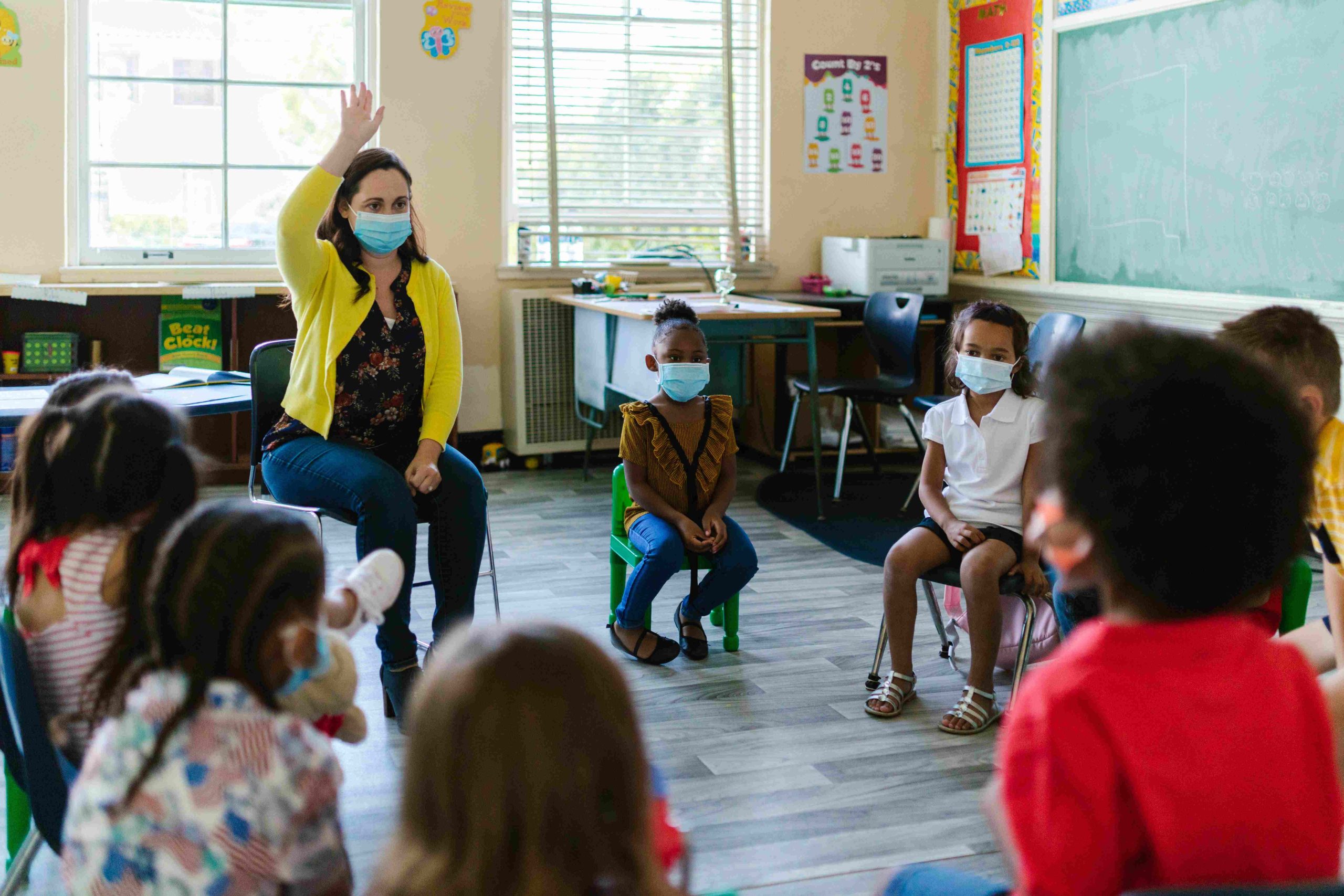
The Power of Peer Assessment in Preschoolers
Peer assessment, also known as peer evaluation or peer feedback, is a process where students assess and provide feedback on each other’s work. Its application has expanded to early childhood education, aiming at enhancing social-emotional learning and fostering a growth mindset. This article explores its benefits, challenges, and practical implementation tips.
Understanding Peer Assessment
Peer assessment involves evaluating and providing feedback on peers’ work, focusing on social and emotional skills in early childhood. Its goal is to promote social-emotional development, positive relationships, and a growth mindset.
Importance of Social Skills in Preschoolers
Social skills are crucial for preschoolers’ development, facilitating their interactions and laying the groundwork for future success, both socially and academically.
Challenges and Limitations of Peer Assessment
While valuable, peer assessment presents challenges such as bias, emotional impact, and limited perspectives, necessitating careful monitoring and guidance.
Examples of Peer Assessment Activities
Activities like Emotion Charades, Group Reflection, “Two Stars and a Wish,” and Collaborative Art offer engaging ways for preschoolers to assess and provide feedback on peers’ behavior.
Best Practices for Successful Peer Assessment
Building a positive classroom culture, setting clear expectations, using appropriate language, providing self-reflection opportunities, monitoring for bias, and offering support are crucial for effective peer assessment.
Peer Assessment Tools for Preschoolers
Tools like Smileys and Emojis, Picture Cards, and Thumbs Up/Down facilitate peer assessment by simplifying the evaluation process for preschoolers.
Addressing Challenges with Peer Assessment
Strategies to tackle challenges include addressing bias, providing support and guidance, and supplementing peer assessments with teacher and parent feedback.
Peer Assessment and Social-Emotional Learning
Peer assessment complements social-emotional learning by fostering self-reflection, empathy, and constructive feedback, enhancing preschoolers’ social and emotional skills.
Incorporating Peer Assessment in Preschool Curriculum
Incorporating peer assessment into the preschool curriculum is essential for fostering a supportive learning environment and promoting social-emotional development.
- Integrate peer assessment into group activities, such as arts and crafts, to promote teamwork and collaboration.
- Incorporate peer assessment into daily routines, such as snack time or circle time, to provide regular opportunities for feedback.
- Provide clear guidelines and expectations for peer assessment to ensure consistency and fairness.
- Use developmentally appropriate language and tools, such as smileys and picture cards, to facilitate the assessment process for preschoolers.
- Encourage open communication between parents, teachers, and caregivers to ensure that evaluations are comprehensive and reflective of the child’s overall development.
Benefits of Peer Assessment for Preschoolers
- Developing self-awareness and self-reflection skills.
- Promoting empathy and understanding of others.
- Encouraging constructive feedback and a growth mindset.
- Fostering positive relationships and social skills.
- Supporting social-emotional learning and laying strong foundations for future success.
Future Research Directions
While peer assessment shows promise as a valuable tool for promoting social-emotional development in preschoolers, there are still many areas that require further exploration.
- Investigating the long-term effects of peer assessment on social-emotional development and academic outcomes.
- Exploring how different peer assessment tools and methods can be used effectively with preschoolers.
- Examining the role of teacher and parent involvement in peer assessment and how they can support preschoolers’ social-emotional development.
- Exploring cultural differences in the use of peer assessment in preschool settings and how these differences may impact its effectiveness.
Conclusion
In conclusion, peer assessment is a valuable tool for nurturing social skills and fostering social-emotional learning in preschoolers. Despite challenges, its effective integration into the curriculum can yield substantial benefits. Future research holds promise for refining its implementation and maximizing its impact.

Archives
Categories
- Articles
- E-preschool Enrichment
- Jumpstart Preschool
- Montessori Preschool
- Online Preschool
- Preschool
- Preschool Activities
- Preschool Age
- Preschool Apps
- Preschool Art Projects
- Preschool Assessment
- Preschool Assessment Tests
- Preschool Books
- Preschool Bulletin Board Ideas
- Preschool Classroom
- Preschool Coloring Pages
- Preschool Crafts
- Preschool Curriculum
- Preschool Design Ideas
- Preschool Developmental Milestone
- Preschool Drawing
- Preschool Education
- Preschool Fees
- Preschool Field Trip
- Preschool Fire Drills
- Preschool Flashcards
- Preschool For Special Needs
- Preschool Games
- Preschool Goodbye Sayings
- Preschool Goodie Bag Ideas
- Preschool Home Tutor
- Preschool Homeschool
- Preschool Homework
- Preschool Hours
- Preschool Jokes
- Preschool Kids
- Preschool Kit
- Preschool Learning
- Preschool Learning Journey
- Preschool Lesson Plans
- Preschool Levels
- Preschool Lunch Ideas
- Preschool Market
- Preschool Math
- Preschool Meaning
- Preschool Multiple Intelligences
- Preschool Music
- Preschool Newsletter
- Preschool Outdoor Activities
- Preschool Phonics
- Preschool Poem
- Preschool Printables
- Preschool Programmes
- Preschool Quotes
- Preschool Readiness
- Preschool Reading
- Preschool Science Experiments
- Preschool Songs
- Preschool Syllabus
- Preschool Teacher
- Preschool Themes
- Preschool Units
- Preschool Words
- Preschool Workbooks
- Preschool Worksheets
- Preschool Writing Prompts
- Preschool Zoom Backgrounds
- Preschooler
- Transitional Preschool
- Uncategorized
- Virtual Preschool