
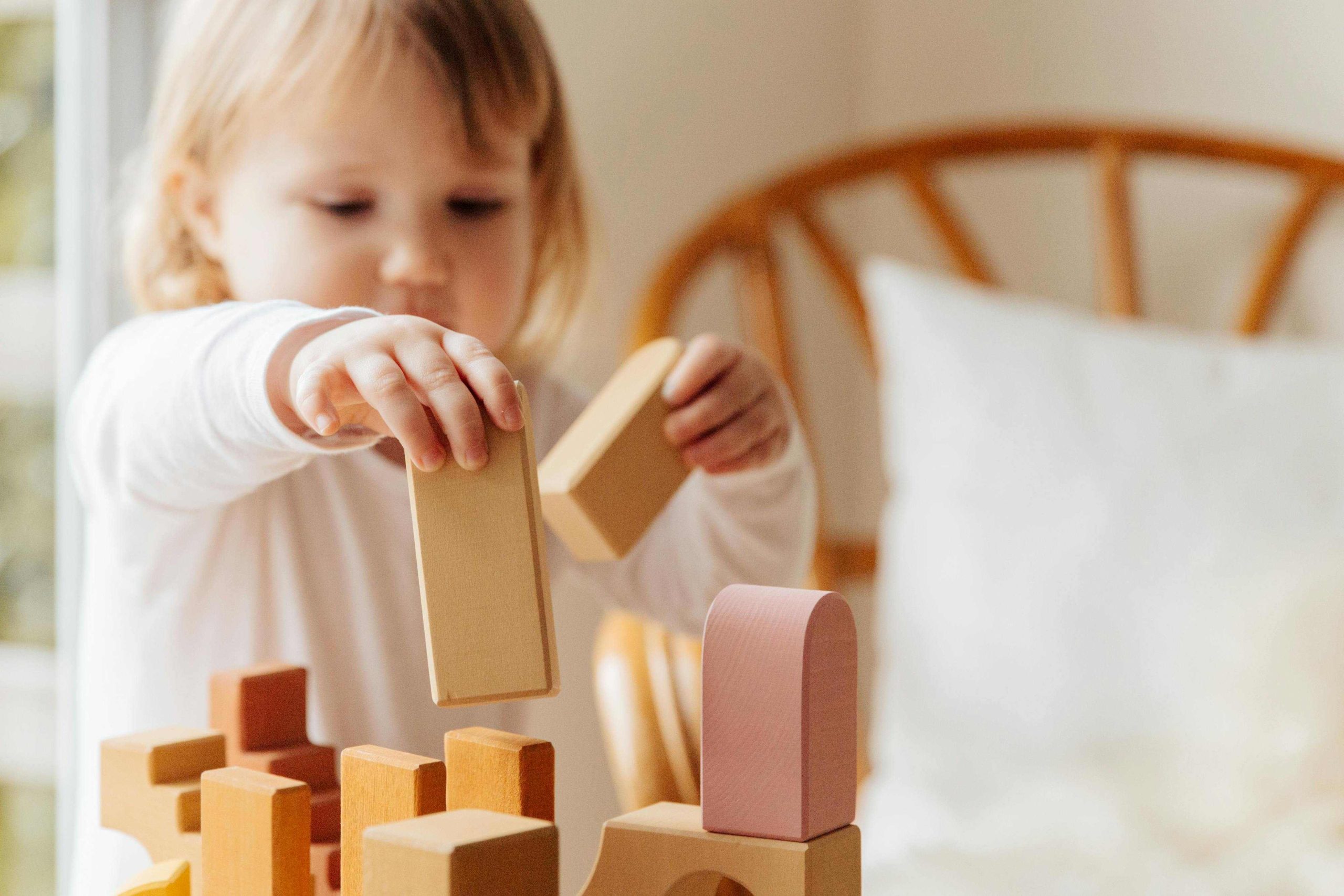
Preschoolers’ Logical Development: Building the Foundation for Lifelong Learning
Understanding Logical Development
Logical development refers to preschoolers’ ability to reason, solve problems, and think critically. It involves understanding cause and effect, categorizing information, and making predictions based on evidence.
Key Aspects of Logical Development
Preschoolers’ logical development encompasses understanding cause and effect, categorization, and drawing conclusions from evidence.
Cause and Effect Understanding
Preschoolers begin to grasp cause and effect relationships, such as understanding that throwing a ball leads to it bouncing back.
Categorization Skills
Preschoolers learn to categorize objects based on similarities and differences, like sorting toys by color or size.
Predictive Thinking
Preschoolers develop the ability to make predictions and draw conclusions based on evidence, such as understanding that plants grow taller with more water.
Strategies for Supporting Logical Development
Various strategies can aid in fostering preschoolers’ logical development:
Encourage Exploration
Provide ample opportunities for preschoolers to explore and experiment with their surroundings through play and hands-on activities.
Facilitate Categorization
Engage preschoolers in sorting games and puzzles to enhance their categorization skills.
Promote Critical Thinking
Use open-ended questions to encourage preschoolers to think critically and make connections between ideas.
Encourage Problem-Solving
Offer opportunities for preschoolers to solve problems independently using trial and error and critical thinking skills.
Model Logical Thinking
Set an example by explaining your own thought processes when making decisions and encourage preschoolers to think critically.
The Importance of Logical Development for Lifelong Learning
Logical development in preschoolers is crucial for academic success, language development, social-emotional well-being, and lifelong learning.
Common Challenges in Logical Development
Several challenges may arise in preschoolers’ logical development, including overgeneralization, limited perspective-taking, attention span issues, and difficulty with abstract reasoning.
Strategies for Addressing Challenges
Address common challenges through specific strategies such as refining understanding through exploration, promoting perspective-taking, offering focused activities, and providing concrete examples.
The Role of Play in Logical Development
Play is essential for preschoolers’ logical development, offering opportunities for hands-on exploration, problem-solving, and social-emotional growth.
The Importance of Feedback and Positive Reinforcement
Feedback and positive reinforcement are crucial for supporting preschoolers’ logical development, enhancing confidence and motivation.
The Role of Context
The environment and experiences significantly influence preschoolers’ logical development, emphasizing the importance of a rich and varied learning environment.
The Role of Technology
Technology can support logical development in preschoolers when used appropriately alongside hands-on activities and under adult supervision.
The Role of Parents and Educators
Parents and educators play vital roles in supporting preschoolers’ logical development through providing opportunities, modeling logical thinking, and using various teaching strategies.
Challenges and Solutions
Differentiated instruction and a balanced approach to technology usage can address challenges in supporting preschoolers’ logical development.
Conclusion
Preschoolers’ logical development is essential for their overall growth and future success. By employing various strategies and recognizing the role of play, feedback, and context, parents and educators can nurture this crucial aspect of development.

Archives
Categories
- Articles
- E-preschool Enrichment
- Jumpstart Preschool
- Montessori Preschool
- Online Preschool
- Preschool
- Preschool Activities
- Preschool Age
- Preschool Apps
- Preschool Art Projects
- Preschool Assessment
- Preschool Assessment Tests
- Preschool Books
- Preschool Bulletin Board Ideas
- Preschool Classroom
- Preschool Coloring Pages
- Preschool Crafts
- Preschool Curriculum
- Preschool Design Ideas
- Preschool Developmental Milestone
- Preschool Drawing
- Preschool Education
- Preschool Fees
- Preschool Field Trip
- Preschool Fire Drills
- Preschool Flashcards
- Preschool For Special Needs
- Preschool Games
- Preschool Goodbye Sayings
- Preschool Goodie Bag Ideas
- Preschool Home Tutor
- Preschool Homeschool
- Preschool Homework
- Preschool Hours
- Preschool Jokes
- Preschool Kids
- Preschool Kit
- Preschool Learning
- Preschool Learning Journey
- Preschool Lesson Plans
- Preschool Levels
- Preschool Lunch Ideas
- Preschool Market
- Preschool Math
- Preschool Meaning
- Preschool Multiple Intelligences
- Preschool Music
- Preschool Newsletter
- Preschool Outdoor Activities
- Preschool Phonics
- Preschool Poem
- Preschool Printables
- Preschool Programmes
- Preschool Quotes
- Preschool Readiness
- Preschool Reading
- Preschool Science Experiments
- Preschool Songs
- Preschool Syllabus
- Preschool Teacher
- Preschool Themes
- Preschool Units
- Preschool Words
- Preschool Workbooks
- Preschool Worksheets
- Preschool Writing Prompts
- Preschool Zoom Backgrounds
- Preschooler
- Transitional Preschool
- Uncategorized
- Virtual Preschool