
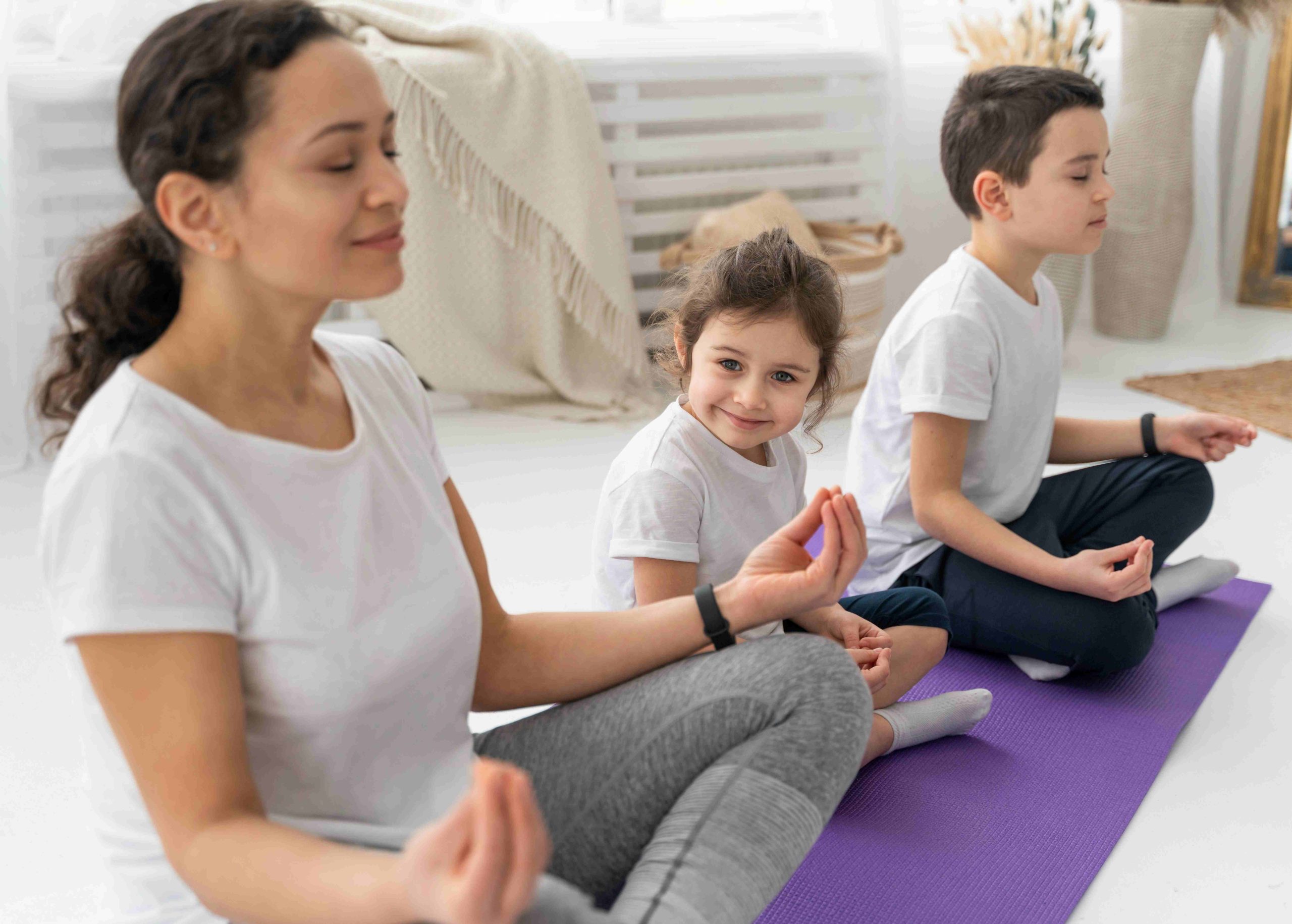
Cultivating Harmony and Focus: The Power of Integrating Mindfulness Techniques for Preschoolers
The Foundations of Mindfulness
At its core, mindfulness is the art of being present, fully engaged in the present moment without judgment. While originating from contemplative practices in Eastern traditions, it has now been extensively studied and adapted for the modern world. Mindfulness invites us to anchor our awareness in the present, gently observing our thoughts, emotions, and bodily sensations.
For preschoolers, who are naturally curious and open-minded, embracing mindfulness can be a transformative experience. By encouraging them to pause, breathe, and pay attention to the here and now, we create a foundation for self-awareness, empathy, and resilience. The ability to recognise and accept their emotions, without being overwhelmed by them, empowers preschoolers to respond thoughtfully and make better choices.
Nurturing Emotional Regulation
Preschoolers, with their developing emotional landscapes, often find it challenging to regulate their emotions effectively. Tantrums, outbursts, and difficulties in coping with frustration are common occurrences. Integrating mindfulness techniques provides preschoolers with invaluable tools to navigate their emotional journeys.
Through simple exercises like breathing exercises, body scans, and guided imagery, preschoolers learn to identify and acknowledge their emotions without judgment. These practices encourage them to observe their feelings, allowing them to respond with kindness and compassion towards themselves and others. As preschoolers become more adept at recognising their emotions, they gradually gain the ability to self-regulate, leading to improved emotional well-being and enhanced social interactions.
Enhancing Focus and Attention
In an era of rapid technological advancements and constant stimulation, cultivating sustained focus and attention is becoming increasingly challenging for preschoolers. Mindfulness techniques offer a counterbalance to the distractions by training the mind to concentrate and stay present.
Mindful activities such as mindful listening, mindful eating, and mindful movement help preschoolers develop an anchor for their attention. By engaging their senses in the present moment, they become aware of the world around them and the task at hand. With regular practice, preschoolers strengthen their ability to sustain attention, leading to improved academic performance, problem-solving skills, and overall cognitive development.
Cultivating Resilience and Well-being
Preschoolers encounter various stressors as they navigate their daily lives, be it transitions, separation anxiety, or conflicts with peers. Mindfulness acts as a powerful resilience-building tool, equipping them with the capacity to bounce back from adversity and thrive.
By fostering self-compassion and acceptance, preschoolers learn to approach challenges with a growth mindset. Mindfulness practices create a safe space for exploring difficult emotions and thoughts, allowing preschoolers to develop healthy coping strategies. The ability to regulate stress, cultivate optimism, and appreciate the present moment enhances their overall well-being and sets the stage for a lifetime of emotional resilience.
Integrating Mindfulness into Preschool Settings
Introducing mindfulness techniques into preschool settings requires a holistic approach that involves educators, parents, and caregivers working in harmony. Collaboration between all stakeholders ensures consistent reinforcement of mindful practices and maximizes their impact.
Educators can incorporate mindfulness into the daily routine through activities such as mindful storytelling, mindful play, and quiet reflection time. Parents and caregivers can support the integration by practicing mindfulness at home and engaging in open conversations about emotions and experiences. By fostering a mindful environment that embraces patience, curiosity, and kindness, preschoolers receive consistent guidance on their mindfulness journey.
Mindfulness Beyond the Classroom: Bringing Mindful Practices Home
The benefits of integrating mindfulness techniques into preschool settings extend beyond the classroom walls. When parents and caregivers actively participate in mindfulness practices at home, it reinforces the skills and concepts taught at school, creating a more cohesive and consistent experience for preschoolers. Here are some ways to bring mindfulness into the home environment:
By integrating mindfulness practices into the home environment, parents and caregivers create a supportive and nurturing space for preschoolers to continue their mindfulness journey beyond the school setting. The consistency and reinforcement of mindfulness techniques at home and school work together to deepen the impact and foster the growth of mindfulness skills.
Mindfulness as a Tool for Conflict Resolution
Preschoolers often encounter conflicts and disagreements with their peers as they navigate social interactions. Integrating mindfulness techniques into conflict resolution processes can provide preschoolers with effective tools for understanding, managing, and resolving conflicts. Here’s how mindfulness can be applied in conflict resolution:
By integrating mindfulness into conflict resolution, preschoolers learn valuable skills such as emotional regulation, active listening, empathy, and effective communication. These skills empower them to navigate conflicts with compassion, understanding, and a focus on finding mutually beneficial solutions.
Mindfulness as a Foundation for Learning
Integrating mindfulness techniques into preschool settings not only enhances emotional well-being and social interactions but also establishes a strong foundation for learning. Mindfulness practices can support cognitive development, attentional skills, and academic performance. Here’s how mindfulness benefits learning:
Mindfulness and Emotional Well-being
Preschoolers often experience a wide range of emotions as they navigate their early years. Integrating mindfulness techniques into their daily lives can significantly contribute to their emotional well-being and overall mental health. Here’s how mindfulness supports emotional well-being:

Archives
Categories
- Articles
- E-preschool Enrichment
- Jumpstart Preschool
- Montessori Preschool
- Online Preschool
- Preschool
- Preschool Activities
- Preschool Age
- Preschool Apps
- Preschool Art Projects
- Preschool Assessment
- Preschool Assessment Tests
- Preschool Books
- Preschool Bulletin Board Ideas
- Preschool Classroom
- Preschool Coloring Pages
- Preschool Crafts
- Preschool Curriculum
- Preschool Design Ideas
- Preschool Developmental Milestone
- Preschool Drawing
- Preschool Education
- Preschool Fees
- Preschool Field Trip
- Preschool Fire Drills
- Preschool Flashcards
- Preschool For Special Needs
- Preschool Games
- Preschool Goodbye Sayings
- Preschool Goodie Bag Ideas
- Preschool Home Tutor
- Preschool Homeschool
- Preschool Homework
- Preschool Hours
- Preschool Jokes
- Preschool Kids
- Preschool Kit
- Preschool Learning
- Preschool Learning Journey
- Preschool Lesson Plans
- Preschool Levels
- Preschool Lunch Ideas
- Preschool Market
- Preschool Math
- Preschool Meaning
- Preschool Multiple Intelligences
- Preschool Music
- Preschool Newsletter
- Preschool Outdoor Activities
- Preschool Phonics
- Preschool Poem
- Preschool Printables
- Preschool Programmes
- Preschool Quotes
- Preschool Readiness
- Preschool Reading
- Preschool Science Experiments
- Preschool Songs
- Preschool Syllabus
- Preschool Teacher
- Preschool Themes
- Preschool Units
- Preschool Words
- Preschool Workbooks
- Preschool Worksheets
- Preschool Writing Prompts
- Preschool Zoom Backgrounds
- Preschooler
- Transitional Preschool
- Uncategorized
- Virtual Preschool