
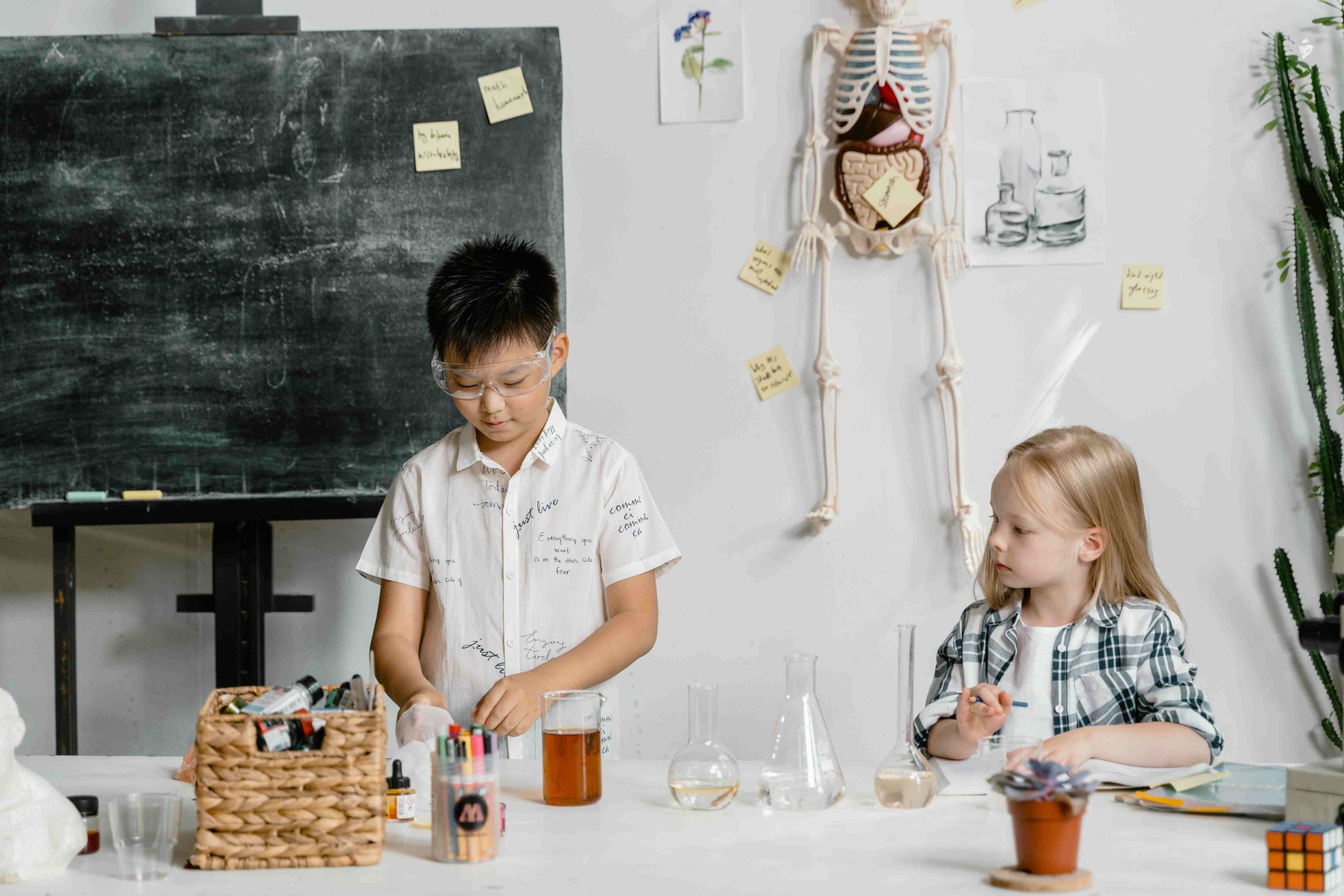
Understanding and Nurturing Preschoolers’ Imitative Behaviour
Imitative behaviour is a powerful and innate characteristic of preschoolers that plays a significant role in their learning and development. It is through imitation that preschoolers acquire new skills, language, and social behaviours, allowing them to navigate and understand the world around them. In this article, we will explore the nature of imitative behaviour in preschoolers, its importance in their growth, and how caregivers and educators can support and nurture this fundamental aspect of their development.
The Nature of Imitative Behaviour
Imitative behaviour is the act of observing and replicating the actions, behaviours, and expressions of others. Preschoolers have a natural tendency to imitate the people they interact with, including parents, caregivers, siblings, and peers. They closely observe and mimic the actions, gestures, language, and even emotions of those around them. Imitation serves as a fundamental mechanism for preschoolers to learn about their culture, language, and social norms.
Importance of Imitative Behaviour in Learning
Imitative behaviour plays a crucial role in preschoolers’ learning and development. Through imitation, they acquire a wide range of skills, including motor skills, language, social behaviours, and problem-solving abilities. Preschoolers observe and replicate the actions of others, allowing them to learn how to tie their shoelaces, hold a pencil, speak words and sentences, and engage in social interactions. Imitation also aids in the development of cognitive skills as preschoolers imitate problem-solving strategies and learn from the experiences of others.
Emotional Imitation and Empathy
Imitative behaviour extends beyond physical actions and encompasses emotional expressions as well. Preschoolers imitate the emotional states of others, reflecting their joy, sadness, anger, and empathy. Emotional imitation plays a vital role in the development of empathy, as preschoolers learn to recognize and respond to the emotions of others. Through imitating the emotional expressions of those around them, preschoolers develop a deeper understanding of the feelings and experiences of others, fostering emotional intelligence and social connection.
The Role of Role Models in Imitative Behaviour
Preschoolers often choose role models from their immediate environment, such as parents, siblings, and teachers. These role models influence their imitative behaviour and serve as sources of inspiration and guidance. Positive role models can demonstrate desirable behaviours and values, encouraging preschoolers to imitate and adopt them. Caregivers and educators can leverage the power of positive role models to provide preschoolers with examples of kindness, empathy, respect, and perseverance, shaping their imitative behaviour in constructive ways.
Nurturing Imitative Behaviour
Caregivers and educators play a vital role in nurturing preschoolers’ imitative behaviour. By creating an environment that models positive behaviours, provides engaging activities, and offers meaningful interactions, they can enhance preschoolers’ learning through imitation. Encouraging role-play, storytelling, and imaginative play allows preschoolers to explore and express their creativity while imitating various roles and scenarios. Providing clear and consistent guidance, offering praise for positive behaviours, and setting appropriate boundaries help shape their imitative behaviour in a constructive manner.
Recognizing the Influence of Media
In today’s digital age, it is important to acknowledge the influence of media on preschoolers’ imitative behaviour. Television shows, movies, and online content can significantly impact their imitation of behaviours, language, and social interactions. Caregivers and educators should be mindful of the media content preschoolers are exposed to and ensure it aligns with positive values and appropriate behaviours. By actively engaging with preschoolers during media consumption and discussing the content, caregivers can help them develop critical thinking skills and discernment in their imitative behaviours.
Imitative behaviour is a powerful mechanism through which preschoolers learn and grow. By observing and replicating the actions, language, and emotions of others, they acquire valuable skills, language abilities, and social behaviours. Caregivers and educators play a crucial role in nurturing and shaping preschoolers’ imitative behaviour by providing positive role models, meaningful experiences, and a supportive learning environment. By understanding the significance of imitative behaviour, we can harness its potential to facilitate optimal growth and development in preschoolers, paving the way for a bright and promising future.
Challenges in Managing Imitative Behaviour
While imitative behaviour is a natural and important aspect of preschoolers’ development, it can also present certain challenges for caregivers and educators. Understanding and addressing these challenges is essential to create a nurturing and supportive environment for preschoolers’ imitative behaviour.
Caregivers and educators can provide opportunities for preschoolers to explore their own unique interests, talents, and preferences while encouraging them to learn from others in a positive and constructive manner.
Navigating the challenges associated with imitative behaviour requires patience, understanding, and effective communication. By addressing these challenges head-on, caregivers and educators can create an environment that supports preschoolers’ learning and development while promoting positive values and behaviours.
Remember, imitative behaviour is a natural and powerful learning mechanism for preschoolers. With guidance, positive role models, and a nurturing environment, they can harness the benefits of imitation to acquire valuable skills, develop empathy, and cultivate their individuality.
Nurturing Positive Imitative Behaviour
Nurturing positive imitative behaviour in preschoolers is essential to promote their overall development and well-being. Here are some strategies that caregivers and educators can employ to encourage positive imitative behaviour:
By implementing these strategies, caregivers and educators can create a positive and supportive environment that nurtures and encourages positive imitative behaviour in preschoolers. Remember, the power of positive role modeling, meaningful experiences, and clear guidance can shape preschoolers’ imitative behaviour in a way that promotes their social, emotional, and cognitive development.
The Importance of Nurturing Positive Imitative Behaviour
Nurturing positive imitative behaviour in preschoolers is of utmost importance due to the significant impact it has on their development and overall well-being. Here are some key reasons why it is crucial to prioritize and support positive imitative behaviour in preschoolers:
Nurturing positive imitative behaviour in preschoolers is a powerful way to support their overall development. By creating a positive and supportive environment, providing positive role models, and offering meaningful experiences, caregivers and educators can foster a strong foundation for positive imitative behaviour. Through this, preschoolers can grow into confident, socially skilled, and empathetic individuals who contribute positively to their communities and continue their journey of lifelong learning.

Archives
Categories
- Articles
- E-preschool Enrichment
- Jumpstart Preschool
- Montessori Preschool
- Online Preschool
- Preschool
- Preschool Activities
- Preschool Age
- Preschool Apps
- Preschool Art Projects
- Preschool Assessment
- Preschool Assessment Tests
- Preschool Books
- Preschool Bulletin Board Ideas
- Preschool Classroom
- Preschool Coloring Pages
- Preschool Crafts
- Preschool Curriculum
- Preschool Design Ideas
- Preschool Developmental Milestone
- Preschool Drawing
- Preschool Education
- Preschool Fees
- Preschool Field Trip
- Preschool Fire Drills
- Preschool Flashcards
- Preschool For Special Needs
- Preschool Games
- Preschool Goodbye Sayings
- Preschool Goodie Bag Ideas
- Preschool Home Tutor
- Preschool Homeschool
- Preschool Homework
- Preschool Hours
- Preschool Jokes
- Preschool Kids
- Preschool Kit
- Preschool Learning
- Preschool Learning Journey
- Preschool Lesson Plans
- Preschool Levels
- Preschool Lunch Ideas
- Preschool Market
- Preschool Math
- Preschool Meaning
- Preschool Multiple Intelligences
- Preschool Music
- Preschool Newsletter
- Preschool Outdoor Activities
- Preschool Phonics
- Preschool Poem
- Preschool Printables
- Preschool Programmes
- Preschool Quotes
- Preschool Readiness
- Preschool Reading
- Preschool Science Experiments
- Preschool Songs
- Preschool Syllabus
- Preschool Teacher
- Preschool Themes
- Preschool Units
- Preschool Words
- Preschool Workbooks
- Preschool Worksheets
- Preschool Writing Prompts
- Preschool Zoom Backgrounds
- Preschooler
- Transitional Preschool
- Uncategorized
- Virtual Preschool