Category: Preschool Hours

  • Group Activities

    Group Activities

    Nurturing Social Bonds: The Power of Group Activities for Preschoolers


    Building Connections through Collaborative Play

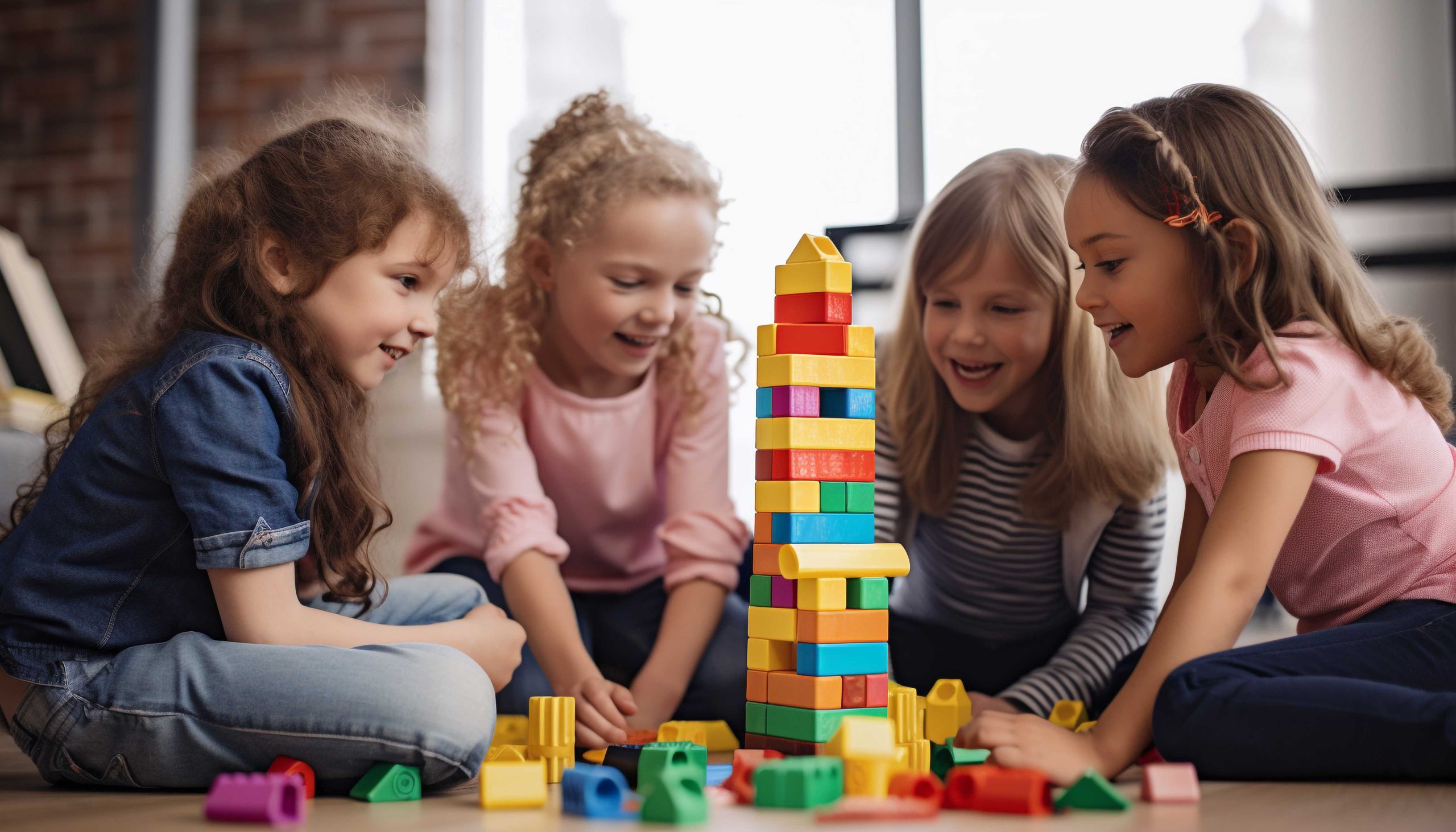
    Collaborative play forms a vital component of group activities for preschoolers. By engaging in games and activities that require cooperation and interaction, Preschoolers develop important social skills. These activities encourage them to communicate, listen, and take turns, thereby fostering empathy and respect for others. Preschoolers also learn the value of teamwork and cooperation as they work together to achieve common goals. Whether it’s building blocks, imaginative play, or group storytelling, collaborative play allows Preschoolers to bond and form lasting connections.


    Enhancing Communication Skills through Group Discussions

    Group discussions provide preschoolers with a platform to express their thoughts, ideas, and opinions. Through conversations with their peers, they learn to articulate their feelings, share experiences, and actively listen to others. These discussions also help expand their vocabulary, improve language skills, and develop the ability to express themselves effectively. Group activities such as show-and-tell, circle time, and storytelling sessions encourage preschoolers to communicate and connect with their peers in meaningful ways.


    Cultivating Empathy and Emotional Intelligence through Shared Experiences

    Group activities create opportunities for preschoolers to experience and understand different emotions. By engaging in shared experiences, such as role-playing, puppet shows, or guided storytelling, Preschoolers develop empathy and emotional intelligence. They learn to recognize and respond to the feelings of others, fostering a sense of compassion and understanding. These activities also provide a safe space for preschoolers to express their own emotions, helping them build resilience and emotional self-regulation skills.


    Developing Problem-Solving Skills through Collaborative Challenges

    Group activities often involve problem-solving challenges that require preschoolers to think critically and work together to find solutions. Whether it’s solving puzzles, building structures, or participating in group games, these activities enhance cognitive development and foster the development of problem-solving skills. Preschoolers learn to analyze situations, think creatively, and communicate ideas effectively to overcome obstacles. By engaging in these collaborative challenges, Preschoolers develop resilience and perseverance, qualities that are essential for lifelong learning.


    Fostering Diversity and Inclusion through Group Activities

    Group activities provide a platform for celebrating diversity and promoting inclusion among preschoolers. By engaging in multicultural activities, role-playing scenarios, and sharing stories from different cultures, Preschoolers learn to appreciate and respect differences. These experiences promote a sense of belonging, help break down stereotypes, and cultivate a more inclusive mindset. Group activities encourage preschoolers to embrace diversity and develop cultural competence, preparing them to be compassionate and accepting individuals in a diverse society.


    Strengthening Social Bonds and Building a Supportive Community

    Group activities play a significant role in creating a sense of belonging and building a supportive community among preschoolers. Through shared experiences and collaborations, Preschoolers develop a sense of camaraderie and friendship. They learn to support and encourage their peers, fostering positive relationships and a supportive environment. Group activities also provide opportunities for Preschoolers to learn conflict resolution, negotiation, and compromise, essential skills for maintaining healthy social connections.


    Promoting Physical Development and Gross Motor Skills through Group Activities

    Group activities provide preschoolers with opportunities to engage in physical play and develop their gross motor skills. Activities such as outdoor games, relay races, dancing, or obstacle courses encourage movement, coordination, and balance. These activities help preschoolers build strength, improve motor control, and develop spatial awareness. Group activities that involve physical play not only promote healthy development but also instill a love for an active lifestyle from an early age.


    Encouraging Cognitive Development through Group Activities

    Group activities stimulate cognitive development in preschoolers by engaging their curiosity, problem-solving abilities, and critical thinking skills. Activities such as science experiments, puzzles, memory games, or group storytelling sessions enhance cognitive processes such as memory retention, logical reasoning, and creative thinking. By actively participating in these activities, preschoolers sharpen their cognitive skills and develop a deeper understanding of the world around them.


    Fostering Independence and Self-Confidence through Group Activities

    Group activities provide a supportive environment for preschoolers to develop their independence and self-confidence. When given opportunities to contribute, make decisions, and take responsibility within a group setting, Preschoolers gain a sense of accomplishment and pride. Group activities such as group projects, leadership roles, or presentations allow preschoolers to showcase their abilities and build self-esteem. By nurturing their independence and self-confidence, these activities empower preschoolers to become resilient and self-assured individuals.


    Encouraging Cultural Appreciation and Global Awareness through Group Activities

    Group activities can play a significant role in promoting cultural appreciation and global awareness among preschoolers. By incorporating activities that explore different cultures, traditions, and languages, Preschoolers develop a broader perspective of the world. Celebrating festivals from various cultures, sharing stories from different parts of the world, or engaging in multicultural art projects foster a sense of curiosity, respect, and understanding for diverse cultures. These activities lay the foundation for preschoolers to become global citizens who appreciate and embrace cultural diversity.


    Strengthening Parent-Child Bonds through Group Activities

    Group activities involving parents or caregivers create opportunities for preschoolers to strengthen their bond with their primary caregivers. Activities such as parent-child playgroups, family game nights, or parent involvement in school activities provide meaningful shared experiences and quality time together. These activities not only enhance the parent-child relationship but also promote open communication, trust, and emotional connection between preschoolers and their caregivers.


    Developing Leadership and Collaboration Skills through Group Activities

    Group activities offer valuable opportunities for preschoolers to develop leadership and collaboration skills. By assigning group projects, encouraging peer mentoring, or rotating leadership roles, Preschoolers learn to take on responsibilities, communicate effectively, and work collaboratively. These activities cultivate leadership qualities such as decision-making, delegation, and effective teamwork. Developing these skills at an early age prepares preschoolers for future academic and professional endeavors.


    Instilling a Sense of Responsibility and Civic Engagement through Group Activities

    Group activities can serve as a platform to instill a sense of responsibility and civic engagement in preschoolers. By engaging in community service projects, environmental initiatives, or charity drives, Preschoolers learn about the importance of giving back to society. These activities encourage preschoolers to develop empathy, compassion, and a sense of social responsibility. By actively participating in projects that benefit others, preschoolers develop a deeper understanding of their role in creating positive change in their communities.


    Nurturing Creativity and Imagination through Group Activities

    Group activities provide a fertile ground for nurturing creativity and imagination in preschoolers. Activities such as arts and crafts, drama performances, or music sessions allow Preschoolers to express themselves and explore their creative potential. By engaging in imaginative play and collaborative storytelling, preschoolers develop their cognitive abilities, problem-solving skills, and creative thinking. These activities not only stimulate their imagination but also promote self-expression and the development of a unique voice.


    Improving Social Awareness and Emotional Regulation through Group Activities

    Group activities create opportunities for preschoolers to enhance their social awareness and emotional regulation skills. Through activities that focus on emotions, empathy, and conflict resolution, Preschoolers learn to recognize and manage their own emotions, as well as understand the feelings of others. Group discussions, role-playing scenarios, and mindfulness exercises can aid in developing emotional intelligence and self-awareness. These activities empower preschoolers to navigate social situations with empathy, respect, and emotional resilience.


    Fostering a Growth Mindset and Resilience through Group Activities

    Group activities can foster a growth mindset and resilience in preschoolers. By engaging in challenges, problem-solving activities, and group projects, Preschoolers learn to embrace mistakes as opportunities for growth and develop perseverance in the face of obstacles. Through these activities, preschoolers cultivate a belief in their ability to learn and improve, building resilience and a positive attitude towards learning.


    Cultivating Environmental Stewardship through Group Activities

    Group activities can play a significant role in cultivating environmental stewardship in preschoolers. By engaging in nature walks, gardening, recycling initiatives, or conservation projects, Preschoolers develop an appreciation for the natural world and a sense of responsibility towards protecting it. These activities promote environmental consciousness, eco-friendly behaviors, and an understanding of the interdependence between humans and the environment.


    Creating Lifelong Memories and Meaningful Connections through Group Activities

    Group activities provide preschoolers with opportunities to create lifelong memories and forge meaningful connections. Engaging in group celebrations, field trips, or group performances allows Preschoolers to bond, share experiences, and create lasting friendships. These activities foster a sense of belonging, identity, and a shared sense of community, providing preschoolers with cherished memories that will stay with them throughout their lives.


    Fostering Problem-Solving and Critical Thinking Skills through Group Activities

    Group activities provide an ideal platform for preschoolers to develop problem-solving and critical thinking skills. By engaging in puzzles, brain teasers, science experiments, or group challenges, Preschoolers learn to analyze situations, think critically, and explore multiple solutions. Collaborative problem-solving activities also encourage preschoolers to share ideas, listen to different perspectives, and work together to find innovative solutions. These experiences lay the groundwork for developing analytical thinking, creativity, and adaptability.


    Promoting Conflict Resolution and Negotiation Skills through Group Activities

    Group activities offer valuable opportunities for preschoolers to practice conflict resolution and negotiation skills. When Preschoolers engage in collaborative play or group projects, conflicts may arise, providing a chance to learn effective communication and conflict resolution strategies. Preschoolers can practice active listening, expressing their needs, and finding compromises to reach mutually satisfactory solutions. These experiences equip Preschoolers with essential skills for navigating social relationships, resolving conflicts, and fostering a harmonious group dynamic.


    Developing Time Management and Organization Skills through Group Activities

    Group activities require preschoolers to manage their time effectively and stay organized. When engaging in group projects or collaborative tasks, Preschoolers learn to plan, allocate resources, and set realistic goals. They develop an understanding of the importance of meeting deadlines, coordinating efforts with peers, and managing their time efficiently. These skills lay the foundation for effective time management and organizational abilities, preparing preschoolers for future academic and personal endeavors.


    Encouraging Curiosity and a Love for Learning through Group Activities

    Group activities provide opportunities to foster curiosity and a love for learning in preschoolers. By engaging in hands-on experiments, field trips, or group research projects, Preschoolers are encouraged to explore, question, and seek answers. Group discussions and sharing sessions allow preschoolers to learn from one another’s experiences and perspectives, promoting a culture of continuous learning and intellectual growth. These activities ignite curiosity, stimulate intellectual development, and nurture a lifelong passion for learning.


    Building Resilience and Overcoming Challenges through Group Activities

    Group activities provide preschoolers with opportunities to build resilience and overcome challenges. Engaging in group games, physical activities, or problem-solving tasks may involve setbacks and obstacles. By persevering, adapting strategies, and learning from failures, Preschoolers develop resilience, determination, and a growth mindset. These experiences teach them that setbacks are temporary and provide valuable learning opportunities. Preschoolers learn to face challenges with confidence, resilience, and a positive attitude, setting the stage for success in future endeavors.


    Nurturing a Sense of Belonging and Inclusion through Group Activities

    Group activities play a vital role in nurturing a sense of belonging and inclusion among preschoolers. By creating an inclusive and supportive environment, Preschoolers feel valued, respected, and accepted. Engaging in group activities that celebrate diversity, promote cultural understanding, or involve collaborative play fosters a sense of belonging and unity among preschoolers from different backgrounds. These experiences teach Preschoolers the importance of inclusion, empathy, and appreciating the unique qualities of each individual.


    Enhancing Communication and Language Skills through Group Activities

    Group activities provide preschoolers with valuable opportunities to enhance their communication and language skills. Engaging in group discussions, storytelling sessions, or dramatic play enables Preschoolers to express themselves verbally, develop vocabulary, and practice effective communication. By actively participating in group activities, preschoolers learn to listen attentively, take turns speaking, and engage in meaningful conversations with their peers. These experiences foster language development, promote clarity of expression, and build confidence in communicating their thoughts and ideas effectively.

    Incorporating language-based group activities such as rhyming games, word association exercises, or group storytelling sessions further enhances language skills, phonemic awareness, and literacy development. Preschoolers can explore the world of words, develop their imagination, and expand their vocabulary in a collaborative and interactive setting.

    Additionally, group activities that involve Preschoolers of diverse linguistic backgrounds offer opportunities for preschoolers to learn from one another and appreciate different languages and cultures. Engaging in conversations with peers who speak different languages or have varied language proficiencies can promote cultural understanding, empathy, and the development of a global mindset.

  • Engaging Experience

    Engaging Experience

    Unleashing the Power of Play: Creating Engaging Experiences for Preschoolers

    Preschoolers are inquisitive, imaginative, and eager to explore the world around them. As caregivers, parents, and educators, it is essential to provide engaging experiences that foster their development and nurture their natural curiosity. In this article, we will delve into the importance of engaging experiences for preschoolers and explore various aspects of play that promote their growth and learning.


    The Role of Play in Preschooler Development

    Play is a vital component of preschooler development as it encompasses a wide range of activities that stimulate their cognitive, physical, social, and emotional growth. Engaging experiences through play allow preschoolers to:

  • Develop cognitive skills: Play provides opportunities for problem-solving, decision-making, and critical thinking. Through imaginative play, preschoolers exercise their creativity and develop their ability to think abstractly.

  • Enhance physical abilities: Play allows preschoolers to refine their gross and fine motor skills. They engage in activities such as running, jumping, climbing, drawing, and building, which promote coordination, balance, and control.

  • Foster social skills: Play provides a platform for preschoolers to interact with their peers, practice sharing, turn-taking, cooperation, and negotiation. It helps them develop empathy, communication skills, and an understanding of social dynamics.

  • Support emotional well-being: Engaging experiences in play enable preschoolers to express and regulate their emotions. They can explore different roles, experiment with emotions, and develop resilience and self-confidence.


    Types of Engaging Play Experiences

    To create engaging experiences for preschoolers, it is important to incorporate various types of play that cater to their diverse developmental needs. Let’s explore some key types of play:

  • Imaginative Play: This type of play allows preschoolers to unleash their creativity and imagination. They can engage in pretend play, role-play, and storytelling, which help develop language skills, problem-solving abilities, and emotional intelligence.

  • Physical Play: Physical play involves activities that promote movement and physical development. It includes running, jumping, dancing, and engaging in sports or outdoor play. Physical play helps build gross motor skills, strength, and coordination.

  • Constructive Play: Constructive play involves building and creating using blocks, Legos, puzzles, or art materials. It enhances fine motor skills, hand-eye coordination, spatial awareness, and problem-solving abilities.

  • Sensory Play: Sensory play engages preschoolers’ senses through activities such as sand and water play, exploring different textures, or engaging with sensory bins. It stimulates their sensory perception, cognitive development, and language skills.

  • Cooperative Play: Cooperative play involves engaging with others in group activities, such as team games, dramatic play, or collaborative projects. It promotes social skills, teamwork, and communication.


    Creating Engaging Environments

    To maximize the potential of engaging experiences for preschoolers, it is crucial to create environments that foster exploration, curiosity, and creativity. Consider the following strategies:

  • Provide open-ended materials: Offer a variety of open-ended materials such as blocks, art supplies, loose parts, and props that encourage preschoolers to use their imagination and problem-solving skills.

  • Design flexible play spaces: Create play spaces that can be adapted to different play scenarios. Allow for rearrangement of furniture, use of moveable dividers, and incorporation of themed play areas to inspire creativity.

  • Incorporate nature and outdoor play: Provide opportunities for outdoor play and exploration in nature. Natural environments offer diverse sensory experiences and promote a sense of wonder and connection with the world.

  • Offer a print-rich environment: Surround preschoolers with books, magazines, and print materials to promote literacy skills and ignite their curiosity about reading and storytelling.

  • Encourage child-led play: Give preschoolers the freedom to choose their play activities and follow their interests. Support their ideas, and allow them to take the lead in creating their engaging experiences.


    Role of Adults in Facilitating Engaging Experiences

    Adults play a crucial role in facilitating engaging experiences for preschoolers. Here are some key considerations:

  • Be present and engaged: Actively participate in play experiences, showing genuine interest and enthusiasm. Engage in conversations, ask open-ended questions, and provide guidance when needed.

  • Foster a positive and supportive atmosphere: Create a safe and nurturing environment where preschoolers feel comfortable exploring, experimenting, and taking risks. Provide encouragement, praise effort, and celebrate achievements.

  • Observe and respond to individual needs: Pay attention to each preschooler’s unique interests, abilities, and developmental stage. Adapt activities, provide appropriate challenges, and offer support where needed.

  • Introduce new experiences and materials: Introduce new materials, games, or activities to expand preschoolers’ horizons and foster their curiosity. Present age-appropriate challenges to promote their learning and growth.

  • Model positive behavior: Demonstrate positive social skills, empathy, and respect in interactions with others. Model effective communication, problem-solving, and cooperation.

    Creating engaging experiences for preschoolers is a powerful tool for promoting their holistic development. Through play, preschoolers develop cognitive, physical, social, and emotional skills that lay the foundation for lifelong learning. By understanding the importance of play, incorporating various types of engaging experiences, creating stimulating environments, and playing an active role as facilitators, we can empower preschoolers to explore, learn, and thrive in their early years.


    The Power of Storytelling in Engaging Experiences

    Storytelling is a powerful tool for creating engaging experiences for preschoolers. It captivates their imagination, promotes language development, and instills a love for literature. Here are some ways to incorporate storytelling:

  • Read-Aloud Sessions: Set aside dedicated time for reading aloud to preschoolers. Choose age-appropriate books with vibrant illustrations and engaging storylines. Use different voices for characters, pause for dramatic effect, and encourage preschoolers to participate by predicting what might happen next.

  • Storytelling Props: Enhance storytelling experiences by using props such as puppets, felt characters, or story cubes. Encourage preschoolers to retell stories using the props, allowing them to develop their language skills and express their creativity.

  • Story Creation: Foster preschoolers’ storytelling skills by encouraging them to create their own narratives. Provide open-ended prompts or story starters and allow them to use their imagination to develop their unique tales. This not only supports language development but also nurtures their creative thinking and self-expression.

  • Story Extensions: Extend storytelling experiences by engaging preschoolers in related activities. For example, after reading a story about animals, create a sensory bin with toy animals or organize a pretend play session where preschoolers can act out scenes from the story. This integration of different play experiences enhances engagement and reinforces comprehension.


    Technology as an Engaging Tool

    While technology should be used mindfully and in moderation, it can be an effective tool to create engaging experiences for preschoolers. Here are some considerations:

  • Educational Apps and Games: Choose high-quality, age-appropriate educational apps and games that promote learning in a fun and interactive way. Look for apps that encourage problem-solving, creativity, and critical thinking skills.

  • Digital Storytelling: Utilize digital tools to create digital stories with preschoolers. They can engage in activities such as creating their own animated stories using storytelling apps or recording their voices to narrate a story. This combines technology with storytelling, enhancing their digital literacy and creativity.

  • Virtual Field Trips: Take preschoolers on virtual field trips to explore different places and cultures. Use virtual reality or interactive websites to provide immersive experiences that spark their curiosity and broaden their understanding of the world.


    Embracing Cultural Diversity in Engaging Experiences

    Incorporating cultural diversity in engaging experiences is crucial for preschoolers’ development of respect, empathy, and appreciation for different cultures. Here’s how to embrace cultural diversity:

  • Multicultural Literature: Introduce preschoolers to books and stories that reflect diverse cultures, traditions, and perspectives. Use literature to promote discussions about similarities and differences, fostering a sense of inclusivity and understanding.

  • Celebrating Festivals: Organize activities and crafts that celebrate different festivals and cultural events. Engage preschoolers in creating artwork, learning traditional songs or dances, and exploring cultural cuisines. This hands-on experience promotes cultural awareness and respect.

  • Cultural Show and Tell: Encourage preschoolers to share aspects of their own cultural background with their peers. They can bring in items, photographs, or traditional clothing to showcase and discuss their cultural heritage. This exchange of knowledge and experiences promotes a sense of pride in one’s identity and encourages respect for diversity.


    Outdoor and Nature-Based Engaging Experiences

    Nature provides a rich and stimulating environment for engaging experiences. Here’s how to incorporate outdoor and nature-based activities:

  • Nature Walks and Scavenger Hunts: Take preschoolers on nature walks, encouraging them to observe and explore the natural environment. Create scavenger hunts where they can search for specific items like leaves, rocks, or insects, promoting their observational skills and curiosity.

  • Gardening and Planting: Involve preschoolers in gardening activities, allowing them to plant seeds, water plants, and observe the growth process. This hands-on experience fosters a connection with nature, cultivates a sense of responsibility, and promotes an understanding of the natural world.

  • Sensory Exploration: Create sensory stations in outdoor spaces, such as sandboxes, water play areas, or mud kitchens. Encourage preschoolers to engage in open-ended sensory play, stimulating their senses and fostering creativity.

  • Outdoor Art: Provide art materials like chalk, paints, or natural materials to encourage preschoolers to create artwork inspired by the outdoor environment. This allows them to explore their creativity, develop fine motor skills, and express their appreciation for nature through art.

    Engaging experiences are vital for preschoolers’ development and learning. By incorporating various types of play, embracing storytelling, utilizing technology mindfully, embracing cultural diversity, and incorporating outdoor and nature-based activities, caregivers, parents, and educators can create meaningful and enriching experiences for preschoolers. These experiences foster their cognitive, physical, social, and emotional growth, laying the foundation for a lifelong love of learning and exploration. Let us celebrate the power of engaging experiences and provide preschoolers with the opportunities they need to thrive and reach their full potential.


    Building Social Connections through Engaging Experiences

  • Engaging experiences play a crucial role in fostering social connections among preschoolers. Here are some strategies to promote social interactions:

  • Group Games: Organize group games and activities that encourage cooperation, teamwork, and turn-taking. Games like Simon Says, Duck, Duck, Goose, or musical chairs provide opportunities for preschoolers to interact, communicate, and develop social skills.

  • Collaborative Projects: Engage preschoolers in collaborative projects where they work together towards a common goal. This could involve building structures with blocks, creating artwork as a group, or organizing a class performance. Collaborative projects foster teamwork, problem-solving, and communication skills.

  • Role-Play and Dramatic Play: Set up dramatic play areas where preschoolers can engage in imaginative play scenarios together. This allows them to take on different roles, practice social interactions, and develop their language skills. Encourage them to negotiate roles, share props, and create narratives together.

  • Peer Storytelling: Encourage preschoolers to share their own stories or experiences with their peers. This not only develops their storytelling skills but also promotes active listening and empathy among the group.


    Engaging Experiences for Emotional Development

    Engaging experiences also play a significant role in supporting preschoolers’ emotional development. Here’s how to create experiences that nurture their emotional well-being:

  • Emotion Recognition Activities: Incorporate activities that help preschoolers recognize and express their emotions. Use visual aids like emotion cards or storybooks that depict different feelings. Engage them in discussions about emotions and provide them with strategies to manage and express their feelings appropriately.

  • Mindfulness and Relaxation: Introduce mindfulness activities such as deep breathing exercises, guided relaxation, or yoga. These activities promote self-awareness, self-regulation, and stress reduction. Provide a calm and soothing environment for preschoolers to engage in these practices.

  • Expressive Arts: Encourage preschoolers to express their emotions through art, music, or dance. Provide them with art materials, musical instruments, or a designated space for movement. These outlets allow preschoolers to explore and express their emotions in a creative and non-verbal way.

  • Empathy-Building Activities: Engage preschoolers in activities that promote empathy and understanding towards others. This can include role-playing situations where they can imagine themselves in someone else’s shoes or discussing scenarios that evoke different emotions. Encourage them to consider how others may feel and validate their emotions.


    Engaging Experiences as Learning Opportunities

    Engaging experiences provide valuable learning opportunities for preschoolers across various domains. Here’s how to maximize these experiences:

  • Integrate Literacy and Numeracy: Infuse engaging experiences with literacy and numeracy elements. For example, during a pretend grocery store play, incorporate writing shopping lists or counting play money. This integration allows preschoolers to develop foundational skills while having fun.

  • Science Exploration: Foster scientific inquiry by providing hands-on experiences with nature, water, magnets, or plants. Encourage preschoolers to observe, ask questions, and engage in experiments or investigations. This promotes critical thinking, curiosity, and a love for scientific exploration.

  • Cultural Appreciation: Introduce engaging experiences that celebrate different cultures, traditions, and celebrations. Through storytelling, art, music, or food exploration, preschoolers can develop an appreciation for diversity and expand their worldview.

  • Problem-Solving Challenges: Create engaging experiences that present age-appropriate challenges for preschoolers to solve. This can involve building structures with limited resources, solving puzzles, or engaging in STEM-related activities. Encourage them to think critically, experiment, and persist in finding solutions.

    Engaging experiences are powerful tools for promoting preschoolers’ social, emotional, and cognitive development. By providing opportunities for play, storytelling, technology integration, cultural appreciation, outdoor exploration, and social interactions, we can create a rich and meaningful learning environment for preschoolers. These experiences not only foster their holistic growth but also ignite their curiosity, creativity, and love for lifelong learning. Let us continue to prioritize and nurture engaging experiences for preschoolers, recognizing the tremendous impact they have on their overall development and well-being.

  • Eating Habits

    Eating Habits

    Nurturing Healthy Eaters: Understanding and Supporting Preschooler Eating Habits

    Nourishing the growing bodies of preschoolers is a vital aspect of their overall well-being and development. However, many parents and caregivers find themselves grappling with the challenge of encouraging healthy eating habits in their little ones. In this article, we will explore the intricacies of preschooler eating habits, delve into the factors that influence their food choices, and provide strategies to promote a positive relationship with food.


    Understanding Preschooler Eating Habits: A Complex Tapestry

  • Preschooler eating habits are influenced by a variety of factors, including their developmental stage, sensory preferences, and social environment. By understanding these factors, we can better support preschoolers in establishing a healthy and balanced approach to food.

  • Developmental Stage: Preschoolers are still developing their taste preferences and food acceptance. They may exhibit neophobia, a fear of new foods, which is a natural part of their development. They may also display strong preferences for certain flavors, textures, or colors. It is important to recognize that their food preferences may change over time, and patience is key when introducing new foods.

  • Sensory Preferences: Preschoolers have heightened sensory experiences, which can influence their eating habits. They may have aversions to certain textures, smells, or tastes. Some may be sensitive to strong flavors or unfamiliar food presentations. Understanding and accommodating their sensory preferences can help create a positive eating experience.

  • Social Environment: Preschoolers are highly influenced by their social environment, including family, peers, and media. They observe and imitate the eating behaviors and food choices of those around them. It is important to provide a positive role model by demonstrating healthy eating habits and creating a supportive eating environment at home.


  • Promoting Healthy Eating Habits: Strategies for Success

  • Introduce a Variety of Foods: Offer a wide range of nutritious foods to expose preschoolers to different tastes, textures, and flavors. Encourage them to try new foods, but do not force or pressure them. Make mealtimes enjoyable and adventurous by presenting food in creative and appealing ways.

  • Create a Positive Eating Environment: Establish a calm and pleasant eating environment that minimizes distractions. Encourage family meals whenever possible, as they provide an opportunity for positive social interaction and role modeling. Avoid using food as a reward or punishment, as this can create an unhealthy relationship with food.

  • Involve Preschoolers in Meal Preparation: Engage preschoolers in meal planning and preparation. Let them participate in age-appropriate tasks, such as washing vegetables, stirring ingredients, or setting the table. This involvement creates a sense of ownership and excitement about the food they are about to eat.

  • Offer Regular Meal and Snack Times: Establish a consistent meal and snack schedule to ensure preschoolers receive adequate nutrition throughout the day. Provide a balance of macronutrients (carbohydrates, proteins, and fats) and include a variety of fruits, vegetables, whole grains, and lean proteins. Avoid excessive reliance on processed foods or sugary snacks.

  • Role Model Healthy Eating Habits: Preschoolers learn by observation, so be a positive role model when it comes to your own eating habits. Enjoy a variety of healthy foods in their presence and openly discuss the benefits of nutritious choices. Emphasize the importance of listening to their own hunger and fullness cues.

  • Make Mealtime Fun and Engaging: Make mealtimes a time of bonding and enjoyment. Create a relaxed atmosphere by having conversations, sharing stories, or playing gentle background music. Offer age-appropriate cutlery and colorful plates to make the experience visually appealing.

  • Encourage Preschooler Independence: Support preschoolers in developing independence by allowing them to self-feed and choose from the options provided. Offer a limited selection of healthy foods and let them make decisions based on their preferences. This fosters a sense of autonomy and empowerment.

  • Address Picky Eating with Empathy: Picky eating is common among preschoolers and can be frustrating for caregivers. Approach picky eating with empathy, understanding that it is often a temporary phase. Continue to offer a variety of foods, and do not give up on introducing new items. Be patient and persistent, and seek professional advice if concerns persist.

  • Nurturing healthy eating habits in preschoolers is a journey that requires patience, understanding, and flexibility. By recognizing the factors that influence their eating habits and implementing supportive strategies, we can guide them towards a positive relationship with food. Remember that each preschooler is unique, and their eating habits may vary. Focus on creating a nourishing and joyful eating environment, and trust that with time and consistent effort, they will develop lifelong healthy eating habits.


    Exploring the Challenges of Preschooler Eating Habits: Overcoming Hurdles

    While promoting healthy eating habits in preschoolers is important, it is not without its challenges. Let’s explore some common hurdles that parents and caregivers may encounter and discuss strategies to overcome them:

  • Food Refusals: Preschoolers are notorious for their food refusals and selective eating habits. It can be disheartening when they reject previously enjoyed foods or show resistance to trying new ones. Instead of becoming frustrated, approach this phase with patience and understanding. Continue to offer a variety of foods, including those they have previously refused, in small quantities and alongside familiar options. It may take multiple exposures before they develop an acceptance for certain foods.

  • Food Jags: Preschoolers often go through phases of food jags, where they become fixated on a specific food and refuse anything else. While this can be concerning, it is usually a temporary phase. Offer the preferred food alongside other nutritious options to ensure they still receive a balanced diet. Over time, their interest in the preferred food will likely wane, and they will be more open to trying other foods.

  • Power Struggles: Mealtimes can sometimes become a battleground of wills between preschoolers and caregivers. Preschoolers may assert their independence by refusing to eat or demanding specific foods. It is important to approach mealtimes with a calm and authoritative demeanor. Set clear expectations and boundaries around mealtime behavior. Offer choices within reasonable limits to provide a sense of control, but maintain the ultimate responsibility for deciding what foods are served.

  • Food Neophobia: Preschoolers commonly exhibit neophobia, a fear of new foods. They may be wary of trying unfamiliar foods due to their natural inclination towards preferring familiar tastes and textures. Overcoming food neophobia requires patience and persistence. Introduce new foods gradually, alongside familiar options. Encourage them to explore new foods through sensory play, such as touching, smelling, and eventually tasting. Pairing unfamiliar foods with familiar favorites can also increase the likelihood of acceptance.

  • Influence of Peers: Peer influence can significantly impact preschooler eating habits, especially in social settings such as school or playdates. Preschoolers may be more willing to try new foods or engage in healthier eating habits when they see their peers doing the same. Encourage positive eating behaviors by arranging playdates with peers who have a variety of food preferences and modeling healthy eating habits during social interactions.

  • Marketing and Media: Preschoolers are highly susceptible to the influence of marketing and media when it comes to food choices. Advertisements, packaging, and branding can heavily impact their preferences. Minimize exposure to advertisements for unhealthy foods and engage in age-appropriate discussions about marketing tactics. Emphasize the importance of choosing foods based on their nutritional value rather than external influences.

  • Emotional Eating: Preschoolers, like adults, may turn to food for emotional comfort or as a coping mechanism. They may seek solace in sugary or highly palatable foods when feeling stressed, sad, or bored. Encourage alternative ways of dealing with emotions, such as engaging in physical activities, practicing deep breathing exercises, or engaging in creative outlets. Foster open communication to help preschoolers express their feelings and find appropriate strategies for emotional well-being.

  • Busy Schedules and Convenience Foods: In our fast-paced lives, it can be challenging to prioritize home-cooked meals and family mealtimes. Busy schedules may lead to a reliance on convenience foods that are often processed and less nutritious. However, with careful planning and preparation, it is possible to provide balanced meals even on busy days. Set aside dedicated time for meal planning and grocery shopping. Involve preschoolers in meal preparation to make it a fun and educational experience. Batch cook and freeze meals for convenient options on hectic days.

  • By addressing these common challenges and implementing strategies to overcome them, caregivers can navigate the complexities of preschooler eating habits and foster a healthy relationship with food.


    Supporting Preschoolers with Special Dietary Needs

    Some preschoolers may have special dietary needs due to allergies, intolerances, medical conditions, or cultural preferences. It is crucial to provide the necessary support and accommodations to ensure their nutritional needs are met. Here are some considerations when supporting preschoolers with special dietary needs:

  • Allergies and Intolerances: If a preschooler has allergies or intolerances, it is essential to communicate this information clearly to all caregivers, including teachers, family members, and friends’ parents. Ensure that all individuals involved understand the severity of the condition and the precautions necessary to avoid triggering foods. Collaborate with healthcare professionals to develop appropriate meal plans and provide suitable alternatives for restricted foods.

  • Medical Conditions: Some preschoolers may have medical conditions that require specific dietary modifications. For example, children with diabetes may require careful monitoring of their carbohydrate intake and regular mealtimes. Work closely with healthcare providers to develop meal plans that support the child’s condition while still providing adequate nutrition and enjoyable eating experiences.

  • Cultural and Religious Considerations: Respect and accommodate the cultural and religious dietary practices of preschoolers and their families. Be sensitive to their needs and provide suitable alternatives that align with their beliefs. Foster an inclusive environment where all children feel valued and supported.

  • Collaboration and Communication: Effective communication and collaboration with all individuals involved in the preschooler’s care are crucial. Regularly update caregivers, teachers, and other relevant individuals about any dietary restrictions or modifications. Encourage open dialogue and provide resources or information to increase awareness and understanding of specific dietary needs.

  • Preschooler eating habits can be a complex and evolving aspect of their development. By understanding the factors that influence their food choices, caregivers can implement effective strategies to support healthy eating habits. Overcoming challenges, fostering a positive eating environment, and addressing special dietary needs are vital steps in nurturing preschoolers’ relationship with food. With patience, consistency, and a focus on their holistic well-being, we can guide preschoolers towards a lifetime of healthy eating habits.

  • In conclusion, navigating preschooler eating habits requires a combination of understanding, patience, and strategic approaches. By recognizing the factors that influence their food choices, caregivers can create an environment that promotes healthy eating habits and positive relationships with food.

    Preschoolers’ developmental stage, sensory preferences, and social environment all play a role in shaping their eating habits. Understanding and accommodating these factors allow caregivers to introduce new foods, create enjoyable mealtimes, and encourage independence in decision-making.

    Strategies such as offering a variety of foods, involving preschoolers in meal preparation, and establishing regular meal and snack times can foster healthy eating habits. Being positive role models, making mealtimes fun and engaging, and addressing picky eating with empathy are additional effective approaches.

    Caregivers should also be prepared to overcome challenges such as food refusals, power struggles, and the influence of peers, marketing, and media. By addressing these hurdles with patience, clear expectations, and open communication, caregivers can help preschoolers develop a positive relationship with food.

    Additionally, special dietary needs should be taken into account. Whether due to allergies, medical conditions, or cultural preferences, providing support and accommodations for preschoolers with specific dietary requirements is crucial for their overall well-being.

    In conclusion, promoting healthy eating habits in preschoolers is an ongoing journey that requires dedication and adaptability. By nurturing a positive and supportive eating environment, caregivers can empower preschoolers to make nutritious food choices and develop lifelong healthy eating habits.

    Remember that each preschooler is unique, and progress may occur at different rates. It is important to celebrate small victories and remain patient during setbacks. With love, understanding, and a commitment to their well-being, caregivers can lay the foundation for a lifetime of healthy eating and overall health for their preschoolers.

  • Routine

    Routine

    Crafting a Nurturing Preschooler Routine: A Roadmap to Balanced Development

    The early years of a child’s life lay the foundation for their future growth and development. As parents and caregivers, it is our responsibility to provide preschoolers with a nurturing environment that supports their physical, emotional, and cognitive well-being. A well-structured preschooler routine can serve as a guiding light, offering stability, consistency, and a sense of security. In this article, we will delve into the importance of establishing a well-rounded preschooler routine and explore various aspects of their daily lives that contribute to their holistic development.


    Morning Rituals: Energizing the Day

    Every new day presents a world of possibilities for preschoolers. Morning rituals play a vital role in setting the tone for the day ahead. Begin by waking up your little one gently, embracing them with warmth and tenderness. This small act of love fosters a positive emotional connection right from the start. Encourage your preschooler to engage in simple self-care activities like washing their face, brushing their teeth, and getting dressed. This promotes independence and a sense of responsibility.


    Nutritious Breakfast: Fueling Young Minds

    Breakfast is often hailed as the most important meal of the day, and rightly so. Providing preschoolers with a wholesome, balanced breakfast not only fuels their bodies but also enhances their cognitive functioning. Emphasize the importance of a nutritious diet and present a variety of options, incorporating fruits, whole grains, and proteins. Engage your child in the preparation process, fostering their curiosity and encouraging healthy eating habits.


    Educational Exploration: Expanding Horizons

    Preschoolers possess a natural thirst for knowledge and a remarkable ability to absorb information. Incorporating educational activities into their routine nurtures their cognitive development and cultivates a love for learning. Engage in age-appropriate educational games, puzzles, or reading sessions. Encourage creativity through arts and crafts, allowing them to express themselves freely. These activities stimulate their imagination, critical thinking, and problem-solving skills.


    Physical Play: Building Strength and Coordination

    Preschoolers have an abundance of energy that needs an outlet. Physical play is crucial for their motor skill development, coordination, and overall health. Allocate dedicated time for outdoor play or indoor activities that promote movement. Let them run, jump, climb, and explore the world around them. Engaging in sports or structured physical activities like dancing or swimming can be both fun and beneficial. Physical play also aids in developing social skills, as preschoolers learn to interact, share, and collaborate with their peers.


    Lunchtime: A Break for Nourishment and Connection

    Midday brings with it a much-needed break for nourishment and connection. Use lunchtime as an opportunity to bond with your preschooler and encourage healthy eating habits. Sit together, engaging in meaningful conversations about their day, interests, and experiences. By creating an open and loving environment, you foster emotional well-being, boost their self-esteem, and strengthen the parent-child relationship.


    Rest and Relaxation: Recharging Growing Bodies

    Preschoolers may still need a nap or some quiet time during the day to recharge. Adequate rest is essential for their growth, memory consolidation, and emotional regulation. Create a calm and comfortable space for them to relax, read a book, or engage in quiet activities. This downtime offers an opportunity for introspection and self-soothing, promoting a healthy balance between activity and rest.


    Afternoon Engagement: Cultivating Interests

    Afternoons can be dedicated to cultivating your preschooler’s interests and providing opportunities for further exploration. Encourage their participation in age-appropriate hobbies or extracurricular activities like music, dance, or sports. These pursuits nurture their passions, enhance their self-expression, and foster a sense of achievement. Be present and supportive, celebrating their progress and encouraging perseverance.


    Family Time: Strengthening Bonds

    The evenings present a valuable window for quality family time. Engage in activities that promote togetherness, such as family games, storytelling, or preparing dinner together. Create an environment where preschoolers feel loved, valued, and secure. This time spent as a family instills important values, builds emotional connections, and nurtures a sense of belonging.


    Bedtime Routine: Embracing Peaceful Transitions

    A soothing and consistent bedtime routine is essential for preschoolers to wind down and prepare for a restful night’s sleep. Create a calming atmosphere by dimming lights, engaging in quiet activities, and avoiding stimulating screens before bed. Incorporate activities such as reading a bedtime story or singing lullabies to promote relaxation. These rituals signal to the preschooler that it’s time to transition from the day’s activities to a state of peace and rest.


    Emotional Support: The Pillar of Holistic Development

    Throughout the preschooler’s day, emotional support plays a central role in nurturing their overall well-being. Offer validation, affection, and active listening during both joyful and challenging moments. Encourage them to identify and express their feelings, cultivating emotional intelligence and resilience. By acknowledging their emotions and providing guidance, you create a safe space where preschoolers feel heard and understood.

    Crafting a nurturing preschooler routine is an art that requires intention, love, and understanding. By incorporating morning rituals, nutritious meals, educational exploration, physical play, rest and relaxation, engagement in hobbies, family time, and bedtime routines, we provide preschoolers with a holistic roadmap for balanced development. As parents and caregivers, our role is not only to guide them but also to embrace their individuality, fostering their growth into confident, compassionate, and resilient individuals. Let us embark on this journey with unwavering commitment, cherishing each moment as we lay the foundation for a bright and promising future for our preschoolers.


    Afternoon Engagement: Cultivating Interests

    Afternoons can be dedicated to cultivating your preschooler’s interests and providing opportunities for further exploration. This is a time to introduce them to various activities and hobbies that align with their passions and curiosities. Encouraging their participation in age-appropriate extracurricular activities can have a profound impact on their development.

    Music is a beautiful medium that preschoolers can explore during their afternoon engagement. Consider introducing them to different musical instruments, such as a small keyboard, a xylophone, or even a child-sized guitar. Allow them to experiment with sounds and rhythms, fostering their creativity and appreciation for music. If possible, enroll them in music classes tailored for their age group, where they can learn basic concepts and enjoy making music with their peers.

    Dance is another wonderful avenue for preschoolers to express themselves physically and artistically. Consider enrolling them in a dance class specifically designed for their age group. Whether it’s ballet, tap, or creative movement, dance classes provide an opportunity for them to learn coordination, balance, and rhythm. Moreover, dance encourages self-expression, boosts self-confidence, and teaches discipline and teamwork.

    Sports and physical activities are excellent for preschoolers’ development, promoting their physical health, coordination, and social skills. Introduce them to age-appropriate sports such as soccer, gymnastics, or swimming. These activities enhance their motor skills, spatial awareness, and overall physical fitness. Sports also teach important values such as teamwork, discipline, and perseverance, which are invaluable for their personal growth.

    Artistic pursuits such as drawing, painting, and sculpting can be immensely beneficial for preschoolers. Provide them with various art materials, such as crayons, markers, and play dough. Encourage their creativity by allowing them to experiment with different colors and textures. Engage in collaborative art projects, where you can create together and foster their imagination. Display their artwork proudly, celebrating their accomplishments and boosting their self-esteem.

    Nature exploration is an enriching activity that connects preschoolers with the natural world. Take them on nature walks, visit local parks, or engage in gardening activities. Encourage them to observe and appreciate the beauty of plants, insects, and animals. These experiences stimulate their curiosity, promote a sense of environmental awareness, and instill a love for nature that can last a lifetime.


    Family Time: Strengthening Bonds

    Amidst the busyness of life, setting aside dedicated time for family is of utmost importance. Family time allows preschoolers to feel loved, valued, and connected. It provides an opportunity to strengthen bonds, create cherished memories, and build a strong foundation of support and love.

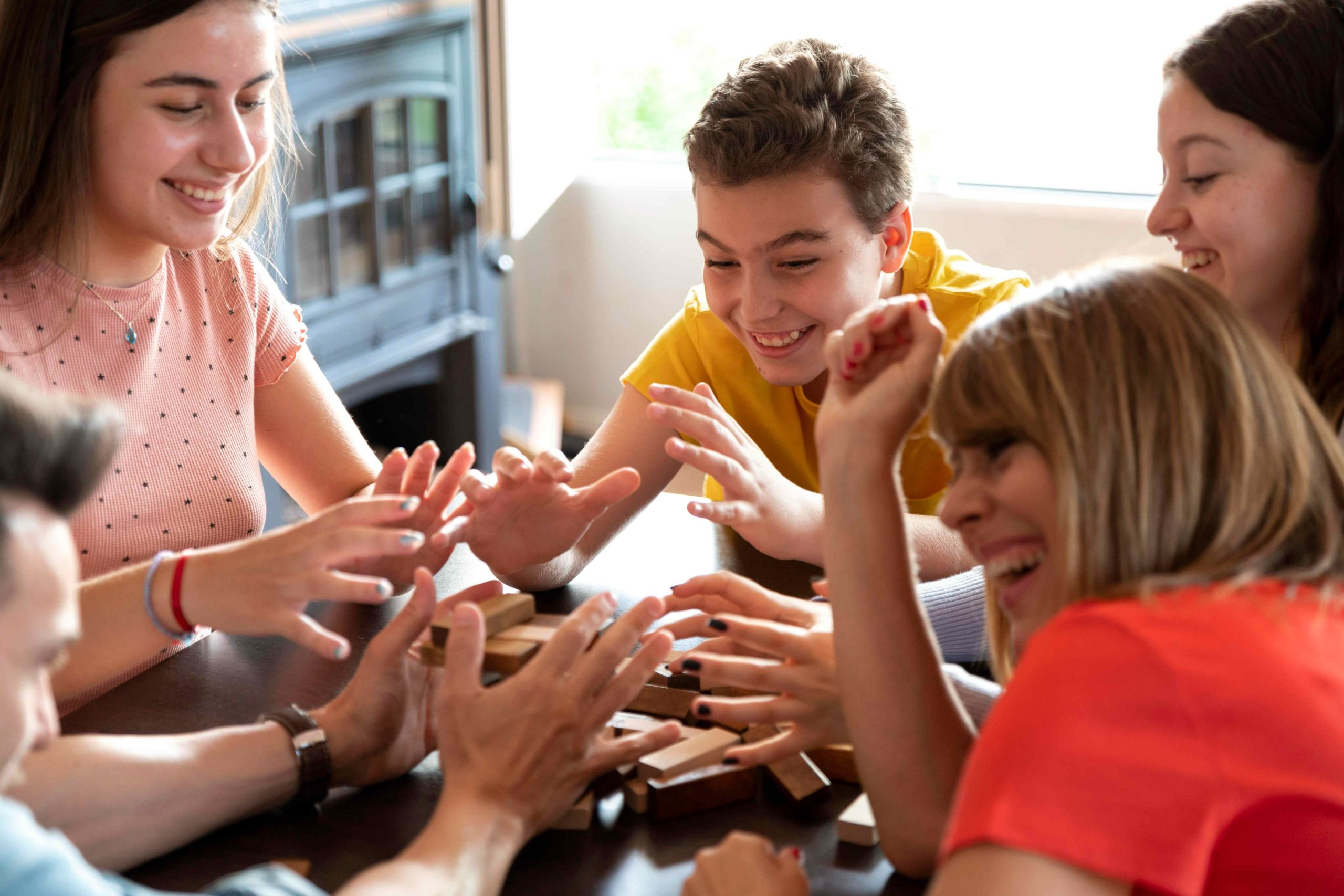
    Engage in activities that foster togetherness and create shared experiences. Family game nights can be a delightful way to spend time together, promoting laughter, communication, and healthy competition. Choose age-appropriate board games or card games that the whole family can enjoy. These activities not only provide entertainment but also teach preschoolers valuable skills such as turn-taking, problem-solving, and sportsmanship.

    Storytelling is a beautiful tradition that transcends generations. Share stories from your own childhood or explore new books together. Reading aloud to preschoolers has numerous benefits, including language development, imagination stimulation, and bonding. Allow them to choose books that capture their interest and engage in conversations about the stories. This not only cultivates a love for reading but also strengthens their listening skills and comprehension.

    Cooking and baking together can be a delightful and educational family activity. Involve preschoolers in simple cooking tasks, such as stirring ingredients or adding toppings. This not only teaches them basic culinary skills but also promotes their understanding of nutrition and encourages healthy eating habits. As you cook together, share family recipes, discuss different flavors and cultures, and savor the joy of creating something delicious as a family.

    Outdoor adventures are an excellent way to bond as a family while enjoying nature. Plan picnics, hikes, or trips to the beach. These outings provide opportunities for preschoolers to explore, play, and connect with the world around them. Engage in outdoor games or sports that everyone can participate in, fostering a sense of unity and shared enjoyment.


    Bedtime Routine: Embracing Peaceful Transitions

    A soothing and consistent bedtime routine is essential for preschoolers to wind down and prepare for a restful night’s sleep. This routine should be designed to calm their minds and bodies, creating a peaceful transition from the activities of the day to a state of relaxation and sleep.

    Begin by establishing a set bedtime that allows for an adequate amount of sleep based on their age. Consistency is key, as it helps preschoolers regulate their internal clocks and signals their bodies when it’s time to rest.

    Create a relaxing environment in the bedroom by dimming lights, lowering noise levels, and minimizing stimulating activities before bed. Encourage quiet play, such as reading a bedtime story or engaging in calming puzzles or coloring. These activities help transition their minds from the excitement of the day to a state of calmness.

    Incorporate soothing activities such as a warm bath or gentle massage into the bedtime routine. The warmth of the water and the gentle touch promote relaxation and prepare the body for sleep. Use calming scents, such as lavender, in the bath or through a diffuser, as they can have a tranquilizing effect.

    Reading a bedtime story together is a cherished tradition that not only promotes a love for reading but also creates a special bond between parent and preschooler. Choose age-appropriate books with calming themes, and let your little one cuddle up next to you as you read. This shared activity allows them to unwind, stimulates their imagination, and sets the stage for a peaceful transition to sleep.

    In addition to storytelling, singing lullabies or playing soft, soothing music can have a calming effect on preschoolers. Music has a way of soothing the soul and creating a serene atmosphere. Choose gentle melodies or instrumental tunes that help lull them into a state of relaxation.

    Ensure that the bedroom is a comfortable and safe environment for sleep. Optimize the temperature, provide cozy bedding, and consider using a nightlight if it helps your preschooler feel secure. A well-prepared sleeping space promotes a sense of comfort and security, allowing for a more peaceful and restful night’s sleep.


    Emotional Support: The Pillar of Holistic Development

    Throughout the preschooler’s day, emotional support plays a central role in nurturing their overall well-being. Preschoolers are learning to navigate their emotions and need guidance and validation during both joyful and challenging moments. Providing a nurturing and supportive environment helps them develop emotional intelligence, resilience, and a strong sense of self.

    Be attuned to their emotions and provide a safe space for them to express themselves. Encourage open communication and active listening, allowing them to share their thoughts, feelings, and concerns. Validate their emotions by acknowledging their experiences and offering understanding and empathy. This helps preschoolers feel seen, heard, and supported, fostering their emotional well-being.

    Teach preschoolers age-appropriate strategies for managing their emotions. Help them identify and label their feelings, guiding them towards healthy ways of expressing themselves. Encourage self-regulation techniques such as deep breathing, counting to ten, or engaging in calming activities like drawing or listening to soothing music. By equipping them with these tools, you empower them to navigate and regulate their emotions effectively.

    Model healthy emotional expression and problem-solving skills. Preschoolers learn by observing the behaviors of the significant adults in their lives. Demonstrate positive ways to handle stress, conflicts, and challenges. Offer guidance and help them explore different solutions to problems, promoting their critical thinking and decision-making skills.

    Celebrate their achievements, no matter how small. Recognize and praise their efforts and accomplishments, whether it’s mastering a new skill, completing a task, or showing kindness towards others. This boosts their self-esteem, builds confidence, and motivates them to continue growing and learning.

    Crafting a nurturing preschooler routine requires careful consideration, patience, and love. By incorporating afternoon engagement activities that align with their interests, dedicating quality family time, establishing a soothing bedtime routine, and providing consistent emotional support, we lay the groundwork for their holistic development. Preschoolers thrive in an environment that balances their physical, emotional, and cognitive needs. As parents and caregivers, let us embrace this journey with compassion and dedication, creating a nurturing routine that fosters their growth into happy, confident, and resilient individuals.

  • Positive Example

    Positive Example

    How Many Hours Do Preschool Teachers Work? A Positive Example

    Preschool teachers play a crucial role in shaping the minds of the next generation. Understanding their work hours is essential to appreciate the demands of their job. In this article, we’ll delve into the work hours of preschool teachers and highlight a positive example of a school that prioritizes their well-being.

    Understanding Preschool Teachers’ Work Hours

    Preschool teachers dedicate long hours to their profession, extending beyond classroom time. Apart from teaching, they prepare lesson plans, attend meetings, and handle administrative tasks. According to the National Association for the Education of Young Preschoolers (NAEYC), full-time preschool teachers typically work around 40 hours per week. However, this can vary based on school policies and individual contracts.

    It’s crucial to recognize that preschool teachers’ work extends beyond classroom hours. They often spend additional time preparing materials, grading assignments, and meeting with parents or administrators.

    Positive Examples of Preschool Teacher Work Hours

    Despite the demanding nature of their work, many preschool teachers find fulfillment in their profession. Some schools offer flexible schedules, allowing teachers to achieve a better work-life balance. Part-time positions, job-sharing arrangements, and telecommuting options are among the flexible work arrangements that benefit both teachers and employers.

    Factors Affecting Preschool Teacher Work Hours

    Several factors influence the number of hours preschool teachers work. School policies, contractual agreements, and the needs of preschoolers and families all play a role. Schools offering extended care hours may require teachers to work longer shifts. Additionally, busy periods like the beginning of the school year or assessment periods may demand extra hours from teachers.

    Addressing the Gender Pay Gap for Preschool Teachers

    The gender pay gap remains a significant issue in the preschool teaching profession. Employers can address this gap by conducting salary audits and providing opportunities for career advancement. Supporting policies like paid parental leave and flexible working arrangements can also help alleviate financial burdens for preschool teachers.

    Promoting Work-Life Balance for Preschool Teachers

    Work-life balance is crucial for preschool teachers’ well-being. Employers can promote this balance by offering benefits like flexible working hours, paid time off, and employee assistance programs. Preschool teachers can also take steps to prioritize self-care and establish boundaries between work and personal life.

    Supporting Preschool Teacher Professional Development

    Professional development is essential for preschool teachers to stay updated with teaching methodologies and enhance their skills. Employers can support this by providing training opportunities and further education assistance. Preschool teachers can also take an active role in their professional development by seeking out learning opportunities and staying informed about industry trends.

    Building a Supportive Community for Preschool Teachers

    Creating a supportive community is vital for preschool teachers’ overall well-being. Employers can foster this by promoting teamwork and mentorship programs. Preschool teachers can also build their own support networks by connecting with colleagues and participating in professional organizations.

  • Relax and Think

    Relax and Think

    The Power of Quiet Time for Preschoolers: Relax and Think

    As parents, we often find ourselves constantly on the go, keeping up with our busy schedules and taking care of our preschoolers. However, it’s important to remember that our little ones need downtime too. This is where quiet time comes into play. Quiet time is a period of restful and calm activities that allow preschoolers to relax, recharge, and think. In this article, we will explore what quiet time for preschoolers entails, why it’s essential, and how to incorporate it into your child’s routine.


    What is Quiet Time for Preschoolers?

    Quiet time is a time for preschoolers to engage in relaxing and calming activities that promote rest and relaxation. It’s different from nap time, as it doesn’t necessarily involve sleeping. During quiet time, preschoolers can read books, colour, play with puzzles, listen to music or engage in other quiet activities that help them unwind. It’s a time where they can recharge their batteries and gain the energy they need for the rest of the day.


    Why is Quiet Time Essential for Preschoolers?

    Preschoolers are constantly growing and developing, both physically and mentally. As they learn, play and explore their world, they become easily overstimulated, leading to tiredness and irritability. This is where quiet time comes in. It provides an opportunity for them to take a break and regulate their emotions. Quiet time helps them to calm down and feel less stressed, allowing them to have a better mood throughout the day. It also helps them to focus better, promoting better cognitive development.


    How to Incorporate Quiet Time into Your Child’s Routine

    The good news is that incorporating quiet time into your child’s routine is easy. Here are some tips to get you started:

    Establish a routine: Set aside a specific time of day for quiet time. It could be in the morning, afternoon or early evening, depending on your child’s routine.

    Create a quiet space: Designate a specific area of your home for quiet time. Make sure it’s free from distractions and noise.

    Choose age-appropriate activities: Provide your child with activities that are appropriate for their age. For instance, if your child is two years old, they may enjoy playing with puzzles, whereas a four-year-old may prefer to read books.

    Be consistent: Consistency is key when it comes to quiet time. Make it a daily routine, so your child knows what to expect.

    Set boundaries: Let your child know that quiet time is a time for rest and relaxation. Encourage them to engage in calming activities and avoid noisy or stimulating activities.


    Benefits of Quiet Time for Preschoolers

    Quiet time offers numerous benefits to preschoolers, including:

    Reduced stress: Quiet time helps preschoolers to calm down and reduce stress levels.

    Improved sleep: When preschoolers engage in quiet activities, they become more relaxed, making it easier for them to fall asleep.

    Better mood: By providing preschoolers with quiet time, you can help them to feel more positive and happier.

    Improved focus: Quiet time helps preschoolers to concentrate better, promoting better cognitive development.

    Increased creativity: During quiet time, preschoolers can engage in creative activities that promote their imagination and creativity.

    Enhanced problem-solving skills: Quiet time provides preschoolers with an opportunity to think and reflect, promoting better problem-solving skills.


    Common Mistakes Parents Make with Quiet Time

    Although quiet time is an essential aspect of preschoolers’ routine, some parents may make mistakes that could undermine its effectiveness.

    Here are some common mistakes parents make with quiet time:

    Not providing enough time: Quiet time should last for at least 30 minutes to an hour to allow preschoolers enough time to relax and recharge.

    Allowing screen time: Screens should be avoided during quiet time as they can be overstimulating and disruptive to the calm atmosphere.

    Not being consistent: Quiet time should be a daily routine, and parents should avoid skipping it or substituting it with other activities.

    Choosing inappropriate activities: Activities chosen for quiet time should be calming and relaxing, and not overstimulating or noisy.

    Not respecting the child’s needs: Preschoolers have different needs when it comes to quiet time. Some may prefer to be alone while others may enjoy quiet activities with a caregiver. Parents should respect their child’s needs and preferences.


    In conclusion, quiet time is an essential aspect of preschoolers’ routine that promotes rest, relaxation, and cognitive development. Parents should provide their preschoolers with a designated time and space for quiet activities and choose calming and age-appropriate activities. By doing so, preschoolers can reap the numerous benefits of quiet time, including reduced stress, better sleep, improved mood, enhanced focus, increased creativity, and better problem-solving skills. As parents, we should make it a priority to incorporate quiet time into our preschooler’s routine to ensure their optimal growth and development.


    Tips for Successful Quiet Time

    Here are some additional tips to make quiet time successful for your preschooler:

    Use a timer: Set a timer for the duration of quiet time to help your child understand when it will end.

    Provide comfort items: Some preschoolers may benefit from having comfort items such as a special blanket or stuffed animal during quiet time.

    Use soothing sounds: Soft, calming music or white noise can help create a peaceful atmosphere during quiet time.

    Avoid interruptions: Let family members know that quiet time is a priority and should not be interrupted.

    Be patient: It may take some time for your child to adjust to quiet time, so be patient and persistent in establishing this routine.

    In conclusion, quiet time is an important aspect of preschoolers’ routine that provides numerous benefits for their growth and development. As parents, we should make it a priority to establish a consistent routine, choose calming activities, and avoid common mistakes to ensure successful quiet time. By doing so, we can help our preschoolers recharge and prepare for the rest of the day with a positive attitude and improved cognitive functioning.


    The Importance of Self-Care for Parents

    As parents, it can be challenging to prioritize self-care when we are busy taking care of our preschoolers. However, self-care is crucial for our mental and physical well-being, and it can also benefit our preschoolers. Here are some reasons why self-care is important for parents:

    Reduced stress: Taking time to engage in self-care activities can reduce stress levels, allowing us to be more patient, calm, and present with our preschoolers.

    Improved mood: Engaging in activities that bring us joy and relaxation can improve our mood, making us happier and more positive in our interactions with our preschoolers.

    Better physical health: Self-care activities such as exercise and healthy eating can improve our physical health, giving us more energy and stamina to keep up with our preschoolers.

    Role modelling: When we prioritize self-care, we are setting a positive example for our preschoolers to follow in their own lives.

    Here are some simple self-care activities that parents can engage in:

    Exercise: Take a yoga class, go for a walk or run, or do an at-home workout.

    Creative activities: Paint, write, or engage in any other creative activity that brings joy.

    Pampering: Take a relaxing bath, get a massage, or do a face mask.

    Social connection: Spend time with friends, join a parent support group, or attend a social event.

    In conclusion, self-care is important for parents to prioritize for their own well-being and for their preschoolers’ benefit. Engaging in self-care activities can reduce stress, improve mood, and physical health, and role model healthy habits for our preschoolers to follow.


    Dealing with Parental Guilt

    Parental guilt is a common feeling among parents, especially when it comes to taking time for self-care or setting boundaries for their preschoolers. However, it is important to address and overcome these feelings to avoid burnout and ensure healthy relationships with our preschoolers. Here are some tips for dealing with parental guilt:

    Acknowledge your feelings: It is normal to feel guilty, but it is important to acknowledge these feelings and understand where they are coming from.

    Challenge negative thoughts: Identify negative thoughts and replace them with positive ones. For example, replace “I am a bad parent for taking time for myself” with “Taking care of myself is important for my well-being and my child’s benefit.”

    Practice self-compassion: Treat yourself with the same kindness and understanding you would offer to a friend.

    Set realistic expectations: Recognize that parenting is challenging, and it is okay to make mistakes or take time for self-care.

    Seek support: Talk to a trusted friend, family member, or therapist about your feelings and seek support if needed.

    In conclusion, parental guilt is a common feeling among parents, but it is important to address and overcome these feelings to ensure our well-being and healthy relationships with our preschoolers. By acknowledging our feelings, challenging negative thoughts, practicing self-compassion, setting realistic expectations, and seeking support, we can overcome parental guilt and prioritize self-care for our benefit and our preschoolers’.


    Creating a Peaceful Home Environment

    A peaceful home environment can have a significant impact on preschoolers’ well-being and behavior. Here are some tips for creating a peaceful home environment:

    Reduce clutter: A cluttered home can lead to stress and anxiety. Reduce clutter by regularly decluttering and organizing your home.

    Incorporate natural elements: Natural elements such as plants or natural light can create a calming and peaceful atmosphere in your home.

    Use calming colors: Colors such as blue or green can create a calming atmosphere in your home.

    Minimize noise: Minimize noise by using sound-absorbing materials or sound machines to create a peaceful environment.

    Set boundaries: Establish clear boundaries and routines for your preschooler to create a sense of security and consistency.

    Model calm behavior: Model calm behavior by using positive communication and problem-solving skills in your interactions with your preschooler.

    In conclusion, creating a peaceful home environment can have a significant impact on preschoolers’ well-being and behavior. By reducing clutter, incorporating natural elements, using calming colors, minimizing noise, setting boundaries, and modeling calm behavior, we can create a peaceful and nurturing environment for our preschoolers to grow and thrive.


    Main Article: What is Quiet Time for Preschoolers? Relax and Think

    As parents, we all know how important it is to keep our preschoolers busy and engaged in activities. However, it is equally important to incorporate quiet time into their daily routine. Quiet time is a period of the day where preschoolers have time to themselves to relax and engage in calming activities.


    What is Quiet Time?

    Quiet time is a designated period of the day where preschoolers have time to themselves to relax and engage in calming activities. During this time, preschoolers are encouraged to engage in activities that promote relaxation and self-reflection. Quiet time can be done individually or as a group activity and can last from 30 minutes to an hour.


    Benefits of Quiet Time

    There are many benefits of incorporating quiet time into your preschooler’s routine, including:

    Improved self-regulation: Preschoolers who engage in quiet time regularly learn to self-regulate their emotions and behaviors.

    Reduced stress and anxiety: Quiet time can reduce stress and anxiety in preschoolers, allowing them to be more calm and present.

    Enhanced creativity: During quiet time, preschoolers can engage in creative activities such as drawing or writing, promoting their creativity.

    Improved concentration: Quiet time can improve preschoolers’ concentration skills, which can benefit them in academic and social settings.

    Better sleep: Preschoolers who engage in quiet time before bedtime may experience better sleep quality.


    How to Incorporate Quiet Time into Your Preschooler’s Routine

    Here are some tips for incorporating quiet time into your preschooler’s routine:

    Choose a designated time: Choose a time of the day that works best for your preschooler, such as before nap time or before bedtime.

    Create a calming environment: Create a peaceful and calming environment for your preschooler to engage in quiet time. This can be done by dimming the lights, playing calming music, or using essential oils.

    Offer calming activities: Offer calming activities such as reading, drawing, or coloring books.

    Set boundaries: Set clear boundaries for quiet time, such as no talking or no electronics.

    Be consistent: Incorporate quiet time into your preschooler’s daily routine to create consistency and a sense of routine.

    In conclusion, quiet time is a designated period of the day where preschoolers have time to themselves to relax and engage in calming activities. Quiet time can have many benefits, including improved self-regulation, reduced stress and anxiety, enhanced creativity, improved concentration, and better sleep. By incorporating quiet time into your preschooler’s routine and creating a calming environment, you can promote their well-being and help them develop important skills for their future.


    Activities for Quiet Time

    Quiet time can be a great opportunity for preschoolers to engage in calming activities that promote relaxation and self-reflection. Here are some activities that you can offer your preschooler during quiet time:

    Reading: Reading is a great activity for preschoolers during quiet time. Encourage them to choose books that interest them and read quietly to themselves.

    Drawing or coloring: Drawing or coloring books can help preschoolers relax and express their creativity. Provide them with coloring books and pencils or markers.

    Mindful breathing: Mindful breathing can help preschoolers relax and focus on the present moment. Teach them how to take deep breaths and focus on their breath.

    Listening to calming music: Listening to calming music can promote relaxation and reduce stress and anxiety. Choose calming music that your preschooler enjoys.

    Yoga: Yoga can help preschoolers relax and improve their flexibility and balance. There are many child-friendly yoga routines that you can find online.

    Journaling: Journaling can help preschoolers express their feelings and thoughts. Provide them with a notebook and encourage them to write or draw in it during quiet time.

    Incorporating these activities into your preschooler’s quiet time routine can help them relax and develop important skills such as self-regulation, creativity, and mindfulness.


    Quiet time is an important part of preschoolers’ daily routines. By creating a calming environment and offering calming activities, you can help your preschooler relax and engage in activities that promote self-reflection and relaxation. So, consider incorporating quiet time into your preschooler’s routine and enjoy the benefits it brings.


    Common Challenges with Quiet Time and How to Overcome Them

    While quiet time can be a great way for preschoolers to relax and engage in calming activities, there may be some challenges that parents face when trying to incorporate it into their routine. Here are some common challenges with quiet time and how to overcome them:

    Resistance: Preschoolers may resist quiet time at first, especially if they are used to being constantly active. It is important to set clear boundaries and expectations for quiet time and to be consistent in enforcing them.

    Distractions: Preschoolers may be easily distracted during quiet time, especially if there are other activities or people around them. It is important to create a quiet and calming environment and to minimize distractions as much as possible.

    Restlessness: Preschoolers may become restless during quiet time, especially if they are not used to being still for long periods of time. Encourage them to engage in calming activities such as drawing or reading and offer positive reinforcement for their efforts.

    Boredom: Preschoolers may become bored during quiet time, especially if they are not engaged in activities that interest them. Offer a variety of calming activities and encourage them to choose activities that interest them.

    Time constraints: Parents may find it difficult to find time for quiet time in their preschooler’s busy schedule. Try to incorporate quiet time into their routine at a set time each day, such as before nap time or before bedtime.

    By being aware of these common challenges and finding ways to overcome them, parents can successfully incorporate quiet time into their preschooler’s routine and enjoy the benefits it brings.


    Incorporating quiet time into your preschooler’s routine can be a challenge, but it is well worth the effort. By setting clear boundaries and expectations, creating a calming environment, offering calming activities, and overcoming common challenges, parents can help their preschoolers relax, reflect, and develop important skills for their future. So, give quiet time a try and see the positive impact it can have on your preschooler’s well-being.