
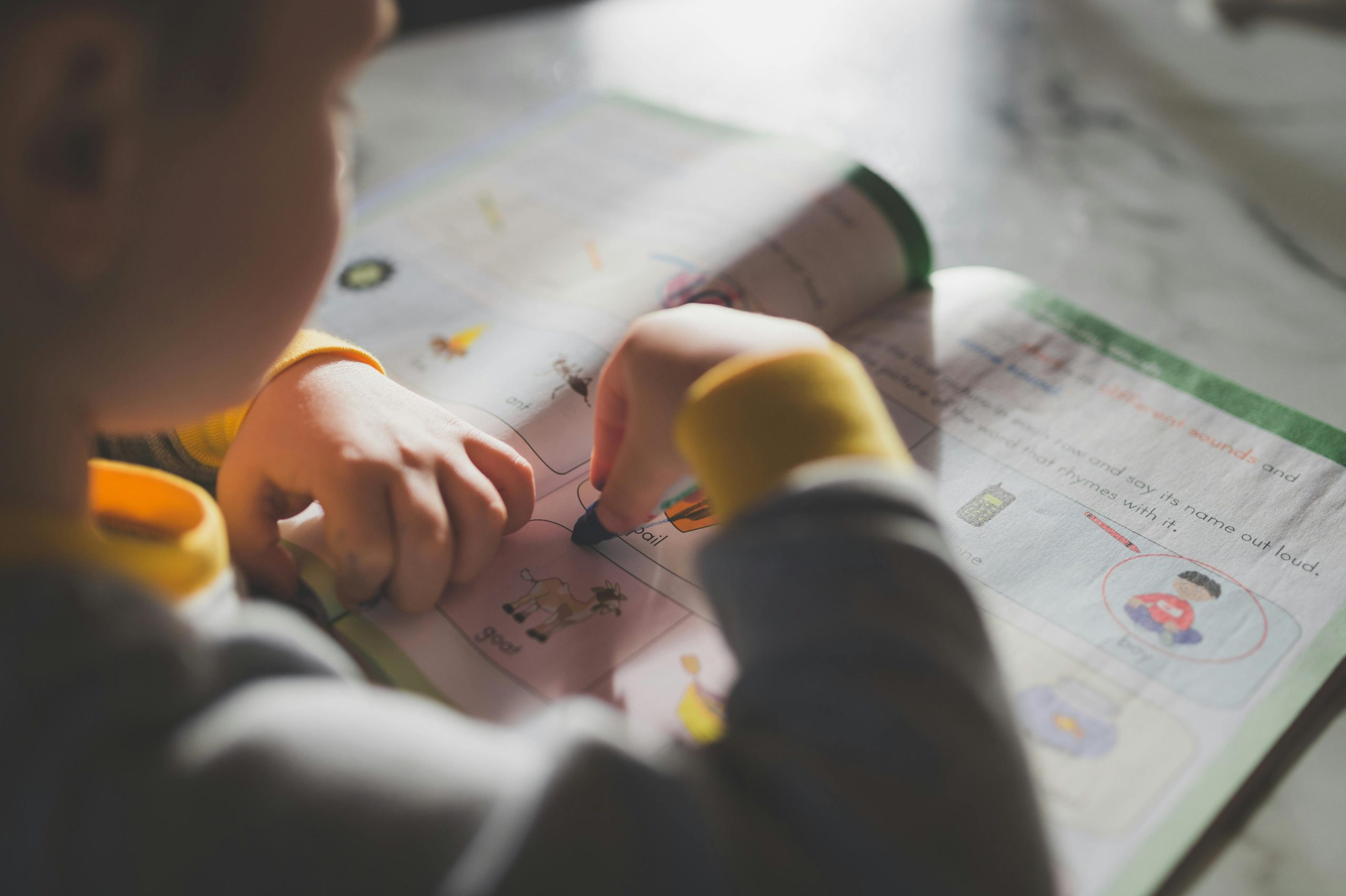
Embracing the Power of Multimodal Learning: Enhancing Preschoolers’ Educational Journey
Introduction:
In today’s dynamic educational landscape, preschoolers benefit from a multimodal approach to learning that engages their senses, promotes active participation, and caters to their diverse learning styles. This article explores the significance of a multimodal approach in early childhood education, highlighting its impact on preschoolers’ cognitive, social-emotional, and physical development. We delve into various modalities of learning, such as visual, auditory, kinesthetic, and tactile, and explore how they can be effectively incorporated into the learning environment.
I. Understanding Multimodal Learning
II. Visual Learning
III. Auditory Learning
IV. Kinesthetic Learning
V. Tactile Learning
VI. Technology Integration
VII. Scaffolded Learning
VIII. Collaborative and Social Learning
IX. Reflection and Assessment
A multimodal approach to learning acknowledges the diverse needs, preferences, and strengths of preschoolers. By integrating visual, auditory, kinesthetic, and tactile modalities into the learning environment, educators create engaging, inclusive, and meaningful experiences that promote holistic development.
Through multimodal learning, preschoolers develop cognitive skills, such as comprehension and problem-solving, while also nurturing social-emotional growth and physical dexterity. By embracing the power of multimodal learning, we empower preschoolers to become active participants in their education, fostering a love for learning that will stay with them throughout their educational journey and beyond.
Let us continue to embrace multimodal approaches in early childhood education, recognizing the immense potential they hold for enhancing preschoolers’ educational experiences and preparing them for a future filled with opportunities. Together, let us celebrate the richness and diversity of preschoolers’ learning styles, ensuring their educational journey is engaging, inclusive, and empowering.
VIII. Promoting Critical Thinking
Promoting critical thinking skills in preschoolers is essential for their cognitive development and future success. Critical thinking involves analyzing information, questioning assumptions, considering different perspectives, and making informed decisions. By fostering critical thinking skills, educators and caregivers empower preschoolers to think critically and independently. Consider the following strategies:
IX. Enhancing Communication Skills
Effective communication skills are crucial for preschoolers’ social interaction, self-expression, and future academic success. By promoting strong communication skills, educators and caregivers support preschoolers in expressing their thoughts, feelings, and ideas with clarity and confidence. Consider the following strategies:
X. Nurturing Creativity and Imagination
Preschoolers have a natural inclination for creativity and imagination. Nurturing these qualities supports their cognitive, emotional, and social development. By fostering creativity and imagination, educators and caregivers inspire preschoolers to explore, experiment, and think outside the box. Consider the following strategies:
XI. Fostering Emotional Intelligence
Emotional intelligence is the ability to recognize, understand, and manage emotions. Fostering emotional intelligence in preschoolers supports their social-emotional well-being, empathy, and positive relationships with others. Consider the following strategies:
XII. Encouraging Independence and Self-Help Skills
Promoting independence and self-help skills in preschoolers supports their self-confidence, self-reliance, and overall development. By encouraging independence, educators and caregivers empower preschoolers to take ownership of their learning and daily activities. Consider the following strategies:
XIII. Cultivating Resilience
Resilience is the ability to bounce back from challenges and setbacks. Cultivating resilience in preschoolers equips them with the skills to navigate difficulties, persevere, and adapt to change. By fostering resilience, educators and caregivers empower preschoolers to overcome obstacles and develop a positive mindset. Consider the following strategies:
XIV. Promoting Healthy Habits and Physical Well-being
Promoting healthy habits and physical well-being in preschoolers supports their overall development, concentration, and ability to engage in learning activities. By emphasizing the importance of healthy habits, educators and caregivers lay the foundation for a lifetime of well-being. Consider the following strategies:
A holistic approach to preschooler development encompasses various dimensions, including cognitive, social-emotional, physical, and life skills. By implementing strategies that promote critical thinking, communication skills, creativity, emotional intelligence, independence, resilience, and physical well-being, educators and caregivers create a nurturing environment where preschoolers can thrive.
Through continued guidance and intentional practices, preschoolers develop the foundational skills and dispositions necessary for lifelong learning and success. Let us embrace our roles as educators and caregivers, recognizing the immense impact we have on preschoolers’ growth and development. Together, let us create a supportive and stimulating environment that empowers preschoolers to reach their full potential and become confident, compassionate, and capable individuals.
XV. Building Positive Relationships and Social Skills
Building positive relationships and developing social skills are essential aspects of preschooler development. By fostering positive connections and teaching important social skills, educators and caregivers lay the groundwork for healthy social interactions and positive relationships. Consider the following strategies:
XVI. Cultivating Cultural Awareness and Diversity
Cultivating cultural awareness and celebrating diversity promotes an inclusive and accepting learning environment. By exposing preschoolers to different cultures, traditions, and perspectives, educators and caregivers foster respect, empathy, and an appreciation for diversity. Consider the following strategies:
XVII. Promoting Environmental Responsibility
Promoting environmental responsibility instills in preschoolers a sense of stewardship and care for the environment. By teaching them the importance of sustainable practices, educators and caregivers help preschoolers become responsible global citizens. Consider the following strategies:
Conclusion:
A multimodal approach to preschooler learning encompasses various aspects of their development, including critical thinking, communication skills, creativity, emotional intelligence, independence, resilience, physical well-being, positive relationships, social skills, cultural awareness, and environmental responsibility.
By adopting a multimodal approach, educators and caregivers create a comprehensive and engaging learning environment that supports preschoolers’ holistic growth and development. It is through our dedication and commitment that we empower preschoolers to become lifelong learners, compassionate individuals, and active participants in their communities.
Let us continue to embrace the power of a multimodal approach, celebrating the unique abilities and potential of each preschooler. Together, we can create a nurturing and inclusive environment that fosters their love for learning, supports their development, and prepares them for a bright and promising future.

Archives
Categories
- Articles
- E-preschool Enrichment
- Jumpstart Preschool
- Montessori Preschool
- Online Preschool
- Preschool
- Preschool Activities
- Preschool Age
- Preschool Apps
- Preschool Art Projects
- Preschool Assessment
- Preschool Assessment Tests
- Preschool Books
- Preschool Bulletin Board Ideas
- Preschool Classroom
- Preschool Coloring Pages
- Preschool Crafts
- Preschool Curriculum
- Preschool Design Ideas
- Preschool Developmental Milestone
- Preschool Drawing
- Preschool Education
- Preschool Fees
- Preschool Field Trip
- Preschool Fire Drills
- Preschool Flashcards
- Preschool For Special Needs
- Preschool Games
- Preschool Goodbye Sayings
- Preschool Goodie Bag Ideas
- Preschool Home Tutor
- Preschool Homeschool
- Preschool Homework
- Preschool Hours
- Preschool Jokes
- Preschool Kids
- Preschool Kit
- Preschool Learning
- Preschool Learning Journey
- Preschool Lesson Plans
- Preschool Levels
- Preschool Lunch Ideas
- Preschool Market
- Preschool Math
- Preschool Meaning
- Preschool Multiple Intelligences
- Preschool Music
- Preschool Newsletter
- Preschool Outdoor Activities
- Preschool Phonics
- Preschool Poem
- Preschool Printables
- Preschool Programmes
- Preschool Quotes
- Preschool Readiness
- Preschool Reading
- Preschool Science Experiments
- Preschool Songs
- Preschool Syllabus
- Preschool Teacher
- Preschool Themes
- Preschool Units
- Preschool Words
- Preschool Workbooks
- Preschool Worksheets
- Preschool Writing Prompts
- Preschool Zoom Backgrounds
- Preschooler
- Transitional Preschool
- Uncategorized
- Virtual Preschool