
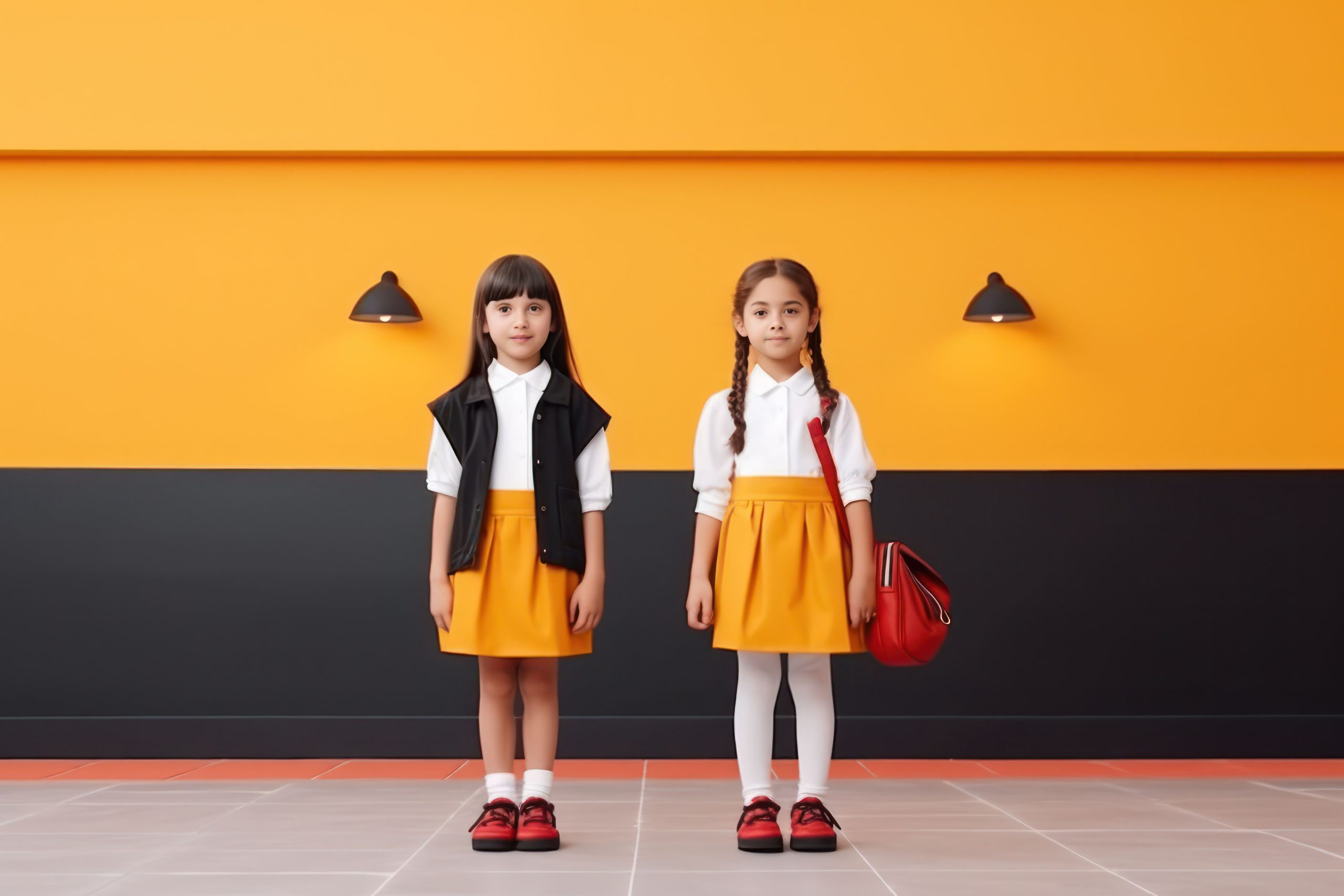
Preschool vs Primary School: Understanding the Difference in Early Childhood Education
Early childhood education forms the cornerstone of a child’s lifelong learning journey, crucially shaping their cognitive, social, and emotional development. However, confusion often arises between the terms ‘preschool’ and ‘primary school,’ leading to their interchangeable use. In reality, these terms denote distinct stages of education. In this article, we will elucidate the disparities between preschool and primary school and underscore their significance in laying educational foundations.
What is Preschool?
Preschool serves as an early childhood education program tailored for children aged three to five. This period is pivotal as children learn socialization, communication, and embark on their academic journey. Preschools offer a nurturing environment, guided by trained professionals, aiming to provide a learning foundation, foster social skills, and cultivate a love for education.
Operated on a part-time basis, preschoolers typically attend for two to three hours daily, up to five days per week. The curriculum emphasizes play-based learning, facilitating exploration and guided activities. It encompasses language and literacy, numeracy, social skills, arts, music, and physical education, nurturing holistic development.
What is Primary School?
Primary school constitutes the initial stage of formal education following preschool. Catering to children aged five to eleven, it offers a structured learning environment. The primary focus is to build upon preschool foundations and develop academic proficiency.
Operating full-time, primary school attendees spend six to seven hours daily, engaging in a curriculum covering subjects such as English, Maths, Science, History, Geography, Art, and Physical Education. Structured lessons aim to enhance reading, writing, numeracy, while fostering social-emotional skills like self-esteem and resilience.
The Differences between Preschool and Primary School
Preschool and primary school diverge significantly. Preschool emphasizes foundational learning and social skills, contrasting with primary school’s focus on academic development. While preschool operates part-time, primary school is full-time. Preschool fosters learning through play and exploration, whereas primary school adopts a structured approach.
Preschoolers learn through hands-on activities, while primary school students follow a set curriculum. Preschools provide a nurturing environment, while primary schools offer a formal setting. Preschool focuses on basic skills and socialization, while primary school introduces a wider range of subjects and academic rigor.
Why is it Important to Understand the Differences?
Understanding the disparities between preschool and primary school is vital for parents, caregivers, and educators. It enables effective preparation for transitions between stages, ensuring children receive adequate support and tools for success. Educators can tailor curriculum and teaching methods accordingly, promoting seamless progression and building upon prior learning.
The Importance of Preschool Education
Preschool education profoundly impacts a child’s cognitive, social, and emotional development, laying the groundwork for future academic and social achievements. It provides a supportive setting for learning and play, fostering language and literacy, social skills, and curiosity.
The Benefits of Primary School Education
Primary school education builds upon preschool foundations, offering structured learning to enhance academic proficiency and social-emotional skills. It equips children with essential literacy, numeracy, and critical thinking skills, preparing them for future academic and professional endeavors.
The Role of Parents and Caregivers in Early Childhood Education
Parents and caregivers play a pivotal role in supporting early childhood education by creating a conducive learning environment at home, engaging in educational activities, and collaborating with educators. Their involvement enhances children’s learning outcomes and fosters a lifelong love for learning.
The Role of Educators in Early Childhood Education
Educators play a crucial role in facilitating early childhood education, providing a nurturing environment, developing appropriate curriculum, and supporting holistic development. They employ diverse teaching strategies to promote learning and social-emotional growth, collaborating with parents to ensure children’s success.
The Challenges of Early Childhood Education
Early childhood education faces challenges such as inadequate funding, limited access, and disruptions due to external factors like the COVID-19 pandemic. Addressing these challenges requires collective efforts from stakeholders to ensure equitable access to high-quality education for all children.
The Future of Early Childhood Education
The future of early childhood education holds promise, with a growing emphasis on improving access, enhancing teacher training, and leveraging technology. Collaborative efforts aimed at promoting evidence-based practices and ensuring equitable access will shape the trajectory of early childhood education.

Archives
Categories
- Articles
- E-preschool Enrichment
- Jumpstart Preschool
- Montessori Preschool
- Online Preschool
- Preschool
- Preschool Activities
- Preschool Age
- Preschool Apps
- Preschool Art Projects
- Preschool Assessment
- Preschool Assessment Tests
- Preschool Books
- Preschool Bulletin Board Ideas
- Preschool Classroom
- Preschool Coloring Pages
- Preschool Crafts
- Preschool Curriculum
- Preschool Design Ideas
- Preschool Developmental Milestone
- Preschool Drawing
- Preschool Education
- Preschool Fees
- Preschool Field Trip
- Preschool Fire Drills
- Preschool Flashcards
- Preschool For Special Needs
- Preschool Games
- Preschool Goodbye Sayings
- Preschool Goodie Bag Ideas
- Preschool Home Tutor
- Preschool Homeschool
- Preschool Homework
- Preschool Hours
- Preschool Jokes
- Preschool Kids
- Preschool Kit
- Preschool Learning
- Preschool Learning Journey
- Preschool Lesson Plans
- Preschool Levels
- Preschool Lunch Ideas
- Preschool Market
- Preschool Math
- Preschool Meaning
- Preschool Multiple Intelligences
- Preschool Music
- Preschool Newsletter
- Preschool Outdoor Activities
- Preschool Phonics
- Preschool Poem
- Preschool Printables
- Preschool Programmes
- Preschool Quotes
- Preschool Readiness
- Preschool Reading
- Preschool Science Experiments
- Preschool Songs
- Preschool Syllabus
- Preschool Teacher
- Preschool Themes
- Preschool Units
- Preschool Words
- Preschool Workbooks
- Preschool Worksheets
- Preschool Writing Prompts
- Preschool Zoom Backgrounds
- Preschooler
- Transitional Preschool
- Uncategorized
- Virtual Preschool