
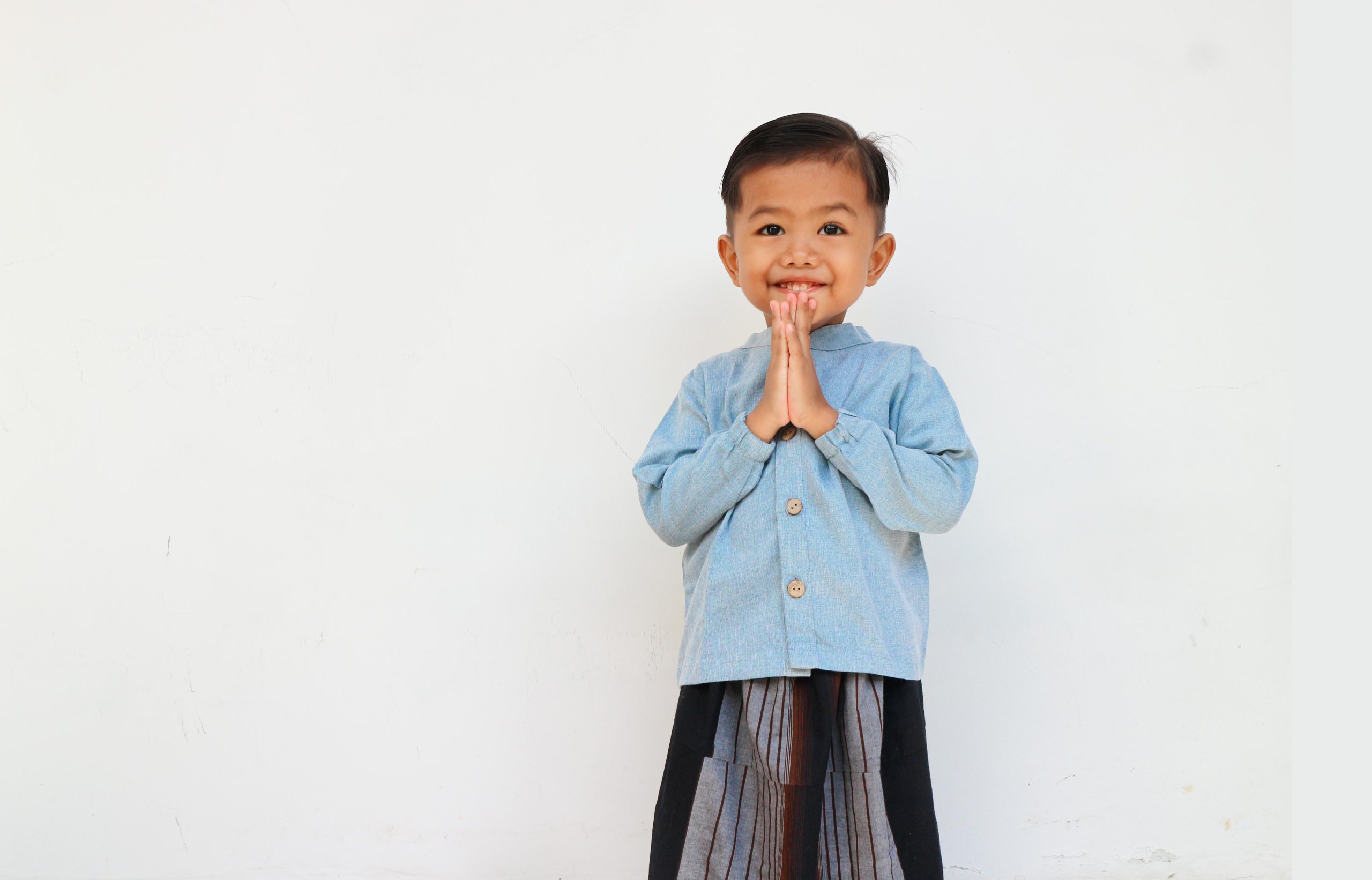
The Impact of Religious Institutions on Preschoolers
During the early years, preschoolers are like sponges, soaking up everything around them. Religious institutions, such as churches, mosques, and synagogues, can have a significant influence on shaping their young minds. Let’s explore how these institutions impact preschoolers’ development.
Building Social Bonds
Religious communities provide a sense of belonging for preschoolers. By attending services, they interact with others who share their beliefs, helping them develop social skills and friendships.
Nurturing Emotional Growth
Religious teachings often emphasize love, forgiveness, and empathy, which are crucial for emotional development. Believing in a higher power can also offer comfort during tough times.
Boosting Mental Skills
Through religious stories and teachings, preschoolers are introduced to new ideas, enhancing their cognitive abilities and critical thinking. Plus, learning from religious texts can improve literacy and numeracy skills.
Shaping Worldview
Religious teachings provide preschoolers with a framework for understanding the world and their place in it. This helps them form a sense of identity and purpose.
Addressing Concerns
While there are concerns about religious teachings, such as promoting intolerance or guilt, parents can mitigate these by encouraging critical thinking and ensuring a safe learning environment.
Practical Tips for Parents
- Start Early: Introduce religious teachings gradually from a young age.
- Choose Wisely: Find a religious institution that aligns with your family values.
- Keep it Fun: Engage preschoolers with enjoyable religious activities.
- Stay Involved: Participate in religious practices together as a family.
- Respect Choices: Allow preschoolers to form their own beliefs.
Benefits for Preschoolers
Incorporating religious institutions into preschoolers’ lives can provide a sense of community, promote positive values, and help develop a strong sense of identity.
Educators’ Role
Preschool educators can support families by providing information, fostering inclusivity, creating a safe space for discussion, encouraging critical thinking, respecting differences, and collaborating with families.
Conclusion
Religious institutions can play a vital role in preschoolers’ development. While there are concerns, with thoughtful guidance and involvement, they can provide numerous benefits for young minds.

Archives
Categories
- Articles
- E-preschool Enrichment
- Jumpstart Preschool
- Montessori Preschool
- Online Preschool
- Preschool
- Preschool Activities
- Preschool Age
- Preschool Apps
- Preschool Art Projects
- Preschool Assessment
- Preschool Assessment Tests
- Preschool Books
- Preschool Bulletin Board Ideas
- Preschool Classroom
- Preschool Coloring Pages
- Preschool Crafts
- Preschool Curriculum
- Preschool Design Ideas
- Preschool Developmental Milestone
- Preschool Drawing
- Preschool Education
- Preschool Fees
- Preschool Field Trip
- Preschool Fire Drills
- Preschool Flashcards
- Preschool For Special Needs
- Preschool Games
- Preschool Goodbye Sayings
- Preschool Goodie Bag Ideas
- Preschool Home Tutor
- Preschool Homeschool
- Preschool Homework
- Preschool Hours
- Preschool Jokes
- Preschool Kids
- Preschool Kit
- Preschool Learning
- Preschool Learning Journey
- Preschool Lesson Plans
- Preschool Levels
- Preschool Lunch Ideas
- Preschool Market
- Preschool Math
- Preschool Meaning
- Preschool Multiple Intelligences
- Preschool Music
- Preschool Newsletter
- Preschool Outdoor Activities
- Preschool Phonics
- Preschool Poem
- Preschool Printables
- Preschool Programmes
- Preschool Quotes
- Preschool Readiness
- Preschool Reading
- Preschool Science Experiments
- Preschool Songs
- Preschool Syllabus
- Preschool Teacher
- Preschool Themes
- Preschool Units
- Preschool Words
- Preschool Workbooks
- Preschool Worksheets
- Preschool Writing Prompts
- Preschool Zoom Backgrounds
- Preschooler
- Transitional Preschool
- Uncategorized
- Virtual Preschool