
The Magic of Classic Poetry for Preschoolers
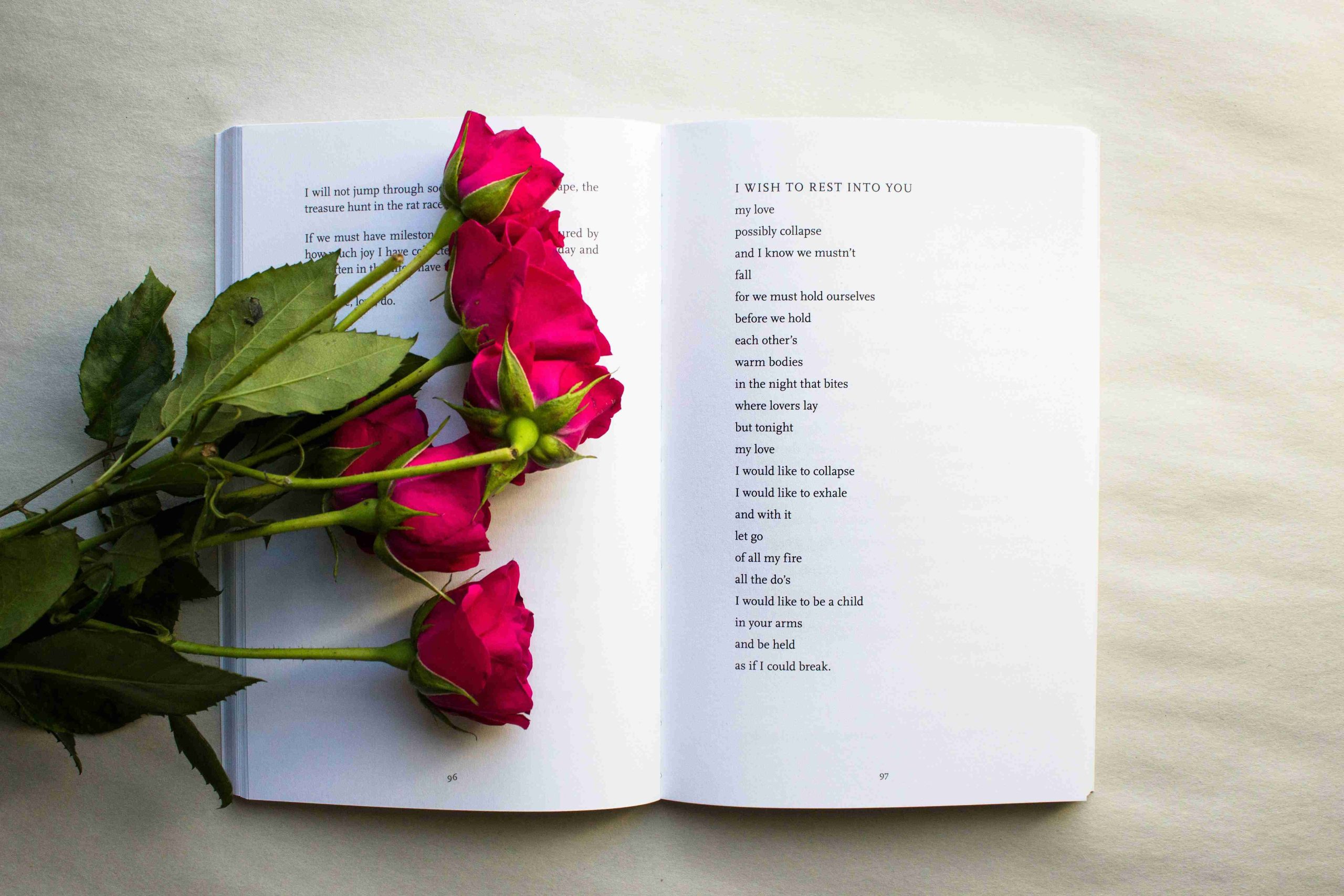
When one thinks of classic poetry, many images may come to mind: elegant stanzas, complex rhyme schemes, and the flowery language of a bygone era. Yet beyond these surface-level qualities lies a world of beauty and emotion that has captivated readers for centuries. Whether we are exploring the works of Shakespeare, Wordsworth, or Dickinson, classic poetry can evoke a range of emotions and paint vivid pictures in our minds. This article will dive into the history of classic poetry and examine how it affects us.
The Power of Emotion in Classic Poetry
One of the most affecting features of classic poetry is its use of language to provoke emotion. Poets of this genre are masters at painting vivid pictures with their words, often relying on metaphor and imagery to convey complex emotions. Consider Shakespeare’s Sonnet 18, which begins, “Shall I compare thee to a summer’s day? / Thou art more lovely and more temperate.” In just two lines, Shakespeare manages to evoke the beauty of a summer day and compare it to the beauty of his beloved. This use of metaphor not only captures the reader’s attention but also establishes a psychological connection that lasts long after we finish reading.
Exploring Universal Themes
Another hallmark of classic poetry is how it explores universal themes that transcend time and place. From love and loss to the beauty of nature, classic poets have tackled some of the most fundamental aspects of the human experience. For example, in John Keats’ “Ode to a Nightingale,” the poet explores themes of mortality and the desire for escape. The poem’s narrator longs to escape the confines of his mortality and join the nightingale in the “realm of faery.” This universal longing for transcendence is something that resonates with readers across generations and cultures.
The Historical Context of Classic Poetry
Classic poetry is also rooted in the history and culture of the past when it was created. Many of this genre’s poets wrote during times of great political, social, and cultural upheaval, and their works reflect these events. For example, the romantic poets who lived in the late 18th and early 19th centuries responded to the rise of industry and the Enlightenment’s emphasis on logic and reason. Instead, they sought to discover the beauty and mystery of the natural world as a whole, as well as the deep secrets of the human psyche. This historical context gives their poetry a richness and depth impossible to replicate.
Appreciating Classic Poetry
Of course, classic poetry is not without its critics. Some argue that the genre is overly formal and rigid, with strict rules around meter, rhyme, and structure. Others suggest it is inaccessible to modern readers, with its archaic language and references to long-forgotten events and people. While these criticisms may have some validity, they miss the point of what makes classic poetry so special. It takes time, patience, and a willingness to become familiar with the complex nature of the subject matter while reading it rapidly or casually. But this is only for those who can give time and effort in reading and creating a poem, then for sure, the output prize will be satisfaction.
The Enduring Appeal of Classic Poetry
One of the most enduring characteristics of classic poetry is its ability to connect us to something larger than ourselves. Through the power of language, these poems transport us to different times and places, evoke complex emotions, and explore universal themes. It reminds us of the weakness and elegance of the human experience, as well as the value of connecting with our surroundings. When we read and reread classic poems, we get a sense of where we belong in the world as well as the effect that we may have on people around us.
The Benefits of Classic Poetry for Preschoolers
Classic poetry offers many benefits for preschoolers, both in terms of their language development and their overall cognitive and emotional growth. Here are just a few of how classic poetry can benefit preschoolers:
- Enhancing Language Skills
- Fostering Imagination and Creativity
- Developing Social and Emotional Skills
- Encouraging Active Listening and Critical Thinking
- Connecting with History and Culture
Tips for Introducing Classic Poetry to Preschoolers
It may appear intimidating to introduce preschoolers to classic poetry, but with a little creativity and patience, it can be a fun and engaging experience. Here are some tips:
- Start with Simple Poems
- Use Visual Aids
- Act Out the Poem
- Make it a Game
- Discuss the Poem
In short, introducing classic poetry to preschoolers can be a fun and engaging experience with the right approach. Starting with simple poems, using visual aids, acting out the poem, making it a game, and discussing it with preschoolers, parents, and educators can help to foster a love of literature and language that will stay with them throughout their lives.

Archives
Categories
- Articles
- E-preschool Enrichment
- Jumpstart Preschool
- Montessori Preschool
- Online Preschool
- Preschool
- Preschool Activities
- Preschool Age
- Preschool Apps
- Preschool Art Projects
- Preschool Assessment
- Preschool Assessment Tests
- Preschool Books
- Preschool Bulletin Board Ideas
- Preschool Classroom
- Preschool Coloring Pages
- Preschool Crafts
- Preschool Curriculum
- Preschool Design Ideas
- Preschool Developmental Milestone
- Preschool Drawing
- Preschool Education
- Preschool Fees
- Preschool Field Trip
- Preschool Fire Drills
- Preschool Flashcards
- Preschool For Special Needs
- Preschool Games
- Preschool Goodbye Sayings
- Preschool Goodie Bag Ideas
- Preschool Home Tutor
- Preschool Homeschool
- Preschool Homework
- Preschool Hours
- Preschool Jokes
- Preschool Kids
- Preschool Kit
- Preschool Learning
- Preschool Learning Journey
- Preschool Lesson Plans
- Preschool Levels
- Preschool Lunch Ideas
- Preschool Market
- Preschool Math
- Preschool Meaning
- Preschool Multiple Intelligences
- Preschool Music
- Preschool Newsletter
- Preschool Outdoor Activities
- Preschool Phonics
- Preschool Poem
- Preschool Printables
- Preschool Programmes
- Preschool Quotes
- Preschool Readiness
- Preschool Reading
- Preschool Science Experiments
- Preschool Songs
- Preschool Syllabus
- Preschool Teacher
- Preschool Themes
- Preschool Units
- Preschool Words
- Preschool Workbooks
- Preschool Worksheets
- Preschool Writing Prompts
- Preschool Zoom Backgrounds
- Preschooler
- Transitional Preschool
- Uncategorized
- Virtual Preschool