
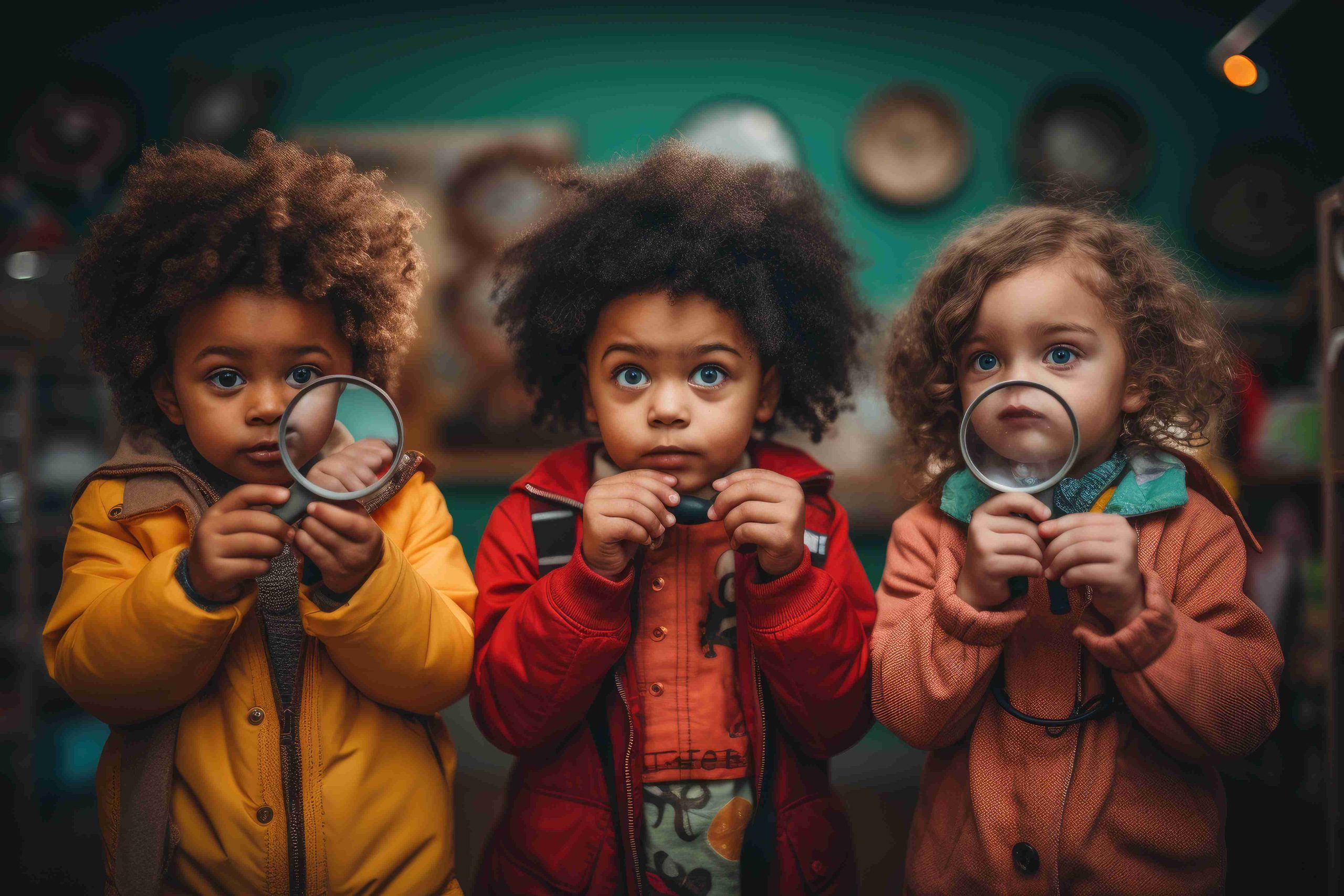
The Importance of Preschool Learning Objectives: How to Set Developmentally Appropriate Goals for Young Preschoolers
As parents and educators, we share the goal of ensuring our preschoolers thrive and reach their full potential. Achieving this necessitates a clear understanding of what we aim to accomplish and how we can support their learning and development. This is where preschool learning objectives play a crucial role. In this article, we’ll delve into why preschool learning objectives are essential, how to establish developmentally appropriate goals for preschoolers, and provide examples of common objectives.
Why Preschool Learning Objectives Matter
Preschool learning objectives are fundamental for delivering a well-rounded and developmentally appropriate education. They serve as a roadmap for teachers and parents, outlining what preschoolers should achieve at different developmental stages. By establishing clear and measurable objectives, educators and parents can track children’s progress toward key milestones in language development, social skills, and early literacy and numeracy. Furthermore, these objectives foster consistency and equity in preschool education, ensuring all children receive quality education and support.
Setting Goals for Preschoolers
When setting preschool learning objectives, it’s crucial to consider each child’s unique needs and developmental stage. While aiming high is commendable, it’s essential to recognize that preschoolers progress at their pace and in various ways. Developmentally appropriate goals should be realistic, achievable, and aligned with each child’s needs and interests, including cultural and linguistic differences. To establish such goals, understanding the key developmental domains and milestones is vital.
Examples of Common Preschool Learning Objectives
Here are examples of preschool learning objectives across different domains:
1, Language and Communication:
- Recognize upper and lowercase letters of the alphabet
- Utilize basic punctuation in writing, like periods and question marks
- Follow two-step directions, such as “put on your coat and go outside.”
2. Social and Emotional Development:
- Share toys and take turns during playtime
- Identify and express basic emotions like happiness, sadness, and anger
- Demonstrate politeness by saying “please” and “thank you.”
3. Physical Development:
- Cut along a straight line using scissors
- Improve ball-catching and throwing accuracy
- Climb stairs independently, without assistance.
4. Cognitive Development:
- Sort objects by color, shape, or size
- Count up to ten objects accurately
- Identify and name basic 2D shapes like circles, squares, and triangles.
Remember, these examples are adaptable, emphasizing the importance of tailoring objectives to each child’s abilities and interests.
In Conclusion
Preschool learning objectives are vital for ensuring children receive an education that nurtures their cognitive, social, emotional, and physical development. By setting clear and achievable goals, educators and parents can guide preschoolers toward success. It’s crucial to consider individual needs and developmental stages when establishing objectives, promoting equitable learning opportunities for all preschoolers. Together, let’s empower our preschoolers to thrive and lay the foundation for lifelong learning and growth.

Archives
Categories
- Articles
- E-preschool Enrichment
- Jumpstart Preschool
- Montessori Preschool
- Online Preschool
- Preschool
- Preschool Activities
- Preschool Age
- Preschool Apps
- Preschool Art Projects
- Preschool Assessment
- Preschool Assessment Tests
- Preschool Books
- Preschool Bulletin Board Ideas
- Preschool Classroom
- Preschool Coloring Pages
- Preschool Crafts
- Preschool Curriculum
- Preschool Design Ideas
- Preschool Developmental Milestone
- Preschool Drawing
- Preschool Education
- Preschool Fees
- Preschool Field Trip
- Preschool Fire Drills
- Preschool Flashcards
- Preschool For Special Needs
- Preschool Games
- Preschool Goodbye Sayings
- Preschool Goodie Bag Ideas
- Preschool Home Tutor
- Preschool Homeschool
- Preschool Homework
- Preschool Hours
- Preschool Jokes
- Preschool Kids
- Preschool Kit
- Preschool Learning
- Preschool Learning Journey
- Preschool Lesson Plans
- Preschool Levels
- Preschool Lunch Ideas
- Preschool Market
- Preschool Math
- Preschool Meaning
- Preschool Multiple Intelligences
- Preschool Music
- Preschool Newsletter
- Preschool Outdoor Activities
- Preschool Phonics
- Preschool Poem
- Preschool Printables
- Preschool Programmes
- Preschool Quotes
- Preschool Readiness
- Preschool Reading
- Preschool Science Experiments
- Preschool Songs
- Preschool Syllabus
- Preschool Teacher
- Preschool Themes
- Preschool Units
- Preschool Words
- Preschool Workbooks
- Preschool Worksheets
- Preschool Writing Prompts
- Preschool Zoom Backgrounds
- Preschooler
- Transitional Preschool
- Uncategorized
- Virtual Preschool