
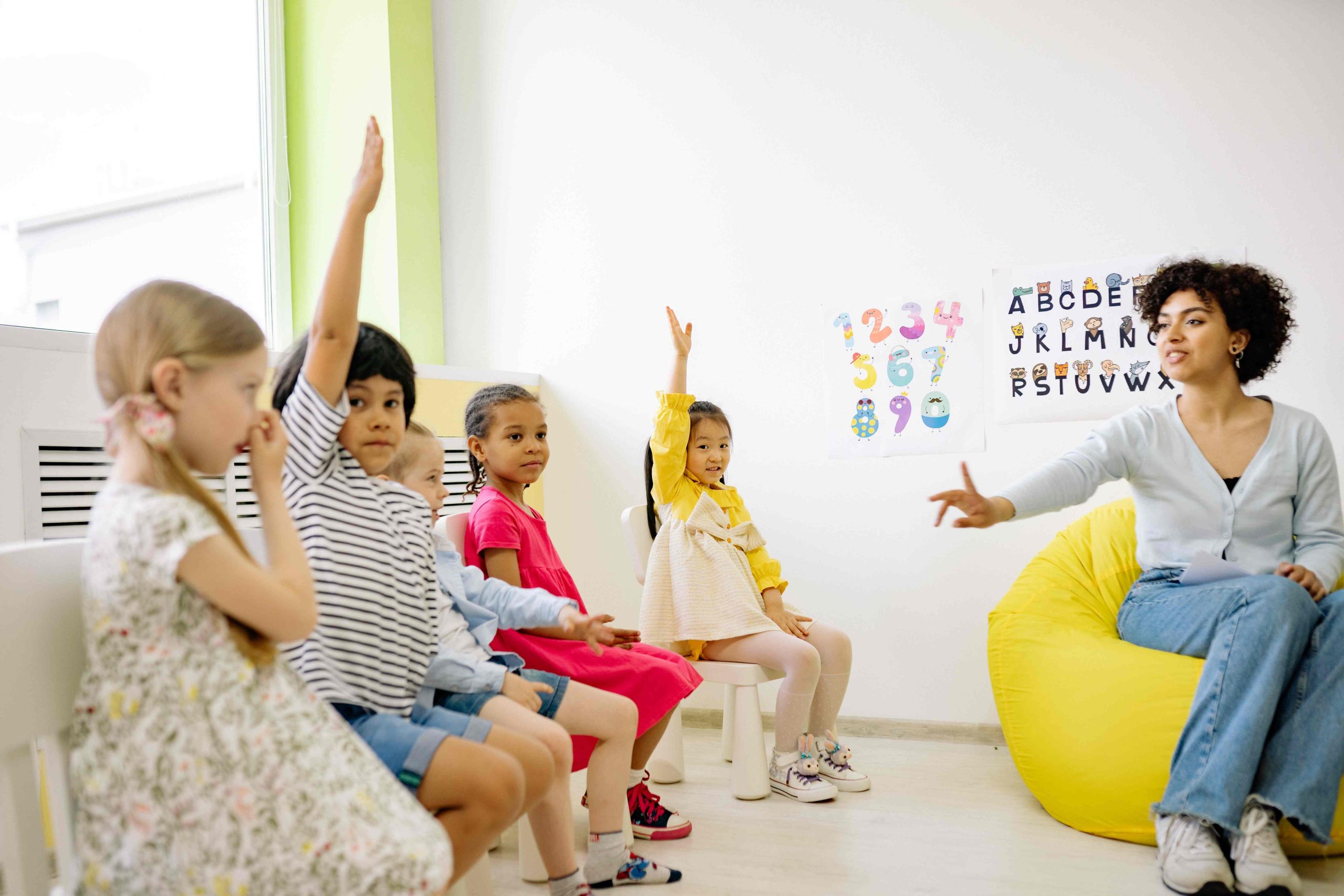
Understanding the Different Learning Stages of Preschoolers
Although learning is continuous throughout our lives, it’s particularly crucial during the early years. Preschoolers undergo distinct stages of learning, each with its unique characteristics and challenges. Here, we’ll explore these phases and discuss ways parents and teachers can support children during these critical times.
Stage 1: The Sensorimotor Stage (Birth to 2 years)
In this initial stage, lasting from birth to around age two, preschoolers learn primarily through their senses and motor skills. They explore the world around them, developing concepts like object permanence. Parents can support this stage by providing safe, stimulating environments and engaging toys that encourage sensory exploration.
Stage 2: The Preoperational Stage (2 to 7 years)
From ages two to seven, preschoolers begin using symbols to represent objects and ideas. While their cognitive skills grow, they may still struggle with egocentric thinking. Encouraging imaginative play and language development can aid their progress during this stage.
Stage 3: The Concrete Operational Stage (7 to 12 years)
During this stage, which typically spans from seven to twelve years old, preschoolers develop more advanced cognitive abilities, such as logical thinking and understanding conservation. Problem-solving activities like puzzles and math games can help foster cognitive growth.
Stage 4: The Formal Operational Stage (12 years and above)
In the formal operational stage, beginning around age twelve and continuing into adulthood, preschoolers develop abstract thinking and hypothetical reasoning skills. Engaging in activities like debate and philosophy can aid in their critical thinking development.
Learning Styles
Each child has a unique learning style, which may include visual, auditory, kinesthetic, or other preferences. Understanding a child’s learning style can help parents provide tailored support to maximize their learning potential.
Role of Play
Play is essential for preschoolers’ cognitive, social, and emotional development. As they progress through different stages, the nature of play evolves, offering opportunities for exploration, imagination, problem-solving, and critical thinking.
Conclusion
Understanding the various learning stages of preschoolers allows parents and teachers to create developmentally appropriate learning experiences. By recognizing individual learning styles and fostering growth through play and structured activities, we can help preschoolers thrive and develop a lifelong love of learning.

Archives
Categories
- Articles
- E-preschool Enrichment
- Jumpstart Preschool
- Montessori Preschool
- Online Preschool
- Preschool
- Preschool Activities
- Preschool Age
- Preschool Apps
- Preschool Art Projects
- Preschool Assessment
- Preschool Assessment Tests
- Preschool Books
- Preschool Bulletin Board Ideas
- Preschool Classroom
- Preschool Coloring Pages
- Preschool Crafts
- Preschool Curriculum
- Preschool Design Ideas
- Preschool Developmental Milestone
- Preschool Drawing
- Preschool Education
- Preschool Fees
- Preschool Field Trip
- Preschool Fire Drills
- Preschool Flashcards
- Preschool For Special Needs
- Preschool Games
- Preschool Goodbye Sayings
- Preschool Goodie Bag Ideas
- Preschool Home Tutor
- Preschool Homeschool
- Preschool Homework
- Preschool Hours
- Preschool Jokes
- Preschool Kids
- Preschool Kit
- Preschool Learning
- Preschool Learning Journey
- Preschool Lesson Plans
- Preschool Levels
- Preschool Lunch Ideas
- Preschool Market
- Preschool Math
- Preschool Meaning
- Preschool Multiple Intelligences
- Preschool Music
- Preschool Newsletter
- Preschool Outdoor Activities
- Preschool Phonics
- Preschool Poem
- Preschool Printables
- Preschool Programmes
- Preschool Quotes
- Preschool Readiness
- Preschool Reading
- Preschool Science Experiments
- Preschool Songs
- Preschool Syllabus
- Preschool Teacher
- Preschool Themes
- Preschool Units
- Preschool Words
- Preschool Workbooks
- Preschool Worksheets
- Preschool Writing Prompts
- Preschool Zoom Backgrounds
- Preschooler
- Transitional Preschool
- Uncategorized
- Virtual Preschool