Category: Preschool Games

  • Conventional Games

    Conventional Games

    The Best Conventional Games for Preschoolers


    Playing games is one of the most enjoyable activities for preschoolers. Games can help them develop their physical, mental, and emotional skills. They can also learn social skills, such as sharing and taking turns, while having fun with their friends and family. However, not all games are appropriate for preschoolers. Some games are too complicated, too violent, or too challenging for their age. In this article, we will discuss the best conventional games for preschoolers based on six criteria: safety, simplicity, creativity, fun, learning, and socialization.


    Safety:

    Safety is the most important criterion when choosing games for preschoolers. Preschoolers at this age are still developing their motor skills and may not be aware of potential dangers. Therefore, games that involve small parts, sharp objects, or complicated rules should be avoided. Instead, preschoolers should play games that are safe and easy to understand. For example, games that involve throwing or catching soft objects, such as balls or beanbags, are great for preschoolers. They can also play games that involve running, jumping, or crawling, such as tag, hide and seek, or obstacle courses.


    Simplicity:

    Preschoolers have a limited attention span and may not be able to follow complex rules. Therefore, games that are simple and straightforward are ideal for them. The rules should be easy to explain and understand, and the gameplay should be repetitive and predictable. For example, board games that involve rolling dice and moving pieces around a board can be too complicated for preschoolers. Instead, they can play games that involve matching, sorting, or stacking, such as memory games, dominoes, or blocks.


    Creativity:

    Preschoolers have a vivid imagination and love to explore new ideas and concepts. Therefore, games that encourage creativity and self-expression are beneficial for them. They can play games that involve drawing, painting, or building, such as coloring books, playdough, or puzzles. They can also play games that involve role-playing, such as dress-up, puppet shows, or pretend play. These games can help preschoolers develop their creativity and imagination while having fun.


    Fun:

    Preschoolers love to have fun, and games are a great way to provide them with entertainment and enjoyment. Games should be engaging, exciting, and challenging enough to keep their interest. They should also be able to adapt to the different skill levels and abilities of preschoolers. For example, games that involve racing, chasing, or catching, such as relay races, ball games, or Simon says, are great for preschoolers. They can also play games that involve singing, dancing, or acting, such as karaoke, musical chairs, or charades.


    Learning:

    Preschoolers are constantly learning and developing new skills and abilities. Therefore, games that help them learn and grow are essential for their development. Games can help them learn new concepts, such as colors, shapes, numbers, or letters, while having fun. For example, games that involve counting, such as bingo or hopscotch, can help preschoolers develop their math skills. Games that involve matching or sorting, such as memory games or puzzles, can help preschoolers develop their cognitive skills. Games that involve singing or storytelling, such as nursery rhymes or storybooks, can help preschoolers develop their language skills.


    Socialization:

    Preschoolers are social creatures and enjoy playing with their friends and family. Therefore, games that promote socialization and interaction are valuable for their development. Games can help them learn social skills, such as sharing, taking turns, and cooperating, while having fun. For example, games that involve teamwork, such as building blocks or playing catch, can help preschoolers develop their social skills. Games that involve role-playing, such as pretending to be doctors or firefighters, can also help preschoolers learn how to interact with others and develop empathy.


    Top 5 Conventional Games for Preschoolers

    1. Duck, Duck, Goose – This classic game is perfect for preschoolers. The rules are simple: one player is “it” and goes around the circle tapping each player on the head, saying “duck” for each tap. Eventually, the “it” player chooses one player to be “goose,” and they run around the circle trying to tag each other. If the goose tags the “it” player, they become “it” for the next round.

    2. Simon Says – Another classic game, Simon Says is great for preschoolers because it helps them develop listening skills and body awareness. The rules are simple: the leader (Simon) gives instructions, such as “Simon says touch your toes” or “Simon says jump up and down.” Players must only follow the instructions if they begin with “Simon says.” If they follow an instruction without “Simon says,” they’re out.

    3. Red Light, Green Light – This game is perfect for preschoolers who love to run and play. The rules are simple: one player is the “stoplight” and stands at the opposite end of the playing area. The other players stand at the starting line. When the stoplight says “green light,” players run towards the stoplight. When the stoplight says “red light,” players must stop. The first player to reach the stoplight wins.

    4. Musical Chairs – This game is great for preschoolers who love music and dancing. The rules are simple: players walk around a circle of chairs while music plays. When the music stops, players must sit in a chair. One chair is removed each round, and the last player standing wins.

    5. Jenga – This game is perfect for preschoolers who love building and stacking. The rules are simple: players take turns removing one block from a tower and placing it on top. The tower becomes more unstable as more blocks are removed, and the player who causes the tower to fall loses.


    How to Choose the Best Conventional Games for Preschoolers?

    Choosing the best conventional games for preschoolers can be challenging, but it doesn’t have to be. Here are some tips on how to choose the best games for your preschooler:

    1. Consider their age and skill level – Choose games that are appropriate for your child’s age and skill level. Don’t choose games that are too challenging or too easy for them.

    2. Consider their interests – Choose games that match your child’s interests. If they love sports, choose games that involve running or catching. If they love art, choose games that involve drawing or painting.

    3. Consider the number of players – Choose games that can be played with the number of players you have available. Some games require more players than others.

    4. Consider the space available – Choose games that can be played in the space available. Some games require more space than others.

    5. Consider the materials required – Choose games that don’t require expensive or hard-to-find materials. Some games can be played with everyday items, such as balls, beanbags, or cardboard boxes.

    In addition to the top 5 conventional games for preschoolers and tips on how to choose the best games, there are also some other factors to consider when selecting games for preschoolers. For example, it’s important to choose games that promote physical activity and exercise, as this is crucial for the development of gross motor skills and overall health. Games that involve jumping, running, and throwing can be great for this purpose.

    It’s also important to choose games that promote creativity and imagination, as these are important skills for preschoolers to develop. Games that involve storytelling, role-playing, and make-believe can help preschoolers develop their creativity and imagination, as well as their language skills.

    Finally, it’s important to choose games that are inclusive and promote socialization. Games that involve teamwork and cooperation can be great for this purpose. In addition, games that involve turn-taking and waiting can help preschoolers learn patience and self-control.


    Benefits of Playing Conventional Games for Preschoolers

    Playing conventional games can have many benefits for preschoolers, beyond just providing entertainment. Here are some of the key benefits of playing games for preschoolers:


    1. Develops gross and fine motor skills – Many games require preschoolers to use their bodies in different ways, such as jumping, running, and throwing. This helps to develop their gross motor skills. Games that involve manipulating small objects, such as blocks or cards, can also help to develop their fine motor skills.

    2. Encourages language development – Games that involve storytelling, role-playing, and make-believe can help preschoolers develop their language skills. They learn new words and phrases, practice sentence construction, and improve their communication skills.

    3. Promotes cognitive development – Playing games can help preschoolers develop their cognitive skills, such as problem-solving, decision-making, and memory. Games that involve strategy, logic, and memory can be especially beneficial.

    4. Fosters social and emotional development – Games that involve teamwork, cooperation, and turn-taking can help preschoolers develop their social and emotional skills. They learn how to interact with others, take turns, share, and express their emotions in a healthy way.


    Safety Tips for Playing Conventional Games with Preschoolers

    While playing games with preschoolers can be a lot of fun, it’s important to prioritize safety. Here are some safety tips to keep in mind when playing conventional games with preschoolers:

    1. Choose age-appropriate games – Make sure the game you choose is appropriate for your child’s age and skill level. Don’t choose games that are too challenging or too easy for them.

    2. Check for small parts – Avoid games that have small parts that could be a choking hazard for preschoolers.

    3. Supervise play – Make sure to supervise your preschooler as they play, especially if the game involves physical activity or objects that could be dangerous.

    4. Clear the play area – Make sure the play area is free from hazards, such as sharp objects or tripping hazards.

    5. Emphasize good sportsmanship – Teach your preschooler to play fairly and show good sportsmanship. Encourage them to congratulate others on their successes and to learn from their mistakes.


    Alternative Conventional Games for Preschoolers

    While the top 5 conventional games for preschoolers listed earlier are great options, there are many other conventional games that can be fun and beneficial for preschoolers. Here are some additional games to consider:

    1. Follow the Leader – This game involves one player leading the others in a series of movements or actions. The other players must follow along and do the same actions. Players take turns being the leader.

    2. Mother, May I? – This game involves one player being the “Mother” and the other players asking for permission to take certain steps or movements. The Mother can grant or deny permission, and players must follow her commands to advance in the game.

    3. Hot Potato – This game involves passing a potato (or any other object) around a circle of players. The player holding the potato when the music stops is out. The last player standing wins.

    4. Beanbag Toss – This game involves throwing beanbags into targets, such as baskets or boxes. Players earn points for landing the beanbags in the targets, and the player with the most points at the end of the game wins.

    5. Ring Toss – This game involves tossing rings onto pegs or other targets. Players earn points for landing the rings on the targets, and the player with the most points at the end of the game wins.


    Incorporating Educational Concepts into Conventional Games for Preschoolers

    Conventional games can be a fun and effective way to incorporate educational concepts into playtime with preschoolers. Here are some ways to incorporate educational concepts into conventional games:

    1. Counting – Many conventional games involve counting, such as Chutes and Ladders or Candy Land. Encourage your preschooler to count spaces, objects, or points during the game to reinforce their counting skills.

    2. Shapes and Colors – Games that involve matching shapes or colors, such as Memory or Go Fish, can help preschoolers learn and recognize different shapes and colors.

    3. Letter and Word Recognition – Games that involve reading or spelling, such as Scrabble Junior or Boggle Junior, can help preschoolers develop their letter and word recognition skills.

    4. Science and Nature – Games that involve nature or science, such as Bird Bingo or Bug Catching, can help preschoolers learn about the world around them and develop an interest in science.

    5. Geography – Games that involve maps or geography, such as Where in the World is Carmen San Diego or Geocaching, can help preschoolers learn about different places in the world and develop their geography skills.

    Incorporating educational concepts into conventional games can make playtime even more fun and engaging for preschoolers, while also promoting learning and skill development.

    Choosing the right game for preschoolers is essential for their growth and development. Conventional games can be a great option for preschoolers, as they are easy to find and often provide many benefits beyond just entertainment. By following the criteria outlined in this article, you can choose the best conventional game for your preschooler and create many happy memories together.
  • Logical Thinking, Memory And Strategy

    Logical Thinking, Memory And Strategy

    Fun Game Ideas to Boost Logical Thinking, Memory, and Strategy for Preschoolers

    Parents and teachers alike seek to nurture preschoolers’ cognitive skills. Engaging them in games can effectively stimulate logical thinking, memory, and strategy. These games not only make learning enjoyable but also foster critical thinking skills beneficial for their future.

    Enhancing Logical Thinking with Tic-Tac-Toe

    Tic-Tac-Toe, a classic childhood game, is excellent for boosting logical thinking skills in preschoolers. It’s simple yet challenging, requiring players to plan moves strategically. This game fosters spatial reasoning and problem-solving abilities. Players place “X” or “O” in a grid, aiming to create a horizontal, vertical, or diagonal row of three.

    Enhancing Memory with Memory Match Game

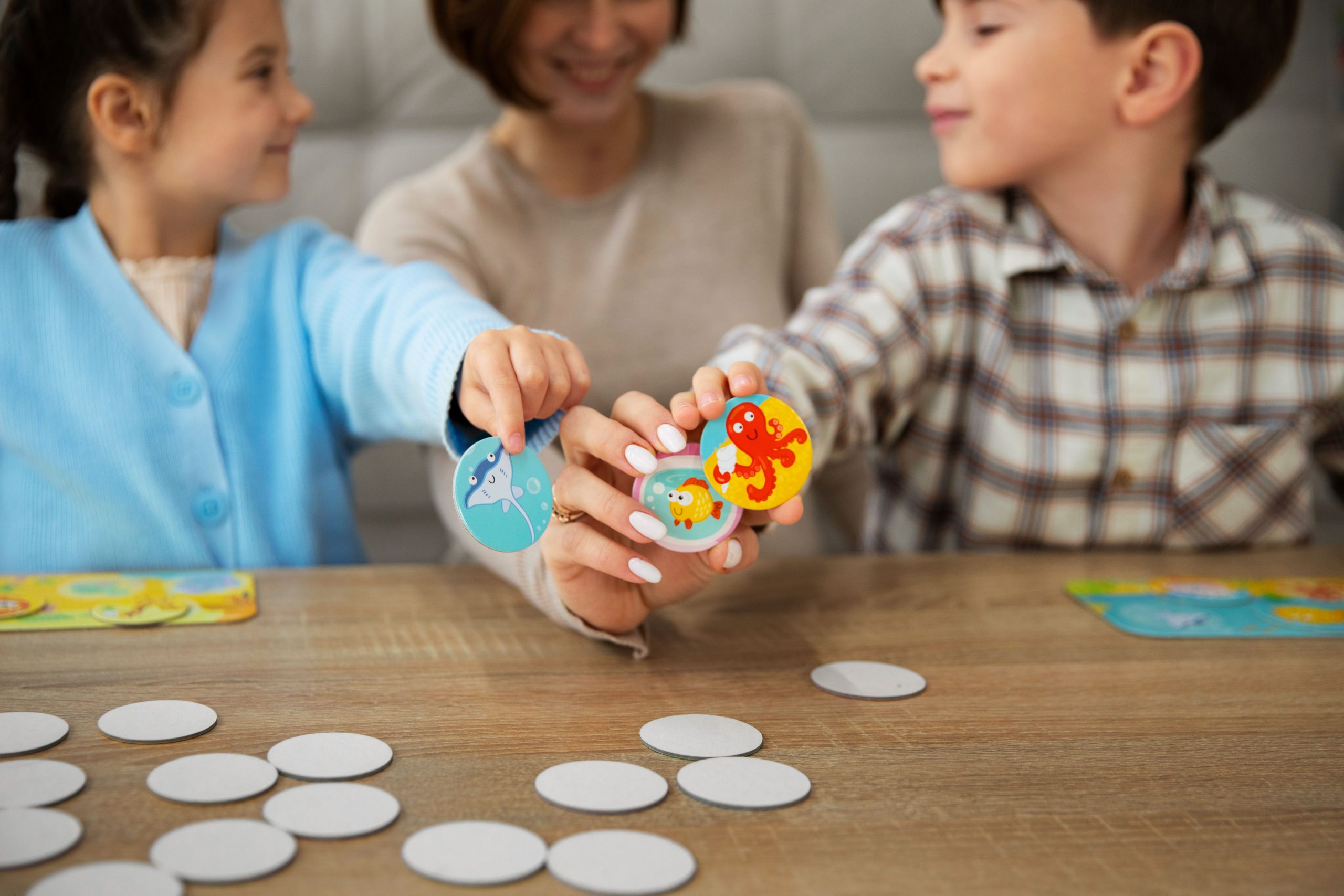
    The Memory Match Game, a popular choice, aids in memory skill development. Players flip cards to find matches, sharpening memory as they recall card positions. Using various themes like animals or objects, players gradually increase card numbers as memory improves.

    Enhancing Strategy with Chess

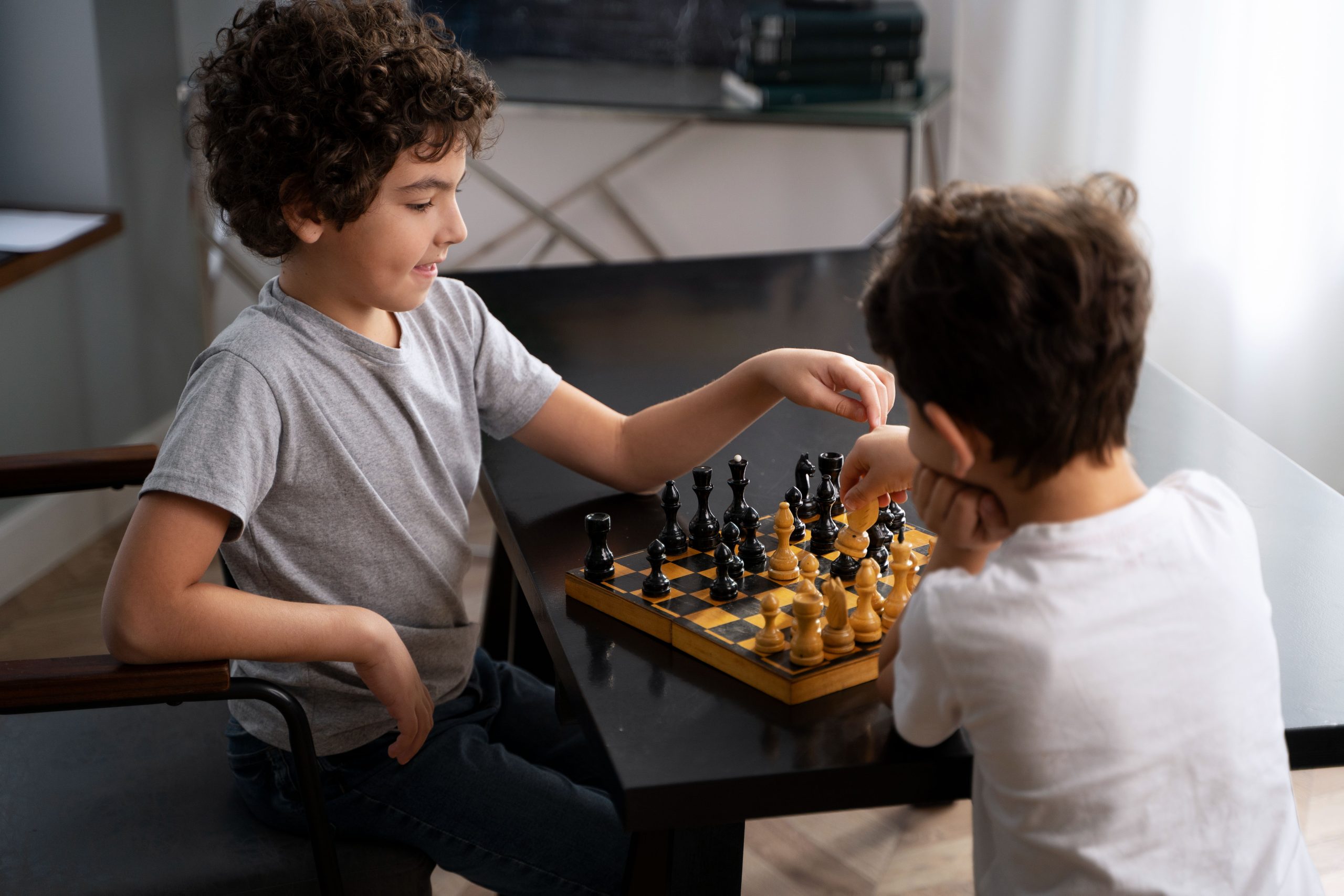
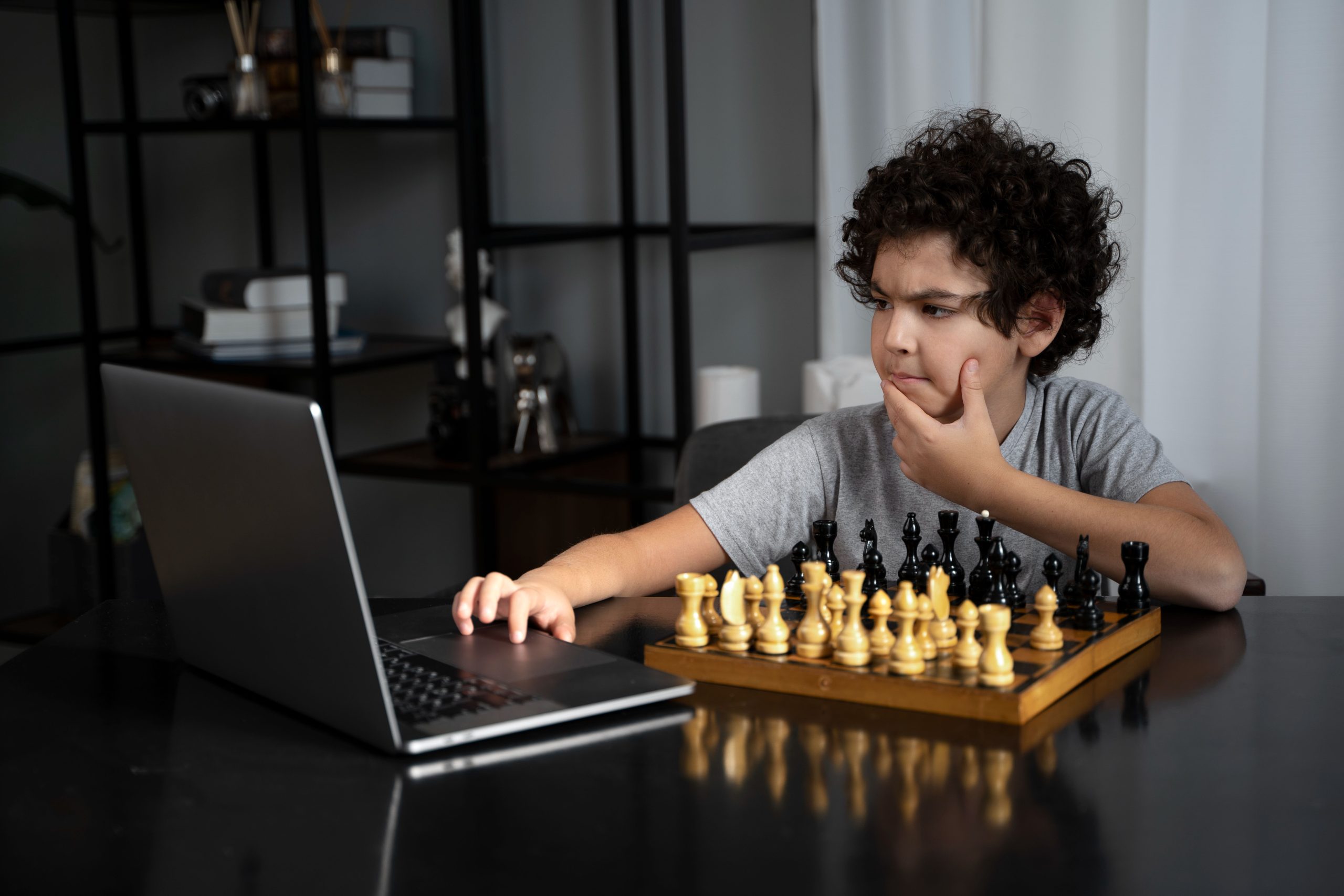
    Chess, renowned for strategy and critical thinking, is ideal for preschoolers to develop strategic abilities. Simplified versions like “Pawn Wars” introduce concepts gradually. Players aim to checkmate the opponent’s king, honing planning and anticipation skills.

    Enhancing Logical Thinking with Sudoku

    Sudoku, a logic puzzle, challenges preschoolers to fill a grid with numbers 1-9 without repetition. It enhances problem-solving, logical thinking, and concentration. Sudoku puzzles, available online or in books, offer engaging cognitive stimulation.

    Enhancing Memory with Simon Says

    Simon Says, a classic memory game, involves following commands only when prefaced by “Simon says.” Players must recall commands accurately to remain in the game. It’s an enjoyable way to enhance memory and listening skills.

    Enhancing Strategy with Tower of Hanoi

    Tower of Hanoi, a classic strategic game, involves moving discs between pegs following specific rules. Preschoolers must plan moves ahead and consider consequences, fostering problem-solving and strategic thinking skills.

    Improving Problem-Solving Skills with Rush Hour

    Rush Hour, a puzzle game, challenges preschoolers to maneuver cars to clear a path for a red car to exit the board. It sharpens problem-solving skills as players strategize car movements.

    Developing Critical Thinking Skills with Guess Who?

    Guess Who?, a two-player game, hones critical thinking by guessing the opponent’s character through strategic questioning. Players narrow down possibilities, enhancing deductive reasoning and critical thinking.

    Boosting Creativity with Story Cubes

    Story Cubes, fostering creativity, involve rolling dice with various images to create stories. Preschoolers develop storytelling and imaginative skills by crafting narratives based on dice images.

    Building Logical Reasoning with Code Master

    Code Master, a game utilizing instruction cards to navigate a board, enhances logical reasoning and problem-solving. Preschoolers plan sequences to reach the goal, fostering logical thinking.

    Strengthening Strategic Thinking with Blokus

    Blokus, a strategic game, challenges preschoolers to place blocks on a board while blocking opponents. It sharpens strategic thinking as players plan moves to maximize block placement.

    Developing Creativity with Drawing Games

    Drawing games, from simple shapes to collaborative drawing, encourage creativity and fine motor skills. These games foster self-expression and imagination in preschoolers.

    Developing Spatial Awareness with Tangrams

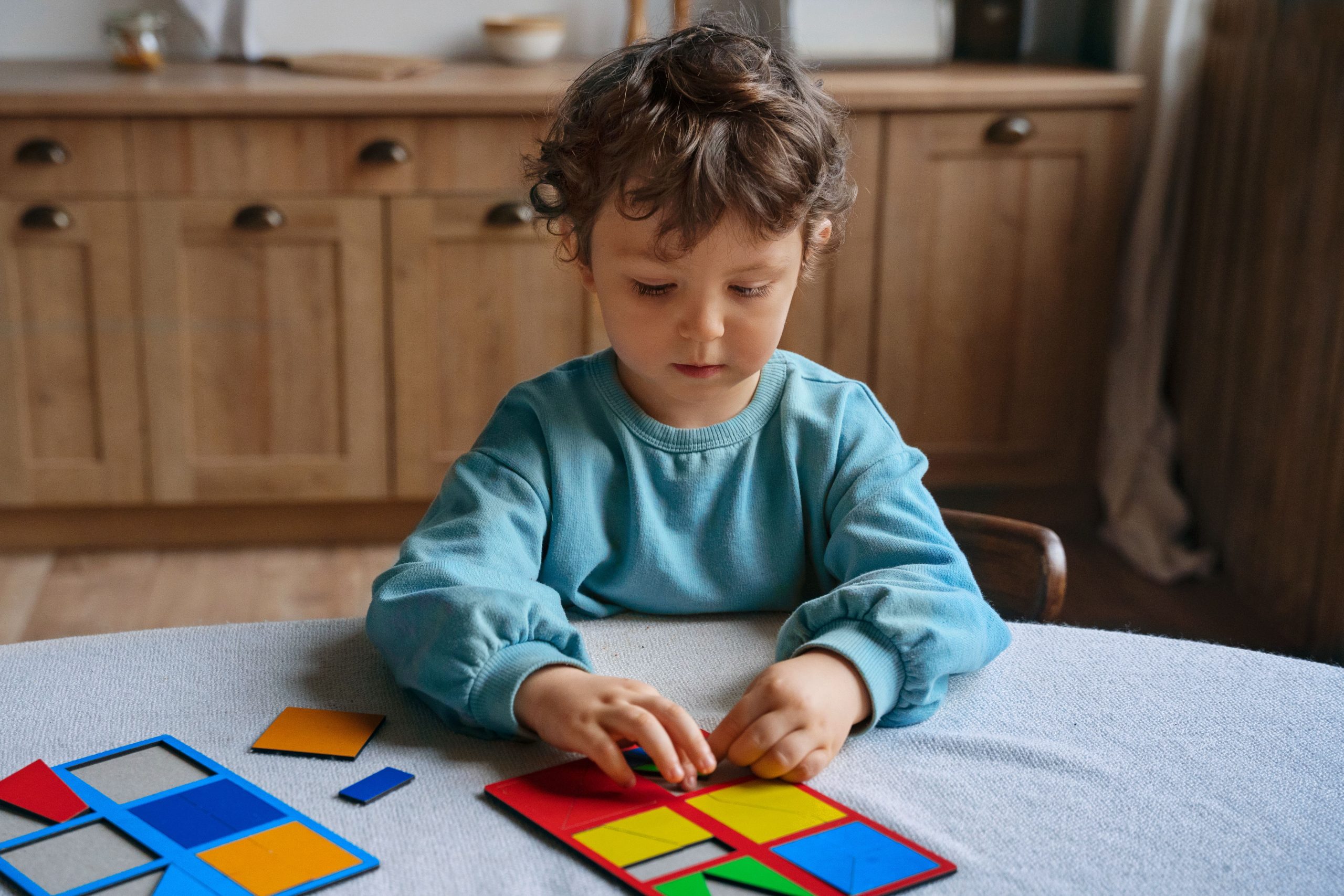
    Tangrams, ancient puzzle games, enhance spatial awareness and problem-solving. Preschoolers manipulate shapes to form patterns, fostering spatial skills and critical thinking.

    Enhancing Vocabulary with Word Games

    Word games, like scavenger hunts and word association, enrich vocabulary and literacy skills. These engaging activities foster critical and creative thinking in preschoolers.

    By integrating these games into preschoolers’ routines, parents and educators can provide entertaining yet educational activities to support cognitive development. These games not only serve as fun pastimes but also as valuable tools for building essential skills that will benefit children throughout their lives.

  • Classical Preschool Games And Exercises

    Classical Preschool Games And Exercises

    Classic Preschool Games and Exercises: Fun and Educational Activities for Preschoolers

    As a preschool teacher, finding activities that keep preschoolers engaged and teach important skills can be challenging. Fortunately, classic preschool games and exercises offer both fun and education. Here are some examples:
    • 1. Simon Says
    • 2. Duck, Duck, Goose
    • 3. Red Light, Green Light
    • 4. Musical Chairs
    • 5. Hide and Seek
    • 6. Ring Around the Rosie
    • 7. Follow the Leader
    • 8. Hopscotch
    • 9. Beanbag Toss
    • 10. Balloon Volleyball

    These activities can be adapted for different age groups and settings and require minimal equipment. They promote various skills such as listening, following directions, gross motor skills, coordination, socialization, teamwork, and more.
    Playing Classic Preschool Games
      Classic preschool games offer numerous benefits. Games like Simon Says and Follow the Leader improve listening and following direction skills. Duck, Duck, Goose and Musical Chairs enhance gross motor skills and coordination. Red Light, Green Light and Hopscotch aid in learning colors, numbers, and counting. Furthermore, group games foster teamwork and social skills.
    Adapting for Different Abilities
      Although these games are designed for ages 2-5, adapting them for different abilities is crucial. Modifications may be necessary for children with disabilities or developmental delays to ensure inclusivity and enjoyment for all. This may involve providing assistive devices, altering game rules, or offering additional support. By catering to individual needs, educators can create an inclusive environment where all children can participate and thrive.
    Incorporating into Lesson Plans
      Teachers can integrate these games into lesson plans to reinforce learning concepts. For instance, Simon Says can teach vocabulary, Duck, Duck, Goose can teach colors and numbers, while Musical Chairs can impart physical education concepts. By incorporating these activities into structured lessons, teachers can make learning more interactive and engaging for preschoolers. This integration not only reinforces academic concepts but also promotes social skills and physical activity.
    Creating a Safe and Fun Environment
      Ensuring safety and fun is paramount when playing these games. Supervision, checking for hazards, and selecting age-appropriate games are essential. Encouraging participation and good sportsmanship also contributes to a positive experience. Teachers should create a supportive and inclusive atmosphere where all children feel comfortable and valued. By fostering a safe and fun environment, educators can promote positive social interactions and enhance learning outcomes.
    The Importance of Screen-Free Play
      While technology has its place, promoting screen-free play is vital for preschoolers’ development. Screen-free activities encourage physical activity, social interaction, and imaginative play, fostering healthy growth and learning. By providing opportunities for screen-free play, parents and caregivers can help preschoolers develop important skills and habits while minimizing the negative effects of excessive screen time. Incorporating screen-free play into daily routines encourages children to explore their environment, engage in imaginative play, and develop critical thinking skills.
    Incorporating Technology
      While screen-free play is crucial, technology can enhance learning experiences when used appropriately. Interactive apps and virtual games can complement traditional activities, providing additional opportunities for skill development and engagement. However, it’s essential to use technology in moderation and ensure that content is age-appropriate and educational. By incorporating technology into classic preschool games and exercises, parents and caregivers can create a well-rounded learning environment that appeals to children’s interests and supports their development. When used thoughtfully, technology can enhance learning outcomes and provide children with valuable tools for exploration and discovery.
    Making Learning Fun with Educational Games
      In addition to classic games, educational games like memory matching and tracing letters can make learning enjoyable for preschoolers while developing crucial skills. These games can be incorporated into playtime or structured learning activities, providing opportunities for children to practice new concepts in a fun and interactive way. By combining education with entertainment, parents and caregivers can support preschoolers’ learning and help them build a strong foundation for future academic success. Educational games offer a fun and engaging way for children to develop essential skills such as problem-solving, critical thinking, and literacy. By incorporating these games into daily routines, parents and educators can promote lifelong learning and encourage a love for exploration and discovery.
  • Cognitive Abilities

    Cognitive Abilities

    The Cognitive Benefits of Play: Understanding What Kind of Games Preschoolers Play

    Every parent wants their preschooler to grow up clever and successful. But what if we told you there was an entertaining and pleasant way to improve their cognitive abilities? In the games they play, the solution is found. This article will look at the kind of games preschoolers play and the cognitive advantages they offer.

    Importance of Play for Preschoolers

    The development of a preschooler must include play. It offers cognitive advantages in addition to aiding in the development of social and creative skills in kids.

    Fun Indoor Games for Preschoolers: Keeping Your Little Ones Entertained

    Keeping preschoolers entertained and engaged can be quite a challenge, especially when the weather is bad, and you’re stuck indoors. Thankfully, there are plenty of fun indoor games that can keep your little ones occupied and happy for hours on end. In this article, we’ll look at some of the best fun indoor games for preschoolers.

    1. Musical Chairs

    Musical chairs are a classic game that’s been played for generations. It’s simple, yet highly entertaining, and perfect for preschoolers. All you need is a few chairs and some music. Arrange the chairs in a circle and start the music. When the music stops, the preschools must scramble to find a chair to sit on. The preschool who is left without a chair is out of the game. Remove one chair after each round until only one preschool is left.

    2. Treasure Hunt

    A treasure hunt is another great indoor game that preschoolers will love. Hide some small toys or treats around the house and create a map or list of clues for your little ones to follow. The more elaborate the clues, the more fun the game will be. You can even dress up as a pirate or explorer to add some extra excitement.

    3. Balloon Volleyball

    Balloon volleyball is a great way to get your preschoolers moving and active. Blow up a balloon and set up a “net” using a string or ribbon tied between two chairs. Divide the preschools into two teams and let them volley the balloon back and forth over the net. The team that drops the balloon loses the point. You can also vary the game by using different-sized balloons or changing the height of the net.

    4. Build a Fort

    Building a fort is a great way to encourage creativity and imagination in your preschoolers. Use pillows, blankets, and furniture to create a cozy hideaway. Let your little ones use their imagination to turn it into a castle, spaceship, or anything else they can dream up. You can also join in the fun by bringing snacks and reading books inside the fort.

    5. Simon Says

    Simon Says is a classic game that preschoolers love. Choose one preschool to be Simon and have them give commands to the other preschools. The catch is that the preschools can only follow the command if Simon says “Simon Says” first. If they follow a command without hearing “Simon Says,” they’re out. The last preschool standing becomes the next Simon.

    6. Board Games

    Board games are a great way to teach preschoolers important skills such as counting, taking turns, and problem-solving. There are plenty of board games available for preschoolers, such as Candyland, Chutes and Ladders, and Memory. You can also create your own board game by drawing a path on a piece of paper and adding obstacles and rewards along the way.

    7. Indoor Scavenger Hunt

    An indoor scavenger hunt is a great way to keep preschoolers entertained and busy. Make a list of items to find around the house, such as a red sock, a blue crayon, or a toy car. You can also hide small items and give clues to help your little ones find them. To make it more challenging, you can set a timer and see how many items they can find in a certain amount of time.

    8. Freeze Dance

    Freeze dance is a fun and energetic game that preschoolers love. Turn on some music and have the preschools dance around. When the music stops, they must freeze in whatever position they’re in. The last preschool to freeze is out. Keep playing until there’s only one preschool left.

    9. Paper Airplane Contest

    A paper airplane contest is a fun and simple game that can keep preschoolers entertained for hours. Show them how to fold a paper airplane and then have them decorate it with markers or stickers. Once everyone has made their plane, have a contest to see whose plane can fly the farthest.

    10. Indoor Bowling

    Indoor bowling is a great way to get your preschoolers active and moving. Set up some empty plastic bottles at the end of a hallway and use a soft ball to knock them over. You can also use rolled-up socks or small balls to make it easier for younger preschoolers. Keep score to make it more competitive.

    11. Charades

    Charades is a classic game that can be adapted for preschoolers. Write down some simple actions, such as “brushing your teeth” or “riding a bike,” and put them in a hat. Have one preschool pick a piece of paper and act out the action while the other preschools guess what it is. You can also make it more challenging by using animal or character names.

    12. Obstacle Course

    An obstacle course is a fun and challenging game that preschoolers will love. Use pillows, blankets, and other household items to create a course for your little ones to navigate. You can include crawling under chairs, jumping over cushions, and climbing over boxes. Time each preschool and see who can complete the course the fastest.

    13. Bean Bag Toss

    Bean bag toss is a simple and fun game that preschoolers can enjoy. All you need is a target and some bean bags. You can use a cardboard box or draw a target on a piece of paper and place it on the floor. Have the preschools stand a few feet away and take turns tossing the bean bags. You can also make it more challenging by placing the target at different distances.

    14. Dress Up Relay Race

    Preschoolers love to dress up and pretend to be different characters. A dress-up relay race is a fun way to incorporate this love into a game. Divide the preschools into teams and have them race to a pile of dress-up clothes, put on an outfit, and race back to tag the next team member. The first team to complete the relay wins.

    15. Balloon Tennis

    Balloon tennis is a fun and safe game for preschoolers to play indoors. All you need is a balloon and two paper plates. Tape the plates onto wooden spoons to make tennis rackets and use the balloon as the ball. Divide the preschools into two teams and have them volley the balloon back and forth over a “net” made of string or ribbon. The team that drops the balloon loses the point.

    Conclusion

    These fun indoor games are sure to keep your preschoolers entertained and happy, no matter what the weather is like outside. From classic games like musical chairs and Simon Says to creative activities like building forts and scavenger hunts, there’s something for everyone to enjoy. So the next time you’re stuck indoors with your little ones, why not try one of these fun indoor games?

  • Activities For Preschoolers

    Activities For Preschoolers

    Fun and Engaging Activities for Preschoolers: What Makes a Good Game for Four-Year-Olds?

    As parents and caregivers, we all aspire to provide the best for our preschoolers. We aim to ensure their happiness, health, and daily learning experiences. One of the most effective ways to achieve this is by engaging them in enjoyable and stimulating activities, including games tailored to their age and interests.

    Criteria for Selecting Games for Four-Year-Olds

    With numerous games and activities available, choosing the right one for your preschooler can be overwhelming. To simplify the decision-making process, we’ve compiled a guide on what constitutes a good game for four-year-olds, highlighting six criteria to consider when selecting a game for your little one.

    • 1. Age-Appropriate Content: It’s essential to choose a game specifically designed for preschoolers that offers content suitable for their age and developmental stage. Four-year-olds are in a critical phase of cognitive, social, and physical development.
    • 2. Easy to Understand and Play: Opt for games with simple instructions that are easy for preschoolers to comprehend and play. Complex rules may confuse them due to their short attention spans.
    • 3. Engaging and Interactive: Preschoolers thrive on games that are interactive and captivating, often involving movement, singing, or dancing. Look for activities that encourage active participation to sustain their interest.
    • 4. Promotes Learning and Development: Choose games that facilitate learning and skill development, such as counting, identifying colors, and shapes. Preschoolers are constantly acquiring new skills, and games can be an effective tool for this purpose.
    • 5. Encourages Social Interaction: Select games that promote social interaction, cooperation, and turn-taking. Preschoolers enjoy engaging with others, and these games can help them develop vital social skills.
    • 6. Safe and Age-Appropriate Materials: Ensure that games use safe and age-appropriate materials, avoiding small parts that could pose a choking hazard. Non-toxic materials meeting safety standards are essential for preschoolers’ well-being.

    Fun and Engaging Activities for Preschoolers

    With these criteria in mind, here are some entertaining and educational activities for preschoolers:

    • 1. Simon Says
    • A classic game that’s easy to understand and play, Simon Says promotes listening skills and can be enjoyed both indoors and outdoors.

    • 2. Hide and Seek
    • This timeless game fosters physical activity and social interaction, suitable for indoor or outdoor play.

    • 3. Hopscotch
    • Great for promoting physical activity, balance, and coordination, Hopscotch can be adapted to suit various skill levels and environments.

    By incorporating these additional articles and ideas into your activities with your preschooler, you can provide a diverse range of engaging and educational experiences that will keep them entertained and learning. Remember to follow your preschoolers’ lead and interests, and to provide opportunities for exploration, imagination, and creativity. With the right games and activities, you can help your preschooler develop the skills and knowledge they need to succeed in school and in life.

  • Playtime Power

    Playtime Power

    Exploring the 6 Basic Types of Play for Preschoolers

    We are all aware as parents and educators that play is crucial to a preschooler’s development. However, did you know that there are six basic types of play that every preschooler engages in? In this post, we’ll examine each of these play activities and how they support a preschooler’s development on the social, emotional, and cognitive levels.


    1. Active Play

    Active play is any physical activity that involves movement, such as running, jumping, and climbing. Preschoolers love active play because it allows them to release their boundless energy and explore their surroundings. It also helps to develop their gross motor skills, balance, and coordination. Preschoolers can increase their fitness levels and maintain their health by engaging in active play both inside and outside.


    2. Creative Play

    Creative play is any activity that encourages imagination and creativity, such as painting, drawing, and crafting. Because it gives them the freedom to express themselves in a variety of ways and try out new materials, preschoolers adore creative play. Hand-eye coordination, problem-solving capabilities, and fine motor skills can all be developed through creative play. As it encourages curiosity and discovery, it is crucial to a preschooler’s development.


    3. Dramatic Play

    Dramatic play is any activity that involves pretending or role-playing, such as playing dress-up or putting on a puppet show. Preschoolers love dramatic play because it allows them to act out different scenarios and explore different roles. Dramatic play also helps to develop social and emotional skills, such as empathy and communication. It teaches young preschoolhow to communicate with others, express their thoughts and feelings, and settle disputes in a secure setting.


    4. Manipulative Play

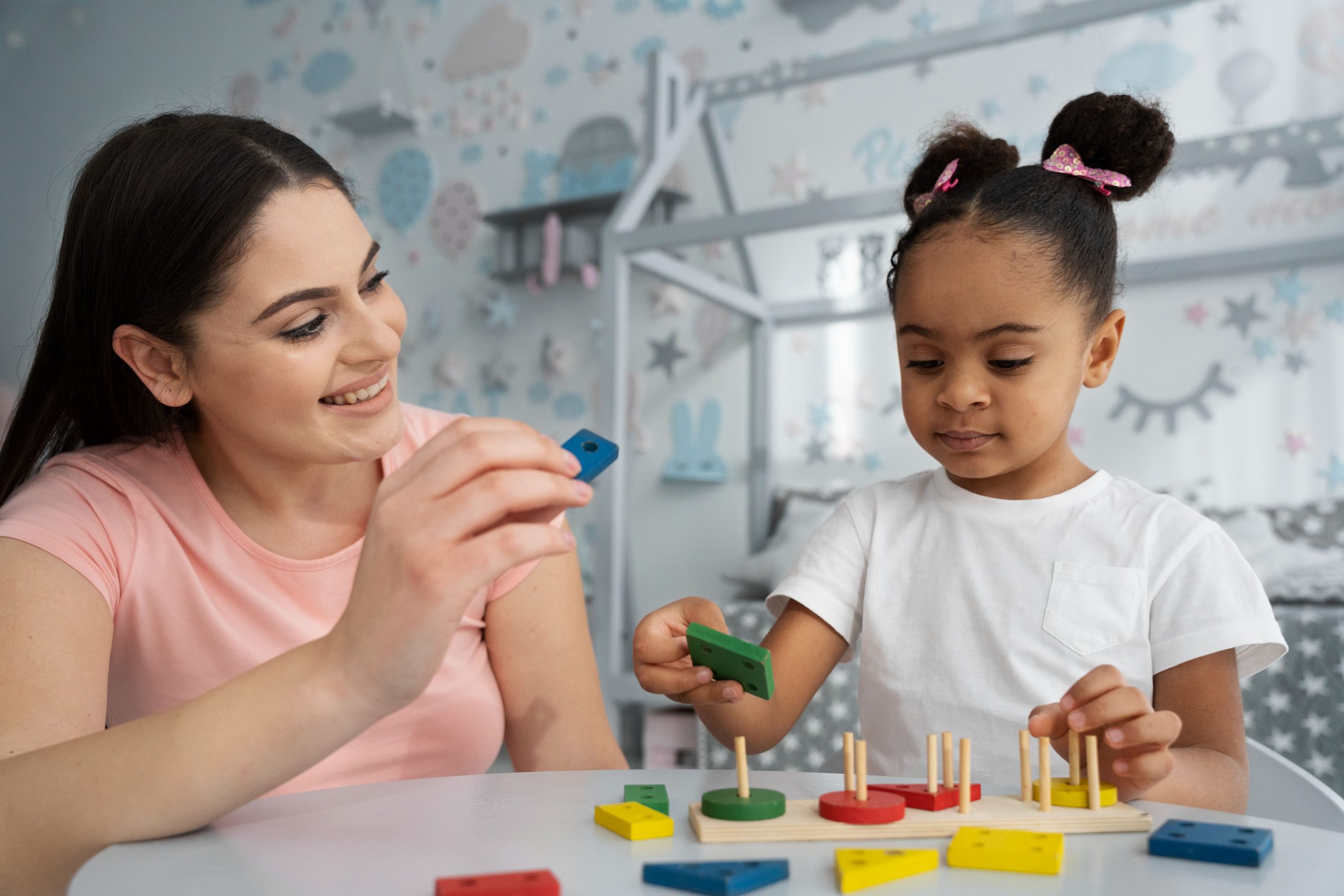
    Manipulative play is any activity that involves manipulating objects, such as puzzles, blocks, and construction toys. Preschoolers love manipulative play because it allows them to experiment with different shapes, sizes, and textures. Additionally, it promotes the growth of hand-eye coordination, spatial awareness, and fine motor abilities. Playing with objects and manipulating them is an important component of preschoolers’ development since it helps them learn to solve problems and think logically.


    5. Outdoor Play

    Outdoor play is any activity that takes place in nature, such as playing in the park, hiking, and exploring. Because it enables them to engage with nature, discover their surroundings, and learn about the environment, preschoolers adore outdoor play. It also helps to develop gross motor skills, balance, and coordination. A preschoolers’ development needs to include outside play since it encourages curiosity, discovery, and a love of nature.


    6. Social Play

    Social play is any activity that involves interacting with others, such as playing games, taking turns, and sharing. Because it enables them to build relationships with others, educate themselves on social norms and expectations, and hone their communication and negotiating abilities, preschoolers adore social play. Social play also aids in the growth of social and emotional abilities like self-control, cooperation, and empathy. It is crucial to a preschoolers’ development because it promotes a sense of community and belonging.


    The Benefits of Play-Based Learning for Preschoolers

    The importance of play in a preschoolers’ development is emphasized by the educational strategy known as “play-based learning.” Each kid’s needs and interests are the center of this child-centered approach, which gives each preschool the freedom to learn at their own pace and in their own way. Preschoolers benefit most from play-based learning because it gives them a secure setting in which to investigate and explore.

    Play-based learning encourages imagination and creativity, which is one of its key advantages. When preschoolers engage in creative play, they are encouraged to think outside the box and come up with innovative solutions to problems. Their ability to think critically and solve problems, both of which are necessary for success in the future, is aided by this.

    Another benefit of play-based learning is that it promotes social and emotional development. Through play, preschoolers learn how to interact with others, share their ideas and feelings, and resolve conflicts. This helps to develop their communication and negotiation skills, which are essential for success in school and later life.

    Finally, play-based learning helps to develop a love of learning in preschoolers. When preschools are allowed to learn through play, they are more likely to be engaged and motivated. This can lead to a lifelong love of learning and a desire to explore new ideas and experiences.


    Encouraging Play in the Digital Age

    In today’s digital age, it can be challenging to encourage preschoolers to engage in play. Many preschools are drawn to screens and devices, which can limit their opportunities for physical, creative, and social play. However, it is essential to encourage play in all its forms, as it is crucial for a preschoolers’ development.

    One way to encourage play in the digital age is to limit screen time. While screens can be a valuable tool for learning, they should not replace traditional forms of play. Encourage preschoolers to engage in outdoor play, creative play, and social play, and limit screen time to no more than one hour per day.

    Another way to encourage play is to provide opportunities for active play. Set up a play area in your home or yard with toys and equipment that encourage physical activity, such as balls, climbing frames, and bikes. Encourage preschoolers to engage in active play daily, as it is essential for their physical and mental health.

    Finally, encourage preschoolers to engage in creative play by providing them with a variety of materials and tools. Set up an art station with paint, markers, and paper, or provide them with blocks and construction toys. Encourage them to use their imaginations and experiment with different materials to create their own masterpieces.


    The Role of Play in Cognitive Development

    The process by which toddlers learn to reason, think, and comprehend their environment is known as cognitive development. Play gives preschoolers the chance to explore, play, and learn in a secure and encouraging setting, making it a crucial part of cognitive development.

    By offering opportunities for decision-making and problem-solving, play promotes cognitive growth. When toddlers play, they encounter difficulties and problems that force them to problem-solve and use critical thinking. Their ability to solve problems and make decisions, both of which are necessary for success in school and subsequently in life, is aided by this.

    Another way in which play supports cognitive development is by promoting creativity and imagination. When preschoolers engage in creative play, they are encouraged to use their imaginations and come up with new and innovative ideas. This helps to develop their creativity and imagination, which are essential for success in many areas of life, including science, technology, engineering, and the arts.

    Finally, play supports cognitive development by promoting language and communication skills. Preschoolers are forced to interact with others, share their thoughts and feelings, and resolve problems when they play socially. Their language and communication skills, which are crucial for success in school and later life, are developed as a result.


    The Importance of Play for Physical Development

    Physical development is an essential component of a preschoolers’ overall development. Play is an important tool for promoting physical development, as it provides preschoolers with opportunities to develop their gross and fine motor skills, as well as their coordination and balance.

    One way in which play promotes physical development is by encouraging active play. When preschoolers engage in active play, such as running, jumping, and climbing, they develop their gross motor skills, which are essential for activities such as sports, dance, and physical education. Active play also helps to promote cardiovascular health, which is essential for overall health and well-being.

    Another way in which play promotes physical development is by providing opportunities for fine motor development. When preschoolers engage in activities such as drawing, painting, and playing with small objects, they develop their fine motor skills, which are essential for activities such as writing, drawing, and playing musical instruments. Fine motor development also helps to promote hand-eye coordination, which is essential for many activities, including sports and driving.

    Finally, play promotes physical development by providing opportunities for sensory exploration. When preschoolers engage in sensory play, such as playing with sand, water, or play dough, they develop their sensory skills, including touch, taste, smell, sight, and hearing. Sensory exploration helps to promote overall sensory integration, which is essential for many activities, including sports, music, and art.


    Play and Emotional Development

    Emotional development is a critical component of a preschoolers’ overall development. Play can have a significant impact on emotional development, as it provides preschoolers with opportunities to express and regulate their emotions, as well as to develop empathy and social skills.

    One way in which play promotes emotional development is by providing opportunities for emotional expression. When preschoolers engage in play, they can act out different scenarios, explore different emotions, and express their feelings in a safe and supportive environment. This can help preschoolers to develop emotional intelligence and regulate their emotions more effectively, which is essential for social and emotional well-being.

    Another way in which play promotes emotional development is by promoting empathy and social skills. When preschoolers engage in social play, such as playing with others, they learn to take turns, share, and communicate with others. They also learn to understand and respond to the feelings of others, which is essential for developing empathy and social skills.

    Finally, play promotes emotional development by providing opportunities for imaginative play. When preschoolers engage in imaginative play, such as playing dress-up or pretend, they can explore different roles, emotions, and perspectives. This can help them to develop a greater understanding of themselves and others, as well as to develop their creativity and problem-solving skills.


    Play and Social Development

    Social development is an essential component of a preschoolers’ overall development. Play is a critical tool for promoting social development, as it provides preschoolers with opportunities to interact with others, practice social skills, and develop friendships.

    One way in which play promotes social development is by providing opportunities for social interaction. When preschoolers engage in play, they can interact with other preschools, practice taking turns, sharing, and communicating effectively. Social interaction can help preschoolers to develop social skills, such as cooperation, negotiation, and conflict resolution, which are essential for success in school and later life.

    Another way in which play promotes social development is by providing opportunities for imaginative play. When preschoolers engage in imaginative play, such as playing house or pretend, they can practice different social roles and scenarios. This can help them to develop their empathy and understanding of others, as well as their problem-solving and creativity skills.

    Finally, play promotes social development by providing opportunities for friendship formation. When preschoolers engage in play with others, they can develop close relationships and friendships, which are essential for social and emotional well-being. Friendships can provide preschoolers with a sense of belonging and security, as well as opportunities for learning, growth, and support.


    Play and Cognitive Development

    Cognitive development is an essential component of a preschoolers’ overall development. Play is a critical tool for promoting cognitive development, as it provides preschoolers with opportunities to explore, discover, and learn about the world around them.

    One way in which play promotes cognitive development is by providing opportunities for exploration and discovery. When preschoolers engage in play, they can explore different objects, environments, and scenarios, which can help them to develop their curiosity, creativity, and problem-solving skills. Play can also help preschoolers to develop their scientific thinking skills, as they explore cause-and-effect relationships, patterns, and observations.

    Another way in which play promotes cognitive development is by providing opportunities for language development. When preschoolers engage in play, they can practice their language skills by using words to describe objects, actions, and events. Play can also help preschoolers to develop their literacy skills, as they explore books, songs, and rhymes.

    Finally, play promotes cognitive development by providing opportunities for cognitive flexibility. When preschoolers engage in play, they can practice thinking flexibly and adapting to different situations and perspectives. Play can also help preschoolers to develop their executive function skills, such as attention, memory, and self-regulation, which are essential for success in school and later life.