Category: Preschool Reading

  • Sound Recognition

    Sound Recognition

    Developing Sound Recognition Skills in Preschoolers: Unlocking the Power of Listening

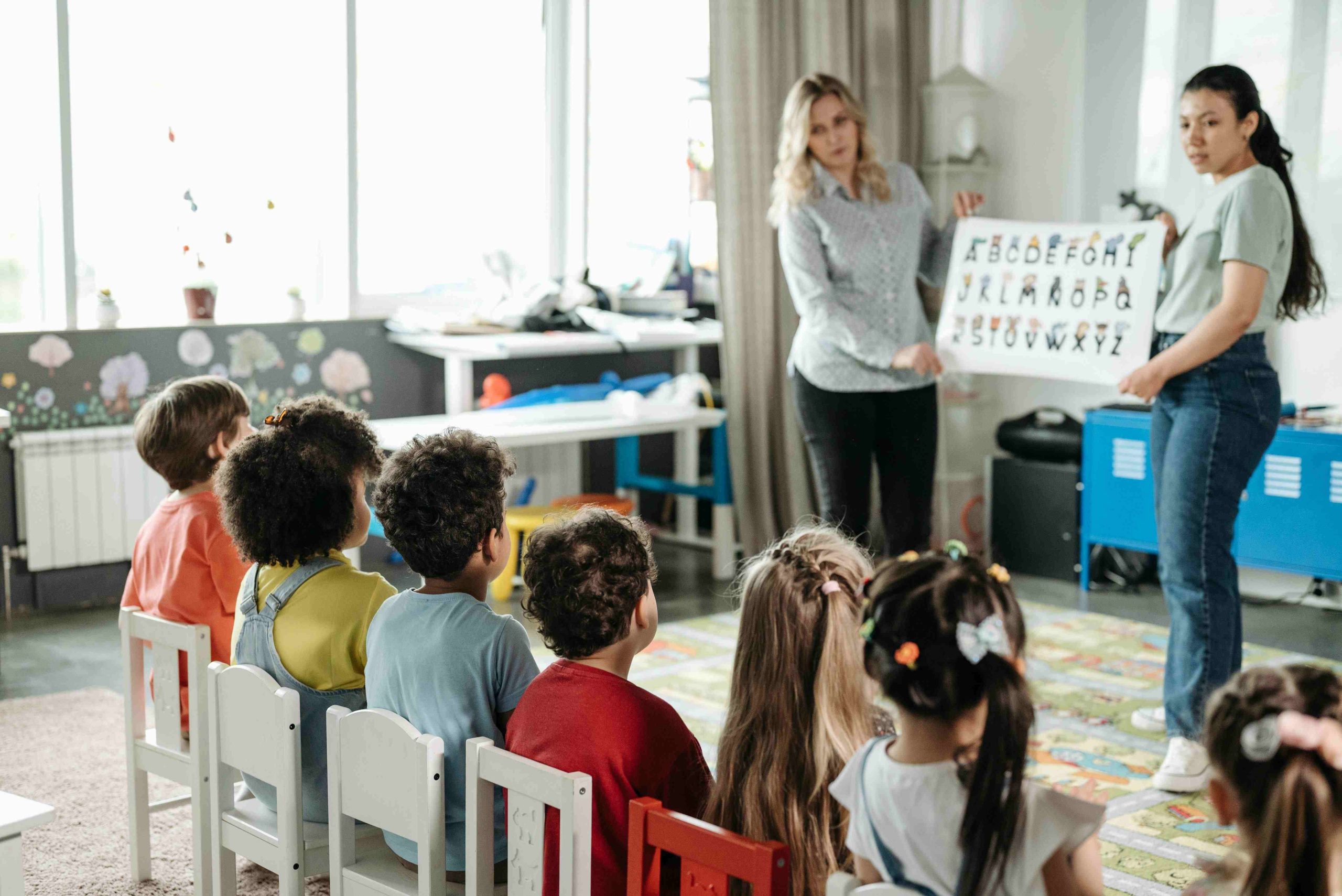
    Sound recognition is a fundamental skill that plays a crucial role in preschoolers’ language development and communication abilities. By honing their ability to identify and distinguish sounds, preschoolers build a strong foundation for phonological awareness, speech perception, and overall auditory processing. In this article, we will explore the importance of sound recognition in preschoolers’ development and discuss effective strategies and activities to foster this skill.


    I. The Power of Sound Recognition:

    Sound recognition forms the basis for successful language acquisition and communication. It involves the ability to detect and discriminate between different sounds, such as spoken words, environmental noises, and auditory cues. Here are the key benefits of developing sound recognition skills in preschoolers:


    1. Phonological Awareness:

    Sound recognition cultivates phonological awareness, which is the ability to identify and manipulate the individual sounds (phonemes) in spoken words. By distinguishing between sounds, preschoolers become more proficient in recognizing and producing the sounds of their language, which is essential for reading and writing development.


    2. Speech Perception:

    Strong sound recognition skills enhance preschoolers’ ability to perceive and comprehend spoken language. By accurately perceiving speech sounds, preschoolers can decode words more effectively, leading to improved reading comprehension and overall language proficiency.


    3. Vocabulary Development:

    Sound recognition contributes to vocabulary development as preschoolers learn to associate sounds with their corresponding meanings. By recognizing the sounds of words, they can expand their vocabulary and understand the nuances of language, facilitating effective communication.


    4. Auditory Discrimination:

    Preschoolers with well-developed sound recognition skills can discriminate between similar sounds, such as differentiating between “p” and “b” or “s” and “sh.” This ability supports accurate pronunciation, spelling, and word recognition, fostering clear and effective communication.


    5. Listening Skills:

    Sound recognition enhances preschoolers’ listening skills, enabling them to attend to and process auditory information effectively. This skill is crucial for following instructions, participating in classroom discussions, and engaging in meaningful conversations.


    II. Strategies to Develop Sound Recognition Skills:


    1. Environmental Sounds:

    Encourage preschoolers to actively listen to and identify various environmental sounds. Take them on listening walks or engage in sound scavenger hunts, where they identify sounds in their surroundings. This activity sharpens their auditory perception and helps them recognize and differentiate between different sounds in their environment.


    2. Instrumental Sounds:

    Introduce preschoolers to different musical instruments and help them identify the unique sounds produced by each instrument. Engage them in activities where they match the sound to the corresponding instrument, promoting sound discrimination and appreciation of musical diversity.


    3. Sound Sorts:

    Create sound sorting activities using pictures or objects that produce different sounds. For example, sort pictures of animals based on the sounds they make or objects based on the sounds they produce when shaken. This activity enhances preschoolers’ ability to discriminate between sounds and categorize them based on their characteristics.


    4. Rhyming Games:

    Engage preschoolers in rhyming games that require them to identify and produce words with similar ending sounds. This activity promotes sound discrimination and reinforces the understanding of sound patterns in words. Examples include “I Spy” games or rhyming word bingo.


    5. Sound Boxes:

    Set up sound boxes containing objects or pictures that represent different initial sounds. Ask preschoolers to identify the sound and match it to the corresponding object or picture. This activity develops sound recognition and phonemic awareness as preschoolers focus on the initial sound of words.


    6. Sound Scrambles:

    Present preschoolers with sets of words that have scrambled sounds. Ask them to rearrange the sounds to form familiar words. This activity strengthens their sound recognition skills and phonological processing abilities.


    III. Incorporating Technology:

    Utilize technology to enhance sound recognition skills in preschoolers. Educational apps and interactive online resources offer engaging activities and games that focus on sound discrimination and identification. These digital tools provide a multisensory experience, combining visual and auditory elements to reinforce sound recognition skills.

    Developing sound recognition skills is a vital component of preschoolers’ language development and communication abilities. By honing their ability to identify and distinguish sounds, preschoolers build a strong foundation for phonological awareness, speech perception, vocabulary development, and overall auditory processing. By implementing strategies and engaging in activities that foster sound recognition, educators and caregivers can support preschoolers’ language growth and empower them to become effective communicators.


    IV. Sound Recognition and Language Acquisition: Building Blocks of Communication

    Sound recognition serves as a crucial building block for preschoolers’ language acquisition and overall communication skills. By developing sound recognition abilities, preschoolers lay the foundation for successful language development. Here are some ways in which sound recognition supports language acquisition:


    1. Phonemic Awareness:

    Phonemic awareness refers to the ability to identify and manipulate individual sounds (phonemes) in spoken words. Sound recognition is a key component of phonemic awareness, as preschoolers need to be able to distinguish between different sounds to develop phonological sensitivity. By recognizing and discriminating sounds, preschoolers can understand the sound structure of language, which is essential for reading and spelling.


    2. Speech Production:

    Sound recognition directly influences speech production skills. Preschoolers who can accurately identify and differentiate between sounds are better equipped to produce those sounds themselves. Through sound recognition activities, preschoolers become more aware of the specific articulatory features required to produce different sounds, leading to improved speech clarity and articulation.


    3. Language Comprehension:

    Sound recognition plays a significant role in language comprehension. By developing the ability to recognize and discriminate between sounds, preschoolers can better understand spoken language. They become more adept at distinguishing between similar words or sounds that carry different meanings, enhancing their overall comprehension skills and facilitating effective communication.


    4. Vocabulary Acquisition: Sound recognition contributes to vocabulary acquisition by enabling preschoolers to associate sounds with their corresponding meanings. When preschoolers can identify and differentiate sounds in words, they can effectively connect those sounds to the objects, actions, or concepts they represent. This association supports vocabulary development and aids in the retrieval and understanding of words.


    5. Language Processing:

    Sound recognition skills enhance preschoolers’ ability to process and interpret spoken language. By accurately recognizing and discriminating sounds, preschoolers can effectively decode words, identify word boundaries, and segment sentences into meaningful units. This skill is essential for comprehending and processing complex linguistic structures, leading to more efficient language processing overall.


    6. Communication Skills:

    Strong sound recognition abilities positively impact preschoolers’ communication skills. By developing an acute sense of sound recognition, preschoolers can accurately perceive and interpret verbal cues from others. They become more proficient in understanding the nuances of language, such as intonation, rhythm, and emphasis, which are crucial for effective communication and social interactions.

    By promoting sound recognition skills in preschoolers, educators and caregivers can foster the development of essential language and communication abilities. Sound recognition serves as a foundational skill that underlies various aspects of language acquisition, including phonemic awareness, speech production, vocabulary acquisition, language comprehension, and effective communication.


    V. Enhancing Sound Recognition through Engaging Activities

    To cultivate sound recognition skills in preschoolers, it is important to provide them with engaging and interactive activities that spark their curiosity and encourage active participation. Here are some effective activities to enhance sound recognition in preschoolers:


    1. Sound Hunt: Organize a sound hunt activity where preschoolers listen carefully and identify various sounds in their environment. Take them outdoors to explore different sounds in nature, such as birds chirping, leaves rustling, or cars passing by. Alternatively, you can conduct an indoor sound hunt, where preschoolers listen for sounds like a ticking clock, a ringing phone, or the sound of running water. This activity helps preschoolers develop attentive listening skills and sharpens their ability to recognize and differentiate sounds.


    2. Sound Guessing Game:

    Create a sound guessing game by collecting various objects that produce distinct sounds. Place each object in a bag or box and have preschoolers take turns listening to the sound and guessing the object. This game encourages active listening and requires preschoolers to focus on the unique characteristics of each sound. It enhances their ability to discriminate between different sounds and builds their auditory memory.


    3. Sound Imitation:

    Engage preschoolers in sound imitation exercises where they listen to a specific sound and then try to reproduce it themselves. This can include imitating animal sounds, musical instruments, or environmental sounds like raindrops or a ticking clock. By imitating sounds, preschoolers strengthen their auditory discrimination skills and develop a greater awareness of the subtleties in different sounds.


    4. Sound Sorting:

    Create a sound sorting activity by providing preschoolers with a variety of objects or picture cards representing different sounds. Ask them to listen to each sound carefully and sort the objects or cards based on the similarity of the sounds they produce. For example, they can sort objects into categories like “sounds that start with the same letter” or “sounds that rhyme.” This activity encourages preschoolers to listen attentively, compare sounds, and make connections based on sound similarities.


    5. Sound Memory Game:

    Develop a sound memory game by recording different sounds and playing them back to preschoolers. After listening to the sounds, they have to match each sound to the corresponding picture or object. This game promotes auditory memory, concentration, and sound recognition skills. It also encourages preschoolers to listen carefully to identify subtle differences between sounds.


    6. Sound Stories:

    Create sound stories where preschoolers listen to a series of sounds and have to identify the order in which they occur or create a story based on the sounds they hear. This activity not only strengthens sound recognition but also fosters sequencing skills, auditory processing, and narrative development. It encourages preschoolers to actively engage their listening skills and make connections between sounds and their contextual meanings.

    By incorporating these engaging activities into daily routines and classroom settings, educators and caregivers can provide preschoolers with opportunities to develop and refine their sound recognition skills. These interactive experiences stimulate their auditory senses, promote active listening, and cultivate a deeper understanding of the sounds that surround them.


    VI. Harnessing Technology for Sound Recognition Development

    In the digital age, technology offers a wealth of resources and tools that can support and enhance sound recognition development in preschoolers. When used appropriately, educational technology can provide interactive and engaging experiences that captivate preschoolers’ attention while fostering their sound recognition skills. Here are some ways to harness technology for sound recognition development:


    1. Educational Apps:

    There are numerous educational apps specifically designed to develop sound recognition skills in preschoolers. These apps often feature interactive games, sound quizzes, and listening exercises that engage preschoolers in a fun and immersive learning experience. Look for apps that provide a wide range of sound categories, such as animal sounds, musical instruments, environmental sounds, and phonetic exercises. Ensure that the apps are age-appropriate, user-friendly, and aligned with educational objectives.


    2. Online Interactive Resources:

    Explore online interactive resources that offer sound recognition activities and games. Websites, educational platforms, and digital learning portals provide access to a wide range of sound-based learning materials. These resources may include sound libraries, virtual sound manipulatives, sound recognition quizzes, and interactive sound maps. Encourage preschoolers to explore these resources under adult supervision to ensure a safe and meaningful learning experience.


    3. Digital Storytelling:

    Utilize digital storytelling tools to engage preschoolers in sound recognition activities. Digital platforms allow educators and caregivers to create interactive stories or presentations with embedded sound effects. Incorporate sound cues and prompts throughout the story, and encourage preschoolers to listen attentively and respond to the sound-related elements. This interactive approach enhances sound recognition skills while fostering creativity and narrative development.


    4. Online Sound Libraries:

    Access online sound libraries that offer a wide range of high-quality audio recordings. These libraries often categorize sounds based on themes, making it easier to find specific sound types. Use these resources to expose preschoolers to diverse sounds and facilitate sound recognition activities. You can play the sounds and ask preschoolers to identify and name them or use them as prompts for storytelling or vocabulary-building exercises.


    5. Virtual Musical Instruments:

    Introduce preschoolers to virtual musical instruments through interactive websites or apps. Virtual instruments allow preschoolers to experiment with different sounds and explore the unique characteristics of each instrument. Encourage them to listen carefully to the sounds produced by each instrument and identify the differences. This activity promotes sound discrimination skills while fostering an appreciation for music.


    6. Online Sound Manipulation Tools:

    Engage preschoolers in online sound manipulation tools that allow them to modify and manipulate sounds. These tools enable preschoolers to change the pitch, speed, volume, or other characteristics of sounds, providing a hands-on experience in sound recognition and auditory exploration. Through these tools, preschoolers can actively engage with sounds and develop a deeper understanding of their properties.

    When using technology for sound recognition development, it is crucial to strike a balance between screen time and real-world experiences. Ensure that technology-based activities are incorporated as part of a well-rounded learning environment that also includes hands-on experiences, social interactions, and outdoor exploration.

  • Syllable Counting

    Syllable Counting

    Unlocking Language Skills: The Power of Syllable Counting for Preschoolers

    Language development is a critical aspect of preschoolers’ overall growth and learning. It lays the foundation for effective communication, reading, and writing skills. One important skill that contributes to language proficiency is syllable counting. Syllable counting helps preschoolers develop phonological awareness, which is the ability to identify and manipulate the sounds in words. By breaking down words into syllables, preschoolers gain a deeper understanding of the structure of language and enhance their overall linguistic abilities. In this article, we will explore the significance of syllable counting in preschoolers’ language development and provide practical strategies to support its development.


    I. The Importance of Phonological Awareness:

    Phonological awareness is the ability to recognize and manipulate the sounds of language, including syllables, rhymes, onset and rime, and individual phonemes. It is a crucial skill that lays the foundation for reading and writing. Developing phonological awareness enhances preschoolers’ ability to decode words, understand word patterns, and develop vocabulary. Among the various components of phonological awareness, syllable counting plays a significant role in supporting early literacy skills.


    II. What is a Syllable?

    Before delving into the benefits of syllable counting, it is essential to understand what a syllable is. A syllable is a unit of sound that forms part of a word. It consists of a vowel sound or a vowel sound with one or more consonant sounds. For example, the word “banana” has three syllables: ba-na-na.


    III. Developing Phonological Awareness through Syllable Counting:


    1. Enhancing Word Recognition:

    Syllable counting helps preschoolers break words into smaller units, making it easier for them to recognize and decode unfamiliar words. By identifying the number of syllables in a word, preschoolers can apply their knowledge of letter-sound correspondence and syllable patterns to read and understand words more effectively.


    2. Building Vocabulary:

    Syllable counting aids in building preschoolers’ vocabulary by promoting word segmentation. By dividing words into syllables, preschoolers gain a deeper understanding of word structure and meaning. This knowledge helps them make connections between words and expand their vocabulary, laying the groundwork for effective communication and comprehension.


    3. Developing Phonemic Awareness:

    Phonemic awareness refers to the ability to identify and manipulate individual sounds (phonemes) in spoken words. Syllable counting serves as a bridge between phonological awareness and phonemic awareness. By counting the syllables in a word, preschoolers become more attuned to the sounds within words, preparing them for more advanced phonemic awareness tasks, such as blending and segmenting individual sounds.


    4. Improving Spelling Skills:

    Syllable counting also contributes to the development of spelling skills in preschoolers. By breaking words into syllables, they can identify and remember the sequence of sounds and letters more effectively. This understanding of word structure and syllable patterns supports accurate spelling and empowers preschoolers to become more confident writers.


    IV. Strategies to Support Syllable Counting:


    1. Clapping and Tapping:

    A simple and effective strategy to introduce syllable counting is through clapping or tapping. Encourage preschoolers to clap or tap their hands for each syllable in a word. For example, for the word “butterfly,” they would clap twice: “but-ter-fly.” This hands-on approach engages preschoolers kinesthetically and reinforces the concept of syllables.


    2. Picture Sorting:

    Create a picture sorting activity where preschoolers categorize images based on the number of syllables in their names. Provide a range of pictures representing one-syllable, two-syllable, and three-syllable words. Preschoolers cansort the pictures into different groups, promoting visual recognition of syllable patterns and reinforcing their understanding of syllable counting.


    3. Word Segmenting:

    Engage preschoolers in word segmenting activities, where they verbally segment words into syllables. Choose familiar words and encourage preschoolers to identify the syllables by pausing or clapping after each syllable. For example, for the word “cupcake,” they would say “cup-cake” while pausing between syllables.


    4. Syllable Sorting:

    Create a syllable sorting activity using word cards. Provide a collection of word cards and ask preschoolers to sort them into piles based on the number of syllables. This activity reinforces their ability to identify syllables and encourages critical thinking and classification skills.


    5. Syllable Counting Games:

    Engage preschoolers in interactive games that involve syllable counting. For example, play “Syllable Hopscotch” where each square represents a syllable, and preschoolers hop or jump on each square as they say the syllables aloud. This physical and auditory experience makes syllable counting enjoyable and memorable.


    6. Nursery Rhymes and Songs:

    Nursery rhymes and songs are excellent resources for developing phonological awareness, including syllable counting. Choose rhymes or songs with clear rhythmic patterns and encourage preschoolers to clap or tap along with the syllables. This rhythmic involvement enhances their understanding of syllables and strengthens their overall phonological awareness.


    V. Integrating Syllable Counting into Daily Activities:

    To reinforce syllable counting skills, integrate it into everyday interactions and routines. Encourage preschoolers to count the syllables in their names, in the names of objects they encounter, or in words they encounter during storytime. By incorporating syllable counting naturally into their daily experiences, preschoolers develop a stronger awareness of syllables and further enhance their language skills.


    VI. The Journey of Language Development:

    Syllable counting is just one component of the broader journey of language development in preschoolers. By fostering phonological awareness, including syllable counting, educators and caregivers can provide preschoolers with a solid foundation for acquiring reading, writing, and communication skills. As preschoolers explore the world of syllables, their linguistic abilities expand, their self-confidence grows, and their love for language blossoms.


    VII. Syllable Counting in Multilingual Contexts: Embracing Diversity

    In today’s multicultural society, preschoolers often come from diverse linguistic backgrounds. Syllable counting can be especially beneficial in supporting language development for preschoolers who are exposed to multiple languages. Here are some key considerations when implementing syllable counting in multilingual contexts:


    1. Cross-Linguistic Awareness:

    Preschoolers exposed to multiple languages can benefit from developing cross-linguistic awareness through syllable counting. Encourage them to compare and contrast the syllable structures of different languages. This not only enhances their understanding of syllables but also promotes their overall language awareness and appreciation of linguistic diversity.


    2. Language-Specific Syllable Rules:

    Different languages may have unique syllable structures and rules. Educators and caregivers should familiarize themselves with the syllable patterns and rules specific to the languages spoken by the preschoolers. By understanding these language-specific aspects, they can provide accurate guidance and support in syllable counting activities.


    3. Multilingual Vocabulary Development:

    Syllable counting can contribute to the development of vocabulary in multiple languages. When engaging preschoolers in syllable counting activities, incorporate words from their different languages. This allows them to expand their vocabulary and gain a deeper understanding of syllable patterns across languages.


    4. Cultural Celebrations:

    Incorporate cultural celebrations and traditions into syllable counting activities. Choose words or phrases related to festivals, customs, or traditional songs from various cultures. This not only provides an opportunity for preschoolers to practice syllable counting but also fosters cultural appreciation and respect for their diverse linguistic heritage.


    5. Family Involvement:

    Involve families in supporting syllable counting skills in multilingual contexts. Encourage parents or guardians to share words or phrases from their native languages, and provide guidance on the pronunciation and syllable structure. This collaboration between home and school creates a supportive environment that values and celebrates the diversity of languages and promotes preschoolers’ overall language development.


    6. Language Learning Resources:

    Utilize language learning resources that cater to multilingual learners. There are books, apps, and online platforms that offer syllable counting activities in various languages. These resources can provide additional support and practice opportunities for preschoolers as they explore syllable counting in their different languages.

    By embracing diversity and incorporating syllable counting in multilingual contexts, educators and caregivers can create an inclusive and enriching language learning environment for preschoolers. Syllable counting becomes a bridge that connects their multiple languages, fosters language proficiency, and cultivates a sense of pride in their linguistic heritage.

    Syllable counting is a powerful tool in preschoolers’ language development. It enhances phonological awareness, builds vocabulary, develops phonemic awareness, improves spelling skills, and supports overall language proficiency. By implementing effective strategies and considering the unique needs of preschoolers in multilingual contexts, educators and caregivers can harness the benefits of syllable counting to empower preschoolers on their journey of language learning. Let us continue to nurture their linguistic abilities, celebrate their diverse languages, and lay a strong foundation for their lifelong language skills.


    VIII. Syllable Counting and Literacy Development: Bridging the Gap

    Syllable counting plays a significant role in bridging the gap between oral language skills and literacy development. By focusing on the syllabic structure of words, preschoolers can develop a stronger foundation for reading and writing. Here are some key ways in which syllable counting supports literacy development:


    1. Decoding Skills:

    Syllable counting aids in decoding unfamiliar words by breaking them down into manageable units. Preschoolers can apply their knowledge of syllable patterns and letter-sound correspondence to sound out and read words more accurately. This skill is crucial for developing fluency and comprehension in reading.


    2. Word Recognition:

    By regularly engaging in syllable counting activities, preschoolers become more familiar with common syllable patterns and can quickly recognize and identify syllables in words. This word recognition ability facilitates reading fluency, as preschoolers can decode and process words more efficiently.


    3. Vocabulary Expansion:

    Syllable counting promotes vocabulary expansion as preschoolers gain a deeper understanding of word structure and meaning. By breaking words into syllables, they can make connections between syllables and their corresponding meanings. This connection enhances their comprehension of words and allows for more effective communication.


    4. Spelling Proficiency:

    Syllable counting supports spelling proficiency by helping preschoolers understand the relationship between sounds and letters. When preschoolers segment words into syllables, they can identify and remember the sequence of sounds and letters more effectively. This understanding of word structure improves their spelling accuracy and boosts their confidence as writers.


    5. Syllable Manipulation:

    As preschoolers become proficient in syllable counting, they can begin manipulating syllables to create new words. This skill, known as syllable manipulation, is a precursor to advanced phonemic manipulation and supports phonemic awareness development. By adding, removing, or substituting syllables, preschoolers gain a deeper understanding of how sounds combine to form words, enhancing their overall language and literacy skills.


    6. Reading Comprehension:

    Syllable counting indirectly contributes to reading comprehension. By breaking words into syllables, preschoolers can better understand the structure and rhythm of sentences and paragraphs. They develop a sense of phrasing and rhythm, which aids in comprehension and the ability to read with expression.


    7. Writing Fluency:

    When preschoolers understand syllable patterns, they can apply this knowledge to their writing. By dividing words into syllables, they can better organize their thoughts and express themselves more clearly. Additionally, the ability to count and manipulate syllables helps preschoolers create rhythmic and balanced sentences, enhancing the overall fluency and effectiveness of their writing.

    By incorporating syllable counting into literacy instruction, educators and caregivers can empower preschoolers to become confident readers and writers. Syllable counting serves as a valuable tool in bridging the gap between oral language skills and literacy development, providing preschoolers with a strong foundation for lifelong literacy success.


    IX. Syllable Counting as a Multisensory Approach: Engaging the Senses

    Syllable counting can be enhanced by incorporating multisensory approaches, engaging multiple senses to reinforce learning and retention. By appealing to different modalities, preschoolers can deepen their understanding of syllables and strengthen their overall language development. Here are some effective strategies to incorporate multisensory experiences into syllable counting activities:


    1. Kinesthetic Engagement:

    Encourage preschoolers to engage their bodies in syllable counting activities. Incorporate movements such as clapping, tapping, or jumping to represent syllables in words. This physical involvement reinforces the connection between the syllables and the actions, making the learning experience more memorable.


    2. Visual Representations:

    Visual aids can support preschoolers’ understanding of syllables. Use colourful charts, flashcards, or manipulatives to visually represent syllables in words. Each syllable can be represented by a different colour or shape, making it easier for preschoolers to identify and differentiate between syllables.


    3. Auditory Discrimination:

    Help preschoolers develop their auditory discrimination skills by engaging in activities that focus on the sounds within syllables. Play games where preschoolers identify the number of syllables they hear in spoken words or engage in activities that involve clapping or tapping along to the syllables in a rhythmic manner.


    4. Sensory Bins:

    Create sensory bins or trays filled with various materials, such as rice, sand, or small objects. Write words on cards and ask preschoolers to sort them based on the number of syllables. As they manipulate the materials and physically sort the cards, they engage their senses of touch and sight, reinforcing their understanding of syllable counting.


    5. Musical Exploration:

    Integrate music into syllable counting activities. Sing songs or nursery rhymes with clear rhythmic patterns and encourage preschoolers to clap or tap along with the syllables. Musical experiences enhance auditory processing and rhythm perception, reinforcing syllable counting skills in an enjoyable and engaging way.


    6. Technology Integration:

    Utilize educational apps or online resources that provide interactive syllable counting activities. These digital tools often incorporate visual and auditory elements, providing a multisensory learning experience. Virtual manipulatives, animations, and audio cues can further support preschoolers’ understanding of syllables.

    By incorporating multisensory approaches into syllable counting activities, educators and caregivers can create a dynamic and engaging learning environment for preschoolers. The integration of movement, visual aids, auditory stimuli, and tactile experiences enhances the learning process, facilitates retention, and makes syllable counting an enjoyable and meaningful activity.

    Syllable counting is a valuable tool in preschoolers’ language development. Through the understanding and identification of syllables, preschoolers enhance their phonological awareness, expand their vocabulary, improve their decoding and spelling skills, and develop a strong foundation for reading and writing. By incorporating multisensory approaches, educators and caregivers can make syllable counting engaging and memorable, appealing to preschoolers’ diverse learning styles and fostering a love for language and literacy.

  • Self-Assurance

    Self-Assurance

    Unleashing Inner Strength: Nurturing Self-Assurance in Preschoolers

    Self-assurance is a powerful attribute that empowers preschoolers to believe in themselves, embrace their capabilities, and navigate the world with confidence. Developing a strong sense of self-assurance lays the foundation for preschoolers to pursue their dreams, overcome obstacles, and thrive in various aspects of life. This article delves into the importance of nurturing self-assurance in preschoolers and explores strategies to foster this invaluable trait.


    I. Understanding Self-Assurance: The Power Within

    Self-assurance is the belief in one’s abilities, worth, and value. It provides preschoolers with a solid sense of self and acts as a catalyst for growth and success. By fostering self-assurance, preschoolers can face challenges, make decisions, and interact with others in a positive and assertive manner.


    1. Building a Positive Self-Image:

    Nurturing a positive self-image is fundamental to developing self-assurance in preschoolers. Encouraging self-acceptance, celebrating their unique qualities, and fostering a sense of belonging helps preschoolers cultivate a strong foundation of self-worth. By instilling a positive self-image, educators and caregivers lay the groundwork for self-assurance to flourish.


    2. Recognizing Strengths and Talents:

    Every preschooler possesses unique strengths and talents. Identifying and celebrating these attributes provides preschoolers with a sense of pride and boosts their self-assurance. By acknowledging and encouraging the development of their strengths, educators and caregivers empower preschoolers to recognize their abilities and build upon them.


    3. Encouraging Independence:

    Fostering independence is vital in developing self-assurance. By allowing preschoolers to make age-appropriate choices, take on responsibilities, and solve problems on their own, educators and caregivers promote autonomy and self-belief. Providing opportunities for preschoolers to experience success through their own efforts nurtures their self-assurance.


    II. Creating a Supportive Environment: Building a Strong Foundation

    A supportive environment plays a crucial role in nurturing self-assurance in preschoolers. By fostering positive relationships, promoting open communication, and creating a safe space for exploration, educators and caregivers lay the groundwork for preschoolers to develop self-assurance.


    1. Positive Reinforcement:

    Positive reinforcement is a powerful tool in building self-assurance. Recognizing and praising preschoolers’ efforts, achievements, and progress fosters a sense of accomplishment and boosts their self-belief. By providing specific and genuine praise, educators and caregivers reinforce preschoolers’ sense of competence and self-assurance.


    2. Constructive Feedback:

    Providing constructive feedback helps preschoolers understand areas for improvement while maintaining their self-assurance. By offering guidance, highlighting areas of growth, and encouraging perseverance, educators and caregivers help preschoolers develop resilience and a growth mindset. Constructive feedback contributes to their belief in their ability to learn and overcome challenges.


    3. Cultivating Peer Relationships:

    Positive peer relationships contribute to the development of self-assurance in preschoolers. Encouraging collaboration, empathy, and inclusivity helps preschoolers build social skills and form meaningful connections. By creating an environment that values teamwork and cooperation, educators and caregivers foster a sense of belonging and strengthen preschoolers’ self-assurance.


    III. Encouraging Risk-Taking: Embracing Challenges

    Taking risks is an integral part of developing self-assurance. By encouraging preschoolers to step outside their comfort zones, face challenges, and embrace new experiences, educators and caregivers foster self-confidence and resilience.


    1. Embracing Failure as a Learning Opportunity:

    Failure is a natural part of the learning process. Encouraging preschoolers to view failure as an opportunity to grow and learn helps them develop resilience and self-assurance. By reframing failure as a stepping stone towards success, educators and caregivers foster a growth mindset and encourage preschoolers to persevere.


    2. Setting Realistic Goals:

    Setting realistic goals provides preschoolers with a sense of direction and purpose. By breaking down larger goals into manageable tasks, educators and caregivers help preschoolers experience success and build their self-assurance gradually. Achieving smaller milestones along the way reinforces their belief in their abilities and strengthens their self-assurance.


    3. Celebrating Effort and Progress:

    Celebrating effort and progress is vital in nurturing self-assurance. Recognizing and appreciating the hard work, dedication, and perseverance preschoolers demonstrate encourages them to believe in their capabilities. By celebrating both big and small achievements, educators and caregivers cultivate a positive mindset and reinforce self-assurance.


    IV. Cultivating Positive Self-Talk: Inner Dialogue Matters

    Positive self-talk is a powerful tool in nurturing self-assurance in preschoolers. By encouraging preschoolers to develop a positive inner dialogue, educators and caregivers help them overcome self-doubt, build resilience, and foster a strong sense of self-assurance.


    1. Encouraging Self-Reflection:

    Encouraging preschoolers to reflect on their experiences, strengths, and accomplishments helps them develop self-awareness and self-assurance. By guiding them to identify their positive qualities and achievements, educators and caregivers foster a positive self-image and build their self-assurance.


    2. Affirmations and Visualizations:

    Introducing affirmations and visualizations can have a profound impact on preschoolers’ self-assurance. Encouraging them to repeat positive statements about themselves and visualize success in different situations helps build confidence and self-belief. By incorporating these practices into their daily routines, educators and caregivers empower preschoolers to develop a resilient and positive mindset.


    3. Modeling Positive Self-Talk:

    Educators and caregivers play a vital role in modeling positive self-talk for preschoolers. By demonstrating self-assurance, optimism, and resilience, they inspire preschoolers to develop similar attitudes towards themselves. Through their words and actions, educators and caregivers show preschoolers the power of positive self-talk and its impact on self-assurance.

    Nurturing self-assurance in preschoolers is a multifaceted process that involves building a positive self-image, creating a supportive environment, encouraging risk-taking, and cultivating positive self-talk. By empowering preschoolers to believe in themselves, educators and caregivers set the stage for their success and well-being. Nurturing self-assurance helps preschoolers navigate challenges, pursue their passions, and embrace their unique capabilities. Through intentional strategies and a nurturing environment, we can unleash the inner strength of preschoolers and foster a generation of confident and self-assured individuals.


    V. Developing Resilience: Strengthening Self-Assurance in the Face of Adversity

    Resilience is a key component of self-assurance, enabling preschoolers to bounce back from setbacks, overcome challenges, and maintain a positive outlook. By fostering resilience, educators and caregivers can empower preschoolers to build inner strength and navigate adversity with confidence.


    1. Embracing Growth Mindset:

    Developing a growth mindset is essential in nurturing resilience and self-assurance. Educators and caregivers can encourage preschoolers to view challenges as opportunities for growth and learning. By emphasizing the importance of effort, perseverance, and learning from mistakes, preschoolers develop a resilient mindset that bolsters their self-assurance.


    2. Encouraging Problem-Solving Skills:

    Building problem-solving skills equips preschoolers with the tools to overcome obstacles and maintain self-assurance. Educators and caregivers can provide opportunities for preschoolers to engage in open-ended tasks, critical thinking exercises, and decision-making scenarios. By allowing them to explore various solutions and experience the satisfaction of finding their own answers, preschoolers develop problem-solving abilities that reinforce their self-assurance.


    3. Teaching Emotional Regulation:

    Emotional regulation plays a crucial role in developing resilience and self-assurance. Educators and caregivers can help preschoolers recognize and manage their emotions effectively. By teaching strategies such as deep breathing, mindfulness exercises, and expressing feelings in constructive ways, preschoolers learn to navigate challenging situations with composure and maintain their self-assurance.


    4. Encouraging Reflection and Learning:

    Encouraging preschoolers to reflect on their experiences and learn from them cultivates resilience and self-assurance. After facing a setback or challenge, educators and caregivers can engage preschoolers in discussions about what they learned, how they can improve, and what strategies they can use in the future. By fostering a growth-oriented mindset, preschoolers develop the confidence to persevere and grow from adversity.


    5. Providing Supportive Relationships:

    Strong and supportive relationships are essential in developing resilience and self-assurance. Educators and caregivers can create an environment where preschoolers feel safe, supported, and valued. By building trusting relationships and fostering open communication, preschoolers have a secure foundation from which to explore, take risks, and maintain their self-assurance, knowing that they have a network of support.


    6. Promoting Self-Care:

    Self-care is a crucial aspect of resilience and self-assurance. Educators and caregivers can teach preschoolers the importance of taking care of their physical and emotional well-being. By encouraging healthy habits such as regular exercise, adequate sleep, nutritious eating, and engaging in activities they enjoy, preschoolers develop resilience and maintain their self-assurance even during challenging times.


    7. Encouraging Perseverance:

    Encouraging preschoolers to persevere in the face of challenges is essential for developing resilience and self-assurance. Educators and caregivers can provide opportunities for preschoolers to set goals, work towards them, and experience the satisfaction of achieving them. By celebrating their efforts and highlighting their perseverance, preschoolers develop the belief in their abilities to overcome obstacles, reinforcing their self-assurance.


    8. Fostering a Sense of Belonging:

    A sense of belonging is crucial for building resilience and self-assurance. Educators and caregivers can create a sense of community by promoting inclusivity, empathy, and teamwork. By encouraging preschoolers to support and uplift one another, they foster a supportive environment where preschoolers feel valued and connected, enhancing their self-assurance.

    By developing resilience, preschoolers can strengthen their self-assurance and navigate adversity with confidence. Embracing a growth mindset, encouraging problem-solving skills, teaching emotional regulation, promoting reflection and learning, providing supportive relationships, promoting self-care, encouraging perseverance, and fostering a sense of belonging are essential strategies in nurturing resilience and self-assurance in preschoolers.


    VI. Embracing Individuality: Celebrating Uniqueness for Enhanced Self-Assurance

    Embracing individuality is crucial in nurturing self-assurance in preschoolers. Recognizing and celebrating their unique qualities, interests, and talents helps preschoolers develop a strong sense of self and fosters confidence in their own identity. By embracing individuality, educators and caregivers can empower preschoolers to embrace their strengths and build a solid foundation of self-assurance.


    1. Encouraging Self-Expression:

    Preschoolers should be encouraged to express themselves freely and authentically. Whether through art, music, storytelling, or imaginative play, educators and caregivers can provide opportunities for preschoolers to explore their creativity and showcase their unique perspectives. By valuing and appreciating their self-expression, preschoolers develop a sense of self-worth and nurture their self-assurance.


    2. Cultivating Diverse Interests:

    Preschoolers often exhibit a wide range of interests and passions. Educators and caregivers can create a supportive environment that encourages exploration and cultivates diverse interests. By providing a variety of activities, materials, and experiences, preschoolers have the opportunity to discover and pursue their individual passions. Embracing and nurturing their diverse interests promotes self-assurance by affirming the value of their unique abilities and preferences.


    3. Challenging Stereotypes and Bias:

    To foster self-assurance, it is essential to challenge stereotypes and bias that may limit preschoolers’ self-perception. Educators and caregivers can promote inclusivity and diversity by introducing books, toys, and activities that feature diverse cultures, abilities, and perspectives. By encouraging open discussions and modeling respect for differences, preschoolers develop a broader understanding of themselves and others, fostering self-assurance and empathy.


    4. Celebrating Achievements:

    Recognizing and celebrating the achievements of preschoolers is a powerful way to nurture self-assurance. Educators and caregivers should create opportunities to acknowledge and appreciate each preschooler’s accomplishments, whether big or small. By highlighting their unique milestones, efforts, and growth, preschoolers develop a sense of pride and reinforce their self-assurance.


    5. Encouraging Autonomy:

    Preschoolers should be encouraged to make choices and decisions that align with their interests and preferences. Providing opportunities for decision-making and independent thinking fosters a sense of autonomy and self-assurance. By allowing preschoolers to take ownership of their choices, educators and caregivers empower them to trust their judgment and develop confidence in their abilities.


    6. Promoting Positive Body Image:

    Promoting a positive body image is crucial for fostering self-assurance in preschoolers. Educators and caregivers can create an environment that emphasizes body positivity and self-acceptance. By promoting healthy habits, discussing the importance of inner qualities over external appearance, and modeling self-confidence, preschoolers develop a positive body image and enhance their self-assurance.


    7. Emphasizing Personal Growth:

    Encouraging preschoolers to focus on personal growth rather than comparisons with others is essential for developing self-assurance. Educators and caregivers should highlight individual progress, effort, and resilience. By fostering a growth mindset and encouraging preschoolers to set personal goals, they can develop a sense of self-assurance based on their own journey and achievements.


    8. Building Strong Relationships:

    Building strong and supportive relationships with preschoolers is instrumental in fostering self-assurance. By providing a nurturing and accepting environment, educators and caregivers create a sense of belonging and security. Positive relationships with peers and adults help preschoolers develop social-emotional skills, gain affirmation, and build their self-assurance through meaningful connections.

    Embracing individuality is a powerful way to nurture self-assurance in preschoolers. By encouraging self-expression, cultivating diverse interests, challenging stereotypes, celebrating achievements, promoting autonomy, fostering positive body image, emphasizing personal growth, and building rong relationships, educators and caregivers create an environment that values and celebrates the unique qualities of each preschooler.

  • Pressure From Society

    Pressure From Society

    Navigating the Weight of Society: Understanding the Impact of Pressure on Preschoolers

    In today’s fast-paced and highly connected society, the pressures and expectations imposed by societal norms can have a profound impact on the development and well-being of preschoolers. These external pressures can manifest in various forms, including academic expectations, social standards, and cultural influences. This article delves into the topic of societal pressure and its effects on preschoolers, highlighting the importance of understanding and addressing these challenges to promote healthy development.


    I. Academic Pressure: Striving for Perfection

    Preschoolers often face academic pressure at a young age, driven by the belief that early educational success sets the foundation for future achievements. While it is crucial to foster a love for learning, excessive pressure can lead to negative consequences.


    1. Early Academic Readiness:

    Preschoolers may encounter pressure to meet certain academic milestones, such as early reading, writing, and numeracy skills. The emphasis on early academic readiness can create a sense of urgency and anxiety, impacting preschoolers’ self-esteem and overall well-being. Educators and parents should aim for a balanced approach, focusing on holistic development rather than solely academic achievement.


    2. Standardized Testing:

    Even at the preschool level, standardized testing can exert immense pressure on preschoolers. The expectation to perform well in assessments can lead to stress and anxiety, diminishing the joy of learning. It is crucial to promote a nurturing and supportive environment that encourages growth, creativity, and exploration rather than focusing solely on test scores.


    3. Comparison and Competition:

    Societal pressure often drives preschoolers into a cycle of comparison and competition. The constant need to measure up to their peers can be overwhelming and detrimental to their self-esteem. It is essential to create a culture that celebrates individual strengths, fosters collaboration, and emphasizes personal growth rather than comparison.


    II. Social Pressure: Navigating Expectations and Belonging

    Preschoolers experience social pressure as they navigate relationships, conform to societal expectations, and seek a sense of belonging. Understanding and addressing these pressures can significantly impact their social and emotional well-being.


    1. Gender Stereotypes:

    Preschoolers often encounter societal expectations related to gender roles and stereotypes. These expectations can restrict their choices, limit their self-expression, and perpetuate harmful gender biases. By challenging gender stereotypes and promoting inclusivity, educators and caregivers can create an environment where preschoolers can explore their interests and identities freely.


    2. Peer Pressure:

    Preschoolers are highly influenced by their peers and may feel pressured to conform to certain behaviors or social norms. The fear of exclusion can lead to anxiety and compromise their sense of authenticity. Nurturing positive peer relationships, teaching assertiveness skills, and fostering a sense of acceptance can help preschoolers navigate peer pressure in a healthy manner.


    3. Social Media Influence:

    In the digital age, preschoolers may be exposed to the influence of social media. Unrealistic portrayals of beauty, materialism, and popularity can create a distorted sense of self and fuel feelings of inadequacy. Educators and parents play a vital role in promoting media literacy and cultivating critical thinking skills to help preschoolers navigate the digital world positively.


    III. Cultural Pressure: Balancing Tradition and Individuality

    Preschoolers often face cultural pressures stemming from societal and familial expectations tied to their cultural backgrounds. Balancing cultural traditions with individuality is crucial to preserving cultural identity while nurturing preschoolers’ personal growth.


    1. Family Expectations:

    Preschoolers may experience pressure to conform to cultural expectations set by their families. These expectations may encompass aspects such as career paths, marriage, or specific cultural practices. Striking a balance between honoring cultural heritage and allowing preschoolers to explore their own interests and aspirations is essential for their overall well-being.


    2. Cultural Assimilation:

    Preschoolers from culturally diverse backgrounds may encounter pressure to assimilate into the dominant culture. Struggling with the duality of preserving their cultural roots while integrating into a new cultural context can create identity conflicts and emotional stress. It is vital to celebrate multiculturalism, promote inclusivity, and provide support systems that acknowledge and respect diverse cultural identities.


    3. Cultural Perceptions of Success:

    Cultural norms often define success within specific parameters, such as academic achievements, prestigious careers, or financial stability. These rigid definitions can exert immense pressure on preschoolers to conform to predetermined paths. Emphasizing the importance of personal growth, happiness, and well-being over narrow definitions of success is crucial in empowering preschoolers to pursue their passions and aspirations.


    IV. Coping Strategies: Empowering Resilience

    To help preschoolers navigate the pressures of society, it is essential to equip them with coping strategies that foster resilience and well-being.


    1. Emotional Regulation:

    Teaching preschoolers emotional regulation skills empowers them to manage stress, anxiety, and other challenging emotions effectively. Educators and caregivers can provide tools such as deep breathing exercises, mindfulness techniques, and positive self-talk to help preschoolers cope with the pressures they face.


    2. Strengths-Based Approach:

    Focusing on preschoolers’ individual strengths and talents can boost their self-confidence and resilience. By highlighting their unique qualities, educators and caregivers can nurture a positive self-image and empower preschoolers to overcome societal pressures.


    3. Open Communication:

    Creating a safe and open environment for preschoolers to express their feelings and concerns is crucial. Regular communication with educators, caregivers, and peers allows preschoolers to voice their experiences, seek guidance, and develop a support system that helps them navigate societal pressures effectively.


    4. Promoting Well-Being:

    Prioritizing preschoolers’ well-being encompasses fostering a healthy work-life balance, encouraging self-care practices, and nurturing positive relationships. Emphasizing the importance of self-compassion, self-reflection, and fostering a sense of belonging can help preschoolers withstand societal pressures and thrive.

    The pressures of society can have a significant impact on preschoolers’ development and well-being. By understanding the academic, social, and cultural pressures they face, we can work together to create nurturing environments that foster resilience, empowerment, and healthy growth. By equipping preschoolers with coping strategies, celebrating individuality, and promoting open communication, we can help them navigate societal pressures and pave the way for a brighter, more fulfilling future.


    V. Mental Health and Well-being: Mitigating the Impact of Societal Pressure

    The weight of societal pressure on preschoolers can have a profound impact on their mental health and overall well-being. It is essential to prioritize their emotional needs and provide them with the necessary support systems to navigate these challenges effectively.


    1. Recognizing Signs of Distress:

    Educators and caregivers must be vigilant in recognizing signs of distress or mental health issues in preschoolers. These signs may include changes in behavior, withdrawal, irritability, difficulty concentrating, or changes in sleep patterns. By being attuned to these indicators, proactive steps can be taken to address and support preschoolers’ mental health needs.


    2. Emotional Support:

    Preschoolers need a safe and nurturing environment where they feel supported and understood. Educators and caregivers can create opportunities for preschoolers to express their emotions freely, validate their feelings, and offer empathy and reassurance. Providing emotional support helps preschoolers develop resilience and equips them with coping mechanisms to deal with societal pressure.


    3. Mindfulness and Relaxation Techniques:

    Introducing mindfulness and relaxation techniques can be beneficial in helping preschoolers manage stress and anxiety. Activities such as deep breathing exercises, guided imagery, or simple yoga poses can promote relaxation and self-regulation. By teaching these techniques, preschoolers can develop skills to calm their minds and bodies during moments of heightened pressure.


    4. Social and Peer Support:

    Encouraging positive social interactions and fostering a sense of community can be invaluable in mitigating the impact of societal pressure. By promoting collaboration, empathy, and kindness, educators and caregivers create an environment where preschoolers feel supported by their peers. Strong social connections contribute to a sense of belonging and can serve as a protective factor against the negative effects of societal pressure.


    5. Professional Support:

    In some cases, preschoolers may require additional professional support to address the challenges they face due to societal pressure. School counselors, psychologists, or therapists can provide guidance, counseling, and interventions tailored to meet the specific needs of preschoolers. Seeking professional help ensures that preschoolers receive the necessary support to navigate and overcome the impact of societal pressure on their mental health.


    6. Promoting Self-Esteem and Self-Worth:

    Nurturing preschoolers’ self-esteem and self-worth is crucial in building resilience and mitigating the effects of societal pressure. Educators and caregivers can encourage preschoolers to recognize and celebrate their strengths, talents, and achievements. By promoting a positive self-image, preschoolers develop a sense of self-worth that acts as a protective shield against external pressures.

    By prioritizing the mental health and well-being of preschoolers, we can create a supportive environment that helps them cope with and overcome societal pressure. Recognizing signs of distress, providing emotional support, teaching relaxation techniques, fostering social connections, seeking professional help when needed, and promoting self-esteem are all essential steps in mitigating the impact of societal pressure on preschoolers’ mental health.

    Societal pressure can significantly impact the mental health and well-being of preschoolers. By understanding the signs of distress, providing emotional support, teaching relaxation techniques, fostering social connections, seeking professional help when necessary, and promoting self-esteem, we can create a resilient foundation for preschoolers to navigate and overcome the challenges they face. By prioritizing their mental health and well-being, we empower them to thrive despite societal pressures.


    VI. Cultivating Resilience: Building Strength in the Face of Societal Pressure

    Resilience is a vital trait that enables preschoolers to bounce back from adversity and navigate societal pressure with strength and determination. Cultivating resilience empowers preschoolers to develop coping strategies, embrace challenges, and build a strong sense of self.


    1. Growth Mindset:

    Fostering a growth mindset is essential in helping preschoolers develop resilience. By promoting the belief that abilities and intelligence can be developed through effort and perseverance, educators and caregivers empower preschoolers to view challenges as opportunities for growth rather than obstacles. Encouraging a positive attitude towards learning and embracing mistakes as learning opportunities builds resilience and promotes a sense of self-efficacy.


    2. Problem-Solving Skills:

    Equipping preschoolers with problem-solving skills enhances their ability to tackle and overcome societal pressures. Educators and caregivers can engage preschoolers in activities that promote critical thinking, creativity, and decision-making. Providing opportunities for preschoolers to explore different solutions and evaluate the outcomes helps them develop resilience and adaptability.


    3. Building Self-Confidence:

    Nurturing preschoolers’ self-confidence is key to building resilience. Recognizing and praising their efforts, achievements, and unique qualities fosters a positive self-image. Educators and caregivers can create a supportive environment that encourages preschoolers to take risks, express their opinions, and embrace their individuality. Building self-confidence enables preschoolers to withstand societal pressures and develop a strong sense of self-worth.


    4. Developing Coping Mechanisms:

    Teaching preschoolers healthy coping mechanisms empowers them to manage stress and navigate societal pressures effectively. Educators and caregivers can guide preschoolers to identify and practice strategies that work for them, such as deep breathing exercises, engaging in hobbies, seeking support from trusted adults, or engaging in physical activities. Developing a repertoire of coping mechanisms equips preschoolers with the tools they need to handle challenging situations.


    5. Resilient Role Models:

    Introducing preschoolers to resilient role models can inspire and motivate them to develop their resilience. Educators and caregivers can share stories of individuals who have overcome adversity, highlight their strengths and strategies, and encourage preschoolers to reflect on the lessons they can learn from these role models. Exposure to resilient individuals nurtures a belief in preschoolers’ own ability to overcome challenges and reinforces the importance of perseverance.


    6. Celebrating Effort and Progress:

    Shifting the focus from outcome-based praise to celebrating effort and progress cultivates resilience in preschoolers. Recognizing their determination, perseverance, and hard work encourages them to persist in the face of challenges. By celebrating small milestones and growth along the way, educators and caregivers instill a sense of resilience and promote a positive mindset.

    By fostering resilience in preschoolers, we equip them with the tools they need to navigate and thrive in the face of societal pressure. Through promoting a growth mindset, teaching problem-solving skills, building self-confidence, developing coping mechanisms, introducing resilient role models, and celebrating effort and progress, educators and caregivers empower preschoolers to develop resilience that will serve them well throughout their lives.

    Cultivating resilience in preschoolers is vital for their ability to navigate societal pressure. By promoting a growth mindset, teaching problem-solving skills, building self-confidence, developing coping mechanisms, introducing resilient role models, and celebrating effort and progress, we foster the resilience needed to overcome challenges and build a strong sense of self. By nurturing resilience, we enable preschoolers to embrace their full potential and thrive in the face of societal pressures.

  • Comprehension Skills

    Comprehension Skills

    Nurturing the Gateway to Knowledge: Enhancing Comprehension Skills in Preschoolers

    Comprehension skills are the bedrock of effective reading and learning. As preschoolers embark on their journey towards literacy, developing strong comprehension skills is vital for understanding and extracting meaning from written texts. These skills encompass a range of abilities, including decoding words, understanding vocabulary, making connections, and drawing inferences. By employing strategies that foster comprehension in preschoolers, educators can equip them with the tools necessary to become confident, engaged, and lifelong learners. In this article, we will explore various approaches and activities aimed at enhancing comprehension skills in preschoolers, setting them on a path towards successful reading adventures.


    I. Decoding Words: Unlocking the Puzzle of Reading:

    Decoding words is an essential component of reading comprehension. Preschoolers need to develop phonetic awareness and phonics skills to decode unfamiliar words and make sense of written text. Educators can employ a variety of activities to reinforce these skills, such as word-building games, phonics-based puzzles, and interactive phonics lessons. By immersing preschoolers in the world of letters and sounds, educators help them unlock the puzzle of reading and foster their ability to understand words within a broader context.


    II. Vocabulary Development: Expanding Horizons:

    A robust vocabulary is crucial for comprehension and communication. Preschoolers who possess a wide range of words at their disposal are better equipped to understand and express their thoughts. Educators can nurture vocabulary development by incorporating activities that introduce new words, encourage word usage in context, and promote word exploration. Picture-based word games, vocabulary building exercises, and interactive storytelling are effective strategies that expand preschoolers’ horizons and enhance their comprehension skills.


    III. Making Connections: The Weaving of Understanding:

    Making connections between texts and personal experiences is a powerful comprehension skill that deepens understanding and engagement. By encouraging preschoolers to relate stories to their own lives, educators facilitate a more meaningful and memorable reading experience. Activities such as guided discussions, personal reflection journals, and role-playing allow preschoolers to connect with characters, events, and themes in the stories they encounter. This process not only strengthens comprehension skills but also fosters critical thinking and empathy in young learners.


    IV. Questioning Techniques: Unveiling the Layers of Meaning:

    Effective questioning techniques stimulate critical thinking and encourage preschoolers to delve deeper into the layers of meaning within a text. Educators can pose open-ended questions that prompt preschoolers to analyze characters, motivations, and plot elements. By asking “why” and “how” questions, educators inspire preschoolers to think beyond the surface and develop their ability to infer, predict, and evaluate. This active engagement with texts cultivates comprehension skills and nurtures a thirst for knowledge.


    V. Visualizing and Reflecting: Painting Mental Pictures:

    Visualizing and reflecting on the text is a powerful strategy that helps preschoolers create mental images and deepen their understanding of the content. By guiding preschoolers to visualize the scenes, characters, and emotions portrayed in stories, educators tap into their imagination and enhance comprehension. Activities like drawing illustrations, creating storyboards, and engaging in dramatic play allow preschoolers to actively construct meaning from the text and express their interpretations, fostering a deeper connection with the material.


    VI. Summarizing and Retelling: Becoming Storytellers:

    Encouraging preschoolers to summarize and retell stories develops their ability to extract essential information, sequence events, and organize thoughts. By retelling stories in their own words, preschoolers internalize key concepts and engage in the process of active learning. Educators can incorporate activities such as puppet shows, story mapping, and interactive storytelling circles, where preschoolers take turns sharing their understanding of a story. These experiences strengthen comprehension skills while building confidence and nurturing a love for storytelling.

    Fostering comprehension skills in preschoolers lays the foundation for a lifelong love of reading and learning. By employing strategies such as word decoding, vocabulary development, making connections, questioning techniques, visualization, reflection, summarizing, and retelling, educators create a rich and immersive learning environment. These activities empower preschoolers to unlock the doors to knowledge, develop critical thinking skills, and embrace the joy of comprehending written texts.


    VII. Engaging with Multimodal Texts: Expanding Horizons of Comprehension

    In today’s digital age, it is essential to equip preschoolers with the skills to navigate and comprehend various forms of multimodal texts. Multimodal texts combine different modes of communication, such as images, sounds, and videos, to convey meaning. By engaging preschoolers with multimodal texts, educators broaden their horizons and enhance their comprehension abilities in a technologically diverse world.


    1. Digital Storybooks:

    Digital storybooks offer an immersive and interactive reading experience that captivates preschoolers’ attention. These engaging platforms often incorporate animations, sound effects, and interactive elements that bring stories to life. Preschoolers can tap on images to hear sounds, interact with characters, and explore additional content. By engaging with digital storybooks, preschoolers develop digital literacy skills while enhancing their comprehension through the multisensory experience.


    2. Audio Books and Podcasts:

    Listening to audio books and podcasts can greatly benefit preschoolers’ comprehension skills. These auditory forms of storytelling allow preschoolers to focus on the narrative without the added task of decoding written words. By immersing themselves in the rhythm, intonation, and inflection of the narrator’s voice, preschoolers develop listening comprehension skills and strengthen their ability to follow a storyline, identify characters, and understand the emotions conveyed through audio cues.


    3. Visual Media:

    Visual media, such as videos and educational programs, can serve as valuable tools for comprehension development. Preschoolers can engage with educational videos that present information in a visual and auditory format, reinforcing their understanding of concepts. By watching videos that align with their interests and learning goals, preschoolers can make connections between visuals and spoken words, expanding their comprehension skills across different media platforms.


    4. Digital Games and Interactive Apps:

    Digital games and interactive apps provide opportunities for preschoolers to engage with texts in a playful and interactive manner. These platforms often incorporate comprehension-focused activities, such as answering questions, solving puzzles, and participating in virtual adventures. Through these games and apps, preschoolers develop critical thinking skills, enhance their comprehension abilities, and engage in problem-solving tasks that promote deeper understanding of concepts.


    5. Visual Literacy:

    Incorporating visual literacy activities can enhance preschoolers’ comprehension skills, especially in relation to images and visual cues. Educators can engage preschoolers in activities that involve analyzing and interpreting visual representations, such as infographics, photographs, and illustrations. By prompting discussions and asking open-ended questions about the visuals, educators encourage preschoolers to make connections, draw inferences, and construct meaning from the images they encounter.

    By integrating multimodal texts into early literacy instruction, educators provide preschoolers with a diverse range of tools to enhance their comprehension skills. These activities not only cater to different learning styles but also prepare preschoolers for a world where information is presented through various media formats. Engaging with multimodal texts expands preschoolers’ horizons, promotes critical thinking, and equips them with the skills necessary to comprehend and engage with a wide range of information sources.

    By embracing the opportunities presented by digital media and incorporating multimodal texts into early literacy instruction, educators can enhance preschoolers’ comprehension skills and empower them to navigate the complexities of the modern information landscape. Engaging with digital storybooks, audio books and podcasts, visual media, digital games and interactive apps, and visual literacy activities broadens preschoolers’ understanding of texts, encourages critical thinking, and fosters a love for lifelong learning.


    VIII. Collaborative Discussions: Building Comprehension Through Interaction

    Collaborative discussions play a crucial role in developing preschoolers’ comprehension skills. By engaging in meaningful conversations with peers and educators, preschoolers have the opportunity to share ideas, ask questions, and gain deeper insights into the texts they encounter. Collaborative discussions foster critical thinking, expand perspectives, and promote active engagement with reading materials.


    1. Book Clubs or Reading Circles:

    Organizing book clubs or reading circles provides a platform for preschoolers to engage in collaborative discussions centered around a shared text. Preschoolers can read the same book or select different books within a theme, and then come together to discuss their thoughts, favorite parts, and key takeaways. By facilitating these discussions, educators encourage preschoolers to articulate their ideas, listen to others’ perspectives, and deepen their understanding through dialogue.


    2. Think-Pair-Share:

    The think-pair-share strategy involves preschoolers individually reflecting on a specific question or prompt related to a text, then discussing their thoughts in pairs or small groups before sharing with the whole class. This technique allows preschoolers to brainstorm ideas, engage in peer-to-peer interactions, and refine their comprehension through collaborative problem-solving. Think-pair-share activities promote active listening, oral communication skills, and the ability to construct meaning collectively.


    3. Literature Circles:

    Literature circles are small, student-led discussion groups that focus on specific texts. Preschoolers are assigned different roles within the group, such as discussion leader, summarizer, or questioner, and take turns facilitating the conversation. Literature circles encourage preschoolers to take ownership of their learning, develop comprehension strategies, and engage in meaningful exchanges about the text. Through these discussions, preschoolers refine their understanding, explore diverse perspectives, and build interpersonal skills.


    4. Socratic Seminars:

    Socratic seminars are structured discussions where preschoolers actively explore and analyze texts through thoughtful questioning and dialogue. Educators pose open-ended questions related to a text, and preschoolers respond and build upon each other’s ideas. Socratic seminars foster critical thinking, encourage deep analysis of texts, and promote respectful and evidence-based discourse. Preschoolers learn to support their interpretations with evidence from the text and engage in intellectual discussions.


    5. Reflective Journals:

    Integrating reflective journals into reading activities allows preschoolers to process their thoughts, feelings, and connections to texts independently. Preschoolers can write about their favorite parts of a story, make predictions, ask questions, or reflect on their understanding. Reflective journals provide an opportunity for preschoolers to develop their metacognitive skills, articulate their comprehension process, and make personal connections to the texts they read.

    By incorporating collaborative discussions into the learning environment, educators foster preschoolers’ comprehension skills while promoting social interaction, communication, and critical thinking. These discussions enable preschoolers to explore diverse perspectives, refine their ideas, and develop a deeper understanding of the texts they encounter.

    Collaborative discussions are a powerful tool for enhancing preschoolers’ comprehension skills. Through book clubs or reading circles, think-pair-share activities, literature circles, Socratic seminars, and reflective journals, preschoolers engage in meaningful dialogue, refine their understanding, and gain new insights. Collaborative discussions empower preschoolers to become active participants in their learning, fostering deeper comprehension and a love for engaging with texts.


    IX. Active Reading Strategies: Building an Interactive Reading Experience

    Active reading strategies encourage preschoolers to interact with texts in a purposeful and engaging manner. By employing these strategies, educators can enhance comprehension skills, promote critical thinking, and nurture a deeper connection between preschoolers and the texts they read. Active reading strategies empower preschoolers to become active participants in their reading journey.


    1. Predicting:

    Encouraging preschoolers to make predictions before reading a text activates their prior knowledge and prepares them for what they are about to encounter. Educators can guide preschoolers to examine the title, cover, and illustrations, prompting them to make educated guesses about the story’s content, characters, or outcomes. Predicting fosters engagement, stimulates curiosity, and lays the foundation for comprehension by setting expectations and encouraging preschoolers to actively search for answers as they read.


    2. Questioning:

    Asking questions while reading helps preschoolers develop their critical thinking and comprehension skills. Educators can model and encourage preschoolers to ask questions about the text, characters, events, or unfamiliar words. This process encourages preschoolers to actively engage with the material, seek answers, and make connections. By promoting questioning, educators instill a sense of curiosity and teach preschoolers to approach texts with an inquisitive mindset.


    3. Making Connections:

    Connecting the text to real-life experiences, other texts, or the world at large enriches preschoolers’ understanding and promotes deeper comprehension. Educators can prompt preschoolers to reflect on how the story relates to their own lives, other stories they have read, or current events. Making connections fosters a sense of relevance, encourages critical thinking, and helps preschoolers draw meaning from the text by relating it to their personal experiences and knowledge.


    4. Visualizing:

    Encouraging preschoolers to create mental images while reading enhances their comprehension and engagement. Educators can guide preschoolers to imagine the characters, settings, and events described in the text, promoting a multisensory experience. By visualizing the story, preschoolers immerse themselves in the narrative, strengthen their understanding of the content, and develop their ability to create vivid mental images based on the text.


    5. Summarizing:

    Summarizing texts requires preschoolers to extract key information, identify main ideas, and condense the content into a concise form. Educators can guide preschoolers to summarize a story or a section of a text in their own words. This process helps preschoolers develop their comprehension skills by identifying the most important information, understanding the structure of the text, and conveying the essence of the narrative. Summarizing promotes critical thinking, organization, and the ability to communicate effectively.


    6. Monitoring and Adjusting:

    Teaching preschoolers to monitor their comprehension while reading empowers them to recognize when they are understanding the text and when they may need to make adjustments. Educators can encourage preschoolers to be aware of their comprehension by asking questions like “Does this make sense?”, “Am I understanding what I am reading?”, or “What can I do if I am having difficulty understanding?” This strategy promotes metacognitive awareness, self-regulation, and the ability to adapt reading strategies when comprehension is challenged.

    By incorporating active reading strategies into preschoolers’ reading experiences, educators create an interactive and meaningful learning environment. These strategies foster comprehension skills, promote critical thinking, and encourage preschoolers to become active participants in their reading journey.

    Active reading strategies play a vital role in enhancing preschoolers’ comprehension skills. By engaging in predicting, questioning, making connections, visualizing, summarizing, and monitoring and adjusting, preschoolers develop a deeper understanding of texts, sharpen their critical thinking abilities, and forge a strong connection with the written word. Active reading strategies empower preschoolers to become active readers, fostering a lifelong love for learning and literacy

  • Phoneme Segmentation

    Phoneme Segmentation

    Phoneme Segmentation: The Importance of Phoneme Segmentation in Teaching Reading to Preschoolers

    As preschoolers embark on their educational journey, learning how to read becomes one of their primary objectives. Reading is not only an essential skill but also an enriching experience that fosters cognitive development, creativity, and imagination. As educators, it is our responsibility to provide preschoolers with the best tools and strategies to facilitate their reading acquisition. One of the critical elements in teaching reading to preschoolers is phoneme segmentation. In this article, we will delve into the main purpose of teaching reading in preschool and explore the significance of phoneme segmentation in the reading process.

    Why Teaching Reading is Essential for Preschoolers

    Reading is the foundation of learning. It is a crucial skill that underpins almost all aspects of life. Preschoolers who acquire reading skills early in life are at an advantage in their academic and personal lives. Reading fosters cognitive development by stimulating the brain and enhancing memory, concentration, and problem-solving skills. It also sparks imagination and creativity, providing preschoolers with an outlet for self-expression and personal growth. Furthermore, reading is a gateway to knowledge and information, enabling preschoolers to discover the world around them and broaden their perspectives. In essence, teaching reading to preschoolers is not just about learning to read, but it is about learning to learn.

    The Role of Phoneme Segmentation in the Reading Process

    Phoneme segmentation is the process of breaking down words into their individual sounds or phonemes. It is a fundamental skill in reading acquisition, as it enables preschoolers to decode words and read fluently. Phoneme segmentation is the foundation of phonics, which is the understanding that letters represent sounds, and by blending these sounds, we can read words. Phoneme segmentation involves a series of cognitive processes that enable preschoolers to identify, isolate, and manipulate sounds in words. It requires phonological awareness, which is the ability to recognize and manipulate sounds in spoken language. Phoneme segmentation is a complex skill that requires practice and guidance from educators.

    The Main Purpose of Teaching Phoneme Segmentation

    The main purpose of teaching phoneme segmentation to preschoolers is to develop their phonological awareness, which is essential for reading acquisition. Phonological awareness is the foundation of reading and writing and is a strong predictor of reading success. Preschoolers who have good phonological awareness can recognize the sounds in words and manipulate them, enabling them to read words fluently and accurately. Phoneme segmentation helps preschoolers to identify the sounds in words and understand how these sounds blend to form words. This understanding enables them to decode new words and read fluently. Additionally, phoneme segmentation supports spelling acquisition, as it helps preschoolers to understand how words are spelled and how letters represent sounds.

    Strategies for Teaching Phoneme Segmentation

    Teaching phoneme segmentation requires patience, practice, and a variety of strategies. Here are some strategies that educators can use to teach phoneme segmentation to preschoolers:

    1. Sound Boxes: Sound boxes are a visual representation of phoneme segmentation. They enable preschoolers to identify and isolate sounds in words by placing each sound in a box. Sound boxes are an effective tool for developing phoneme segmentation skills.
    2. Phoneme Segmentation Cards: Phoneme segmentation cards are cards that contain pictures of objects with the corresponding word segmented into individual phonemes. These cards enable preschoolers to identify the sounds in words and understand how these sounds blend to form words.
    3. Listening Activities: Listening activities involve listening to words and identifying the individual sounds in the words. These activities help preschoolers to develop phonological awareness and phoneme segmentation skills.
    4. Rhyme Recognition: Rhyme recognition is the ability to recognize and produce rhyming words. It is an essential skill for developing phonological awareness and phoneme segmentation.

    The Relationship Between Phoneme Segmentation and Reading Success

    Phoneme segmentation plays a critical role in reading acquisition and is a strong predictor of reading success. Studies have shown that preschoolers who have good phonological awareness and phoneme segmentation skills have better reading outcomes than those who do not. In fact, phonological awareness is a better predictor of reading success than IQ or socio-economic status. Teaching phoneme segmentation to preschoolers can significantly enhance their reading acquisition and set them on a path to academic success.