Category: Preschool Assessment Tests

  • Senses of Self-Worth

    Senses of Self-Worth

    Nurturing the Sense of Self-Worth in Preschoolers: Unleashing Their Inner Confidence

    Every individual, regardless of age, deserves to possess a strong sense of self-worth. It forms the foundation for healthy emotional well-being and lays the groundwork for future success and happiness. Preschoolers, in particular, are at a crucial stage of development where their self-perception begins to take shape. Nurturing a positive sense of self-worth in these young minds is essential, as it empowers them to embrace their unique qualities and face challenges with confidence. In this article, we delve into the significance of fostering self-worth in preschoolers, exploring various aspects and providing practical strategies for parents, educators, and caregivers.


    Understanding Self-Worth and Its Impact

    Self-worth forms the foundation of an individual’s emotional well-being and plays a significant role in preschoolers’ development. Understanding the concept of self-worth is crucial in creating an environment that fosters its growth.

    Self-worth encompasses how preschoolers perceive themselves and their value. It is shaped by their beliefs, achievements, and qualities. When preschoolers possess a positive sense of self-worth, they exhibit higher levels of confidence, motivation, and overall well-being. They are more likely to take risks, express themselves freely, and engage in healthy social interactions.

    Recognizing the impact of self-worth on preschoolers’ lives is essential for parents, educators, and caregivers. It is crucial to create an atmosphere that values and nurtures their sense of self-worth, as it sets the stage for their emotional and cognitive development.


    Building Positive Self-Talk and Inner Dialogue

    The way preschoolers talk to themselves internally significantly influences their self-perception. Developing positive self-talk and inner dialogue is an effective strategy for fostering a healthy sense of self-worth.

    Parents and educators can encourage preschoolers to adopt affirmations and empowering statements. These affirmations, such as “I am capable,” “I am loved,” or “I can try again,” instill a sense of self-worth that propels preschoolers towards their goals. By regularly reinforcing positive self-talk, preschoolers develop a mindset that embraces their abilities and values their worth.

    When preschoolers engage in positive self-talk, they cultivate resilience and optimism. They learn to overcome challenges and setbacks with a positive outlook, viewing them as opportunities for growth rather than as failures. Building a foundation of positive self-talk and inner dialogue equips preschoolers with the tools to navigate life’s ups and downs with confidence and self-assurance.


    Embracing Individuality and Uniqueness

    Every preschooler possesses a unique set of qualities, talents, and characteristics. Embracing and celebrating their individuality is essential for fostering a strong sense of self-worth.

    Parents, educators, and caregivers should create an environment that values diversity and encourages self-expression. By acknowledging and appreciating each preschooler’s unique strengths and qualities, we promote a culture of acceptance and self-worth.

    Preschoolers need to understand that their differences make them special and valuable. Encouraging them to explore their interests, talents, and abilities fosters a sense of self-worth based on their unique attributes. By providing opportunities for self-discovery and self-expression, we empower preschoolers to embrace their individuality, boosting their self-esteem and confidence.


    Encouraging Autonomy and Independence

    Preschoolers naturally seek opportunities to exert their independence and make decisions on their own. Encouraging autonomy and independence is an effective way to nurture their self-worth.

    Parents and educators can provide age-appropriate choices and responsibilities that allow preschoolers to assert their independence. Allowing them to make decisions, solve problems, and take on tasks independently helps them develop a sense of competence and self-worth.

    By trusting preschoolers with responsibilities and acknowledging their efforts, we communicate that their contributions are valuable. This affirmation of their capabilities fosters a positive self-perception and enhances their self-worth. Empowering preschoolers with autonomy cultivate their confidence in making decisions, taking risks, and embracing new challenges.


    Promoting a Growth Mindset

    Cultivating a growth mindset in preschoolers is essential for nurturing their self-worth. A growth mindset fosters the belief that abilities and intelligence can be developed through dedication and effort.

    Parents and educators can encourage preschoolers to view challenges as opportunities for growth rather than insurmountable obstacles. By praising their effort, progress, and resilience, rather than solely focusing on outcomes, we foster a growth mindset that promotes a healthy sense of self-worth.

    When preschoolers understand that their abilities can improve with practice and hard work, they develop a belief in their own potential. They become more willing to take on challenges, persevere in the face of setbacks, and embrace learning opportunities. This mindset not only enhances their self-worth but also equips them with the resilience and determination to overcome obstacles throughout their lives.

    By emphasizing the process of learning and growth, rather than fixed notions of ability, we instill in preschoolers a sense of self-worth that is based on their efforts and progress. This mindset encourages them to adopt a positive attitude towards learning, to persist in the face of difficulties, and to believe in their capacity for personal development.


    Providing a Supportive and Nurturing Environment

    Creating a supportive and nurturing environment is fundamental to developing a preschooler’s sense of self-worth. Preschoolers thrive when they receive unconditional love, acceptance, and emotional support from their parents, educators, and caregivers.

    Offering consistent love and acceptance builds a sense of security and trust in preschoolers. When they feel valued and accepted for who they are, they develop a positive self-perception and a deep-rooted belief in their own worth. This enables them to explore their potential, take risks, and engage in healthy relationships with others.

    Constructive feedback is also vital in a supportive environment. By providing feedback that focuses on effort, progress, and improvement rather than criticism, we help preschoolers develop a growth-oriented mindset. Acknowledging their achievements, no matter how small, reinforces their sense of self-worth and motivates them to continue striving for excellence.

    Guiding preschoolers through setbacks and failures with empathy and understanding is equally important. By offering comfort, reassurance, and guidance, we teach them that setbacks are temporary and that they have the inner strength to bounce back and try again. This nurturing approach builds resilience, fosters self-belief, and enhances their overall sense of self-worth.


    Encouraging Peer Relationships and Social Connections

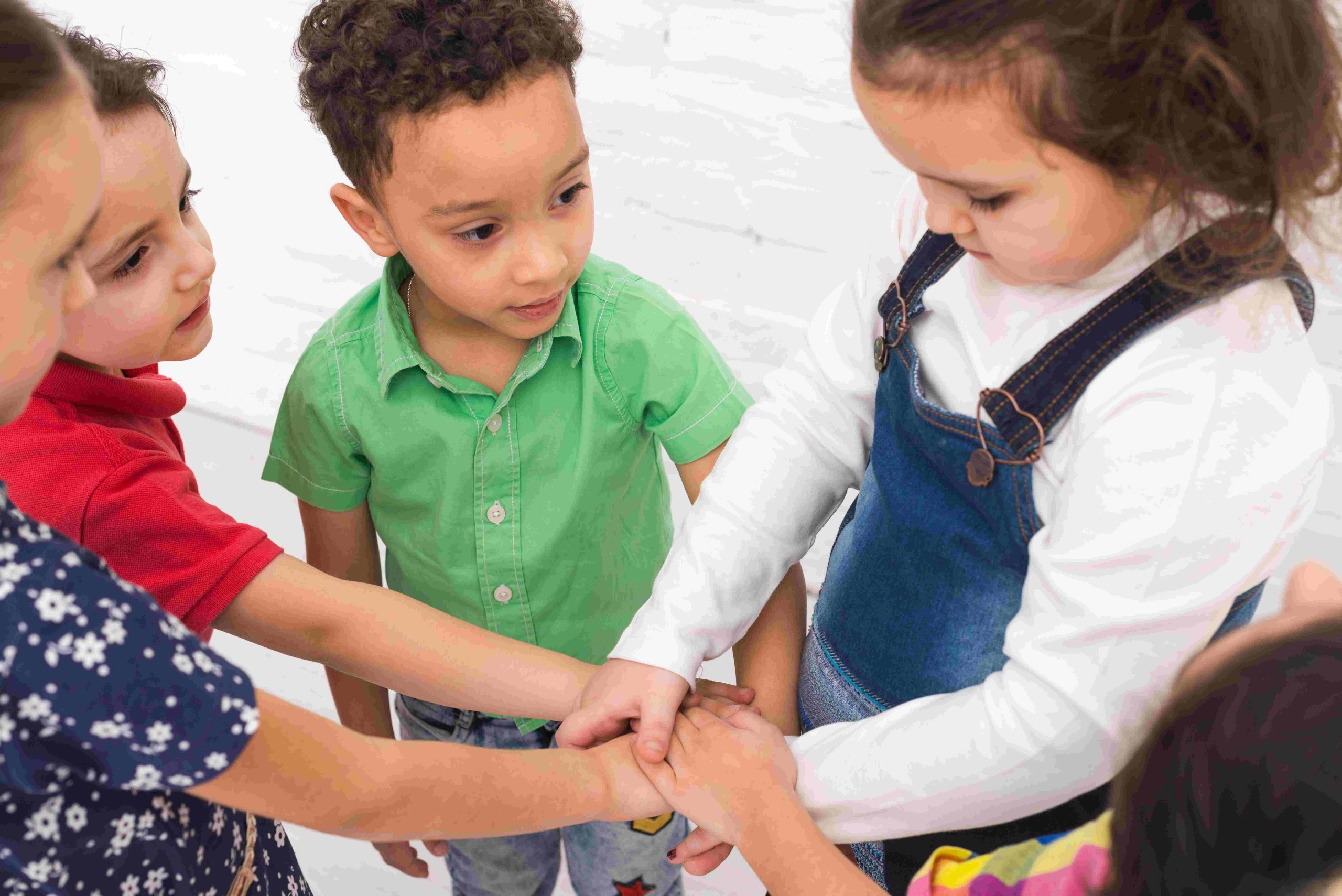
    Preschoolers’ social interactions and relationships with peers play a crucial role in shaping their sense of self-worth. Encouraging positive peer relationships and social connections is essential for their overall well-being and self-perception.

    Delve into the importance of creating opportunities for preschoolers to engage in cooperative play, group activities, and shared experiences. When preschoolers feel included and valued within their peer group, it enhances their self-worth and self-esteem.

    We emphasize the significance of fostering an environment that promotes acceptance, inclusivity, and a sense of shared worth. By teaching preschoolers’ empathy, kindness, and respect towards others, we empower them to appreciate and celebrate the uniqueness of their peers. This encourages the development of healthy interpersonal skills and positive relationship dynamics.

    We discuss practical strategies for facilitating positive peer interactions, such as organizing group games, encouraging collaboration on projects, and promoting teamwork. By providing opportunities for preschoolers to interact with their peers in a supportive and inclusive setting, we contribute to the cultivation of their self-worth and social skills.


    Cultivating Strengths and Recognizing Achievements

    Preschoolers possess a range of strengths, talents, and abilities that contribute to their overall sense of self-worth. This focuses on the importance of nurturing these strengths and recognizing their achievements.

    We explore the significance of providing preschoolers with opportunities to explore and develop their interests. By engaging in activities that align with their passions, preschoolers can experience a sense of accomplishment and boost their confidence. This, in turn, enhances their self-worth and self-belief.

    We emphasize the impact of recognizing and celebrating preschoolers’ achievements, regardless of their magnitude. By praising their efforts, progress, and personal growth, we validate their abilities and instill a sense of pride in their accomplishments. This affirmation reinforces their belief in their own worth and motivates them to continue striving for excellence.

    Practical strategies discussed include setting achievable goals, providing constructive feedback, and organizing events or showcases where preschoolers can showcase their talents and accomplishments. By cultivating an environment that values and acknowledges their strengths and achievements, we nurture their self-worth and encourage their ongoing growth and development.


    Emphasizing Personal Growth and Learning from Mistakes

    Delve into the importance of preschoolers’ perception of personal growth and their ability to learn from mistakes in developing a healthy sense of self-worth.

    We explore the significance of teaching preschoolers that mistakes are opportunities for learning and growth. By reframing mistakes as valuable learning experiences, we promote a sense of self-worth that is based on the willingness to try, learn, and improve. This helps preschoolers develop resilience and view challenges as opportunities for personal growth rather than sources of discouragement.

    Practical strategies discussed include encouraging a growth mindset, fostering a supportive environment where making mistakes is seen as natural, and providing guidance on problem-solving and critical thinking. By emphasizing the importance of effort, perseverance, and a positive attitude towards challenges, we empower preschoolers to develop a strong sense of self-worth rooted in personal growth and continuous learning.


    Modeling and Encouraging Positive Self-Worth

    As adults, we have a significant influence on preschoolers’ sense of self-worth. This explores the importance of modeling and encouraging positive self-worth in our own lives as a powerful example for preschoolers to follow.

    We highlight the impact of demonstrating self-compassion, self-acceptance, and self-respect. By modeling these behaviors, we teach preschoolers the importance of valuing oneself and foster their own self-worth.

    Practical strategies discussed include engaging in self-care practices, practicing self-compassion, and maintaining a positive self-talk. By demonstrating these behaviors, we help preschoolers internalize them and develop their own sense of self-worth.

    We emphasize the significance of encouraging preschoolers to express their thoughts, emotions, and opinions openly. Actively listening to them, validating their experiences, and providing support and encouragement create an environment where preschoolers feel seen, heard, and valued. This reinforces their belief in their own worth and contributes to the development of a positive self-perception.

    Practical strategies discussed include active listening techniques, validating emotions, and fostering open and respectful communication. By modeling and encouraging positive self-worth in our interactions with preschoolers, we empower them to embrace their uniqueness, celebrate their achievements, and develop a strong sense of self-worth.

    Overall, this focuses on the role of adults in modeling and encouraging positive self-worth in preschoolers. By demonstrating self-compassion, self-acceptance, and self-respect, and by creating a supportive and validating environment, we nurture preschoolers’ sense of self-worth and contribute to their emotional well-being and confidence.


    Encouraging Self-Reflection and Self-Awareness

    Self-reflection and self-awareness are vital components of developing a healthy sense of self-worth in preschoolers. This explores the importance of encouraging preschoolers to engage in self-reflection and develop a deeper understanding of themselves.

    We discuss the significance of providing opportunities for preschoolers to explore their thoughts, emotions, and personal experiences. By encouraging self-reflection, we help them develop a better understanding of their strengths, values, and unique qualities. This self-awareness contributes to a positive self-perception and a stronger sense of self-worth.

    Practical strategies discussed include journaling activities, guided discussions about feelings and experiences, and encouraging preschoolers to articulate their thoughts and opinions. By fostering self-reflection and self-awareness, we empower preschoolers to develop a strong sense of self and recognize their own worth.


    Promoting Positive Body Image and Acceptance

    Body image plays a significant role in shaping preschoolers’ self-worth and self-perception. This focuses on promoting positive body image and acceptance in preschoolers.

    We emphasize the importance of celebrating and embracing diversity in body shapes, sizes, and appearances. By teaching preschoolers to appreciate and accept their bodies as unique and beautiful, we promote a positive body image and a sense of self-worth that is not solely based on external appearance.

    Practical strategies discussed include promoting a healthy relationship with food and physical activity, engaging in body-positive conversations, and providing age-appropriate education about body diversity. By fostering a positive body image and acceptance, we help preschoolers develop a strong sense of self-worth that is rooted in self-acceptance and body positivity.


    Encouraging Autonomy and Decision-Making

    Preschoolers’ sense of self-worth is closely linked to their ability to make decisions and exercise autonomy. This explores the importance of encouraging preschoolers to make choices and decisions independently.

    We discuss the significance of providing age-appropriate opportunities for preschoolers to make choices and take ownership of their decisions. By allowing them to have a sense of control over their lives, we enhance their self-worth and self-confidence.

    Practical strategies discussed include offering limited choices, encouraging problem-solving skills, and providing opportunities for preschoolers to take on age-appropriate responsibilities. By fostering autonomy and decision-making skills, we empower preschoolers to develop a strong sense of self-worth based on their ability to make choices and take charge of their lives.


    Encouraging Mindfulness and Emotional Well-being

    Mindfulness and emotional well-being play a crucial role in nurturing a preschooler’s sense of self-worth. This explores the importance of cultivating mindfulness and emotional awareness in preschoolers.

    We highlight the significance of teaching preschoolers to be present in the moment, to observe their emotions without judgment, and to develop healthy coping mechanisms for managing stress and difficult emotions. By cultivating mindfulness and emotional well-being, we support their overall mental and emotional development, which in turn contributes to their sense of self-worth.

    Practical strategies discussed include introducing mindfulness exercises, teaching emotional literacy, and modeling healthy emotional regulation. By fostering mindfulness and emotional well-being, we help preschoolers develop a strong sense of self-worth that is grounded in self-awareness and emotional resilience.

  • Special Education Services

    Special Education Services

    Nurturing Potential: Unveiling the Power of Special Education Services for Preschoolers

    Every child deserves an equal opportunity to learn, grow, and thrive. However, some preschoolers face unique challenges that require specialized support and guidance. In the realm of education, special education services play a vital role in ensuring that every child’s needs are met, fostering their development and empowering them to reach their full potential. This article delves into the world of special education services, shedding light on their significance, strategies employed, and the impact they have on the lives of preschoolers.


    Understanding Special Education Services: A Holistic Approach

    Delve into the essence of special education services and the significance of taking a holistic approach to meet the needs of preschoolers with disabilities or developmental delays. It emphasizes the importance of addressing all aspects of a child’s development, including cognitive, social-emotional, and physical domains.

    By adopting a holistic approach, special education services recognize that each preschooler is unique, with their own strengths and challenges. The goal is to provide tailored support that meets their individual needs, allowing them to thrive academically and personally. This approach acknowledges that education is not a one-size-fits-all concept and strives to create equitable learning opportunities for all preschoolers.

    Through the implementation of a holistic approach, special education services aim to promote inclusive education. By ensuring that every preschooler receives the necessary support, they can actively participate in the learning process alongside their peers. This not only fosters a sense of belonging but also helps to break down barriers and reduce the stigma associated with disabilities.


    Individualized Education Programs (IEPs): A Roadmap for Success

    This focuses on the crucial role of Individualized Education Programs (IEPs) in special education services. IEPs serve as personalized roadmaps that outline specific goals, strategies, and accommodations for each preschooler. They are developed through collaborative efforts involving educators, parents, and specialists, ensuring that the educational experience is tailored to the unique needs and abilities of the child.

    By creating an IEP, special education services enable preschoolers to receive targeted support and interventions. The goals set within the IEP address academic, social, and behavioral areas, guiding the child towards progress and success. Strategies and accommodations are designed to maximize learning potential and provide the necessary tools and resources for the child’s educational journey.

    One key aspect of IEPs is the involvement of parents as active partners in the process. Their insights, observations, and aspirations for their child are integral to the development and implementation of the IEP. This collaborative approach fosters a sense of empowerment and ensures that parents are equipped to support their child’s educational needs beyond the school environment.


    Multi-sensory Instruction: Engaging Minds, Unlocking Potential

    This explores the power of multi-sensory instruction in special education services. It emphasizes the importance of engaging multiple senses to enhance learning experiences for preschoolers with diverse learning abilities.

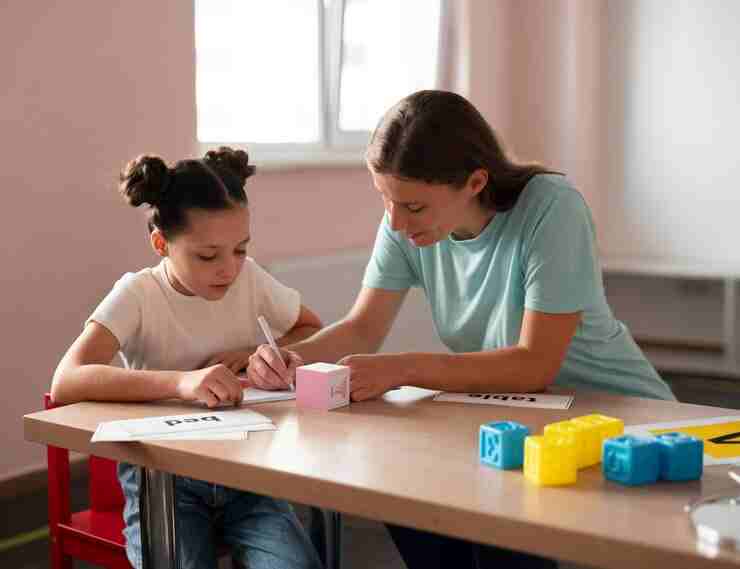
    Multi-sensory instruction recognizes that preschoolers learn in different ways and benefit from various modes of engagement. By incorporating visual, auditory, tactile, and kinesthetic elements into lessons, educators can create a dynamic and inclusive learning environment. This approach not only facilitates deeper understanding but also promotes active participation, retention of information, and the application of knowledge.

    For example, in a mathematics lesson, educators might use manipulatives, such as counters or blocks, to facilitate hands-on learning and promote a concrete understanding of mathematical concepts. Visual aids, such as charts or diagrams, can be used to reinforce understanding. Additionally, incorporating movement and physical activities can help engage kinesthetic learners and reinforce learning through experiential means.


    Assistive Technology: Expanding Horizons, Removing Barriers

    This explores the transformative impact of assistive technology in special education services. Assistive technology encompasses a wide range of tools and devices that support preschoolers with disabilities in accessing educational opportunities.

    Advancements in technology have revolutionized the field of special education, providing innovative solutions to remove barriers and empower preschoolers with disabilities. Assistive technology tools include speech-to-text software, alternative communication devices, adaptive learning platforms, and sensory integration tools.

    For instance, a speech-to-text software can help preschoolers with speech impairments to express themselves in written form, enabling effective communication and participation in written assignments or classroom activities. Alternative communication devices, such as augmentative and alternative communication (AAC) devices, facilitate communication for preschoolers with limited verbal abilities, ensuring that they can express their thoughts, needs, and ideas.

    Adaptive learning platforms leverage technology to personalize and adapt educational content to suit the individual learning needs and preferences of preschoolers. These platforms offer interactive and engaging activities, allowing preschoolers to learn at their own pace and providing immediate feedback and support.

    Sensory integration tools, such as sensory cushions or fidget toys, can help preschoolers with sensory processing challenges regulate their sensory experiences, enabling them to focus and engage in learning activities more effectively.

    By integrating assistive technology into special education services, barriers to learning are diminished, and preschoolers are empowered to actively participate in the educational process. These tools promote independence, boost self-confidence, and provide equal access to educational opportunities for all preschoolers, regardless of their abilities.


    Collaborative Partnerships: A Synergy of Support

    This highlights the significance of collaborative partnerships among stakeholders involved in special education services. Educators, parents, therapists, and specialists work together to create a cohesive support network that nurtures the holistic development of preschoolers.

    Collaborative partnerships foster open lines of communication, ensuring that information, insights, and observations are shared among all stakeholders. This collaborative approach helps create a consistent and seamless support system for preschoolers, both within the school environment and at home.

    Educators play a central role in collaborative partnerships, as they are responsible for implementing the strategies outlined in the IEPs and providing day-to-day support to preschoolers. Regular communication and collaboration with parents allow educators to gain a deeper understanding of the child’s needs and progress, while parents can actively contribute their knowledge and insights into their child’s strengths and challenges.

    Therapists and specialists, such as speech and language therapists, occupational therapists, and psychologists, bring their expertise to the table, providing valuable assessments, interventions, and strategies to support the child’s development. Through collaborative partnerships, these professionals can work together to develop a comprehensive support plan that addresses all areas of the child’s needs.


    Inclusive Environments: Cultivating Acceptance, Celebrating Differences

    This emphasizes the significance of inclusive environments in special education services. Inclusive classrooms foster acceptance, celebrate differences, and create a sense of belonging for all preschoolers.

    Inclusive environments prioritize diversity, ensuring that every child feels valued, respected, and supported. Educators cultivate a culture of acceptance and empathy, promoting positive social interactions among preschoolers. By encouraging collaboration and cooperation, inclusive environments help preschoolers develop social skills, foster friendships, and build a strong sense of community.

    Inclusive classrooms also provide opportunities for all preschoolers to learn from one another. Peer-to-peer learning allows preschoolers to develop an understanding and appreciation of different abilities, perspectives, and experiences. By embracing diversity, inclusive environments prepare preschoolers for a world that values inclusivity and equity.


    Transition Planning: Ensuring Smooth Transitions

    This sheds light on the importance of transition planning in special education services. Transition planning focuses on facilitating smooth transitions for preschoolers with disabilities as they move from one educational setting to another or transition from preschool to primary school.

    Transition planning involves collaboration between educators, parents, and relevant professionals to create a seamless transition process. It encompasses various aspects, including assessing the child’s needs, setting goals, providing necessary support and resources, and ensuring continuity of services.

    By incorporating transition planning into special education services, preschoolers with disabilities can navigate changes more effectively. It helps to minimize disruptions and provides a stable and supportive environment during critical transitional periods, allowing them to continue their educational journey with confidence and success.


    Social-Emotional Development: Nurturing Well-being and Resilience

    Social-emotional development highlights the significance of addressing the emotional well-being and resilience of preschoolers in special education services. It acknowledges that the social and emotional aspects of a child’s development are closely intertwined with their academic progress.

    Special education services prioritize the development of social skills, emotional regulation, self-awareness, and empathy. Strategies such as social stories, emotional regulation techniques, and social skills training are employed to support preschoolers in understanding and managing their emotions, building positive relationships, and developing resilience in the face of challenges.

    By nurturing social-emotional development, special education services empower preschoolers to navigate social situations, form meaningful connections, and build a strong foundation for their overall well-being. This holistic approach not only enhances their emotional intelligence but also fosters a positive and inclusive learning environment.


    Family Engagement: Empowering Parents as Partners

    Family engagement recognizes the crucial role of parents as partners in special education services. It emphasizes the importance of involving parents in decision-making processes, fostering open lines of communication, and providing parents with the necessary support and resources to actively participate in their child’s educational journey.

    Family engagement promotes a collaborative and supportive relationship between educators and parents. Regular communication, parent-teacher conferences, and workshops enable parents to stay informed about their child’s progress, understand their child’s individualized support plan, and actively contribute to their child’s development.

    By empowering parents as partners, special education services create a strong support system that enhances the child’s educational experience both at school and at home. The collaboration between educators and parents ensures that the child receives consistent and holistic support, maximizing their potential for growth and success.


    Professional Development: Enhancing Educators’ Expertise

    This focuses on the significance of ongoing professional development for educators in special education services. It recognizes the evolving nature of the field and the need for educators to continually enhance their knowledge and skills to meet the diverse needs of preschoolers with disabilities.

    Professional development programs provide educators with opportunities to learn about new research, best practices, and innovative strategies in special education. Training sessions, workshops, conferences, and collaboration with specialists and experts in the field equip educators with the tools and resources needed to deliver high-quality and effective instruction.

    By investing in professional development, special education services ensure that educators are equipped with the latest knowledge and instructional techniques to support the diverse needs of preschoolers. It strengthens the overall quality of special education services and promotes continuous improvement in meeting the needs of preschoolers with disabilities.


    Cultural Competence: Embracing Diversity and Cultural Sensitivity

    Delve into the significance of cultural competence in special education services. It emphasizes the importance of recognizing and embracing the diverse cultural backgrounds of preschoolers and their families, as well as the need for educators to develop cultural sensitivity.

    Cultural competence in special education services involves understanding and respecting cultural practices, beliefs, and values. It ensures that educational approaches and interventions are culturally responsive and inclusive, taking into account the unique cultural backgrounds and experiences of preschoolers.

    By incorporating cultural competence into special education services, educators can create a safe and inclusive learning environment that celebrates diversity. It allows preschoolers to maintain a strong connection to their cultural heritage while also promoting mutual respect, understanding, and collaboration among preschoolers from different cultural backgrounds.


    Early Intervention: Timely Support for Optimal Development

    Early intervention highlights the significance of identifying and addressing developmental delays or disabilities at an early stage. Early intervention services in special education focus on providing support and interventions as soon as concerns are identified, maximizing the potential for optimal development.

    Early intervention services involve a collaborative effort between educators, parents, and specialists to assess a child’s development, identify areas of concern, and design appropriate interventions. These interventions may include speech and language therapy, occupational therapy, behavioral interventions, and other specialized services tailored to the child’s specific needs.

    By providing early intervention services, special education aims to address developmental challenges at a critical stage of a child’s growth. Timely support not only improves outcomes but also prevents or minimizes potential long-term difficulties, setting the foundation for future success in academic, social, and emotional domains.


    Inclusive Assessment Strategies: Measuring Progress and Potential

    Inclusive assessment strategies explore the importance of using diverse and inclusive assessment methods in special education services. It acknowledges that traditional assessment approaches may not accurately capture the abilities and progress of preschoolers with diverse learning needs.

    Inclusive assessment strategies consider the individual strengths, learning styles, and abilities of preschoolers. They encompass a variety of assessment tools and approaches, such as observations, portfolios, alternative assignments, and performance-based assessments. These methods provide a more comprehensive and accurate representation of a child’s progress and potential.

    By employing inclusive assessment strategies, special education services ensure that preschoolers are assessed in a fair and equitable manner, considering their individual needs and abilities. This approach promotes a positive and strengths-based view of a child’s abilities, encouraging their growth and development.


    Community Partnerships: Collaborating Beyond the Classroom

    Community partnerships highlights the importance of collaborating with community organizations and resources to enhance special education services. It recognizes that the support and services required for preschoolers with disabilities extend beyond the classroom.

    Community partnerships involve collaboration with local organizations, support groups, medical professionals, and other stakeholders to provide a comprehensive network of support for preschoolers and their families. These partnerships may offer additional resources, therapy services, recreational activities, and support systems to complement the educational support provided within the school setting.

    By forging community partnerships, special education services can leverage the expertise and resources available in the community to enhance the quality and effectiveness of support for preschoolers. It fosters a sense of belonging, strengthens support networks, and promotes a holistic approach to their overall well-being and development.

  • Test Learning Difficulties

    Nurturing Young Minds: Unraveling the Challenges Faced by Preschoolers in Learning

    Preschoolers, with their curious minds and boundless energy, are at a crucial stage of development where they embark on a journey of exploration and learning. However, not all young minds follow a smooth path in acquiring knowledge and skills. Learning difficulties can present formidable hurdles for preschoolers, impeding their progress and affecting their overall development. In this article, we delve into the realm of learning difficulties faced by preschoolers, shedding light on various aspects and exploring strategies to support their educational journey.


    I. The Spectrum of Learning Difficulties:

    Dyslexia: Unraveling the Hidden Letters of Words

    Dyslexia, a specific learning disorder, presents challenges in reading and language processing skills. Preschoolers with dyslexia may struggle with word recognition, phonological awareness, and spelling. The emotional impact of dyslexia can be profound, leading to frustration, low self-esteem, and anxiety.

    To support preschoolers with dyslexia, educators and parents can employ various strategies. Multi-sensory approaches, such as incorporating tactile and auditory elements in reading activities, can enhance learning. Assistive technology, like text-to-speech software, can aid in overcoming reading barriers. Specialized instruction, provided by trained professionals, can help develop reading skills through targeted interventions and individualized attention.


    Dyscalculia: Unlocking the World of Numbers

    Dyscalculia is a mathematical learning disorder that affects number sense and arithmetic skills. Preschoolers with dyscalculia may struggle with number recognition, counting, and understanding mathematical concepts. These challenges can lead to feelings of inadequacy, frustration, and avoidance of math-related tasks.

    Supporting preschoolers with dyscalculia requires a multi-faceted approach. Visual aids, such as manipulatives and charts, can help illustrate mathematical concepts and foster understanding. Hands-on activities that encourage the use of real-world examples can make math more tangible. Individualized instruction, tailored to each child’s specific needs, can provide targeted support and build confidence in mathematical abilities.


    Attention Deficit Hyperactivity Disorder (ADHD): Focusing the Wandering Mind

    ADHD is a neurodevelopmental disorder characterized by inattention, hyperactivity, and impulsivity. Preschoolers with ADHD may find it challenging to sustain attention, follow instructions, and organize tasks. This can result in frustration, self-doubt, and difficulties in social interactions.

    Supporting preschoolers with ADHD requires the implementation of structured routines and visual schedules, which help create a predictable and organized learning environment. Positive reinforcement, such as praise and rewards, can motivate and encourage desired behaviors. Collaboration between parents, educators, and healthcare professionals is essential to develop comprehensive strategies that address both academic and behavioral aspects of ADHD.


    II. Emotional Impact of Learning Difficulties

    Frustration and Self-Esteem: A Perilous Intersection

    Learning difficulties often give rise to frustration in preschoolers. The inability to grasp concepts or keep up with peers can lead to a sense of inadequacy and diminish self-esteem. Preschoolers may feel discouraged and reluctant to participate in learning activities.

    To foster resilience and self-confidence, it is crucial to provide preschoolers with ongoing support and encouragement. Celebrating small victories and acknowledging their efforts can boost self-esteem. Offering a safe and non-judgmental space for expressing emotions and frustrations helps preschoolers develop emotional resilience and coping skills.


    Anxiety and Stress: A Tangled Web

    Learning difficulties can contribute to heightened levels of anxiety and stress in preschoolers. The fear of failure, academic demands, and social comparisons can create a tangled web of anxiety. This, in turn, affects their ability to focus and learn effectively.

    Managing anxiety in preschoolers involves implementing relaxation techniques and mindfulness exercises. Deep breathing, guided imagery, and progressive muscle relaxation can help reduce stress levels. Creating a supportive and low-stress learning environment, with clear expectations and realistic goals, can alleviate anxiety and promote optimal learning experiences.


    Social Challenges: The Loneliness of Struggling Minds

    Learning difficulties can impact social interactions and peer relationships. Preschoolers may experience challenges in understanding social cues, following conversations, and establishing friendships. This can lead to feelings of isolation and exclusion.

    Nurturing empathy and understanding among peers is essential to foster an inclusive learning environment. Educators can promote social acceptance by encouraging cooperative learning activities, fostering empathy through storytelling and discussions, and promoting inclusivity in classroom settings. Implementing strategies such as peer tutoring or buddy systems can provide opportunities for preschoolers to support and learn from each other, fostering positive social interactions.


    III. Unlocking the Potential: Strategies for Supporting Preschoolers:

    Early Identification and Intervention: The Key to Success

    Early identification and intervention are crucial in supporting preschoolers with learning difficulties. Collaborative efforts between parents, educators, and professionals play a vital role in identifying signs and implementing appropriate interventions. Regular screenings and assessments can help identify potential learning difficulties, allowing for early intervention strategies to be put in place.

    Individualized Education Programs (IEPs) are a valuable tool in providing targeted support to preschoolers. These programs outline specific goals and strategies tailored to the unique needs of each child. By implementing early intervention strategies and personalized support, educators and parents can unlock the potential of preschoolers with learning difficulties, setting them on a path to success.


    Multisensory Learning: Engaging the Senses

    Multisensory learning approaches engage multiple senses to enhance learning and comprehension. Preschoolers with learning difficulties often benefit from these approaches, as they provide alternative pathways for information processing. By incorporating visual, auditory, and kinesthetic elements into teaching methods, educators can cater to different learning styles and help preschoolers grasp and retain information more effectively.

    Multisensory learning environments can be created by using hands-on materials, visual aids, music, movement, and interactive technology. These approaches promote active engagement and participation, making learning a more enjoyable and meaningful experience for preschoolers with learning difficulties.


    Differentiated Instruction: Tailoring Teaching to Individual Needs

    Recognizing and accommodating diverse learning styles and preferences is essential in supporting preschoolers with learning difficulties. Differentiated instruction involves adapting teaching methods, materials, and activities to meet the specific needs of each child. By providing varied instructional approaches, educators can ensure that all preschoolers have access to learning opportunities that suit their abilities.

    Differentiated instruction strategies include flexible grouping, individualized assignments, and targeted interventions. By tailoring instruction to the strengths and weaknesses of each preschooler, educators can optimize their learning potential and help them overcome specific challenges.


    Assistive Technology: Empowering Preschoolers

    Assistive technology can play a transformative role in supporting preschoolers with learning difficulties. It encompasses a wide range of tools, devices, and software designed to enhance accessibility and facilitate learning. For preschoolers with communication difficulties, augmentative and alternative communication devices can aid in expressing thoughts and ideas effectively.

    Educational apps, interactive software, and digital tools can provide personalized learning experiences and reinforce key concepts. These technologies can adapt to individual learning needs, offering immediate feedback and reinforcement. By integrating assistive technology into the learning environment, educators can empower preschoolers to overcome learning difficulties and reach their full potential.


    IV. Overcoming Challenges in Language Development:

    Speech and Language Disorders: Nurturing Effective Communication

    Speech and language disorders can significantly impact a preschooler’s ability to communicate effectively. These disorders encompass a range of challenges, including articulation difficulties, language delays, and speech sound disorders. Preschoolers with speech and language disorders may struggle to produce sounds, understand and use language, and express their thoughts and ideas.

    To nurture effective communication, early identification and intervention are crucial. Educators and parents can work together to identify signs of speech and language difficulties, such as limited vocabulary, difficulty following directions, or unclear speech. Speech therapy, delivered by trained professionals, can help preschoolers improve their speech production and language skills. Language enrichment activities, such as storytelling, interactive games, and language-based play, can also support language development in a fun and engaging manner.


    Supporting English Language Learners: Embracing Multilingualism

    Preschoolers who are English language learners (ELLs) face unique challenges in their language acquisition journey. These preschoolers are simultaneously navigating the acquisition of a new language while also developing their native language skills. It is essential to create a supportive and inclusive environment that values and celebrates linguistic diversity.

    To support ELLs, educators can employ strategies that promote language acquisition and cultural integration. Providing visual aids, gestures, and real-life examples can aid in understanding and reinforce language learning. Incorporating multicultural literature and activities into the curriculum can help ELLs connect their cultural background with the learning process. Building partnerships with families and leveraging their knowledge and experiences can further enhance support for ELLs, promoting a sense of belonging and fostering linguistic and cultural pride.


    V. Sensory Processing Disorders: Navigating the World of Sensations

    Understanding Sensory Processing Disorders: Sensory Sensitivities and Challenges

    Sensory processing disorders occur when there are difficulties in processing and responding to sensory information from the environment. Preschoolers with sensory processing disorders may have heightened sensitivities or seek out sensory input excessively. They may struggle with everyday sensory experiences, such as loud noises, bright lights, or textures, which can affect their ability to focus, engage in activities, and regulate their emotions.

    Understanding the specific sensory sensitivities and challenges faced by each preschooler is crucial. Occupational therapists can assist in evaluating sensory profiles and developing individualized intervention plans. Creating sensory-friendly environments by minimizing sensory distractions, providing alternative seating options, and incorporating calming elements can support preschoolers with sensory processing disorders. Sensory integration techniques, such as deep pressure activities, swinging, or tactile play, can help regulate sensory responses and promote engagement and self-regulation.


    Sensory Strategies for Learning: Harnessing the Power of Sensory Input

    Sensory-based strategies play a vital role in enhancing learning experiences for preschoolers with sensory processing disorders. These strategies harness the power of sensory input to engage and support kids in their educational journey. By incorporating sensory breaks and sensory-rich activities into the daily routine, educators can create opportunities for preschoolers to self-regulate and refocus their attention.

    Collaboration with occupational therapists is key in developing individualized sensory plans that address specific sensory needs. These plans may include incorporating sensory diet activities throughout the day, such as providing fidget tools, offering movement breaks, or creating sensory stations. By integrating sensory strategies into the learning environment, educators can optimize the preschooler’s ability to process information, participate actively, and achieve their learning goals.


    VI. Executive Functioning Difficulties: Enhancing Self-Regulation and Cognitive Skills

    Executive Functioning Challenges: Nurturing Self-Regulation and Organization

    Executive functioning refers to a set of cognitive skills necessary for self-regulation, planning, organization, and problem-solving. Preschoolers with executive functioning difficulties may struggle with tasks such as following directions, organizing their materials, managing time, and staying focused. These challenges can impact their academic performance and daily routines.

    Nurturing self-regulation and organization skills is essential for supporting preschoolers with executive functioning difficulties. Educators can implement strategies that promote self-awareness and self-monitoring, such as visual schedules, checklists, and timers. Breaking down tasks into manageable steps and providing clear expectations can help preschoolers with organization and planning. Additionally, teaching problem-solving strategies, such as identifying alternatives and evaluating outcomes, can enhance their cognitive flexibility and decision-making abilities.


    Promoting Cognitive Skills: Boosting Memory, Attention, and Problem-Solving

    Preschoolers with executive functioning difficulties often struggle with memory, attention, and problem-solving skills. These cognitive skills are essential for academic success and overall learning. By implementing specific strategies, educators can support the development of these skills in preschoolers.

    Activities that focus on memory enhancement, such as memory games or repetition exercises, can help preschoolers improve their recall abilities. Creating a structured and organized learning environment with minimal distractions can support their attention and focus. Problem-solving activities, such as puzzles, brainstorming sessions, and open-ended questions, can stimulate critical thinking and problem-solving skills.

    It is important to provide ample opportunities for preschoolers to practice and develop these cognitive skills in various contexts. By integrating these strategies into daily activities and lessons, educators can empower preschoolers to become more independent learners and problem solvers.


    VII. Collaboration and Support Systems:

    Parent-Teacher Partnership: Building Strong Collaborative Relationships

    The partnership between parents and educators plays a vital role in supporting preschoolers with learning difficulties. Collaborative relationships built on trust and open communication are key to understanding the unique needs and strengths of each child. Together, parents and educators can create a consistent and supportive learning environment.

    Regular communication between parents and educators allows for the sharing of observations, concerns, and strategies for supporting the preschooler’s learning journey. Parent-teacher conferences, progress reports, and informal check-ins provide opportunities to discuss progress, set goals, and celebrate achievements. Engaging parents in the learning process by providing resources, strategies, and activities that can be implemented at home strengthens the partnership and extends support beyond the classroom.


    Professional Development and Training: Empowering Educators

    Continuous professional development and training are essential for educators to effectively support preschoolers with learning difficulties. As understanding and research on learning difficulties evolve, educators need access to up-to-date knowledge and evidence-based practices.

    Professional development opportunities can focus on topics such as inclusive education, differentiated instruction, specific learning disorders, and strategies for supporting diverse learners. Workshops, conferences, online courses, and collaboration with specialists and experts can provide educators with the tools and knowledge to meet the unique needs of preschoolers with learning difficulties.

    Creating a culture of ongoing learning and sharing best practices within educational communities empowers educators to provide high-quality and inclusive education. By investing in professional development, educators can continually refine their skills, expand their understanding of learning difficulties, and ensure that preschoolers receive the best possible support.

  • Early Intervention and Support

    Early Intervention and Support

    Unlocking Potential: Early Intervention and Support for Preschoolers

    Early childhood is a critical period of development when preschoolers are rapidly acquiring new skills and forming the foundation for future growth. For some preschoolers, however, certain challenges or delays may arise that require early intervention and support. In this article, we will explore the importance of early intervention and discuss various strategies and resources available to support the diverse needs of preschoolers.


    Early Intervention: Empowering Preschoolers for Success

    Early intervention refers to the timely identification, assessment, and support provided to preschoolers who may have developmental delays, disabilities, or other challenges. The goal of early intervention is to address these concerns at the earliest stage possible, promoting optimal development and improving long-term outcomes. Let’s delve into the key aspects of early intervention for preschoolers:

  • Early Identification: Early identification is crucial in recognizing potential areas of concern in preschoolers. It involves close observation, developmental screenings, and assessments to detect any developmental delays or atypicalities. Parents, caregivers, educators, and healthcare professionals play a vital role in recognizing and reporting any developmental red flags.
  • Multidisciplinary Assessment: Once a concern is identified, a multidisciplinary assessment is conducted to gain a comprehensive understanding of the preschooler’s strengths and areas of need. This assessment may involve professionals from various disciplines, such as speech-language therapists, occupational therapists, psychologists, and special educators. Through a collaborative approach, a tailored intervention plan is created.
  • Individualized Intervention: Early intervention programs are designed to provide individualized support and interventions based on the unique needs of each preschooler. These interventions may include therapies, educational strategies, adaptive equipment, and specialized services. The aim is to enhance preschoolers’ developmental skills and promote their overall well-being.


    Speech and Language Support

    Language and communication skills are fundamental for preschoolers’ development. Speech and language support interventions focus on enhancing communication abilities, such as speech articulation, vocabulary development, and social communication skills. Speech-language therapists employ various techniques, including play-based activities, picture-based communication systems, and social interaction strategies.


    Occupational Therapy and Motor Skills Development

    Occupational therapy addresses the development of fine motor, gross motor, and self-help skills in preschoolers. Therapists utilize purposeful play, sensory integration techniques, and structured activities to promote motor coordination, visual-motor skills, self-care independence, and overall physical development. Occupational therapy interventions enhance preschoolers’ abilities to navigate their environment and engage in daily activities with greater independence.


    Social-Emotional Support

    Social-emotional support interventions focus on promoting positive social interactions, emotional regulation, and self-awareness in preschoolers. These interventions help preschoolers develop essential skills like empathy, self-control, problem-solving, and building positive relationships. Social-emotional support may be provided through individual or group therapy sessions, play-based activities, and structured social skills training.


    Educational Support

    Educational support interventions aim to address preschoolers’ learning needs and facilitate their academic progress. Special educators employ tailored teaching strategies, adaptive materials, and assistive technologies to create an inclusive learning environment. These interventions focus on enhancing cognitive skills, literacy development, numeracy skills, and fostering a love for learning.

  • Family-Centered Approach: Early intervention recognizes the critical role of families in supporting their preschoolers’ development. A family-centered approach involves collaborating with parents, caregivers, and family members as active partners in the intervention process. It empowers families with the knowledge, resources, and support necessary to promote their preschoolers’ progress at home and in other settings.
  • Accessible Resources and Community Support: Early intervention programs connect families to a range of resources and community supports. These may include parent support groups, community centers, educational workshops, and access to specialized services. By fostering collaboration among professionals, families, and communities, early intervention ensures comprehensive support for preschoolers.
    Early intervention and support are powerful tools for unlocking the potential of preschoolers facing developmental challenges or delays. By identifying concerns early, providing individualized interventions, and involving families and communities, we can empower preschoolers to overcome obstacles and thrive. Every preschooler deserves the opportunity to reach their full potential, and through early intervention, we can ensure they receive the support they need to embark on a successful journey of growth and development.


    Parent Education and Empowerment

    Parent education and empowerment play a vital role in early intervention and support for preschoolers. When parents are equipped with knowledge and resources, they become active participants in their child’s development. Let’s explore the importance of parent education and how it can positively impact preschoolers’ progress.

  • Understanding Developmental Milestones: Parent education begins with an understanding of typical developmental milestones for preschoolers. When parents are aware of what skills their preschoolers should be acquiring at each age, they can identify any potential delays or challenges. This knowledge helps parents take early action and seek appropriate support if needed.
  • Building Parental Confidence: Early intervention can be an overwhelming experience for parents. Parent education programs focus on building parental confidence and competence in supporting their preschoolers. By providing information, guidance, and practical strategies, parents gain the necessary tools to actively engage in their child’s intervention journey.
  • Enhancing Parent-Child Interaction: Parent education emphasizes the importance of positive parent-child interactions. These interactions provide a nurturing environment that promotes language development, social-emotional growth, and cognitive stimulation. Parent education programs offer guidance on fostering meaningful interactions, promoting active listening, and engaging in responsive and reciprocal communication with their preschoolers.
  • Strengthening Advocacy Skills: Advocacy is an essential aspect of supporting preschoolers’ developmental needs. Parent education equips parents with the knowledge and skills to advocate for their child’s rights and access to appropriate services. It empowers parents to collaborate effectively with professionals, navigate support systems, and ensure their preschoolers receive the necessary interventions.
  • Connecting with Support Networks: Parent education programs create opportunities for parents to connect with other families facing similar challenges. Parent support groups, workshops, and online communities provide a platform for sharing experiences, gaining support, and building a network of individuals who understand and can relate to their journey. These connections offer emotional support, information exchange, and a sense of belonging.
  • Promoting Continuity at Home: Parent education ensures that the progress made through early intervention continues at home. By understanding the strategies and techniques used in therapy sessions, parents can reinforce and generalize skills in the home environment. This continuity helps preschoolers solidify their learning, generalize new skills, and strengthen their overall development.
    Parent education and empowerment are integral components of early intervention and support for preschoolers. By providing parents with knowledge, resources, and support, we empower them to actively participate in their child’s journey towards reaching their full potential. When parents are equipped with information, confidence, and advocacy skills, they become powerful advocates for their preschoolers, fostering a positive and supportive environment for growth and development.


    Collaborative Partnerships

    Collaborative partnerships play a crucial role in early intervention and support for preschoolers. Effective collaboration among parents, educators, therapists, and other professionals ensures a comprehensive and coordinated approach to addressing the needs of preschoolers. Let’s explore the importance of collaborative partnerships in early intervention and how they benefit preschoolers.

  • Holistic Assessment and Planning: Collaborative partnerships facilitate a holistic approach to assessment and planning. Different professionals bring their unique expertise and perspectives to the table, allowing for a comprehensive evaluation of the preschooler’s strengths, challenges, and individual needs. By considering multiple viewpoints, professionals can develop individualized intervention plans that target all areas of development.
  • Information Sharing and Communication: Collaboration enhances information sharing and communication between all stakeholders involved in a preschooler’s support network. Regular and open communication ensures that everyone is well-informed about the child’s progress, challenges, and any adjustments made to the intervention plan. Sharing insights and observations among professionals and parents promotes a deeper understanding of the child’s development and enables a more coordinated and consistent approach.
  • Consistency and Continuity: Collaboration promotes consistency and continuity in the provision of support to preschoolers. When professionals and parents work together, they can establish shared goals, strategies, and expectations. Consistency in approaches, routines, and interventions across different settings, such as home and school, creates a familiar and predictable environment for the child, enhancing their learning and progress.
  • Multidisciplinary Expertise: Collaborative partnerships bring together professionals from various disciplines, such as speech therapy, occupational therapy, psychology, and education. Each discipline contributes unique expertise, knowledge, and strategies to support the preschooler’s overall development. By leveraging the strengths and expertise of each professional, the intervention team can create a comprehensive and tailored approach that addresses all aspects of the child’s needs.
  • Seamless Transitions: Collaboration facilitates seamless transitions for preschoolers as they move between different settings or stages of intervention. When professionals and parents work together, they can ensure a smooth transition from early intervention programs to preschool or from one educational setting to another. Information and strategies can be shared, and support plans can be developed to minimize disruptions and maximize the child’s continuity of progress.
  • Shared Support and Encouragement: Collaborative partnerships provide a network of support and encouragement for both professionals and parents. When everyone is working towards a common goal, there is a sense of shared responsibility and shared success. Professionals can provide guidance, reassurance, and training to parents, while parents can offer valuable insights into their child’s strengths, interests, and preferences. This collective effort fosters a supportive and positive environment for the preschooler’s growth and development.
    Collaborative partnerships are essential in early intervention and support for preschoolers. By fostering effective communication, sharing expertise, and working together towards common goals, collaborative partnerships ensure a comprehensive and coordinated approach to addressing the needs of preschoolers. When professionals and parents collaborate, the preschooler benefits from a holistic and integrated support system that maximizes their potential for growth, development, and success.


    Parental Involvement

    Parental involvement is a crucial component of early intervention and support for preschoolers. When parents actively participate in their child’s development and collaborate with professionals, it enhances the effectiveness and outcomes of interventions. Let’s explore the importance of parental involvement and how it positively impacts preschoolers.

  • Advocacy and Empowerment: Parental involvement empowers parents to advocate for their preschooler’s needs. By actively participating in their child’s intervention and support, parents gain a deeper understanding of their child’s strengths, challenges, and progress. This knowledge allows them to advocate for appropriate resources, services, and accommodations to ensure their child’s optimal development.
  • Enhanced Communication and Collaboration: When parents are involved, it strengthens communication and collaboration between professionals and families. Open and regular communication between parents and professionals promotes a shared understanding of the child’s goals, progress, and challenges. This collaboration allows professionals to integrate the family’s insights, values, and priorities into the intervention plan, leading to a more individualized and effective approach.
  • Continuity of Support: Parental involvement ensures continuity of support for preschoolers beyond formal intervention sessions. Parents can reinforce and extend the strategies and techniques learned during therapy or educational settings in daily routines and activities. By integrating interventions into daily life, parents can provide ongoing support that complements and reinforces the work done by professionals.
  • Individualized Home Environment: Parents play a vital role in creating an individualized and enriching home environment for their preschoolers. By understanding their child’s unique strengths, interests, and learning styles, parents can adapt the home environment to support their development. They can provide opportunities for play, exploration, and learning that align with their child’s needs and preferences.
  • Building Positive Relationships: Parental involvement helps build positive relationships between parents, professionals, and the preschooler. When parents actively participate, they develop strong bonds with professionals who become partners in their child’s growth and development. This collaboration fosters trust, respect, and shared decision-making, creating a supportive and nurturing environment for the preschooler’s overall well-being.
  • Parent Education and Skill Building: Parental involvement offers opportunities for parent education and skill-building. Through workshops, training sessions, and guidance from professionals, parents can enhance their knowledge and skills in supporting their preschooler’s development. They gain insights into effective strategies, techniques, and resources that promote their child’s language, cognitive, social, and emotional growth.
    Parental involvement is a vital component of early intervention and support for preschoolers. When parents actively participate, collaborate, and advocate for their child, it enhances the effectiveness of interventions and supports positive outcomes. By working in partnership with professionals, parents contribute to the individualized and holistic development of their preschooler, fostering their growth, independence, and overall well-being.

  • Full Potential

    Full Potential

    Unleashing Preschoolers’ Full Potential: Nurturing Growth and Development

    Every preschooler is born with an immense capacity to learn, grow, and achieve their full potential. As parents, caregivers, and educators, it is our responsibility to create an environment that fosters their holistic development and unlocks their innate talents and abilities. In this article, we delve into the concept of “Full Potential” and explore how we can support preschoolers in reaching their maximum capabilities across various domains. By nurturing their physical, cognitive, social, emotional, and creative skills, we pave the way for preschoolers to thrive and flourish.


    Unleashing Physical Potential

    Physical development forms the foundation for overall growth and well-being. This sub-article focuses on strategies to enhance preschoolers’ physical potential.

  • Promoting Active Play: Encourage preschoolers to engage in regular physical activities that promote gross motor skills, coordination, and overall fitness. Provide opportunities for outdoor play, structured exercises, and active games that involve running, jumping, balancing, and throwing.
  • Developing Fine Motor Skills: Support the development of fine motor skills by engaging preschoolers in activities such as drawing, painting, cutting, and puzzles. These activities enhance hand-eye coordination, finger dexterity, and control, laying the groundwork for future writing and self-care tasks.
  • Encouraging Healthy Habits: Teach preschoolers about the importance of healthy habits such as proper nutrition, regular exercise, and adequate sleep. Instilling these habits from an early age promotes their physical well-being and sets the stage for a lifetime of healthy choices.


    Nurturing Cognitive Potential

    Cognitive development plays a crucial role in shaping preschoolers’ ability to think, reason, solve problems, and acquire knowledge. This sub-article explores strategies to nurture their cognitive potential.

  • Stimulating Curiosity: Foster a sense of curiosity and wonder in preschoolers by providing them with a rich and stimulating environment. Offer age-appropriate books, puzzles, educational toys, and hands-on activities that promote exploration, discovery, and critical thinking.
  • Encouraging Language and Literacy Skills: Language is the gateway to learning and communication. Promote language and literacy development by reading to preschoolers, engaging in conversations, and providing opportunities for storytelling, vocabulary-building, and early writing experiences.
  • Engaging in S.T.E.M. Activities: Introduce preschoolers to science, technology, engineering, and mathematics (S.T.E.M.) concepts through age-appropriate experiments, building blocks, and problem-solving activities. These experiences foster logical reasoning, analytical thinking, and a love for inquiry-based learning.


    Cultivating Social Potential

    Social development is vital for preschoolers to build positive relationships, develop empathy, and navigate social interactions effectively. This sub-article highlights strategies to cultivate their social potential.

  • Promoting Peer Interactions: Encourage preschoolers to engage in cooperative play, group activities, and peer interactions. Provide opportunities for sharing, taking turns, and problem-solving together, fostering their social skills, empathy, and teamwork.
  • Teaching Emotional Intelligence: Help preschoolers identify and express their emotions in healthy ways. Teach them to understand and empathize with others’ feelings, develop conflict resolution skills, and build emotional resilience.
  • Cultivating Empathy and Kindness: Foster a sense of empathy and kindness by modeling compassionate behavior, promoting acts of kindness, and discussing the importance of treating others with respect and fairness.


    Fostering Emotional Potential

    Emotional development is essential for preschoolers to understand and manage their emotions effectively. This sub-article explores strategies to foster their emotional potential.

  • Creating a Safe and Supportive Environment: Establish an environment where preschoolers feel safe, supported, and valued. Provide consistent routines, clear boundaries, and emotional support to help them regulate their emotions and build a strong sense of self.
  • Encouraging Self-Expression: Promote self-expression through art, music, storytelling, and imaginative play. Encourage preschoolers to express their feelings, thoughts, and ideas in a creative and non-judgmental space.
  • Teaching Emotional Regulation: Help preschoolers develop strategies for managing their emotions, such as deep breathing, counting to ten, or engaging in calming activities. Teach them that it is normal to experience a range of emotions and provide guidance on healthy ways to cope with challenging feelings.


    Fostering Creative Potential

    Creativity allows preschoolers to express themselves, think outside the box, and explore their unique perspectives. This sub-article focuses on strategies to foster their creative potential.

  • Providing Open-Ended Materials: Offer a variety of open-ended materials such as art supplies, building blocks, natural objects, and imaginative play props. These materials encourage preschoolers to explore, create, and express their ideas freely.
  • Supporting Imaginative Play: Encourage preschoolers to engage in imaginative play, where they can invent stories, role-play, and explore different scenarios. Imaginative play nurtures their creativity, problem-solving skills, and ability to think flexibly.
  • Valuing and Celebrating Individuality: Recognize and celebrate each preschooler’s unique talents, ideas, and perspectives. Encourage them to embrace their individuality and express themselves authentically, fostering a positive sense of self and creative confidence. Unleashing preschoolers’ full potential requires a holistic approach that considers their physical, cognitive, social, emotional, and creative dimensions. By implementing strategies to support their physical development, nurture cognitive abilities, cultivate social skills, foster emotional well-being, and promote creativity, we create an environment that empowers preschoolers to reach their maximum capabilities. Let us embrace our roles as facilitators, advocates, and nurturers to unlock the remarkable potential within each preschooler and lay the foundation for a lifelong love of learning and personal growth.


    Nurturing Intellectual Potential

    Intellectual potential refers to a preschooler’s capacity for intellectual growth, problem-solving, and higher-level thinking. This sub-article explores strategies to nurture their intellectual potential.

  • Encouraging Curiosity and Inquiry: Foster a sense of curiosity and inquiry in preschoolers by encouraging them to ask questions, explore their interests, and seek answers. Support their natural inclination to learn and discover the world around them.
  • Providing Enriching Learning Experiences: Create a rich and stimulating learning environment that offers a wide range of activities, materials, and experiences. Incorporate age-appropriate educational resources, books, puzzles, and hands-on manipulatives that promote critical thinking, problem-solving, and cognitive development.
  • Offering Challenging Tasks: Introduce preschoolers to age-appropriate challenges that stretch their thinking and problem-solving abilities. Provide puzzles, riddles, and open-ended questions that encourage them to think critically, make connections, and come up with creative solutions.
  • Fostering a Growth Mindset: Instill a growth mindset in preschoolers by emphasizing the importance of effort, persistence, and resilience. Teach them that intelligence and abilities can be developed through practice, learning from mistakes, and embracing challenges.
  • Supporting Cognitive Skills: Engage preschoolers in activities that promote cognitive skills such as memory, attention, and executive function. Incorporate games that enhance memory recall, sorting and categorizing activities, and exercises that strengthen attention and concentration.
  • Promoting Multisensory Learning: Recognize that preschoolers learn best through engaging multiple senses. Provide opportunities for hands-on exploration, sensory activities, and interactive experiences that stimulate their senses and enhance their understanding of concepts.
    By nurturing preschoolers’ intellectual potential, we empower them to develop essential cognitive skills, think critically, and become lifelong learners. Through a supportive and intellectually stimulating environment, we can ignite their passion for knowledge, inspire their curiosity, and lay the foundation for future academic success.


    Fostering Social and Emotional Development

    Social and emotional development is a crucial aspect of a preschooler’s overall growth and well-being. It involves developing skills to understand and regulate emotions, form positive relationships, and navigate social interactions effectively. Here are some strategies for fostering social and emotional development in preschoolers:

  • Emotional Literacy: Help preschoolers develop emotional literacy by teaching them to identify and express their emotions. Encourage them to talk about how they feel and provide a supportive environment where they can express themselves freely.
  • Empathy and Perspective-Taking: Teach preschoolers about empathy and perspective-taking by encouraging them to understand and consider others’ feelings and experiences. Engage them in activities that promote empathy, such as role-playing, storytelling, and discussions about different perspectives.
  • Conflict Resolution: Equip preschoolers with the skills to resolve conflicts peacefully and assertively. Teach them problem-solving strategies, active listening, and effective communication techniques. Provide guidance and model positive conflict resolution behaviours in your interactions with them.
  • Social Skills Development: Support the development of social skills by providing opportunities for preschoolers to engage in cooperative play, group activities, and collaborative projects. Encourage turn-taking, sharing, and teamwork to enhance their ability to interact positively with peers.
  • Emotional Regulation: Help preschoolers learn strategies for managing and regulating their emotions. Teach them deep breathing exercises, mindfulness techniques, and self-calming strategies to cope with challenging emotions. Create a calm and supportive environment where they feel safe to express their feelings and seek guidance when needed.
  • Building Positive Relationships: Foster the development of positive relationships by encouraging preschoolers to build friendships and engage in social interactions. Provide opportunities for them to participate in group activities, playdates, and community events where they can connect with others and develop social bonds. By focusing on the social and emotional development of preschoolers, we empower them with the skills to form healthy relationships, navigate social situations, and manage their emotions effectively. These foundational skills contribute to their overall well-being, resilience, and future success in various aspects of life.


    Promoting Cognitive Development

    Cognitive development plays a vital role in shaping a preschooler’s ability to think, reason, problem-solve, and acquire knowledge. As they engage with their environment, their cognitive abilities expand, enabling them to make sense of the world around them. Here are some strategies to promote cognitive development in preschoolers:

  • Stimulating Environments: Create stimulating environments that offer a variety of age-appropriate toys, games, books, and activities. Provide opportunities for exploration, discovery, and problem-solving. Rotate materials regularly to maintain interest and challenge their cognitive abilities.
  • Open-Ended Play: Encourage open-ended play that allows preschoolers to use their imagination and creativity. Provide materials like blocks, art supplies, and pretend play props that foster creativity, critical thinking, and problem-solving skills.
  • Hands-on Learning: Engage preschoolers in hands-on learning experiences that involve manipulating objects, conducting simple experiments, and engaging in sensory activities. These experiences stimulate their senses, encourage curiosity, and enhance their understanding of concepts.
  • Scaffolding: Offer scaffolding support to preschoolers during challenging tasks. Break down complex activities into smaller, manageable steps and provide guidance as needed. Gradually reduce assistance as they gain confidence and develop their problem-solving skills.
  • Language and Communication: Language development is closely linked to cognitive development. Encourage preschoolers to engage in conversations, ask questions, and express their thoughts and ideas. Provide a rich language environment by reading books, engaging in storytelling, and engaging in meaningful conversations.
  • Critical Thinking: Foster critical thinking skills by encouraging preschoolers to ask questions, analyze information, and make connections. Engage them in activities that require problem-solving, logical reasoning, and decision-making. Puzzles, games, and age-appropriate riddles can help develop their critical thinking abilities. By promoting cognitive development in preschoolers, we enhance their ability to think critically, solve problems, and acquire new knowledge. These skills lay the foundation for their future academic success and lifelong learning. Providing a nurturing and stimulating environment that supports their cognitive growth will empower preschoolers to reach their full potential.


    Nurturing Emotional Development

    Emotional development is a crucial aspect of a preschooler’s overall growth and well-being. It involves understanding and managing emotions, developing empathy, and establishing healthy relationships. Here are some strategies to nurture emotional development in preschoolers:

  • Emotional Awareness: Help preschoolers identify and label their emotions. Encourage them to express their feelings through words, gestures, or art. Provide a safe and supportive environment where they can freely express their emotions without judgment.
  • Emotional Regulation: Teach preschoolers healthy ways to regulate their emotions. Introduce calming techniques such as deep breathing, counting to ten, or engaging in soothing activities like drawing or listening to music. Model appropriate emotional regulation strategies yourself.
  • Empathy and Perspective-Taking: Encourage preschoolers to understand and empathize with the feelings of others. Help them recognize and validate different perspectives. Engage in activities that promote empathy, such as role-playing, storytelling, or discussing emotions in books or movies.
  • Positive Relationships: Foster positive relationships with peers, family members, and caregivers. Encourage preschoolers to engage in cooperative play, share toys, take turns, and resolve conflicts peacefully. Model positive social interactions and provide guidance in navigating social situations.
  • Emotional Literacy: Promote emotional literacy by teaching preschoolers a vocabulary of emotions. Help them understand different emotions and their triggers. Read books that explore emotions and discuss characters’ feelings. Encourage them to express empathy and provide support to their peers.
  • Responsive and Attentive Caregiving: Be responsive and attentive to preschoolers’ emotional needs. Provide comfort, reassurance, and encouragement when they experience distress. Build a strong bond based on trust and open communication, creating a secure foundation for emotional development.
    Nurturing emotional development in preschoolers lays the groundwork for healthy emotional well-being and positive social interactions throughout their lives. By helping them understand and manage their emotions, develop empathy, and build meaningful relationships, we equip them with essential skills for navigating the complex world of emotions.

  • High-Quality Data

    High-Quality Data

    Unlocking the Power of High-Quality Data: A Catalyst for Success

    In the era of digital transformation, high-quality data has emerged as a critical asset for organizations across industries. As we navigate an increasingly data-driven world, the importance of reliable and accurate information cannot be overstated. From enhancing decision-making processes to optimizing operational efficiency, high-quality data holds the key to unlocking unprecedented opportunities. In this article, we delve into the significance of high-quality data and explore its impact on various aspects of our lives. By understanding the characteristics of such data and its role in driving positive outcomes, we can harness its power and shape a brighter future.


    The Foundation of High-Quality Data

    At its core, high-quality data is characterized by its accuracy, completeness, consistency, timeliness, relevancy, and accessibility. Let’s explore each of these dimensions in detail.

  • Accuracy: Accuracy refers to the degree of correctness and precision in the data collected. High-quality data is free from errors, ensuring that decisions and analyses based on it are reliable. Inaccurate data can lead to flawed conclusions and hinder progress.
  • Completeness: Completeness signifies that the data includes all the necessary information required for a particular purpose. It ensures that no critical insights are missing and enables comprehensive analysis, leading to well-informed decision-making.
  • Consistency: Consistency ensures that data is uniform and follows standardized formats and conventions. Consistent data allows for seamless integration and comparison across various sources, facilitating efficient data management and analysis.
  • Timeliness: Timeliness emphasizes the importance of capturing and utilizing data in a timely manner. High-quality data is up-to-date, enabling organizations to respond quickly to changing trends and make informed decisions based on the most recent information.
  • Relevancy: Relevancy refers to the alignment of data with the intended purpose or objective. High-quality data is relevant to the context in which it is used, ensuring that it provides meaningful insights and adds value to the decision-making process.
  • Accessibility: Accessibility implies that data is readily available to authorized users when and where they need it. High-quality data is easily accessible, empowering stakeholders to leverage its potential for strategic planning, analysis, and innovation.


    The Transformative Power of High-Quality Data

    High-quality data has the potential to revolutionize several aspects of our lives. Let’s explore some domains where it makes a significant impact.

  • Healthcare: In the healthcare sector, high-quality data drives medical research, facilitates accurate diagnoses, and enables personalized treatment plans. By analyzing large-scale data sets, researchers can uncover patterns, identify risk factors, and develop innovative therapies, ultimately improving patient outcomes.
  • Business Intelligence: High-quality data is a cornerstone of business intelligence and analytics. Organizations rely on accurate and consistent data to gain actionable insights into customer behavior, market trends, and operational efficiency. This knowledge allows businesses to optimize their strategies, increase revenue, and stay ahead in a competitive landscape.
  • Smart Cities: In the realm of urban development, high-quality data plays a pivotal role in building smart cities. By collecting and analyzing data from various sources such as sensors, IoT devices, and social media, city authorities can make data-driven decisions to improve infrastructure, enhance public services, and ensure a sustainable future for residents.
  • Education: High-quality data is transforming the field of education by providing valuable insights into student performance, identifying areas for improvement, and enabling personalized learning experiences. Educators can leverage data analytics to tailor instruction, monitor progress, and create effective interventions to support preschoolers’ educational journey.


    The Challenges and Solutions in Ensuring High-Quality Data

    While the benefits of high-quality data are undeniable, achieving and maintaining it pose several challenges. Let’s explore some of the common hurdles and potential solutions.

  • Data Integrity: Maintaining data integrity is crucial to ensure its accuracy and reliability. Data can be compromised due to human errors, system glitches, or malicious activities. Implementing robust data validation processes, employing error-detection mechanisms, and conducting regular audits can help maintain data integrity.
  • Data Governance: Data governance refers to the framework and policies that govern data management practices within an organization. Establishing clear data governance protocols, including data ownership, access controls, and data quality standards, helps ensure consistent data practices and fosters a culture of accountability.
  • Data Integration: Organizations often deal with disparate data sources, formats, and systems. Integrating data from various sources while maintaining data quality can be complex. Employing data integration tools and platforms, adhering to data integration best practices, and ensuring data mapping and transformation processes are accurate can help overcome integration challenges.
  • Data Privacy and Security: Preserving the privacy and security of data is paramount, particularly with the growing concerns around data breaches and privacy violations. Organizations must adhere to robust data protection measures, including encryption, access controls, and compliance with data privacy regulations, to safeguard high-quality data.
  • Data Cleansing and Enrichment: Data cleansing involves identifying and correcting errors, inconsistencies, and duplicates within datasets. Regular data cleansing routines, coupled with data enrichment techniques such as data validation, normalization, and augmentation, help enhance the quality and reliability of the data.
  • Data Quality Monitoring: Continuous monitoring of data quality is essential to identify any degradation or anomalies. Implementing data quality monitoring tools and establishing automated data quality checks enables proactive identification and resolution of data quality issues, ensuring high-quality data is consistently maintained.


    Empowering Decision-Making with High-Quality Data

    High-quality data has a profound impact on the decision-making process, providing organizations with valuable insights and enabling them to make informed and strategic choices. Let’s delve into how high-quality data empowers decision-making across various domains.

  • Accurate Market Analysis: In the realm of business and marketing, high-quality data allows organizations to conduct accurate market analysis. By gathering reliable data on consumer preferences, purchasing behavior, and market trends, businesses can identify opportunities, develop targeted marketing campaigns, and make informed decisions to gain a competitive edge.
  • Risk Assessment and Mitigation: High-quality data plays a crucial role in risk assessment and mitigation strategies. Whether in finance, insurance, or project management, organizations rely on accurate and comprehensive data to identify potential risks, evaluate their impact, and devise effective mitigation plans. High-quality data provides the foundation for making proactive and well-informed risk management decisions.
  • Resource Optimization: Data-driven decision-making based on high-quality data enables organizations to optimize resource allocation. Whether it’s managing inventory, workforce planning, or supply chain optimization, accurate and timely data allows organizations to allocate resources efficiently, reduce costs, and improve overall operational performance.
  • Performance Monitoring and Evaluation: High-quality data enables organizations to monitor and evaluate performance effectively. By tracking key performance indicators (KPIs) and leveraging accurate data, organizations can measure progress, identify areas for improvement, and make data-driven adjustments to achieve their goals. This applies to individual performance evaluation as well as organizational performance assessment.
  • Customer Experience Enhancement: High-quality data helps organizations enhance the customer experience. By capturing and analyzing data on customer interactions, preferences, and feedback, businesses can tailor their products, services, and customer support to meet the evolving needs and expectations of their target audience. High-quality data provides valuable insights for delivering personalized and exceptional customer experiences.
  • Strategic Planning: Strategic planning relies heavily on high-quality data to inform decision-making. Whether it’s setting long-term goals, identifying market opportunities, or formulating business strategies, accurate and reliable data serves as the foundation for making informed choices that align with the organization’s vision and objectives.
  • Predictive Analytics: High-quality data fuels predictive analytics, allowing organizations to forecast future trends and outcomes. By analyzing historical data and leveraging advanced analytics techniques, organizations can make predictions and projections that inform decision-making. This empowers them to anticipate market changes, optimize operations, and stay ahead of the competition.


    Fostering Innovation through High-Quality Data

    Innovation is the lifeblood of progress and growth, and high-quality data serves as a catalyst for fostering innovation across industries. Let’s explore how high-quality data fuels innovation and drives transformative advancements.

  • Data-Driven Research and Development: High-quality data fuels research and development initiatives by providing a solid foundation for experimentation, analysis, and discovery. Scientists, researchers, and innovators rely on accurate and reliable data to validate hypotheses, uncover patterns, and drive breakthroughs. By leveraging high-quality data, researchers can make significant strides in fields such as medicine, engineering, and technology, leading to groundbreaking innovations.
  • Iterative Product Development: High-quality data plays a pivotal role in iterative product development cycles. By collecting and analyzing data on user feedback, product usage patterns, and market trends, organizations can make data-driven decisions to enhance their products and services. This iterative approach, driven by high-quality data, allows for continuous improvement, innovation, and the delivery of products that better meet customer needs and expectations.
  • Identifying Emerging Trends and Opportunities: High-quality data empowers organizations to identify emerging trends, market gaps, and untapped opportunities. By analyzing data from various sources, including social media, customer surveys, and market research, organizations can gain insights into evolving consumer preferences, emerging technologies, and disruptive innovations. This enables them to proactively adapt their strategies, develop innovative solutions, and seize new opportunities before their competitors.
  • Predictive Analytics and Machine Learning: High-quality data is essential for predictive analytics and machine learning algorithms, which are key drivers of innovation. By training algorithms on accurate and diverse datasets, organizations can leverage the power of machine learning to make predictions, automate processes, and uncover hidden patterns. This leads to improved decision-making, optimized operations, and the development of innovative solutions that drive business growth and societal advancements.
  • Collaborative Innovation Ecosystems: High-quality data serves as a foundation for collaborative innovation ecosystems. By sharing anonymized and aggregated data across organizations, industries, and research institutions, collaborative efforts can leverage a wider range of data for analysis, enabling the identification of cross-domain synergies and the development of groundbreaking solutions. This collaborative approach to innovation, fueled by high-quality data, accelerates progress and fosters collective growth.
  • Data-Driven Startups and Entrepreneurship: High-quality data has revolutionized the startup landscape, enabling entrepreneurs to build innovative business models and disruptive solutions. By harnessing high-quality data, startups can leverage analytics, artificial intelligence, and emerging technologies to create novel products and services that address unmet needs in the market. This data-driven approach to entrepreneurship has the potential to drive economic growth and shape industries.


    The Ethical Considerations of High-Quality Data

    While high-quality data offers tremendous potential and benefits, it is essential to address the ethical considerations associated with its collection, usage, and storage. Let’s delve into some key ethical considerations surrounding high-quality data.

  • Data Privacy and Consent: High-quality data often contains sensitive and personal information. Respecting individuals’ privacy rights and obtaining informed consent before collecting and using their data is of utmost importance. Organizations must adhere to data protection regulations, implement robust security measures, and ensure transparent data practices to safeguard individuals’ privacy.
  • Data Bias and Fairness: High-quality data must be free from biases that can result in unfair treatment or discrimination. Biases can arise from various sources, including sampling methods, data collection processes, and algorithmic decision-making. It is crucial to address biases, ensure fairness in data representation, and regularly assess and mitigate any unintended biases that may be present.
  • Data Ownership and Rights: Determining data ownership and rights is a complex ethical consideration. Organizations must clarify data ownership, respect intellectual property rights, and establish fair data-sharing agreements. Additionally, individuals should have control over their personal data and be able to access, correct, or delete it as per data protection regulations.
  • Data Security and Cybersecurity: High-quality data requires robust security measures to protect against unauthorized access, breaches, and cyber threats. Organizations must implement secure data storage systems, encryption techniques, and stringent access controls. They should also conduct regular security audits, train employees on data security practices, and stay updated on the latest cybersecurity threats and solutions.
  • Transparency and Accountability: Transparency and accountability are crucial ethical principles when dealing with high-quality data. Organizations should be transparent about their data practices, including data collection methods, purposes, and sharing protocols. They should also be accountable for ensuring data accuracy, integrity, and proper handling, with mechanisms in place for individuals to seek redressal and report any data-related concerns.
  • Data Governance and Compliance: Adhering to ethical data governance practices and compliance with relevant regulations is paramount. Organizations should establish comprehensive data governance frameworks, including clear policies, procedures, and oversight mechanisms. Compliance with data protection laws, industry standards, and ethical guidelines ensures responsible data management and mitigates risks associated with high-quality data usage.