
Preschoolers, Games, and Television: Finding the Right Balance for Socialization Skills
In today’s digital age, preschoolers are growing up surrounded by technology and media. With an abundance of games and television shows available at their fingertips, it’s crucial for parents and educators to understand the impact these mediums have on the socialization skills of young children. Finding the right balance between screen time and other activities is essential to ensure that preschoolers develop robust social skills that will serve them well throughout their lives. This article explores the significance of socialization skills in preschoolers, delves into the effects of games and television, and provides guidance on striking a healthy balance.
Socialization Skills in Preschoolers
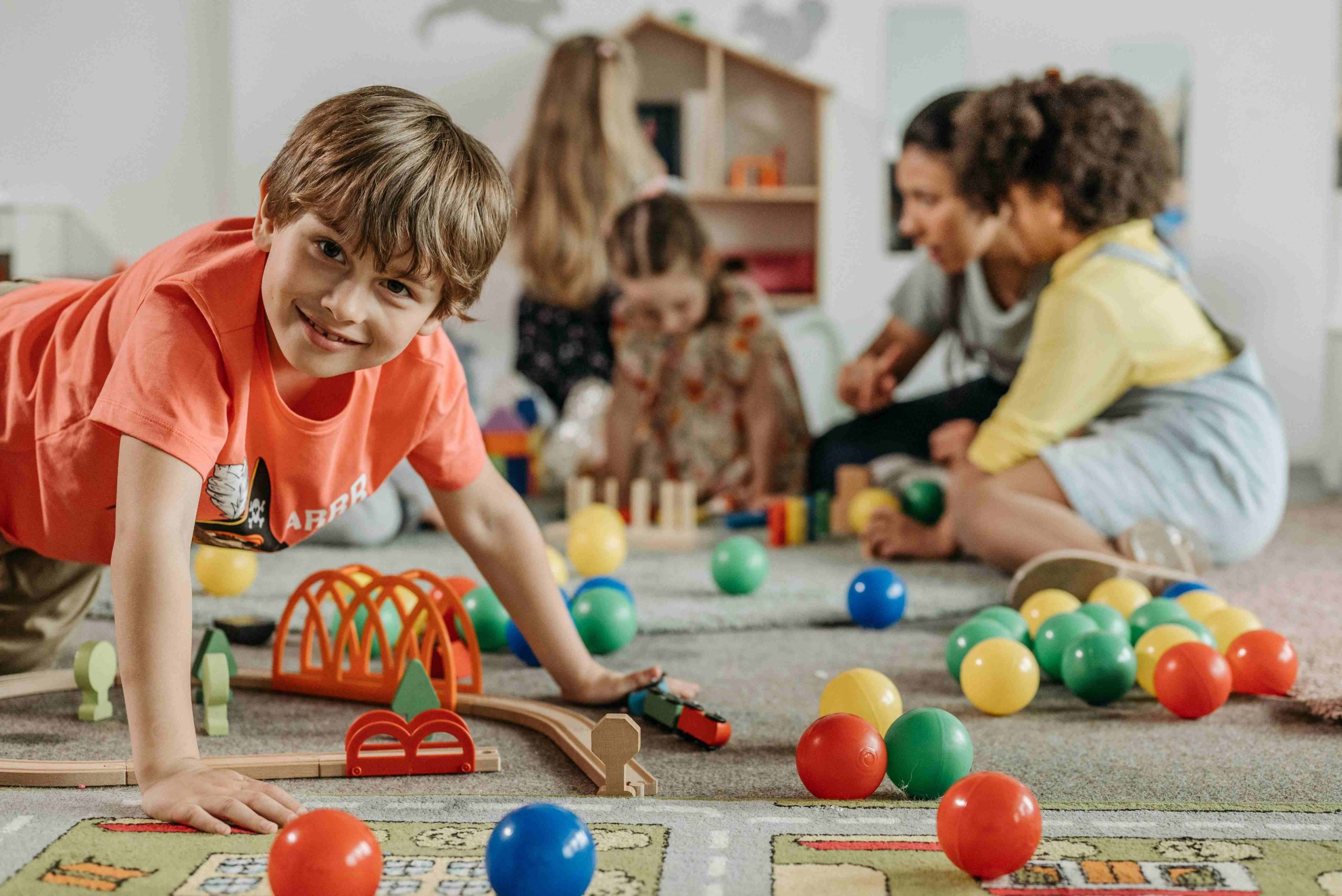
Socialization skills play a pivotal role in a child’s overall development. During the preschool years, children undergo significant cognitive and emotional growth, which is directly influenced by their interactions with others. These formative years provide the foundation for future relationships, communication abilities, and self-esteem. Preschoolers learn essential social skills such as sharing, taking turns, empathy, and cooperation through their interactions with peers and adults.
In an era dominated by technology, it is crucial to ensure that preschoolers have ample opportunities for face-to-face interactions and real-life experiences. While games and television can have their benefits, they should never replace the value of socializing with peers and engaging in meaningful play. Encouraging children to participate in activities that promote socialization, such as team sports, playdates, and group projects, can foster the development of these vital skills.
The Impact of Games on Socialization Skills
Games have become an integral part of many preschoolers’ lives. Whether played on smartphones, tablets, or gaming consoles, they offer interactive and engaging experiences. However, it is essential to strike a balance between game time and other activities to prevent potential negative effects on socialization skills.
Excessive exposure to video games can lead to isolation and limited social interactions. Spending long hours engrossed in virtual worlds may impede the development of crucial social skills. It is vital for parents and caregivers to set clear boundaries and ensure that preschoolers have a diverse range of experiences, including social play and face-to-face interactions.
To maximize the benefits of games for socialization, parents can consider educational games that promote cooperation, problem-solving, and teamwork. These games can facilitate peer interaction and encourage preschoolers to communicate and collaborate with others. Balancing the use of educational games with real-world social interactions can help preschoolers develop a well-rounded set of socialization skills.
Television and its Influence on Socialization Skills
Television remains a popular form of entertainment and education for preschoolers. While carefully curated television programs can enhance learning and language development, excessive screen time can have adverse effects on socialization skills.
Passively watching television for extended periods reduces opportunities for active engagement with others. It can hinder the development of social skills such as communication, cooperation, and conflict resolution. Preschoolers need real-life interactions to understand social cues, develop empathy, and learn appropriate behavior.
Parents and caregivers can harness the power of television by watching programs together and discussing the content with their preschoolers. This shared experience provides an opportunity to reinforce positive social values and encourage dialogue. Additionally, limiting screen time and incorporating other activities that involve social interactions, such as family outings or playdates, can help mitigate any negative impact television might have on socialization skills.
One effective strategy is to incorporate interactive games that promote socialization. Educational games that require cooperation, problem-solving, and teamwork can encourage preschoolers to interact with their peers and develop important social skills. For example, multiplayer games that involve working together to solve puzzles or complete challenges can enhance collaboration and communication among preschoolers. These types of games provide a platform for children to learn how to share, take turns, and support one another.
Furthermore, it is essential to create a balance between screen time and real-world experiences. While games can be engaging and educational, they should not replace the richness of face-to-face interactions. Encouraging preschoolers to engage in activities such as outdoor play, arts and crafts, or imaginative play with peers can foster socialization skills in a more holistic and diverse manner.
Television, too, can be used as a tool for socialization if approached mindfully. When watching TV programs with preschoolers, it is beneficial to engage them in conversation about what they are seeing. Encourage them to express their thoughts, ask questions, and relate the content to their own experiences. This active participation not only enhances their comprehension but also strengthens their communication skills and ability to engage in meaningful discussions.
To strike the right balance, it is crucial to set limits on screen time. Establishing clear boundaries and routines can help preschoolers understand when it is appropriate to engage with games or watch television and when it is time for other activities. By setting consistent expectations, we can help them develop self-regulation skills and a healthy approach to technology.
In addition to setting limits, it is equally important to model healthy screen habits ourselves. Preschoolers often mimic the behavior they observe, so if they see adults excessively using screens or prioritizing virtual interactions over real-life ones, they may struggle to understand the importance of face-to-face socialization. By demonstrating a balanced approach to technology and actively engaging in meaningful interactions with others, we provide a powerful example for preschoolers to follow.
Collaboration between parents, caregivers, and educators is vital in ensuring that preschoolers find the right balance between games, television, and socialization. By working together, we can establish guidelines and strategies that support the development of socialization skills while harnessing the benefits of technology.
It is essential to recognize that each preschooler is unique, and their socialization needs may vary. Some children may thrive in larger group settings, while others may feel more comfortable in one-on-one interactions. As caregivers and educators, it is important to observe and understand each child’s preferences and provide opportunities for socialization that align with their individual needs.
Remember, finding the right balance for socialization skills in preschoolers requires ongoing evaluation and adaptation. As they grow and develop, their social needs and abilities will change. Stay attuned to their progress, offer support when necessary, and continue to provide opportunities for socialization that align with their developmental stage.

Archives
Categories
- Articles
- E-preschool Enrichment
- Jumpstart Preschool
- Montessori Preschool
- Online Preschool
- Preschool
- Preschool Activities
- Preschool Age
- Preschool Apps
- Preschool Art Projects
- Preschool Assessment
- Preschool Assessment Tests
- Preschool Books
- Preschool Bulletin Board Ideas
- Preschool Classroom
- Preschool Coloring Pages
- Preschool Crafts
- Preschool Curriculum
- Preschool Design Ideas
- Preschool Developmental Milestone
- Preschool Drawing
- Preschool Education
- Preschool Fees
- Preschool Field Trip
- Preschool Fire Drills
- Preschool Flashcards
- Preschool For Special Needs
- Preschool Games
- Preschool Goodbye Sayings
- Preschool Goodie Bag Ideas
- Preschool Home Tutor
- Preschool Homeschool
- Preschool Homework
- Preschool Hours
- Preschool Jokes
- Preschool Kids
- Preschool Kit
- Preschool Learning
- Preschool Learning Journey
- Preschool Lesson Plans
- Preschool Levels
- Preschool Lunch Ideas
- Preschool Market
- Preschool Math
- Preschool Meaning
- Preschool Multiple Intelligences
- Preschool Music
- Preschool Newsletter
- Preschool Outdoor Activities
- Preschool Phonics
- Preschool Poem
- Preschool Printables
- Preschool Programmes
- Preschool Quotes
- Preschool Readiness
- Preschool Reading
- Preschool Science Experiments
- Preschool Songs
- Preschool Syllabus
- Preschool Teacher
- Preschool Themes
- Preschool Units
- Preschool Words
- Preschool Workbooks
- Preschool Worksheets
- Preschool Writing Prompts
- Preschool Zoom Backgrounds
- Preschooler
- Transitional Preschool
- Uncategorized
- Virtual Preschool