
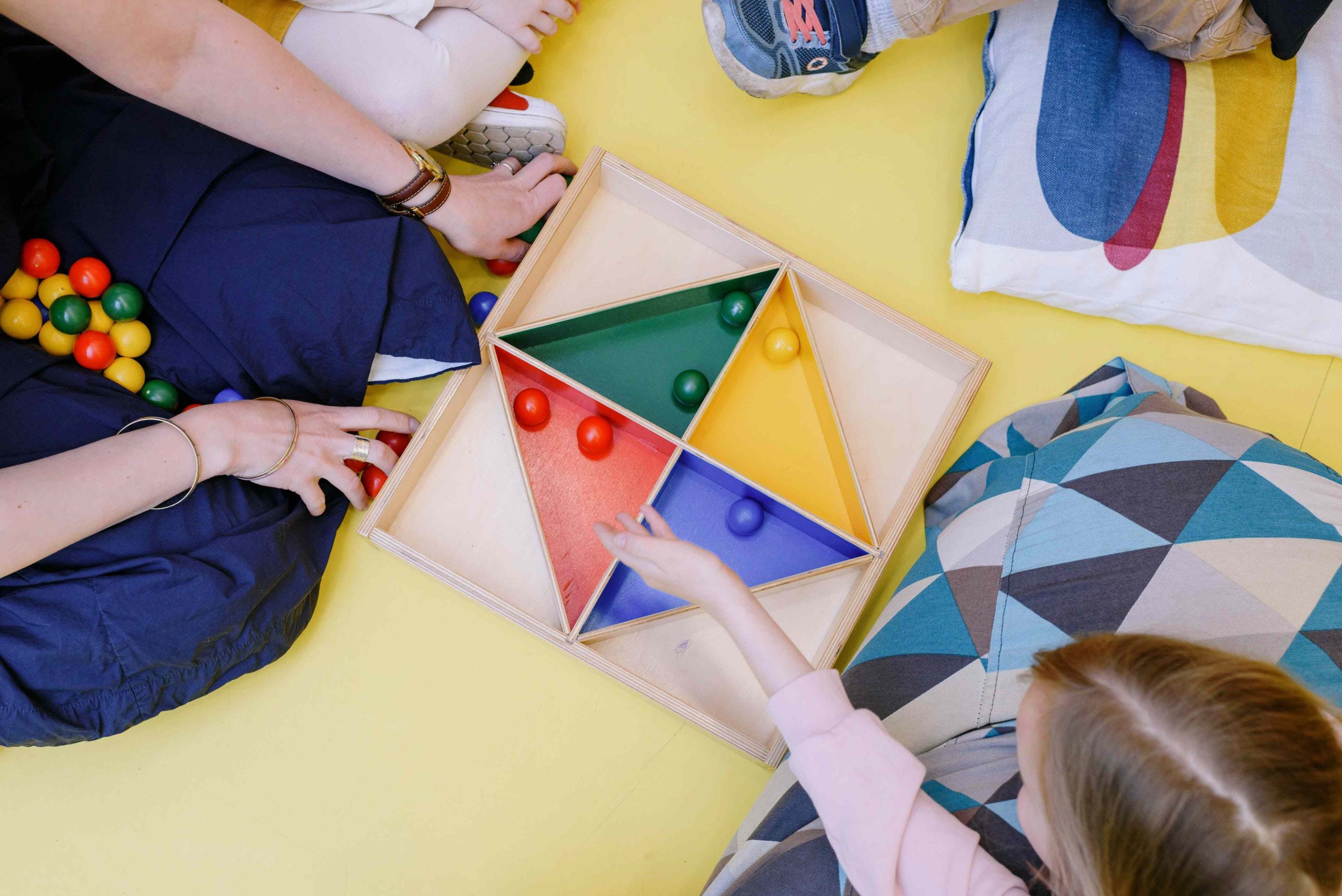
Setting Guidelines for the Number of Rules in a Preschool Classroom
Establishing clear rules is crucial for creating a supportive learning environment for preschoolers as they embark on their academic journey. In this post, we’ll explore factors to consider when determining the number of rules for a preschool classroom and address the recommended guidelines.
Factors to Consider Before Establishing Rules
Before diving into the rules, it’s essential to consider various factors that can impact their effectiveness. These factors include:
- Age Range: Preschoolers’ age range from 2 to 5 years old, requiring age-appropriate and developmentally suitable rules.
- School Size: The size of the classroom influences the need for rules; larger classrooms may require more rules for maintaining order.
- Goals for Learning: Align rules with educational goals, emphasizing play, discovery, and interpersonal connections.
- Diversity of Culture: Consider cultural diversity to ensure rules are inclusive and respectful of various backgrounds.
- The Way the Teacher Teaches: The teacher’s teaching methodology influences the quantity and complexity of rules.
Recommended Number of Rules
While there’s no set number, Dr. Becky Bailey suggests a maximum of five rules based on the “Be Kind, Be Safe, Be Responsible” paradigm. These three rules cover the essential conduct for a successful and secure learning environment, with teachers adding two more rules supporting their specific objectives.
- Be Considerate: Encouraging actions that foster compassion and understanding for others.
- Be Careful: Promoting behavior that ensures the safety of all preschoolers in the setting.
- Be Accountable: Teaching preschoolers to take responsibility for their behavior and the environment.
It’s crucial for teachers to model desired behaviors, use positive reinforcement, and involve parents in rule formulation to ensure shared accountability at home and school.
Considerations for Age-Related Regulations
Rules should be age-appropriate, focusing on fostering self-regulation and impulse control for preschoolers aged 3 to 5.
Impact of Classroom Size on Rule Development
Classroom size affects the number of rules; smaller classes may require fewer rules for more personalized attention.
Addressing Cultural Diversity in Rule Creation
Involve parents to ensure rules are culturally sensitive and inclusive, fostering respect and understanding among preschoolers.
Alignment of Guidelines with Learning Objectives
Align rules with learning objectives to create a consistent and regulated learning environment supporting holistic development.
Considering Teaching Methodology in Rule Setting
The teacher’s teaching style influences the number and nature of rules, requiring a balance for a positive learning environment.
By considering these factors and implementing appropriate rules, teachers can create a controlled and supportive learning environment that facilitates preschoolers’ overall growth.
Conclusion
Establishing age-appropriate, culturally aware rules aligned with learning objectives, classroom size, and teaching style creates a positive learning environment supporting preschoolers’ holistic development.

Archives
Categories
- Articles
- E-preschool Enrichment
- Jumpstart Preschool
- Montessori Preschool
- Online Preschool
- Preschool
- Preschool Activities
- Preschool Age
- Preschool Apps
- Preschool Art Projects
- Preschool Assessment
- Preschool Assessment Tests
- Preschool Books
- Preschool Bulletin Board Ideas
- Preschool Classroom
- Preschool Coloring Pages
- Preschool Crafts
- Preschool Curriculum
- Preschool Design Ideas
- Preschool Developmental Milestone
- Preschool Drawing
- Preschool Education
- Preschool Fees
- Preschool Field Trip
- Preschool Fire Drills
- Preschool Flashcards
- Preschool For Special Needs
- Preschool Games
- Preschool Goodbye Sayings
- Preschool Goodie Bag Ideas
- Preschool Home Tutor
- Preschool Homeschool
- Preschool Homework
- Preschool Hours
- Preschool Jokes
- Preschool Kids
- Preschool Kit
- Preschool Learning
- Preschool Learning Journey
- Preschool Lesson Plans
- Preschool Levels
- Preschool Lunch Ideas
- Preschool Market
- Preschool Math
- Preschool Meaning
- Preschool Multiple Intelligences
- Preschool Music
- Preschool Newsletter
- Preschool Outdoor Activities
- Preschool Phonics
- Preschool Poem
- Preschool Printables
- Preschool Programmes
- Preschool Quotes
- Preschool Readiness
- Preschool Reading
- Preschool Science Experiments
- Preschool Songs
- Preschool Syllabus
- Preschool Teacher
- Preschool Themes
- Preschool Units
- Preschool Words
- Preschool Workbooks
- Preschool Worksheets
- Preschool Writing Prompts
- Preschool Zoom Backgrounds
- Preschooler
- Transitional Preschool
- Uncategorized
- Virtual Preschool