
Supporting Preschoolers with Special Needs in a Least Restrictive Environment
Understanding Least Restrictive Environment
The concept of the least restrictive environment can vary depending on the preschooler’s needs. It can encompass various settings such as mainstream classrooms, resource rooms, special education classrooms, or home-based programs. The goal is to provide necessary support while facilitating interaction with peers as much as possible.
Strategies for Supporting Preschoolers in a Least Restrictive Environment
Individualized Education Plan (IEP)
One critical tool for supporting preschoolers with special needs is developing an Individualized Education Plan (IEP). This written plan outlines the preschooler’s strengths, challenges, goals, and required services for their educational and developmental needs.
Inclusive Classrooms
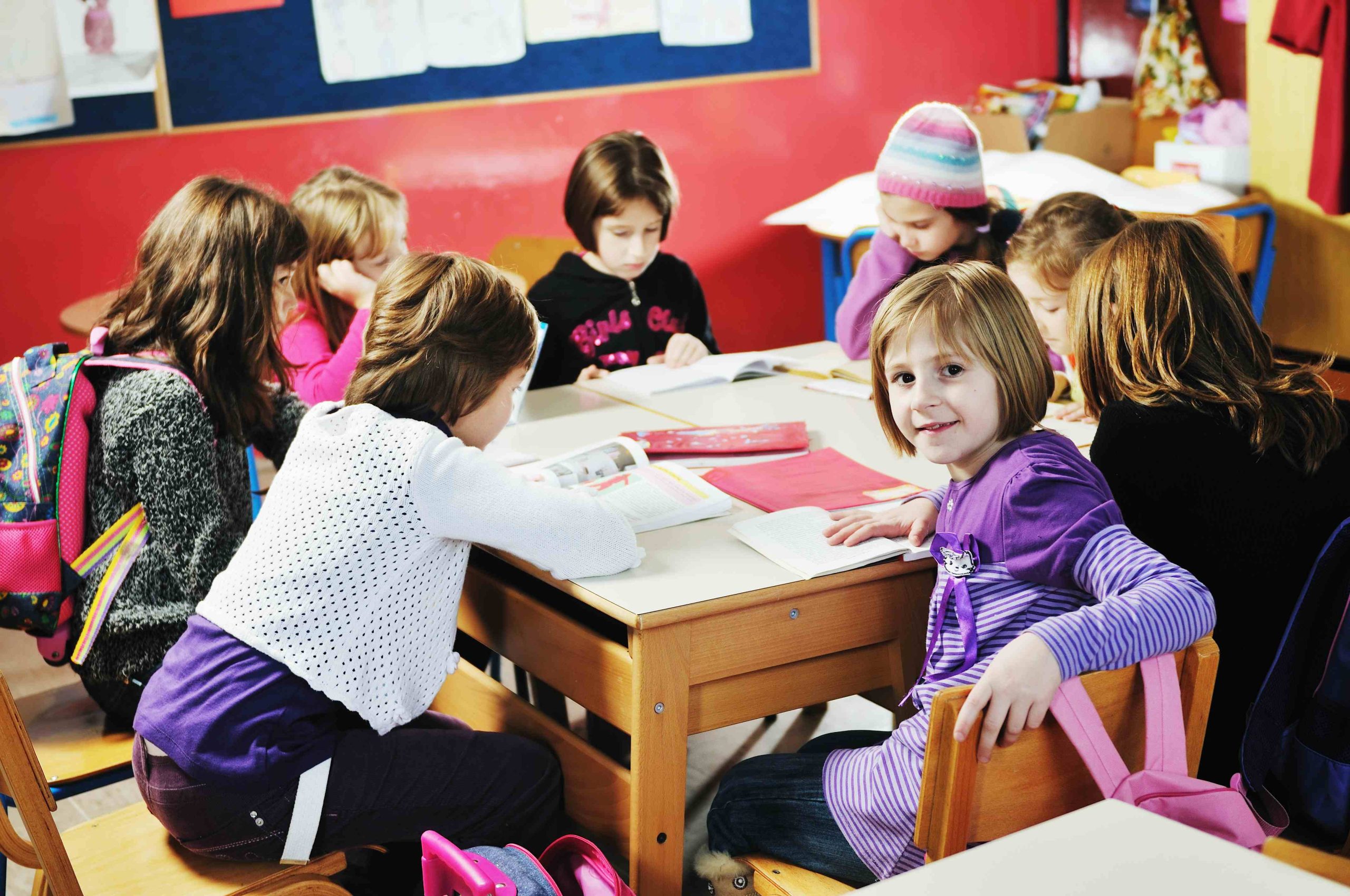
Inclusive classrooms are vital for allowing preschoolers with special needs to learn alongside their typically developing peers. This approach fosters interaction, skill development, and positive relationships.
Sensory-friendly Environment
Creating a sensory-friendly environment is essential to support preschoolers with special needs who may struggle with sensory processing issues. This includes appropriate lighting, visual aids, noise levels, and designated spaces for movement breaks.
Assistive Technology
Utilizing assistive technology, from simple devices like pencil grips to communication aids, can provide opportunities for communication, learning, and participation in activities.
Positive Behaviour Support
Implementing Positive Behaviour Support (PBS) focuses on preventing and reducing challenging behavior through teaching replacement behaviors and reinforcing positive actions.
Parental Involvement
Parents play a crucial role in supporting their preschoolers with special needs. Collaborating with educators and professionals helps develop and implement effective strategies while providing valuable insights into the preschooler’s strengths and challenges.
Challenges and Solutions in Implementing Least Restrictive Environment
Lack of Resources and Support
A significant challenge is the lack of resources and support, including funding, training, and access to assistive technology. Advocacy efforts can help increase resources and support for preschoolers with special needs.
Limited Understanding of Special Needs
Inadequate understanding of special needs can lead to inappropriate support. Continued education and training are essential to address this challenge.
Stigma and Prejudice
Stigma and prejudice can negatively impact preschoolers with special needs, leading to social isolation and low self-esteem. Creating an inclusive and supportive environment is crucial to address this challenge.
Lack of Communication and Collaboration
Effective communication and collaboration between parents, educators, and professionals are necessary for successful implementation. Establishing open lines of communication and regular meetings can help overcome this challenge.
Importance of Involving Parents in the Least Restrictive Environment
Involving parents in decision-making promotes partnership, support at home, improved communication, collaboration, and increased parental confidence in supporting their child’s education.
Strategies and Techniques for Supporting Preschoolers with Special Needs in the Least Restrictive Environment
Effective strategies include positive behavior support, assistive technology, multi-sensory learning approaches, sensory-friendly environments, and promoting peer interaction.
Challenges of Implementing the Least Restrictive Environment for Preschoolers with Special Needs
Challenges include limited resources, lack of understanding and training, stigma and bias, legal and policy frameworks, and parental preferences. Collaboration is essential to address these challenges.
Supporting Preschoolers with Special Needs in the Least Restrictive Environment
Ensuring a supportive environment for preschoolers with special needs is vital for their success. The least restrictive environment promotes inclusion and access to mainstream educational settings, fostering holistic development.
What is the Least Restrictive Environment?
The least restrictive environment (LRE) promotes the inclusion of preschoolers with special needs in mainstream educational settings to the greatest extent possible, mandated by law under the Individuals with Disabilities Education Act (IDEA).

Archives
Categories
- Articles
- E-preschool Enrichment
- Jumpstart Preschool
- Montessori Preschool
- Online Preschool
- Preschool
- Preschool Activities
- Preschool Age
- Preschool Apps
- Preschool Art Projects
- Preschool Assessment
- Preschool Assessment Tests
- Preschool Books
- Preschool Bulletin Board Ideas
- Preschool Classroom
- Preschool Coloring Pages
- Preschool Crafts
- Preschool Curriculum
- Preschool Design Ideas
- Preschool Developmental Milestone
- Preschool Drawing
- Preschool Education
- Preschool Fees
- Preschool Field Trip
- Preschool Fire Drills
- Preschool Flashcards
- Preschool For Special Needs
- Preschool Games
- Preschool Goodbye Sayings
- Preschool Goodie Bag Ideas
- Preschool Home Tutor
- Preschool Homeschool
- Preschool Homework
- Preschool Hours
- Preschool Jokes
- Preschool Kids
- Preschool Kit
- Preschool Learning
- Preschool Learning Journey
- Preschool Lesson Plans
- Preschool Levels
- Preschool Lunch Ideas
- Preschool Market
- Preschool Math
- Preschool Meaning
- Preschool Multiple Intelligences
- Preschool Music
- Preschool Newsletter
- Preschool Outdoor Activities
- Preschool Phonics
- Preschool Poem
- Preschool Printables
- Preschool Programmes
- Preschool Quotes
- Preschool Readiness
- Preschool Reading
- Preschool Science Experiments
- Preschool Songs
- Preschool Syllabus
- Preschool Teacher
- Preschool Themes
- Preschool Units
- Preschool Words
- Preschool Workbooks
- Preschool Worksheets
- Preschool Writing Prompts
- Preschool Zoom Backgrounds
- Preschooler
- Transitional Preschool
- Uncategorized
- Virtual Preschool