
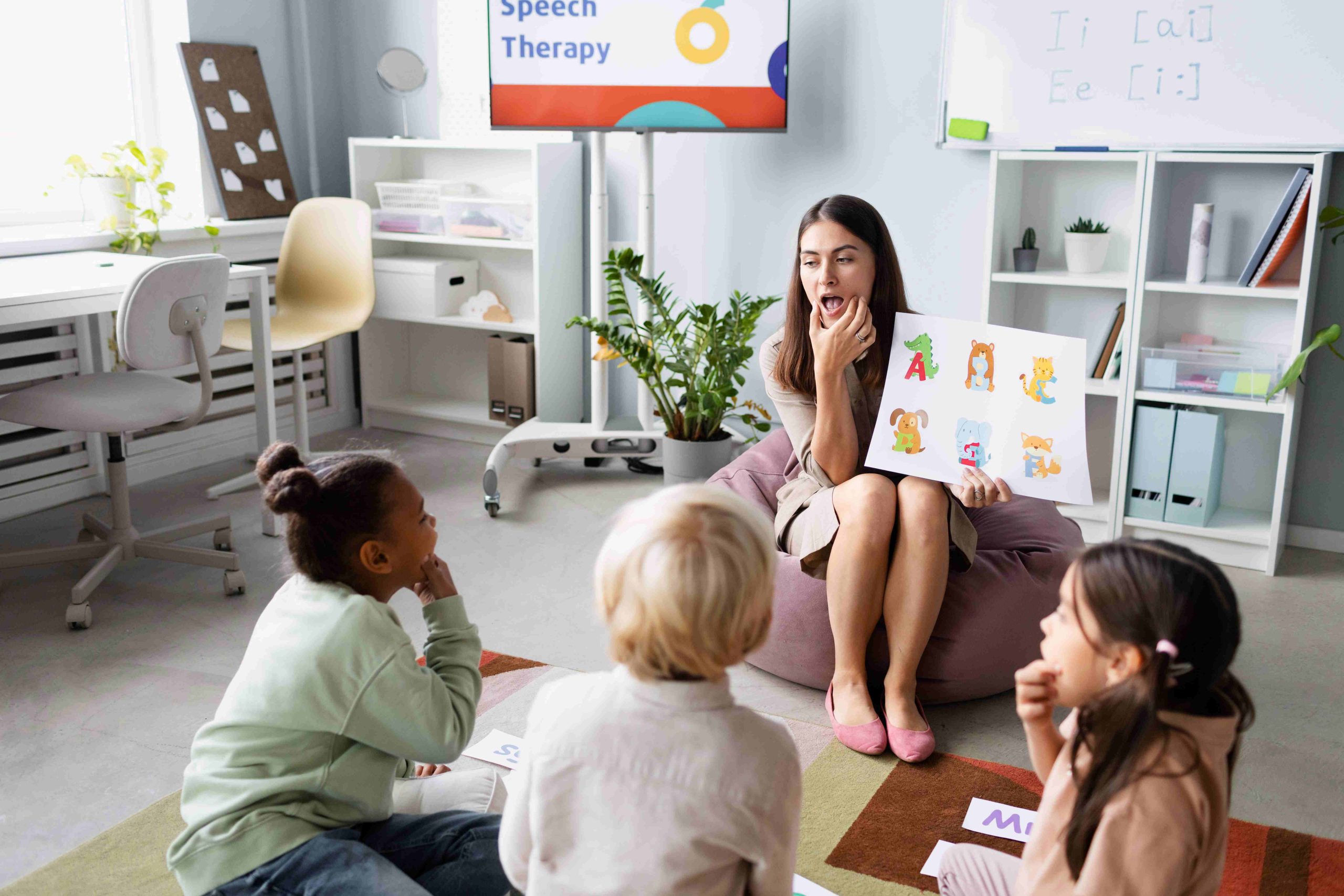
The Power of Language Learning: Empowering Preschoolers for Lifelong Success
Language Learning and Cognitive Development
Preschoolers possess remarkable cognitive plasticity, making it an opportune time for language acquisition. The ability to learn multiple languages during this stage primes young minds for enhanced cognitive skills throughout their lives. Research has shown that bilingual preschoolers demonstrate advanced problem-solving abilities, improved memory retention, and enhanced creativity compared to monolingual counterparts.
Furthermore, language learning stimulates various cognitive processes, such as pattern recognition, critical thinking, and mental flexibility. When preschoolers engage in linguistic activities like storytelling, reading, and word games, they develop strong linguistic and cognitive skills simultaneously. These cognitive benefits extend beyond language-related tasks and contribute to improved academic performance in subjects like mathematics and science.
Language Learning and Social Development
Language acts as a bridge that connects preschoolers with their peers, caregivers, and the wider community. It forms the basis for social interaction, enabling preschoolers to express their needs, thoughts, and emotions effectively. Through language learning, preschoolers develop important social skills, including turn-taking, active listening, and empathy.
Engaging in conversations and group activities promotes collaboration, cooperation, and the ability to understand different perspectives. Preschoolers who are proficient in multiple languages are more likely to embrace diversity and exhibit inclusive behaviors. Language learning fosters a sense of belonging, facilitates friendships, and encourages positive social interactions, thereby building a strong foundation for healthy relationships throughout life.
Language Learning and Emotional Development
Language is deeply intertwined with emotions, allowing preschoolers to express and understand their feelings. Through language learning, preschoolers develop a rich emotional vocabulary that enables them to articulate their emotions accurately. This ability helps preschoolers regulate their emotions and communicate their needs effectively, reducing frustration and promoting emotional well-being.
Furthermore, language learning provides preschoolers with the tools to develop self-awareness and empathy towards others. By understanding and labeling emotions, preschoolers can navigate social situations with greater emotional intelligence, strengthening their interpersonal relationships. As language acts as a conduit for emotional expression, it empowers preschoolers to form meaningful connections, build resilience, and develop a positive self-identity.
Language Learning and Cultural Awareness
Language is an integral part of cultural identity, and learning different languages exposes preschoolers to diverse perspectives, traditions, and customs. It broadens their horizons and nurtures a deep appreciation for cultural diversity. Language learning instills respect for different cultures and encourages preschoolers to embrace global citizenship.
Through exposure to multiple languages, preschoolers develop cross-cultural understanding and are more likely to engage in intercultural dialogue. This ability enhances their adaptability, fosters inclusivity, and equips them with valuable skills to navigate an increasingly interconnected world. Language learning serves as a gateway to cultural exploration, facilitating a sense of curiosity and empathy towards different cultures and their heritage.
Language Learning and Academic Achievement
Language learning in preschool lays the foundation for future academic success. Proficiency in multiple languages enhances literacy skills, including reading comprehension, vocabulary acquisition, and language fluency. Studies have shown that bilingual preschoolers exhibit better executive functions, such as attention control, task-switching, and cognitive flexibility, which are essential for academic achievement.
Moreover, language learning expands preschoolers’ cognitive capacities, leading to improved problem-solving abilities, critical thinking skills, and creativity. These skills provide a competitive edge in the academic sphere, preparing preschoolers for higher education and future career prospects. Language proficiency equips preschoolers with valuable tools to excel academically and adapt to the ever-evolving demands of the knowledge-based economy.
Strategies for Effective Language Learning in Preschoolers
While the benefits of language learning in preschoolers are clear, it is important to implement effective strategies to maximize their language acquisition potential. Here are some strategies to foster successful language learning experiences for preschoolers:
By implementing these strategies, we can create an immersive and supportive environment that nurtures the language acquisition journey of preschoolers, allowing them to thrive and reach their full potential.
Overcoming Challenges in Language Learning for Preschoolers
While language learning is a rewarding process, it is not without its challenges. Understanding and addressing these obstacles can help preschoolers navigate their language acquisition journey more effectively. Here are some common challenges and strategies to overcome them:
By addressing these challenges and implementing effective strategies, we can support preschoolers in their language learning journey, enabling them to overcome obstacles and achieve fluency and proficiency in multiple languages.
The Role of Technology in Language Learning for Preschoolers
In today’s digital age, technology plays a significant role in language learning for preschoolers. Educational apps, interactive websites, and multimedia resources offer engaging and interactive language learning experiences. Here are some ways technology can enhance language learning for preschoolers:
While technology can be a valuable tool in language learning, it is essential to strike a balance and ensure that it complements, rather than replaces, real-life interactions and experiences. Guided and supervised use of technology is crucial to maximize its benefits and mitigate potential risks.
Cultural Sensitivity in Language Learning for Preschoolers
Language learning is not solely about acquiring linguistic skills but also about developing cultural sensitivity and understanding. Here’s why cultural sensitivity is important in language learning for preschoolers:
To promote cultural sensitivity in language learning, incorporate cultural elements into language lessons. Include stories, songs, and activities that highlight cultural traditions and celebrations. Encourage discussions about cultural similarities and differences, fostering a respectful and inclusive learning environment.
The Role of Parents in Supporting Language Learning for Preschoolers
Parents play a crucial role in supporting and nurturing language learning in preschoolers. Here are some ways parents can actively contribute to their child’s language acquisition journey:
Integrating Multicultural Literature in Language Learning for Preschoolers
Integrating multicultural literature in language learning for preschoolers can have profound benefits in fostering cultural understanding, empathy, and language development. Here’s why it is essential and how it can be implemented:
To integrate multicultural literature in language learning for preschoolers, consider the following strategies:
By incorporating multicultural literature into language learning for preschoolers, educators and parents can cultivate an inclusive and culturally sensitive environment, nurturing young minds to become global citizens who appreciate and celebrate diversity.

Archives
Categories
- Articles
- E-preschool Enrichment
- Jumpstart Preschool
- Montessori Preschool
- Online Preschool
- Preschool
- Preschool Activities
- Preschool Age
- Preschool Apps
- Preschool Art Projects
- Preschool Assessment
- Preschool Assessment Tests
- Preschool Books
- Preschool Bulletin Board Ideas
- Preschool Classroom
- Preschool Coloring Pages
- Preschool Crafts
- Preschool Curriculum
- Preschool Design Ideas
- Preschool Developmental Milestone
- Preschool Drawing
- Preschool Education
- Preschool Fees
- Preschool Field Trip
- Preschool Fire Drills
- Preschool Flashcards
- Preschool For Special Needs
- Preschool Games
- Preschool Goodbye Sayings
- Preschool Goodie Bag Ideas
- Preschool Home Tutor
- Preschool Homeschool
- Preschool Homework
- Preschool Hours
- Preschool Jokes
- Preschool Kids
- Preschool Kit
- Preschool Learning
- Preschool Learning Journey
- Preschool Lesson Plans
- Preschool Levels
- Preschool Lunch Ideas
- Preschool Market
- Preschool Math
- Preschool Meaning
- Preschool Multiple Intelligences
- Preschool Music
- Preschool Newsletter
- Preschool Outdoor Activities
- Preschool Phonics
- Preschool Poem
- Preschool Printables
- Preschool Programmes
- Preschool Quotes
- Preschool Readiness
- Preschool Reading
- Preschool Science Experiments
- Preschool Songs
- Preschool Syllabus
- Preschool Teacher
- Preschool Themes
- Preschool Units
- Preschool Words
- Preschool Workbooks
- Preschool Worksheets
- Preschool Writing Prompts
- Preschool Zoom Backgrounds
- Preschooler
- Transitional Preschool
- Uncategorized
- Virtual Preschool