
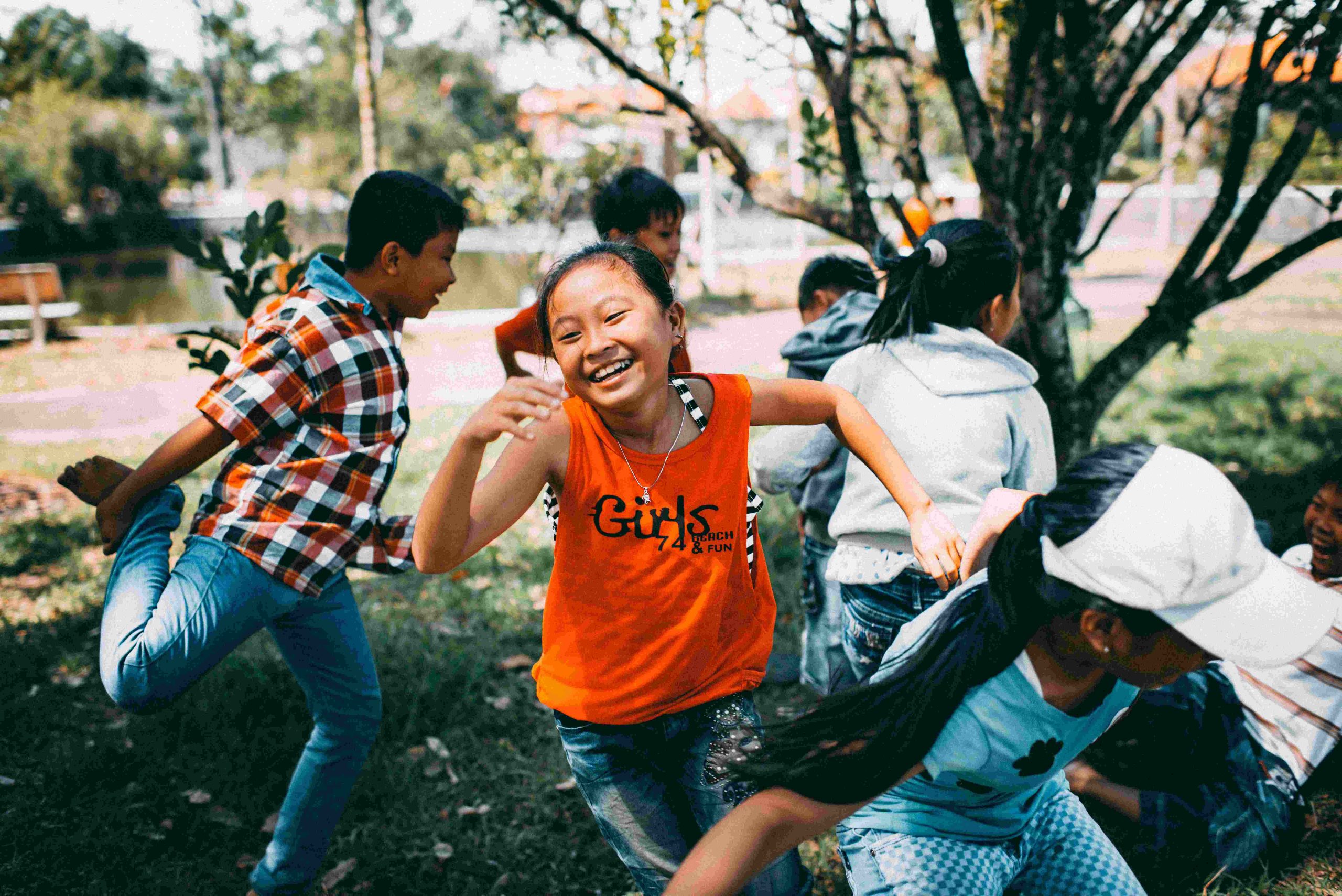
The Most Popular Outdoor Games for Preschoolers
Introduction
As parents, we all know that preschoolers have endless energy and need to be kept occupied to keep them happy and healthy. In this article, we’ll take a look at some of the most popular outdoor games for preschoolers that are sure to keep them engaged and excited.
Tag: An Evergreen Classic
Tag is a classic game enjoyed by generations of preschoolers. It’s simple to play, requiring only a group of kids and some open space. The aim is for one child to tag another, who then becomes “it” and has to tag someone else. This game promotes coordination, balance, agility, socialization, and turn-taking skills.
Duck, Duck, Goose: Spontaneous Fun
Duck, Duck, Goose is another beloved outdoor game for preschoolers. It’s easy to play and requires no equipment, making it ideal for impromptu playdates. Children sit in a circle, with one child tapping others on the head, saying “duck” until they say “goose,” prompting a chase. This game fosters social skills, activity, and enjoyment.
Hide and Seek: Classic Thrills
Hide and Seek is a timeless game where one child closes their eyes, counts, and seeks the hidden players. It encourages strategic thinking, patience, and physical activity.
Red Light, Green Light: Learning Through Movement
Red Light, Green Light is a fun game for developing listening skills, coordination, and balance. Children move toward a “traffic light” on “green” and freeze on “red,” enhancing their ability to follow instructions and control movement.
Simon Says: Listening and Following Instructions
Simon Says is a listening game where children follow commands only if prefaced by “Simon says.” It sharpens listening skills, memory, and coordination.
Hopscotch: A Classic of Balance
Hopscotch challenges preschoolers’ balance and gross motor skills as they hop through numbered squares, promoting physical activity and coordination.
Tug of War: Teamwork and Strength
Tug of War teaches teamwork, coordination, and strength as two teams compete to pull each other across a line.
Conclusion
Outdoor play is crucial for preschoolers’ physical and mental development, offering opportunities for socialization, problem-solving, and physical activity. These games provide a balance of fun and learning, making them ideal for active outdoor playtime.
Benefits of Outdoor Games
Physical Development:
Outdoor games enhance gross motor skills, hand-eye coordination, balance, and endurance through running, jumping, climbing, and throwing.
Mental Development:
Games foster problem-solving skills, creativity, and imagination, encouraging decision-making, strategizing, and critical thinking.
Exposure to Nature:
Outdoor play promotes appreciation for nature, improving attention, concentration, and creativity.
Importance of Unstructured Play
Creativity:
Unstructured play stimulates imagination and creativity, fostering problem-solving and critical thinking.
Self-Regulation:
Children learn to manage emotions and negotiate with others, developing social skills and self-regulation.
Independence:
Unstructured play encourages risk-taking and decision-making, building independence and confidence.
Physical Health:
Promotes physical activity, improving gross motor skills and overall health.
Mental Health:
Reduces stress and anxiety, enhancing mood and mental well-being.
Encouraging Outdoor Play
Set a Good Example:
Be active and enjoy outdoor activities to inspire your child.
Create a Fun Outdoor Space:
Provide outdoor toys and encourage exploration and nature play.
Limit Screen Time:
Encourage outdoor play over screen time to prioritize physical activity.
Join a Playgroup:
Engage in local outdoor activities for socialization and play opportunities.
Make it a Routine:
Incorporate outdoor play into daily routines to make it a consistent part of your child’s life.
Safety Tips for Outdoor Play
Sun Safety:
Apply sunscreen, dress in light clothing, and use hats and sunglasses for sun protection.
Hydration:
Encourage regular water breaks to stay hydrated during outdoor play.
Insect Safety:
Use insect repellent and dress appropriately to avoid insect bites.
Playground Safety:
Check equipment for hazards and ensure a safe play environment.
Traffic Safety:
Teach road safety and ensure visibility during outdoor activities.
Conclusion
Outdoor play is vital for preschoolers’ development, offering physical, mental, and social benefits. By providing a safe environment and encouraging outdoor activities, parents can support their child’s holistic growth and well-being.

Archives
Categories
- Articles
- E-preschool Enrichment
- Jumpstart Preschool
- Montessori Preschool
- Online Preschool
- Preschool
- Preschool Activities
- Preschool Age
- Preschool Apps
- Preschool Art Projects
- Preschool Assessment
- Preschool Assessment Tests
- Preschool Books
- Preschool Bulletin Board Ideas
- Preschool Classroom
- Preschool Coloring Pages
- Preschool Crafts
- Preschool Curriculum
- Preschool Design Ideas
- Preschool Developmental Milestone
- Preschool Drawing
- Preschool Education
- Preschool Fees
- Preschool Field Trip
- Preschool Fire Drills
- Preschool Flashcards
- Preschool For Special Needs
- Preschool Games
- Preschool Goodbye Sayings
- Preschool Goodie Bag Ideas
- Preschool Home Tutor
- Preschool Homeschool
- Preschool Homework
- Preschool Hours
- Preschool Jokes
- Preschool Kids
- Preschool Kit
- Preschool Learning
- Preschool Learning Journey
- Preschool Lesson Plans
- Preschool Levels
- Preschool Lunch Ideas
- Preschool Market
- Preschool Math
- Preschool Meaning
- Preschool Multiple Intelligences
- Preschool Music
- Preschool Newsletter
- Preschool Outdoor Activities
- Preschool Phonics
- Preschool Poem
- Preschool Printables
- Preschool Programmes
- Preschool Quotes
- Preschool Readiness
- Preschool Reading
- Preschool Science Experiments
- Preschool Songs
- Preschool Syllabus
- Preschool Teacher
- Preschool Themes
- Preschool Units
- Preschool Words
- Preschool Workbooks
- Preschool Worksheets
- Preschool Writing Prompts
- Preschool Zoom Backgrounds
- Preschooler
- Transitional Preschool
- Uncategorized
- Virtual Preschool