
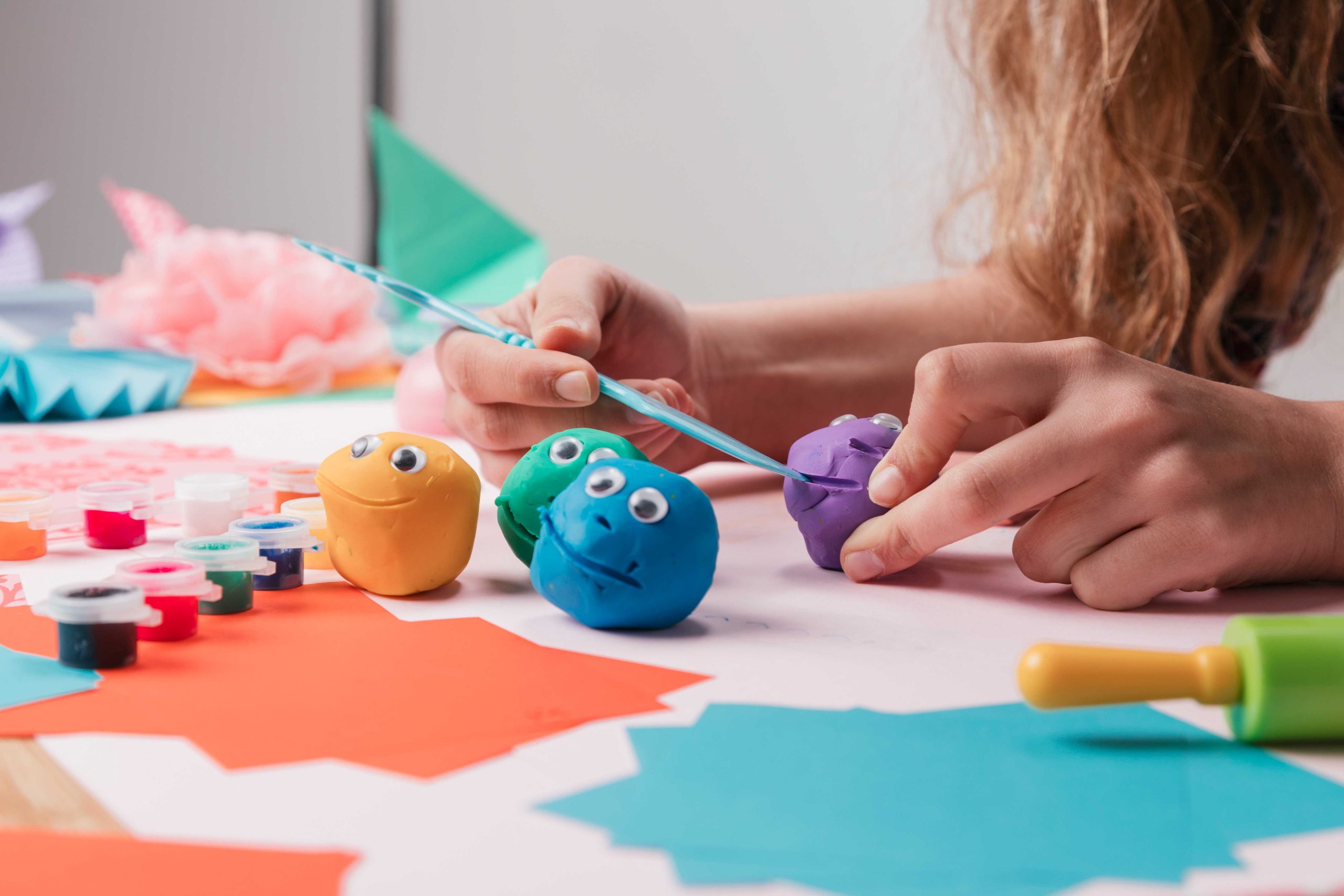
Understanding Artistic Development and Freeform Creativity
Artistic growth begins early in life and continues over time. It involves nurturing creativity, self-expression, and skill with various art materials. Here’s a simplified look at the stages of creative growth, with a focus on freeform creativity.
Stage 1: Scribbling (Ages 1-2)
Children start making marks with crayons and markers, exploring without concern for specific shapes or meanings. Encouraging this exploration helps build confidence.
Stage 2: Simple Shapes (Ages 2-4)
Children begin to draw basic shapes like circles and squares. They learn about colors and experiment with different tools. This stage enhances hand-eye coordination.
Stage 3: Recognizable Forms (Ages 4-7)
Children start drawing recognizable objects and people, adding details like fingers and clothes. They use colors to represent different things and begin to understand mood in art.
Stage 4: Adding Depth (Ages 7-9)
Children develop a better sense of proportion and perspective, adding shading and perspective to their drawings. They experiment with different art mediums.
Stage 5: Complexity (Ages 9-11)
Children create more intricate and realistic drawings, paying attention to detail. They explore personal themes and storytelling through their art.
Stage 6: Maturing Style (Ages 11-14)
Children refine their style and techniques, gaining a deeper understanding of art fundamentals. They may explore new mediums and express personal beliefs.
Stage 7: Artistic Identity (14+)
Teenagers develop their own artistic voice and style, exploring unconventional forms of expression. They may use art to reflect on social and political issues.
Fostering Freeform Creativity
Encouraging children to explore art freely helps unlock their creativity. Providing a variety of art materials and allowing them to tell stories through their art nurtures self-expression.
The Benefits of Art for Preschoolers
Artistic expression enhances cognitive development, problem-solving skills, and social-emotional growth in preschoolers. It allows them to explore their interests, develop language, and connect with others.
Overcoming Challenges
While encouraging freeform creativity, adults may face challenges like managing messiness or balancing expectations. Focusing on the process rather than the end result and providing a supportive environment can help overcome these obstacles.

Archives
Categories
- Articles
- E-preschool Enrichment
- Jumpstart Preschool
- Montessori Preschool
- Online Preschool
- Preschool
- Preschool Activities
- Preschool Age
- Preschool Apps
- Preschool Art Projects
- Preschool Assessment
- Preschool Assessment Tests
- Preschool Books
- Preschool Bulletin Board Ideas
- Preschool Classroom
- Preschool Coloring Pages
- Preschool Crafts
- Preschool Curriculum
- Preschool Design Ideas
- Preschool Developmental Milestone
- Preschool Drawing
- Preschool Education
- Preschool Fees
- Preschool Field Trip
- Preschool Fire Drills
- Preschool Flashcards
- Preschool For Special Needs
- Preschool Games
- Preschool Goodbye Sayings
- Preschool Goodie Bag Ideas
- Preschool Home Tutor
- Preschool Homeschool
- Preschool Homework
- Preschool Hours
- Preschool Jokes
- Preschool Kids
- Preschool Kit
- Preschool Learning
- Preschool Learning Journey
- Preschool Lesson Plans
- Preschool Levels
- Preschool Lunch Ideas
- Preschool Market
- Preschool Math
- Preschool Meaning
- Preschool Multiple Intelligences
- Preschool Music
- Preschool Newsletter
- Preschool Outdoor Activities
- Preschool Phonics
- Preschool Poem
- Preschool Printables
- Preschool Programmes
- Preschool Quotes
- Preschool Readiness
- Preschool Reading
- Preschool Science Experiments
- Preschool Songs
- Preschool Syllabus
- Preschool Teacher
- Preschool Themes
- Preschool Units
- Preschool Words
- Preschool Workbooks
- Preschool Worksheets
- Preschool Writing Prompts
- Preschool Zoom Backgrounds
- Preschooler
- Transitional Preschool
- Uncategorized
- Virtual Preschool