
Why Assessment is Vital for Infants and Preschool Kids
Evaluating a child’s developmental growth, identifying strengths and weaknesses, and planning suitable learning activities are all integral parts of assessment, a cornerstone of early childhood education.
Assessing Infants and Preschool Kids
Assessment is a process that entails collecting information about a child’s skills, knowledge, and development. It is achieved through observation, documentation, and evaluation, providing valuable insights into a child’s learning progress.
Types of Assessment
There are various types of assessments used with infants and preschoolers, including developmental screening, ongoing assessment, and summative assessment.
Developmental Screening: Early Identification of Developmental Delays
Developmental screening serves as a preliminary assessment to identify preschoolers who may experience developmental delays or disabilities. It is typically conducted shortly after birth and during regular check-ups throughout infancy and early childhood.
Ongoing Assessment: Monitoring Progress Over Time
Ongoing assessment entails observing and documenting a child’s progress over time, identifying strengths and weaknesses, tracking developmental changes, and planning appropriate learning activities.
Summative Assessment: Formal Evaluation of Learning Progress
Summative assessment involves formally evaluating a child’s learning progress, usually done at the end of a unit or school term. It aids in evaluating a child’s mastery of specific skills and knowledge, providing information for grading and reporting.
Educational Activities for Newborns and Preschoolers
Educational activities play a pivotal role in fostering the growth and development of newborns and preschoolers, targeting cognitive, physical, social, and emotional domains.
Activities for Cognitive Development
Storytelling: Reading books and telling stories help develop language skills, imagination, and creativity.
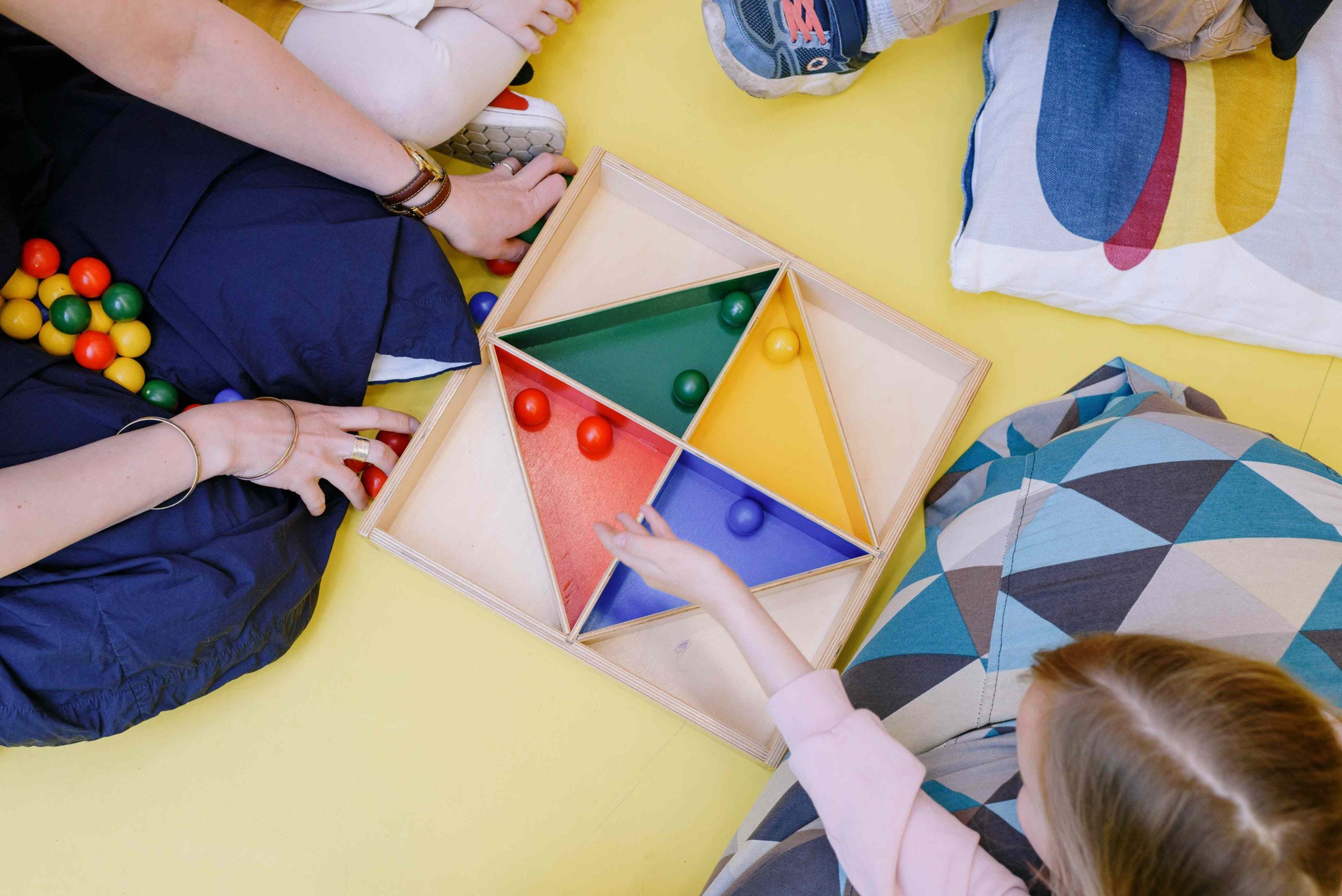
Sorting and Classifying: Sorting objects by shape, size, or color, and classifying them into groups help develop logical thinking and problem-solving skills.
Puzzles and Games: Completing puzzles and playing memory-based games develop cognitive skills and memory retention.
Physical Development Activities
Outdoor Play: Playing outdoors in a safe environment helps develop gross motor skills, coordination, and balance.
Dancing and Movement: Moving to music promotes gross motor skills, coordination, and balance, while fostering a healthy lifestyle.
Sensory Play: Engaging with sensory materials like sand and water enhances fine motor skills and hand-eye coordination.
Social Development Activities
Role-playing: Pretend play helps develop communication skills, imagination, and social skills.
Group Activities: Participating in group activities promotes social skills and cooperation.
Storytelling: Telling and listening to stories help develop communication skills and empathy.
Emotional Development Activities
Promoting Self-Awareness and Empathy: Mindfulness activities and social-emotional learning help develop self-awareness, emotional regulation, and empathy.
Art and Music: Engaging in art and music activities provides opportunities for self-expression and emotional development.
Conclusion
Assessment and educational activities are essential components of early childhood education, facilitating the holistic development of infants and preschoolers. By incorporating engaging and age-appropriate activities, educators can support children’s growth across cognitive, physical, social, and emotional domains, laying the foundation for lifelong learning and success.

Archives
Categories
- Articles
- E-preschool Enrichment
- Jumpstart Preschool
- Montessori Preschool
- Online Preschool
- Preschool
- Preschool Activities
- Preschool Age
- Preschool Apps
- Preschool Art Projects
- Preschool Assessment
- Preschool Assessment Tests
- Preschool Books
- Preschool Bulletin Board Ideas
- Preschool Classroom
- Preschool Coloring Pages
- Preschool Crafts
- Preschool Curriculum
- Preschool Design Ideas
- Preschool Developmental Milestone
- Preschool Drawing
- Preschool Education
- Preschool Fees
- Preschool Field Trip
- Preschool Fire Drills
- Preschool Flashcards
- Preschool For Special Needs
- Preschool Games
- Preschool Goodbye Sayings
- Preschool Goodie Bag Ideas
- Preschool Home Tutor
- Preschool Homeschool
- Preschool Homework
- Preschool Hours
- Preschool Jokes
- Preschool Kids
- Preschool Kit
- Preschool Learning
- Preschool Learning Journey
- Preschool Lesson Plans
- Preschool Levels
- Preschool Lunch Ideas
- Preschool Market
- Preschool Math
- Preschool Meaning
- Preschool Multiple Intelligences
- Preschool Music
- Preschool Newsletter
- Preschool Outdoor Activities
- Preschool Phonics
- Preschool Poem
- Preschool Printables
- Preschool Programmes
- Preschool Quotes
- Preschool Readiness
- Preschool Reading
- Preschool Science Experiments
- Preschool Songs
- Preschool Syllabus
- Preschool Teacher
- Preschool Themes
- Preschool Units
- Preschool Words
- Preschool Workbooks
- Preschool Worksheets
- Preschool Writing Prompts
- Preschool Zoom Backgrounds
- Preschooler
- Transitional Preschool
- Uncategorized
- Virtual Preschool