
Understanding Preschoolers’ Diverse Skills: A Comprehensive Guide
Parents, caregivers, and educators must recognize and appreciate the unique developmental stages preschoolers go through. During the ages of 3 to 5, preschoolers undergo significant growth across various domains. This guide aims to provide a thorough overview of the diverse skills commonly acquired by preschoolers.
Language and Communication Skills
Language and communication skills represent one of the most noticeable areas of development in preschoolers. They enhance their vocabulary, grammar, and syntax during this period and develop effective means of expressing themselves.
By age three, preschoolers typically know between 300 to 500 words and can use basic phrases. By age four, they can ask and answer questions, use proper tenses, and communicate using longer sentences. Around age five, they exhibit a more extensive vocabulary and deeper understanding of grammar.
Activities such as reading books, singing songs, and engaging in communication-oriented activities are essential for fostering language and communication development. Encouraging expressive play and art also supports toddlers’ communication skills.
Motor Skills
Preschoolers experience significant development in their motor skills during these years. Fine motor skills involve small muscle movements like those in the hands and fingers, while gross motor skills involve large muscle movements across the entire body.
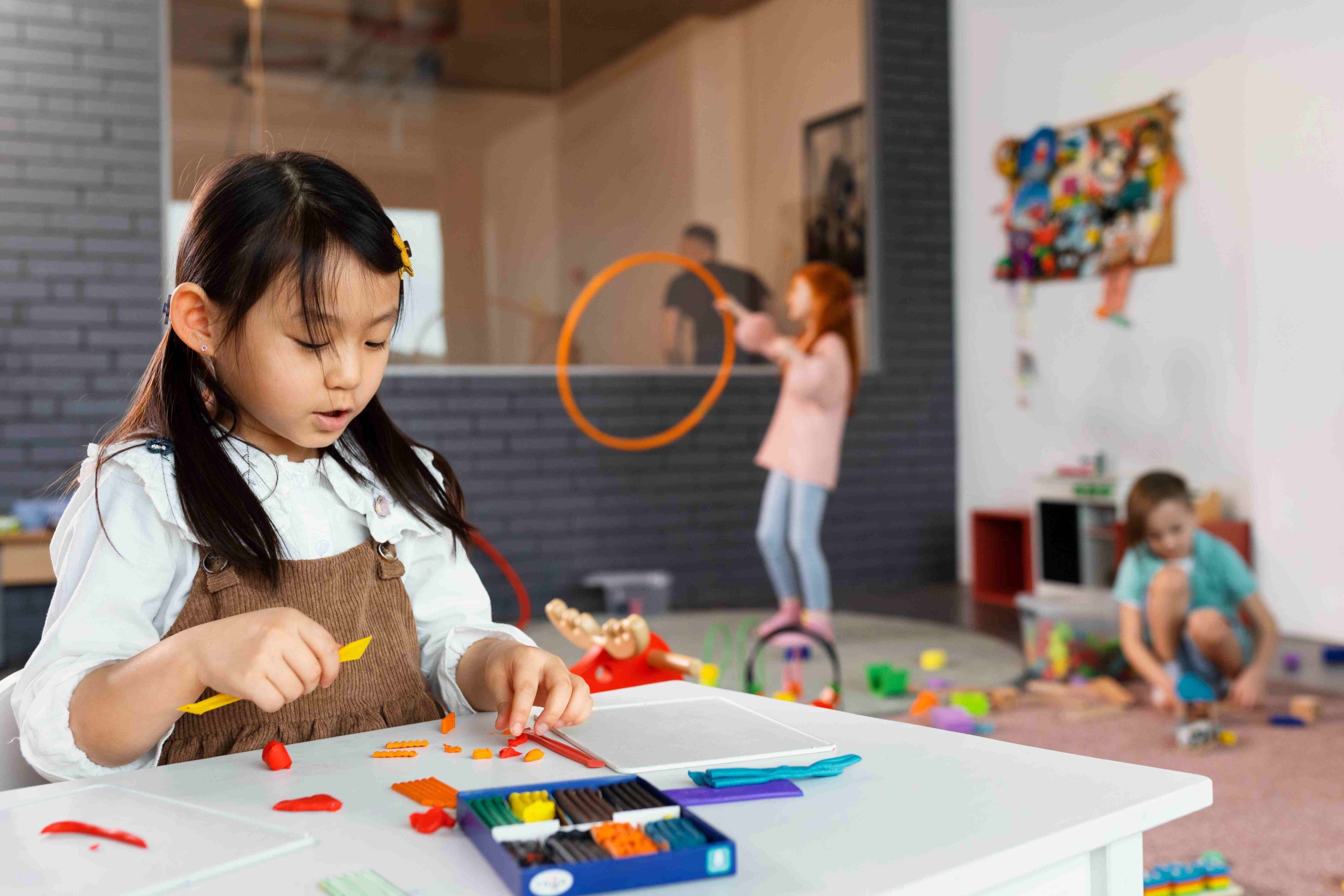
Throughout the preschool years, activities such as running, jumping, hopping, throwing, catching, and balancing help preschoolers improve their gross motor skills. Additionally, they refine their fine motor skills through activities like writing, cutting, and handling small objects.
Providing opportunities for physical play activities like running, jumping, climbing, and engaging in hobbies such as painting and manipulative toy play can enhance preschoolers’ motor skills.
Social and Emotional Skills
Social and emotional development is equally important as intellectual and physical growth in preschoolers. They learn to understand and manage their emotions, demonstrate empathy towards others, and establish relationships with peers.
A nurturing and supportive environment is essential for fostering social and emotional development. Encourage preschoolers to express their thoughts and feelings while guiding them in resolving conflicts. Engaging in pretend play and group games promotes collaboration and social interaction.
Cognitive Abilities
Preschoolers also undergo significant development in their cognitive abilities during these years. Cognitive abilities encompass mental processes like memory, attention, problem-solving, and reasoning.
During this period, preschoolers learn to pay attention, memorize information, think critically, and solve problems. Encouraging play-based activities and hands-on learning experiences can enhance their cognitive development.
It’s important to provide preschoolers with age-appropriate activities and challenges to support their cognitive growth.
Conclusion
Understanding the diverse skills preschoolers acquire is crucial for their overall development and success. By providing a supportive environment and engaging in meaningful activities, parents, caregivers, and educators can help preschoolers flourish and reach their full potential.
Preschoolers require attention, care, and support from the significant individuals in their lives as they continue to learn and develop essential skills. Therefore, it’s essential for adults to be understanding, patient, and supportive of their growth.
By recognizing each child’s unique needs and abilities, adults can assist preschoolers in becoming confident, competent individuals who are well-prepared for future challenges.
In conclusion, the growth and success of preschoolers depend on the development of their diverse skills. With early intervention and support, preschoolers can overcome challenges and thrive under the guidance of caring adults.

Archives
Categories
- Articles
- E-preschool Enrichment
- Jumpstart Preschool
- Montessori Preschool
- Online Preschool
- Preschool
- Preschool Activities
- Preschool Age
- Preschool Apps
- Preschool Art Projects
- Preschool Assessment
- Preschool Assessment Tests
- Preschool Books
- Preschool Bulletin Board Ideas
- Preschool Classroom
- Preschool Coloring Pages
- Preschool Crafts
- Preschool Curriculum
- Preschool Design Ideas
- Preschool Developmental Milestone
- Preschool Drawing
- Preschool Education
- Preschool Fees
- Preschool Field Trip
- Preschool Fire Drills
- Preschool Flashcards
- Preschool For Special Needs
- Preschool Games
- Preschool Goodbye Sayings
- Preschool Goodie Bag Ideas
- Preschool Home Tutor
- Preschool Homeschool
- Preschool Homework
- Preschool Hours
- Preschool Jokes
- Preschool Kids
- Preschool Kit
- Preschool Learning
- Preschool Learning Journey
- Preschool Lesson Plans
- Preschool Levels
- Preschool Lunch Ideas
- Preschool Market
- Preschool Math
- Preschool Meaning
- Preschool Multiple Intelligences
- Preschool Music
- Preschool Newsletter
- Preschool Outdoor Activities
- Preschool Phonics
- Preschool Poem
- Preschool Printables
- Preschool Programmes
- Preschool Quotes
- Preschool Readiness
- Preschool Reading
- Preschool Science Experiments
- Preschool Songs
- Preschool Syllabus
- Preschool Teacher
- Preschool Themes
- Preschool Units
- Preschool Words
- Preschool Workbooks
- Preschool Worksheets
- Preschool Writing Prompts
- Preschool Zoom Backgrounds
- Preschooler
- Transitional Preschool
- Uncategorized
- Virtual Preschool