Category: Preschool Music

  • Style of Music

    Style of Music

    Exploring the Rich Tapestry of Musical Styles: Nurturing a Melodic Journey for Preschoolers

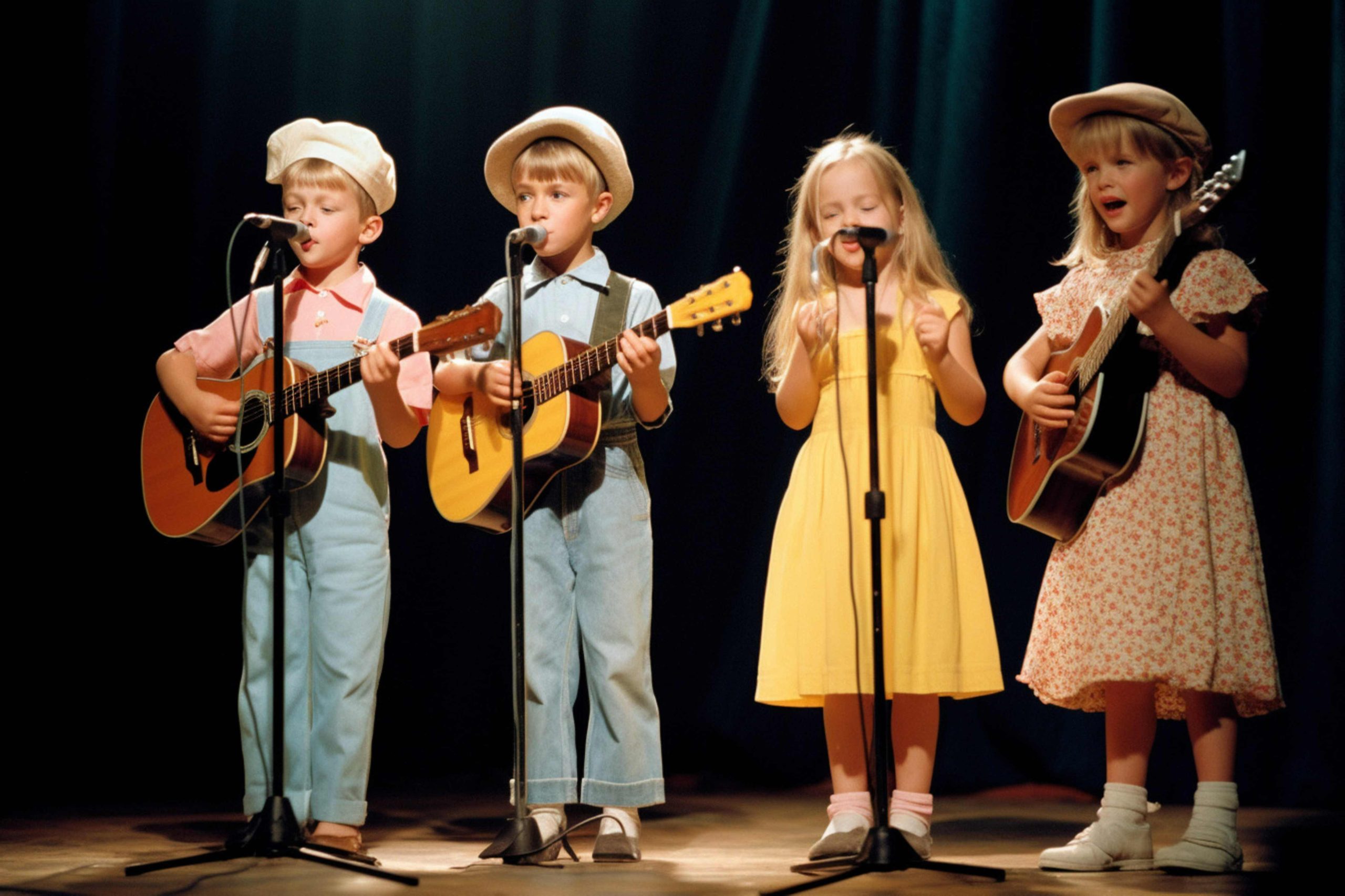
    Music is an ever-evolving art form that reflects the diverse tapestry of human experiences and emotions. From the soul-stirring melodies of classical compositions to the infectious beats of contemporary pop, the world of music offers a vast array of styles that resonate with preschoolers and ignite their imaginations. By exploring different musical styles, we open the doors to a captivating musical journey for preschoolers, fostering their appreciation for the intricacies of sound and the boundless creativity of human expression.


    Classical Elegance: Discovering the Beauty of Timeless Masterpieces

    Classical music, with its rich history and timeless compositions, holds a special place in the realm of musical styles. From the enchanting symphonies of Mozart to the emotive sonatas of Beethoven, preschoolers can experience the elegance and complexity of classical compositions. The intricate melodies, harmonies, and orchestral arrangements of classical music captivate young minds, transporting them to a world of refined artistry and emotive storytelling.

    Engaging with classical music provides preschoolers with an opportunity to appreciate the technical prowess and emotional depth of composers who have left an indelible mark on the musical landscape. The grandeur of an orchestra, the delicate interplay of instruments, and the sheer power of a choir’s voices create a multisensory experience that sparks their imagination and nurtures their budding musical sensibilities.


    Rhythmic Beats: Exploring the Vibrant World of Popular Music

    Popular music encompasses an array of genres, from catchy pop tunes to infectious dance rhythms, that resonate deeply with preschoolers. This dynamic and ever-evolving style of music reflects the contemporary culture and captures the pulse of the times. From chart-topping hits to beloved anthems, popular music forms a soundtrack to preschoolers’ lives, connecting them to the world around them and allowing them to express their emotions and experiences.

    Engaging with popular music offers preschoolers a chance to explore diverse genres, from the catchy hooks of pop to the infectious grooves of hip-hop, the expressive melodies of R&B, or the energy of rock and roll. Each genre carries its unique rhythm, instrumentation, and lyrical style, enabling preschoolers to appreciate the vast range of musical possibilities.


    Soulful Sounds: Embracing the Power of Jazz and Blues

    Jazz and blues, born from the depths of African-American musical traditions, offer preschoolers an opportunity to experience the power of improvisation, emotional storytelling, and soulful expression. Jazz, with its syncopated rhythms, complex harmonies, and improvisational nature, encourages preschoolers to embrace spontaneity and explore their own musical ideas. The expressive melodies of the blues evoke a deep emotional connection, inviting preschoolers to reflect on the human experiences of joy, sorrow, and resilience.

    Engaging with jazz and blues allows preschoolers to appreciate the improvisational skills of musicians, as they create spontaneous melodies and engage in musical conversations. The melodic solos, intricate chord progressions, and soulful vocals of these genres spark preschoolers’ imaginations and encourage them to express their own emotions through music.


    Cultural Rhythms: Celebrating the Diversity of World Music

    World music encompasses a vast array of styles and traditions, reflecting the rich cultural heritage of different regions and communities around the globe. From the vibrant rhythms of Latin America to the enchanting melodies of the Middle East, preschoolers can embark on a musical journey that celebrates the diversity and beauty of cultures worldwide.

    Engaging with world music provides preschoolers with an opportunity to explore different instruments, unique scales, and rhythmic patterns. They can discover the mesmerizing sounds of the sitar in Indian classical music, the rhythmic beats of the djembe in African traditions, or the haunting melodies of the pan flute in South American folk music. This exposure to diverse musical styles fosters a sense of cultural appreciation, broadens preschoolers’ horizons, and nurtures their global citizenship.


    Folklore and Tradition: Unearthing Musical Gems from the Past

    Folk music holds a treasure trove of stories, traditions, and cultural heritage, passed down through generations. Preschoolers can immerse themselves in the rich tapestry of folk music, discovering the melodies and rhythms that have shaped communities and preserved their unique identities.

    Engaging with folk music allows preschoolers to explore the traditional instruments, lyrics, and dances that form an integral part of a culture’s folklore. They can sing along to timeless folk songs, learn traditional dances, or even try their hand at playing folk instruments like the ukulele or the fiddle. Through these musical encounters, preschoolers develop a sense of connection to their own cultural roots and gain a deeper appreciation for the richness of their heritage.


    Experimental Sounds: Pushing Boundaries and Embracing Innovation

    As music evolves, artists continually push the boundaries of creativity, exploring experimental sounds and avant-garde styles. Preschoolers can embark on a sonic adventure, discovering the world of experimental music that challenges traditional notions and invites them to think outside the box.

    Engaging with experimental music allows preschoolers to embrace innovation, unconventional sounds, and unconventional techniques. They can explore electronic music, soundscapes, and abstract compositions that blur the lines between genres. This exposure encourages preschoolers to embrace their own creativity, experiment with musical ideas, and push the boundaries of their own musical expression.

    The world of musical styles offers a vast and diverse landscape for preschoolers to explore and embrace. From the elegance of classical compositions to the vibrant beats of popular music, from the soulful sounds of jazz and blues to the cultural richness of world music, and from the traditional melodies of folk music to the innovative realms of experimental sounds, each style carries its unique charm and emotional resonance. By nurturing preschoolers’ appreciation for different musical styles, we empower them to embark on a melodic journey of exploration, connection, and personal growth.


    Musical Fusion: Blending Genres for a Unique Sound

    In addition to exploring individual musical styles, preschoolers can also discover the beauty of musical fusion, where different genres and influences come together to create a unique and eclectic sound. Musical fusion breaks down barriers and invites preschoolers to appreciate the power of collaboration, innovation, and the interconnectedness of musical traditions.

    Fusion genres, such as jazz fusion, world fusion, or even genres like rock or hip-hop infused with elements of classical music, offer preschoolers a fascinating glimpse into the possibilities of combining different musical styles. They can witness the seamless integration of diverse instruments, rhythms, and melodies, resulting in a fresh and captivating musical experience.

    Engaging with musical fusion encourages preschoolers to embrace diversity, to celebrate the fusion of cultures and influences, and to challenge conventional notions of genre and style. They can explore the innovative works of artists who fearlessly blend traditional and contemporary elements, creating a sound that is both familiar and new. This exposure nurtures their creativity, broadens their musical palette, and inspires them to think outside the box.

    Moreover, musical fusion serves as a reminder that music is a universal language that transcends boundaries. It highlights the interconnectedness of musical traditions from around the world, emphasizing that there are no limitations to artistic expression. By appreciating musical fusion, preschoolers develop an open-mindedness that extends beyond the realm of music, fostering acceptance, empathy, and a celebration of diversity.

    Musical fusion provides preschoolers with a window into the power of collaboration, innovation, and cultural exchange. By exploring genres that blend different musical styles and influences, preschoolers can experience the magic that happens when diverse musical traditions come together. This exposure encourages them to embrace diversity, challenge conventional notions, and celebrate the interconnectedness of the human experience through music.


    Personal Expression: Music as an Outlet for Emotion

    One of the most profound aspects of music is its ability to serve as a powerful outlet for emotion. Regardless of musical style, preschoolers can find solace, healing, and a means of self-expression through music. It becomes a language that allows them to convey their innermost feelings, experiences, and thoughts, even before they have developed the words to express them.

    Engaging with music as a form of personal expression empowers preschoolers to explore their emotions in a safe and creative manner. They can select songs or melodies that resonate with their experiences, using them as a channel to process and communicate their feelings. Whether it’s a cheerful tune that reflects their joy, a melancholic melody that mirrors their sadness, or an upbeat rhythm that channels their energy, music becomes a trusted companion that understands and validates their emotions.

    Moreover, music provides preschoolers with a sense of agency and control over their own narratives. They can experiment with creating their own compositions, improvising melodies, or writing lyrics that reflect their unique perspectives. This creative process allows them to assert their individuality, build self-confidence, and develop a sense of identity and purpose.

    Furthermore, engaging with music as a means of emotional expression fosters emotional intelligence and empathy in preschoolers. As they connect with the emotional nuances of different musical pieces, they develop a deeper understanding of the range and complexity of human emotions. This heightened emotional awareness enhances their ability to empathize with others, cultivating compassion and nurturing their social interactions.

    Music serves as a powerful outlet for emotional expression, allowing preschoolers to navigate and communicate their inner world. Regardless of musical style, engaging with music as a means of personal expression empowers preschoolers, providing them with a voice that transcends language and allows them to connect with themselves and others on a deeper level.


    Music as a Cultural Identity: Preserving Heritage and Celebrating Diversity

    Music plays a significant role in preserving cultural heritage and celebrating the diversity of human experiences. Each region, community, and cultural group has its unique musical traditions that have been passed down through generations, serving as a testament to their history, values, and identity. By engaging with music as a cultural expression, preschoolers can develop a deep appreciation for their own heritage and gain a broader understanding of the world around them.

    Preschoolers can explore traditional music styles that are deeply rooted in their cultural backgrounds. They can learn folk songs, traditional dances, and participate in cultural celebrations that showcase the richness of their own heritage. By engaging with their cultural music, preschoolers gain a sense of belonging and pride in their roots, fostering a connection to their cultural identity.

    Furthermore, exploring the music of different cultures allows preschoolers to embrace diversity and develop a global perspective. They can listen to traditional music from various regions and countries, discovering the distinct sounds, rhythms, and instruments that make each culture unique. This exposure nurtures an appreciation for the beauty and complexity of different musical traditions, fostering respect, curiosity, and a celebration of cultural diversity.

    Engaging with music as a cultural identity also provides preschoolers with an opportunity to learn about history, social issues, and the experiences of others. Music often serves as a voice for marginalized communities, expressing their struggles, hopes, and aspirations. Through exploring the musical traditions of diverse cultures, preschoolers develop empathy, understanding, and a commitment to social justice, recognizing the power of music as a catalyst for change.

    Music serves as a powerful means of preserving cultural heritage and celebrating the diversity of the human experience. By engaging with music as a cultural expression, preschoolers can develop a deep appreciation for their own heritage while also gaining a broader understanding and respect for the cultural identities of others. Music becomes a bridge that connects preschoolers to their roots, fosters a celebration of diversity, and promotes a sense of unity in the rich tapestry of human culture.


    The Importance of Music in Early Childhood Development

    Music holds immense importance in the early childhood development of preschoolers. It plays a fundamental role in shaping their cognitive, emotional, social, and physical development. By actively engaging with music, preschoolers experience a myriad of benefits that have a lasting impact on their overall growth and well-being.


    Cognitive Development:

    Music stimulates various areas of the brain, promoting cognitive development in preschoolers. When they listen to music or participate in musical activities, neural connections are formed, enhancing their memory, attention, and problem-solving skills. Learning rhythm, melody, and lyrics promotes language development and phonemic awareness, laying a strong foundation for literacy skills. Additionally, exploring different musical styles fosters creativity, imagination, and critical thinking abilities.


    Emotional Development:

    Music has a profound impact on preschoolers’ emotional well-being. It serves as a powerful tool for self-expression, allowing them to identify, regulate, and communicate their emotions. By engaging with music, preschoolers develop emotional intelligence, empathy, and the ability to recognize and interpret the emotions expressed through music. Music also provides a sense of comfort, relaxation, and joy, promoting positive emotional experiences and supporting mental health.


    Social Development:

    Music is inherently social, encouraging collaboration, cooperation, and communication among preschoolers. Engaging in group singing, dancing, or playing musical instruments promotes teamwork, turn-taking, and listening skills. Preschoolers learn to communicate and interact with others through music, building social bonds, developing empathy, and fostering a sense of belonging within a group or community. Musical activities also provide opportunities for preschoolers to express themselves creatively and gain confidence in sharing their ideas and talents.


    Physical Development:

    Music and movement are closely intertwined, promoting physical development in preschoolers. Dancing, clapping, and playing instruments improve gross and fine motor skills, coordination, and spatial awareness. Through rhythmic movements and active engagement with music, preschoolers develop body awareness, balance, and control. Physical activities related to music also contribute to overall health and well-being, encouraging an active lifestyle and promoting physical fitness.

    Furthermore, music has the power to enhance the overall learning experience for preschoolers. It can be integrated into various educational domains, making learning more engaging, enjoyable, and memorable. Whether it’s using music to teach numbers, letters, or concepts from different subjects, music serves as a valuable educational tool that enhances preschoolers’ learning outcomes and supports holistic development.

    The importance of music in early childhood development cannot be overstated. It plays a vital role in cognitive, emotional, social, and physical growth, providing preschoolers with a holistic learning experience. By actively engaging with music, preschoolers reap the benefits of enhanced cognitive abilities, emotional well-being, social skills, and physical development. As we recognize the transformative power of music, we embrace its significance in nurturing the potential of preschoolers and shaping their journey of growth and self-discovery.
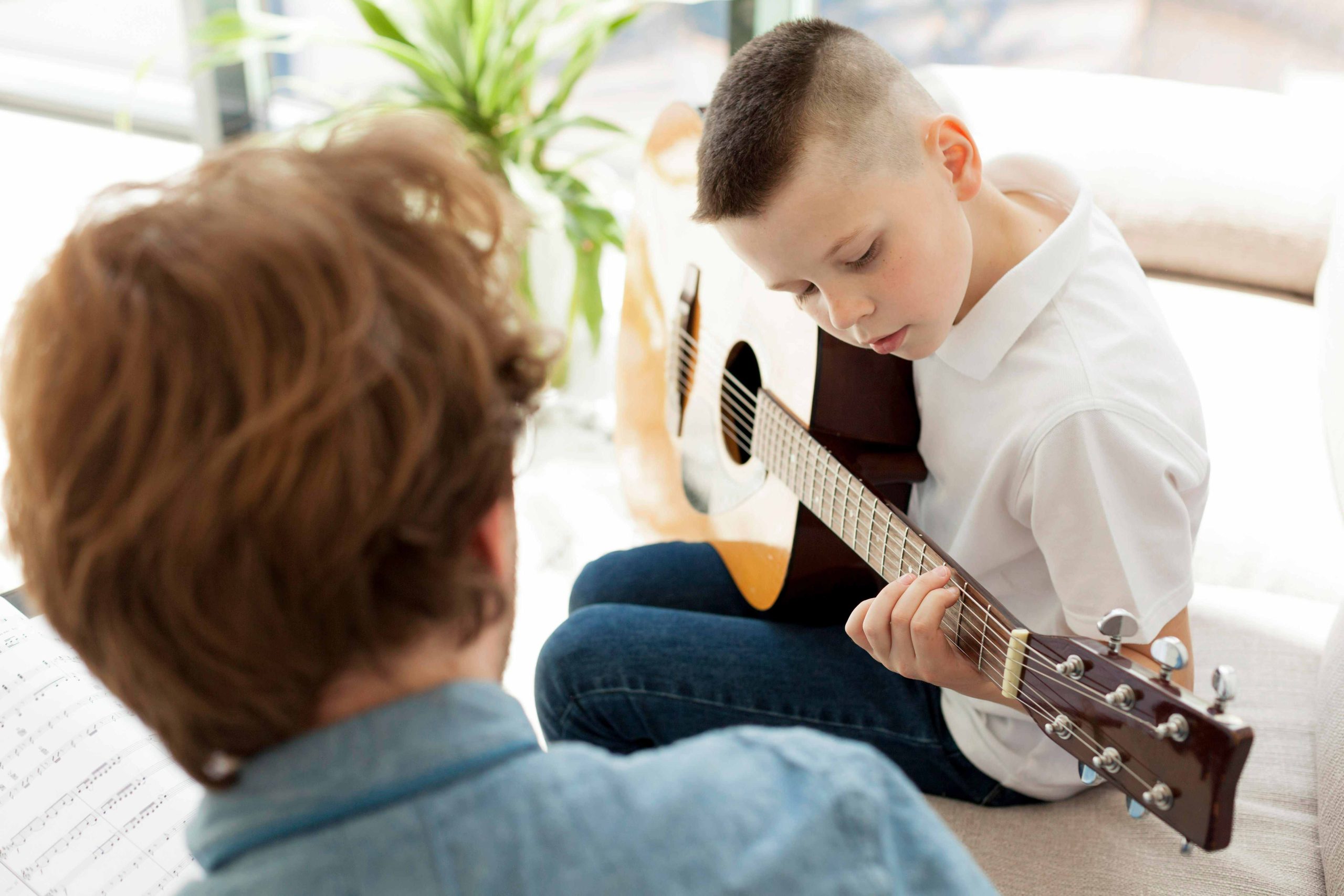
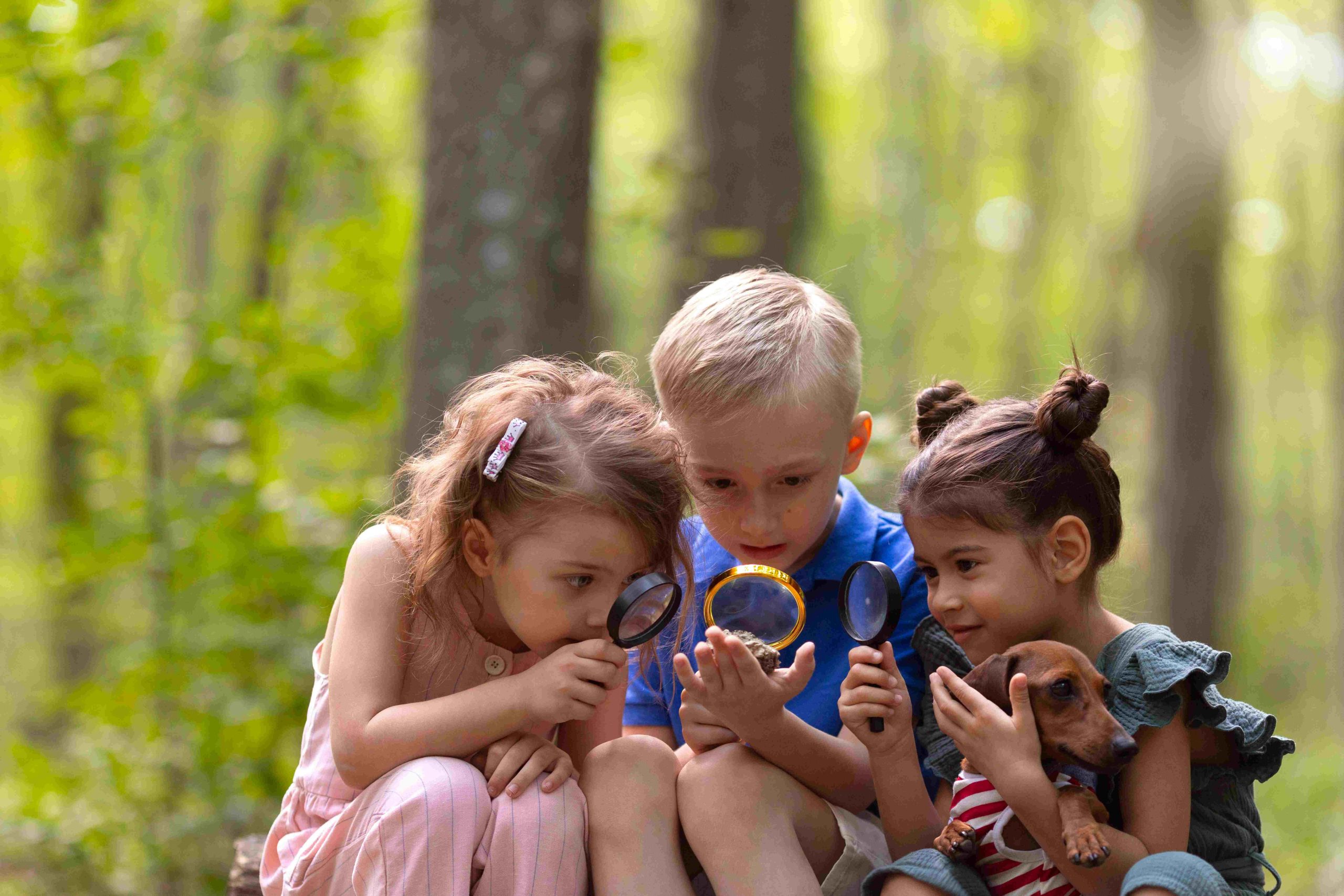
  • Musical Training

    Musical Training

    Unlocking the Power of Musical Training: Nurturing Young Minds

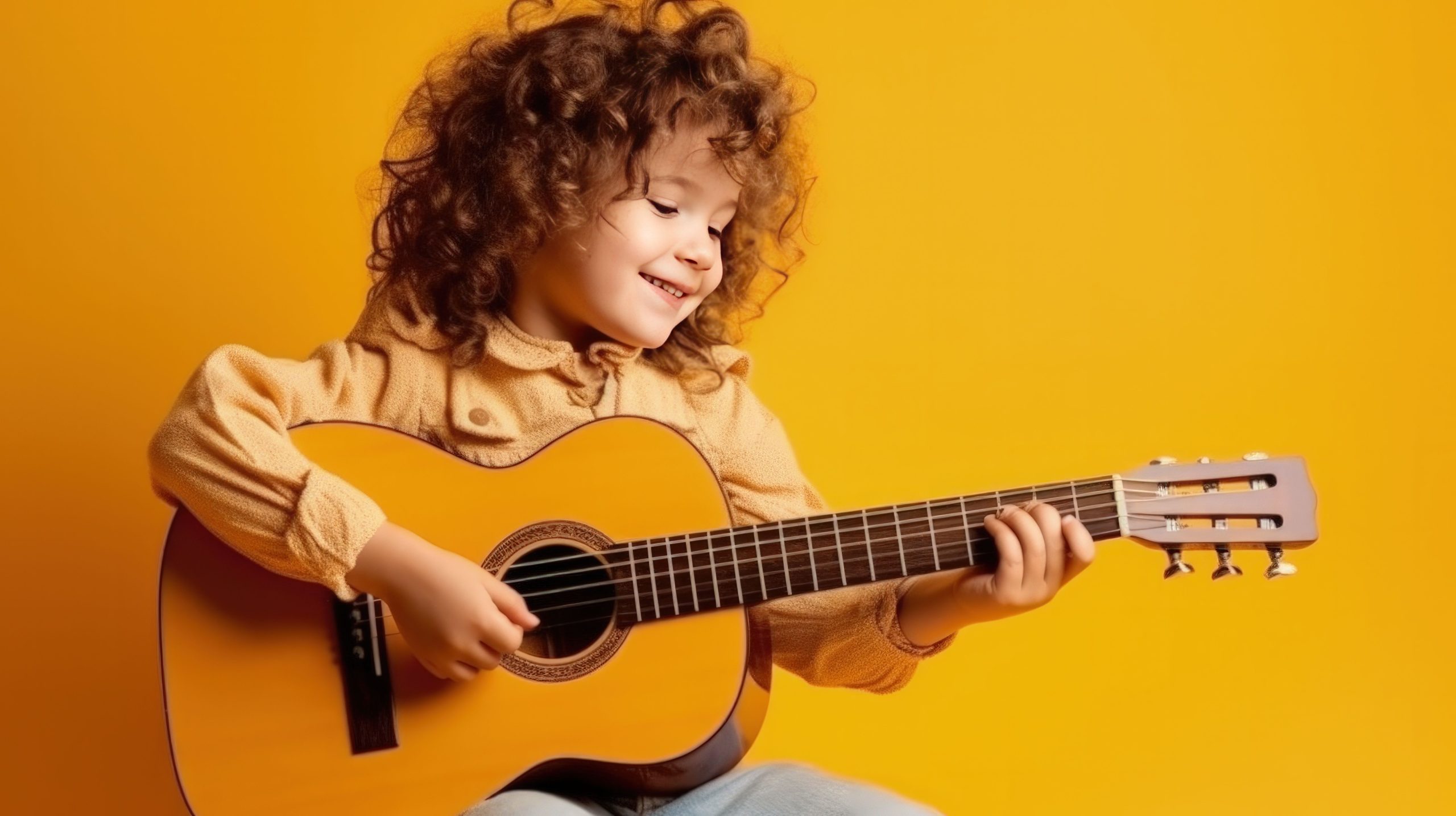
    Music, with its harmonies and melodies, has the remarkable ability to touch our souls, evoke emotions, and ignite our imagination. It is a universal language that transcends boundaries, cultures, and ages. Since the beginning of time, music has been a big part of our lives, providing us with amusement as well as major advantages for our cognitive and developmental growth. In particular, musical training has emerged as a powerful tool for nurturing the minds of preschoolers, paving the way for holistic growth and lifelong learning.


    The Cognitive Symphony

    Melodies and rhythms are more than just pleasing sounds. Research has revealed that musical training has a profound impact on the cognitive development of preschoolers. Engaging in activities such as singing, playing instruments, and rhythmic exercises stimulates various regions of the brain, strengthening neural connections and enhancing cognitive functions.

    Studies have shown that musical training promotes improved memory, attention, and concentration skills in preschoolers. The act of learning to play an instrument or deciphering musical notation requires the brain to focus and process information, thereby enhancing attention span and concentration abilities. Furthermore, musical training has been found to enhance working memory, enabling preschoolers to retain and manipulate information more effectively.

    The benefits of musical training extend beyond cognitive abilities. Preschoolers who participate in musical activities often perform exceptionally well in subjects like algebra and problem-solving. The patterns, rhythms, and mathematical structures inherent in music facilitate the development of mathematical skills, spatial-temporal reasoning, and pattern recognition.


    Emotional Crescendo

    Music possesses a unique ability to evoke emotions and create a profound emotional connection. For preschoolers, engaging in musical training provides a safe and expressive outlet for emotional exploration and development. By participating in singing, playing instruments, or engaging in rhythmic activities, preschoolers can discover and communicate their emotions in a creative and supportive environment.

    The ability of preschoolers to detect, understand, and control their emotions is said to be improved by early exposure to music, according to studies. Preschoolers can learn to express their emotions, both good and bad, and grow in empathy for others through music. Musical activities promote self-expression, self-awareness, and emotional resilience, equipping preschoolers with valuable emotional tools that will serve them throughout their lives.


    Social Symphony

    Musical training provides preschoolers with opportunities to collaborate, communicate, and connect with others in meaningful ways. Group activities such as choirs, ensembles, and music classes foster social interaction, teamwork, and the development of important social skills.

    Engaging in musical training enables preschoolers to learn the value of cooperation, compromise, and active listening. By participating in group performances, they develop a sense of belonging and mutual respect, as they work together to create a harmonious musical experience. These experiences also cultivate a sense of cultural appreciation, as preschoolers are exposed to different musical genres, traditions, and perspectives.

    Furthermore, musical training can be a powerful platform for preschoolers to build confidence and enhance their communication skills. Performing in front of an audience, whether it be a small gathering or a large concert, fosters confidence, public speaking abilities, and stage presence. These skills are transferable and can benefit preschoolers in various aspects of their lives.


    Rhythmic Wellness

    Beyond cognitive, emotional, and social benefits, musical training has a profound impact on the overall well-being of preschoolers. Engaging in musical activities provides an outlet for self-expression, stress reduction, and relaxation. Endorphins are released throughout the process of making music, which enhances feelings of joy, happiness, and general wellbeing.

    Additionally, musical training has been linked to improved motor skills and coordination in preschoolers. Playing instruments, dancing to the rhythm, or engaging in musical movements enhances gross and fine motor skills, spatial awareness, and coordination. These physical benefits contribute to the overall development of preschoolers, fostering a healthy and active lifestyle.

    Musical training is a powerful tool that unlocks the potential of preschoolers’ minds and hearts. It improves mental faculties, fosters emotional growth, cultivates social skills, and adds to general wellbeing. By embracing the magic of music, we empower the next generation to explore their creativity, embrace diversity, and embark on a journey of lifelong learning. Let us embrace the symphony of musical training and watch as our preschoolers flourish into well-rounded individuals, equipped with the skills and resilience to face the world with confidence.


    Harmonizing Academics

    The impact of musical training extends beyond the realm of music itself. Research has shown a strong correlation between musical training and academic achievement in preschoolers. Participating in musical activities helps improve cognitive abilities like language development, reading, and numeracy, which are essential for academic achievement.

    Language development is intricately linked to musical training. Through singing, preschoolers are exposed to different phonetic patterns, rhythms, and intonations, which can improve their language skills, including vocabulary acquisition, pronunciation, and language fluency. Furthermore, learning to read and play musical notation can strengthen phonemic awareness, a fundamental skill for reading and language comprehension.

    Moreover, musical training can have a positive impact on numeracy skills. As preschoolers engage in rhythmic exercises, they develop a sense of timing, beat, and mathematical patterns. These skills transfer to other areas of learning, particularly mathematics. The mathematical concepts inherent in music, such as rhythm, scales, and intervals, enhance numerical reasoning, problem-solving abilities, and mathematical fluency.

    Studies have also shown that preschoolers who engage in musical training tend to perform better in standardized tests and demonstrate higher levels of academic motivation and engagement. The discipline and dedication required in learning an instrument or mastering a musical piece cultivate a growth mindset and a strong work ethic, which are essential qualities for academic success.

    Incorporating musical training into the early years of education can create a harmonious synergy between the arts and academics, enriching the learning experience and empowering preschoolers to excel in various subjects.


    Cultivating a Lifelong Love for Music

    Beyond the immediate benefits, musical training has the potential to cultivate a lifelong love and appreciation for music in preschoolers. Early exposure to music and engagement in musical activities create a deep connection and understanding of the art form, nurturing a passion that can last a lifetime.

    By immersing preschoolers in a rich musical environment, they develop a repertoire of songs, melodies, and rhythms that become part of their cultural and emotional identity. The joy and fulfillment derived from creating and experiencing music foster a lifelong appreciation for the arts and the role they play in enhancing the quality of life.

    Furthermore, musical training provides a foundation for preschoolers to explore different genres, instruments, and musical traditions. This exposure broadens their horizons, stimulates their curiosity, and encourages them to explore new avenues of musical expression.

    As they grow older, preschoolers who have received musical training are more likely to continue their musical journey, whether as amateur musicians, avid concert-goers, or even pursuing careers in the field of music. Their early experiences with music have planted the seeds of passion and appreciation, ensuring that music remains an integral part of their lives.

    Musical training for preschoolers goes far beyond mere entertainment. It is a powerful catalyst for cognitive development, emotional well-being, social interaction, academic achievement, and lifelong love for music. As educators, parents, and society as a whole, it is our responsibility to recognize and embrace the immense benefits that musical training offers to young minds. By providing opportunities for preschoolers to engage in musical activities, we unlock their potential, ignite their creativity, and set them on a path of holistic growth and lifelong learning. Let the symphony of musical training guide us towards a future where every preschooler has the opportunity to experience the transformative power of music.


    The Role of Parents and Educators

    The role of parents and educators is crucial in nurturing the musical development of preschoolers. By actively supporting and encouraging their engagement in musical training, we can maximize the benefits and create a nurturing environment for their growth.

    Parents play a vital role in fostering a love for music in their preschoolers. They can expose them to a wide range of musical genres, sing lullabies, and nursery rhymes, and provide opportunities for active music-making at home. Singing together, dancing to music, and exploring musical instruments can create joyful bonding experiences while nurturing their musical abilities.

    Educators also play a significant role in integrating musical training into early childhood education. Incorporating music into the curriculum can enhance learning experiences across various subjects. Providing access to musical instruments, incorporating singing and movement activities, and organizing group performances can create a vibrant musical atmosphere in preschools.

    Professional development for educators in the field of music education can further enhance their ability to guide and support preschoolers in their musical journey. Training in pedagogical approaches, incorporating technology and interactive resources, and staying updated with current research can equip educators with the necessary tools to effectively integrate musical training into the curriculum.

    Collaboration between parents and educators is essential to create a seamless musical learning environment for preschoolers. By working together, they can support and reinforce the musical skills and experiences of preschoolers, providing continuity between home and school.

    Parents and educators have the responsibility to create a nurturing and stimulating environment that promotes musical training for preschoolers. By embracing their role as facilitators and advocates for music education, they can unlock the full potential of preschoolers, fostering a lifelong love for music and providing them with a solid foundation for future growth and development.


    Overcoming Challenges and Promoting Inclusivity

    While the benefits of musical training for preschoolers are significant, it is crucial to address the challenges and promote inclusivity in providing access to music education for all preschoolers. Overcoming these barriers ensures that every child has the opportunity to experience the transformative power of music.

    One challenge is the lack of resources and funding for music programs in preschools, particularly in underserved communities. Limited budgets may result in a lack of musical instruments, qualified music teachers, or dedicated spaces for music activities. It is essential for policymakers and educational institutions to recognize the importance of music education and allocate adequate resources to support inclusive and comprehensive music programs in preschools.

    Another challenge lies in ensuring that music education is accessible to preschoolers with disabilities or special needs. Adaptations and accommodations should be made to accommodate preschoolers with sensory, physical, or cognitive challenges. Incorporating inclusive teaching strategies, providing assistive technology, and creating a supportive and inclusive environment can enable all preschoolers to participate and benefit from musical training.

    Additionally, cultural and socioeconomic factors can influence access to music education. It is important to recognize and celebrate the diversity of musical traditions and genres, ensuring that preschoolers from different cultural backgrounds have the opportunity to engage with music that resonates with their heritage. Scholarships, community partnerships, and outreach programs can help bridge the gap and provide equal opportunities for all preschoolers to participate in musical training.

    Furthermore, gender stereotypes and biases can also impact access to music education. Encouraging and supporting girls to explore and pursue music is crucial in breaking down gender barriers and promoting gender equality in the field of music. By challenging stereotypes and providing equal opportunities, we can create a more inclusive and diverse musical landscape.

    Addressing the challenges and promoting inclusivity in music education is vital to ensure that every preschooler has the opportunity to engage in musical training. By advocating for resources, adapting teaching strategies, and embracing diversity, we can create an inclusive environment where all preschoolers can experience the joy, benefits, and transformative power of music, regardless of their background or abilities. Let us work together to remove barriers and create a harmonious space where every preschooler can flourish and thrive through the magic of musical training.


    Nurturing Creativity and Personal Expression

    One of the most remarkable aspects of musical training for preschoolers is its ability to nurture creativity and personal expression. Music provides a platform for preschoolers to explore their unique voices, ideas, and emotions, fostering their creative development.

    Engaging in musical activities encourages preschoolers to think outside the box, experiment with sounds, and create their own compositions. Whether it’s through improvisation, songwriting, or arranging melodies, preschoolers are given the freedom to express themselves artistically and develop their creative thinking skills.

    Musical training also cultivates imagination and storytelling abilities. Preschoolers can use music to create narratives, interpret moods, and convey messages. By connecting music with their own experiences, thoughts, and feelings, preschoolers develop a deeper understanding of self-expression and storytelling through a non-verbal medium.

    Furthermore, musical training promotes critical thinking and problem-solving skills. When preschoolers encounter challenges in learning a new instrument or mastering a piece, they are encouraged to approach problems from different angles, explore different techniques, and persevere through difficulties. This fosters resilience, adaptability, and a growth mindset that extends beyond the realm of music.

    As preschoolers engage in collaborative musical experiences, such as group performances or ensemble playing, they learn the importance of listening, compromising, and contributing to a collective creative process. These skills are transferable to other collaborative endeavors, promoting teamwork, effective communication, and the ability to work harmoniously with others.

    Musical training for preschoolers nurtures their creativity and personal expression, providing them with a powerful medium to explore their unique voices, develop imaginative thinking, and foster critical skills that will benefit them throughout their lives. By encouraging their artistic exploration and providing a supportive environment, we empower preschoolers to embrace their creativity, think creatively, and express themselves authentically through the transformative power of music.

  • World Around Them

    World Around Them

    Exploring the World Around Them: Enriching Experiences for Preschoolers

    The world is a fascinating place, filled with wonders waiting to be discovered. For preschoolers, every day is an opportunity to explore and learn about the world around them. Engaging preschoolers in enriching experiences that spark their curiosity and ignite their sense of wonder is essential for their holistic development. In this article, we will delve into the importance of providing preschoolers with meaningful encounters with the world around them. We will explore various sub-topics, each highlighting different aspects of these enriching experiences.


    Nature’s Playground

    Nature provides a treasure trove of learning opportunities for preschoolers. By connecting with the natural world, preschoolers develop an appreciation for the environment and foster a sense of wonder. This sub-article will explore the benefits of nature-based activities, such as outdoor exploration, gardening, and animal encounters.


    Cultural Immersion

    Introducing preschoolers to different cultures broadens their worldview and promotes acceptance of diversity. Cultural immersion experiences, such as celebrating festivals, exploring traditional art and music, and learning about global customs, help preschoolers develop a sense of respect and appreciation for different cultures.


    Scientific Exploration

    Science is all around us, waiting to be discovered. Preschoolers have a natural curiosity about the world, and scientific exploration provides them with a platform to engage in hands-on experiments, observations, and investigations. This sub-article will discuss the significance of scientific exploration in fostering critical thinking, problem-solving skills, and a passion for learning.


    Community Connections

    Connecting preschoolers with their local community helps them understand their place within a broader social context. Visits to local businesses, interactions with community helpers, and participation in community service projects enable preschoolers to develop a sense of civic responsibility and empathy towards others.


    Cultural Heritage

    Exploring their own cultural heritage is an important aspect of preschoolers’ identity development. By learning about their own family history, traditions, and values, preschoolers develop a sense of pride and belonging. This sub-article will delve into the significance of preserving and celebrating cultural heritage in early childhood.


    Virtual Exploration

    In the digital age, virtual exploration offers a unique way for preschoolers to discover the world. Virtual field trips, educational apps, and interactive websites allow preschoolers to embark on virtual adventures and gain exposure to diverse environments and cultures.

    As we conclude this article, we recognize that the world around preschoolers is filled with endless possibilities for learning and growth. By providing them with enriching experiences that connect them to nature, expose them to different cultures, ignite their scientific curiosity, foster community connections, celebrate cultural heritage, and embrace virtual exploration, we empower preschoolers to become active and engaged learners. Let us continue to nurture their sense of wonder and curiosity as they embark on a lifelong journey of discovery and understanding.


    Exploring Through Literature

    Literature serves as a gateway to the world, transporting preschoolers to different places, times, and experiences through the power of storytelling. By incorporating diverse literature into their lives, preschoolers can explore the world from the comfort of their own imaginations. This sub-article will delve into the importance of using literature to spark curiosity and expand preschoolers’ understanding of the world around them.

    Multicultural Books: Introduce preschoolers to a wide range of multicultural books that showcase characters from various backgrounds. These stories provide windows into different cultures, traditions, and perspectives, allowing preschoolers to develop an appreciation for diversity and expand their understanding of the world.

    Geographical Exploration: Choose books that explore different geographical locations, taking preschoolers on journeys to far-off lands, bustling cities, and serene natural landscapes. Through these stories, preschoolers can gain knowledge about different parts of the world, their unique features, and the people who inhabit them.

    Historical Fiction: Engage preschoolers in historical fiction books that bring the past to life. These stories transport preschoolers to different eras, helping them develop an understanding of history, cultural changes over time, and the impact of historical events on people’s lives.

    Environmental Themes: Select books that highlight environmental themes, such as conservation, animal habitats, and sustainable practices. These stories foster an awareness of the natural world and inspire preschoolers to become caretakers of the environment.

    Global Folktales and Legends: Explore folktales and legends from different cultures around the world. These stories not only entertain but also teach valuable lessons, cultural values, and moral insights. Preschoolers can learn about the rich storytelling traditions of diverse cultures.

    Non-fiction Exploration: Incorporate non-fiction books that cover a range of topics, from animals and plants to space and technology. These books provide factual information and ignite preschoolers’ curiosity about the world, encouraging them to ask questions and seek further knowledge.

    By immersing preschoolers in a diverse range of literature, we expand their horizons, expose them to different perspectives, and foster a love of reading. Through books, preschoolers can embark on imaginative adventures, develop empathy, and gain a deeper understanding of the world around them.


    Engaging with the Arts

    The arts provide preschoolers with a creative outlet to express themselves and explore the world in unique and meaningful ways. Engaging with various art forms not only enhances their aesthetic appreciation but also promotes cognitive, emotional, and social development. This sub-article will delve into the significance of engaging preschoolers in different art activities to foster their exploration and understanding of the world.

    Visual Arts: Encourage preschoolers to explore visual arts, such as drawing, painting, and sculpting. These activities allow them to express their ideas, emotions, and observations through the use of colors, shapes, and textures. By creating their own artwork, preschoolers can develop fine motor skills, creativity, and visual-spatial awareness.

    Music and Dance: Introduce preschoolers to the world of music and dance, allowing them to experience different rhythms, melodies, and movements. Engaging in musical activities, such as singing, playing instruments, and dancing, helps develop their sense of rhythm, coordination, and self-expression. It also exposes them to various cultural traditions and musical styles from around the world.

    Drama and Role Play: Encourage preschoolers to engage in dramatic play and role play activities. Through pretend play, they can explore different roles, characters, and scenarios, fostering creativity, imagination, and empathy. Drama activities also provide opportunities for preschoolers to learn about different cultures, historical events, and real-life situations.

    Storytelling and Poetry: Engage preschoolers in storytelling and poetry sessions. These activities not only develop language and literacy skills but also ignite their imagination and narrative abilities. Preschoolers can create their own stories, retell familiar tales, and explore the rhythm and sounds of language through poetry.

    Theatre and Puppetry: Introduce preschoolers to the world of theatre and puppetry. Through puppet shows, role-playing, and simple theatre performances, preschoolers can bring stories to life, practice social skills, and enhance their communication abilities. Theatre activities also promote teamwork, problem-solving, and confidence building.

    Multicultural Arts: Incorporate multicultural arts activities that expose preschoolers to diverse artistic traditions and styles. Engaging in activities such as creating African-inspired masks, Chinese paper lanterns, or Aboriginal dot paintings allows preschoolers to appreciate different cultural art forms and symbols.

    By engaging with the arts, preschoolers develop a deeper understanding of themselves, others, and the world around them. Art activities provide avenues for self-expression, cultural exploration, and the development of various skills. Through creativity and imagination, preschoolers can navigate the complexities of the world and discover their own unique perspectives.


    Technology and the Digital World

    In today’s digital age, technology plays a significant role in shaping the world and influencing how preschoolers interact with their environment. While it is essential to strike a balance between screen time and other forms of exploration, incorporating age-appropriate technology can provide valuable learning opportunities for preschoolers to navigate the digital world and broaden their understanding of the world around them. This sub-article will explore the benefits and considerations of using technology as a tool for preschoolers’ exploration.

    Educational Apps and Games: Utilize educational apps and games specifically designed for preschoolers. These interactive tools can enhance early literacy, numeracy, problem-solving, and critical thinking skills. Select apps and games that are engaging, age-appropriate, and aligned with learning objectives to provide meaningful learning experiences.

    Virtual Field Trips: Take preschoolers on virtual field trips to explore places they may not be able to visit physically. Virtual tours allow them to experience museums, zoos, landmarks, and cultural sites from around the world, fostering curiosity and expanding their understanding of different environments and cultures.

    Multimedia Resources: Introduce preschoolers to multimedia resources such as videos, animations, and interactive websites. These resources can present information in engaging and visually stimulating ways, enhancing preschoolers’ understanding of various concepts, including science, nature, and cultural diversity.

    Digital Storytelling: Encourage preschoolers to create digital stories using age-appropriate digital tools. They can use simple animation apps or digital storybook creators to express their ideas, narratives, and emotions. Digital storytelling nurtures creativity, digital literacy, and self-expression while enabling preschoolers to explore different storytelling techniques.

    Online Collaborative Projects: Engage preschoolers in online collaborative projects where they can connect with peers from different locations. Through platforms designed for educational collaboration, preschoolers can engage in joint projects, share their ideas, and learn from others, fostering a sense of global connectivity and cultural exchange.

    Internet Safety and Digital Citizenship: Teach preschoolers about internet safety, responsible online behavior, and digital citizenship. Help them understand the importance of privacy, respectful communication, and discerning reliable sources of information. Empower them to make informed choices and navigate the digital world responsibly.

    When used thoughtfully and with appropriate guidance, technology can enhance preschoolers’ exploration of the world. It provides access to a vast array of information, cultural experiences, and learning opportunities that can broaden their horizons and foster digital literacy skills. However, it is crucial to ensure that technology remains a complement to other forms of exploration and does not replace hands-on experiences or face-to-face interactions.


    Nature and Outdoor Exploration

    Nature and outdoor exploration offer preschoolers a rich and sensory-filled environment to learn, discover, and connect with the world around them. It provides them with opportunities to engage their senses, develop gross motor skills, appreciate the beauty of the natural world, and foster a sense of wonder and curiosity. This sub-article will delve into the importance of nature-based experiences and outdoor exploration in preschoolers’ understanding of the world.

    Nature Walks and Hikes: Take preschoolers on nature walks and hikes in local parks, gardens, or nature reserves. Encourage them to observe, touch, smell, and listen to the natural elements around them. Point out different plants, animals, and natural features, stimulating their curiosity and encouraging them to ask questions.

    Gardening and Planting: Involve preschoolers in gardening activities, allowing them to plant seeds, water plants, and watch them grow. Through hands-on experiences, they can learn about the life cycle of plants, understand the importance of caring for living things, and develop a sense of responsibility towards the environment.

    Nature Crafts and Art: Combine nature and creativity by engaging preschoolers in nature-based crafts and art activities. Collect leaves, flowers, and twigs during nature walks and use them to create collages, pressed flower art, or nature-inspired sculptures. These activities foster a connection with the natural world while nurturing artistic expression.

    Outdoor Science Experiments: Conduct simple science experiments outdoors, exploring concepts such as water cycles, weather, and plant growth. Preschoolers can engage in hands-on activities like making rain gauges, observing insect behavior, or exploring the properties of natural materials. These experiences foster scientific inquiry and a deeper understanding of the natural world.

    Sensory Play in Nature: Set up sensory play activities in natural settings, such as sand and water play areas or mud kitchens. These experiences allow preschoolers to explore different textures, engage their senses, and develop fine motor skills. They also encourage imaginative play and creativity in the natural environment.

    Environmental Awareness and Stewardship: Teach preschoolers about the importance of environmental awareness and being good stewards of the Earth. Discuss topics such as recycling, reducing waste, and conserving energy. Encourage them to participate in activities that promote environmental responsibility, such as picking up litter or planting trees.

    Engaging preschoolers in nature-based experiences and outdoor exploration not only promotes physical development and sensory integration but also fosters a sense of wonder, curiosity, and environmental stewardship. Through these experiences, preschoolers can develop a deep appreciation for the natural world, learn about its interconnectedness, and become advocates for its protection.

  • Diverse Backgrounds

    Diverse Backgrounds

    Embracing Diversity: Celebrating Preschoolers’ Diverse Backgrounds

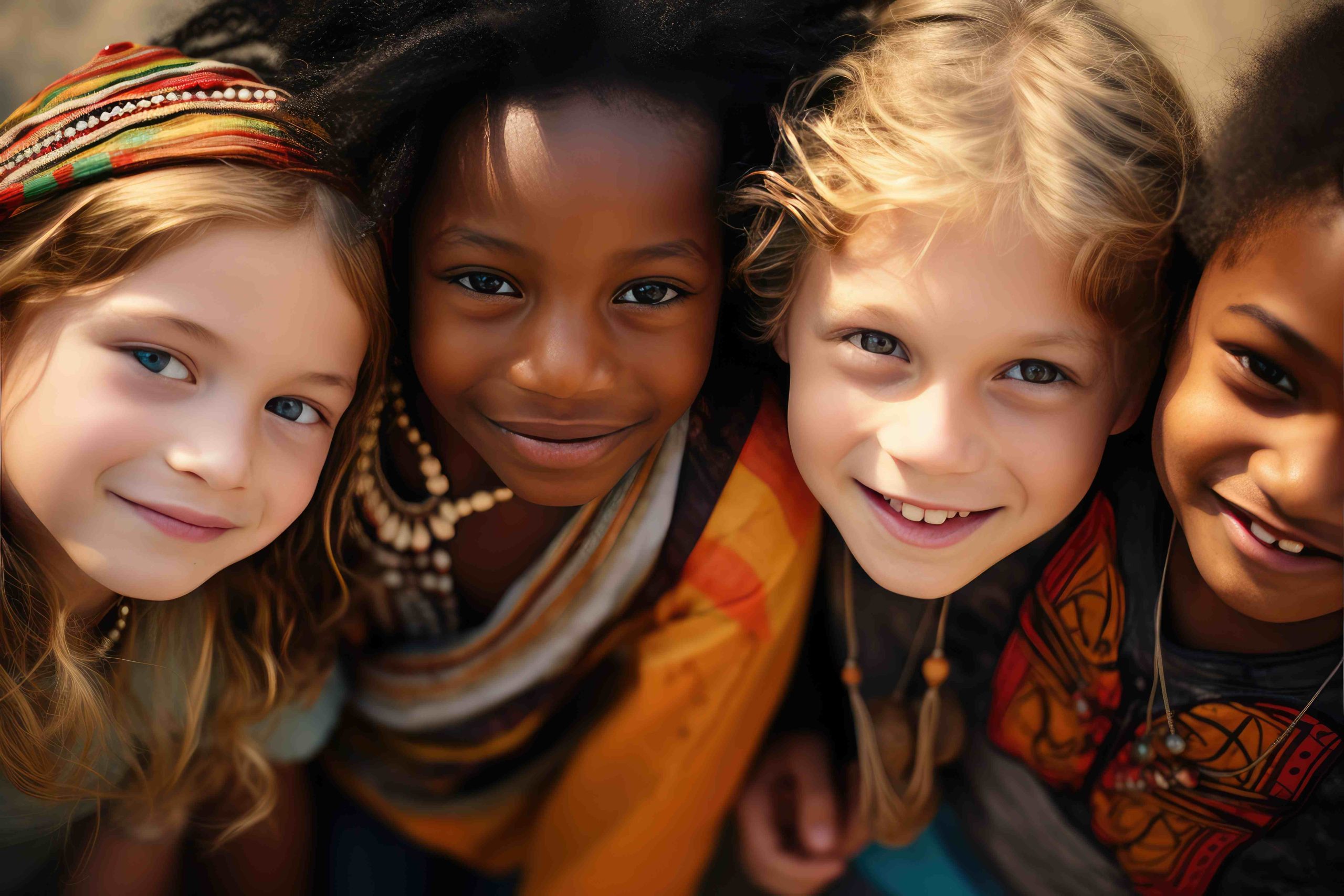
    In our ever-changing and interconnected world, it is essential to foster an inclusive and accepting environment that celebrates the diverse backgrounds of preschoolers. Each child brings a unique set of experiences, cultures, languages, and traditions, which enriches the preschool setting and provides valuable learning opportunities. This article explores the significance of embracing diversity and offers insights into how preschoolers can develop a strong sense of identity, empathy, and respect for others’ backgrounds.


    Understanding and Appreciating Cultural Diversity

    Cultural Awareness: Preschoolers are introduced to a multitude of cultural backgrounds within their peer group. Educators and parents play a vital role in promoting cultural awareness by engaging preschoolers in discussions, storytelling, and activities that expose them to diverse traditions, customs, and celebrations.

    Multilingualism: Preschoolers from diverse backgrounds often bring a wealth of languages into the classroom. Encouraging the use of multiple languages fosters linguistic diversity and allows preschoolers to appreciate the richness of different languages and communication styles.

    Traditional Arts and Crafts: Engaging preschoolers in activities that explore traditional arts and crafts from various cultures helps them develop an appreciation for different artistic expressions. This hands-on approach allows them to immerse themselves in the colours, textures, and symbols of diverse cultures.


    Building an Inclusive Environment

    Representation in Learning Materials: It is essential to provide preschoolers with books, toys, and learning materials that reflect the diversity of their backgrounds. This representation validates their experiences, promotes a sense of belonging, and helps them develop a positive self-image.

    Inclusive Classroom Practices: Educators can create an inclusive environment by incorporating diverse perspectives into the curriculum, embracing inclusive teaching strategies, and encouraging open discussions about differences and similarities.

    Collaborative Projects: Collaborative projects that highlight the unique contributions of each preschooler can promote teamwork, respect, and empathy. By working together, preschoolers learn to appreciate the strengths and talents of their peers from diverse backgrounds.


    Developing Empathy and Respect

    Storytelling and Literature: Storytelling offers a powerful tool to teach preschoolers about empathy and respect for diverse backgrounds. Reading books that feature characters from different cultures and backgrounds enables preschoolers to step into the shoes of others and understand their perspectives.

    Cultural Celebrations: Celebrating various cultural holidays and festivals in the preschool setting provides preschoolers with opportunities to learn about different traditions, values, and customs. Participating in these celebrations fosters empathy, respect, and a sense of shared humanity.

    Role-Playing and Dramatic Play: Role-playing scenarios that involve diverse backgrounds allow preschoolers to explore different cultural experiences and develop empathy by imagining themselves in others’ shoes. Dramatic play encourages them to embrace diversity and interact respectfully with their peers.


    Promoting Inclusive Language and Communication

    Language Exchange: Encouraging preschoolers to share words and phrases from their native languages with their peers promotes an inclusive and diverse language environment. This exchange fosters a sense of curiosity, respect, and understanding for different linguistic backgrounds.

    Multicultural Music and Songs: Incorporating songs and music from various cultures into the preschool routine exposes preschoolers to different languages, rhythms, and melodies. Singing together encourages inclusivity and creates a sense of unity among preschoolers from diverse backgrounds.

    Non-Verbal Communication: Teaching preschoolers about non-verbal communication, such as gestures and body language, helps them understand that communication goes beyond spoken words. This awareness promotes respect for diverse cultural norms and expressions.

    Embracing diversity in preschool settings is a powerful way to cultivate a generation of compassionate and empathetic individuals. By understanding and appreciating diverse backgrounds, creating inclusive environments, promoting empathy and respect, and fostering inclusive language and communication, preschoolers can develop a strong sense of identity while embracing and celebrating the rich tapestry of diversity around them.


    Exploring Different Traditions and Customs

    Preschoolers have the remarkable opportunity to explore and learn about various traditions and customs from diverse backgrounds. This exposure not only broadens their knowledge but also instills a sense of curiosity, respect, and appreciation for different ways of life. Here are some ways in which preschoolers can explore and engage with different traditions and customs:

    Cultural Show and Tell: Create a platform for preschoolers to share aspects of their cultural backgrounds with their peers. Encourage them to bring in items, pictures, or stories that represent their traditions and customs. This activity allows them to learn from one another and develop a deeper understanding of diverse cultures.

    Guest Speakers: Invite guest speakers from different cultural backgrounds to share their traditions and customs with the preschoolers. This firsthand interaction offers a unique opportunity for preschoolers to ask questions, engage in dialogue, and learn directly from individuals representing different cultures.

    Virtual Field Trips: Use technology to take preschoolers on virtual field trips to different countries or cultural sites. Through virtual tours, videos, and interactive presentations, preschoolers can explore the traditions, landmarks, and customs of various cultures, broadening their horizons and igniting their curiosity.

    Food Exploration: Food is an integral part of cultural identity. Organize cooking activities where preschoolers can prepare and taste dishes from different cultures. Encourage discussions about the ingredients, cooking methods, and significance of these dishes in various traditions, fostering an appreciation for diverse culinary practices.

    Festivals and Celebrations: Introduce preschoolers to a variety of cultural festivals and celebrations. Incorporate activities and crafts related to these festivities, such as creating traditional decorations, learning dance routines, or making crafts associated with specific cultural celebrations. This immersive experience allows preschoolers to actively engage with different traditions and customs.

    Storytelling and Folktales: Share folktales and stories from different cultures that highlight their traditions, customs, and values. Through storytelling, preschoolers can gain insight into the beliefs, morals, and traditions that shape different cultural backgrounds, promoting empathy and respect.

    By actively exploring and engaging with different traditions and customs, preschoolers develop a broader worldview and a deep appreciation for the rich cultural diversity around them. This exposure nurtures their curiosity, promotes inclusivity, and lays the foundation for a future generation that values and celebrates diversity.


    Cultivating Respect for Differences

    Respecting and appreciating differences is a fundamental aspect of embracing diversity. By cultivating respect for differences in preschoolers, we empower them to navigate a diverse world with empathy and open-mindedness. Here are some strategies to help preschoolers cultivate respect for differences:

    Role Modeling: Preschoolers learn through observation, so it is crucial for educators and parents to model respectful behavior towards individuals from different backgrounds. By demonstrating acceptance, inclusivity, and respect in our own actions and words, we set a powerful example for preschoolers to follow.

    Anti-Bias Education: Incorporate anti-bias education into the preschool curriculum. This involves teaching preschoolers about fairness, equality, and social justice, as well as addressing stereotypes and biases. Engage in age-appropriate discussions about prejudice and discrimination to foster critical thinking and promote empathy.

    Perspective-Taking Activities: Engage preschoolers in activities that encourage perspective-taking. For example, use storytelling or role-playing to help them imagine what it might be like to walk in someone else’s shoes. By encouraging them to consider different perspectives and experiences, we foster empathy and understanding.

    Emphasize Shared Values: Highlight the common values that underpin various cultures and traditions. Help preschoolers recognize that while people may have different practices and beliefs, there are often shared values such as kindness, compassion, and respect. Emphasizing these shared values helps preschoolers focus on what unites us rather than what divides us.

    Conflict Resolution Skills: Teach preschoolers effective conflict resolution skills that emphasize respectful communication and compromise. By providing them with tools to navigate disagreements and resolve conflicts peacefully, we equip them to interact positively with peers from different backgrounds.

    Cultural Exchange Projects: Encourage preschoolers to engage in cultural exchange projects where they collaborate with peers from different backgrounds. This can involve sharing information about their own cultures, traditions, or languages and actively listening to others’ experiences. Through these projects, preschoolers develop respect and appreciation for the diversity within their own classroom community.

    By actively cultivating respect for differences, we foster a positive and inclusive environment where preschoolers can thrive. As they grow, preschoolers will carry these values with them, embracing diversity, and contributing to a more inclusive and accepting society.


    Building Inclusive Relationships

    Building inclusive relationships is essential for creating a supportive and harmonious environment that celebrates diversity. Preschoolers thrive when they feel a sense of belonging and acceptance. Here are some strategies to help preschoolers build inclusive relationships:

    Cooperative Learning Activities: Encourage preschoolers to engage in cooperative learning activities where they work together in diverse groups. This allows them to interact with peers from different backgrounds, share ideas, and collaborate on tasks. By promoting teamwork and cooperation, we foster inclusive relationships and create opportunities for preschoolers to learn from one another.

    Peer Buddies: Implement a peer buddy system where preschoolers are paired with a peer from a different background. These buddy pairs can engage in various activities together, such as playing games, reading books, or working on projects. This fosters empathy, friendship, and understanding among preschoolers, promoting inclusivity.

    Inclusive Language: Teach preschoolers the importance of using inclusive language that respects and acknowledges everyone’s identities. Encourage them to use gender-neutral terms and avoid stereotypes or derogatory language. By promoting inclusive language, we create a safe and respectful space for all preschoolers to express themselves.

    Cultural Celebrations: Organize cultural celebrations where preschoolers can learn about and participate in various traditions and customs. Encourage families to share their cultural practices and invite them to participate in classroom celebrations. This fosters a sense of pride in one’s own culture while promoting understanding and appreciation for others.

    Conflict Resolution and Problem-Solving: Teach preschoolers effective conflict resolution and problem-solving skills that emphasize active listening, empathy, and finding mutually beneficial solutions. By equipping them with these skills, we empower preschoolers to navigate conflicts and build inclusive relationships based on understanding and respect.

    Family Involvement: Engage families in promoting inclusive relationships. Encourage families to share their own cultural backgrounds, traditions, or experiences with the preschool community. This involvement creates opportunities for rich discussions and connections between families from diverse backgrounds, strengthening the sense of community and inclusivity.

    By actively focusing on building inclusive relationships, we create a nurturing and accepting environment where preschoolers can thrive and develop a deep appreciation for diversity. These inclusive relationships lay the foundation for a future generation that embraces differences and contributes to a more inclusive society.


    Fostering Empathy and Compassion

    Empathy and compassion are essential qualities that enable preschoolers to connect with others and develop a deep understanding of diverse perspectives. By fostering empathy and compassion, we nurture a culture of inclusivity and kindness. Here are some strategies to help preschoolers develop empathy and compassion:

    Emotional Literacy: Teach preschoolers to identify and understand their own emotions and the emotions of others. Provide them with a vocabulary to express their feelings and encourage them to recognize and empathize with the emotions of their peers. This emotional literacy builds a foundation for empathy and compassion.

    Storytelling and Role-Playing: Engage preschoolers in storytelling and role-playing activities that highlight characters from diverse backgrounds and their experiences. This allows preschoolers to step into different roles, experience different emotions, and develop a greater understanding of others’ perspectives.

    Acts of Kindness: Encourage preschoolers to perform acts of kindness towards their peers. This can be as simple as sharing toys, helping others, or offering comforting words. By practicing kindness, preschoolers learn the value of compassion and empathy in their interactions with others.

    Service Learning Projects: Engage preschoolers in service learning projects that involve helping others in the community. This can include participating in charity drives, visiting nursing homes, or volunteering at local organizations. Through these experiences, preschoolers develop a sense of empathy and compassion towards individuals who may be different from them.

    Literature and Media: Introduce preschoolers to books, videos, and media that showcase diverse characters and stories. This exposure allows them to relate to characters from different backgrounds and develop empathy by understanding their experiences and challenges.

    Reflection and Discussion: Provide regular opportunities for preschoolers to reflect on their own actions and discuss how they can show empathy and compassion towards others. Engage in conversations about fairness, equality, and kindness to help them develop a deeper understanding of the importance of empathy and compassion.

    By fostering empathy and compassion, we empower preschoolers to form meaningful connections with individuals from diverse backgrounds. These qualities promote inclusivity, understanding, and a deep appreciation for the experiences and perspectives of others.

  • Dance Activities

    Dance Activities

    Dance Activities for Preschoolers: Nurturing Creativity and Movement

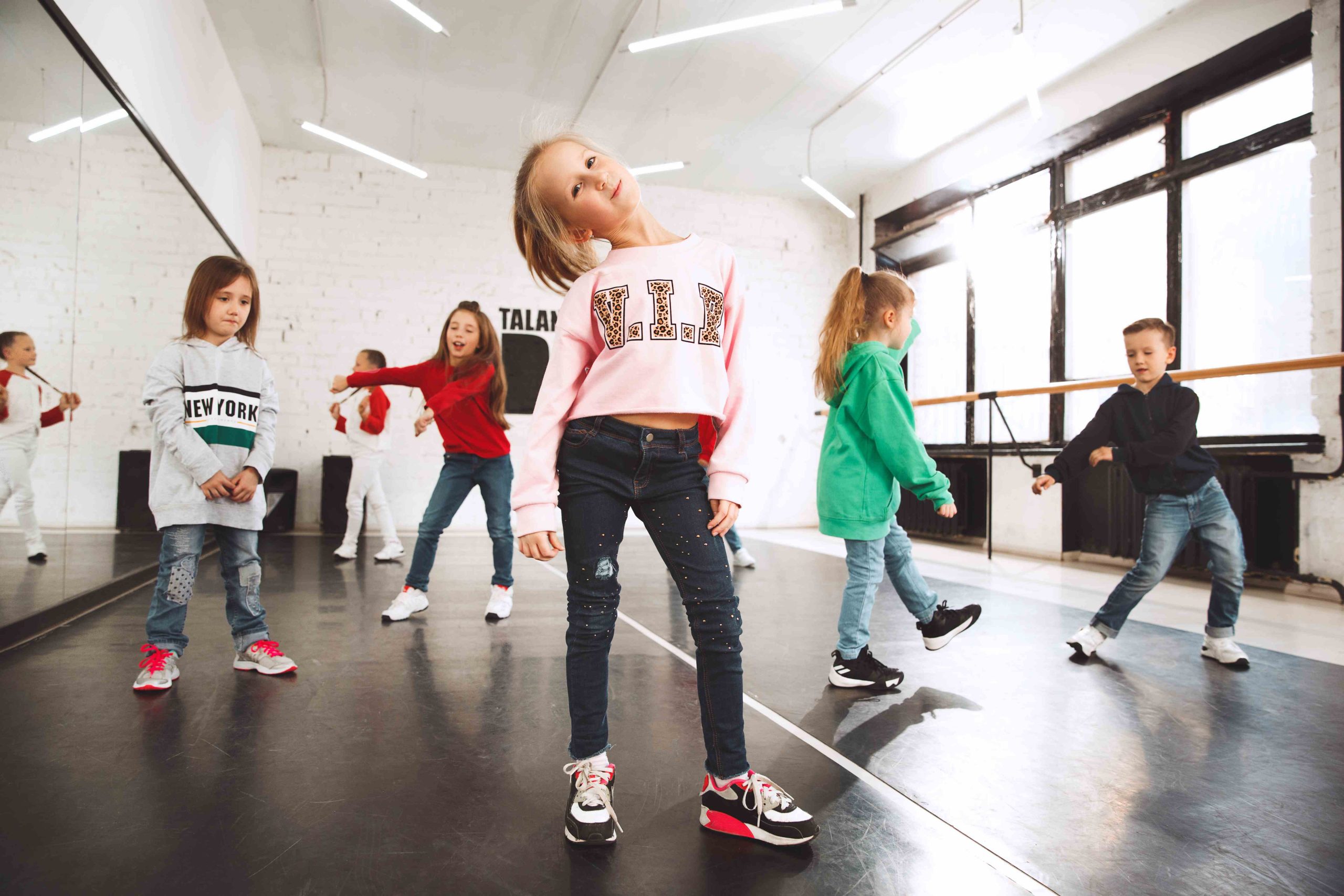
    Dance is a captivating art form that allows preschoolers to express themselves, channel their energy, and explore their creativity. Engaging in dance activities not only promotes physical development but also enhances cognitive and emotional growth. In this article, we will explore the significance of dance for preschoolers and provide a range of exciting dance activities to ignite their passion for movement and self-expression.

    Dance is a powerful medium through which preschoolers can develop their motor skills, coordination, and balance. It offers a unique opportunity for them to connect with their bodies, explore different movements, and experience the joy of self-expression. Furthermore, dance activities encourage preschoolers to cultivate their creativity, imagination, and confidence. Let us delve into the various aspects of dance and how it can positively impact preschoolers’ holistic development.


    The Benefits of Dance for Preschoolers

    Dance activities encompass a multitude of benefits for preschoolers. Here are some key advantages:

    Physical Development: Dance improves flexibility, strength, and overall physical fitness. It enhances gross motor skills, such as coordination, balance, and spatial awareness.

    Cognitive Development: Dance engages the brain in multiple ways, improving memory, concentration, and cognitive function. Learning choreography and coordinating movements promote mental agility and problem-solving skills.

    Emotional Expression: Dance provides a platform for preschoolers to express their emotions, boosting their emotional intelligence and self-awareness. It allows them to communicate and interpret feelings through movement.

    Social Interaction: Participating in dance activities fosters social interaction and cooperation. Preschoolers learn to work in groups, follow instructions, and develop teamwork skills.

    Self-Confidence: Dance empowers preschoolers, building self-confidence and self-esteem. As they learn and master new movements, they gain a sense of achievement and pride in their abilities.


    Creative Dance Activities

    Freeze Dance: Play upbeat music and encourage preschoolers to dance freely. When the music stops, they must freeze in their current position. This activity enhances listening skills and promotes self-control.

    Animal Dance: Assign different animals to preschoolers and have them mimic the movements and characteristics of those animals through dance. This activity encourages creativity, imagination, and body awareness.

    Storytelling Dance: Choose a popular preschoolers’s story or nursery rhyme and have preschoolers act out the narrative through dance. They can use gestures, movements, and facial expressions to bring the story to life.

    Mirror Dance: Pair preschoolers and have them take turns mirroring each other’s movements. This activity develops coordination, spatial awareness, and encourages them to observe and imitate.

    Cultural Dance Exploration: Introduce preschoolers to various cultural dances from around the world. Teach them simple dance moves from different cultures, such as traditional folk dances or dances associated with specific celebrations.


    Dance and Music Integration

    Rhythm and Movement: Incorporate rhythm instruments or body percussion to explore the connection between music and movement. Preschoolers can create their own rhythms and movements, responding to different beats and musical patterns.

    Musical Statues: Play different genres of music and have preschoolers dance freely. When the music stops, they must freeze like statues. This activity develops musicality, listening skills, and body control.

    Dance-Along Songs: Choose popular preschoolers’s songs with accompanying dance moves and encourage preschoolers to follow along. This activity combines music, lyrics, and movement to create an immersive dance experience.


    Instrumental Interpretation: Play instrumental

    Music and ask preschoolers to interpret the music through dance. They can express the emotions or story they perceive from the music through their movements.


    Dance as an Educational Tool

    Alphabet Dance: Assign each letter of the alphabet a specific dance move. Encourage preschoolers to dance and call out the corresponding letter as they perform the movements. This activity promotes letter recognition and phonemic awareness.

    Numerical Dance: Use counting songs or rhythmic patterns to engage preschoolers in counting while dancing. They can hop, clap, or jump to the beat, reinforcing their understanding of numbers and basic arithmetic concepts.

    Shape Dance: Introduce different shapes to preschoolers and have them create corresponding movements for each shape. This activity reinforces shape recognition and spatial concepts while fostering creativity.


    Dance as a Form of Expression

    Emotion Dance: Play various types of music that evoke different emotions. Ask preschoolers to express the emotions they feel through dance, using movements, facial expressions, and gestures.

    Theme-based Dance: Choose a theme, such as nature, seasons, or animals, and have preschoolers create dance movements and sequences inspired by the theme. This activity encourages imagination, self-expression, and storytelling through dance.

    Personal Narrative Dance: Allow preschoolers to choreograph their own dances based on personal experiences or stories. They can express their thoughts, feelings, or memorable events through their dance movements.

    Dance activities provide a holistic learning experience for preschoolers, fostering their physical, cognitive, emotional, and social development. By engaging in creative dance activities, integrating dance with music, and using dance as an educational and expressive tool, preschoolers can embark on a journey of self-discovery, creativity, and personal growth. Let us celebrate the joy of movement and inspire preschoolers to explore the wonders of dance as they embrace their innate love for rhythm and expression.


    Dance for Physical Fitness and Well-being

    Dance not only serves as a means of creative expression but also promotes physical fitness and overall well-being in preschoolers. Here are some ways in which dance contributes to their physical development:

    Cardiovascular Endurance: Dance involves continuous movement, which helps improve cardiovascular health and stamina. The rhythmic patterns and energetic routines in dance activities enhance heart and lung function, promoting overall fitness.

    Flexibility and Range of Motion: Dance movements require stretching and reaching, improving flexibility and increasing the range of motion in preschoolers. Regular dance practice helps lengthen and strengthen muscles, promoting better posture and reducing the risk of injury.

    Strength and Muscle Development: Dancing involves a combination of dynamic movements and stationary poses, which helps build strength in various muscle groups. The repetitive nature of certain dance steps and routines enhances muscle endurance and toning.

    Coordination and Balance: Dance activities challenge preschoolers to coordinate their movements with rhythm and music, improving their coordination skills. Balancing on one foot, executing turns, and performing intricate sequences develop their sense of balance and spatial awareness.

    Energy Release and Stress Relief: Dance allows preschoolers to release their energy in a positive and constructive way. Through vigorous movement and physical exertion, they can channel their emotions, release tension, and experience a sense of relief and relaxation.

    Body Awareness and Control: Dance promotes body awareness as preschoolers learn to control and manipulate their movements. They become more conscious of their bodies, understanding how different body parts work together to create fluid and coordinated motions.

    Posture and Alignment: Dance activities emphasize the importance of maintaining proper posture and alignment. Preschoolers learn to engage their core muscles, align their spine, and carry themselves with grace and poise, which contributes to their overall physical well-being.

    Incorporating dance into the daily routine of preschoolers can significantly enhance their physical development and promote a healthy lifestyle. By engaging in various dance activities that target cardiovascular endurance, flexibility, strength, coordination, balance, and body awareness, preschoolers can reap the many physical benefits that dance has to offer.

    Whether it’s through structured dance classes, informal dance sessions, or spontaneous dance parties at home, encouraging preschoolers to move and groove to the rhythm of music can contribute to their physical fitness, boost their self-esteem, and instill a lifelong love for an active and healthy lifestyle.

    Dance activities hold immense value in the lives of preschoolers. They serve as a powerful tool for self-expression, creativity, cognitive development, and physical fitness. By embracing dance in their daily lives, preschoolers can unleash their inner artists, build confidence, nurture their physical well-being, and develop a deep appreciation for the art of movement.

    Through the exploration of various dance styles, integration of music and movement, and focus on physical fitness and well-being, preschoolers can embark on a journey of self-discovery and holistic development. Let us celebrate the magic of dance and provide preschoolers with the opportunity to express themselves, connect with others, and experience the joy and benefits of movement.


    Dance for Social Interaction and Communication

    Dance activities provide an excellent platform for preschoolers to engage in social interaction and develop their communication skills. Here are some ways in which dance promotes socialization and communication in preschoolers:

    Group Choreography: Engaging preschoolers in group dance routines encourages collaboration, teamwork, and cooperation. They learn to synchronize their movements, follow instructions, and work together towards a common goal, fostering a sense of unity and camaraderie.

    Partner Dancing: Introducing partner dancing allows preschoolers to develop communication and cooperation skills on a more intimate level. They learn to coordinate their movements, lead and follow, and communicate non-verbally with their dance partners, promoting trust and empathy.

    Dance Circles and Circuits: Dance circles and circuits involve preschoolers forming a circle or moving in a circuit, taking turns to showcase their dance moves in the center. This activity encourages turn-taking, listening to others, and respectful interaction, promoting social skills and self-confidence.

    Dance Games: Incorporating dance-themed games into dance sessions can enhance social interaction. Games like Freeze Dance, where preschoolers freeze their movements when the music stops, encourage active listening, following instructions, and engaging with peers in a playful and interactive manner.

    Performance Opportunities: Providing preschoolers with opportunities to perform their dances in front of an audience, whether it’s a small gathering of parents or a school event, helps build their confidence and communication skills. They learn to express themselves through movement, share their creativity, and receive positive feedback and support from others.

    Cultural Dance Exploration: Introducing preschoolers to dances from different cultures opens up conversations about diversity, promoting acceptance and understanding. Learning about various dance traditions and practicing dances from different countries fosters cultural awareness and encourages preschoolers to appreciate and respect different forms of expression.

    Emotional Expression and Empathy: Dance allows preschoolers to express their emotions through movement. By observing and mimicking the movements and expressions of others during dance activities, preschoolers develop empathy and an understanding of how emotions can be conveyed non-verbally.

    Through dance, preschoolers learn to communicate, cooperate, and connect with others in a non-verbal and expressive manner. Dance activities provide a safe and inclusive space for preschoolers to interact with their peers, build relationships, and develop essential social skills that will benefit them in various aspects of their lives.

    Dance serves as a powerful catalyst for social interaction and communication in preschoolers. By engaging in group choreography, partner dancing, dance games, and performance opportunities, preschoolers develop collaboration, teamwork, turn-taking, and active listening skills. Additionally, exploring cultural dances and expressing emotions through movement fosters cultural awareness, empathy, and effective non-verbal communication.

    Let us embrace the social and communicative potential of dance and provide preschoolers with the opportunity to engage in dance activities that promote socialization, connection, and the development of lifelong interpersonal skills. Through the joy of dance, preschoolers can discover the beauty of human connection, celebrate diversity, and experience the transformative power of movement and expression.


    Dance for Cognitive Development

    Dance activities have a profound impact on the cognitive development of preschoolers. Engaging in dance helps stimulate various cognitive processes and enhances their overall cognitive abilities. Here are some ways in which dance promotes cognitive development in preschoolers:

    Memory and Recall: Dance routines often involve memorizing sequences of movements, steps, and choreography. By practicing and performing these routines, preschoolers exercise their memory and recall skills, improving their ability to remember and reproduce information.

    Pattern Recognition: Dance movements often follow patterns and rhythmic sequences. By engaging in dance activities, preschoolers develop their pattern recognition skills, which are essential for understanding and predicting sequences of events in various contexts.

    Spatial Awareness: Dance requires preschoolers to move in specific directions, occupy space, and navigate their bodies within a given environment. By exploring different spatial relationships, preschoolers enhance their spatial awareness and develop a sense of body positioning and coordination.

    Motor Skills and Coordination: Dance activities involve the integration of movement with music, requiring preschoolers to coordinate their actions with the rhythm and beat. This coordination between the body and music enhances their motor skills, hand-eye coordination, and overall physical control.

    Creativity and Problem-Solving: Dance encourages preschoolers to think creatively and find unique ways to express themselves through movement. They learn to make decisions about their dance routines, experiment with different movements, and problem-solve when faced with challenges or improvisation opportunities.

    Focus and Concentration: Dance activities demand preschoolers’ attention, focus, and concentration. They need to pay close attention to the movements, music, and instructions, training their ability to concentrate for extended periods and improving their overall focus.

    Language and Communication Skills: Dance activities often involve the use of verbal cues, instructions, and songs, which contribute to the development of language and communication skills. Preschoolers learn to listen, follow instructions, and communicate their thoughts and ideas about the dance routines.

    By engaging in dance, preschoolers experience a multi-dimensional cognitive workout. The combination of memory, pattern recognition, spatial awareness, motor skills, creativity, problem-solving, focus, and language skills helps develop their cognitive abilities and prepares them for academic learning and other cognitive tasks.

    Dance is not only a form of artistic expression but also a powerful tool for cognitive development in preschoolers. Through dance activities that stimulate memory, pattern recognition, spatial awareness, motor skills, creativity, problem-solving, focus, and language skills, preschoolers enhance their cognitive abilities in a holistic and enjoyable manner.

    Let us embrace the cognitive benefits of dance and provide preschoolers with the opportunity to engage in dance activities that nurture their cognitive development. By dancing, exploring movement, and expressing themselves creatively, preschoolers can unlock their cognitive potential, develop critical thinking skills, and cultivate a love for lifelong learning.

  • Music Practice Sessions

    Music Practice Sessions

    The Power of Music Practice Sessions: Nurturing Young Talents

    Music practice sessions play a crucial role in the development of preschoolers’ musical abilities. These dedicated sessions provide opportunities for preschoolers to refine their skills, cultivate a love for music, and foster discipline and perseverance. In this article, we will explore the significance of music practice sessions in nurturing young talents, delve into effective strategies for engaging preschoolers in practice, and highlight the long-term benefits that result from consistent and focused practice.


    Music Practice: A Pathway to Musical Excellence

    Music practice is not just about repetition; it is a journey towards musical excellence. Through regular practice sessions, preschoolers develop essential musical skills, including rhythm, melody, technique, and interpretation. The focused nature of practice allows them to refine their abilities and explore the intricacies of music, deepening their understanding and connection with the art form.


    Creating a Supportive Practice Environment

    Creating a supportive practice environment is crucial for preschoolers to thrive in their musical journey. Here are some key considerations:

    Establishing a Dedicated Practice Space: Designate a quiet and comfortable area where preschoolers can practice without distractions. Ensure the space is equipped with the necessary instruments, music stands, and any other resources they require.

    Setting a Consistent Schedule: Establish a regular practice schedule that fits into preschoolers’ daily routine. Consistency is key in building discipline and making practice a habit.

    Encouraging Parental Involvement: Encourage parents or caregivers to actively support and engage in the practice process. Their involvement not only provides guidance and motivation but also strengthens the bond between preschoolers and their love for music.


    Goal Setting and Progress Tracking

    Setting goals and tracking progress are essential elements of effective music practice sessions. Here’s how to incorporate them:

    Setting Short-term and Long-term Goals: Help preschoolers set achievable and measurable goals for each practice session. Encourage them to set both short-term goals (e.g., mastering a specific piece) and long-term goals (e.g., participating in a recital or competition).

    Tracking Progress: Use practice journals or charts to track and celebrate preschoolers’ progress. This visual representation of their achievements provides motivation and a sense of accomplishment.


    Structuring Practice Sessions

    Structuring practice sessions helps preschoolers stay focused and make the most of their practice time. Consider the following strategies:

    Warm-up Exercises: Begin practice sessions with warm-up exercises that focus on technique, dexterity, and coordination. These exercises prepare preschoolers physically and mentally for the more challenging aspects of their practice.

    Break Down Pieces: Break down pieces into smaller sections and work on them individually. This approach allows preschoolers to focus on specific challenges and gradually build confidence and proficiency.

    Repetition and Variation: Encourage preschoolers to repeat challenging sections multiple times. As they become more comfortable, introduce variations in dynamics, tempo, and expression to enhance their musicality.


    Engagement and Motivation

    Engagement and motivation are key to productive practice sessions. Here are some strategies to keep preschoolers motivated:

    Variety in Repertoire: Introduce a diverse range of musical styles and genres to keep practice sessions interesting and exciting. This variety exposes preschoolers to different musical expressions and broadens their musical horizons.

    Incorporating Games and Challenges: Integrate fun games and challenges into practice sessions to make them engaging. This could include timed exercises, sight-reading challenges, or creative improvisation activities.

    Celebrating Milestones: Recognize and celebrate preschoolers’ achievements and milestones in their musical journey. This could be through certificates, small rewards, or sharing their progress with family and friends.


    Nurturing a Love for Music

    Music practice sessions are not solely about technical skills but also about nurturing a genuine love for music. Here’s how to foster this love:

    Exposing Preschoolers to Live Performances: Take preschoolers to live performances, concerts, or recitals to expose them to the beauty and energy of live music. This firsthand experience sparks their passion and inspires them to strive for excellence.

    Encouraging Creativity and Expression: Encourage preschoolers to explore their creativity by composing their melodies or improvising on familiar tunes. This fosters a deeper connection with music and cultivates their unique musical voice.

    Connecting with Musical Role Models: Introduce preschoolers to famous musicians or composers who inspire them. Share stories about their musical journey and highlight their achievements, igniting preschoolers’ aspirations and determination.

    Music practice sessions are an integral part of preschoolers’ musical development. By creating a supportive environment, setting goals, structuring practice sessions, and fostering engagement and motivation, we can empower preschoolers to unlock their full musical potential. Through consistent practice, preschoolers not only refine their musical skills but also develop valuable life skills such as discipline, perseverance, and a passion for lifelong learning. Let us embrace the power of music practice sessions and nurture the young talents that will shape the future of music.


    Overcoming Challenges and Frustrations in Music Practice Sessions

    While music practice sessions can be fulfilling and rewarding, they also come with their fair share of challenges and frustrations. It’s important to address these obstacles to ensure preschoolers maintain their enthusiasm and continue to progress. Here are some strategies for overcoming common challenges in music practice sessions:

    Patience and Perseverance: Learning an instrument or mastering a musical piece takes time and effort. Encourage preschoolers to embrace patience and understand that progress comes with consistent practice over an extended period. Remind them that even small steps forward are significant achievements.

    Breaks and Rest: Avoid burnout by incorporating breaks and rest periods into practice sessions. Preschoolers may become fatigued or lose focus after prolonged periods of practice. Encourage them to take short breaks to recharge, allowing their minds and bodies to relax before continuing.

    Managing Frustration: Frustration is a natural part of the learning process. Teach preschoolers strategies for managing frustration, such as taking deep breaths, stepping away momentarily, or breaking down challenging sections into smaller, more manageable parts. Remind them that mistakes and setbacks are opportunities for growth and improvement.

    Seeking Support and Guidance: Encourage preschoolers to reach out for support when faced with difficulties. They can seek guidance from their music teachers, fellow musicians, or even family members. Having someone to offer advice, encouragement, and a fresh perspective can make a significant difference in overcoming challenges.

    Celebrating Progress: It’s essential to celebrate every milestone and achievement along the way. Acknowledge preschoolers’ progress, whether it’s mastering a new technique, playing a challenging piece, or demonstrating improved musical expression. Celebrations provide preschoolers with a sense of accomplishment, reinforcing their motivation and dedication.

    Embracing a Growth Mindset: Encourage preschoolers to adopt a growth mindset, understanding that their abilities can improve through effort and practice. Help them see mistakes as learning opportunities and encourage them to approach challenges with a positive and determined attitude. By fostering a growth mindset, preschoolers will develop resilience and a lifelong love for learning.

    By addressing these challenges and frustrations head-on, preschoolers can overcome obstacles and continue to thrive in their music practice sessions. It is through perseverance, resilience, and a positive mindset that they will experience the true joy and fulfillment that music brings.

    As we navigate the journey of music practice with preschoolers, let us remember that it is not solely about reaching a destination but rather about embracing the process. The challenges and frustrations encountered along the way serve as stepping stones towards musical growth and personal development. By nurturing their passion, supporting their progress, and fostering a positive mindset, we empower preschoolers to embark on a lifelong musical adventure filled with creativity, expression, and the joy of making music.


    Making Music Practice Sessions Fun and Interactive

    Music practice sessions should not be seen as a chore or a task that preschoolers need to endure. Instead, they should be fun, engaging, and interactive experiences that spark joy and ignite a love for music. Here are some strategies to make music practice sessions enjoyable for preschoolers:

    Incorporate Games and Challenges: Introduce playful elements into practice sessions by incorporating games and challenges. For example, create a musical treasure hunt where preschoolers have to find and play specific notes or rhythms hidden around the room. Use dice or spinners to determine the tempo or dynamics for a piece they are working on. These activities add an element of excitement and make practice sessions feel like a game.

    Use Visual Aids and Props: Visual aids and props can enhance the learning experience and make it more interactive. Use colourful flashcards with musical notes or symbols to reinforce recognition and understanding. Introduce finger puppets or stuffed animals as “musical friends” that preschoolers can perform for or teach songs to. These visual aids bring the music to life and create a sense of playfulness.

    Sing and Dance Along: Incorporate singing and dancing into practice sessions to make them more dynamic and enjoyable. Singing helps with pitch recognition and vocal development, while dancing adds a physical element to the music. Encourage preschoolers to move and express themselves freely while they play or sing. This not only enhances their musical abilities but also allows them to connect with the music on a deeper level.

    Explore Music through Multimedia: Utilize multimedia resources to engage preschoolers in music practice sessions. Show videos of live performances, animated music lessons, or virtual orchestra experiences to expose them to different musical styles and instruments. Use interactive music apps or online platforms that offer gamified learning experiences, allowing preschoolers to explore music in a digital and interactive way.

    Collaborative Music Making: Encourage preschoolers to collaborate with others during practice sessions. This can involve playing duets, joining a Preschoolers’s music ensemble, or engaging in group improvisation activities. Collaboration fosters teamwork, communication, and a sense of belonging, making the music practice experience more enjoyable and social.

    Reward and Encourage Effort: Recognize and reward preschoolers’ efforts and achievements during practice sessions. Offer verbal praise, stickers, or small tokens of appreciation for their dedication and progress. Celebrate milestones, such as learning a new song or performing for friends and family. These rewards and acknowledgements create a positive and encouraging atmosphere, motivating preschoolers to continue their musical journey with enthusiasm.

    By incorporating these fun and interactive elements into music practice sessions, preschoolers can develop a deep and lasting love for music. Remember, the goal is not only to develop technical skills but also to cultivate a lifelong passion for making music. When preschoolers enjoy their practice sessions, they are more likely to engage actively, embrace challenges, and reap the countless benefits that music brings.

    As we embark on this musical adventure with preschoolers, let us infuse each practice session with joy, creativity, and a sense of wonder. Through a combination of playfulness, interactive activities, and positive reinforcement, we can inspire the next generation of musicians and instill in them a lifelong love for the transformative power of music.


    Creating a Supportive Environment for Music Practice Sessions

    To ensure preschoolers have a positive and productive experience during music practice sessions, it is crucial to create a supportive environment. Here are some strategies to establish an atmosphere that fosters growth and nurtures their musical development:

    Establish a Dedicated Practice Space: Designate a specific area in the home as a dedicated practice space for preschoolers. This area should be free from distractions, such as TV or excessive noise, and have all the necessary musical instruments and resources readily available. Having a designated space creates a sense of focus and signals that music practice is a special and important activity.

    Set a Regular Practice Routine: Establish a consistent practice routine that preschoolers can follow. Determine specific times during the day for practice sessions and stick to them as much as possible. Consistency helps preschoolers develop discipline and a sense of responsibility towards their musical practice.

    Provide Adequate Resources and Materials: Ensure preschoolers have access to the necessary resources and materials for their practice sessions. This includes sheet music, instrument accessories, reference books, and any other materials relevant to their learning. Having the right tools readily available eliminates unnecessary frustrations and allows preschoolers to focus on their practice.

    Encourage Parental Involvement: Parents play a vital role in supporting preschoolers’ music practice. Encourage parents to be actively involved in their child’s musical journey by attending lessons, assisting with practice sessions, and providing encouragement and support. Parental involvement not only helps preschoolers stay motivated but also strengthens the parent-child bond through shared musical experiences.

    Offer Constructive Feedback: Provide preschoolers with constructive feedback during their practice sessions. Focus on highlighting their strengths and areas for improvement in a positive and encouraging manner. Offer specific suggestions for improvement and guide them towards achieving their musical goals. Constructive feedback helps preschoolers develop self-awareness and an understanding of how to refine their skills.

    Celebrate Achievements: Celebrate preschoolers’ achievements, no matter how small. Recognize their progress and accomplishments, whether it’s mastering a challenging technique, memorizing a piece, or performing in front of an audience. Celebrations can take the form of a simple verbal acknowledgement, a certificate of achievement, or a special musical treat. Celebrating achievements boosts preschoolers’ self-confidence and motivates them to continue working towards their musical aspirations.

    Creating a supportive environment for music practice sessions sets preschoolers up for success and creates a positive association with their musical journey. By establishing dedicated spaces, routines, and involving parents, we create a foundation that fosters growth, nurtures musical development, and cultivates a love for music that will last a lifetime.

    As we cultivate this supportive environment, let us remember that every preschooler’s musical journey is unique. By tailoring our support to their individual needs, providing resources, encouragement, and celebrating their achievements, we empower preschoolers to explore the wonders of music and unlock their full potential as budding musicians.