Category: Preschool Homeschool

  • Developmental Milestone

    Developmental Milestone

    Nurturing the Spark: Exploring Preschooler Developmental Milestones

    Every child is a unique individual, brimming with potential and curiosity. The preschool years mark a crucial stage in a child’s development, laying the foundation for their future growth and success. It is during this time that preschoolers experience remarkable cognitive, physical, social, and emotional transformations. Understanding and nurturing these developmental milestones is essential for parents, educators, and caregivers to provide the optimal environment for preschoolers to thrive. In this article, we delve into the fascinating world of preschooler developmental milestones, exploring their significance and offering insights into supporting their holistic growth.


    I. Cognitive Milestones: Building Foundations of Intelligence

    The cognitive development of preschoolers is awe-inspiring, as their minds become fertile grounds for exploration, imagination, and learning. During this stage, preschoolers begin to demonstrate a range of cognitive milestones that form the basis of their future intellectual abilities. From the emergence of language skills to the blossoming of logical thinking, each milestone is a stepping stone towards unlocking their true potential.

  • Language Development: The Gift of Expression

    Language development takes center stage during the preschool years, as preschoolers gradually refine their communication skills. They move beyond simple words and start constructing sentences, expressing their thoughts and feelings with greater clarity. Encouraging their language development through storytelling, reading, and engaging conversations provides preschoolers with a strong linguistic foundation.

  • Problem Solving and Reasoning: Unleashing the Young Thinker

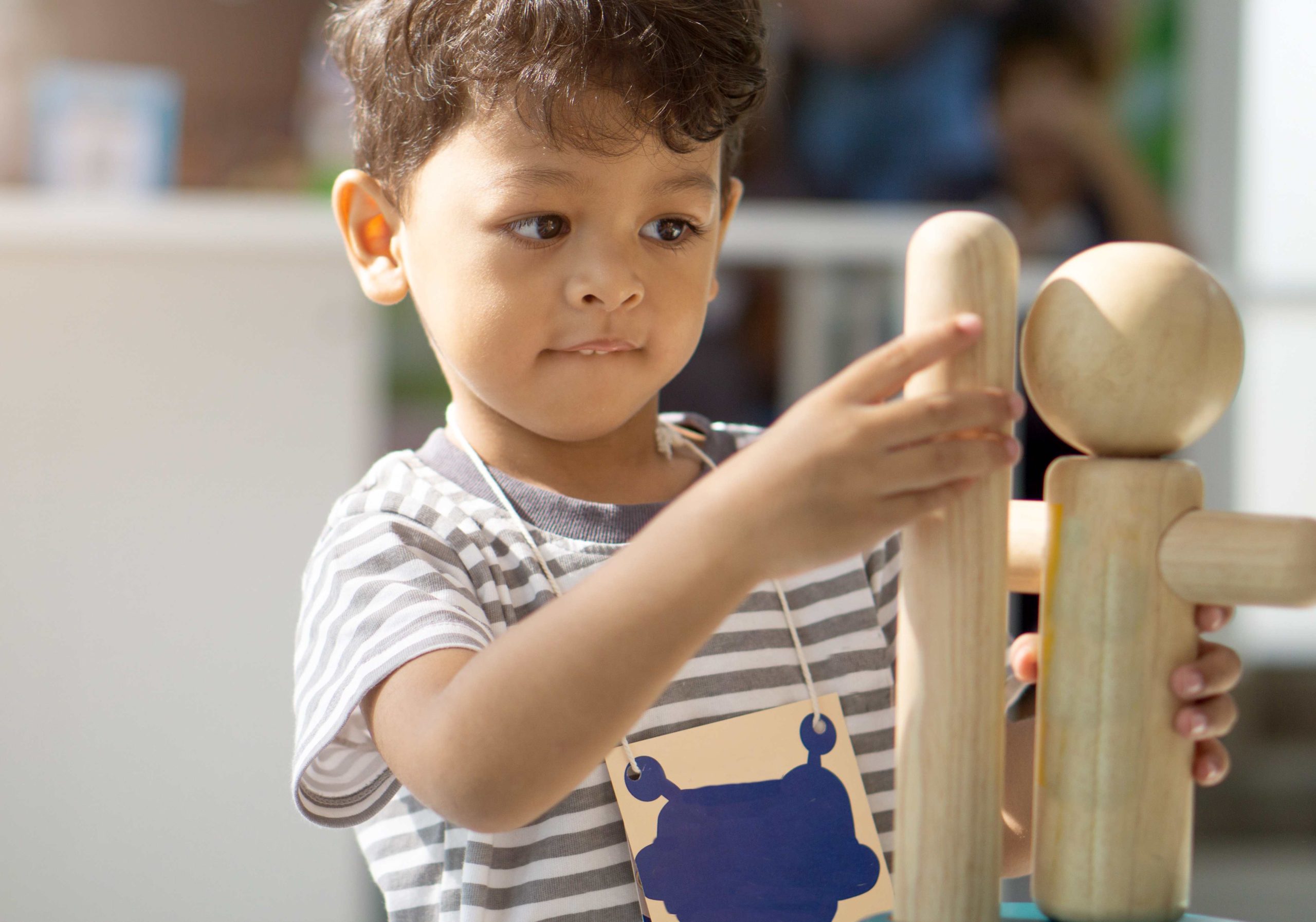
    Preschoolers exhibit remarkable strides in their problem-solving and reasoning abilities. They develop the capacity to think critically, analyze situations, and find creative solutions. Encouraging their problem-solving skills through puzzles, games, and open-ended questions helps foster their intellectual growth and autonomy.


    II. Physical Milestones: Embarking on a Journey of Movement and Coordination

    The physical milestones achieved by preschoolers are an awe-inspiring testament to their growing motor skills and physical prowess. As their bodies become more agile and coordinated, preschoolers embark on an exciting journey of exploration and self-discovery.

  • Gross Motor Skills: Masters of Movement

    Preschoolers gain control over their large muscles, allowing them to perform increasingly complex physical tasks. From running, jumping, and climbing to riding a tricycle, their gross motor skills develop rapidly. Providing opportunities for active play, outdoor activities, and structured physical exercises enhances their physical development and strengthens their bodies.

  • Fine Motor Skills: From Scribbles to Masterpieces

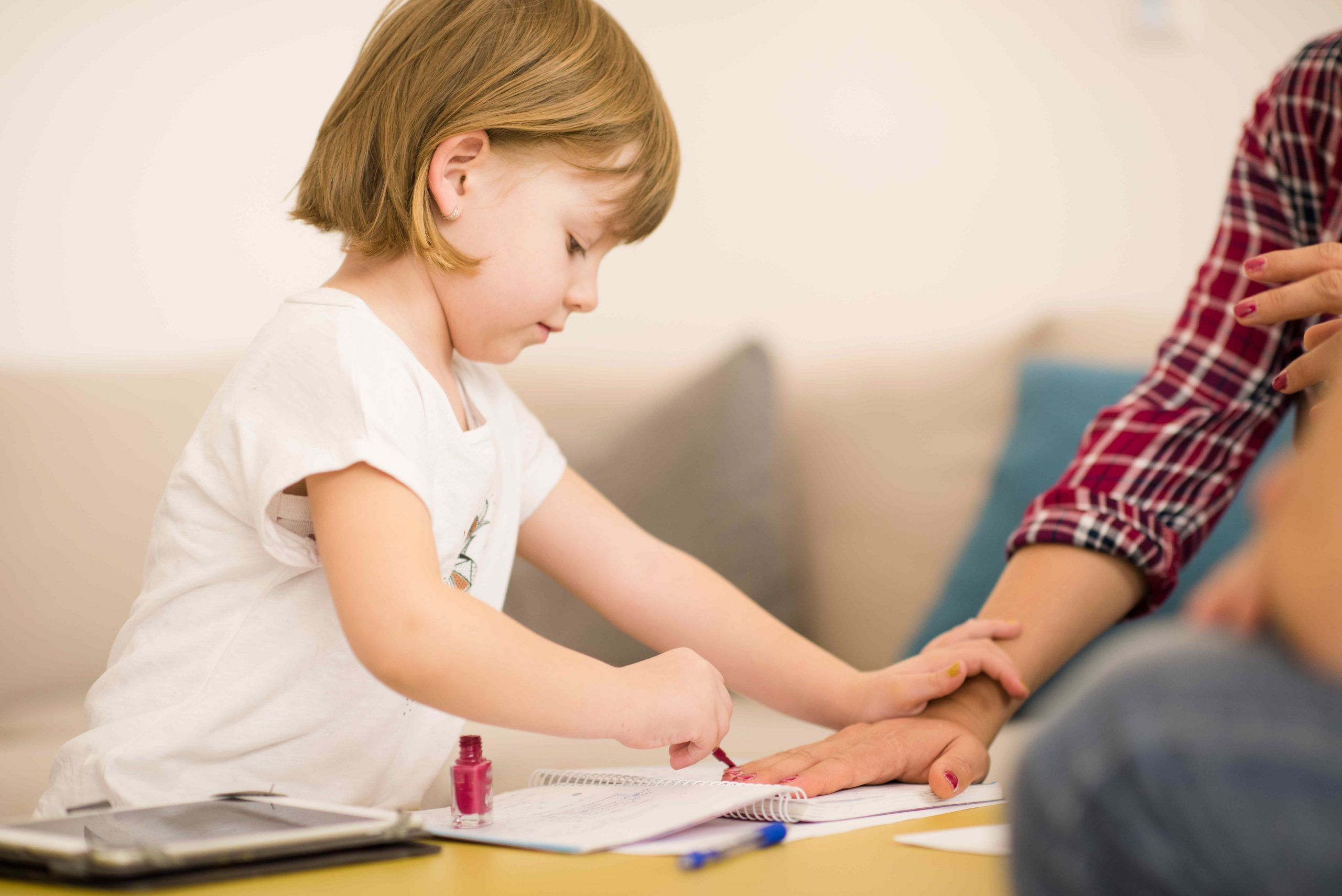
    Fine motor skills, involving the control of small muscles in the hands and fingers, undergo significant progress during the preschool years. Preschoolers refine their abilities to hold and manipulate objects, which is crucial for tasks like writing, drawing, and buttoning clothes. Engaging in activities such as coloring, cutting, and playing with building blocks nurtures their fine motor skills and paves the way for future dexterity.


    III. Social and Emotional Milestones: Fostering Relationships and Self-Identity

    The preschool years mark an important period for the development of social and emotional skills. Preschoolers learn to navigate the complex world of emotions, establish relationships, and form their sense of self. Nurturing their social and emotional milestones enables them to build resilience, empathy, and a healthy self-esteem.

  • Emotional Awareness: Identifying Feelings

    Preschoolers begin to recognize and articulate their emotions, building the foundation for emotional intelligence. They learn to identify and express a wide range of emotions, from joy and excitement to anger and sadness. Encouraging them to express their feelings, validating their emotions, and providing them with appropriate coping strategies supports their emotional development.

  • Social Interaction: Friends and Connections

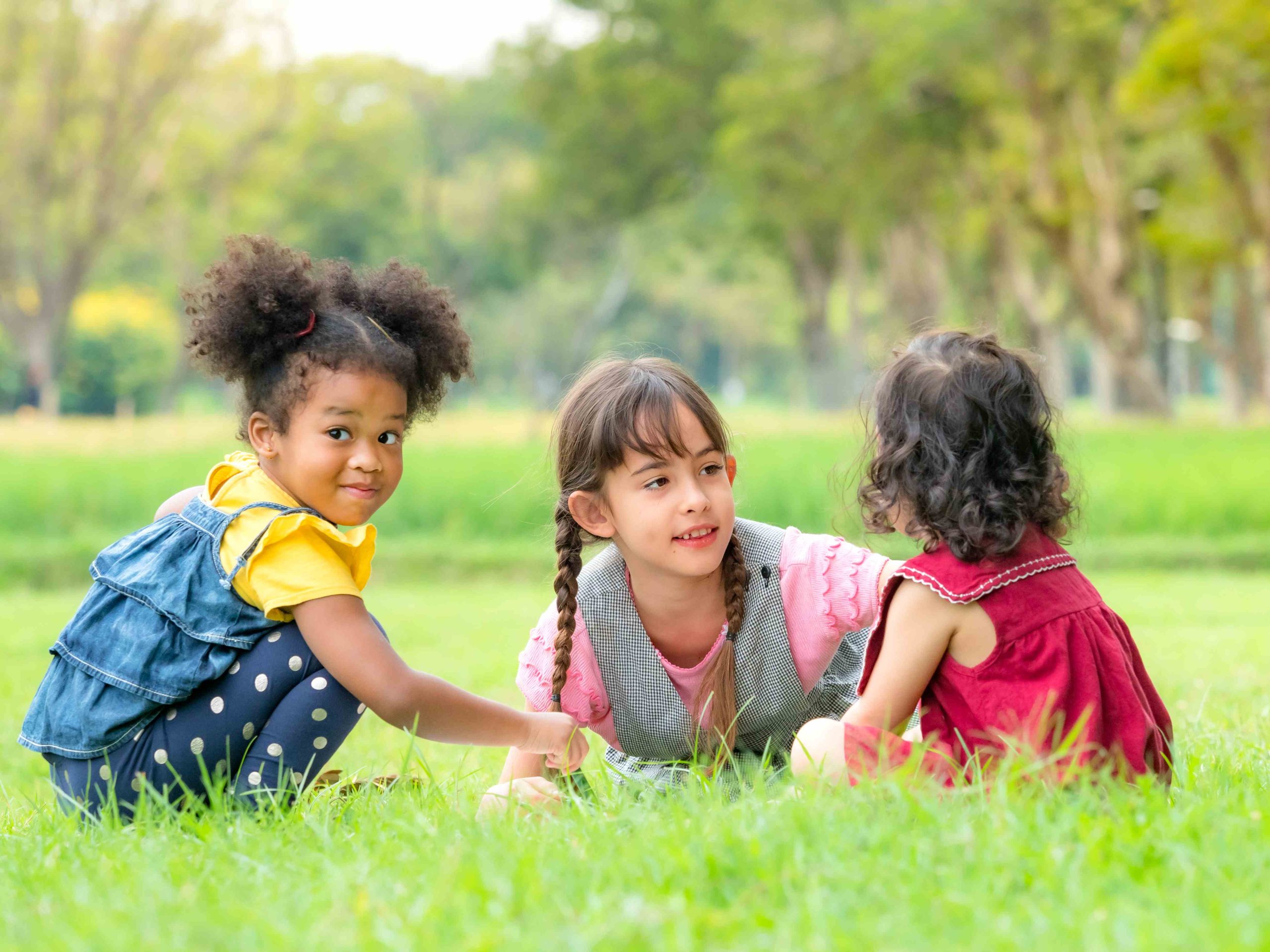
    Preschoolers gradually become more adept at social interactions, forging friendships and developing empathy towards others. They learn the importance of sharing, taking turns, and cooperating in group settings. Facilitating opportunities for collaborative play, group activities, and fostering a supportive social environment allows preschoolers to refine their social skills and establish meaningful connections.


    IV. Moral and Ethical Milestones: Building a Foundation of Values

    Preschoolers develop an emerging understanding of moral and ethical concepts, shaping their sense of right and wrong. This stage is crucial for laying the groundwork for their moral development, helping them internalize values and ethical principles.

  • Empathy and Compassion: Seeds of Kindness

    Preschoolers start showing empathy and compassion towards others, demonstrating an understanding of others’ feelings and needs. Encouraging acts of kindness, teaching them to be considerate and respectful towards others, and modeling empathetic behavior helps cultivate their moral and ethical development.

  • Moral Reasoning: Seeds of Justice

    Preschoolers begin to develop a rudimentary understanding of fairness and justice. They start grasping basic moral concepts and reasoning, distinguishing between right and wrong. Engaging in discussions about moral dilemmas, reading stories with ethical themes, and providing opportunities for them to make moral choices nurtures their moral reasoning and ethical decision-making skills.

    Preschooler developmental milestones encompass a wide range of cognitive, physical, social, emotional, and moral achievements. Each milestone represents a significant step forward in a preschooler’s growth and development, shaping their unique personalities and potential. By understanding and nurturing these milestones, parents, educators, and caregivers can provide preschoolers with the support and guidance they need to flourish. Embracing the wonder of this transformative stage allows us to celebrate and cherish the remarkable journey of preschooler development, as they embark on a path of lifelong learning and fulfillment.


    V. Creative Milestones: Unleashing the Power of Imagination

    Preschoolers possess an innate sense of creativity and imagination, and this stage is a fertile ground for nurturing their artistic and expressive abilities. Creative milestones play a vital role in their overall development, allowing them to explore their unique perspectives and unleash their creative potential.

  • Artistic Expression: From Scribbles to Masterpieces

    Preschoolers engage in various forms of artistic expression, including drawing, painting, and sculpting. Their creations may initially consist of simple scribbles and experimental strokes, but over time, they gain control and precision in their artistic endeavors. Providing them with a range of art materials, encouraging imaginative play, and valuing their creative expressions fosters their artistic growth and self-expression.

  • Pretend Play: The World of Make-Believe

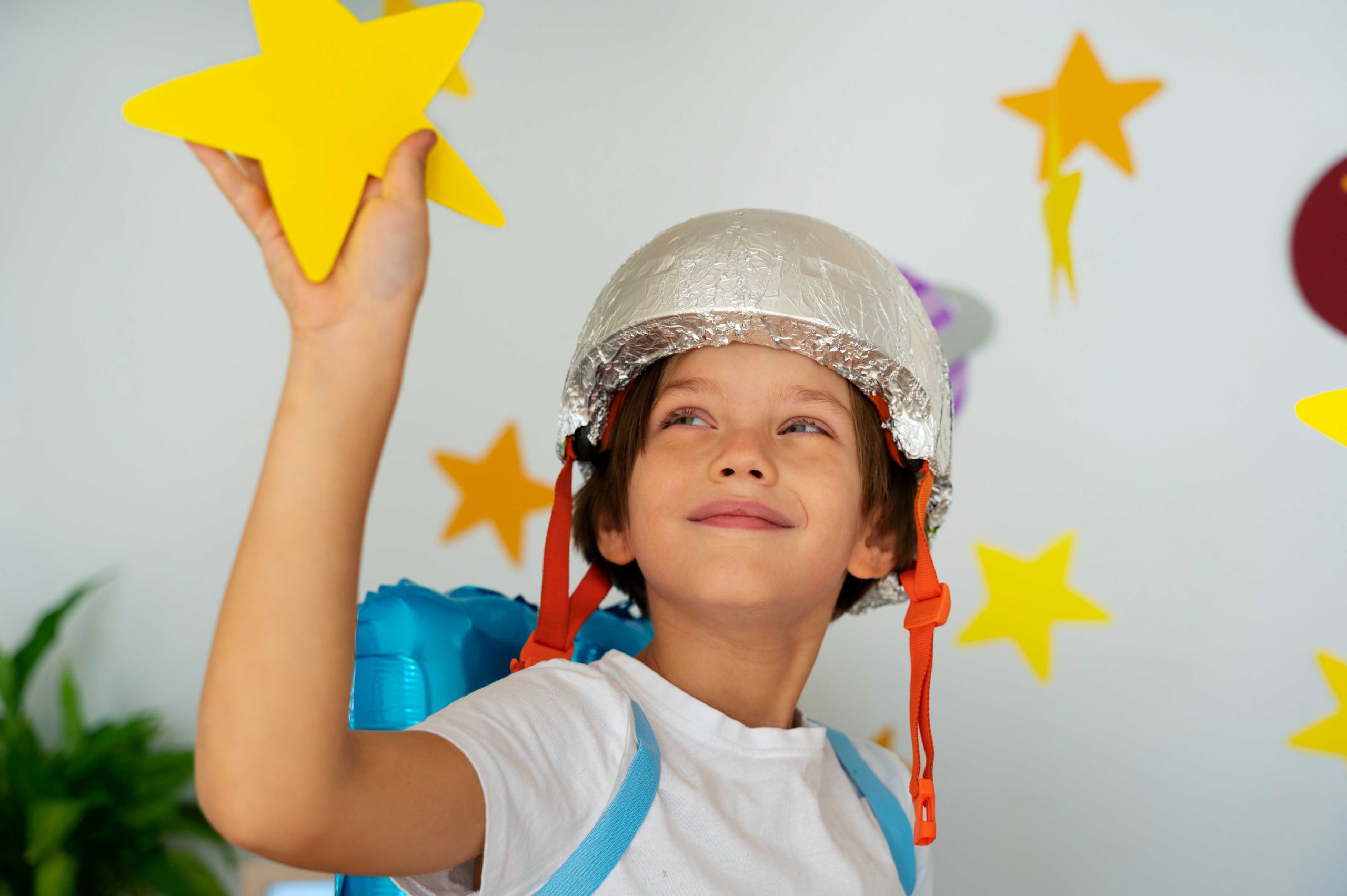
    Pretend play is a hallmark of preschooler development, as they immerse themselves in the world of make-believe. Through role-playing and imaginative scenarios, they explore different roles, solve problems, and develop their narrative skills. Encouraging pretend play by providing props, costumes, and open-ended toys nurtures their creativity and enhances their cognitive and social development.


    VI. Speech and Communication Milestones: Building Bridges of Expression

    Preschoolers experience significant milestones in their speech and communication abilities. Their language skills expand, and they begin to comprehend and engage in more complex forms of communication, enabling them to express their thoughts, needs, and emotions more effectively.

  • Vocabulary Expansion: Words as Building Blocks

    Preschoolers acquire an ever-increasing vocabulary, absorbing new words and their meanings at a rapid pace. They start using descriptive language and engage in conversations with greater fluency and comprehension. Encouraging conversations, reading books with diverse vocabulary, and introducing new words through everyday interactions enriches their language development and fosters their communication skills.

  • Narrative Skills: Storytelling and Sequencing

    Preschoolers develop the ability to construct narratives, organize events in a logical sequence, and express ideas coherently. They engage in storytelling, recounting personal experiences, and creating imaginative narratives. Encouraging their narrative skills through storytelling sessions, engaging in dramatic play, and providing opportunities for them to retell stories or events nurtures their storytelling abilities and enhances their language development.


    VII. Cognitive Milestones: Expanding the Horizons of Knowledge

    Preschoolers demonstrate remarkable cognitive milestones that broaden their horizons and expand their understanding of the world. Their curiosity and thirst for knowledge drive them to explore new concepts, make connections, and develop a deeper understanding of their environment.

  • Conceptual Understanding: Making Connections

    Preschoolers develop the ability to grasp abstract concepts, make connections between ideas, and classify objects based on various attributes. They engage in categorization, counting, and basic problem-solving tasks. Providing them with hands-on learning experiences, puzzles, and games that promote logical thinking strengthens their cognitive abilities and stimulates their intellectual growth.

  • Early Literacy and Numeracy: Seeds of Literacy and Numeracy

    Preschoolers embark on their journey towards literacy and numeracy. They begin recognizing letters, associating them with sounds, and showing an interest in reading and writing. They also develop early numerical concepts, such as counting, recognizing numbers, and simple addition and subtraction. Encouraging their literacy and numeracy skills through interactive books, educational games, and playful activities fosters their early academic development.


    VIII. Cultural and Diversity Milestones: Embracing the Tapestry of Humanity

    Preschoolers become increasingly aware of the diverse world they inhabit, fostering an appreciation for different cultures, languages, and traditions. Nurturing their cultural and diversity milestones cultivates empathy, respect, and a sense of global citizenship.

  • Cultural Awareness: Embracing Differences

    Preschoolers develop an understanding and appreciation of different cultures, recognizing that people may have different languages, customs, and traditions. Introducing them to diverse books, music, and experiences that celebrate various cultures promotes cultural awareness and instills a sense of inclusivity and respect for others.

  • Multilingualism: Exploring the Power of Language

    Preschoolers have a remarkable capacity for language acquisition, making it an ideal time to expose them to multiple languages. Learning multiple languages not only enhances their cognitive development but also promotes cultural understanding and communication across diverse communities.

    Preschooler developmental milestones encompass a wide spectrum of cognitive, physical, social, emotional, creative, speech and communication, cognitive, and cultural achievements. Nurturing these milestones in preschoolers is vital to their overall growth and well-being. By creating an environment that supports their development in these areas, parents, educators, and caregivers can empower preschoolers to reach their full potential, fostering a love for learning, creativity, social connections, and cultural appreciation. Embracing and supporting preschooler developmental milestones is a testament to our commitment to nurturing the spark within every child, igniting their path to a future filled with endless possibilities.


    IX. Problem-Solving and Critical Thinking Milestones: Unlocking Analytical Minds

    Preschoolers exhibit emerging problem-solving and critical thinking abilities that lay the foundation for their analytical skills. As they encounter various challenges and puzzles, their minds become adept at analyzing situations, making connections, and finding innovative solutions.

  • Logical Reasoning: Making Sense of the World

    Preschoolers develop logical reasoning skills, enabling them to understand cause and effect relationships and make logical connections between different concepts. They begin to use deductive reasoning and develop an understanding of basic scientific principles. Encouraging activities that involve predicting outcomes, exploring cause and effect, and engaging in hands-on experiments fosters their logical reasoning skills and nurtures their scientific curiosity.

  • Creative Problem-Solving: Thinking Outside the Box

    Preschoolers possess a natural inclination for creative problem-solving, often coming up with imaginative and unconventional solutions to challenges they encounter. Encouraging their creative problem-solving skills through open-ended activities, puzzles, and brainstorming sessions not only strengthens their analytical thinking but also fosters their ability to approach problems from multiple perspectives.


    X. Executive Function Milestones: Cultivating Self-Regulation and Organization

    Preschoolers begin to develop executive function skills, which are essential for self-regulation, organization, and planning. These milestones play a crucial role in their ability to manage their emotions, thoughts, and actions effectively.

  • Emotional Regulation: Managing Feelings

    Preschoolers gradually gain the ability to regulate their emotions and demonstrate self-control. They learn strategies to calm themselves down, cope with frustration, and express their emotions appropriately. Teaching them emotional regulation techniques, such as deep breathing exercises and mindfulness activities, supports their emotional well-being and helps them navigate challenging situations.

  • Planning and Organization: Building Structure and Order

    Preschoolers start to develop basic planning and organizational skills, which assist them in managing tasks, setting goals, and establishing routines. They learn to follow simple instructions, organize their belongings, and complete tasks in a sequential manner. Providing them with visual schedules, breaking tasks into smaller steps, and establishing consistent routines facilitate their development of planning and organizational abilities.


    XI. Imaginative Play and Creativity Milestones: Embracing the Power of Imagination

    Preschoolers’ imaginative play and creative milestones fuel their ability to think outside the box, explore new possibilities, and engage in self-expression. These milestones stimulate their cognitive, emotional, and social development.

  • Role-Playing: Stepping into Different Shoes

    Preschoolers engage in imaginative role-playing, assuming different roles and experimenting with various scenarios. Through pretend play, they develop empathy, communication skills, and an understanding of different perspectives. Encouraging role-playing by providing props, dress-up clothes, and opportunities for cooperative play enhances their social and emotional growth.

  • Creative Expression: Unleashing the Inner Artist

    Preschoolers express their creativity through various art forms, including drawing, painting, music, and dance. They experiment with colors, shapes, and sounds, exploring different mediums of creative expression. Providing them with art supplies, musical instruments, and opportunities for free exploration nurtures their creative abilities and encourages self-expression.

    In conclusion, preschooler developmental milestones encompass a diverse range of cognitive, physical, social, emotional, problem-solving, critical thinking, executive function, and creative achievements. Understanding and supporting these milestones is crucial for providing preschoolers with the nurturing environment they need to thrive. By embracing their unique potential and fostering their holistic development, we can help preschoolers blossom into confident, compassionate, and capable individuals who are ready to embrace the world and its opportunities. Let us celebrate and cherish the remarkable journey of preschooler development, as they continue to amaze us with their growth and potential.
  • Well-Rounded

    Well-Rounded

    Nurturing a Well-Rounded Preschooler: A Holistic Approach to Early Childhood Development

    As caregivers, parents, and educators, we strive to provide preschoolers with a nurturing environment that fosters their overall development. A well-rounded preschooler is one who excels not only academically but also socially, emotionally, physically, and creatively. This article explores the various dimensions of nurturing a well-rounded preschooler, highlighting key aspects that contribute to their holistic growth.


    Cognitive Development:

    Cognitive development lays the foundation for a preschooler’s intellectual growth and academic success. Here are important aspects to consider:

  • Stimulating Learning Environment: Create an environment that encourages exploration, curiosity, and critical thinking. Provide age-appropriate educational materials, books, puzzles, and games that engage preschoolers’ minds and promote cognitive development.

  • Language and Literacy: Foster language skills by reading to preschoolers regularly and engaging in meaningful conversations. Encourage them to express themselves verbally and introduce early literacy activities, such as letter recognition, phonics, and storytelling.

  • Problem-Solving and Critical Thinking: Provide opportunities for preschoolers to solve problems, make decisions, and think critically. Engage them in puzzles, games, and open-ended activities that require them to use their reasoning skills and develop problem-solving strategies.


    Social and Emotional Development:

    Social and emotional development is crucial for preschoolers’ well-being and future relationships. Here are important aspects to consider:

  • Building Relationships: Encourage preschoolers to interact with peers and adults, fostering positive relationships. Promote cooperation, sharing, empathy, and effective communication skills through collaborative activities and group play.

  • Emotional Intelligence: Help preschoolers develop emotional awareness and regulation. Teach them to identify and express their feelings, manage conflicts, and practice self-control. Provide a supportive environment where their emotions are acknowledged and validated.

  • Empathy and Respect: Nurture preschoolers’ empathy and respect for others. Teach them to appreciate diversity, understand different perspectives, and demonstrate kindness towards others. Encourage acts of generosity and model inclusive behavior.


    Physical Development and Well-being:

    Physical development is essential for preschoolers’ overall health and well-being. Here are important aspects to consider:

  • Active Play: Encourage preschoolers to engage in regular physical activity and active play. Provide opportunities for outdoor play, structured games, and gross motor activities that promote their physical development and enhance their coordination and balance.

  • Healthy Lifestyle: Educate preschoolers about the importance of healthy habits, such as nutritious eating, regular exercise, and proper hygiene. Offer a variety of healthy food choices and teach them about portion sizes and balanced meals.

  • Rest and Sleep: Ensure preschoolers have adequate rest and sleep to support their physical and mental development. Establish consistent bedtime routines and create a calm and comfortable sleep environment.


    Creative Expression and Imagination:

    Creative expression nurtures preschoolers’ imagination, self-expression, and problem-solving skills. Here are important aspects to consider:

  • Artistic Exploration: Provide opportunities for preschoolers to engage in various forms of artistic expression, such as drawing, painting, sculpting, and music. Celebrate their creativity and provide a supportive environment for their artistic exploration.

  • Imaginative Play: Encourage preschoolers to engage in imaginative play, where they can role-play, create scenarios, and explore their imagination. Offer props, costumes, and open-ended materials that inspire their imaginative abilities.

  • Appreciation of Arts: Expose preschoolers to different forms of art, music, dance, and literature. Take them to museums, concerts, and cultural events to cultivate an appreciation for the arts and diverse cultural expressions.


    Moral and Ethical Development:

    Nurturing preschoolers’ moral and ethical development lays the foundation for their understanding of right and wrong. Here are important aspects to consider:

  • Character Education: Teach preschoolers about values such as honesty, kindness, respect, and responsibility. Provide opportunities for them to demonstrate these values in their daily interactions and reinforce positive behavior.

  • Moral Dilemmas: Present preschoolers with age-appropriate moral dilemmas to encourage critical thinking and ethical decision-making. Engage them in discussions where they can express their opinions and learn to consider the consequences of their actions.

  • Community Engagement: Involve preschoolers in community service activities and teach them about the importance of giving back. Engage them in simple acts of kindness, such as sharing, helping others, and caring for the environment.

  • Nurturing a well-rounded preschooler requires a holistic approach that encompasses cognitive, social, emotional, physical, and creative development, along with moral and ethical values. By fostering an enriching and supportive environment, we can empower preschoolers to reach their full potential and become well-rounded individuals who excel in various domains of their lives. Let us embrace the privilege of nurturing preschoolers, guiding them towards a future filled with limitless possibilities.

  • The previous sections have provided an overview of the key dimensions involved in nurturing a well-rounded preschooler. Now, let’s delve deeper into each dimension and explore additional strategies and considerations to promote holistic development.


    Cognitive Development:

  • Problem-Solving and Critical Thinking: Encourage preschoolers to engage in puzzles, riddles, and logic games that challenge their problem-solving skills. Present them with open-ended questions and scenarios that require them to think critically and find creative solutions.

  • STEM Exploration: Introduce preschoolers to concepts of science, technology, engineering, and mathematics through age-appropriate activities. Engage them in hands-on experiments, building projects, and simple coding exercises to foster their curiosity and develop foundational STEM skills.

  • Early Numeracy and Literacy: Provide opportunities for preschoolers to explore numeracy and literacy concepts in meaningful ways. Use manipulatives, counting games, and interactive storytelling to develop their early mathematical and literacy skills.


    Social and Emotional Development:

  • Conflict Resolution: Teach preschoolers effective strategies for resolving conflicts, such as using “I” statements, active listening, and compromise. Encourage them to express their feelings assertively and guide them in finding mutually agreeable solutions.

  • Emotional Regulation: Help preschoolers identify and manage their emotions through mindfulness activities, deep breathing exercises, and relaxation techniques. Provide a calm and safe space for them to express and process their emotions.

  • Cooperative Play: Facilitate opportunities for preschoolers to engage in cooperative play, where they learn to share, take turns, and collaborate with their peers. Encourage group activities and projects that promote teamwork and encourage them to consider the perspectives of others.


    Physical Development and Well-being:

  • Fine Motor Skills: Support the development of fine motor skills by providing activities that involve cutting, tracing, drawing, and manipulating small objects. Offer a variety of materials such as playdough, beads, and puzzles to strengthen their hand-eye coordination.

  • Gross Motor Skills: Encourage preschoolers to engage in activities that develop their gross motor skills, such as running, jumping, climbing, and balancing. Create obstacle courses, organize group games, or participate in structured physical activities like dance or martial arts.

  • Health Education: Teach preschoolers about healthy habits, including proper nutrition, personal hygiene, and the importance of regular exercise. Involve them in simple cooking or gardening activities to promote an understanding of healthy food choices and encourage an active lifestyle.


    Creative Expression and Imagination:

  • Storytelling and Drama: Engage preschoolers in storytelling sessions where they can create and act out their own narratives. Provide props, costumes, and puppets to enhance their imaginative play and encourage them to express themselves through storytelling and role-playing.

  • Music and Movement: Introduce preschoolers to different genres of music and encourage them to express themselves through singing, dancing, and playing musical instruments. Organize simple rhythmic activities and movement games to promote coordination and creativity.

  • Artistic Exploration: Offer a wide range of art materials and mediums for preschoolers to experiment with, such as paints, clay, collage materials, and natural materials. Encourage them to explore their creativity, express their thoughts and feelings through art, and celebrate their unique creations.


    Moral and Ethical Development:

  • Character-Building Literature: Read books and stories that highlight moral values, ethical dilemmas, and character development. Engage preschoolers in discussions about the characters’ choices, their consequences, and the lessons that can be learned.

  • Community Involvement: Take preschoolers on visits to community spaces, such as local parks, nursing homes, or animal shelters, where they can observe and participate in acts of kindness and service. Engage them in age-appropriate community projects, such as collecting donations for a charity or organizing a small clean-up campaign.

  • Role-Modeling: Be a positive role model for preschoolers by consistently demonstrating empathy, fairness, and respect in your interactions with them and others. Encourage them to observe and emulate positive behaviors, reinforcing the values you wish to instill.

  • Nurturing a well-rounded preschooler requires intentional efforts to address their cognitive, social, emotional, physical, and creative needs. By incorporating these strategies and considerations into their daily experiences, we can provide preschoolers with a solid foundation for their overall development and help shape them into confident, compassionate, and well-rounded individuals. Let us embrace the privilege of guiding and nurturing preschoolers, supporting them in their journey towards becoming the best versions of themselves.


    Cultural Awareness and Diversity:

  • Multicultural Experiences: Introduce preschoolers to diverse cultures and traditions through books, music, and art from around the world. Celebrate cultural holidays and invite families to share their customs, allowing preschoolers to appreciate and respect different backgrounds.

  • Inclusion and Acceptance: Create an inclusive environment that values diversity and fosters a sense of belonging for all preschoolers. Teach them to embrace differences and treat everyone with kindness and respect, regardless of their race, ethnicity, abilities, or backgrounds.

  • Language Learning: Encourage exposure to different languages by incorporating simple phrases, songs, and greetings from various cultures into daily interactions. This helps foster an appreciation for linguistic diversity and broadens preschoolers’ understanding of the world.


    Nature and Environmental Stewardship:

  • Outdoor Exploration: Provide opportunities for preschoolers to connect with nature through outdoor activities, such as nature walks, gardening, and observing local wildlife. Encourage discussions about the importance of protecting the environment and teach them sustainable practices, such as recycling and conserving resources.

  • Environmental Awareness: Engage preschoolers in age-appropriate discussions about environmental issues, such as climate change and pollution. Empower them to take small actions, such as reducing waste and participating in community clean-up initiatives, to foster a sense of environmental responsibility.

  • Nature-inspired Art and Play: Incorporate natural materials, such as leaves, stones, and twigs, into art projects and play experiences. Encourage preschoolers to express their creativity through nature-inspired artwork and engage in imaginative play that incorporates elements of the natural world.


    Technology and Digital Literacy:

  • Digital Citizenship: Teach preschoolers about responsible and safe technology use, including concepts such as online privacy, digital etiquette, and cyberbullying. Emphasize the importance of balance between screen time and other activities that promote physical and social engagement.

  • Interactive Learning Apps: Introduce educational apps and digital resources that align with preschoolers’ developmental needs. Select age-appropriate apps that offer interactive and engaging experiences, promoting early literacy, numeracy, problem-solving, and creativity.

  • Parental Involvement: Encourage open communication between parents and caregivers regarding technology use. Collaborate with families to establish guidelines and screen-time boundaries that align with the child’s overall well-being and developmental needs.


    Mindfulness and Well-being:

  • Mindful Practices: Introduce preschoolers to age-appropriate mindfulness exercises, such as deep breathing, body scans, and guided relaxation. These practices can help them develop self-awareness, emotional regulation, and resilience.

  • Emotional Expression: Create a safe and supportive environment where preschoolers feel comfortable expressing their emotions. Encourage them to use age-appropriate strategies, such as journaling, drawing, or talking with trusted adults, to process and communicate their feelings.

  • Self-Care: Teach preschoolers about self-care and the importance of taking care of their bodies and minds. Encourage simple self-care practices, such as healthy eating, regular physical activity, proper hygiene, and getting enough restful sleep.


    Parental Engagement and Collaboration:

  • Open Communication: Maintain regular and open communication with parents, sharing insights into their preschooler’s progress and development. Provide opportunities for parents to share their observations, concerns, and goals, fostering a collaborative approach to nurturing the child.

  • Parent Workshops and Resources: Organize workshops and provide resources for parents on topics related to early childhood development. Offer guidance on fostering specific skills, addressing challenges, and promoting a well-rounded preschooler.

  • Home-School Connection: Foster a strong home-school connection by encouraging parents to extend learning experiences beyond the preschool setting. Provide suggestions for activities, books, and games that align with the preschooler’s interests and developmental goals.

  • Nurturing a well-rounded preschooler involves addressing their cognitive, social, emotional, physical, and creative needs while fostering moral values, cultural awareness, environmental stewardship, digital literacy, and mindfulness. By implementing strategies that encompass these dimensions, parents and educators can create a nurturing and enriching environment where preschoolers can thrive. Let us embrace the opportunity to support preschoolers in their holistic development and empower them to become well-rounded individuals who contribute positively to the world around them.

  • Basics

    Basics

    Building a Strong Foundation for Growth: Nurturing Preschooler Foundations

    Preschool years are a crucial period for a child’s mental development. Preschoolers go through major changes in their cognitive, physical, and social-emotional abilities throughout this time. We must provide them a supportive atmosphere that fosters their growth and gives them the fundamentals they need to flourish as their caretakers and educators. In this post, we’ll look at a variety of preschooler fundamentals and get into the crucial facets of their all-around development.


    Cognitive Growth:

    Preschoolers are inquisitive explorers who are keen to understand their surroundings. Here are some critical elements of cognitive growth at this stage:

  • Language Development: Language is essential for the development of the mind. Children in preschool improve their speech, grammar, and vocabulary abilities. Encourage reading, storytelling, and discussions to help your child develop language skills.

  • Critical thinking and problem-solving are two talents that preschoolers start to acquire. Give children puzzles, games, and activities that will stretch their minds and motivate them to come up with answers on their own that are age-appropriate.

  • Memory and Attention: During the preschool years, memory and attention span develop. Play memory games, do sequencing exercises, and tell stories with toddlers to engage them in activities that need concentration and memory recall.

  • Introduce children to fundamental mathematical concepts such as counting, sorting, and basic shapes. Make learning engaging and participatory by incorporating these ideas into routine routines.


    Body Development:

    Preschoolers are full of life and often on the go. For their general wellbeing, it is crucial to encourage physical growth. The following are significant elements of physical development in the preschool years:

  • Gross motor abilities, which include the movement and coordination of vast muscle groups, are improved in preschoolers. Encourage them to engage in physical activities to improve their gross motor skills, such as running, leaping, climbing, and riding a tricycle.

  • Control and coordination of tiny muscle groups, such as those in the hands and fingers, are referred to as fine motor abilities. To improve their fine motor abilities, give children the chance to participate in activities like painting, puzzles, threading, and sketching.

  • outside Play: Preschoolers’ physical development depends on outside play. They are able to learn about their surroundings, improve their balance and coordination, and build up their muscles. Encourage outdoor play in settings that are both secure and interesting.

  • Encourage healthy behaviors including frequent exercise, a balanced diet, and enough sleep. Provide preschoolers with wholesome meals and a regular sleep schedule, as well as age-appropriate physical activity.


    Social and emotional growth

    Preschoolers are starting to create connections, comprehend and manage their emotions, and form a sense of self. For their wellbeing, it is essential to encourage their social-emotional development. The following are significant facets of social-emotional development throughout the preschool years:

  • Emotional Awareness: Assist young children in identifying and naming their emotions. Encourage them to express their emotions, and provide them tools for handling their feelings in a healthy manner.

  • Self-Regulation: To help toddlers successfully control difficult emotions and impulses, teach them self-regulation techniques like deep breathing, taking a break, or practicing positive self-talk.

  • Empathy and compassion: Encourage young children to comprehend and take into account the sentiments of others to promote empathy and compassion. Give kids chances to practice kindness and generosity by setting an example with your behavior.

  • Support the development of social skills including cooperation, sharing, and taking turns. To improve their social relationships, provide preschoolers the chance to participate in cooperative activities, group play, and problem-solving projects.


    Language and Communication

    For toddlers to grow and succeed generally, effective communication and language skills are crucial. The following are significant facets of language and communication development in the preschool years:

  • Encourage children to investigate new words and topics to broaden their vocabulary. Read aloud to them, have discussions with them, and create a rich linguistic environment where they are exposed to a range of words and concepts.

  • Listening and comprehension: Involve toddlers in meaningful discussions, storytelling, and audiovisual materials to help them develop active listening skills. Encourage them to inquire, react to cues, and adhere to directions.

  • Expressive Language: Encourage young children to communicate clearly. Encourage children to play imaginatively, use descriptive language, and take part in verbal expression-enhancing activities like storytelling and show-and-tell.

  • Non-Verbal Communication: Preschoolers also learn how to communicate nonverbally by using gestures, body language, and facial expressions. Encourage children to recognize and analyze social signs that are non-verbal in nature.

  • Preschool lays the groundwork for a lifetime of learning and development. Preschoolers may be given the resources they need to succeed by concentrating on the fundamentals of cognitive development, physical development, social-emotional development, and communication and language abilities. Let’s cultivate caring settings that encourage inquiry, imagination, and holistic development so that our preschoolers may realize their full potential and embrace a world of limitless opportunities.


    Imaginative and Creative Play:

    Children in preschool have active imaginations and enjoy imaginative play. Here are some crucial elements of encouraging their curiosity and creativity:

  • Artistic Expression: Give young children the chance to express themselves artistically via activities like painting, sculpting, sketching, and crafts. Encourage them to experiment with various mediums and methods in order to discover their creativity.

  • Encourage toddlers to participate in pretend play so they may see themselves in various situations and positions. They learn to adopt other viewpoints and address issues in hypothetical circumstances, which helps their cognitive, social, and emotional development.

  • Storytelling and drama: Encourage young children to act out tales or make up their own by including them in storytelling activities. This promotes creativity, language skill development, and confidence in public speaking and acting.

  • Introduce young children to the worlds of music and dance. Encourage children to experiment with different musical instruments, sing songs, and do easy dance steps. Rhythm, coordination, self-expression, and an appreciation for the arts are all fostered through music and dance.


    Sensory Investigation:

    Preschoolers benefit from sensory stimuli and learn best in such settings. The following are some crucial components of sensory investigation:

  • Give young children the chance to participate in sensory play, which entails discovering objects with various textures, tastes, scents, noises, and visual cues. Playdough, sand, water, and sensory bins with a variety of materials may all pique their senses and aid in the development of their fine motor skills.

  • Encourage toddlers to engage in outdoor activities that allow them to experience nature. Allow children to feel various textures, inhale floral scents, take in the noises of nature, and take in the delights of their surroundings. Outdoor activities provide a wealth of sensory information and promote a love of the outdoors.

  • Create sensory-friendly environments that are tailored to the particular requirements of preschoolers. The provision of quiet areas for relaxation, the use of soft lighting, the inclusion of sensory items like fidget toys, and the maintenance of a cozy and secure atmosphere are a few examples of how to do this.


    Wellness and Good Health:

    The whole development of preschoolers depends on their physical and mental health. Here are some crucial components of fostering health and happiness:

  • Food: Offer preschoolers a nutritious diet that consists of a range of fruits, vegetables, whole grains, proteins, and healthy fats. Encourage children to experiment with different foods, include them in the meal preparation process, and stress the value of developing good eating habits.

  • Promote frequent physical exercise to aid in the physical growth, hand-eye coordination, and general health of preschoolers. To keep children interested and active, encourage active play, outdoor activities, sports, and dancing.

  • Sleep: Make sure preschoolers receive the appropriate amount of sleep for their age. Create a sleep-friendly atmosphere and stick to a regular nighttime routine to encourage unwinding and sound sleep.

  • Preschoolers should be taught about proper hygiene procedures, such as hand washing, dental hygiene, and personal grooming. Encourage children to be accountable for their own self-care practices, such as clothing and tooth brushing.

  • Emotional Well-Being: Create a caring and encouraging atmosphere to promote the emotional health of preschoolers. Encourage them to express their emotions, affirm them, and learn effective coping mechanisms.


    Participation of Parents and Caregivers:

    The development of preschoolers is greatly aided by parents and other caregivers. Here are some ideas to increase their participation:

  • Collaboration and communication: Keep in touch with parents and other caregivers on a frequent basis. Share details regarding the development, pursuits, and areas of concentration of preschoolers. Ask parents to discuss their views and provide their ideas.

  • Parent Education and Workshops: Arrange parent education sessions and workshops that concentrate on the growth of young children, parenting techniques, and activities that are age-appropriate. Give parents the information and resources they need to support the development of their kids.

  • Fostering a strong home-school connection involves offering parents materials and ideas for activities they may do at home with their preschoolers. Parents should be encouraged to take their children’s learning and experiences outside of the classroom.

  • Create possibilities for parental participation in preschool activities, such as volunteering for field excursions, contributing their knowledge, or taking part in parent-child activities. This fosters a feeling of neighborhood and fortifies the connection between home and school.

  • The fundamentals for preschoolers include a wide variety of important topics that support their overall development. We can set a solid foundation for preschoolers’ growth and success by putting an emphasis on their cognitive development, physical development, social-emotional development, communication and language skills, creative play, sensory exploration, health and well-being, and parent and caregiver participation. Let’s embrace our roles as educators and caretakers by giving them caring and meaningful experiences that will set them up for a successful future.


    Awareness of diversity and culture

    Children in preschool should be exposed to a variety of cultures, customs, and viewpoints. The following are crucial components of promoting cultural and diversity awareness:

  • Multicultural Activities: Include activities that celebrate various cultural festivals, explore various cuisines, and engage with art and music from many cultures in the preschool curriculum. Preschoolers may learn to value and respect diversity’s richness thanks to this.

  • Books and Resources: Offer a wide range of toys, books, and educational materials that reflect many cultures, ethnicities, and backgrounds. Promote dialogues and debates on inclusion, diversity, and acceptance.

  • Cultural festivals should be planned so that young children and their families may exchange traditions, customs, and personal narratives. This fosters communication and fosters a feeling of belonging among people from different backgrounds.

  • Ensure that the preschool environment represents variety in terms of employees, instructors, and resources by setting an example of diversity in your own life. Role models from different origins encourage acceptance of others and help toddlers build a healthy sense of self.


    environmental consciousness

    Preschoolers benefit from having an awareness of the environment because it helps them appreciate and value the natural world. The following are significant environmental awareness factors:

  • Nature-based Learning: Include nature-based learning in the preschool curriculum to provide young children the opportunity to discover and interact with the natural world. Take them on outdoor hikes, educate them on various flora and animals, and do practical gardening with them.

  • Recycling and resource conservation: Instruct young children about the value of recycling, resource preservation, and trash reduction. Encourage kids to engage in green behaviors like recycling items, water conservation, and turning off lights when not in use.

  • Sustainability Education: Explain to preschoolers how their activities may help create a healthy world and introduce them to the ideas of sustainability. Inform them about clean energy sources, the value of preserving environments, and the effects of pollution.

  • Engage preschoolers in outdoor stewardship-promoting activities like garbage cleanup, tree planting, or taking part in neighborhood environmental efforts. As a result, they develop a feeling of responsibility and are inspired to take care of the environment.

    The fundamentals for preschoolers include a broad variety of topics that are important for their general development. We can give preschoolers a solid foundation for success by emphasizing cognitive development, physical development, social-emotional development, communication and language skills, creative and imaginative play, sensory exploration, health and well-being, parent and caregiver involvement, cultural and diversity awareness, and environmental awareness.

    It is our duty as educators and caregivers to provide nurturing settings that promote knowledge acquisition, curiosity, creativity, and empathy. Preschoolers may achieve their full potential and develop into well-rounded people who are prepared to flourish in a world that is always changing if we embrace these preschooler fundamentals.

    Let’s appreciate each preschooler’s unique traits and set them on a road of development and discovery as we enjoy the magic of the preschool years. Together, we can create a future for our preschoolers that is more promising, full of limitless opportunities and boundless delight.

  • Build Lifelong Connections

    Build Lifelong Connections

    Preschooler Friendships: Understanding the Significance of Early Social Connections – Building Lifelong Bonds

    From their first tentative steps into the world of education, preschoolers embark on a remarkable journey of social growth. As they navigate this formative stage of life, their friendships and social connections play a pivotal role in shaping their development. The early years are a crucial time for preschoolers to learn vital social skills, establish relationships, and build the foundation for lifelong connections. We delve into the importance of preschooler friendships and explore how these early social connections can have a lasting impact on their lives.


    The Power of Preschooler Friendships

    Preschool is a time of immense growth and exploration for young minds. While academic skills are undeniably important, the value of social connections should never be overlooked. Preschooler friendships offer numerous benefits that extend far beyond playtime, as they contribute to the overall development and well-being of these young individuals.

  • Emotional Development:

    Friendships at the preschool age provide a platform for emotional growth. Through interactions with their peers, preschoolers learn to recognize and understand emotions, express their feelings, and develop empathy. The emotional support gained from friendships fosters a sense of security and belonging, enhancing their overall well-being.

  • Communication and Language Skills:

    Interacting with peers helps preschoolers refine their communication and language abilities. They learn to articulate their thoughts, express themselves clearly, and listen actively. Engaging in conversations and playful exchanges within friendships nurtures their linguistic skills and aids in the development of vocabulary, grammar, and comprehension.

  • Social Skills:

    Friendships offer preschoolers opportunities to develop and refine important social skills that are crucial for future success. They learn about cooperation, sharing, taking turns, and resolving conflicts through interactions with their peers. These early experiences lay the groundwork for developing positive social behaviors, empathy, and effective problem-solving skills.

  • Self-Identity and Self-Esteem:

    Preschooler friendships play a vital role in developing a sense of self-identity and building self-esteem. When children form connections and feel accepted by their peers, they gain confidence in their abilities and develop a positive self-image. These early friendships provide a safe space for self-expression, helping preschoolers discover and appreciate their unique qualities.

  • Cognitive Development:

    Friendships contribute significantly to cognitive development in preschoolers. Collaborative play and shared experiences with peers stimulate their thinking and problem-solving abilities. Engaging in imaginative play, building structures, and solving puzzles together promote critical thinking, creativity, and cognitive flexibility.

  • Cultural Awareness and Diversity:

    Preschooler friendships expose children to diverse backgrounds, cultures, and perspectives. Interacting with peers from different backgrounds fosters an appreciation for diversity and cultivates a sense of inclusivity from an early age. These experiences lay the groundwork for developing open-mindedness, respect, and acceptance of others.


    Nurturing Healthy Preschooler Friendships

    Building healthy and meaningful friendships among preschoolers requires guidance and support from parents, caregivers, and educators. Here are some strategies to help foster positive social connections:

  • Encourage Playdates:

    Arrange playdates where preschoolers can interact and build relationships in a relaxed and supervised environment.

  • Teach Social Skills:

    Model and teach essential social skills such as sharing, taking turns, and resolving conflicts peacefully. Provide guidance on appropriate social behaviors.

  • Foster Empathy:

    Encourage preschoolers to consider the feelings and perspectives of their friends. Discuss emotions and help them understand the importance of empathy in building strong relationships.

    Provide Opportunities for Cooperative Play: Engage preschoolers in activities that require collaboration and teamwork. Encourage them to work together, share responsibilities, and solve problems collectively.


    The Role of Educators in Facilitating Preschooler Friendships

    Educators play a vital role in creating a supportive environment that nurtures preschooler friendships. Here are some ways educators can encourage and support social connections:

  • Promote Inclusive Classrooms:

    Create an inclusive and accepting classroom environment where all preschoolers feel valued and respected. Celebrate diversity and teach children to appreciate different cultures and backgrounds.

    Facilitate Cooperative Learning: Organize activities that promote teamwork and cooperation. Encourage preschoolers to work in pairs or groups, fostering collaboration and friendship building.

  • Teach Conflict Resolution Skills:

    Help preschoolers develop conflict resolution strategies such as active listening, compromise, and finding win-win solutions. Teach them how to express their feelings assertively and resolve conflicts peacefully.

  • Promote Positive Peer Interactions:

    Praise and reinforce positive interactions among preschoolers. Recognize and celebrate acts of kindness, sharing, and empathy.


    The Role of Parents in Nurturing Preschooler Friendships

    Parents play a crucial role in supporting and nurturing their preschoolers’ friendships. Here are some ways parents can actively contribute to their child’s social development:

  • Encourage Social Interaction:

    Create opportunities for your preschooler to engage in social interactions. Encourage participation in group activities, playdates, and community events where they can meet and interact with peers.

  • Model Positive Social Behavior:

    Children learn by observing their parents’ actions. Model positive social behavior by demonstrating kindness, empathy, and respect in your interactions with others. Show your child how to be a good friend through your own actions.

  • Teach Conflict Resolution:

    Teach your preschooler healthy ways to resolve conflicts. Encourage them to communicate their feelings, listen to others’ perspectives, and find mutually beneficial solutions. Emphasize the importance of empathy and understanding in resolving disagreements.

  • Support Individuality:

    Help your child embrace their unique qualities and interests. Encourage them to express their thoughts and opinions, and support their choices in friendships. Teach them that it’s okay to have different friends with diverse interests and personalities.

  • Foster a Safe Environment for Expression:

    Create a safe and non-judgmental space where your preschooler feels comfortable expressing their emotions and thoughts. Encourage open communication and active listening, which will help them develop stronger friendships based on trust and understanding.


    The Lifelong Impact of Preschooler Friendships

    Preschooler friendships have a lasting impact on a child’s life, extending far beyond their early years. Here are some ways these friendships can influence their development:

  • Enhanced Social Skills:

    Preschooler friendships provide a foundation for developing essential social skills that will benefit them throughout their lives. The ability to form meaningful connections, communicate effectively, and navigate social situations contributes to their personal and professional relationships in the future.

  • Increased Self-Confidence:

    Strong friendships during the preschool years contribute to a child’s self-esteem and self-confidence. Feeling accepted, supported, and valued by their peers helps them develop a positive self-image, leading to increased confidence in their abilities and a willingness to take on new challenges.

  • Emotional Resilience:

    The emotional support gained through preschooler friendships helps children develop emotional resilience. Having friends to lean on during difficult times, share experiences, and provide empathy fosters emotional well-being and equips them with coping mechanisms to handle life’s challenges.

    Cultural Understanding and Global Perspective: Preschooler friendships that span across diverse backgrounds and cultures cultivate an appreciation for diversity and promote a global perspective. Children who grow up with exposure to different cultures and perspectives through their friendships are more likely to become open-minded and accepting individuals.

  • Long-lasting Bonds:

    Some preschooler friendships have the potential to develop into lifelong bonds. These early connections can provide a sense of continuity, support, and companionship throughout a person’s life, creating a network of friends who have witnessed each other’s growth and share a deep understanding.


    The Role of Play in Preschooler Friendships

    Play is a fundamental aspect of preschooler friendships, as it provides a rich context for social interaction, imagination, and learning. Here are some ways in which play contributes to the development of preschooler friendships:

  • Building Bonds:

    Play acts as a bridge for preschoolers to connect with their peers. Whether engaging in pretend play, outdoor activities, or cooperative games, children bond and develop shared experiences that strengthen their friendships.

  • Developing Social Skills:

    Play offers opportunities for preschoolers to practice and refine their social skills. They learn how to take turns, negotiate roles, share resources, and collaborate, all of which are crucial for building positive relationships.

  • Enhancing Communication:

    Play provides a platform for preschoolers to express themselves verbally and non-verbally. They learn to communicate their ideas, feelings, and desires, as well as listen and respond to their playmates. This promotes effective communication and understanding within their friendships.

    Problem-Solving and Conflict Resolution: Play often involves navigating challenges and conflicts, which allows preschoolers to develop problem-solving and conflict resolution skills. As they encounter disagreements or obstacles during play, they learn to find solutions, compromise, and maintain harmonious relationships.

  • Fostering Creativity and Imagination:

    Play encourages preschoolers to explore their imagination, think creatively, and problem-solve in novel ways. This fosters cognitive flexibility, innovation, and a sense of shared imaginative experiences, strengthening their bonds and creating opportunities for collaborative play.


    The Importance of Parental Support and Involvement

    Parents play a vital role in supporting preschooler friendships and fostering their children’s social development. Here are some ways in which parental support and involvement contribute to the growth of preschooler friendships:

  • Facilitating Opportunities for Socialization:

    Parents can arrange playdates, enroll their child in group activities or clubs, and participate in community events that encourage preschoolers to interact with their peers. By creating such opportunities, parents provide a foundation for the development of friendships.

  • Modeling Positive Relationships:

    Parents serve as role models for their children in terms of how they engage in relationships. By demonstrating healthy friendships, effective communication, and conflict resolution skills, parents provide their preschoolers with valuable examples to emulate in their own friendships.

  • Communication and Collaboration with Other Parents:

    Building a network with other parents allows for collaboration and coordination of social activities, playdates, and events. This not only facilitates the development of friendships among preschoolers but also fosters a sense of community and support among parents themselves.

  • Providing Guidance on Social Skills:

    Parents can actively teach and reinforce essential social skills to their preschoolers. This includes aspects such as sharing, taking turns, expressing emotions, and showing empathy. By providing guidance and gentle reminders, parents help their children navigate social interactions with confidence and kindness.

  • Supporting Inclusion and Diversity:

    Parents can foster an inclusive mindset in their preschoolers by exposing them to diverse cultures, backgrounds, and perspectives. Encouraging friendships with children from different backgrounds promotes acceptance, empathy, and a broader understanding of the world.


    The Role of Preschooler Friendships in Academic Success

    Preschooler friendships not only impact social and emotional development but also have implications for academic success. Here are some ways in which friendships contribute to a child’s educational journey:

  • Peer Learning:

    Friendships provide opportunities for peer learning, where preschoolers can share knowledge, exchange ideas, and help each other understand concepts. Through collaborative play and discussions, children can enhance their cognitive abilities and gain new perspectives.

  • Language Development:

    Interacting with peers in a social setting helps preschoolers develop their language skills. Engaging in conversations, storytelling, and imaginative play with friends strengthens vocabulary, grammar, and comprehension, setting a strong foundation for academic success.

  • Motivation and Engagement:

    Friendships can foster a sense of motivation and engagement in learning. When preschoolers have friends who are enthusiastic about learning, they are more likely to be inspired and driven to explore new topics, ask questions, and actively participate in educational activities.

  • Peer Support:

    Having friends in a preschool setting can provide valuable peer support. Children can assist each other with tasks, offer encouragement, and collaborate on projects. This mutual support enhances self-confidence, resilience, and the ability to overcome academic challenges.

  • Emotional Well-being:

    Positive friendships contribute to a child’s emotional well-being, which, in turn, has a direct impact on academic performance. When preschoolers feel supported, accepted, and encouraged by their friends, they are more likely to have a positive attitude towards learning and demonstrate better concentration and focus.


    Preschooler Friendships and Social-Emotional Resilience

    Preschooler friendships play a significant role in developing social-emotional resilience. Here’s how these friendships contribute to this essential aspect of a child’s well-being:

  • Emotional Support:

    Friends provide a valuable source of emotional support for preschoolers. Having someone to confide in, share joys and sorrows, and seek comfort during challenging times helps children develop emotional resilience and coping skills.

  • Peer Acceptance:

    Preschooler friendships provide a sense of acceptance and belonging. When children feel included and valued by their friends, they develop a positive self-image, self-acceptance, and a sense of security, which contribute to their overall emotional resilience.

  • Conflict Resolution Skills:

    Friendships inevitably involve conflicts and disagreements, providing opportunities for preschoolers to develop conflict resolution skills. By navigating and resolving conflicts within their friendships, children learn to manage their emotions, communicate effectively, and find peaceful solutions.

  • Empathy and Perspective-Taking:

    Interacting with friends allows preschoolers to practice empathy and perspective-taking. Understanding the feelings and experiences of others fosters emotional intelligence, compassion, and the ability to form deeper connections with others.

  • Resilience in Adversity:

    Friendships offer support during challenging times, such as transitions, separation anxiety, or difficult experiences. Having friends who can empathize, encourage, and provide a sense of stability helps preschoolers develop resilience and adaptability in the face of adversity.

  • Assessment Methods

    Assessment Methods

    Assessing the Spark: Exploring Preschooler Assessment Methods

    Understanding a preschooler’s development and progress is essential for providing them with the best possible support and guidance. Preschooler assessment methods play a crucial role in evaluating their cognitive, physical, social, emotional, and language development. By using effective and reliable assessment tools, educators, parents, and caregivers can gain valuable insights into a preschooler’s strengths, areas for improvement, and individual needs. In this article, we explore various assessment methods specifically designed for preschoolers, delving into their significance and offering insights into their practical applications.


    I. Observational Assessments: Unveiling the Unspoken

    Observational assessments involve keenly observing preschoolers in their natural environments to gain insight into their development, behavior, and interactions. This method allows for a holistic understanding of the child and provides valuable qualitative information.

  • Observational Assessment Techniques:

  • Anecdotal Records: Educators and caregivers document specific incidents or behaviors they observe in preschoolers’ daily routines. These records capture significant moments, enabling them to assess patterns, identify strengths, and pinpoint areas of concern.

  • Checklists: Structured checklists consist of predetermined behaviors or skills that observers mark as present or absent. Checklists provide a systematic way of tracking development, allowing for easy comparison and monitoring progress over time.

  • Event Sampling: Observers focus on a particular event or activity and record observations related to specific behaviors or skills of interest. Event sampling provides in-depth information about a preschooler’s abilities and behaviors in specific contexts.


    II. Standardized Assessments: Unveiling the Quantifiable

    Standardized assessments employ predetermined criteria and procedures to measure a preschooler’s development against standardized norms. These assessments provide objective and quantifiable data, facilitating comparisons with a larger population.

  • Standardized Assessment Techniques:

  • Developmental Screening Tools: These tools assess a broad range of developmental domains, such as communication, motor skills, social-emotional development, and cognitive abilities. Examples include the Ages and Stages Questionnaires (ASQ) and the Brigance Screens.

  • Cognitive Assessments: These assessments focus on measuring a preschooler’s cognitive abilities, including reasoning, problem-solving, memory, and attention. Popular cognitive assessments for preschoolers include the Wechsler Preschool and Primary Scale of Intelligence (WPPSI) and the Stanford-Binet Intelligence Scales.

  • Language Assessments: Language assessments evaluate a preschooler’s expressive and receptive language skills, vocabulary, grammar, and speech sound production. Commonly used language assessments for preschoolers include the Clinical Evaluation of Language Fundamentals (CELF) and the Preschool Language Scale (PLS).


    III. Portfolio Assessment: Capturing the Journey

    Portfolio assessment involves collecting and documenting evidence of a preschooler’s growth and achievements over time. It offers a comprehensive and holistic view of their development and progress, highlighting their strengths, interests, and areas for improvement.

  • Components of a Preschooler’s Portfolio:

  • Work Samples: Preschoolers’ drawings, writing samples, and completed projects are included to showcase their creative expressions, fine motor skills, and cognitive abilities.

  • Photographs: Photographs capture meaningful moments, interactions, and hands-on experiences, providing visual documentation of a preschooler’s social interactions, physical development, and engagement in learning. Written Observations: Descriptive notes from educators and caregivers capture significant milestones, progress, and observations of a preschooler’s development, behavior, and social interactions.


    IV. Play-Based Assessments: Unleashing the Potential

    Play-based assessments recognize the importance of play as a context for learning and development. These assessments utilize play activities and games to gather information about a preschooler’s abilities, interests, and socio-emotional skills.

  • Play-Based Assessment Techniques:

  • Structured Play-Based Assessments: These assessments use structured play activities with predetermined goals and objectives. They provide opportunities for the preschooler to demonstrate specific skills while engaging in play. Examples include the Preschool Play Scale and the Child-Initiated Pretend Play Assessment.

  • Dynamic Assessments: Dynamic assessments involve a flexible and interactive process that combines teaching and assessment. The preschooler is provided with scaffolding and support to observe their potential for learning and problem-solving. Tools such as the Test of Problem Solving (TOPS) and the Play-based Emotional Evaluation (PEE) fall under this category.

    Preschooler assessment methods are vital tools for understanding and supporting a child’s development. Observational assessments, standardized assessments, portfolio assessments, and play-based assessments each offer unique insights into a preschooler’s abilities, strengths, and areas for improvement. By utilizing a combination of these assessment methods, educators, parents, and caregivers can tailor their support and interventions to meet the specific needs of each preschooler. Let us embrace the power of assessment to unlock the full potential of our preschoolers and provide them with the best possible foundation for future success.


    V. Parent and Teacher Questionnaires: Collaborative Insights

    Parent and teacher questionnaires serve as valuable assessment methods that gather information from those who closely interact with preschoolers on a regular basis. These questionnaires provide insights into the child’s behavior, social interactions, and overall development, offering a collaborative approach to assessment.

  • Parent Questionnaires: Harnessing Parental Perspectives

    Parent questionnaires provide an opportunity for parents to share their observations, concerns, and insights about their preschooler’s development. These questionnaires may cover various domains, including social-emotional development, behavior, language skills, and daily routines. By seeking input from parents, educators gain a comprehensive understanding of the child’s experiences at home, their interests, and any challenges they may be facing.

  • Teacher Questionnaires: Engaging Educators’ Expertise

    Teacher questionnaires gather valuable information from educators who have direct interactions with preschoolers in educational settings. These questionnaires focus on aspects such as academic readiness, social skills, communication abilities, and classroom behavior. By considering educators’ perspectives, a more comprehensive view of the child’s abilities and development can be obtained, allowing for a collaborative assessment approach.


    VI. Dynamic Assessments: Unleashing Potential through Interaction

    Dynamic assessments provide a unique approach to assessing preschoolers by focusing on their learning potential, rather than just their current abilities. These assessments involve interactive activities and problem-solving tasks that evaluate a child’s ability to adapt, learn, and overcome challenges with support and guidance.

  • Mediated Learning: Nurturing Cognitive Growth

    Dynamic assessments based on mediated learning principles emphasize the child’s cognitive growth potential. These assessments involve the intentional use of cues, prompts, and feedback to facilitate the child’s problem-solving skills, attention, and cognitive flexibility. Through dynamic assessments, educators can identify the child’s zone of proximal development and tailor their teaching strategies accordingly.

  • Test-Teach-Test Approach: Assessing and Intervening

    The test-teach-test approach is a dynamic assessment method that combines assessment and intervention. The child is first assessed on a particular skill or task, followed by targeted teaching or intervention. Finally, the child is reassessed to determine the extent of progress made. This approach allows educators to gain insights into the child’s learning potential and identify areas where additional support or intervention is needed.


    VII. Self-Assessment and Self-Reflection: Empowering Preschoolers

    Self-assessment and self-reflection techniques empower preschoolers to actively participate in the assessment process, fostering self-awareness, self-regulation, and ownership of their learning.

  • Self-Assessment Tools: Developing Self-Awareness

    Self-assessment tools for preschoolers encourage them to reflect on their own abilities, progress, and areas for improvement. These tools may include simple rating scales, self-checklists, or smiley face charts where the child can indicate their perception of their skills or behaviors. By engaging in self-assessment, preschoolers develop a sense of self-awareness and take an active role in their own learning journey.

  • Reflective Discussions: Encouraging Metacognitive Skills

    Engaging preschoolers in reflective discussions promotes metacognitive skills, allowing them to think critically about their own learning process. Educators can facilitate these discussions by asking open-ended questions, encouraging the child to reflect on their experiences, and guiding them to identify strategies for improvement. Reflective discussions enable preschoolers to develop a deeper understanding of their strengths, challenges, and personal growth.


    VIII. Authentic Assessments: Capturing Real-World Competencies

    Authentic assessments focus on evaluating preschoolers’ abilities in real-world contexts and situations. These assessments provide insights into their application of knowledge and skills in meaningful and practical ways.

  • Project-Based Assessments: Applying Knowledge and Skills

    Project-based assessments involve engaging preschoolers in hands-on projects or tasks that require them to apply their knowledge, skills, and creativity. These assessments encourage problem-solving, critical thinking, collaboration, and communication. Examples include creating a class mural, designing and building structures, or planning and executing a class event. Project-based assessments provide a holistic view of a child’s capabilities and foster a love for learning through meaningful experiences.

  • Performance Assessments: Demonstrating Skills in Action

    Performance assessments involve observing and evaluating preschoolers as they perform specific tasks or demonstrate skills in real-time. These assessments can include activities such as storytelling, role-playing, science experiments, or physical tasks. Performance assessments provide valuable insights into a child’s abilities, confidence, and application of learned concepts.

    Preschooler assessment methods encompass a variety of approaches that provide valuable insights into their development, abilities, and individual needs. Observational assessments, standardized assessments, portfolio assessments, play-based assessments, questionnaires, dynamic assessments, self-assessment, and authentic assessments all contribute to a comprehensive understanding of preschoolers’ growth and progress. By utilizing a range of assessment methods, educators, parents, and caregivers can create a holistic and tailored approach to support and guide preschoolers on their unique learning journey. Let us continue to embrace the power of assessment, combining expertise, collaboration, and child-centered approaches to nurture and empower our preschoolers.


    IX. Technology-Based Assessments: Embracing Digital Tools

    In the digital age, technology-based assessments have emerged as effective tools for assessing preschoolers’ development. These assessments leverage interactive digital platforms, apps, and tools to gather data and provide insights into a child’s abilities.

  • Digital Portfolios: Showcasing Multimedia Evidence

    Digital portfolios offer an innovative approach to assessment by allowing educators, parents, and caregivers to compile a collection of multimedia evidence showcasing a child’s growth and achievements. These portfolios can include photos, videos, audio recordings, and digital artifacts of the child’s work. Digital portfolios provide a dynamic and interactive way to document and share a child’s progress, making assessment more engaging and accessible.

  • Game-Based Assessments: Assessing Through Play

    Game-based assessments harness the power of technology and gamification to evaluate a preschooler’s abilities in a fun and engaging manner. These assessments often take the form of interactive games or activities that measure various developmental skills, such as problem-solving, spatial awareness, memory, and cognitive abilities. Game-based assessments provide a dynamic and interactive environment for assessing preschoolers while capitalizing on their natural inclination for play.


    X. Multidimensional Assessments: Holistic Perspectives

    To gain a comprehensive understanding of a preschooler’s development, multidimensional assessments combine multiple assessment methods and perspectives. These assessments consider various domains of development and involve input from different stakeholders.

  • Multi-Informant Assessment: Collaborative Insights

    Multi-informant assessments involve gathering information from multiple sources, such as parents, educators, and other professionals who interact with the child. This approach allows for a more holistic view of the child’s development, behaviors, and interactions across different environments. By considering perspectives from various stakeholders, educators and caregivers can gain a comprehensive understanding of the child’s strengths, challenges, and individual needs.

  • Developmental Profiles: Integrating Assessment Data

    Developmental profiles bring together data from various assessments and observations to create a comprehensive overview of a preschooler’s development. These profiles integrate information from cognitive assessments, language assessments, social-emotional assessments, and other assessment methods to create a holistic picture of the child’s abilities, progress, and areas for support. Developmental profiles help educators and caregivers identify patterns, make connections, and tailor interventions to support the child’s overall development.


    Conclusion:

    Preschooler assessment methods have evolved to provide a diverse range of approaches to evaluating their development. Technology-based assessments, multidimensional assessments, and assessments that involve parents, teachers, and the child themselves all contribute to a comprehensive understanding of a preschooler’s abilities, strengths, and areas for improvement. By embracing a variety of assessment methods, educators, parents, and caregivers can gain valuable insights into the child’s progress, tailor their support, and provide an environment that nurtures their holistic development. Let us continue to explore innovative and effective assessment approaches to empower and guide our preschoolers on their journey of growth and learning.

    In the ever-evolving landscape of preschooler assessment methods, it is crucial to embrace ongoing research and advancements in the field. As educators, parents, and caregivers, we must remain open to exploring new approaches and tools that can enhance our understanding of preschoolers’ development.

    Furthermore, it is important to remember that assessments should not be viewed as standalone measures of a child’s abilities. They are meant to be used as tools for gathering information, guiding interventions, and supporting a child’s growth. Preschooler assessment methods should be seen as a means to empower and uplift children, rather than simply categorizing them into predetermined boxes.

    By utilizing a combination of observational assessments, standardized assessments, portfolio assessments, play-based assessments, questionnaires, dynamic assessments, self-assessment, authentic assessments, technology-based assessments, and multidimensional assessments, we can paint a rich and comprehensive picture of a preschooler’s development.

    As we move forward, let us continue to prioritize the well-being and holistic development of preschoolers. Let us harness the power of assessment to celebrate their strengths, identify areas for growth, and provide the support they need to thrive. By embracing a wide array of assessment methods and approaches, we can ensure that we are equipping preschoolers with the tools they need to reach their full potential and become confident, capable learners.

    In conclusion, preschooler assessment methods play a vital role in understanding and supporting the development of young children. By employing a variety of assessment tools, educators, parents, and caregivers can gain valuable insights into preschoolers’ abilities, progress, and individual needs. It is through a thoughtful and comprehensive assessment approach that we can create environments that foster their growth, build upon their strengths, and guide them towards a bright and promising future. Let us continue to explore, innovate, and advocate for effective and meaningful assessment practices that empower our preschoolers to flourish.

  • Nurturing

    Nurturing

    Nurturing Preschoolers: Building Strong Foundations for Lifelong Success


    Introduction:

    The preschool years are a critical period in a child’s development. During this time, preschoolers undergo significant physical, cognitive, social, and emotional growth. Nurturing preschoolers in a supportive and caring environment is paramount to fostering their well-being and laying the groundwork for their future success. In this article, we will explore the various aspects of preschooler nurturing and the vital role it plays in shaping their lives.


    Emotional Nurturing:

    Preschoolers’ emotional well-being sets the foundation for their overall development. Here are key aspects of emotional nurturing:

  • Emotional Connection: Building a strong emotional connection with preschoolers is essential. Show them empathy, understanding, and unconditional love. Create a safe space where they feel comfortable expressing their feelings and emotions.

  • Emotional Regulation: Help preschoolers develop emotional regulation skills. Teach them to identify and manage their emotions in healthy ways. Provide them with strategies such as deep breathing, mindfulness, and calming techniques.

  • Validation and Empowerment: Validate preschoolers’ feelings and experiences. Encourage them to express themselves and offer support and guidance. Empower them to solve problems and make decisions, fostering a sense of autonomy and self-confidence.


    Social Nurturing:

    Preschoolers are developing their social skills and forming relationships with peers and adults. Here are important aspects of social nurturing:

  • Social Skills Development: Support preschoolers in developing essential social skills, such as sharing, taking turns, and cooperating. Encourage positive interactions, model appropriate behaviour, and provide opportunities for group activities and collaborative play.

  • Peer Relationships: Foster the development of healthy peer relationships. Encourage preschoolers to interact with their peers, engage in cooperative play, and practice empathy and kindness. Teach them conflict resolution strategies and how to navigate social situations effectively.

  • Inclusion and Acceptance: Promote an inclusive and accepting environment where preschoolers learn to appreciate diversity and respect others’ differences. Teach them about empathy, kindness, and the importance of treating everyone with fairness and equality.


    Cognitive Nurturing:

    Preschoolers’ cognitive development lays the foundation for their future learning abilities. Here are key aspects of cognitive nurturing:

  • Play-Based Learning: Emphasize the importance of play-based learning in preschool. Provide opportunities for hands-on exploration, problem-solving, and critical thinking. Stimulate their curiosity and imagination through engaging activities and open-ended materials.

  • Language and Literacy Development: Foster language and literacy skills by reading to preschoolers regularly, engaging in meaningful conversations, and providing exposure to a variety of texts and writing materials. Encourage their language development through storytelling, singing, and engaging in language-rich activities.

  • Mathematical Thinking: Support preschoolers’ mathematical thinking by incorporating age-appropriate activities that promote counting, sorting, patterns, and basic numerical concepts. Use manipulatives and games to make learning math enjoyable and accessible.


    Physical Nurturing:

    Preschoolers’ physical development and well-being are essential for their overall health. Here are important aspects of physical nurturing:

  • Gross Motor Skills: Encourage preschoolers to engage in activities that develop their gross motor skills, such as running, jumping, climbing, and balancing. Provide ample opportunities for outdoor play and structured physical activities.

  • Fine Motor Skills: Support the development of fine motor skills through activities that strengthen hand-eye coordination, dexterity, and pencil control. Provide materials such as puzzles, building blocks, and art supplies that allow for fine motor practice.

  • Healthy Habits: Teach preschoolers about the importance of healthy habits, such as regular exercise, proper nutrition, and personal hygiene. Encourage them to engage in physical activities, make healthy food choices, and practice self-care routines.


    Nurturing the Imagination:

    Preschoolers have vivid imaginations and a natural inclination towards creativity. Here are important aspects of nurturing their imagination:

  • Creative Play: Provide opportunities for open-ended play that encourages preschoolers to use their imagination and creativity. Offer a variety of materials, such as dress-up clothes, art supplies, and pretend play props, to inspire imaginative play.

  • Storytelling and Imagination: Engage preschoolers in storytelling, both through reading books and encouraging them to create their own stories. Encourage imaginative play by providing story prompts and props that spark their creativity.

  • Artistic Expression: Encourage preschoolers to express themselves artistically through various mediums, such as drawing, painting, sculpting, and music. Celebrate their unique creations and provide a supportive environment for their artistic exploration.

  • Nurturing preschoolers is a multi-faceted endeavour that encompasses emotional support, social development, cognitive stimulation, physical well-being, and imaginative exploration. By providing a nurturing environment that values their emotions, fosters social connections, promotes cognitive growth, prioritizes physical health, and encourages their imaginative abilities, we lay the foundation for their lifelong success. Let us embrace the role of nurturing preschoolers, cherishing their individuality, and guiding them towards a future filled with endless possibilities.


    Nurturing Independence and Self-Help Skills:

    Fostering independence and self-help skills in preschoolers is essential for their development and future success. Here are key aspects of nurturing independence:

  • Daily Routines: Establish consistent daily routines that allow preschoolers to develop self-help skills. Encourage them to dress themselves, use the toilet independently, wash their hands, and tidy up their belongings. Gradually increase their responsibilities as they demonstrate readiness.

  • Decision-Making: Give preschoolers opportunities to make age-appropriate decisions. Offer choices within a controlled framework, such as selecting their snack from healthy options or deciding which activity to engage in during free play time. This promotes their decision-making abilities and sense of autonomy.

  • Problem-Solving: Support preschoolers in developing problem-solving skills. Encourage them to think critically, explore different solutions, and ask for help when needed. Provide guidance and facilitate discussions that help them navigate challenges and find solutions.


    Encouraging Curiosity and Exploration:

    Preschoolers have an innate curiosity about the world around them. Nurturing their curiosity and providing opportunities for exploration is vital for their cognitive and intellectual growth. Here are important aspects of encouraging curiosity and exploration:

  • Hands-on Learning: Emphasize hands-on learning experiences that allow preschoolers to explore and discover. Provide sensory materials, science experiments, nature walks, and opportunities for imaginative play that ignite their curiosity and stimulate their learning.

  • Questioning and Wondering: Encourage preschoolers to ask questions and wonder about the world. Foster a supportive environment where their inquiries are valued and respected. Engage in discussions, provide explanations, and encourage further exploration to satisfy their curiosity.

  • Experiential Learning: Promote experiential learning by taking preschoolers on field trips and outings that expose them to new environments, people, and experiences. These real-world experiences enhance their understanding and deepen their knowledge.


    Building Positive Relationships and Communication:

    Nurturing positive relationships and effective communication skills in preschoolers lays the foundation for their social development and emotional well-being. Here are important aspects of building positive relationships and communication:

  • Positive Role Models: Surround preschoolers with positive role models who exhibit respectful and empathetic behaviour. Model effective communication skills, active listening, and conflict resolution strategies. Encourage preschoolers to interact with others in a kind and respectful manner.

  • Active Listening: Teach preschoolers the importance of active listening and empathy. Encourage them to listen attentively to others, ask questions, and respond appropriately. Provide opportunities for them to practice active listening skills during group discussions and peer interactions.

  • Expressive Language: Foster preschoolers’ expressive language skills by engaging in meaningful conversations. Encourage them to express their thoughts, feelings, and ideas using appropriate vocabulary. Provide a rich language environment that supports their language development.


    Emotional Resilience and Coping Skills:

    Helping preschoolers develop emotional resilience and coping skills equips them with tools to navigate challenges and setbacks. Here are important aspects of nurturing emotional resilience:

  • Emotional Literacy: Teach preschoolers about different emotions and help them develop a vocabulary to express their feelings. Encourage them to identify and label their emotions, supporting their emotional awareness and self-regulation.

  • Problem-Solving Strategies: Teach preschoolers age-appropriate problem-solving strategies. Help them understand that setbacks and challenges are a normal part of life and that there are multiple ways to approach and solve problems. Encourage them to brainstorm solutions and evaluate their effectiveness.

  • Emotional Support: Provide emotional support to preschoolers during challenging times. Help them develop strategies for self-soothing, such as deep breathing or taking a break. Create a safe and nurturing environment where they feel comfortable expressing their emotions and seeking support when needed.


    Cultivating a Love for Learning:

    Nurturing preschoolers’ love for learning is essential for their lifelong educational journey. Here are important aspects of cultivating a love for learning:

  • Individualized Approach: Recognize and cater to the unique learning styles and interests of preschoolers. Provide a variety of learning opportunities that accommodate different preferences, whether they learn best through visual, auditory, or hands-on experiences.

  • Playful Learning: Incorporate playful and engaging activities into the learning process. Create an environment where learning feels fun and exciting. Use games, songs, and interactive materials to capture preschoolers’ interest and make learning enjoyable.

  • Celebrating Achievements: Recognize and celebrate preschoolers’ achievements and milestones. Praise their efforts, progress, and accomplishments, fostering a sense of pride and motivation to continue learning.

  • Nurturing preschoolers is a multifaceted endeavour that encompasses various aspects of their development. By prioritizing independence, curiosity, positive relationships, emotional resilience, and a love for learning, we provide preschoolers with a strong foundation for their future success. Let us embrace the role of nurturing these young minds, fostering their growth, and guiding them on a path of discovery and self-fulfilment. Through our dedicated efforts, we empower preschoolers to thrive and reach their full potential, making a lasting impact on their lives.

  • Nurturing preschoolers is an ongoing process that requires patience, dedication, and a deep understanding of their unique needs and capabilities. As caregivers, parents, and educators, we have the power to shape the lives of preschoolers and set them on a path towards success. Here are some additional insights into nurturing preschoolers:


    Encouraging a Growth Mindset:

    Instilling a growth mindset in preschoolers is crucial for their development. Emphasize the importance of effort, perseverance, and the belief that abilities can be developed through practice and learning. Encourage preschoolers to embrace challenges, view mistakes as opportunities for growth, and celebrate their progress.


    Fostering a Sense of Belonging:

    Creating a sense of belonging is essential for preschoolers’ social and emotional well-being. Ensure that preschoolers feel included, valued, and accepted within their family, peer group, and educational environment. Promote a culture of respect, kindness, and empathy, where preschoolers feel safe to express themselves authentically.


    Outdoor Exploration and Nature Connection:

    Expose preschoolers to the wonders of nature and encourage outdoor exploration. Nature provides endless opportunities for learning, creativity, and sensory experiences. Take preschoolers on nature walks, engage in outdoor play, and teach them about the environment and the importance of caring for the natural world.


    Cultivating Empathy and Compassion:

    Nurturing preschoolers’ ability to empathize and show compassion towards others is vital for their social development. Teach them to recognize and understand different perspectives, demonstrate kindness towards others, and engage in acts of generosity. Encourage them to practice empathy by considering how their actions may impact others.


    Mindful Practices:

    Introduce preschoolers to mindfulness practices that help them develop self-awareness, emotional regulation, and a sense of calm. Teach them simple breathing exercises, guided imagery, and mindfulness activities tailored to their age and developmental stage. These practices can enhance their focus, reduce stress, and promote overall well-being.


    Cultural Awareness and Diversity:

    Exposing preschoolers to diverse cultures, traditions, and perspectives nurtures their understanding and appreciation of the world’s rich diversity. Incorporate multicultural experiences into their learning by exploring different foods, celebrations, music, and stories from around the globe. Encourage respect and curiosity about other cultures, fostering a sense of global citizenship.


    Partnering with Families:

    Collaborating with families is crucial for effective preschooler nurturing. Maintain open lines of communication, sharing insights and observations about preschoolers’ progress and well-being. Involve families in their children’s learning journey, providing resources and suggestions for extending learning experiences at home. By working together, we can create a cohesive and supportive environment for preschoolers.


    Continuous Professional Development:

    As educators and caregivers, it is essential to engage in continuous professional development to stay updated with best practices in preschooler nurturing. Attend workshops, conferences, and training sessions that focus on early childhood development and learning. Stay informed about the latest research and evidence-based strategies to enhance your ability to support preschoolers effectively.


    Reflective Practice:

    Engage in reflective practice to evaluate your interactions, strategies, and approaches to preschooler nurturing. Regularly reflect on your experiences, noting what works well and areas for improvement. Seek feedback from colleagues, parents, and even preschoolers themselves to gain different perspectives and refine your nurturing practices.


    Celebrating the Journey:

    Preschooler nurturing is an ongoing process that requires patience, flexibility, and adaptability. Celebrate the small victories and milestones along the way. Recognize the progress preschoolers make, the skills they acquire, and the positive impact they have on others. Celebrate their uniqueness and the joy they bring to our lives.

    In conclusion, nurturing preschoolers encompasses a wide range of aspects that promote their holistic development. By providing a nurturing environment, fostering independence, encouraging curiosity, building positive relationships, nurturing emotional resilience, cultivating a love for learning, and incorporating the aforementioned strategies, we can create a foundation for preschoolers to thrive and become confident, compassionate, and lifelong learners. Let us embrace the privilege of nurturing preschoolers, shaping their futures, and empowering them to make a positive impact on the world.